Disc herniation and pain on the top of the foot
02/11/2026
Sciatica in Montreal: Muscle Weakness Based on the Irritated Root
03/11/2026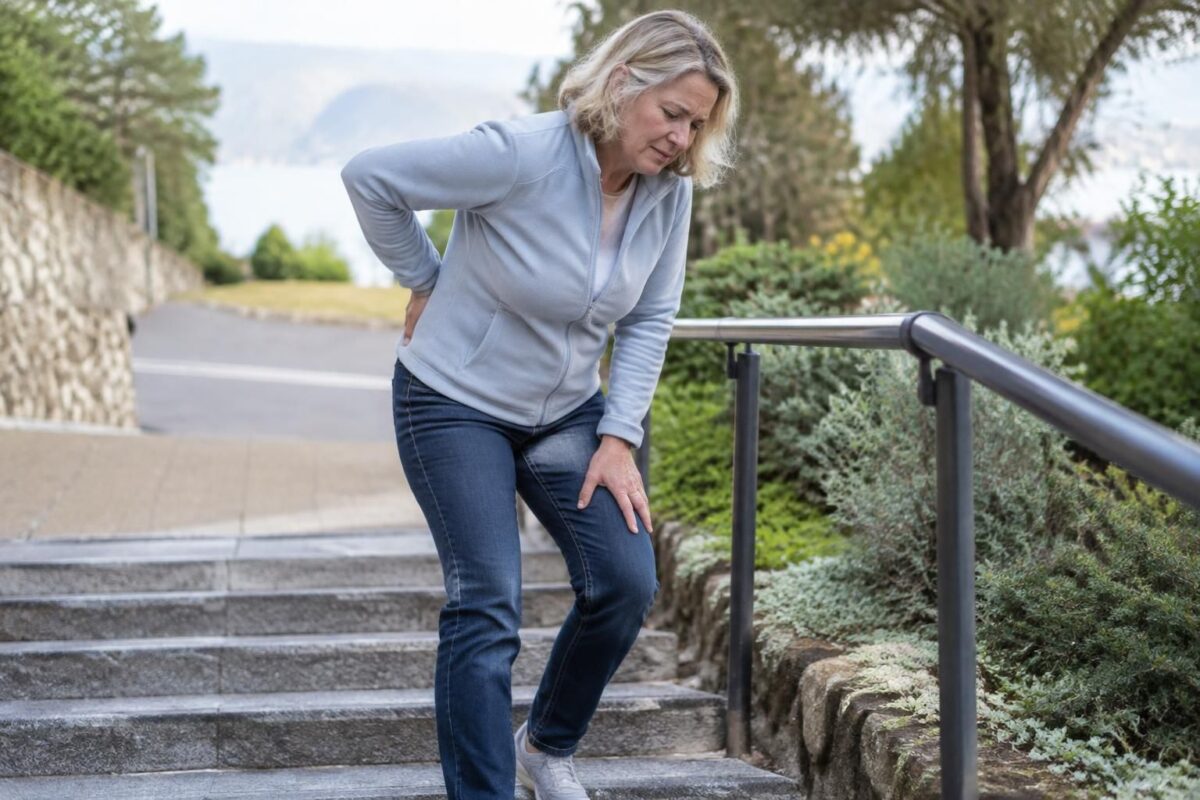
IN BRIEF
| An activity poorly tolerated with sciatica significantly worsens the pain that radiates down the buttock and leg, or causes more tingling and discomfort. Reduce or adapt effort, without remaining bedridden, and gradually resume based on your symptoms. A significant weakness, a loss of sensitivity in the perineum, or urinary or bowel disturbances require urgent consultation. |
Sciatica and poorly tolerated activity: how to recognize it?
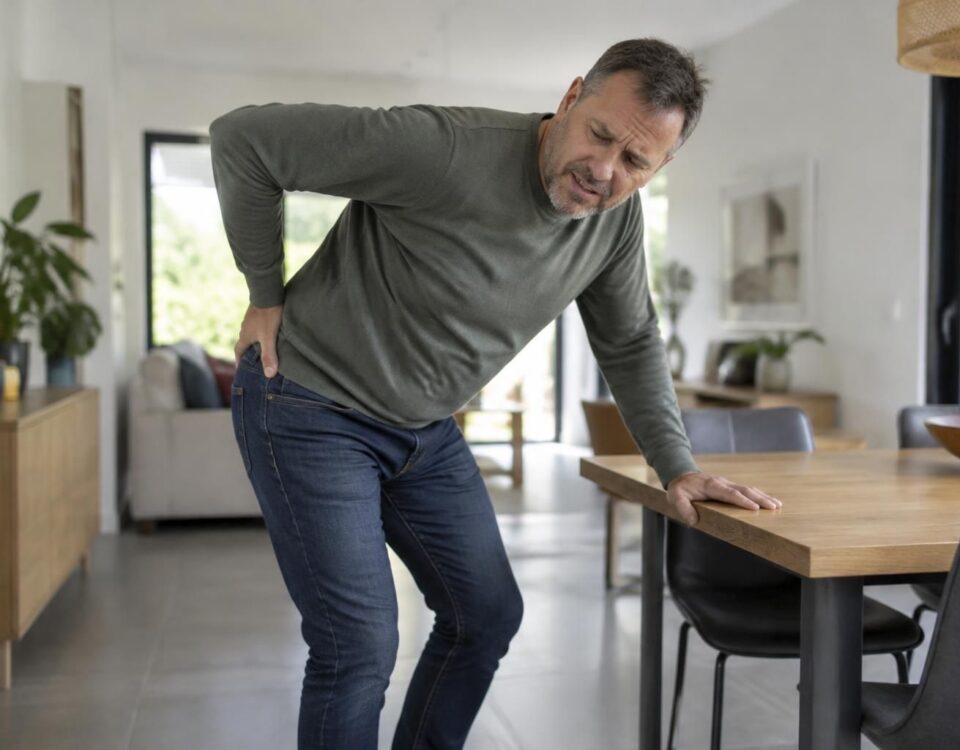
A sciatica may be suspected when pain originates from the lower back or buttock and radiates down one leg, sometimes all the way to the foot. It may be accompanied by tingling, numbness, or electric shock sensations, and can intensify when walking, sitting, or coughing. Activity is poorly tolerated when these movements significantly exacerbate pain or limit usual actions.
A significant weakness in the leg, a loss of sensitivity in the perineum, or urinary or bowel disturbances require a urgent medical consultation. For other symptoms, a healthcare professional can confirm their origin and advise on appropriate resumption of activities.
An activity may be poorly tolerated when it increases the pain radiating from the buttock to the leg, causes tingling, or hinders walking. These reactions do not alone prove that the nerve is more damaged. One must observe their intensity, duration, and associated signs. Significant weakness, loss of sensitivity in the perineum, or urinary disturbances necessitate urgent medical evaluation. Sciatica refers to pain related to the irritation of a lumbar nerve root, most often L5 or S1. It typically starts from the lower back or buttock, then follows the back or side of the thigh and leg. It may extend to the foot or toes and be accompanied by burning sensations, electric jolts, tingling, or numbness. The pain often affects one side. Coughing, sneezing, certain positions, or postural changes can exacerbate it. To better understand the causes and symptoms, refer to this presentation of sciatica signs or this guide on symptoms, causes, and relief. The path of the pain provides clues, but it does not alone confirm the diagnosis. Damage to the L5 root can particularly cause pain on the side of the leg and the top of the foot. Some people have difficulty raising the foot or toes. S1 damage may radiate to the back of the leg and the outer edge of the foot. These differences are detailed in this article about nerve pain and the sensory territory and in this resource on L5 sciatica and difficulty lifting the foot. An activity needs to be adapted if it triggers stronger pain in the leg, increases tingling, or reduces your ability to walk, sit, or stand. Discomfort may appear during the activity, just after, or later in the day. Note what triggered it, the duration of the reaction, and the time taken to return to your usual level. Staying in the same position for a long time may also worsen symptoms in some people. Others feel pain more while bending over, lifting a load, or walking. Tolerance varies depending on the cause and progression of sciatica. A pain that returns in episodes should be described to a healthcare professional: the episodes, their frequency, and triggers can help guide the evaluation. To learn more, read this article on sciatica that recurs in episodes. A temporary increase in pain may correspond to heightened sensitivity of the nerve or tissues. It does not automatically mean that the activity caused a new injury. However, significantly increasing pain that persists after the effort or is accompanied by new weakness justifies reducing strain and seeking medical advice. Avoid forcing through sharp pain or multiplying movements that clearly reproduce symptoms. Intense stretching is not suitable for all types of sciatica and may worsen pain in some individuals. This article explains why aggressive stretching may signal a potential worsening. Generic exercises are also not suitable for every situation, as detailed in this resource on generic exercises for sciatica. In the absence of serious signs, it is generally better to maintain an adapted daily activity rather than stay in bed for extended periods. Temporarily reduce tasks that trigger significant pain, break activities into smaller parts, and change positions based on your tolerance. Gradually resume usual actions when symptoms allow. At work, a temporary modification of tasks, loads, or sitting periods can help limit painful flare-ups. If pain disrupts your professional activity, discuss it with your doctor and employer to assess possible adjustments. To delve deeper into this topic, refer to this guide on working with sciatica. Advice should take into account your health condition and the possible cause. A herniated disc, osteoarthritis, or another condition doesn’t necessarily require the same treatment. For general recommendations for healthcare professionals, you can read the recommendations on sciatica. Another presentation of the causes, symptoms, and definition of sciatica may also help you prepare your questions. Request a quick medical evaluation if the pain becomes very intense, worsens continuously, or prevents you from walking. Consult also in cases of new or increasing weakness, especially if you can no longer lift your foot or stand on your toes. A loss of sensitivity around the genitals or anus, sudden difficulty urinating, urinary retention, or loss of bowel control are emergency signs. You should then contact emergency services immediately. A fever, recent trauma, a history of cancer, or unusual nighttime pain should also be reported promptly to a healthcare professional. The diagnosis is primarily based on symptoms, their evolution, and a clinical examination. The professional particularly checks strength, sensitivity, reflexes, and gait. Imaging exams are not systematic at the onset of typical sciatica. They may be requested in the presence of warning signs, if symptoms persist, or if a medical procedure is being considered. Before the consultation, note the activities that trigger pain, positions that alleviate it, and the duration of flare-ups. Also specify any weakness, loss of sensitivity, or difficulty in performing your usual tasks. This information helps distinguish a temporarily more sensitive pain from an evolution that requires prompt management. Treatment depends on the cause, intensity of the pain, and observed signs. A doctor may propose appropriate analgesic measures and decide if examinations or a referral to a specialist are necessary. Do not start or modify a medication without checking that it is suitable for you, especially during pregnancy or in the presence of other health issues. If your symptoms persist, recur often, or severely limit your daily life, make an appointment to reassess the situation. A management plan should consider your actual tolerance for activities rather than relying on imposed movements or the same advice for everyone. Medical Disclaimer: The information and advice provided on this site does not replace the opinion, diagnosis, or treatment of a healthcare professional. Please note that Sylvain Desforges, B.Sc., D.O., N.D., Doctor of osteopathy, is neither a medical doctor nor a physician and is not a specialist in a medical field as defined by the Collège des médecins du Québec. Manual medicine, functional medicine, and sports medicine as described on this site exclude any medical treatment or diagnosis made by a physician or medical specialist. Always consult your doctor for any medical questions. For more details, please read our full Legal Disclaimer.Recognizing sciatica
A pain that follows a nerve pathway
When is activity poorly tolerated?
A temporary worsening does not always indicate injury
Adapting activities without imposing bed rest
When to seek urgent consultation?
How the healthcare professional evaluates the situation
Management and Follow-up
During Activity
- The pain radiates further down into the buttock or leg.
- Tickling or numbness intensifies.
- Weakness appears in the leg or foot.
After Activity
- Symptoms remain aggravated or increase in the following hours.
- Pain does not return to its usual level after a break.
- Reduce effort and seek advice from a healthcare professional.
Urgency: consult immediately in case of significant loss of strength, numbness of the perineum, or urinary or bowel issues.

An activity is ill-tolerated in cases of sciatica when pain that starts from the lower back or buttock intensifies into the leg, limits usual movements, or forces one to stop. A transient discomfort does not necessarily indicate a worsening, but loss of strength, urinary problems, or very intense pain require rapid assessment. Learn to distinguish a frequent painful flare-up from warning signs to adapt your efforts without immobilizing yourself unnecessarily.

Sciatica and exercises to avoid according to the symptoms
IN BRIEF Sciatica is pain related to irritation or compression of the sciatic nerve. Exercises can help maintain mobility and reduce tension, but avoid those that intensify leg pain, as well as sudden twists, forced bends, and carrying heavy loads.…

Sciatica and movement that worsens: why stop it
IN BRIEF Sciatica is a pain related to the irritation of a nerve, which can extend from the lower back to the leg. If a movement or exercise increases the radiation, tingling, or weakness, stop it: this helps to avoid…
Recognize an Activity that Increases Symptoms
Sciatica typically causes pain, burning, or electric shock sensations that radiate from the buttock down the back or side of the thigh and leg, sometimes to the foot. Tingling or numbness may accompany the pain. It can be triggered or exacerbated by certain movements, prolonged sitting, coughing, or changes in posture.
An activity is likely too demanding if it significantly worsens the pain in the leg, increases tingling, or prevents you from walking normally. You may also notice that you have to shorten a walk, interrupt a task, or change your posture to continue. Note the activities involved, the duration of the effort, and the time required to return to your usual level: these markers will help adjust your pace.
A Temporary Pain is Not Always a Sign of Danger
A slight temporary increase in pain during or after exertion may occur. It is less concerning if it subsides after reducing intensity, changing position, or resting, and if it does not accompany new weakness. However, if the pain persists, radiates further down the leg, or increasingly handicaps you, reduce activity and consult a healthcare professional.

Sciatica and movement that provides temporary relief: is it enough?
IN BRIEF Sciatica is pain related to the irritation of the sciatic nerve, often felt from the lower back down to the leg. Gentle movement, walking for a few minutes, and changing positions regularly can provide temporary relief and limit…

Sciatica and exercises found on the Internet: caution depending on the cause
IN BRIEF Sciatica is pain that radiates from the lower back to the buttock and leg. Gentle exercises can promote mobility and relieve symptoms, but their effectiveness depends on the cause: a movement suitable for piriformis irritation may worsen a…
Identify Signs that Require Urgent Consultation
Sciatica with significant or progressive loss of strength must be evaluated quickly, especially if you have difficulty lifting your foot or toes, walking on your heels, or standing on your tiptoes. Weakness that hinders walking should not be considered mere fatigue related to exercise.
Consult immediately in case of sudden difficulty urinating, urinary retention, loss of bowel control, or numbness in the area between the legs known as saddle anesthesia. Unbearable pain, fever, recent trauma, or unusual nighttime pain also warrant swift medical evaluation. These signs do not allow for self-diagnosis but should be reported without delay.

Sciatica and generic exercises: why they are not suitable for everyone
IN BRIEF Sciatica is pain related to irritation or compression of the sciatic nerve. Generic exercises are not suitable for everyone: their effectiveness depends on the cause, intensity of symptoms, and recovery phase. Adapted movements can help maintain mobility without…

Sciatica and pain that travels lower after a stretch
IN BRIEF A sciatic pain that goes lower after a stretch may indicate that the movement is further irritating the nerve. A stretch should not intensify the pain or cause new tingling sensations: stop it and avoid forcing. Only resume…
Adjust Efforts without Complete Rest
In the absence of warning signs, prioritize a gradual return to activity rather than prolonged cessation of all activity. Break tasks into smaller parts, alternate positions, and choose efforts you can sustain without significantly worsening symptoms. Short walks may be better tolerated than a long outing. If an activity regularly triggers a flare-up, temporarily decrease its duration or intensity, then gradually increase them according to your progress.
When to Seek Professional Advice
Consult a doctor if the pain prevents you from carrying out your usual activities, does not improve, or persists for several weeks. The diagnosis first relies on the interview and clinical examination; imaging is not systematic at the onset of typical sciatica without warning signs. A professional can check strength, sensitivity, and reflexes, then help you resume suitable movements. Exercises or physiotherapy may be suggested based on your situation.
| Activity or situation | Response indicative of poor tolerance |
|---|---|
| Prolonged sitting | Pain increases in the buttock or leg. |
| Bending or twisting of the back | Pain radiates more along the leg. |
| Coughing or sneezing | A sharp pain or sciatica is triggered. |
| Walking or standing | Pain limits movement or requires frequent breaks. |
| Carrying loads | Symptoms worsen during or after effort. |
| Physical activity | Reduce intensity if pain significantly increases or persists after activity. |
| Warning signs | Emergency if significant weakness, perineal numbness, or urinary or anal issues. |

Sciatica and aggressive stretches: possible sign of worsening
IN BRIEF Sciatica is pain that radiates from the lower back or buttock down the leg. Aggressive stretching does not necessarily relieve the nerve and can intensify the pain, especially if it moves further down to the foot or is…

Sciatica and calf stretching: when the pain increases
IN SHORT A calf stretch can exacerbate sciatica if it further irritates the nerve. It should not cause pain that increases or radiates down the leg: stop the movement and do not push through. Stretches may help with some tensions,…
Sciatica and poorly tolerated activities: testimonies to better recognize it
“As soon as I sit for a while, the pain descends from my buttock to my calf. When I get up, I feel tingling, then it calms down a bit when I walk slowly.” This illustrative testimony describes pain radiating down the leg, sometimes exacerbated by certain positions or movements. This type of discomfort can accompany sciatica, but only a healthcare professional can diagnose it.
“I tried to start running like before. After a few minutes, the pain intensified, and I had to stop. Walking slowly, however, remains possible.” An activity may be poorly tolerated when pain clearly increases during effort or persists afterward. It may be helpful to temporarily reduce intensity, favor gentle movements, and gradually resume according to symptoms.
“When I cough or bend over, I feel a shock that starts from my lower back and travels through my buttock to my foot.” Pain that travels, sometimes accompanied by burning, tingling, or numbness, may correspond to irritation of a nerve root. Coughing, certain position changes, or exertion can trigger it.
“I can walk for a few minutes, but standing for a long time bothers me. I often change my position to find one that relieves me.” Tolerance varies from person to person and can change throughout the day. A difficult activity does not necessarily mean one must remain still: strict bed rest is generally not recommended. Instead, adapt efforts and take breaks if necessary.
An activity is particularly poorly tolerated if it causes a significant increase in pain, more marked radiation in the leg, or symptoms that do not decrease after stopping. Note the affected movements, the duration of discomfort, and its evolution, and seek advice from a healthcare professional if symptoms persist or limit your activities.
Consult immediately in case of significant or worsening weakness in one leg, new difficulty lifting the foot, numbness in the area between the legs, urinary retention or incontinence, or loss of bowel control. Very intense pain, fever, or pain that occurred after trauma also require rapid medical evaluation.
Sciatica refers to pain associated with irritation of a nerve root, most often in the lower back. It typically follows a path in the buttock, then down the back or side of the thigh and leg. It can extend down to the foot or toes and may be accompanied by tingling, numbness, or a shock-like sensation. Low back pain may be present, but it is not systematic.
An activity becomes poorly tolerated when certain movements or positions significantly exacerbate the pain or symptoms in the leg. Staying seated for long periods, bending, twisting the trunk, lifting a load, or coughing can trigger them. The person may then reduce their movements, avoid certain tasks, or have difficulty walking. However, this reaction alone is not sufficient to confirm sciatica: other issues with the back, hip, or nerves can cause similar pain.
An important indicator is the radiation of pain below the knee, particularly towards the calf, the edge of the foot, or the toes. The territory depends on the affected nerve root. An L5 lesion can particularly affect the top of the foot or the big toe; an S1 lesion may affect the outer edge or sole of the foot. These markers vary from person to person and do not, by themselves, allow for a diagnosis.
When pain necessitates modifying activities, the goal is not necessarily to stop everything. In the absence of warning signs, it is generally preferable to continue tolerated movements and to break up efforts rather than to remain in bed. Short walks or regular position changes can help maintain daily activity. However, it is essential to adjust intensity: an exercise that significantly increases pain or causes weakness should be stopped and discussed with a healthcare professional.
The diagnosis primarily relies on the interview and clinical examination: the doctor inquires about the painful path, its onset, evolution, and impact, then evaluates sensitivity, strength, and reflexes. An examination like the Lasègue test can contribute to the assessment. For typical sciatica without alarming signs, imaging is generally not required at first; an MRI may be considered if symptoms persist for several weeks, if a specific cause is suspected, or if an intervention is contemplated.
An urgent consultation is necessary in case of significant loss of strength, new difficulty in lifting the foot or walking, perineal numbness, urinary retention or incontinence, or loss of bowel control. Rapidly worsening pain, fever, recent trauma, or a history of cancer also justify prompt medical advice. These signs may indicate a situation requiring immediate evaluation.
Sylvain Desforges, specialist in osteopathy, naturopathy, and manual medicine, is presented as the founding president of TAGMED clinics and the ACMA association. His career is dedicated to innovation in health and the management of chronic pain. His approaches include spinal decompression, laser, and shock wave therapy. For sciatica, the effectiveness of any method depends on the situation and must be evaluated on a case-by-case basis: it does not replace medical diagnosis or urgent management of warning signs.
An activity becomes poorly tolerated when it clearly triggers or exacerbates pain that starts from the lower back or buttock and descends into the leg, sometimes down to the foot. Identifying its trajectory, evolution with movement, and any neurological signs helps distinguish irritation of the sciatic nerve from muscle discomfort, and to know when to seek medical advice.
Recognizing poorly tolerated activities
During sciatica, certain movements or positions can provoke a shooting pain, burning sensation, or tingling in the buttock and the back or side of the leg. Coughing, sneezing, prolonged sitting, bending of the back, or carrying a load can also exacerbate symptoms. The positions that may aggravate sciatica vary from person to person: the useful reference is the concrete effect of the activity on your symptoms.
A temporary discomfort during a movement does not necessarily mean you are harming your back. However, if the pain significantly intensifies, descends further into the leg, or persists after exertion, reduce the intensity, shorten the duration, or choose a more comfortable activity. Advice on sciatic pain aggravated by lumbar flexion can help understand why certain movements are less tolerated.
Observing the trajectory and sensations
Sciatic pain typically follows a pathway in a lower limb, sometimes accompanied by tingling, numbness, or a feeling of weakness. Depending on the affected root, symptoms can notably reach the top of the foot or the toes. To better understand the difference between nerve irritation and referred pain, consult this explanation on radicular pain and referred pain.
The painful territory alone is not sufficient to determine the cause: a clinical examination allows the relation of sensations, muscle strength, and reflexes. Resources on irritation of L5 or S1 roots and on pain towards the top of the foot describe these variations. Pain that descends into the leg can have multiple origins: the causes, symptoms, and possible treatments of sciatica must be evaluated according to each situation.
Adapting effort without becoming immobilized
If walking, working, or engaging in sports activities increases your symptoms, prefer adaptation rather than a complete stop to all movement: take breaks, alternate positions, and gradually resume what remains tolerable. Avoid forcing through significant pain. The advice on prevention and relief of sciatic pain can complement these guidelines. In case of prolonged symptoms or difficulties related to your job, seek advice from a healthcare professional; returning to work and adapting work conditions is discussed in this article on sciatica, work stoppage, and return.
A physiotherapist or a doctor can help you choose suitable movements and gradually adjust your activity. For advice on recognition and management, you can also consult this guide dedicated to sciatica and neuralgia.
Identifying signs that require prompt consultation
A new or significant weakness in the leg, difficulty in lifting the foot, or walking on heels or toes should prompt immediate medical advice. A difficulty in lifting the foot may indicate a motor deficit and should not be overlooked.
Consult urgently in case of loss of sensation in the perineum, sudden difficulty urinating, urinary or anal incontinence, or extreme pain. A fever, recent trauma, unusual nighttime pain, or significant alteration of the general condition also justify medical evaluation. This article provides general guidelines but does not replace an examination by a healthcare professional.

Sylvain Desforges, B.Sc., D.O., N.D., docteur en ostéopathie
Dr Sylvain Desforges, B.Sc., D.O., N.D., osteopath, is the founding president of TAGMED and of the ACMA association. He dedicates his practice to chronic spinal pain, low back pain and symptoms compatible with sciatica, particularly when pain radiates toward the buttock, leg, calf, foot or toes.
Through SOS Sciatique, he publishes educational content on sciatica symptoms, possible causes such as disc herniation, disc narrowing, foraminal stenosis or irritation of a lumbar nerve root, as well as non-surgical approaches that may be considered according to the evaluation. At Clinique TAGMED, care may include, depending on the case, motorized neurovertebral decompression, specific osteopathic care or precision percussion.
For an evaluation related to sciatica treatment in Montreal / Mount Royal or sciatica treatment in Terrebonne, please consult the services available at Clinique TAGMED.
Medical disclaimer
The information published on SOS Sciatique is provided for educational purposes only and does not replace a consultation, diagnosis, opinion or treatment provided by a physician or another authorized healthcare professional. The author of this article is neither a medical doctor nor a specialist in a medical specialty recognized by the Collège des médecins du Québec. The osteopathic, manual medicine or functional support approaches described on this site do not constitute medical acts and are not intended to replace medical follow-up.
Consult a physician or emergency service in cases of loss of bladder or bowel control, anesthesia in the saddle area, significant or progressive weakness in the leg or foot, fever, recent trauma, severe pain or rapid worsening of symptoms. For more details, please read our Legal Notice.