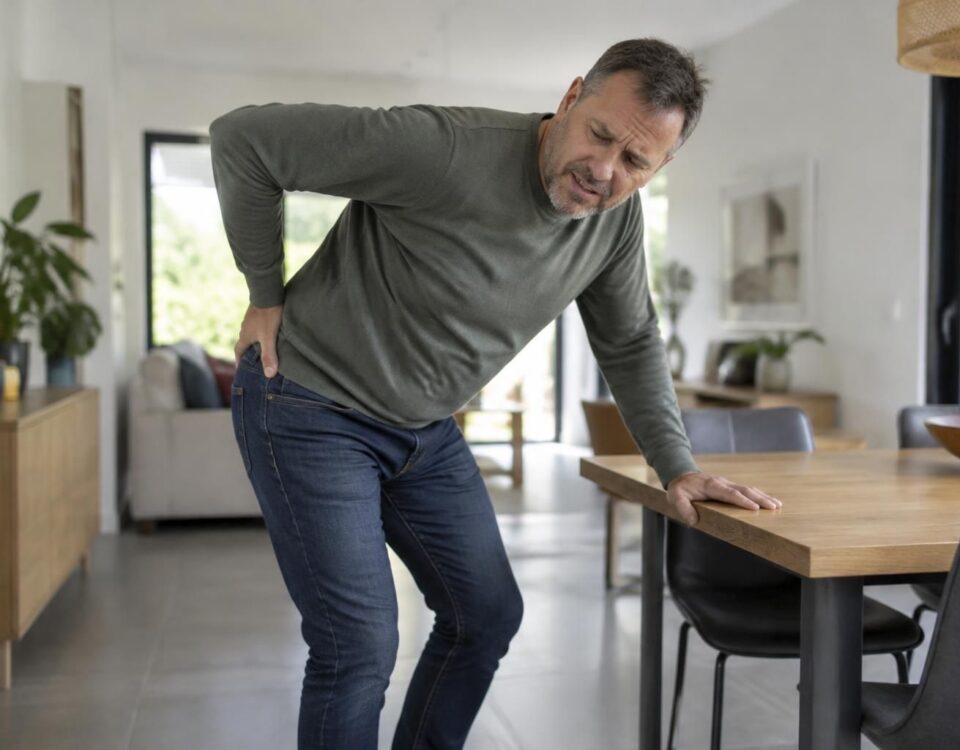


Disc herniation and foraminal irritation
07/11/2026
IN BRIEF Complete rest in case of sciatica consists of interrupting activities and staying in bed. It can help briefly if the pain is very intense, but prolonged rest is generally counterproductive: it is better to gradually resume movement and walk according to tolerance. Consult quickly in case of weakness in the leg or urinary issues. |
Sciatica and complete rest: useful or counterproductive?
In the case of sciatica, staying in bed for a long time is generally counterproductive: inactivity can increase stiffness and weaken back muscles. It is better to maintain gentle movements, such as short walks, and then gradually resume according to pain levels. A brief rest may, however, help during a very intense episode. Consult quickly in case of weakness in the leg, urinary issues, or loss of sensitivity in the intimate area.
In the case of sciatica, complete bed rest sometimes alleviates pain for a short period, especially during an intense episode. However, remaining still for several days does not generally accelerate recovery and can promote stiffness. Most of the time, it is preferable to temporarily reduce painful activities and then gradually resume tolerated movements, such as brief walks.
Sciatica causes pain that often starts from the lower back or buttock and goes down one leg. It frequently occurs when a nerve root is irritated or compressed. To understand how the disc and the nerve passage can be involved, consult these explanations about the nerve root, the disc, and the foramen or the nerve compression at L5-S1.
When pain appears, it is natural to want to lie down and avoid any movement. A brief rest can help get through the peak pain. However, prolonged complete rest is generally not recommended. Health Insurance advises against prolonged bed rest for back pain and encourages the resumption of activities according to the person’s capabilities.

Sciatica and too quick a return: why the pain comes back
IN SHORT Sciatica is pain related to irritation of the sciatic nerve, which can recur when returning to activities too quickly. To limit recurrences, gradually resume movement and exertion, taking into account pain and hip and pelvic mobility. The goal:…
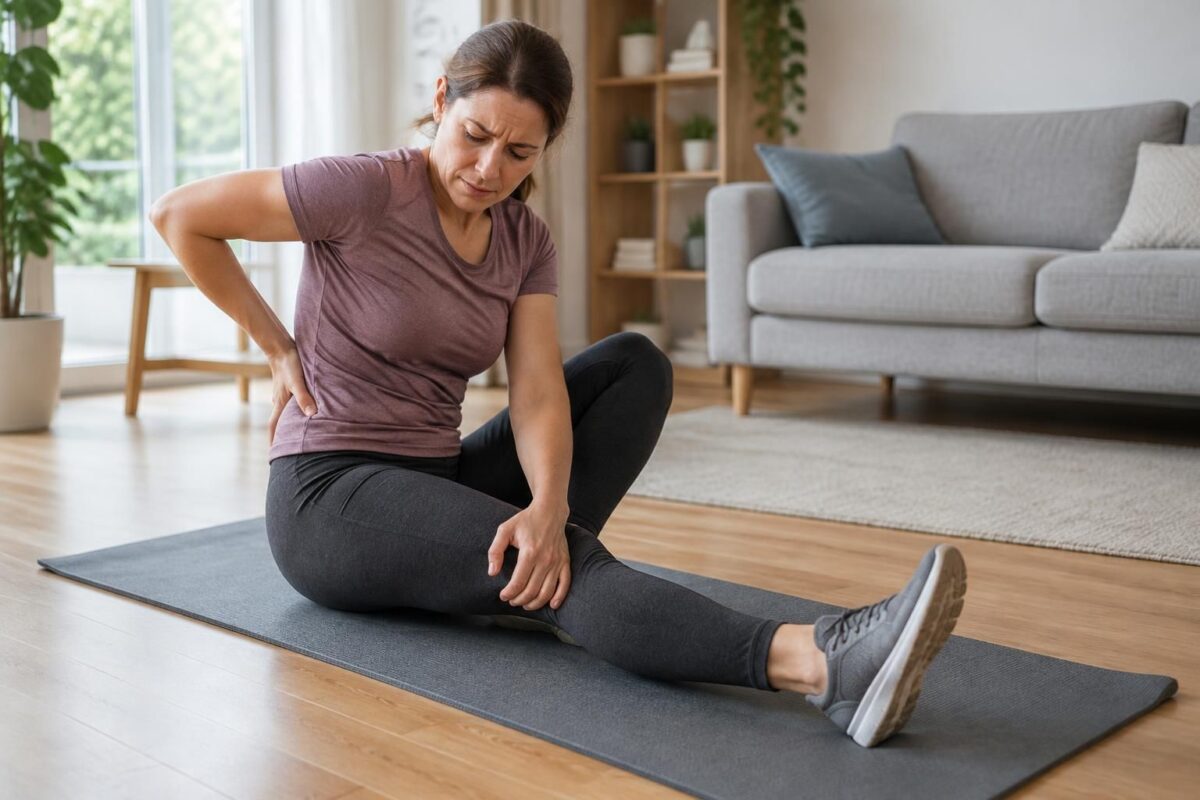
Sciatica and pain during exercise: sign to watch out for
IN BRIEF Sciatica causes pain that radiates from the lower back or buttock down the leg. During exercise, stop the movement if it worsens the pain or causes discomfort: gentle, adapted activities can help you stay active without guaranteeing recovery.…
Why staying in bed too long can slow recovery
Prolonged immobility reduces movements of the back and legs. It can increase stiffness and gradually decrease muscle strength. It may also make the resumption of daily activities more difficult. Thus, rest may provide momentary relief without addressing the cause of the pain.
Pain can follow different paths depending on the affected nerve root. Discomfort that descends toward the foot, for example, deserves to be evaluated in context. You can consult the information on the path of pain in the leg and on the L5-S1 herniation associated with foot pain.
The causes and symptoms vary from person to person. The page on the causes and symptoms of sciatica provides general guidelines. It does not replace a medical examination, especially if the pain is new, severe, or accompanied by other symptoms.

Sciatica and pain after exercise: muscle soreness or nerve irritation?
IN BRIEF Pain after exercise can be muscle soreness or the sign of sciatic nerve irritation. Soreness primarily affects the muscles used and usually subsides within a few days; sciatica can radiate from the buttocks down the leg, sometimes with…
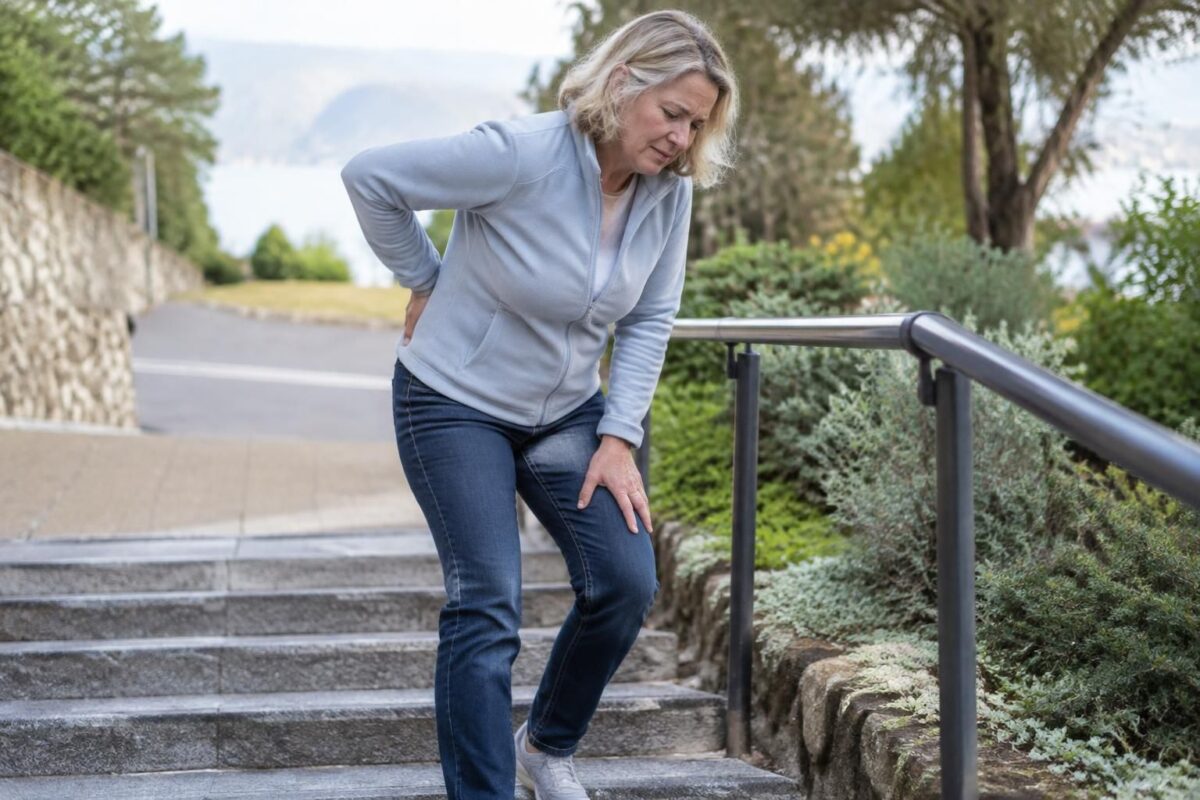
Sciatica and poorly tolerated activity: how to recognize it
IN BRIEF An activity poorly tolerated with sciatica significantly worsens the pain that radiates down the buttock and leg, or causes more tingling and discomfort. Reduce or adapt effort, without remaining bedridden, and gradually resume based on your symptoms. A…
When a brief rest can be useful
If the pain is very strong, limiting your movements or causing you to limp, temporarily reduce the activities that aggravate it. A few hours or a few days of relative rest can help you regain some comfort. This does not mean you should stay in bed all day: change positions regularly and resume simple movements as soon as they become tolerable.
There is no identical duration for everyone. The right approach depends on the intensity of the pain, its evolution, and your health status. If you are unsure how to balance rest and activity, consult a healthcare professional. This article on the question “walking or resting with sciatica” also discusses this balance.
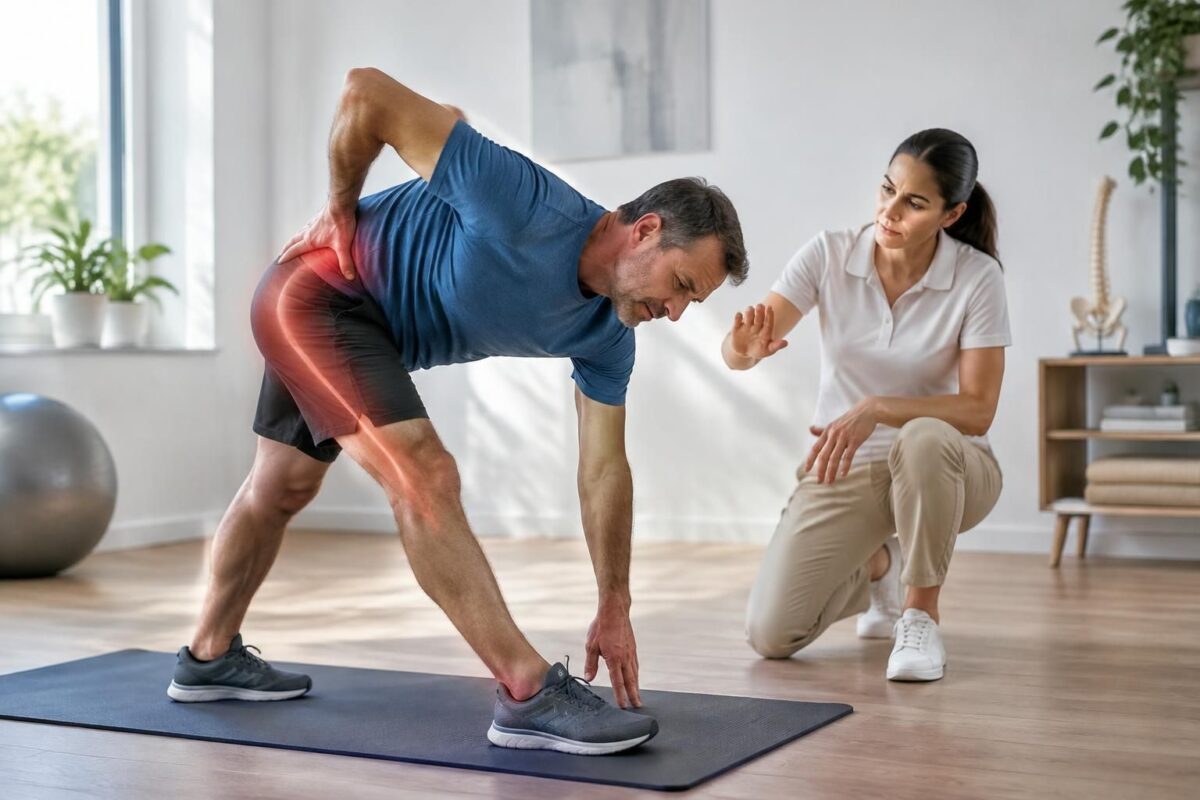
Sciatica and exercises to avoid according to the symptoms
IN BRIEF Sciatica is pain related to irritation or compression of the sciatic nerve. Exercises can help maintain mobility and reduce tension, but avoid those that intensify leg pain, as well as sudden twists, forced bends, and carrying heavy loads.…
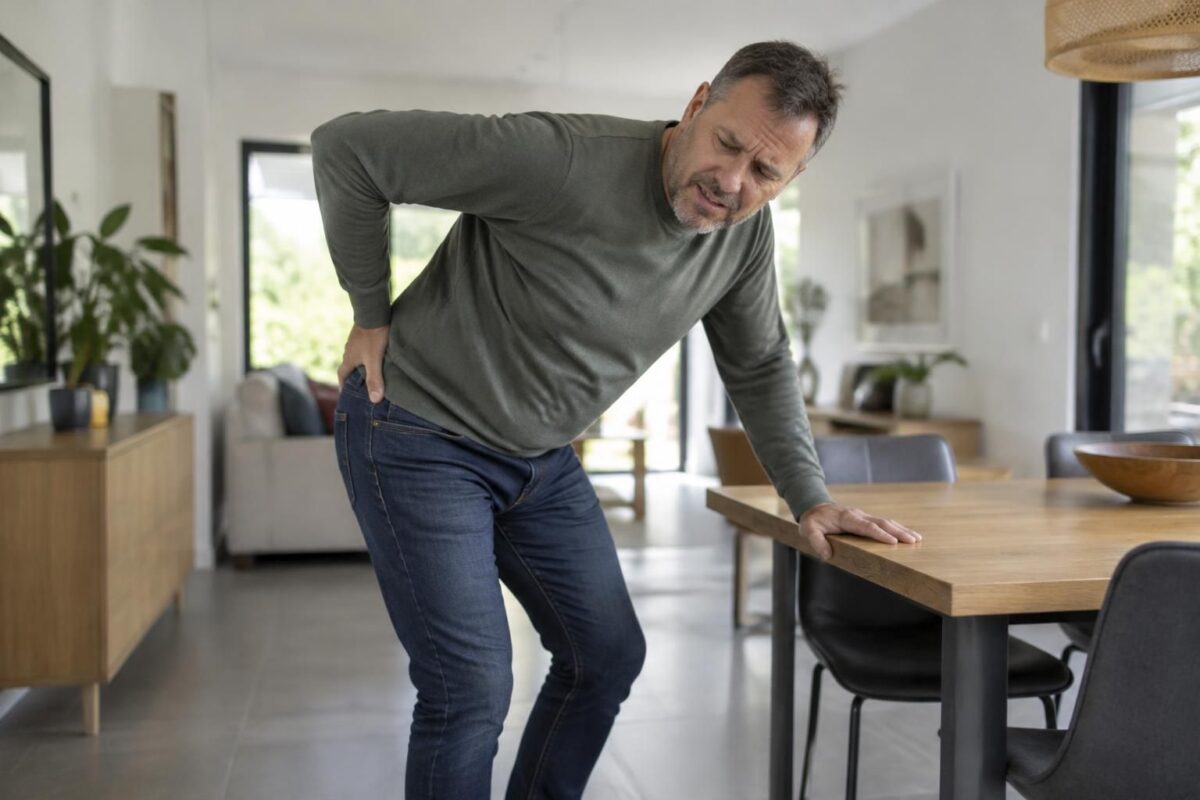
Sciatica and movement that worsens: why stop it
IN BRIEF Sciatica is a pain related to the irritation of a nerve, which can extend from the lower back to the leg. If a movement or exercise increases the radiation, tingling, or weakness, stop it: this helps to avoid…
Resuming movement without forcing
When pain allows, start with short and easy activities. A walk for a few minutes on even terrain can serve as a first reference. If the pain noticeably increases during the activity or remains stronger afterward, reduce the duration and seek medical advice if the problem persists.
Do not try to reach a specific distance or duration at all costs. Alternate between standing, sitting, and moving periods. To avoid prolonged sitting, get up regularly. At the computer, frequent active breaks can help vary postures. The advice on recommended and to be avoided actions in case of sciatica can complement these general guidelines.
Pain may return after improvement. A recurrence does not necessarily mean that an injury has worsened, but it warrants reevaluating the symptoms and activities that trigger them. To learn more, read this article on recurring sciatica pain.
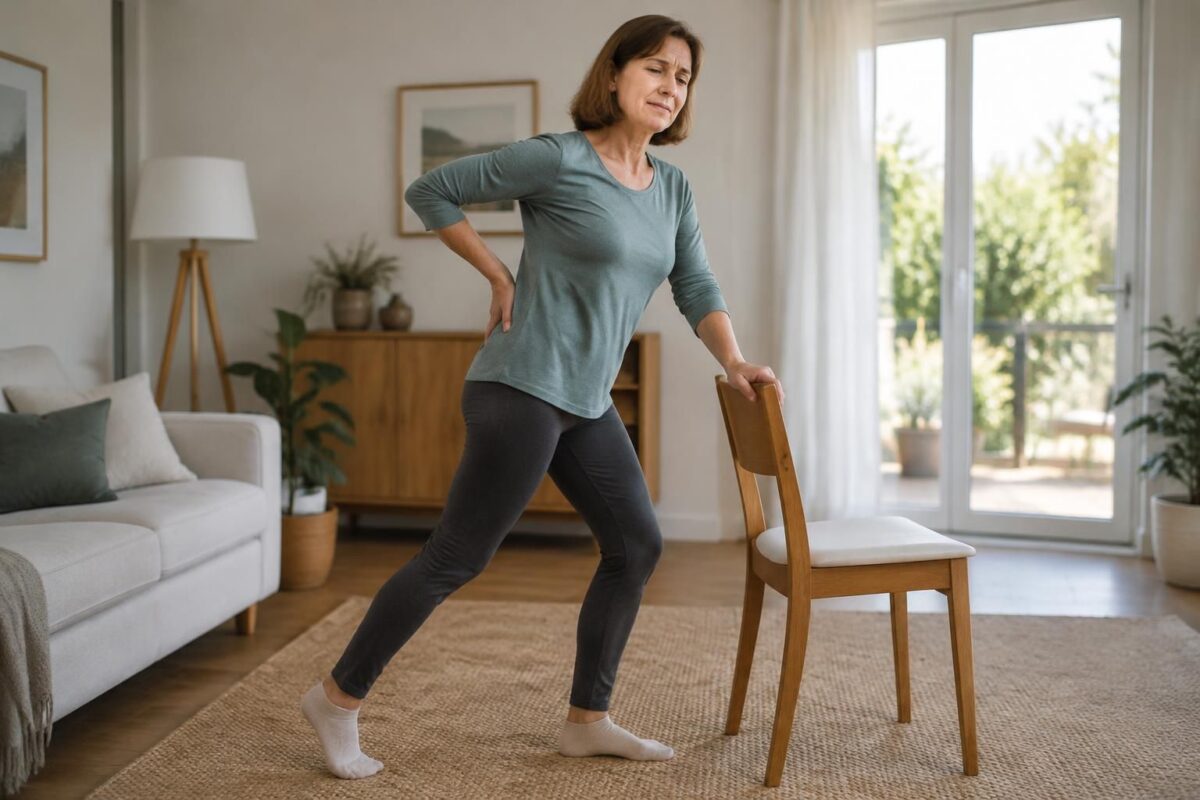
Sciatica and movement that provides temporary relief: is it enough?
IN BRIEF Sciatica is pain related to the irritation of the sciatic nerve, often felt from the lower back down to the leg. Gentle movement, walking for a few minutes, and changing positions regularly can provide temporary relief and limit…
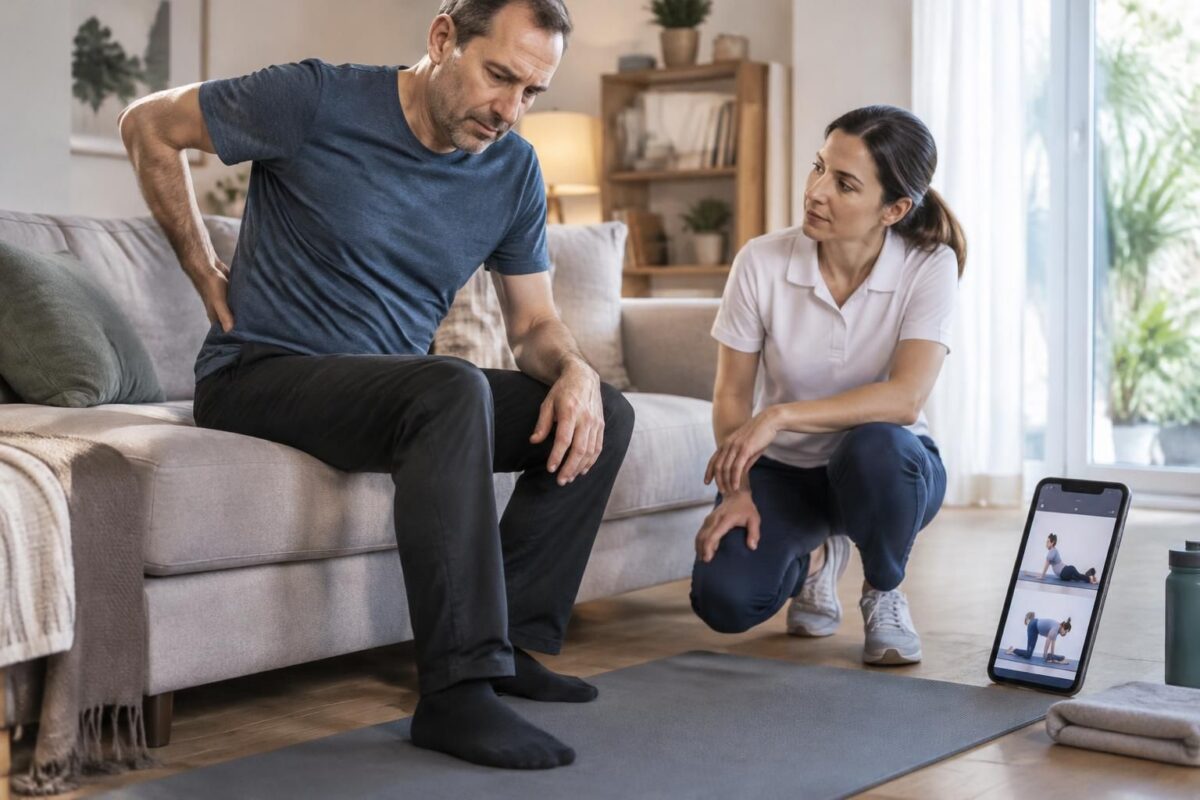
Sciatica and exercises found on the Internet: caution depending on the cause
IN BRIEF Sciatica is pain that radiates from the lower back to the buttock and leg. Gentle exercises can promote mobility and relieve symptoms, but their effectiveness depends on the cause: a movement suitable for piriformis irritation may worsen a…
Rest, work, and daily activities
Sciatica does not always require a work stoppage. The decision depends on the pain, the tasks performed, and the possibility of adjusting the position. If sitting, driving, or lifting loads aggravates the symptoms, discuss it with your doctor. Temporary changes in tasks or posture can sometimes facilitate the return.
To better understand issues related to stopping and resuming work, consult the information on sciatica and work as well as advice on the work stoppage. These resources do not replace a medical decision suitable for your situation.
When to consult quickly
Consult quickly if the pain is accompanied by new weakness in the leg or foot, if your leg gives out, or if you lose sensitivity around the genitals or anus. Difficulties urinating, loss of bladder or bowel control require urgent medical evaluation.
Outside of these signs, seek medical advice if the pain worsens, persists, or severely limits your activities despite gradual resumption. An evaluation at the TAGMED clinic, in Montreal or Terrebonne, may also be considered to discuss management options. A professional will determine if further medical evaluation is necessary.
General advice on rest alone does not identify the cause of sciatica. A herniated disc, narrowing of the nerve passage, or another condition may require a clinical assessment. Information on possible L5-S1 impairments provides guidelines, but only a professional can interpret your symptoms and tests.
Medical disclaimer: The information and advice provided on this site do not replace the opinion, diagnosis, or treatment of a healthcare professional. Please note that Sylvain Desforges, B.Sc., D.O., N.D., doctor of osteopathy, is neither a medical doctor nor a physician, and is not specialized in a medical specialty as defined by the Collège des médecins du Québec. Manual medicine, functional medicine, and sports medicine as described on this site exclude any treatment or medical diagnosis performed by a physician or specialist. Always consult your doctor for any medical questions. For more details, please read our full Legal Notice.
Short rest: sometimes useful
- Consider if the pain is very intense or prevents normal walking.
- Rest for a few days while regularly changing position.
- Gradually resume walking as soon as the pain allows.
Prolonged complete rest: counterproductive
- Prolonged bed rest can increase stiffness and weaken muscles.
- Gentle movement is generally preferable to immobility.
- Avoid straining if pain significantly increases during activity.

In the case of sciatica, complete bed rest is generally counterproductive: it can promote stiffness and loss of strength without speeding up recovery. Unless the pain is very intense, it’s better to maintain gentle movements and gradually resume activities, adapting the effort to one’s symptoms. However, weakness in the leg or urinary issues require prompt medical evaluation.
Is complete rest recommended in case of sciatica?
The pain may tempt you to stay lying down until it disappears. However, in the absence of warning signs, prolonged immobility is generally not advised. It can lead to increased stiffness and weaken the muscles that support the back and pelvis. This may make the resumption of daily activities more difficult.
Health recommendations prioritize maintaining adapted activity rather than bed rest. This does not mean ignoring pain or forcing yourself at all costs: the goal is to move without causing a significant worsening of symptoms.
When can a short rest be useful?
If the pain is very sharp, prevents you from standing, or causes noticeable limping, a short period of rest may help get through the peak pain. It’s about temporarily resting, not staying in bed all day for a long period. Try, depending on your tolerance, to get up regularly and change position.
Resume moving as soon as possible, initially for short durations. For example, a few minutes of walking on flat ground can be a first attempt. If the pain significantly increases, slow down, take a break, or shorten the session, then try again later.
How to stay active without worsening the pain?
Advance in small steps
Start with walks of 5 to 10 minutes, one or more times a day depending on your condition. Monitor the pain during exertion, but also in the hours that follow. If it remains manageable, gradually increase the duration, without imposing a distance goal from the outset.
Alternate positions
Avoid staying sitting or standing still for long periods. Alternate positions and get up regularly. When sitting, a slightly reclined backrest and lumbar support can improve comfort. If your back rounds or discomfort increases, change positions or take a few steps.
Respect your body’s signals
Moderate discomfort does not always require stopping all activity. However, sharp pain that intensifies, more pronounced limping, or symptoms that persist after exertion invite reducing intensity and consulting a healthcare professional. Also, avoid abruptly resuming a long hike, carrying a heavy load, or multiplying painful exercises.
When to seek help quickly?
Seek help quickly if the pain prevents you from walking, if you feel a new weakness in the leg or foot, or if the leg seems to give way. A loss of sensation around the genitalia or anus, difficulties urinating, or loss of control over bowel or bladder function require urgent medical attention.
Outside of these situations, schedule an appointment with your doctor if the pain worsens or does not improve despite a cautious resumption of activities. A professional can evaluate your symptoms and help you adjust the pace of resumption to your situation.
| Situation | Complete rest: useful or counterproductive? |
|---|---|
| Tolerable pain | Counterproductive if prolonged: favor gentle movement. |
| Very painful episode | A short rest may help, without staying in bed all day. |
| Resuming activity | Start with short walks, then increase according to pain. |
| Pain significantly increasing while walking | Stop and resume more gradually. |
| Weakness in the leg or urinary issues | Consult promptly with a healthcare professional. |
“At first, I thought I had to stay in bed until the pain disappeared.” During my episode, every movement seemed risky. I rested for a day, then tried to get up regularly and walk for a few minutes in the house. Gradually resuming seemed more bearable than staying still all day.
“When the pain was very strong, a few hours of rest helped me get through it.” I could barely stand. I settled into a comfortable position and limited my movements at first. As soon as the pain decreased, I started moving a little again, without trying to push myself.
“Staying lying down for several days made me stiffer.” At first, I thought complete rest would speed up recovery. But I felt increasingly stiff and was apprehensive about every movement. I then alternated positions and resumed short walks, stopping when the pain noticeably increased.
“I learned to follow the pain rather than a strict program.” I started with a few minutes of walking, then I observed how my leg reacted during and after the effort. If the discomfort remained mild, I continued gently. If it became sharp or forced me to limp, I took a break.
“Rest was beneficial, but not as prolonged immobilization.” During the most painful moments, lying down briefly in a position that relieved me allowed me to recover. Then, I tried to gradually resume my usual activities, alternating walking, standing, and sitting.
These accounts are illustrative testimonials and do not substitute for medical advice. In general, prolonged bed rest is not recommended for sciatica: short rest may be helpful when pain is very intense, then movement should be resumed according to each person’s abilities.
A weakness in the leg or foot, loss of sensitivity around the genitals or anus, or urinary problems require prompt medical evaluation.
Sylvain Desforges: an approach to sciatica centered on movement and evidence-based care
Sylvain Desforges is a healthcare professional specialized in osteopathy, naturopathy, and manual medicine. His background is dedicated to innovation in care and the management of persistent pain. He is the founding president of the TAGMED clinics and the ACMA association, two entities associated with his desire to evolve practices and support people suffering from painful conditions.
The issue of complete rest in case of sciatica is part of a common challenge in pain management: how to protect a sensitive area without falling into prolonged immobility? Sciatica generally causes pain that follows the path of the nerve, from the lower back or buttock down the leg. When symptoms appear, it is natural to want to stay lying down to avoid movement. However, unless there is a specific medical indication, total rest for several days is generally not the preferred strategy.
This reflection aligns with Dr. Desforges’ approach, which emphasizes data-driven care tailored to each patient’s situation. In the presence of sciatica, the goal is not to force through significant pain but to maintain tolerable activity. Short movements, regular changes of position, and a gradual return to usual activities can help limit stiffness and the loss of physical condition associated with inactivity.
However, rest can have its place during a very painful phase. When standing or walking becomes difficult, temporarily reducing certain activities can provide relief. The important distinction is between short and adjusted rest and prolonged bed rest. The former can help navigate an acute episode; the latter may make the return to movement more difficult and does not guarantee faster improvement. Resumption must take into account the intensity of symptoms, their evolution, and the person’s abilities.
Dr. Desforges also specializes in the management of chronic pain and the integration of advanced technologies, including spinal decompression, laser, and shock waves. These tools can be part of care offered according to needs, but they do not replace individualized assessment or medical advice. For sciatica, the choice of interventions depends particularly on the presumed origin of the pain, its duration, and associated symptoms.
In daily life, a cautious approach involves resuming walking in small periods if it remains bearable, avoiding efforts that significantly increase pain, and alternating positions. If the pain intensifies, it is better to slow down rather than impose a fixed goal. However, new weakness in the leg or foot, loss of sensitivity around the genitals or anus, or urinary difficulties require prompt medical evaluation.
Through his work, Dr. Desforges seeks to optimize the health and well-being of his patients by combining clinical expertise, innovation, and personalized support. For those affected by sciatica, this approach reminds us that there is no universal rule: rest should remain proportionate, while movement is gradually resumed according to tolerance and the advice of a healthcare professional.
In case of sciatica, complete bed rest is rarely the best strategy: it may be justified briefly when the pain is very intense, but prolonged immobility risks maintaining stiffness and delaying a return to activities. The generally preferred approach is to move without forcing, adapting walking and sitting periods to the pain, and consulting quickly in the presence of concerning neurological signs.
When the pain descends into the buttock or leg, the desire to remain immobile is understandable. However, except for specific medical advice, prolonged bed rest is generally not recommended. Staying active as much as possible helps preserve mobility and muscle capabilities. Relative rest summarizes the idea well: temporarily reducing efforts that worsen symptoms while continuing to change position and move gently.
A short rest can, however, be useful during a very painful flare, especially if standing or walking becomes difficult. It is then about taking it easy for a few days, not staying in bed all day until the pain disappears completely. Gradually resume daily tasks, observing how your leg reacts during activity and in the following hours.
Walking is often a good first movement. If it does not cause sharp pain or marked aggravation, start with short outings, for example five to ten minutes, and then gradually increase according to your tolerance. The tips for walking with sciatica and the recommendations from Tout pour ma santé can help you adapt your return. The goal is not to push through at all costs: if the pain noticeably increases, slow down, take a break, or shorten the outing.
Sitting for long periods can also awaken or intensify symptoms, especially if the back rounds and the head moves forward. To limit discomfort, vary positions, get up regularly, and support your lower back if it brings you comfort. You will find other practical tips for sitting with sciatica. An aggravation in lumbar flexion may also explain why some sitting postures are less well tolerated: check the information on sciatic pain aggravated in lumbar flexion.
Pain does not present itself the same way for everyone. Its path down the leg and associated symptoms can help a professional direct their evaluation, but they are not sufficient to establish a diagnosis on their own. To better understand these differences, you can read the explanations on pain according to the path of the leg and the distinction between radicular pain and referred pain.
Consult quickly if you notice a new or increasing weakness in the leg or foot, a loss of sensation around the genitals or anus, or difficulties urinating and controlling bowel movements. The examination of reflexes, strength, and sensitivity is part of the elements that can guide the evaluation, as detailed in this article on reflexes, strength, and sensitivity.
If symptoms persist, worsen, or severely limit your activities despite appropriate resumption, seek advice from a healthcare professional. The duration of any potential work stoppage primarily depends on the pain, the type of tasks performed, and their compatibility with your symptoms; the guidelines on sciatica and the duration of work stoppage do not replace individual evaluation. In cases of suspected nerve compression, imaging and its interpretation are also contextual, as explained on the page dedicated to L5-S1, the canal, the foramen, and nerve compression.

Sylvain Desforges, B.Sc., D.O., N.D., docteur en ostéopathie
Dr Sylvain Desforges, B.Sc., D.O., N.D., osteopath, is the founding president of TAGMED and of the ACMA association. He dedicates his practice to chronic spinal pain, low back pain and symptoms compatible with sciatica, particularly when pain radiates toward the buttock, leg, calf, foot or toes.
Through SOS Sciatique, he publishes educational content on sciatica symptoms, possible causes such as disc herniation, disc narrowing, foraminal stenosis or irritation of a lumbar nerve root, as well as non-surgical approaches that may be considered according to the evaluation. At Clinique TAGMED, care may include, depending on the case, motorized neurovertebral decompression, specific osteopathic care or precision percussion.
For an evaluation related to sciatica treatment in Montreal / Mount Royal or sciatica treatment in Terrebonne, please consult the services available at Clinique TAGMED.
Medical disclaimer
The information published on SOS Sciatique is provided for educational purposes only and does not replace a consultation, diagnosis, opinion or treatment provided by a physician or another authorized healthcare professional. The author of this article is neither a medical doctor nor a specialist in a medical specialty recognized by the Collège des médecins du Québec. The osteopathic, manual medicine or functional support approaches described on this site do not constitute medical acts and are not intended to replace medical follow-up.
Consult a physician or emergency service in cases of loss of bladder or bowel control, anesthesia in the saddle area, significant or progressive weakness in the leg or foot, fever, recent trauma, severe pain or rapid worsening of symptoms. For more details, please read our Legal Notice.