Herniated disc and sciatica: when the pain becomes persistent
22/09/2026
Sciatica in Montreal: pain that prevents sitting down
23/09/2026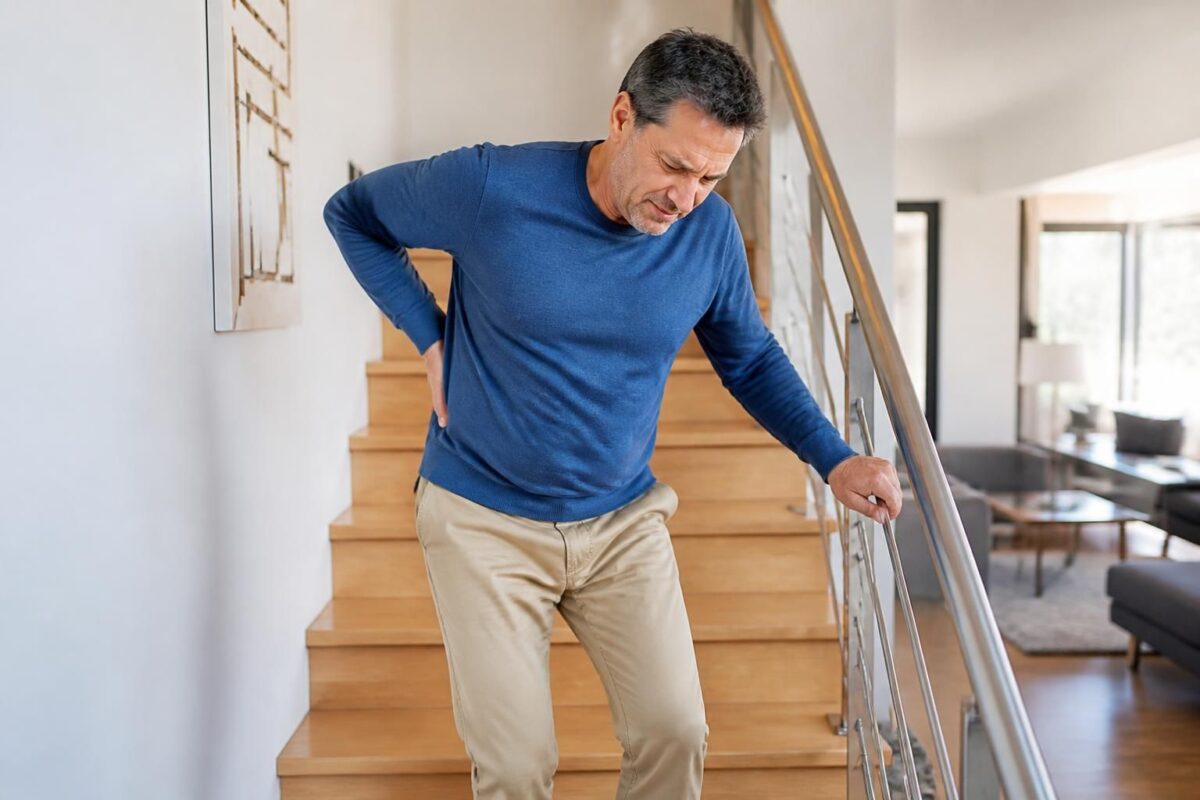
IN BRIEF
| In brief, sciatica and stairs refer to a pain that follows the path of the sciatic nerve and can worsen when going up or down stairs. What is it? A radicular pain starting from the lower back to the buttock and leg when the nerve is irritated or compressed. Benefits? Understanding this mechanism helps prevent flare-ups, adapt daily movements, and optimize physiotherapy and targeted exercises to reduce pain and limit recurrences. How does it work? A physio assessment identifies the painful path and aggravating movements; then progressive exercises, posture advice, and adapted activities facilitate going up and down stairs without increasing pain. Available in your region, this approach encourages a return to activity and guides treatment (physiotherapy, ergonomic advice, rehabilitation) without prolonged rest. |
Short summary: Sciatica and stairs: when movement aggravates pain.
- The path of the sciatic nerve can be irritated when going up or down stairs, resulting in pain radiating from the buttock to the leg.
- The movement puts stress on the lumbar roots (often L5 or S1), which can amplify pain after small movements or repeated bending.
- Practical advice: favor an upright posture, use a handrail, ascend and descend slowly, and adjust effort according to pain tolerance.
- To support recovery, work with a physio to strengthen the trunk and improve mobility, then gradually resume daily activities.
Quick summary: This article, written by an expert healthcare professional, explains why sciatica can worsen when climbing or descending stairs. It describes simple mechanisms, signs to watch for, and practical tips for moving safely. It also specifies when to consult and which management options to prioritize, avoiding inappropriate recommendations for certain specific conditions.
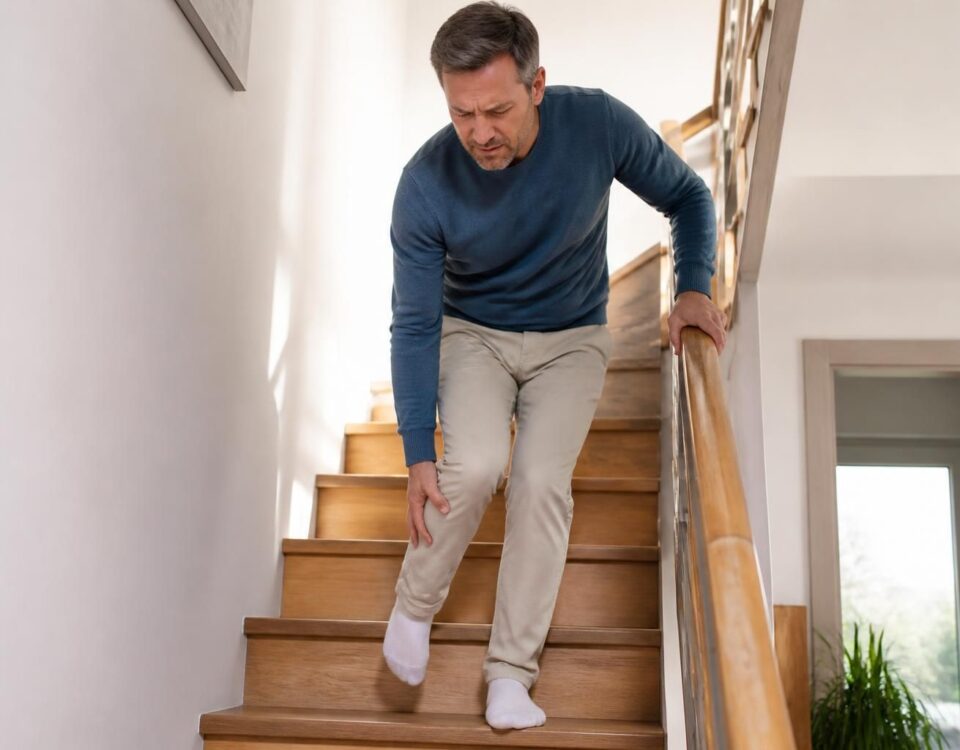
The typical painful path of sciatica can extend to the buttock and leg. Stairs impose loads, bending, and turning that can exacerbate irritation or compression of a lumbar nerve root (often L5 or S1). On stairs, each step requires coordination of the back, hips, and knees. Without precautions, pain can increase on descent or occur after sustained ascent.
Simple mechanisms to know
The pain follows the path of the sciatic nerve. It can appear as an electric, burning, or shooting sensation. On stairs, repeated bending and weight transfer can trigger or rekindle symptoms, even if the spine is stable.
Specific warning signs related to stairs
Signs requiring prompt consultation include a significant loss of strength in the leg, difficulty standing on the toes or heel of the foot, or urinary/sphincter issues. If pain is accompanied by progressive weakness or widespread paresthesias, contact a professional without delay. Unusual symptoms or very intense pain also require quick evaluation.
Safe navigation of stairs
To limit risks during stair navigation, adopt simple and realistic measures, without pushing beyond your tolerance. Use the handrail, advance slowly, and maintain a stable posture. Avoid sudden movements and multiple steps on the same stair when pain is present.
Immediate measures during painful periods
Reduce the height of the steps used, ask for help when carrying heavy loads, and consider temporary alternatives when pain dominates. If possible, avoid stairs during painful peaks and favor access via alternatives designed for your environment.
Movement strategies and joint-saving techniques
Ascend and descend with a placed and secure step. Keep the trunk straight, avoid twisting the weight, and refrain from putting pressure on a stair that causes pain. Alternate support and take breaks when pain increases. These tips aim to preserve function while respecting the body’s signals.
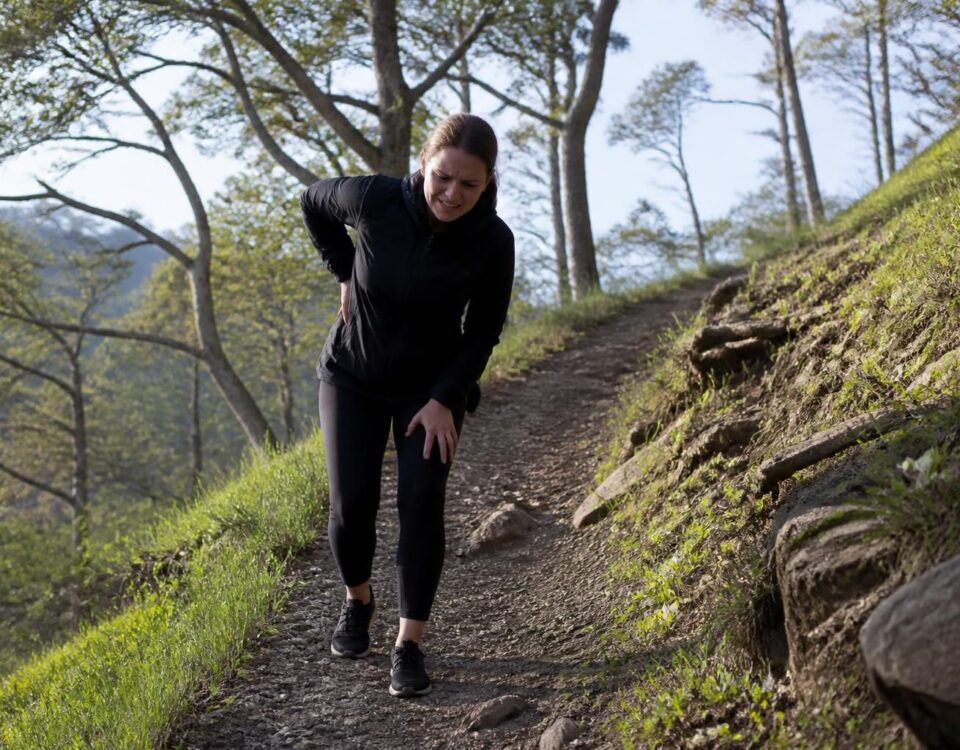
Sciatica and walking on uneven terrain: caution is necessary
IN BRIEF The topic “Sciatica and walking on uneven terrain: caution necessary” describes how to practice walking when suffering from sciatica on uneven surfaces while avoiding worsening the pain. This approach allows for maintaining movement and improving circulation, reducing inflammation,…
When to consult and which management options to favor
If warning signs are present, pain rapidly worsens, or there is progressive weakness, consult promptly. During non-acute periods, management aims to maintain suitable activity and improve mobility in daily life.
When self-management may suffice
In the absence of neurological alerts, a measured and progressive approach may suffice. A clinical evaluation can confirm the neural character and rule out another cause requiring specific management.
Clinical options and recommended approaches
Management should prioritize comprehensive approaches adapted to your daily life. In cases where pain persists or is accompanied by concerning neurological signs, specialized management is indicated. For resources and options offered in dedicated clinics, see the associated resources below.
To enrich your understanding, you can consult resources such as Sciatica and stairs and other specialized publications on pain and numbness after walking. Other useful sources address sciatic pain and movement in urban or sloped environments, notably walking on slopes and pain returning after walking. For general insights on sciatica, consult SGCA and MSD Manuals. Practical information on safe positions and movements can be found at Position to avoid and path and causes of pain.
Sciatica and descending stairs: calf or foot pain
IN BRIEF In brief, sciatica and descending stairs often trigger pain that travels down to the calf or foot, following the path of the sciatic nerve. This pain is frequently associated with a herniated disc or spinal canal stenosis. Understanding…
Practical reflections and local resources
Care management can rely on assessments at TAGMED Montreal or Terrebonne to adjust interventions according to the context. In the framework of an accurate diagnosis, complementary approaches may be considered depending on the situation and local protocols. For those wishing to delve deeper, an initial assessment can be planned with TAGMED professionals and referenced partners.
| Therapy | Relative effectiveness for stair pain | Remarks |
|---|---|---|
| Physical therapy | Generally less effective compared to other therapies for specific stair needs | To be considered as part of a comprehensive program, but not as the sole solution. |
| Manual approaches and supportive techniques (at TAGMED) | Good tolerance and local functional improvement | Discuss with the TAGMED practitioner for adjustment according to the stage. |
| Injections and neurovertebral decompression | No exercises recommended in this context | To consider under medical supervision and depending on the specific case. |
| Other non-drug approaches | Variability depending on individuals | Often useful as a complement, without replacing clinical assessments. |
For more details and contexts, you can consult additional resources on loss of sensation and sciatic territory and pain and numbness after walking. General information on sciatica and its management can also be found on Decompression Neurovertébrale and associated resources on Herniated Disc and Sciatica.
Medical disclaimer: The information and advice provided on this site do not replace the opinion, diagnosis, or treatment of a healthcare professional. Please note that Dr. Sylvain Desforges, osteopath, is neither a medical doctor nor a physician, and is not specialized in a medical specialty as defined by the Collège des médecins du Québec. Manual medicine, functional medicine, and sports medicine as described on this site exclude any treatment or medical diagnosis made by a doctor or medical specialist. Always consult your doctor for any medical questions. For more details, please read our complete Legal Notice.
Additional information and professional context: This article does not substitute for personalized medical advice. For any questions, contact your specialist and refer to the resources mentioned above. If you are looking for alternatives or treatment locations, you can refer to the sites sossciatique.com and cliniquetagmed.com for guides and consultations tailored to your situation.
Do you wish to obtain an appointment or an assessment tailored to your case? Our team can guide you in a safe and adapted approach. Get in touch via the resources and links provided above to proceed with caution and discernment.
- Sciatica and stairs: moving upward engages the lumbar spine and the sciatic nerve, which can trigger a painful episode.
- Affected root: generally L5 and/or S1, pain radiating to the buttock and leg.
- Pain trajectory: lower back pain extending along the nerve path to the foot.
- Ascent vs descent: descent can amplify symptoms due to load and trunk twisting.
- Associated signs: tingling, numbness, mild weakness while walking.
- Practical management: favor a slow progression, avoid sudden movements and trunk twists.
- Ascent technique: ascend one step at a time, ensure reliable support on each step, take a break if pain increases.
- Assistance and adaptations: use railings; prefer the elevator temporarily during acute periods.
- Rehabilitation: targeted physiotherapy and exercises for core stability, hips, and pelvis; hamstring stretches.
- Warning signs: significant loss of strength, sphincter dysfunction, worsening pain; prompt consultation recommended.

Quick summary: when sciatica manifests, movements like going up or down stairs can sometimes worsen the pain, especially if the painful path follows the sciatic nerve (L5-S1). The goal is to learn simple techniques to ensure safety, limit pressure on the nerve, and promote a gradual return to movement. With proper posture, assistance if necessary, and suitable strengthening exercises, it is possible to reduce discomfort and prevent recurrences without giving up mobility.
Sciatica and climbing stairs: pain in the leg
IN BRIEF In brief, sciatica and climbing stairs are characterized by a pain in the leg due to irritation or compression of the sciatic nerve. This pain can be triggered or worsened when climbing stairs, and can be managed quickly…
Why stairs can aggravate sciatica
Stair movements involve repeated bending and sometimes twisting of the trunk, which can increase pressure on the lumbar discs and stress the path of the sciatic nerve. Depending on the affected root (L5 or S1), pain can rise into the buttock and then descend along the thigh and leg, sometimes down to the foot. This mechanics explain why certain stair movements trigger or amplify radiculopathy, even when pain at rest is moderate. A clear understanding of the painful trajectory and appropriate movement management allows for the continuation of activity while protecting the nerve.
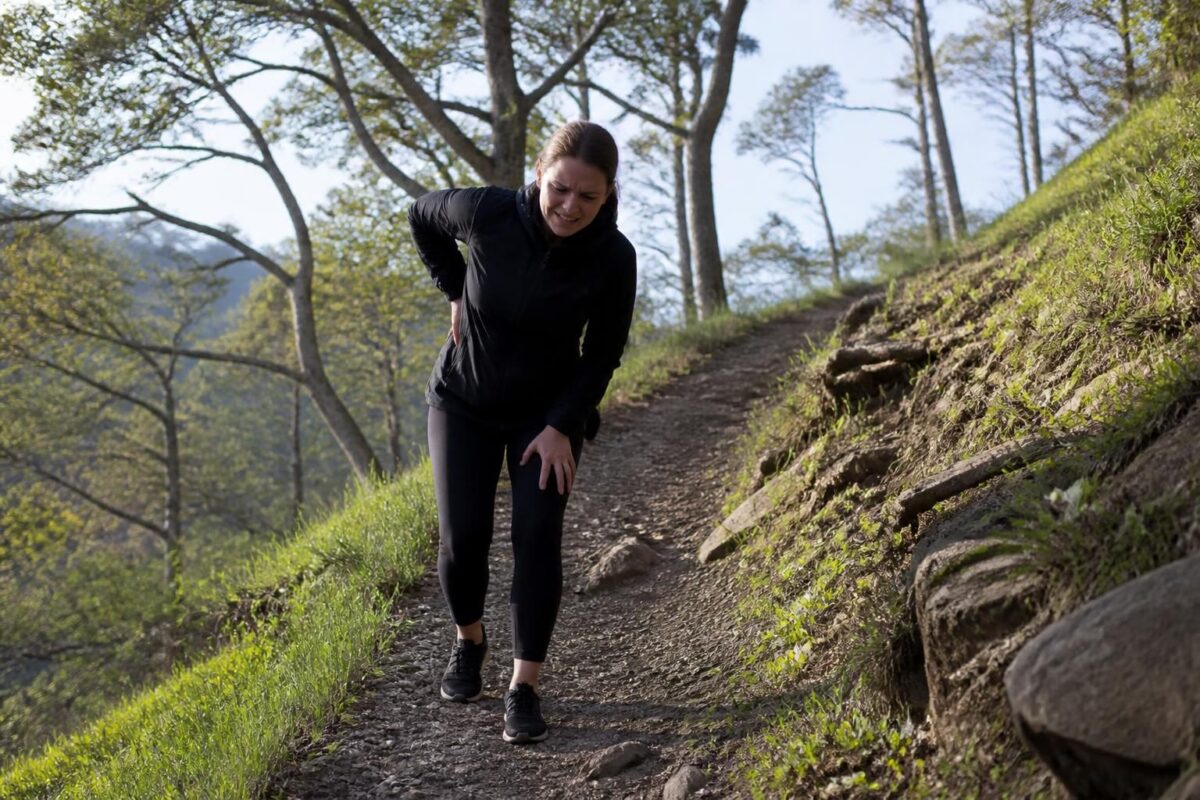
Sciatica and walking on a slope: symptoms to watch for
IN BRIEF In brief, sciatica and walking on slopes is a pain that originates from the lower back and radiates down the leg, potentially influenced by the body’s incline while walking. The symptoms to watch for include pain radiating along…
Safe techniques for ascending and descending
The goal is to maintain a neutral spine and limit strain on the spine and nerve. Adopt a cautious and gradual approach, without forcing.
Preparation and posture
Before starting, place your feet shoulder-width apart, slightly engage your trunk, and hold the handrail firmly. Keep your back straight and avoid twisting your torso throughout the ascent or descent. Breathe calmly and go at your own pace, even if it means taking longer than usual.
Ascending stairs
Place your healthy foot on the next step, then the painful foot. Use the handrail for support and advance one step at a time. Keep your gaze straight ahead and avoid leaning forward. If significant pain occurs, take a break and return to a lower step or an alternative like the elevator when possible.
Going Downstairs
Start with the painful foot on the next step when you can, then bring up the healthy foot. Keep your knees bent and your back straight, and use the handrail to cushion the load. Proceed slowly and avoid any sudden movements or twisting of the torso. If pain worsens, opt for an alternative solution and return to a suitable progression.

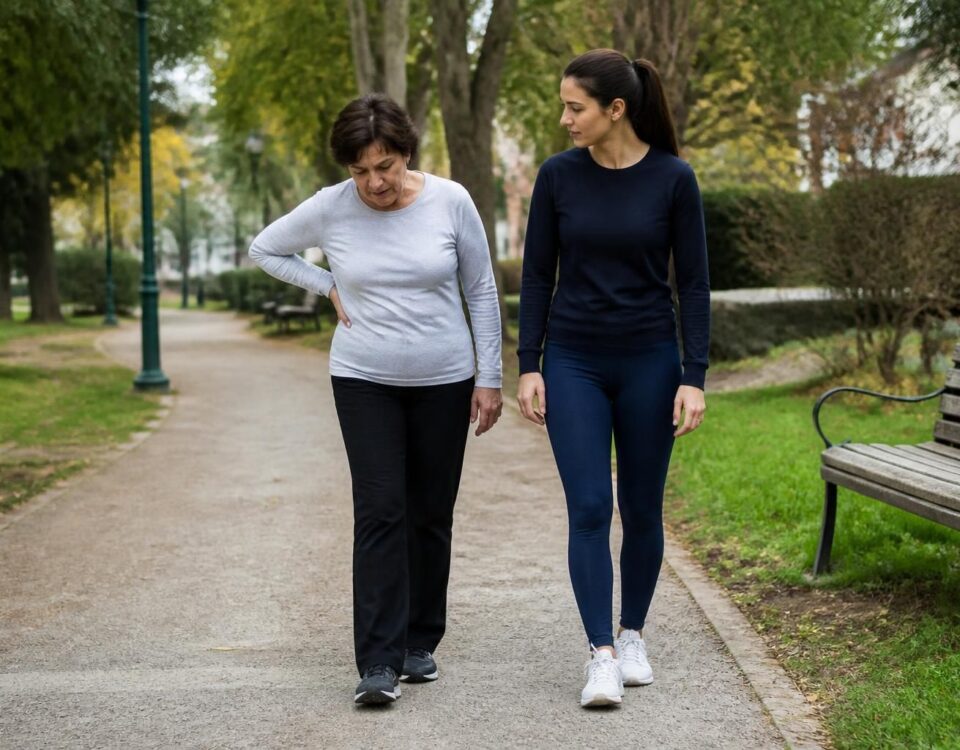
Sciatica and fast walking: why stay cautious
IN BRIEF In short, sciatica and walking illustrate the necessary balance between activity and caution during a lumbar crisis. What is it? Pain radiating down the sciatic nerve, often due to irritation or compression. Benefits: maintain mobility, stimulate circulation, and…
When to Avoid Stairs and What Alternatives
If pain becomes intense, or if you notice increasing weakness, walking issues, or concerning neurological signs, prioritize alternatives such as the elevator, ramps, or flat pathways. In the immediate term, schedule periods of active rest and reevaluate your activity plan with your physical therapist to adjust daily movements and reduce unnecessary strain.
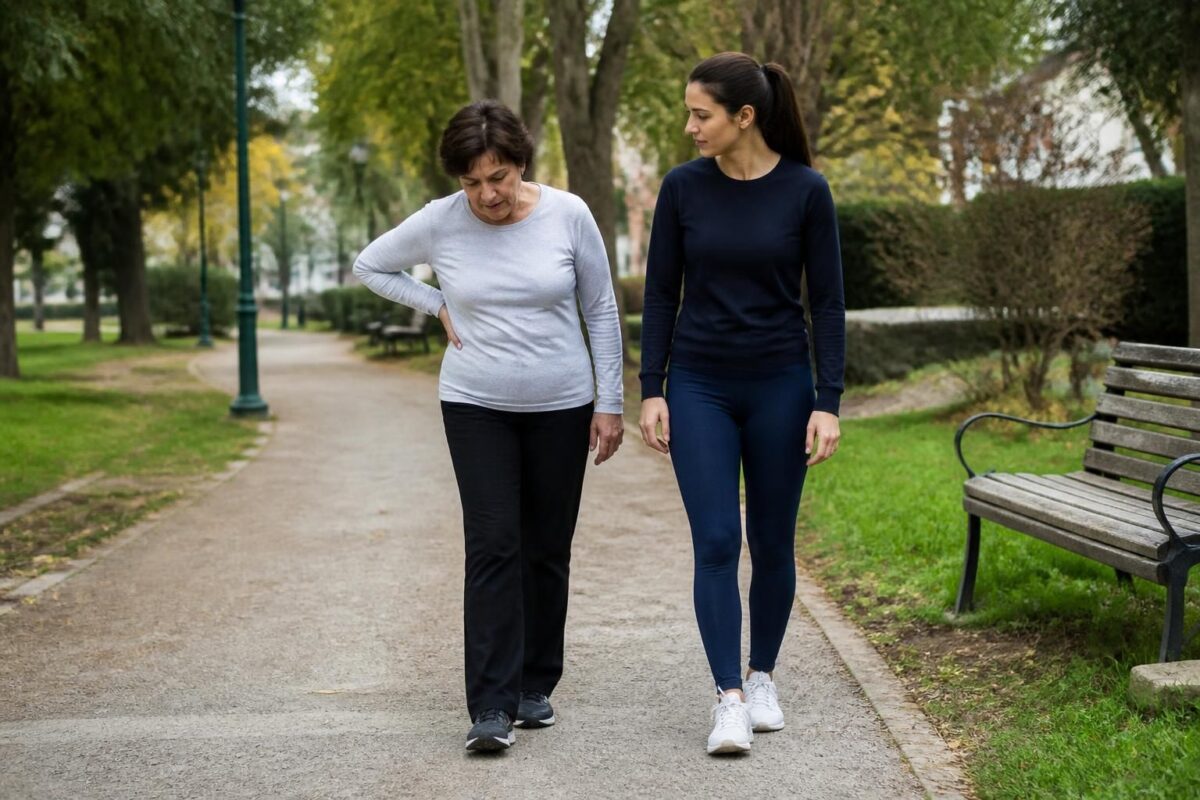
Sciatica and slow walking: better tolerated or not?
IN BRIEF In brief, sciatica and slow walking refer to an approach where light physical activity is used to manage sciatic pain. Definition: walking slowly allows one to stay active without overloading the back or the nerve. Benefits: maintain mobility,…
Strengthening and Prevention After an Emphasis
After an emphasis, work on core stability, strengthening the muscles around the pelvis and hips, and develop a tailored regular walking routine. Incorporate flexibility exercises and correct postural habits to limit triggers when ascending or descending stairs. A measured progression and movement education allow for a gradual return to usual activities without endangering the nerve.
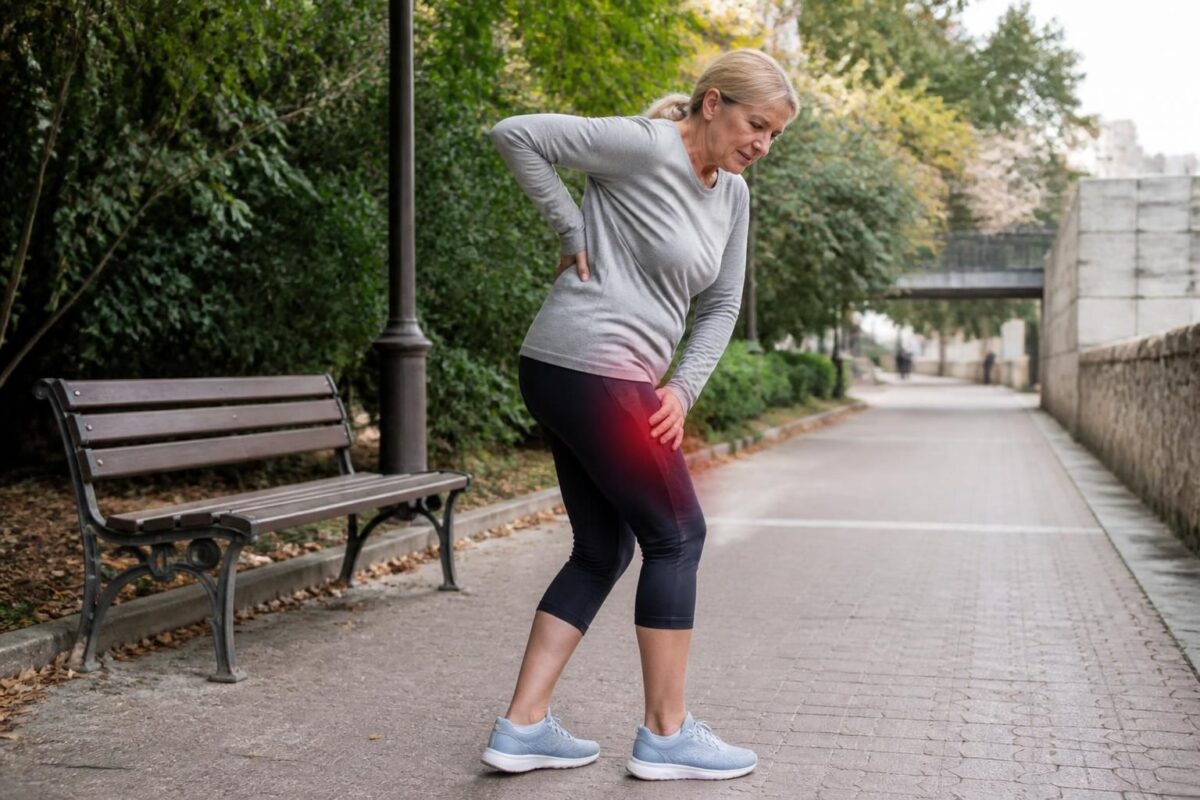
Sciatica and frequent breaks while walking
IN BRIEF In brief, sciatica is pain that follows the sciatic nerve, and frequent breaks during walking help manage this pain while staying active. Benefits: maintain activity, improve circulation, and strengthen the back without worsening inflammation. How it works: alternate…
Warning Signs and Rapid Consultation
Stay alert to marked loss of strength, urinary or sphincter issues, or pain that worsens despite adjustments. These signs require prompt medical evaluation to exclude significant nerve compression and adjust treatment.
| Element | Impact and Concise Advice |
|---|---|
| Origin and Mechanism | Neuropathic pain related to the sciatic nerve; stairs can aggravate due to flexion and lumbar load. |
| Typical Location | Path from buttock → thigh → leg, sometimes foot, depending on the affected root (L5/S1). |
| Effect of Stairs | Ascending and descending increase pain and can cause transient weakness. |
| Warning Signs | Loss of strength, urinary/sphincter issues, or perineal anesthesia require rapid consultation. |
| Practical Advice at the Stairs | Use a handrail, go slowly, and avoid heavy loads. |
| Immediate Responses | Stay active within tolerance and prioritize short walks and breaks. |
| Long Term | Physio: core stability, pelvis/hip mobility, postural education, and tailored activities. |
| Useful Exercises | Light walking, gentle strengthening, and targeted stretching, progressing without pain. |
| When to Consult | Persistent pain or concerning neurological alarm signs (cauda equina syndrome) require urgent evaluation. |
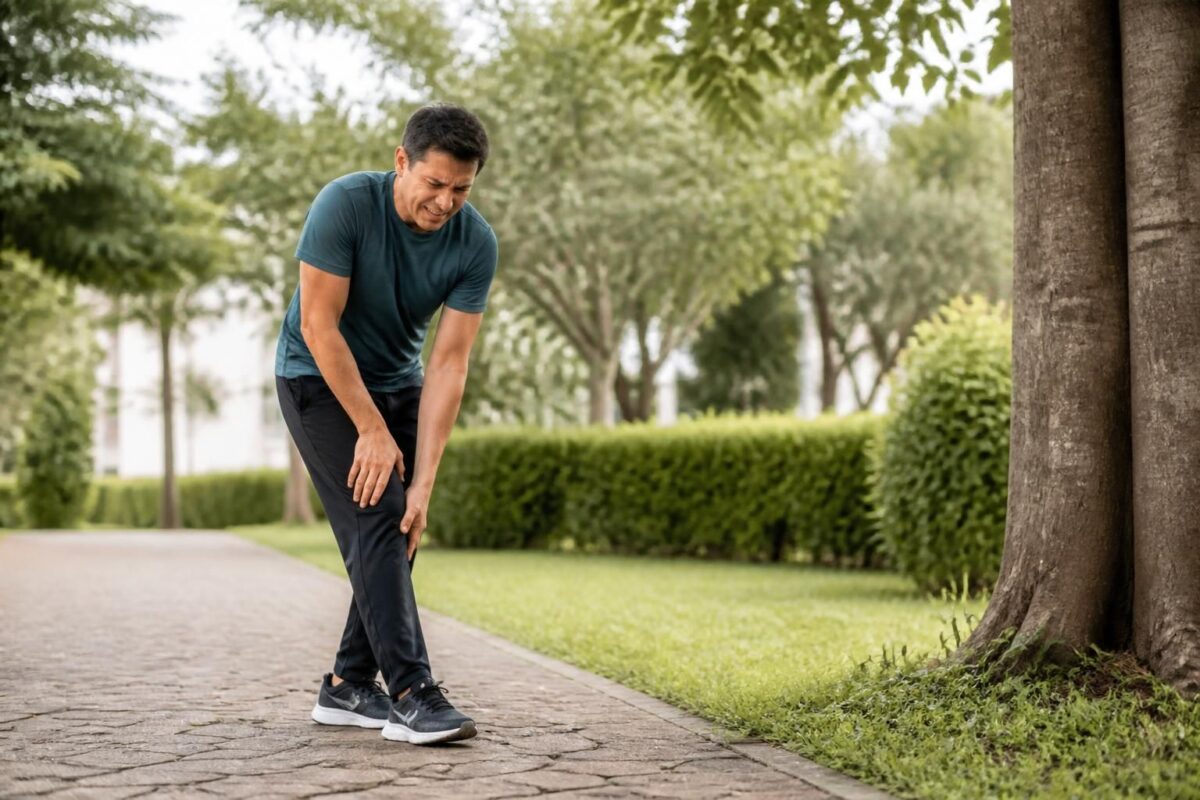
Sciatica and heavy legs while walking
IN BRIEF In brief, sciatica and heavy legs when walking refers to pain and a feeling of heaviness caused by irritation or compression of the sciatic nerve during walking. What is it? A pain starting from the lower back or…
Testimonials: Sciatica and Stairs — When Movement Worsens Pain
My name is Élodie, 48 years old, and my sciatica made me dread every ascent of the stairs. The pain radiated from my lower back, traveled into my buttock, and flared up in my leg as soon as I placed my foot on the next step. Each step became a challenge, and I avoided stairs as much as possible, even at home.
My name is Antoine, 52 years old. For weeks, the stairs have been my battleground: going up, an electric pain shot through my leg, and coming down, it felt like the pain held me back by my ankle. The movement made me realize that my sciatica was not just a back pain, but one that followed the entire path of the nerve.
I am Camille, 34 years old. With every step of the stairs, the pain radiated down my leg and prevented me from finishing my ascent without stopping. Stairs became my enemies, and even standing, the pain remained when I had to lean on the handrail to go up or down.
My name is Georges, 60 years old. Going up the stairs was a real challenge: the sciatica pulled my leg with every step, especially when I tried to hoist myself slowly. Going down was equally difficult, as the nerve seemed to “pull” at the slightest change in load on my foot.
I am Léa, 41 years old. The movement of the stairs worsened the pain and sometimes forced me to stay stuck on a step, waiting for the fire in my leg to calm down. After an assessment and a personalized program, I learned to adapt my movements and progress with exercises that strengthen the core and release tension around the sciatic nerve.
Dr. Sylvain Desforges is a multidisciplinary practitioner who combines osteopathy, naturopathy, and manual medicine to offer an integrated view of pain. Founder and president of the TAGMED clinics and a pillar of ACMA, he leads a dedicated team in the management of chronic pain and the application of advanced technologies to optimize the health and well-being of his patients. His background emphasizes an evidence-based, patient-centered approach to understand and treat the mechanisms underlying low back pain radiating into the leg.
His approach is based on a simple and powerful conviction: movement is often the best medicine when it is guided and progressive. In the context of sciatica, going up or down stairs can become a critical moment if the gestures or timing are not suitable. This is why he incorporates methods that go beyond just reducing pain: he aims to restore function, improve core stability, and readjust movement patterns that irritate nerve roots, while using technological tools to support recovery.
His modern approach combines rigorous clinical evaluation and personalized care. The assessment of the pain pathway, identification of the affected root, and functional diagnosis allow for the construction of a concrete and progressive plan. Clear objectives are set to strengthen the deep trunk muscles, free hip mobility, and correct habits that worsen pain during daily activities, including climbing and descending stairs. This method aims to transform a painful experience into a controlled and sustainable rehabilitation step.
In terms of therapeutic innovation, Dr. Desforges relies on a synergy between manual practice and cutting-edge technologies. Spinal decompression, the use of therapeutic laser, and shockwave therapy are part of an arsenal aimed at treating deep mechanical causes, soothing inflammation, and accelerating recovery without yielding to immobility. These options, combined with active rehabilitation and educational support, help reduce acute episodes and improve tolerance to difficult movements, such as navigating stairs, which often remain indicative of the pain-function dynamic.
For those seeking credible and harmonized care, his philosophy offers a clear and motivating framework. TAGMED and ACMA symbolize a coordinated response focused on measurable results and a tangible improvement in quality of life. Relying on attentive listening and a structured approach, Dr. Desforges invites everyone to regain control of their movements, progress step by step, and relearn to move without fearing ascents and descents, even when sciatica awakens pain on the stairs.
Quick summary: this article explores how movement in stairs can influence sciatica, why climbing and descending may trigger the sciatic nerve, and what active and safety strategies to adopt to limit pain while remaining mobile. You will discover mechanisms, warning signs, and practical tips for safely climbing and descending stairs, along with helpful resources for further exploration.
Movement in Stairs and the Sciatic Nerve
Stairs put significant stress on the lower back, hips, and calves, involving repeated cycles of flexion and extension that can be painful when the sciatic nerve is irritated or compressed. The pathway of the sciatic nerve explains why pain may travel up or down depending on whether the disc or lumbar structures are pressing on the L5 or S1 roots. In this context, pain can be felt not only in the lower back but also along the buttock, thigh, and down to the foot, making climbing and descending stairs particularly sensitive. To better understand the mechanisms, you can consult specialized resources on the causes and sciatica treatment. To enrich your knowledge, also see supplementary explanations on the mechanisms and risk factors.
Signs That Stairs Worsen Pain and When to Avoid Effort
If pain significantly increases during the ascent or descent of stairs, or if it is accompanied by weakness, numbness, or a feeling of loss of control of the foot, this may indicate a significant aggravation of radiculopathy and the need for medical advice. Signs such as pain that persists after exertion, a noticeable decrease in muscle strength in the lower limb, or urinary or bowel disturbances are warning signals that require prompt attention. In some cases, these symptoms may reveal more severe nerve compression and necessitate specialized evaluation and potentially further examinations. To delve into cases where pain worsens or is accompanied by new signs, feel free to consult dedicated resources.
Practical Tips for Safe Stair Use and Limiting Pain Surges
To climb and descend stairs while limiting the impact on the sciatic nerve, adopt these simple and effective measures. Use the rail or support to stabilize your walk and keep your back straight without sudden twists. When going up, push with the healthy leg first, then bring the affected leg to the same step. When descending, start with the weaker leg and let the strong leg provide support. Keep your gaze straight and your trunk stable; avoid twisting movements and heavy loads during painful episodes. Choose shoes with good grip and favor a speed suited to your tolerance, without forcing. If the pain is too intense, take a break on a midway step and resume slowly. In terms of returning to activity, a gradual and adapted approach is recommended, with professional guidance if necessary. For further exploration, you can look into practical resources on walking and targeted exercises for sciatica and daily movements.
To complement your information, discover useful resources on the mechanisms and management of sciatica and pain associated with stairs: Sciatica – causes, symptoms, and treatments, Sciatica: recognize and relieve neuralgia, and Preventing and alleviating pain related to sciatica. For further explanations on specific situations related to stairs and sciatica, you can also check the following resources: Top Santé – Symptoms, duration, and treatment and Disc herniation and lumbar osteoarthritis – combined causes of sciatica. Other useful readings address practical and safety aspects related to climbing and descending stairs: Sciatica and stairs.
If you are looking for a structured and personalized approach, our team can guide you in developing an adapted and safe activity plan for your daily movements, including stairs. For more information or to make an appointment, consult the professional resources and associated services from our partners and specialized pages.
This article is informational and does not replace a medical consultation. Only a healthcare professional can establish a diagnosis and a care plan suited to your situation, especially when symptoms evolve or are accompanied by warning signs.

Dr Sylvain Desforges, B.Sc., D.O., N.D., osteopath, is the founding president of TAGMED and of the ACMA association. He dedicates his practice to chronic spinal pain, low back pain and symptoms compatible with sciatica, particularly when pain radiates toward the buttock, leg, calf, foot or toes.
Through SOS Sciatique, he publishes educational content on sciatica symptoms, possible causes such as disc herniation, disc narrowing, foraminal stenosis or irritation of a lumbar nerve root, as well as non-surgical approaches that may be considered according to the evaluation. At Clinique TAGMED, care may include, depending on the case, motorized neurovertebral decompression, specific osteopathic care or precision percussion.
For an evaluation related to sciatica treatment in Montreal / Mount Royal or sciatica treatment in Terrebonne, please consult the services available at Clinique TAGMED.
Medical disclaimer
The information published on SOS Sciatique is provided for educational purposes only and does not replace a consultation, diagnosis, opinion or treatment provided by a physician or another authorized healthcare professional. The author of this article is neither a medical doctor nor a specialist in a medical specialty recognized by the Collège des médecins du Québec. The osteopathic, manual medicine or functional support approaches described on this site do not constitute medical acts and are not intended to replace medical follow-up.
Consult a physician or emergency service in cases of loss of bladder or bowel control, anesthesia in the saddle area, significant or progressive weakness in the leg or foot, fever, recent trauma, severe pain or rapid worsening of symptoms. For more details, please read our Legal Notice.