Sciatica and stairs: when movement worsens pain
22/09/2026
Sciatica in Terrebonne: pain that prevents sitting down
23/09/2026
IN BRIEF
| In brief, sciatica in Montreal is a radicular pain that can prevent sitting, with sensations radiating down the buttock, leg, or foot. What is it? A pain related to the irritation of a lumbar nerve root. How does it work? Symptoms and function are assessed rather than isolated imaging, emphasizing a conservative approach with gradual progression and re-evaluations, and determining whether specialized referral is useful. Benefits: reduction of irritation, maintaining activity, and improving comfort while sitting, while sometimes avoiding surgical intervention. |
Sciatica often presents as a radiating pain down the buttock and leg, which can worsen with prolonged sitting.
An effective evaluation connects symptoms, function, and neurological signs rather than focusing solely on medical imaging.
Conservative approach prioritizing tolerated activity, gradual progression, and appropriate rehabilitation; a neurovertebral decompression can be discussed for certain profiles after re-evaluation.
Consult quickly in the presence of new weakness, loss of urinary control, perineal numbness, or any worsening neurological sign.
A consultation allows for clarifying the probable cause and directing towards appropriate management.
The sciatic pain that prevents sitting is a common issue in Montreal. This article, written by a health professional expert in lumbar pathologies, explains why the sitting position can exacerbate pain, how to reliably assess sciatica, and what management options are available, notably at TAGMED Clinic. The goal is to provide you with clear clinical guidelines, red flags, and appropriate treatment choices, without systematically resorting to imaging or invasive procedures when not necessary.
Evaluation and Diagnosis
A useful evaluation connects symptoms to function and neurological signs rather than isolated imaging. The history of symptoms should clarify the trajectory, duration, and positions that worsen or relieve the pain. The examination may include walking, strength, and sensitivity, as well as tests tailored to the presentation.
Guide 1: Pain worsened by sitting may be compatible with a disc component, but this sign is not specific.
Guide 2: The duration without changing position often counts as much as the position itself; alternating sitting, standing, and walking may reduce irritation.
Guide 3: Pain that radiates further down the leg or is accompanied by weakness deserves re-evaluation.
An important point: pain, numbness, or weakness should be interpreted according to its distribution, progression, and functional impact. A neurological or vascular emergency must be ruled out before proceeding with routine management.
Signs and Clinical Guidelines
The clinical context helps distinguish radicular irritation from other causes of leg pain. The evaluation should connect symptoms to function and neurology rather than rely on isolated imaging. For additional resources, you can consult information on SOS Sciatica and common progression scenarios on SOS Sciatica.
When to Consult Quickly
Alert signals requiring rapid evaluation: new or progressive weakness, pain that increasingly gives way, new urinary or intestinal disturbances, numbness in the saddle region, marked bilateral symptoms, significant trauma, fever, or general deterioration.
Therapeutic Approach and Management Plan
A conservative approach is prioritized when possible. It aims to maintain tolerated activities and progress gradually while monitoring neurological signs. The goal is to reduce irritation and improve function without immediately resorting to invasive interventions.
At TAGMED Clinic, a specialized evaluation can determine if motorized neurovertebral decompression is relevant for selected patients. This option is not universal and requires objective re-evaluation before implementation. For cases requiring medical referral or more targeted investigation, a specialized opinion may become relevant depending on severity, duration, and neurological signs.
For those seeking additional resources on causes and non-surgical approaches, useful information exists on SOS Sciatica and dedicated pages on sitting posture and radicular irradiation at TAGMED Clinic.
Practical Guidelines and Clinical Context
The clinical context helps distinguish radicular irritation from other causes. The evaluation should connect symptoms to function and neurology, rather than being limited to imaging.
Conservative Approach and Available Options
The conservative treatment prioritizes the maintenance of tolerated activities and gradual progression. Rehabilitation and other measures tailored to the clinical profile may be considered. Neurovertebral decompression may be discussed for certain selected patients after evaluation, but it is neither universal nor guaranteed to be successful and requires objective re-evaluation.
Comparative Table of Therapeutic Options
| Treatment | Relative Effectiveness | Notes |
|---|---|---|
| Physiotherapy | Less effective compared to integrated options for certain presentations | Used within a global framework; emphasize a multi-disciplinary approach |
| Osteopathy and non-surgical decompression | Variable depending on the patient; can be useful in selected cases | Assessed from a global perspective, without imposed exercises on the patient |
For patients receiving care in Montreal or Terrebonne, options at TAGMED may include, depending on the case, neurovertebral decompression and specific osteopathic approaches, with appropriate monitoring.
Resources and useful links
For additional information and practical cases, see the following resources: SOS Sciatica – difficulty going down stairs, TAGMED Clinic – sciatica and sitting position, Sciatica in Montreal – persistent pain in the heel, Sciatica in Terrebonne – pain that goes down then comes back up to the buttock, Sciatica in Montreal – pain that goes down and comes back up to the buttock, Neurovertebral decompression, Herniated disc and radiculopathy – resources and SOS Sciatica – Montreal.
For additional information on non-surgical approaches and care pathways in Montreal or Terrebonne, you can also consult TAGMED Clinic.
Address
1140 Beaumont Avenue Mont-Royal, QC H3P 3E5
Would you like to have this sciatica profile evaluated? A consultation can help clarify the likely cause, the signs to watch for, and the relevance of conservative management or another direction.
Why does sitting hurt more? Flexion, duration without movement, and disc or nerve sensitivity may contribute.
Should I use a lumbar cushion? It may help some people, but alternating positions is often more important.
How long can I sit? There is no universal duration; use your tolerance and recovery as guidelines.
Is the car different? Yes. The vibrations, posture, and inability to change positions often can increase symptoms.
Should I completely avoid sitting? Generally no. The goal is to adapt and break up rather than avoid any position.
What does it mean if pain travels lower after sitting? A persistent distal extension of symptoms should be noted during evaluation.
When to consult? If tolerance decreases rapidly, if the pain becomes very disabling, or if neurological signs progress.
Medical disclaimer: The information and advice provided on this site do not replace the opinion, diagnosis, or treatment of a health professional. Please note that Dr. Sylvain Desforges, osteopath, is neither a medical doctor nor a physician and is not a specialist in a medical specialty as defined by the Collège des médecins du Québec. Manual medicine, functional medicine, and sports medicine as described on this site exclude any medical treatment or diagnosis made by a physician or specialist. Always consult your doctor for any medical questions. For more details, please read our complete Legal Notice.
- Sciatica and pain that prevents sitting still: radiation in the buttock or leg.
- Aggravating factors: prolonged sitting, lumbar flexion, immobile position, nerve tension.
- : associate symptoms with function and neurological examination, not just imaging.
- Warning signs: new weakness, loss of sensation, urinary issues; urgent evaluation needed.
- Practical management: alternate sitting, standing, and walking; prioritize tolerated activities and gradual progression.
- Conservative approach: targeted exercises, rehabilitation, and improving ergonomics at work.
- Evaluation plan: history of symptoms, functional and neurological tests, follow-up with measurable goals.
- When to consult: worsening pain, evolving neurological signs, or urgency; rapid evaluation recommended.

This article will help you understand why sciatic pain can make it difficult to sit in Montreal, how to spot the important signals, and what options to adopt to regain control of your daily life, focusing on an approach tailored to your function and symptoms.
Understanding why pain worsens when sitting
In several cases, the sitting position, especially in lumbar flexion, can increase disc pressure and stress nerve roots. Nerve stimulation and the mechanical tension of the nervous system can amplify pain in the buttock and leg. The goal is to distinguish mechanical factors (position, duration) from signs that could indicate more significant nerve damage.
In some people, pain persists when remaining too long in one position; alternating between sitting, standing, and walking can reduce irritation and promote functional comfort. The quality and location of the pain, as well as its evolution over time, then guide the evaluation and choice of treatments.

Sciatica in Montreal: pain that wakes you up at night
IN SHORT In short, nocturnal sciatica is pain that follows the path of the sciatic nerve and intensifies at rest, disrupting sleep. In Montreal, it can be managed with simple advice on nighttime posture and bedding: sleeping on your side…

Sciatica in Montreal: Symptoms Worsening in the Evening
IN BRIEF In brief, sciatica is a pain that starts in the lower back and can extend to the buttock and leg, with symptoms that worsen at the end of the day potentially limiting daily activities. What is it? It…
Guidelines and signals to monitor
Indicator 1 — Increased pain in sitting position
Increased pain while sitting may suggest a disc component, but this sign is not specific and should be interpreted with other clinical elements.
Indicator 2 — Duration and activity
The duration of discomfort matters as much as the position itself: changing position and walking regularly can reduce irritation and promote recovery.
Indicator 3 — Propagation and weakness
If the pain travels further down the leg or is accompanied by weakness, numbness, or neurological deficits, a reassessment is necessary sooner to guide the therapeutic choice.
Sciatica in Montreal: intermittent pain or constant pain?
IN BRIEF In brief, sciatica in Montreal refers to pain that starts in the lower back and follows the path of the buttock, thigh, and sometimes the foot, which can be intermittent or constant. It often reflects an underlying mechanical…
Sciatica in Montreal: burning pain behind the thigh
IN BRIEF Sciatica is a pain that starts from the lower back or buttock and radiates down the back of the thigh, sometimes to the calf or foot, described as a burning sensation or electric shock. In Montreal, an osteopathic…
Assessment and Management Plan
A useful assessment connects symptoms to function and neurological signs rather than relying on an isolated image. The history of symptoms (trajectory, duration, intensity, sleep, recurrences) guides the examination: walking, strength, sensitivity, gait, and relevant tests according to the clinical picture. Imaging is considered when results may influence management. The plan includes measurable objectives and regular reassessments to determine when to adjust or stop treatment.
Sciatica in Montreal: numbness of the big toe and lower back pain
IN SHORT In short, sciatica associated with numbness of the big toe and lower back pain is a symptom resulting from compression or irritation of the sciatic nerve that extends from the lower back to the foot. In Montreal, this…
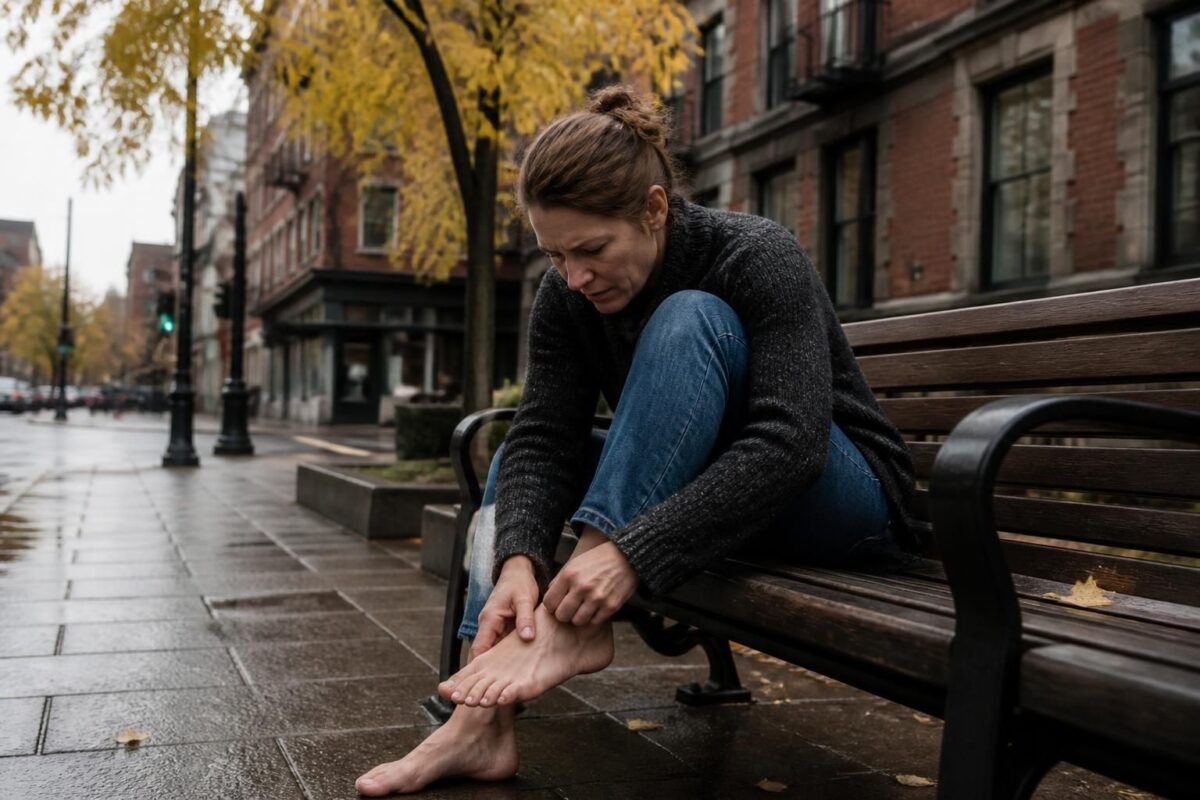
Sciatica in Montreal: loss of sensitivity in the toes
IN BRIEF In brief, sciatica associated with a loss of sensitivity in the toes is pain that starts in the lower back and can radiate down to the foot. In Montreal, this service offers an effective non-surgical approach based on…
Therapeutic Approach and Options
Conservative approach and maintenance of tolerated activities, with gradual progression and rehabilitation tailored to the clinical profile. The goal is to resume functional activities and reduce pain without immediately resorting to invasive measures.
Motorized neurovertebral decompression may be discussed for certain selected patients; it is not universal and requires objective reassessment. This option should be considered after a comprehensive evaluation and as part of a structured plan.
Medical orientation — depending on the severity and persistence of symptoms, injections, additional investigations, or a specialist consultation may become relevant based on imaging and neurological signs.
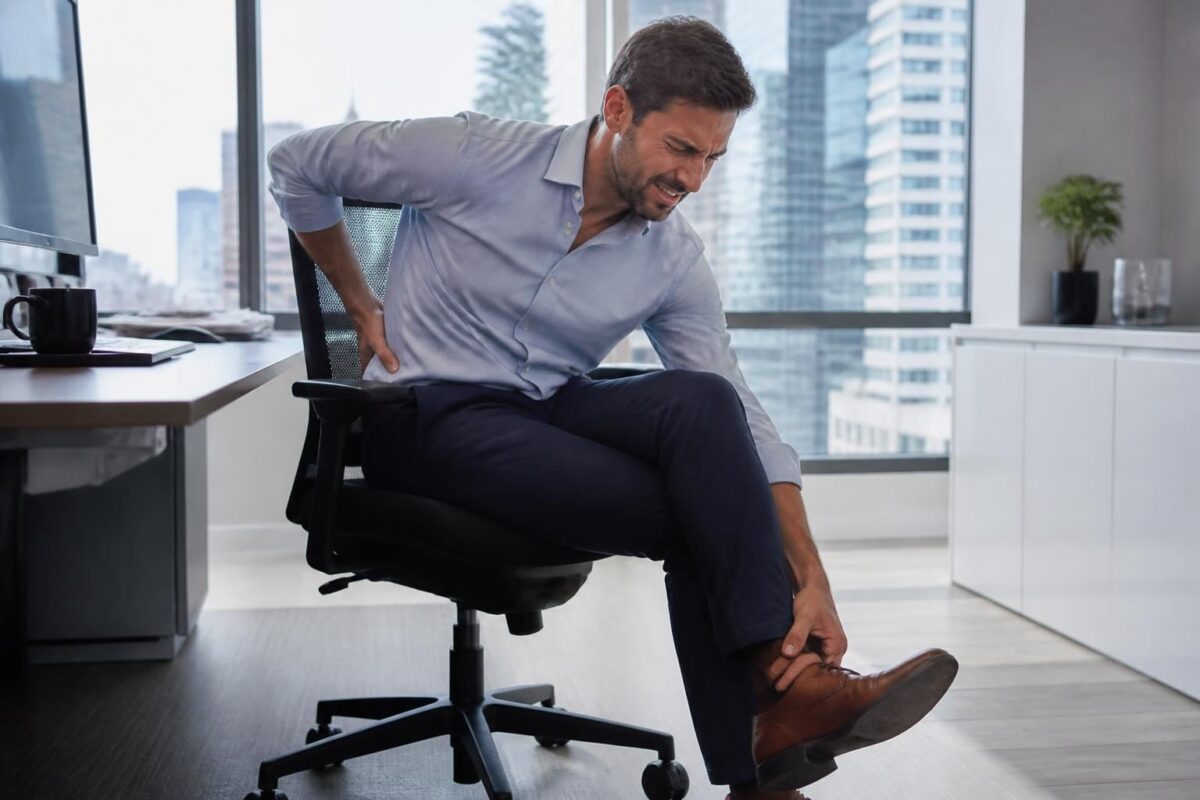
Sciatica in Montreal: pain when sitting with tingling in the foot
IN SHORT In short, sciatica in Montreal is a radicular pain that often worsens in sitting position and may be accompanied by tingling in the foot. This approach emphasizes an assessment that links symptoms to function and neurological signs, rather…
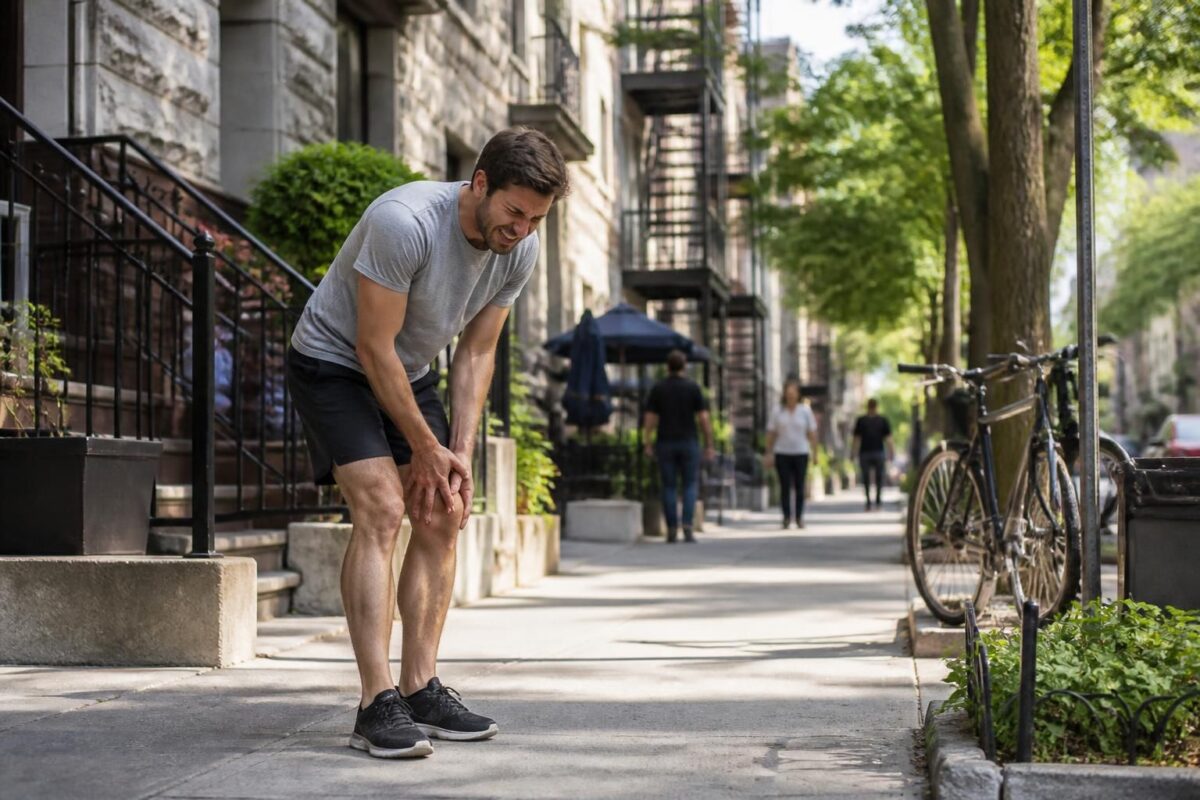
Sciatica in Montreal: pain in the leg after prolonged standing
IN BRIEF In brief, sciatica in Montreal is pain that radiates into the leg after prolonged standing, often related to nerve irritation or lumbar stenosis and may be accompanied by numbness, tingling, or weakness. The diagnosis relies on the agreement…
When to Consult Urgently
Consult promptly in the presence of new or progressive weakness, a foot drop, or a new urinary or intestinal disorder. Numbness around the saddle, significant bilateral symptoms, major trauma, fever associated with back pain, or general deterioration require urgent evaluation and cannot wait for a routine appointment.
Montreal and Mont-Royal: Where to Get Evaluated
For a targeted assessment of your sciatica and the appropriateness of conservative management or other options, a consultation at TAGMED Clinic is recommended. The practical address is located in Mont-Royal at 1140 Beaumont Avenue, QC.
| Element | Concise Description |
|---|---|
| Main Trigger | Pain exacerbated by sitting; may reflect a discal or radicular component. |
| Position and Duration | Alternate sitting, standing, and walking; duration without movement may maintain irritation. |
| Spread and Signs | Pain that travels into the buttock/leg; monitor for weakness or sensory loss. |
| Alarm Signs | Progressive weakness, perineal numbness, urinary/intestinal loss; medical emergency. |
| Useful Examination | Functional and neurological assessment; strength and sensation tests; imaging if decision-making. |
| Initial Treatment Plan | Maintaining tolerated activities and gradual progression with tailored rehabilitation. |
| Imaging and Diagnosis | Imaging considered when red flags are present or when the result influences the plan. |
| When to Consult Urgently | New or disabling weakness, bilateral symptoms, or evolving neuro signs. |
| Follow-up Objectives | Measure progress and adjust the plan to prevent recurrences. |
Testimonials on Sciatica in Montreal: The Pain That Prevents You from Sitting
“In Montreal, sciatica literally prevented me from sitting during meetings. The pain started in my buttock and traveled down my leg, making every minute sitting unbearable.”
“As a driver, staying in one place is essential, but my radicular pain forced me to slip away often at red lights. After an evaluation and a personalized action plan, I regained longer sitting periods without the pain returning as severely.”
“As an active mother, I wanted to be able to sit at my children’s school without feeling a stabbing pain. During follow-up in Montreal, I learned to alternate positions and to progress cautiously; my sciatica is less present during daily activities.”
“As a retiree in Mont-Royal, I felt pain that worsened after long hours sitting reading or watching television. Thanks to a structured program focused on tolerated activity and mobility techniques, I found moments of rest without being overwhelmed by pain.”
“As a student, I struggled to stay in place during lectures. The sciatica forced me to get up, disrupting my learning. After an assessment in Montreal and a tailored plan, I gained stability and concentration in class.”
“I understood that each episode is different; a comprehensive evaluation helped me identify signals to monitor and adjust my activities. In Montreal, I found solutions to sit without pain and to resume my daily activities.”
Dr. Sylvain Desforges, an expert in osteopathy, naturopathy, and manual medicine, is the founding president of TAGMED clinics and the ACMA association. His career, focused on innovation in healthcare, is dedicated to chronic pain of the spine and radicular pain associated with sciatica. In the context of Montreal and its surroundings, he seeks to integrate advanced technologies such as motorized neurovertebral decompression, therapeutic laser, and shockwaves to provide relevant, personalized non-surgical solutions.
The pain that prevents you from sitting is a complex reality for many people in Montreal. Sciatica can turn every minute spent sitting into a trial, with irradiation that can reach the buttock and the leg down to the calf or foot. Dr. Desforges favors an approach that systematically connects symptoms to function and examination, rather than limiting itself to a single image, in order to illuminate the therapeutic journey in the context of Montreal and Mont-Royal.
Its evaluation framework is based on a structured logic: a detailed history of symptoms (trajectory, duration, sleep, positions, recurrences, and previous treatments), a functional and neurological assessment (strength, sensitivity, gait, relevant tests), and, when necessary, imaging that may influence the treatment plan. The goal is to establish a correspondence between symptoms and function rather than a diagnosis based solely on an image, in order to guide measurable rehabilitation and reassessment.
In the context of a conservative approach, Dr. Desforges promotes the maintenance of tolerated activities, gradual progression, and rehabilitation suited to the clinical profile. For some patients, motorized neurovertebral decompression may be considered, but it remains a targeted option, discussed after objective evaluation and is not universal. A medical referral may also be relevant when severity, duration, and neurological signs warrant it.
For those suffering from sciatica related to prolonged sitting, clear indicators guide decisions. Pain that extends down the leg after sitting, or pain associated with increasing weakness, requires reassessment. Warning signs such as urinary or bowel disturbances, marked bilateral pain, fever, or recent trauma require prompt care and often urgent medical evaluation. Dr. Desforges emphasizes the importance of structured follow-up, with measurable goals and clear criteria for adjusting the plan.
Located in the Montreal and Mont-Royal area, TAGMED offers a coordinated and personalized approach for patients suffering from sciatica. A consultation clarifies the probable cause, signs to monitor, and the relevance of conservative care or specialized referral. Dr. Desforges is committed to providing evidence-based care aimed at optimizing health and well-being, and to guiding each patient toward better tolerance to sitting positions and sustainable reduction of radicular pain.
This conclusion details sciatica in Montreal, focusing on the pain that hinders sitting and on pragmatic approaches to regain comfort and mobility. It highlights the importance of a symptom- and function-centered evaluation, a balance between caution and activity, and a plan adapted to the local context (TAGMED Clinic and SOS Sciatica resources) to guide effective conservative care.
In the Montreal context, sciatica causing worsening pain in a sitting position may reflect a discal or radicular component. A useful assessment links symptoms to function and neurological signs rather than to an isolated image. Imaging can be helpful if it modifies the management, but it does not solely determine the therapeutic path.
Marker 1: pain that worsens while seated may be compatible with a discal component, but this sign is not specific and requires comprehensive evaluation.
Marker 2: the duration of pain is as important as the position itself; alternating sitting, standing, and walking can reduce irritation and promote tolerance.
Marker 3: pain that radiates further down the leg or is accompanied by weakness deserves prompt reassessment to adjust the treatment plan.
The clinical context helps distinguish radicular irritation from other causes of leg pain. Pain, numbness, or weakness should be interpreted concerning their distribution, progression, and functional impact. In cases of neurological or vascular emergencies, prompt care is necessary.
The proposed approach prioritizes tolerated activity and gradual progression, with adapted rehabilitation and measures specific to the patient’s clinical profile. For certain cases, motorized neurovertebral decompression can be discussed for selected patients, but it is not universal and requires objective reassessment.
In Montreal, it is helpful to combine the following elements into a personalized conservative strategy: maintaining tolerated activities, repeated functional and neurological examinations, and referrals for investigations or specialist opinions when severity, duration, or neurological signs justify it. To learn about workplace and office options, see the specific resources and client guides available online.
When the pain is sufficiently disabling or if signs are worsening quickly, consider a rapid consultation and perhaps a specialized care plan to avoid chronicity and optimize chances of functional recovery.
To explore and access local resources, you can consult the following links that address issues related to sitting posture, office work, and non-surgical management of sciatica:
sciatica and difficulty staying seated, understanding sciatica and its treatments in Montreal, sciatica and work – office, sciatic pain — what to really do, sciatica and difficulty climbing stairs, pain when going up stairs, sciatica in Terrebonne – symptoms worsening at the end of the day, treatment of sciatica in Montreal, understanding your sciatica, numbness of the foot while walking.

Dr Sylvain Desforges, B.Sc., D.O., N.D., osteopath, is the founding president of TAGMED and of the ACMA association. He dedicates his practice to chronic spinal pain, low back pain and symptoms compatible with sciatica, particularly when pain radiates toward the buttock, leg, calf, foot or toes.
Through SOS Sciatique, he publishes educational content on sciatica symptoms, possible causes such as disc herniation, disc narrowing, foraminal stenosis or irritation of a lumbar nerve root, as well as non-surgical approaches that may be considered according to the evaluation. At Clinique TAGMED, care may include, depending on the case, motorized neurovertebral decompression, specific osteopathic care or precision percussion.
For an evaluation related to sciatica treatment in Montreal / Mount Royal or sciatica treatment in Terrebonne, please consult the services available at Clinique TAGMED.
Medical disclaimer
The information published on SOS Sciatique is provided for educational purposes only and does not replace a consultation, diagnosis, opinion or treatment provided by a physician or another authorized healthcare professional. The author of this article is neither a medical doctor nor a specialist in a medical specialty recognized by the Collège des médecins du Québec. The osteopathic, manual medicine or functional support approaches described on this site do not constitute medical acts and are not intended to replace medical follow-up.
Consult a physician or emergency service in cases of loss of bladder or bowel control, anesthesia in the saddle area, significant or progressive weakness in the leg or foot, fever, recent trauma, severe pain or rapid worsening of symptoms. For more details, please read our Legal Notice.