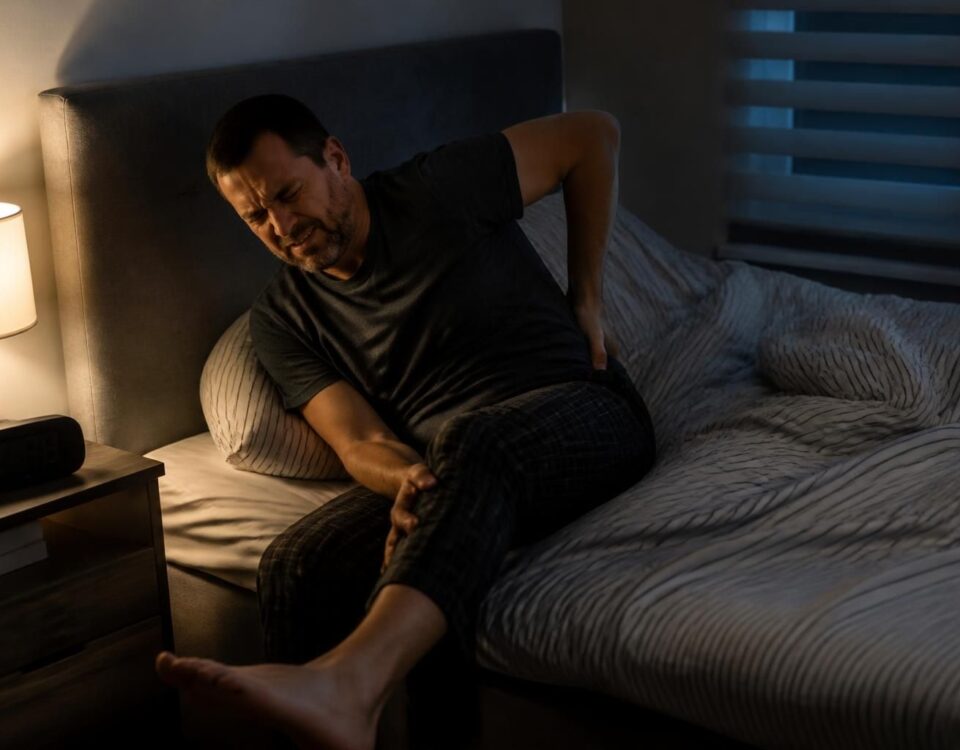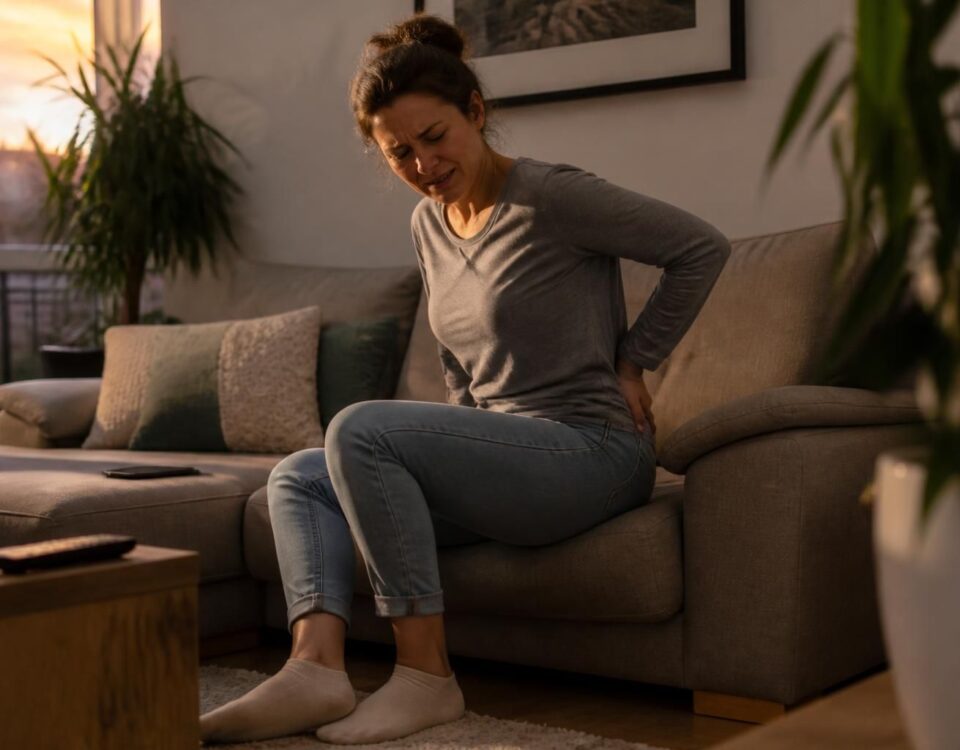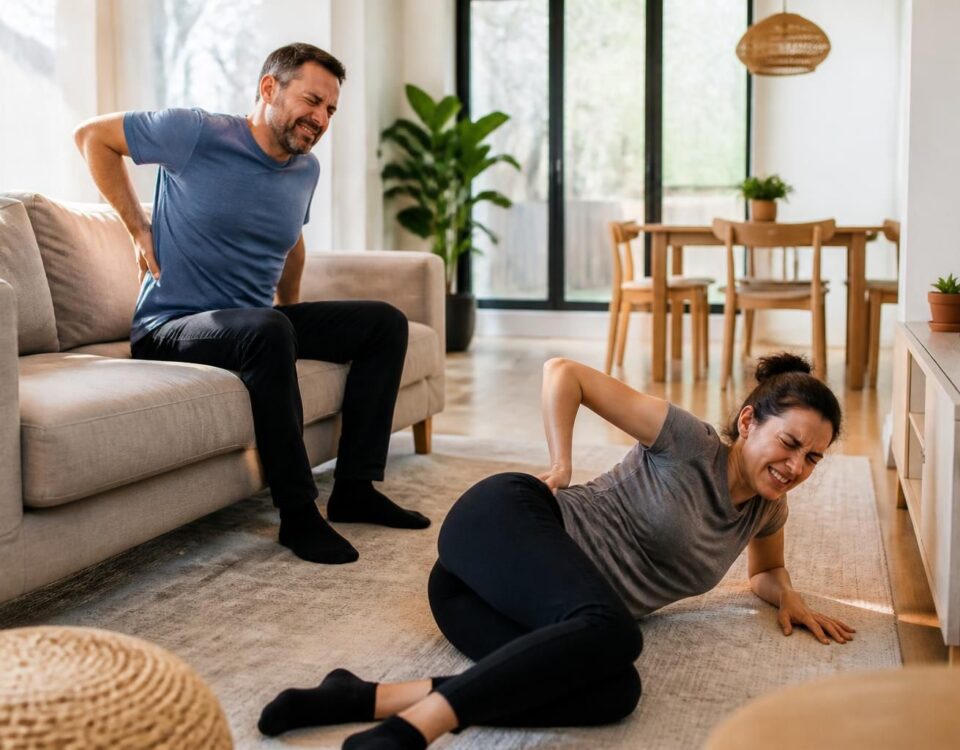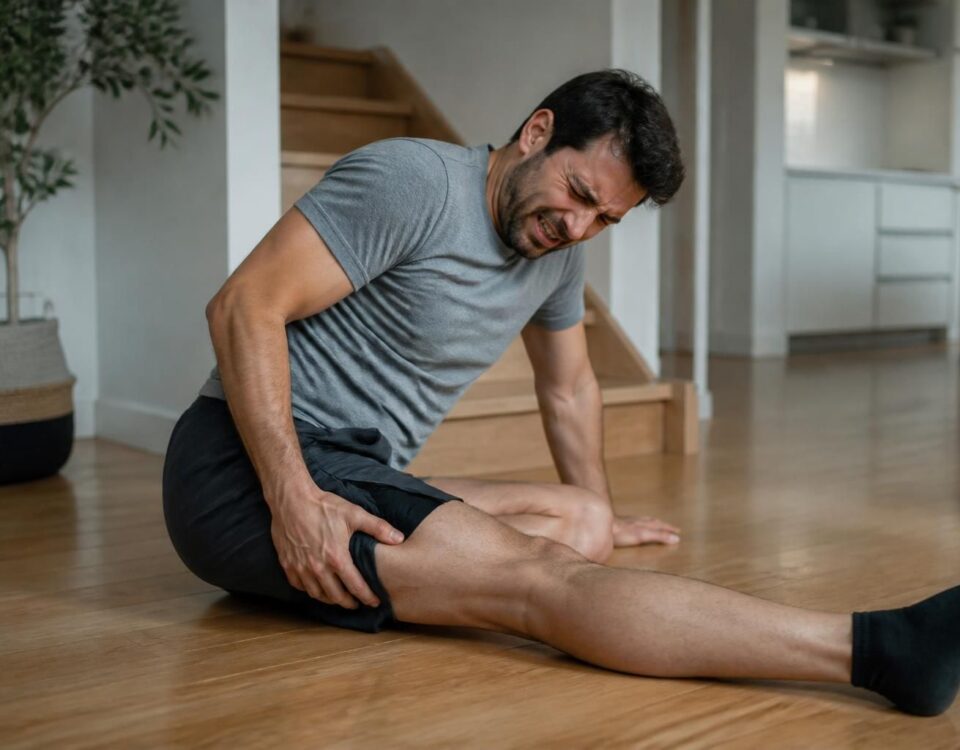
Sciatica in Montreal: pain that prevents sitting down
23/09/2026
Sciatica and pain when twisting the torso
23/09/2026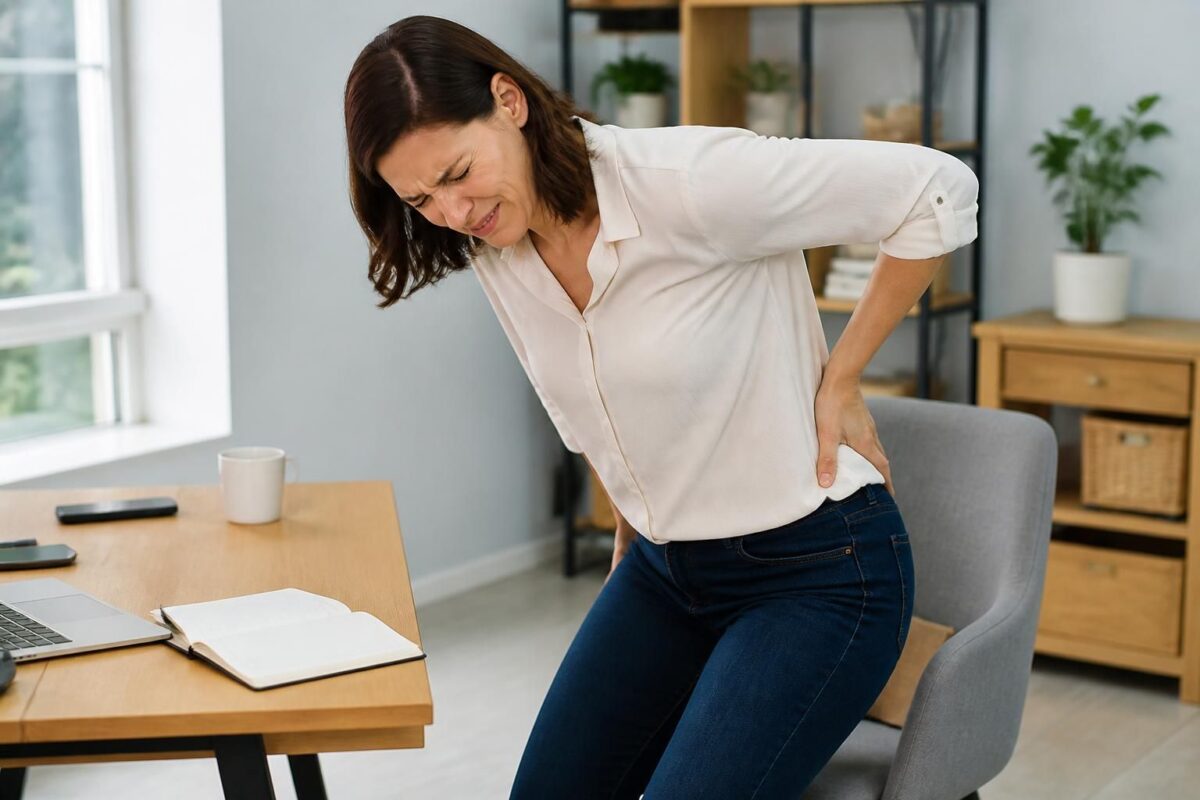
IN BRIEF
| In brief, Sciatica in Terrebonne is pain that follows the path of the sciatic nerve and can prevent one from sitting. It manifests as lower back pain that radiates into one leg and may be accompanied by tingling or numbness. The benefits of local treatments include rapid relief, improved mobility, and reduced recurrence without surgery. How it works: a holistic approach combining manual therapies and tailored exercises, supported by postural advice and regular physical activity, available in Terrebonne. |
In Terrebonne, sciatica presents as lower back pain that spreads into one leg, and may be intense enough to prevent sitting.
This pain is often related to compression or inflammation of the sciatic nerve, often due to a herniated disc or narrowing of the lumbar canal.
Treatment favors non-surgical approaches, including manual therapies and strengthening exercises, to relieve pain and improve mobility.
A local assessment can help propose a personalized protocol and tailored solutions, possibly with the use of a lumbar belt during painful phases.
This guide written by a health professional explains Sciatica in Terrebonne, when the pain makes it hard to sit. It summarizes typical signs, the most common causes, non-surgical management options, and available local resources, notably at the TAGMED Clinic.
Understanding the pain that forces you to move
Sciatica is pain that follows the path of the sciatic nerve, the longest in the body. It can start in the lower back and radiate into one leg, sometimes down to the foot. The pain can be described as an electric shock, a burning sensation, or a dull ache that hinders prolonged sitting. Tingling or a numb feeling may accompany the pain.
In Terrebonne, the signs that attract attention include pain that extends from a lumbar point towards the buttock and leg, with or without transient weakness of the foot or toes. If the pain worsens with prolonged sitting and is accompanied by loss of sensitivity or significant motor deficit, consult promptly.
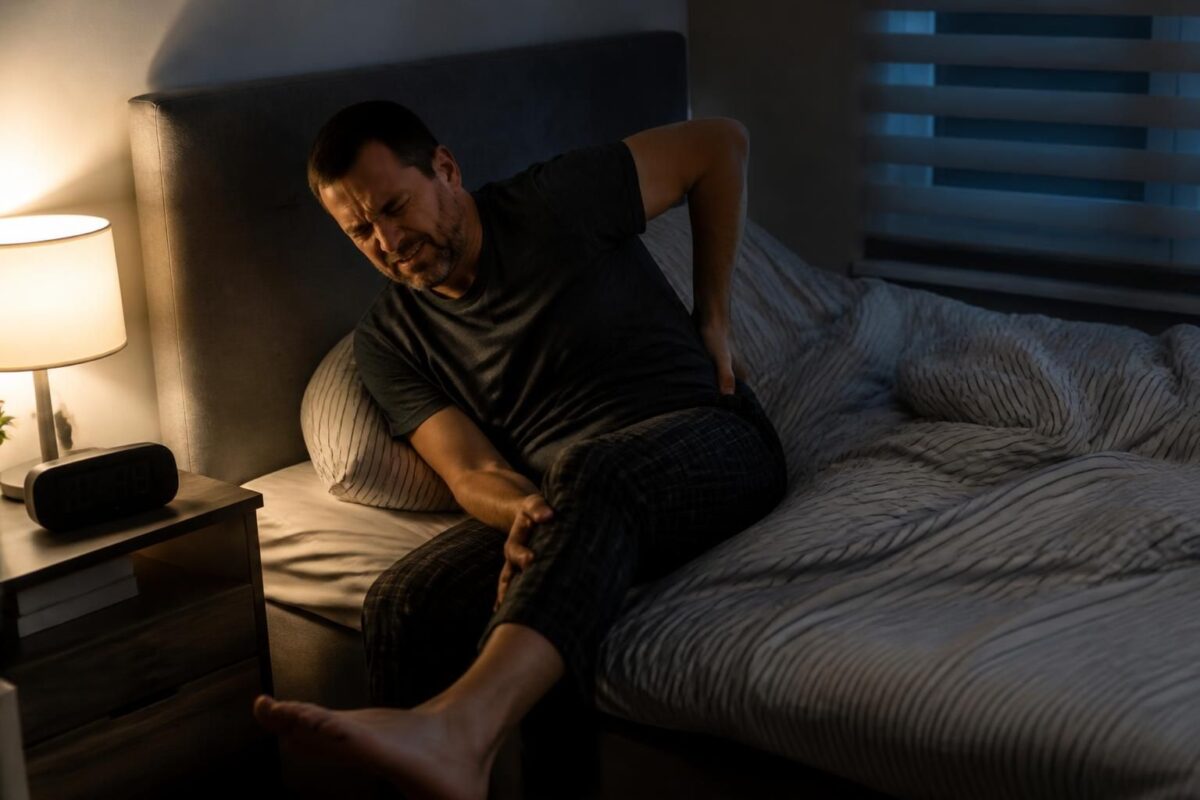
Sciatica in Terrebonne: pain that wakes you up at night
IN BRIEF In brief, nocturnal sciatica is pain from the sciatic nerve that occurs at rest and can wake you up at night. In Terrebonne, simple adjustments to posture and sleep environment allow for quick relief, notably by sleeping on…

Sciatica in Terrebonne: symptoms that worsen at the end of the day
IN BRIEF In brief, sciatica is pain associated with the sciatic nerve that starts in the lower back and can radiate down into the buttock and leg. In Terrebonne, it can worsen at the end of the day after prolonged…
Common causes in Terrebonne and their implications
Sciatica most often results from compression or inflammation of the sciatic nerve. Typical causes include a herniated disc or compressions related to spinal canal osteoarthritis. Other factors may play a role, such as a trauma, prolonged posture, or pregnancy. For precise identification, an appropriate medical assessment is necessary.
To better understand the mechanisms and related findings, you can consult specialized resources like Sciatica in Terrebonne or loss of sensitivity in the toes on the SOS Sciatica website.

Sciatica in Terrebonne: intermittent pain or constant pain?
IN BRIEF Sciatica is pain that follows the path of the sciatic nerve, starting from the lower back to the buttock and leg. In this context, we distinguish between intermittent pain and constant pain, depending on the episodes and causes…

Sciatica in Terrebonne: burning pain behind the thigh
IN BRIEF In brief, sciatica in Terrebonne, pain described as a burning sensation behind the thigh, is a nerve irradiation due to irritation or compression of a lumbar root that follows the pathway of the sciatic nerve. Benefits: precise local…
How to manage without surgery in Terrebonne
Several non-surgical approaches exist for treating sciatica in Terrebonne. The goal is to reduce inflammation, relieve pressure on the nerve, and promote a return to activity without excessive pain.
Role of osteopathy and manual therapies
Osteopathic practice and manual therapies can improve spinal mobility and relieve muscle tension that irritates the nerve. These approaches are often considered as first line, after multidisciplinary evaluation. In some cases, options for neurovertebral decompression may be discussed after a thorough examination.
Note that the treatments offered at TAGMED Clinic in Terrebonne or Montreal are part of a holistic approach, focused on pain relief and a return to functional activity. To learn more about the services, you can consult Sciatica treatment in Terrebonne.
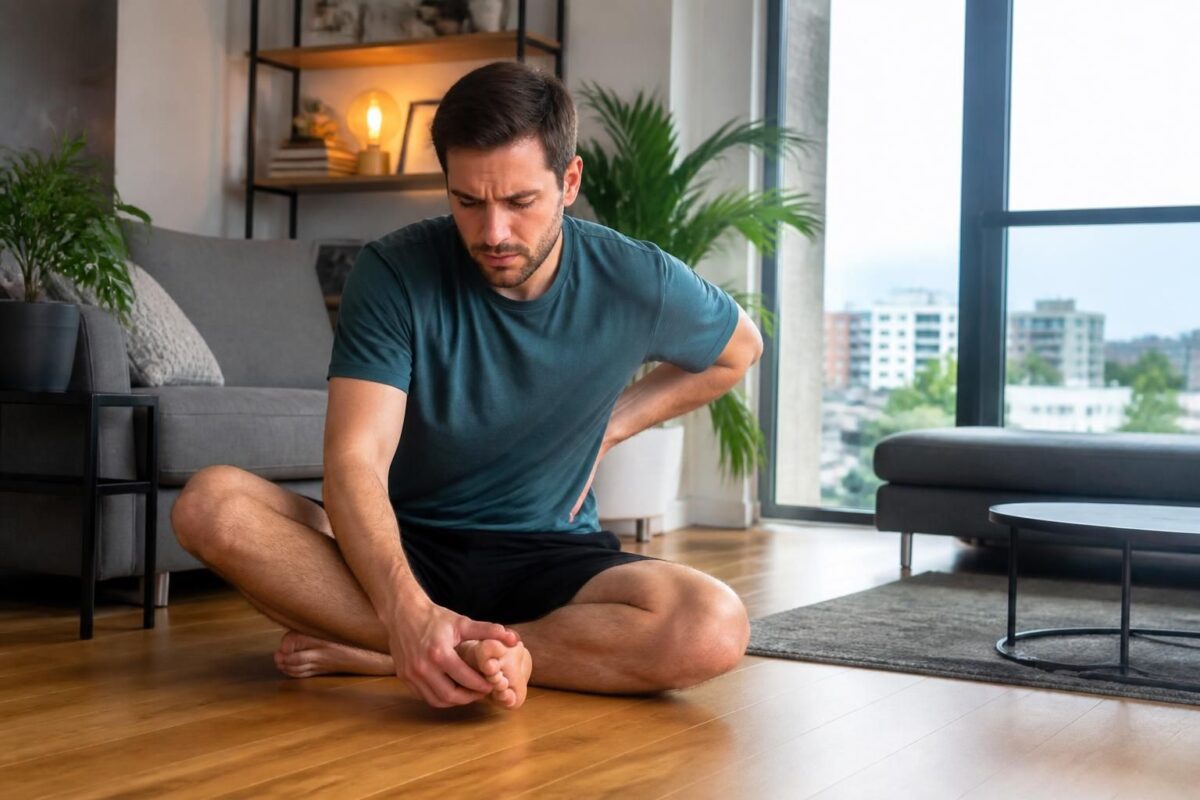
Sciatica in Terrebonne: numbness of the big toe and lower back pain
IN BRIEF In brief, sciatica associated with numbness in the big toe and lower back pain is pain that radiates along the sciatic nerve, starting from the lower back and spreading to the buttock, the back of the thigh, and…

Sciatica in Terrebonne: loss of sensation in the toes
IN BRIEF In brief, Sciatica with loss of sensation in the toes describes a compression of the sciatic nerve that runs from the lower back to the feet, causing numbness and tingling. In Terrebonne, non-surgical approaches aim to identify the…
When to consult and what daily actions to prioritize
Consult promptly if the pain persists despite usual measures, is accompanied by increasing weakness in the leg, urinary issues, or significant loss of sensitivity.
Contact a professional at the first significant signs. Maintaining appropriate activity is often recommended over prolonged rest. For general information and advice, you can explore additional resources on Sciatica in Montreal or in specialized guides, while being cautious about exercises without medical advice in cases of nerve compression.
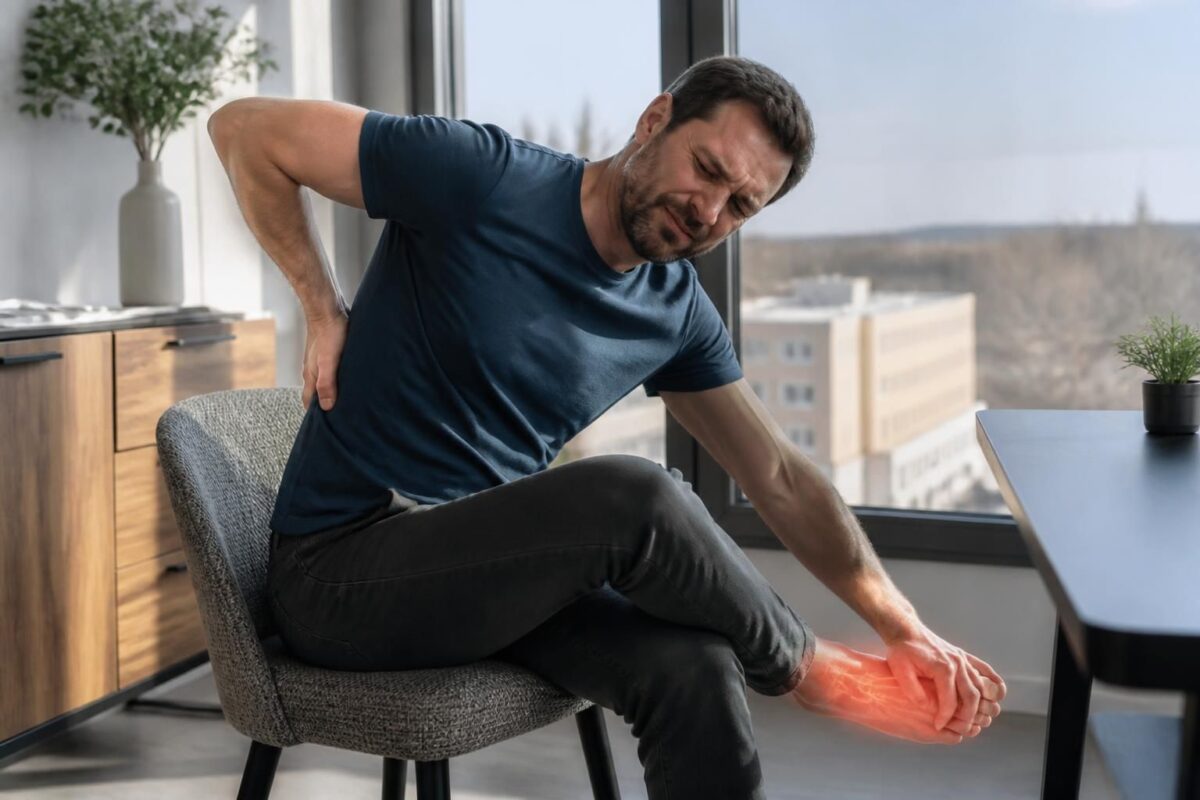
Sciatica in Terrebonne: pain while sitting with tingling in the foot
IN BRIEF In brief, sciatica in Terrebonne is characterized by a pain radiating from the buttock to the leg and foot, triggered or worsened by the sitting position and sometimes accompanied by tingling. This approach suggests sitting adjustments and regular…

Sciatica in Terrebonne: leg pain after prolonged standing
IN BRIEF In brief, Sciatica in Terrebonne is pain that starts in the lower back and radiates to the leg after a prolonged standing due to irritation or compression of the sciatic nerve. The key benefits of appropriate support include…
Preventing recurrences and adopting a proactive approach
After experiencing sciatica, the goal is to avoid recurrences. Move regularly and adjust your postures at work, in the car, and at home. Maintaining a healthy weight and strengthening the abdominal and back muscles can protect the spine daily. Educational resources and progressive protocols exist to guide your approach, particularly through your osteopath or physiotherapist.
Useful links for further exploration
To better understand the mechanisms and options, you can consult the following resources:
- Evaluation of balance disorders related to sciatica
- Herniated disc and sciatica – mechanical cause
- Sciatica in Terrebonne – pain after prolonged standing
- Loss of sensitivity in the toes
- Sciatica treatment – Terrebonne
- Neurovertebral decompression
- SCIATICA – general information
Medical disclaimer: The information and advice provided on this site do not replace the opinion, diagnosis, or treatment of a healthcare professional. Please note that Dr. Sylvain Desforges, osteopath, is neither a doctor of medicine nor a physician and is not a specialist in a medical specialty as defined by the Collège des médecins du Québec. Manual medicine, functional medicine, and sports medicine as described on this site exclude any treatment or medical diagnosis made by a physician or specialist doctor. Always consult your doctor for any medical questions. For more details, please read our full Legal Notice.
Benefits and limitations of the proposed approaches: this text does not include surgical procedures and favors a holistic strategy focused on pain reduction, improved mobility, and maintaining adapted physical activity, with support from the TAGMED Clinic in Terrebonne.
Orthopedist-orthotist & osteopath
Jean-François
Find the lumbar belt suited to your pain and needs (history, activity, morphology…).
Get advice
- Quick assessment Sciatic pain that prevents sitting on one leg.
- Route and signs Pain starts from the lower back and radiates to the buttock, thigh, and leg; numbness/tingling.
- Frequent causes Herniated disc and narrowing of the lumbar canal.
- Urgency Progressive weakness, urinary issues, or very intense pain require fast evaluation.
- Immediate actions Move progressively, avoid painful positions, maintain an appropriate posture; lumbar belt if advised.
- Non-invasive approaches Osteopathy and physiotherapy to relieve pressure and strengthen the back.
- When to consult Pain that persists after a few weeks or the occurrence of significant weakness.
- What we offer in Terrebonne Quick assessment and personalized plan focused on relief and preventing recurrences.

Quick summary: sciatica in Terrebonne can make it impossible to sit quietly, with pain following the path of the sciatic nerve. This article provides clear explanations of the causes and signs, followed by practical recommendations to relieve discomfort while sitting, prevent recurrences, and guide towards effective conservative approaches around Terrebonne.
Understanding sciatica and its impact in Terrebonne
Sciatica is pain that travels along the route of the sciatic nerve, the longest in the body, and can manifest when sitting or during movement. In Terrebonne, as elsewhere, it often presents as pain starting from the lower back or a buttock and extending down the thigh to the foot. The symptom can feel like an electric shock or burning, sometimes accompanied by tingling or numbness. In some cases, the pain may be limited to the leg or foot, but the inability to remain seated can remain significant when the nerve is irritated or compressed.
Adapting your seating and daily life
Pain that prevents long-term sitting requires optimizing workstations and daily habits. Choosing a chair with appropriate lumbar support, using cushions or a working position that promotes the natural curvature of the back, and planning regular active breaks can make a difference. Avoid prolonged positions that worsen the pain and prioritize micro-breaks to walk or change position every 30 to 60 minutes. Simple actions like adjusting chair height, keeping feet flat, and maintaining a neutral sitting position help limit compression of the sciatic nerve.
Treatment options and prevention
Non-invasive and therapeutic approaches
Non-drug approaches form the basis of treatment. Physiotherapy and osteopathy can help restore spinal mobility and release muscle tension compressing the nerve. An appropriate exercise program, focused on stretching, strengthening trunk muscles, and correcting posture, can gradually improve tolerance to sitting and reduce painful episodes. The goal is to restore normal functioning and prevent aggravations related to poor posture or prolonged sedentary behavior.
Medication and orthotics measures
In the acute phase, simple measures such as non-steroidal anti-inflammatory drugs and analgesics may be considered depending on the medical evaluation. Muscle relaxants or, in some cases, corticosteroids may be helpful under medical supervision. The use of a lumbar belt may be temporarily recommended to maintain the back in a good position and facilitate activities. In the most severe and persistent cases, the doctor may discuss additional options, including local injections or more in-depth investigations. Surgical intervention remains rare and aims to relieve the sciatic nerve when conservative treatments do not provide relief after several months.
When to consider intervention and prevention of recurrences
A consultation is indicated if the pain persists despite treatment, if it is accompanied by progressive weakness of the leg, loss of sensation in the perineal area, urinary or intestinal troubles, or associated fever. To prevent recurrences, it is crucial to maintain regular, appropriate physical activity, adopt good postures in all activities, and strengthen the abdominal belt and back muscles. Choosing moderate activities such as walking, swimming, or cycling can promote recovery without overloading.
Simple exercises to practice at home in Terrebonne
Piriformis stretch: lie on your back, cross the painful leg over the other knee, and gently pull the thigh towards you. Hold for 30 seconds and repeat on the other side. This exercise helps release tension around the sciatic nerve while being cautious.
Sciatic nerve mobilization: sitting on a chair, gradually extend the painful leg while bringing your toes towards you, then release. Repeat gently to regain flexibility without causing sharp pain.
Cat-cow pose: on all fours, alternate between rounding your back and arching it to mobilize the spine and improve lumbar mobility, gently and without pain.
Gentle planking: in a plank position on your knees, maintain a light contraction of the abdominal muscles to stabilize the pelvis and support the back. Start with 10 to 15 seconds and gradually increase according to your tolerance.
For any exercise program, proceed with caution and consult a health professional if the pain intensifies or does not decrease. In Terrebonne, a specialist can adapt these recommendations to your situation and support you in an integrated approach to regain comfort in a sitting position.
| Category | Key elements |
|---|---|
| Definition and pathway | The sciatica is a pain that follows the pathway of the sciatic nerve, often in one leg, described as a burning or electric shock sensation. |
| Impact on sitting | The pain worsens in a sitting position and may prevent prolonged sitting; prioritize breaks and change positions. |
| Frequent causes | Causes: herniated disc and/or spinal canal narrowing. |
| Emergency signs | Warning signs: progressive weakness of the leg, urinary issues, intense pain or loss of sensation; seek prompt consultation. |
| Non-surgical approaches | Physical therapy and osteopathy, with moderate activity and adapted exercises. |
| Medications and treatments | NSAIDs and analgesics in the acute phase; medical follow-up for adjustments as needed. |
| Injections | Local or epidural injections to reduce inflammation and compression. |
| Orthotics and support | A lumbar belt can stabilize the lower back and relieve during the painful phase. |
| Activity and mobility | Maintaining regular activity, walking, and moving is recommended; avoid prolonged immobility. |
| Prevention and habits | Adapted posture, strengthening the trunk, and gradual resumption of physical activity. |
Testimonials on Sciatica in Terrebonne: the pain that prevents sitting
Since I moved to Terrebonne, a pain related to Sciatica prevents me from staying sitting during meetings. The pathway of the nerve, a sensation of electric shock and burning, strikes me as soon as I stay in a sitting position too long.
In Terrebonne, the sciatic pain forces me to take breaks every 5 to 10 minutes while driving and even at home. Every position and every trip reminds me that I cannot stay sitting without pain.
In meetings, staying sitting became impossible due to the pain that travels from the lower back down to the leg. After receiving appropriate support in Terrebonne, I have found longer periods without pain.
I came to Terrebonne to treat my Sciatica. The osteopathy sessions and advice on posture have reduced the pain and allow me to stay sitting longer at the office.
Before, every drive was a challenge: the pain traveled up my back to my foot, and I could not stay sitting for long. Thanks to a personalized program in Terrebonne, I tolerate the sitting position better and can attend meetings without fear.
In the Terrebonne area, sciatica is a pain that can quickly turn daily life into a real challenge. This unilateral pain follows the pathway of the sciatic nerve, the longest in the body, starting from the lower back down the thigh to the foot. It can manifest as a burning sensation, electric shock, or tingling that hinder the ability to sit or hold a position for long. Understanding the mechanisms and available care options allows for regaining mobility and quality of life.
The common origins in the Terrebonne region mix mechanical and degenerative factors. The herniated disc, especially in young and middle-aged patients, can compress a nerve root and trigger lumbar sciatica. With age, spinal canal narrowing or vertebral osteoarthritis can also cause this painful syndrome. In some cases, the piriformis muscle or repetitive movements can exacerbate nerve compression. These situations often manifest as pain extending from the lumbar region down to the calf or foot, with increased discomfort during sustained efforts or prolonged sitting.
For the residents of Terrebonne, the professional and family dynamics can exacerbate symptoms: prolonged sitting, travel, and postural stress. In the face of this pain, the primary objective is to avoid prolonged immobility while remaining active. Moderate rest, mobility breaks, and adopting appropriate postures form the foundations of effective relief. In addition, targeted therapeutic approaches help address the cause while calming the inflammation and pain that prevent you from sitting.
In Terrebonne, specialists such as Dr Sylvain Desforges implement an integrated and non-invasive approach for sciatica. As a trained osteopath, he supports his patients with expertise in manual medicine and chronic pain management. His work is based on a comprehensive evaluation to identify tension areas and compression mechanisms, followed by tailored techniques to restore mobility of the spine and pelvis. He favors evidence-based solutions and sometimes incorporates advanced technologies such as motorized spinal decompression, lasers, and shockwave therapies when relevant to promote recovery and return to normal activity.
The treatment options highlighted in this region rely on a plural and personalized approach. In the front line, manual therapies and exercises guided by a healthcare professional allow for the release of the sciatic nerve and reinforcement of stabilizer muscles. Anti-inflammatories and analgesics may be considered in the acute phase, and targeted protocols, such as physiotherapy or osteopathy sessions, aim to correct postures and restore smooth movement. In cases where inflammation persists, injections or a specialized reevaluation may be suggested, with surgery considered only when conservative treatments have been exhaustive and significant neurological deficits appear.
Preventing recurrences involves regular physical activity, maintaining a balanced weight, and strengthening the trunk and back muscles. Simple and progressive exercises, adapted to your situation, can be undertaken at home after an individual evaluation. By working with an experienced osteopath like the one practicing in Terrebonne, you benefit from tailored support to reduce the risks of recurrence and regain a pain-free life that allows you to sit comfortably.
Quick summary: sciatica in Terrebonne manifests as pain that follows the path of the sciatic nerve and can make sitting uncomfortable, especially during prolonged movements and positions. This conclusion details typical signs, possible causes, non-surgical management approaches suited to Terrebonne, and practical advice for regaining mobility and quality of life without immediately resorting to surgery.
Sciatica is a painful symptom that often begins after low back pain and radiates down one leg to the foot along the path of the sciatic nerve. In Terrebonne, as elsewhere, it can make it difficult to sit for long periods and may be associated with burning sensations, tingling, or weakness in the leg. Understanding this nerve pathway and trigger factors allows for quick targeting of measures that improve pain and mobility.
Several factors can explain this pain and its location in Terrebonne: a herniated disc or narrowing of the lumbar canal, muscle tension, or postural imbalances related to professional activity or lifestyle, particularly in a sedentary context or when lifting loads. The initial goal is to reduce inflammation, promote movement, and strengthen the muscles that support the spine, in order to limit recurring episodes and improve your ability to sit comfortably.
Non-surgical approaches form the first line of recommended treatment. Regular and tailored physical activity, physiotherapy, and osteopathy can help release tensions and restore mobility. Wearing a lumbar belt may be considered temporarily to stabilize the lower back and allow daily activities without excessive pain. For local resources in Terrebonne, consult the guides for sciatica treatment available online. For example, the link Sciatica treatment in Terrebonne offers specific guidelines for the area.
If the pain persists or is accompanied by concerning signs, it is necessary to consult quickly. Increasing motor disturbances, urinary or intestinal issues, significant loss of sensitivity, or pain that does not relent after several weeks should lead to medical evaluation. For general advice on when to consult, refer to What to do when to consult.
Useful practical measures can help on a daily basis: avoiding painful positions, favoring those that relieve, and staying active without straining. Specialized resources describe strategies adapted to daily life, especially for issues related to sitting and climbing/descending stairs. For instance, the articles Sciatica and difficulty descending stairs and Sciatica and difficulty climbing stairs provide practical advice to adapt your daily routine and limit the impact of pain during your movements.
In terms of exercises and posture, several gentle techniques can be beneficial when practiced under supervision. Online resources offer progressive protocols tailored to the Terrebonne context while remaining cautious in the face of acute pain. For information on how to sit and move correctly, see dedicated guides such as Sciatica – sitting position.
Surgery remains a rare and purely secondary option, considered only after failure of conservative treatments or in the presence of significant neurological deficits. In the vast majority of cases, symptoms resolve thanks to appropriate management, regular physical activity, and correct posture, without surgical intervention.
For local support in Terrebonne, it is possible to benefit from management options that combine manual therapies and functional advice. Do not hesitate to discuss with your healthcare professional and refer to recognized local resources to obtain a personalized plan tailored to your situation.

Dr Sylvain Desforges, B.Sc., D.O., N.D., osteopath, is the founding president of TAGMED and of the ACMA association. He dedicates his practice to chronic spinal pain, low back pain and symptoms compatible with sciatica, particularly when pain radiates toward the buttock, leg, calf, foot or toes.
Through SOS Sciatique, he publishes educational content on sciatica symptoms, possible causes such as disc herniation, disc narrowing, foraminal stenosis or irritation of a lumbar nerve root, as well as non-surgical approaches that may be considered according to the evaluation. At Clinique TAGMED, care may include, depending on the case, motorized neurovertebral decompression, specific osteopathic care or precision percussion.
For an evaluation related to sciatica treatment in Montreal / Mount Royal or sciatica treatment in Terrebonne, please consult the services available at Clinique TAGMED.
Medical disclaimer
The information published on SOS Sciatique is provided for educational purposes only and does not replace a consultation, diagnosis, opinion or treatment provided by a physician or another authorized healthcare professional. The author of this article is neither a medical doctor nor a specialist in a medical specialty recognized by the Collège des médecins du Québec. The osteopathic, manual medicine or functional support approaches described on this site do not constitute medical acts and are not intended to replace medical follow-up.
Consult a physician or emergency service in cases of loss of bladder or bowel control, anesthesia in the saddle area, significant or progressive weakness in the leg or foot, fever, recent trauma, severe pain or rapid worsening of symptoms. For more details, please read our Legal Notice.