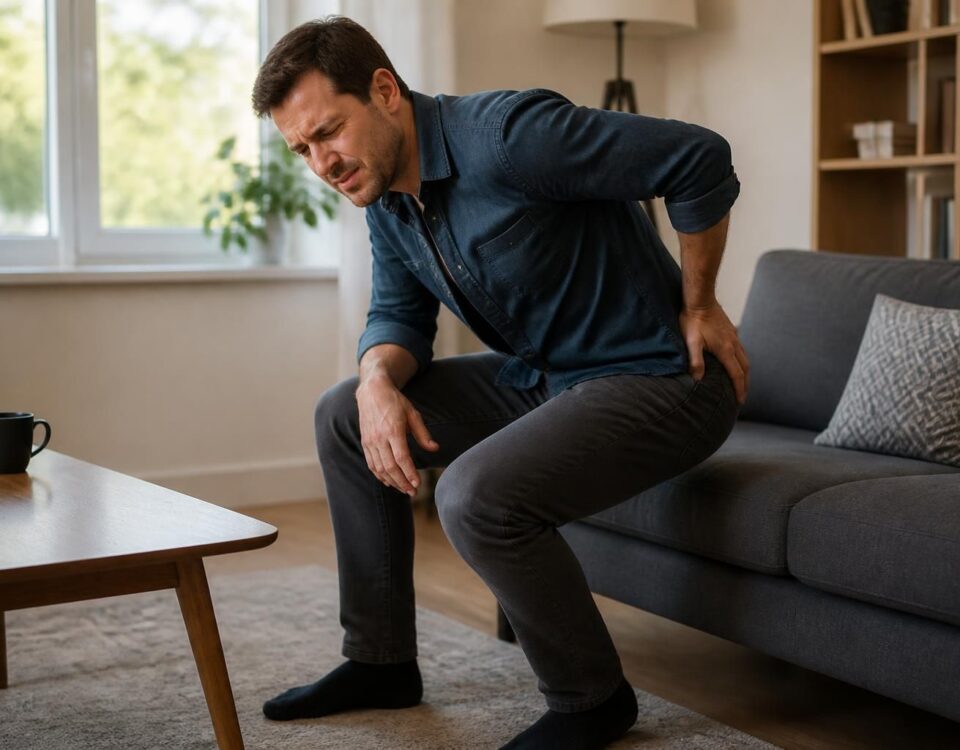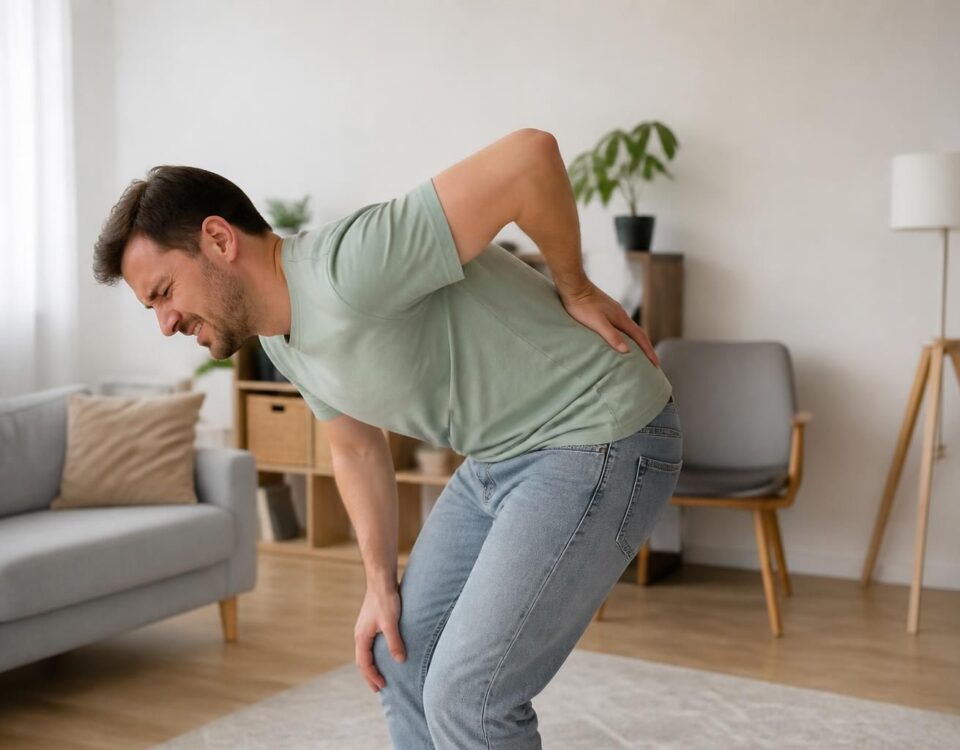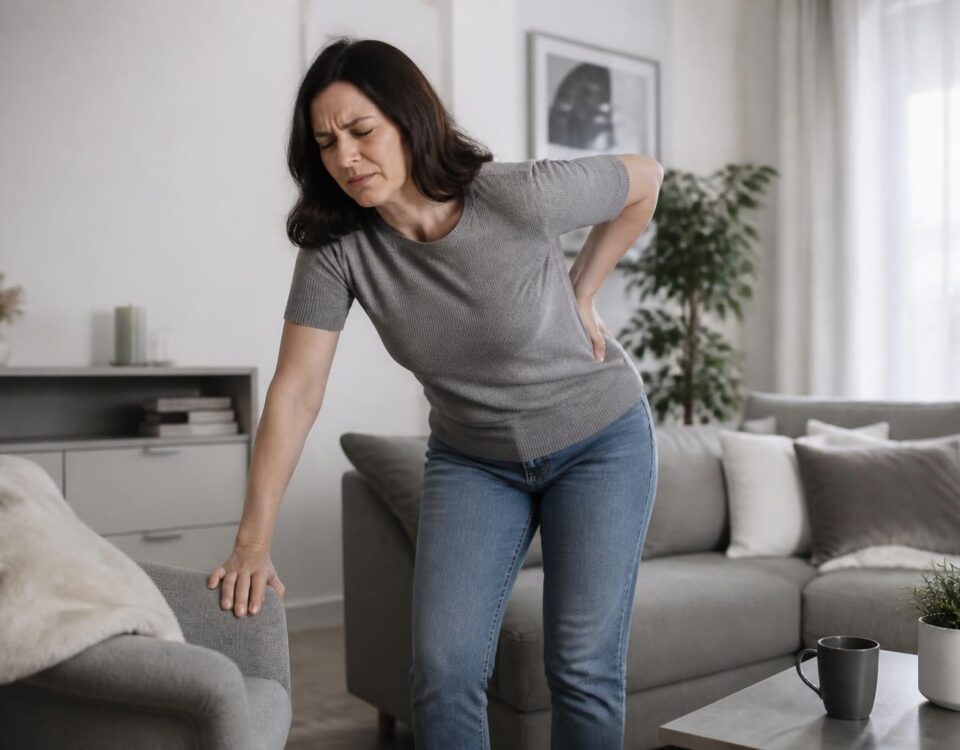
Sciatica in Terrebonne: pain that prevents sitting down
23/09/2026
Herniated disc and sciatica: factors that influence progression
23/09/2026
IN BRIEF
| In brief, sciatica and pain during trunk rotation refer to irritation or compression of a lumbar nerve root. This pain can radiate down into the buttock and back of the thigh, sometimes with tingling sensations, and reflects the origin to target. The goal is to identify the origin (e.g. herniated disc, lumbar canal stenosis, disc disease) and to treat the cause with appropriate non-surgical approaches: physiotherapy, progressive physical activity, and postural advice. Benefits: quick understanding of the nerve pathway, symptom reduction during twisting motions, and prevention of recurrences. How it works: targeted assessment, personalized plan, and progression towards strengthening, with movements and positions adapted around trunk rotation. In the presence of warning signs (loss of strength, urinary problems), consult quickly. |
The movement of trunk rotation can trigger or amplify sciatica when the lumbar nerve root is irritated or compressed. The pain can start from the lower back or buttock and radiate into the leg, sometimes down to the calf or foot, with sensations of tingling or numbness. This pain is a nerve response, not just a simple muscle pain, and its origin can come from a herniated disc, lumbar canal stenosis, or other lumbar pathologies. An accurate diagnosis allows for targeted treatments to relieve pain and safely and progressively improve trunk rotation.
This article explains why trunk rotation can trigger or worsen sciatica or femoral neuropathy. It describes the mechanisms, signs to watch for, and the management options available in a modern clinical approach. It emphasizes actions and treatment choices that prioritize safety and progression suited to each patient.
Understanding the relationship between trunk rotation and radiating pain
Trunk rotation can put stress on the nerves exiting the lumbar spine. This action can irritate or compress a nerve root. The pain may follow the path of the affected nerve. The sciatic nerve carries pain down the back of the leg. The femoral nerve can project pain onto the front of the thigh. The exact path helps identify the origin and guide treatment.
Common causes associated with trunk rotation
Lumbar herniated disc is a common cause. The damaged disc may leak its contents and compress a nerve root. The pain then follows the path of the affected nerve toward the leg.
The narrow lumbar canal gradually narrows with age. It typically causes pain while walking and may limit trunk rotation without pain at rest.
Lumbar disc disease is the degeneration of a disc between two vertebrae. It can cause low back pain and radiating pain during movements, including rotation.
Spondylolisthesis is the slippage of one vertebra relative to the one below it. It can compress the nerve roots and generate pain radiating down the legs during rotation.
Signs and symptoms when the trunk rotates
Pain may start in the lower back and spread to the back of the buttock or thigh. It can extend down to the calf or foot. Tingling or numbness may accompany the pain. The sensation can be more pronounced during trunk rotation.
Pain may be felt primarily on one side. In some individuals, the pain may be more intense at night or after repeated movements.
There are signs of severity. Significant loss of strength in one leg may appear. Urinary problems or loss of sensation around the perineum require emergency consultation.
When to consult and warning signs
Consult quickly if you observe a loss of strength in one leg or foot. Urinary issues or loss of sensation in the perineum warrant immediate care.
If the pain persists despite initial measures, a specialized assessment should be considered. The doctor can investigate mechanical causes and guide appropriate treatment.
Management and therapeutic options
Treatment aims at the cause and often starts with general medical measures. Depending on the evaluation, non-surgical options may be proposed.
At TAGMED Clinic, non-surgical approaches may be considered after a comprehensive evaluation. This can include specific osteopathic techniques and, if appropriate, motorized neurovertebral decompression techniques. These choices are based on individual assessment and available resources within TAGMED.
Additional resources and information on sciatica and its manifestations can be consulted on the following specialized sites:
treatment of sciatica in Montreal / Mont-Royal ;
pain and numbness after walking ;
intermittent pain or constant pain ;
numbness of the big toe and low back pain;
pain and symptoms.
For active clinical management, consider TAGMED clinic as well:
TAGMED Clinic — Montreal and Terrebonne.
Additional information on causes and management options can be consulted in resources dedicated to lumbosciatica and disc disease on the specialized sites listed above.
To learn more about mechanisms and non-surgical approaches, you can consult resources associated with recognized disciplines in the context of osteopathic approaches, while paying attention to neurovertebral decompression and individualized assessment, as indicated above.
Avoid exercise or stretching recommendations without professional assessment, especially when the pain is intense or when there is weakness or neurological signs. A precise evaluation allows to determine if simple gestures, postural adjustments, and suitable activities can be proposed safely.
Medical disclaimer: The information and advice provided on this site do not replace the opinion, diagnosis, or treatment of a healthcare professional. Please note that Dr. Sylvain Desforges, osteopath, is neither a medical doctor nor a physician, and is not a specialist in a medical specialty as defined by the Collège des médecins du Québec. Manual therapy, functional medicine, and sports medicine as described on this site exclude any medical treatment or diagnosis made by a doctor or specialist. Always consult your physician for any medical questions. For more details, please read our full Legal Notice.
- Axis: link between sciatica and trunk rotation
- Path: pain following the lumbar root (buttock → thigh → leg)
- Sign: paresthesias, numbness, or weakness in the leg
- Risk: sudden rotation may worsen irritation
- Gestures: prioritize controlled movements without sudden twisting
- Posture: neutral back, stable pelvis, rotation with support
- Activity: light walking and gentle mobility of the pelvis/back
- Alert: increasing pain, loss of strength, or urinary issues — consult

This article offers practical recommendations for understanding and managing sciatica when trunk rotation triggers or worsens pain. You will find simple guidelines to avoid excessive twisting, posture advice, safe exercises, and warning signals that require medical consultation. The objective is to preserve mobility while protecting the sciatic nerve.
Understanding the link between sciatica and twisting
Sciatica and trunk twisting are not diseases but pains resulting from irritation or compression of a lumbar nerve root. The path of this root guides the location of the pain and how trunk rotation can influence it. Improperly controlled twisting can further irritate the nerve and amplify the pain that sometimes radiates down to the leg.
When rotation becomes problematic
Avoid insisting when rotation triggers sharp and ascending pain in the leg, or when it is accompanied by loss of strength, significant numbness, or urinary issues. If the pain persists despite initial measures, or if you experience alarming signs, consult quickly to rule out a complication or adjust treatment.
Practical recommendations for safely rotating the trunk
To rotate the trunk without worsening pain, prioritize a slow and controlled rotation, without radically changing the position of the hips. Keep the spine in a neutral position and engage the deep abdominal and back muscles before turning. Exhale during the movement to stabilize the trunk and limit tension. Limit ranges that trigger or significantly worsen the pain, and favor gestures that do not irritate the nerve.
Simple exercises and precautions
Trunk rotation in a seated position
Sitting in a chair, feet flat, hands on knees or on the backrest, slowly turn the torso to one side and then the other in a comfortable range. Keep the shoulders and hips aligned and avoid leaning. Repeat gently and stop if the pain increases.
Trunk rotation in a standing position
Standing, feet shoulder-width apart, hands on hips or crossed over the chest. Rotate the upper body while keeping the hips still and looking straight ahead. Perform 5 to 10 repetitions on each side, at a slow speed, and only if it does not cause pain to radiate down the leg.
Sciatica and pain during trunk rotation
| Criterion | Concise description |
|---|---|
| Origin | Pain related to irritation or compression of a lumbar root; rotation may worsen depending on hernia or stenosis. |
| Path | Sciatica: down the buttock → thigh → calf; cruralgia: front of the thigh to the knee. |
| Associated signs | Tingling/numbness and radiating pain; increased lumbar pain with rotation. |
| Aggravating factors | Trunk rotation, sudden twisting, bending, and prolonged sitting positions. |
| Warning signs | Loss of strength, urinary or intestinal issues, extreme pain or cauda equina syndrome. |
| Impact on movement | Reduced rotation and pain during twisting; favor gentle and progressive ranges. |
| Self-care | Relative rest, heat/cold as tolerated, suitable activity, and guided gentle mobility. |
| Treatment | Initial medical treatment (pain relievers/anti-inflammatories) then physiotherapy; injection or surgery as a last resort depending on severity. |
| When to consult | Persistence after a few weeks, increasing pain, weakness, or urgent signs require evaluation. |
Testimonials on sciatica and pain during trunk rotation
“When I twist my trunk to grab something behind me, the sciatica shoots down my leg with an electric pain. I freeze for a moment and then the pain amplifies.”
“After a few sessions of osteopathy and tailored advice, the pain during trunk rotation has decreased. I can turn without grimacing and resume my daily activities more fluidly.”
“My doctor explained that the cause came from my spine and nerve, and the simple exercises I learned helped me reduce triggers during trunk rotation. The pain is less frequent and less intense.”
“Thanks to a personalized program, I am gradually regaining my mobility: each trunk rotation becomes more natural, and sciatica no longer dominates my days. I feel more confident moving at work and at home.”
Detailed Biography: Sciatica and Pain while Rotating the Trunk
Dr Sylvain Desforges, aged 59, is an osteopath by training and practice, known for his integrated approach to musculoskeletal pain. A dedicated mentor in continuous care improvement, I founded TAGMED clinics and actively participated in the emergence of professional associations aimed at optimizing non-drug treatments. My daily work focuses on understanding and alleviating pain related to the spine, particularly those originating from the lumbar base and extending along the nerve path, such as sciatica and trunk rotation pain.
In my practice, I believe that sciatica and pain associated with trunk rotation do not result from a single pathological event, but from a combination of mechanisms at the level of the lumbar spine. Irritation or compression of a nerve root causes pain that radiates into the buttock, thigh, popliteal fossa, or even down to the foot. My role is to accurately locate the involved nerve path and identify the origin in order to propose a targeted and customizable treatment plan.
My approach is based on a comprehensive and clear evaluation of possible causes: disc herniation, lumbar canal stenosis, discopathy, and other degenerative conditions. I emphasize manual and osteopathic techniques tailored to each patient, complemented when necessary by non-surgical support strategies. Understanding the movement of the trunk and its articulation with the pelvis allows me to explore gestures and postures that trigger or relieve pain in order to restore function and prevent recurrences.
For patients with persistent symptoms, I incorporate non-invasive and progressive solutions, including motorized neurovertebral decompression and tailored non-surgical approaches. In some cases, complementary technologies such as laser or shockwave therapy may be considered alongside osteopathic work. My goal is to provide options based on available evidence to reduce pain, improve mobility, and facilitate a return to normal activity as quickly as possible.
Convinced that every patient deserves a clear and effective pathway, I ensure that every consultation comes with a personalized treatment plan, an adapted rehabilitation program, and educational support for daily activities. My approach is holistic and patient-centered: it prioritizes movement, safety, and autonomy rather than a systematic reliance on medications or heavy interventions. I encourage each individual to understand the trajectory of the involved nerve and to actively engage in their rehabilitation and prevention.
At the TAGMED Clinic, my care is part of a {{quality assurance}} and continuous improvement process. I provide patients with educational resources and specialized services for sciatica and pain associated with trunk rotation to offer comprehensive and tailored care. My ambition is to enable each person to regain their mobility, serenity, and a better quality of life, supported by rigorous, personalized, and results-oriented care.
This conclusion details how sciatica or femoral nerve pain can be influenced or worsened by trunk rotation, possible causes, and management options to limit symptoms and facilitate a return to daily activities. It also emphasizes the importance of an appropriate assessment and a progressive movement plan, avoiding unnecessary pursuit of postural perfection.
The trunk rotation can affect the nerve roots that travel from the lumbar spine and project pain along the path of the sciatic nerve or the femoral nerve. Painful rotation may indicate irritation or compression and requires a progressive approach: favoring controlled movements, avoiding sudden twisting, and having the situation evaluated by a professional if the pain is intense or persists.
The most common causes associated with these pains remain lumbar disc herniation, lumbar canal stenosis, discopathy, and spondylolisthesis. Understanding this path can aid in directing non-surgical treatment and adapting daily activities to limit triggers during trunk rotations. Specialized resources describe these mechanisms and how they manifest in descending pain along the leg.
To limit risks during rotation movements, favoring gentle and progressive gestures, keeping the trunk stable, and strengthening the deep back and abdominal muscles is recommended. Supervised rehabilitation and tailored exercises allow individuals to stay active without increasing symptoms. When pain persists despite treatment, a specialized assessment may direct options like physiotherapy, injections, or other interventions, depending on the clinical context. Complementary resources may help to understand the mechanisms and the gestures to favor during rehabilitation.
Warning signs require prompt consultation: loss of strength in a leg, urinary or fecal incontinence, loss of sensitivity around the perineum, extremely strong pain or pain that continues around the night, fever or suspicion of infection. In the presence of these elements, urgent medical evaluation and imaging studies may be indicated to rule out a serious syndrome such as cauda equina and adapt treatment accordingly.
By prioritizing a movement- and safety-focused approach, it is possible to sustainably reduce symptoms and lower the risk of recurrence without systematically resorting to surgery. Maintaining appropriate physical activity, limiting twists and positions that heavily trigger pain, and working with a professional to build a personalized plan are key elements. To delve deeper into the mechanisms and practical advice, you can consult reliable resources such as the MSD Manuals, or specialized guides on Sciatica SGCA and dedicated pages from SOS Sciatique such as Sciatica and difficulty sitting and pain when going downstairs. Additional readings on pain when sitting or during straightening movements can also be useful: Sciatica and pain when sitting, Sciatica and pain when straightening.
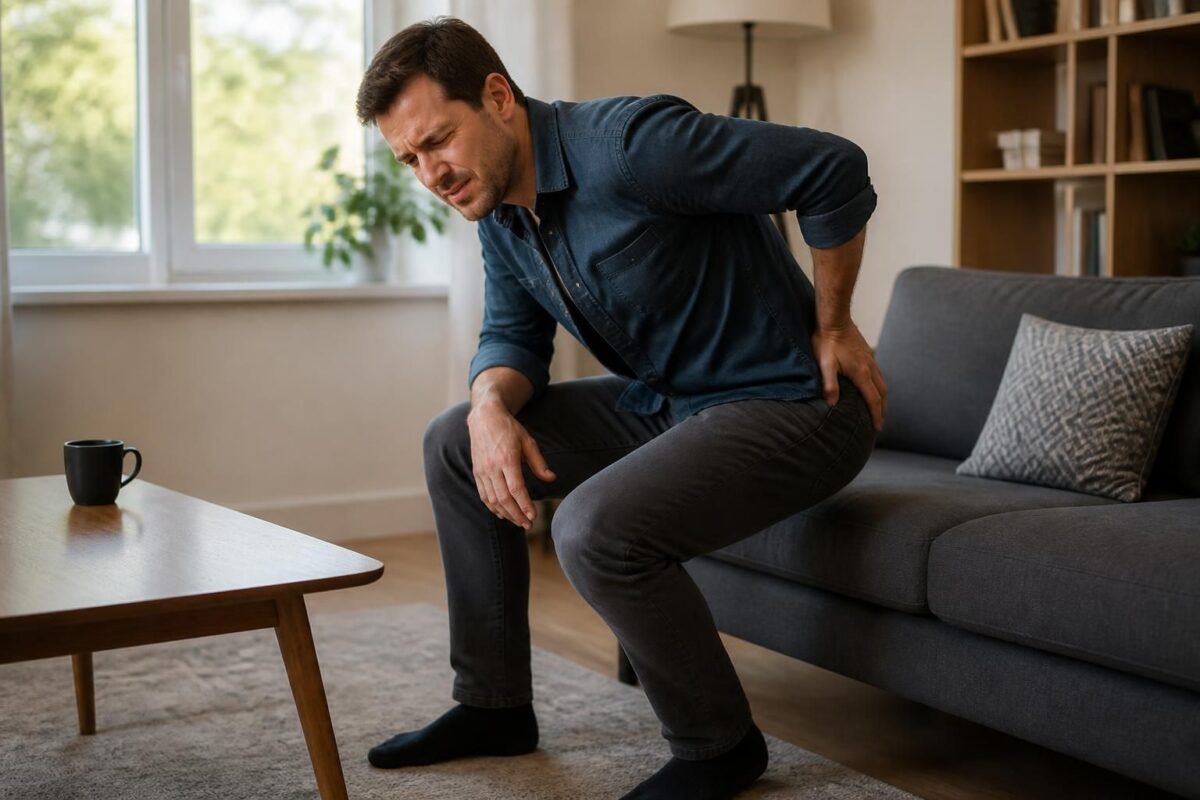
Sciatica and pain when straightening up
IN BRIEF In brief, Sciatica and pain when standing up is a pain radiating along the sciatic nerve, often triggered or worsened by the effort of standing up and maintaining an upright posture. It most often results from a nerve…
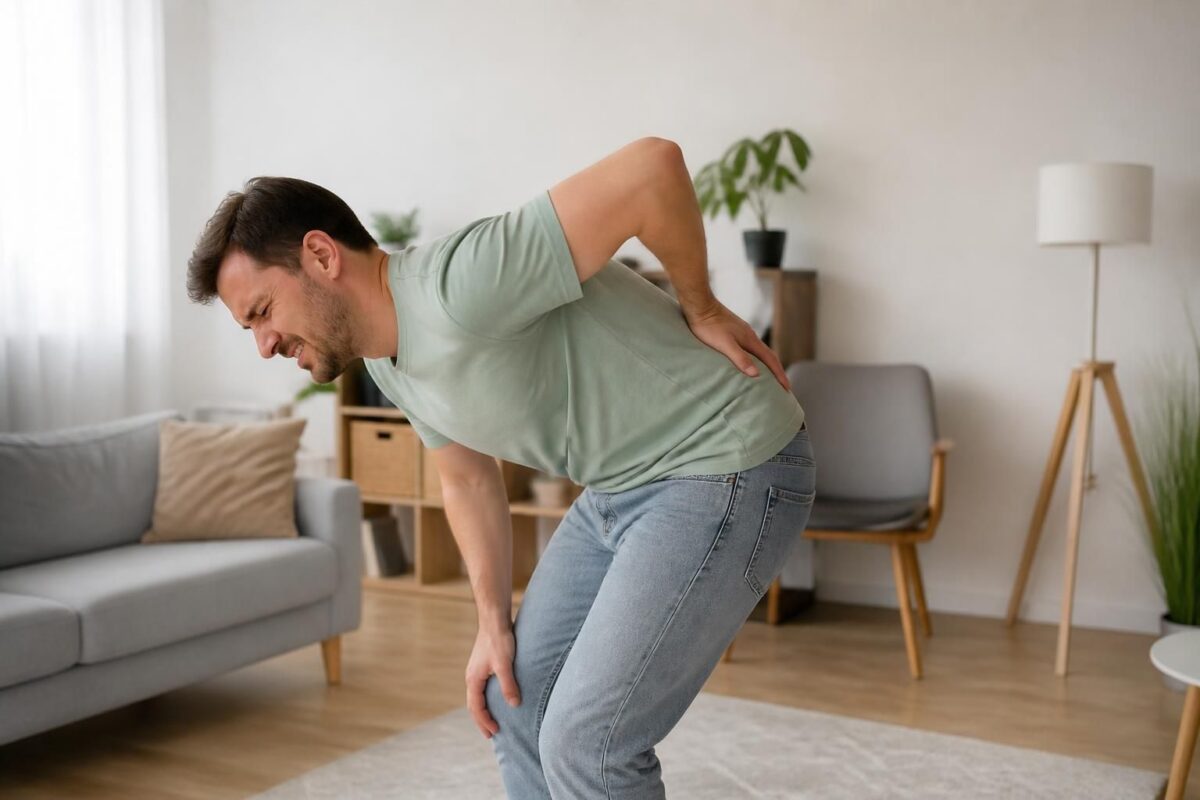
Sciatica and pain when leaning forward
IN BRIEF In brief, Sciatica and pain when bending forward describe lower back pain that radiates into the leg when flexing, often due to irritation of a nerve root or disc compression. This page offers a clear definition, common causes,…
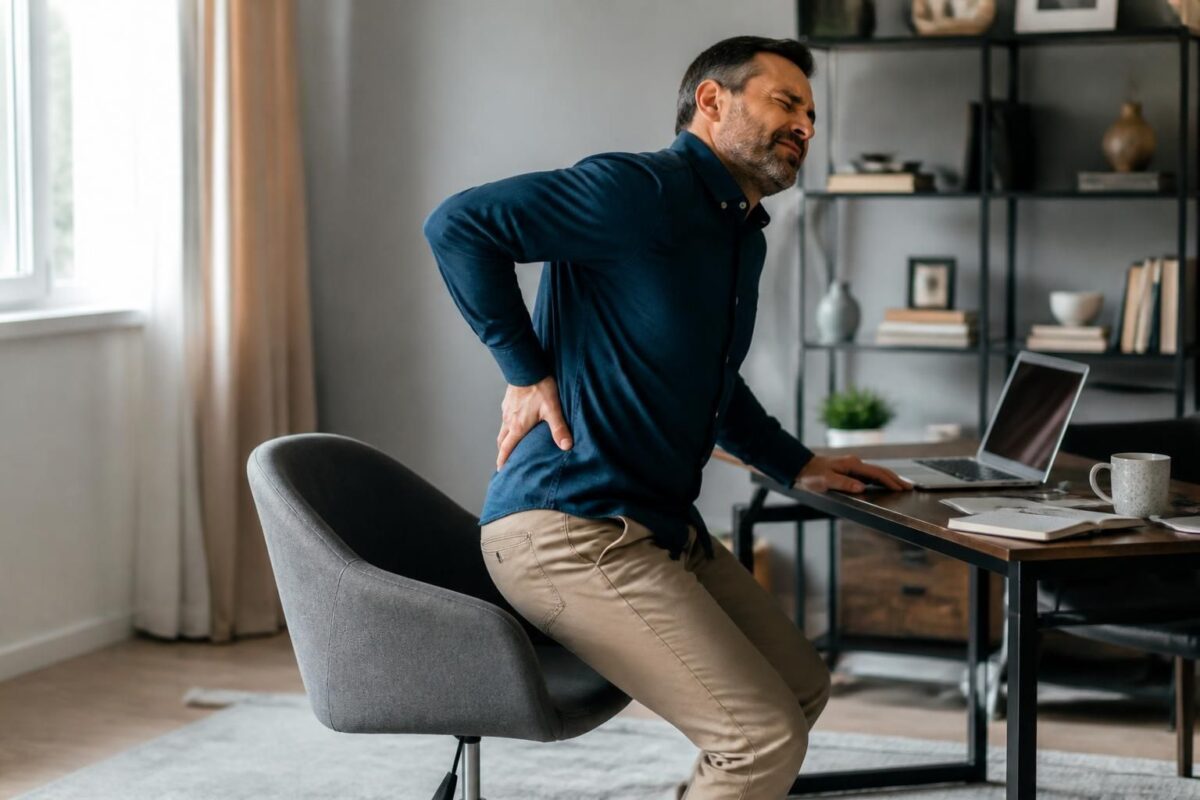
Sciatica and pain when getting up from a chair
IN BRIEF In brief, sciatica and pain when getting up from a chair refer to lower back discomfort triggered by the transition from sitting to standing, often related to irritation of a lumbar nerve root or poor posture. What is…

Sciatica and Pain with Position Change
IN BRIEF In brief, sciatica and pain during position change is pain radiating along the sciatic nerve triggered or worsened by postural changes and prolonged postures. Benefits: identifying positions to avoid and adopting ergonomic adjustments helps reduce pain, improve comfort,…
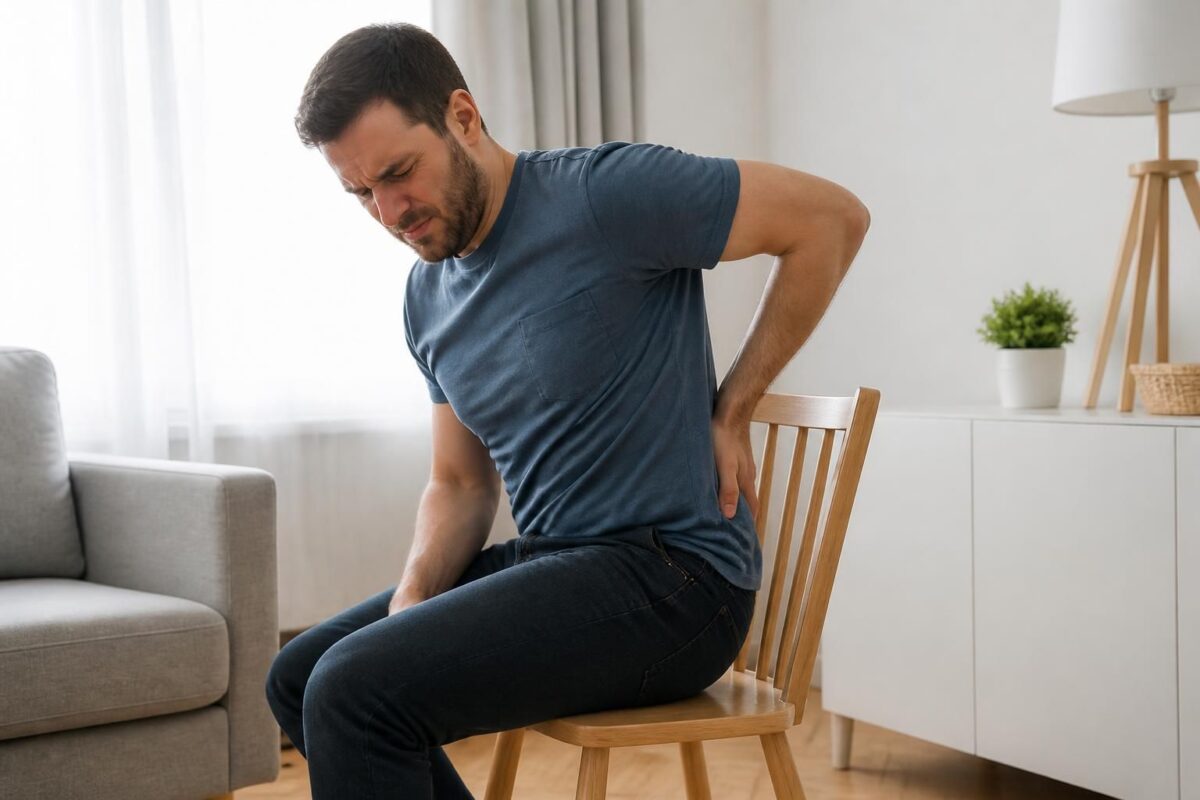
Sciatica and difficulty sitting
IN BRIEF In brief, Sciatica and difficulty sitting describes pain that follows the path of the sciatic nerve, often worsened by prolonged sitting. This approach aims to break up sitting periods and adjust posture to reduce pressure on the lumbar…
Sciatica and difficulty standing upright
IN BRIEF In brief, sciatica and difficulty standing refer to painful radiation starting from the lower back down the leg, which can significantly hinder standing. What is it? A pain that may radiate into the buttock and leg, with sensations…

Sciatica and pain when going down the stairs
IN SHORT Sciatica and the pain felt when going down the stairs is a pain that radiates along the path of the sciatic nerve and can be triggered by descending steps. This condition may be related to causes such as…

Sciatica and pain when going up stairs
IN BRIEF In brief, sciatica is a pain that follows the path of the lumbosacral nerves, starting from the lower back and going down to the back of the leg. It can be related to a herniated disc, stenosis, or…

Dr Sylvain Desforges, B.Sc., D.O., N.D., osteopath, is the founding president of TAGMED and of the ACMA association. He dedicates his practice to chronic spinal pain, low back pain and symptoms compatible with sciatica, particularly when pain radiates toward the buttock, leg, calf, foot or toes.
Through SOS Sciatique, he publishes educational content on sciatica symptoms, possible causes such as disc herniation, disc narrowing, foraminal stenosis or irritation of a lumbar nerve root, as well as non-surgical approaches that may be considered according to the evaluation. At Clinique TAGMED, care may include, depending on the case, motorized neurovertebral decompression, specific osteopathic care or precision percussion.
For an evaluation related to sciatica treatment in Montreal / Mount Royal or sciatica treatment in Terrebonne, please consult the services available at Clinique TAGMED.
Medical disclaimer
The information published on SOS Sciatique is provided for educational purposes only and does not replace a consultation, diagnosis, opinion or treatment provided by a physician or another authorized healthcare professional. The author of this article is neither a medical doctor nor a specialist in a medical specialty recognized by the Collège des médecins du Québec. The osteopathic, manual medicine or functional support approaches described on this site do not constitute medical acts and are not intended to replace medical follow-up.
Consult a physician or emergency service in cases of loss of bladder or bowel control, anesthesia in the saddle area, significant or progressive weakness in the leg or foot, fever, recent trauma, severe pain or rapid worsening of symptoms. For more details, please read our Legal Notice.