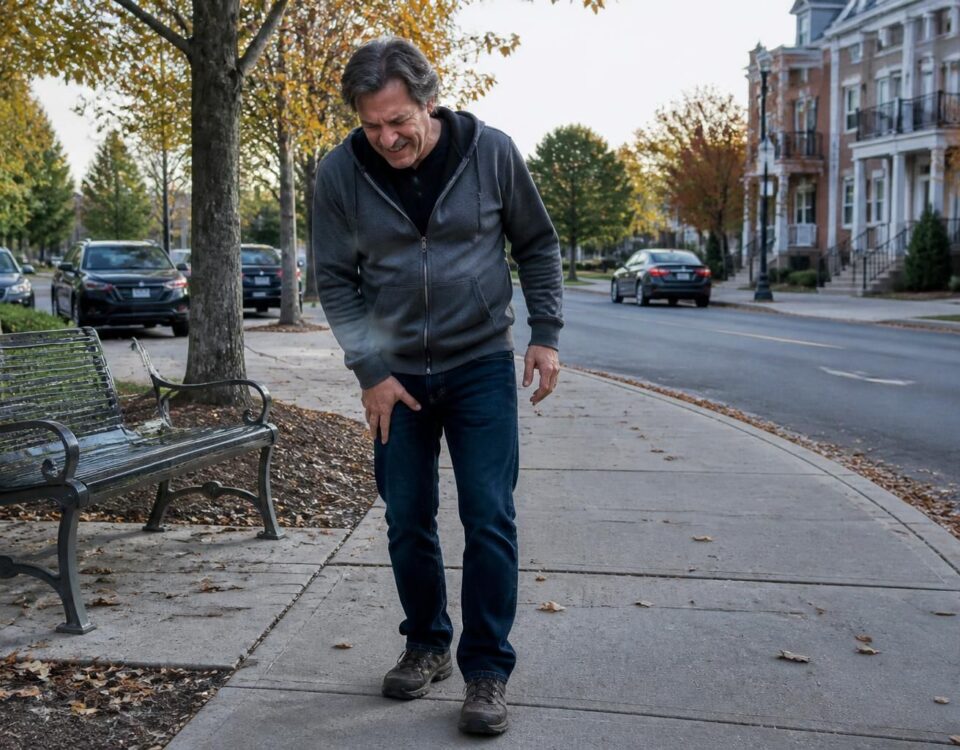
Sciatica in Montreal: pain that prevents long driving
24/09/2026
Sciatica and pain when coughing: possible disc sign
24/09/2026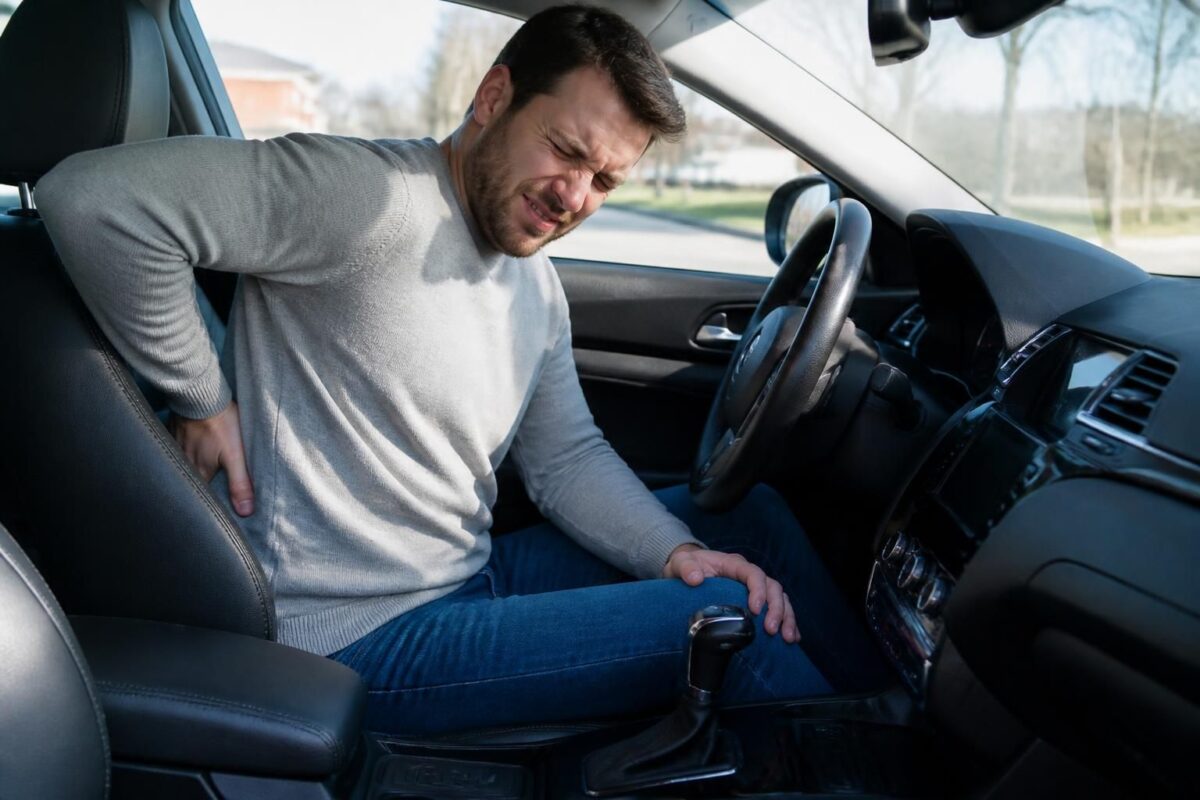
IN BRIEF
In brief, sciatica in Terrebonne is pain that radiates along the sciatic nerve and can prevent long drives. In Terrebonne, non-invasive approaches like osteopathy and postural advice can improve mobility and reduce pain, allowing for more comfortable trips. The functioning is based on correcting posture, relaxing the muscles, and simple strategies to drive longer, with breaks and adjustments suited to daily life. |
In Terrebonne, sciatica can manifest as a pain that prevents long drives. This pain is often due to irritation or compression of the sciatic nerve and worsens when sitting for long periods. To drive longer without suffering, prioritize an appropriate posture (a straight back, an adjusted seat), use a lumbar cushion, plan for breaks every 30 to 45 minutes, and practice some gentle stretching and breathing movements; these simple gestures can reduce discomfort and improve comfort at the wheel.
This article, written by an expert healthcare professional, addresses sciatica in Terrebonne and explains why pain can prevent long drives. You will discover the causes, the factors that exacerbate pain while driving, practical tips for driving pain-free, and the care options available at the Clinique TAGMED.
Understanding Pain and Its Impact on Driving
Sciatica is pain that can start in the lower back and radiate to the buttock and leg. The sciatic nerve is the longest in the body and can be irritated or compressed by an injury, inflammation, or degeneration. This pain can be felt as mild or intense, and it can extend down to the foot and toes. In most cases, the pain is functional and related to mechanisms at the lumbar level, rather than a serious injury.
Driving-Specific Aggravating Factors
Driving requires a prolonged and relatively immobile sitting position. The pelvis can slightly misalign during trips, especially over long distances, which can pull the sciatic nerve asymmetrically. Road vibrations and postural fatigue increase tension around the back and buttocks. Stress related to driving can also increase muscle tension and intensify pain.
Practical Tips for Driving Pain-Free
If driving is unavoidable, adopt simple and effective measures. Ensure your comfort before departure and avoid any irritants on the seat. Use a lumbar cushion or a small support to maintain the curve of your lower back. The seat should be close enough to the steering wheel and slightly tilted to keep the pelvis in a neutral position. During the trip, plan regular breaks, ideally every 30 to 45 minutes, then walk for a few minutes and gently move the pelvis. Breathe slowly and relax your shoulders to limit overall body tension. While parked, restore an upright posture and release accumulated tension.
For those who cannot avoid long trips, plan journeys that allow for frequent stops and light activity periods between driving segments. Local tailored solutions can be discussed during an assessment at Clinique TAGMED in Montreal or Terrebonne.
When to Consult and What Options at Clinique TAGMED
If the pain persists despite adjustments, or if it is accompanied by other symptoms, consult quickly. A professional assessment can identify local mechanical factors and establish an appropriate care plan. At Clinique TAGMED, non-surgical approaches may be considered based on the individual evaluation. The goal is to improve mobility, reduce pain, and facilitate a gradual return to safe driving.
For more general information on pain associated with sciatica and similar contexts, you can consult the following resources: SOS Sciatique and Sciatica in Montreal. For information related to osteopathic practice and TAGMED, visit Clinique TAGMED.
Useful reference and additional information links (allowed domains): Sciatica and difficulty staying seated, Neurovertebral decompression, Disc herniation and factors.
Medical disclaimer: The information and advice provided on this site do not replace the opinion, diagnosis, or treatment of a healthcare professional. Please note that Dr. Sylvain Desforges, osteopath, is neither a medical doctor nor a physician and is not a specialist in a medical specialty as defined by the Collège des médecins du Québec. Manual medicine, functional medicine, and sports medicine as described on this site exclude any treatment or medical diagnosis made by a physician or medical specialist. Always consult your doctor for any medical questions. For more details, please read our full Legal Notice.
—
“Medical disclaimer: The information and advice provided on this site do not replace the opinion, diagnosis, or treatment of a healthcare professional. Please note that Dr. Sylvain Desforges, osteopath, is neither a medical doctor nor a physician and is not a specialist in a medical specialty as defined by the Collège des médecins du Québec. Manual medicine, functional medicine, and sports medicine as described on this site exclude any treatment or medical diagnosis made by a physician or medical specialist. Always consult your doctor for any medical questions. For more details, please read our full Legal Notice.”
Content Axis: managing driving and pain through posture, breaks, and preparation.
- Posture: sitting straight with the head aligned on the spine.
- Lumbar: lumbar support or suitable cushion.
- Seat: adjust height and distance to reach the pedals without tension.
- Breaks: take a break every 30–45 minutes.
- Mobility: get out and walk for 2–5 minutes during breaks.
- Breathing: diaphragmatic breathing and shoulder relaxation.
- Legs: knee slightly bent, avoid straightening the leg.
- Accessories: ergonomic cushion or cloth to support the lower back.
- Planning: prefer short alternative routes if possible.
- Warning Signs: persistent pain or weakness requires consultation.

This sheet, dedicated to Sciatica in Terrebonne, offers practical recommendations for prolonged driving. You will find simple advice on posture, vehicle setup, and active breaks to drive without worsening pain.
Understanding the Impact of Sciatica on Driving in Terrebonne
The pain radiating along the sciatic nerve can become very bothersome during long car trips. In Terrebonne, the streets and open roads can amplify back stiffness and fatigue, especially after an hour or more of sitting. The sciatic nerve can be irritated, pinched, or simply put under tension by remaining still and by the vibrations from the road.
Driving does not eliminate pain, but certain postural configurations and the mechanical context contribute to intensifying it. The goal is to adopt a functional approach: relieve lumbar pressure, promote a natural position, and encourage circulation along the journey.
Sciatica in Terrebonne: leg weakness and loss of confidence in walking
IN BRIEF In short, sciatica is pain or a nerve sensation that can travel from the lower back down the leg. In Terrebonne, it can cause leg weakness and a loss of confidence when walking. The benefits of a non-surgical…
Sciatica in Terrebonne: pain that prevents sitting down
IN BRIEF In brief, Sciatica in Terrebonne is pain that follows the path of the sciatic nerve and can prevent one from sitting. It manifests as lower back pain that radiates into one leg and may be accompanied by tingling…
Preparing Your Vehicle and Posture
Seat Adjustments and Lumbar Support
Position the seat so that the hips are slightly above the knees, allowing the back to stay straight without forcing. Use appropriate lumbar support to follow the natural curve of the spine and limit pressure on the discs.
Leg and Torso Position
Keep your knees slightly bent and feet within reach of the pedals without overly extending your legs. Ensure that the torso remains aligned with the spine and avoid sudden twisting of the torso while driving.
Additional Adjustments
Avoid carrying heavy objects in your pockets and prefer simple supports (rolled scarf, small cushion) that support the lower back without forcing a rigid posture.
Sciatica in Terrebonne: pain that wakes you up at night
IN BRIEF In brief, nocturnal sciatica is pain from the sciatic nerve that occurs at rest and can wake you up at night. In Terrebonne, simple adjustments to posture and sleep environment allow for quick relief, notably by sleeping on…

Sciatica in Terrebonne: symptoms that worsen at the end of the day
IN BRIEF In brief, sciatica is pain associated with the sciatic nerve that starts in the lower back and can radiate down into the buttock and leg. In Terrebonne, it can worsen at the end of the day after prolonged…
Breaks and Exercises for Journeys
Break Frequency
Plan stops every 30 to 45 minutes to get out, walk, and relax the muscles in your back and hips. These breaks prevent the onset of cumulative pain and improve comfort on long trips.
Simple Exercises
During breaks, perform gentle movements: slow pelvic rotations, slight trunk inclinations, and light walking in place for 2 to 5 minutes. These movements promote circulation and reduce tension on the sciatic nerve.

Sciatica in Terrebonne: intermittent pain or constant pain?
IN BRIEF Sciatica is pain that follows the path of the sciatic nerve, starting from the lower back to the buttock and leg. In this context, we distinguish between intermittent pain and constant pain, depending on the episodes and causes…

Sciatica in Terrebonne: burning pain behind the thigh
IN BRIEF In brief, sciatica in Terrebonne, pain described as a burning sensation behind the thigh, is a nerve irradiation due to irritation or compression of a lumbar root that follows the pathway of the sciatic nerve. Benefits: precise local…
Practical Tips During Driving
Posture and Breathing
Breathe slowly and relax your shoulders. Regular diaphragmatic breathing helps to decrease tension in the lower back and facilitates maintaining a moderate posture while driving.
Managing Vibrations and the Road
Avoid bumpy roads when possible, and slightly adjust your position according to the bumps to limit postural fatigue.
Sciatica in Terrebonne: numbness of the big toe and lower back pain
IN BRIEF In brief, sciatica associated with numbness in the big toe and lower back pain is pain that radiates along the sciatic nerve, starting from the lower back and spreading to the buttock, the back of the thigh, and…

Sciatica in Terrebonne: loss of sensation in the toes
IN BRIEF In brief, Sciatica with loss of sensation in the toes describes a compression of the sciatic nerve that runs from the lower back to the feet, causing numbness and tingling. In Terrebonne, non-surgical approaches aim to identify the…
When to Consult and Limits
Alarm Signs
If the pain worsens despite adjustments, or is accompanied by marked weakness, loss of control, or urinary issues, seek prompt medical evaluation.
| Axis | Concise Text |
|---|---|
| Prolonged Sitting Position | Increases lumbar tension and nerve irritation; breaks every 30–45 minutes and neutral posture. |
| Pelvic Misalignment at the Wheel | Asymmetrical tension on the sciatic nerve; adjust the seat and bring the body closer to the wheel. |
| Vibrations and Postural Fatigue | Increased nerve stimulation; use a lumbar cushion and take micro-breaks. |
| Asymmetrical Supports while Driving | Uneven pressure on the nerve; balance supports and pedal positions. |
| Long Trips without Breaks | Pain that intensifies over time; plan breaks and gentle movements. |
| Stress and Breathing | High muscle tension; practice deep breathing and relax the shoulders. |
| Pain in Buttock/Leg on Bumpy Roads | Nerve irritation and radiating pain; prefer a straighter driving position and suitable support. |
| Signs of Severity to Watch | Loss of strength or worsening pain: stop the journey and consult quickly. |
| Practical Improvements | Proper lumbar cushion and support reduce pressure and improve comfort. |
Testimonials about Sciatica and Driving in Terrebonne
“Before, driving long distances was a trial. Sciatica caused pain that radiated from the lower back to the buttock and leg, and every kilometer added unbearable tension. In Terrebonne, thanks to precise evaluation and tailored care, I learned simple adjustments that allowed me to extend my drives and enjoy pain-free driving.” — Testimonial from Ms. Claire, Terrebonne.
“I was guided to adopt a more favorable posture and to introduce regular breaks during my trips. Since then, my Sciatica remains calm and driving has become manageable, even for trips longer than 40 minutes in Terrebonne.” — Testimonial from Mr. Laurent, Terrebonne.
“As a driver with frequent travels, I relied on my trips for work. After sessions at Terrebonne, I can drive longer before the pain reappears, and my breaks become effective recovery moments. Sciatica no longer interferes with my professional life, and my driving is no longer a source of anxiety.” — Testimonial from Ms. Sophie, Terrebonne.
“My family trips are getting longer without the pain paralyzing me, and I’m learning to adjust my seat and move between stops. Sciatica in Terrebonne no longer stops me, and I’m getting back to comfortable driving.” — Testimonial from Mr. Philippe, Terrebonne.
“I highly recommend specialized approaches in Terrebonne for anyone suffering from Sciatica who needs to drive for long periods. The advice provided has helped me not only to drive without pain but also to adopt habits that protect my back on a daily basis.” — Testimonial from Anne, Terrebonne.
Dr. Sylvain Desforges is a recognized practitioner in the fields of osteopathy, naturopathy, and manual medicine. Founder and president of TAGMED clinics, he is on a mission to provide innovative and evidence-based solutions for chronic pain in the spine. His approach aims to optimize the health and well-being of his patients in Terrebonne and surrounding areas by integrating advanced technologies and non-invasive treatment methods where relevant.
The pain associated with sciatica can become particularly disabling when one is required to drive long distances. The sciatic nerve, the longest in the body, can be irritated, compressed, or inflamed by various factors, leading to pain that radiates from the lower back to the leg. In patients, particularly those between the ages of 30 and 70, this pain may gradually appear and be accompanied by a tingling sensation, numbness, or muscle weakness, especially after prolonged periods of immobility while driving. In this context, long driving becomes a challenge that can limit daily mobility and leisure activities.
For residents of Terrebonne facing this type of pain, Dr. Desforges offers a comprehensive assessment that determines the specific causes of sciatica and the most suitable solutions. His approach combines targeted manual techniques with modern modalities, such as motorized neurovertebral decompression, laser therapy, and shockwaves. The goal is to restore mobility in the pelvis and spine, reduce pressure on the nerve roots, and improve muscle function to facilitate shorter or longer trips without excessive pain.
At the heart of his practice is a focus on clear and personalized care that goes beyond the painful episode. Dr. Desforges emphasizes a progressive strategy, which may include postural adjustments, stretching and strengthening exercises, as well as practical advice to optimize vehicle ergonomics and manage travel duration. In dedicated sessions on driving and mobility, he works to correct pelvic imbalances, improve seated posture, and promote fluid breathing, which are key elements to reduce tension in the lower back and buttocks during trips.
For individuals living in Terrebonne suffering from sciatica that hinders prolonged driving, Dr. Desforges’ approach relies on a combination of structured care and practical advice aimed at restoring functionality in the long term. The goal is not only to alleviate current pain but also to improve driving tolerance and prevent relapses through appropriate lifestyle management, trajectories, and breaks during trips.
Quick summary: this article is aimed at those suffering from sciatica in Terrebonne who wish to drive for long periods without pain. It outlines typical causes, the mechanisms by which pain can intensify during driving, and offers practical and professional solutions for maintaining comfortable and safe driving, with a focus on non-surgical approaches and local resources.
For many people in Terrebonne, sciatica that disrupts driving mostly results from a functional context: a prolonged posture, an imbalanced pelvis, and increased nerve tension with long trips. While pain may be pronounced over the miles, it is often reversible and manageable with an appropriate and progressive approach.
The main lever for driving without pain consists of adjusting posture and preserving mobility. Ask yourself if your seat is correctly positioned: a slight incline backward, a height that places the hips slightly above the knees, and adequate lumbar support can make a difference. Ensure that the legs are not fully extended and that the feet reach the pedals without excessive tension. These adjustments aim to reduce lumbar pressure and allow the sciatic nerve to glide more freely during driving.
Regular breaks play a crucial role. For long trips, prioritize stops every 30 to 45 minutes, accompanied by short walks and gentle pelvic movements. These breaks promote blood circulation and reduce postural fatigue, helping to limit the nerve irritation that causes pain. Additionally, simple exercises performed outside the vehicle, such as stretches targeting the lower back and hamstrings, can enhance stability and reduce symptoms while driving.
For individuals living in Terrebonne, a professional assessment can be beneficial when pain persists or severely limits driving. Non-surgical solutions tailored to your situation are available and can be proposed after a comprehensive evaluation. In Terrebonne, you can turn to specialized services like Clinique TAGMED, which offers options tailored to sciatica and lower back pain, based on your individual assessment.
Maintaining comfortable driving also relies on a comprehensive management of pain and mobility in daily life. Regular physical activity, breathing exercises, and attention to posture at rest and work contribute to limiting the grip of pain during trips. By combining these elements with personalized advice, it is possible to gradually reduce the pain experienced in the car and regain smoother and safer driving.
In case of rapidly worsening pain, loss of strength, or significant neurological symptoms, it is recommended to consult quickly to rule out a condition requiring urgent medical management and to adjust the treatment plan in Terrebonne according to individual needs.
To explore the practical aspects of prevention and treatment, you can consult specialized and local resources on the subject. For example, information on sciatica and driving, as well as tailored advice, is available through dedicated websites and professionals offering evaluations and treatments in Terrebonne and the surrounding areas.

Dr Sylvain Desforges, B.Sc., D.O., N.D., osteopath, is the founding president of TAGMED and of the ACMA association. He dedicates his practice to chronic spinal pain, low back pain and symptoms compatible with sciatica, particularly when pain radiates toward the buttock, leg, calf, foot or toes.
Through SOS Sciatique, he publishes educational content on sciatica symptoms, possible causes such as disc herniation, disc narrowing, foraminal stenosis or irritation of a lumbar nerve root, as well as non-surgical approaches that may be considered according to the evaluation. At Clinique TAGMED, care may include, depending on the case, motorized neurovertebral decompression, specific osteopathic care or precision percussion.
For an evaluation related to sciatica treatment in Montreal / Mount Royal or sciatica treatment in Terrebonne, please consult the services available at Clinique TAGMED.
Medical disclaimer
The information published on SOS Sciatique is provided for educational purposes only and does not replace a consultation, diagnosis, opinion or treatment provided by a physician or another authorized healthcare professional. The author of this article is neither a medical doctor nor a specialist in a medical specialty recognized by the Collège des médecins du Québec. The osteopathic, manual medicine or functional support approaches described on this site do not constitute medical acts and are not intended to replace medical follow-up.
Consult a physician or emergency service in cases of loss of bladder or bowel control, anesthesia in the saddle area, significant or progressive weakness in the leg or foot, fever, recent trauma, severe pain or rapid worsening of symptoms. For more details, please read our Legal Notice.