Sciatica in Terrebonne: what does irritation of the L5 root mean?
10/10/2026
Disc herniation and calf pain
10/10/2026
IN BRIEF
| Sciatica after a long trip refers to pain that can radiate from the lower back to the buttock and leg, sometimes worsened by sitting and vibrations. To limit discomfort, adjust your seat, support your back, and take regular breaks to walk. An appropriate cushion can enhance comfort, but does not replace medical advice if pain persists, worsens, or is accompanied by weakness or numbness. |
A long car trip can exacerbate sciatic pain: the seated position, vibrations, and jolts can irritate the lower back or buttock. Adjust the seat to support your back, avoid leaning forward, and take regular breaks to walk gently. If pain worsens, radiates further down the leg, or is accompanied by numbness or weakness, consult a healthcare professional.
Sciatic pain may appear or increase after a long journey, especially when sitting for extended periods. The seat, vibrations, and lack of breaks can contribute to discomfort. Modifying your posture, stopping regularly, and monitoring symptoms may help. Worsening pain that radiates down the leg or is accompanied by weakness warrants evaluation by a healthcare professional.
Why can a long trip increase pain?
Sciatica refers to pain that follows the path of a lumbar nerve root and the sciatic nerve. It may start from the lower back or buttock and then radiate down the thigh, calf, or foot. Nerve irritation can have various causes. A herniated disc is one possibility, but only a healthcare professional can assess the situation. To better recognize symptoms, consult this guide on recognizing and treating sciatica or this overview of sciatic neuralgia signs.
In a car, the body often remains seated in the same position for long periods. This position can increase pressure on the pelvis and lower back. The vibrations and bumps from the road can also make any existing pain more noticeable. Reactions vary from person to person: a trip might cause temporary stiffness in some but radiating pain in others.
Pain may also manifest when getting out of the vehicle or during the first steps. Some people feel discomfort after sitting for a long time, then notice gradual improvement with movement. To learn more about this phenomenon, read the article on pain that increases at the start of walking after sitting.
What symptoms should you observe?
Note the painful area and its evolution. Lower back or buttock pain does not have the same meaning as pain that radiates to the foot. Tingling, numbness, or weakness may also signal nerve involvement that requires evaluation. For example, pain reaching the big toe may follow a path associated with a lumbar nerve root; however, it does not alone establish a diagnosis. You can refer to this article on sciatic pain towards the big toe.
Pain can also vary depending on the time of day or position. For instance, pain that radiates down the leg upon waking should be interpreted in context. The article dedicated to pain radiating down the leg upon waking presents other cues to discuss with a professional.
How to make a long trip more comfortable?
Adjust the seat before departing
Before leaving, adjust the seat to reach the pedals without fully extending your legs. Keep your back against the backrest and position the steering wheel at a distance that allows you to drive without leaning forward. A seat that is too tilted or too soft may make it less comfortable to maintain your pelvis.
A lumbar support or seat cushion may improve comfort for some individuals. It does not address the underlying cause of sciatica and may not be suitable for everyone. Choose a model that remains stable on the seat and does not force you into an unnatural position. For practical advice on installation and driving, consult this article on driving with sciatica.
The cushion Ergoccyx Vehicles is presented by its manufacturer as a seat cushion designed to distribute pressure and reduce vibrations felt in various vehicles. A cushion may enhance comfort, but its effect can vary. It does not replace evaluation if symptoms persist or worsen.
Take breaks and change position
During a long trip, plan regular stops, for example every one to two hours, depending on your comfort and driving conditions. When stopped, exit the vehicle if it is safe and walk for a few minutes at your own pace. These breaks allow you to leave the seated position and check if symptoms decrease or increase. Do not drive if pain or weakness limits your ability to control the pedals.
If you are traveling as a passenger, change position when the vehicle is stationary. Avoid staying hunched over or leaning forward for long periods if this posture increases your symptoms. Do not force a movement that triggers sharp pain or radiates pain further down the leg.
Try heat or cold cautiously
Heat or cold can provide temporary relief for some individuals. Use a barrier between the skin and the heat or cold source. Limit the duration of application and avoid this method on an area with decreased sensitivity. A feeling of comfort does not determine the cause of the pain.

Sciatica and pain with general discomfort
IN BRIEF A sciatica causes pain that starts in the lower back or buttock and radiates down the leg. A general discomfort, especially if accompanied by fever or rapid worsening, should not be automatically attributed to sciatica: consult a healthcare…

Sciatica and pain with a history of cancer: caution
IN BRIEF Sciatica causes pain that can radiate from the lower back down to the leg. With a history of cancer, new, persistent, or worsening pain should be quickly evaluated by a healthcare professional: its cause must be identified before…
Sciatica and pain with unexplained weight loss
IN BRIEF Sciatica causes pain that can radiate from the lower back to the buttock and leg. Associated with unexplained weight loss, it requires medical evaluation to investigate the cause: this sign alone does not confirm a precise diagnosis. Consult…

Sciatica and pain with fever: why consult?
IN BRIEF Sciatica with pain and fever deserves a medical evaluation: fever is not usual in simple sciatica and may signal an infection or another problem requiring care. Consult promptly, especially if the pain is intense or worsening. In cases…
Long trips, biking, and other situations to monitor
The seated position on a bike can also increase discomfort for some individuals, especially if the posture or duration of the ride is not suitable for them. The reaction after biking does not alone confirm sciatica. Read the guidelines on sciatic-type pain after biking and discuss your symptoms with a professional if the issue recurs.
Pain after a journey is not always caused by irritation of the sciatic nerve. Local pain in the back, buttock, or hip may have other origins. The duration of symptoms, their trajectory, and associated signs help the healthcare professional choose the appropriate assessment. You can also consult this general information page on sciatica.
Night or persistent pain deserves special attention, especially if it is accompanied by other symptoms or a deterioration of the general condition. To learn more about the signs to watch for in the presence of a herniated disc, see the article on night pain and warning factors.
When to seek an assessment?
Consult a doctor or healthcare professional if the pain returns after each journey, persists, worsens, or descends lower in the leg. An assessment can help clarify the cause and determine options suitable for your situation. Management depends on the symptoms, their duration, and the results of the examination.
Seek medical help quickly in cases of significant or progressive weakness in a leg or foot, loss of bladder or bowel control, or numbness in the saddle area. Fever, recent trauma, severe pain, or rapid worsening also justify urgent assessment.
An article on resuming running after sciatica also explains why activity should be adapted to symptoms rather than continuing despite pain that alters movement. Check the advice on when to stop or resume running with sciatica.
At the TAGMED Clinic, an assessment can guide non-surgical care options, depending on the situation and observed needs. Proposed care may include specific osteopathy or, when indicated after assessment, motorized neurovertebral decompression. Check the services offered for sciatica treatment in Montreal / Mont-Royal or sciatica treatment in Terrebonne.
About the author
Sylvain Desforges, B.Sc., D.O., N.D., Doctor of Osteopathy, is the founding president of TAGMED and the ACMA association. He dedicates his practice to chronic pain of the spine, low back pain, and pain associated with sciatica, especially when the pain descends toward the buttock, leg, calf, foot, or toes.
Through SOS Sciatique, he publishes educational content on the symptoms of sciatica, its possible causes, and non-surgical approaches that may be considered after assessment. At the TAGMED Clinic, care may include, depending on the case, motorized neurovertebral decompression, specific osteopathy, or precision impact therapy.
For more details, please see our Legal notice.
Medical disclaimer
Medical disclaimer: The information and advice provided on this site do not replace the opinion, diagnosis, or treatment of a healthcare professional. Please note that Sylvain Desforges, B.Sc., D.O., N.D., Doctor of Osteopathy, is neither a medical doctor nor a physician, and is not specialized in a medical specialty as defined by the Collège des médecins du Québec. Manual medicine, functional medicine, and sports medicine as described on this site exclude any treatment or medical diagnosis made by a physician or specialist. Always consult your doctor for any medical questions. For more details, please read our complete Legal Notice.
Sciatica after a long journey: quick reference

After a long journey, pain that starts from the lower back or buttock and descends into the leg may correspond to irritation of the sciatic nerve, but other causes are possible. Sitting position, vibrations, and lack of breaks can exacerbate discomfort. To recover better, move gently, avoid staying in the same posture for too long, and monitor symptom progression. Significant weakness, loss of urinary or bowel control, or numbness in the saddle area requires urgent medical help.
Why might pain appear after traveling?
In a car, bus, or plane, sitting for long periods can increase pressure on the lower back, pelvis, and buttock area. Vibrations and jolts can also make existing pain more sensitive. A seat that is too reclined, too soft, or improperly adjusted can contribute to an uncomfortable posture. This doesn’t necessarily mean that the journey caused an injury: pain may reveal or temporarily worsen a pre-existing problem.
Identifying symptoms and their progression
Note where the pain starts and how far it descends: buttock, thigh, calf, or foot. Tingling, numbness, or weakness are signs to take seriously. Also observe whether the symptoms decrease after walking or if they intensify over the hours. Pain that alters your gait or makes movement difficult deserves evaluation by a healthcare professional.
What to do after a long journey?
Gradually resume movement
After getting out of the vehicle, walk for a few minutes at a comfortable pace if it does not worsen the pain. Change positions regularly and avoid bending suddenly or lifting a heavy load immediately. Gentle movements of the feet and legs may help reduce stiffness. Stop any movement that causes sharp pain or worsens symptoms down the leg.
Choosing a Resting Position
There is no need to stay in bed all day if you can move without aggravation. Try different comfortable positions and favor short periods of rest interspersed with gentle movements. Applying heat or cold, protected by a cloth and used briefly, can provide temporary relief depending on what works for you. Avoid placing a very hot or icy source directly on the skin.
Preparing for Upcoming Travels
Before leaving, adjust the seat so that your back remains supported and the pedals are accessible without excessively stretching your legs. A small lumbar support or an appropriate cushion can enhance comfort, without replacing breaks or guaranteeing the disappearance of pain. On a long trip, plan regular stops, ideally every one to two hours, to walk for a few minutes. As a driver, secure the vehicle in a safe place before any exercise or stretching.
When to Seek Medical Advice?
Consult a professional if the pain persists, worsens, recurs after each trip, or is accompanied by persistent tingling or weakness. Seek urgent help in case of loss of bladder or bowel control, numbness in the saddle area, or significant or progressive weakness of the leg or foot. In case of doubt, avoid driving if your symptoms impair your ability to control the vehicle.
About the Author
Sylvain Desforges, B.Sc., D.O., N.D., Doctor of Osteopathy, is the founding president of TAGMED and the ACMA association. His practice is dedicated to chronic spinal pain, lower back pain, and pain compatible with sciatica. The content published by SOS Sciatique aims to educate.
Medical Disclaimer
This information does not replace a consultation, diagnosis, or treatment by a licensed healthcare professional. The author is neither a doctor nor a specialist in a medical specialty recognized by the Collège des médecins du Québec. Osteopathy and manual medicine approaches do not replace medical follow-up.
| After a Long Trip | Useful Marker |
|---|---|
| Lower back or buttock pain | Prolonged sitting can exacerbate discomfort. |
| Pain radiating down the leg | A trip compatible with sciatica deserves special attention. |
| Stiffness upon getting out of the car | Walk gently and change positions without forcing. |
| Upcoming trip | Adjust the seat and plan regular breaks. |
| Persistent or worsening pain | Seek the advice of a healthcare professional. |
| Significant or progressive weakness | Consult a healthcare professional quickly. |
| Loss of urinary or bowel control | Consult an emergency service immediately. |
Illustrative Testimonials: Sciatica and Pain After a Long Trip
The testimonials below are fictional examples created for informational purposes. They do not correspond to verified patient opinions and do not allow for a diagnosis.
Claire, 46: “After three hours of driving, I felt pain in my lower back that was radiating into my buttock. Upon getting out of the car, I was stiff and the first steps were difficult. Taking a short break to walk helped me release some tension. Since then, I try to adjust my seat before departing and not wait until I’m very uncomfortable to stop.”
Marc, 58: “I often drive for work and, after a long trip, I would experience a burning pain behind my thigh, sometimes extending to my calf. Staying seated longer seemed to increase the symptoms. I started planning regular stops and walking for a few minutes. This sometimes improves my comfort, even though the pain returns on certain days.”
Nadia, 39: “During a vacation trip, the vibrations of the road and the sitting position triggered pain in my buttock, with tingling in my foot. I realized that I should not just continue despite the symptoms. I interrupted the trip to move gently and, as the tingling persisted afterward, I sought advice from a healthcare professional.”
Louis, 64: “After a several-hour bus trip, I experienced lower back pain that radiated into my leg. Changing position and walking a bit during breaks made the journey more bearable. I now avoid long trips without breaks and stay attentive to the onset of weakness or numbness.”
Pain after prolonged travel can be related to sitting position, vibrations, or other factors affecting the back and nerves. The reaction varies from person to person: breaks and seat adjustments can improve comfort but do not replace an evaluation if symptoms persist or worsen.
Consult quickly if the pain is accompanied by significant or progressive weakness of the leg or foot, marked numbness, loss of urinary or bowel control, or anesthesia in the saddle area.
Sciatica and Pain After a Long Trip: Understand and Act
After several hours in a car, bus, or plane, pain may appear in the lower back, buttock, or along the leg. It may indicate sciatica, but prolonged travel alone cannot determine the cause. Sciatica refers to pain following the path of the sciatic nerve, often related to irritation of a lumbar nerve root. A herniated disc or other spinal problems may sometimes contribute to it.
Maintaining a seated position for a long time can increase pressure on the pelvis and lower back. A poorly adjusted seat, an overly reclined backrest, insufficient lower back support, or repetitive jolts can also make the posture uncomfortable. For a person already sensitive, these constraints may awaken or exacerbate symptoms. However, this does not mean that the trip necessarily “pinched” or damaged a nerve.
Pain may stay in the buttock or descend behind the thigh, down to the calf and sometimes to the foot. Some people also feel tingling, a burning sensation, or numbness. It is helpful to note where the pain is located, if it descends further down the leg, and how it evolves after movement. Pain localized in the back or buttock is not always sciatica; other conditions can cause similar symptoms.
After traveling, avoid staying in the same position for long. Get up if possible, walk for a few minutes, and gradually resume your activities without forcing through sharp pain. On your next trip, adjust the seat to support your back and keep your feet comfortably placed. Plan for regular breaks, ideally every one to two hours during long journeys. Gentle movements of the ankles and legs can also limit stiffness, but only when the vehicle is stationary.
A support cushion can improve comfort if it helps maintain a stable posture, but its effect varies from person to person and it does not necessarily address the cause of the pain. Similarly, heat or cold may provide temporary relief for some people. Choose the option that works best for you, protect your skin, and discontinue use if the application increases discomfort. If symptoms persist, worsen, or frequently return after traveling, seek an assessment from a healthcare professional.
Consult promptly if you notice significant or progressive weakness in a leg or foot, new difficulty walking, or marked loss of sensation. Loss of control over the bladder or bowels, or numbness in the saddle region, requires urgent medical attention. Fever, recent trauma, or severe pain that worsens also justifies immediate medical advice.
About the author
Sylvain Desforges, B.Sc., D.O., N.D., Doctor of Osteopathy, is the founding president of TAGMED clinics and the ACMA association. He dedicates his practice to managing chronic pain, particularly spinal and lower back pain. His approach focuses on the individual needs of each person and the integration of different support methods, including specific osteopathy and, depending on the assessment, certain technologies like motorized spinal decompression.
Medical Disclaimer
This content is provided for educational purposes only and does not replace consultation, diagnosis, or treatment by a licensed healthcare professional. The author is neither a physician nor a specialist in a medical specialty recognized by the Collège des médecins du Québec. Osteopathy and manual medicine approaches do not constitute medical acts and do not replace medical follow-up.
A sciatic pain after a prolonged trip can be favored by maintaining a seated position, pressure applied to the pelvis, and road vibrations. Simple adjustments, regular breaks, and a gradual return to activities can help manage discomfort better, but worsening pain or pain accompanied by neurological signs deserves evaluation by a healthcare professional.
Why pain may occur after a long trip
Sciatica refers to pain that follows, in part or in whole, the path of the sciatic nerve, from the lumbar region or buttock down to the leg. To better understand its path and possible causes, you can consult this guide on the sciatic nerve path, as well as information from Le Traumato on sciatica and MédecinDirect on its causes and symptoms.
In the car, sitting for long periods can increase pressure on the pelvis and lower back. A poorly adjusted seat, slouched posture, or repeated vibrations can also increase discomfort in some people. Thus, trips can awaken pre-existing pain, without necessarily being its initial cause. Additional pointers are presented in this article on lumbar sciatica and travel.
Actions to try during and after the trip
Before you leave, adjust the seat to support your back and keep your shoulders relaxed. Avoid driving while leaning forward or allowing your pelvis to sink. An ergonomic cushion may improve comfort for some people, but it must remain suitable for your morphology and not exacerbate symptoms.
During a long journey, plan for regular breaks, ideally every one to two hours if traffic conditions allow. Walk for a few minutes and gently change positions without forcing movements that trigger radiating pain in the leg. When stopped, gentle movements of the ankles and legs can help reduce stiffness.
If the pain persists after getting out of the vehicle, avoid jumping immediately into an intense activity. Observe its evolution in the following hours: its intensity, its path, and any tingling or numbness that may occur. When walking is well tolerated, gentle activity may sometimes be preferable to complete immobility, respecting your limits. You can read these tips on daily walking and effort tolerance.
Resuming sports with caution
After a painful trip, do not try to “test” your back with a demanding session. If running increases pain or causes it to radiate further down the leg, stop the session and temporarily choose a more tolerable activity. These guidelines on running with sciatica can help assess your response to effort.
The resumption should be gradual: start with an easy and short activity, then check how you feel during the effort and the next day. Gradually increasing duration and intensity is generally safer than a direct return to usual training. To explore this approach further, consult the advice on resuming activity after sciatica. If your symptoms appear after strengthening exercises, this article on sciatic pain after weight training may also enlighten you.
When to seek professional advice
Seek advice from a healthcare professional if the pain persists, frequently returns after movements, intensifies, or limits your activities. An evaluation can help identify the cause of the symptoms and determine appropriate adaptations. In Terrebonne, signs such as persistent tingling or weakness should not be taken lightly: consult information on nerve symptoms associated with sciatica.
Significant or progressive weakness of the leg or foot, loss of bladder or bowel control, or numbness in the saddle area require urgent medical evaluation. For more information on sciatic nerve pain and its management, you can also refer to the Health Magazine / Journal des Femmes page.
About the author
Sylvain Desforges, B.Sc., D.O., N.D., Doctor of Osteopathy, is the founding president of TAGMED and the ACMA association. He dedicates his practice to chronic spinal pain, lower back pain, and pain compatible with sciatica, particularly when the pain radiates down to the buttock, leg, calf, foot, or toes.
Through SOS Sciatique, he publishes educational content on sciatica symptoms, possible causes such as herniated disc, disc pinching, foraminal stenosis, or irritation of a lumbar nerve root, as well as on non-surgical approaches that may be considered based on the evaluation. At TAGMED Clinic, care may include, as appropriate, motorized neurovertebral decompression, specific osteopathy, or precision impact therapy.
For an evaluation related to sciatica treatment in Montreal / Mont-Royal or sciatica treatment in Terrebonne, check out the available services at TAGMED Clinic.
Medical Disclaimer
The information published on SOS Sciatique is provided for educational purposes and does not replace a consultation, diagnosis, opinion, or treatment performed by a physician or other licensed healthcare professional. The author of this article is neither a doctor nor a specialist in a medical specialty recognized by the Collège des médecins du Québec. The osteopathy, manual medicine, or functional support approaches described on this site do not constitute medical acts and are not intended to replace medical follow-up.
Consult a physician or emergency service in case of loss of urinary or bowel control, numbness in the saddle region, significant or progressive weakness of the leg or foot, fever, recent trauma, severe pain, or rapid deterioration. For more details, please read our Legal Notice.

Sciatica and pain after trauma: warning sign
IN BRIEF A sciatica after trauma is pain that starts from the lower back or buttock and can radiate down the leg after a fall or impact. An assessment helps to investigate the cause and determine the appropriate course of…
Sciatica and pain that appeared after an accident
IN BRIEF Sciatica after an accident is pain related to irritation or compression of the sciatic nerve, sometimes triggered or revealed by a fall or impact. It can start from the lower back or buttock and radiate down the leg.…
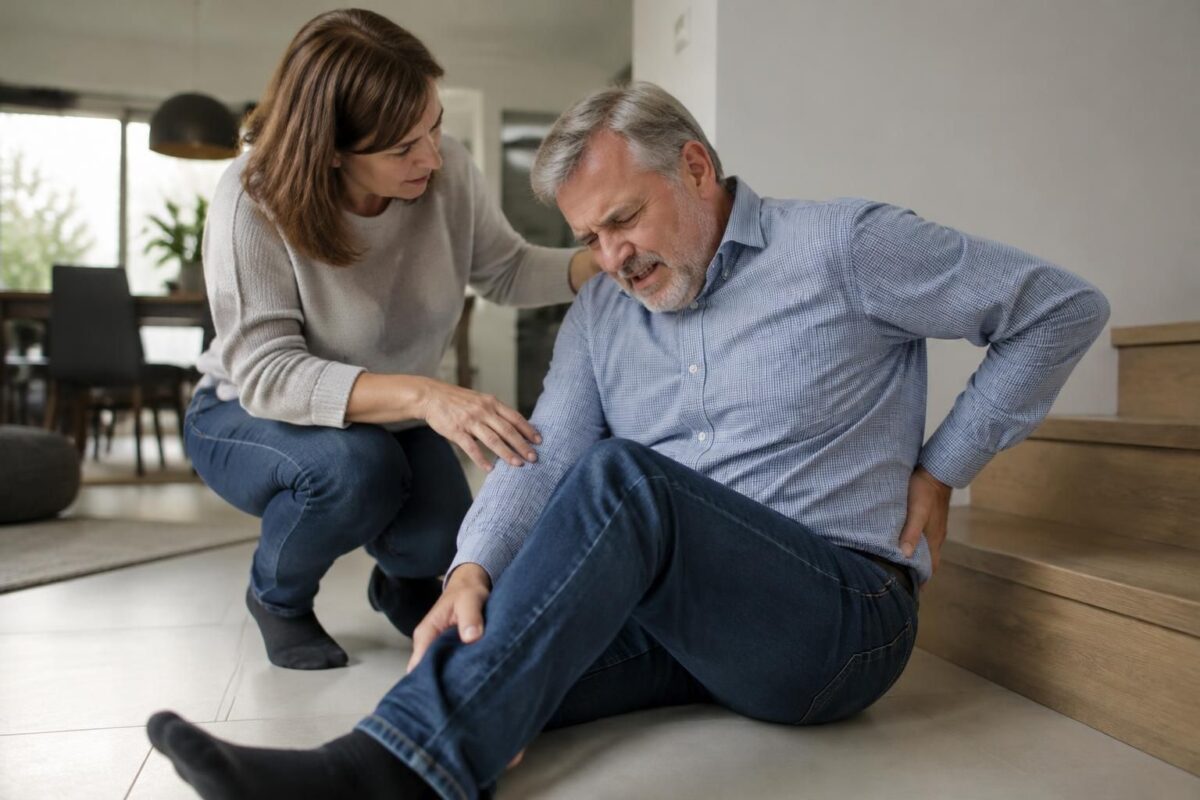
Sciatica and pain appeared after a fall
IN BRIEF A sciatic pain after a fall may stem from nerve irritation or an injury to the hip, buttock, or lower back. It can radiate down the leg and be accompanied by tingling or numbness. Rest, avoid movements that…
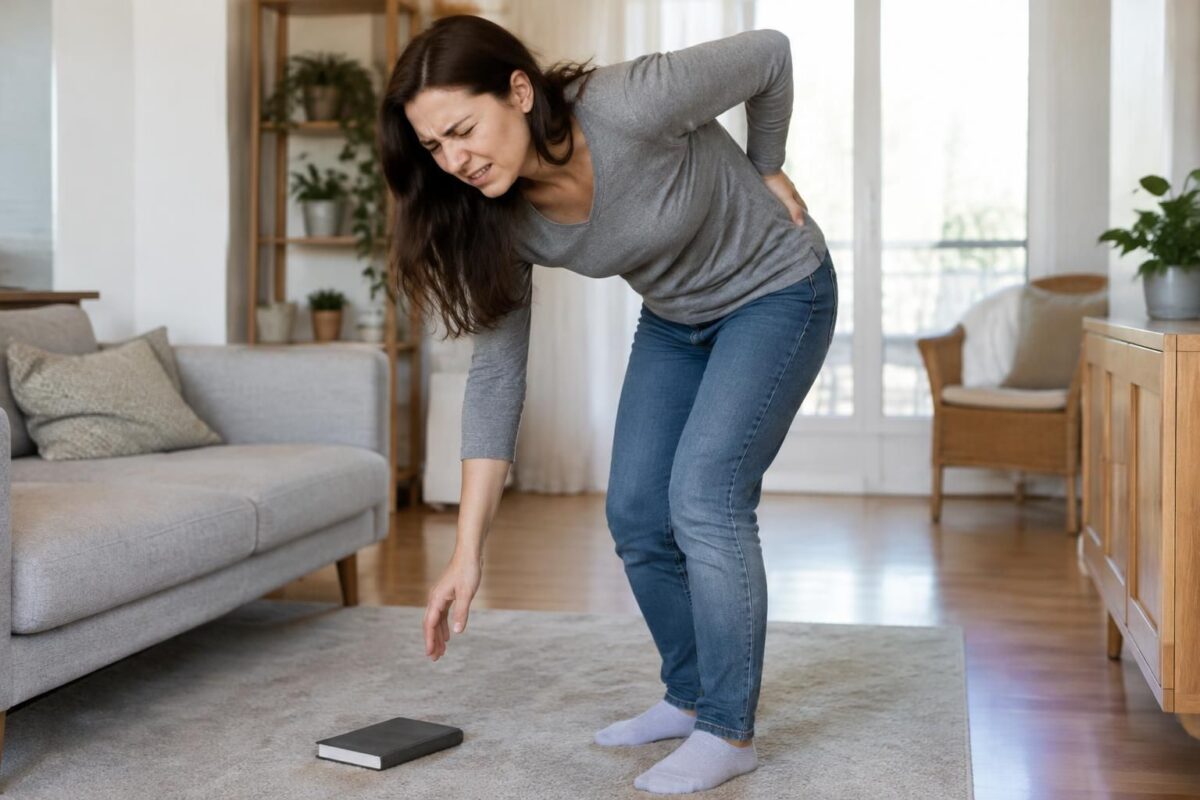
Sciatica and pain that occurred after a wrong move
IN BRIEF A sciatica that appeared after a sudden movement corresponds to a lower back pain that can radiate into the buttock and leg, sometimes down to the foot. The movement may trigger or worsen the symptoms, without revealing the…

Sylvain Desforges, B.Sc., D.O., N.D., docteur en ostéopathie
Dr Sylvain Desforges, B.Sc., D.O., N.D., osteopath, is the founding president of TAGMED and of the ACMA association. He dedicates his practice to chronic spinal pain, low back pain and symptoms compatible with sciatica, particularly when pain radiates toward the buttock, leg, calf, foot or toes.
Through SOS Sciatique, he publishes educational content on sciatica symptoms, possible causes such as disc herniation, disc narrowing, foraminal stenosis or irritation of a lumbar nerve root, as well as non-surgical approaches that may be considered according to the evaluation. At Clinique TAGMED, care may include, depending on the case, motorized neurovertebral decompression, specific osteopathic care or precision percussion.
For an evaluation related to sciatica treatment in Montreal / Mount Royal or sciatica treatment in Terrebonne, please consult the services available at Clinique TAGMED.
Medical disclaimer
The information published on SOS Sciatique is provided for educational purposes only and does not replace a consultation, diagnosis, opinion or treatment provided by a physician or another authorized healthcare professional. The author of this article is neither a medical doctor nor a specialist in a medical specialty recognized by the Collège des médecins du Québec. The osteopathic, manual medicine or functional support approaches described on this site do not constitute medical acts and are not intended to replace medical follow-up.
Consult a physician or emergency service in cases of loss of bladder or bowel control, anesthesia in the saddle area, significant or progressive weakness in the leg or foot, fever, recent trauma, severe pain or rapid worsening of symptoms. For more details, please read our Legal Notice.