

Sciatica disc in Terrebonne: movements to avoid at the beginning
19/11/2026
Disc bulging and disc degeneration
19/11/2026
IN BRIEF
| Sciatica with pain and fever deserves a medical evaluation: fever is not usual in simple sciatica and may signal an infection or another problem requiring care. Consult promptly, especially if the pain is intense or worsening. In cases of significant weakness, loss of bladder or bowel control, or numbness in the saddle area, go to the emergency room. |
A sciatica accompanied by fever deserves a prompt medical evaluation: fever is not a usual symptom of sciatica and may signal an infection or another cause requiring care. Contact a healthcare professional without delay. Go to the emergency room if the pain worsens rapidly, if you experience significant weakness in the leg, or if you lose control of your bladder or bowels.
A pain that travels down the buttock or leg with fever requires a rapid medical evaluation. Sciatica is often related to nerve irritation, but fever may signal an infection or another problem that requires attention. Do not presume it’s just muscle pain or a herniated disc.
Why fever changes the situation
A sciatica can cause lower back pain that radiates into the buttock, thigh, calf, or foot. Fever is not a typical sign of mechanical sciatica. It may be related to an infection or another cause that must be evaluated by a healthcare professional.
The presence of fever alone does not determine the cause of the pain. An infection of the spine or nearby tissues is rare, but it should be considered based on symptoms and risk factors. A medical evaluation helps to decide if tests are necessary.

Sciatica and pain with general discomfort
IN BRIEF A sciatica causes pain that starts in the lower back or buttock and radiates down the leg. A general discomfort, especially if accompanied by fever or rapid worsening, should not be automatically attributed to sciatica: consult a healthcare…

Sciatica and pain with a history of cancer: caution
IN BRIEF Sciatica causes pain that can radiate from the lower back down to the leg. With a history of cancer, new, persistent, or worsening pain should be quickly evaluated by a healthcare professional: its cause must be identified before…
When to consult promptly
Contact a doctor or healthcare service on the same day if you have back or leg pain with fever, chills, significant malaise, or worsening pain. The consultation is even more important if you have recently had an infection, medical procedure, or injection near the spine, or if your immune system is weakened.
When to go to the emergency room
Go to the emergency room if the pain is severe, if your condition deteriorates rapidly, or if you experience new or progressive weakness in the leg or foot. Loss of bladder or bowel control, or loss of sensation in the saddle area, requires immediate evaluation.
In cases of severe symptoms, do not delay care to make an appointment at a clinic. A healthcare professional can check your condition and determine the next steps.
Sciatica and pain with unexplained weight loss
IN BRIEF Sciatica causes pain that can radiate from the lower back to the buttock and leg. Associated with unexplained weight loss, it requires medical evaluation to investigate the cause: this sign alone does not confirm a precise diagnosis. Consult…

Sciatica and pain after trauma: warning sign
IN BRIEF A sciatica after trauma is pain that starts from the lower back or buttock and can radiate down the leg after a fall or impact. An assessment helps to investigate the cause and determine the appropriate course of…
How consultation helps find the cause
The healthcare professional will ask you about the onset of pain, its trajectory, fever, and other symptoms. They may also check the strength, sensitivity, and reflexes of your legs. Based on the findings, they may order tests or imaging or refer you to an appropriate medical service.
An image alone is not always enough to explain the pain. MRI results must be compared to symptoms and clinical examination. To learn more, check our article on the correlation between MRI and sciatica symptoms.
The trajectory of the pain can help describe symptoms, but it alone does not provide a diagnosis. The article on interpreting pain based on its trajectory in the leg explains useful points to communicate during a consultation.
Sciatica and pain that appeared after an accident
IN BRIEF Sciatica after an accident is pain related to irritation or compression of the sciatic nerve, sometimes triggered or revealed by a fall or impact. It can start from the lower back or buttock and radiate down the leg.…
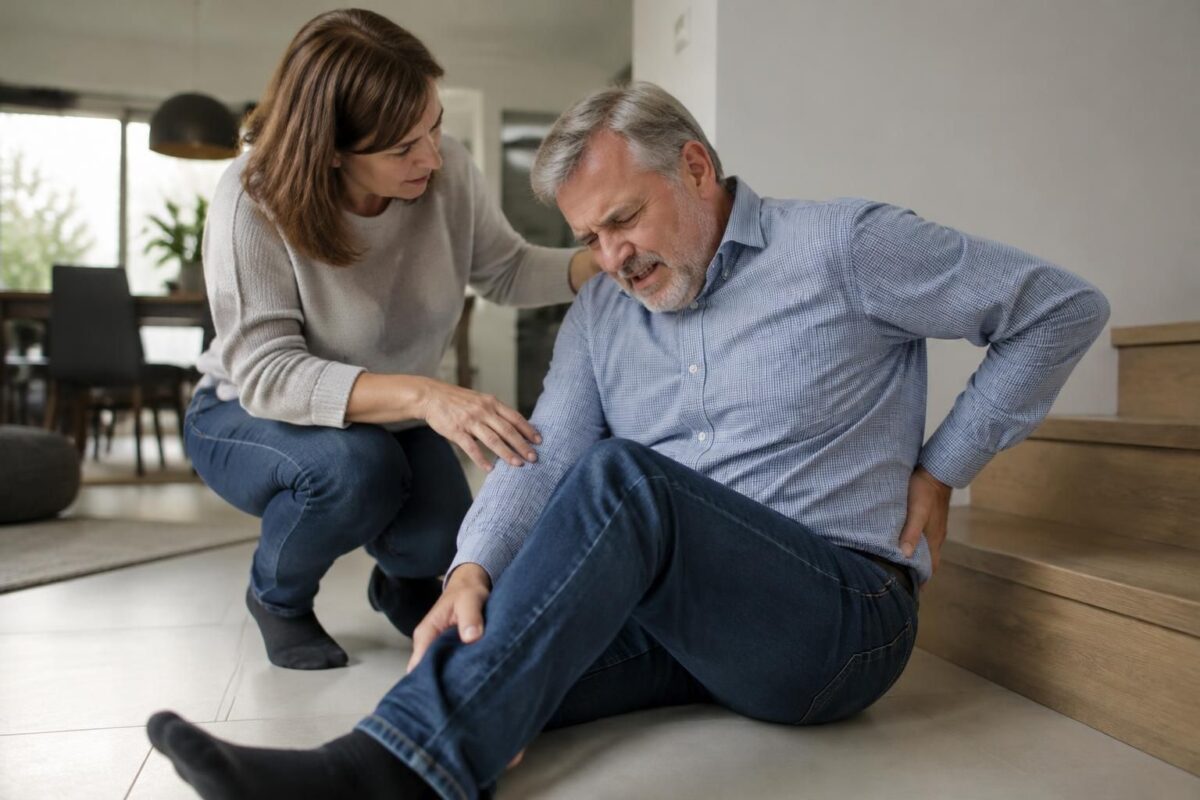
Sciatica and pain appeared after a fall
IN BRIEF A sciatic pain after a fall may stem from nerve irritation or an injury to the hip, buttock, or lower back. It can radiate down the leg and be accompanied by tingling or numbness. Rest, avoid movements that…
Pain after a sudden movement with fever
A sudden movement can trigger lower back pain or pain that travels down the leg. However, the presence of fever should not be automatically attributed to that movement. Have the association of symptoms evaluated, even if the pain started after a specific action. You can also read our article on sciatica-like pain that appeared after a sudden movement.
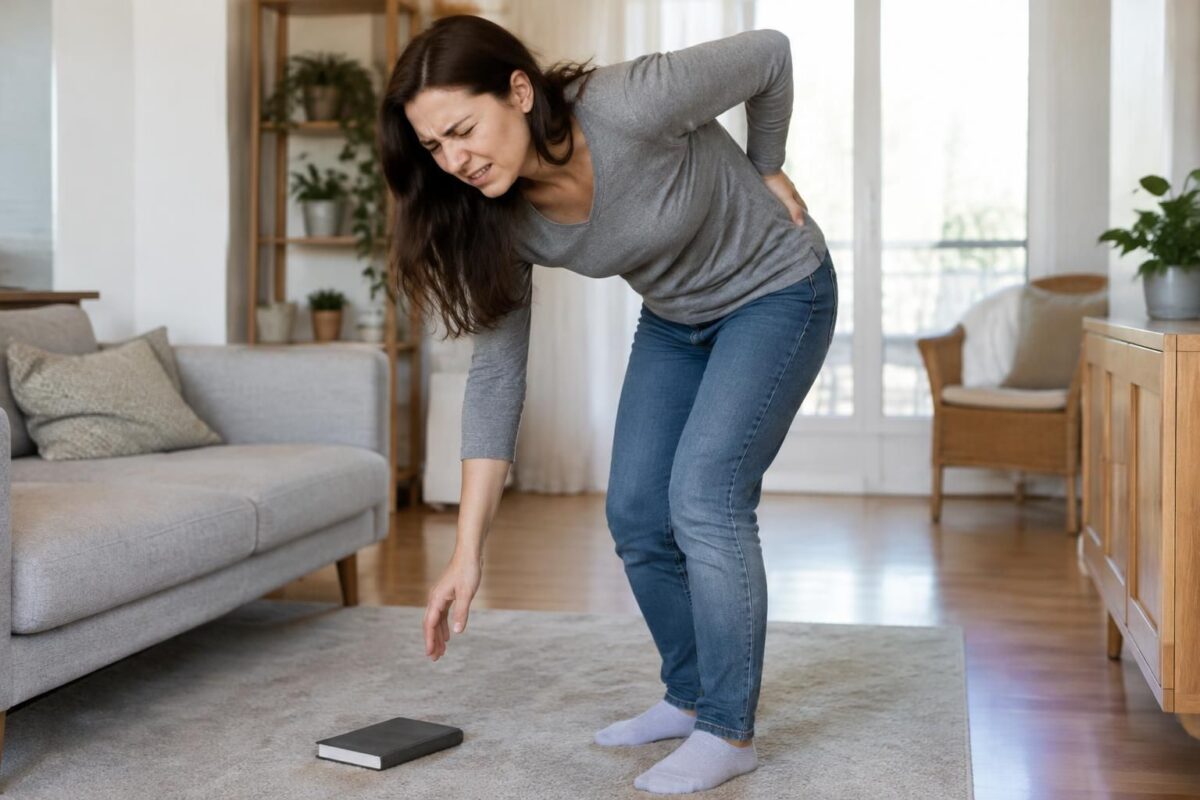
Sciatica and pain that occurred after a wrong move
IN BRIEF A sciatica that appeared after a sudden movement corresponds to a lower back pain that can radiate into the buttock and leg, sometimes down to the foot. The movement may trigger or worsen the symptoms, without revealing the…
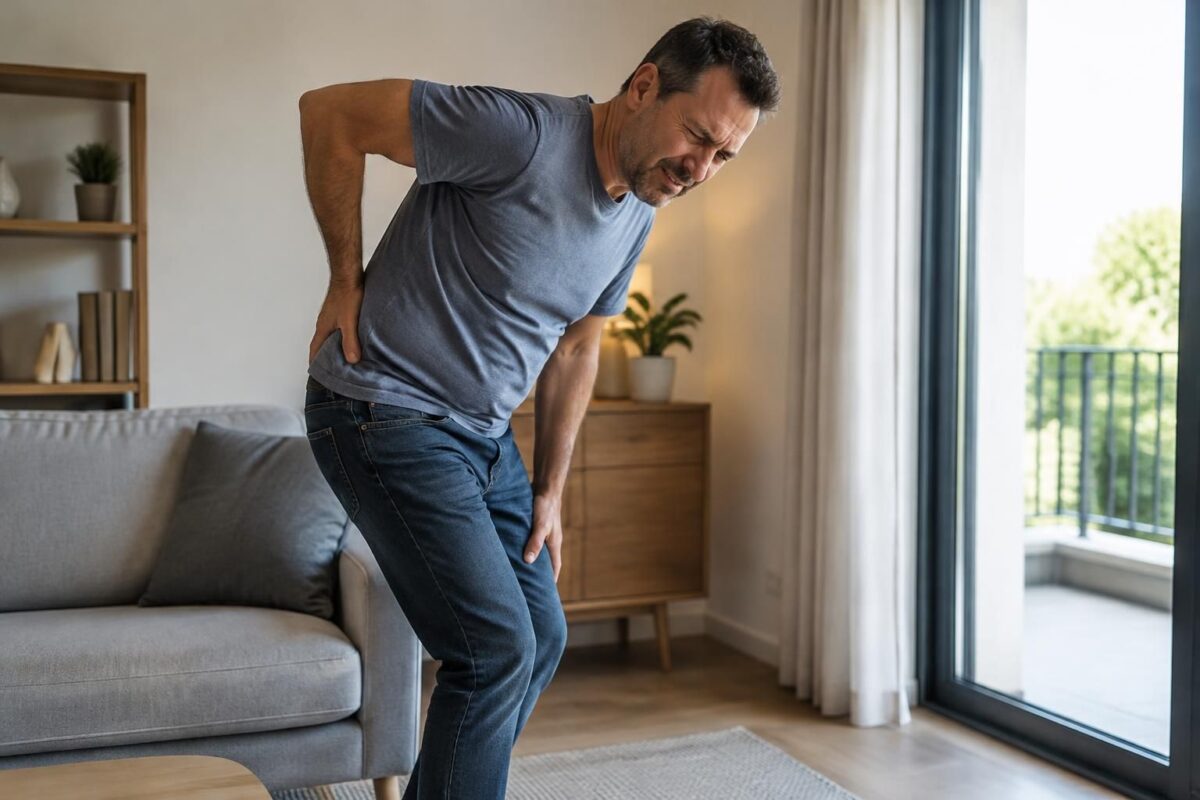
Sciatica and pain that appeared suddenly
IN BRIEF A sudden onset sciatica is pain that radiates from the buttock down the leg, sometimes to the foot, and may be accompanied by burning or tingling sensations. It can be related to lumbar nerve irritation or, at times,…
Leg weakness: a sign to report
A new or progressive weakness may indicate significant nerve damage. Report it quickly to the healthcare professional, especially if accompanied by fever. To better understand this topic, check the pages on herniated disc with leg weakness in Montreal and herniated disc with leg weakness in Terrebonne.
What role can a specialized clinic play?
The priority is first to determine the cause of the fever and pain with an authorized healthcare professional. Care in a clinic does not replace a medical evaluation when fever, significant weakness, or another warning sign is present.
After this evaluation, and if a non-surgical approach is deemed appropriate, services from the TAGMED Clinic in Montreal or Terrebonne may be discussed based on your situation. Care may include, depending on the evaluation, specific osteopathy, precision percussion, or motorized neurovertebral decompression. These approaches do not replace a diagnosis or medical follow-up.
About the author
Sylvain Desforges, B.Sc., D.O., N.D., Doctor of Osteopathy and Naturopath, is the founding president of TAGMED and the ACMA association. He dedicates his practice to chronic spinal pain, lower back pain, and pain compatible with sciatica, especially when the pain radiates into the buttock, leg, calf, foot, or toes.
Through SOS Sciatique, he publishes educational content on sciatica symptoms, possible causes such as herniated discs, disc pinching, foraminal stenosis, or irritation of a lumbar nerve root, and the non-surgical approaches that may be considered after evaluation.
For an assessment related to the sciatica treatment in Montreal or Mont-Royal, or to the sciatica treatment in Terrebonne, check the services available at the TAGMED Clinic.
Medical Warning
The information published on SOS Sciatica is provided for educational purposes. It does not replace a consultation, diagnosis, opinion, or treatment performed by a doctor or other authorized health professional. The author of this article is neither a doctor nor a specialist in a medical specialty recognized by the Collège des médecins du Québec. The osteopathy, manual medicine, or functional support approaches described on this site do not constitute medical acts and are not intended to replace medical follow-up. Consult a doctor or an emergency service in case of loss of bladder or bowel control, anesthesia in the saddle area, significant or progressive weakness in the leg or foot, fever, recent trauma, severe pain, or rapid deterioration. For more details, please read our Legal Notice.
Medical Disclaimer: The information and advice provided on this site do not replace the opinion, diagnosis, or treatment of a health professional. Please note that Sylvain Desforges, B.Sc., D.O., N.D., doctor of osteopathy, is neither a medical doctor nor a physician and is not a specialist in a medical specialty as defined by the Collège des médecins du Québec. Manual medicine, functional medicine, and sports medicine as described on this site exclude any treatment or medical diagnosis given by a physician or medical specialist. Always consult your doctor for any medical questions. For more details, please read our complete Legal Notice.
Sciatica and Fever: Why Consult?
Fever is not a common symptom of sciatica. When associated with lower back or leg pain, it warrants an assessment to look for another cause.
Consult quickly if you have:
- A fever with back or leg pain.
- Chills or a deteriorating general condition.
- Severe, unusual, or worsening pain.
- A recent infection, intervention, or weakened immunity.
Seek urgent help in case of:
- Significant or progressive weakness in a leg or foot.
- Loss of bladder or bowel control.
- Numbness in the saddle area.
- High fever with severe pain or rapid worsening.

Pain radiating down the buttock or leg may suggest sciatica, but the presence of fever changes the situation: it may signal a problem that requires rapid medical evaluation. Do not assume that the fever is simply part of the sciatica. Get your symptoms checked, especially if the pain is new, intense, or accompanied by general malaise.
Sciatica and Fever: Why This Association is Concerning
Sciatica generally describes pain related to the irritation of a nerve root, often in the lower back. It can extend into the buttock, thigh, calf, or foot. However, fever is not a common symptom of mechanical sciatica. When it occurs alongside lower back pain or pain radiating into the leg, it is important to look for another possible cause.
An infection — for example affecting a structure of the spine or nearby tissues — is one of the causes that the healthcare professional may need to rule out. Other issues can also simultaneously cause pain and fever. This does not mean you have an infection, but that a medical examination is needed to evaluate the entire situation rather than just treat the nerve pain.
When to Seek Medical Evaluation
Consult quickly, ideally on the same day
Seek medical advice promptly if you have back or leg pain accompanied by fever, especially if the temperature is high or persistent, if you have chills, marked fatigue, or if your general condition is deteriorating. Caution is also important after a recent infection, intervention or medical procedure, or when your immune defenses are weakened.
During the consultation, indicate when the pain and fever began, their progression, and any medications taken. Specify if the pain is constant, worsens at night, or limits your movements. This information helps the professional decide if further tests are needed. Do not wait until the pain becomes unbearable to seek advice.
Recognize Emergency Signs
Go to the emergency room or contact emergency services if fever is accompanied by significant or progressive weakness in a leg, new difficulty walking, loss of bladder or bowel control, or numbness in the saddle area. Confusion, significant discomfort, or rapid deterioration also warrant urgent care.
What to Do While Waiting for Evaluation
Note your temperature and the evolution of your symptoms. Avoid exertion that notably worsens the pain and do not start any manipulation or intensive treatment before obtaining medical advice. Appropriate relief approaches depend on the cause: pain consistent with sciatica alone does not suffice to determine the appropriate treatment.
Once worrying causes are evaluated, non-surgical support may sometimes be considered depending on your situation and the recommendations of the consulted professional. The priority, in the presence of fever, is however to first obtain a medical evaluation; do not let a relief approach delay this step.
About the Author
Sylvain Desforges, B.Sc., D.O., N.D., Doctor of Osteopathy and naturopath, is the founding president of TAGMED and the ACMA association. His practice is dedicated to chronic spinal pain, lower back pain, and pain compatible with sciatica.
Through SOS Sciatique, he publishes educational content on the symptoms of sciatica, their possible causes, and the non-surgical approaches that may be considered based on evaluation. The care available at the TAGMED Clinic may include, as applicable, motorized neuro-vertebral decompression, specific osteopathy, or precision percussion.
Medical Warning
This information is provided for educational purposes and does not replace a consultation, diagnosis, opinion, or treatment by a licensed health professional. The author is neither a doctor nor a specialist in a medical specialty recognized by the Collège des médecins du Québec. Osteopathy, manual medicine, or functional support approaches do not replace medical follow-up. Consult a physician or emergency service in case of loss of urinary or bowel control, anesthesia in the saddle area, significant or progressive weakness, fever, recent trauma, severe pain, or rapid aggravation.
| Situation | Why consult |
|---|---|
| Sciatica with fever | A serious infection or other cause must be excluded. |
| High fever, chills, or marked discomfort | A quick medical evaluation is necessary. |
| Significant or progressive weakness of the leg | Consult without delay; go to the emergency room if it worsens. |
| Loss of urinary or bowel control, or numbness in the saddle area | Immediate medical emergency. |
| Severe pain, rapid worsening, or recent trauma | Have the situation quickly assessed by a health professional. |
Important: the testimonials below are fictional situations for educational purposes and not actual patient opinions. Pain resembling sciatica accompanied by fever deserves particular attention: fever is not a usual symptom of simple sciatica and can signal a problem requiring medical evaluation.
“My pain was radiating down my leg and I had a fever”
In this fictional scenario, a person first attributes the pain to sciatica. Since they also have a fever and feel increasingly unwell, they quickly seek medical advice rather than attempting to treat only their back. This approach allows the professional to check if an infection or other cause needs to be investigated.
“I thought I would wait a few days, but the pain was worsening”
This scenario illustrates why it is unwise to downplay lower back pain radiating into the buttock or leg when accompanied by fever, chills, or general discomfort. Quickly contact a health professional so they can determine the level of urgency and the necessary examinations.
“The fever was mild, but I was worried”
Even if the temperature is not very high, its association with new, persistent, or unusual pain justifies seeking medical advice, especially in the presence of a recent infection, intervention, or weakened health status. Do not assume it is solely an irritated nerve.
Consult an emergency service without delay if the pain with fever is accompanied by significant or progressive weakness of the leg or foot, loss of urinary or bowel control, numbness in the saddle area, confusion, or rapid deterioration of your condition. These signs require urgent evaluation.
While waiting for advice, note your temperature, the evolution of the pain, associated symptoms, and any medications taken. Avoid delaying evaluation to try a manipulation or manual treatment: the priority is to rule out a cause requiring medical care.
Sciatica and pain with fever: why consult quickly?
A sciatica generally causes pain that starts from the lower back or buttock and radiates down a leg, sometimes to the calf or foot. It can be accompanied by tingling, numbness, or a feeling of weakness. However, fever is not a usual symptom of sciatica. When both occur together, it is important not to automatically attribute the fever to an irritated nerve and to seek medical evaluation.
Most sciatic pains are related to irritation or compression of a nerve root, for example in the presence of a herniated disc or stenosis of the spaces surrounding the nerve. These problems typically do not cause fever. A high temperature, chills, or unusual general condition may instead signal an infection or another condition that requires examination. Only a qualified professional can determine the cause of the symptoms.
Among the situations that need to be ruled out are certain infections of the spine or neighboring tissues. An infection can sometimes lead to persistent pain, significant tenderness in the back, fever, or chills. Other issues, like a urinary or kidney infection, can also cause lower back pain and fever, sometimes with urinary symptoms. These examples do not allow for a remote diagnosis: they explain why a consultation is prudent.
Consult a doctor quickly if you have back or leg pain with a measured fever, especially if the pain is new, intense, worsening, or not improving. Vigilance is particularly important after a recent infection, medical intervention, or if your immune system is compromised. The professional can gather your history, examine your symptoms, and decide if tests or imaging are needed. Avoid starting manipulation or manual treatment before the cause of the fever has been evaluated.
Certain signs warrant emergency care: loss of bladder or bowel control, difficulty urinating, numbness in the saddle area, significant or progressive weakness of a leg, confusion, marked chills, or rapid deterioration of general condition. In the presence of these symptoms, go to the emergency room or call emergency services. Do not wait for a follow-up appointment to seek help.
While waiting for evaluation, note your temperature, the time of symptom onset, their evolution, and any medications taken. Inform the professional if the pain radiates into the leg, if you feel tingling, or if you have urinary symptoms. This information can help orient the examination. Do not mask worsening under the pretext that it resembles an old sciatica.
Sylvain Desforges, B.Sc., D.O., N.D., is an osteopath and naturopath, founder and president of the TAGMED clinics and the ACMA association. His practice focuses in particular on chronic pain and the integration of functional approaches and technologies such as neurovertebral decompression, laser, and shockwave therapy. These approaches do not replace a medical evaluation when pain is accompanied by fever.
Medical warning: this information is educational and does not replace a consultation, diagnosis, or treatment by a licensed healthcare professional. Sylvain Desforges is neither a doctor nor a specialist in a medical field recognized by the Collège des médecins du Québec. Osteopathy and manual approaches do not replace medical follow-up.
A pain that radiates down the buttock or leg may suggest sciatica, but fever is not a usual symptom of sciatica. If they appear together, do not assume that the pain comes solely from an irritated nerve: a medical evaluation allows for rapid identification of another cause and determination of the next steps.
Fever and Sciatic-like Pain: Why Seek Help?
Sciatica generally describes a pain related to the irritation or compression of a lumbar nerve root. Fever, on the other hand, can signal an infection or another issue that requires special attention. The presence of fever with lower back pain or leg pain justifies rapidly contacting a healthcare professional, especially if the pain is intense, unusual, or worsening.
A sudden pain can have multiple explanations and does not allow one to determine its cause on its own. Consult our page on sciatica and sudden onset pain to better understand why a rapid change in symptoms deserves to be taken seriously. In the presence of fever, however, seek medical advice without waiting to see if the pain resolves on its own.
Some signs align with nerve irritation, such as pain that follows a path to the buttock, leg, or foot. You can discover the typical symptoms of acute sciatica. However, even if the trajectory of the pain seems typical, it does not explain the fever and does not replace a clinical evaluation.
The context is also important. If the pain started after a fall, accident, or other trauma, report it to the consulted professional. The page dedicated to pain after trauma and warning signs emphasizes the importance of considering this element. Fever and recent trauma associated with significant pain require rapid medical evaluation.
A disc injury or nerve compression, particularly in the L5-S1 region, can contribute to pain radiating down the leg. To learn more about possible mechanisms, consult the pages on the L5-S1 region, the canal, the foramen, and nerve compression as well as disc-related sciatica and pain that radiates into the leg. However, these explanations do not allow for a distance diagnosis, especially when fever is present.
Call emergency services or go to the emergency room if fever is accompanied by significant or progressive weakness of the leg or foot, loss of control of the bladder or bowels, numbness in the saddle area, confusion, or rapid worsening. If in doubt about the severity of the symptoms, prioritize urgent medical evaluation.
After the medical evaluation and based on the recommendations received, non-surgical support may sometimes be considered for certain lower back pains or those compatible with sciatica. At the TAGMED Clinic, the options offered depend on the situation and do not replace the medical care required when fever or a warning sign is present.
About the author
Sylvain Desforges, B.Sc., D.O., N.D., Doctor of Osteopathy and Naturopath, is the founder and president of TAGMED and the ACMA association. He dedicates his practice to chronic spinal pain and pain compatible with sciatica.
Medical warning
This information is provided for educational purposes and does not replace a consultation, diagnosis, or treatment by a licensed healthcare professional. The author is neither a doctor nor a specialist in a medical field recognized by the Collège des médecins du Québec. For warning signs, consult a doctor or emergency service. For more details, please read our Legal Notice.

Sylvain Desforges, B.Sc., D.O., N.D., docteur en ostéopathie
Dr Sylvain Desforges, B.Sc., D.O., N.D., osteopath, is the founding president of TAGMED and of the ACMA association. He dedicates his practice to chronic spinal pain, low back pain and symptoms compatible with sciatica, particularly when pain radiates toward the buttock, leg, calf, foot or toes.
Through SOS Sciatique, he publishes educational content on sciatica symptoms, possible causes such as disc herniation, disc narrowing, foraminal stenosis or irritation of a lumbar nerve root, as well as non-surgical approaches that may be considered according to the evaluation. At Clinique TAGMED, care may include, depending on the case, motorized neurovertebral decompression, specific osteopathic care or precision percussion.
For an evaluation related to sciatica treatment in Montreal / Mount Royal or sciatica treatment in Terrebonne, please consult the services available at Clinique TAGMED.
Medical disclaimer
The information published on SOS Sciatique is provided for educational purposes only and does not replace a consultation, diagnosis, opinion or treatment provided by a physician or another authorized healthcare professional. The author of this article is neither a medical doctor nor a specialist in a medical specialty recognized by the Collège des médecins du Québec. The osteopathic, manual medicine or functional support approaches described on this site do not constitute medical acts and are not intended to replace medical follow-up.
Consult a physician or emergency service in cases of loss of bladder or bowel control, anesthesia in the saddle area, significant or progressive weakness in the leg or foot, fever, recent trauma, severe pain or rapid worsening of symptoms. For more details, please read our Legal Notice.