
Sciatica in Terrebonne: herniated disc with foot numbness
17/11/2026
Herniated disc and recurring pain
17/11/2026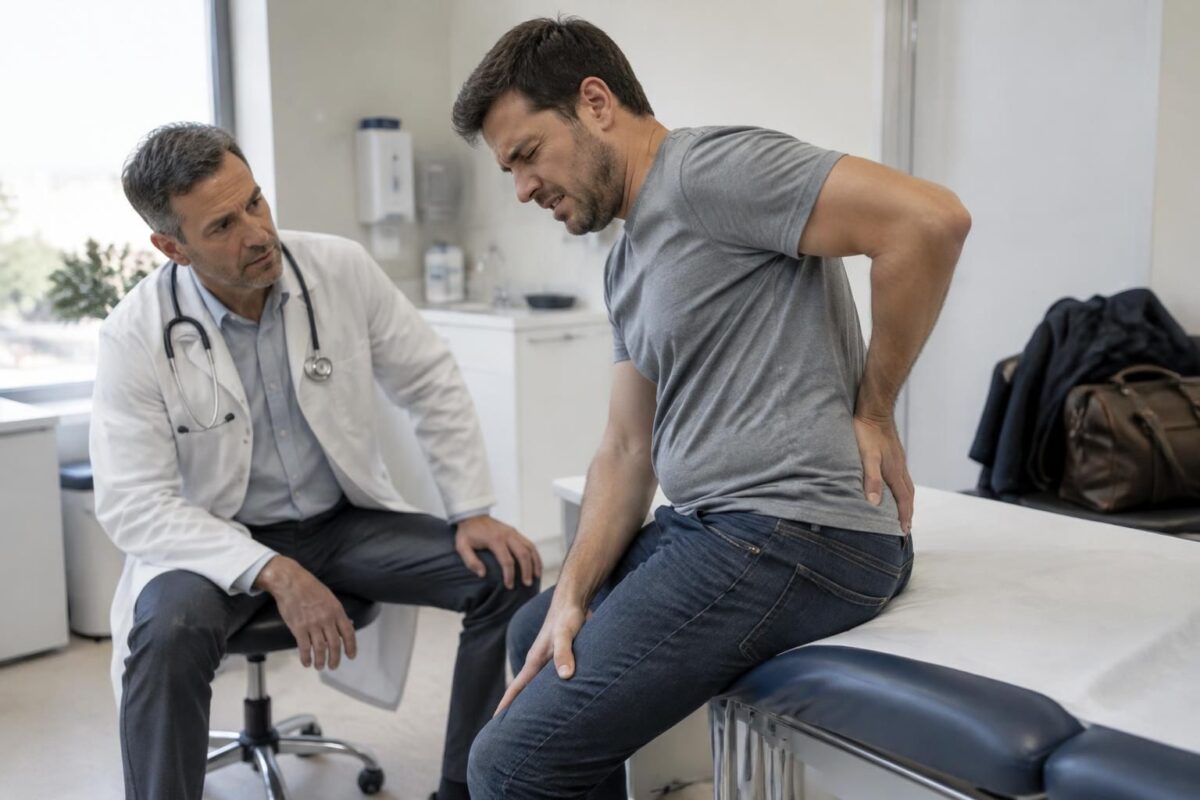
IN BRIEF
| Sciatica after an accident is pain related to irritation or compression of the sciatic nerve, sometimes triggered or revealed by a fall or impact. It can start from the lower back or buttock and radiate down the leg. A healthcare professional can look for the cause and guide the management. Seek emergency attention in case of significant or progressive weakness, loss of bladder or bowel control, or numbness in the saddle area. |
Sciatica and Pain After an Accident
A fall, impact, or accident can cause lower back pain accompanied by symptoms of sciatica: pain radiating in the buttock and back of the leg, sometimes down to the foot, with numbness or tingling. The irritation may be related to an issue in the lower back or, after an impact on the buttock, to tension in the piriformis muscle.
As other injuries can produce similar symptoms, an evaluation by a healthcare professional helps determine the cause and choose appropriate care. Seek prompt attention in case of significant or progressive weakness, loss of bladder or bowel control, or numbness in the saddle area.
Pain that radiates from the lower back or buttock down the leg after an accident could suggest sciatica, but other injuries may also present similar symptoms. A healthcare professional must assess the situation, look for warning signs, and determine if further examinations are necessary. This article explains the possible causes, the steps of evaluation, and the management options.
Sciatica refers to pain associated with irritation or compression of a nerve root that contributes to the sciatic nerve. The pain often follows a path from the lower back or buttock down the back of the thigh and sometimes to the calf, foot, or toes. It may be accompanied by tingling, numbness, or weakness.
After an accident, the pain may start immediately or appear in the hours or days following. Delayed pain also merits evaluation, especially if it worsens or limits walking and usual activities. To better understand the symptoms and possible causes, consult our article on sciatica and non-surgical approaches.

Sciatica and pain with general discomfort
IN BRIEF A sciatica causes pain that starts in the lower back or buttock and radiates down the leg. A general discomfort, especially if accompanied by fever or rapid worsening, should not be automatically attributed to sciatica: consult a healthcare…
Why Can an Accident Trigger Sciatic Pain?
A fall on the back or buttocks, a car accident, or a sports impact can irritate the tissues around the spine, pelvis, or hip. The trauma may also exacerbate an existing problem. Pain alone does not identify the structure at fault.
A Lumbar Injury
A herniated or bulging disc can irritate a lumbar nerve root. An impact can sometimes trigger symptoms or make existing symptoms more noticeable. Imaging, when deemed necessary by a professional, must be interpreted alongside the clinical examination and history of symptoms. An abnormality observed in imaging does not automatically prove that the accident is the cause.
Irritation of the Buttock Muscles
After an impact on the buttock, muscles around the hip may become painful or tense. In some cases, this irritation may be accompanied by pain radiating down the leg. Piriformis syndrome is a possibility, but it should not be assumed without evaluation. A professional must also examine causes related to the lower back and other potential injuries.
Another Injury Related to Trauma
Pain after an accident may also stem from a bruise, sprain, or fracture. The risk depends notably on the force of the impact, the area affected, and the individual’s health status. After a car accident or a significant fall, a medical evaluation allows for verification of the nature of the injury and the required care.

Sciatica and pain with a history of cancer: caution
IN BRIEF Sciatica causes pain that can radiate from the lower back down to the leg. With a history of cancer, new, persistent, or worsening pain should be quickly evaluated by a healthcare professional: its cause must be identified before…
What Signs Might Accompany Sciatica After an Accident?
The pain can be sharp, burning, or like an electric shock. It may worsen when sitting, during certain movements, or while walking. Some people also experience tingling, loss of sensation, or weakness in a part of the leg or foot.
These signs alone do not confirm sciatica. The diagnosis depends on examination, the progression of symptoms, and additional exams if necessary. Pain following an impact must also be evaluated based on the mechanism of the accident and any other possible injuries.
Sciatica and pain with unexplained weight loss
IN BRIEF Sciatica causes pain that can radiate from the lower back to the buttock and leg. Associated with unexplained weight loss, it requires medical evaluation to investigate the cause: this sign alone does not confirm a precise diagnosis. Consult…
When Should You Seek Emergency Help?
Seek emergency care promptly in case of loss of bladder or bowel control, numbness in the area between the thighs or around the genital organs, or significant or progressive weakness in a leg or foot. These signs may indicate serious nerve damage.
An urgent evaluation is also necessary after significant trauma, with severe pain, rapid worsening, fever, or inability to bear weight. If unsure about the severity of an injury, contact a healthcare professional or emergency services.

Sciatica and pain with fever: why consult?
IN BRIEF Sciatica with pain and fever deserves a medical evaluation: fever is not usual in simple sciatica and may signal an infection or another problem requiring care. Consult promptly, especially if the pain is intense or worsening. In cases…
How Does the Evaluation Process Work?
The healthcare professional will ask about the accident, when the pain started, and how it has progressed. They will also check for associated symptoms, relevant medical history, and activities that have become difficult. An examination may include observing gait, mobility, and testing of sensitivity, strength, and reflexes.
The professional may request an X-ray, CT scan, or MRI based on the signs, type of trauma, and examination results. These tests are not necessary in all cases. To learn more about symptoms and possible causes, you can read our article on recovery after trauma.

Sciatica and pain after trauma: warning sign
IN BRIEF A sciatica after trauma is pain that starts from the lower back or buttock and can radiate down the leg after a fall or impact. An assessment helps to investigate the cause and determine the appropriate course of…
What to Do in the First Few Days?
Follow the recommendations of the professional assessing your injury. Avoid activities or positions that clearly trigger the pain, without imposing prolonged rest without medical advice. Note the date of the accident, the progression of symptoms, the care received, and changes in your activities. This information can help track the evolution and guide the evaluation.
Long journeys and prolonged periods of sitting can be difficult for some people. If traveling exacerbates the pain, adjust it when possible and seek advice from a professional. You will find general guidance in this article on joint mobility.
Sciatica and pain appeared after a fall
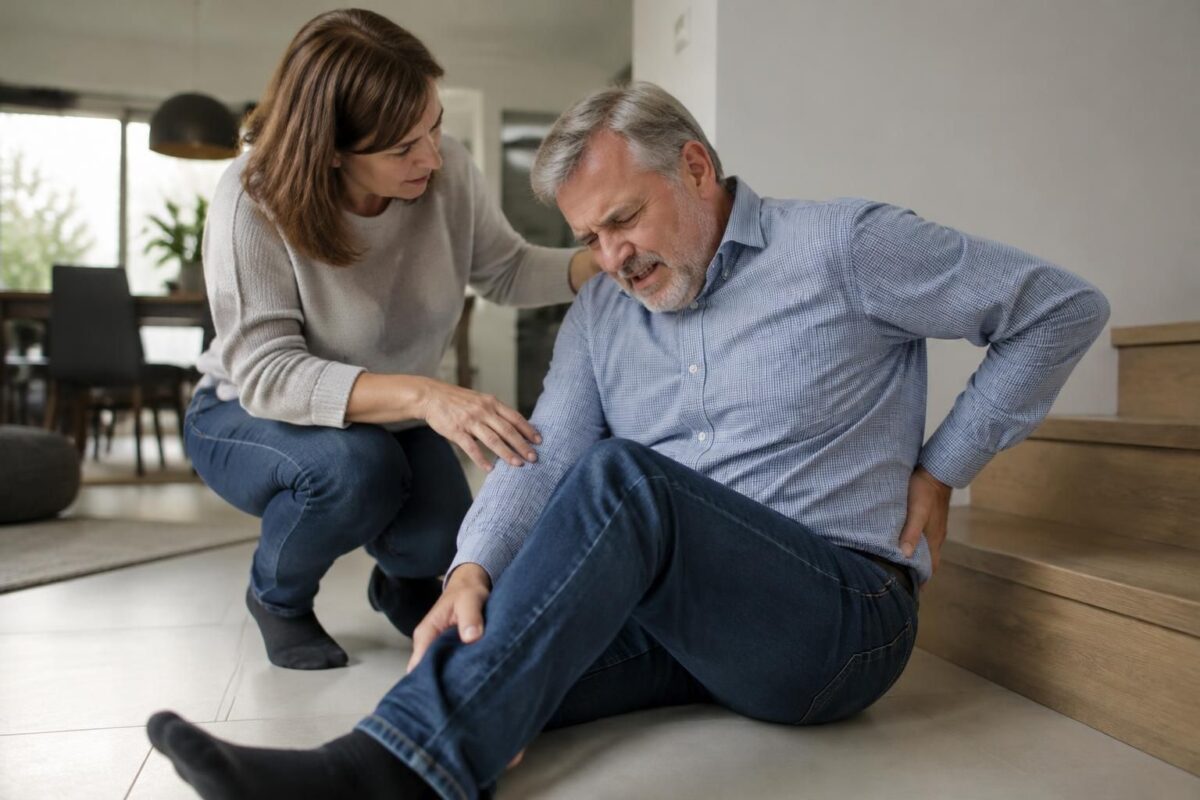
IN BRIEF A sciatic pain after a fall may stem from nerve irritation or an injury to the hip, buttock, or lower back. It can radiate down the leg and be accompanied by tingling or numbness. Rest, avoid movements that…
What management approaches can be considered?
Treatment depends on the identified cause, the intensity of symptoms, and general condition. A doctor can discuss suitable options with you, including medications or further examinations. Do not take medication or modify a prescription without verifying its suitability for your situation.
An assessment in osteopathy can be considered as a complementary approach, after checking for warning signs and contraindications. It does not replace a medical diagnosis and does not aim to treat a fracture or condition requiring medical care. At TAGMED Clinic, the services provided are tailored to the assessment and may include, as needed, specific osteopathy or motorized neurovertebral decompression. To learn about available services, please consult the page on non-surgical treatment of sciatica in Terrebonne.
If your symptoms appeared after an accident, keep medical reports and clearly describe the timeline of events. The assessment of the link between the accident and the pain depends on the circumstances and available medical information. To understand this issue, the article on muscle imbalances provides additional information on the osteopathic approach.
Sciatica and pain that occurred after a wrong move
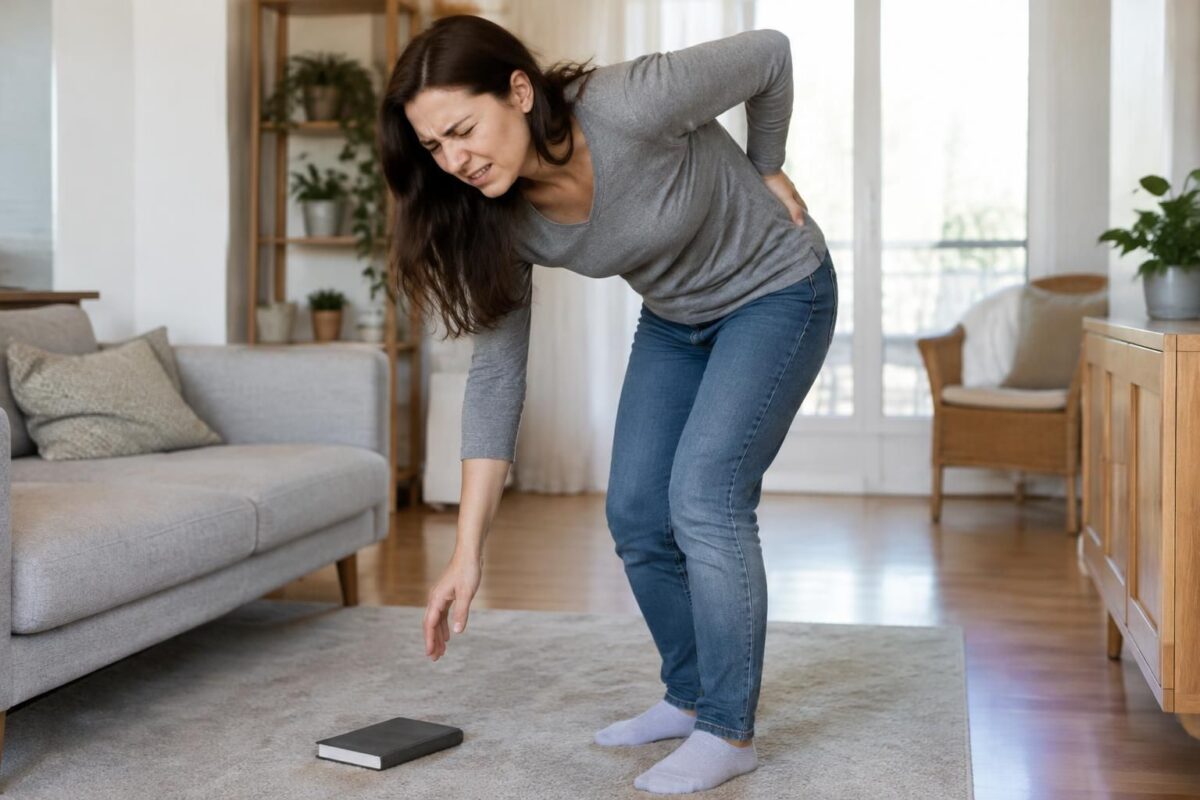
IN BRIEF A sciatica that appeared after a sudden movement corresponds to a lower back pain that can radiate into the buttock and leg, sometimes down to the foot. The movement may trigger or worsen the symptoms, without revealing the…
About the author
Sylvain Desforges, B.Sc., D.O., N.D., Doctor of Osteopathy and Naturopath, is the founding president of TAGMED and the ACMA association. He dedicates his practice to chronic pain of the spine, low back pain, and pain associated with sciatica, particularly when the pain radiates to the buttock, leg, calf, foot, or toes.
Through SOS Sciatique, he publishes educational content on sciatica symptoms, potential causes such as herniated discs, disc pinching, foraminal stenosis, or irritation of a lumbar nerve root, as well as non-surgical approaches that may be considered based on the evaluation. At TAGMED Clinic, care may include, as needed, motorized neurovertebral decompression, specific osteopathy, or precision impactors.
For an assessment related to sciatica treatment in Montreal / Mont-Royal or sciatica treatment in Terrebonne, consult the available services at the TAGMED Clinic.
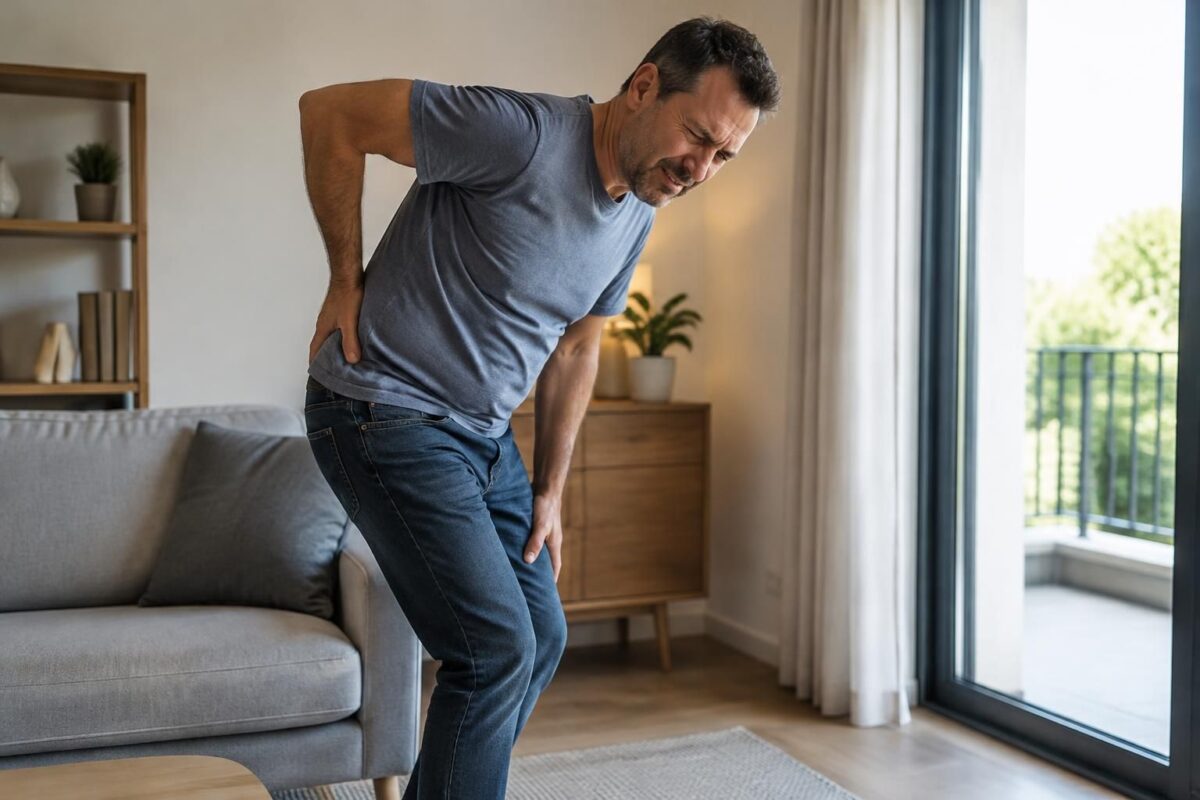
Sciatica and pain that appeared suddenly
IN BRIEF A sudden onset sciatica is pain that radiates from the buttock down the leg, sometimes to the foot, and may be accompanied by burning or tingling sensations. It can be related to lumbar nerve irritation or, at times,…
Medical Disclaimer
Medical disclaimer: The information and advice provided on this site do not replace the opinion, diagnosis, or treatment of a healthcare professional. Please note that Sylvain Desforges, B.Sc., D.O., N.D., Doctor of Osteopathy, is neither a medical doctor nor a physician, and is not a specialist in a medical specialty as defined by the Collège des médecins du Québec. Manual therapy, functional medicine, and sports medicine as described on this site exclude any medical treatment or diagnosis performed by a physician or specialist. Always consult your doctor for any medical questions. For more details, please read our full legal notice.
The information published on SOS Sciatique is provided for educational purposes and does not replace a consultation, diagnosis, opinion, or treatment done by a physician or another authorized healthcare professional. The author of this article is neither a doctor nor a specialist in a medical specialty recognized by the Collège des médecins du Québec. The osteopathic, manual therapy, or functional support approaches described on this site do not constitute medical acts and do not aim to replace medical follow-up.
Consult a doctor or emergency service in case of loss of bladder or bowel control, anesthesia in the saddle area, significant or progressive weakness of the leg or foot, fever, recent trauma, severe pain, or rapid worsening. For more details, please read our legal notice.
Sciatica after an accident: essential pointers
What the pain may suggest
- A pain that starts from the lower back or buttock and radiates down the leg may suggest irritation of the sciatic nerve.
- After a fall onto the buttocks, muscular irritation around the hip may also be involved.
- The connection to the accident must be evaluated: pain after a shock does not, on its own, determine the cause.
The right reflexes
- Have the pain evaluated by a healthcare professional, especially if it is strong or persists.
- Note the date of the shock, the onset of symptoms, and their evolution.
- Consult urgently in case of significant or progressive weakness, loss of bladder or bowel control, or numbness between the thighs.

A pain that radiates from the buttock down the leg after a fall, car accident, or sports impact may suggest sciatica, but this symptom does not determine its cause. After an accident, the priority is to check that there are no injuries requiring immediate care, then to have the symptoms evaluated before resuming activities or attempting stretches.
After the accident: assessing the pain
Precisely describe the symptoms
Sciatica corresponds to pain that can follow the path of the nerve from the lower back or buttock down the back of the thigh and sometimes to the calf or foot. Tingling, numbness, or weakness may also occur. Pain after a shock can, however, originate from other tissues or a distinct injury: it is therefore advisable not to conclude on your own that there is nerve damage.
Consult a doctor or a licensed healthcare professional, particularly if the pain is significant, persists, or intensifies. Indicate the date and circumstances of the accident, the location where the pain began, its progression, and associated symptoms. Also mention your medical history and any medications you are taking. An assessment can determine if further tests or treatments are necessary.
Spotting emergency signs
After a trauma, seek medical care promptly if you have marked or progressive weakness in the leg or foot, a loss of sensation between the thighs, or new difficulties controlling the bladder or bowels. These signs require urgent evaluation. Severe pain after a significant fall, fever, or rapid deterioration also justifies immediate attention.
Adopting cautious measures
As long as a significant injury has not been ruled out, avoid vigorous manipulations, deep massages, and stretches that trigger or amplify the pain. Do not force to “unlock” the back. Follow the instructions received during the assessment and seek advice before taking medication, especially if you have other health issues or are already undergoing treatment.
If a professional confirms that no particular precautions are necessary, short movements and regular position changes may be preferable to prolonged immobility. Adjust your activities according to the symptoms: stop a movement if it significantly increases pain or causes new numbness. Resuming exercises should be gradual and suited to your situation.
Organizing follow-up and recovery
Note the progression of the pain, its path, the actions that aggravate it, and the activities that have become difficult. Keep medical reports and documents related to the accident. This information can help healthcare professionals monitor your condition and distinguish new symptoms from pre-existing issues.
Depending on the assessment, the management plan may include activity advice and supervised rehabilitation. A manual approach or functional assistance may sometimes be considered after verifying its suitability for your condition. Motorized neurovertebral decompression, specific osteopathy, or other interventions are not suitable for everyone and do not replace a medical examination. If symptoms change or worsen, have the situation re-evaluated.
About the author
Sylvain Desforges, B.Sc., D.O., N.D., Doctor of Osteopathy and naturopath, is the founding president of TAGMED and the ACMA association. His practice is dedicated to chronic spinal pain, lower back pain, and pain compatible with sciatica. At the TAGMED Clinic, care may include, depending on the assessment, motorized neurovertebral decompression, specific osteopathy, or precision impact therapy.
Medical disclaimer
This content is provided for educational purposes and does not replace a consultation, diagnosis, or treatment by a licensed healthcare professional. The author is neither a doctor nor a specialist in a medical field recognized by the Collège des médecins du Québec. The approaches presented in osteopathy, manual medicine, or functional assistance do not constitute medical acts and do not replace medical follow-up.
Reference points after an accident
| Observed Element | What it may indicate |
|---|---|
| Pain radiating into the buttock and leg | May suggest irritation of the sciatic nerve. |
| Pain that appeared after a fall or impact | The trauma may contribute to symptoms, without proving the cause on its own. |
| Impact on the lower back | A lumbar injury may need evaluation. |
| Impact on the buttock or hip | Local irritation, especially muscular, is also possible. |
| Tingling or numbness | May accompany nerve irritation. |
| New or progressive weakness in the leg | Warrants rapid medical evaluation. |
| Persistent or worsening pain | Seek medical advice to clarify the cause and management. |
| Urinary, bowel issues, or numbness in the saddle area | Signs of medical emergency: consult immediately. |
Illustrative testimonials: sciatica and pain after an accident
Important: the accounts below are fictional examples, written for educational purposes. They do not correspond to verified patient testimonies and do not predict the outcome for an individual after an accident.
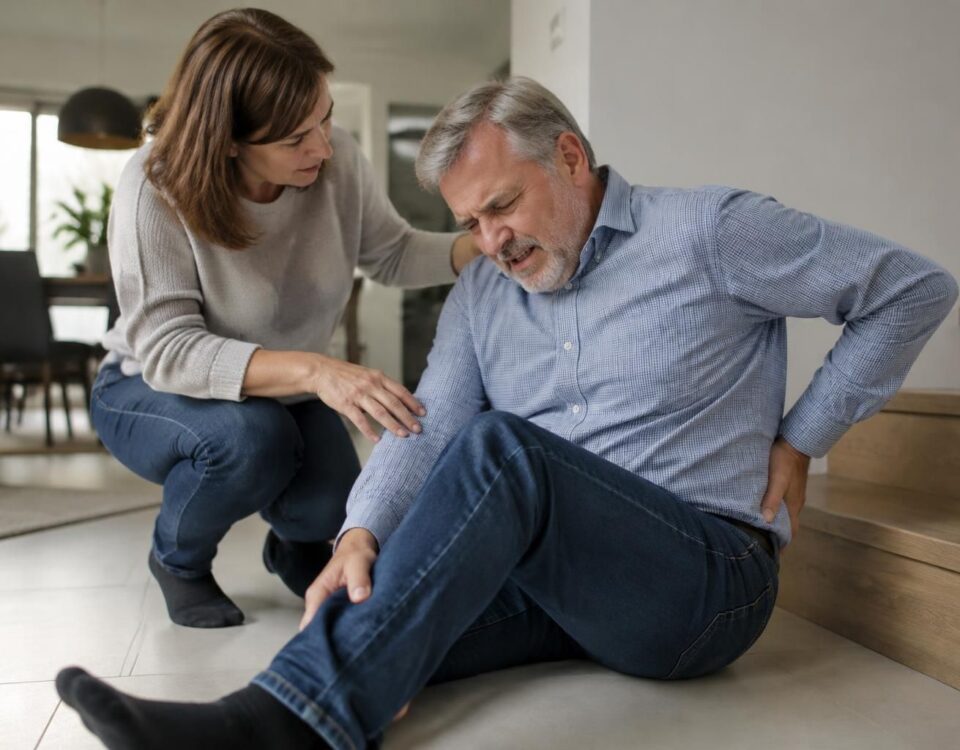
After a fall on the buttocks — “I fell down the stairs and, the same day, I felt pain in my buttock. The next day, it radiated behind my thigh down to my calf, with tingling. I consulted to assess the pain and check that there was no more significant injury.”
After a car accident — “A few hours after the collision, my lower back was stiff and painful. In the following days, pain began to radiate towards one leg. The doctor explained that it was necessary to examine my symptoms and the circumstances of the accident before determining whether it was nerve irritation or another cause.”
After a workplace accident — “While slipping while transporting equipment, I felt lower back pain. This was soon accompanied by numbness in part of my leg. I reported my symptoms and noted their progression to discuss with the professionals overseeing my follow-up.”
Persistent symptoms following a shock — “My pain did not appear immediately after the fall. It developed gradually in my lower back and then extended to my buttock and leg. As it persisted, I requested an evaluation to better understand its origin and suitable management options.”
After a fall or an accident, pain radiating down the leg may be consistent with sciatica, but other causes are possible. A symptom report alone cannot establish a diagnosis or confirm a link between the accident and the pain. An evaluation by a healthcare professional can help determine the appropriate examinations or care.
Quickly consult a doctor or an emergency service in case of loss of urinary or bowel control, numbness in the perineum, significant or progressive weakness of the leg or foot, fever, recent trauma, or rapid worsening of the pain.
Sylvain Desforges: Supporting People Suffering from Sciatica After an Accident
Sylvain Desforges, B.Sc., D.O., N.D., Doctor of Osteopathy and Naturopath, dedicates his practice to chronic pain and musculoskeletal disorders, notably those affecting the spine. Founder and president of TAGMED clinics and the ACMA association, he is interested in approaches that can help better understand pain and support the functional health of individuals, respecting their individual circumstances.
Sciatica refers to pain consistent with irritation of a nerve root or the sciatic nerve. It may manifest in the lower back or buttock, then radiate down the back of the thigh and sometimes as far as the calf, foot, or toes. Tingling, numbness, or a feeling of weakness may also be present. However, these signs alone do not allow the identification of the cause of the pain.
After a fall, a car accident, or a sports injury, low back pain or pain radiating into the leg deserves appropriate attention. The trauma may cause an injury, exacerbate an existing problem, or coincide with the onset of symptoms without necessarily being the sole cause. A herniated disc, nerve irritation, or damage to the tissues of the lumbar region and hip are among the possibilities to be assessed. Only a healthcare professional can determine the necessary examinations and follow-up.
In his work, Sylvain Desforges emphasizes individualized assessment and the importance of considering the mechanism of the accident, the onset of symptoms, their evolution, and daily limitations. Medical history, previously difficult activities, and exam results, when available, can also help create a more precise picture. The goal is to guide the individual towards options coherent with their condition, without presenting a one-size-fits-all approach.
Depending on the assessment and the individual’s needs, the services offered in the clinic may include specific osteopathy, motorized neurovertebral decompression, or the use of a precision impactor. The integration of technologies, including spinal decompression, laser, or shockwaves, may also be considered in certain contexts. These interventions do not replace a medical evaluation and do not guarantee a result. Their relevance must be discussed on a case-by-case basis, considering potential contraindications and other care received.
Significant or progressive weakness of the leg or foot, loss of urinary or bowel control, or numbness in the perineum require urgent consultation. Fever, serious trauma, or rapid worsening of the pain must also be evaluated promptly. The educational information published by Sylvain Desforges aims to support the understanding of symptoms, but does not replace a diagnosis, opinion, or treatment provided by a physician or another licensed healthcare professional.
After an accident, pain that starts in the lower back or buttock and radiates down the leg may suggest sciatica, but it does not allow determining the cause by itself. The shock may irritate a nerve root or the tissues of the hip and pelvis; an injury or fracture should also be considered depending on the circumstances. An examination by a healthcare professional helps clarify the situation and choose the appropriate measures.
Sciatica refers to symptoms related to the irritation or compression of a nerve root contributing to the sciatic nerve. The pain may start in the lower back or buttock, then extend down the back of the thigh, calf, or even to the foot. Tingling, numbness, or weakness may also be present. However, these signs do not, by themselves, confirm sciatica or its origin. For more information on possible circumstances, check out this article on sciatica after a fall or this resource dedicated to sciatica after an accident.
After a fall, a car collision, or a sports injury, several structures may be affected. A lumbar injury, a hip or pelvic injury, a fracture, or a muscle strain can cause pain sometimes similar to that of sciatica. Irritation of the nerve at the level of the buttock, particularly near the piriformis muscle, may also be considered, but it must be differentiated from damage originating from the lumbar spine. Testimonials published on forums, for example about pain after a car accident or pain occurring after an accident, do not replace an individual clinical evaluation.
To guide the evaluation, it is helpful to accurately describe the mechanism of the accident, where the pain started, its evolution, and the movements that exacerbate or relieve it. The healthcare professional will be able to examine mobility, sensitivity, and strength, then determine if further examinations are necessary. The presence of an anomaly in imaging does not necessarily explain the symptoms: it must be interpreted in light of the examination and the individual’s history.
Evaluation and Recovery
Initially, avoid movements that significantly worsen the pain and follow the recommendations of a professional. Prolonged rest is not always desirable; when safe, a gradual return to activities can help maintain mobility. It is better to avoid forced stretching, manipulations, or painful exercises without appropriate advice, especially if a fracture or significant injury has not been ruled out.
When the condition allows, rehabilitation can help gradually regain mobility and strength. Manual or osteopathic approaches should be chosen based on the assessment, symptoms, and any contraindications. You can read information about osteopathy and rehabilitation, osteopathic manipulations after trauma, and approaches targeting the lumbar muscles. After a fracture, the resumption of care and exercises must be coordinated with the follow-up team; guidelines are presented in this article on recovery after a fracture.
Needs may also vary according to age, activity level, and recovery goals. For elderly people who wish to remain active, consult this information on osteopathy in active seniors. Any intervention should, however, take into account the established diagnosis and should not delay necessary medical care.
When to seek help quickly
After an accident, seek medical evaluation quickly if the pain is intense, worsening, prevents walking, or is accompanied by new or increasing weakness of the leg or foot. Loss of control of the bladder or bowels, numbness in the saddle area, deformity, significant pain after a violent impact, or a concerning general condition require urgent attention. If in doubt about the severity of an injury, contact a medical service without delay.
About the author
Sylvain Desforges, B.Sc., D.O., N.D., Doctor of Osteopathy and naturopath, is the founding president of TAGMED and the ACMA association. His practice particularly focuses on chronic spinal pain, lower back pain, and pain compatible with sciatica. The care offered at TAGMED Clinic may include, based on the assessment, motorized neurovertbral decompression, specific osteopathy, or precision impact therapy.
For an evaluation related to sciatica treatment in Montreal or Mont-Royal, or to sciatica treatment in Terrebonne, consult the available services at TAGMED Clinic.
Medical disclaimer
This information is provided for educational purposes and does not replace a consultation, diagnosis, or treatment by a physician or other licensed healthcare professional. The author is not a physician nor a specialist in a medical specialty recognized by the Collège des médecins du Québec. Osteopathy and manual medicine approaches do not replace medical follow-up. In the presence of warning signs, quickly consult a physician or emergency service. For more details, please read our Legal Notice.

Sylvain Desforges, B.Sc., D.O., N.D., docteur en ostéopathie
Dr Sylvain Desforges, B.Sc., D.O., N.D., osteopath, is the founding president of TAGMED and of the ACMA association. He dedicates his practice to chronic spinal pain, low back pain and symptoms compatible with sciatica, particularly when pain radiates toward the buttock, leg, calf, foot or toes.
Through SOS Sciatique, he publishes educational content on sciatica symptoms, possible causes such as disc herniation, disc narrowing, foraminal stenosis or irritation of a lumbar nerve root, as well as non-surgical approaches that may be considered according to the evaluation. At Clinique TAGMED, care may include, depending on the case, motorized neurovertebral decompression, specific osteopathic care or precision percussion.
For an evaluation related to sciatica treatment in Montreal / Mount Royal or sciatica treatment in Terrebonne, please consult the services available at Clinique TAGMED.
Medical disclaimer
The information published on SOS Sciatique is provided for educational purposes only and does not replace a consultation, diagnosis, opinion or treatment provided by a physician or another authorized healthcare professional. The author of this article is neither a medical doctor nor a specialist in a medical specialty recognized by the Collège des médecins du Québec. The osteopathic, manual medicine or functional support approaches described on this site do not constitute medical acts and are not intended to replace medical follow-up.
Consult a physician or emergency service in cases of loss of bladder or bowel control, anesthesia in the saddle area, significant or progressive weakness in the leg or foot, fever, recent trauma, severe pain or rapid worsening of symptoms. For more details, please read our Legal Notice.