Non-surgical treatment of sciatica in Montreal: what you need to know
02/07/2026
Sciatica with burning in the leg: what does this symptom mean?
02/07/2026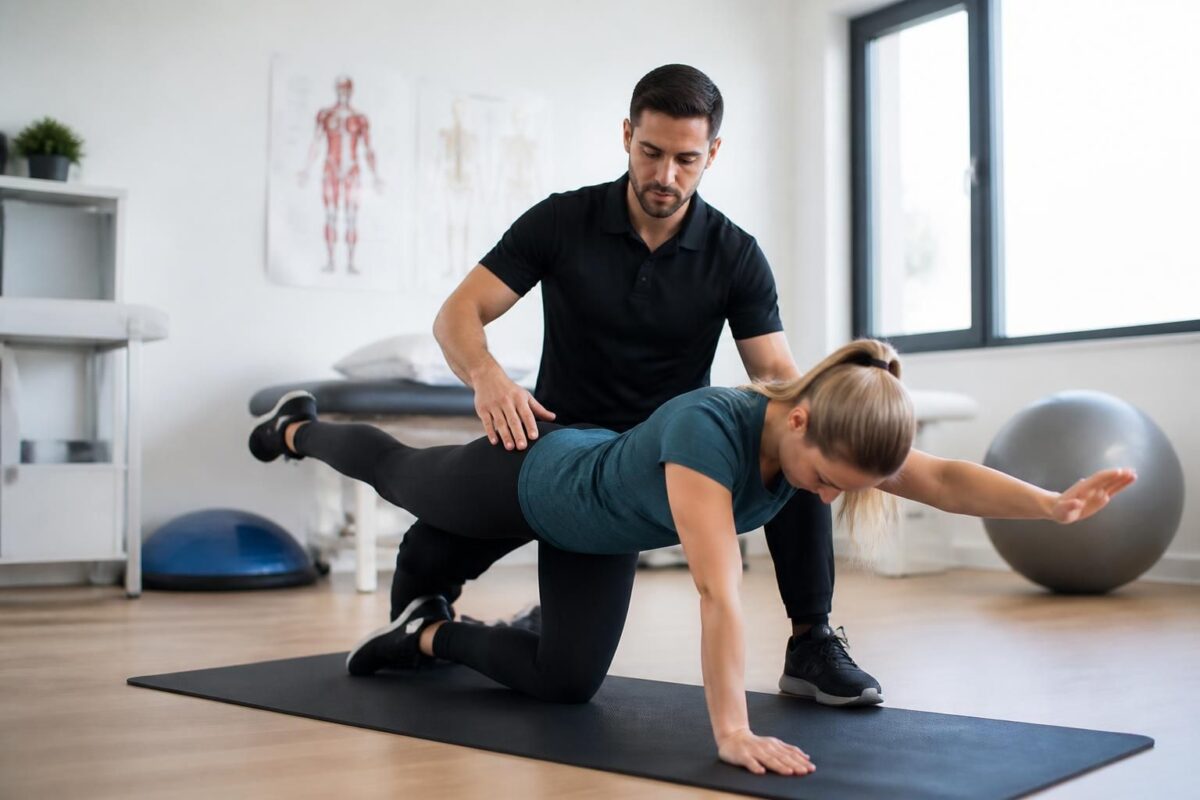
In short
| In short, the Non-surgical treatment of the sciatica at Terrebonne is a conservative approach that aims to relieve pain and prevent recurrences without surgery. he combines drill, stretches sciatic nerve, physiotherapist and/or osteopath, alternation hot/cold, physical activity regular and Natural remedies to reduce inflammation. Accessible locally, this method favors movement and an adapted posture, with benefits on mobility and pain, often without immediate use of heavy drugs. |
In Terrebonne, the non-surgical treatment of sciatica is based on an active approach that aims to reduce inflammation and regain optimal function, without surgery.
- Avoid prolonged bed rest : Move and walk as soon as possible to promote recovery.
- Hot and cold alternation : Targeted applications to relax muscles and reduce inflammation.
- Exercises and stretching specific to the sciatic nerve and lumbar reinforcement work, supervised by a professional.
- Natural anti-inflammatory remedies : Use certain supplements or plants in a suitable way, without replacing medical treatments.
- Professional support : physiotherapist and/or osteopath to establish a precise diagnosis, propose appropriate exercises and correct postures at work.
- Regular physical activity : brisk walking, cycling or swimming to support recovery and prevent recurrences.
- Complementary approaches : Yoga or tai-chi sometimes useful in parallel with the exercises; Acupuncture and electrotherapy discussed on a case-by-case basis.
This guide written by a health professional expert in osteopathy Explains non-surgical options for sciatica at Terrebonne. It describes practical approaches, clear advice and local resources to relieve pain and improve function. The objective is to optimize the results without the need for surgery.
Understanding sciatica
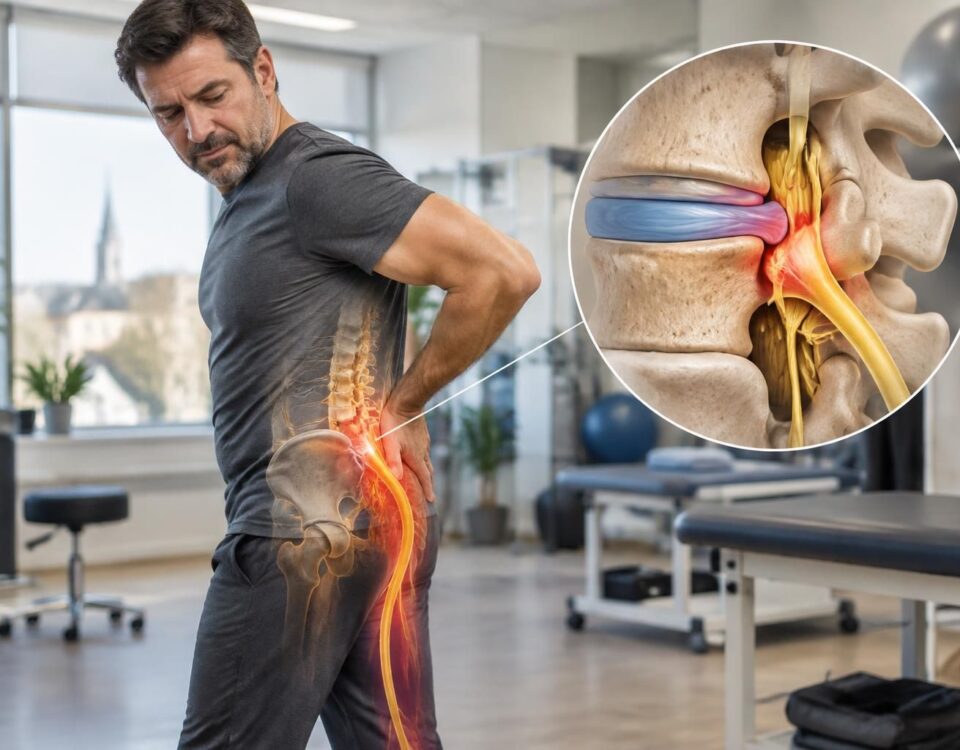
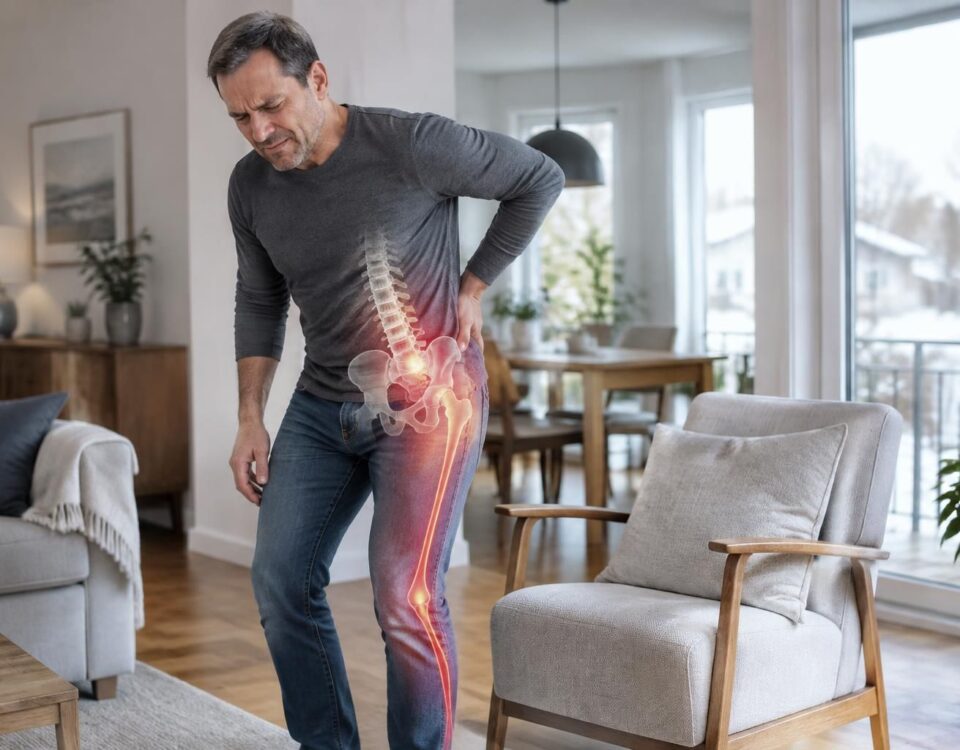
The sciatica is a pain that follows the path of the sciatic nerve. It most often results from irritation or compression of the nerve. The pain can radiate from the lower back to the buttocks and back of the leg. A professional assessment makes it possible to identify contributing factors and direct towards effective non-surgical treatments.
Recommended non-surgical approaches
Alternate hot and cold : Apply alternately warmth and cold on the lower back and buttocks (about 15 minutes each), several times a day. Heat promotes muscle relaxation, while cold helps reduce local inflammation.
Massage and essential oils : On the painful area, use diluted oils in light massage. Some oils have relaxing and anti-inflammatory effects. Be careful not to apply to irritated or injured areas.
Avoid prolonged bed rest and limit sitting : Move as soon as possible. Walking and gentle activities stimulate circulation and the elimination of tension. Alternate sitting and standing periods according to your comfort.
Exercises and stretching of the sciatic nerve : Targeted stretching and exercise can help relieve pain and improve mobility. Perform them under supervision when a professional recommends it, and adapt them to your situation.
Natural anti-inflammatory remedies : Some herbal remedies can promote the reduction of inflammation. Talk to your therapist before integrating these options into your routine. Acupuncture and homeopathy can be considered depending on the case, but their effectiveness varies according to the people.
Role of health professionals : A physiotherapist and an osteopath can diagnose the causes, propose appropriate exercises and advise on postural accommodation at work and at home. They work in addition to the treatments that suit you, and not as substitutes for an in-depth medical consultation.
To deepen decompression approaches and other non-surgical modalities, you can consult resources like neurovertebral decompression.
The role of osteopathy and physiotherapy
Osteopathy and physiotherapy occupy a central place in non-surgical treatment. They assess local and functional causes and propose appropriate interventions. These approaches aim to limit inflammation, restore mobility and reduce nerve irritation. In your journey, the intervention of an osteopath can be useful to reduce pain and accelerate the resumption of daily activities. To learn more about the possibilities offered by osteopathy and associated approaches, see osteopathy-a-natural-alternative-to-drug-drugs.
In Terrebonne and Montreal, several clinics offer adapted non-surgical solutions. For example, the Tagmed Clinic Offers options for sciatica, including manual therapies and personalized programs. To learn more about specific solutions, visit sciatica solution.
What to know about treatments in Terrebonne
In Terrebonne, you benefit from available treatments at the Tagmed Clinic. The proposed options favor non-invasive methods and appropriate exercise programs. Ask for a full assessment to determine the most appropriate plan for your situation.
For general information about the intervention framework, you can consult the following resources: ameli, Sciatica in telework, and AllPurmaHealth. These resources complement the clinical approach and help you understand the possible choices.
If your case is complex or if the pain persists despite the non-surgical measures, discuss with your doctor or with a specialist referred by TagMed. Some situations require in-depth assessment and advanced options, including non-surgical targeted treatments available in specialized clinics in the region.
Frequently asked questions and practical information
Typical duration of an episode : an acute episode can last between one and two weeks, and gradually subside with appropriate care.
Which drug is the most effective : The evidence on the effectiveness of analgesics and anti-inflammatories remains variable. The main objective is often the reduction of inflammation and gradual recovery of mobility, rather than immediate relief by a single drug.
Can the osteopath help : Yes, osteopathy can reduce pain and improve function, in addition to an appropriate exercise and stretching program.
Other tips : Adopt a healthy diet, maintain regular physical activity and favor restorative sleep to reduce inflammation and promote recovery.
Additional references and resources
For more information on non-surgical mechanisms and approaches, see the reference resources and partner sites mentioned below. Get closer to TagMed for local and personalized support in Terrebonne.
Resources and reference domains: neurovertebral decompression, For seniors, Chiro Terrebonne, ameli. Other reliable resources can be viewed on Sciatica and posture and Osteopathy and rehabilitation.
Training and professional framework: Our practice is based on the standards of recognized osteopathy training organizations, including NUMSS, NAO, National University of Medical Sciences and National Academy of osteopathy. Some preferred professional associations include ACMA, College of Canadian Osteopaths and College of Canadian Osteopaths.
Clinique TagMed and local partners in Terrebonne accompany you on this non-surgical sciatica course.
For more details and to access our services, visit Tagmed Clinic.
For more specific information on the treatments offered in Terrebonne, click on sciatica solution and check out the clinic options.
For access to official information on treatments and consultations, see ameli.
For any questions, do not hesitate to write to us. We support you in the implementation of a non-surgical program adapted to your situation in Terrebonne and the surrounding area.
“Medical disclaimer: The information and advice provided on this site does not replace the health professional’s benefit, diagnosis or treatment. Please note that Dr. Sylvain Desforges osteopath is neither a doctor of medicine nor a doctor, and is not a specialist in a medical specialty as defined by the Collège des Médecins du Québec. Manual medicine, functional medicine and sports medicine as described on this site exclude any medical treatment or diagnosis made by a doctor or specialist doctor. Always consult your doctor for any medical questions. For more details, please read our full legal notice. »
- Local assessment in Terrebonne by a physiotherapist and/or osteopath to confirm sciatica and personalize the non-surgical plan.
- Personalized exercise program Focused on lumbar sheathing, sciatic nerve stretching and appropriate cardiovascular activity.
- Maintenance of activity: avoid prolonged rest and favor regular movements, such as walking.
- Manual therapies (osteopathy and physiotherapy) to reduce inflammation and improve mobility.
- Pain and inflammation management: hot/cold alternation and active rest advice.
- Specific stretching of the sciatic nerve and dedicated exercises to loosen the nerve and relieve pain.
- Complementary approaches Like Yoga or Tai Chi, used in parallel with the program.
- Ergonomics and posture: adjustments to the workstation and during travel to prevent aggravations.
- Natural anti-inflammatory remedies Under professional supervision, in addition to treatment.
- Follow-up and progress: Regular reassessment and adaptation of the plan according to the evolution of the symptoms.

This guide outlines the outline of non-surgical sciatica treatment in Terrebonne, focusing on active approaches, manual techniques and natural options. You will find practical advice to relieve pain, regain mobility and limit episodes without resorting to surgery.
Options and key principles of non-surgical treatment
In Terrebonne, local professionals offer an integrated approach that combines targeted exercises, manual techniques, and lifestyle advice. The objective is to reduce inflammation and regain mobility of the sciatic nerve In order to allow you to resume your daily activities quickly and sustainably. This approach favors action and prevention, rather than the simple momentary suppression of pain.
1. Alternate hot and cold
The implementation of a balance between heat and cold can quickly soothe symptoms. Apply a light source of heat to the lower back and buttock for 15 minutes, then switch to cold compression for 15 minutes. Repeat several times a day according to your feelings. The heat helps to relax the tense muscles, while the cold helps reduce swelling around the sciatic nerve.
2. Targeted exercises and stretching
Appropriate exercises and specific stretches make it possible to “distolate” the nerve and improve circulation. A progressive program may include lumbar sheathing exercises, sciatic nerve stretching, and gentle movements that strengthen the back support muscles. In Terrebonne, physiotherapists and osteopaths offer personalized protocols to adapt to your condition and your daily life.
3. Maintain activity and avoid prolonged rest
Avoid prolonged periods of inactivity. Moving as soon as possible and favoring compatible activities, such as light walking, promotes the return to normal function and reduces pain. If the pain is acute, alternate short periods of sitting and walking, and favor regular movements throughout the day rather than strict rest.
4. Massage and essential oils
Massage of painful areas can reduce tension and promote better local circulation. Some essential oils, used with caution and diluted in a carrier oil, can provide a relaxing and anti-inflammatory effect. Combine this treatment with other approaches to optimize results, without replacing exercises and manual therapy.
5. Natural anti-inflammatory remedies
Natural remedies can complete the treatment, without the sometimes drug-related adverse effects. Plants and supplements recognized for their anti-inflammatory properties can be considered under professional supervision. The objective remains to act on the inflammation of the sciatic nerve while respecting your personal tolerance and your health history.
6. Consultation with physiotherapist and osteopath in Terrebonne
A precise local assessment makes it possible to identify the specific causes and to develop an adapted program. The physiotherapist and osteopath work together to relieve inflammation, correct postures and propose lasting exercises. They can also advise you on the arrangements to be made to your workstation or during your travels in order to prevent recurrences.
In any case, the non-surgical treatment aims to act on the cause, not only on the pain. By combining movement, adapted therapies and lifestyle, you optimize your chances of rapid and lasting recovery.
| Element of treatment | What you need to know |
|---|---|
| Limit bed rest | avoid inactivity; Move and walk gradually. |
| Hot and cold alternation | Apply sessions hot/cold To relax the muscles and reduce pain. |
| Exercises and stretching of the sciatic nerve | Make drill And some stretches suitable as soon as possible. |
| Massage and essential oils | Targeted massage and essential oils to reduce tension and inflammation. |
| Natural anti-inflammatory remedies | Use natural remedies to limit inflammation without major side effects. |
| Physiotherapist and osteopath | Targeted diagnosis and personalized program with postural advice. |
| Cardiovascular activity | Integrate a daily cardio activity to boost circulation and recovery. |
| Lifestyle and food | Adopt an anti-inflammatory diet and an active lifestyle to reduce inflammation and promote sleep. |
| Acupuncture and Electrotherapy | possible in addition, but they do not replace the exercise program. |
Marie L., Terrebonne : “I had a pain that started from the lower back to go up the buttocks and stretch to the leg. The non-surgical course in Terrebonne, focused on adapted exercises and osteopathy sessions, allowed me to considerably reduce the pain and resume my daily activities without going through surgery. »
Jean-Marc P., Terrebonne : “After several episodes, the non-surgical treatment offered in Terrebonne helped me to stabilize my mobility. Physiotherapy sessions combined with specific postural counseling and stretching have decreased recurrences and improved my sleep. »
Claire S., Terrebonne : “I was looking for a solution without surgery and I found here a personalized program that combines exercises, sciatic nerve mobility and osteopathic approach. Result: the pain gradually died out and I found my activities without embarrassment. »
Ahmed K., Terrebonne : “My doctor told me about non-surgical options and I tried this plan in Terrebonne. Less inflammation, more movement, and above all less medication. I am convinced that this path without operation is effective and sustainable. »
Sophie C., Terrebonne : “This testimony is not marketing: it is my real experience. Holistic accompaniment with physiotherapist and osteopath, regular exercises and practical posture advice have changed my life. Sciatica has become manageable, without surgery. »
The sciatica is rooted pain triggered by irritation or compression of the sciatic nerve, the largest nerve in the body. It is most often manifested by pain starting from the lower back, reaching the buttock region and descending along the back of the leg. In Terrebonne, there is a complete offer of non-surgical treatments that target inflammation and tension, while preserving movement and function.
In a local and multidisciplinary approach, professionals rely on proven methods in osteopathy, physiotherapy and manual medicine. The objective is to identify the possible causes (e.g. disc herniation, foraminal pinching or irritation of the lumbar nerve root) and to offer appropriate care that reduces pain, restores mobility and preserves the spine vertebral.
A personalized evaluation helps determine the most effective treatment plan. The therapist can combine gentle manipulation techniques, targeted exercises and postural advice to correct the triggers, by promoting a gradual resumption of daily and professional activities without the risk of recurrence.
1) Alternating hot and cold is a practical first step to modulate inflammation and relax the muscles around the nerve. Applying a heat source to the lower back and buttock can promote muscle relaxation, while the cold helps reduce swelling and calm the acute pain.
2) Massage, including with essential oils, can help relieve local tension and promote circulation in the lumbar and gluteal region. Gentle and appropriate gestures, carried out by a professional, effectively complete the therapeutic program and can be integrated during treatment.
3) Avoid prolonged bed rest and favor movement, walking and appropriate daily activities. Maintaining a certain physical activity limits stiffness and supports recovery. Periods of alternation between sitting and light activity are recommended depending on the comfort of each.
4) Practice targeted stretching of the sciatic nerve and adjacent muscles (hamstrings, piriformis, lumbar) can improve mobility and reduce pressure on nerve roots. The exercises are designed to be performed smoothly and gradually, under supervision if necessary.
5) Use natural anti-inflammatory remedies can accompany the treatment. Plants such as turmeric, willow bark and harpagophytum are often considered according to individual profiles, in addition to a program of exercises and manual techniques. The goal is to soothe inflammation without disrupting the body’s natural healing mechanisms.
6) Consult a physiotherapist and an osteopath makes it possible to establish an accurate diagnosis, identify the causes and develop appropriate exercises. Their collaboration offers a coherent approach: gentle manipulation, rehabilitation and postural advice, in order to prevent recurrences and optimize lumbar function and mobility.
In addition, non-surgical technologies such as neurovertebral decompression Motorized, laser and shockwave therapies are sometimes integrated when clinical indications allow it. These options are part of an evidence-based approach adapted to the course of each patient, as part of a global functional rehabilitation program.
To succeed sustainably, the non-surgical approach favors a favorable lifestyle: regular physical activity, balanced diet, stress management and sufficient sleep. A proactive and personalized approach in Terrebonne makes it possible to reduce inflammation, restore mobility and obtain a regained quality of life without the need for surgery.
Quick Summary: This article explores solutions non-surgical for the sciatica in the region of Terrebonne, insisting on practical advice, targeted exercises and manual approaches to reduce pain and improve movement, without resorting to surgery.
as part of the Non-surgical treatment of the sciatica at Terrebonne, several complementary approaches can be considered. Evaluation by a physiotherapist and/or a osteopath Identifies specific causes and proposes a personalized program, which can include specific exercises, decompression techniques and postural advice to prevent recurrences. For a global framework and suitable options, refer to the resources dedicated to sciatica treatment.
The key axes of the non-surgical approach include alternation of the Hot and cold To relieve inflammation and relax the muscles, the application of a targeted massage and the use of exercises stretches and of strengthening back and associated muscle chains. A regular program, combined with an adapted cardiovascular activity (walking, cycling, swimming), can make it possible to loosen the nerve and gradually improve mobility without having to resort to surgery. To deepen these approaches, you can consult the general framework of the sciatica treatment.
In addition, solutions natural anti-inflammatory Can be considered in addition to the exercises, in particular certain supplements or plants that do not disturb the natural healing mechanism of the body. Support by a osteopath and one physiotherapist Remains essential to adapt these options to your situation and to avoid inappropriate treatments. To enrich your reading on the benefits of osteopathy and associated approaches, explore the following resources: The benefits of osteopathy and Chiropractic in Terrebonne.
For people looking for local and practical perspectives in Terrebonne, it is useful to rely on a multidisciplinary team that offers an integrated program of manual exercises and techniques. Professionals near you can offer personalized programs and ergonomic advice for the workstation or daily travel. For additional information on non-surgical approaches and choices by cause, see the following resources: Why the cause must guide the choice of treatment, TAGMED Clinic – Treatment and sciatica without operation.
For those who wish to deepen management options, specialized resources bring together practical advice on maintaining activity, sciatic nerve stretching and associated approaches. A field-oriented reading may include pages dedicated to treatment and the careful approach to avoid unsuitable treatments, especially in urban contexts like Montreal, while remaining relevant to Terrebonne when the goal is management without surgery: Prudent approach and Scientific and seated posture.
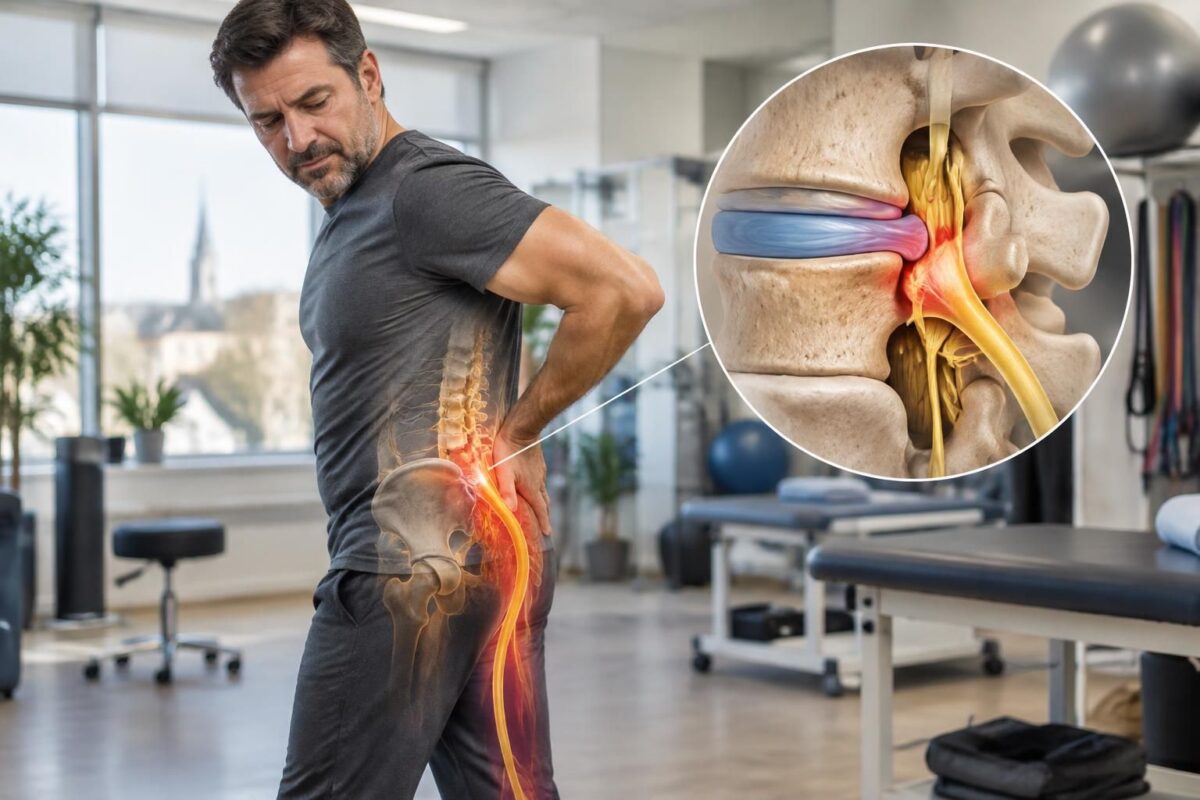
Sciatica in Terrebonne: nerve root, disc, and foramen explained simply
IN BRIEF Sciatica is pain that occurs when a nerve root in the lower back is irritated or compressed, sometimes by a disk or a narrowed foramen. Understanding these structures helps better locate the possible cause of symptoms and guide…
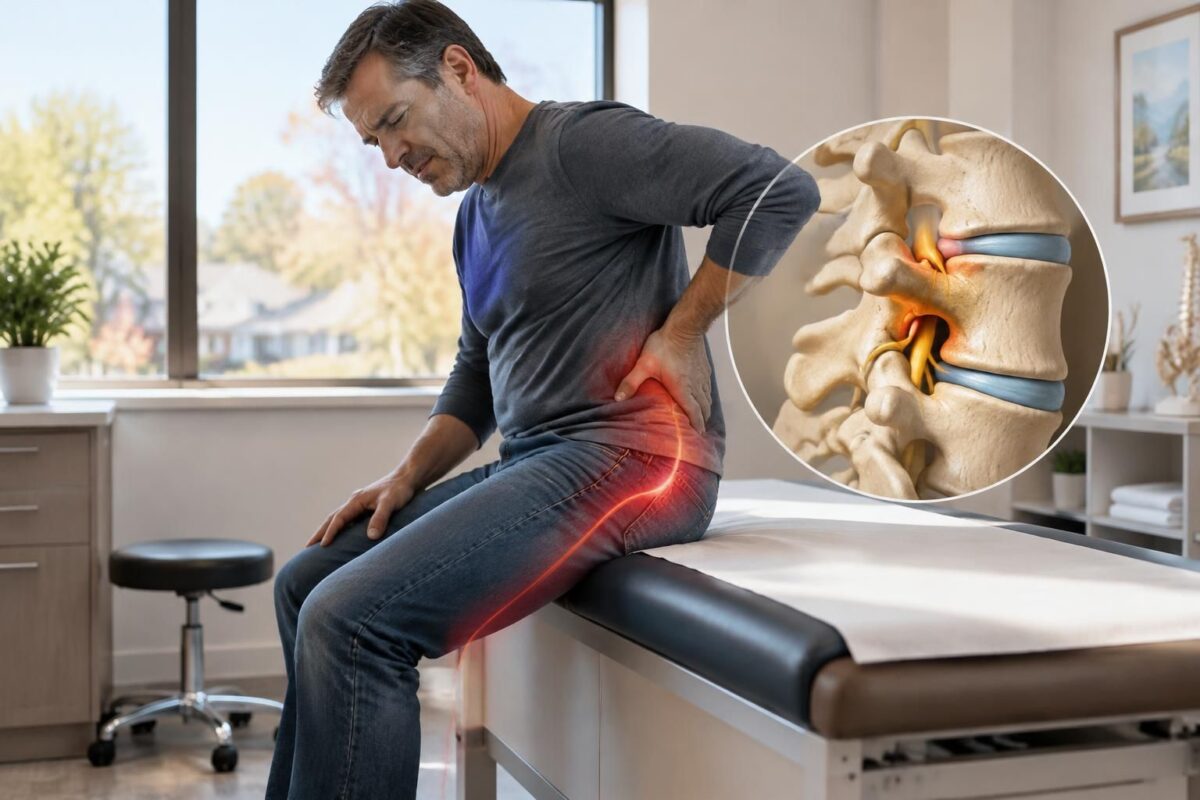
Sciatica in Terrebonne: understanding the L5-S1 foraminal compression
IN BRIEF The L5-S1 foraminal compression corresponds to a narrowing of the opening through which a nerve root passes, potentially contributing to sciatica. In Terrebonne, the assessment compares the side and course of the symptoms, neurological examination, imaging, and limited…
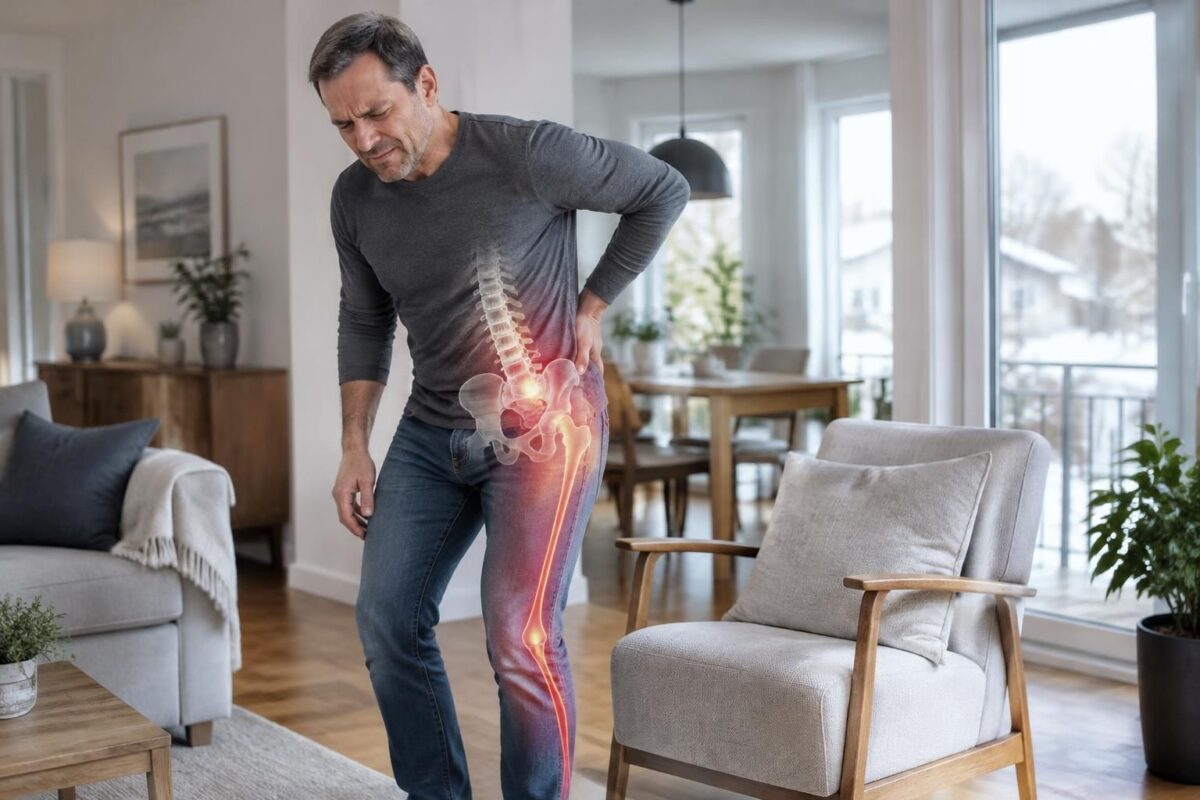
Sciatica in Terrebonne: why L5-S1 is often involved
IN BRIEF Sciatica corresponds to pain related to the irritation of a nerve root, which can extend from the buttock down to the leg. The L5-S1 level is often involved, as a disc herniation or irritation at this location can…
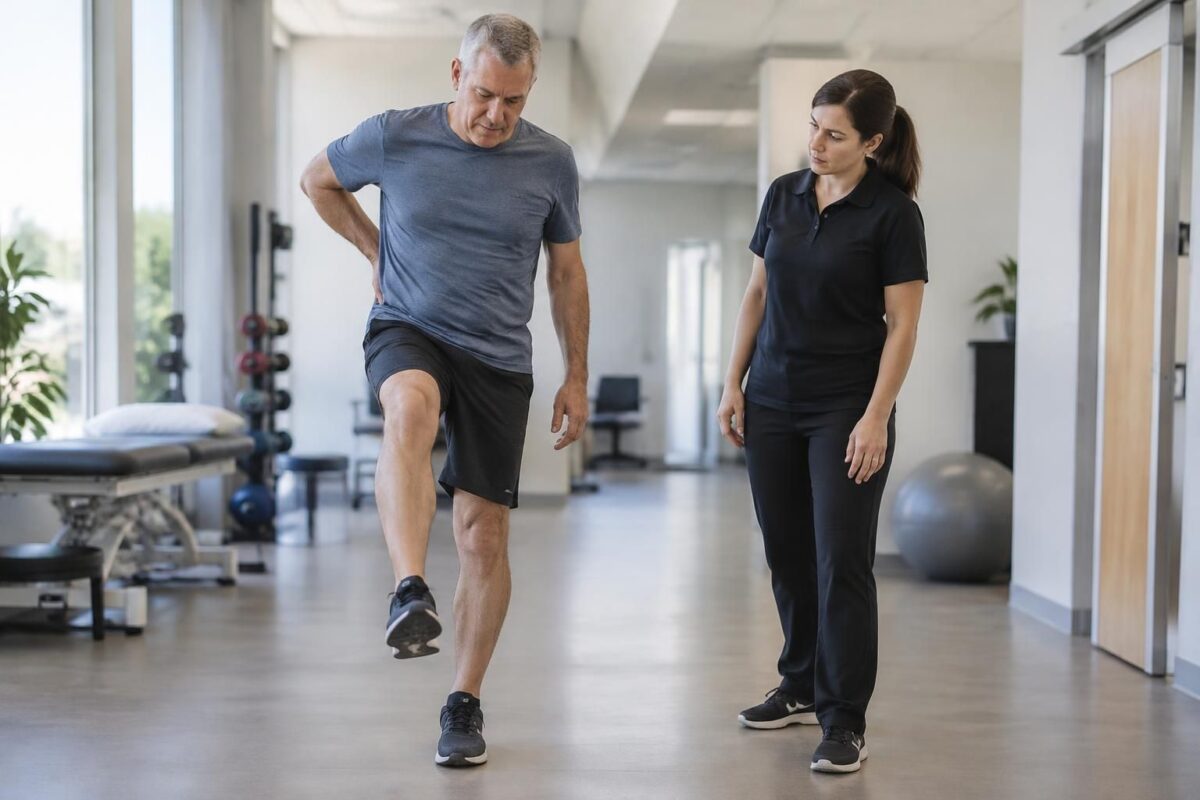
Sciatica in Terrebonne: L5 and difficulty lifting the foot
IN SHORT The L5 sciatica can cause pain or numbness on the side of the leg, the top of the foot, and the big toe, sometimes with difficulty lifting the foot. In Terrebonne, an evaluation compares strength, sensitivity, reflexes, and…
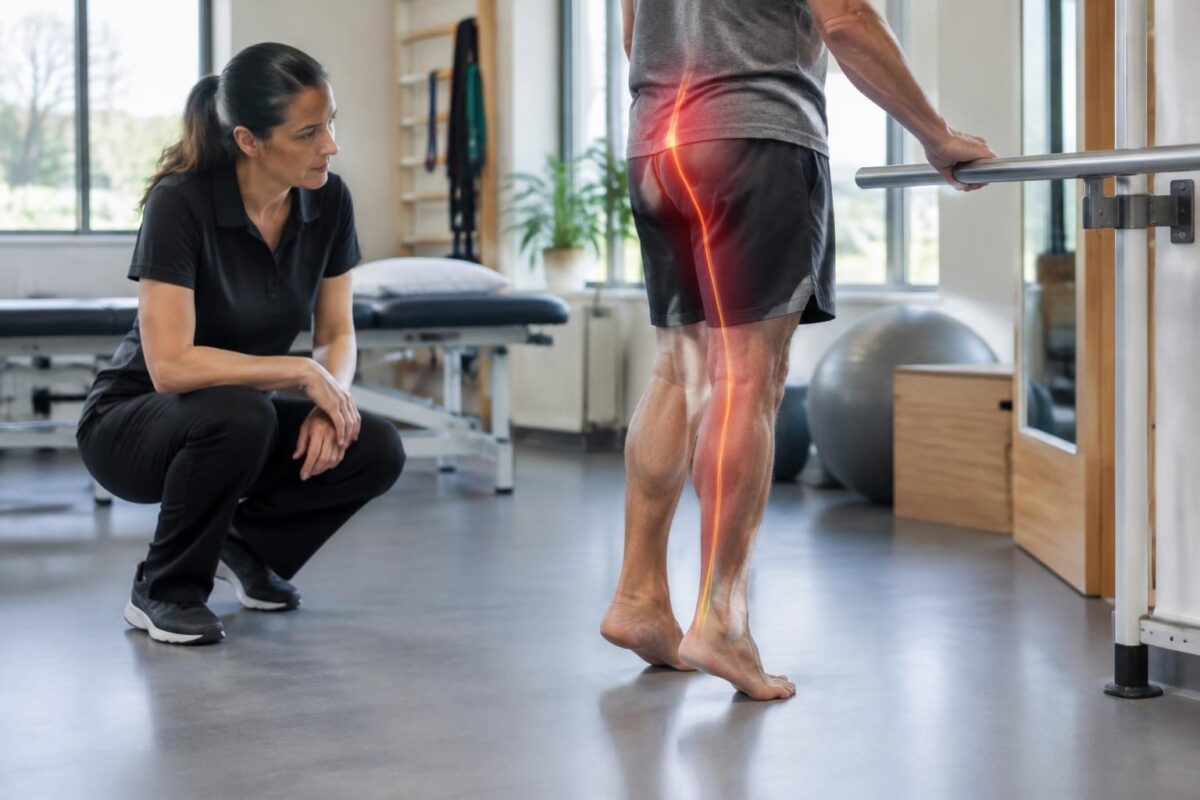
Sciatica in Terrebonne: S1 and difficulty standing on tiptoe
IN SHORT An S1 sciatica can irritate the nerve root associated with the calf and make it difficult to rise onto the balls of the feet. This sign should be evaluated with strength, sensitivity, reflexes, and walking: the pathway of…

Sciatica in Terrebonne: L4-L5 and pain towards the top of the foot
IN BRIEF A L4-L5 sciatica can radiate to the outer side of the leg and the top of the foot, sometimes reaching the big toe. This pathway can guide the assessment, though it does not suffice to confirm the cause:…

Sciatica in Terrebonne: L5-S1 and symptoms in the calf
IN BRIEF A L5-S1 sciatica can cause pain that radiates down the calf, sometimes accompanied by tingling, numbness, or weakness. At Terrebonne, an assessment at the TAGMED Clinic helps to examine the symptom pathways, strength, and sensitivity, and then discuss…

Sciatica in Terrebonne: pain in the big toe, L5 root or another cause?
IN BRIEF Pain in the big toe accompanied by pain in the buttock or leg may be compatible with irritation of the L5 root, but other causes are possible. In Terrebonne, the evaluation notably compares strength, sensitivity, and gait to…

Dr Sylvain Desforges, B.Sc., D.O., N.D., osteopath, is the founding president of TAGMED and of the ACMA association. He dedicates his practice to chronic spinal pain, low back pain and symptoms compatible with sciatica, particularly when pain radiates toward the buttock, leg, calf, foot or toes.
Through SOS Sciatique, he publishes educational content on sciatica symptoms, possible causes such as disc herniation, disc narrowing, foraminal stenosis or irritation of a lumbar nerve root, as well as non-surgical approaches that may be considered according to the evaluation. At Clinique TAGMED, care may include, depending on the case, motorized neurovertebral decompression, specific osteopathic care or precision percussion.
For an evaluation related to sciatica treatment in Montreal / Mount Royal or sciatica treatment in Terrebonne, please consult the services available at Clinique TAGMED.
Medical disclaimer
The information published on SOS Sciatique is provided for educational purposes only and does not replace a consultation, diagnosis, opinion or treatment provided by a physician or another authorized healthcare professional. The author of this article is neither a medical doctor nor a specialist in a medical specialty recognized by the Collège des médecins du Québec. The osteopathic, manual medicine or functional support approaches described on this site do not constitute medical acts and are not intended to replace medical follow-up.
Consult a physician or emergency service in cases of loss of bladder or bowel control, anesthesia in the saddle area, significant or progressive weakness in the leg or foot, fever, recent trauma, severe pain or rapid worsening of symptoms. For more details, please read our Legal Notice.