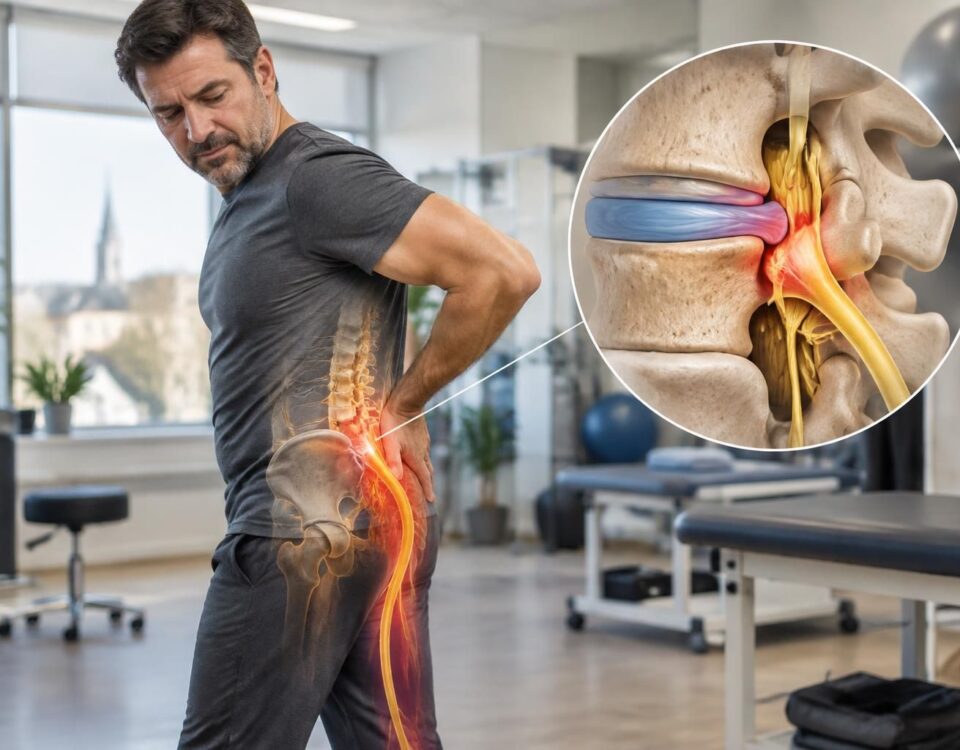
Numbness in the leg and sciatica in Montreal: what should be checked?
01/09/2026
Sciatica and burning sensation in the toes
01/09/2026
IN BRIEF |
In brief, leg numbness related to sciatica is a common but often benign alert. This quick guide describes what this phenomenon is, possible causes such as a compressed nerve or circulatory issues, and essential checks to perform. In Terrebonne, it helps you decide when to consult and what simple actions to take (release the compression, activate circulation, monitor for signs of urgency). Benefits: quickly understanding the mechanism, knowing how to distinguish situations requiring medical consultation, and being directed to the right local professional. In case of urgent signs (paralysis on one side, sudden weakness, drooping mouth, sharp vascular pain), call for help without delay. |
In Terrebonne, leg numbness may stem from sciatica or a circulation issue. Here’s what to check quickly to guide the management.
- Location: is the numbness unilateral and does it affect the buttock, thigh, calf, or foot?
- Onset: does it occur while walking (claudication) or at rest, and is it present at night?
- Associated symptoms: pain, burning, weakness, loss of sensitivity, or numbness accompanied by a weak face or arm?
- Possible causes: sciatica (herniated disc/cruralgia), poor position, diabetic neuropathy, deficiencies, or circulatory disorders.
- Signs of urgency: sudden onset on one side of the body with weakness or speech difficulty; severe pain, redness, and swelling of the calf requiring emergency (call 15).
- Next steps: consult your primary care physician for referral to a neurologist, rheumatologist, or angiologist depending on the reason.
- Immediate actions: decompress the area (move, uncross legs), promote circulation (walk, elevate legs), and consider compression stockings if recommended.
This article, written by a healthcare professional and expert in spinal conditions, explains what needs to be checked when experiencing leg numbness associated with sciatica, particularly in Terrebonne. It presents the most common causes, warning signs, and evaluation and management options, with relevant resources nearby.
Common causes to check
Leg numbness can arise from a compressed nerve or insufficient circulation. The nerve most often involved is the sciatic nerve, which runs from the lower back to the foot. A herniated disc or pressure on a nerve root can cause a numbness sensation that follows the nerve path and may also be accompanied by tingling.
A cruralgia can also be mentioned, when the crural nerve is compressed. Sometimes, a poor position or temporary pressure on the nerve can be enough to cause brief discomfort that disappears after a few movements. Circulatory-related causes exist as well, such as arteritis or thrombophlebitis, which require prompt medical attention.
Factors like diabetes, peripheral neuropathy, and restless leg syndrome can explain numbness that develops gradually or mainly occurs in the evening. Deficiencies in vitamin B12, magnesium, or iron can also weaken the nerves and muscles, with sometimes subtle symptoms.
For explanations and concrete examples tailored to Terrebonne, you can refer to dedicated resources like this guide on sciatica in Terrebonne.
Signs that require prompt consultation
Numbness that suddenly occurs on one side of the body may indicate an emergency. If this numbness is accompanied by a loss of strength, slurred speech, or a drooping mouth, emergency services should be called immediately.
Calf pain that appears suddenly, swelling, or localized warmth may reflect a vascular emergency and require immediate assessment.
For non-urgent but suspicious situations, make an appointment with your primary care physician or a specialist in neurology, rheumatology, or angiology to assess the nerve roots and circulation.
When to get evaluated and what investigations to prioritize
In case of persistent numbness, the approach begins with a thorough clinical examination. The doctor may request imaging tests such as MRI or CT scan to visualize the spine and discs. Electrical tests (electromyography and nerve conduction study) can help locate the affected nerve root and assess the severity of the condition.
Specialized resources for evaluation and referral can be consulted, particularly through the TAGMED network and associated resources, such as on Clik TAGMED.
Management options and what can be considered in Terrebonne or Montreal
Approach possibilities vary depending on the exact origin. In the context of numbness related to sciatica, solutions focus on relief, precise evaluation, and appropriate pain management. At the TAGMED Clinic, tailored options can be considered in Terrebonne or Montreal after clinical evaluation.
For patients seeking resources and explanations about sciatica and symptoms, helpful resources include specific pages such as progressive numbness towards the foot and lower back pain and radiation.
What you can do right away to provide temporary relief
For transient leg numbness, two simple actions can help: uncross the legs and stretch the leg; stand up and take a few steps; gently massage the calf; and practice deep breathing to promote relaxation.
For circulation, be sure to walk regularly, elevate your legs in the evening, and wear compression stockings if your legs feel heavy. If the problem persists, reassess with your doctor and consider appropriate care in Terrebonne or Montreal, for example at the TAGMED Clinic.
Useful links and additional resources
To delve deeper into the symptoms of sciatica in Terrebonne and the specifics related to pain and numbness, refer to the following resources: Sciatica in Terrebonne – foot pain that worsens when sitting, Numbness progressing to the foot, and Lumbar pain and irradiation – low seat. Other resources may assist in understanding the assessment framework, such as SCIACTIC Evaluation – Terrebonne and Sciatica: numbness and weakness.
For additional information, you can also consult Numbness leg sciatica – what to do.
Additional resources on neurovertebral decompression options and related evaluations are available on sites dedicated to these approaches and linked to treatments offered at the TAGMED clinic and associated resources.
Medical Disclaimer: The information and advice provided on this site do not replace the opinion, diagnosis, or treatment of a healthcare professional. Please note that Dr. Sylvain Desforges, osteopath, is neither a medical doctor nor a physician, and is not specialized in a medical specialty as defined by the Collège des médecins du Québec. Manual medicine, functional medicine, and sports medicine as described on this site exclude any treatment or medical diagnosis made by a physician or specialist. Always consult your doctor for any medical questions. For more details, please read our full Legal Notice.
- Probable origin : sciatica or impaired circulation
- Type and path : numbness or tingling along the nerve from the lower back to the foot
- Neurological urgency : sudden onset on one side with weakness or speech disturbance → call 15
- Vascular signs : swollen/painful calf or pale/cold leg → seek prompt consultation
- Evolution : while walking, the numbness may appear and then diminish at rest
- Immediate actions : move slightly, walk a few steps, elevate the legs, gentle massage
- When to consult : persistence or extension of numbness, increased pain, weakness
- Possible examinations : clinical assessment; potential imaging studies or nerve tests as per the physician
- Prevention and lifestyle hygiene : regular physical activity, good posture, correct lifting techniques

This article guides you on leg numbness and sciatica in Terrebonne, indicating what to check, warning signs, and steps to take to quickly direct your care. Numbness can arise from a nerve compressed along the path of the sciatic nerve or from a circulation problem; in most cases, it is benign and temporary, but some situations require rapid medical evaluation.
Understanding numbness and sciatica
Numbness reflects a nerve message poorly transmitted or insufficient blood supply. In the first case, a nerve is pinched along its path, from the lower back to the foot. In the second, circulation may be inadequate towards the leg. The sciatic nerve is the longest in the body and can be compressed by a herniated disc, osteoarthritis, or other strains, leading to tingling, numbness, or a feeling of heaviness in the buttock, thigh, or foot. In Terrebonne, this pain may primarily manifest on one side and gradually involve other areas depending on the source.
What to check when numbness appears
Exact location: indicate where the numbness is located (buttock, thighs, calf, foot) and whether it is constant or episodic.
Onset time: does it occur while walking, at rest, during the night or after prolonged positioning? These clues guide to the cause (circulation, nerve, position).
Associated symptoms: irradiated pain along the nerve path, muscle weakness, loss of sensation, or pain that diminishes when lying down may help differentiate sciatica from other causes.
Importance of history: pregnancy, diabetes, history of lumbar injury, or professional commitments that strain the back and legs must be considered during evaluation.
Signs of urgency and when to call for help
Call for help immediately (911) if you observe:
sudden numbness on one side of the body accompanied by weakness, difficulty speaking, or a drooping mouth;
a leg that suddenly becomes very cold, pale and painful, or a warm and swollen calf without obvious reason, which may indicate a vascular emergency.
What to do while waiting for a consultation
Reducing pressure on the nerve and promoting circulation can provide quick relief.
Uncross and extend the leg while seated;
Lightly walk and remain active without straining, then elevate the legs at the end of the day;
Gentle calf massages and deep breathing to reduce stress and muscle tension.
Avoid positions that worsen the pain or pinch the nerve, and favor progressive activities suited to your comfort. If numbness is recurrent, seek specialized evaluation in Terrebonne to guide you to the right specialist.
How to prepare for your care in Terrebonne
As you approach a consultation, note the exact location, timeline of symptoms, and triggering circumstances. Bring your medical history (diabetes, deficiencies, ongoing treatments) and prepare a list of questions for the doctor or therapist. Depending on the results, the doctor may guide you towards additional examinations (in-depth clinical exam, imaging, or neurological tests) and propose an appropriate approach, including exercises, manual therapies, or rehabilitation.
Care options
In addition to a clear diagnosis, non-surgical and tailored approaches in Terrebonne can be considered: targeted exercises for the back and core muscles, improvement of posture, breathing and relaxation techniques, and gentle manual therapies (osteopathy or physiotherapy) to promote mobility and circulation.
| Item to check | What it indicates (concise summary) |
|---|---|
| Trigger and context | When walking: vascular; at rest or at night: suspicion of nerve or local circulation. |
| Location of symptoms | Buttock, thigh, or foot; the side does not indicate severity. |
| Type of sensation | Numbness and tingling; burning pain can provide guidance. |
| Associated pain | Lombar pain radiating along the nerve path: typical indication of sciatica or herniated disc. |
| Weakness or loss of strength | Weakness in the calf or foot: nerve sign requiring rapid evaluation. |
| Vascular signs | Swelling, warmth, or pain in the calf: phlebitis or another circulatory issue; potential emergencies. |
| Neurological emergency signs | Numbness on one side with speech or mouth disturbance: call 15. |
| Timing of occurrence | When walking (circulation) or at rest/night (nerve); progression helps with diagnosis. |
| Immediate actions | Release compression, move, elevate legs; then consult rapidly. |
In Terrebonne, I heard a friend describe a numbness that started from the buttock and traveled up the thigh during my walks in the city. She began by noting exactly where the tingling was located and if it appeared at certain times, particularly when walking, to distinguish possible sciatica from other causes. She then made an appointment with her primary care physician to evaluate the nerves and circulation, and to check if any additional examinations were necessary.
A young man from Terrebonne reports that the numbness intensified in his right leg after a long day at work. To check what was happening, he noted the associated signs: pain, weakness, and whether the numbness extended from the lower back to the foot. This description guided him to a consultation that helped rule out a serious cause and discuss appropriate care options for his situation.
A woman living in Terrebonne noticed that her numbness mainly appeared when she walked and—surprisingly—improved while at rest. She also noted if the leg was heavy or painful and checked for any vascular symptoms (leg becoming cold or swollen). This approach facilitated a discussion with a healthcare professional about possible causes, such as insufficient circulation or sciatica.
Another testimonial mentions a numbness that appears suddenly and affects one side of the body. In this case, the person immediately considered the warning signals and sought emergency care when the numbness was accompanied by other signs such as marked weakness or speech difficulties, to rule out a serious and urgent cause.
Finally, in Terrebonne, several patients report that they follow preventive measures and simple advice to relieve symptoms when they do not present concerning signs. They confirm the importance of regular walking, slight elevation of the legs at the end of the day, and checking for warning signs with their doctor to ensure everything remains under control and that appropriate measures are implemented quickly if necessary.
Dr. Sylvain Desforges, osteopath, naturopath, and experienced manual physician, is located near Terrebonne and is committed daily to better understand and treat lower back pain and sciatica nerve issues. Founder of TAGMED clinics and active in supporting patients through an integrated approach, he emphasizes thorough evaluation, tailored therapeutic gestures, and personalized advice to promote recovery. In the context of this subject, he outlines the essential checks to carry out in the face of a leg numbness and potential sciatica, connected to the local reality of the region.
A numbness in the leg often conveys a nervous message that is poorly transmitted or a slowed blood circulation. The sciatic nerve is the longest pathway in the body and can be compressed somewhere between the lower back and the foot. When this compression occurs, the leg may go to sleep, accompanied by tingling or burning sensations, and the pain may radiate into the buttock, thigh, and sometimes down to the foot. Conversely, inadequate blood flow can make the tissues in the calf and leg heavy, cold, or sensitive to touch. Understanding these mechanisms helps distinguish the signals to monitor in daily practice in Terrebonne.
Among the possible causes, we mainly find sciatica associated with a herniated disc pressing on a nerve root, but also variations related to posture, pregnancy, or repetitive movements that stress the lumbar axis. Other mechanisms exist: circulatory disorders (arterial claudication during walking or phlebitis) and neuropathies associated with diabetes or nutritional deficiencies. The side does not determine the level of severity; what matters is the progressive nature, the path of discomfort, and the emergence of associated signs such as weakness, pain worsening during walking, or nighttime numbness that persists despite rest.
In practice, certain signals require a quick assessment. Sudden discomfort that appears on one side of the body (leg, arm, or face) may suggest a stroke and necessitates calling emergency services immediately. Sharp and sudden pain in the calf may indicate a vascular emergency. In case of doubt, it is advisable to prioritize a medical consultation without delay and obtain an evaluation from a treating physician or a nerve and vessel specialist in Terrebonne, to guide towards imaging or additional tests if necessary.
To check the origin of the numbness, Dr. Desforges prefers a comprehensive clinical evaluation: neurological examination, gait analysis, sensitivity and strength tests, and, if necessary, imaging exams (MRI or CT scan) or electrodiagnostic tests. Additionally, an osteopathic assessment may seek areas of tension or compression along the nerve pathway and offer targeted adjustments, exercises, and posture advice. In some cases, coordination with vascular or neurological specialists may be recommended to refine the diagnosis and treatment plan in Terrebonne.
Useful daily actions to relieve transient numbness include changing positions, gentle movements, and regular walking to stimulate circulation. Locally, adopting appropriate physical activity, encouraging good sitting and standing posture, and wearing compression stockings when legs feel heavy can help improve comfort. A professional evaluation can clarify the causes and propose a personalized approach, combining osteopathy, somatic advice, and, if relevant, complementary therapies, to quickly regain a more lively leg and a calmer gait in Terrebonne.
Quick summary: leg numbness and sciatica in Terrebonne require careful assessment of the symptom’s trajectory, its onset, and warning signs. The most common causes remain sciatica and circulation problems; some signals require urgent attention, others a medical consultation to determine appropriate treatments, including the options available in Terrebonne.
First, check the symptom trajectory and its link to sciatica or possible femoral neuralgia. The sciatic nerve travels from the lower back to the buttock, thigh, and then the foot; a pinching or irritation can cause numbness, tingling, or pain that follows this path. Similar signs can also arise from a circulation problem in the legs, where claudication or vascular symptoms appear during walking or at rest. To better understand the mechanisms and possible causes, refer to resources that explain sciatica and diagnostic criteria.
Practically, assess the following elements: sudden or gradual onset, which side is affected (left or right leg), the presence of pain accompanied by weakness, loss of sensitivity, or difficulty moving, and triggering circumstances (walking, prolonged sitting, exertion, pregnancy, etc.). For an overview of signs and diagnostic approaches, consult general information on sciatica and prevention and treatment advice.
In Terrebonne, specialized resources are available to assess and treat sciatica and leg numbness. The treatment of sciatica in Terrebonne offered by Clinique TAGMED is part of the local options. Other educational content and local profiles on Terrebonne and leg numbness can be found in the following resources: sciatica in Terrebonne – progressive numbness, low back pain with shooting pain in the leg, and pain that changes trajectory.
To better understand the mechanisms and signals sent by the leg, you can consult dedicated resources such as those focused on leg numbness and sciatica, including the following guides and clinical pages: MSD Manuals, numb leg, and pain and numbness in the leg.
For specific cases in Terrebonne, targeted content explains the signals sent by the leg and possible developments, including signals sent by the leg and tingling after walking. These resources complement local information and help to better guide actions in Terrebonne.
If the numbness is isolated and transient, simple actions can help: uncrossing and stretching the leg, getting up and walking a few steps, massaging the calf, and practicing breathing and relaxation exercises. If it persists or warning signs appear, it is recommended to schedule an appointment with a treating physician or a specialist (neurologist, rheumatologist, or angiologist) for an appropriate evaluation. For management options related to Terrebonne, see the Sciatica treatment in Terrebonne and associated resources.
In case of rapid worsening, pain associated with significant weakness, or loss of urinary or blood control, do not hesitate to seek emergency services by dialing 15. For non-urgent situations, consult your treating physician for guidance towards the most appropriate specialist and treatments available locally.
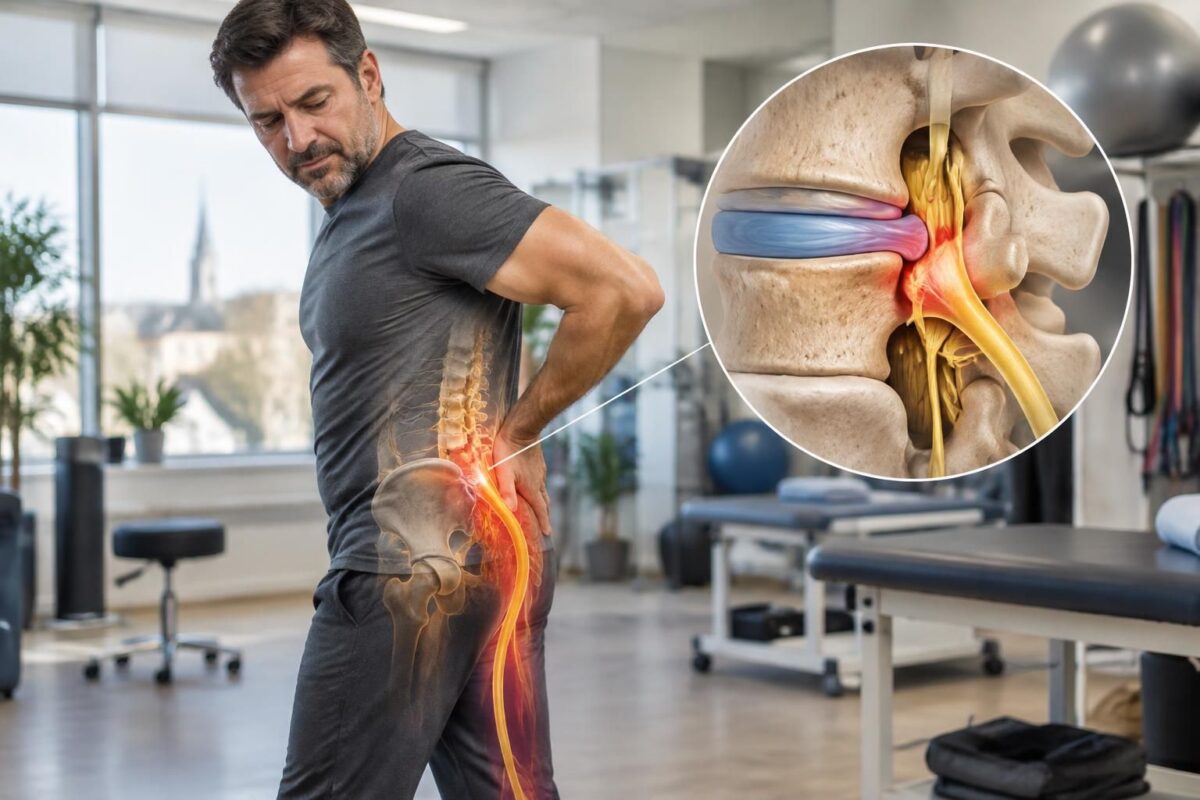
Sciatica in Terrebonne: nerve root, disc, and foramen explained simply
IN BRIEF Sciatica is pain that occurs when a nerve root in the lower back is irritated or compressed, sometimes by a disk or a narrowed foramen. Understanding these structures helps better locate the possible cause of symptoms and guide…
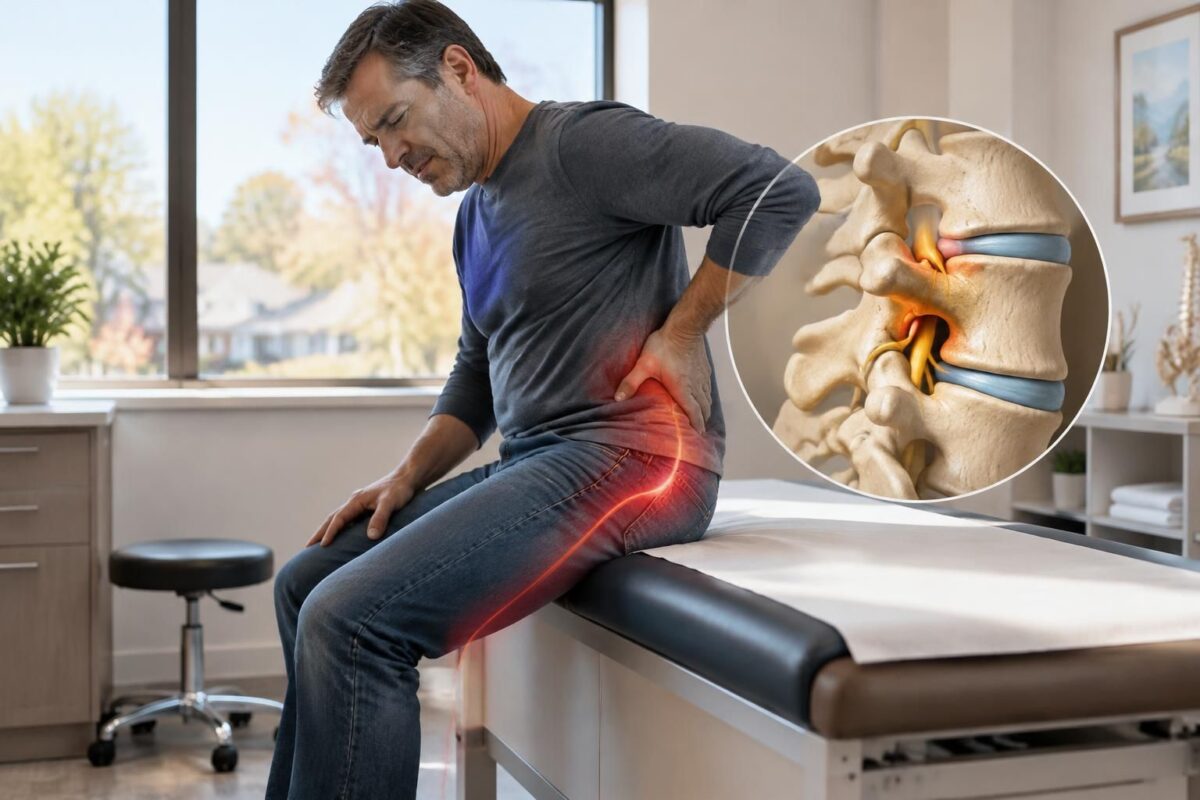
Sciatica in Terrebonne: understanding the L5-S1 foraminal compression
IN BRIEF The L5-S1 foraminal compression corresponds to a narrowing of the opening through which a nerve root passes, potentially contributing to sciatica. In Terrebonne, the assessment compares the side and course of the symptoms, neurological examination, imaging, and limited…
Sciatica in Terrebonne: why L5-S1 is often involved
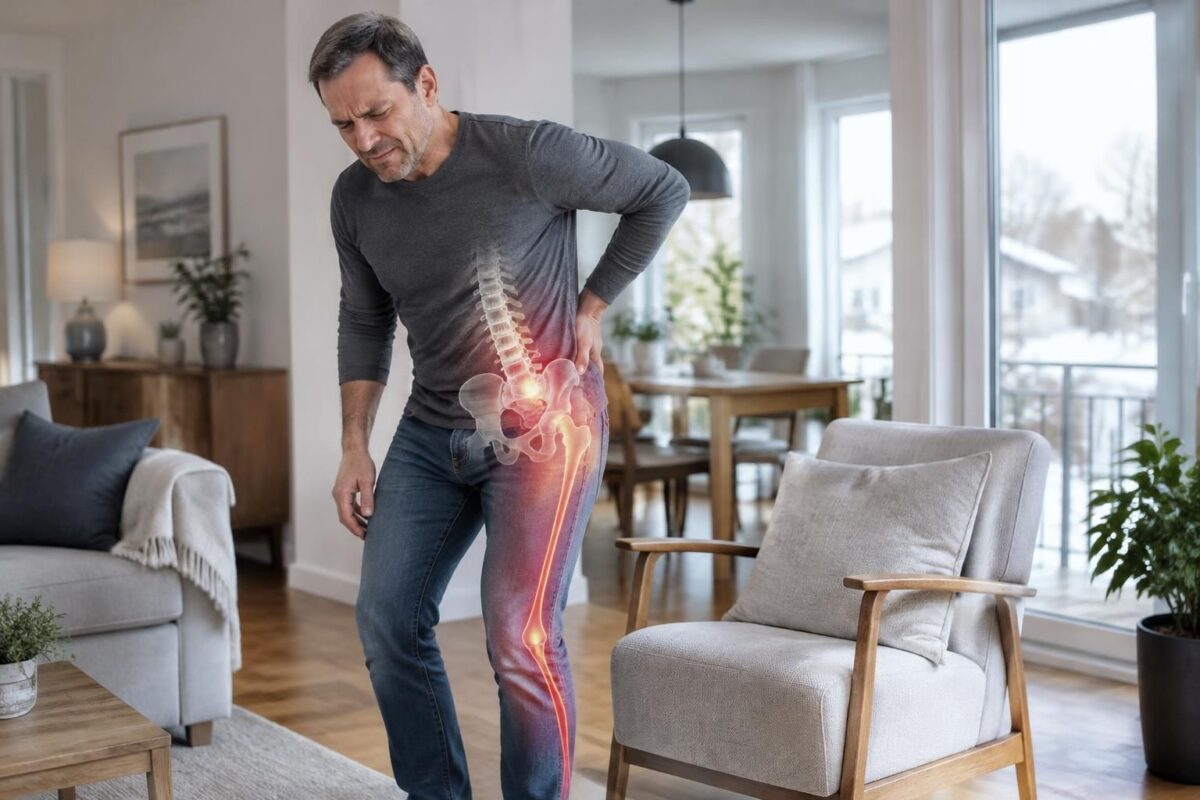
IN BRIEF Sciatica corresponds to pain related to the irritation of a nerve root, which can extend from the buttock down to the leg. The L5-S1 level is often involved, as a disc herniation or irritation at this location can…

Sciatica in Terrebonne: L5 and difficulty lifting the foot
IN SHORT The L5 sciatica can cause pain or numbness on the side of the leg, the top of the foot, and the big toe, sometimes with difficulty lifting the foot. In Terrebonne, an evaluation compares strength, sensitivity, reflexes, and…
Sciatica in Terrebonne: S1 and difficulty standing on tiptoe
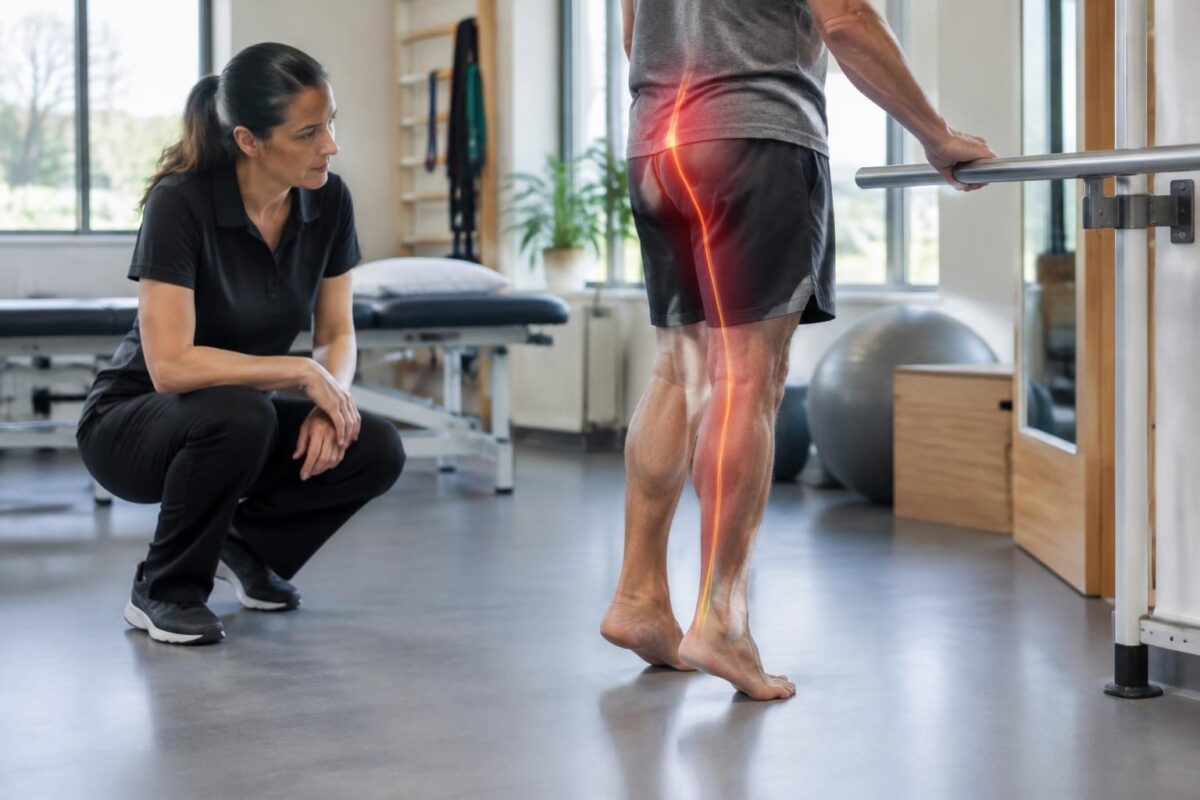
IN SHORT An S1 sciatica can irritate the nerve root associated with the calf and make it difficult to rise onto the balls of the feet. This sign should be evaluated with strength, sensitivity, reflexes, and walking: the pathway of…

Sciatica in Terrebonne: L4-L5 and pain towards the top of the foot
IN BRIEF A L4-L5 sciatica can radiate to the outer side of the leg and the top of the foot, sometimes reaching the big toe. This pathway can guide the assessment, though it does not suffice to confirm the cause:…

Sciatica in Terrebonne: L5-S1 and symptoms in the calf
IN BRIEF A L5-S1 sciatica can cause pain that radiates down the calf, sometimes accompanied by tingling, numbness, or weakness. At Terrebonne, an assessment at the TAGMED Clinic helps to examine the symptom pathways, strength, and sensitivity, and then discuss…

Sciatica in Terrebonne: pain in the big toe, L5 root or another cause?
IN BRIEF Pain in the big toe accompanied by pain in the buttock or leg may be compatible with irritation of the L5 root, but other causes are possible. In Terrebonne, the evaluation notably compares strength, sensitivity, and gait to…

Dr Sylvain Desforges, B.Sc., D.O., N.D., osteopath, is the founding president of TAGMED and of the ACMA association. He dedicates his practice to chronic spinal pain, low back pain and symptoms compatible with sciatica, particularly when pain radiates toward the buttock, leg, calf, foot or toes.
Through SOS Sciatique, he publishes educational content on sciatica symptoms, possible causes such as disc herniation, disc narrowing, foraminal stenosis or irritation of a lumbar nerve root, as well as non-surgical approaches that may be considered according to the evaluation. At Clinique TAGMED, care may include, depending on the case, motorized neurovertebral decompression, specific osteopathic care or precision percussion.
For an evaluation related to sciatica treatment in Montreal / Mount Royal or sciatica treatment in Terrebonne, please consult the services available at Clinique TAGMED.
Medical disclaimer
The information published on SOS Sciatique is provided for educational purposes only and does not replace a consultation, diagnosis, opinion or treatment provided by a physician or another authorized healthcare professional. The author of this article is neither a medical doctor nor a specialist in a medical specialty recognized by the Collège des médecins du Québec. The osteopathic, manual medicine or functional support approaches described on this site do not constitute medical acts and are not intended to replace medical follow-up.
Consult a physician or emergency service in cases of loss of bladder or bowel control, anesthesia in the saddle area, significant or progressive weakness in the leg or foot, fever, recent trauma, severe pain or rapid worsening of symptoms. For more details, please read our Legal Notice.