Sciatica: how the lumbar spine can cause pain in the foot
03/08/2026
Sciatica treatment in Montreal: role of non-surgical care
04/08/2026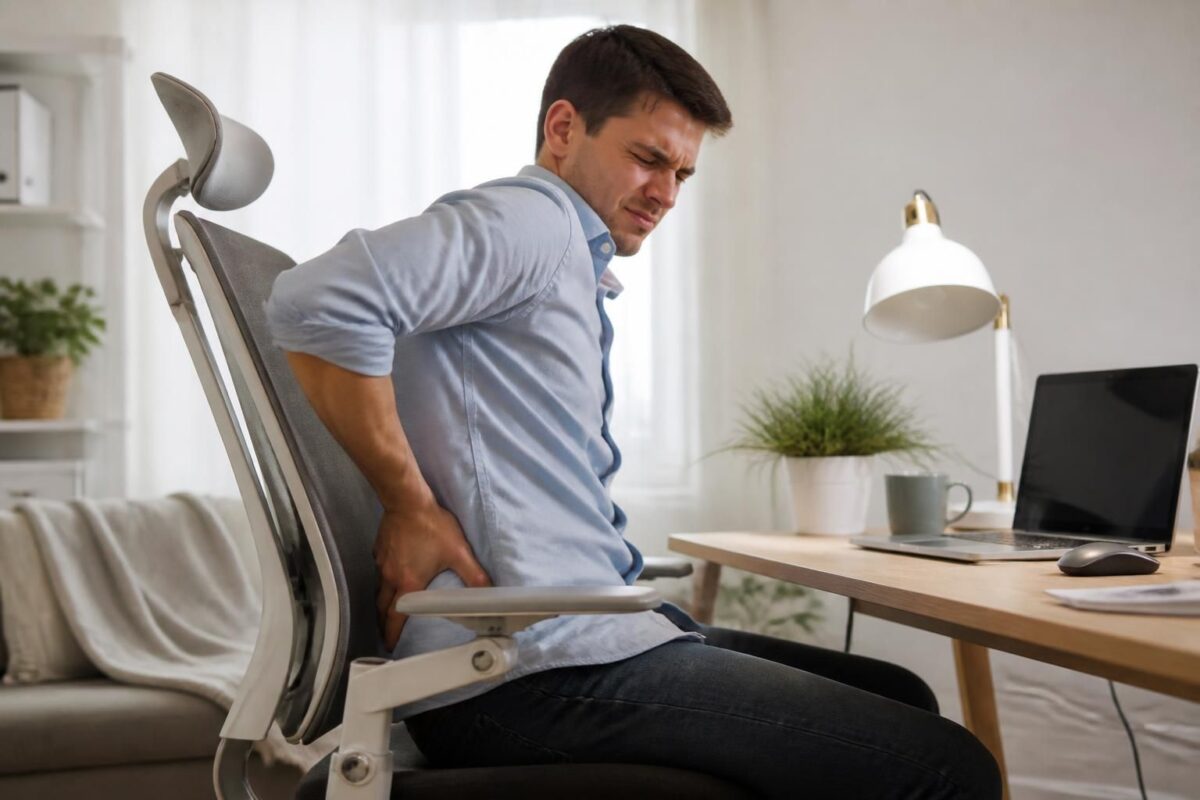
IN BRIEF
| In brief, Sciatica and ergonomic chair describes a realistic approach to reducing pain without promising miracles. What is it? a solution that combines lumbar support, a seat that is neither too hard nor too soft, and movement habits. Benefits: improved posture, reduced pressure on the sciatic nerve, and decreased fatigue. How does it work? we adjust the height, choose a medium density seat, and vary positions with active breaks. In summary, it is a gradual solution that improves comfort and protects the sciatic nerve, without believing in a miracle chair. |
In business practice, we offer lumbar support and an appropriate seat, but we must remain realistic: there is no miracle chair that offers instant and lasting relief for everyone. Comfort depends on morphology, postural habits, and pain history; everything adjusts through trial and self-awareness.
- Promise immediate and definitive relief without any adjustment or effort.
- Give the impression that a single model fits all situations.
- Guarantee healing or total disappearance of pain without further action.
- Ensure results for everyone without varying positions or daily habits.
- Ignore the importance of personal listening and a trial process.
The real key lies in progressive adaptations, effective lumbar support, and regular movements throughout the day.
This article, written by a health professional and expert, will address what Sciatica and ergonomic chair truly offer and what should not be promised. It provides clear guidelines for choosing and adjusting a chair to manage pain without creating false expectations, with practical advice and reliable resources.
An ergonomic chair does not eliminate pathology
An ergonomic chair can improve comfort and reduce certain tensions, but it does not cure sciatica or an underlying condition. No chair can prevent all pain related to nerve compression by itself. The goal is to provide a seat that respects the natural curvature of the back and supports the lower back without excessively compressing sensitive areas.
The limits of manufacturers’ promises
Marketing messages promising a miracle solution should be scrutinized carefully. Science shows that sciatic pain is multifactorial. A surface that is too hard or too soft can exacerbate pain signals. Aim for a medium density and real lumbar support, but no seat can guarantee the disappearance of symptoms.
How to evaluate a chair without making mistakes
Choose a seat that supports without crushing and allows easy movement. Check the seat depth, foam density, and the presence of effective lumbar support. The seat should be deep enough to avoid pressure under the thighs, while keeping the feet flat on the ground. A backrest that can slightly follow body movements can reduce tension accumulated over hours.
Practical rules for daily use
Vary positions and take regular breaks to walk. Keep feet flat and adjust the seat height so that knees are bent at a right angle. Use adjustable armrests to relax shoulders and bring elbows close to the torso. When moving, prefer solutions that allow for lumbar stability and avoid prolonged pressures on the nerve.
Accessories and smart choices to limit risks
A lumbar cushion can improve lower back support and compensate for poorly suited seats. Seat depth and a material that allows air circulation are important factors. Some seats offer a slight tilt that can relieve the spine and limit fatigue over time.
To delve into these points, you can refer to the following resources on similar topics and practical advice:
Mechanical causes and nerve inflammation
Position to monitor on the couch and work
Evaluation of pain and reflexes
Neurovertebral decompression – additional information
Herniated disc – general information
Carpal tunnel disorders – context and prevention
TAGMED clinics – clinical solutions
Medical disclaimer: The information and advice provided on this site do not replace the opinion, diagnosis, or treatment of a health professional. Please note that Dr. Sylvain Desforges, osteopath, is neither a medical doctor nor a physician, and is not a specialist in a medical field as defined by the Collège des médecins du Québec. Manual therapy, functional medicine, and sports medicine as described on this site exclude any treatment or medical diagnosis made by a physician or medical specialist. Always consult your doctor for any medical questions. For more details, please read our full Legal Notice.
What not to promise

This article reminds us that in matters of sciatica, even the best ergonomic chair offers no miracle. Comfort depends on your body type, habits, and your ability to regularly adjust your position. It takes time, listening, and trials to find a configuration that alleviates signals without promising an instantaneous disappearance of pain.
What not to promise
Never promise a quick disappearance of pain or a miracle cure through a single ergonomic chair. Sciatic pain can evolve due to multiple factors (posture, activity, personal history), and no seat can sustainably stop the problem without a holistic approach.
Avoid messages that imply the chair will take care of all efforts. Even with an appropriate seat density, effective lumbar support, and precise adjustments, the benefits remain gradual and are part of a daily approach of body listening and position variation.
Do not promise that all positions and postures will be comfortable all the time. Comfort is not fixed and varies with activity, day, and fatigue. A chair can facilitate posture, but it does not replace mobility, active breaks, and the therapeutic approach recommended by a professional.
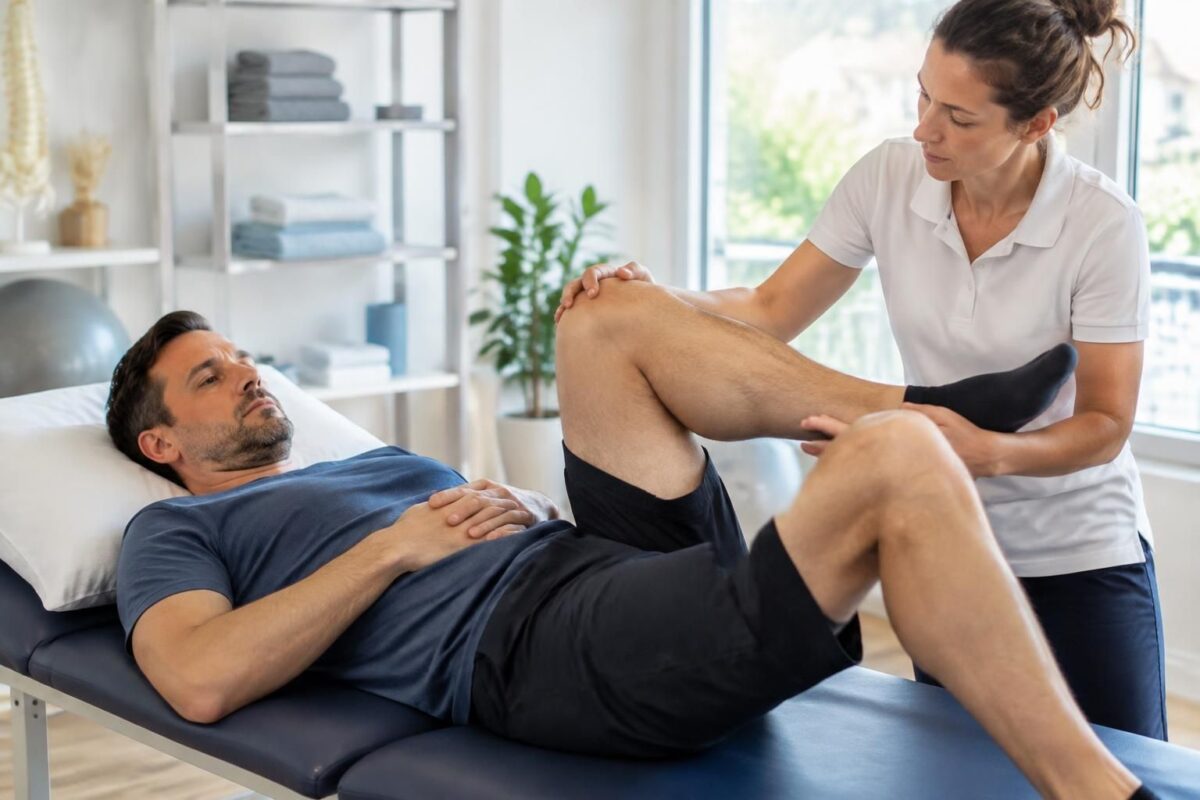
Sciatica and piriformis stretching: useful or worsening depending on the case
IN BRIEF Piriformis-related sciatica can cause deep pain in the buttock, sometimes radiating down the back of the thigh. A gentle stretch can loosen the hip and relieve discomfort if the muscle is involved, but it can worsen symptoms if…

Sciatica and popular stretches: why to stay cautious
IN BRIEF Sciatica causes pain that radiates from the lower back down the leg. Popular stretches, such as the pigeon pose or hamstring stretches, are not always suitable: pulling on an irritated nerve can worsen the symptoms. Favor gentle movements,…
Realistic expectations to communicate
Maintain realistic communication around chances of improvement. We’re talking about improved comfort and reduced pressure on the nerve, not immediate eradication of pain. Remember that the goal is to support the spine, with seating that supports without compressing and allows for micro-adjustments of posture throughout the day.
Emphasize the importance of adjustments and alternating postures. A seat can be useful when it is adjusted to your body type and used in a varied working context (sitting-standing, active breaks, lumbar cushions), but it requires regular practice tailored to each individual.

Sciatica and Pilates: movements to adapt
IN SHORT Sciatica causes pain that can radiate from the lower back down to the leg. The Pilates Reformer can promote a gradual return to movement and strengthen core control, provided that the movements, range, and resistance are adapted. Favor…

Sciatica and core stability: variable tolerance depending on symptoms
IN BRIEF Core strengthening in case of sciatica consists of progressively strengthening the trunk muscles. Its tolerance varies depending on pain and symptoms: suitable without worsening the pain, it can support mobility and the resumption of activities, but does not,…
What the consumer should check before purchasing
Look for a medium density that supports without crushing, with real lumbar support and a material that allows air circulation. Check the possibility of modifying seat depth, backrest stiffness, and the freedom of armrest movement to find micro-adjustments that alleviate pressure points.
Favor concrete trials and testing periods. Request a demonstration for several hours and personalized advice; no promise of zero pain can replace the opinion of a specialist if pain persists.
Good associated practices
Combining the chair with active breaks, simple stretches, and exercises recommended by a physiotherapist remains essential. The seat is a tool, not a standalone solution. Proper support is built gradually, post by post, until a routine is found that preserves the vitality of the sciatic nerve.
| Axis | What not to promise |
|---|---|
| Quick healing | No seat heals sciatic pain instantly; comfort is built through gradual adjustments and active breaks. |
| Universal comfort | No promise of a one-size-fits-all model; everyone has specific needs. |
| Miracle solution | The perfect chair does not exist; it requires testing and adjusting, not believing in a miracle promise. |
| Maintenance and posture | Without position variation and movement, improvement remains limited; prioritize breaks and adjustments. |
| Lumbar support | A real lumbar support is useful but does not replace a dynamic posture and regular exercises. |
| Price and accessibility | A high cost does not guarantee lasting relief; prioritize testing, adjusting, and a suitable routine. |
| Body type compatibility | Sciatica and hernias respond differently; what relieves one may not suit the other. |
| Evidence and advice | Studies do not set a perfect position; self-listening and experimentation remain the best methods. |

Sciatica and lunges: leg pain to watch out for
IN BRIEF Sciatica is pain that starts from the lower back or buttock and radiates down the leg. If a lunge triggers or worsens this pain, stop the movement and adjust your activity: this exercise does not address sciatica. Consult…

Sciatica and deadlifts: risk depending on the cause
IN BRIEF Sciatica and deadlifts are not always incompatible: the risk depends on the cause of the pain and its intensity. During acute episodes, it’s best to avoid heavy loads and seek medical or physiotherapy advice before resuming. A gradual…
Testimonials: what not to promise about Sciatica and the ergonomic chair
I thought the ergonomic chair would make my Sciatica disappear in the blink of an eye. I was promised quick relief, a miracle solution. Verdict after several weeks: it’s not a miracle, it’s a tool that helps, but requires adjustments and trials. Listening to my body and making small modifications were the true winners.
A colleague confided in me: “they assure you that the seat will solve everything.” That was not the case. The ergonomic chair provided support and relieved the nerve, but pain manifested according to my positions and habits. What not to promise: an immediate disappearance of pain. What matters is gradual and sustainable adjustment.
In my experience, respecting posture and movement remains essential. I learned that the ergonomic chair is not a medicine: you have to move, take breaks, and vary positions. No promise of healing, but comfort that improves with time and adaptation. The sciatic nerve reacts better when you combine lumbar support and adapted physical activity.
During trips, I discovered the role of lumbar support and a footrest to prevent pressure points. One cannot promise that every trip will be perfectly pain-free. But one can promise an environment that encourages active posture and micro-adjustments that make a difference over time.
Ultimately, what I take away from this is that no marketing speech can replace experience. The ergonomic chair and accessories like the lumbar cushion help to distribute pressure better, but breaks, exercises, and a body-awareness attitude are also needed. What should not be promised? The instant disappearance of sciatica or quick healing: it is better to aim for progressive and sustainable results over time.
Dr. Sylvain Desforges, an expert in osteopathy, naturopathy, and manual medicine, embodies a pragmatic and results-oriented approach for patients suffering from sciatica. Founder of the TAGMED clinics and founding president of the ACMA, he places at the heart of his practice a philosophy: no miracle promises, but a clear pathway to measurable improvement in pain and quality of life. In his journey, he prioritizes individual assessment, the integration of adapted technologies, and active listening to patients’ needs to optimize everyone’s health and well-being.
The relationship between sciatica and ergonomic chair should not be reduced to catchy slogans. Dr. Desforges reminds us that every body is unique: morphology, postural habits, and painful history influence how we protect the spine and the sciatic nerve. No chair, however appealing, can solve all causes of pain on its own. The goal is rather a coordinated set of gradual adjustments that allow the nerve to free itself from pressure points and regain a more functional posture in daily life.
In an evidence-based approach, the doctor emphasizes the role of balanced and realistic ergonomics. A seat that is too rigid or too soft can, in some cases, worsen symptoms: the former concentrates pressure on the ischiums and spine, while the latter leads to back sagging and can perpetuate chronic pain. The message is clear: prioritize an intermediate density, effective lumbar support, and micro-movement opportunities that awaken the body to an active posture. This framework limits painful episodes without promising instant disappearance.
Technologies offering complementary support — spinal decompression, laser therapies, and shock waves — are part of an arsenal that can accompany treatment, but they do not replace an ergonomic and active strategy. Dr. Desforges emphasizes the importance of daily movement work, postural adjustments, and regular breaks: varying positions, getting up to walk, gently stretching, and consulting a professional to adapt these gestures to one’s personal situation. In short: an adapted chair is a pillar, but not a magic wand.
For patients, the path to comfort involves conscious and measured choices. Dr. Desforges recommends evaluating seat depth, material breathability, movement possibilities, and armrest adjustability. He also advises incorporating simple accessories, like a lumbar cushion and a footrest, and introducing active micro-breaks throughout the day. The goal is to build, step by step, a lasting relationship with one’s body and environment, so that the sciatic nerve can regain its balance without illusions and unkept promises.
This text quickly summarizes that the association between sciatica and ergonomic chair is not a magical promise: one must listen to one’s body, test multiple settings, and adopt a progressive approach. No chair heals on its own; improvement comes from a balance between support, mobility, and active breaks, tailored to each morphology and pain.
Key Takeaways
There is no universal promise or miracle that makes pain disappear instantly. A chair that promises lasting relief for everyone may be misleading; sciatica is multifactorial and depends on your posture, activity, and breathing.
The role of lumbar support and an intermediate seat is important: it should relieve the nerve while avoiding compression or sinking of the pelvis. Neither a surface too hard nor foam too soft is ideal; the goal is a chair that supports without compressing or collapsing.
Choice criteria should not be rigid: prefer a combination of appropriate density, breathability, and mobility (wheels, swivel, backrest tilt). These criteria allow for simple adjustments throughout the day and prevent painful pressure points.
The chair does not act alone: it should be associated with regular breaks, variations in position, and simple stretching or neurodynamic gestures if necessary. The goal is an active posture throughout the day, and not prolonged inertia in front of the screen.
To go further and compare available options, you can consult specialized resources like Choose sciatica chair and Guide to office chair for sciatica. You will find references on comfort criteria, the risks of an ill-suited seat, and best practices to adopt.
Additional explanations and practical advice are also available in dedicated guides. For instance, the approach proposed by Choose sciatica chair can help you evaluate options based on your personal situation, and articles like Choosing a chair for sciatica: prioritizing the comfort of a hard or soft seat complement the reflection on feeling and adaptation.
In summary, prioritize alignment and progressive use over universal promises. For personalized advice and assessments specific to your case, do not hesitate to consult a professional in ergonomics and pain management.

Sciatica and squats: why caution is needed
IN BRIEF Sciatica does not always prohibit squats, but a deep or loaded squat can aggravate symptoms, especially during a flare-up. Gradually resume with a neutral back and a comfortable range of motion, and stop if the pain travels down…
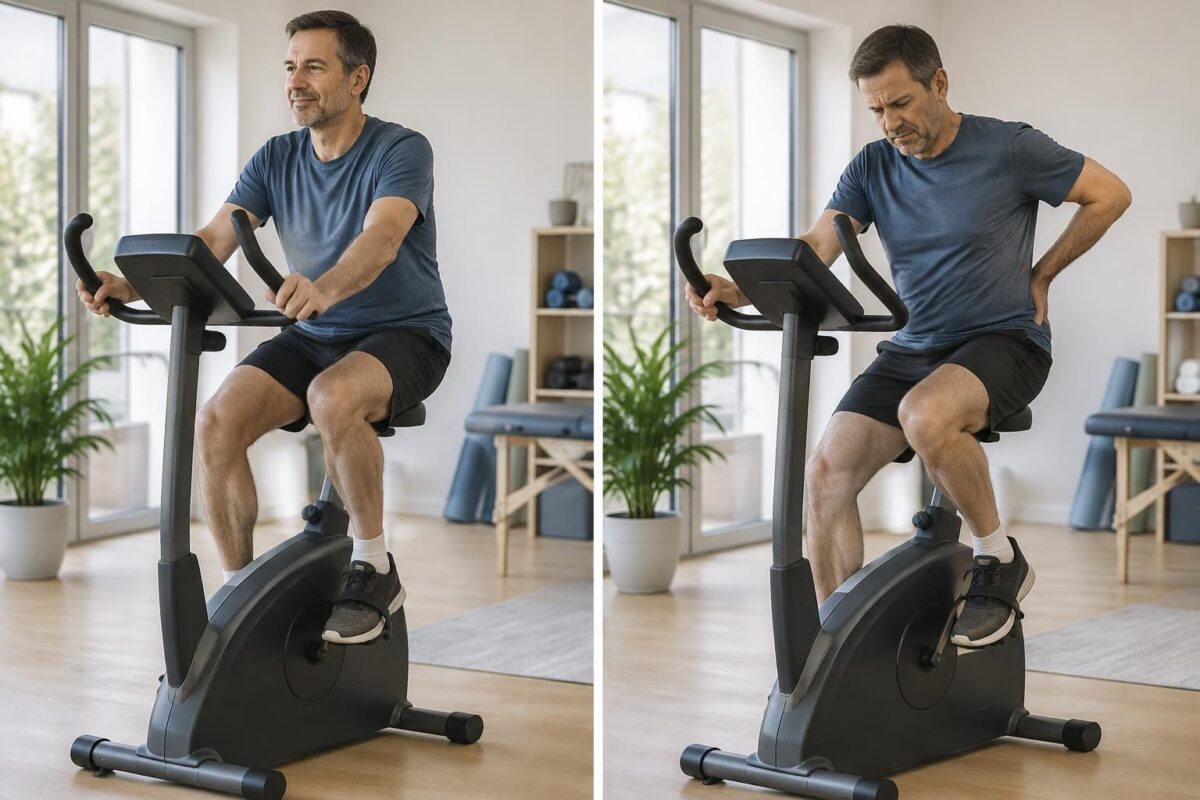
Sciatica and stationary bike: useful or aggravating depending on the case
IN BRIEF The stationary bike with sciatica can help you stay active if the pain is mild and stable. Start with a short session, at low resistance and in a comfortable position. If the pain goes further down the leg,…

Dr Sylvain Desforges, B.Sc., D.O., N.D., osteopath, is the founding president of TAGMED and of the ACMA association. He dedicates his practice to chronic spinal pain, low back pain and symptoms compatible with sciatica, particularly when pain radiates toward the buttock, leg, calf, foot or toes.
Through SOS Sciatique, he publishes educational content on sciatica symptoms, possible causes such as disc herniation, disc narrowing, foraminal stenosis or irritation of a lumbar nerve root, as well as non-surgical approaches that may be considered according to the evaluation. At Clinique TAGMED, care may include, depending on the case, motorized neurovertebral decompression, specific osteopathic care or precision percussion.
For an evaluation related to sciatica treatment in Montreal / Mount Royal or sciatica treatment in Terrebonne, please consult the services available at Clinique TAGMED.
Medical disclaimer
The information published on SOS Sciatique is provided for educational purposes only and does not replace a consultation, diagnosis, opinion or treatment provided by a physician or another authorized healthcare professional. The author of this article is neither a medical doctor nor a specialist in a medical specialty recognized by the Collège des médecins du Québec. The osteopathic, manual medicine or functional support approaches described on this site do not constitute medical acts and are not intended to replace medical follow-up.
Consult a physician or emergency service in cases of loss of bladder or bowel control, anesthesia in the saddle area, significant or progressive weakness in the leg or foot, fever, recent trauma, severe pain or rapid worsening of symptoms. For more details, please read our Legal Notice.