

Sciatica and ergonomic chair: what not to promise
03/08/2026
Treatment of sciatica in Terrebonne: role of non-surgical care
04/08/2026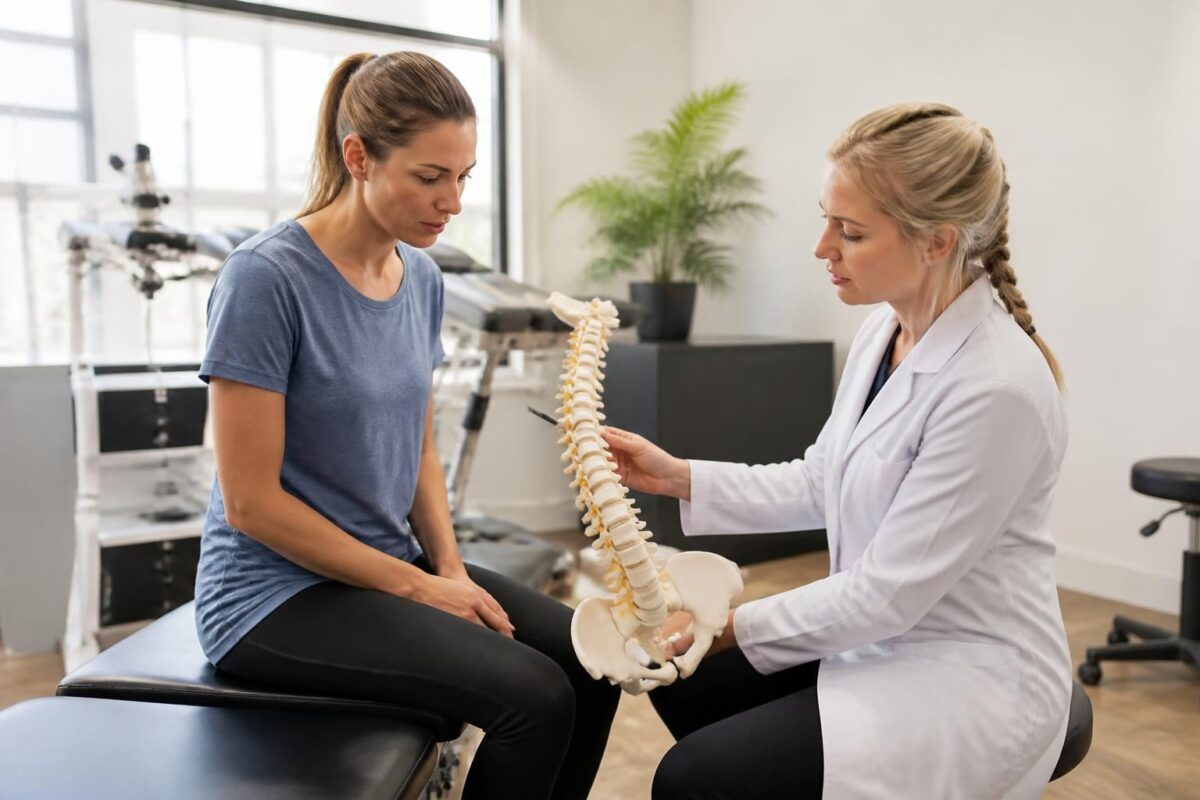
IN BRIEF In brief, sciatica treatment through non-surgical care is a non-invasive approach aimed at reducing nerve irritation and restoring mobility without surgery. In Montreal, these methods rely on osteopathy, non-surgical spinal decompression, and a targeted assessment of causes (disc-related, foraminal, muscular). They offer pain relief, improved mobility, and prevention of recurrences, with a personalized approach tailored to the patient. |
In Montreal, non-surgical sciatica treatment is favored whenever possible. A clinical assessment allows for identifying the source of pain and directing towards a suitable conservative approach. Non-surgical options include non-surgical spinal decompression and osteopathy to decrease pressure on the sciatic nerve, improve mobility, and correct mechanical imbalances. A personalized plan is developed and adjusted according to the evolution of symptoms, aiming to relieve pain radiating into the buttock or leg, restore function, and reduce the risk of recurrence without surgery.
Sciatica is a pain that can start from the lower back and radiate down to the buttock and leg. In Montreal, non-surgical care offers effective solutions to reduce nerve irritation and improve mobility. This article presents the available approaches, their clinical relevance, and the application framework at TAGMED Clinic.
Non-surgical Approaches in Montreal
Non-surgical care relies on precise assessment and a holistic approach. Osteopathy and manual treatments target tensions, pelvic dysfunctions, and postural imbalances. Spinal decompression is a non-surgical option that aims to reduce certain pressures on the discs and nerve roots. This approach may be considered when the clinical assessment suggests disc or root involvement.
These treatments are based on a thorough clinical assessment, review of available imaging, and a personalized care plan. The patient is encouraged to actively participate in their journey, with regular follow-ups to adapt actions and therapeutic choices based on symptom evolution.
Assessment and Treatment Direction at TAGMED
In Montreal, TAGMED Clinic offers specialized assessment for sciatica pain and its possible origins. The approach is tailored to each patient and may include, when relevant, non-surgical spinal decompression and specific osteopathic care. The evaluation helps distinguish between disc pain and pain arising from a lumbar joint, gluteus muscle, or other structures.
For patients residing in Montreal or Mont-Royal, the assessment may steer towards suitable non-surgical options. Resources and services are outlined on Sciatica and Sciatica Treatment in Montreal. Additional information can be found on sciatica and foot.
The professional framework followed by TAGMED aligns with recognized training standards. Professionals may be trained in establishments such as NUMSS and NAO, and rely on the principles of relevant professional associations, including ACMA and the College of Canadian Osteopaths.
Spinal Decompression and Other Related Conditions
Spinal decompression is a non-surgical option that may be proposed when the clinical picture corresponds to a disc pathology or root irritation. This approach is used to reduce mechanical stresses on the discs and nerve structures and may help improve mobility and pain in certain cases.
In the context of the evaluation, it may be useful to examine indicators such as a herniated disc, protrusion, disc compression, or foraminal stenosis. The process aims to clarify the probable source of pain and guide treatment towards suitable non-surgical options. For general information on these topics, you can consult specialized resources such as nocturnal pain and imaging.
It is important to note that the treatments offered at TAGMED are based on a rigorous clinical evaluation. Recourse to spinal decompression or other non-surgical treatments is decided based on clinical signs and imaging results if available. For patients requiring a non-surgical approach, TAGMED can offer suitable options in Montreal and Terrebonne.
When to Consult and Warning Signs
Consult promptly in case of loss of bladder or bowel control, significant numbness around the saddle, marked progressive weakness of the leg or foot, fever, recent trauma, or unexplained pain that worsens rapidly. Bilateral symptoms with significant neurological signs require urgent medical evaluation.
Useful Links and Resources
To deepen the concepts related to sciatica and non-surgical approaches, several accessible online resources can complement the information presented here. For example, resources on decompression and disc scenarios are available on the following sites: sciatica and lumbar spine, non-surgical treatment, Sciatica Terrebonne, and TAGMED Sciatica.
Additional information on sciatica and neurological aspects can be consulted via Physiotherapy and Treatment, and on non-surgical options in Montreal via TAGMED.
Also, resources on neurovertebral decompression and associated approaches can be found at Neurovertebral Decompression, and at Herniated Disc and Associated Pain.
Osteopathic training and practice can be associated with NUMSS, NAO, and the National University of Medical Sciences, National Academy of Osteopathy, to ensure high standards and an integrated approach. Membership in professional organizations such as ACMA, College of Canadian Osteopaths, and Collège des Ostéopathes Canadiens supports the quality and ethics of care.
To make an appointment or get an evaluation, contact TAGMED in Montreal or Terrebonne via the following pages: Sciatica and Sciatica Treatment Montreal.
Medical disclaimer: The information and advice provided on this site do not replace the opinion, diagnosis, or treatment of a healthcare professional. Please note that Dr. Sylvain Desforges, osteopath, is neither a medical doctor nor a physician, and is not a specialist in a medical specialty as defined by the Collège des médecins du Québec. Manual therapy, functional medicine, and sports medicine as described on this site exclude any medical treatment or diagnosis made by a doctor or medical specialist. Always consult your doctor for any medical questions. For more details, please read our full Legal Notice.
Medical disclaimer: The information and advice provided on this site do not replace the opinion, diagnosis, or treatment of a healthcare professional. Please note that Dr. Sylvain Desforges, osteopath, is neither a medical doctor nor a physician, and is not a specialist in a medical specialty as defined by the Collège des médecins du Québec. Manual therapy, functional medicine, and sports medicine as described on this site exclude any medical treatment or diagnosis made by a doctor or medical specialist. Always consult your doctor for any medical questions. For more details, please read our full Legal Notice.
- Targeted evaluation in Montreal to identify the sciatic cause and neurological signs.
- Identification of causes disc-related, foraminal, muscular, or joint-related.
- Personalized care plan tailored to your pain, activity, and goals.
- Neurovertebral decompression when the condition allows, without surgery.
- Osteopathy and manual therapies to reduce tension and restore mobility.
- Exercises and autonomy individualized program to strengthen and stabilize.
- Reduction of nerve irritation through targeted mechanical techniques.
- Education and prevention to limit recurrences and aggravating factors.
- Non-pharmacological pain management: progressive activity, ice/heat, and relaxation.
- Multidisciplinary coordination with physician and therapists for monitoring and adjustments.

This guide presents the treatment of sciatica in Montreal and emphasizes the role of non-surgical care. It describes an approach based on clinical evaluation, non-surgical neurovertebral decompression when the clinical picture allows, osteopathy, and functional advice to limit the mechanical factors that irritate the sciatic nerve, all without surgery and with personalized follow-up.
Assessment and Treatment Direction
Evaluation Process
To start, a thorough clinical evaluation seeks to determine the probable origin of the pain (herniated disc, protrusion, foraminal stenosis, joint irritation, or deep muscle tension). The protocol includes the history of symptoms, analysis of lumbar and pelvic mobility, neurological auscultation, and, if applicable, review of any previous imaging studies. This step guides the choice of non-surgical care and eligibility for non-surgical neurovertebral decompression.
Effective Non-Surgical Care for Sciatica
Non-surgical care aims to reduce nerve irritation and restore mobility of the lumbar structures, pelvis, and surrounding tissues. It favors a holistic approach that combines adapted manual techniques, postural advice, and a progressive exercise program. The goal is to reduce the strain on the sciatic nerve and promote lasting functional recovery.
Non-Surgical Neurovertebral Decompression
Non-surgical neurovertebral decompression is considered when the clinical presentation is compatible with disc involvement or radicular irritation and when conditions permit. It involves controlled and progressive traction aimed at increasing the space around the lumbar discs and nerve roots, in conjunction with other care. This approach can improve mobility and reduce pain radiating down the leg without resorting to surgery.
Role of Osteopathy and Manual Therapies
Objectives and Safety Framework
In Montreal practice, osteopathy and manual therapies target lumbar mobility, release deep tensions, and rebalance the pelvis and lower back. Each session is tailored to the evolution of symptoms and the patient’s tolerance, with a focus on promoting safe and effective techniques that reduce mechanical constraints without exacerbating pain.
Management of Mechanical Factors and Posture
Sciatica is often linked to lumbar tensions, pelvic dysfunctions, postural imbalances, or repeated strains at work. Adapting the workstation, encouraging active breaks, and adopting positions that reduce lumbar pressure can prevent flare-ups and facilitate recovery. Practical recommendations on seating, screens, and mobility routines can easily be integrated into daily life.
Exercise Program and Autonomy
A personalized exercise program is fundamental. It combines mobility exercises, strengthening the deep trunk muscles, and suitable stretches. The goal is to improve lumbar stability, limit recurrences, and allow for a gradual return to activities, including walking and work, without significant pain and with better endurance.
When to Seek Prompt Consultation
Signals requiring rapid evaluation include significant numbness, progressive weakness, rapidly worsening pain, fever, or loss of bladder or bowel control. In the presence of these elements, urgent medical consultation is recommended, and referral to non-surgical or surgical care may be considered based on the case.
| Element | Description |
|---|---|
| Non-surgical neurovertebral decompression | Non-surgical traction aimed at reducing strain on the discs and roots, tailored according to radicular signs. |
| Osteopathy and manual therapies | Holistic approaches to reduce tension, improve mobility, and decrease nerve irritation, without surgery. |
| Initial origin-oriented assessment | Initial assessment focused on painful route, neurological signs, and existing imaging to identify the likely origin. |
| Personalized treatment plan | Personalized treatment plan based on the probable cause and patient tolerance. |
| Role of exercise and rehabilitation | Role of exercise and rehabilitation: guided programs for recovery and prevention. |
| Non-pharmacological alternatives | Non-pharmacological and complementary alternatives before any surgical option. |
| Duration and session plan | Time and number of sessions: progression plan adapted to symptom evolution, generally several sessions. |
| Monitoring and safety | Monitoring and safety: regular evaluations and adjustments; safety and monitoring of neurological signs. |
Testimonials on Sciatica Treatment in Montreal: The Role of Non-Surgical Care
“Before consulting, my pain started from my lower back and radiated to my buttock and leg, and the slightest movement kept me from sleeping. After a few sessions dedicated to non-surgical care in Montreal, the pain significantly decreased and my mobility improved.” — Marie, 42, Montreal
“What convinced me was the thorough clinical evaluation that identified the exact cause of my sciatica and proposed a personalized plan. No surgery, but a targeted approach that reduced tension and rebalanced my pelvis.” — Lukas, 36, NDG
“I was offered a progressive approach to non-surgical neurovertebral decompression when relevant, along with osteopathy. The result: less pain at the end of the day and a better ability to resume my daily activities without fear of triggering a crisis.” — Sophie, 49, Mont-Royal
“I was treated for lumbar tensions and postural imbalances that aggravated my sciatica. By working on mobility and the involved structures, the team reduced nerve irritation and my nights are much more peaceful. It felt like a true return to movement, without surgical intervention.” — Jean-Pierre, 55, Montreal
“The program focused on a holistic and personalized approach: education, home exercises, and postural adjustments at work. After a few weeks, I had much less pain and better tolerance for walking and prolonged standing.” — Aline, 33, Terrebonne (Montreal route)
“What reassured me the most was the prospect of tailored prevention. A care plan helped me understand triggers and maintain progress without resorting to surgery, even when painful episodes returned.” — Samuel, 41, Montreal
Sciatica Treatment in Montreal: The Role of Non-Surgical Care
Dr Sylvain Desforges is recognized as an expert in osteopathy, naturopathy, and manual medicine, and he serves as the founding president of the TAGMED clinics as well as the ACMA association. His career is guided by innovation in healthcare and by a focus on managing chronic spinal pain. In the context of non-surgical treatment for sciatica, he prioritizes evidence-based practices to sustainably improve the quality of life for patients in Montreal and the surrounding area.
In Montreal, the non-surgical care for sciatica he promotes is based on a comprehensive assessment aimed at identifying the likely origin of the pain, whether it is disc-related, foraminal, muscular, or articular. This holistic approach relies on targeted manual techniques, mobilizations, and therapeutic exercises aimed at reducing compression or irritation of the sciatic nerve, while improving the mobility of the involved structures. The goal is to reduce mechanical strain and optimize function, without resorting to surgery.
Neurovertebral decompression and associated modalities find their place in this approach when the clinical framework permits. This non-invasive method offers controlled and progressive traction intended to free the space around the lumbar discs and nerve roots, providing a promising alternative for some patients with a herniated disc, protrusion, or radicular irritation. Additionally, complementary technologies such as laser and shockwave therapy are integrated based on clinical indications to reduce inflammation, promote tissue healing, and expedite the return to mobility.
Dr Desforges’ practice also relies on patient education and lifestyle adaptation. Personalized advice on posture, workplace ergonomics, physical activity, and stress management plays a key role in preventing relapses and improving symptoms in the long term. Each treatment plan is tailored to the intensity and progression of signs, with a gradual increase in exercises and therapies to avoid aggravations and promote sustainable recovery.
At the heart of the non-surgical offering in Montreal is an interdisciplinary collaboration that brings together clinical assessments, imaging review if necessary, and referral to appropriate conservative care. The approach prioritizes safety and personalization, taking into account individual factors such as age, lifestyle, functional goals, and neurological signs. The common goal is clear: to reduce nerve irritation, restore mobility, and allow the patient to gradually resume daily and professional activities without relying on surgical options.
In practice, patients benefit from a structured pathway in Montreal: detailed assessment, non-invasive therapeutic plan, regular follow-up, and adjustments based on progress. This approach aims not only to relieve pain but also to improve pelvic stability, posture, and overall spinal function, thereby minimizing recurrences and optimizing general well-being.
This summary highlights the role of non-surgical care in the treatment of sciatica in Montreal, emphasizing clinical assessment, mechanical approaches, and non-invasive interventions. It underscores how modalities such as osteopathy and neurovertebral decompression can reduce nerve irritation, restore mobility, and limit the need for surgery, while remaining tailored to the patient and their local context.
In the Montreal context, non-surgical care for sciatica relies on a targeted clinical assessment aimed at identifying the likely source of pain, whether disc-related, foraminal, muscular, or due to stenosis. This step is essential to guide appropriate management and avoid invasive intervention when possible. To delve into the mechanisms and non-invasive options, you can explore resources such as neurovertebral decompression and the non-invasive and personalized approach.
Non-surgical approaches target both reduction of nerve irritation and maintenance of function. Osteopathy and neurovertebral decompression can be considered when the clinical presentation is compatible with discal or radicular involvement, with progress tailored to each patient. For some cases, these modalities may be combined with advice on ergonomics and workplace posture to optimize results.
In Montreal, professionals prioritize a comprehensive evaluation before any treatment. This approach helps avoid inappropriate manipulations and choose a non-surgical path suited to the probable cause of pain. For an overview of situations where a mechanical approach may be considered, see when to consider a mechanical approach.
Non-surgical management also relies on educational and preventive elements: adapted activity, progressive exercises, and lifestyle adjustments to limit aggravating factors such as prolonged postures or repetitive strains. Resources like Rehabital or Herniated Disc Clinic can provide concrete examples of non-invasive approaches and tailored care plans.
Finally, regular monitoring and re-evaluation of symptoms allow for adjustments to the care plan based on progress and responses to treatment. For patients working in seated positions or in jobs requiring repeated movements, specific adjustments and practical advice can help prevent recurrences and support sustainable recovery. For more insights on professional factors and prevention strategies, see resources focused on work and posture, including work posture and frequent errors to avoid.
For any appointments and evaluations of sciatic pain in Montreal or the greater region, non-invasive and personalized approaches remain a preferred pathway to combine effectiveness and safety before considering surgical options if necessary. Additional information and examples of non-invasive protocols can be consulted through what to do when the pain comes back often and non-invasive and personalized approach.
Sciatica in Montreal: numbness progressing toward the foot
IN BRIEF Sciatica is a radicular pain that can start in the lower back and progress to the foot, accompanied by numbness and sensations of burning or electricity. In Montreal, this service offers a quick clinical assessment and tailored non-surgical…
Sciatica in Montreal: why the pain may be stronger in the leg
IN BRIEF In brief, sciatica is a pain that radiates from the lower back down to the leg, sometimes as far as the foot, caused by compression or irritation of the sciatic nerve. In Montreal, this phenomenon is often related…

Sciatica in Montreal: calf pain without significant lower back pain
IN BRIEF Sciatalgia refers to pain and sensations related to the sciatic nerve, which can manifest as a calf pain or foot pain without significant lumbar pain. In Montreal, this service offers a local evaluation and a non-surgical personalized plan…

Sciatica in Montreal: deep buttock pain and radiation in the thigh
IN BRIEF In short, sciatica or sciatalgia is a lower back pain that radiates into the buttock and thigh, sometimes down to the foot. In Montreal, this disorder is managed through a precise assessment and a personalized plan to relieve…
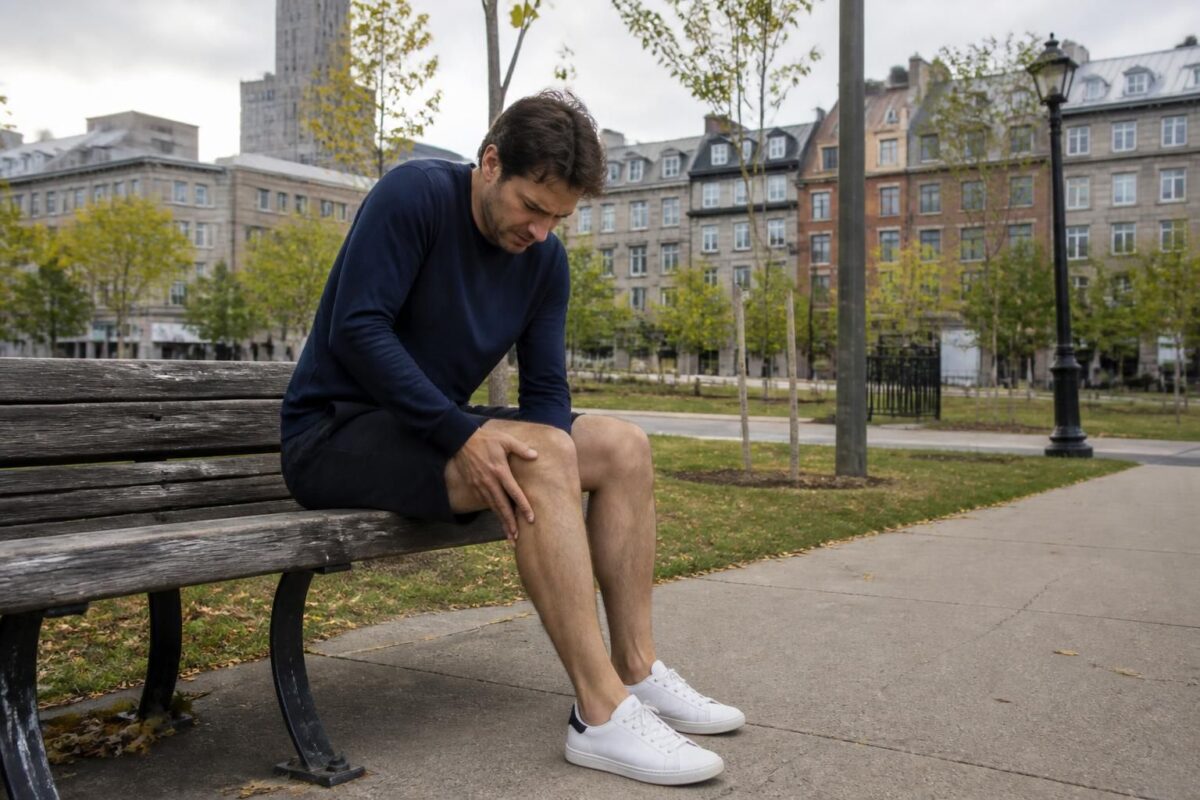
Pain in one leg: possible sciatica in Montreal
IN BRIEF In brief, pain in one leg related to sciatica is a pain that follows the path of the sciatic nerve from the lower back to the foot, often described as burning or electric and associated with numbness. It…
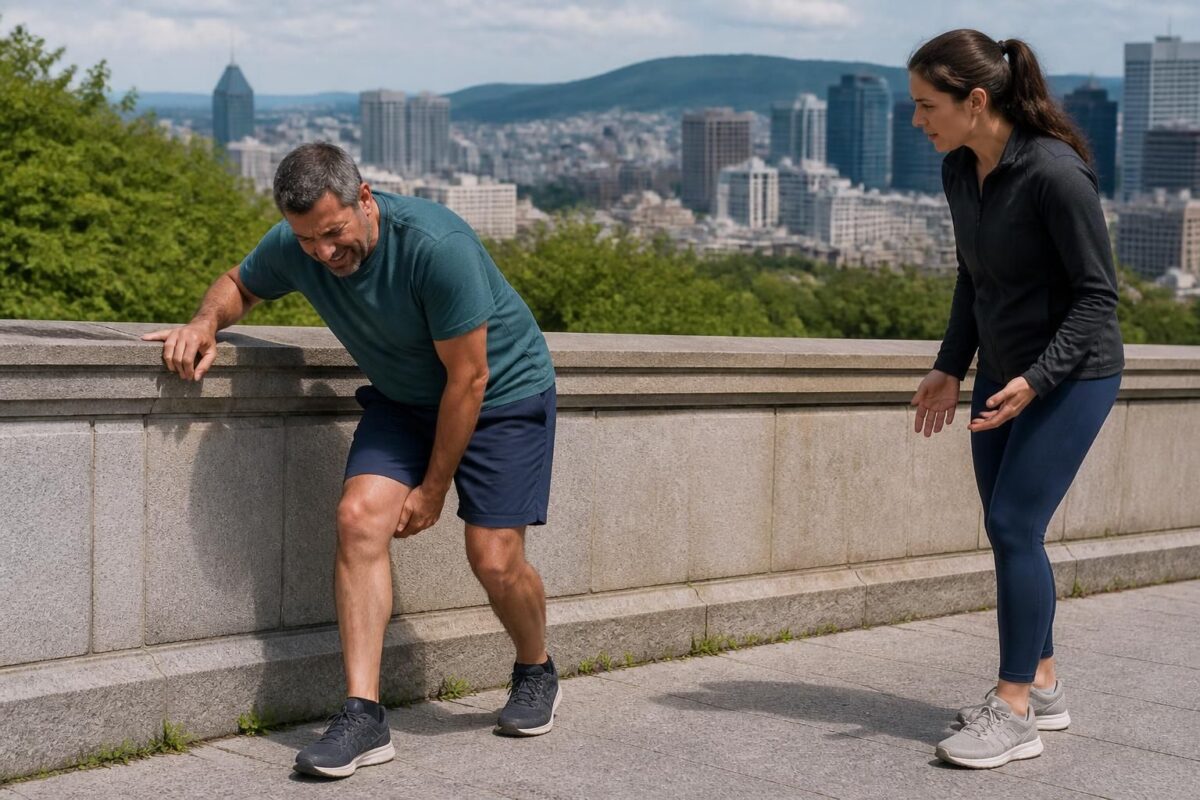
Foot weakness and sciatica in Montreal: when to seek quick consultation?
IN BRIEF In brief, foot weakness related to sciatica is a signal that may require a quick consultation in Montreal to distinguish between a neurological emergency and a benign painful episode. What is it? The irritation or compression of a…
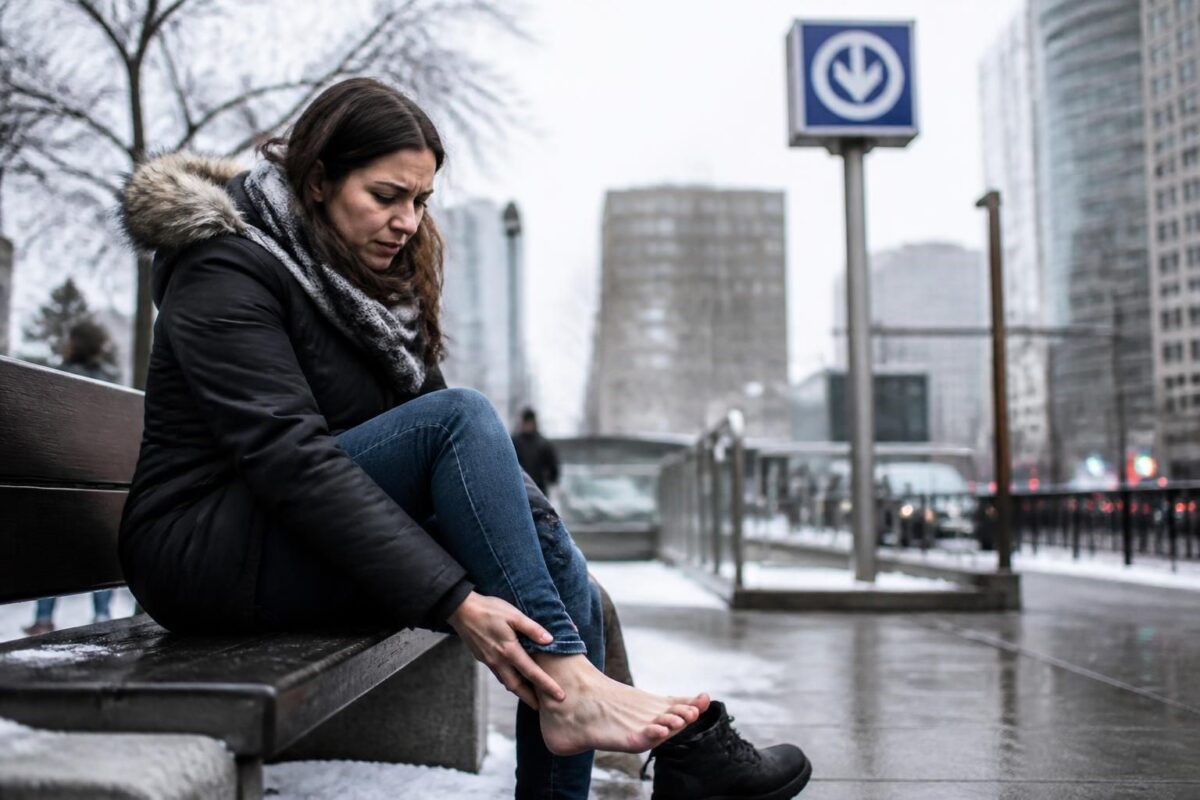
Sciatica in Montreal: tingling in the toes and nerve pathway
IN BRIEF In brief, sciatica is a set of symptoms due to compression or irritation of the sciatic nerve, resulting in tingling and numbness in the toes along the nerve pathway from the lower back to the foot. In Montreal,…

Numbness of the foot and sciatica in Montreal: signs to watch for
IN SHORT In short, numbness in the foot and sciatica in Montreal refer to irritation or compression of a lumbar root that can extend down to the foot and toes. What is it? It is a condition managed primarily through…

Dr Sylvain Desforges, B.Sc., D.O., N.D., osteopath, is the founding president of TAGMED and of the ACMA association. He dedicates his practice to chronic spinal pain, low back pain and symptoms compatible with sciatica, particularly when pain radiates toward the buttock, leg, calf, foot or toes.
Through SOS Sciatique, he publishes educational content on sciatica symptoms, possible causes such as disc herniation, disc narrowing, foraminal stenosis or irritation of a lumbar nerve root, as well as non-surgical approaches that may be considered according to the evaluation. At Clinique TAGMED, care may include, depending on the case, motorized neurovertebral decompression, specific osteopathic care or precision percussion.
For an evaluation related to sciatica treatment in Montreal / Mount Royal or sciatica treatment in Terrebonne, please consult the services available at Clinique TAGMED.
Medical disclaimer
The information published on SOS Sciatique is provided for educational purposes only and does not replace a consultation, diagnosis, opinion or treatment provided by a physician or another authorized healthcare professional. The author of this article is neither a medical doctor nor a specialist in a medical specialty recognized by the Collège des médecins du Québec. The osteopathic, manual medicine or functional support approaches described on this site do not constitute medical acts and are not intended to replace medical follow-up.
Consult a physician or emergency service in cases of loss of bladder or bowel control, anesthesia in the saddle area, significant or progressive weakness in the leg or foot, fever, recent trauma, severe pain or rapid worsening of symptoms. For more details, please read our Legal Notice.