Sciatica treatment in Montreal: role of non-surgical care
04/08/2026
Sciatica and pain that wakes you up: when to worry?
04/08/2026
IN BRIEF
In brief, the treatment of sciatica through non-surgical care offers an effective and non-invasive way to reduce pain and improve mobility. In Terrebonne, this approach is based on a comprehensive assessment of the painful pathway and neurological signs, followed by a personalized plan utilizing, as appropriate, motorized neurovertebral decompression, specific osteopathy, or precision pusher. Benefits include gradual relief, improved function, and prevention of relapses, without surgery and without a systematic reliance on medication. This method is tailored to the local context and begins by understanding what exacerbates and what alleviates the pain. |
Treatment of sciatica in Terrebonne: role of non-surgical care
- Comprehensive assessment at the TAGMED Clinic Terrebonne to link the pain pathway, symptoms, and signs to monitor, and determine a suitable approach without surgery.
- Preferred non-surgical options: motorized neurovertebral decompression, specific osteopathy, and precision pusher, based on assessment and patient tolerance.
- Goal: relieve pain, restore mobility, and prevent recurrences without resorting to surgical intervention when possible.
- Signs to monitor: progressive weakness, loss of bladder or bowel control, saddle anesthesia, or rapidly worsening pain; urgent medical consultation in case of these signs.
- Practical information: TAGMED Clinic Terrebonne, 1150 Lévis Street, Suite 200, Terrebonne, QC J6W 5S6. Phone 450-704-4447. Days: Monday, Wednesday, and Friday.
This article presents the treatment of sciatica in Terrebonne focused on non-surgical care. It describes the available approaches at the TAGMED Clinic, assessment objectives, possible options, and limitations, without resorting to surgery.
Understanding sciatica and the goal of non-surgical care
Sciatica is pain that follows the pathway of the sciatic nerve. It often starts in the lower back or buttock and can descend into the thigh, calf, or foot. A non-surgical approach aims to relieve pain, reduce pressures on nerve roots, and improve function while respecting the patient’s pace.
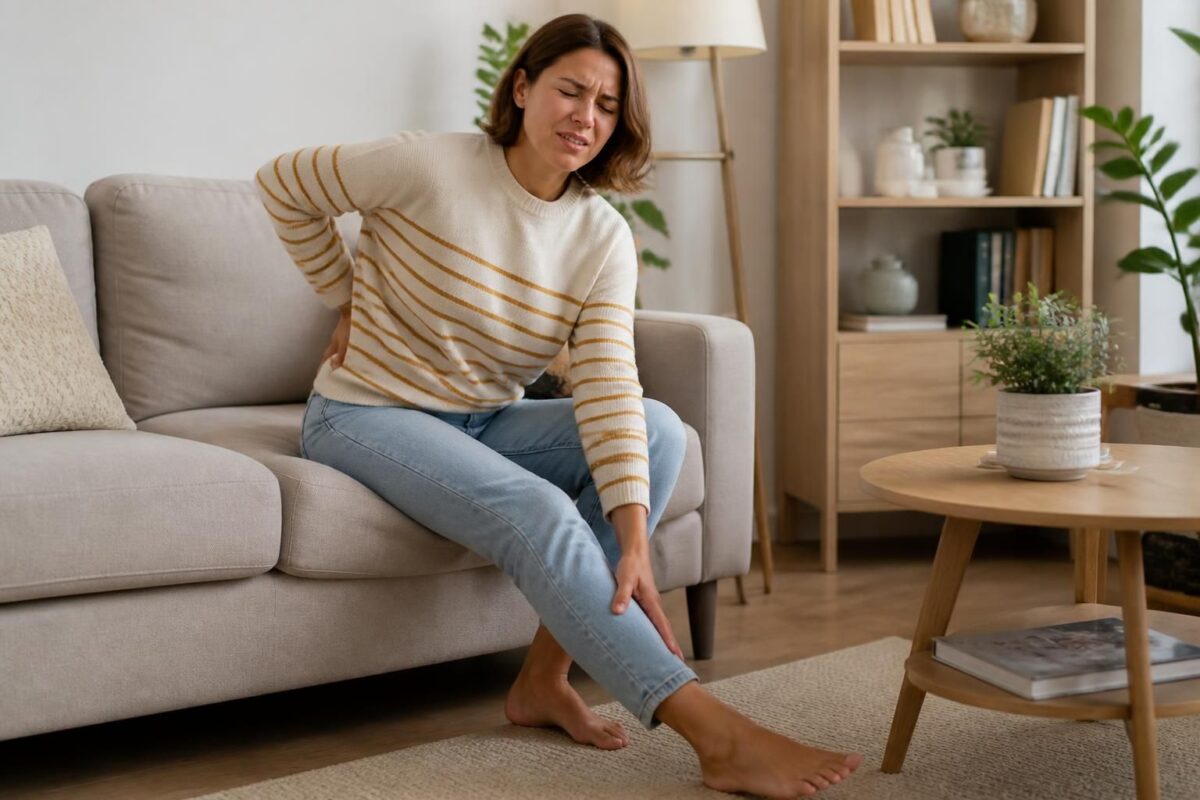
Sciatica in Terrebonne: numbness progressing to the foot
IN BRIEF In brief, sciatica in Terrebonne is pain and numbness that follows the path of the sciatic nerve and may progress towards the foot. It often manifests with symptoms triggered or amplified by walking, with numbness or weakness potentially…
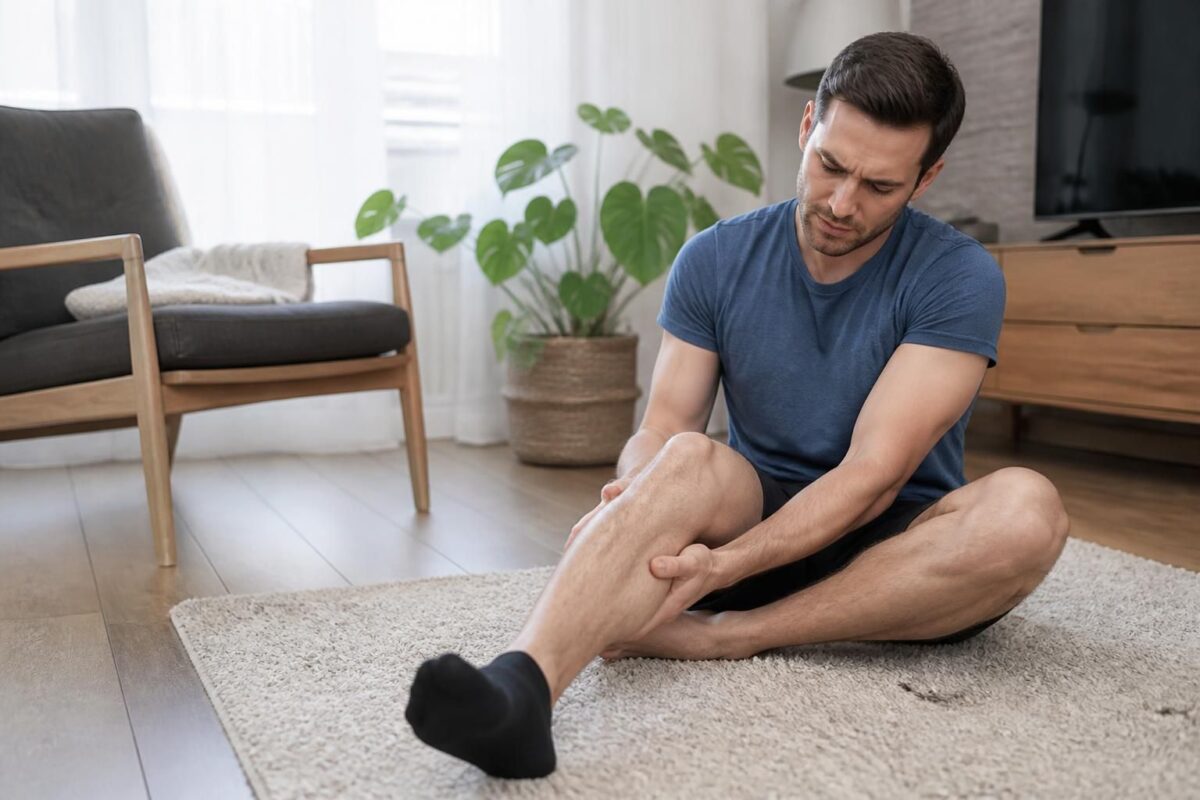
Sciatica in Terrebonne: why the pain may be stronger in the leg
IN BRIEF In brief, sciatica in Terrebonne is pain that follows the path of the sciatic nerve, starting from the lower back and descending into the buttock, leg, and sometimes the foot. The phenomenon may be stronger in the leg…
Assessment and pain pathway
Pain pathway and signs
The pain pathway helps to guide the assessment, but it does not replace a complete clinical analysis. The lower back, buttock, back of the thigh, and foot are evaluated. Signs of nerve irritation are sought, such as burning, electric shock, tingling, or numbness.
Signs to monitor
Progressive weakness, loss of bladder or bowel control, saddle anesthesia, or rapidly worsening pain require emergency consultation.
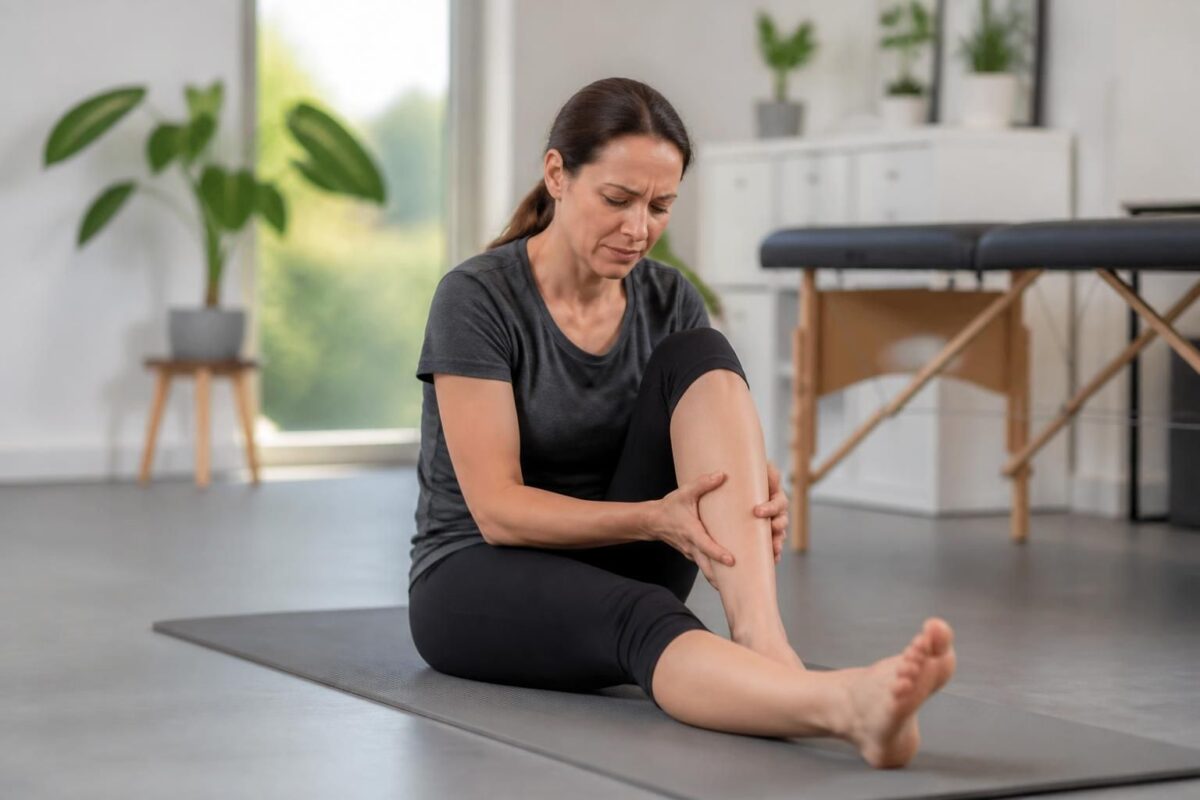
Sciatica in Terrebonne: calf pain without significant lower back pain
IN BRIEF In short, sciatica in Terrebonne with pain that radiates to the calf but little lower back pain is a radiculopathy or referred lower back pain. This quick assessment helps identify the pathway of symptoms, neurological signs, and the…
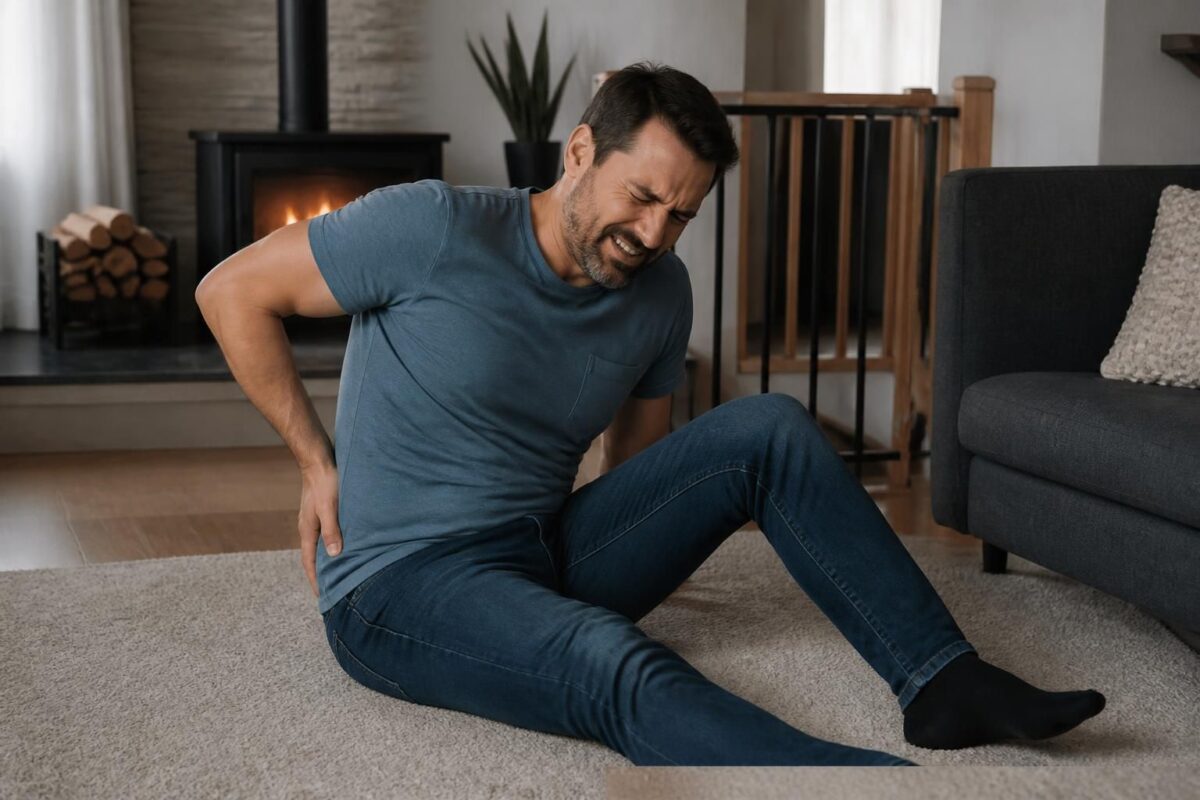
Sciatica in Terrebonne: deep buttock pain and radiation in the thigh
IN BRIEF Sciatica in Terrebonne is a pain of the sciatic nerve, characterized by a deep buttock pain and radiation that may extend down to the thigh. It can be effectively treated without surgery through approaches such as osteopathy, which…
Roles of non-surgical care at TAGMED Terrebonne
At the TAGMED Clinic in Terrebonne, the goal is not to reach a quick conclusion from a single symptom. The assessment seeks to understand the overall pain profile and determine if a non-surgical approach may be relevant in each case.
Motorized neurovertebral decompression. This option aims to reduce mechanical stress on the discs and nerve roots when suited to the evaluation. It may be considered when signs suggest a disc origin or mechanical compression, depending on the case.
Specific osteopathy. The intervention is tailored to mobility, compensations, and the patient’s tolerance. It aims to restore normal function and reduce mechanical stresses that contribute to pain.
Precision pusher. Instrument-assisted intervention, targeted and of low amplitude. It can help when the assessment shows specific mechanical dysfunction and the patient tolerates this approach.
These treatments fall within a cautious and progressive approach. The use of neurovertebral decompression, specific osteopathy, or precision pusher is decided after a thorough evaluation and does not guarantee a universal result.
Our approaches are based on standards taught by institutions such as NUMSS and NAO, and are consistent with the professional frameworks recognized by ACMA and the Canadian College of Osteopaths. For those seeking additional information, specific resources in Terrebonne and TAGMED are available on the partner websites mentioned below.
Pain in one leg: possible sciatica in Terrebonne
IN BRIEF In brief, pain in a single leg related to sciatica is pain caused by the irritation or compression of a lumbar root, starting in the lower back and radiating to the buttock and leg. In Terrebonne, the management…
Sciatica in Terrebonne: pain that travels below the knee
IN BRIEF In brief, sciatica in Terrebonne and pain that radiates below the knee is a nerve-origin pain due to irritation of the sciatic nerve. It manifests as burning sensations, electric shocks, and tingling that follow the nerve path down…
When to consider these treatments and when to refer to TAGMED
Non-surgical care is offered when the clinical evaluation shows pain compatible with lumbar nerve irritation and when signs and symptoms allow for non-surgical management. The approach is tailored to the patient’s profile and may include monitoring warning signs and a progressive care plan.
For complete information on non-surgical pathways and triage advice, you can consult the dedicated pages on the partner websites.
Weakness in the foot and sciatica in Terrebonne: when to consult quickly?
IN BRIEF In short, foot weakness associated with sciatica corresponds to a loss of strength or muscle control in the foot related to lumbar nerve irritation. This helps clarify whether a visit is urgent and guides towards a quick consultation…
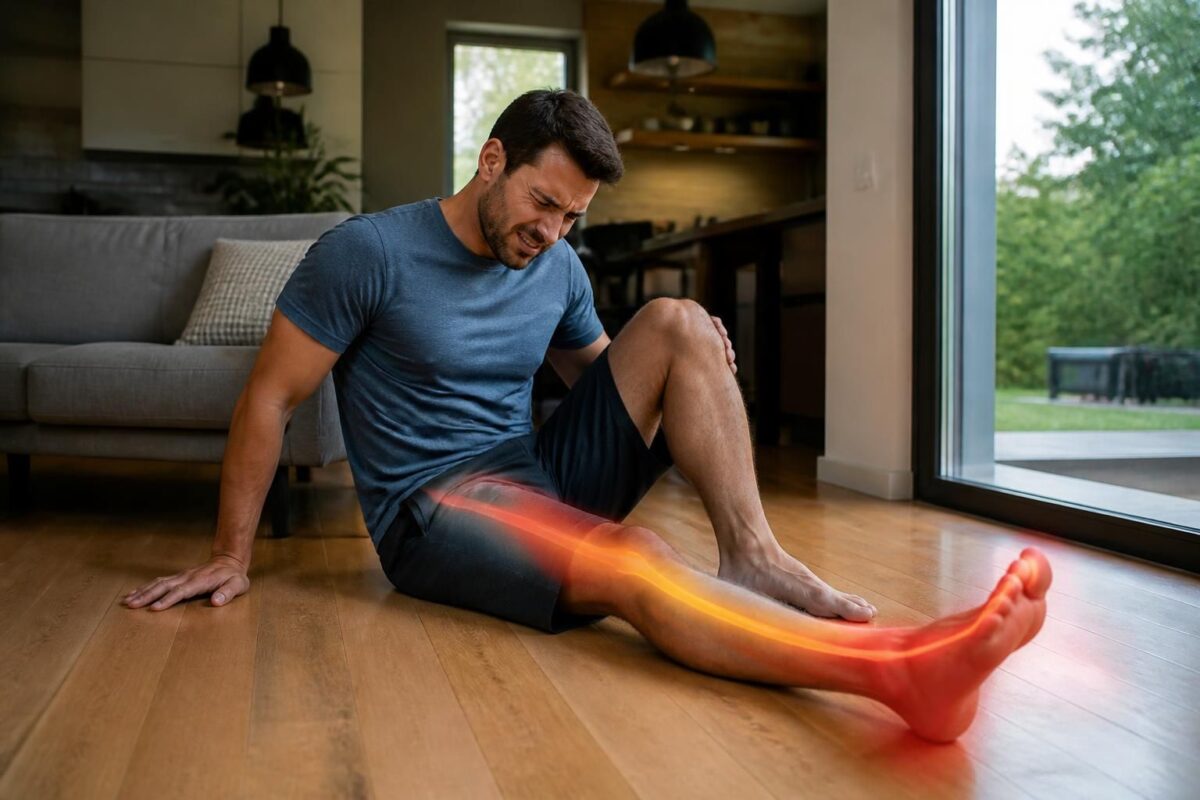
Sciatica in Terrebonne: tingling in the toes and nerve path
IN BRIEF The Sciatica in Terrebonne is pain that starts from the lower back or buttock and radiates down the leg, accompanied by tingling and signs along the nerve pathway. At the TAGMED Clinic, the assessment focuses on the pain…
Resources and useful links
To learn more about the treatment of sciatica and non-surgical options in Terrebonne, check the following resources: Treatment of sciatica in Terrebonne. You can also visit the general TAGMED page: TAGMED Clinic.
For access to additional information and guidelines, these sites offer relevant content: Non-surgical treatment of sciatica in Terrebonne, Sciatica pain down to the foot, Sciatica and nighttime pain.
Other useful resources: Different treatment depending on the cases, Treatment without surgery.
Note: Physiotherapy treatments are not proposed here as the first option. The care provided at TAGMED stands out for the emphasis placed on neurovertebral decompression, specific osteopathy, and precision impactor, according to clinical assessment.
“Medical disclaimer: The information and advice provided on this site do not replace the opinion, diagnosis or treatment of a healthcare professional. Please note that Dr. Sylvain Desforges, osteopath, is neither a medical doctor nor a physician, and is not a specialist in a medical specialty as defined by the Collège des médecins du Québec. Manual medicine, functional medicine, and sports medicine as described on this site exclude any treatment or medical diagnosis made by a physician or medical specialist. Always consult your doctor for any medical questions. For more details, please read our full Legal Notice.”
- Comprehensive evaluation: pain profile, path and tolerance
- Motorized neurovertebral decompression: reduce constraints on nerve roots
- Specific osteopathy: interventions tailored to mobility and tolerance
- Precision impactor: targeted and low amplitude intervention
- Active rehabilitation and strengthening: lumbar stabilization and return to usual movements
- Electrotherapy and cryotherapy: non-medicated relief and reduction of inflammation
- Personalized care plan: adapted pace and goals
- Postural and activity advice: posture at work and safe progression

This article presents the central role of non-surgical care in the treatment of sciatica in Terrebonne, emphasizing a comprehensive evaluation, a progressive approach, and non-invasive therapies aimed at relieving pain, restoring mobility, and preventing recurrences, without systematically resorting to surgery.
Understanding sciatica and its path
Sciatic pain often descends from the lower back or buttock down the leg, and may extend to the foot. It is frequently accompanied by burning sensations, tingling, or numbness, and may be associated with muscle weakness. The painful path provides useful clues, but it does not replace a complete clinical analysis that determines the cause and guides non-surgical care.
Role of non-surgical care in treatment
In Terrebonne, professionals prioritize a structured evaluation that links the pain path, neurological signs, and possible care options. The objective is to determine if a non-surgical approach may be relevant and suited to the patient’s profile, with a safe and tolerable progression.
Motorized neurovertebral decompression
This technique aims to reduce certain mechanical constraints on the discs and nerve roots when the evaluation suggests a discal origin or compression. It may be considered according to the clinical context and the patient’s tolerance, but it is not a guarantee of results and is not suitable for all cases.
Specific osteopathy
Osteopathy for sciatica takes into account the mobility, compensations, and limitations of the patient. It may be useful when pain is associated with stiffness, mechanical overload, or postural adaptations that maintain nerve irritation.
Precision impactor
Instrument-assisted, targeted, and low amplitude intervention may be considered when the evaluation shows a precise mechanical dysfunction and the patient tolerates this type of procedure. The goal is to free areas of tension and restore a favorable mechanical space.
Physiotherapy and active rehabilitation
Active rehabilitation, directed by a physiotherapist, is at the heart of non-surgical care. After the initial relief of pain, strengthening the trunk stabilizer muscles, flexibility work, and rehabilitation of daily movements help prevent recurrences and sustainably improve function.
Evaluation elements and treatment plan
The structured evaluation includes the history of pain, analysis of the painful path, mobility tests, and tolerance to positions, followed by the formulation of a personalized plan. This plan specifies the goals, pace of care, and reasonable limits, in order to guide a progressive and safe approach towards relief and functional improvement.
When to prioritize this care and how to move forward in Terrebonne
Non-surgical care may represent an effective first approach when the evaluation indicates a discal origin or nerve irritation without neurological urgency. Regular follow-up allows for treatment adjustments, progress evaluation, and avoiding actions that worsen pain. For those showing warning signs (marked weakness, loss of urinary control, acute unbearable pain), a prompt medical assessment remains necessary.
Preserving well-being and preventing recurrences
Beyond the initial treatment, the focus is on active prevention: postural instructions, progressive exercises to be done at home, and choosing appropriate activities that support the spine and reduce the risk of symptom recurrence.
| Evaluation Element | Role of Non-Surgical Care |
|---|---|
| Context and Objective | Pain pathway and neurological profile to guide appropriate non-surgical care. |
| Motorized Neurovertebral Decompression | Motorized neurovertebral decompression: offered when the assessment reveals a discogenic origin or a compression; aims to reduce stress on the discs and roots. |
| Specific Osteopathy | Specific osteopathy: interventions adapted to the patient’s mobility and tolerance; improves lumbar mobility and reduces tension. |
| Precision Impactor | Precision impactor: targeted and low-amplitude intervention to correct a specific mechanical dysfunction. |
| Postural Education | Postural education: postural hygiene and handling techniques in daily life to limit irritations. |
| Active Rehabilitation | Active rehabilitation: strengthening of stabilizing muscles and gradual reintroduction of activities. |
| Adapted Physical Activity | Adapted physical activity: swimming, walking, and gentle activities; avoid shocks and sudden movements. |
| Pain Management and Safety | Electrotherapy and cryotherapy: used progressively; avoid aggressive stretching. |
| Monitoring and Warning Signs | Warning signs and emergency: monitoring and rapid medical referral in case of progression; emergency in case of loss of urinary or fecal control. |
Testimonials on Sciatica Treatment in Terrebonne: the Role of Non-Surgical Care
“Before starting the Sciatica Treatment in Terrebonne, my pain constantly radiated down my buttock and leg, and I thought I would have to accept surgery. Thanks to sessions focused on non-surgical care in Terrebonne, including motorized neurovertebral decompression and specific osteopathy, I reduced the pain and regained my daily activities without surgery.”
“As a long-haul driver, sitting was unbearable. The program offered by the TAGMED Clinic in Terrebonne focused on non-surgical approaches and targeted techniques like the precision impactor. After a few weeks, I noticed significant improvement and can resume my trips without major pain.”
“I appreciated the structured approach of the Sciatica Treatment in Terrebonne. The assessment linked my symptoms to the pain pathway, and the sessions of specific osteopathy combined with careful exercises allowed me to tolerate daily activities and reduce numbness.”
“My case was related to pain radiating down to my foot and hindering my movements. The use of non-surgical care, planned by TAGMED Terrebonne, supported a motorized neurovertebral decompression and gentle postural rehabilitation. Result: less pain, better mobility, and no surgery.”
“I highly recommend the Sciatica Treatment in Terrebonne for those wanting to avoid surgery. The non-surgical care offered by the TAGMED clinic, with a progressive and personalized approach, helped anticipate and relieve pain while preventing recurrences.”
Sciatica Treatment in Terrebonne: the Role of Non-Surgical Care
Dr. Sylvain Desforges, a certified osteopath and manual medicine expert, is the founding president of TAGMED clinics and a key figure in the ACMA association. His practice focuses on managing chronic pain in the spine and sciatica manifestations, prioritizing evidence-based non-surgical approaches. His commitment aims to optimize patients’ health and well-being by integrating advanced technologies when relevant, while remaining centered on the patient experience in Terrebonne.
At the TAGMED Clinic in Terrebonne, the therapeutic approach is part of a holistic and personalized vision of sciatica treatment. The physician and the team prioritize a comprehensive assessment rather than a rapid diagnosis based on a single symptom. The goal is to connect the pain pathway, potential neurological signs, and available non-surgical care options to propose a strategy tailored to each pain profile.
The non-surgical treatment of sciatica offered by TAGMED is based on three complementary axes. First, motorized neurovertebral decompression aims to reduce mechanical stress on the discs and nerve roots, which can be relevant when the assessment indicates a discogenic origin or mechanical compression. Next, specific osteopathy adapts techniques to the patient’s mobility, compensations, and tolerance, considering the specifics of each pain pathway. Finally, the precision impactor, a low-amplitude instrument-assisted intervention, allows for a targeted and safe approach to correct precise mechanical dysfunctions when the evaluation and the patient tolerate it.
The patient journey in Terrebonne emphasizes a structured assessment that connects history, pain pathway, and functional tests to a clear care plan. The approach prioritizes learning careful movements, postural adaptations, and attending rhythm, avoiding movements that worsen pain or symptoms. Warning signs such as progressive weakness, saddle anesthesia, or rapidly worsening pain trigger a referral for rapid medical attention, in accordance with established protocols.
Practically, non-surgical care in Terrebonne relies on a synergy between manual therapies and rehabilitation strategies. After the initial relief phase, the patient is guided towards active rehabilitation, with strengthening of the trunk stabilizing muscles, mobility exercises, and a gradual return to normal activities. Personalized advice on posture, stress management, and lifestyle habits complements the program to prevent recurrences and sustainably improve quality of life.
The TAGMED framework emphasizes assessment and safety to avoid adverse effects and complications. Results vary based on the pathway, underlying cause, and individual tolerance, and no promises of results are made without thorough clinical analysis. This patient-centered approach helps clarify choices between decompression, specific osteopathy, and related interventions, while respecting each person’s pace and limits.
This memo summarizes the non-surgical treatment of sciatica in Terrebonne, highlighting the importance of a thorough clinical assessment and options like motorized neurovertebral decompression, specific osteopathy, and precision perception tailored to the painful pathway and patient profile. To understand the conditions of application and access TAGMED and SOS Sciatica resources, please refer to the links below.
Operational Summary
In Terrebonne, the organization of non-surgical care relies on a complete clinical assessment that connects the pain pathway and neurological signs to treatment options. This approach allows for steering towards such an option rather than a surgical intervention when the evaluation results permit. To understand why assessment precedes treatment, see clinical assessment always precedes treatment.
The non-surgical options in Terrebonne include motorized neurovertebral decompression, specific osteopathy, and precision impactor, tailored to the patient’s mobility, tolerance, and dynamics. These approaches aim to reduce pain, restore mobility, and prevent recurrences. For more in-depth information, consult the non-surgical approach and when to consider a mechanical approach.
The pain pathway guides the assessment, but does not replace a complete clinical analysis. To clarify the choices, it is useful to understand the frequent associations between the L4, L5, and S1 roots and painful areas, as well as possible causes like a herniated disc, protrusion, disc pinching, or foraminal stenosis, all of which may be considered in non-surgical care decisions. For an overview, see the resources on why the same treatment doesn’t suit everyone and sciatica treatment orientation.
For patients and professionals, it is important to note that medical laser and shock waves are not used at TAGMED Clinic for the treatment of back pain or sciatica.
Dedicated resources allow for a deeper dive into practical aspects and decision criteria, notably the pages on sciatica treatment in Terrebonne and the orientation and triage pages of the SOS Sciatica site.
For additional information and examples of assessment, please see the following resources: early assessment before treatment, explanatory link, and sciatica treatment orientation.
At TAGMED Clinic, the approach is structured and progressive, adapted to each patient’s tolerance and pace, with a set of non-surgical care aimed at alleviating pain and restoring function. To learn more about the practical framework and available options, see the non-surgical approach and TAGMED Clinic.
For those seeking additional references, the page Evexia Center may provide further resources, while the SOS Sciatica pages dedicated to Terrebonne cover triage elements and nuances of non-surgical approaches available in the region.

Dr Sylvain Desforges, B.Sc., D.O., N.D., osteopath, is the founding president of TAGMED and of the ACMA association. He dedicates his practice to chronic spinal pain, low back pain and symptoms compatible with sciatica, particularly when pain radiates toward the buttock, leg, calf, foot or toes.
Through SOS Sciatique, he publishes educational content on sciatica symptoms, possible causes such as disc herniation, disc narrowing, foraminal stenosis or irritation of a lumbar nerve root, as well as non-surgical approaches that may be considered according to the evaluation. At Clinique TAGMED, care may include, depending on the case, motorized neurovertebral decompression, specific osteopathic care or precision percussion.
For an evaluation related to sciatica treatment in Montreal / Mount Royal or sciatica treatment in Terrebonne, please consult the services available at Clinique TAGMED.
Medical disclaimer
The information published on SOS Sciatique is provided for educational purposes only and does not replace a consultation, diagnosis, opinion or treatment provided by a physician or another authorized healthcare professional. The author of this article is neither a medical doctor nor a specialist in a medical specialty recognized by the Collège des médecins du Québec. The osteopathic, manual medicine or functional support approaches described on this site do not constitute medical acts and are not intended to replace medical follow-up.
Consult a physician or emergency service in cases of loss of bladder or bowel control, anesthesia in the saddle area, significant or progressive weakness in the leg or foot, fever, recent trauma, severe pain or rapid worsening of symptoms. For more details, please read our Legal Notice.