


Sciatica: tingling in the toes and nerve compression
13/07/2026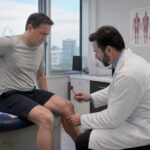
Sciatica pain in Montreal: the role of neurological assessment
14/07/2026
IN BRIEF
| In brief, sciatica and pain related to prolonged meetings is pain that follows the path of the sciatic nerve and worsens in prolonged sitting positions. What is it? It is pain starting from the lower back and radiating to the buttock and leg during work in a fixed posture. What are the benefits of appropriate management? It allows for a rapid reduction in pain, improves mobility and productivity during meetings, and prevents recurrences through simple actions. How does it work? The mechanism combines nerve irritation and increased sensitivity of the nervous system; in practice, appropriate ergonomics and regular micro-breaks, along with gentle exercises and maintaining an appropriate level of physical activity, are often sufficient. In Paris, this advice is particularly useful for professionals who spend long hours in meetings and want to preserve their backs without interrupting their work. |
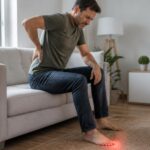
Sciatica is pain that follows the path of the sciatic nerve, starting from the lower back to the buttock and leg. In the context of prolonged meetings, a maintained sitting position can compress or irritate the nerves, causing pain that worsens and can radiate down to the lower limb.
To limit discomfort during meetings, prioritize appropriate ergonomics (chair with lumbar support, screen at eye level), schedule active breaks, and practice short exercises for stretching and trunk strengthening between discussions. Staying mobile and avoiding painful movements helps prevent worsening.
If the pain persists beyond a few weeks or is accompanied by weakness, loss of sensitivity, or urinary issues, consult a doctor to evaluate a possible underlying cause and adjust the treatment.
Sciatica and pain can appear or worsen during prolonged meetings. This article, written by a health specialist, explains the simple mechanisms that account for this phenomenon, signs to watch for, and practical measures to implement to improve comfort and prevent worsening during long sessions. It offers clear advice and reliable resources to take quick and effective action in a professional setting.
Understanding the Link Between Posture and Pain During Meetings
Staying seated for a long time can alter the natural position of the spine and increase pressure on the lumbar structures. This pressure can irritate the sciatic nerve and cause pain that radiates into the buttock, thigh, or leg. Over time, the pain can become more sensitive, even after returning to a neutral position. The nerve can also become hypersensitive due to “central sensitization,” meaning that the brain more easily interprets painful signals. The mechanism is primarily mechanical at first, but it can become neurobiological if not addressed quickly.
For professionals who remain standing or seated for long periods, the risk factors are easy to identify: rigid sitting position, absence of active breaks, muscle tension in the lower back and buttocks, and work-related stress that can amplify the perception of pain. A small adjustment to the environment and habits can make a difference.
Signs and Risk Factors to Watch For
Typical signs during a prolonged meeting include pain that starts from the lower back and extends to the buttock and leg. Some people describe a burning sensation or electric shock. Tingling may occur in the calf or foot. If these signals appear regularly during sessions, early action is necessary to prevent worsening.
Risk factors related to the workplace include prolonged sitting without lumbar support, a slouched posture at the desk, and lack of breaks to move around. A lack of overall physical activity can also contribute to the onset or persistence of pain.
Practical Measures to Reduce Pain During Meetings
Organize your workstation to promote good ergonomics. Choose a chair that supports the lower back and adjust the height of your seat so that your feet remain flat on the floor. Use a backrest and, if possible, a footrest to maintain a natural curvature of the spine. During meetings, plan for active breaks of 1 to 2 minutes every 30 to 45 minutes, even if it’s just to stand up, walk a few steps, and stretch lightly without straining.
Alternate positions and avoid staying in the same posture for too long. If pain occurs, change position and try to sit with your back straight and shoulders relaxed. Stay hydrated and avoid heavy loads or abrupt movements during working hours. Simple tips — like placing frequently used items within reach and using lumbar supports — can limit strain on the spine during long meetings.
In case of recurrent pain, it is helpful to discuss with your doctor or occupational health physician to adapt your environment and organization. Clinical examinations may be considered if pain persists beyond a few weeks and significantly impacts your work activity.
When to Consult and What Clinical Options to Consider
Consult promptly if the pain worsens, if you experience noticeable weakness in the leg, or if urinary or fecal issues arise. These signs may indicate a complication requiring urgent medical attention.
For additional information and specialized advice, you can refer to resources dedicated to sciatica and pain in the lumbar context on specialized platforms. You can also explore the information available on the following sites: sossciatique.com, sosherniediscale.com, and decompressionneurovertebrale.com. For practical advice related to posture and work organization, you can also consult resources like ameli.fr and Top Santé.
As part of clinical support, some facilities offer alternatives tailored to pain associated with prolonged sitting. In Montreal and surrounding areas, the TAGMED clinic may be an option to consider for targeted approaches within a clinical framework. To learn more about the options and differences between available approaches, you can visit cliniquetagmed.com.
For general information and educational resources, you can also refer to organizations and resources such as articles on nerve pain associated with the leg and Sostunnelcarpien.
Additional information and clinical analyses can be found on dedicated reference sites for sciatica, available through specialized resources and recognized association platforms. For patients, these resources can help understand pain and management options while adhering to validated clinical practices.
For information on comprehensive approaches and data on neurovertebral decompression and other related pathologies, you can consult specialized resources like sossciatique.com and sossciatique.com – pain in the calf.
Supplementary resources and information on care pathways can be found through public and professional information pages dedicated to low back pain and sciatica, with references to competent centers and professionals.
To delve into aspects related to neurovertebral decompression, disc herniation, and other associated conditions, avoid proposing exercises or stretches within a treatment context, and prioritize clinical approaches and medical recommendations tailored to each patient.
For a clinical and personalized opinion, consider a consultation with a qualified healthcare professional. You can create an action plan with your doctor to organize your workspace and breaks to reduce the impact of pain during meetings.
For more information on symptoms and the distinctions between low back pain and sciatica, see the following resources: ameli.fr – what to do in case of sciatica, Top Santé – symptoms and treatment.
You can also consult resources focused on solutions and clinical approaches available in your area for managing pain associated with prolonged sitting and optimizing your comfort during work sessions.
Medical Disclaimer: The information and advice provided on this site do not replace the opinion, diagnosis, or treatment of a healthcare professional. Please note that Dr. Sylvain Desforges, osteopath, is neither a medical doctor nor a physician, and is not a specialist in a medical specialty as defined by the Collège des médecins du Québec. Manual therapy, functional medicine, and sports medicine as described on this site exclude any treatment or medical diagnosis made by a physician or specialist. Always consult your doctor for any medical questions. For more details, please read our complete Legal Notice.
Contact your treating physician or a specialist if in doubt or experiencing persistent pain. For general information and official resources, you can refer to recognized organizations and platforms in the field of sciatic pain.
- Posture: ergonomic chair, back supported, feet flat.
- Mobility: change position every 15 minutes.
- Active breaks: stretches 20–30 s at each break.
- Equipment: lumbar cushion, wrist support if needed.
- Planning: clear agenda and scheduled breaks to limit long sessions.
- During the meeting: alternate sitting/standing when possible and take micro-breaks.
- Breathing: breathing techniques and quick relaxation to reduce pain.
- Active posture: slightly move hips and shoulders without disturbing others.
- Hydration: drink regularly and limit spinal tension.
- After the meeting: do 5 minutes of targeted stretches and plan the next action.

This quick guide offers practical recommendations to limit sciatica pain during prolonged meetings. In short: adapt your posture, organize micro-breaks, and integrate a few simple exercises to preserve your mobility and comfort without interrupting your work.
Understanding the Link Between Sciatica and Prolonged Meetings
Sciatica follows the path of the sciatic nerve and can be triggered or worsened by prolonged sitting. In meetings, static maintenance, lack of movement, and inadequate ergonomics can increase pressure on discs and nerve structures in the lower back. Even in the absence of acute pain, improper posture can promote irritation and the persistence of symptoms. Therefore, adopting simple habits in meetings can drastically reduce the risk of pain amplification.
Ergonomics and Workplace Setup
An adapted workspace is the first barrier against pain. Ensure that your seat provides lumbar support and that your feet rest flat on the floor. The screen should be at eye level to avoid neck strain and repeated bending of the back. Avoid crossing your legs and prefer a stable position with your back well supported and shoulders relaxed. If possible, opt for an ergonomic chair and a backrest that encourages a slight natural lean of the torso.
Micro-Breaks and Meeting Strategy
Regularly integrate short active breaks. Every half hour, stand up for a few seconds, do some discreet stretches, or walk in place. During exchanges, alternate between sitting/standing if possible, and plan moments when you can move without disturbing others. Stay hydrated and breathe calmly; muscle relaxation helps reduce tensions that amplify pain.
Simple Exercises to Do Discreetly
Sitting, slightly tilt your torso to the side and then return; repeat on each side. While seated, gently rotate your trunk to the left and then to the right. Place one hand on the backrest and perform a slight thoracic extension while keeping the pelvis stable. Standing, gently bend at the hips while keeping your back straight and knees slightly bent; then slowly straighten up. These movements, repeated a few times, can release tension and prevent the onset of more persistent pain.
Preventing and organizing your workday
Plan your day to limit the time spent sitting without movement. Use removable lumbar supports, adjust the height of your seat, and, whenever possible, alternate between in-person and video conference meetings with walking breaks. Schedule tasks that require little paperwork or minimal typing when you already feel discomfort. Comfortable clothing and appropriate shoes can also reduce discomfort related to posture.
When to consult
If the pain worsens over time, or if signs appear such as significant weakness in one foot, urinary issues, or loss of perineal sensation, consult quickly. If pain persists for several weeks despite implemented measures, seek medical advice to evaluate the origin and adjust treatment.
| Item | Concise description |
|---|---|
| Causes and mechanism | Pain radiating from the lower back to the leg when sitting posture is maintained for too long. |
| Typical symptoms | Radiating pain, paresthesias, and sometimes weakness during prolonged sitting. |
| Posture and comfort | Supported lumbar backrest, flat feet, breaks every 20-30 min. |
| Rapid diagnosis | Sufficient clinical assessment in context; imaging is not immediately necessary. |
| Immediate actions | Stand up, walk briefly, gentle stretches, and change position. |
| Preventive treatment | Regular physical activity and core strengthening; targeted physiotherapy. |
| Action plan at work | Integrate micro-breaks and short exercises into the schedule. |
| Workstation ergonomics | Suitable chair, lumbar support, screen at eye level, footrest. |
| Signs of emergency | Marked loss of strength, sphincter problems, or worsening pain → medical emergency. |
| Follow-up and prevention | Medical follow-up, therapeutic education, and a plan to prevent recurrence. |
Testimonials: Sciatica and pain during prolonged meetings
I am a consultant and, after every prolonged meeting, sciatica hits me and causes pain to zigzag down my leg. To cope, I enforce active breaks every 25 to 30 minutes and adopt a posture that supports my back. An ergonomic chair and a few simple stretches recommended by my physiotherapist have radically changed my workdays.
In the middle of a 90-minute workshop, the sciatica appeared, forcing me to interrupt my discussion. I started to stand, walked for two minutes, and then did targeted stretches. Thanks to a comprehensive plan including postural advice and strengthening exercises, the pain significantly decreased, and my concentration returned.
While working from home, prolonged meetings escalate my sciatica up to my back and buttocks. A teleconsultation allowed me to adjust my treatment and integrate daily exercises. Today, I manage to attend meetings without the pain affecting my performance.
As a manager, I used to spend hours sitting during my prolonged meetings, and sciatica prevented me from staying effective. I invested in ergonomic adjustments and a core strengthening program. Since then, the pain is better managed, and my posture holds throughout the day.
During an intensive seminar, sciatica surfaced again after several hours in the room. I integrated active breaks, targeted stretches, and a light mobility routine recommended by my physiotherapist. Even while juggling discussions and presentations, the pain remains contained, and my productivity is on point.
Detailed biography: Sciatica and pain during prolonged meetings
Dr. Sylvain Desforges is an emblematic figure in the field of manual therapies, combining osteopathy, naturopathy, and manual medicine. At the helm of the TAGMED clinics and the associative network ACMA, he has dedicated his career to innovation in health and the well-being of his patients. His approach is based on listening, a precise assessment, and the integration of evidence-based practices, aiming to support each individual in managing pain and resuming an active life, even in the face of pain that disrupts professional life.
His expertise broadly extends to chronic pain, with particular attention to sciatica and the challenges it poses when days stretch out during prolonged meetings or when seating positions are repeated. He notes that lower back pain associated with radiculopathy can become debilitating if not addressed methodically and proactively. By placing the patient at the center of the care pathway, he aims not only to reduce inflammation and pain but also to correct the biomechanical and behavioral factors that fuel the pathology, in order to restore mobility, energy, and effectiveness at work as well as at home.
His therapeutic approach relies on a synergy between advanced technologies and manual skills. Among the tools he incorporates is spinal decompression to relieve nerve tensions, laser to modulate inflammation and accelerate recovery, as well as shockwave therapy to promote tissue repair. This synergy is complemented by guided movement protocols and personalized advice on posture and physical activity. The goal is clear: to provide proven care that allows for measurable pain reduction and sustainable improvement in quality of life.
As the founding president, he leads a multidisciplinary network promoting collaboration between osteopathy, nutrition, physical therapies, and psychological support. This interface works to design personalized therapeutic pathways, adaptable to each stage of pain and each lifestyle. His leadership is based on solid clinical data and a culture of continuous education, so that the practitioners around him provide consistent and effective care. With this vision, TAGMED and ACMA become hubs of innovation and references for sustainable pain management.
For patients facing the reality of prolonged meetings, Dr. Desforges develops concrete and accessible strategies. This includes ergonomic measures to adopt at the workstation, targeted training programs that strengthen the abdominal and lumbar muscles to improve trunk stability, and daily mobility routines aimed at preventing stiffness. He proposes rehabilitation plans combining progressive exercises, relaxation techniques, and advice on stress management. The goal is to enable everyone to participate actively, with less pain and more endurance, even during the most demanding professional days.
Dr. Desforges’ career illustrates a conviction: pain is not resolved by an isolated intervention, but by an integrated approach that unites prevention, treatment, and patient education. He promotes an approach that prioritizes measurable outcomes and patient autonomy to avoid relapses and chronicity. His clinics and his association’s commitment spread a culture of innovation while remaining firmly rooted in clinical evidence. Through his work, he aims to transform the experience of patients suffering from Sciatica and pain related to prolonged professional postures.
To discover his approach and available services, contact TAGMED clinics and the ACMA association for personalized and evidence-based support in the field of sciatica and pain associated with prolonged meetings.
This detailed conclusion highlights how sciatic pain can manifest or worsen during prolonged meetings and what pragmatic measures can help limit its impact in the professional daily life. It reminds key mechanisms, signs to watch for, and concrete actions to maintain your comfort and performance without waiting for the situation to worsen.
In a professional setting, the main factor for sciatica related to prolonged meetings is the urgency of a static posture and the lack of active breaks. Maintaining a seated position, with inadequate back support and misaligned shoulders and back, can promote irritation of the sciatic nerve and trigger pain that radiates down the leg. To reduce this risk, prioritize adapted ergonomics (chair with lumbar support, desk at appropriate height, screen aligned at eye level) and integrate regular active breaks into your schedule. Micro-breaks every 20 to 30 minutes, combined with simple stretches for the back and hamstrings, can make a tangible difference in pain and fatigue.
Beyond simple prevention, there are concrete approaches to managing pain when the meeting is unavoidable. Physical therapy and trunk strengthening exercises help improve spinal stability and reduce pressure on the sciatic nerve. In some cases, epidural injections or other therapeutic options may be considered after medical evaluation, especially when pain persists despite conservative measures. To understand the mechanisms and options, you can consult specialized resources such as reference guides and information sheets from health authorities or patient organizations.
If the pain persists beyond a few weeks and is accompanied by alarming signs (marked weakness, walking disturbances, or sphincter dysfunction), it is crucial to seek specialized medical evaluation. A thorough assessment, potentially including imaging and electrophysiological tests, helps distinguish disc-related causes from other origins such as lumbar canal stenosis or syndromes that may not be visible on imaging but are clinically relevant. Reference resources and articles explain these mechanisms and tailored strategies for each situation in detail:
To delve into practical aspects and advice on pain management in a professional context, you can consult the following resources and integrate them into your work organization:
– persistent sciatica despite physiotherapy
– questions to ask before starting treatment
– sciatic decompression
– sciatica treatments
– signs indicating necessary treatment
– lasting sciatica
– MSD Manuals – Sciatica
– sciatica or peripheral neuropathy
– chronic sciatica and causes
– ameli.fr – Consultation and treatment
Additionally, other resources provide explanations on the mechanisms of pain and practical strategies for preventing and treating sciatica in an office work context, including recommendations from HAS that prioritize graduated approaches and conservative treatments. For those seeking a step-by-step approach and personalized advice, do not hesitate to seek a medical opinion suited to your situation to prevent pain from becoming chronic and to optimize your comfort during prolonged meetings.

Sciatica and return to activity: why to progress slowly
IN BRIEF Returning to activity after sciatica involves gradually regaining movement without exacerbating pain. It helps maintain mobility while minimizing the risk of relapse. Start with walking, then alternate between walking and running for short intervals, increasing effort step by…

Sciatica and physical activity: how to avoid mistakes
IN BRIEF Sciatica is pain that follows the path of the sciatic nerve, from the lower back to the leg. Appropriate physical activity helps to stay mobile without maintaining irritation: favor gentle walking, cycling in an upright position, or swimming,…

Sciatica and forced walking: risk of worsening
IN BRIEF Sciatica can make walking painful, but pushing yourself may worsen the symptoms. Walk for short periods, at your own pace, only if the pain remains tolerable and does not intensify over time. If you are limping, if the…

Sciatica and daily walking: how to respect tolerance
IN BRIEF Sciatica is pain related to the irritation of a nerve, which can extend from the lower back down to the leg. Walking with sciatica is often possible and helps to maintain mobility, provided you move slowly, take short…

Sciatica and Gradual Resumption of Walking After an Attack
IN BRIEF Sciatica is pain related to irritation or compression of the sciatic nerve. After an episode, gradually resuming walking can help maintain mobility and limit stiffness without straining. Start with short walks on flat terrain, wear comfortable shoes, and…

Sciatica and walking after sitting: why the pain increases at the start
IN BRIEF Sciatica can hurt more during the first steps after sitting for a long time: a sensitized nerve may tolerate maintained posture and the restart of movement less well. Gradually standing up, walking for a few minutes, and varying…

Sciatica and difficulty walking on tiptoes
IN BRIEF The difficulties in walking on tiptoes with sciatica may indicate muscle weakness related to nerve damage. This test helps identify a deficit but is not sufficient to establish a diagnosis. If the weakness is new, worsens, or is…

Sciatica and difficulty walking on heels
IN BRIEF The difficulty in walking on heels with sciatica may be related to weakness in the muscles that lift the foot, sometimes caused by nerve irritation or compression. This sign alone does not determine the cause: have it assessed…

Dr Sylvain Desforges, B.Sc., D.O., N.D., osteopath, is the founding president of TAGMED and of the ACMA association. He dedicates his practice to chronic spinal pain, low back pain and symptoms compatible with sciatica, particularly when pain radiates toward the buttock, leg, calf, foot or toes.
Through SOS Sciatique, he publishes educational content on sciatica symptoms, possible causes such as disc herniation, disc narrowing, foraminal stenosis or irritation of a lumbar nerve root, as well as non-surgical approaches that may be considered according to the evaluation. At Clinique TAGMED, care may include, depending on the case, motorized neurovertebral decompression, specific osteopathic care or precision percussion.
For an evaluation related to sciatica treatment in Montreal / Mount Royal or sciatica treatment in Terrebonne, please consult the services available at Clinique TAGMED.
Medical disclaimer
The information published on SOS Sciatique is provided for educational purposes only and does not replace a consultation, diagnosis, opinion or treatment provided by a physician or another authorized healthcare professional. The author of this article is neither a medical doctor nor a specialist in a medical specialty recognized by the Collège des médecins du Québec. The osteopathic, manual medicine or functional support approaches described on this site do not constitute medical acts and are not intended to replace medical follow-up.
Consult a physician or emergency service in cases of loss of bladder or bowel control, anesthesia in the saddle area, significant or progressive weakness in the leg or foot, fever, recent trauma, severe pain or rapid worsening of symptoms. For more details, please read our Legal Notice.