How neurovertebral decompression improves quality of life
25/06/2026
Neurovertebral decompression: an alternative to opioids for pain management
25/06/2026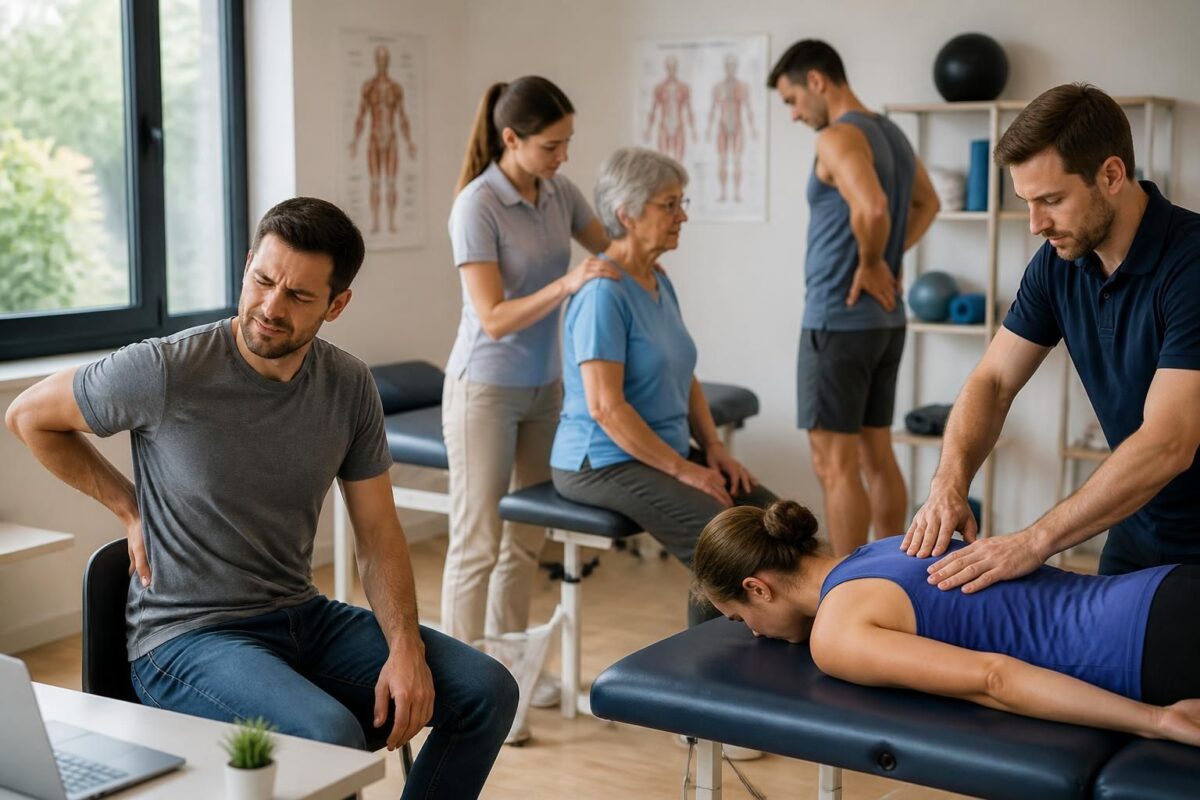
In short
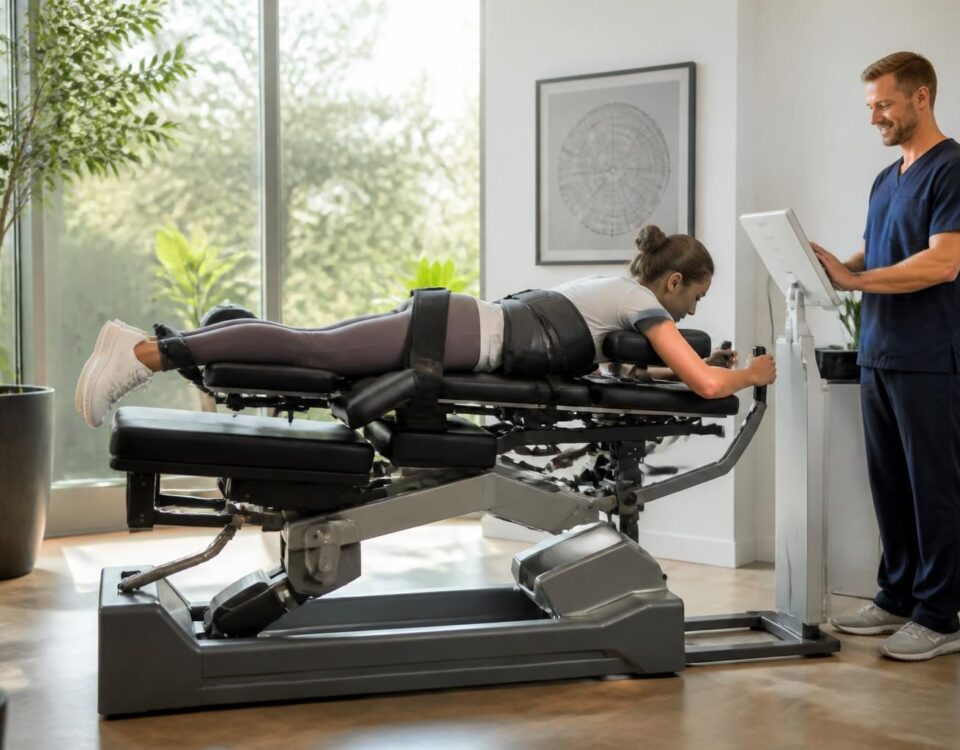
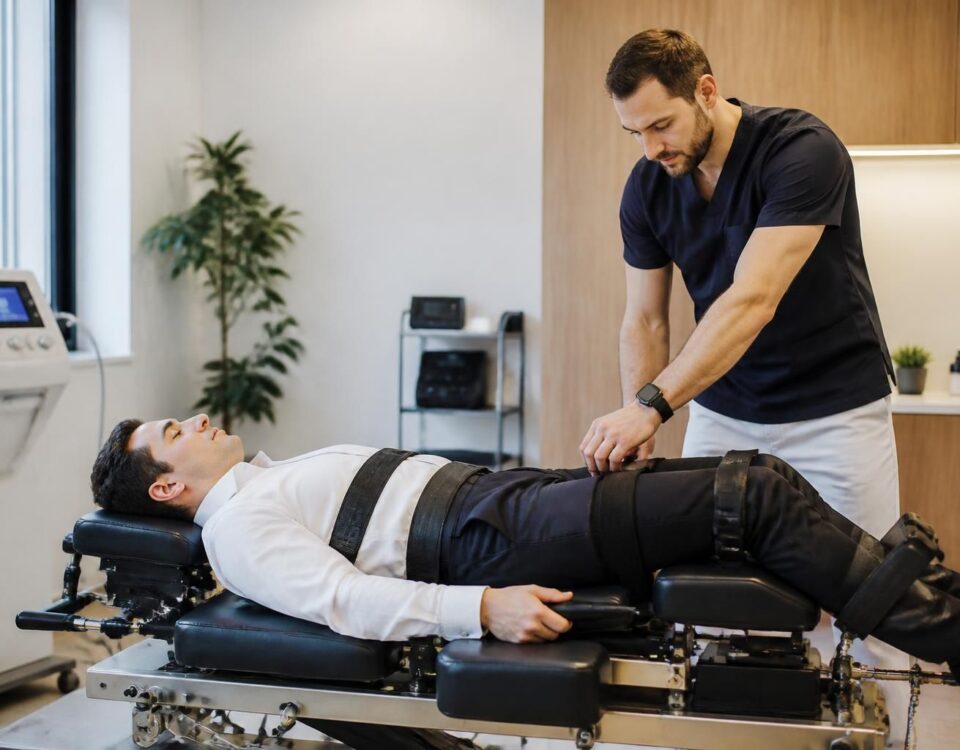
| In short, the neurovertebral decompression is one Non-invasive therapy which treats spine-related pain, including slipped disc and the disk degeneration. What is it? It’s a Controlled traction on the column which increases the space between the vertebrae and reduces the pressure on the discs. Advantages: Lasting pain relief, Improving mobility, Disc degeneration prevention, and Alternative to surgery, with a Personalized treatment And few side effects. How does it work? A specialized table Applies a Targeted distraction, promoting disk rehydration and nutrient delivery, under supervision. In Montreal, this service is particularly recommended for people with chronic pain and wishing to avoid surgery. |
who can benefit from neurovertebral decompression ?
- adults with Chronic lumbar or cervical pain related to disk problems, including herniated discs and disc degeneration.
- people with Disc protrusions, of Spinal stenosis or dvertebral osteoarthritis.
- Solutions looking for a Non-surgical alternative and wishing to avoid or postpone surgery.
- Adults of all ages, especially those exposed to a Chronic mechanical stress related to work or repetitive activities.
- athletes who consider this approach as a measure preventive to improve mobility and prevent injuries.
This sheet presents, in a clear and direct way, which can benefit from the neurovertebral decompression, what conditions it targets, and how the therapeutic path takes place and then takes place. She insists on her non-invasive nature, the common indications and the precautions to know, in order to help patients make an informed choice in consultation with their doctor.
Common indications
The neurovertebral decompression is mainly indicated in adults with intervertebral disc-related pain. It can be considered in the presence ofherniated discs, of Disc protrusions, of disc degeneration, or Spinal stenosis and foraminal. It is also aimed at those with disabling lumbar or cervical pain associated with peripheral nerve damage, when non-surgical options are preferred.
Profile of eligible patients
Adults, including athletes and active people, who are looking for a non-surgical alternative to relieve spinal pain may be candidates. A preliminary medical assessment makes it possible to assess the adequacy of the treatment for each patient. The objective is to improve mobility and quality of life while minimizing the risks associated with other interventions.
Special cases and precautions
Neurovertebral decompression is not recommended in case ofSevere osteoporosis, significant vertebral malformations, pregnancy or an active metal spinal implant. Some recent medical conditions or interventions can influence the therapeutic decision. A comprehensive clinical assessment is needed to determine whether this treatment is appropriate for each patient.
Evaluation and monitoring
Before starting, a consultation helps to identify symptoms and history, and to check that there are no contraindications. A personalized treatment plan is then developed and adjusted over the sessions. Monitoring includes regular assessments to measure progress and readjust the protocol if necessary.
What to expect during a consultation
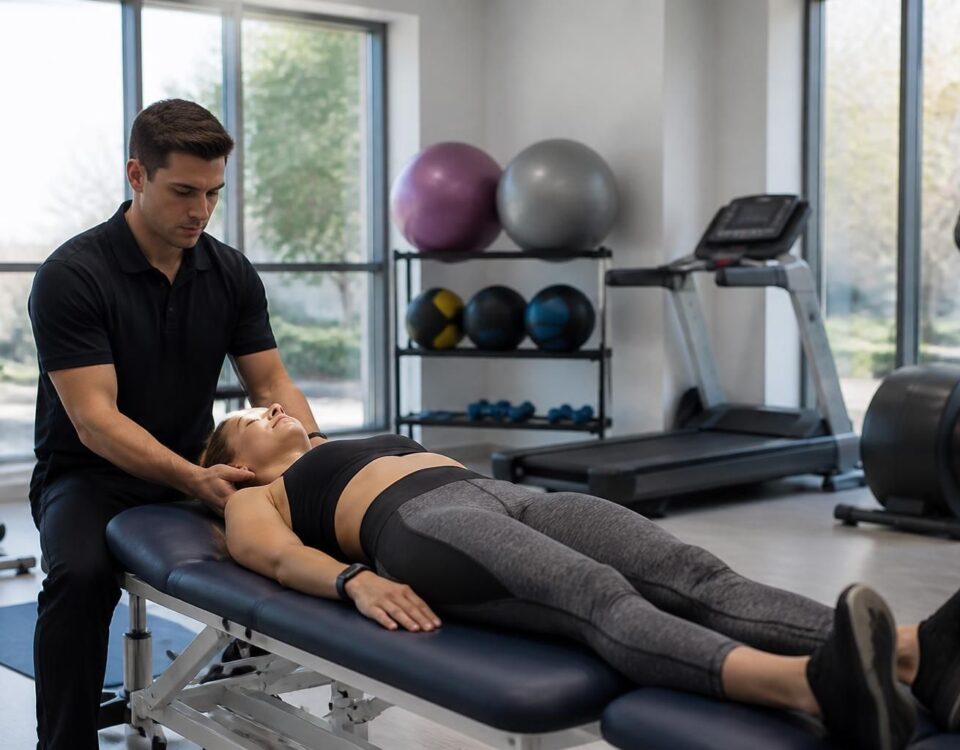
During the first visit, the health professional performs a clinical examination and reviews the available imaging. If the neurovertebral decompression is deemed appropriate, a treatment plan is presented. During the sessions, the patient benefits from controlled traction on the spine, carried out in a secure and personalized way to limit any discomfort. The treatment is non-invasive and designed to promote regeneration and pressure reduction on nerve structures.
For more information, you can consult Tagmed Clinic and explore the resources dedicated to neurovertebral decompression on This dedicated portal. Other useful resources include specialized information on pain and discs in sosciatica.
To learn more about the framework and mechanisms, you can consult the following resources: Neurovertebral decompression – Wikipedia and Answers to frequently asked questions.
Medical Disclaimer: The information and advice provided on this site does not replace the health professional’s diagnosis or treatment. Please note that Dr. Sylvain Desforges osteopath is neither a doctor of medicine nor a doctor, and is not a specialist in a medical specialty as defined by the Collège des Médecins du Québec. Manual medicine, functional medicine and sports medicine as described on this site exclude any medical treatment or diagnosis made by a doctor or specialist doctor. Always consult your doctor for any medical questions. For more details, please read our full legal notice.
- Chronic lower back pain and/or cervical
- herniated discs and protrusions
- disc degeneration and vertebral joint disorders
- Sciatica and radicular pain
- Spinal stenosis and nervous oppression
- spinal osteoarthritis associated with pain
- adults Looking for a non-surgical approach
- Athletes and workers With extended positions in sitting/right position
- People wishing to improve mobility and quality of life
- Prevention To slow down or avoid disc progression
- Priority to personalized and non-invasive treatment
- patients avoiding heavy interventions or long recovery times

This recommendation aims to specify who can benefit from the neurovertebral decompression, what conditions and symptoms it targets, and how to determine eligibility. It emphasizes the most frequent indications, the limits and precautions to consider for a safe and effective course.
Indications and populations concerned
The neurovertebral decompression is an option particularly suitable for patients with spinal pain and who are looking for an approach non-invasive to improve their mobility and quality of life. It can be considered when the symptoms persist despite conservative treatments and the use of surgery is considered but undesired or deemed too risky.
Targeted pathologies
This therapy applies mainly to conditions such asslipped disc and the Disc protrusion, where the pressure exerted on the nerves can be reduced by controlled traction. It is also relevant in case of disc degeneration with pain and reduced mobility, as well as Spinal stenosis or radicular pain affecting the limbs. Finally, it can be considered in certain forms of spinal osteoarthritis and chronic cervical or lumbar pain associated with mechanical imbalances.
Compatible signs and symptoms
Patients with persistent back or cervical pain, numbness, tingling or weakness in the arms or legs may be relevant candidates. These symptoms, when linked to disc disorders and impact daily life, can be supported by decompression under professional supervision. It is important that the clinically guided evaluation confirms the absence of contraindications and the feasibility of the treatment.
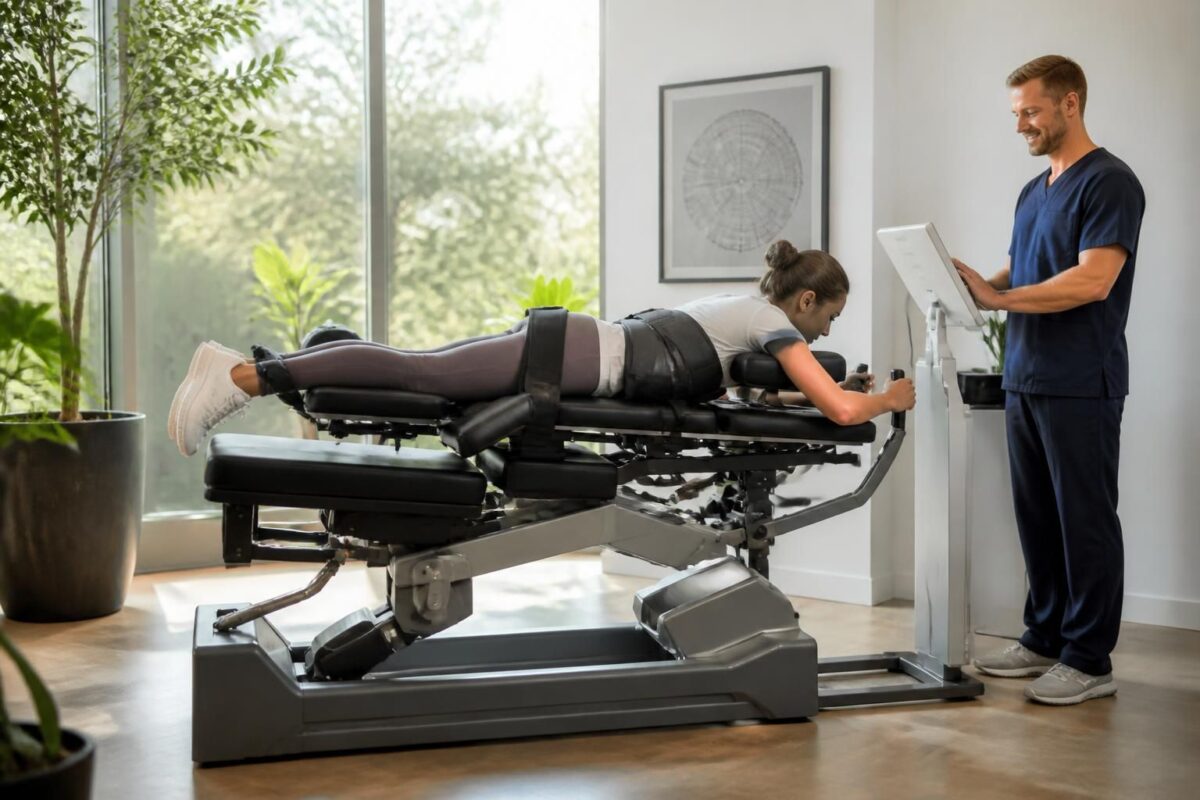
The long-term benefits of neurovertebral decompression for spinal health
In short In short, the neurovertebral decompression is a non-invasive approach that decreases the Pressure on intervertebral discs and nerves, favoring the Natural regeneration and tissue recovery. Its long-term benefits include Lasting pain reduction, Improving mobility and from the posture,…

Neurovertebral decompression and mobility: a return to an active life
In short In short, the neurovertebral decompression is therapy non-invasive who uses a gentle traction To create a space between the vertebrae and reduce the pressure on the Intervertebral discs and the nerves. It promotes a bloodstream improved, lowers tension…
Eligibility and practical criteria
Eligibility is based on a medical and functional evaluation carried out by a qualified health professional. This assessment takes into account age, general condition, history, type and degree of disc degeneration, as well as available imaging to determine whether traction can relieve symptoms without increased risk to the patient.
Contraindications and precautions
Neurovertebral decompression is not recommended for certain situations such as severe osteoporosis, certain vertebral malformations, pregnancy, or the presence of a metal spinal implant in specific cases. Minor contraindications also exist and require individual assessment. As with any treatment, special precautions are taken into account in order to avoid adverse effects and to ensure appropriate progression of the therapeutic program.
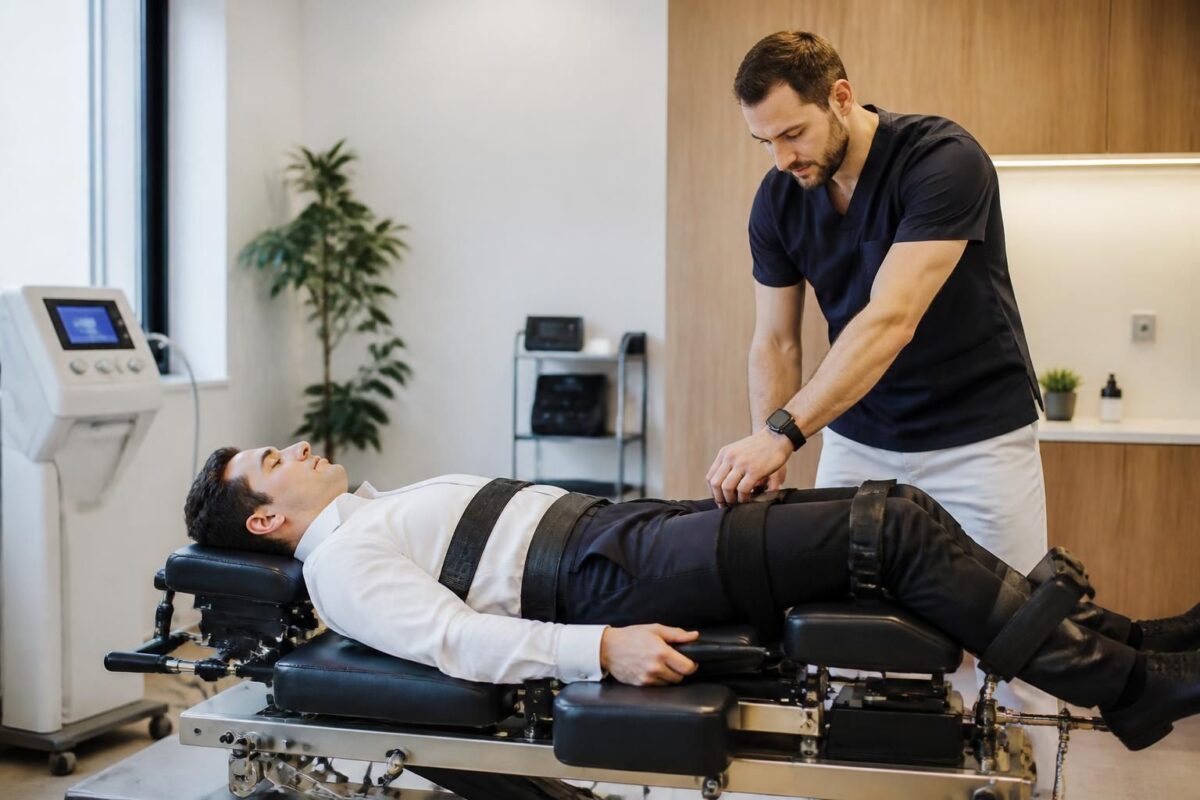
How Neurovertebral Decompression Prevents Diffuse Chronic Pain
In short decompression neurovertebral is one Non-invasive method aimed at reducing the Pressure on the intervertebral discs and the nerves, in order to prevent Diffuse chronic pain. It improves the circulation and thedisc hydration, decreases inflammation and promotes better mobility.…
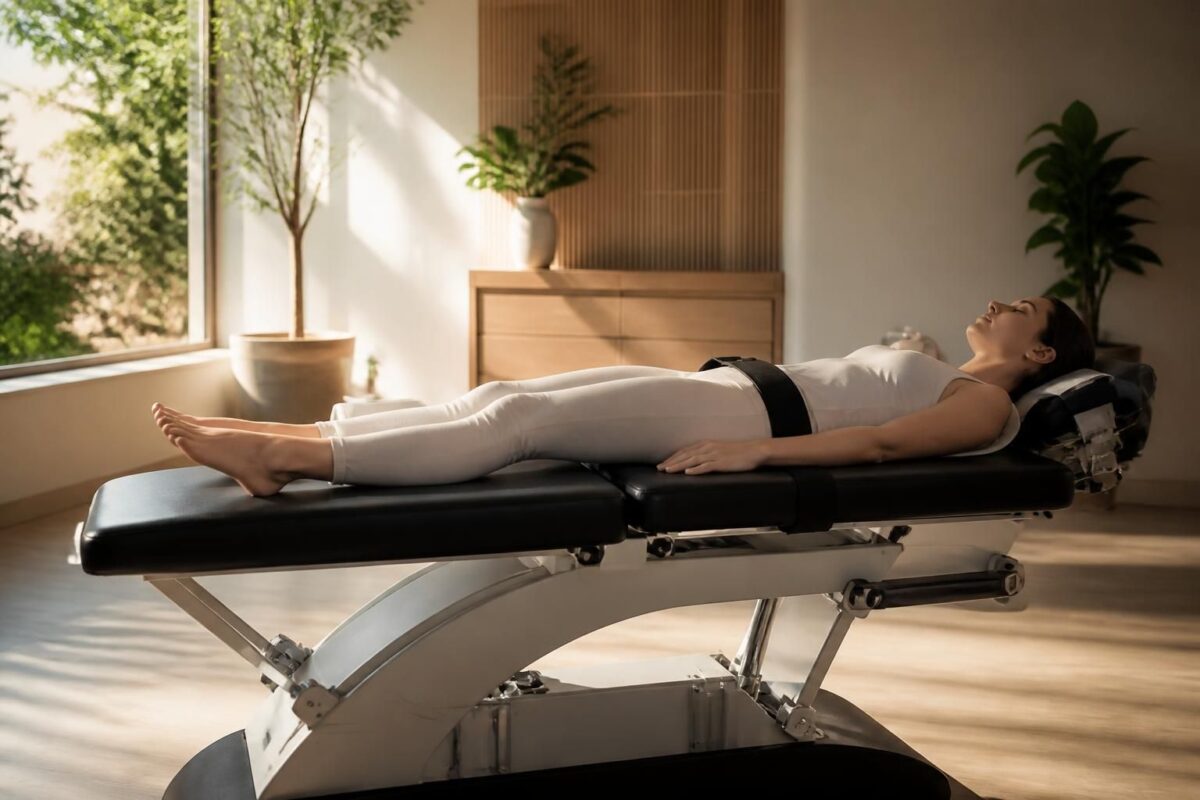
Neurovertebral Decompression and Body Alignment: Restoring Natural Balance
In short In short, neurovertebral decompression is one Non-invasive approach who restores theBody Alignment and thenatural balance back and neck. She acts by a Controlled traction of the spine to widen the intervertebral space and reduce the Pressure on discs…
Evaluation and decision process
Before starting, a first consultation allows you to discuss the symptoms, analyze them and review the relevant imaging. If decompression is deemed appropriate, a personalized treatment plan is developed, specifying the number of sessions, objectives and follow-up criteria. Throughout the course, the patient benefits from regular monitoring to adjust the plan and ensure that they benefit from lasting relief and significant functional improvement.
| group of beneficiaries | snide profit |
|---|---|
| herniated discs and Disc protrusions | reduction of the pressure on discs and nerves; pain decreased and improved mobility. |
| Chronic lower back pain | Relief non-invasive and functional improvement. |
| Sciatica | reduction in nerve compression and gradual return to mobility. |
| Spinal stenosis | Improved flow and decrease in symptoms. |
| spinal osteoarthritis and disc degeneration | hydration and disc nutrition; Progression prevention. |
| aspirants to avoid surgery | Alternative non-surgical and effective. |
| sportsman and Moving workers | Improved recovery and performance; reduction of injuries. |
| elderly | prevention of degeneration and maintenance of mobility. |
| Failed other treatments | additional option to relieve the pain. |
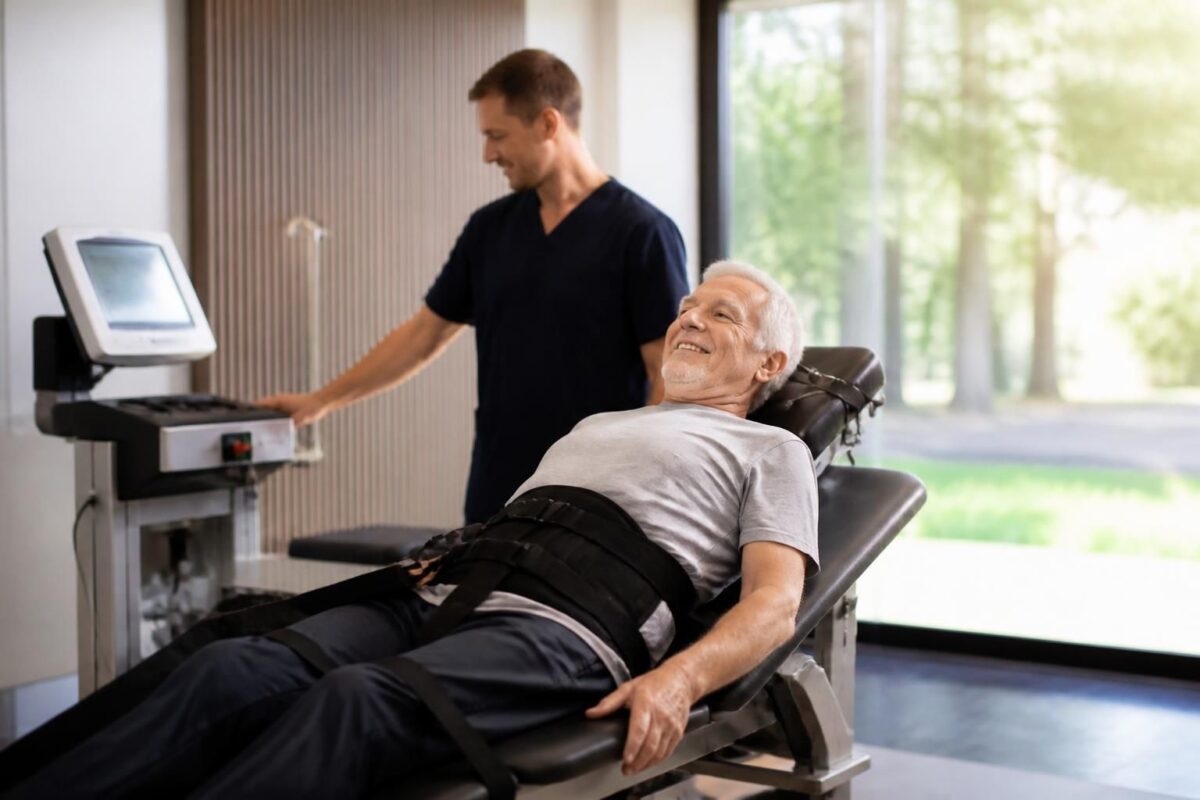
Why neurovertebral decompression is a lasting solution for active seniors
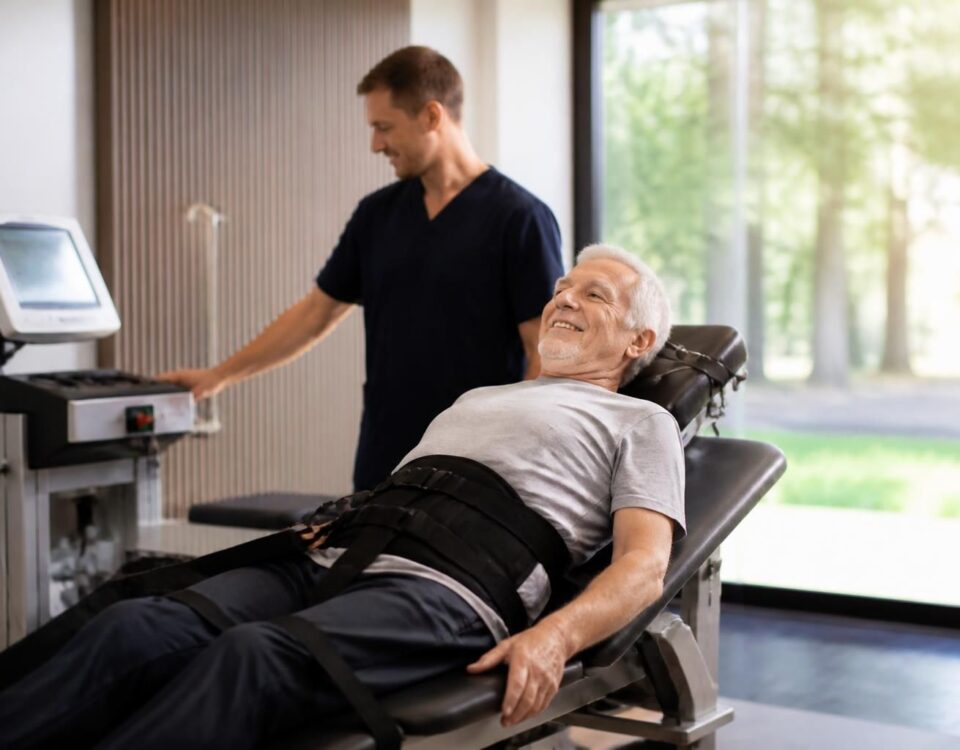
In short In short, the neurovertebral decompression is one Non-invasive therapy which sustainably relieves spinal pain in the spine active seniors By creating, by a Soft and controlled traction, a space between the vertebrae. At Montreal, it is recognized as…
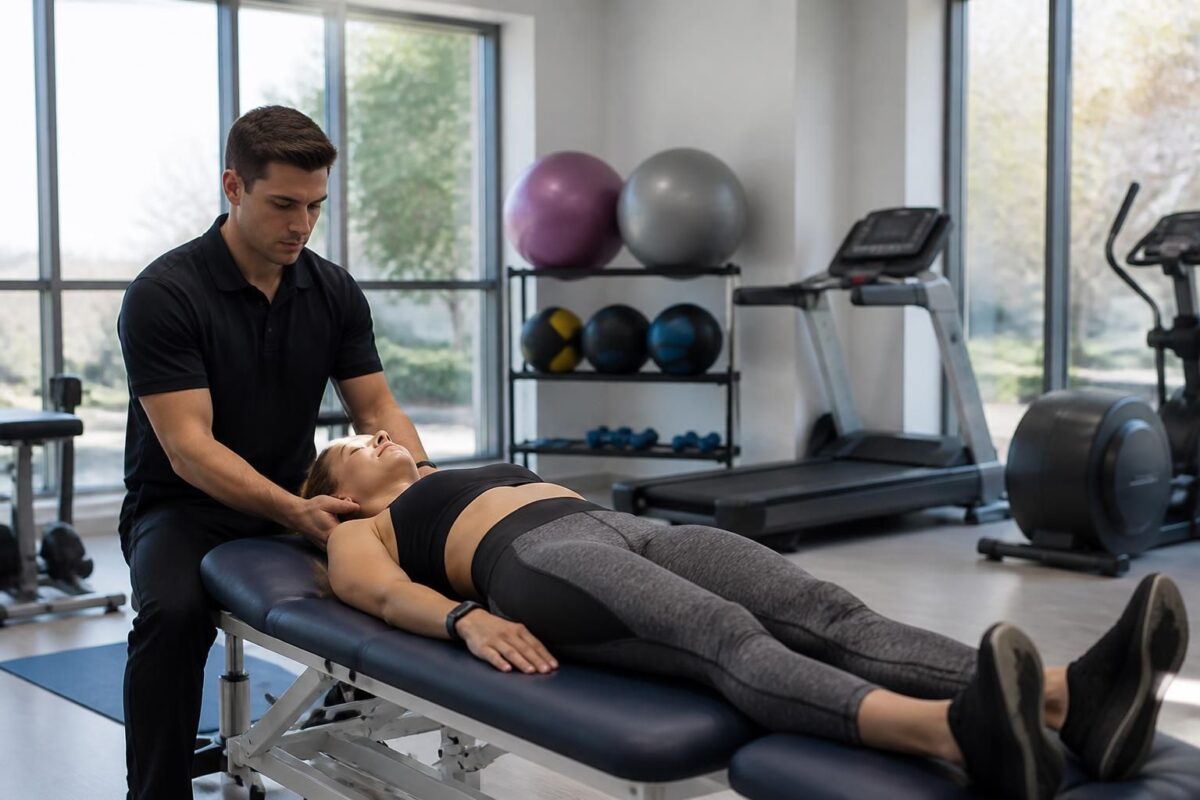
Neurovertebral decompression and recovery after severe sports injury
In short In short, the neurovertebral decompression is one Non-invasive method to Relieve the pressure on the Intervertebral discs and the gristle Via a Controlled traction, to facilitate the recovery After a severe sports injury. It improves the bloodstream towards…
Who can benefit from neurovertebral decompression?
Francois, 42 years old : “Before, my Chronic lower back pain braked me on a daily basis. After a few sessions of neurovertebral decompression, the pain decreased and my mobility greatly improved. A solution non-invasive which allowed me to resume my activities without feeling blocked.
Claire, 50 years old : “Thinking one day having to have surgery, I discovered neurovertebral decompression and I was pleasantly surprised by the progressive relief. For me, who suffered fromslipped disc and pain in the lower back, it is an effective option to find a quality of life without surgery.”
Julien, 35 years old : “As an athlete, back pain limited me enormously. The neurovertebral decompression allowed me to find a Increased mobility And to resume my training more quickly, with less fear of relapse. It’s an approach fresh But powerful for recovery.”
Monique, 66 : “With theDegenerative osteoarthritis From the column, the usual treatments did not hold. Since the beginning of the program, I have observed a pain reduction and better energy on a daily basis. Decompression has become a centerpiece of my well-being.”
Sophie, 28 : “Cervical pain and tingling had taken an important place in my life. After several sessions, I noticed a clear Improving mobility And less pain feeling that woke me up at night. I would recommend this approach to everyone.”
Maxim, 55 years old “I was looking for an alternative to drugs and heavy interventions. Neurovertebral decompression gave me a Sustainable relief Without medication, with a Prevention of recurrences thanks to better disc hydration and improved circulation.”
Elodie, 41 years old : “After months of pain related to a Disc protrusion, multidisciplinary care including decompression helped me to find an active and painless life on a daily basis. It’s an option non-invasive which deserves to be considered before any surgical decision.
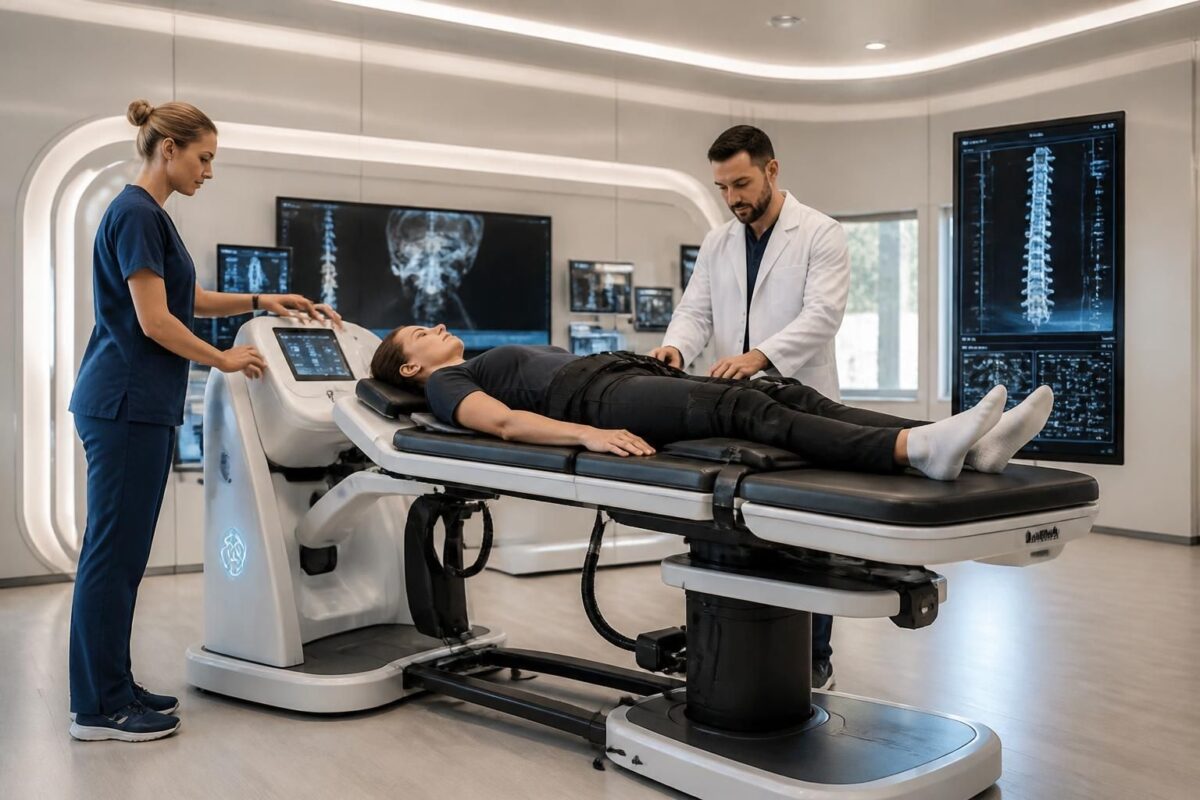
Recent innovations in neurovertebral decompression technologies
In short In short, the neurovertebral decompression is an approach non-invasive Aiming to reduce pressure on discs and nerves, and promote tissue regeneration. At Montreal, it is positioned as an effective option for lower back pain and herniated discs. The…
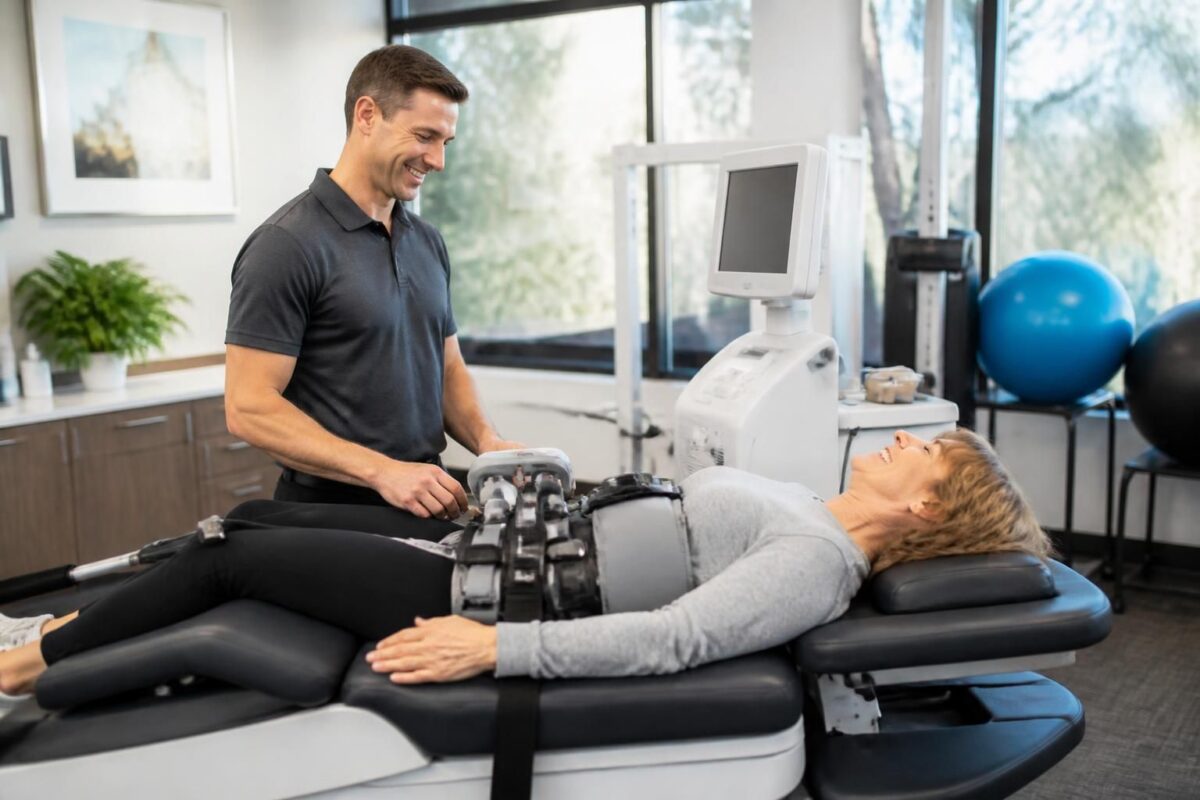
Neurovertebral decompression and diffuse pain: an appropriate solution
In short In short, the neurovertebral decompression is one Non-invasive solution For diffuse pain related to nerve irritation of the spine. She acts in Reducing pressure on intervertebral discs and nerves and improving the bloodstream, which promotes recovery and the…
Who is neurovertebral decompression suitable for?
Dr. Sylvain Desforges is a recognized expert in osteopathy, naturopathy and manual medicine, and he is the founding president of the Tagmed clinics and the ACMA association. His career, placed under the sign of health innovation, led him to integrate advanced technologies into his management approaches to chronic pain, including neurovertebral decompression. In his work, he always favors evidence-based care to optimize the well-being and quality of life of his patients.
Neurovertebral decompression is particularly indicated for people with recurrent lumbar or cervical pain related to disc diseases. Among the typical cases, we find the herniations discs, the Disc protrusions and the disk degeneration. This approach aims to reduce the pressure exerted on the intervertebral discs, facilitating their rehydration and allowing better circulation of essential nutrients, which can help to reduce pain and restore more fluid mobility.
It is also intended for patients with a Spinal stenosis or radicular manifestations such as radiating pain in the limbs (sciatica), tingling or numbness. For these individuals, decompression offers a non-invasive alternative that can limit pain progression and avoid surgery when possible. The use of this technique can be part of a rehabilitation course aimed at regaining regular and sustainable physical activity.
The athletes and active adults Also benefit from this therapy, which can help restore muscle function and mobility quickly after painful episodes or spinal injuries. In addition, it can be considered in patients with significant professional mechanical factors (prolonged static postures, repetitive efforts) and wishing a preventive approach to limit recurrences and promote better long-term spinal stability.
It should be noted that neurovertebral decompression is not suitable for all patients. Some contraindications exist, in particular in the event of severe osteoporosis, spinal malformations, pregnancy or the presence of metal spinal implants. Each case is evaluated individually to determine whether this approach is relevant and safe. As part of his multidisciplinary approach, Dr. Desforges personalizes the treatment according to the medical record, activity level and health objectives of each patient.
In practice, Dr. Desforges combines neurovertebral decompression with other therapeutic modalities, such as therapy by laser and shock waves, in order to offer complete and appropriate support. Its objective is not only to relieve pain, but also to prevent recurrences and promote sustainable recovery, supporting optimal hydration and nutrition of the discs. For those looking for a non-surgical pathway, suitable for an active lifestyle and measurable outcomes, this approach is an option to consider as part of a comprehensive care program offered by TagMed Clinics and the ACMA Association.
This article summarizes which can benefit from the neurovertebral decompression, eligibility criteria, expected benefits and essential elements of a personalized treatment plan, while recalling the importance of an evaluation by a health professional. this approach, non-invasive and adapted, aims to relieve pain related to the spine and to prevent the progress of disc attacks, without systematically resorting to surgery.
The neurovertebral decompression Can benefit mainly to adults with persistent lower back or cervical pain linked to pathologies such asslipped disc, the disc degeneration, the Spinal stenosis where the sciatica. It is also suitable for those looking for an alternative non-surgical and wish to improve their mobility and quality of life while minimizing the risks and recovery associated with an invasive intervention. In practice, active or sports patients can also take advantage of this preventive approach to maintain their performance and limit recurrences.
Before starting a treatment, an in-depth assessment is necessary. This includes a physical examination, the study of imaging and the development of a personalized treatment plan. Contraindications and individual factors (age, weight, physical activity) should be taken into account to ensure the safety and effectiveness of the protocol. In most cases, the program is adapted to the patient’s profile and can be integrated into a set of complementary measures (targeted exercises, ergonomic advice, associated therapies).
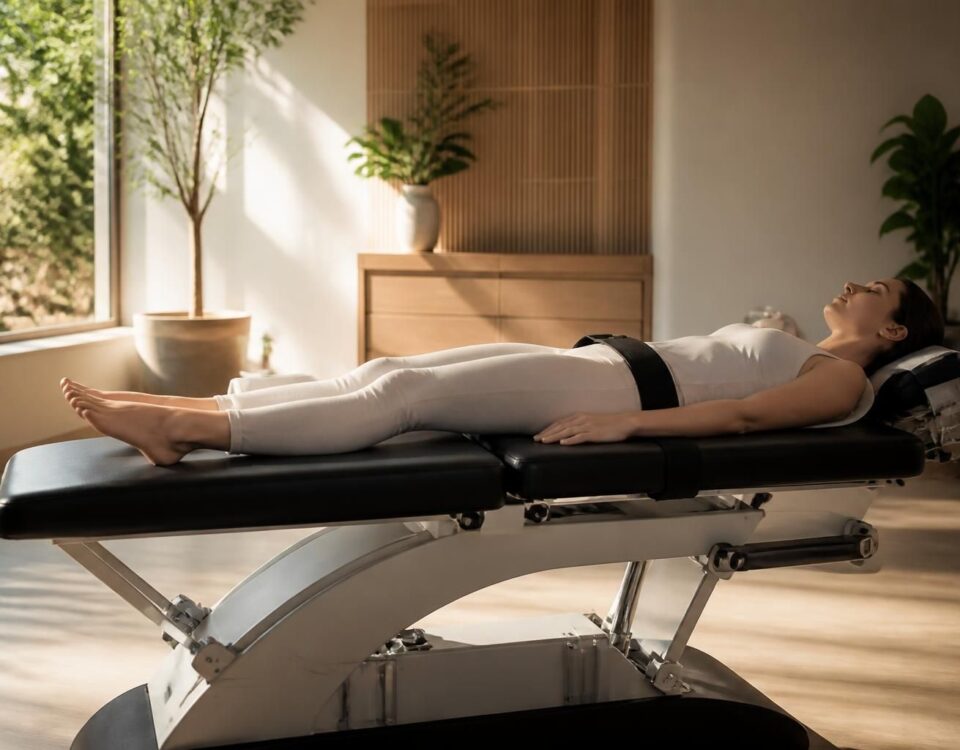
Regarding the unfolding, the decompression is based on a controlled traction applied to the spine using a specialized table (for example the SpineMed table). This traction aims to create an intervertebral space conducive to the rehydration and recovery of discs, while improving the circulation of fluids and nutrients to the affected tissues. The treatment is designed to be minimal And generally well tolerated, with positive feedback on mobility and pain reduction after several sessions. The fact of being accompanied by professionals makes it possible to adjust the intensity and duration of the sessions in real time in order to avoid any inconvenience and optimize the results.
More broadly, neurovertebral decompression is part of a global approach to spinal health. In parallel with the treatment, it is recommended to adopt healthy lifestyles (ergonomics at work, adapted physical activity, stress management) and to integrate specific reinforcement exercises to support the spine and reduce the risk of recurrence. Clinical results show that a high rate of patients achieves significant improvement, which illustrates the lasting potential of this method to improve function and quality of life.
For people who are curious to deepen the practical aspects and specific indications, several specialized resources offer additional information and FAQs on neurovertebral decompression. They cover in particular the types of treatable discs, the adapted ones for athletes, and the eligibility criteria. You can consult them via the following links to enrich your understanding and prepare for a consultation:
LA#ATFP_CLOSE_TRANSLATE_SPAN# Neurovertebral Decompression and Injury Prevention in Athletes
Decompression#ATFP_CLOSE_TRANSLATE_SPAN# Neurovertebral Suitable for athletes
Types#atfp_close_translate_span# of treatable disks
FAQs#ATFP_CLOSE_TRANSLATE_SPAN# Essentials on Neurovertebral Decompression
For#atfp_close_translate_span# All athletes
CE#ATFP_CLOSE_TRANSLATE_SPAN# that any patient should know
Decompression#ATFP_CLOSE_TRANSLATE_SPAN# and chronic pain – Durable solution
Recognition#ATFP_CLOSE_TRANSLATE_SPAN# by health professionals
Qui#ATFP_CLOSE_TRANSLATE_SPAN# can benefit from neurovertebral decompression
LA#ATFP_CLOSE_TRANSLATE_SPAN# Neuro-vertebral decompression: effective alternative

Dr Sylvain Desforges, B.Sc., D.O., N.D., osteopath, is the founding president of TAGMED and of the ACMA association. He dedicates his practice to chronic spinal pain, low back pain and symptoms compatible with sciatica, particularly when pain radiates toward the buttock, leg, calf, foot or toes.
Through SOS Sciatique, he publishes educational content on sciatica symptoms, possible causes such as disc herniation, disc narrowing, foraminal stenosis or irritation of a lumbar nerve root, as well as non-surgical approaches that may be considered according to the evaluation. At Clinique TAGMED, care may include, depending on the case, motorized neurovertebral decompression, specific osteopathic care or precision percussion.
For an evaluation related to sciatica treatment in Montreal / Mount Royal or sciatica treatment in Terrebonne, please consult the services available at Clinique TAGMED.
Medical disclaimer
The information published on SOS Sciatique is provided for educational purposes only and does not replace a consultation, diagnosis, opinion or treatment provided by a physician or another authorized healthcare professional. The author of this article is neither a medical doctor nor a specialist in a medical specialty recognized by the Collège des médecins du Québec. The osteopathic, manual medicine or functional support approaches described on this site do not constitute medical acts and are not intended to replace medical follow-up.
Consult a physician or emergency service in cases of loss of bladder or bowel control, anesthesia in the saddle area, significant or progressive weakness in the leg or foot, fever, recent trauma, severe pain or rapid worsening of symptoms. For more details, please read our Legal Notice.