Neurovertebral decompression and recovery after complex back surgery
26/06/2026
Neurovertebral Decompression and Postural Alignment: A Complete Treatment
26/06/2026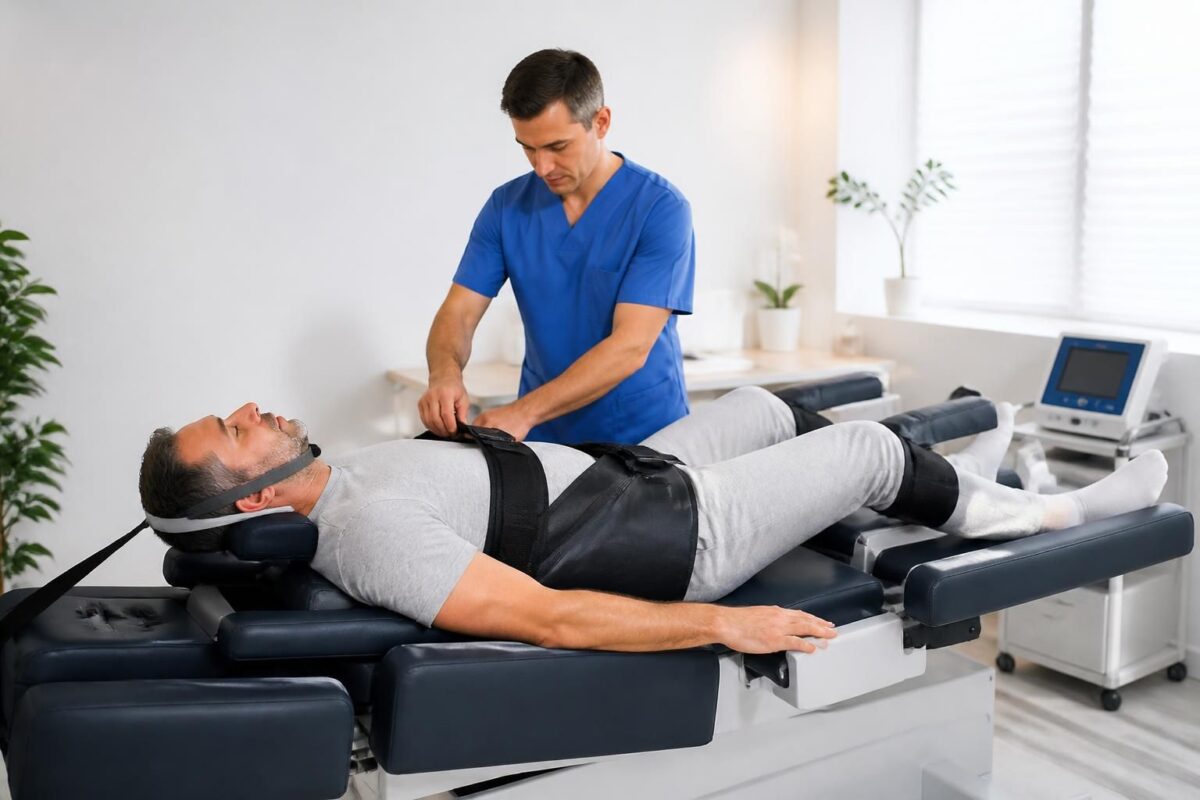
In short
| In short, neurovertebral decompression is one Non-invasive method which aims to reduce the nerve pressure in the spine to treat the Neuropathic pain related to nerve compressions. Its main advantages include a Quick relief, a Improved mobility, and a bloodstream Optimized, facilitating recovery after exercise. The mechanism is based on a gentle traction which promotes the Disc rehydration and muscle relaxation, reducing inflammation and spasms. Accessible in Montreal, this treatment is particularly recommended for neuropathic pain associated with herniated disc, sciatica and other nerve pressures. In short, it’s a Effective solution and non-invasive To find an active life with less pain and stress. |
The neurovertebral decompression is an approach non-invasive which targets neuropathic pain related to nerve compression. By reducing the pressure on the nerves and inflammation, it brings a Sustainable relief and improves quality of life.
- Reduced nerve compression : decreased pressure on the nerves, attenuating pain and irradiation.
- traffic improvement : Better oxygenation and nutrient supply to nervous and muscular tissues.
- Release of tensions and increased mobility : Relaxation of muscles along the column and improved flexibility and mobility.
- Recovery and prevention : Acceleration of recovery after exercise and reduced risk of recurrence thanks to improved vertebral alignment.
- Psycho-emotional benefits : Decreased stress and improvement in sleep associated with pain reduction.
Quick Summary: Neurovertebral decompression is a non-invasive approach that aims to reduce the pressure on the nerves and spinal discs. It can provide lasting relief from neuropathic pain, improve mobility and promote better recovery after exercise. This method is part of an evidence-based approach available in TagMed clinics.
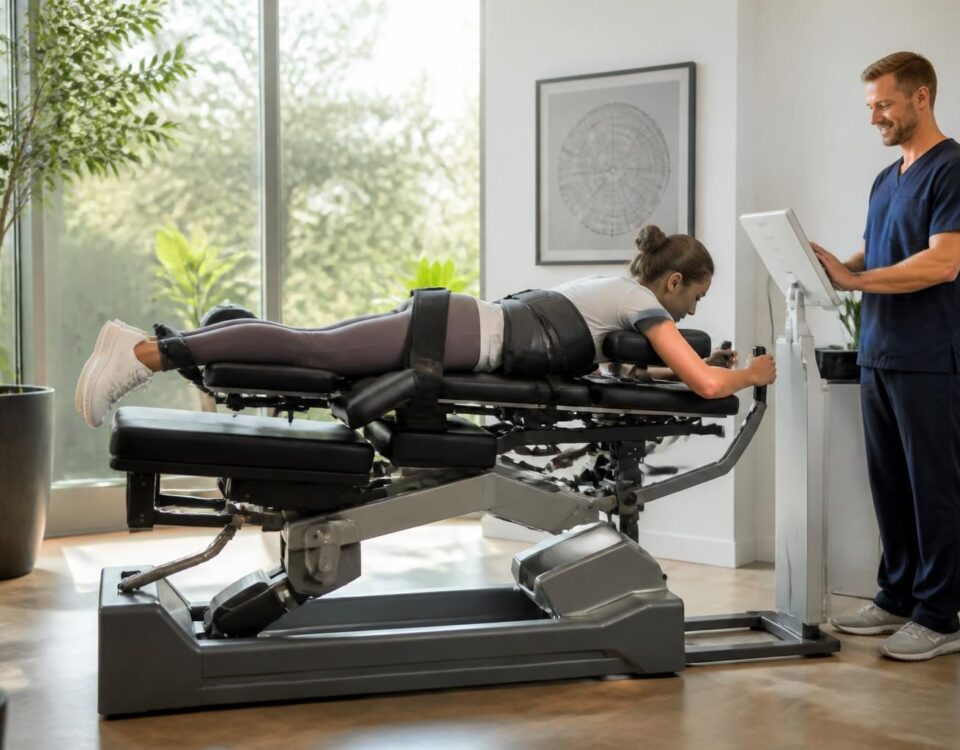
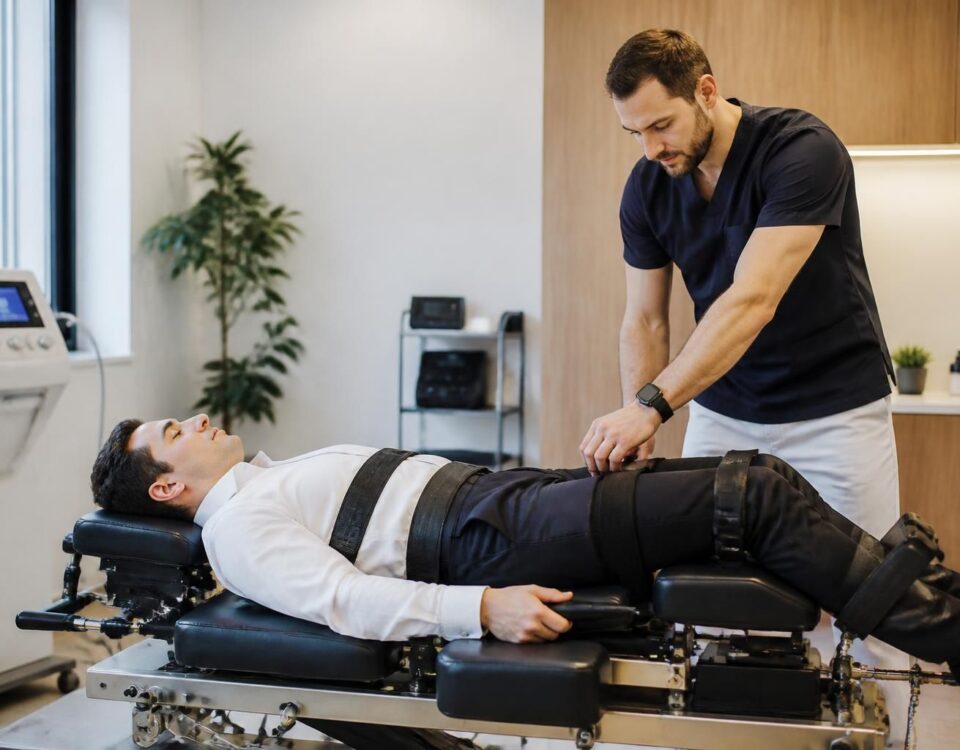
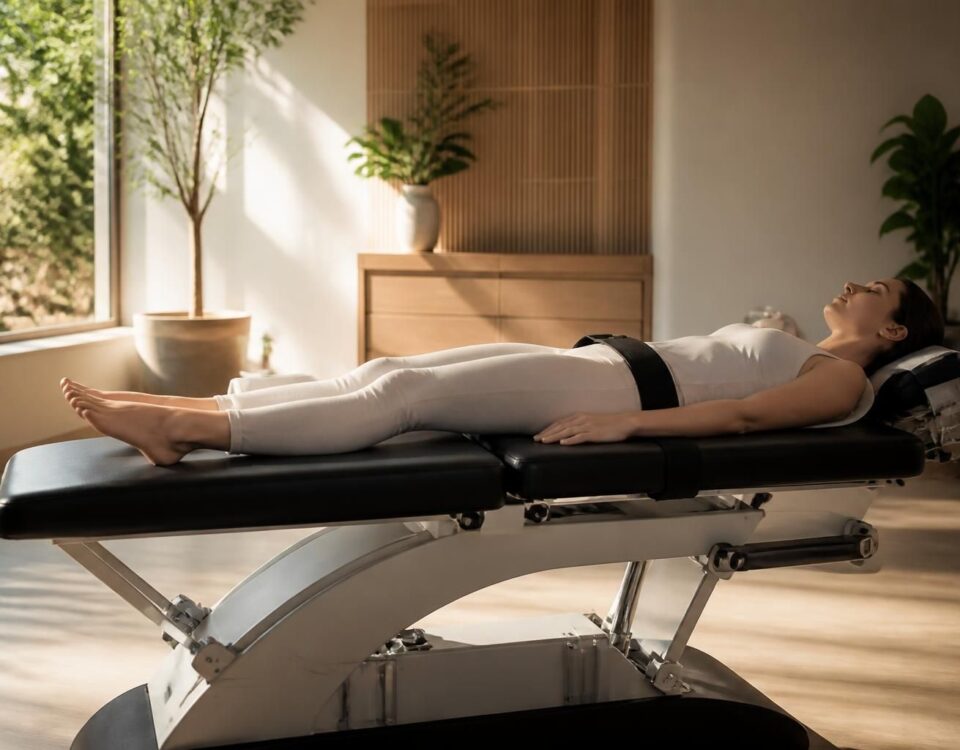
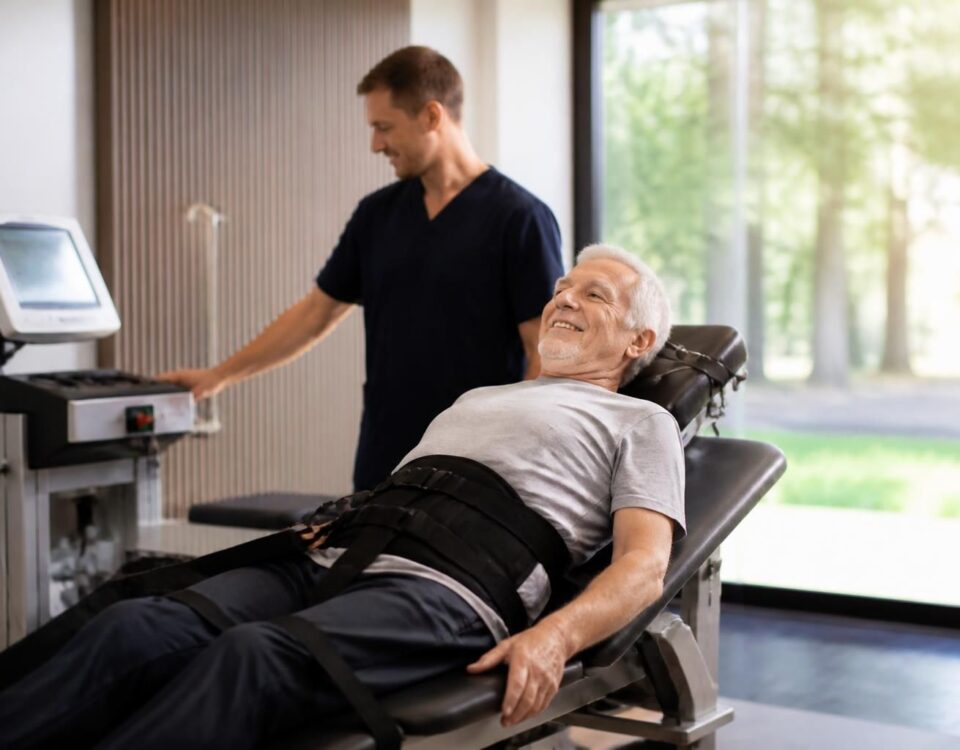
The neurovertebral decompression acts by gentle and controlled traction of the spine. This technique decreases the pressure around the nerves and intervertebral discs. As a result, the surrounding tissues benefit from better oxygenation and increased nutritional intake. This pressure reduction frequently results in a decrease in neuropathic pain and a reduction in local inflammation.
Pain Relief and Inflammation Reduction
The decrease in nerve pressure leads to a reduction in painful signals and associated inflammation. Patients often describe a noticeable improvement in pain after the first sessions. To better understand the mechanisms and protocols, you can consult the resources dedicated to neurovertebral decompression on neurovertebral decompression.
Improved mobility and autonomy
By releasing tensions around the nerves and releasing grip on the discs, mobility improves. This improvement promotes the return to pain-free daily activities and can support a gradual resumption of physical activities. Additional resources and explanations on post-processing effects are available on sosciatica.
Improved circulation and tissue regeneration
Soft traction opens up the intervertebral spaces and promotes better blood circulation in the target area. This better circulation accelerates the supply of oxygen and nutrients, facilitating tissue regeneration and muscle recovery after exercise.
Prevention of recurrences and preventive approach
A better aligned spine and more hydrated discs reduce the risk of recurrence. This approach is particularly useful for people with occupational risk factors or repetitive posture. For personalized explanations and protocols, go to Custom protocols.
Psychological impact and well-being
Sustainable pain reduction and muscle function enhancement help reduce stress and anxiety associated with chronic pain. Patients often report better sleep quality and more stable mood after treatment.
Protocols and security within the framework of TagMed
At TagMed, we offer advanced protocols that favor a gentle, non-invasive approach. Neurovertebral decompression is integrated into a global approach to health, with specialized supervision and personalized follow-up. To find out more about our services in Montreal and Terrebonne, see Tagmed Clinic.
Our team is based on recognized training, in particular within the NUMSS and NAO organizations, as well as curriculums from National University of Medical Sciences and National Academy of osteopathy. This training base guarantees a practice based on the best current knowledge of osteopathy and manual therapies.
To enrich your understanding, you can also explore resources specific to neurovertebral decompression and its applications in different column-related conditions, available on SosherniaDiscal and sosciatica.
To learn more about the benefits and mechanisms, visit the official neurovertebral decompression website and the pages associated with this complementary therapy.
It is not recommended to associate neurovertebral decompression with specific exercises or stretching to treat conditions such as a herniated disc or stenosis. Always discuss with your doctor and osteopath to develop a plan adapted to your situation.
Useful links and resources:
Neurovertebral Decompression and Prevention of Recurrences of Nocturnal Neuropathic Pain: DecompressionNeurovertebrale.com
Neurovertebral decompression and prevention of neuropathic pain: DecompressionNeurovertebrale.com
Custom protocols for complex pain: sossciatica.com
Medical Disclaimer: The information and advice provided on this site does not replace the health professional’s diagnosis or treatment. Please note that Dr. Sylvain Desforges osteopath is neither a doctor of medicine nor a doctor, and is not a specialist in a medical specialty as defined by the Collège des Médecins du Québec. Manual medicine, functional medicine and sports medicine as described on this site exclude any medical treatment or diagnosis made by a doctor or specialist doctor. Always consult your doctor for any medical questions. For more details, please read our full legal notice.
To learn more about the indications and benefits of neurovertebral decompression, consult the official resources and thematic pages of the areas mentioned above. Additional information is accessible via authorized partner sites and clinics associated with TagMed and Sosciatica.
Axis: Mechanisms
- pressure reduction On spinal nerves and roots
- traffic improvement local blood
- Decreased inflammation and nervous irritation
- muscle relaxation and spasm reduction
- Disc rehydration Intervertebral and repositioning
Clinical results
- Neuropathic pain Reduced and better tolerated
- Improved mobility and greater amplitude
- paresthesia and diminished numbness
- Sleep and well-being Improved
- Prevention of recurrences thanks to better spinal stability

This article presents the benefits of neurovertebral decompression for neuropathic pain, explaining how this non-invasive approach acts on nerve pressure, stimulates circulation and improves quality of life. You will discover clear mechanisms, measurable benefits and practical advice to integrate this therapy into a personalized care course.
How neurovertebral decompression affects neuropathic pain
Neurovertebral decompression is based on a gentle traction of the spine which creates a favorable space around the nerves. This dynamic makes it possible to reduce the nerve pressure and intervertebral discs, a frequent condition of neuropathic pain. As a result, nerve conductions improve and painful signals decrease, resulting in lasting respite and better exertion tolerance.
Reduced nerve pressure
By releasing the intervertebral spaces, the technique contributes to a decreased nerve compression, which is central in neuropathic pain radiating to the limbs. This reduction results in a gradual decrease in pain and a feeling of relaxation in the areas concerned.
Improved circulation and oxygenation
Decompression promotes better bloodstream in the surrounding tissues and a better oxygenation nerve and muscle cells. Optimized vascularization supports the repair of nerves and soft tissues, while accelerating recovery after painful episodes.
Inflammation reduction and nerve recovery
The decrease in nerve pressure is often accompanied by a Reduction of inflammation local. Less inflammation results in less pain and better nerve fiber recovery, facilitating the resumption of daily and sports activities when appropriate.
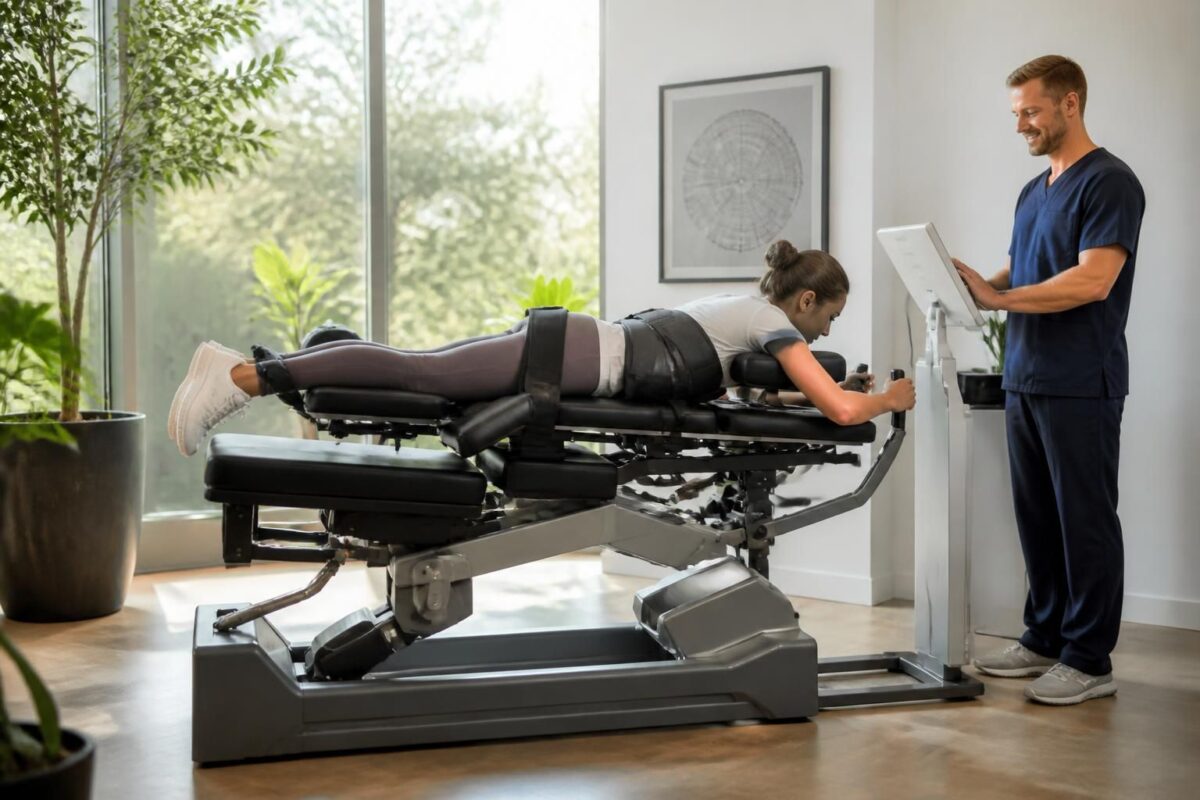
The long-term benefits of neurovertebral decompression for spinal health
In short In short, the neurovertebral decompression is a non-invasive approach that decreases the Pressure on intervertebral discs and nerves, favoring the Natural regeneration and tissue recovery. Its long-term benefits include Lasting pain reduction, Improving mobility and from the posture,…

Neurovertebral decompression and mobility: a return to an active life
In short In short, the neurovertebral decompression is therapy non-invasive who uses a gentle traction To create a space between the vertebrae and reduce the pressure on the Intervertebral discs and the nerves. It promotes a bloodstream improved, lowers tension…
Impact on mobility and everyday life
By releasing tensions and restoring column alignment, decompression contributes to a Improving mobility and a better posture. Patients often find a decrease in stiffness and greater ease in performing daily actions, which reinforces self-esteem and motivation to continue treatment.
Effects on mobility and working life
With a more flexible column, the Cervical and lumbar mobility Can improve, allowing you to practice usual activities without being slowed down by pain. This improvement in mobility is particularly beneficial for neuropathic pain that limit daily movements.
Balance and relapse prevention
By finding a better Musculoskeletal balance And a stable posture, the risks of repeated tensions are lowered. This preventive approach helps to limit painful recurrences and maintain long-term benefits.
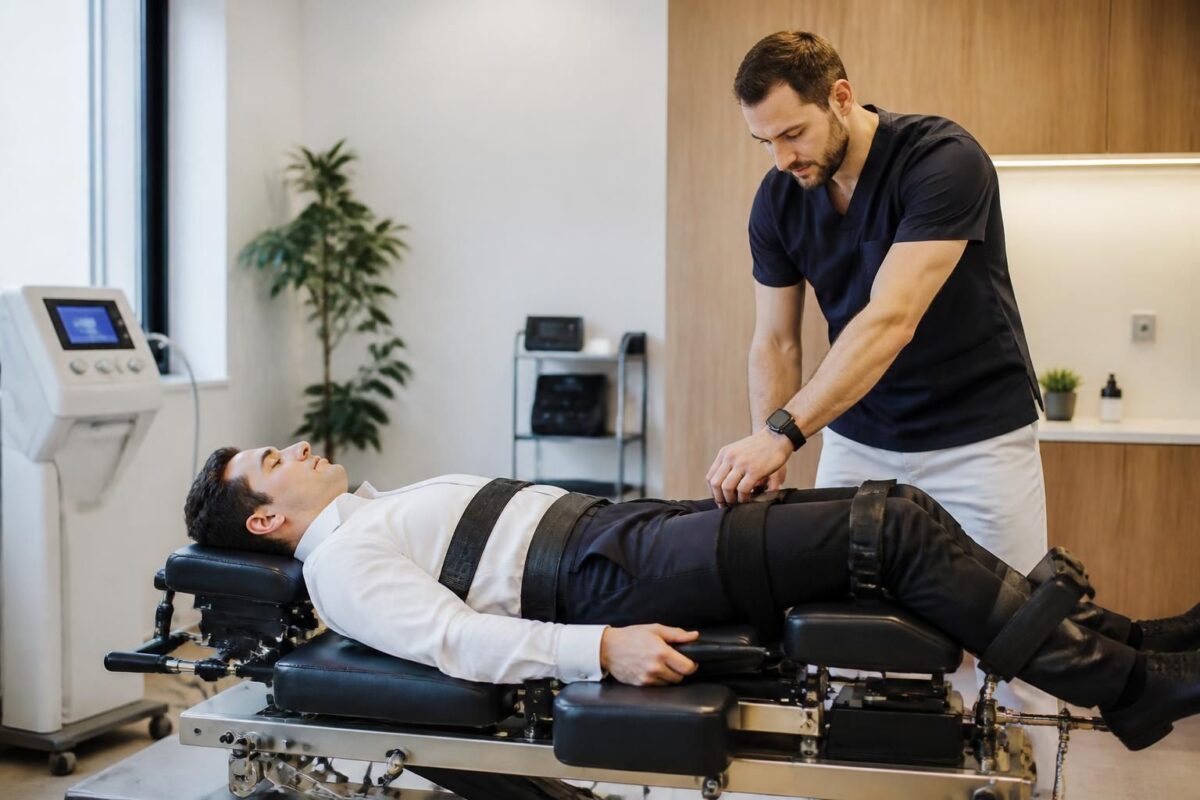
How Neurovertebral Decompression Prevents Diffuse Chronic Pain
In short decompression neurovertebral is one Non-invasive method aimed at reducing the Pressure on the intervertebral discs and the nerves, in order to prevent Diffuse chronic pain. It improves the circulation and thedisc hydration, decreases inflammation and promotes better mobility.…
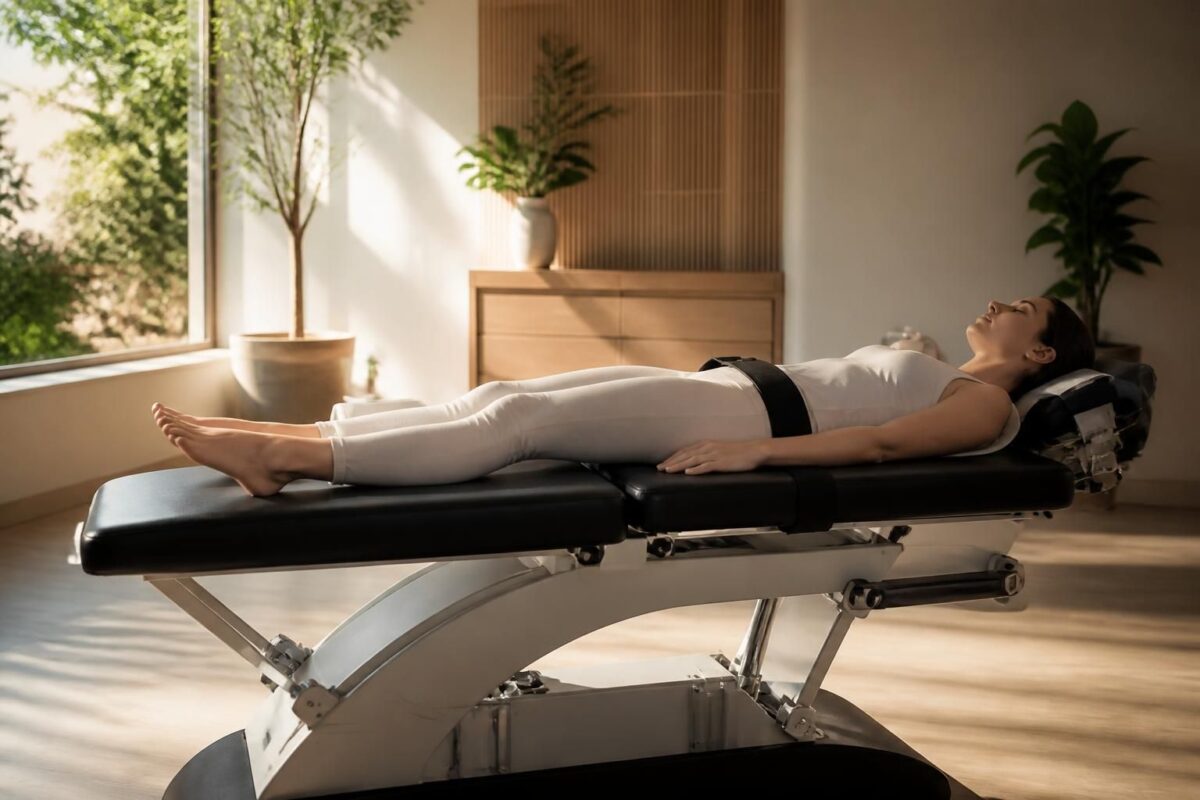
Neurovertebral Decompression and Body Alignment: Restoring Natural Balance
In short In short, neurovertebral decompression is one Non-invasive approach who restores theBody Alignment and thenatural balance back and neck. She acts by a Controlled traction of the spine to widen the intervertebral space and reduce the Pressure on discs…
Practical integration in your journey
To optimize the results, neurovertebral decompression is integrated into a global program including individual evaluation, regular follow-ups and additional exercises. A typical protocol can include several sessions adapted to the severity of symptoms and the individual response, with a guided progression towards functional and sports activities.
Recommended plan and follow-up
Establish a personalized plan that includes regular sessions, progress assessment and adjustments if necessary. Keep a pain and mobility journal to track improvements and adapt treatment accordingly. Mobility exercises and postural counseling effectively complement the decompression session and reinforce the beneficial effects on neuropathic pain.
When to consider decompression and what to expect results
In case of neuropathic pain associated with proven or suspected nerve compression, decompression may be considered a non-invasive option. Significant improvements are frequently observed after a few weeks of treatment, although the timing may vary depending on the age of symptoms and anatomical features.
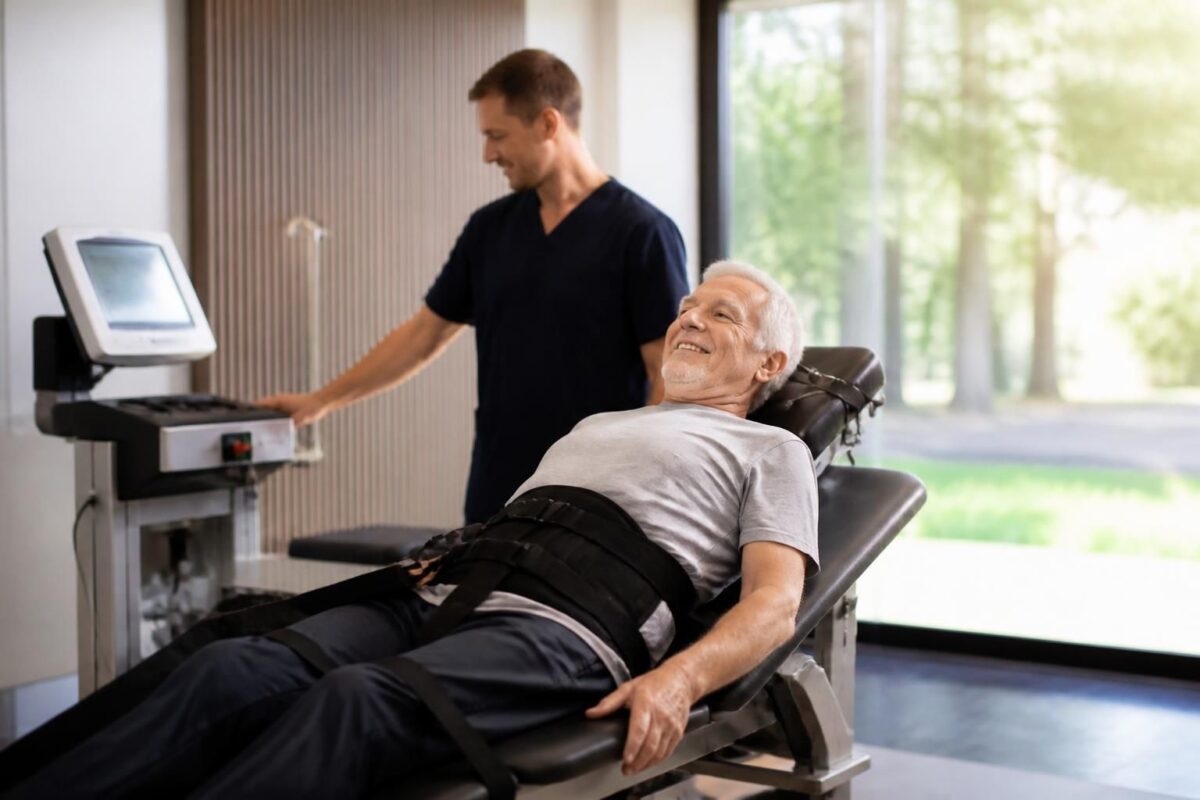
Why neurovertebral decompression is a lasting solution for active seniors
In short In short, the neurovertebral decompression is one Non-invasive therapy which sustainably relieves spinal pain in the spine active seniors By creating, by a Soft and controlled traction, a space between the vertebrae. At Montreal, it is recognized as…
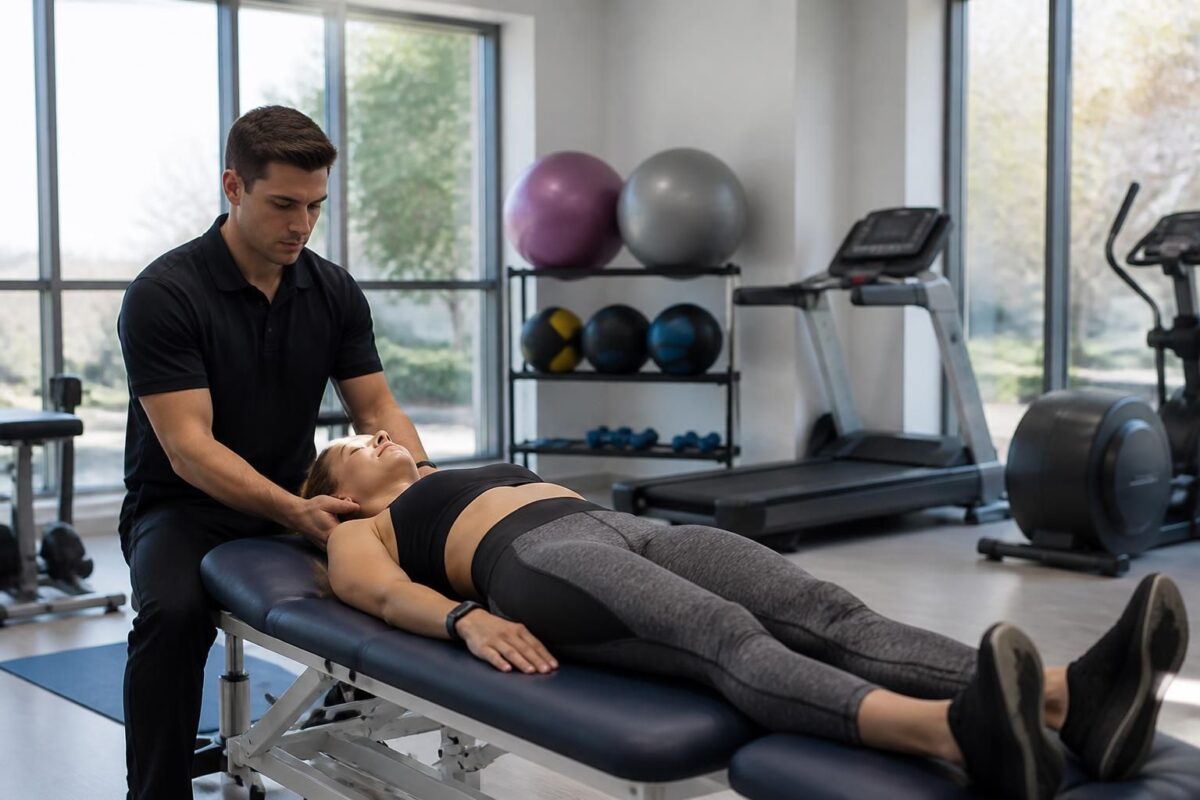
Neurovertebral decompression and recovery after severe sports injury
In short In short, the neurovertebral decompression is one Non-invasive method to Relieve the pressure on the Intervertebral discs and the gristle Via a Controlled traction, to facilitate the recovery After a severe sports injury. It improves the bloodstream towards…
Benefits of neurovertebral decompression for neuropathic pain
| Aspect | Concise impact |
|---|---|
| Neuropathic pain | relief from Neuropathic pain by reducing the pressure on the nerves |
| nervous pressure | decrease in nervous pressure On affected segments |
| Circulation | improvement of the circulation Around the nerves and tissues |
| Muscle tensions | Relaxation muscular Along the column |
| Mobility and function | mobility and function Increased |
| Inflammation | reduction of inflammation local |
| Prevention | prevention of future nervous tensions |
| Sleep and mood | improvement of sleep and themood |
| Recovery | Faster recovery after efforts and activities |
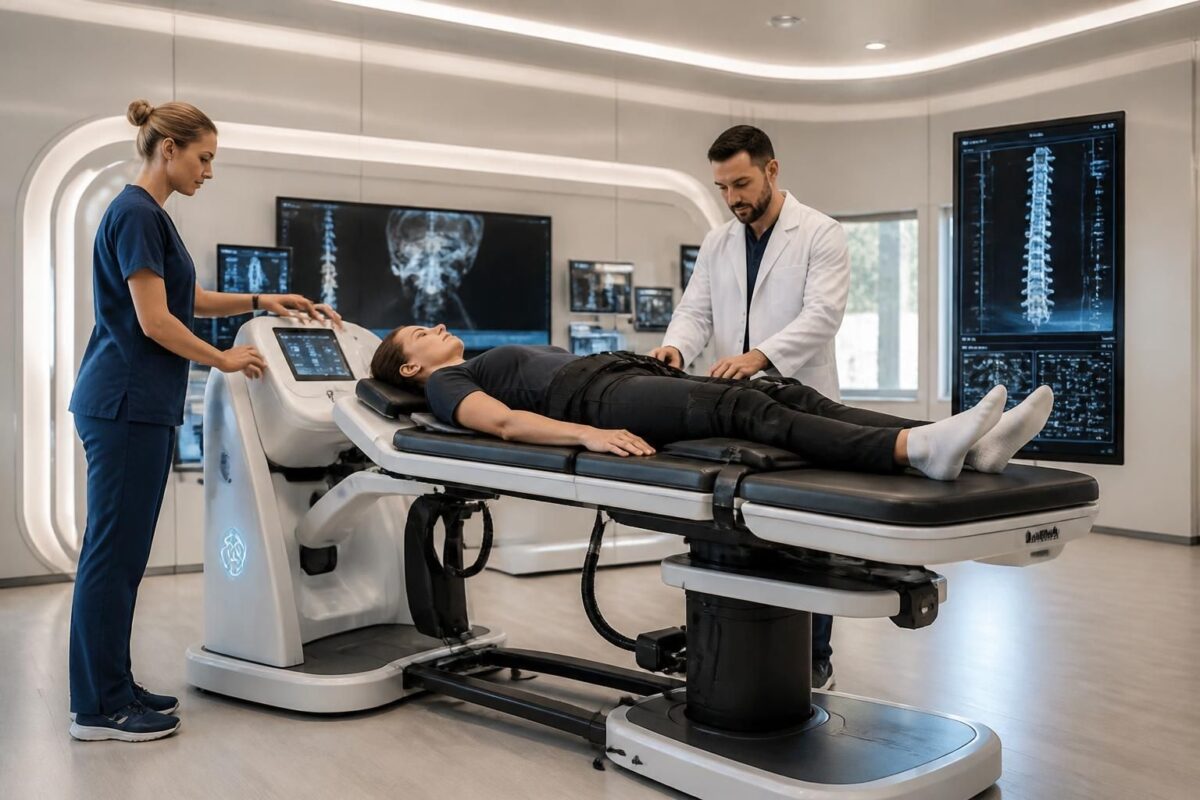
Recent innovations in neurovertebral decompression technologies
In short In short, the neurovertebral decompression is an approach non-invasive Aiming to reduce pressure on discs and nerves, and promote tissue regeneration. At Montreal, it is positioned as an effective option for lower back pain and herniated discs. The…
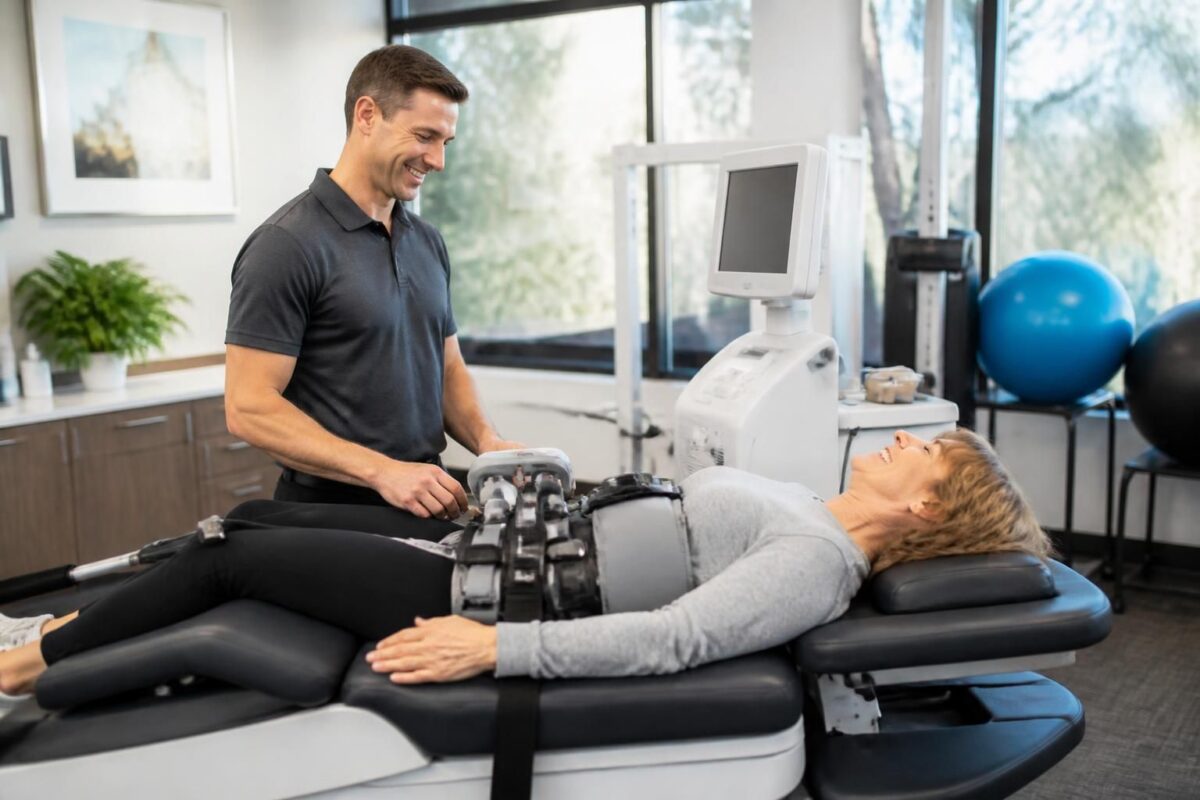
Neurovertebral decompression and diffuse pain: an appropriate solution
In short In short, the neurovertebral decompression is one Non-invasive solution For diffuse pain related to nerve irritation of the spine. She acts in Reducing pressure on intervertebral discs and nerves and improving the bloodstream, which promotes recovery and the…
Testimonials on the benefits of neurovertebral decompression for neuropathic pain
“Since my first sessions of neurovertebral decompression, my Neuropathic pain in the hands have clearly subsided and the nocturnal tingling has decreased. I find a more normal sensitivity and less discomfort on a daily basis. »
“I had pain neuropathic related to cervical neuralgia that woke me up several times a night. After several weeks, the pain decreased and my movements became fluid again. »
“The paresthesias that had bothered me for months have almost disappeared thanks to the soft traction used during the neurovertebral decompression. My hand and my arms move better and my daily life is easier. »
“My sleep has improved significantly. Less nocturnal pain and a feeling of relaxation in the affected areas allow me to wake up rested and ready to face the day. »
“Pain-related anxiety has decreased, as I now have a clear path to manage my Neuropathic pain. This therapy brought me comfort and a better overall quality of life. »
“Thanks to better mobility and the reduction of neuropathic pain, I can resume my sports activities and my leisure activities. My motivation and my energy rediscovered allow me to persevere without suffering so much. »
Biography and commitment of the specialist to the benefits of neurovertebral decompression for neuropathic pain
In the field of manual medicine and osteopathy, a practitioner has imposed himself by his approach focused on innovation and evidence, with a particular emphasis on neuropathic pain. his career combines extensive training in osteopathy, naturopathy and manual medicine, and a conscious practice of the latest technologies applied to non-invasive pain management. This orientation allows him to offer his patients a coherent, personalized therapeutic framework focused on the prevention, recovery and maintenance of a global balance.
The Benefits of neurovertebral decompression For neuropathic pains are part of a simple and powerful logic: reduce the pressure exerted on the nerves and discs, in order to restore optimal circulation and promote tissue regeneration. This non-invasive technique acts by gentle traction that opens the intervertebral spaces, thus reducing pain signals and inflammation that amplify neuropathic symptoms. The practitioner relies on protocols that aim to relieve radiant pain, restore sensitivity and improve nervous function, while preserving the integrity of spinal structures.
physiologically, neurovertebral decompression contributes to a better tissue oxygenation and to a muscle recovery accelerated. By relieving the pressure on the nerves, it helps to reduce spasms and associated neuropathic pain, in particular those related to disc compressions or musculoskeletal disorders. Patients often describe a Gradual decrease in pain And a rediscovered mobility that allows them to resume daily activities with more comfort and confidence.
This professional emphasizes a global and personalized approach, integrating neurovertebral decompression with other non-invasive modalities and complementary technological tools. The goal is not only to relieve the symptoms in the short term, but also to improve the bloodstream, to promote the Muscle relaxation along the column and support a Functional rehabilitation adapted to the patient’s lifestyle. In practice, this translates into rigorous evaluations, results monitoring and orientation towards preventive measures aimed at limiting recurrences.
Over the years, patient feedback highlights a lasting positive impact on their quality of life. The testimonies highlight not only the attenuation of neuropathic pain, but also the improvement of the posture, the increase in mobility and a reduction in stress related to chronic pain. The therapeutic action is thus part of a framework of care based on evidence, with attentive listening and clear communication on the objectives and expected results.
At the heart of this professional biography is a constant commitment to evidence-based care and transparent collaboration with the patient. By combining neurovertebral decompression with complementary approaches, such as stimulation of mechanoreceptors, laser therapies and shock wave therapies when appropriate, this practitioner works to optimize nerve health and quality life of people with neuropathic pain.
This article summarizes the benefits of neurovertebral decompression For neuropathic pain, highlighting how this non-invasive approach can reduce nerve pressure, improve circulation and promote recovery. It offers a solution suitable for people suffering from chronic neuropathic pain, with positive repercussions on mobility, sleep and overall well-being.
For neuropathic pain, neurovertebral decompression works by decreasing nerve pressure, which can lead to a significant reduction in inflammation and associated pain. In practice, this pressure reduction contributes not only to immediate relief but also to a lasting improvement in nervous function and range of motion. To further this aspect, consult the review on Benefits to reduce muscle tension.
Another key benefit concerns Improving tissue circulation and oxygenation. By releasing the spine and releasing the neurovertebral spaces, this therapy promotes better perfusion of muscles and nerves, which supports repair, reduces radiant pain and accelerates recovery after painful episodes. To understand the impact on diffuse back pain, see article how it acts on diffuse back pain.
On the psychological and functional level, the Positive effects on sleep, mood and stress reduction should not be underestimated. By reducing pain and muscle tension, decompression can improve rest quality and daily vitality, contributing to a better overall quality of life. To explore these aspects, you can consult The physical and psychological benefits.
In terms of prevention and safety, this approach has the advantage of being non-invasive and suitable for a large population, including seniors. For security and eligibility issues, refer to dedicated resources such as Senior safety and Prevention of disc complications.
To go further in integrating this technique on a daily basis and as part of a care program, you can consult the following resources that describe the applications and benefits of neurovertebral decompression in various neuropathic contexts: Durable solution, recognized solution, and Additional benefits. You will also find additional information on Recovery after disc herniation and Prevention (continued).
In summary, the neurovertebral decompression Offers a non-invasive pathway for the management of neuropathic pain by acting directly on nerve compression mechanisms, while promoting recovery, mobility and overall well-being. For more information and specific use cases, see the associated resources above and discuss it with your healthcare professional.

Dr Sylvain Desforges, B.Sc., D.O., N.D., osteopath, is the founding president of TAGMED and of the ACMA association. He dedicates his practice to chronic spinal pain, low back pain and symptoms compatible with sciatica, particularly when pain radiates toward the buttock, leg, calf, foot or toes.
Through SOS Sciatique, he publishes educational content on sciatica symptoms, possible causes such as disc herniation, disc narrowing, foraminal stenosis or irritation of a lumbar nerve root, as well as non-surgical approaches that may be considered according to the evaluation. At Clinique TAGMED, care may include, depending on the case, motorized neurovertebral decompression, specific osteopathic care or precision percussion.
For an evaluation related to sciatica treatment in Montreal / Mount Royal or sciatica treatment in Terrebonne, please consult the services available at Clinique TAGMED.
Medical disclaimer
The information published on SOS Sciatique is provided for educational purposes only and does not replace a consultation, diagnosis, opinion or treatment provided by a physician or another authorized healthcare professional. The author of this article is neither a medical doctor nor a specialist in a medical specialty recognized by the Collège des médecins du Québec. The osteopathic, manual medicine or functional support approaches described on this site do not constitute medical acts and are not intended to replace medical follow-up.
Consult a physician or emergency service in cases of loss of bladder or bowel control, anesthesia in the saddle area, significant or progressive weakness in the leg or foot, fever, recent trauma, severe pain or rapid worsening of symptoms. For more details, please read our Legal Notice.