

How neurovertebral decompression affects chronic nocturnal pain
26/06/2026
Recent innovations in neurovertebral decompression equipment
26/06/2026
In short
In short, the neurovertebral decompression is one Non-invasive therapy targeting the Intervertebral discs and the nerves to improve the mobility and find a working life. The main benefits: rapid pain reduction and return to Daily activities without surgery. accessible to Montreal, this treatment is particularly suitable for slipped disc and at the chronic pain, with an approach personalized and secure. |
The neurovertebral decompression is one Non-invasive therapy which acts on the spine by creating a space between the vertebrae to reduce the Pressure on the intervertebral discs and the gristle. This pressure reduction quickly relieves the pain and Improves mobility.
By promoting a Better range of motion and an bloodstream increased, it facilitates the Back to an active life: Daily activities, sports or recreation usually limited by pain.
The treatment is personalized and supervised by professional, with a Adapted plan to each patient and Regular sessions who aim for results durable.
This article, written by a health professional, takes stock of the neurovertebral decompression and its impact on mobility. It describes the mechanism, clinical indications and concrete benefits for patients with spinal pain. It also specifies where to be accompanied, in particular via the Tagmed clinic in Montreal and Terrebonne. The objective is to enlighten you on a non-invasive approach that helps to regain an active life and lasting well-being.
Understanding neurovertebral decompression
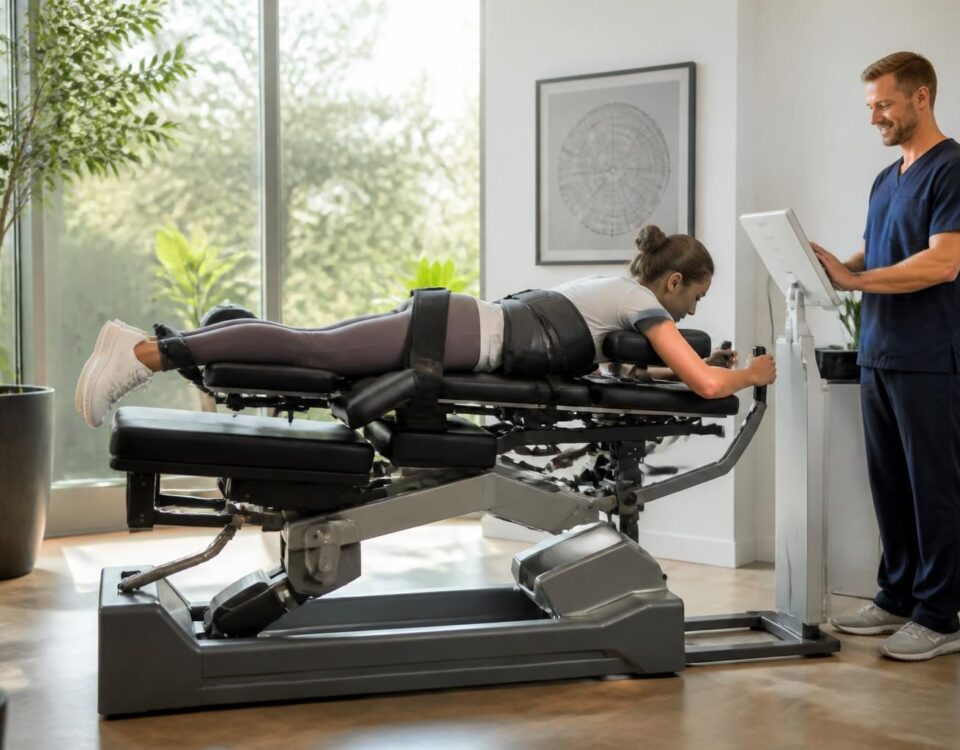
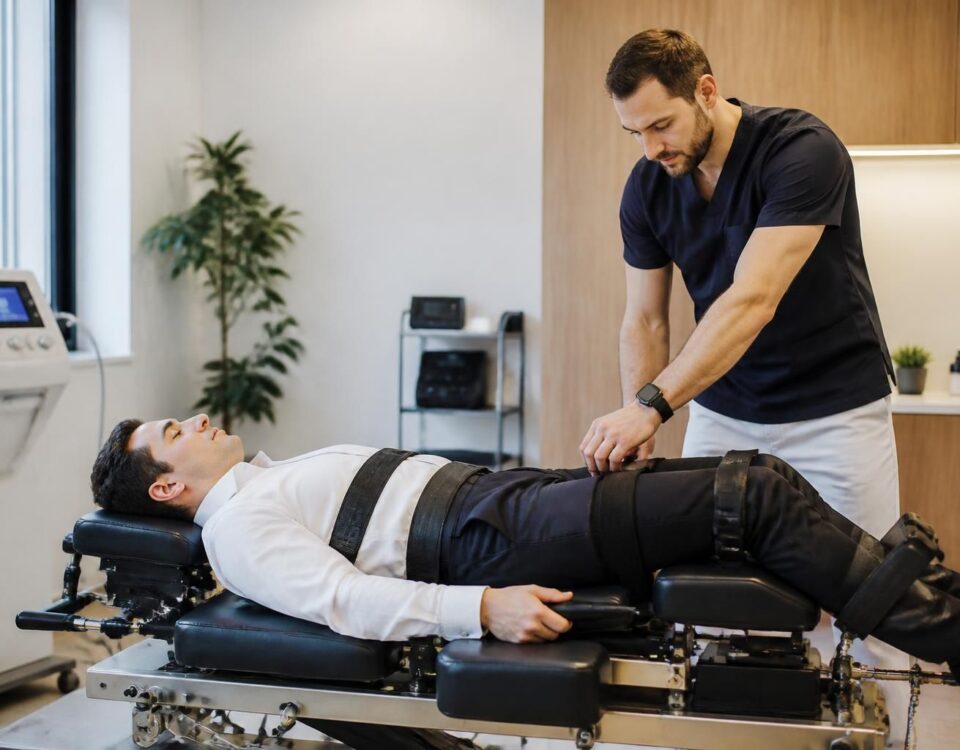
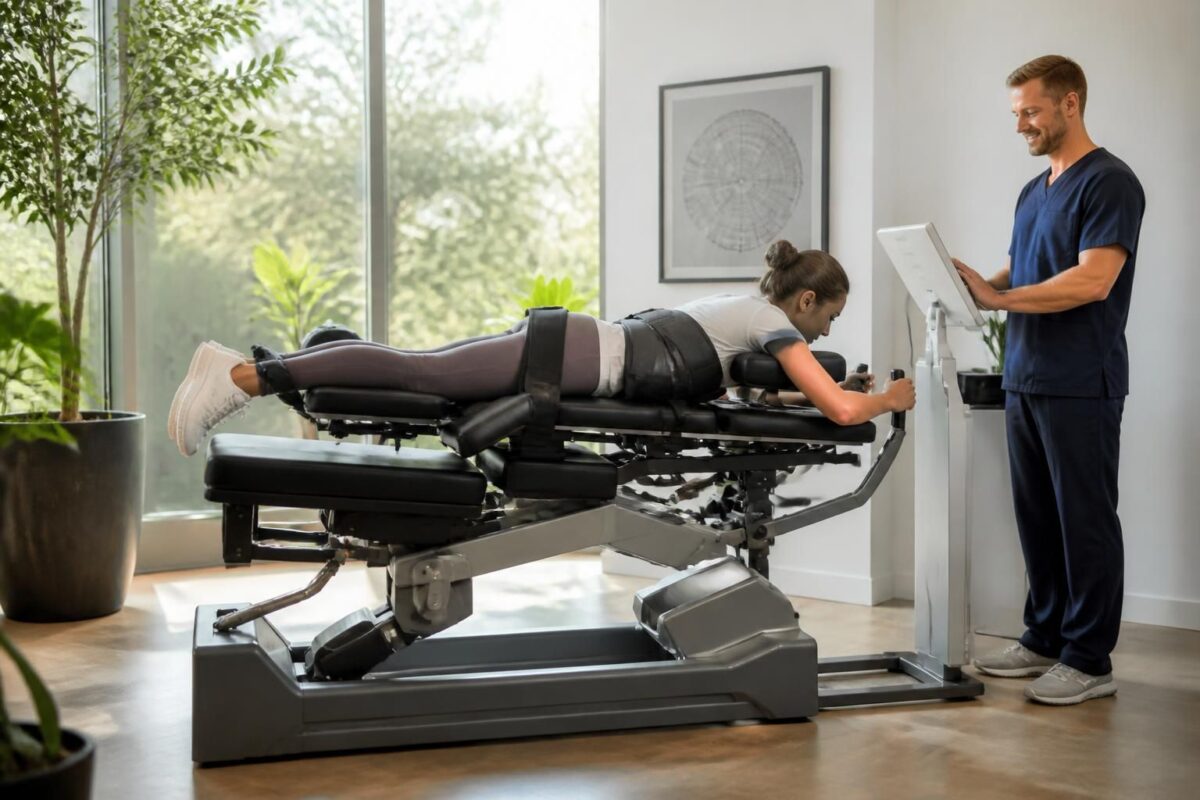
The neurovertebral decompression is a non-invasive therapy that uses controlled traction to stretch the spine. This action creates space between the vertebrae and reduces the pressure exerted on the intervertebral discs and surrounding nerves. By reducing this pressure, it can help reduce pain and restore a more fluid range of motion. For patients suffering from disc pathologies, it represents an interesting non-surgical alternative.
Mechanism and impact on mobility
The mechanism of action is based on a pressure reduction on discs and nerves. This decompression promotes better bloodstream and can support the degenerative tissue repair process. Mobility can improve gradually, which allows you to resume daily activities with more ease and less pain. This approach is often integrated into a comprehensive pain and spinal function management program, without the need for surgery.
Benefits for an active life
Patients often report a Significant pain reduction and an Better mobility after the sessions. Returning to activities such as walking, active leisure and daily responsibilities can occur quickly, with a lower risk of recurrence when the therapy is followed as part of a personalized plan. resources and studies show the Long-term benefits of this approach, in particular on stability and spinal function.
Clinic practice and access to care
Neurovertebral decompression is offered in specialized centers. In Montreal, you can contact the Tagmed Clinic To assess your situation and discuss a suitable protocol. Custom protocols exist to maximize results and ensure appropriate progress for each patient. For additional information and clinical data, see the following resources: Custom protocols and Clinical studies demonstrating efficacy.
Integration into your health journey
As part of a multidisciplinary course, decompression can be associated with other non-invasive approaches to optimize results. It can be considered in addition to the rehabilitation measures offered at the TagMed clinic in Montreal or Terrebonne. To deepen practical aspects and feedback, refer to the following resources: Back to working life and Back to an active life.
Comparison with Other Approaches and Framework
| Approach | MAIN BENEFITS | remarks |
|---|---|---|
| neurovertebral decompression | pain reduction; mobility improvement; Quick return to activity | non-invasive therapy; centered on intervertebral discs and nerves. Accessible via specialized clinics and dedicated centers. |
| Physiotherapy | Stimulation of mobility and muscle strengthening | May be useful, but the efficacy varies depending on the pathologies. In some cases, decompression can offer a more targeted improvement in disc symptoms. To be discussed in addition to the treatment referred by TagMed. |
For those considering decompression after surgery or in the context of a rehabilitation protocol, specialized resources describe the potential benefits and considerations to consider: Recovery after back surgery and Long-term benefits.
Testimonials and clinical evidence
Testimonials from patients support the effectiveness of neurovertebral decompression for mobility and quality of life. Some people describe a quick return to active activities and leisure activities that they had to abandon. Clinical studies synthesize these observations and reinforce the idea that this approach can be a key step in the non-surgical management of spinal pain.
To learn more about feedback and personalized protocols, you can check the following resources: Custom protocols in neurovertebral decompression and Neurovertebral decompression and herniated disc.
To access information relating to the prevention and management of associated complications, see Prevention of spinal complications.
The vertebral decompression is a valid option for those looking for a non-invasive approach to improve their mobility and regain an active life. It can be offered in addition to other suitable therapies in Montreal or Terrebonne, with regular monitoring and adaptation of the plan according to your progress.
For more information and to organize an evaluation, contact the Tagmed Clinic and find out the options available on their site: Tagmed Clinic.
Medical Disclaimer: The information and advice provided on this site does not replace the health professional’s diagnosis or treatment. Please note that Dr. Sylvain Desforges osteopath is neither a doctor of medicine nor a doctor, and is not a specialist in a medical specialty as defined by the Collège des Médecins du Québec. Manual medicine, functional medicine and sports medicine as described on this site exclude any medical treatment or diagnosis made by a doctor or specialist doctor. Always consult your doctor for any medical questions. For more details, please read our full legal notice.
“Medical disclaimer: The information and advice provided on this site does not replace the health professional’s benefit, diagnosis or treatment. Please note that Dr. Sylvain Desforges osteopath is neither a doctor of medicine nor a doctor, and is not a specialist in a medical specialty as defined by the Collège des Médecins du Québec. Manual medicine, functional medicine and sports medicine as described on this site exclude any medical treatment or diagnosis made by a doctor or specialist doctor. Always consult your doctor for any medical questions. For more details, please read our full legal notice. »
neurovertebral decompression and mobility: find a working life

This article presents how the neurovertebral decompression can improve the mobility and promote the return to a working life. using a gentle traction non-invasive, it creates a space between the vertebrae, decreases the pressure on the Intervertebral discs and the gristle, and allows a progressive relearning of the movement. Practical advice accompanies this approach to optimize benefits and prevent relapses.
Understanding neurovertebral decompression and mobility
neurovertebral decompression is based on an action of gentle traction which stretches the column and Promotes intervertebral space. This redistribution of pressure helps to release compressed areas around the records And some gristle, reducing pain and allowing smoother movements.
This approach is non-surgical and can integrate with Manual techniques and to Targeted exercises To strengthen the muscle support of the spine. The protocol can be personalized depending on the level of pain, mobility and daily activities of the patient.
The long-term benefits of neurovertebral decompression for spinal health
In short In short, the neurovertebral decompression is a non-invasive approach that decreases the Pressure on intervertebral discs and nerves, favoring the Natural regeneration and tissue recovery. Its long-term benefits include Lasting pain reduction, Improving mobility and from the posture,…

Neurovertebral decompression and mobility: a return to an active life
In short In short, the neurovertebral decompression is therapy non-invasive who uses a gentle traction To create a space between the vertebrae and reduce the pressure on the Intervertebral discs and the nerves. It promotes a bloodstream improved, lowers tension…
Effects on mobility and daily activities
By decreasing the Pressure on the intervertebral discs, the amplitudes of movement are improving and everyday gestures become more accessible. Simple gestures such as leaning, turning your head or getting up gain ease and safety.
The posture and balance also benefit from a positive effect, which facilitates the walking, the ascent of the stairs and professional or domestic activities. The path to rediscovered mobility is often progressive, with noticeable improvements from the first weeks and consolidation over the course of the sessions.
To maintain these gains, it is advisable to associate specific exercises with appropriate daily habits. Better mobility can also promote more active participation in leisure and sports, while reducing repeated pain that limits physical activity.
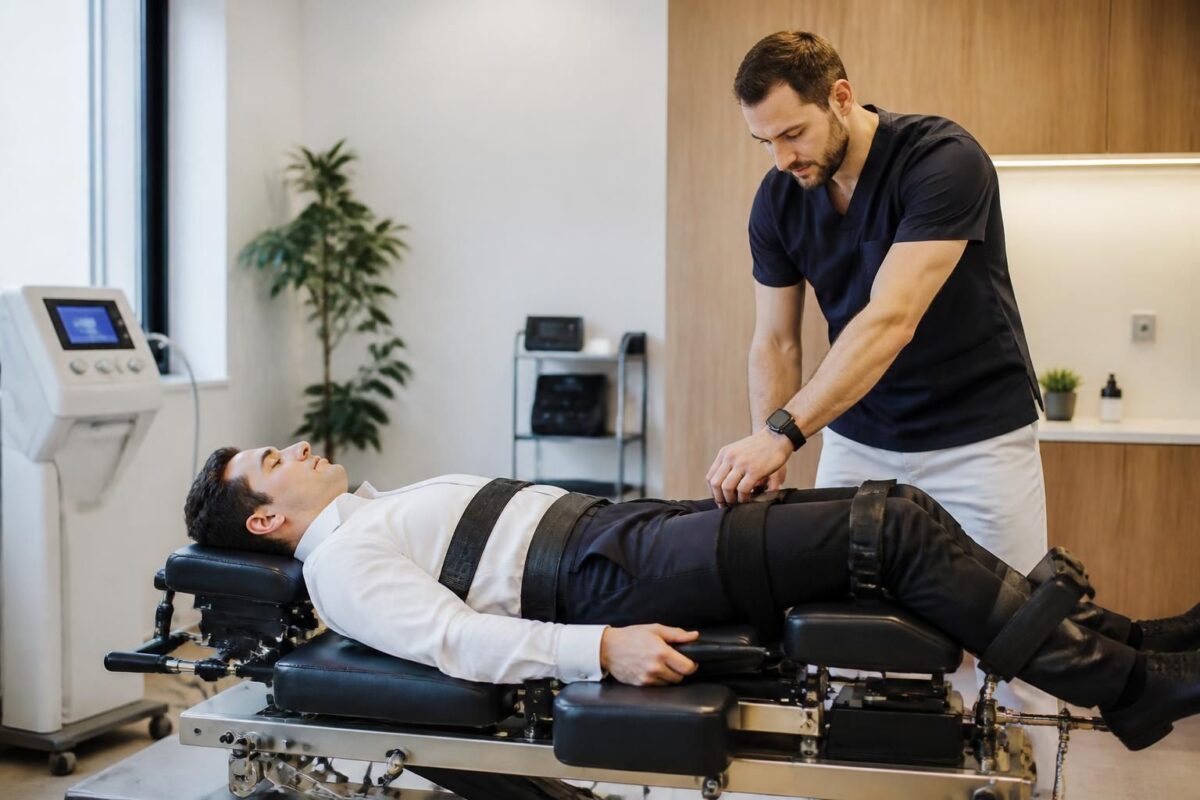
How Neurovertebral Decompression Prevents Diffuse Chronic Pain
In short decompression neurovertebral is one Non-invasive method aimed at reducing the Pressure on the intervertebral discs and the nerves, in order to prevent Diffuse chronic pain. It improves the circulation and thedisc hydration, decreases inflammation and promotes better mobility.…
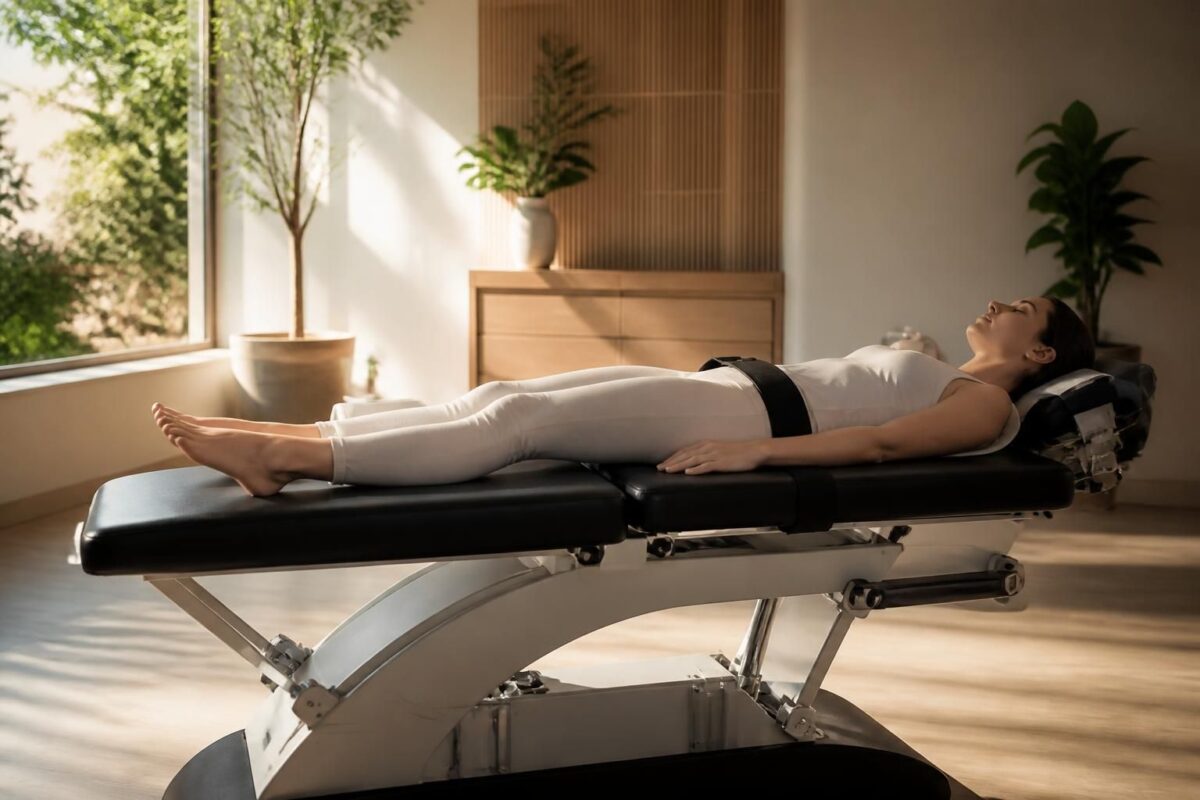
Neurovertebral Decompression and Body Alignment: Restoring Natural Balance
In short In short, neurovertebral decompression is one Non-invasive approach who restores theBody Alignment and thenatural balance back and neck. She acts by a Controlled traction of the spine to widen the intervertebral space and reduce the Pressure on discs…
Practical recommendations to maximize results
Evaluation and customization of treatment
Before starting, favor a Full assessment by a qualified health professional to adjust the plan according to individual needs. This step determines the frequency and the duration sessions, as well as the specific objectives to be achieved.
Planning and progression of sessions
establish a Plan of regular sessions with a Adapted progression is essential. Alternating between decompression sessions and reinforcement exercises helps to optimize the results and limit future tensions around the column.
Integration of a healthy lifestyle
complete decompression with Relaxation exercises and of strengthening, a good posture, adequate hydration and restful sleep. These elements support tissue regeneration and spinal stability, promoting a lasting return to activity.
Monitoring and adjustments
One Regular follow-up Allows you to assess progress and adjust the protocol based on feedback. Listening to the body and communicating discomforts or improvements guide the necessary changes to optimize mobility and prevent potential pain.
| Aspect | Impact on mobility and working life |
|---|---|
| Purpose of treatment | Get mobility and activity found by reducing pain and disc pressure. |
| Mechanism of action | soft traction that decreases the pressure on the Intervertebral discs and the nerves, freeing space and facilitating movement. |
| Main directions | herniated discs and lumbar/cervical pain relevant to a Non-surgical approach. |
| Impact on mobility | Improvement of the amplitude and resumption of daily activities and leisure. |
| Results time | relief after the sessions and gradual return to the activity in a few weeks. |
| Protocol and sessions | personalized program; Typically between 15 and 25 sessions depending on gravity. |
| Accompaniment | Follow-up by a professional and integration into a post-therapy rehabilitation program. |
| Tolerance and safety | Treatment non-invasive with Rare side effects and transients. |
| Long-term results | Sustainable mobility and continuous pain reduction when associated with appropriate posture and activity. |
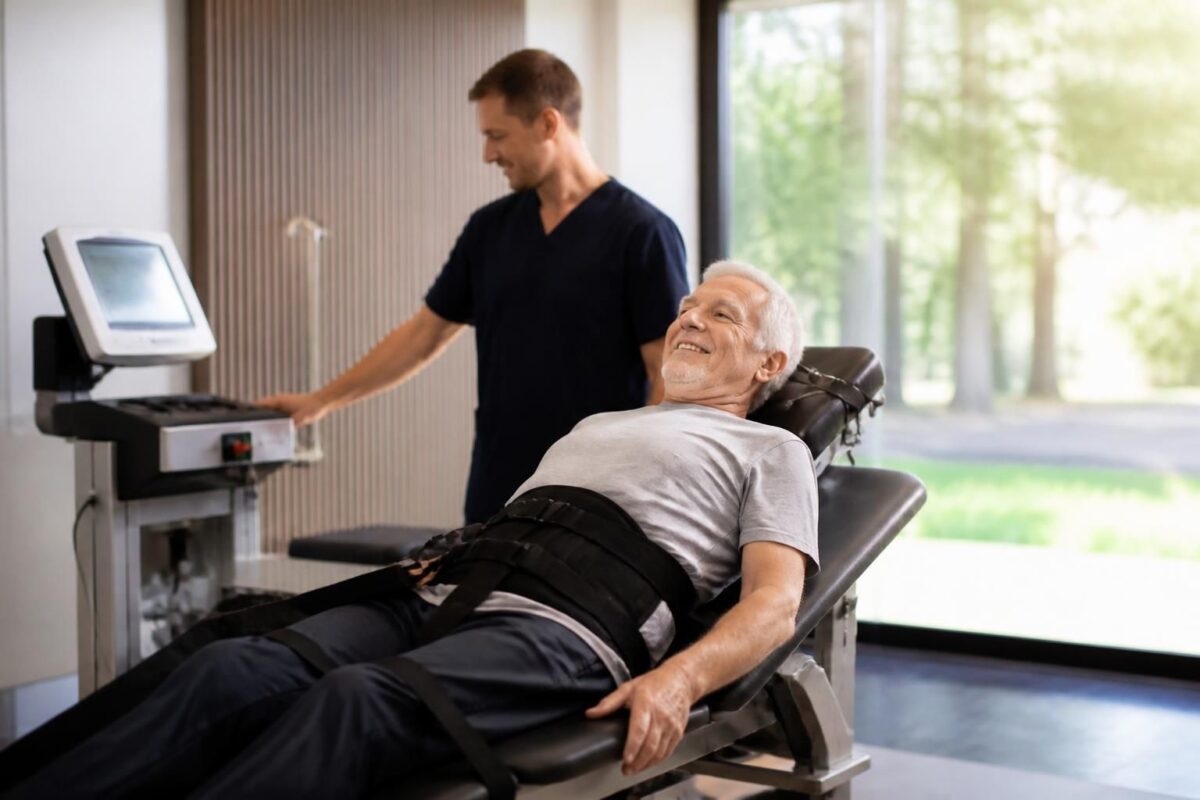
Why neurovertebral decompression is a lasting solution for active seniors
In short In short, the neurovertebral decompression is one Non-invasive therapy which sustainably relieves spinal pain in the spine active seniors By creating, by a Soft and controlled traction, a space between the vertebrae. At Montreal, it is recognized as…
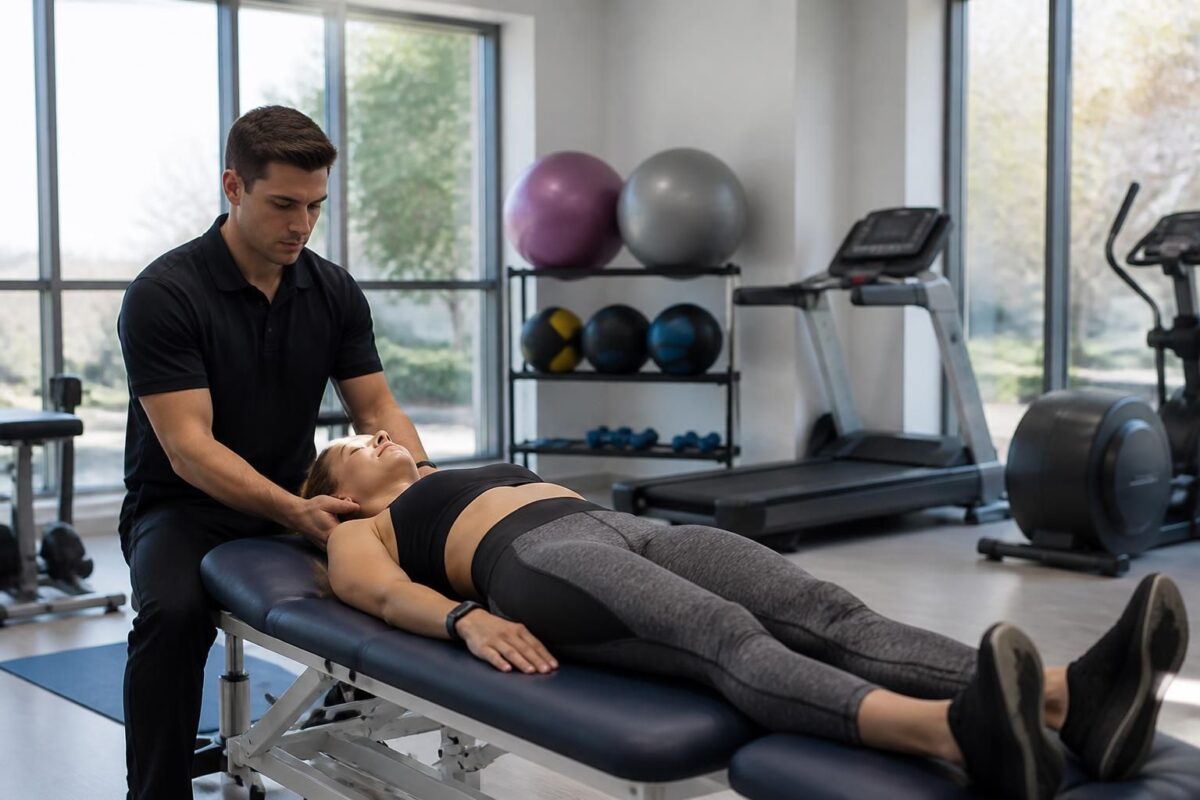
Neurovertebral decompression and recovery after severe sports injury
In short In short, the neurovertebral decompression is one Non-invasive method to Relieve the pressure on the Intervertebral discs and the gristle Via a Controlled traction, to facilitate the recovery After a severe sports injury. It improves the bloodstream towards…
Testimonials: neurovertebral decompression and mobility — regain an active life
“After years of pain and limited mobility, the neurovertebral decompression was the turning point. In a few sessions, the pain decreased and my mobility improved, allowing me to resume my daily walks and enjoy my outings again. »
“I came back to a working life through this approach. The neurovertebral decompression Released the tensions that held me back and allowed me to find movements that I had lost, like returning to the brisk walk on weekends with my friends. »
“My body had forgotten what it was like to move without pain. After several weeks of sessions, the mobility came back and today I can practice activities that I liked, without fear of back pain. The neurovertebral decompression reactivated my energy.”
“In combination with manual techniques, the neurovertebral decompression gave momentum to my days. I can now kneel to garden and bend effortlessly, which was impossible recently. My mobility improved significantly and my pain became bearable again. »
“I didn’t think I could find my sports practice, but the neurovertebral decompression allowed me to regain Atlantic capabilities. I regained the flexibility to run after my children and participate in outdoor activities without limiting my movements. It’s a real revival of my mobility and my working life. »
“Today, I feel recovered and autonomous thanks to this therapy. the sessions decreased my pain And restored my intervertebral balance, giving me the freedom to resume my mountain hikes and my bike rides. The neurovertebral decompression was the engine of my mobility found. »
Dr. Sylvain Desforges is a osteopath Recognized for his multidisciplinary expertise in the fields of osteopathy, naturopathy and manual approaches. As founding president of the TagMed clinics and the ACMA association, he places innovation at the heart of his practice. His approach aims to provide care evidence-based and adaptable to each patient, in order to optimize the health and the welfare sustainable.
Throughout his career, he specialized in chronic pain management and in integrating advanced technologies, including neurovertebral decompression, the laser and shockwave therapies. This plural approach allows him to apprehend the spine as a functional set, where the reduction of pressure on the discs and nerves can restore fluid mobility and regain an active life. Its objective is clear: to put the patient at the center of a personalized and progressive therapeutic course.
The neurovertebral decompression is presented as a non-invasive technique, focused on gentle traction that aims to create a space between the vertebrae. By releasing the pressure exerted on the intervertebral discs and nerve roots, it helps to reduce pain and improves range of motion. This approach is particularly promising for people with herniated discs, disc bulges or persistent lower back and cervical pain. Its non-surgical character makes it an attractive option for those who wish to preserve their active lifestyle while avoiding operative interventions.
Dr. Desforges’ role goes far beyond isolated treatment. It ensures that each session is part of a Comprehensive pain management plan, which combines decompression, manual techniques and adapted rehabilitation. The protocols it promotes are aimed not only at relieving pain, but also in restoring the posture, the stability and the feature everyday. Many patients report a quick return to activities they had had to abandon, such as walking, gardening, or resuming sports, thanks to regained mobility and better bodily confidence.
Dr. Desforges’ vision is to offer an approach personalized and preventive. By combining decompression with proven manual techniques and lifestyle advice, it envisages the prevention of recurrences and the lasting improvement of the quality of life. Its commitment is based on clear communication, measurable objectives and rigorous follow-up, in order to support each patient towards a working life and autonomous.
In summary, Dr. Desforges’ philosophy around the neurovertebral decompression and mobility is based on an integrated approach that combines efficiency, safety and respect for the body. Thanks to this perspective, many people regain the ability to practice their favorite activities and fully assume their daily responsibilities, while durably reducing pain and stress related to the back and neck.
This summary presents the benefits of the neurovertebral decompression for the mobility and the Back to an active life, highlighting why this non-invasive approach can lastingly change the lives of people suffering from spinal pain and disc pathologies.
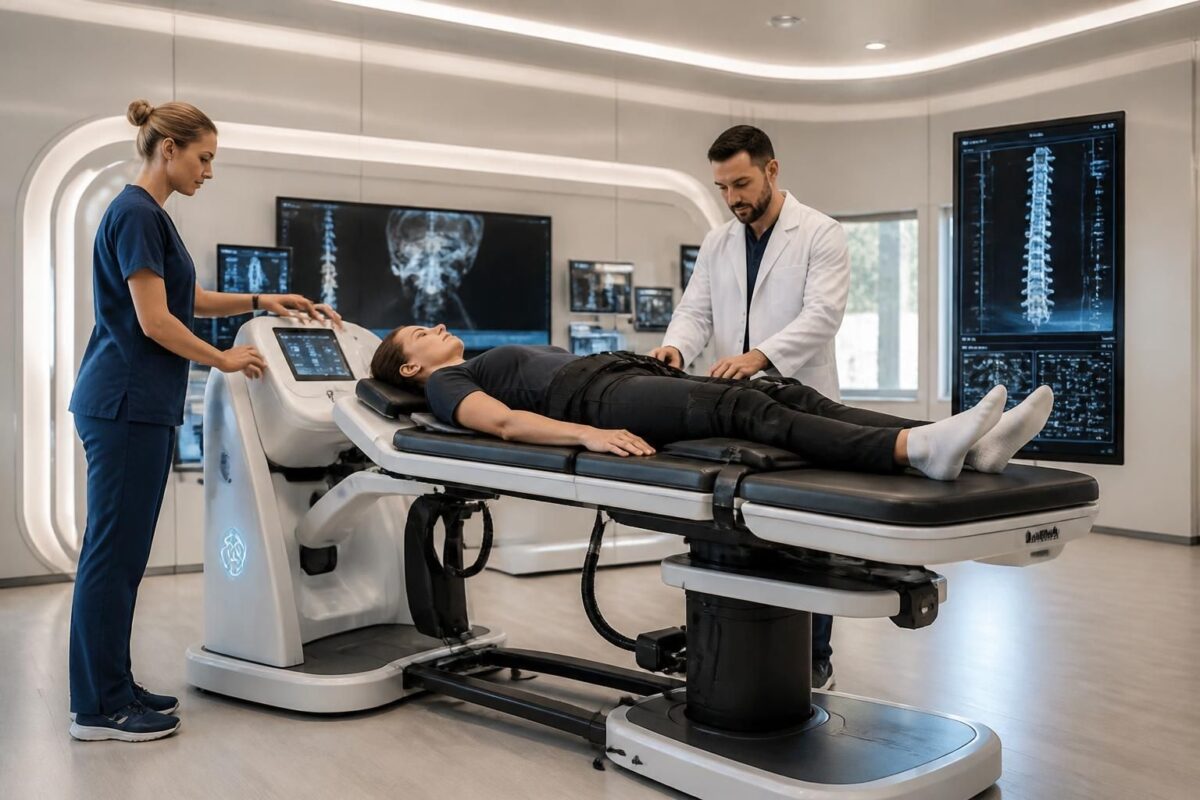
Recent innovations in neurovertebral decompression technologies
In short In short, the neurovertebral decompression is an approach non-invasive Aiming to reduce pressure on discs and nerves, and promote tissue regeneration. At Montreal, it is positioned as an effective option for lower back pain and herniated discs. The…
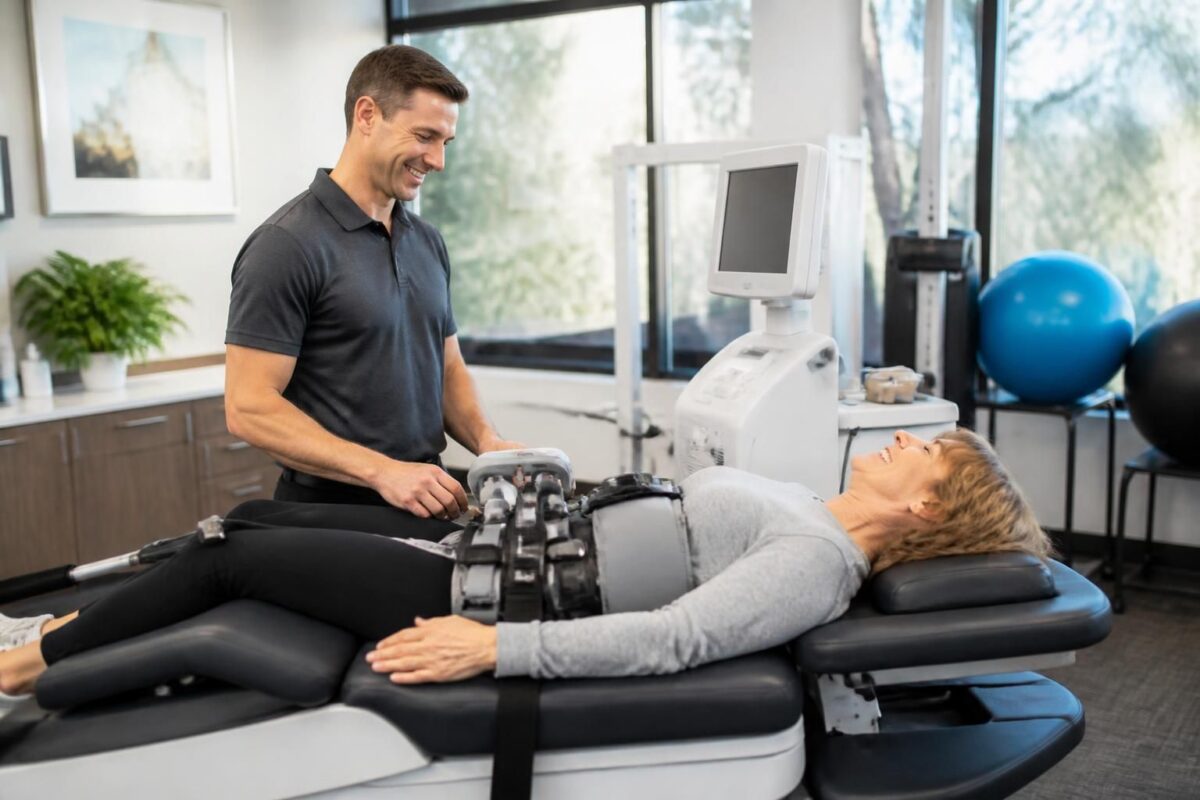
Neurovertebral decompression and diffuse pain: an appropriate solution
In short In short, the neurovertebral decompression is one Non-invasive solution For diffuse pain related to nerve irritation of the spine. She acts in Reducing pressure on intervertebral discs and nerves and improving the bloodstream, which promotes recovery and the…
Synthesis and perspectives
The pillar of this approach is the targeted reduction of the Pressure exerted on the intervertebral discs and the nerves, which results in a Improving mobility and a noticeable decrease in pain. This dynamic allows a Quick return to activity and paves the way for regular physical practice without the risks associated with surgery.
This process benefits from a framework non-surgical and personalized : Each patient receives an adapted protocol, often supplemented by manual care and complementary technologies, in order to optimize the results and reduce the risks of recurrence. To follow the latest developments and testimonials, you can consult resources such as the neurovertebral decompression and recent discussions on clinical applications.
Typical results show a pain reduction, a Better range of motion and an increased ability to resume routine and sporting activities. Sources and feedback highlight that patients quickly regain their autonomy, whether to walk, stretch, or practice active leisure, which also improves psychological well-being and overall quality of life.
For people with reduced mobility, associated therapies and lifestyle adjustments enhance the effectiveness of decompression and prevent recurrences. For example, technical innovations and protocols recommended by specialists can be explored via dedicated resources and specialized articles.
Beyond immediate relief, the goal is a Sustainable rehabilitation that restores postural balance, improves musculoskeletal function and supports an active and healthy lifestyle. Testimonials and clinical analyzes indicate that decompression integration with manual approaches and complementary therapies can amplify gains and promote Chronic pain prevention.
To deepen the practical aspects and application perspectives, you can consult additional resources such as publications and guides dedicated to neurovertebral decompression, including the pages dedicated to the approach and its benefits for mobility: Therapy suitable for people with reduced mobility, and informative articles accessible via Neurovertebral decompression and associated pain.
To follow updates and feedback, do not hesitate to explore additional resources and discuss with qualified professionals. For example, recent publications and information posts on the benefits of decompression and mobility are accessible via educational pages and specialized platforms.
Finally, a successful approach is based on a Assessment by a health professional, a Regular follow-up and an Preserving the healthy lifestyle (Adaptive physical activity, balanced diet and stress management). For more information and resources, see dedicated pages and interviews on professional and medical platforms.
To follow specific examples and customer testimonials, please refer to the following resources: LinkedIn – Neurovertebral decompression and mobility, Why neurovertebral decompression is essential after an accident, and Dr Desforges – Neurovertebral decompression and mobility: a return to an active life.

Dr Sylvain Desforges, B.Sc., D.O., N.D., osteopath, is the founding president of TAGMED and of the ACMA association. He dedicates his practice to chronic spinal pain, low back pain and symptoms compatible with sciatica, particularly when pain radiates toward the buttock, leg, calf, foot or toes.
Through SOS Sciatique, he publishes educational content on sciatica symptoms, possible causes such as disc herniation, disc narrowing, foraminal stenosis or irritation of a lumbar nerve root, as well as non-surgical approaches that may be considered according to the evaluation. At Clinique TAGMED, care may include, depending on the case, motorized neurovertebral decompression, specific osteopathic care or precision percussion.
For an evaluation related to sciatica treatment in Montreal / Mount Royal or sciatica treatment in Terrebonne, please consult the services available at Clinique TAGMED.
Medical disclaimer
The information published on SOS Sciatique is provided for educational purposes only and does not replace a consultation, diagnosis, opinion or treatment provided by a physician or another authorized healthcare professional. The author of this article is neither a medical doctor nor a specialist in a medical specialty recognized by the Collège des médecins du Québec. The osteopathic, manual medicine or functional support approaches described on this site do not constitute medical acts and are not intended to replace medical follow-up.
Consult a physician or emergency service in cases of loss of bladder or bowel control, anesthesia in the saddle area, significant or progressive weakness in the leg or foot, fever, recent trauma, severe pain or rapid worsening of symptoms. For more details, please read our Legal Notice.