Rapid clinical results obtained with neurovertebral decompression
26/06/2026
The benefits of neurovertebral decompression to reduce nerve pressure
26/06/2026
In short
| In short, neurovertebral decompression is one Non-invasive method which acts on the Chronic cervical pain By applying a Controlled traction To release the pressure on Intervertebral discs and the cervical nerves. accessible to Montreal, it offers a rapid pain reduction and an improvement in mobility, without surgery and without prolonged drug dependence. By creating a space between the vertebrae, it promotes disc rehydration and circulation, supporting natural and lasting healing. This approach is a Effective alternative For people looking for a non-surgical and less invasive solution for cervical pain management. |
The neurovertebral decompression is an approach non-invasive aimed at relieving the Chronic cervical pain using a Controlled traction To reduce the pressure on Intervertebral discs and the cervical nerves.
This gentle traction creates a space between the vertebrae, favoring the rehydration and the regeneration fabrics and improving the mobility neck, while supporting local circulation and reducing inflammation.
It offers a safe solution and effective To avoid surgery and heavy drug treatments, with a Personalized evaluation necessary to determine eligibility and treatment plan.
The neurovertebral decompression is an approach non-invasive which aims to relieve chronic and severe cervical pain. It is based on controlled traction of the cervical vertebrae, which reduces the pressure exerted on the Intervertebral discs and the nerves. This pressure reduction promotes disc rehydration, improves nutrient circulation and therefore can decrease pain and improve mobility. This article presents the key principles, benefits, eligibility criteria and the role of this technique in multidisciplinary care in Montreal, particularly within clinics tagmed.
What is neurovertebral decompression?
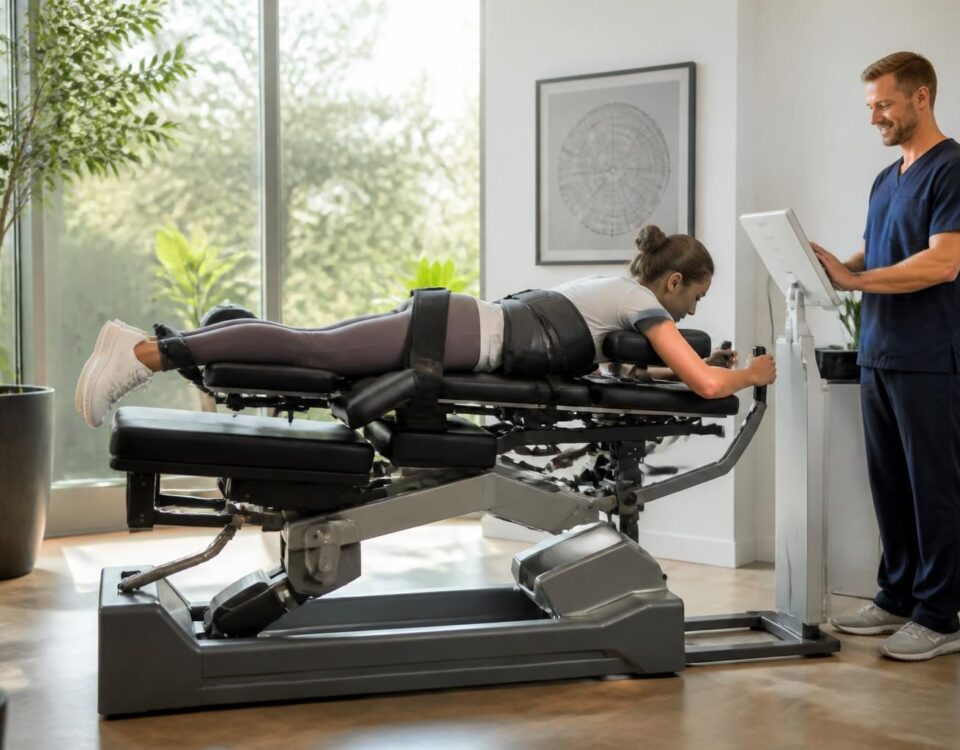
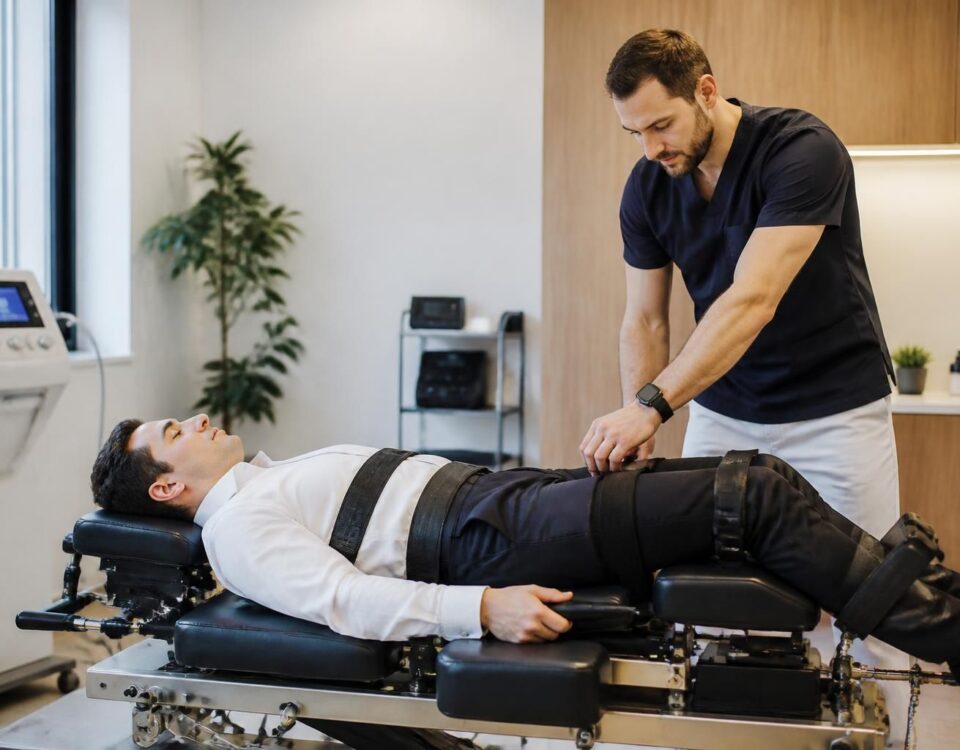
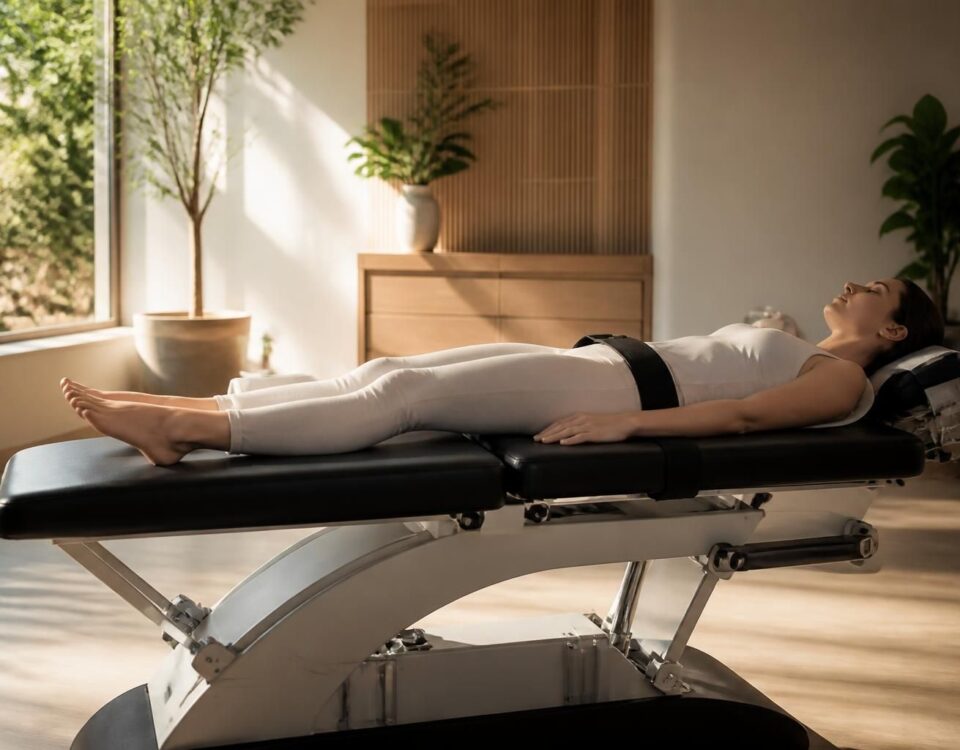
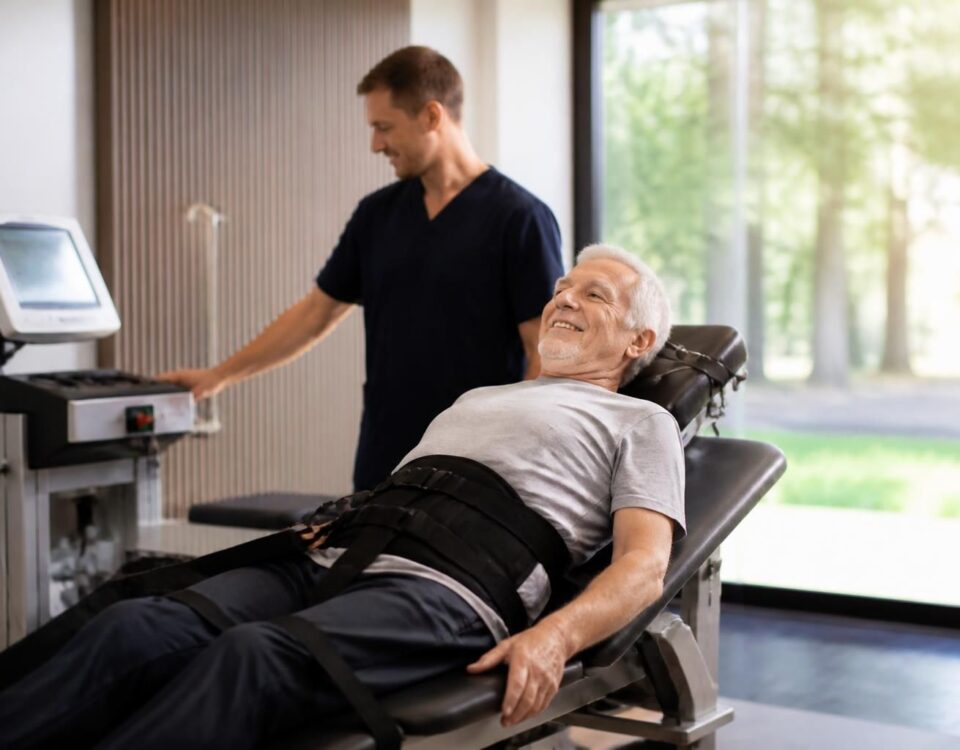
The neurovertebral decompression is a technique non-invasive which applies a Soft and controlled traction on the cervical spine. It creates a space between the vertebrae, which reduces the pressure on the cervical nerves and discs. This action facilitates the hydration and nutrition of intervertebral discs and can promote local tissue regeneration. The sessions are designed to be safe and adapted to each patient.
How does it affect chronic cervical pain?
By reducing intra-discal pressure and improving local circulation, decompression reduces inflammation and associated pain. This approach targets the mechanical causes of pain, including disc dysfunctions and nerve compressions, without the need for surgery. With an appropriate stimulation, it can help restore more fluid mobility of the neck and reduce muscle tension.
Advantages and security
Common benefits include a Lasting pain relief, a Improving mobility and an quick recovery compared to more invasive approaches. the shutter non-invasive Reduces operative risks and recovery times. This method integrates easily with other treatments, while offering relative safety superior during proper follow-up.
Eligibility and security
Each patient receives an in-depth initial assessment. History, clinical examination and, if necessary, imaging examinations can be performed to determine eligibility. Contraindications include spinal infections, fractures or certain pathologies. The treatment plan is personalized and can be spread over several sessions, with regular monitoring of results and possible effects.
Integration in care in Montreal
Within the TagMed clinics in Montreal and Terrebonne, neurovertebral decompression is considered in a Multidisciplinary care, aligned with clinical evidence. It is especially aimed at patients looking for a Non-surgical alternative For chronic cervical pain. This approach can be combined with other manual and functional therapies to optimize results and promote quality of life.
Resources and additional readings
To learn more, you can consult the following resources:
– Benefits for Neuropathic Pain
– benefits
Training and practice: Osteopaths are trained in particular through the NUMSS and NAO organizations, as well as the National University of Medical Sciences and National Academy of Institutions osteopathy. Relevant professional references include ACMA (Canadian Alliance of Alternative Medicine), the College of Canadian Osteopaths and the College of Canadian Osteopaths.
For those who are looking for additional information on the treatments offered at the TAGMED clinic, please consult Tagmed Clinic.
Regarding treatments and approaches, it is important to note that the above recommendations do not replace a doctor’s advice. No physiotherapy prescription is provided here. Treatment options at the TagMed Clinic in Montreal or Terrebonne remain the preferred framework for non-surgical approaches.
“Medical disclaimer: The information and advice provided on this site does not replace the health professional’s benefit, diagnosis or treatment. Please note that Dr. Sylvain Desforges osteopath is neither a doctor of medicine nor a doctor, and is not a specialist in a medical specialty as defined by the Collège des Médecins du Québec. Manual medicine, functional medicine and sports medicine as described on this site exclude any medical treatment or diagnosis made by a doctor or specialist doctor. Always consult your doctor for any medical questions. For more details, please read our full legal notice. »
- Mechanism: gentle traction that frees the intervertebral space and rehydrates the discs.
- directions: Chronic cervical pain related to herniated disc, degeneration or radiculopathy.
- Process: initial evaluation, targeted treatment and personalized plan.
- Earnings: Reduced pain, better mobility and rapid recovery.
- Security: Non-invasive with low risk and few side effects.
- Course: Sessions over several weeks with regular reassessment.

This recommendation presents a practical approach to the neurovertebral decompression in the management of Chronic cervical pain, explaining the mechanism, the eligibility criteria, the course of the sessions and the expected results, with advice to optimize the benefits and secure the therapeutic course.
Understanding neurovertebral decompression
The neurovertebral decompression is a technique non-invasive who uses a Controlled traction of the cervical spine. By creating a space between the vertebrae, it reduces the pressure exerted on the Intervertebral discs and the cervical nerves, promoting their rehydration and recovery. This approach aims to reduce pain and restore mobility, while limiting the risks associated with surgical procedures.
The long-term benefits of neurovertebral decompression for spinal health
In short In short, the neurovertebral decompression is a non-invasive approach that decreases the Pressure on intervertebral discs and nerves, favoring the Natural regeneration and tissue recovery. Its long-term benefits include Lasting pain reduction, Improving mobility and from the posture,…
Mode of action and benefits
The beneficial effects of decompression lie in several complementary mechanisms: improvement of blood circulation and nutritional intake to tissues, reduction of inflammation and decreased pain related to nerve compression. By promoting joint mobility and the function of cervical structures, it can allow a gradual resumption of daily activities without persistent acute pain.

Neurovertebral decompression and mobility: a return to an active life
In short In short, the neurovertebral decompression is therapy non-invasive who uses a gentle traction To create a space between the vertebrae and reduce the pressure on the Intervertebral discs and the nerves. It promotes a bloodstream improved, lowers tension…
Eligibility and security criteria
This treatment involves a preliminary medical evaluation. Major contraindications should be excluded such as certain column infections, fractures, tumors or pathologies that require different management. A Personalized evaluation Identifies targeted areas and adapts the protocol to optimize safety and efficiency.
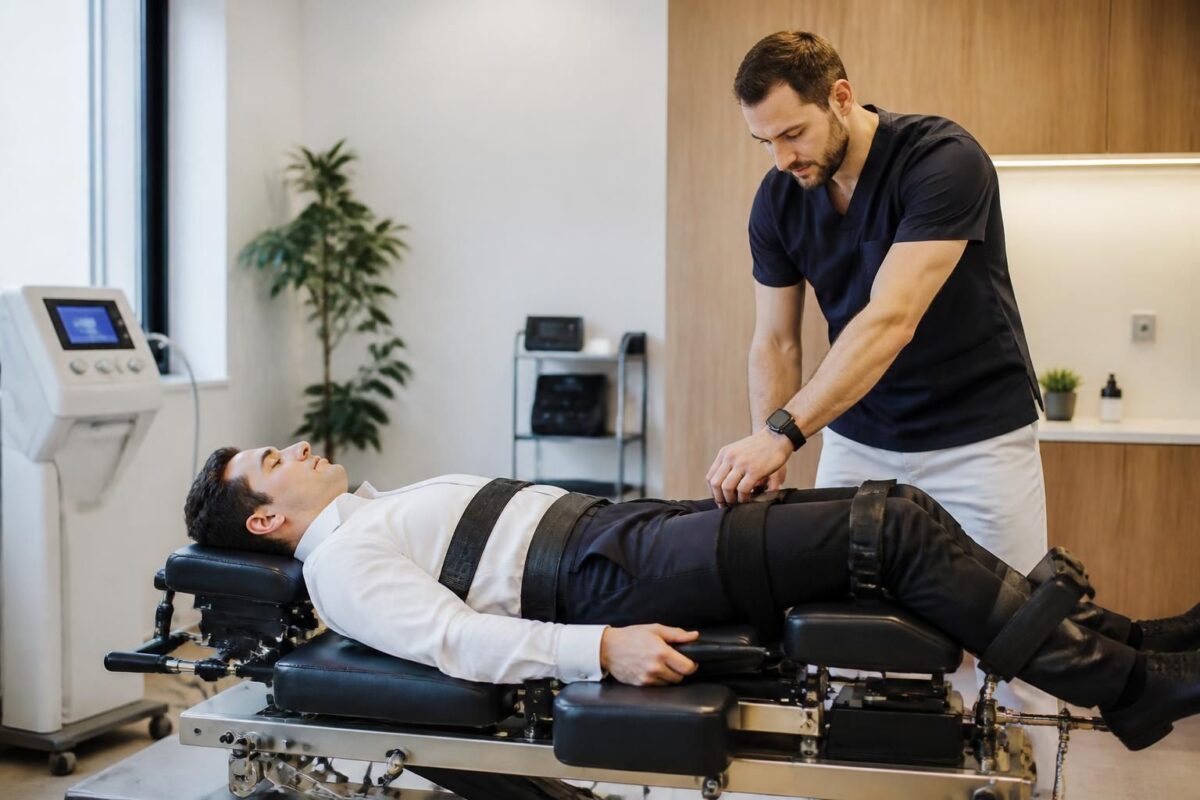
How Neurovertebral Decompression Prevents Diffuse Chronic Pain
In short decompression neurovertebral is one Non-invasive method aimed at reducing the Pressure on the intervertebral discs and the nerves, in order to prevent Diffuse chronic pain. It improves the circulation and thedisc hydration, decreases inflammation and promotes better mobility.…
Support plan and progress
Initial evaluation and imaging
Prior to the start of treatment, full clinical analysis and, if necessary, imaging assessments (e.g. MRI) are used to locate pain sources and plan tailored treatment.
Duration and frequency of sessions
Each session usually lasts between 15 and 30 minutes, with a determined number of sessions depending on the severity of the symptoms and the individual response, usually over several weeks.
Plan Customization
The protocol is adjusted based on pain location, initial pain level and patient tolerance. Regular checks make it possible to adapt intensity and progress to maximize profits while minimizing discomfort.
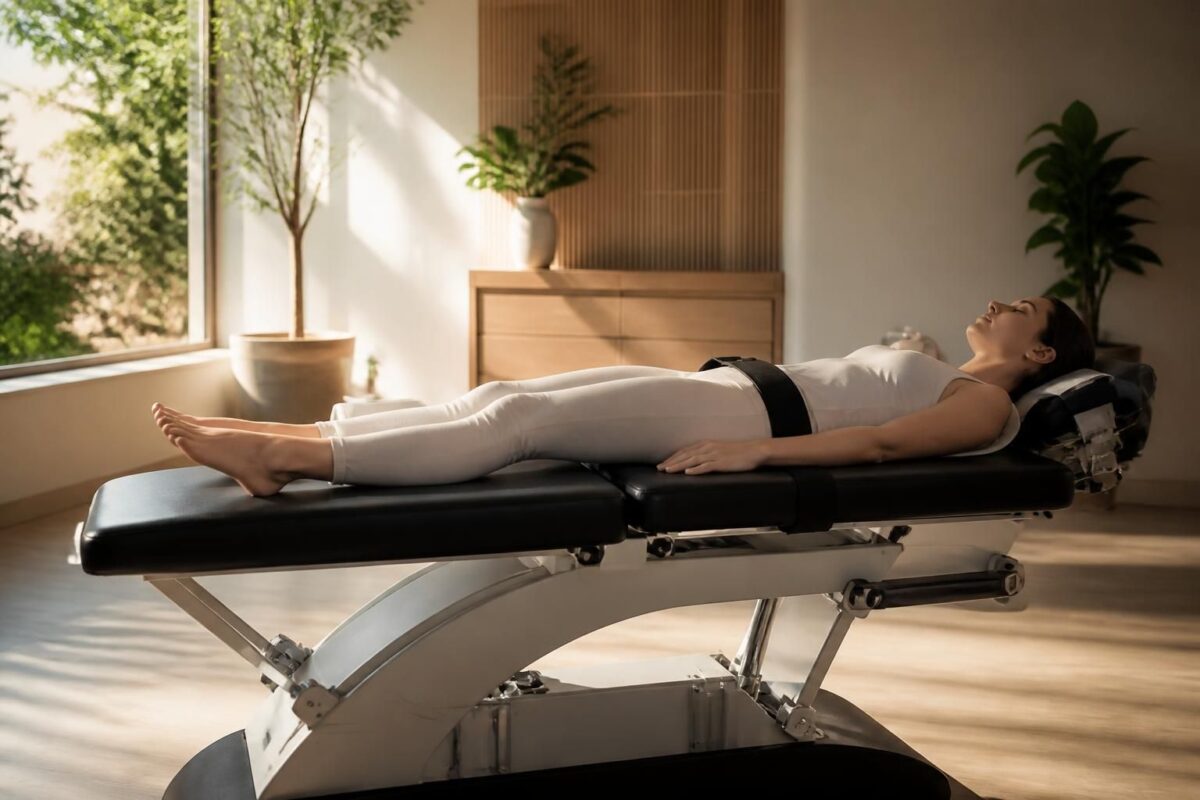
Neurovertebral Decompression and Body Alignment: Restoring Natural Balance
In short In short, neurovertebral decompression is one Non-invasive approach who restores theBody Alignment and thenatural balance back and neck. She acts by a Controlled traction of the spine to widen the intervertebral space and reduce the Pressure on discs…
Realistic advantages and expectations
Patients can expect a Lasting pain reduction, an improvement in the mobility neck and decreased addiction to certain analgesic drugs. The Disk rehydration and improving local circulation support natural healing and offer faster recovery than some invasive approaches.
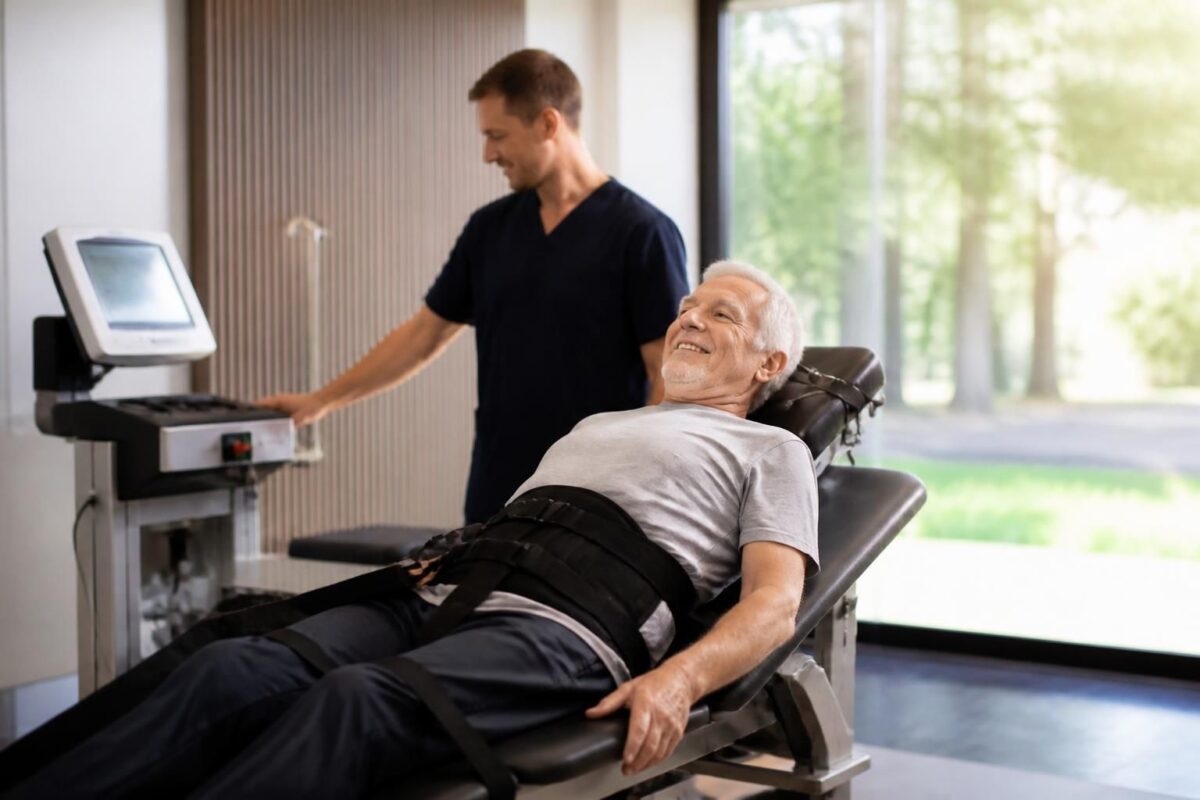
Why neurovertebral decompression is a lasting solution for active seniors
In short In short, the neurovertebral decompression is one Non-invasive therapy which sustainably relieves spinal pain in the spine active seniors By creating, by a Soft and controlled traction, a space between the vertebrae. At Montreal, it is recognized as…
Good practices and daily advice
To optimize the results, it is useful to adopt a Adapted posture On a daily basis, integrate strengthening and supervised stretching exercises, maintain sufficient hydration and take regular breaks during prolonged activities. A global approach integrating manual therapy, physiotherapy and lifestyle is often the most effective.
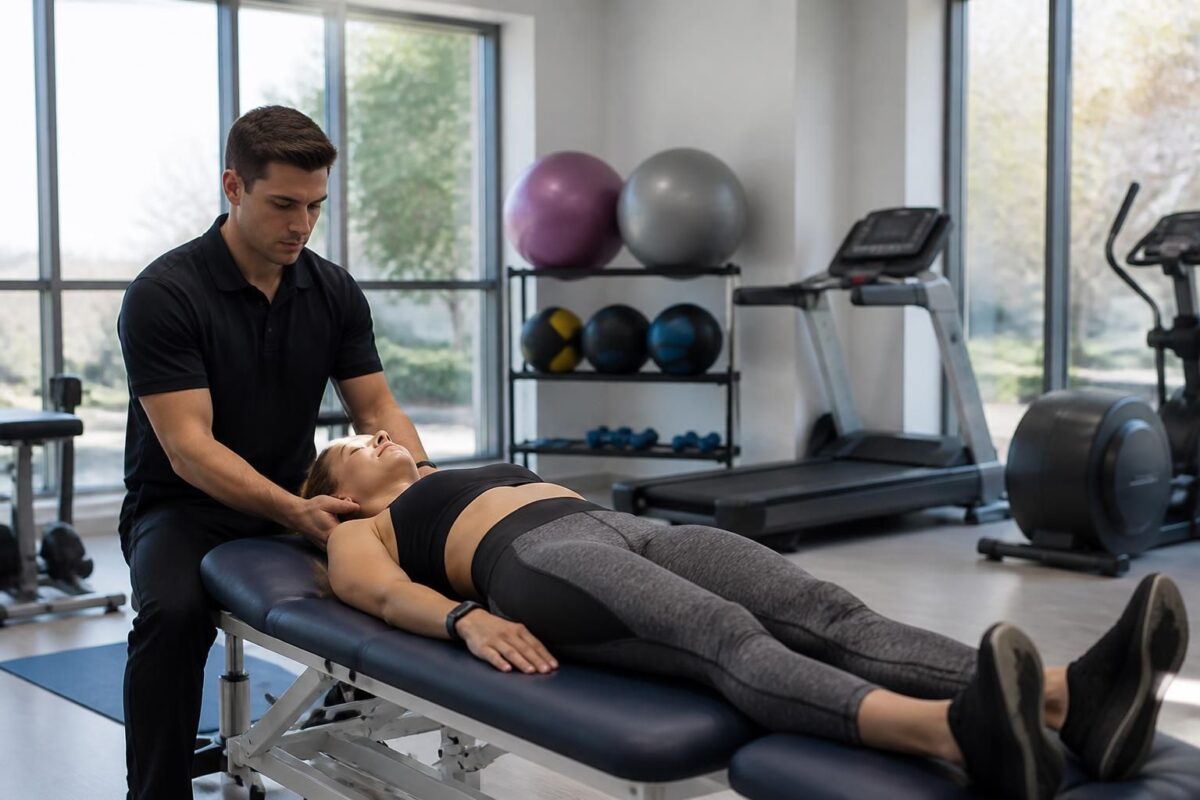
Neurovertebral decompression and recovery after severe sports injury
In short In short, the neurovertebral decompression is one Non-invasive method to Relieve the pressure on the Intervertebral discs and the gristle Via a Controlled traction, to facilitate the recovery After a severe sports injury. It improves the bloodstream towards…
Precautions and final recommendations
Inform your practitioner of any changes in symptoms, taking new treatments or existing medical conditions. Strictly follow the established plan and do not undertake self-medication or unsupervised adjustments. Safety and effectiveness are based on professional evaluation and appropriate treatment monitoring.
Medical Warning: The information provided does not replace the advice of a health professional and does not constitute an individual medical diagnosis or treatment. Always consult your doctor or osteopath for any medical questions or therapeutic decisions.
| Axis | Concise description |
|---|---|
| Definition and purpose | neurovertebral decompression is a Non-invasive approach Aiming to reduce pressure on discs and cervical nerves to relieve pain and restore mobility. |
| Key mechanism | Traction Soft and controlled which creates an intervertebral space and promotes thehydration and tissue regeneration. |
| Main directions | chronic cervical pain related to slipped disc or a radiculopathy; non-surgical alternative to consider. |
| Nature of the intervention | without surgery or anesthesia; low risk and recovery quick. |
| Major Benefits | reduction of the pain, improvement of the mobility, decreased drug dependence. |
| Limits and contraindications | contraindicated in case of infections or fractures; Medical assessment initial necessary. |
| Integration in the course | complements osteopathy and physiotherapy; Can fit into a custom plan. |
| Duration and progress | sessions short, adapted progression, progressive results over a few weeks. |
| Accessibility and security | Clinical option non-invasive with Control and monitoring And without surgery. |
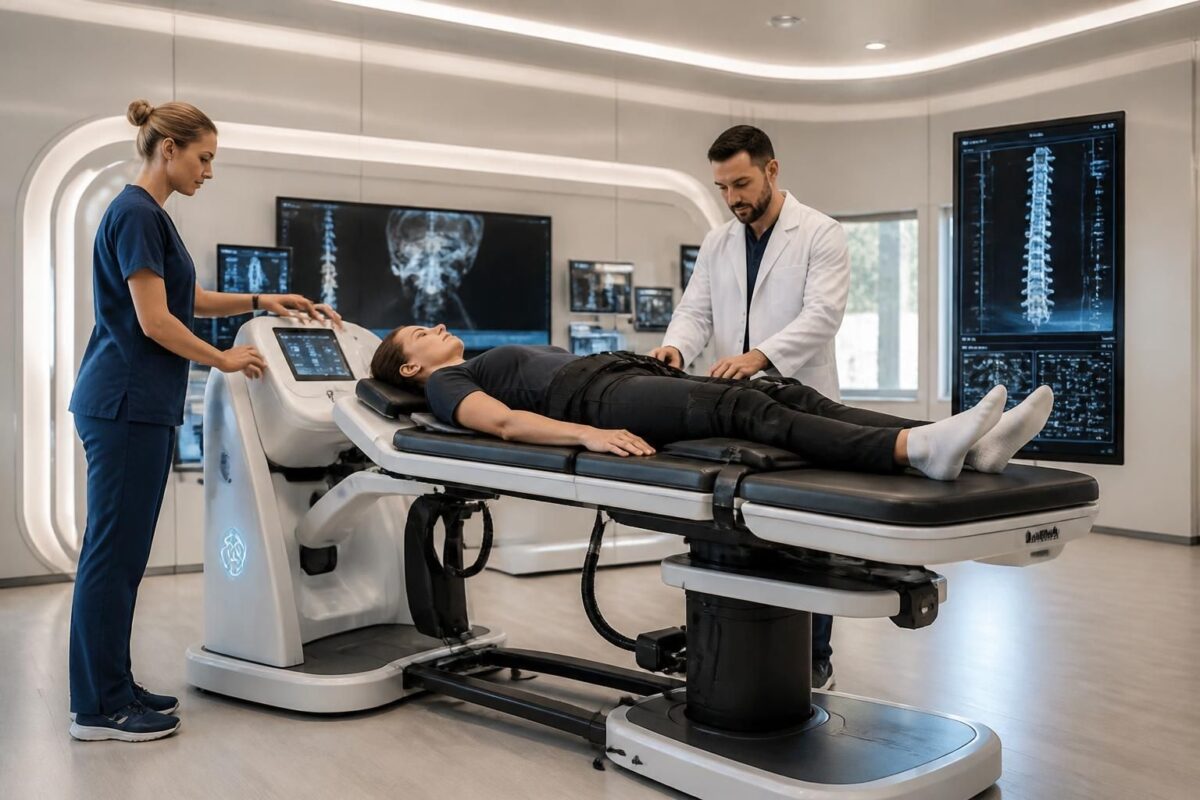
Recent innovations in neurovertebral decompression technologies
In short In short, the neurovertebral decompression is an approach non-invasive Aiming to reduce pressure on discs and nerves, and promote tissue regeneration. At Montreal, it is positioned as an effective option for lower back pain and herniated discs. The…
Testimonials on neurovertebral decompression and chronic cervical pain management
Lucie, 42 years old : Before undertaking neurovertebral decompression, MES Chronic cervical pain made every move difficult. After a few sessions, I felt a Significant pain reduction and an Mobility found. This approach non-invasive with a gentle traction favored a better Fluid circulation around the discs and supported the recovery without heavy drugs.
Jean-Pierre, 57 years old : My work requires repetitive gestures that have caused severe cervical pain even in the shoulders. After treatment, I found a Significant improvement in mobility And much more restorative nights. The process is non-invasive, and the sessions, short (15 to 30 minutes), allowed me to resume my activities with much less pain and tension.
Sophie, 36 : Following an accident, my cervical pain persisted and limited my daily movements. Thanks to the neurovertebral decompression, the pain has greatly diminished After a few sessions, and I was able to Upgrade my favorite activities without fear of triggers. I particularly appreciate the fact that this treatment remains soft and well-tolerated.
Marc, 63 : I had lost hope of improving my posture and my cervical mobility. After the program, my pain gradually decreased and my posture improved significantly. This approach personalized and non-invasive gave me a Quality of life found And a feeling of revitalization on a daily basis.
Claire, 50 years old : the pain related to cervical wear made my days difficult. Since the beginning of the treatment, I notice less pain and an Better disc hydration Thanks to the soft traction that promotes the intervertebral space. It’s a solution secure which allows me to continue my activities without depending on analgesics.
The neurovertebral decompression is a non-invasive therapeutic approach that takes care of chronic and severe cervical pain by tackling their underlying cause. By applying gentle and targeted mechanical traction on the cervical spine, this method creates a space between the vertebrae, releasing the pressure exerted on the intervertebral discs and cervical nerves. This pressure reduction promotes disk rehydration, improves nutrient circulation and supports tissue regeneration processes, thus contributing to a lasting decrease in pain and regained mobility.
This approach, when performed with precision and professional supervision, acts as a natural healing catalyst. By reducing inflammation and restoring spinal alignment, it allows the body to regain its functional balance. The underlying mechanisms include improving blood supply in the cervical region and stimulating tissue repair mechanisms, which results in a gradual decrease in discomfort and better ability to perform daily gestures without persistent pain.
Typical indications for neurovertebral decompression concern chronic cervical pain related to conditions such as degenerative discs, protrusions or radiculopathies, when preservative treatments are preferred before any invasive intervention. Before starting the treatment, a complete evaluation is carried out, including a clinical examination and, if necessary, imaging explorations to confirm eligibility and personalize the therapeutic plan. This customization ensures that each patient benefits from a protocol adapted to their anatomy and the intensity of their pain.
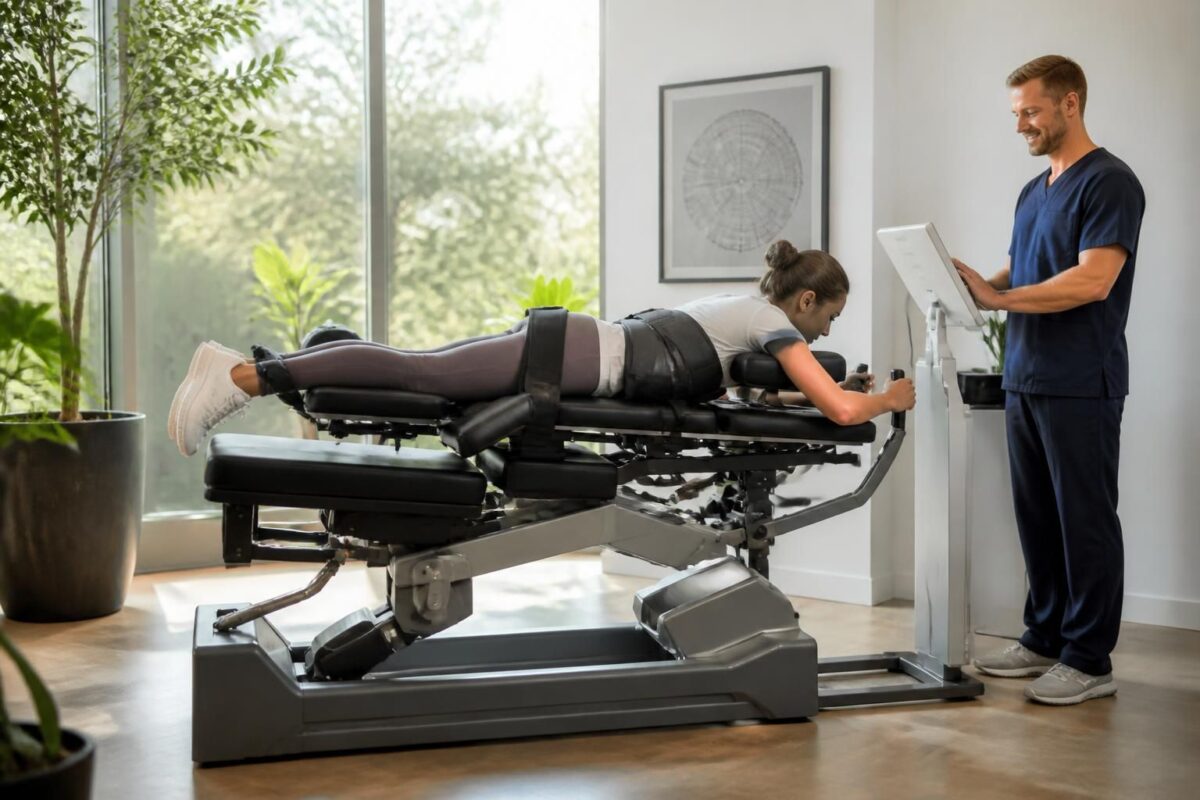
The treatment framework is based on structured sessions, generally short and regular, during which the patient remains comfortably seated on a specialized table. The duration of each session varies but is generally between 15 and 30 minutes, with fine adjustments to the traction depending on the individual responses. This progressive approach promotes rapid recovery and lasting gains in mobility, while limiting risks and side effects compared to surgical or pharmacological interventions.
This method fits seamlessly into a comprehensive pain management strategy, often combining targeted exercises, postural counseling and, when needed, other manual therapies. Neurovertebral decompression acts as an effective lever to reduce drug dependence and prevent complications related to more invasive treatments. In practice, it makes it possible to improve cervical function, to reduce muscle tension and to restore an active and satisfactory quality of life.
Dr. Sylvain Desforges, osteopath and expert in manual medicine, is committed to proposing an evidence-based approach for the management of cervical pain. Through the TagMed clinics and its teams, he favors an integrated approach that combines neurovertebral decompression, osteopathy, and complementary technologies, in order to offer measurable and safe results. Its objective is to guide each patient towards better health, by favoring non-invasive solutions that sustainably support well-being and mobility.
This text offers a detailed summary of neurovertebral decompression as an effective option for chronic cervical pain management. It exposes the mechanisms of action, the expected benefits, the eligibility criteria, as well as the resources to deepen the subject, without resorting to surgical intervention and favoring a personalized and progressive approach.
The neurovertebral decompression is based on a Soft and controlled traction which creates a space between the vertebrae, reduces the pressure on the Intervertebral discs and the cervical nerves, and promotes hydration and tissue regeneration. This approach aims not only to reduce pain but also to improve the mobility and the function of the cervical structures, while remaining non-invasive and compatible with other therapeutic modalities.
From the point of view of earnings, patients can observe significant pain reduction after a few sessions, with faster recovery and decreased addiction to painkillers. Relative safety and low side effects profile make it an option often considered before any surgery, especially when diagnoses suggest discs or cervical radicular syndromes. The results vary according to the individual and the severity of the attacks; Early assessment and personalized planning are essential to maximize efficiency.
As for theeligibility, the assessment usually includes an in-depth clinical examination and, as appropriate, imaging such as MRI to identify the exact origin of cervical pain. Any contraindications (vertebral infections, fractures, etc.) are examined in order to guarantee optimal treatment safety and avoid unnecessary risks. A tailor-made treatment plan, adjusted to the evolution of the patient, is generally proposed and can be integrated into rehabilitation or osteopathy programs to consolidate the benefits.
To deepen knowledge and access complementary perspectives, you can consult several specialized resources that present analyzes and clinical results around neurovertebral decompression:
How to effectively relieve cervical pain, Neurovertebral decompression for severe cervical pain, and How neurovertebral decompression supports intervertebral tissue regeneration.
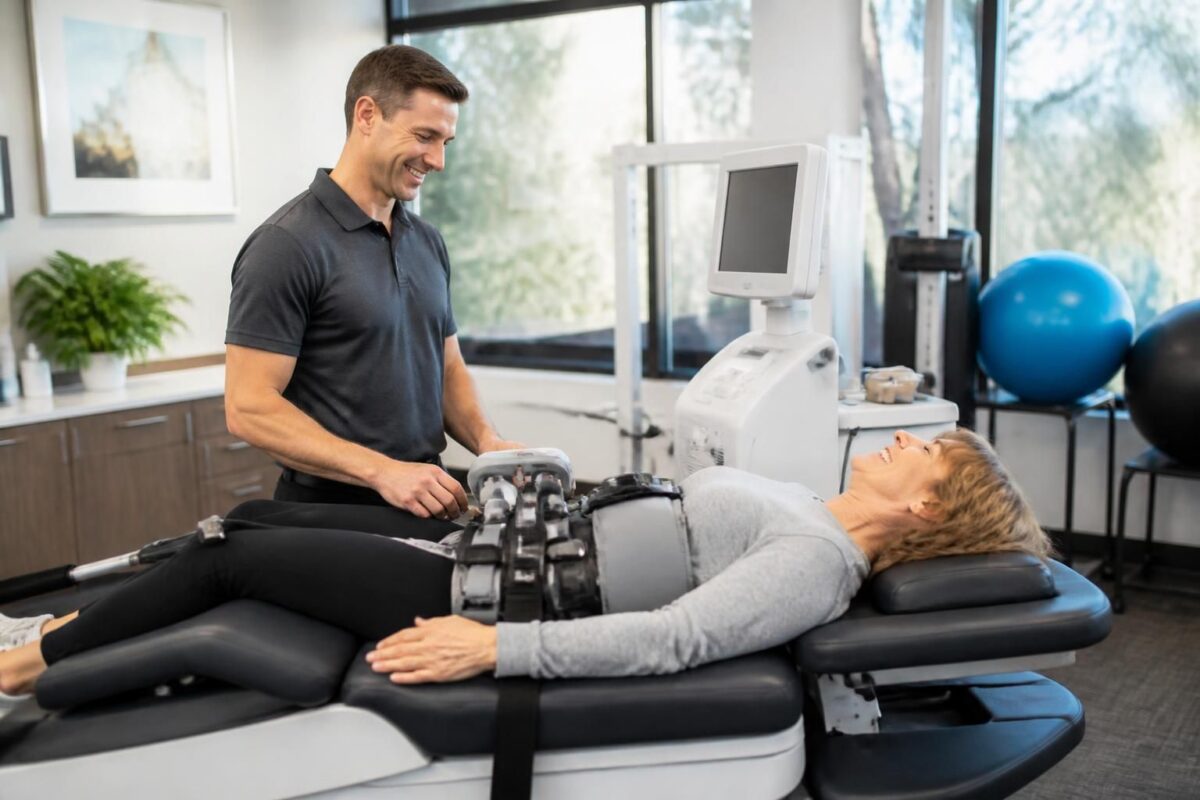
Neurovertebral decompression and diffuse pain: an appropriate solution
In short In short, the neurovertebral decompression is one Non-invasive solution For diffuse pain related to nerve irritation of the spine. She acts in Reducing pressure on intervertebral discs and nerves and improving the bloodstream, which promotes recovery and the…

Dr Sylvain Desforges, B.Sc., D.O., N.D., osteopath, is the founding president of TAGMED and of the ACMA association. He dedicates his practice to chronic spinal pain, low back pain and symptoms compatible with sciatica, particularly when pain radiates toward the buttock, leg, calf, foot or toes.
Through SOS Sciatique, he publishes educational content on sciatica symptoms, possible causes such as disc herniation, disc narrowing, foraminal stenosis or irritation of a lumbar nerve root, as well as non-surgical approaches that may be considered according to the evaluation. At Clinique TAGMED, care may include, depending on the case, motorized neurovertebral decompression, specific osteopathic care or precision percussion.
For an evaluation related to sciatica treatment in Montreal / Mount Royal or sciatica treatment in Terrebonne, please consult the services available at Clinique TAGMED.
Medical disclaimer
The information published on SOS Sciatique is provided for educational purposes only and does not replace a consultation, diagnosis, opinion or treatment provided by a physician or another authorized healthcare professional. The author of this article is neither a medical doctor nor a specialist in a medical specialty recognized by the Collège des médecins du Québec. The osteopathic, manual medicine or functional support approaches described on this site do not constitute medical acts and are not intended to replace medical follow-up.
Consult a physician or emergency service in cases of loss of bladder or bowel control, anesthesia in the saddle area, significant or progressive weakness in the leg or foot, fever, recent trauma, severe pain or rapid worsening of symptoms. For more details, please read our Legal Notice.