Neurovertebral decompression and spinal mobility: regain optimal flexibility
26/06/2026
Neurovertebral decompression and diffuse neuropathic pain: an adapted solution
26/06/2026
In short
| In short, the neurovertebral decompression for the Spinal stenosis is one Non-invasive method which aims to quickly relieve pain and restore mobility. What is it? It is a gentle traction that creates a space between the vertebrae to reduce the pressure on the nerves and discs. What are the advantages? Quick relief, better mobility, and Prevention of recurrences without surgery. How does it work? A controlled and personalized traction, adapted to each patient, promotes the gradual return to activity and the healing of tissues. accessible to Montreal, this service is particularly recommended for people seeking effective and painless treatment. |
The neurovertebral decompression is ideal for patients with Spinal stenosis because it offers a Non-invasive solution which acts directly on painful factors and mobility. Using soft traction, it creates a space between the vertebrae, which Reduces pressure on nerves and discs and promotes faster recovery.
- Quick relief pain and improvement in mobility After a few sessions.
- Controlled traction Non-surgical which reduces risk and recovery time.
- Faster recovery and earlier return to daily activities and working life.
- Prevention of recurrences By promoting the regeneration and hydration of the vertebral structures.
- Personalized approach adapted to each patient and their pain profile.
This article, written by a health professional and expert in osteopathic approach and manual therapy, explains why neurovertebral decompression is a particularly suitable option for patients with spinal stenosis. It summarizes the foundations, clinical benefits, admission criteria and practical considerations, while remaining focused on safe, non-invasive evidence and practice.
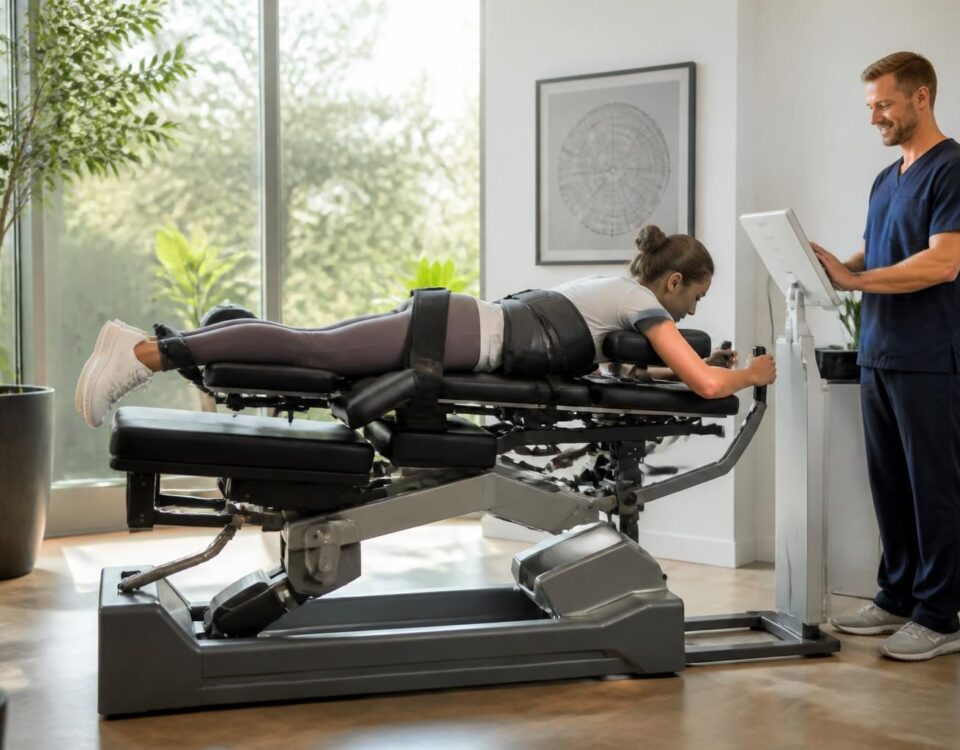
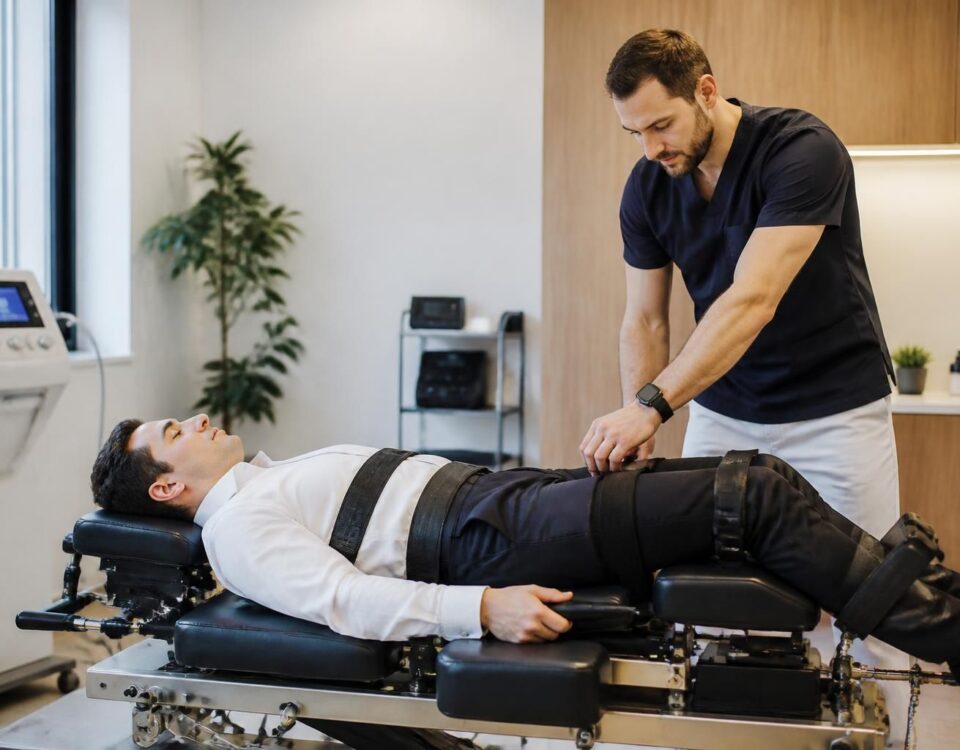
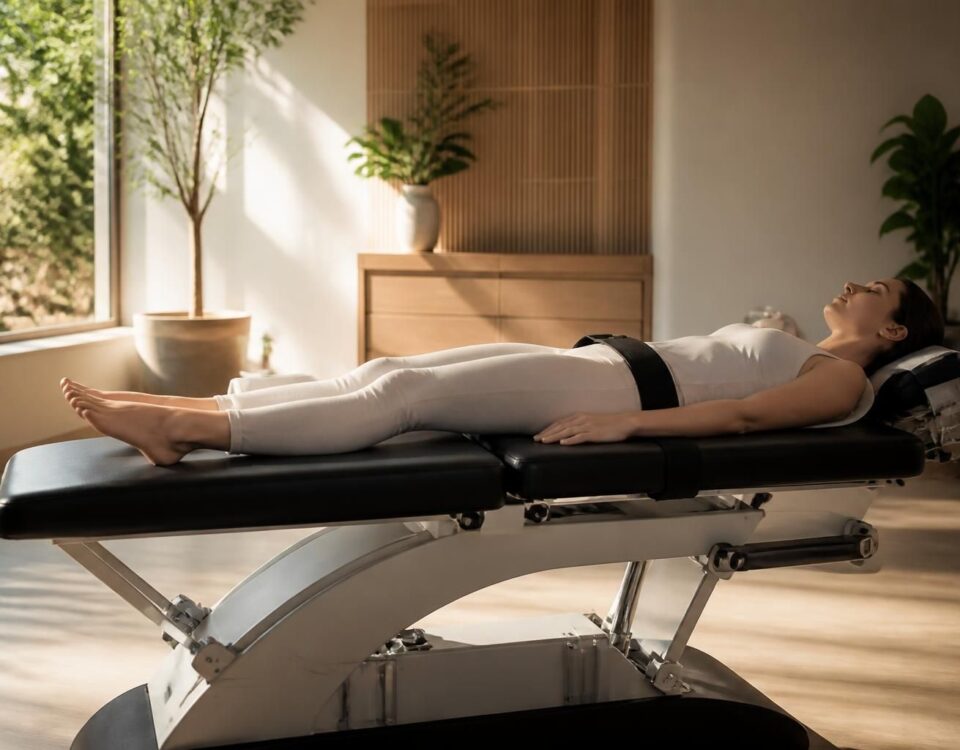
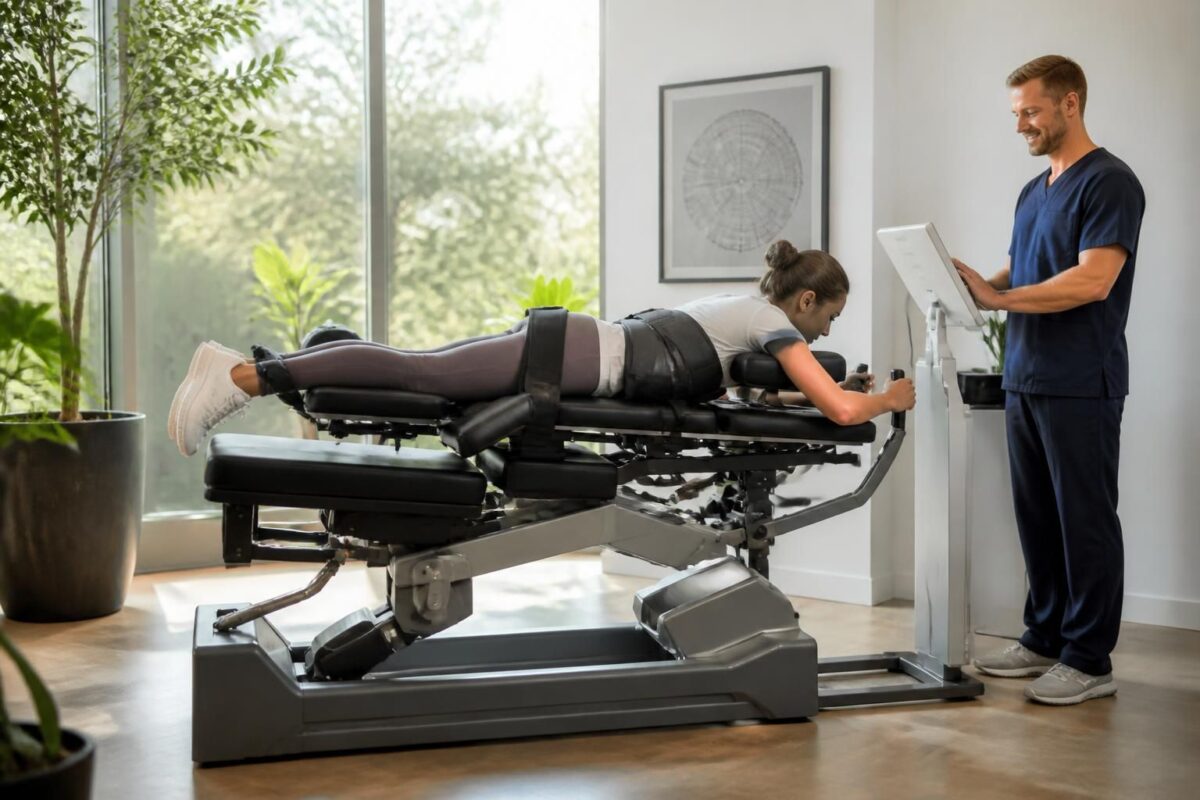
Spinal stenosis causes spinal canal narrowing and nerve compression. Neurovertebral decompression uses gentle, controlled traction to create a space between the vertebrae. This action decreases pressure on nerves and discs, which can help restore more natural mobility and reduce pain.
This method is non-invasive and offers a valuable alternative to surgery for patients who are looking for a safe and effective option. It is associated with a faster return to daily activities without the risks and recovery times specific to surgery. In Montreal and the surrounding area, it is offered in specialized clinics such as the TagMed Clinic.
Principle and mechanism
The principle is based on perfectly controlled traction which gradually increases the intervertebral space. This improves the hydration and nutrition of the discs, and can release compressed nerve roots. This approach acts directly on the mechanical causes of pain without having surgery.
Clinical benefits and mobility
Patients often report a rapid decrease in pain after the first sessions and an improvement in amplitude of movement. This improvement in mobility makes it possible to resume usual activities with less discomfort and less functional limitations.
Security and accessibility
Neurovertebral decompression is a non-invasive therapy, which reduces the risks associated with surgical procedures. It is administered in specialized clinics and can be used as an integral part of a multidisciplinary care pathway. Access can be facilitated via recognized centers and qualified professionals in environments such as TagMed in Montreal and Terrebonne.
Indications and patient profiles
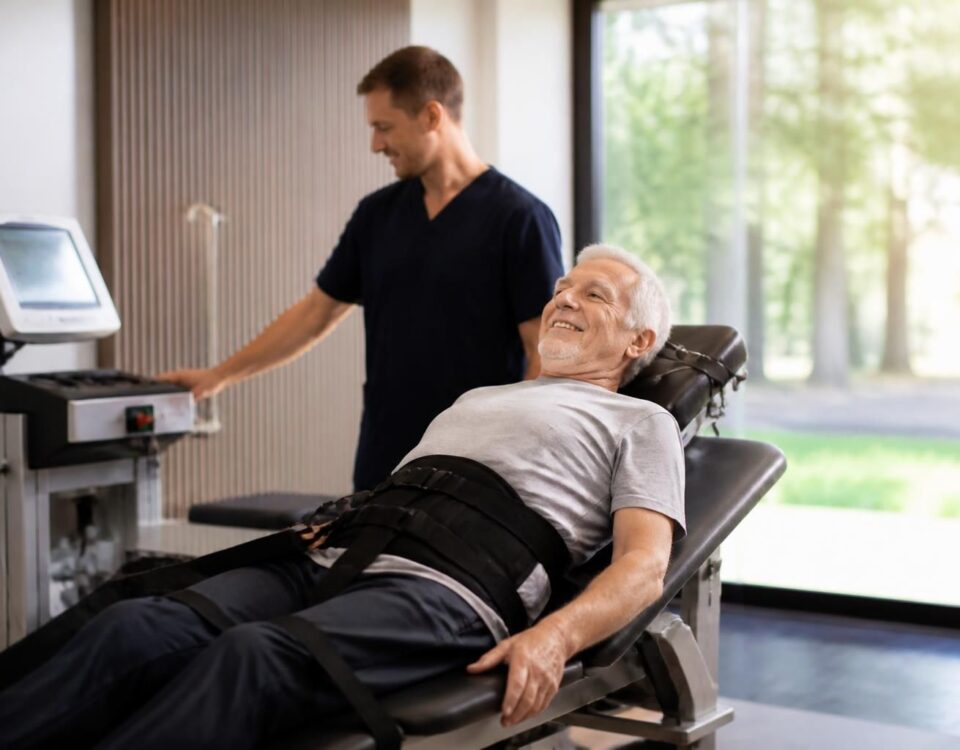
Typical indications include people with symptomatic spinal stenosis and wishing to avoid surgery. It is also aimed at patients in rehabilitation after injury, athletes in recovery and elderly people looking for a gentle and effective approach to improve mobility and reduce pain without surgery.
Processing and follow-up process
The treatment is based on standardized and personalized protocols, adapted to each patient after evaluation. The goal is to obtain progressive relief, promote better nervous function and prevent recurrences, while avoiding the risk of surgical invasion.
Additional resources and information
To learn more, see neurovertebral decompression and its applications, including articles and guides available on the following partner sites:
How neurovertebral decompression affects diffuse back pain,
Decompression and recovery after a complex sports injury,
Role and patient knowledge,
Neurovertebral decompression and prevention of stenosis recurrences.
As part of training and practice, training in osteopathy and clinical practices can be associated with recognized institutions such as NUMSS and NAO, to ensure consistent training and practice. Relevant professional associations include ACMA (Canadian Alternative Medicine Alliance) and reference bodies such as the College of Canadian Osteopaths and the College of Canadian Ostropaths.
Regarding non-surgical treatments, protocols can be compared to other approaches to assess relative efficacy, but any treatment must be part of a patient-centric care approach and performed in a TAGMED clinic, when relevant.
For patients, the goal is to achieve lasting improvement in mobility and significant reduction in pain, while preserving safety and comfort. The option is particularly suitable when the goal is to avoid or delay surgery and to pursue an active life with fewer limitations.
To further deepen, see the following resources and associated pages:
Neurovertebral decompression – Wikipedia,
Benefits of Neurovertebral Decompression Explained.
Training and practice in reference institutions focus on programs recognized according to the NUMSS, NAO and National University of Medical Sciences standards. Relevant professional associations include ACMA, College of Canadian Osteopaths and College of Canadian Osteopaths. For patients and families, TagMed offers dedicated clinical services, with a focus on rigorous assessments and safe and effective protocols.
Note, the following informative sites provide additional information on neurovertebral decompression and its applications in the context of disc and nervous conditions:
Nocturnal pain and decompression,
Relief of acute sciatica,
Benefits explained.
For any questions and to plan an evaluation, contact TagMed Montreal or Terrebonne via CliniqueTagmed.com.
Medical Disclaimer: The information and advice provided on this site does not replace the health professional’s diagnosis or treatment. Please note that Dr. Sylvain Desforges osteopath is neither a doctor of medicine nor a doctor, and is not a specialist in a medical specialty as defined by the Collège des Médecins du Québec. Manual medicine, functional medicine and sports medicine as described on this site exclude any medical treatment or diagnosis made by a doctor or specialist doctor. Always consult your doctor for any medical questions. For more details, please read our full legal notice.
- non-invasive : No surgery, risk reduction.
- Quick relief : decreased pain after a few sessions.
- Improved mobility : Larger amplitude and smoother movement.
- quick recovery : faster return to daily activities.
- Controlled traction : gentle traction that creates a space between the vertebrae.
- Tissue regeneration : Better circulation and reduction of inflammation.
- Prevention of recurrences : Reduced risk of future pain.
- Adaptability : Personalized protocol according to the patient’s profile.

Quick Summary: neurovertebral decompression Offers an ideal non-invasive solution for patients with spinal stenosis by reducing nerve and disc pressure while restoring natural mobility. This article explains why this therapy is particularly suitable, how it acts, and how it can integrate sustainably into a personalized care course.
understand why it is particularly suitable for stenosis
Spinal stenosis causes compression of the nerve roots and can greatly limit mobility and comfort. neurovertebral decompression Applies gentle, controlled traction on the column to create a space between the vertebrae. This increased space reduces the pressure exerted on the discs and nerves, improves hydration and tissue nutrition, and promotes a gradual disappearance of pain. This non-surgical approach is designed to be comfortable and tolerable from the first sessions, while preparing the ground for sustainable functional recovery.
Key clinical mechanisms
By allowing progressive realignment of the vertebral structures, decompression helps restore a more natural range of motion. It acts not only on pain, but also on nervous function and local circulation, which contributes to faster recovery and better resilience in the face of recurrences.
The long-term benefits of neurovertebral decompression for spinal health
In short In short, the neurovertebral decompression is a non-invasive approach that decreases the Pressure on intervertebral discs and nerves, favoring the Natural regeneration and tissue recovery. Its long-term benefits include Lasting pain reduction, Improving mobility and from the posture,…

Neurovertebral decompression and mobility: a return to an active life
In short In short, the neurovertebral decompression is therapy non-invasive who uses a gentle traction To create a space between the vertebrae and reduce the pressure on the Intervertebral discs and the nerves. It promotes a bloodstream improved, lowers tension…
Benefits for the patient
Among the major benefits, non-invasiveness and the low risk profile are strongly distinguished from surgical options. No general anesthesia or heavy rehabilitation, and few or no side effects; Protocols can be adjusted depending on the patient and the severity of the stenosis. This customization makes it possible to obtain concrete results without the usual disadvantages of invasive interventions.
Comfort and safety
The traction is adapted to each patient, monitored and modular, which makes the treatment safe even for people who are sensitive or weakened by age or comorbidity. The goal is a progressive and lasting relief, without acute pain or significant discomfort during the sessions.
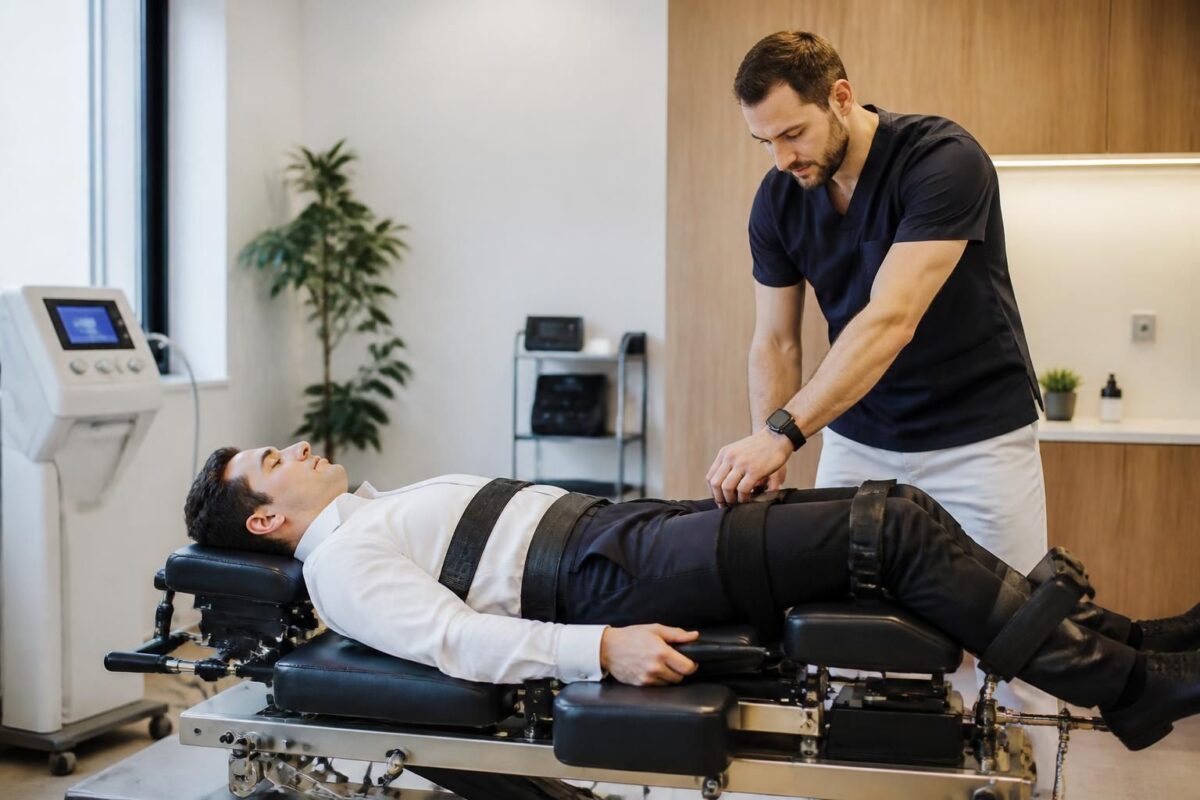
How Neurovertebral Decompression Prevents Diffuse Chronic Pain
In short decompression neurovertebral is one Non-invasive method aimed at reducing the Pressure on the intervertebral discs and the nerves, in order to prevent Diffuse chronic pain. It improves the circulation and thedisc hydration, decreases inflammation and promotes better mobility.…
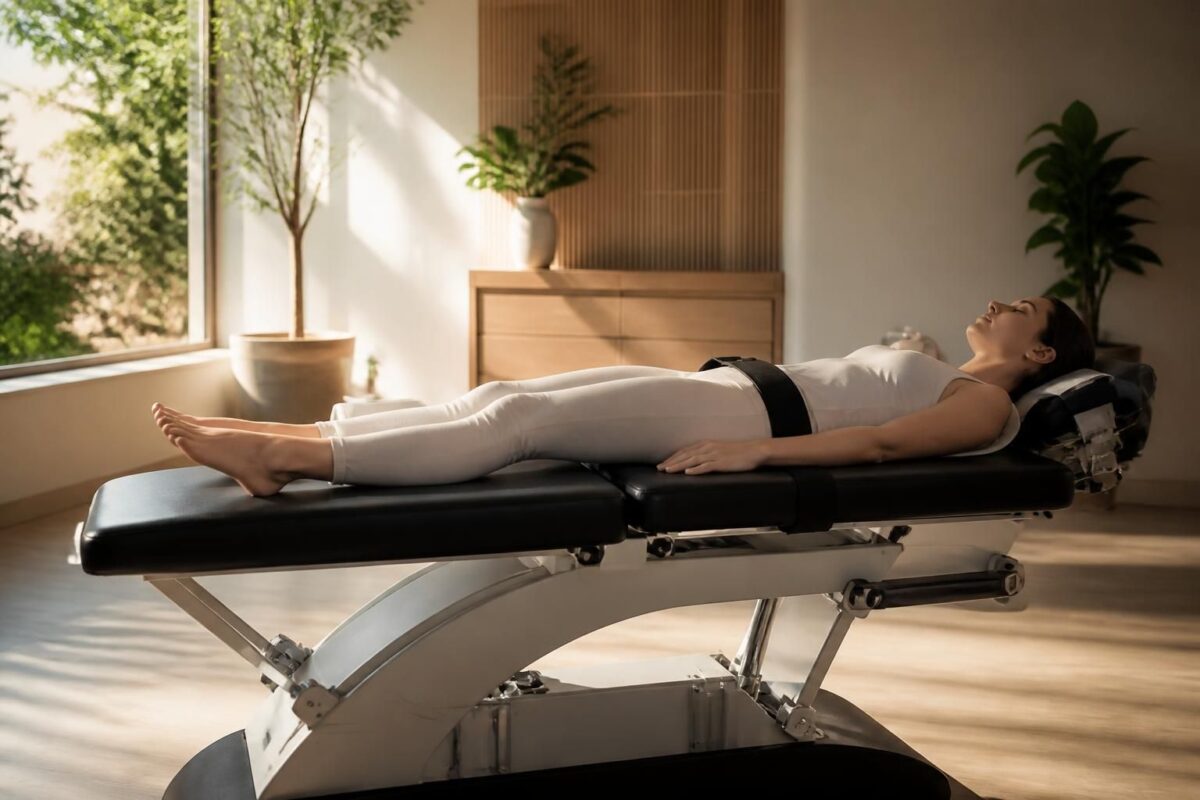
Neurovertebral Decompression and Body Alignment: Restoring Natural Balance
In short In short, neurovertebral decompression is one Non-invasive approach who restores theBody Alignment and thenatural balance back and neck. She acts by a Controlled traction of the spine to widen the intervertebral space and reduce the Pressure on discs…
Impact on mobility and daily activities
By improving the intervertebral space and reducing pressure on the nerve roots, this therapy restores better flexibility and facilitates the movement of the joints. Patients often see an easier recovery in daily activities, work and leisure, with a significant decrease in pain and swelling limitations.
Recovery and prevention of recurrences
In addition to the initial relief, decompression protocols are part of a rehabilitation strategy that aims to prevent recurrences through additional exercises, postural advice and a suitable fitness plan. This integrated approach promotes long-lasting stability of the column and a better quality of life in the long term.
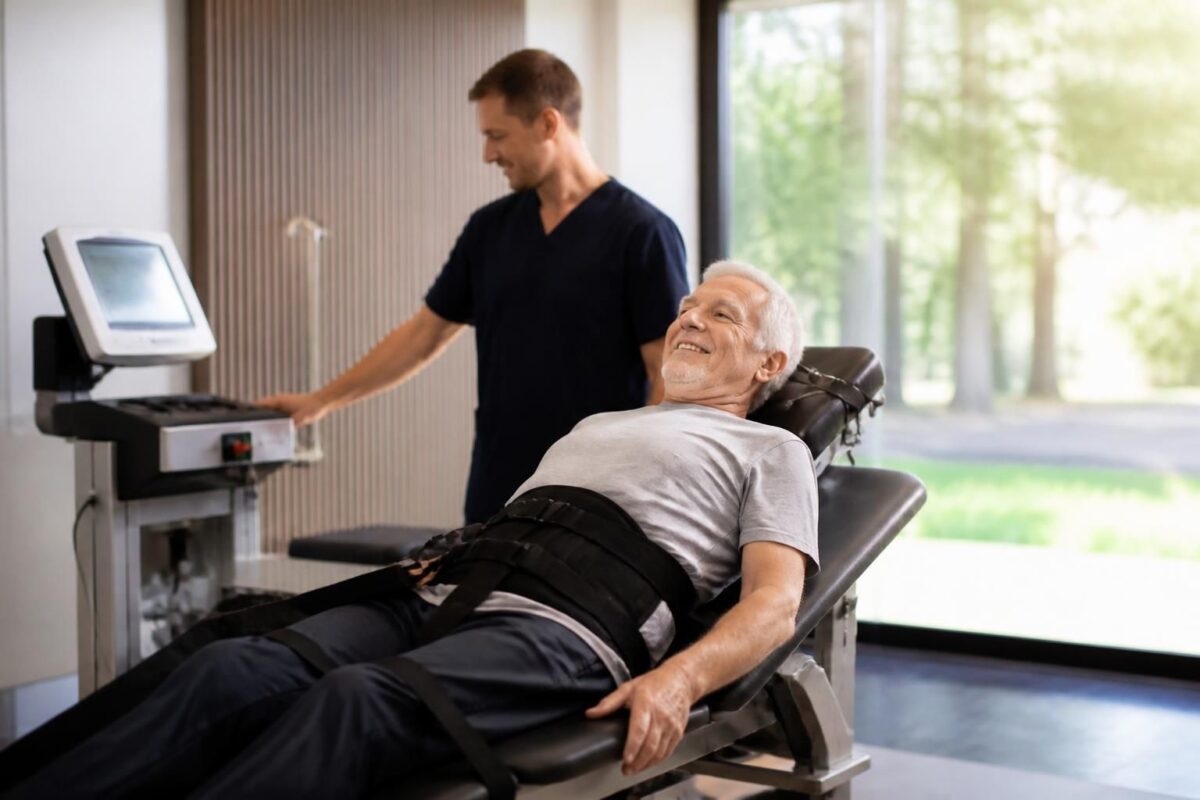
Why neurovertebral decompression is a lasting solution for active seniors
In short In short, the neurovertebral decompression is one Non-invasive therapy which sustainably relieves spinal pain in the spine active seniors By creating, by a Soft and controlled traction, a space between the vertebrae. At Montreal, it is recognized as…
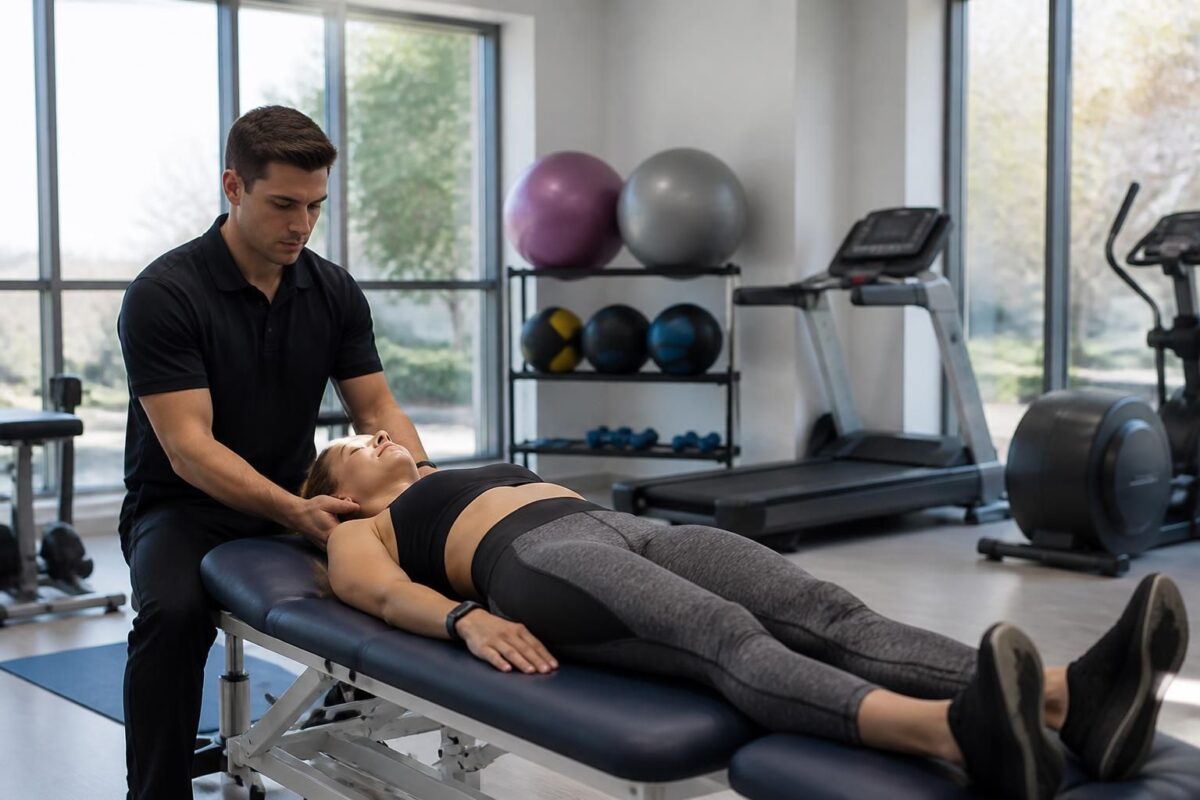
Neurovertebral decompression and recovery after severe sports injury
In short In short, the neurovertebral decompression is one Non-invasive method to Relieve the pressure on the Intervertebral discs and the gristle Via a Controlled traction, to facilitate the recovery After a severe sports injury. It improves the bloodstream towards…
Integration into a personalized care plan
Treatment can be coordinated with other manual therapies, thermotherapy techniques or laser, depending on the patient’s profile. Each session is adjusted according to the evolution of symptoms and functional progress, guaranteeing measurable progression adapted to your objectives.
To assess your eligibility and benefit from a suitable plan, discuss with a qualified professional and schedule a personalized assessment of your column and activities.
| Criterion | snide profit |
|---|---|
| Non-invasive efficacy | Quick and lasting relief without surgery |
| Nerve and disc pressure reduction | Increased intervertebral space and reduction in nerve compression |
| Improving mobility | Improved range of motion and flexibility |
| quick recovery | Quick return to daily activities after the sessions |
| Security and low risk | Less risk than surgery and no incision |
| Processing customization | adapted to the profile and pathology of the patient |
| Prevention of recurrences | risk reduction of Chronic pain future |
| Integration with other approaches | Compatible with other conflict-free therapies |
| Non-surgical alternative | Avoids the risks and recovery time associated with surgery |
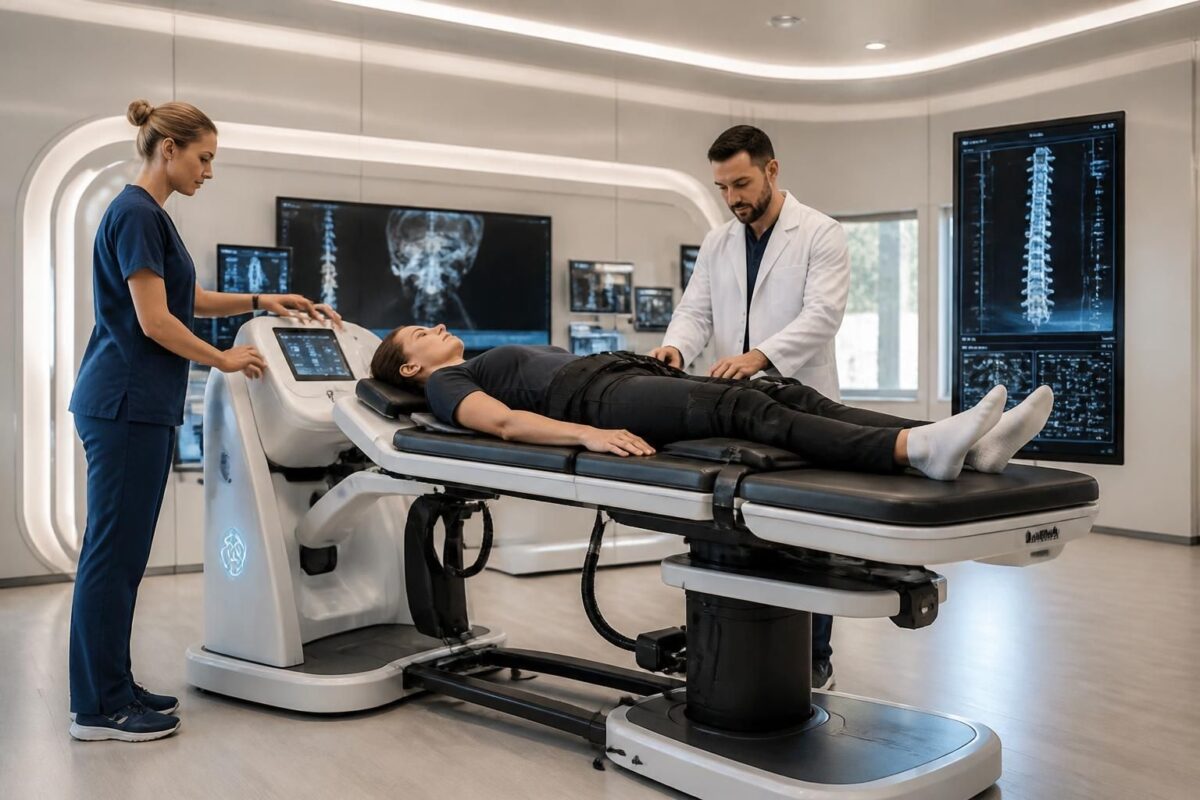
Recent innovations in neurovertebral decompression technologies
In short In short, the neurovertebral decompression is an approach non-invasive Aiming to reduce pressure on discs and nerves, and promote tissue regeneration. At Montreal, it is positioned as an effective option for lower back pain and herniated discs. The…
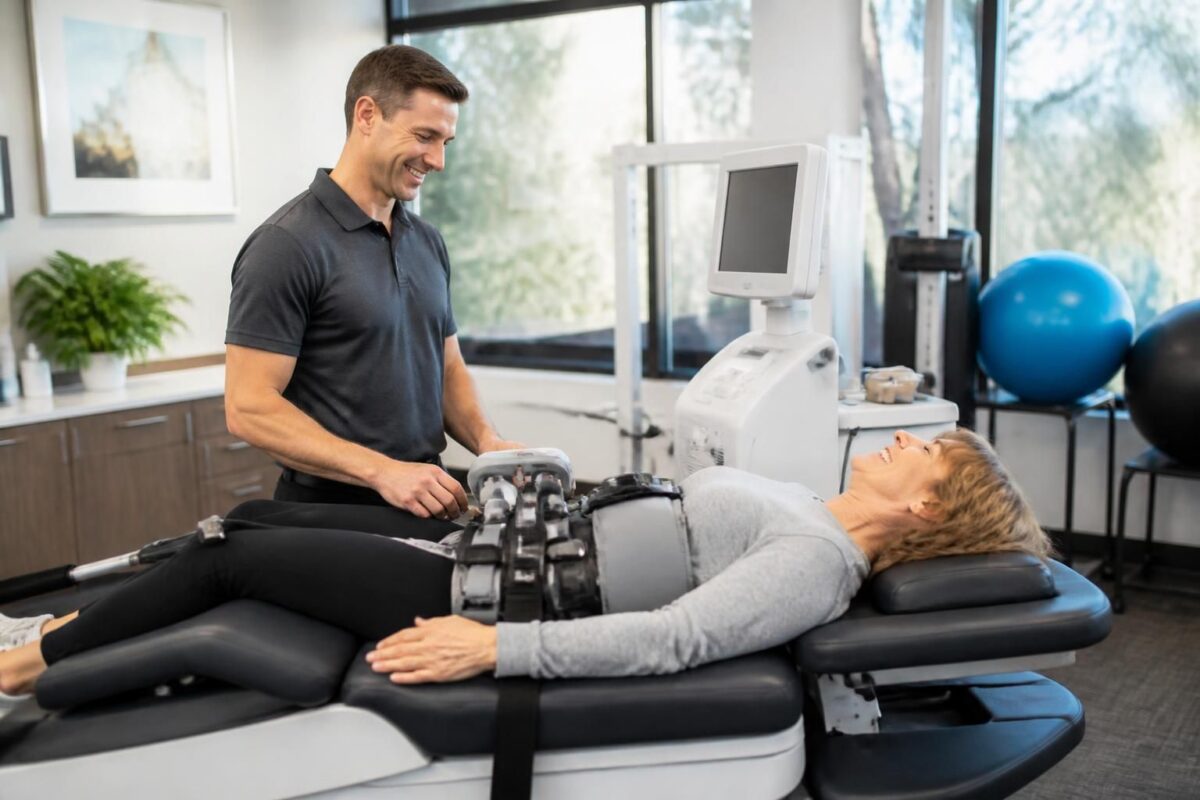
Neurovertebral decompression and diffuse pain: an appropriate solution
In short In short, the neurovertebral decompression is one Non-invasive solution For diffuse pain related to nerve irritation of the spine. She acts in Reducing pressure on intervertebral discs and nerves and improving the bloodstream, which promotes recovery and the…
Testimonials: Why neurovertebral decompression is ideal for patients with stenosis
Marie, 54, teacher: “After years of pain related to the Spinal stenosis, I started the neurovertebral decompression. Not invasive, the treatment was comfortable and my pain decreased rapidly. I can walk again without pain and resume my daily activities. This approach gave me real relief and a noticeable improvement in my mobility and my quality of life. »
Jean, 60, retired: “Before, the fear of surgery blocked me in my active life. With the neurovertebral decompression, I discovered an option non-invasive which relieves the pain and allows me to find short walks without suffering. the fact that the treatment is personalized and focused on Reduced nerve pressure gives me confidence in my ability to resume my favorite activities while avoiding surgery. »
Sophie, 47, dancer: “As a dancer, my mobility and my flexibility are essential. Since the start of the program, the neurovertebral decompression allowed me to reduce the tensions around the nerves and to improve my movements. It’s a method fresh Who respects my body while allowing me to continue to evolve on stage without pain. »
Philippe, 55, amateur athlete: “My goal was to resume training without feeling this throbbing pain linked to the Spinal stenosis. Thanks to the neurovertebral decompression, I found a recovery faster and a mobility found. It is reassuring to be able to combine physical activity and effective treatment without resorting to surgery. »
Élisabeth, 62, active grandmother: “The pain weighed on my life and my daily actions. After a few sessions, I find the energy necessary to play with my grandchildren, without discomfort. neurovertebral decompression is fresh And adapted to my rhythm, which helps me preserve my autonomy and my joie de vivre. »
Dr. Sylvain Desforges is a recognized expert in the fields of osteopathy, naturopathy and manual medicine. At the head of TagMed and ACMA clinics, he carries a vision oriented towards health innovation and chronic pain management. Its approach is based on scientific evidence and on the integration of advanced technologies in order to sustainably improve the quality of life of patients. In this context, the neurovertebral decompression is positioned as a key option for people facing a Spinal stenosis, offering an effective and less invasive alternative than traditional surgical procedures.
The therapeutic logic behind the neurovertebral decompression Resides in gentle and controlled traction of the spine. This approach aims to Create a space between the vertebrae, which reduces the pressure exerted on the nerves and intervertebral discs. By reducing this pressure, symptoms such as radiant pain, numbness and stiffness decrease, resulting in Improving mobility and a gradual restoration of functional capacities. This non-surgical method is designed to be comfortable and tolerated by most patients, including those who are reluctant to resort to invasive intervention.
The earnings From this therapy go far beyond a punctual pain relief. Thanks to the reduction in pressure on the nerves and discs, patients find a Faster recovery and a better ability to resume daily activities without major pain. The mobility regains a natural amplitude, and tensions around the vertebral joints decrease, which promotes Prevention of recurrences and better postural stability. In addition, this approach supports tissue nutrition and regeneration of damaged structures, contributing to lasting healing and decreases in long-term painful episodes.
At Desforges, medical ethics and orientation towards evidence guide each step of treatment. The neurovertebral decompression Is part of a personalized approach, adapting to the specific needs of each patient and coordinating care with other modalities such as laser or shockwave therapies when relevant. This synergy makes it possible to amplify the beneficial effects, while remaining faithful to the principle of an approach non-invasive and focused on safety and efficiency. The objective is clear: to help patients find a quality of life optimal and regained autonomy, without the risks and recovery times associated with surgery.
In summary, for people with Spinal stenosis, the neurovertebral decompression proposed in an integrated, evidence-based practice represents an effective path to the Sustainable well-being. It combines softness, efficiency and customization, while relying on a rich clinical experience and patient-centric vision. For those looking for a sustainable solution without surgery, this approach, driven by Dr. Desforges’ expertise, is an option to seriously consider. The course is intended to be guided by listening, technical precision and commitment to measurable results for each patient.
This conclusion summarizes why neurovertebral decompression is an ideal option for patients with Spinal stenosis, highlighting the mechanisms, advantages and practical perspectives that support its use in the management of pain and associated functional limitations.
The neurovertebral decompression is an approach non-invasive which acts gently on the spine to create a space between the vertebrae. This controlled traction reduces the pressure exerted on the nerves and intervertebral discs, which results in a significant decrease in pain and an improvement in mobility. As part of a Spinal stenosis Symptomatic, this mechanism frees the compressed nerve roots and improves the circulation of nutrients to the tissues, thus promoting faster functional recovery.
The results observed go beyond immediate relief: they include a smoother resumption of daily activities and an increased ability to move painlessly. This improvement, often noticeable after a few sessions, contributes directly to a better quality of life and to a more active participation in leisure and daily tasks. For those who are reluctant to consider surgery, neurovertebral decompression offers an effective and effective alternative preventive recurrence, reducing the risk of complications associated with surgery and limiting convalescence periods.
On a practical level, this therapy can be adapted to each patient according to their profile and the extent of the stenosis. Protocols can be adjusted for people old or for the athletes In rehabilitation, in order to reconcile safety, comfort and efficiency. This personalized approach allows you to optimize the results, while respecting the needs and limits of each one.
Beyond the direct effect on symptoms, decompression promotes Tissue regeneration By improving the hydration and nutrition of discs and nerve structures, which can contribute to lasting healing and lasting reduction in painful episodes. This dimension is reinforced by complementary protocols and associated technologies, which can be discussed during the consultation to determine the best therapeutic path. To deepen these mechanisms and their applications, you can consult specialized resources such as This explanatory part and This dedicated guide, which shed light on the selection criteria and expected benefits.
For patients and professionals seeking a global view and testimonials, practical references and clinical examples illustrate the ability of neurovertebral decompression to support Recovery after a recurrent disc herniation and improve the mobility without surgical recourse. Discover these lessons and feedback via the resources associated with this subject and Tagmed Clinic.
In addition, this method is naturally integrated into a care strategy focused on efficacy and safety, offering a Personalized approach which can be supplemented by technologies such as laser or shock wave therapies according to the patient’s needs. To learn more about possible combinations and prescription criteria, see resources like This practical guide and associated modern techniques.
In summary, for patients with Spinal stenosis, neurovertebral decompression provides an effective way, non-invasive and customizable to relieve pain, improve mobility and promote rapid recovery while reducing surgery. To engage your journey to wellness and discuss options appropriate to your situation, make an appointment and explore the possibilities available in specialized clinics.

Dr Sylvain Desforges, B.Sc., D.O., N.D., osteopath, is the founding president of TAGMED and of the ACMA association. He dedicates his practice to chronic spinal pain, low back pain and symptoms compatible with sciatica, particularly when pain radiates toward the buttock, leg, calf, foot or toes.
Through SOS Sciatique, he publishes educational content on sciatica symptoms, possible causes such as disc herniation, disc narrowing, foraminal stenosis or irritation of a lumbar nerve root, as well as non-surgical approaches that may be considered according to the evaluation. At Clinique TAGMED, care may include, depending on the case, motorized neurovertebral decompression, specific osteopathic care or precision percussion.
For an evaluation related to sciatica treatment in Montreal / Mount Royal or sciatica treatment in Terrebonne, please consult the services available at Clinique TAGMED.
Medical disclaimer
The information published on SOS Sciatique is provided for educational purposes only and does not replace a consultation, diagnosis, opinion or treatment provided by a physician or another authorized healthcare professional. The author of this article is neither a medical doctor nor a specialist in a medical specialty recognized by the Collège des médecins du Québec. The osteopathic, manual medicine or functional support approaches described on this site do not constitute medical acts and are not intended to replace medical follow-up.
Consult a physician or emergency service in cases of loss of bladder or bowel control, anesthesia in the saddle area, significant or progressive weakness in the leg or foot, fever, recent trauma, severe pain or rapid worsening of symptoms. For more details, please read our Legal Notice.