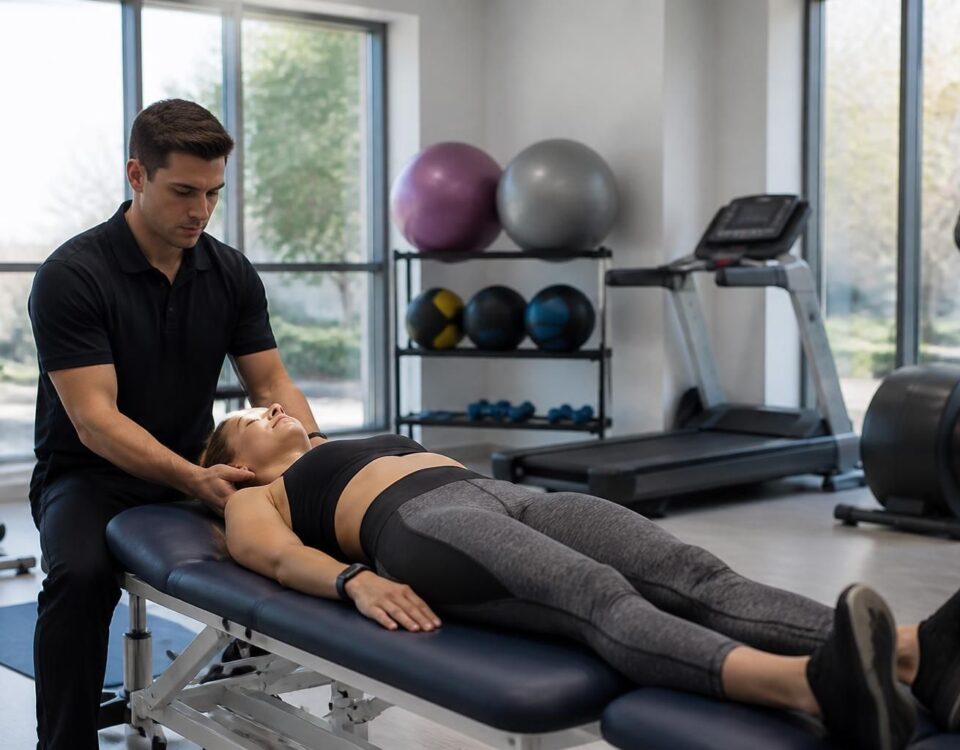
Neurovertebral decompression and prevention of recurrences after a spinal injury
26/06/2026
Neurovertebral decompression and muscle tension: a natural solution
26/06/2026
In short
| In short, neurovertebral decompression is a Non-invasive therapy who, by a Soft and controlled traction, reduces pressure on discs and nerves. This provides a Nocturnal pain relief, improves the mobility and correct thePostural alignment. accessible to Montreal, it is suitable for chronic pain and can prevent recurrences without surgery. By promoting the circulation and theDisc hydration, it supports the tissue healing and sustainably improves the quality of life and A restful sleep. |
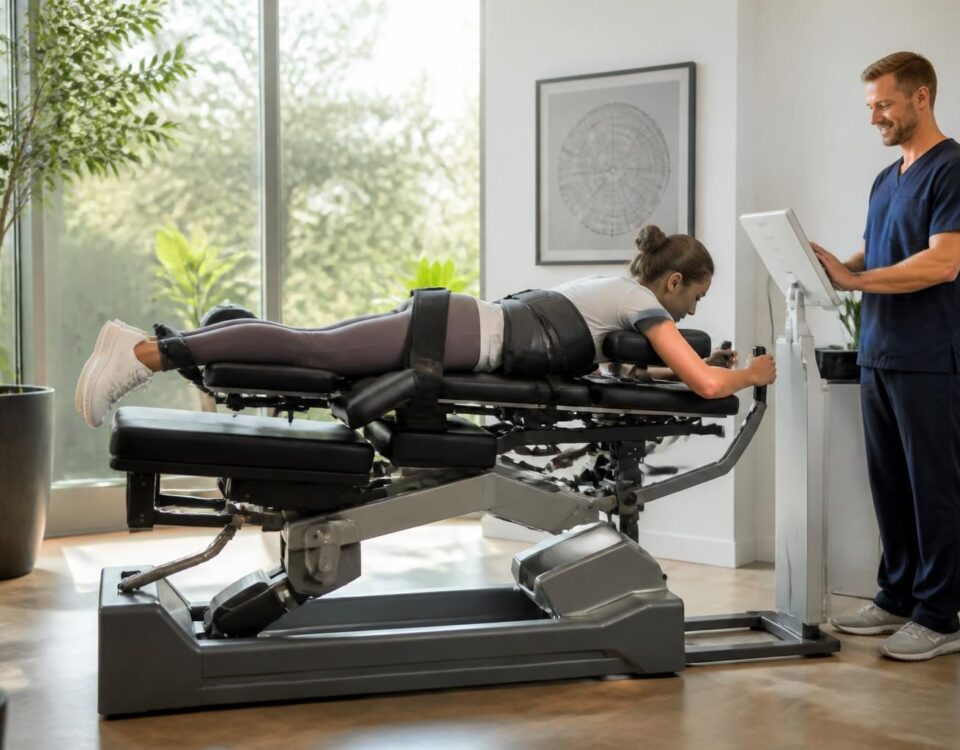
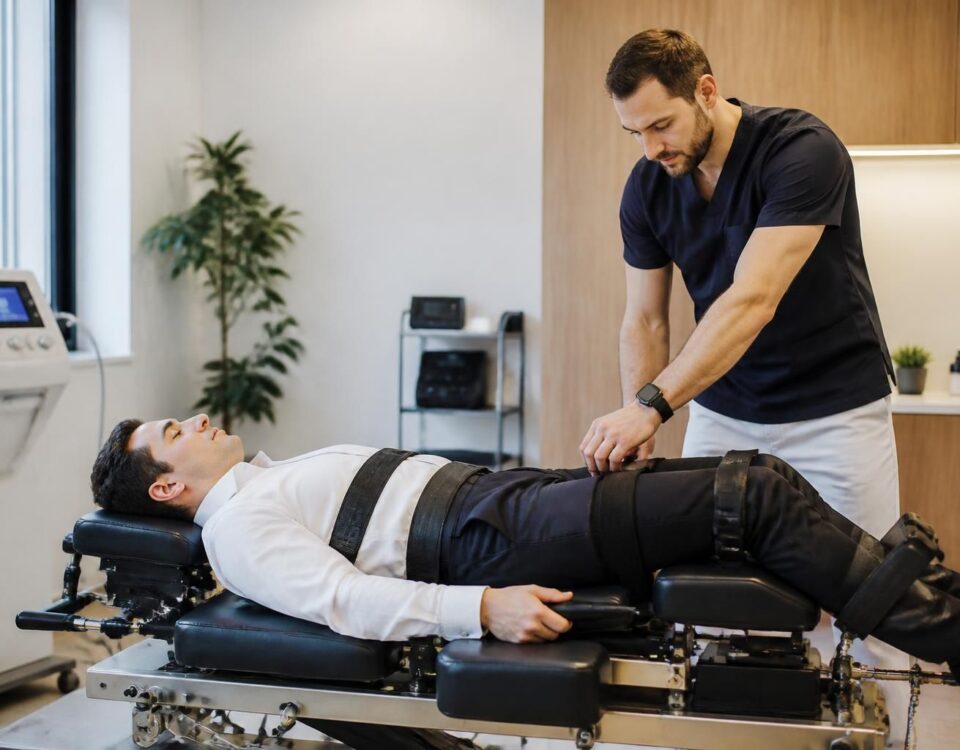
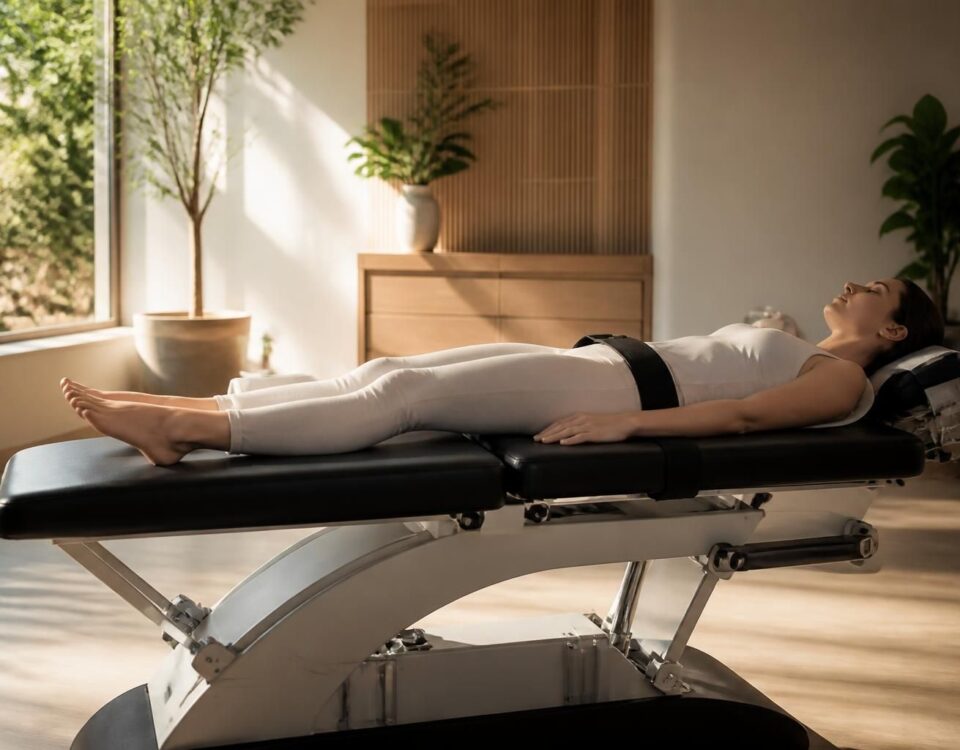
The neurovertebral decompression is therapy non-invasive which applies a gentle traction on the spine to create a space between the vertebrae.
It Lowers the pressure on discs and nerves, favoring Disk hydration and regeneration as well as a Better blood circulation, which soothes inflammation and supports healing.
By releasing muscle tension and improving mobility, it contributes to the Nocturnal pain relief and to a more restful sleep.
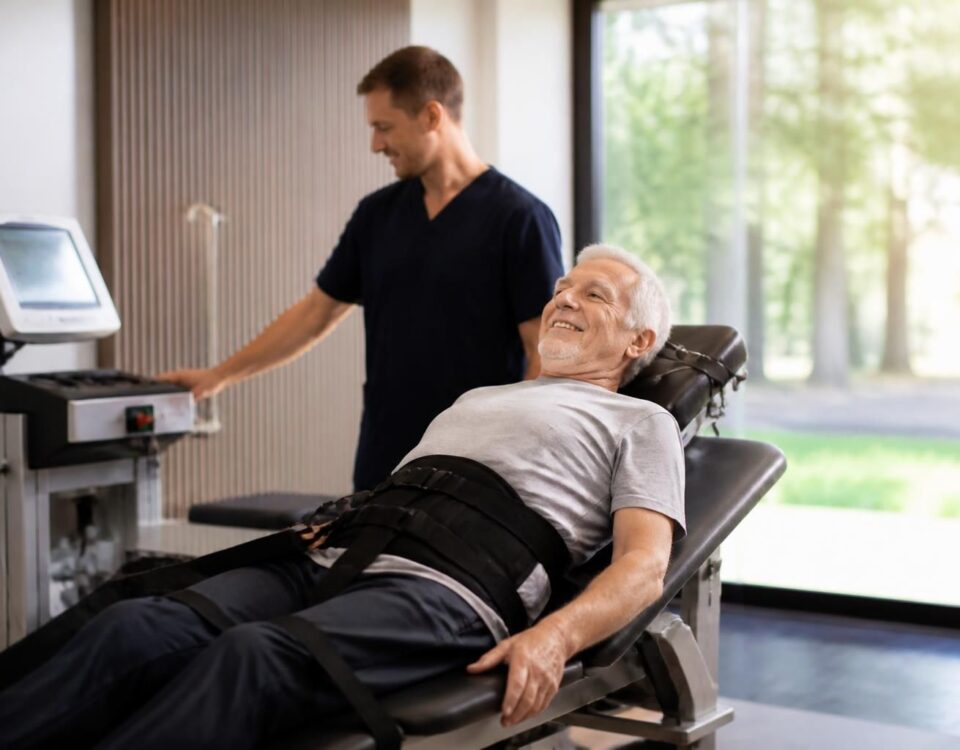
Accessible in Montreal and integrated into care plans custom, this approach is suitable for a wide range of patients, including the elderly, and can help Prevent recurrences.
This article presents the clear benefits of the neurovertebral decompression For nocturnal pain related to spinal conditions. It describes its functioning, its effects on sleep and mobility, and explains how to integrate it into a clinical care plan. Resources and testimonies support the approach, which remains non-invasive and focused on general well-being.
How does neurovertebral decompression work
The neurovertebral decompression Relies on soft and controlled traction that creates a space between the vertebrae. This decreases the pressure exerted on the intervertebral discs and neighboring nerves, which promotes better blood circulation and a reduction in local inflammation. This approach can also promote hydration and recovery of damaged tissues, contributing to a better aligned spine and reduced associated muscle tension.
To understand the mechanisms and results observed, you can consult specialized resources that describe the effects of this therapy and its action on mobility and pain. Accessible examples include technical presentations and analyzes published on sites dedicated to neurovertebral decompression.
This therapy is non-invasive and suitable for a wide range of patients, including those looking for an alternative to surgical procedures. It often integrates into a multidisciplinary program in a clinical setting, with personalized monitoring and regular progress evaluations.
Pain Relief and Restorative Sleep
One of the most significant benefits reported concerns the Nocturnal pain relief. By releasing tension and reducing nerve compression, patients often find a decrease in pain that interferes with sleep. This improvement in night comfort facilitates deeper and restorative sleep, which has a positive impact on energy and daytime alertness.
Positive effects can appear quickly, with progressive improvements over the sessions. However, the results depend on the underlying etiology and individual response to treatment. For additional information on observed mechanisms and outcomes, specialized resources detail clinical benefits and patient returns.
Studies and testimonies from practices associated with specialized clinics show that the neurovertebral decompression May contribute to a lasting reduction in painful nocturnal sensations and better sleep quality. In some cases, patients report a marked decrease in pain from the first few weeks of treatment.
To deepen practical aspects and clinical outcomes, public resources describe how this approach supports the healing process while providing a reasonable alternative and non-drug to manage nocturnal neuropathic pain.
Impact on mobility and posture
By releasing the disc space and improving the vertebral alignment, decompression contributes to a better mobility and to a posture more stable. Muscle tension decreases, which facilitates daily actions and helps prevent recurrences of pain linked to postural imbalances.
This postural improvement can reduce mechanical stresses that aggravate night pain and promote a more effective recovery phase during rest. Online resources describe how therapy acts on the spinal structures and how it can support rehabilitation as part of a comprehensive care plan.
It is useful to note that, in the context of treatments dedicated to osteoarthritis and other degenerative pathologies, decompression promotes spinal stability and appropriate range of motion, without resorting to surgical interventions or techniques. Invasive.
Prevention of recurrences and quality of life
The Prevention of recurrences is a key dimension of neurovertebral decompression. By reducing the mechanical factors that promote nocturnal neuropathic pain, this therapy accompanies patients towards better continuity of care and a reduction in the risk of relapse. A multidisciplinary approach, combining medical follow-up, lifestyle and daily adjustments, can sustainably support the results obtained.
In this context, specialized clinics offer coordinated programs that aim for sustainable improvement in mobility, better sleep quality and more active daily life. Online resources present the mechanisms through which increased intervertebral space and improved circulation support these objectives.
Integration into the care program
Neurovertebral decompression is generally integrated as a component of a personalized care program. Each patient benefits from a clinical evaluation, followed by a progressive plan adapted to their condition. Regular sessions allow you to observe the evolution of the symptoms and to adjust the treatment parameters to optimize the results.
In addition, specialized articles and resources explain how to rely on this therapy without resorting to specific exercises or stretching in the context of the conditions discussed. Links to dedicated sources offer additional explanations on how this approach fits into a global care strategy.
Testimonials and clinical evidence
Testimonials from patients treated for nocturnal pain show significant improvements after several sessions. Returns indicate a feeling of relief, a better aligned posture, and a reduction in pain-related nighttime interruptions. These observations are part of a clinical database that supports the effectiveness of neurovertebral decompression as part of a multidisciplinary care plan.
To deepen benefits and mechanisms, online articles and resources describe the results observed in athletes and seniors, as well as the impact on recovery and overall performance. See technical details and testimonials.
For a mobility and recovery perspective, specialized resources describe how decompression can support spinal mobility and the recovery After painful episodes, without suggestion of exercises in the context of the pathologies discussed. Link to the resources concerned.
For those considering this approach as a natural alternative, resources illustrate why neurovertebral decompression can be an interesting option in the face of some nocturnal mechanical and neuropathic pains. Examples and analyzes.
To learn more about the physical and psychological benefits, associated resources expose the positive impact on posture, sleep and daily well-being. Detailed references.
Additional information and client resources on a variety of cases are available, particularly around support in Montreal and Terrebonne, and on the services offered by TagMed. Tagmed Clinic and Official Resources.
Medical Disclaimer: The information and advice provided on this site does not replace the health professional’s diagnosis or treatment. Please note that Dr. Sylvain Desforges osteopath is neither a doctor of medicine nor a doctor, and is not a specialist in a medical specialty as defined by the Collège des Médecins du Québec. Manual medicine, functional medicine and sports medicine as described on this site exclude any medical treatment or diagnosis made by a doctor or specialist doctor. Always consult your doctor for any medical questions. For more details, please read our full legal notice.
Additional sources and references: You can consult public and professional resources on specialized areas that describe mechanisms and experience feedback around neurovertebral decompression and associated conditions, while respecting the indications mentioned above and authorized domains.
- immediate relief and lasting night pain.
- pressure reduction On discs and nerves, decreased irritation.
- Disc hydration and better shock absorption.
- traffic improvement local blood.
- Decreased tensions nocturnal muscles.
- Postural alignment and spinal stability.
- Improved sleep with less nocturnal deveils.
- daytime energy increased and better concentration.
- Mobility found and more flexibility.
- Tissue recovery accelerated during rest.
- non-invasive And without surgery.
- Custom program and adapted follow-up.

Quick summary: the neurovertebral decompression is an approach non-invasive which acts on the Intervertebral discs and the gristle To reduce the pressure and promote a Restful sleep. By targeting postural tensions and imbalances, it helps to reduce Nocturnal pain and improve mobility and quality of life. This article presents its functioning, its benefits and best practices to optimize results on a daily basis.
What is neurovertebral decompression?
Neurovertebral decompression consists of applying a Soft and controlled traction on the spine to create a space between the vertebrae. This amplification of the intervertebral space reduces the pressure exerted on the records and the gristle, facilitating local blood circulation and hydration of discs. Through this mechanism, damaged tissues can begin their healing process and muscle tension relaxes. This approach is adapted to a large population and can be proposed as an integral part of a global care program, with personalized follow-up.
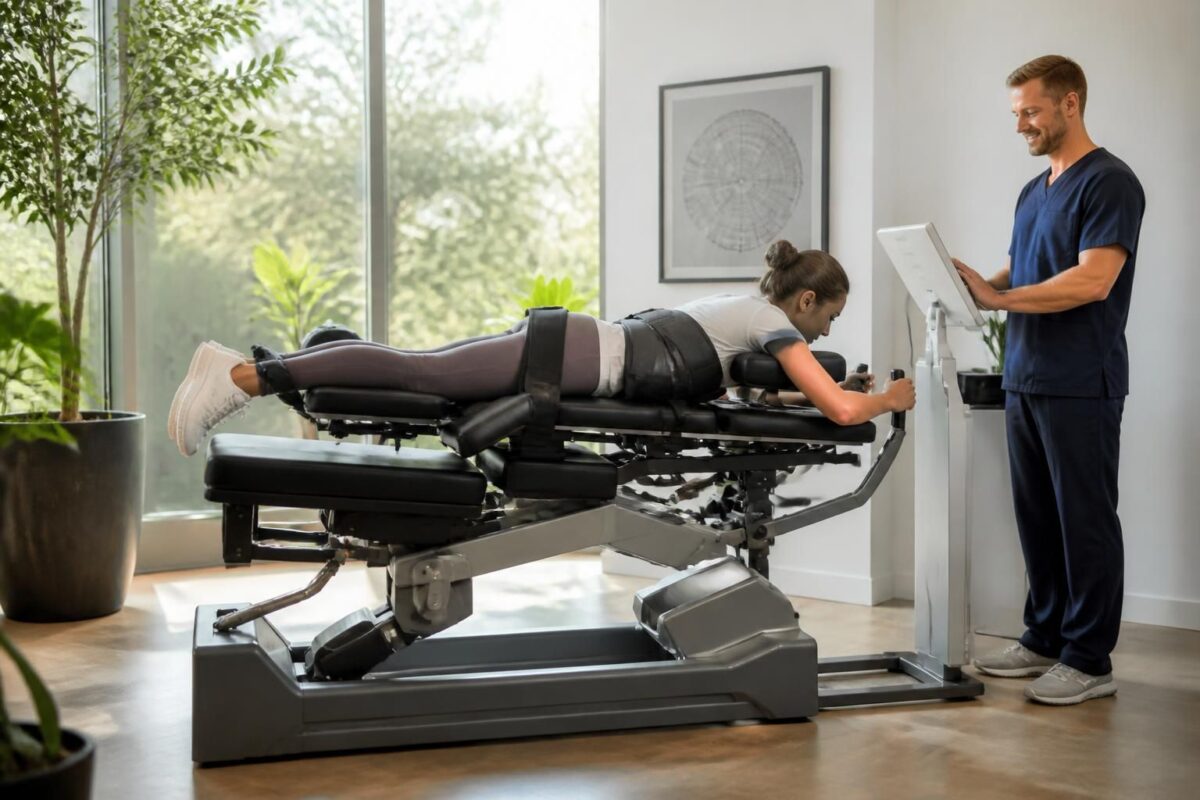
The long-term benefits of neurovertebral decompression for spinal health
In short In short, the neurovertebral decompression is a non-invasive approach that decreases the Pressure on intervertebral discs and nerves, favoring the Natural regeneration and tissue recovery. Its long-term benefits include Lasting pain reduction, Improving mobility and from the posture,…
Benefits for nocturnal pain
For people suffering from Nocturnal pain, decompression offers several concrete benefits. First, it acts quickly on the compression zones, contributing to a pain relief and a decrease in nervous tightness at night. Second, it improves the mobility and thevertebral alignment, which reduces muscle irritations and stiffness-related awakenings. Third, it promotes a bloodstream optimized in the lumbar or cervical region, supporting the Tissue regeneration and nighttime recovery. Finally, by correcting postural imbalances, it acts preventively against recurrences and associated chronic pain.
Improved relief and sleep
Patients frequently describe a pain reduction From the first sessions, associated with a feeling of relaxation and an improvement in sleep quality. With a suitable protocol, nights become more restorative and awakenings less marked by pain.

Neurovertebral decompression and mobility: a return to an active life
In short In short, the neurovertebral decompression is therapy non-invasive who uses a gentle traction To create a space between the vertebrae and reduce the pressure on the Intervertebral discs and the nerves. It promotes a bloodstream improved, lowers tension…
How to optimize the results
To get the most out of decompression, it is advisable to integrate the approach into a comprehensive care routine. Start with a Medical assessment to determine eligibility and establish a personalized treatment plan. Follow the sessions with Sweet exercises such as stretching or light swimming to maintain flexibility and strengthen the back muscles. Adopt a good lifestyle: Balanced diet, stress management and regular active breaks to avoid prolonged postures. Finally, make a Regular follow-up with your practitioner to adjust the protocol and maximize the results.
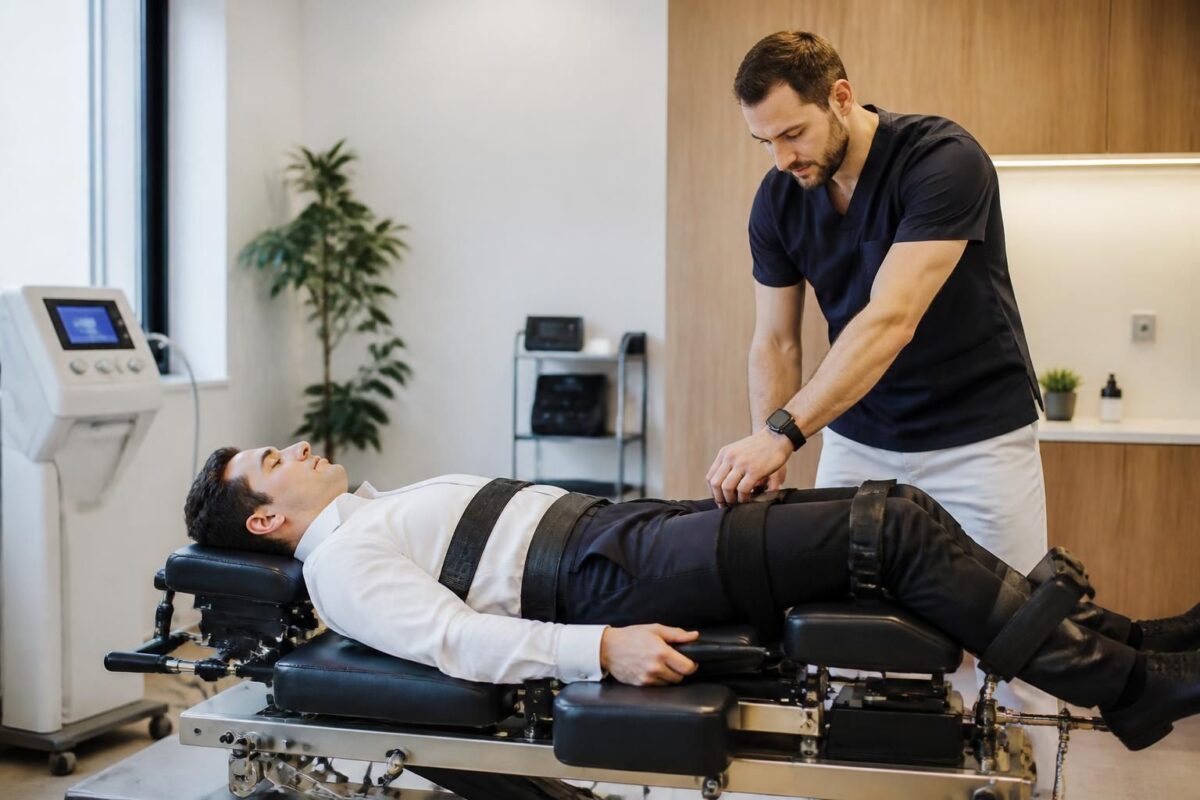
How Neurovertebral Decompression Prevents Diffuse Chronic Pain
In short decompression neurovertebral is one Non-invasive method aimed at reducing the Pressure on the intervertebral discs and the nerves, in order to prevent Diffuse chronic pain. It improves the circulation and thedisc hydration, decreases inflammation and promotes better mobility.…
Who can benefit from it and what to expect
Decompression is suitable for a wide range of patients, including the elderly and those suffering from chronic pain related to conditions such as disc diseases or stenosis. A typical session lasts between 15 and 30 minutes, and a program can include 15 to 25 sessions depending on severity and individual response. The Side effects are generally minimal and well tolerated. The goal is a Prevention of recurrent pain and better postural stability, which is reflected by regained mobility and more peaceful sleep.
Note that it remains essential to consult a qualified health professional to assess your situation and guide you towards the most suitable protocol. Neurovertebral decompression does not replace a global medical opinion but is a complementary and safe therapeutic option to improve nighttime comfort and posture on a daily basis.
| Aspect | Concise impact |
|---|---|
| immediate relief of Nocturnal pain | Soft traction releases the nerves and provides quick relief. |
| Mobility found spine | The spine gains flexibility and the movements become easier. |
| nerve pressure reduction | Decreased pressure on the spinal nerves and reduction of nocturnal pain. |
| traffic improvement sanguine | Improved local circulation and oxygen supply to tissues. |
| Hydration and regeneration the discs | Better hydrated discs, easy tissue recovery. |
| Postural alignment improved | Aligned column, less present muscle tension and better stability. |
| Best sleep and reduction of alarm clocks | Less nocturnal awakenings, more restful sleep and increased energy. |
| Prevention of recurrences | Maintain alignment and operation to prevent future episodes. |
| Non-invasive approach and safety | Non-surgical option, high tolerance and suitable for many patients. |
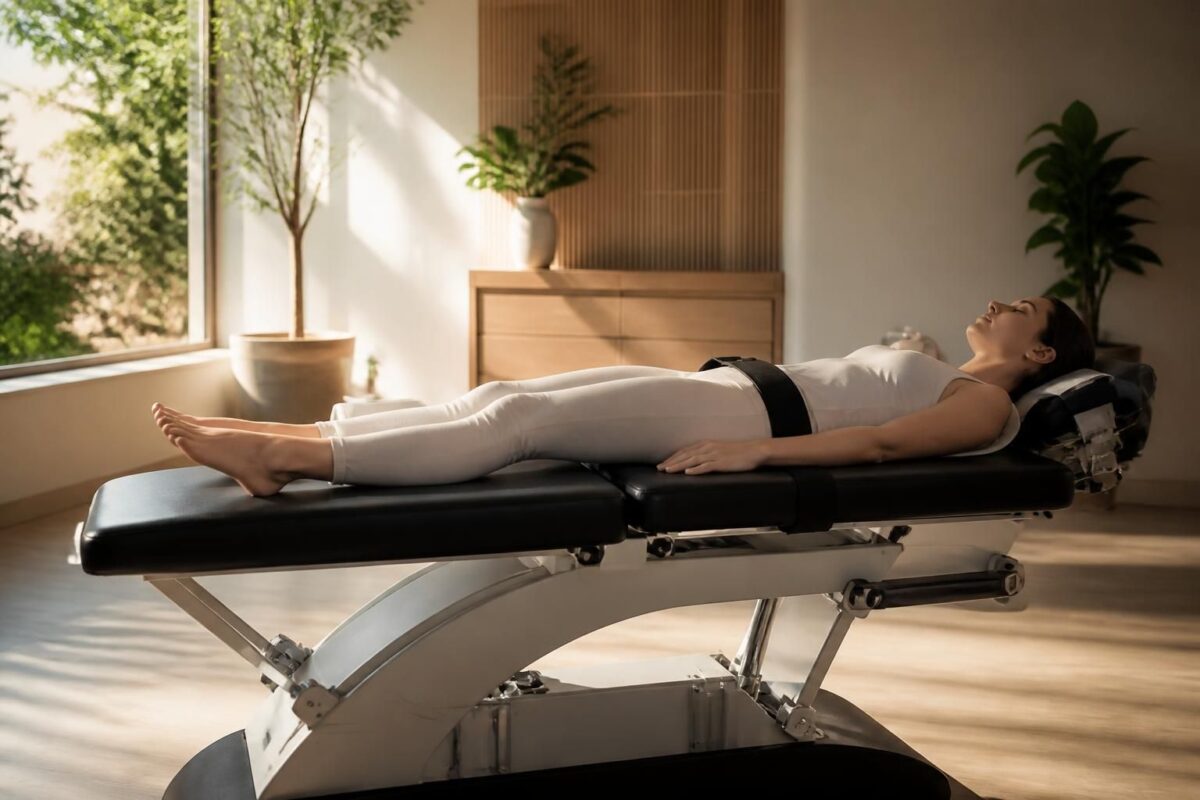
Neurovertebral Decompression and Body Alignment: Restoring Natural Balance
In short In short, neurovertebral decompression is one Non-invasive approach who restores theBody Alignment and thenatural balance back and neck. She acts by a Controlled traction of the spine to widen the intervertebral space and reduce the Pressure on discs…
Testimonials on the benefits of neurovertebral decompression to relieve nocturnal pain
Clara, 62 years old, Montreal: After years of nocturnal pain related to cervical and lumbar tension, neurovertebral decompression brought me a Quick relief. I found a deeper and more restful sleep, and my nights no longer wake up with pains that prevented me from resting.
Marc, 34, amateur athlete: this non-invasive therapy gave me a Mobility found and an Better aligned posture. Nocturnal pain gradually decreases, which allows me to train and sleep without annoying interruptions.
Sophie, 45, active mother: My night pains disrupting my nights and days have decreased thanks to decompression. I perceive a Better blood circulation and an Muscle relaxation which offer me quieter nights and a lighter awakening.
Jean-Pierre, 70: the spinal alignment improved and I noticed a marked reduction in nocturnal numbness. I sleep longer and wake up with more energy, ready to enjoy my day.
Alexandra, 29, office work: after years of lower back pain, this approach brought me a Healing Support and an Prevention of recurrences. My nights are quieter and my general posture has improved significantly.
DR. Sylvain Desforges, recognized osteopath and expert in manual medicine, is dedicated toHealth Innovation and chronic pain management. Founding president of the TagMed clinics and the ACMA network, he places scientific evidence at the heart of his therapeutic approach. His work is based on an integrative vision that combines proven techniques with cutting-edge technologies to optimize the well-being of each patient, particularly in the field of nocturnal pain linked to spinal pain.
The neurovertebral decompression is one of the key axes of its care program. This non-invasive method is based on a gentle traction and controlled which aims to create a space between the vertebrae. By freeing this space, we reduce the pressure exerted on the Intervertebral discs and the gristle surroundings, which reduces tension and promotes better circulation of nutrients and blood in the affected area.
The mechanisms of action of this therapy partly explain its benefits on nocturnal pain. By reducing nerve compression and improving the hydration and flexibility of the discs, it helps to reduce the painful signals that disturb sleep. This approach also promotes better mobility and a more favorable alignment of the column, two essential elements to prevent recurrences and restore a quality of life Lasting, even after painful nocturnal episodes.
integrated into a Personalized care program, neurovertebral decompression is part of a logic of global rehabilitation. Dr. Desforges favors care adapted to each profile, combining regular sessions with advice on lifestyle, postural hygiene and gentle exercises. In its practice, it can be coupled with other non-surgical modalities, such as complementary therapies by laser or by shock waves, in order to strengthen the results and promote faster tissue recovery.
Beyond the observed physical benefits, this approach offers significant psychological benefits. Decreased nocturnal pain and improved spinal alignment reduce the stress and anxiety associated with chronic pain, contributing to deeper and restorative sleep. For active people, athletes and seniors, feedback on daily and sporting activities becomes more fluid, with better posture and a general feeling of stability.
Dr. Desforges sees neurovertebral decompression as a suitable response for those looking for a non-invasive and effective solution to persistent pain. His commitment is to provide evidence-based care, optimize spinal function and support each patient on their journey to more peaceful sleep and more active life.
This article presents the benefits of neurovertebral decompression To relieve the Nocturnal pain, describing how a gentle traction on the spine may decrease the pressure on the Intervertebral discs and the gristle, promote the Disc rehydration, improve the bloodstream and restore a Postural alignment. This non-invasive approach is a reliable and safe option for many people with chronic pain, contributing to more restful sleep and better quality of life.
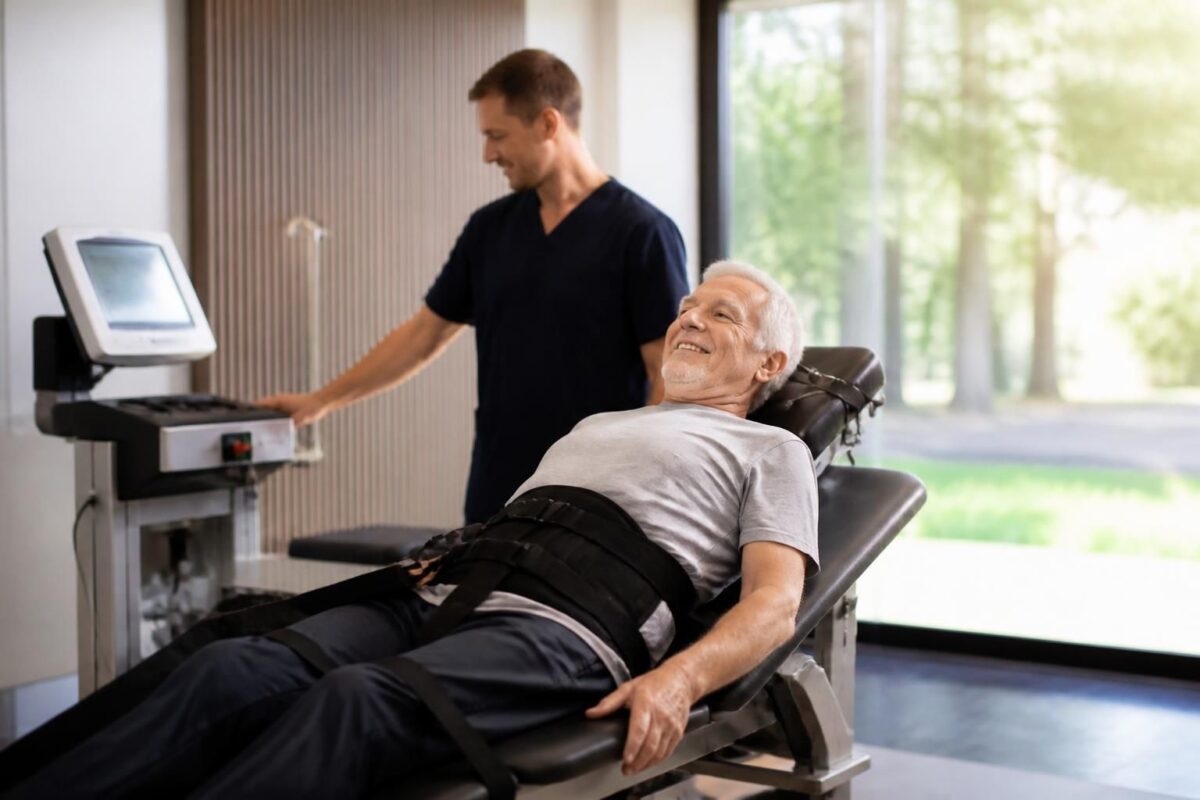
Why neurovertebral decompression is a lasting solution for active seniors
In short In short, the neurovertebral decompression is one Non-invasive therapy which sustainably relieves spinal pain in the spine active seniors By creating, by a Soft and controlled traction, a space between the vertebrae. At Montreal, it is recognized as…
Key benefits for sleep and mobility
neurovertebral decompression can provide Quick relief and lasting pain when the nerves are compressed. By reducing the pressure on the nerve structures, it promotes Improving mobility and an Increased flexibility of the column, which contributes to reducing muscle tension and associated pain. This approach also helps to correct postural imbalances, thus limiting the risk of recurrences and supporting the healing process of damaged tissues. For those who suffer from osteoarthritis or lower back pain, it can result in more peaceful sleep and less painful awakenings, facilitating daily activities. To deepen the benefits, consult in particular the resources on the neurovertebral decompression and specialized journals on Radiant pain and the Joint mobility.

Neurovertebral decompression and recovery after severe sports injury
In short In short, the neurovertebral decompression is one Non-invasive method to Relieve the pressure on the Intervertebral discs and the gristle Via a Controlled traction, to facilitate the recovery After a severe sports injury. It improves the bloodstream towards…
How does decompression and safety work?
This therapy is based on a Controlled traction and fresh which creates a space between the vertebrae, thus reducing the pressure exerted on the records and the gristle. By promoting the hydration of the discs and reducing inflammation, it supports tissue regeneration and improves local circulation. The device used is designed to be non-invasive and tolerated by a wide range of ages, including the elderly. Clinical evidence and testimonials describe positive results after regular series of sessions. For further analysis on efficacy and mechanisms, see the following resources: Reduction of radiant pain, Recovery after lumbar surgery and the explanatory pages of the associated technologies.
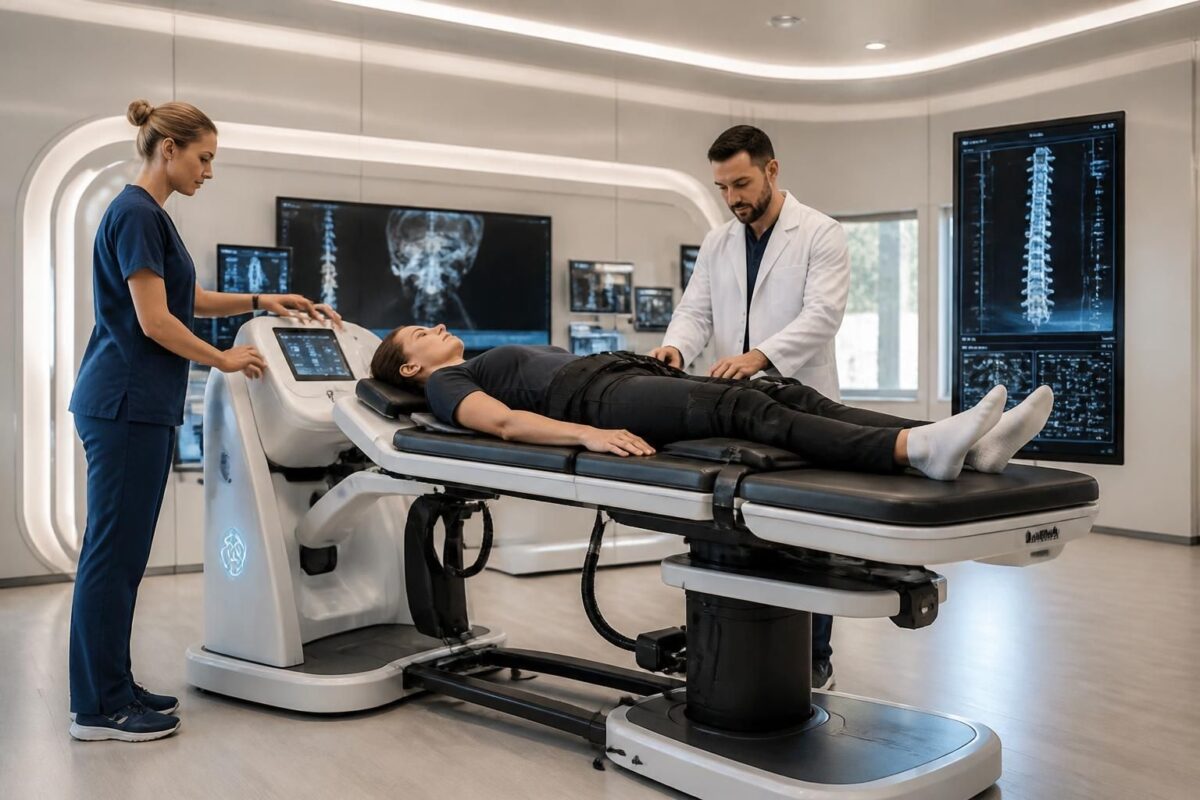
Recent innovations in neurovertebral decompression technologies
In short In short, the neurovertebral decompression is an approach non-invasive Aiming to reduce pressure on discs and nerves, and promote tissue regeneration. At Montreal, it is positioned as an effective option for lower back pain and herniated discs. The…
Integration into a care program
To optimize the results, neurovertebral decompression fits into a personalized care plan supervised by a health professional. A pre-treatment assessment is used to determine eligibility and adjust the number and frequency of sessions. Regular monitoring helps to measure progress and adapt the protocol. Very soft complementary exercises, such as aquatic activities or appropriate stretching, can enhance the benefits and support tissue regeneration. Finally, adopting good lifestyle habits, including conscious posture and stress management, helps maintain long-term improvements. To enrich your understanding of clinical applications and observed results, you can consult dedicated resources such as those with post-operative benefits and rediscovered mobility.
Concrete examples show that neurovertebral decompression improves posture and reduces nocturnal pain, which can facilitate overall recovery and encourage regular physical activity without major pain. For a wider panorama of therapeutic options and results, see the following resources: Joint mobility and optimal health, Guide for patients and modern techniques for optimal results.
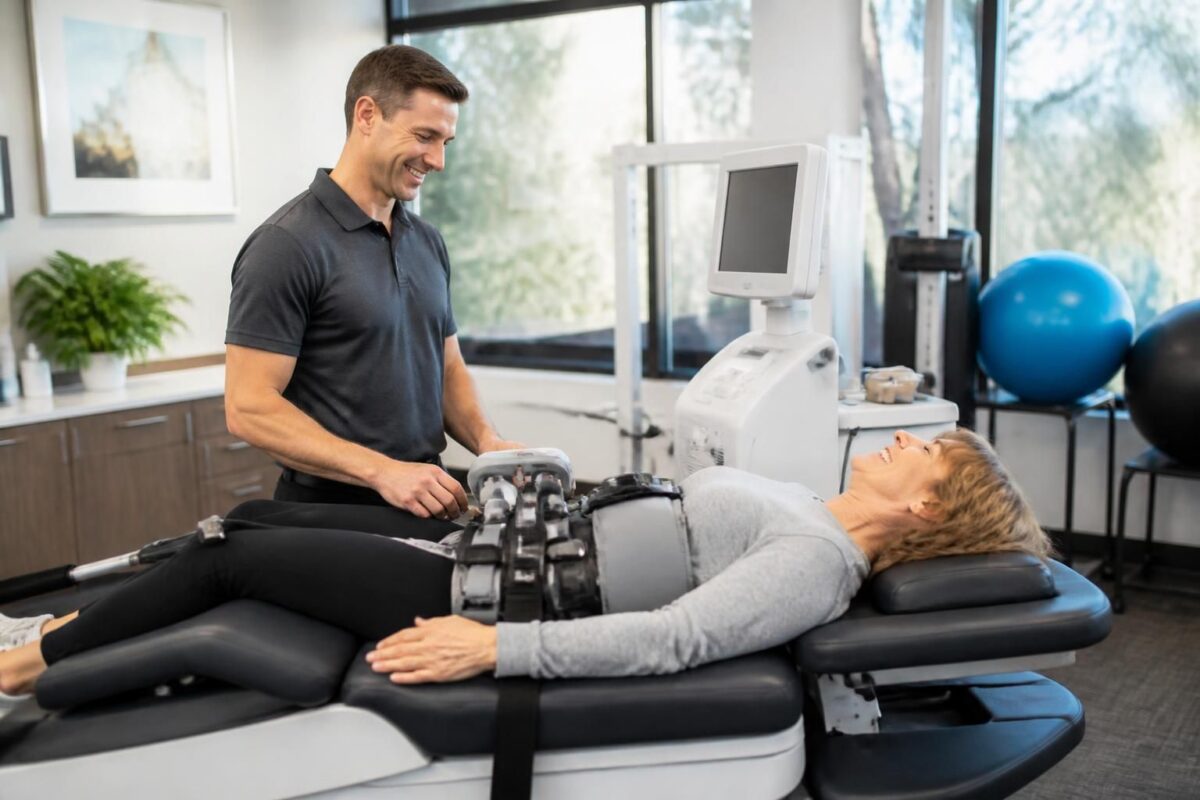
Neurovertebral decompression and diffuse pain: an appropriate solution
In short In short, the neurovertebral decompression is one Non-invasive solution For diffuse pain related to nerve irritation of the spine. She acts in Reducing pressure on intervertebral discs and nerves and improving the bloodstream, which promotes recovery and the…
Testimonials and clinical evidence
Many patients report a noticeable improvement in their sleep and night comfort after a few weeks of treatment, combining better posture and increased mobility. Athletes and active people also see faster recovery after exercise and a reduction in nocturnal pain that hindered their performance. Patients who have undergone complex disc pathologies or lumbar surgical procedures find additional benefits when decompression is integrated into their therapeutic journey. For additional analytics and testimonials, explore resources that cover post-surgery benefits and post-operative recovery: Recovery after complex lumbar surgery and Recognized therapy for posture and severe nocturnal pain.
For an overview of decompression mechanisms and observed benefits, here are additional resources: natural back treatment, Benefits of decompression for back pain and Durable solution for complex nocturnal pain.
To learn more about practical aspects and indications, you can also look at resources that address the role of decompression in the general context of spinal pain: Why a natural solution for spinal pain and modern techniques for optimal results.
Specific resources offer clinical insights and practical positions for patients wishing to understand the role of neurovertebral decompression in the management of night pain and postural disorders: Role of the patient and Durable solution for nocturnal pain.
To expand your understanding of mechanisms and possible outcomes, you can also consult resources focused on back treatment and intervertebral mobility in Montreal and elsewhere: Joint mobility and optimal health and Reduction of radiant pain.
Note: The information presented above is based on specialized sources and publicly accessible clinical resources. For any medical questions or therapeutic decision, consult your health professional and take into account your personal situation.

Dr Sylvain Desforges, B.Sc., D.O., N.D., osteopath, is the founding president of TAGMED and of the ACMA association. He dedicates his practice to chronic spinal pain, low back pain and symptoms compatible with sciatica, particularly when pain radiates toward the buttock, leg, calf, foot or toes.
Through SOS Sciatique, he publishes educational content on sciatica symptoms, possible causes such as disc herniation, disc narrowing, foraminal stenosis or irritation of a lumbar nerve root, as well as non-surgical approaches that may be considered according to the evaluation. At Clinique TAGMED, care may include, depending on the case, motorized neurovertebral decompression, specific osteopathic care or precision percussion.
For an evaluation related to sciatica treatment in Montreal / Mount Royal or sciatica treatment in Terrebonne, please consult the services available at Clinique TAGMED.
Medical disclaimer
The information published on SOS Sciatique is provided for educational purposes only and does not replace a consultation, diagnosis, opinion or treatment provided by a physician or another authorized healthcare professional. The author of this article is neither a medical doctor nor a specialist in a medical specialty recognized by the Collège des médecins du Québec. The osteopathic, manual medicine or functional support approaches described on this site do not constitute medical acts and are not intended to replace medical follow-up.
Consult a physician or emergency service in cases of loss of bladder or bowel control, anesthesia in the saddle area, significant or progressive weakness in the leg or foot, fever, recent trauma, severe pain or rapid worsening of symptoms. For more details, please read our Legal Notice.