The application of osteopathy in functional rehabilitation
27/06/2026
The preventive benefits of osteopathy for overall health
27/06/2026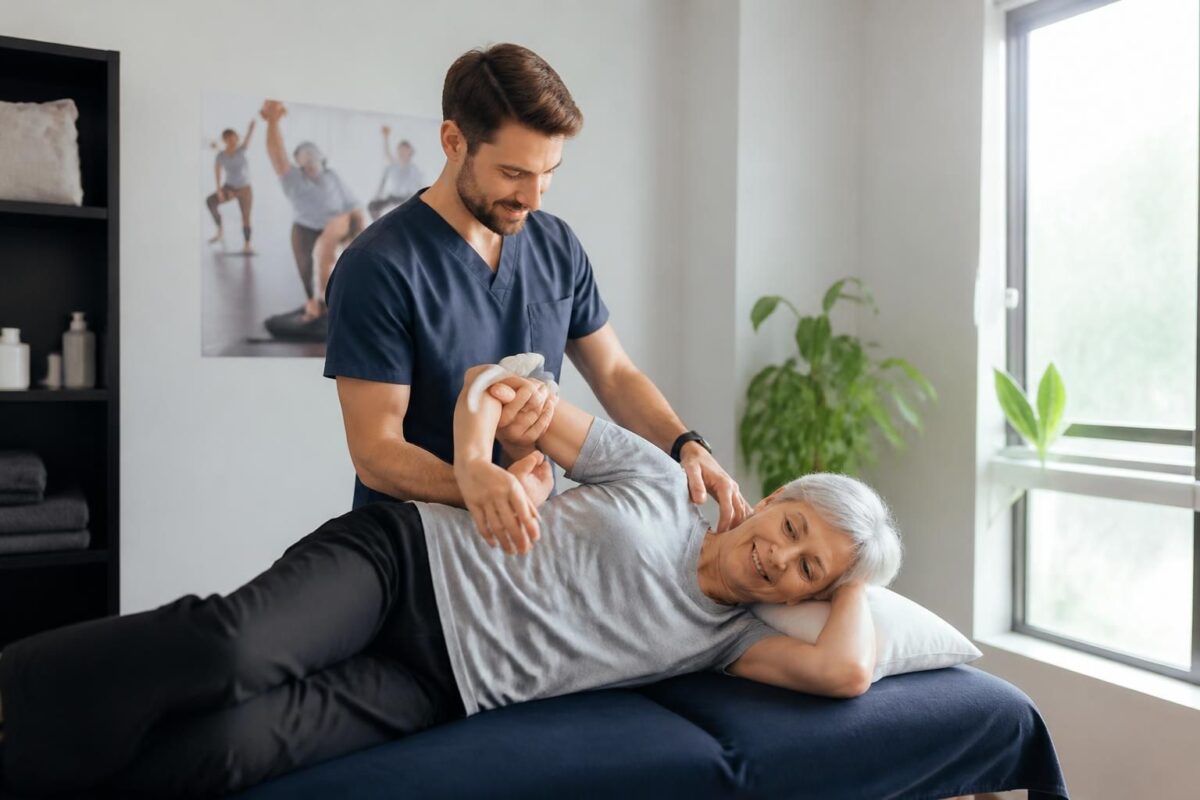
In short
| In short, Osteopathy is an approach holistic who supports active aging preserving mobility, balance and autonomy. Its benefits include the reduction of Joint pain, improving the posture and coordination, prevention of chutes, and better sleep and general well-being. accessible to Montreal, it integrates as a complement non-invasive to conventional medicine for seniors wishing to remain active and independent. |
theosteopathy supports a Active aging taking into account the body as a whole, where structure and function mutually influence each other. By restoring theMusculoskeletal balance, it improves the mobility, the posture and the coordination, reducing pain and stiffness. It also acts on overall well-being: better digestion, better sleep and reduction of stress. Finally, she participates in the Fall Prevention and maintaining theautonomy On a daily basis, for an active and serene life.
Old age often leads to pain, reduced mobility and a growing need to preserve autonomy. Osteopathy offers a global and accessible approach to support active aging. This article, written by an expert health professional, sets out the principles, benefits and practical uses of this discipline in the elderly.
A global approach to autonomy
Osteopathy sees the body as an interconnected set. Movement, nervous system and organs work together. Osteopathic gestures aim to release tension, restore mobility and improve fluid circulation. This approach helps to better live everyday gestures and maintain independence.
Principles that guide osteopathy
Unity of the individual : Body and mind form a whole, influenced by the environment and lifestyle habits. structure governs the function : good architecture promotes good function. Fluid circulation : Free movement supports exchanges and coordination. Self-regulation capacity : The body can be repaired and adapted with the right help.
These principles guide the techniques used and the therapeutic objective in the elderly to restore the overall balance.
Concrete benefits for seniors
Reduction of pain and tension thanks to better mobility and better circulation.
Improved mobility and flexibility, allowing you to perform daily gestures with more ease.
Strengthened stability and balance, which helps prevent falls and maintain autonomy.
Overall quality of life : Better digestion, breathing and sleep, with more energy on a daily basis.
Prevention and autonomy on a daily basis
Regular osteopathy visits help maintain range of movement, correct postural imbalances and support proprioception. This promotes an active life and fewer functional limitations.
What to expect in a session
The consultation focuses on the patient and remains non-invasive. The objective is to restore the balance of the musculoskeletal and visceral system by gentle and respectful techniques. The practitioner performs an evaluation and can offer advice on lifestyle and ergonomics.
Resources and useful links
To deepen, you can consult resources that address the benefits of osteopathy for the elderly and posture, including:
Osteopathy and seniors — Well-being and mobility
Osteopathy in the elderly — Guide
Osteopathy and osteoarthritis — reducing pain naturally
Preserve mobility and vitality
How osteopathy supports active aging
Training and associations
Osteopaths are trained in particular in NUMSS, at the nao, at the National University of Medical Sciences and at the National Academy of osteopathy. Practitioners can be members of theacma, of College of Canadian Osteopaths or from College of Canadian Osteopaths. These references guarantee a consistent and ethical practice.
For questions related to specific treatments, in particular in the event of neurovertebral decompression or other associated issues, it is important not to propose inappropriate exercises or gestures intended to deal with these conditions without a suitable evaluation.
Additional resources and detailed analyzes can complement your understanding of the beneficial effects of osteopathy on aging and mobility, including through the pages above and recommended specialized sources.
“Medical disclaimer: The information and advice provided on this site does not replace the health professional’s benefit, diagnosis or treatment. Please note that Dr. Sylvain Desforges osteopath is neither a doctor of medicine nor a doctor, and is not a specialist in a medical specialty as defined by the Collège des Médecins du Québec. Manual medicine, functional medicine and sports medicine as described on this site exclude any medical treatment or diagnosis made by a doctor or specialist doctor. Always consult your doctor for any medical questions. For more details, please read our full legal notice. »

This recommendation presents how osteopathy can promote a Active aging Preserving the mobility, thebalance and theautonomy. Based on a holistic vision of the body, it aims to harmonize structures and functions, promote the circulation of fluids and support self-regulation mechanisms. Through gentle and targeted techniques, osteopathy can reduce pain, improve posture and encourage active participation in daily and social activities.
Principles that guide osteopathy in the face of aging
The four fundamental principles orient osteopathic action towards overall improvement rather than single symptom. Unit of the individual, structure governs the function, Fluid circulation and self-regulation form the basis of each evaluation and each intervention.
Unity of the individual
The body is considered as an interdependent whole where the whole of the systems interact. Localized pain may reflect an imbalance elsewhere, hence the importance of an overall view during diagnosis and treatment.
structure governs the function
Structural tensions can limit movement and influence organs. Releasing these constraints increases freedom of movement and improves comfort.
Fluid circulation
The free flow of fluids and nerve impulses supports the harmony of the regions and promotes restorative processes and general energy.
self-regulation
The body has self-healing mechanisms; The osteopath facilitates these abilities by manual therapies that are adapted and respectful of individual balance.

How osteopathy improves the quality of life of active people
In short In short, theosteopathy is a global approach that Optimizes mobility and the function of the body of ACTIVE PEOPLE, for a better quality of life. It helps prevent injury and reduce Musculoskeletal pain While promoting the Sports recovery.…

Osteopathy and sports recovery: prepare the body for lasting performance
In short In short, Osteopathy and Sports recovery is one Global manual approach that sustainably prepares the body for the effort by restoring mobility and circulation After the effort. It is a discipline that acts on the sinews, the joints,…
Mobility, posture and balance supported by osteopathy
Osteopathic techniques aim to increase the range of joint movements and the flexibility of the fascias, while strengthening the stabilizing muscles. This approach improves mobility, supports a good posture and optimizes the coordination, key elements for a safer and more autonomous approach.
Mobility and flexibility
By acting on joints and soft tissues, osteopathy can reduce stiffness and promote more fluid everyday gestures.
Balance and Proprioception
Manual work stimulates sensory receptors and improves body perception in space, helping to prevent falls and sprains.
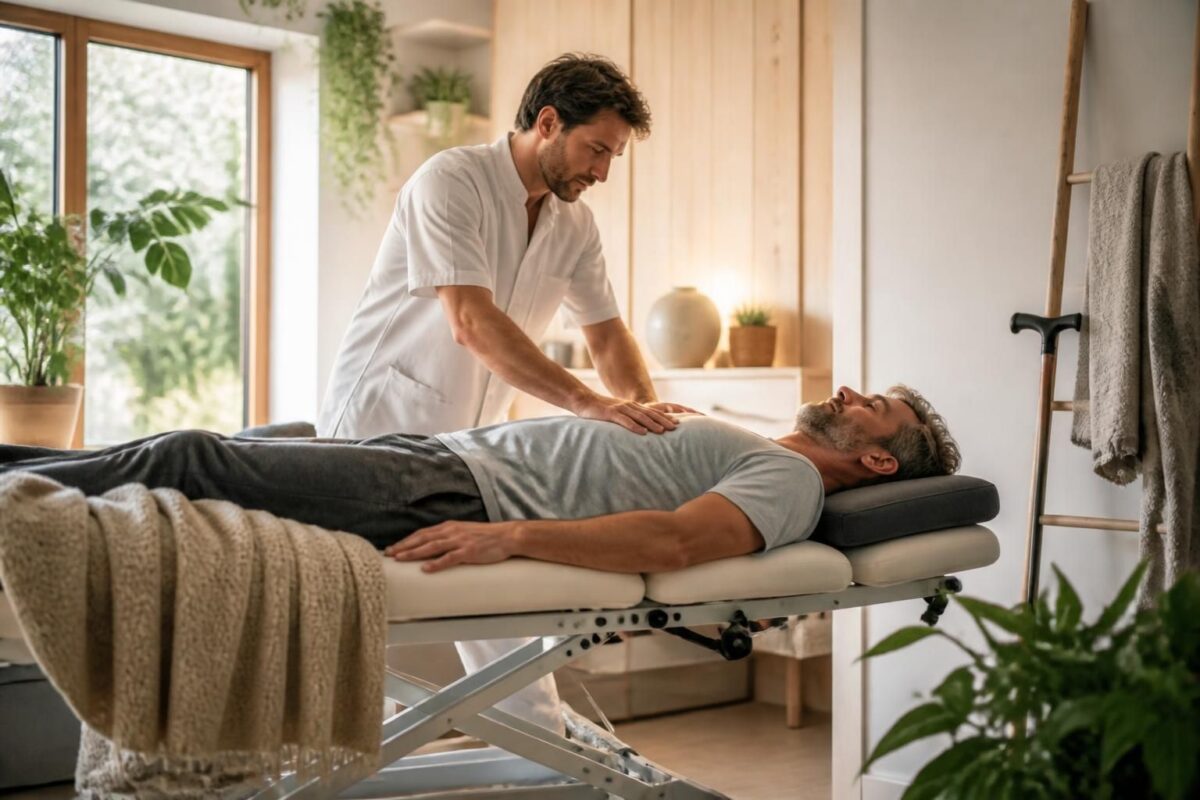
Why Osteopathy Is Essential For Recovery People
In short In short, Osteopathy in convalescence is an approach manual and holistic which helps to accelerate the recovery by restoring The balance, the mobility and a good circulation fabrics. it contributes to Reduce the pain, support the Back to…

Osteopathic manipulations to strengthen post-traumatic muscles
In short In short, Osteopathic manipulations for Strengthen post-traumatic muscles constitute a gentle manual approach aimed at restoring the mobility, reduce the pain and facilitate the Functional rehabilitation After a injury. What is Is it? A series of precise gestures…
Prevent falls and functional limitations
By combining postural rebalancing, muscle chain correction and breathing optimization, osteopathy helps prevent falls and maintain independence in daily activities.

Osteopathy and prevention of work-related musculoskeletal disorders
In short theosteopathy is one Manual approach that restores body balance and prevents MSD related to work. Its advantages: reduction of tension, improvement of mobility and prevention of chronic pain. She is preventive and healing, suitable for office and trades…

The benefits of osteopathy to treat muscle imbalances
In short theosteopathy is a manual approach to restore themuscle harmony and postural considering the body as a whole. Its main benefits include the reduction of aches and tensions, the improvement of the mobility and from the posture, and prevention…
Integrating osteopathy into an active aging routine
For lasting results, associate regular sessions with a Adapted physical activity and home exercises are recommended. Osteopathy acts in addition to a healthy lifestyle, strengthening the vitality, sleep and digestion while supporting theautonomy.
Practical approach and collaboration
Schedule regular visits and discuss your goals with your osteopath. In addition, practice simple and progressive exercises, adapted to your rhythm and your abilities, in order to optimize the long-term benefits.
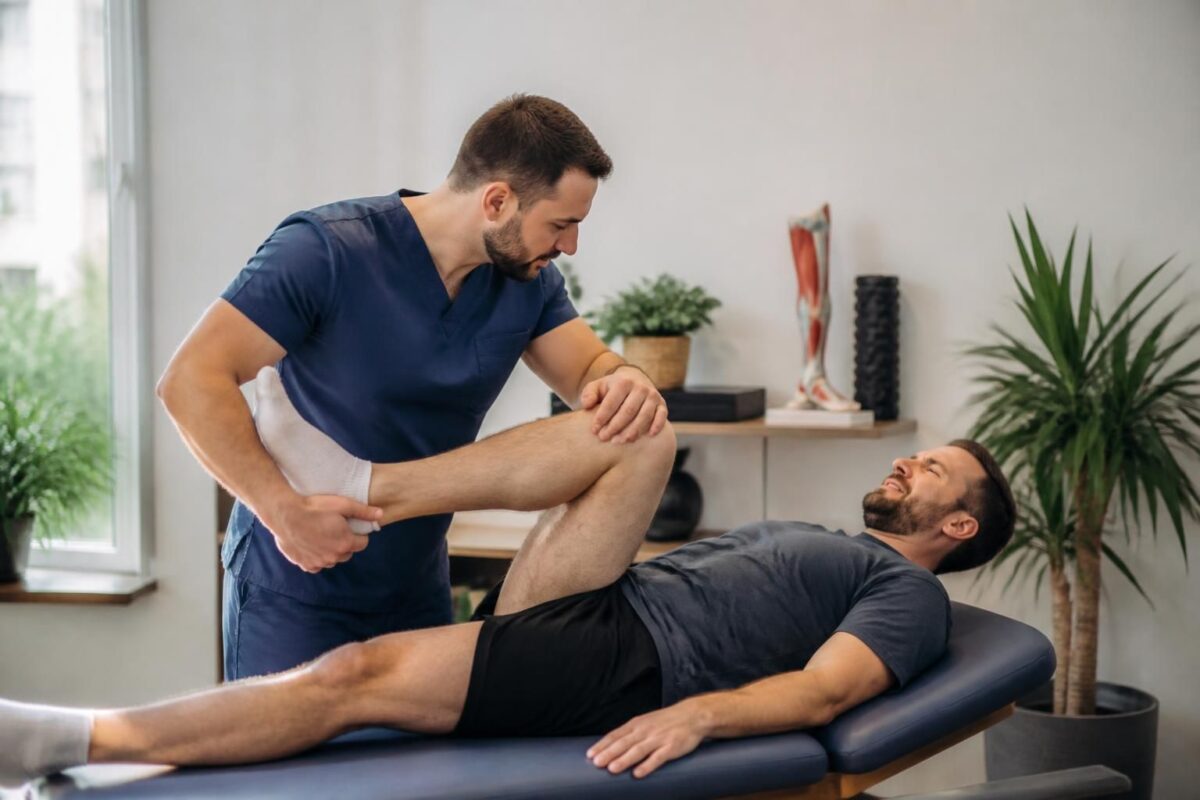
Osteopathy and chronic leg pain: regaining an optimal quality of life
In short In short, Osteopathy is one Global manual approach aimed at reducing Chronic leg pain and improve the quality of life. What is it? Non-drug therapy using the hands to identify restrictions and treat lesional chains. How does it…
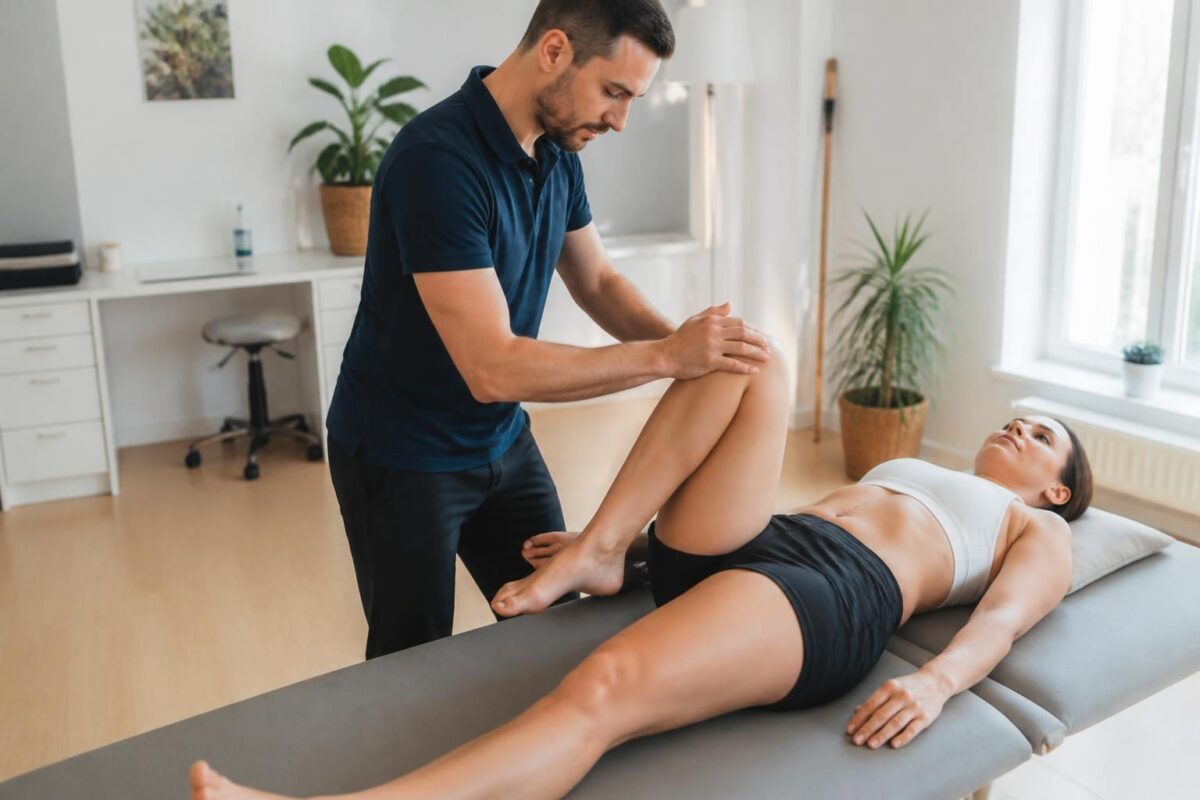
How osteopathy supports recovery after complex surgery
In short In short, Post-operative osteopathy is an approach fresh which supports the recovery After a Complex surgery. It helps to reduce the pain and the fatigue, improves the mobility and accelerates the healing thanks to a better vascularization and…
Practical tips to maximize benefits
Prepare a list of daily gestures to practice and choose safe exercises that you can do at home. Discuss persistent pain with your osteopath to adjust treatment and avoid recurring symptoms.
| Aspect | Concise impact |
|---|---|
| Mobility and Flexibility Joints | Improves amplitude and facilitates daily gestures. |
| Pain and discomfort | Reduces tension and optimizes comfort during activities. |
| Balance and fall prevention | Strengthens postural control and coordination to limit falls. |
| Posture, breathing and ergonomics | Improves posture and respiratory function for better ergonomics. |
| Digestion and sleep | Optimizes digestive motility and promotes better sleep. |
| Health Overall and autonomy | Promotes homeostasis and maintains autonomy in everyday life. |
| Energy and activity social | Supports dynamism, endurance and participation in activities. |
| Prevention and adaptation to aging | Contributes to maintaining flexibility, mobility and well-being in the long term. |
How Osteopathy Supports Active Aging: Testimonials
“Since I was 72, I had suffered from osteoarthritis and lower back pain. After a few osteopathy sessions, my Joint pain have subsided and my mobility has improved. I can go out again to walk around and take care of my garden without stopping every five minutes. »
“My grandfather still loved gardening, but his coordination and its balance would be less sure. After the osteopathic treatment, he walks better, feels more stable and is no longer afraid of falling during his walks. »
“I had sleep disorders and digestion problems that tired me. The overall approach to osteopathy has improved my quality of sleep and my digestion. I wake up less tired and I have more energy for my meals and outings. »
“In terms of posture, osteopathy has really changed my life. My posture recovered, my mobility has improved and I find greater autonomy to get up and sit down without pain. »
“My granddaughter noticed that I am calmer and less stressed. Osteopathy also acts on the General well-being, improve my breathing and my sleep, and makes me more energetic on a daily basis. »
Aging is accompanied by changes that affect muscles, joints and even visceral functions. In this context, Osteopathy offers an approach holistic and non-invasive to help seniors preserve their mobility, their balance and their quality of life. By placing the body as a whole, this discipline aims to maintain autonomy and promote a Active aging.
This reference expert associates osteopathy, naturopathy and manual medicine in an integrated approach. He is at the head of key structures such as TagMed and ACMA, testifying to a continued commitment to innovation in health care. His practice focuses on the management of chronic pain and the integration of advanced technologies that complement manual handling, in order to sustainably improve function and well-being. His approach favors evidence-based solutions, designed to optimize the health and vitality of the elderly.
In his work, the objective is to reconnect structure and function, while promoting a fluid circulation of body fluids and a better Self-regulation of the body. As you get older, postural changes and decreased flexibility can limit daily activities. Thanks to appropriate techniques, the osteopath contributes to restoring range of motion, supporting organic functions and restoring more harmonious breathing, more effective digestion and better sleep. This approach aims to preserve the integrity of the musculoskeletal system while supporting the general state of health.
For seniors, the concrete benefits of this approach are multiple. There is often a reduction in Joint pain and muscle related to osteoarthritis and other conditions, an improvement in posture and from the mobility, as well as a better balance and a decrease in the risk of chutes. In addition, osteopathic intervention can positively influence the digestion, the breathing and the sleep, thus contributing to a general feeling of well-being and greater social participation.
Beyond symptomatic treatments, osteopathy proposes a preventive approach at three levels to promote optimal aging: prevention primary aimed at maintaining flexibility and mobility; a prevention secondary to intervene early on functional disorders; and prevention tertiary To minimize the effects of established pathologies and improve the quality of life. This triple perspective makes it possible to support each senior in a proactive approach, focused on maintaining mobility capital and autonomy throughout life.
Thus, osteopathy is an essential component of a dynamic and sustainable aging course, where the body is supported in its ability to adapt, repair and preserve its well-being, day after day. The practitioner’s work aims to promote a better quality of life and to allow everyone to take full advantage of their daily activities without concessions.
This conclusion summarizes how theosteopathy supports a Active aging Preserving the mobility, thebalance and the overall well-being of seniors, thanks to an approach holistic and gentle techniques that respect the unity of the body and promote theself-regulation.
In practice, osteopathy is based on four fundamental principles:unit of the individual, the notion that the structure governs the function, the Fluid circulation and the Self-regulation capacity. This base makes it possible to approach the body as a whole and to intervene where the imbalance slows down the function, without forcing the tissues, in order to promote a better autonomy on a daily basis.
For the elderly, the impact is manifested in the reduction of joint and muscle pain, the improvement of the mobility and from the posture, the support of the breathing and from the digestion, as well as improving sleep and energy level. Areas such as osteoarthritis, stiffness and coordination disorders can benefit from gentle and personalized approaches.
The benefits also extend to the prevention of falls and injuries, thanks to work on balance, coordination and postural stability. This preventive dimension revolves around prevention levels: primary prevention To maintain health and mobility, Secondary prevention To intervene early on functional disorders, and tertiary prevention To optimize the quality of life in the presence of a pathology.
This approach promotesautonomy seniors by working on key areas of the body, while improving vital functions such as breathing, the digestion and the sleep. In this sense, osteopathy is a valuable partner for active aging and long-term personal development.
To deepen the issues and benefits obtained by osteopathy from a global health perspective, you can consult additional resources such as the pages dedicated to the evaluation of postpartum benefits, reducing muscle tension or the overall approach to health:
Advantages#ATFP_CLOSE_TRANSLATE_SPAN# of osteopathy for postpartum women,
Reduce#ATFP_CLOSE_TRANSLATE_SPAN# Muscle tension with osteopathy,
Essential#atfp_close_translate_span# in a global approach to health,
Osteopathy#ATFP_CLOSE_TRANSLATE_SPAN# and active aging.
For those who wish to explore the specific angle of prevention and maintenance of mobility in seniors, other resources detail how osteopathy can support an active and fulfilling life throughout aging, in addition to other therapeutic and functional rehabilitation approaches.

Dr Sylvain Desforges, B.Sc., D.O., N.D., osteopath, is the founding president of TAGMED and of the ACMA association. He dedicates his practice to chronic spinal pain, low back pain and symptoms compatible with sciatica, particularly when pain radiates toward the buttock, leg, calf, foot or toes.
Through SOS Sciatique, he publishes educational content on sciatica symptoms, possible causes such as disc herniation, disc narrowing, foraminal stenosis or irritation of a lumbar nerve root, as well as non-surgical approaches that may be considered according to the evaluation. At Clinique TAGMED, care may include, depending on the case, motorized neurovertebral decompression, specific osteopathic care or precision percussion.
For an evaluation related to sciatica treatment in Montreal / Mount Royal or sciatica treatment in Terrebonne, please consult the services available at Clinique TAGMED.
Medical disclaimer
The information published on SOS Sciatique is provided for educational purposes only and does not replace a consultation, diagnosis, opinion or treatment provided by a physician or another authorized healthcare professional. The author of this article is neither a medical doctor nor a specialist in a medical specialty recognized by the Collège des médecins du Québec. The osteopathic, manual medicine or functional support approaches described on this site do not constitute medical acts and are not intended to replace medical follow-up.
Consult a physician or emergency service in cases of loss of bladder or bowel control, anesthesia in the saddle area, significant or progressive weakness in the leg or foot, fever, recent trauma, severe pain or rapid worsening of symptoms. For more details, please read our Legal Notice.