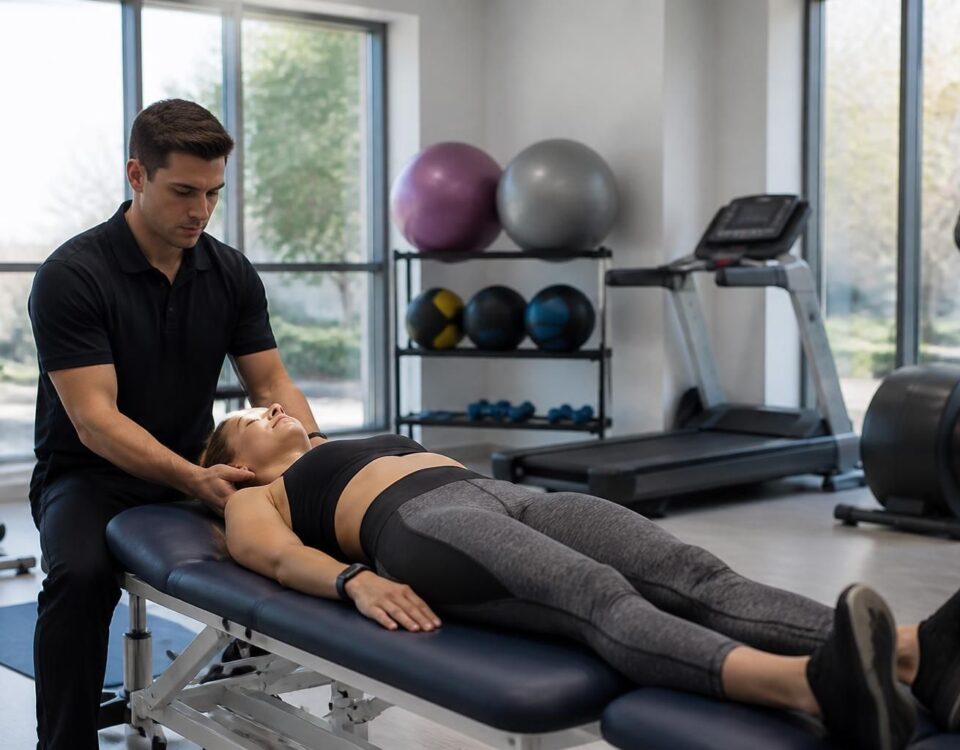


Why neurovertebral decompression is an alternative to epidural injections
26/06/2026
Key steps for successful treatment in neurovertebral decompression
26/06/2026In short
In short, the neurovertebral decompression is one Non-invasive therapy who uses a Soft and precise traction To create a space between the vertebrae, relieve pain associated with thevertebral osteoarthritis and improve the mobility of the patient. suitable for All ages, it fits into a Custom program and can be associated with exercises and other therapeutic approaches. available to Montreal and on the North Shore (for example Terrebonne), this approach offers a Lasting pain reduction and a gradual improvement in flexibility, while emphasizing the security and thescreening. |
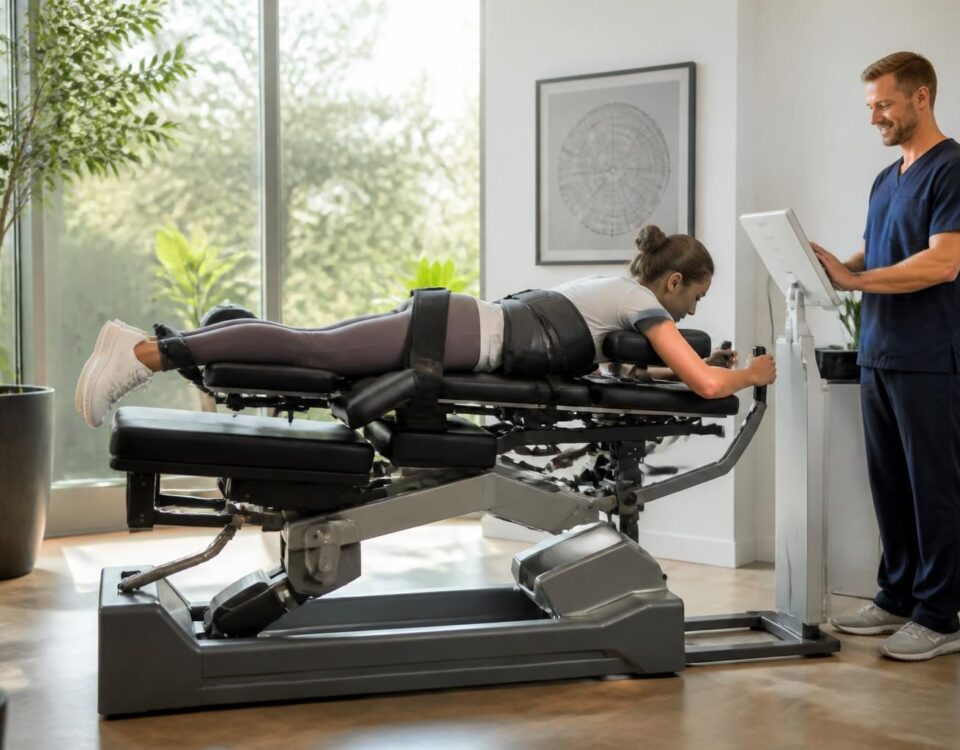
The neurovertebral decompression is therapy non-invasive which aims to restore the space between the vertebrae, to reduce the pressure on the intervertebral discs and nerves, and to promote the recovery of tissues.
She is Suitable for all ages And can be personalized after a complete osteopathic evaluation, ensuring safety and efficacy.
The benefits include the pain reduction, theImproving mobility and the Disc rehydration, which can slow the progression of spinal osteoarthritis and improve the quality of life. It fits into a glad Global therapeutic program With gentle exercises and other non-invasive approaches.
Neurovertebral decompression is a non-invasive approach that aims to reduce pressure on nerves and intervertebral discs. It uses controlled traction to create spaces between the vertebrae and promote the nutritional intake of the discs. This method is part of a global care strategy, adapted to each patient and operable in Montreal, Terrebonne and on the North Shore, in particular within the TagMed clinic. It can be considered regardless of age, after a complete osteopathic evaluation and without having to resort to surgery. To learn more about principles and applications, see neurovertebral decompression and TagMed resources.
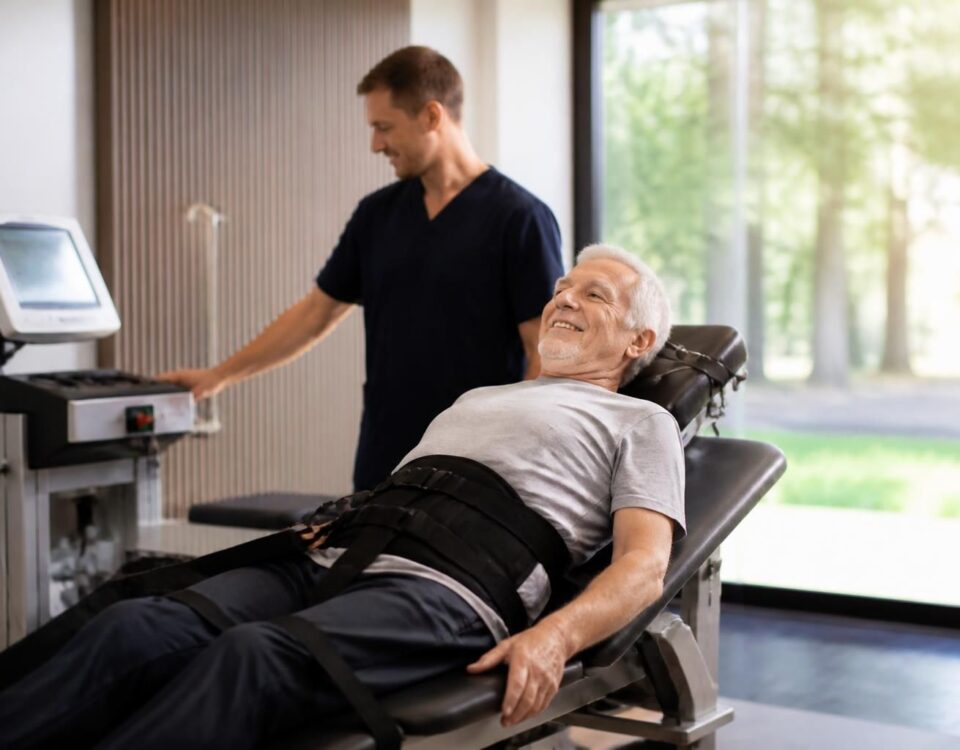
Neurovertebral decompression is suitable for a large population. Its goal is to reduce the pressure exerted on the discs and nerves, which can relieve pain and improve mobility. This approach is particularly relevant when vertebral osteoarthritis, protrusions or canal shrinkages are manifested by pain and decreased range of motion. It applies to both older patients and active adults, with no strict age limit, as long as the clinical and radiological evaluation allows it.
Principles and mechanisms
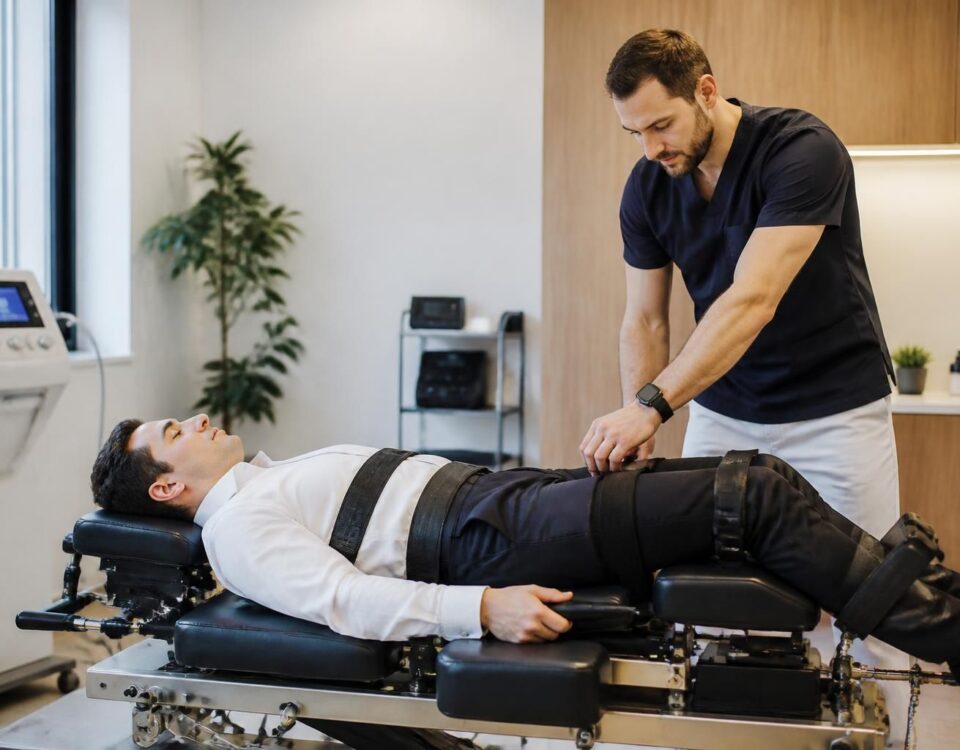
Neurovertebral decompression is based on gentle and precise traction, guided by computerized systems. This traction gradually separates the vertebral surfaces and releases the compressed nerve structures. Through this mechanism, it promotes the circulation of fluids and the imbibition of intervertebral discs, which contributes to reducing inflammatory signs and improving mobility. This approach is non-surgical and tissue-friendly, making it a suitable option for a variety of patients.
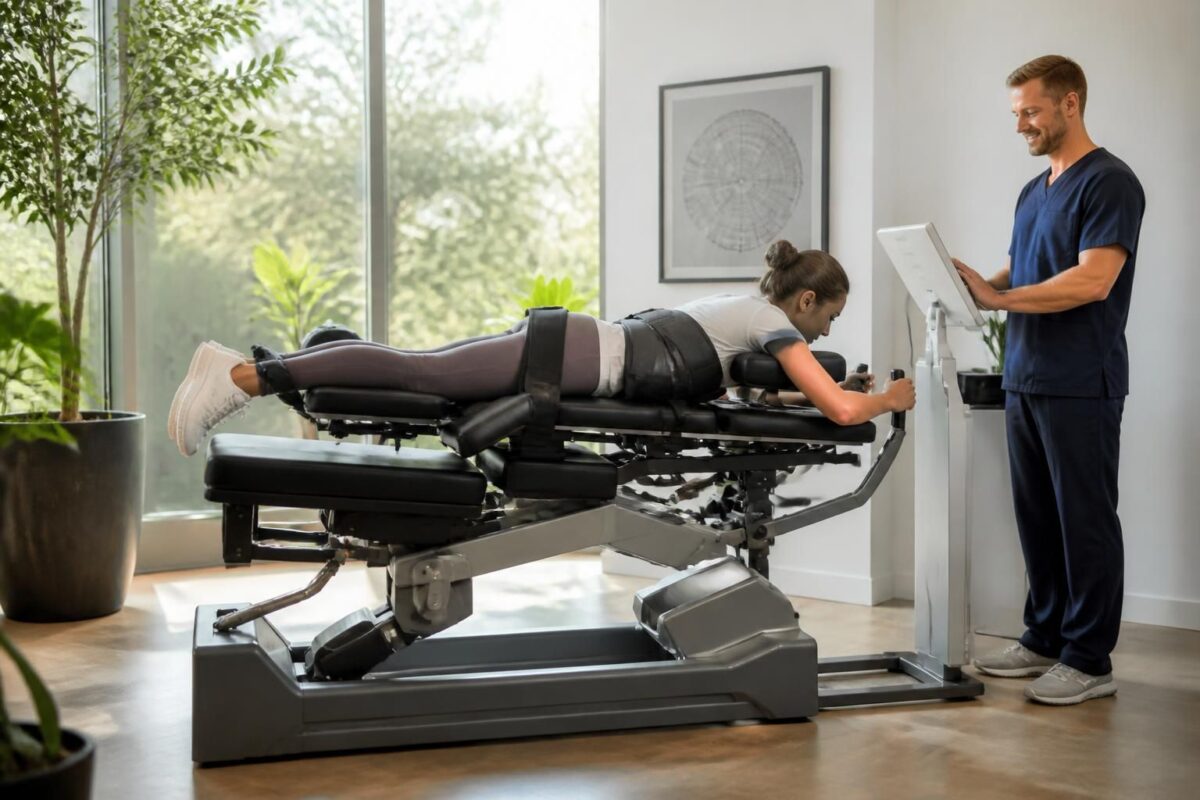
The long-term benefits of neurovertebral decompression for spinal health
In short In short, the neurovertebral decompression is a non-invasive approach that decreases the Pressure on intervertebral discs and nerves, favoring the Natural regeneration and tissue recovery. Its long-term benefits include Lasting pain reduction, Improving mobility and from the posture,…
Security and eligibility criteria by age
Safety is at the heart of any process. Before starting treatment, a complete osteopathic evaluation is necessary. The practitioner examines medical history, imaging examinations and potential contraindications. Conditions that may contraindicate decompression include some active bone or inflammatory damage, spinal instability or pregnancy. Age alone does not determine access to therapy; It is the overall clinical situation that decides on the relevance of treatment.
in specialized clinics such as Tagmed Clinic, the protocols are adapted to each patient. The goal is to maximize safety and comfort while providing lasting pain reduction and improved mobility. Contraindications and precautions are clearly identified during the initial assessment, and the protocol can be adjusted based on clinical course and individual needs.

Neurovertebral decompression and mobility: a return to an active life
In short In short, the neurovertebral decompression is therapy non-invasive who uses a gentle traction To create a space between the vertebrae and reduce the pressure on the Intervertebral discs and the nerves. It promotes a bloodstream improved, lowers tension…
Integration into a global therapeutic approach
Neurovertebral decompression is part of a global approach to spinal health. It can be associated with manual techniques, mild muscle strengthening programs and postural rehabilitation. The objective is to optimize the stability and alignment of the column, while respecting the limits and capacities of each one. Complementary technologies available in specialized clinics make it possible to evaluate and adjust treatment as part of a coordinated and personalized plan. For more general information about the associated approaches, you can view the resources associated with TagMed and other specialized pages on the subject.
To learn more about practical aspects and possible outcomes, see the following resources: SOS Herniated Disc and Prevention of chronic back pain.
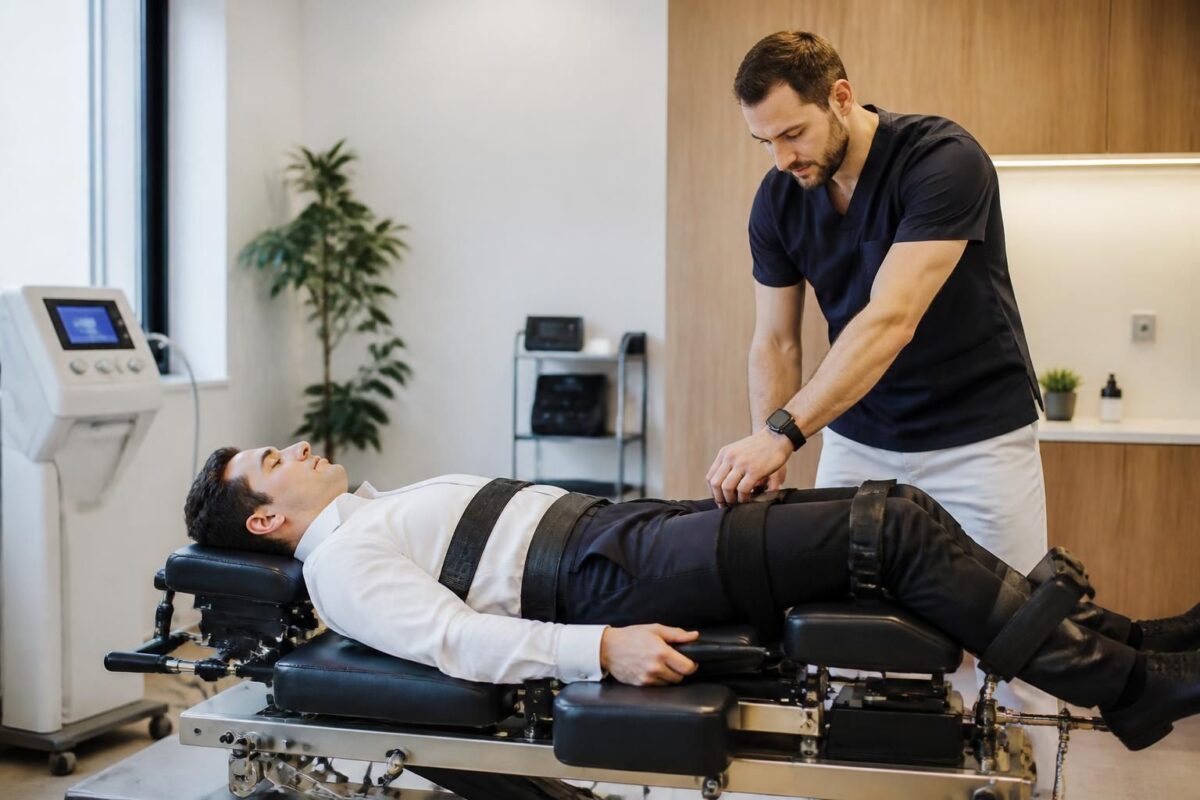
How Neurovertebral Decompression Prevents Diffuse Chronic Pain
In short decompression neurovertebral is one Non-invasive method aimed at reducing the Pressure on the intervertebral discs and the nerves, in order to prevent Diffuse chronic pain. It improves the circulation and thedisc hydration, decreases inflammation and promotes better mobility.…
Application cases and clinical returns
Returns from elderly and young patients show a reduction in pain and an improvement in the range of movements after several sessions. As part of a global treatment plan, these effects are prolonged when the protocols are adapted and the needs of the patient monitored regularly by a qualified osteopath. Assessments and clinical data support the idea that an individualized approach can be effective for different profiles and different severity levels.
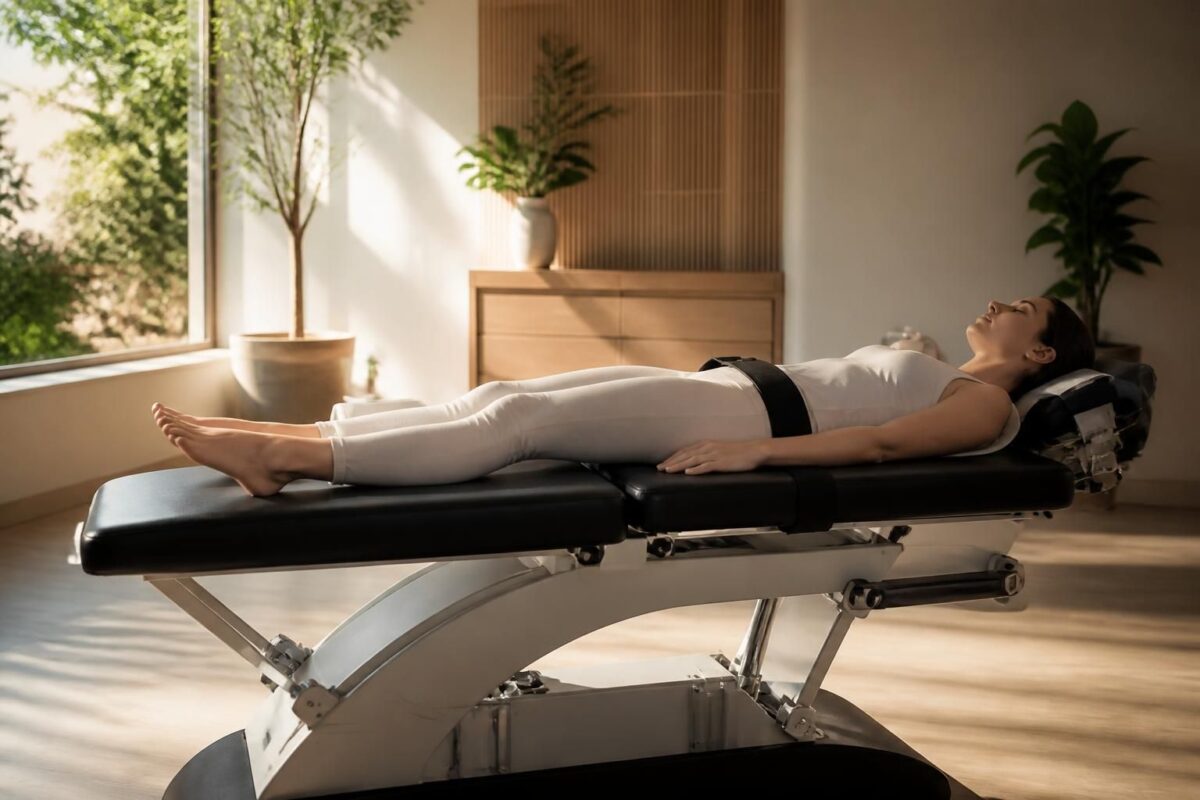
Neurovertebral Decompression and Body Alignment: Restoring Natural Balance
In short In short, neurovertebral decompression is one Non-invasive approach who restores theBody Alignment and thenatural balance back and neck. She acts by a Controlled traction of the spine to widen the intervertebral space and reduce the Pressure on discs…
SEO and professional resources
The practice of neurovertebral decompression is supported by up-to-date exchanges and clinical resources. For care in Montreal and on the North Shore, the TagMed Clinic offers integrated care in an osteopathic approach based on existing evidence and technologies. You can learn more about TagMed services and neurovertebral decompression by checking the clinic site and associated resources.
To deepen the subject, here are additional resources available in the relevant areas: SOS SCIATIC, Decompression and spinal circulation, Posture and imbalances, and Neurovertebral decompression – a therapy for all ages.
For legal aspects and training information, focus on resources associated with recognized institutions and organizations in this area, including NUMSS and NAO, National University of Medical Sciences and National Academy of osteopathy, as well as the ACMA, College of Canadian Osteopaths and College of Canadian Osteopaths.
For any information on the treatments offered to TAGMED and their indications, please consult Tagmed Clinic.
Medical Disclaimer: The information and advice provided on this site does not replace the health professional’s diagnosis or treatment. Please note that Dr. Sylvain Desforges osteopath is neither a doctor of medicine nor a doctor, and is not a specialist in a medical specialty as defined by the Collège des Médecins du Québec. Manual medicine, functional medicine and sports medicine as described on this site exclude any medical treatment or diagnosis made by a doctor or specialist doctor. Always consult your doctor for any medical questions. For more details, please read our full legal notice.
- neurovertebral decompression Suitable for all ages
- Evaluation osteopathic complete before treatment
- Traction Soft and controlled according to profile
- contraindications identified and followed
- personalized program with gentle rehabilitation
- Comfort and security During the sessions
- Sustainable reduction of pain and improvement of mobility
- Hold theautonomy and daily activities
- Avoid treatments invasive or surgery
- Results durable and adapted progression
- Adaptable toage and at the activity level
- Integration with other approaches non-invasive
This recommendation presents why the neurovertebral decompression is suitable for all ages, how it fits into a global approach and what key elements guarantee safety, efficiency and comfort. It emphasizes a personalized evaluation and careful monitoring for lasting results in terms of pain and of mobility.
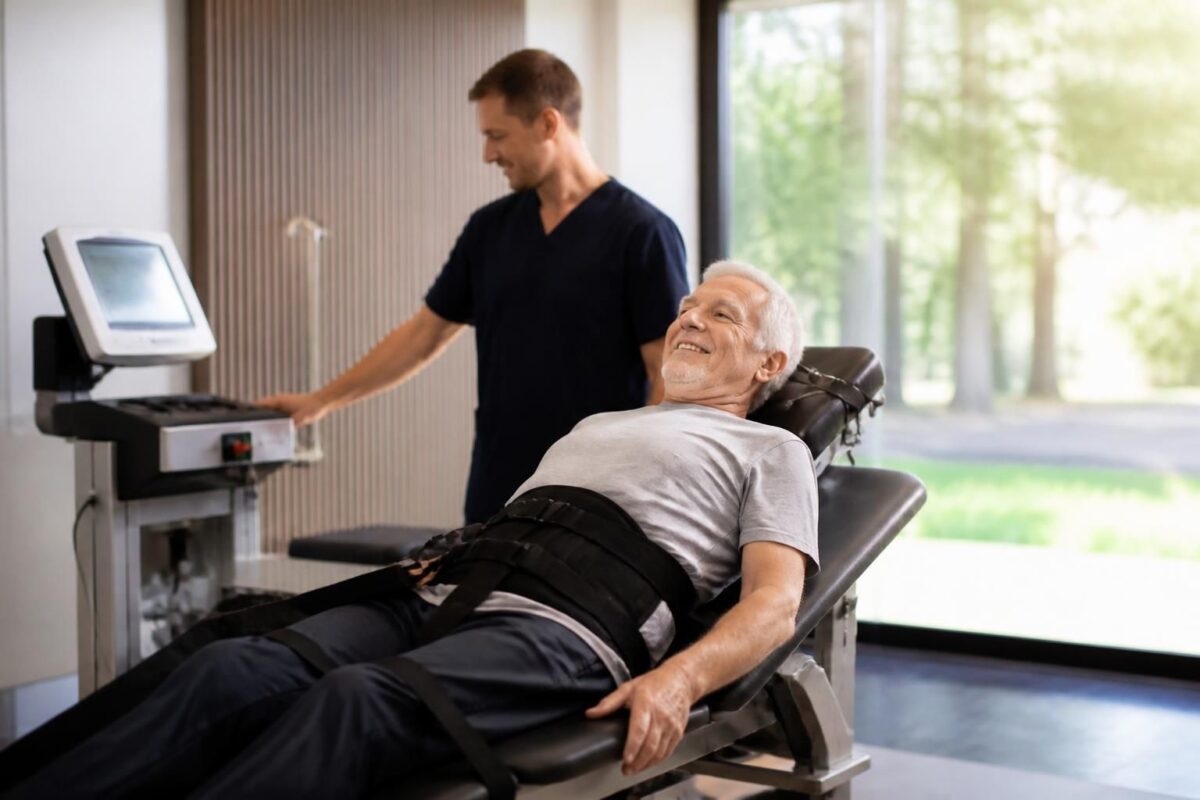
Why neurovertebral decompression is a lasting solution for active seniors
In short In short, the neurovertebral decompression is one Non-invasive therapy which sustainably relieves spinal pain in the spine active seniors By creating, by a Soft and controlled traction, a space between the vertebrae. At Montreal, it is recognized as…
Evaluation and eligibility criteria
Before any treatment, a Osteopathic evaluation in-depth makes it possible to verify the contraindications and design a custom protocol. Medical history, imaging and functional capabilities guide technical choices. The factors to consider include a Severe osteoporosis, recent fractures, active infections, pregnancy, presence of implanted material and vertebral instability. In all cases, safety remains a priority and the program is adapted to the age and general condition of the patient.
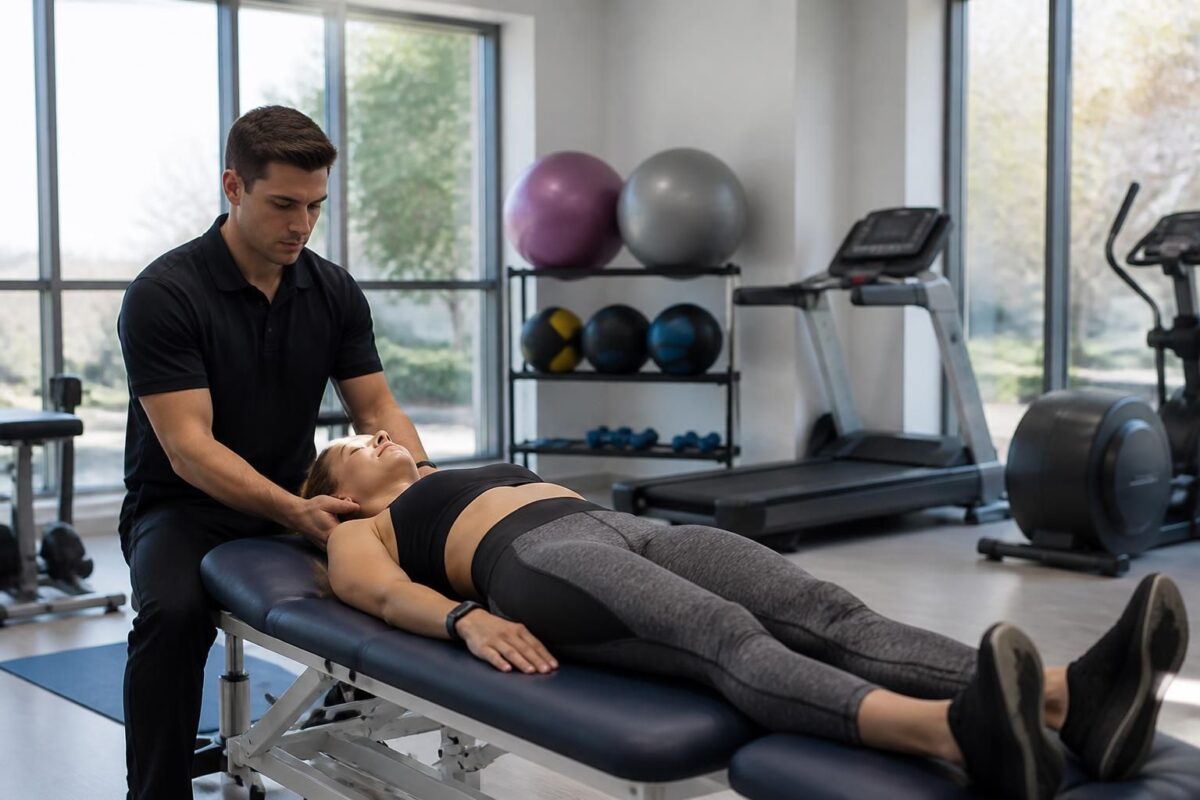
Neurovertebral decompression and recovery after severe sports injury
In short In short, the neurovertebral decompression is one Non-invasive method to Relieve the pressure on the Intervertebral discs and the gristle Via a Controlled traction, to facilitate the recovery After a severe sports injury. It improves the bloodstream towards…
Adaptation of the protocol by age
Young adults and active adults
For these profiles, decompression can aim for a rapid pain reduction and an improvement in mobility, with progressive sessions and gentle exercises between visits. The objective is the restoration of the function and a secure resumption of sports or professional activities. The use of a computerized traction system ensures precision, comfort and respect for individual limits, while integrating into a complete rehabilitation process.
Seniors and people at risk
In older patients, the intensity and duration of the sessions are adjusted and enhanced monitoring is put in place to prevent complications related to osteoporosis or other comorbidities. The approach remains fresh, personalized and focused on maintaining autonomy and quality of life. Decompression is part of a Global program Including postural exercises and light muscle strengthening to support the spine.
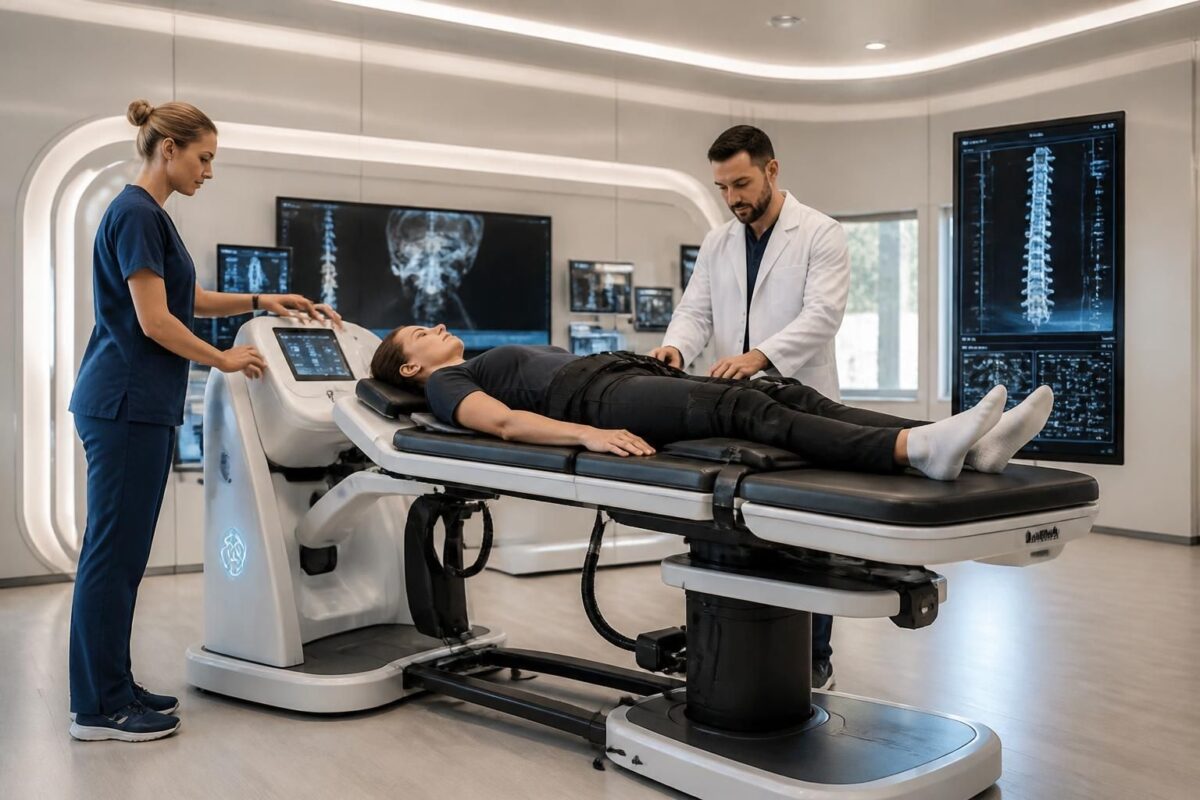
Recent innovations in neurovertebral decompression technologies
In short In short, the neurovertebral decompression is an approach non-invasive Aiming to reduce pressure on discs and nerves, and promote tissue regeneration. At Montreal, it is positioned as an effective option for lower back pain and herniated discs. The…
Integration into a global approach
Neurovertebral decompression is not an isolated solution: it integrates with a osteopathy specific and complementary rehabilitation technologies and protocols. By associating controlled traction, joint techniques and appropriate exercises, we obtain a Lasting pain reduction and an improvement in mobility, while maintaining patient safety at each step.
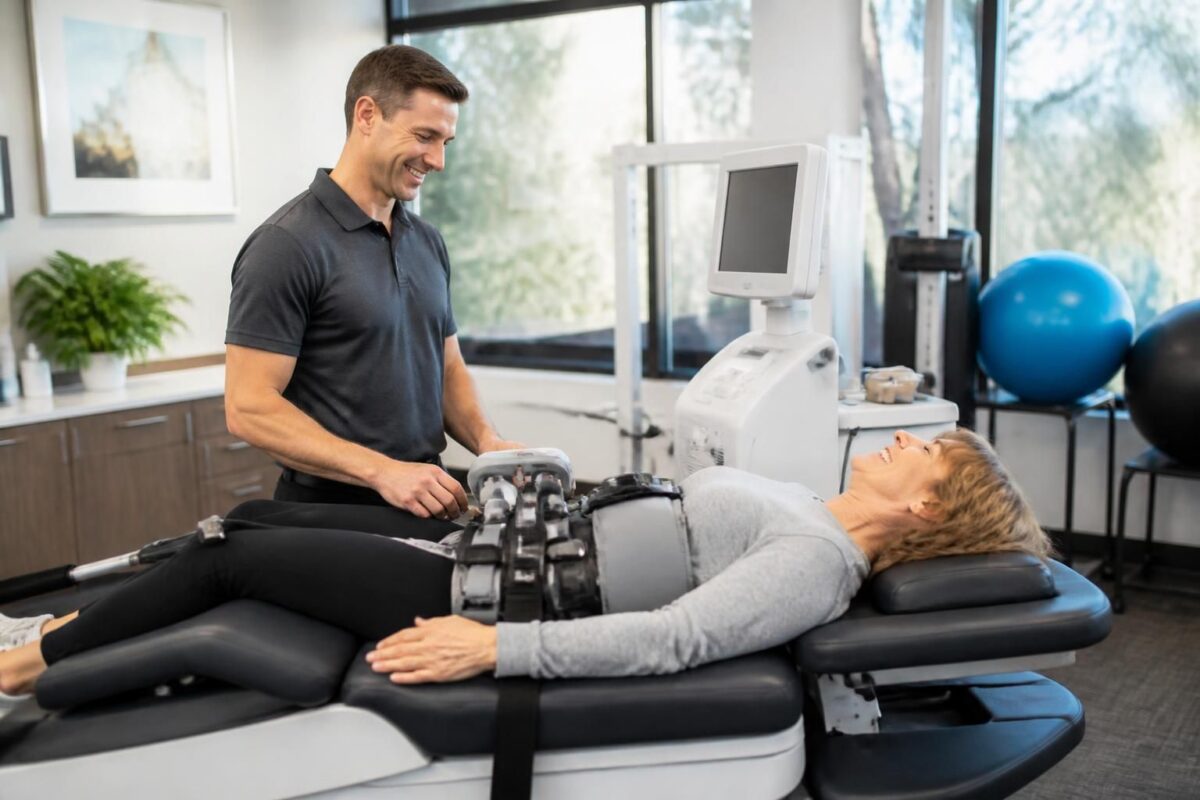
Neurovertebral decompression and diffuse pain: an appropriate solution
In short In short, the neurovertebral decompression is one Non-invasive solution For diffuse pain related to nerve irritation of the spine. She acts in Reducing pressure on intervertebral discs and nerves and improving the bloodstream, which promotes recovery and the…
Good practices and follow-up
Regular follow-up with the osteopathic team makes it possible to adjust the protocol and prevent relapses. Between sessions, simple exercises and posture tips extend the benefits and slow down the progression. Safety and comfort remain the priorities, reinforced by clear communication on the objectives and expected results.
When to point to another support
If warning signs appear (acute pain, neurological weakness, fever, recent trauma, loss of control), it is necessary to quickly direct towards a complete medical evaluation and reassess the advisability of decompression. In some cases, an adaptation of the therapeutic plan or a non-invasive alternative may be preferred.
| axes | Description |
|---|---|
| Age and security | suitable for All ages thanks to a Personalized osteopathic evaluation and secure protocols. |
| Non-invasive nature | Procedure non-invasive and tolerable, without noticeable pain. |
| Key indications | pain reduction and improvement in mobility For lumbar and cervical vertebral osteoarthritis. |
| contraindications | Severe osteoporosis, recent fractures, active infections or spinal instability. |
| Duration and frequency | Protocol spread over several weeks with regular sessions. |
| Patient comfort | Experience comfortable, Technique soothing and adapted to the rhythm. |
| Effects on mobility | improvement of theamplitude and from the flexibility, gradual return to activity. |
| Therapeutic integration | Supported overall With manual medicine, physiotherapy and complementary technologies. |
| Local accessibility | Quick appointments in Montreal and on the North Shore, easy access for all ages. |
As an active teenager, I was afraid that my back pain would prevent me from practicing sport. After a few sessions of neurovertebral decompression, I found a Mobility found and an Significant pain reduction. It’s a solution Suitable for all ages which allowed me to resume my activities with confidence.
At 42, my lower back pain made my days difficult and my traveling tiring. The neurovertebral decompression gave me a Sustainable relief and an Improving mobility Without surgery, with an approach personalized which respects my rhythm and my work.
At 68, cervical stiffness and headaches related to osteoarthritis limited me in my daily gestures. After the protocol, I feel less pain, my neck moves better and my sleep has improved. It’s therapy non-invasive Which really fits my age.
30-year-old professional sportsman, I was faced with a slipped disc and radiant pain. Decompression helped me Slow down progress and to Resume training faster, with a plan Adapted to my performance.
My father, aged 62, was skeptical at first, but the results were convincing: he finds a Sustainable quality of life and can Reinvest your daily activities without pain. This experiment clearly demonstrates that this therapy is Suitable for all ages.
For me, an active young adult, decompression proved to be Soft and efficient, with a palpable improvement in my flexibility and my posture. I recommend this approach as a key step in a global rehabilitation and preventive For all age profiles.
Dr. Sylvain Desforges is recognized as an expert in the fields ofosteopathy, from the manual medicine and from the naturopathy. At the head of the TagMed Clinics and as founding president of theACMA Association, he pursues a career focused onHealth Innovation. His practice focuses on the Chronic pain management and the integration of advanced technologies such as neurovertebral decompression, the laser and shockwave therapies. Its goal is to provide evidence-based care to optimize the health and well-being of each patient.
In this context, the neurovertebral decompression is presented as an option non-invasive and highly targeted to treat vertebral pathologies. This technique is based on a Precise and controlled traction, guided by computerized systems, which gradually frees the space between the vertebrae. it acts directly on the Intervertebral discs and the Neighboring nerves, favoring the Disc rehydration and the reduction of inflammatory processes. Rather than being a universal remedy, it fits into a Overall therapeutic plan and personalized, adapted to each patient and compatible with a long-term care path.
Dr. Desforges’ approach always begins with a Personalized evaluation and thorough. theosteopath Analyzes the medical history, performs a rigorous clinical examination and, if necessary, relies on imaging to adjust the pressure and duration of the sessions. of contraindications potential are scrupulously identified, to ensure patient safety and protocol effectiveness. The treatment is conceived as a Individualized program, which evolves over time and clinical returns, and which can be enriched by gentle exercises and complementary techniques adapted to age and physical condition.
The observed benefits concern All ages, from young workers to the elderly. Decompression can improve the mobility and reduce pain, while promoting more restful sleep and better ability to resume daily activities. Combined with appropriate rehabilitation and postural advice, it can help slow the progression of certain osteoarthritis diseases and preserve autonomy. His character non-invasive and low-risk It makes it particularly attractive for patients looking for a tissue-preserving approach and avoiding surgical interventions.
On a professional level, Dr. Desforges relies on a logic evidence-based, by combining its clinical expertise with sophisticated technologies and close collaboration with other health professionals. Its commitment is manifested by rigorous practice, careful follow-up and clear communication with patients and their loved ones. Thanks to this framework, the neurovertebral decompression Becomes a credible and accessible option for those who want to revitalize their spine and regain an active quality of life, regardless of age.
In this perspective, the trajectory proposed by Dr. Desforges illustrates a vision where the neurovertebral decompression Adapts to every personal journey and to every physical reality. By combining careful listening, accurate assessment and application of advanced technologies, it offers a therapeutic pathway that supports rehabilitation and encourages pain-free life, regardless of the decade.
This conclusion summarizes the key points around the neurovertebral decompression and his character Suitable for all ages. It recalls the principle of gentle traction which releases the discs and nerves, the benefits on the mobility and the pain, as well as the importance of a Personalized evaluation and a secure setting. She also underlines the interest of integrating this non-invasive approach into global care, combining osteopathy, rehabilitation and complementary technologies.
The neurovertebral decompression is therapy non-invasive which can be considered regardless of the age of the patient. Through controlled and computerized traction, it aims to create a space between the vertebrae and reduce pressure on the intervertebral discs and nerves. This approach promotes the imbibition of discs and improves local circulation, which helps to reduce pain and restore a more natural range of motion. To understand the innovations and benefits observed, you can consult resources such as those dedicated to Technological innovations in neurovertebral decompression and analyzes on theOptimizing spinal health.
This therapy fits perfectly into a Custom program Combining osteopathic adjustments, gentle exercises and, if necessary, complementary technologies such as shock waves or cryotherapy. Its effectiveness is based on a Full assessment prior and on compliance with contraindications, in order to ensure security and lasting results for each patient. Typical programs can be spread over several weeks with adapted sessions, and the benefits are measured by reducing pain, improving mobility and a better quality of life.
Recent data and clinical returns support the idea that age is not a strict barrier to the effectiveness of decompression. On the contrary, it can help slow the progression of degeneration and prevent relapses when it is well integrated into a global approach. To learn more about observed indications, limits and results, explore resources such as analysis on the Restoring range of motion after a spinal injury and presentations on the impact on daily mobility.
For those who wish to deepen the relationship between decompression and management of the chronic pain or the improvement of mobility, additional resources evoke the mechanical benefits and specific indications. For example, articles and testimonials on the Prevention of recurrent pain and the Benefits for mechanical pain Offer convenient anchor points.
Additional resources explore how decompression can be part of a process of returning to active life and mobility, including after injuries and as part of a functional recovery. To deepen, see the following references and related pages: Find an active life, Indications, advantages and limits, and Reserve for young osteoarthritis.
Overall, neurovertebral decompression offers a therapeutic option Accessible and adaptive For patients of all ages, when placed in a process overall and supervised by qualified professionals. To learn more about possibilities and protocols, you can view resources and feedback such as Restoring range of motion after injury and analyzes on relevant innovations.

Dr Sylvain Desforges, B.Sc., D.O., N.D., osteopath, is the founding president of TAGMED and of the ACMA association. He dedicates his practice to chronic spinal pain, low back pain and symptoms compatible with sciatica, particularly when pain radiates toward the buttock, leg, calf, foot or toes.
Through SOS Sciatique, he publishes educational content on sciatica symptoms, possible causes such as disc herniation, disc narrowing, foraminal stenosis or irritation of a lumbar nerve root, as well as non-surgical approaches that may be considered according to the evaluation. At Clinique TAGMED, care may include, depending on the case, motorized neurovertebral decompression, specific osteopathic care or precision percussion.
For an evaluation related to sciatica treatment in Montreal / Mount Royal or sciatica treatment in Terrebonne, please consult the services available at Clinique TAGMED.
Medical disclaimer
The information published on SOS Sciatique is provided for educational purposes only and does not replace a consultation, diagnosis, opinion or treatment provided by a physician or another authorized healthcare professional. The author of this article is neither a medical doctor nor a specialist in a medical specialty recognized by the Collège des médecins du Québec. The osteopathic, manual medicine or functional support approaches described on this site do not constitute medical acts and are not intended to replace medical follow-up.
Consult a physician or emergency service in cases of loss of bladder or bowel control, anesthesia in the saddle area, significant or progressive weakness in the leg or foot, fever, recent trauma, severe pain or rapid worsening of symptoms. For more details, please read our Legal Notice.