Neurovertebral Decompression and Muscle Tensions: A Global Approach
26/06/2026
Neurovertebral decompression and well-being: regaining a quality of life
26/06/2026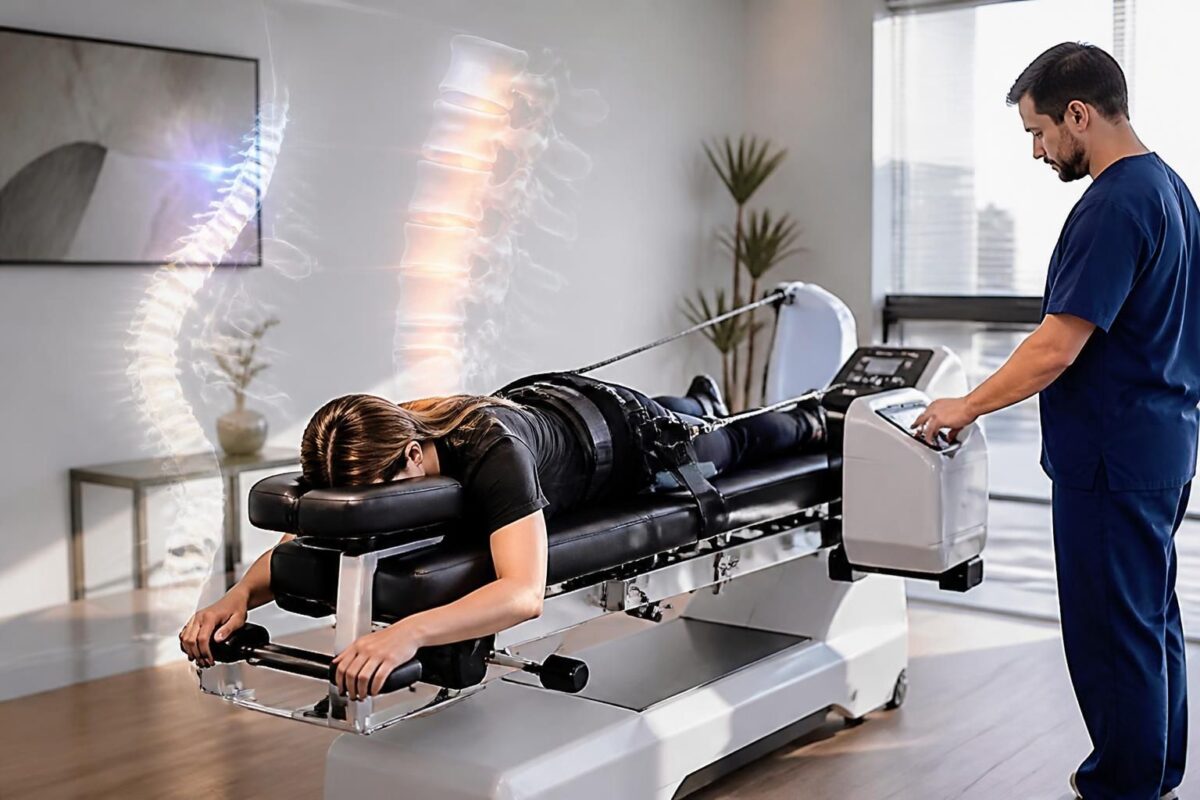
In short
| In short, the neurovertebral decompression is one Non-invasive method which relieves the Diffuse pain related to the back and neck. She acts in creating a space between the vertebrae and reducing the Pressure on discs and nerves thanks to a Controlled traction. Its advantages: pain reduction, Improved mobility and posture, and Prevention of recurrences without surgery. In Montreal, this service is particularly recommended for pain diffusing in the limbs and disc pathologies. In practice, patients find their activity more easily and a better quality of life. |
The neurovertebral decompression is an approach non-invasive which acts on the spine by traction controlled, creating a space between the vertebrae. This action reduces the Intra-discal pressure, favoring the Disc rehydration and the retraction of the curved or herniated parts which compress the gristle.
As a result, the pain diffuse Combined with disc dysfunctions and nerve irritations may decrease, thanks to improved local blood circulation and reduced inflammation. The technique also helps to improve mobility and posture by releasing adjacent muscle tension and rebalancing the mechanical forces that act on the spine.
To optimize the results on diffuse pain, a Personalized treatment plan and an evaluation by a health professional are essential. Although beneficial for many, this treatment requires appropriate patient selection and follow-up to ensure safety and efficacy.
This synthesis explains how neurovertebral decompression affects diffuse pain, especially those affecting the back and neck. It presents the mechanisms, the benefits, the framework of a treatment and the resources to deepen the subject. The main message is clear: reducing pressure and improving circulation facilitate healing and reduce spreading pain.
neurovertebral decompression Applies gentle, controlled traction on the spine. This traction creates a space between the vertebrae and lowers the pressure inside the intervertebral discs. The result is better rehydration and repositioning of the disc structures concerned. This action directly influences the nerves and surrounding tissues, which decreases diffuse painful signals.
Mechanism of action
The technique produces an internal vacuum that promotes the rebalancing of the disk and adjacent structures. It improves blood circulation in the treated area. This nutritional enhancement supports natural tissue repair. Reducing pressure on the nerves decreases painful stimuli that diffuse into the back, shoulders, arms or legs. The process is non-invasive and does not require surgery.
Impact on diffuse pain
Diffuse pain covers an area rather than being located at a single point. They benefit from the decrease in the disc pressure and the improvement of the circulatory flow. As a result, painful signals decrease and mobility improves. Decompression promotes a better ability to move painlessly, which can reduce the uncertainty associated with daily movements.
Processing and security process
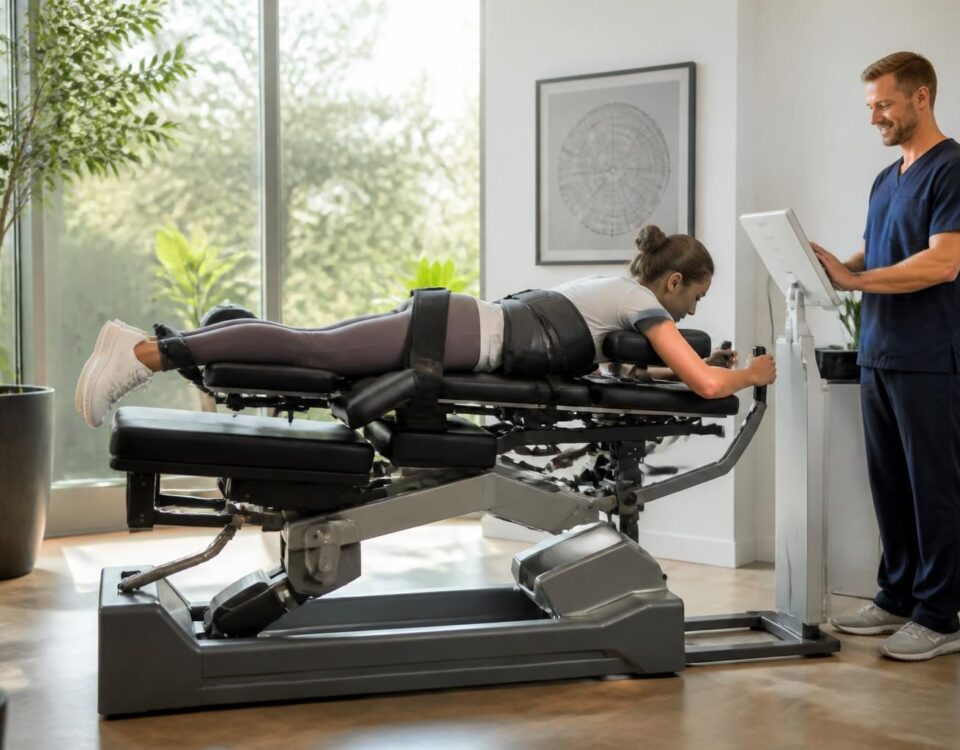
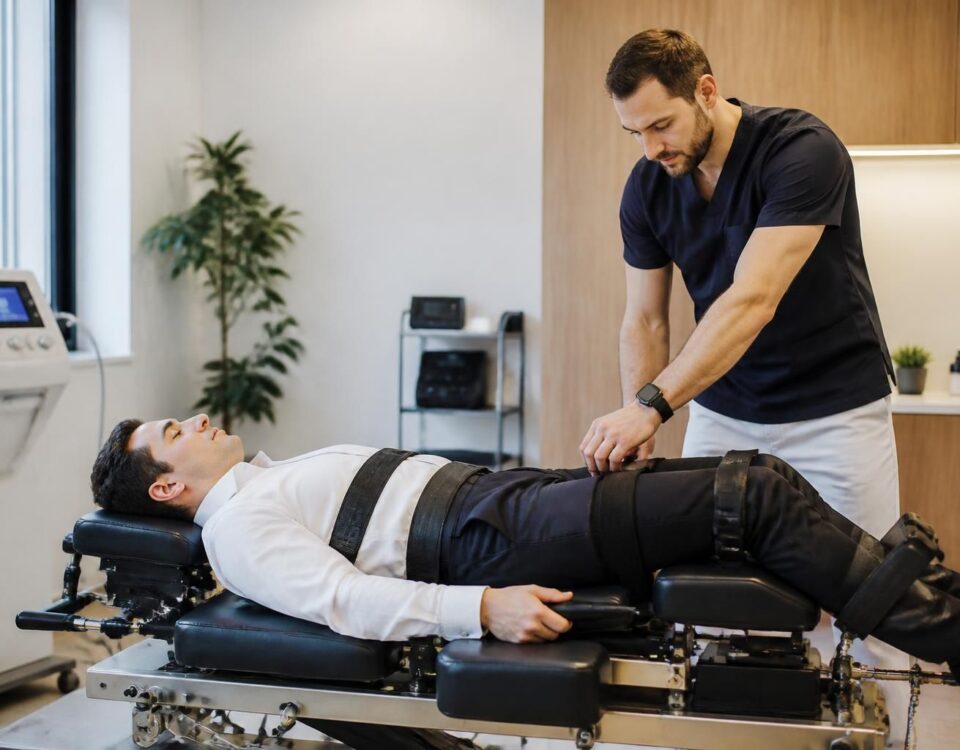
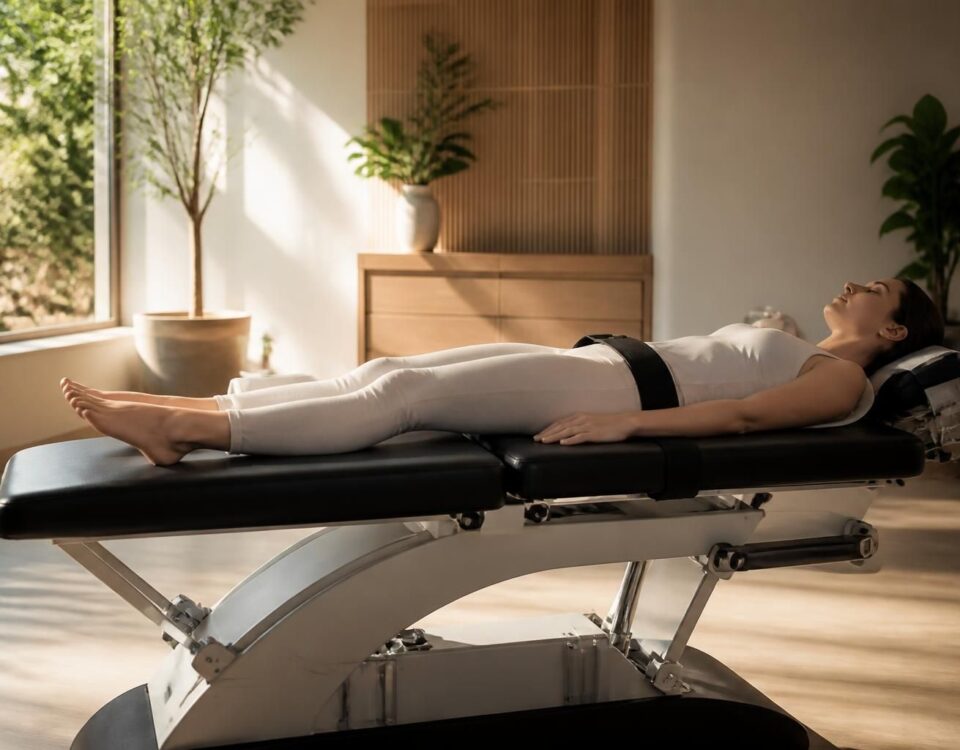
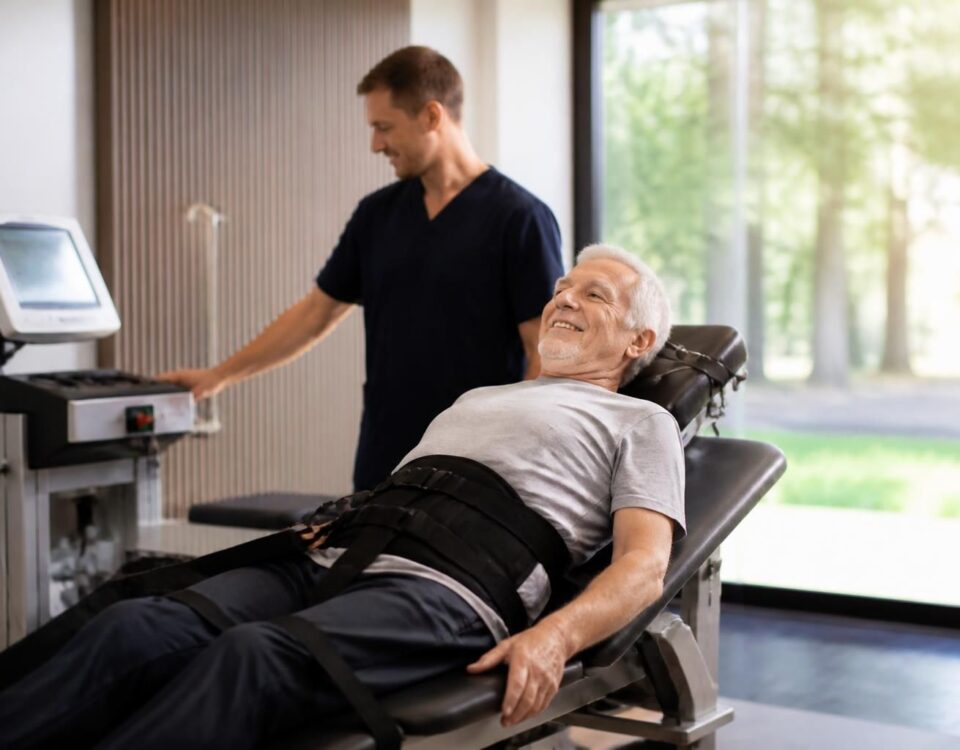
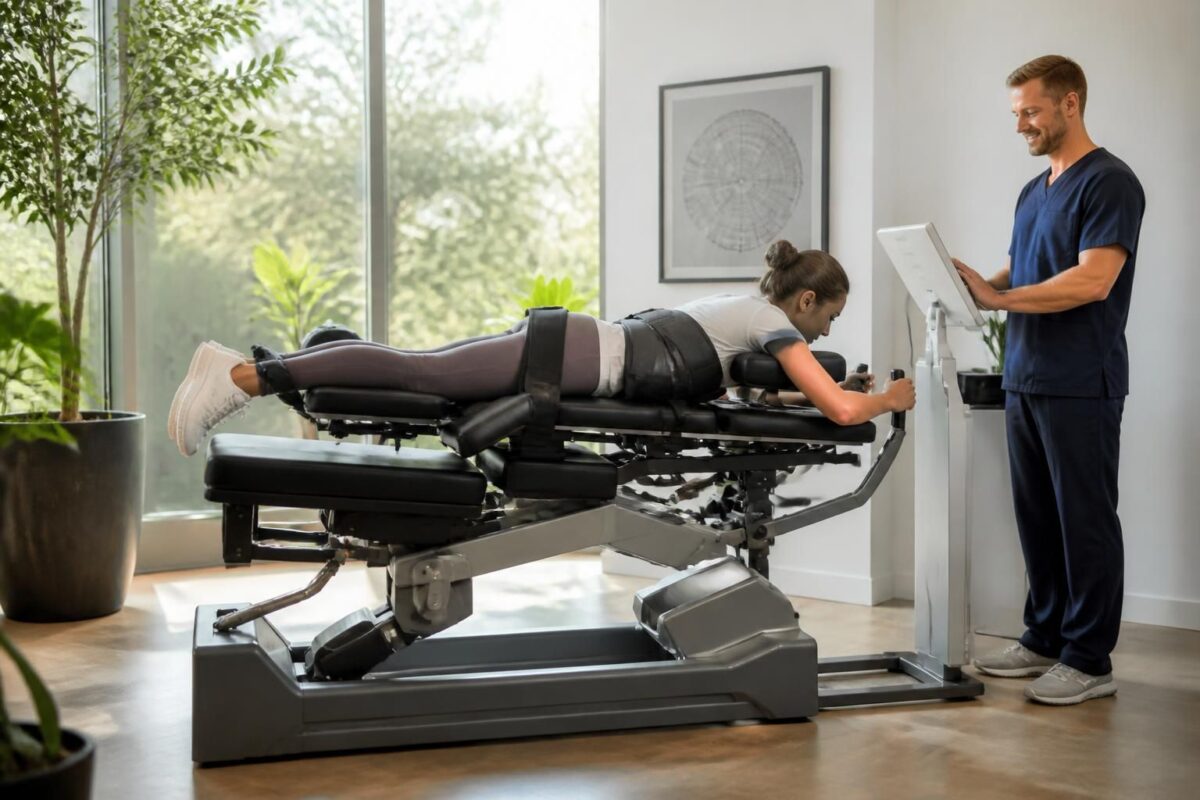
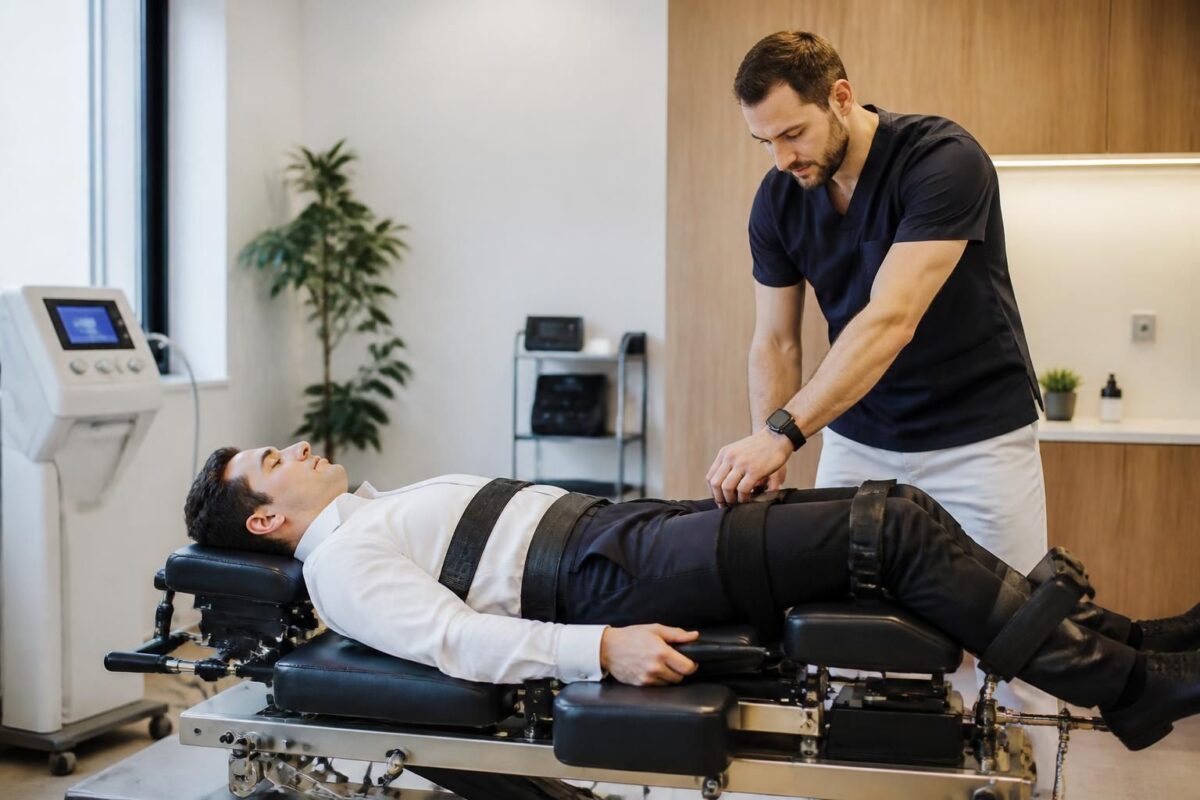
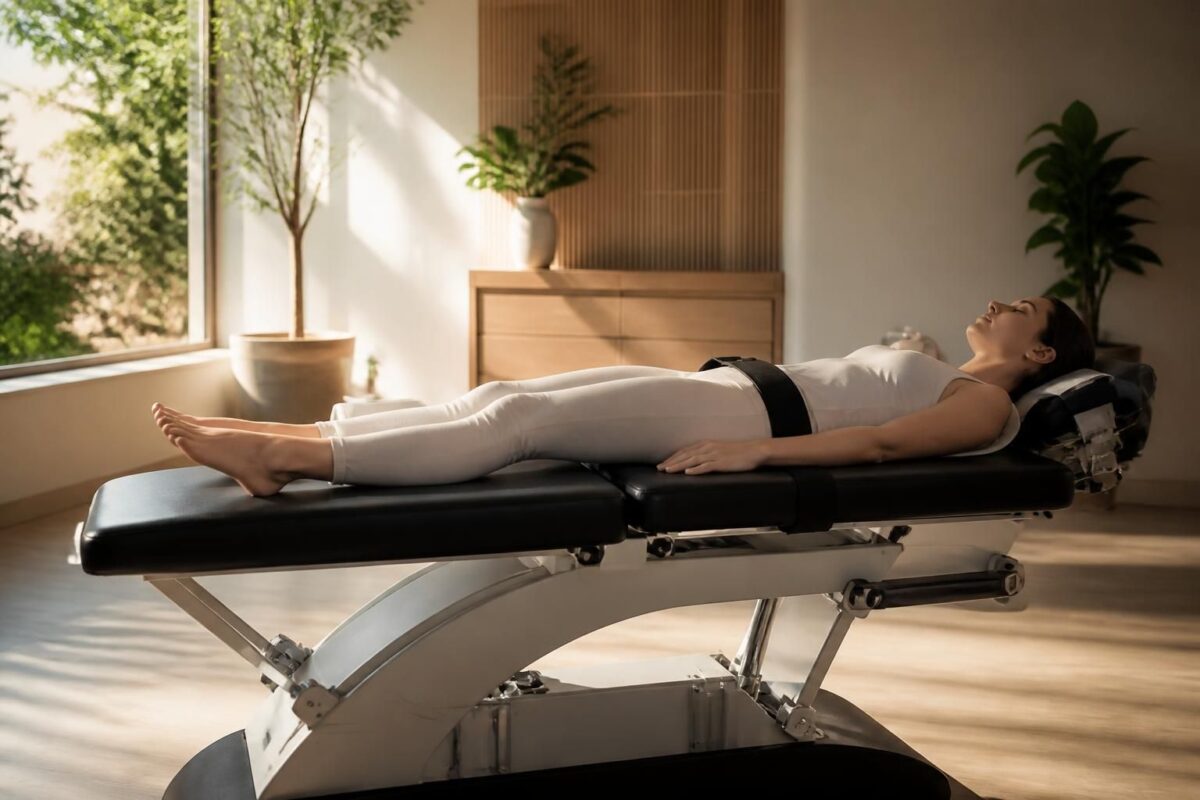
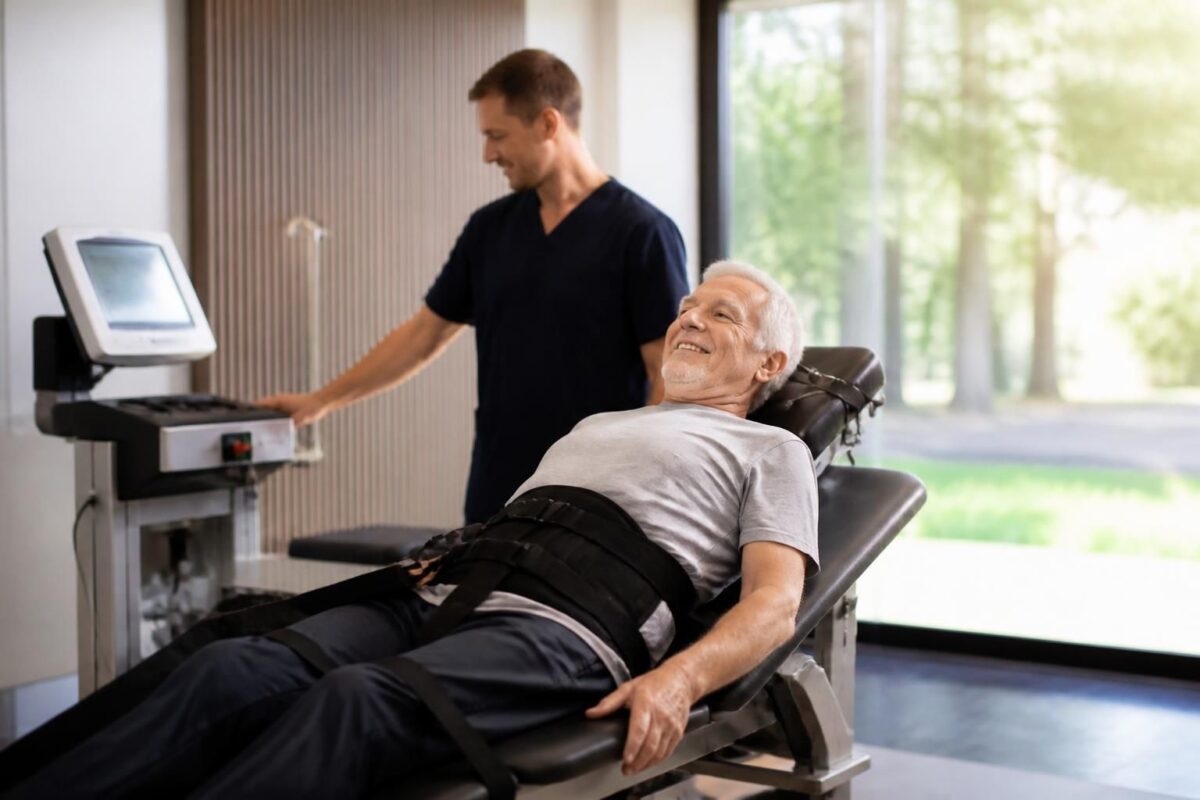
The treatment is non-invasive and computer-guided. A decompression table adjusts the force and traction sequence based on the patient’s data. The typical protocol provides for several sessions over a suitable period, without necessary anesthesia. The doctor evaluates each patient before establishing a personalized plan. Contraindications exist and justify an in-depth medical evaluation.
When to consider decompression
It is indicated for diffuse back and cervical pain associated with factors such as protrusions, disc bulges or disc degeneration, when conservative treatments do not provide lasting relief. It can be proposed when the pain radiates but remains diffuse and the objective is to avoid a surgical approach.
What Clinical Studies and Experiments Say
Clinical data indicates a reduction in disc internal pressure and functional improvement after a decompression program. Patients often report a decrease in pain and better mobility after the first set of sessions. The use of technology allows precise targeting and real-time monitoring of patient tolerance.
Integration into a care program
In specialized clinics, decompression is part of a global care pathway. It is associated with posture advice and reinforcement exercises adapted to the context, without favoring inappropriate stretching. For patients living in Montreal or in neighboring regions, establishments such as Tagmed Clinic propose this approach in a robust, evidence-based clinical setting. To learn more about the approach and programs, you can consult the following resources: Neurovertebral decompression on SOS disc herniation, Neurovertebral decompression and reduction of chronic mechanical pain, Secondary muscle pain and full management, Tracking protocols after successful decompression and General well-being and quality of life. These resources provide an overview of benefits, steps and impact on daily life.
Resources and useful links
For further information, see additional information and protocols available on the following sites:
SOS Herniated Disc – Neurovertebral Decompression,
Sossciatica – chronic mechanical pain,
Sosciatica – Secondary muscle pain,
Sosciatica – Follow-up protocols and
Sosciatica – Well-being and quality of life.
In order to obtain an appropriate assessment and a plan of care, contact a TagMed clinic or consult the resources associated with SOS herniated disc and SOS sciatica.
Medical Disclaimer: The information and advice provided on this site does not replace the health professional’s diagnosis or treatment. Please note that Dr. Sylvain Desforges osteopath is neither a doctor of medicine nor a doctor, and is not a specialist in a medical specialty as defined by the Collège des Médecins du Québec. Manual medicine, functional medicine and sports medicine as described on this site exclude any medical treatment or diagnosis made by a doctor or specialist doctor. Always consult your doctor for any medical questions. For more details, please read our full legal notice.
Axis: from the disc scale and nervous to the whole body and the nervous system, to explain the impact on diffuse pain.
Local mechanisms
- Intra-discal pressure reduction and Disc retraction To reduce nervous irritation.
- Mechanical opening up nerves and soft tissues, reducing nociception.
- traffic improvement blood and local lymphatic, promoting recovery.
- Stimulation of disc rehydration and Restoration of elasticity.
Impact on diffuse pain
- decrease in diffuse pain by reducing nociception and inflammation.
- Better mobility and Improved range of motion which limit overall pain.
- Reduction in central sensitivity and Less pain related to pain.
- more balanced posture and Strengthening support structures, reducing diffuse pain linked to musculoskeletal tensions.

This article presents how the neurovertebral decompression acts on the Diffuse pain, its key mechanisms and practical recommendations to optimize this treatment in a logic of sustainable rehabilitation.
Understanding the mechanism of action on diffuse pain
The neurovertebral decompression acts mainly by reducing the Intra-discal pressure and restoring the space between the vertebrae. This mechanical effect promotes the retraction of the disc elements and the rehydration intervertebral discs, which contributes to reducing the irritation of satellite nerve structures and zygapophyseal joints. By acting on the segmental level, it can decrease the painful signals that spread to the diffuse areas of the back and neck.
Pressure reduction and disc hydration
By creating a controlled vacuum in the disc medium, traction helps the disc to regain its natural volume and absorb essential nutrients. This structural improvement decreases the pressures exerted on the nerve roots and surrounding tissues, which results in a gradual decrease in diffused pain and better tolerance to movement.
Less irritation of nerves and fascias
By releasing tensions around the nerves and fascias, the technique can also reduce referred pain and general stiffness. Less mechanical pressure means less local inflammation triggering, which contributes to more even relief on the spinal axis.
The long-term benefits of neurovertebral decompression for spinal health
In short In short, the neurovertebral decompression is a non-invasive approach that decreases the Pressure on intervertebral discs and nerves, favoring the Natural regeneration and tissue recovery. Its long-term benefits include Lasting pain reduction, Improving mobility and from the posture,…

Neurovertebral decompression and mobility: a return to an active life
In short In short, the neurovertebral decompression is therapy non-invasive who uses a gentle traction To create a space between the vertebrae and reduce the pressure on the Intervertebral discs and the nerves. It promotes a bloodstream improved, lowers tension…
Impact on the nervous system and diffuse pain
Reduction of local nociceptive stimulation can have beneficial effects on the central nervous system. By decreasing repeated painful ingress, the Central modulation takes place gradually and can participate in better management of diffuse pain. This approach is often part of a global rehabilitation program, promoting relearning movements and a decrease in allodynia or postural hypersensitivity.
Effects on irradiated pain and mobility
For pains that seem to diffuse widely, decompression can reduce nerve sensitivity and limit the mechanical stresses that maintain diffuse pain. The observable result is a Improving mobility and a reduction of pain in a sitting or standing position, facilitating the maintenance of appropriate physical activity.
How Neurovertebral Decompression Prevents Diffuse Chronic Pain
In short decompression neurovertebral is one Non-invasive method aimed at reducing the Pressure on the intervertebral discs and the nerves, in order to prevent Diffuse chronic pain. It improves the circulation and thedisc hydration, decreases inflammation and promotes better mobility.…
Neurovertebral Decompression and Body Alignment: Restoring Natural Balance
In short In short, neurovertebral decompression is one Non-invasive approach who restores theBody Alignment and thenatural balance back and neck. She acts by a Controlled traction of the spine to widen the intervertebral space and reduce the Pressure on discs…
Processing process and practical recommendations
Evaluation and treatment plan
An initial assessment makes it possible to identify areas of tension, movement limitations and possible sources of diffuse pain. The treatment plan is personalized, adapted to the age, fitness level and functional objectives of the patient, and can be extended over several weeks with regular sessions.
Conducting sessions and safety
The sessions take place on a decompression table with a harness and controlled traction. The therapist adjusts the parameters in real time according to the patient’s tolerance and response, in order to avoid any discomfort and target the most involved segments. The goal is a gradual progression that allows you to permanently install mobility and painful reduction gains.
Integration with rehabilitation
To optimize the results on diffuse pain, decompression is part of a muscle strengthening, mobility and posture program. Targeted exercises and postural advice complete the work in the clinic and promote a reduction in recurrences.
Why neurovertebral decompression is a lasting solution for active seniors
In short In short, the neurovertebral decompression is one Non-invasive therapy which sustainably relieves spinal pain in the spine active seniors By creating, by a Soft and controlled traction, a space between the vertebrae. At Montreal, it is recognized as…
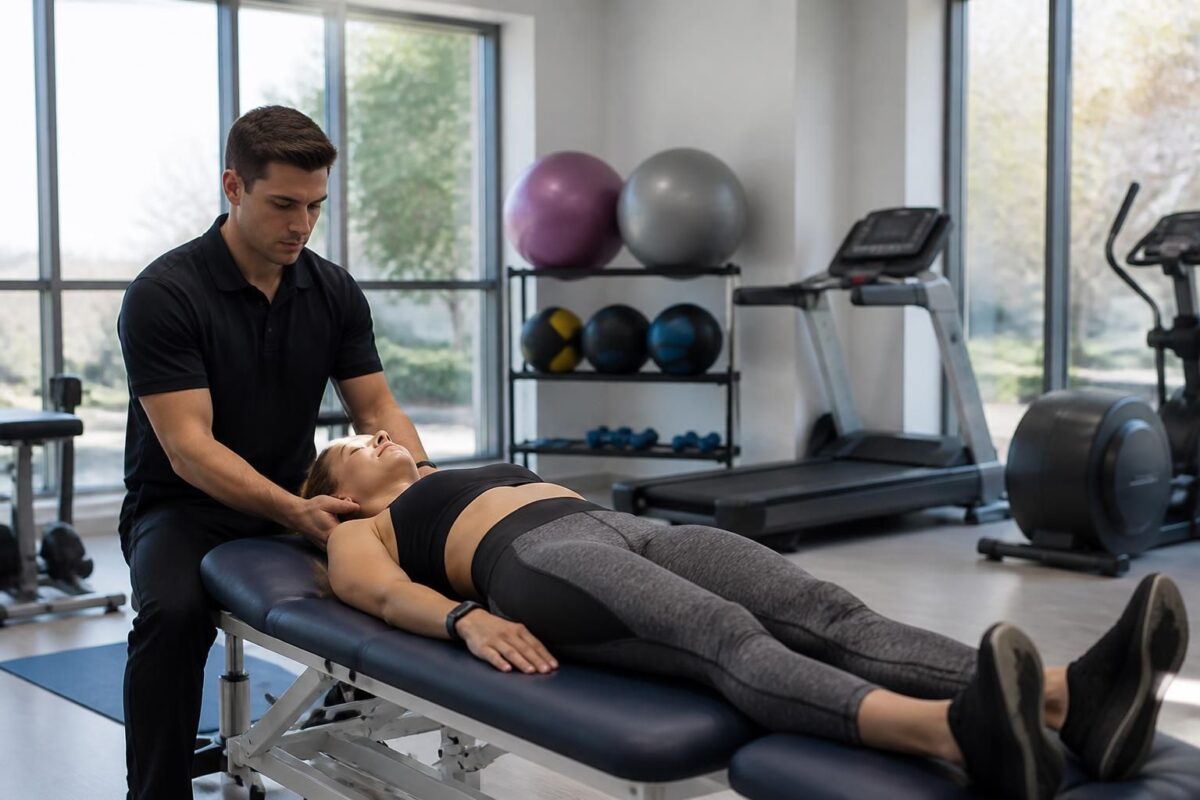
Neurovertebral decompression and recovery after severe sports injury
In short In short, the neurovertebral decompression is one Non-invasive method to Relieve the pressure on the Intervertebral discs and the gristle Via a Controlled traction, to facilitate the recovery After a severe sports injury. It improves the bloodstream towards…
Tips for maximizing profits
Posture and movement
maintain a Neutral posture And avoiding positions that aggravate the diffused pain can amplify the effects of therapy. Alternate activities, alternate periods of rest and movement, and favor gentle activities such as walking or swimming according to the indications.
Strengthening and lifestyle
A program of muscle building progressive and adapted stretching reinforce the gains obtained during the sessions. A lifestyle Adapted, including a balanced diet, good hydration and regular sleep, supports recovery and lasting reduction of diffuse pain.
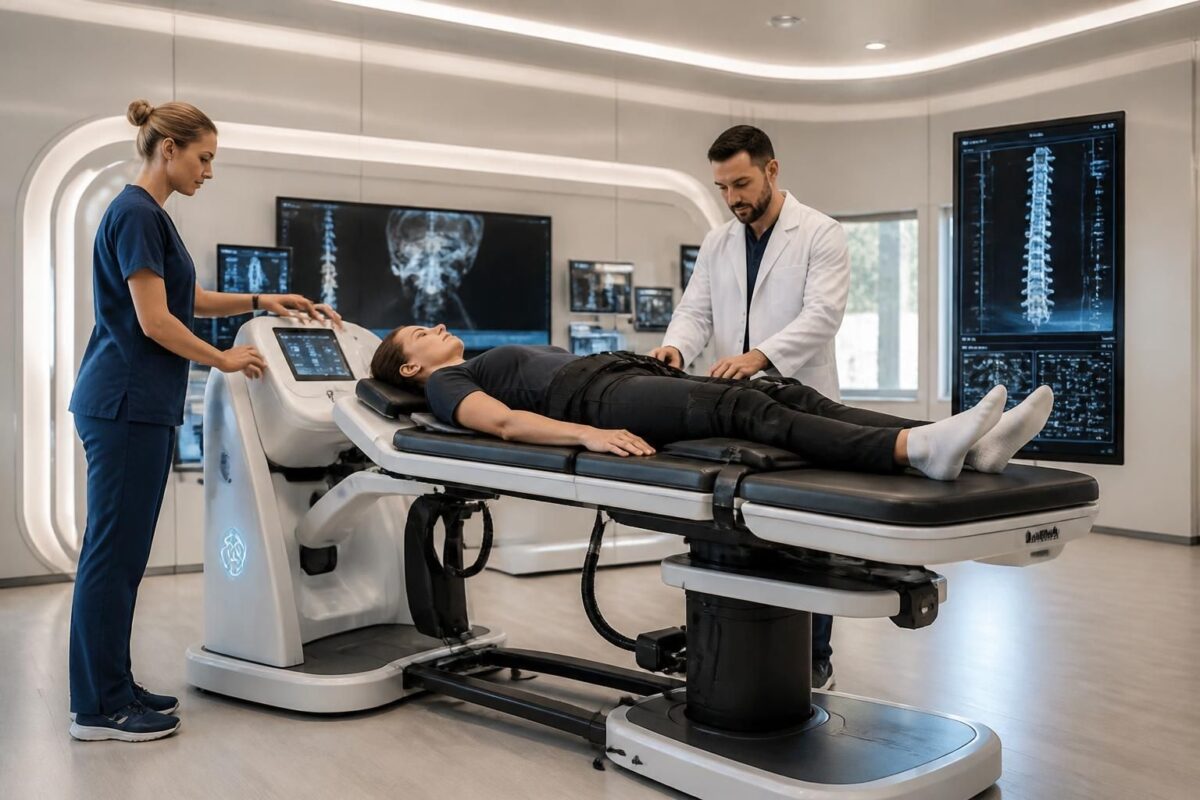
Recent innovations in neurovertebral decompression technologies
In short In short, the neurovertebral decompression is an approach non-invasive Aiming to reduce pressure on discs and nerves, and promote tissue regeneration. At Montreal, it is positioned as an effective option for lower back pain and herniated discs. The…
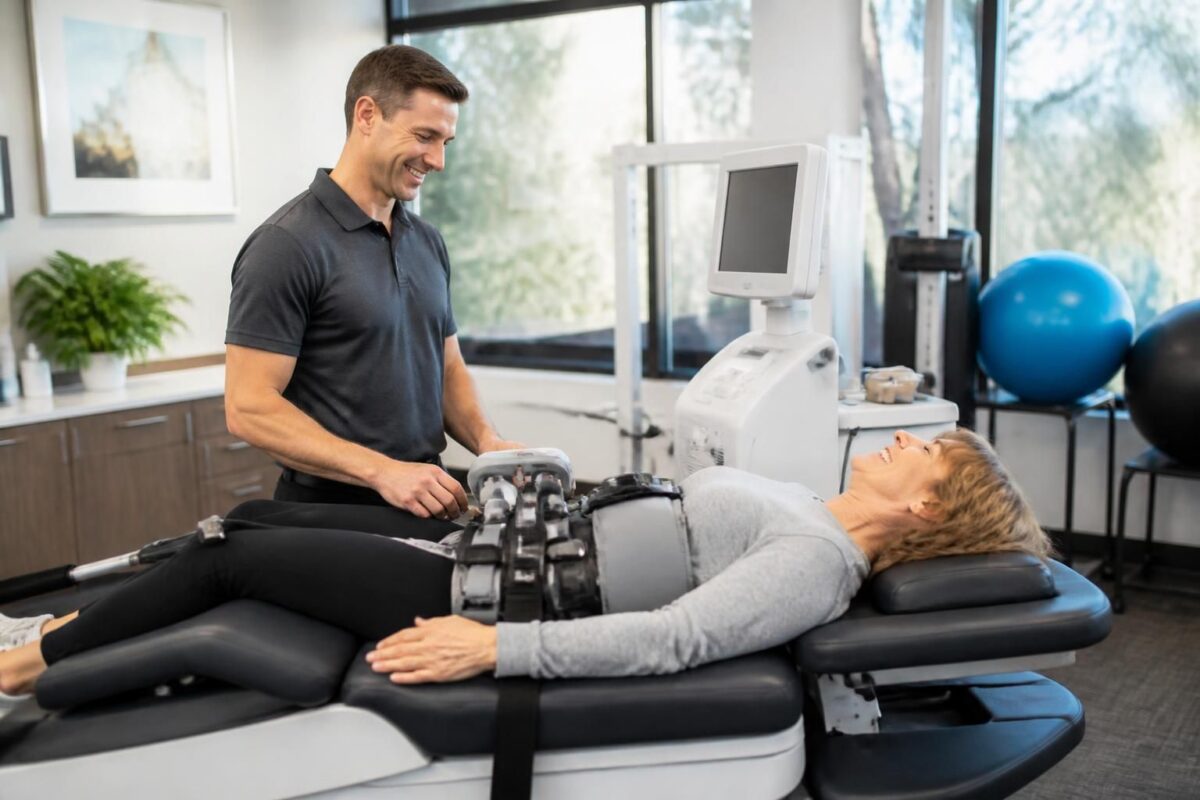
Neurovertebral decompression and diffuse pain: an appropriate solution
In short In short, the neurovertebral decompression is one Non-invasive solution For diffuse pain related to nerve irritation of the spine. She acts in Reducing pressure on intervertebral discs and nerves and improving the bloodstream, which promotes recovery and the…
Monitoring and evaluation of results
Regular monitoring makes it possible to measure progress against clinical and subjective criteria (pain scale, mobility, functional capacity). If necessary, the plan is adjusted to accentuate the benefits and target specific areas that could still limit the overall function.
| Action axis | Impact on diffuse pain |
|---|---|
| reduction of the Intra-discal pressure | Reduces compression and irritation of nerve and disc structures, lowering diffuse pain |
| Decreased muscle tension | Decreases guarding and tensions, alleviating diffuse pain |
| Improvement of the microcirculation local | Promotes oxygen and nutrient intake and reduces inflammation |
| Hydration and repositioning disc | Contributes to the rehydration and repositioning of the disc, reducing pain |
| Decreased local inflammation | Reduces inflammatory mediators and diffuse pain |
| Improved mobility and posture | Increases range of motion and corrects postural tension |
| Reduced nerve compression | Avoids diffuse nervous irritation and associated pain |
| Stimulation of healing and prevention of recurrences | Promotes tissue repair and long-term stability |
Testimonials on the effect of neurovertebral decompression on diffuse pain
“Before, my Diffuse pain appeared in the back, neck and shoulders, disturbing my sleep. Thanks to the neurovertebral decompression, I felt a clear decrease and better mobility over the sessions. »
“My Diffuse pain seemed insurmountable and constant. After the start of treatment, the pain became less present and my motor organ found me an ease to move, even after a busy day. »
“The neurovertebral decompression acts by freeing up space around the nerves and improving circulation, which has allowed my Diffuse pain to fade gradually and sustainably. »
“The first few days, I felt a noticeable reduction in diffuse pain and a feeling of lightness in my back, which encouraged me to resume my daily activities with less resentment and more confidence. »
“At the end of the program, my Diffuse pain no longer dictate my day. I am more sure of my gestures and my posture has improved significantly, which has changed my way of living every day. »
“As an athlete, my diffuse pain prevented me from going beyond my limits. With decompression, I found an amplitude of motion and faster recovery, without drug addiction. »
“I recommend this treatment to anyone suffering from Diffuse pain: It is non-invasive, personalized and effective to regain comfort and mobility, quickly and durably. »
As part of a global approach to diffuse pain management, a practitioner recognized for his expertise in osteopathy, Naturopathy and Manual Medicine directs the Tagmed clinics and the ACMA association. Her work is based on evidence-based care and a clear focus on sustained improvement in the quality of life of patients. This integrated vision combines manual techniques with advanced technologies, including neurovertebral decompression, to address not only pain, but also the deep mechanisms that maintain it.
Neurovertebral decompression acts above all on the biology of the back by applying a gentle and controlled traction on the spine. This action creates a space between the vertebrae and reduces intra-discal pressure, which promotes the retraction of bulging or herniated discs. By mechanically decreasing the compression of the spinal nerves, it attenuates the painful signals that spread and nourish the diffuse pain, even when it manifests in areas far from the vertebral origin.
At the level of the tissues, the pressure reduction allows the intervertebral disc to rehydrate and recover its height and elasticity. This disc revitalization facilitates the diffusion of nutrients and oxygen to sensitive structures, while improving local blood supply. Improving circulation promotes natural repair mechanisms and helps reduce inflammation that amplifies the pain diffused in the back, neck or shoulders.
For diffuse pain, often associated with muscle imbalances and postural tensions, decompression has a systemic effect. By releasing the stresses exerted on the muscle chains and the ligaments, it reduces the repeated nociceptive stimulations which fuel the diffuse pain. Combined with reinforcement, mobility and postural alignment programs, it reduces central nervous system sensitivity and allows increased exercise tolerance.
The care protocol is personalized and graduated. After an in-depth evaluation, an adapted treatment plan is designed, specifying the number and frequency of sessions. The sessions take place on specialized tables and incorporate real-time monitoring of patient parameters in order to adjust the traction in a secure and effective way. At the end of the course, practical advice in rehabilitation and postural correction is provided to prolong the benefits and prevent recurrences.
Observed benefits include lasting pain reduction, improved mobility and improved spine stability. By treating the mechanical cause and promoting the optimal functioning of the disc and nerves, decompression contributes to a reduction in tension on the muscles and adjacent joints. For patients with diffuse pain — lumbar, cervical or thoracic — this approach offers a non-surgical alternative, compatible with a comprehensive rehabilitation and strengthening program.
Clinical feedback and practical experience support the effectiveness and safety of this method, which combines technology and human expertise. By combining technical precision, patient listening and therapeutic rigor, it restores mobility and confidence in the body, while reducing the painful manifestations diffused and improving the quality of life on a daily basis.
rapid summary: neurovertebral decompression acts on Diffuse pain By reducing the pressure on the discs and nerves, improving local circulation and promoting tissue regeneration. This mechanism helps to reduce diffuse painful signals, improve posture and promote regained mobility, without resorting to surgery.
Neurovertebral decompression is based on gentle and controlled traction of the spine that creates spaces between the vertebrae. By lowering the Intra-discal pressure, it facilitates the rehydration and reallocation of nutrient fluids in the intervertebral discs, which can promote the repositioning of the diskaux elements and decrease the nerve compression. This approach is based on computerized systems that adjust traction according to the target region and patient evolution, offering biomechanical and personalized precision.
On diffuse pain, the benefit is manifested by a progressive reduction of the nociceptive signal transmitted by the nerves and neighboring tissues. The decrease in pressure on the nerve roots alleviates radiant pain and referred symptoms, while improvement in blood circulation in the treated area supports tissue healing and decreases local inflammation. For diffuse pain associated with increased central sensitivity, decreased peripheral irritation can help to calm hyperexcitability of the nervous system.
Beyond the direct effect on the disc, decompression promotes better vertebral function and an aligned posture, which reduces repeated mechanical stresses on the entire spine and on adjacent muscles. This postural improvement helps to prevent diffuse tensions throughout the musculoskeletal chain and to support functional rehabilitation. Personalized programs allow you to integrate strengthening and mobility exercises to maintain long-term benefits.
For patients who wish to go further, additional resources describe how neurovertebral decompression affects diffuse pain and underlying mechanisms. In particular, you can consult dedicated evaluations and guides that detail the process, indications and expected results. For example, you may discover explanations about the role of decompression in pain reduction and improvement of tissue regeneration at specialized sites such as Complete guide for patients. Other resources discuss the overall aspects and muscle tension associated with decompression on Neurovertebral decompression and muscle tension.
To enrich your understanding and discover complementary perspectives, here are some resources that explore how decompression can influence diffuse pain and tissue regeneration: How decompression affects diffuse chronic pain, Advanced neuropathic pain, Role and knowledge of the patient, and How it works.
In addition, some resources highlight the specific benefits for athletes and people suffering from pain related to muscle tension or neuropathic factors, reinforcing the idea that decompression can be integrated into prevention and global rehabilitation programs. For a practice adapted to your profile, do not hesitate to discuss with a qualified professional and to refer to the dedicated guides mentioned above.

Dr Sylvain Desforges, B.Sc., D.O., N.D., osteopath, is the founding president of TAGMED and of the ACMA association. He dedicates his practice to chronic spinal pain, low back pain and symptoms compatible with sciatica, particularly when pain radiates toward the buttock, leg, calf, foot or toes.
Through SOS Sciatique, he publishes educational content on sciatica symptoms, possible causes such as disc herniation, disc narrowing, foraminal stenosis or irritation of a lumbar nerve root, as well as non-surgical approaches that may be considered according to the evaluation. At Clinique TAGMED, care may include, depending on the case, motorized neurovertebral decompression, specific osteopathic care or precision percussion.
For an evaluation related to sciatica treatment in Montreal / Mount Royal or sciatica treatment in Terrebonne, please consult the services available at Clinique TAGMED.
Medical disclaimer
The information published on SOS Sciatique is provided for educational purposes only and does not replace a consultation, diagnosis, opinion or treatment provided by a physician or another authorized healthcare professional. The author of this article is neither a medical doctor nor a specialist in a medical specialty recognized by the Collège des médecins du Québec. The osteopathic, manual medicine or functional support approaches described on this site do not constitute medical acts and are not intended to replace medical follow-up.
Consult a physician or emergency service in cases of loss of bladder or bowel control, anesthesia in the saddle area, significant or progressive weakness in the leg or foot, fever, recent trauma, severe pain or rapid worsening of symptoms. For more details, please read our Legal Notice.