

Benefits of neurovertebral decompression for the elderly
25/06/2026
Neurovertebral decompression: a solution for recurrent back pain
25/06/2026
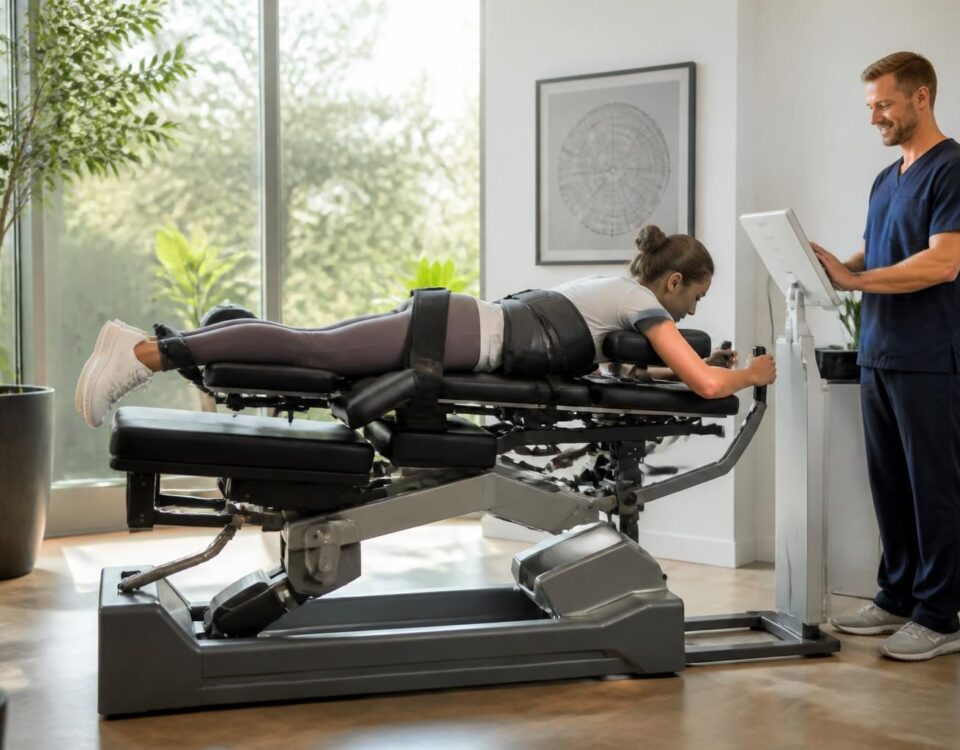
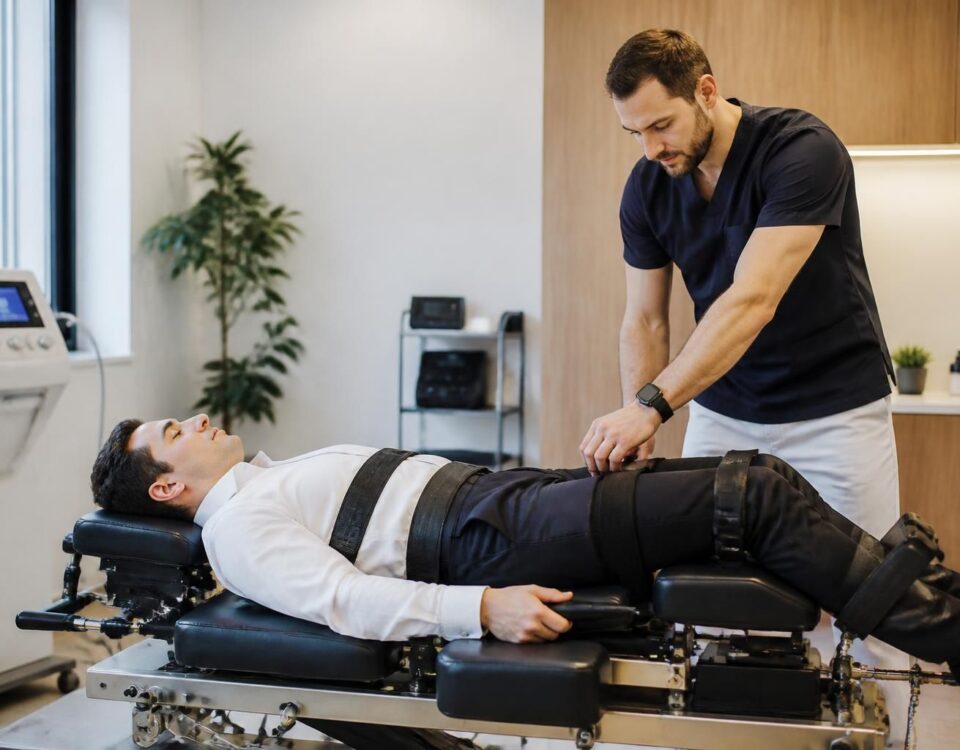
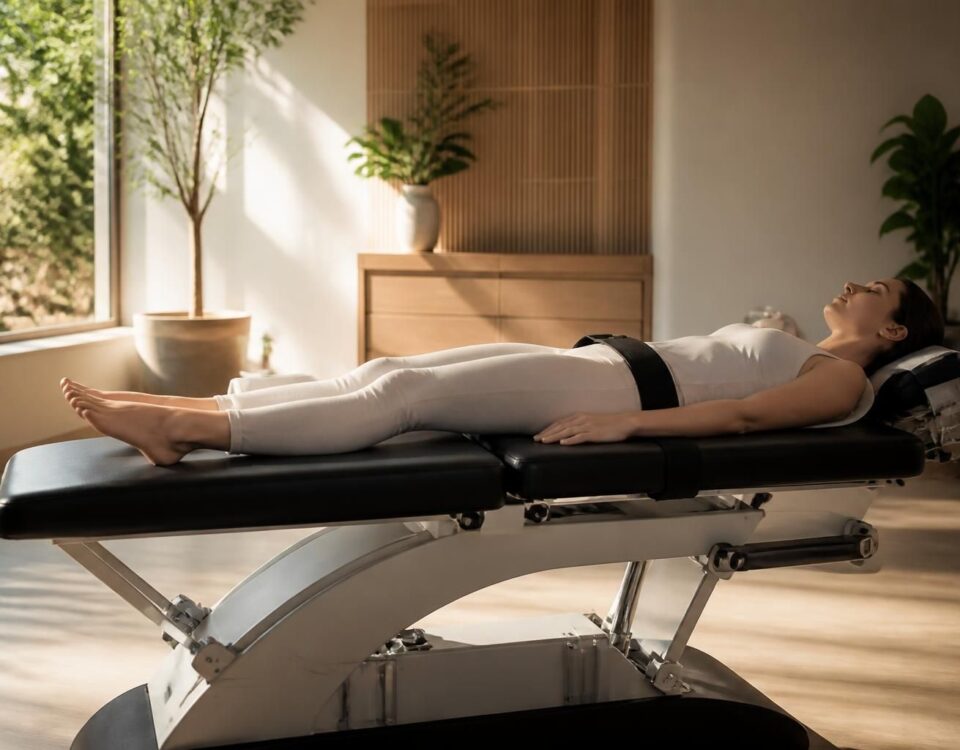
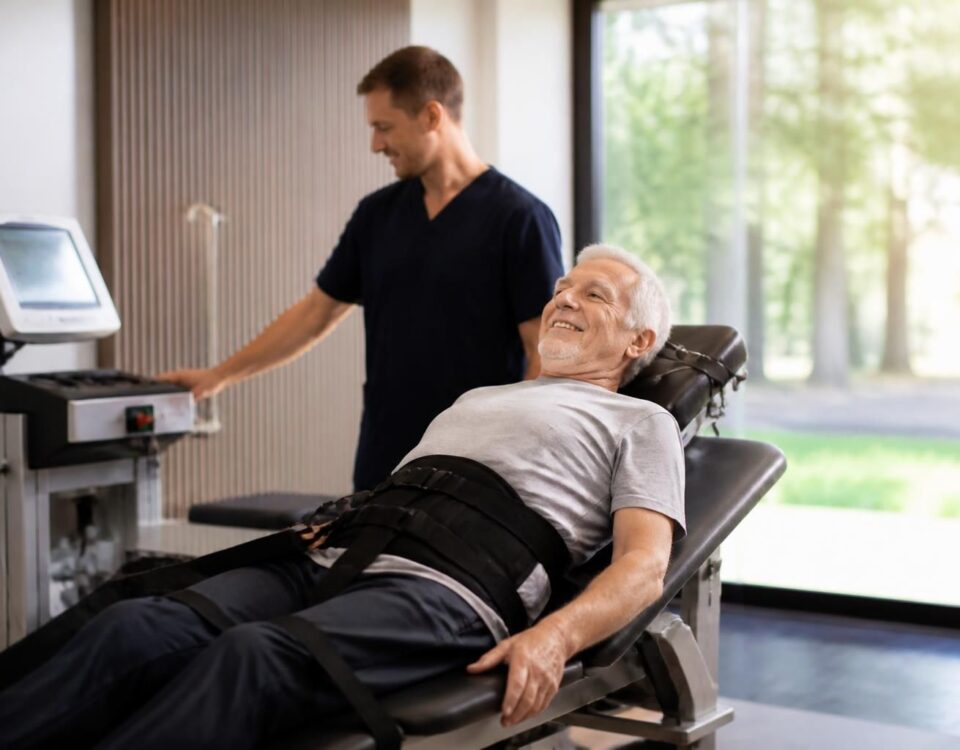
In short In short, the neurovertebral decompression is a method non-invasive which applies a Controlled traction on the column to create a space between the vertebrae and release the pressure on the Intervertebral discs and the gristle. This release improves the mobility joint and reduces pain, thanks to a better circulation and tissue regeneration. Key Benefits: pain reduction, Improved range of motion, better bloodstream and faster recovery after injuries. How does it work? A gentle traction releases tension, realigns the column and promotes the return of fabrics to their natural state. In Montreal, this treatment can be integrated into a global care program to maintain thephysical activity and the flexibility without surgery. |
The neurovertebral decompression is an approach non-invasive which aims to improve the Joint mobility by acting on the spine.
- Controlled traction creating a space between the vertebrae and reducing the pressure on the discs and nerves.
- pressure reduction to restore the range of motion of the segments and reduce the limiting pain.
- traffic improvement blood and nutrient intake favoring tissue regeneration around the spine.
- Muscle relaxation and Relaxation of tensions which facilitate gestures and reduce stiffness.
- Alignment and posture improved, supporting better functional mobility.
- Accordingly, range of motion Increases, pain decreases and mobility for daily and sports activities is improved.
This article explains how the neurovertebral decompression can improve the Joint mobility By acting directly on the spine and the Intervertebral discs. This non-invasive approach creates a space between the vertebrae, decreases the pressure on the nerves and discs, and promotes local circulation. The result is a better range of motion, a reduction in pain and a smoother resumption of daily activities.
The technique is based on controlled traction applied to the spine. This traction relaxes the surrounding muscles and releases the stresses on the gristle and the Intervertebral discs. In the presence of reduced pressure, the joint structures regain better function and increased range of motion. You can read more about the mechanisms and results observed on the specialized pages linked below.
Effects on tissues and healing mechanisms support a Tissue regeneration local and a better bloodstream. This combination facilitates recovery and helps maintain a Joint mobility sustainable. To deepen, consult the resources dedicated to the intervention and its impacts on musculoskeletal imbalances caused by chronic nervous tensions right here.
In the sporting context, decompression can contribute to a rapid restoration of amplitude and the reduction of associated pain, allowing a gradual resumption of activities and an improvement in performance. To understand the benefits in the sports context, see the specialized resources and feedback published on the dedicated sites.
For professionals, it is useful to compare treatment options and assess the relative contribution of decompression versus other approaches. Detailed information on the benefits and limits can be found in the annexed articles and the FAQs of specialized sites right here and there.
Evidence and security
Decompression is an approach non-invasive which aims to realign the spinal segments and improve the distribution of forces on the joints. Clinical data shows a reduction in pain and a gradual improvement in the Joint mobility After a series of sessions adapted to the patient. For information on clinical outcomes and protocols used in sports practice, refer to the following specialized sources.
To better understand, see the following resources: How neurovertebral decompression improves joint mobility, mobility among athletes, and Benefits explained.
Integration into a global approach
The neurovertebral decompression is part of a holistic approach, which combines pain management, postural evaluation and optimization of spinal function. It can be associated with non-pharmacological support interventions in a specialized clinic in Montreal or Terrebonne. For more information on clinical applications and global benefits, see the following resources and those available on local clinics.
To deepen the practical aspects and testimonials, follow the content available on the sites of the interveners and partner clinics: Tagmed Clinic, Benefits explained, and sports medicine.
To listen to perspectives and explanations, discover the content of the dedicated podcast and the summary articles available on specialized sites: podcast, neuromuscular function.
For practitioners, the following pages provide additional information on the mechanisms and effects on musculoskeletal imbalances: Muscle imbalances and nerve tensions, and Joint mobility.
To deepen the pedagogical aspects, clinical references and training data remain mainly associated with recognized institutions in this field, such as NUMSS and NAO, National University of Medical Sciences and National Academy of osteopathy, as well as the professional associations ACMA and College of Canadian Osteopaths.
To learn more about the results and protocols, you can consult the public resources and information pages of professional associations and specialized clinics that publish evidence-based information.
Medical Disclaimer: The information and advice provided on this site does not replace the health professional’s diagnosis or treatment. Please note that Dr. Sylvain Desforges osteopath is neither a doctor of medicine nor a doctor, and is not a specialist in a medical specialty as defined by the Collège des Médecins du Québec. Manual medicine, functional medicine and sports medicine as described on this site exclude any medical treatment or diagnosis made by a doctor or specialist doctor. Always consult your doctor for any medical questions. For more details, please read our full legal notice.
References and additional readings: Benefits explained, Pain and security, benefits, sessions, sports medicine, Joint mobility, mobility among athletes.
Axis: Causal chain – of the pressure reduction at theImproved joint slip For increased mobility
- pressure reduction on nerves and discs; Better range of motion
- Intervertebral spacing released by traction; No more play between the vertebrae
- Muscle relaxation around the column; less resistance to movement
- Tissue regeneration improved thanks to better circulation
- Postural alignment restored; Loads redistributed to facilitate the action of the joints
- Proprioception and neuromuscular control improved; More precise movements
- Reduction of inflammation local; Diminished pain and mobility released
- Adhesion prevention and post-traumatic stiffness by guided movement
- Aperture of amplitudes flexion/extension and rotation in targeted segments
- Functional integration Improved mobility when no painful obstacle persists

This article provides practical recommendations on how neurovertebral decompression can improve joint mobility. By promoting a space between the vertebrae, reducing the pressure on the discs and nerves, and improving circulation, this approach can increase the range of motion and reduce associated pain. It is part of a global strategy for the rehabilitation and prevention of stiffness.
Mechanical principles and mobilization
Neurovertebral decompression acts primarily through controlled traction that creates a space between the vertebral segments. This space reduces the pressure exerted on the intervertebral discs and on the nerve roots, which allows better mobility of the segments and a decrease in peripheral pain. This reduction in stress promotes a more harmonious distribution of joint movements and facilitates the muscle activation necessary for movement.
Another key element is the relaxation of muscles and soft tissues around the spine. By reducing the tension of the para-vertebral muscles and softening the fascias, joint mobility improves and daily gestures become more fluid. This tissue relaxation limits painful compensations that disrupt the alignment and amplitude of adjacent joints.
Finally, better blood and lymphatic circulation in the treated regions provides the essential nutrients and oxygen for tissue regeneration more quickly. This dynamic supports the flexibility of joint structures and limits inflammatory episodes that limit mobility.
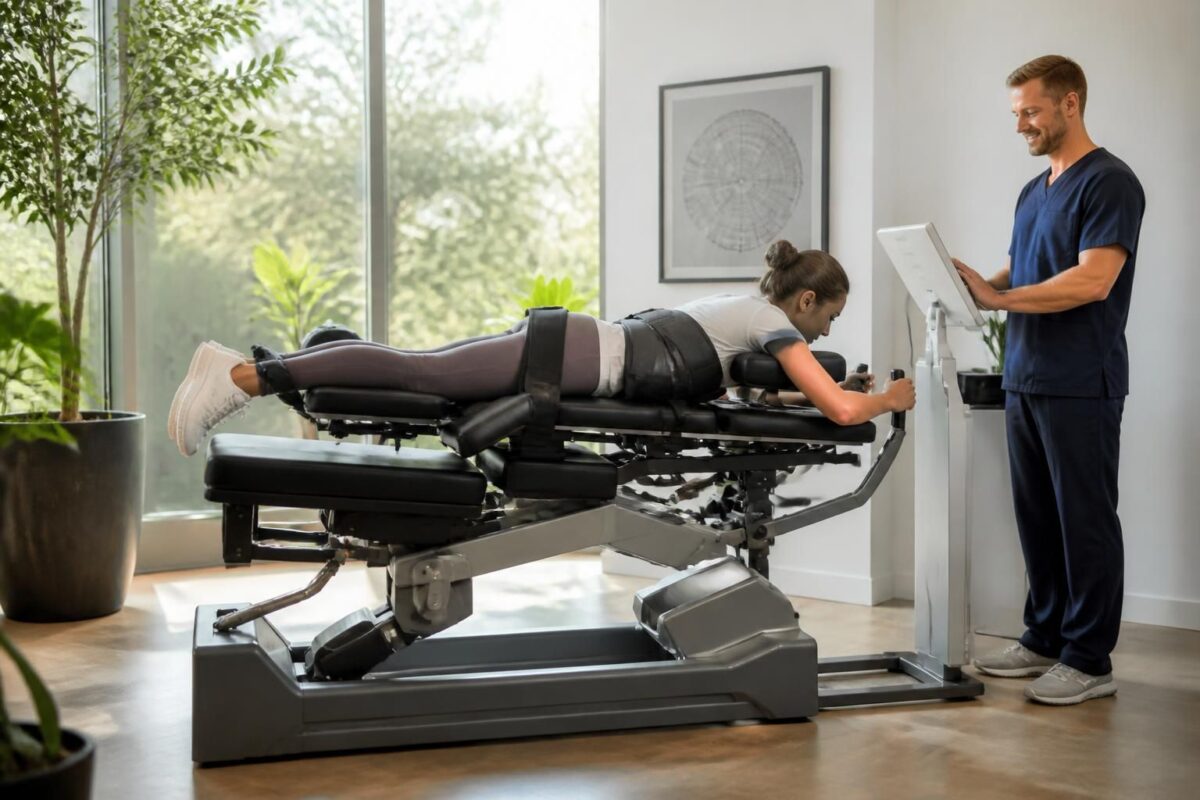
The long-term benefits of neurovertebral decompression for spinal health
In short In short, the neurovertebral decompression is a non-invasive approach that decreases the Pressure on intervertebral discs and nerves, favoring the Natural regeneration and tissue recovery. Its long-term benefits include Lasting pain reduction, Improving mobility and from the posture,…
Impact on arthrokinesis and coordination
The vertebral alignment found thanks to decompression allows more coordinated and secure joint gestures. When the facets and discs work better, the joint units of the column and nearby areas benefit from a smoother glide, increasing the active and passive amplitude of movements.
The reduction of pain and stiffness facilitates participation in mobility and reinforcement exercises, which are essential for undertaking controlled progression. Better cooperation between the nervous and muscular systems supports more stable and effective mobility, reducing the risk of painful compensation in other joints.

Neurovertebral decompression and mobility: a return to an active life
In short In short, the neurovertebral decompression is therapy non-invasive who uses a gentle traction To create a space between the vertebrae and reduce the pressure on the Intervertebral discs and the nerves. It promotes a bloodstream improved, lowers tension…
Integration into a rehabilitation approach
To optimize the benefits on mobility, decompression must be integrated into a structured rehabilitation program. Targeted and progressive exercises make it possible to preserve the gains obtained and to develop the strength and flexibility necessary for the functional movement. The goal is to gradually increase the amplitude while avoiding overloads that could trigger pain.
Appropriate hydration and nutritional intake support the health of disks and connective tissues. Regular sessions associated with active daily activities help maintain a more flexible and resilient column, with a lasting reduction in mobility gaps.
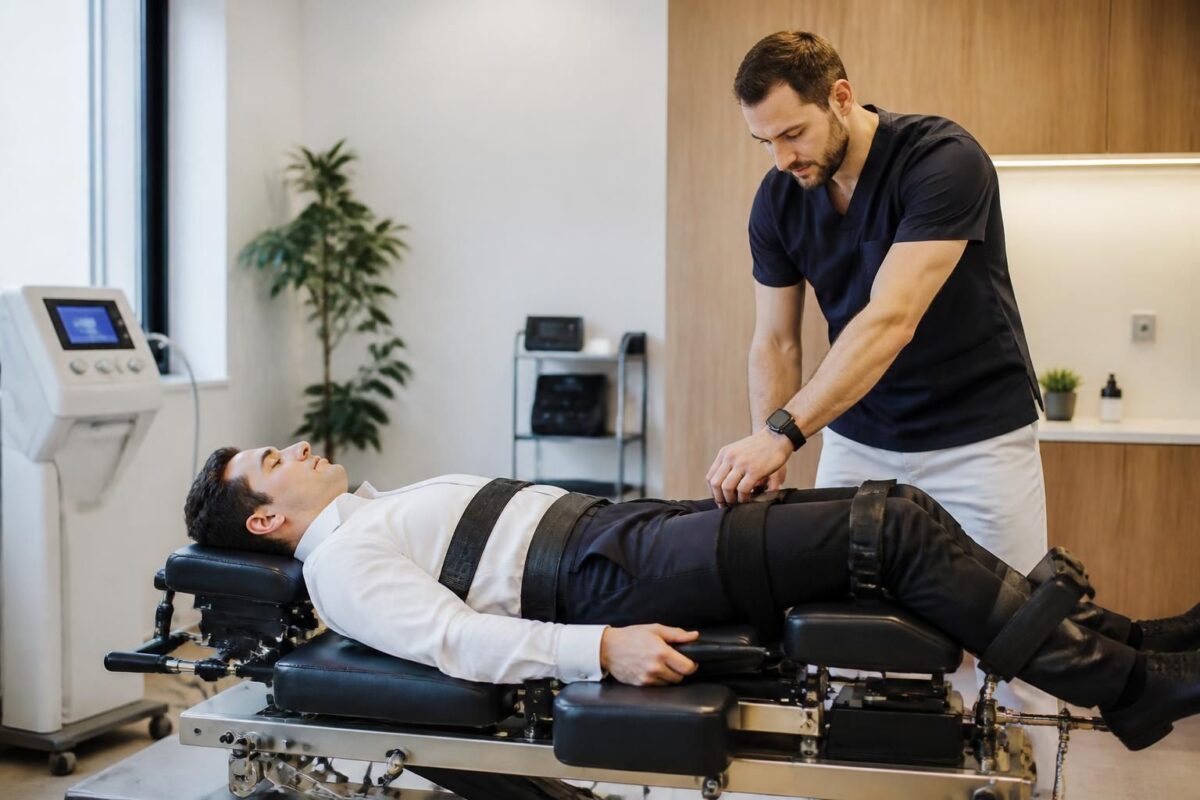
How Neurovertebral Decompression Prevents Diffuse Chronic Pain
In short decompression neurovertebral is one Non-invasive method aimed at reducing the Pressure on the intervertebral discs and the nerves, in order to prevent Diffuse chronic pain. It improves the circulation and thedisc hydration, decreases inflammation and promotes better mobility.…
Precautions and practical recommendations
This approach is suitable for people with lower back or cervical pain with signs of nerve compression or progressive stiffness, under professional supervision. The number and frequency of sessions should be individually adapted, depending on the patient’s response and tolerance.
Practical recommendations: favor comfortable clothes and sessions supervised by a qualified practitioner, start with a suitable series, then adjust the frequency according to the progress. At the same time, promote daily controlled mobility activities and avoid painful or asymmetrical movements that could aggravate the situation. The optimal results are based on a coherent approach between decompression, rehabilitation and maintenance of an active lifestyle.
| Element | Impact on mobility |
|---|---|
| vertebral spacing | Creates a space between the vertebrae and reduces pressure on discs and nerves, facilitating the amplitude of movement. |
| Disc decompression | Reduces pressure on the intervertebral discs, promoting mobility and spinal flexibility. |
| muscle relaxation | Releases the muscles around the spine, releasing gestures and reducing stiffness. |
| Nerve release | Reduces nerve tension and pain, improving movement synchronization. |
| Circulation and tissue nutrition | Improves blood supply and nutrients, accelerating regeneration and flexibility. |
| Alignment and posture | Restores spinal alignment, decreases compensation and facilitates movement. |
| range of motion | Extends active and passive ranges, allowing smoother mobility. |
| Stability and coordination | Optimizes motor control of gestures, improving joint coordination. |
| relapse prevention | Strengthens spinal health and prevents future restrictions. |
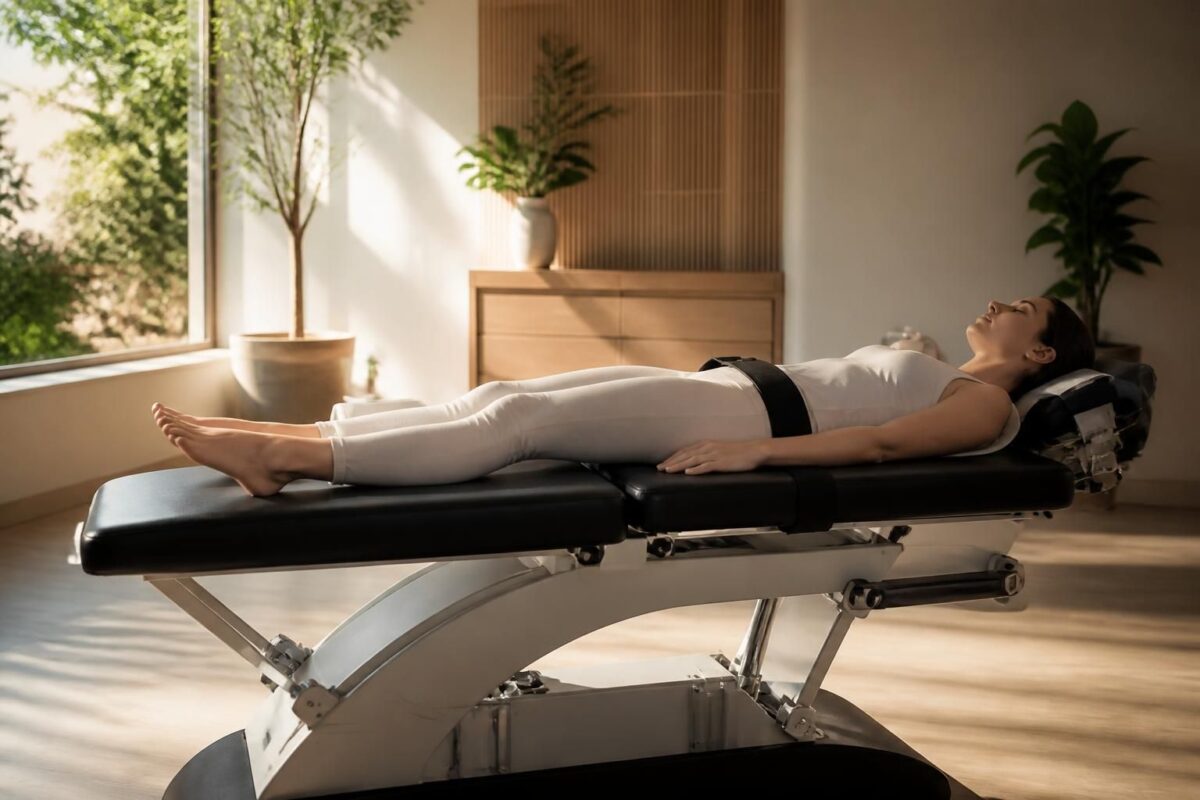
Neurovertebral Decompression and Body Alignment: Restoring Natural Balance
In short In short, neurovertebral decompression is one Non-invasive approach who restores theBody Alignment and thenatural balance back and neck. She acts by a Controlled traction of the spine to widen the intervertebral space and reduce the Pressure on discs…
Testimonials: How neurovertebral decompression improves joint mobility
Marie, 47, testimony on her experience: before the sessions, I felt a lumbar stiffness which greatly limited my mobility daily and my physical activities. After several weeks of neurovertebral decompression, I noticed a marked improvement in my range of motion and a significant decrease in pain. Being able to stretch and move without pain has changed my way of experiencing my days and my sports outings.
Alex, 29, athlete: “Newereverebral decompression released the nerves compressed and offered me a once again fluid rotation of the trunk. My body responds better to training and my mobility came back in the exercises that required complete back and pelvis gestures. I feel freer in my movements and less limited by pain.
Fatima, 63: “I can finally turn my head without pain and my shoulders follow the same movement without resistance. This improvement appeared gradually and affected my entire spine, which led to a better mobility Articular in the neck and upper back. My daily gestures, like looking over my shoulder or reaching high objects, have become easier and more natural.
Leo, 40, office worker: “Before, the slightest activity requiring bending or sufficient rotation caused me a lasting discomfort. » After treatment, therange of motion expanded and the pain decreased, which allowed me to resume more varied movements throughout the day and maintain better posture.
Nathalie, 52, herniated disc: “Neurovertebral decompression really gave me back mobility in my lower back and I was able to reconnect with my sports practice. With less tension and a freer column, my sports sessions and activities like walking become more comfortable and permanently possible.
Thomas, 66, progressive osteoarthritis: “After the sessions, I feel less tension and my spine is more free. » This feeling of freedom of movement Helps me to perform daily gestures without restrictions and to maintain appropriate physical activity. My daily life gains in fluidity and security, thanks to a mobility found in the vertebral and peripheral joints.
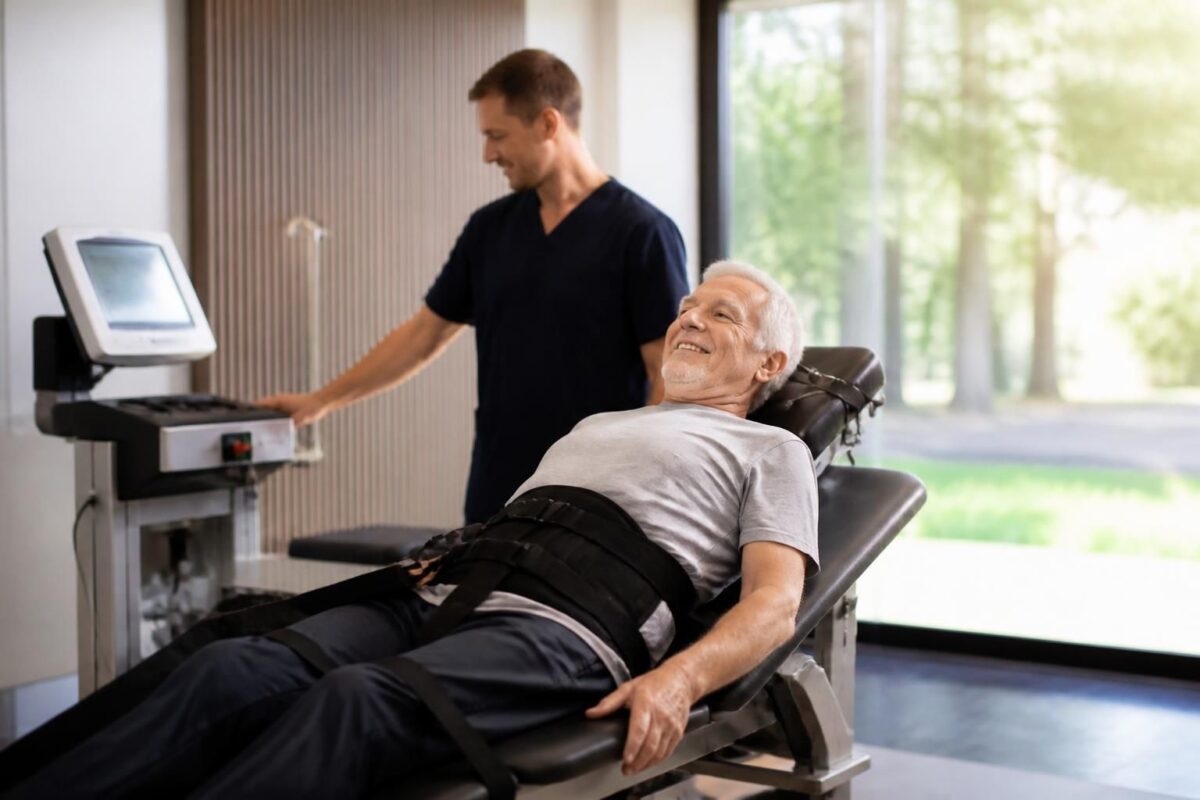
Why neurovertebral decompression is a lasting solution for active seniors
In short In short, the neurovertebral decompression is one Non-invasive therapy which sustainably relieves spinal pain in the spine active seniors By creating, by a Soft and controlled traction, a space between the vertebrae. At Montreal, it is recognized as…
Detailed biography on neurovertebral decompression and improved joint mobility
the DR Sylvain Desforges, expert in osteopathy, naturopathy and manual medicine, is a central figure in theHealth Innovation. At the head of the TagMed clinics and the ACMA association, he devoted his career to understanding and optimizing the Joint mobility Through an integrated approach, combining manual know-how with cutting-edge technologies. His work focuses on the management of Chronic pain and on the reasoned use of non-invasive methods to restore range of motion, promote recovery and improve the quality of life of its patients.
At the heart of his practice is the neurovertebral decompression, a technique based on a Controlled traction of the spine. This action brings the vertebrae closer together, creates a space between them and relieves the pressure exerted on the Intervertebral discs and the Spinal nerves. At the same time, it relaxes the adjacent muscles and improves the bloodstream, promoting the intake of nutrients and oxygen essential for tissue repair. For Dr. Desforges, this approach aims not only for immediate relief but also for the sustainable rehabilitation of joint mobility.
The practical consequence of this approach is a Progressive increase in range of motion spinal segments and peripheral joints. By reducing tensions and releasing efforts that limit movement, decompression facilitates the execution of once painful daily and sporting gestures. This improvement in Anatomical flexibility Often combines with other therapeutic modalities, such as therapies laser and shock waves, to accelerate recovery and optimize joint function.
In his clinics, Dr. Desforges applies individualized protocols, based on rigorous clinical evaluations and clear objectives of mobility. Its approach is based on a holistic patient assessment — posture, balance, breathing and coordination — to adjust the frequency and intensity Sessions. The objective is to restore the mobility of the spinal segments and to promote more effective movement patterns on a daily basis, while preventing relapses and painful compensations.
For Dr. Desforges, joint mobility is not limited to the spine. By allowing better spinal mobility, decompression contributes to a better function of neighboring joints and increased coordination of sporting actions. This vision is part of evidence-based medicine, where each session is measured by objective criteria for movement and pain, to ensure tangible and sustained progress.
Finally, Dr. Desforges’ approach goes beyond treatment: it is part of an educational and preventive approach. By explaining the mechanisms of decompression and by offering practical advice for maintaining mobility, it helps its patients to preserve their Functional well-being in the long term. This orientation towards autonomy and prevention makes neurovertebral decompression a key component of its philosophy: to optimize joint mobility through care scientifically based, non-invasive and personalized.
Quick summary: the neurovertebral decompression Acts by a Controlled traction of the spine, creating a space between the vertebrae and reducing pressure on the intervertebral discs and nerves. This direct action improves The amplitude and fluidity of movements, reduces pain and prepares the ground for lasting joint mobility, both in athletes and in the elderly.
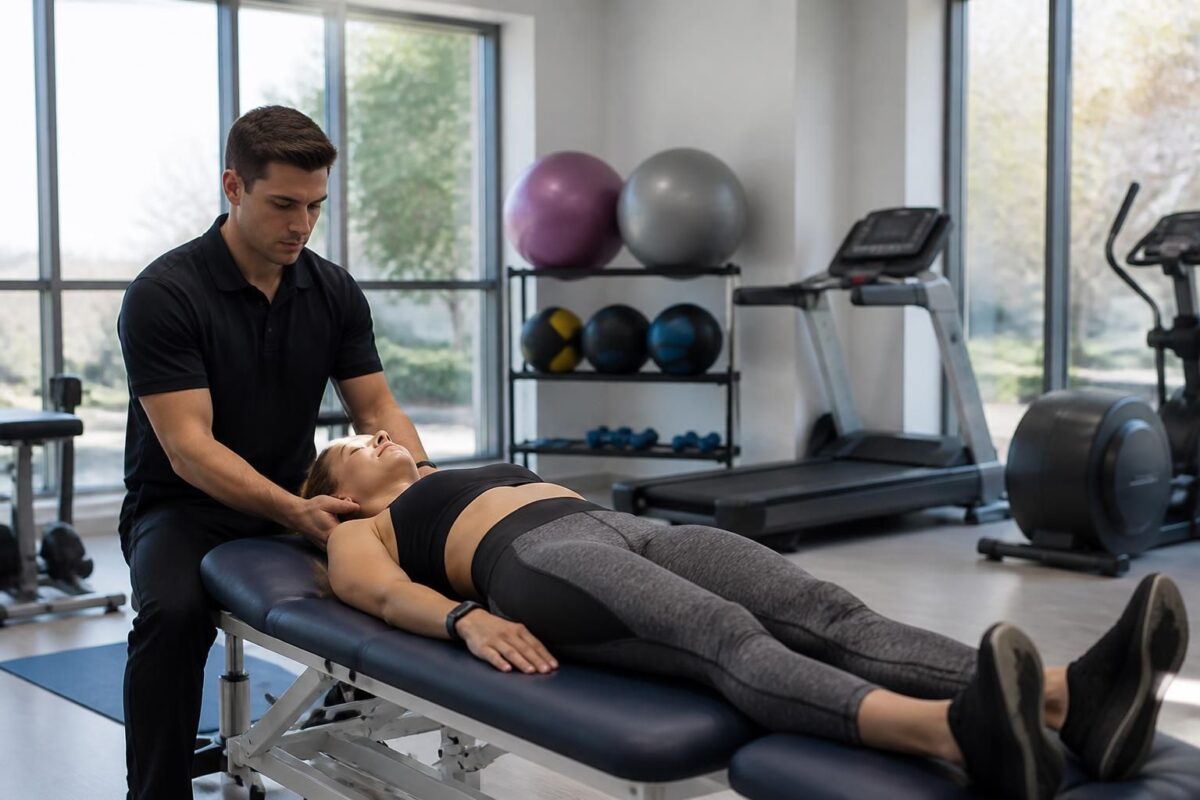
Neurovertebral decompression and recovery after severe sports injury
In short In short, the neurovertebral decompression is one Non-invasive method to Relieve the pressure on the Intervertebral discs and the gristle Via a Controlled traction, to facilitate the recovery After a severe sports injury. It improves the bloodstream towards…
Mechanism and direct effects on mobility
The gentle traction applied during a decompression session acts as a temporary “empty” between the vertebrae. this newly available space reduces the compression exerted on the Intervertebral discs and the nerve roots, which results in a decrease in pain and better location of movements. At the same time, muscle relaxation around the spine is favored, which releases the joints and improves the Articulatory mobility without the use of invasive gestures.
This approach also contributes to a Better blood circulation In the tissues of the column, providing more oxygen and nutrients essential for tissue repair and regeneration. By promoting the recovery of ligament structures and surrounding muscles, it supports a Sustainable improvement in flexibility and postural stability.
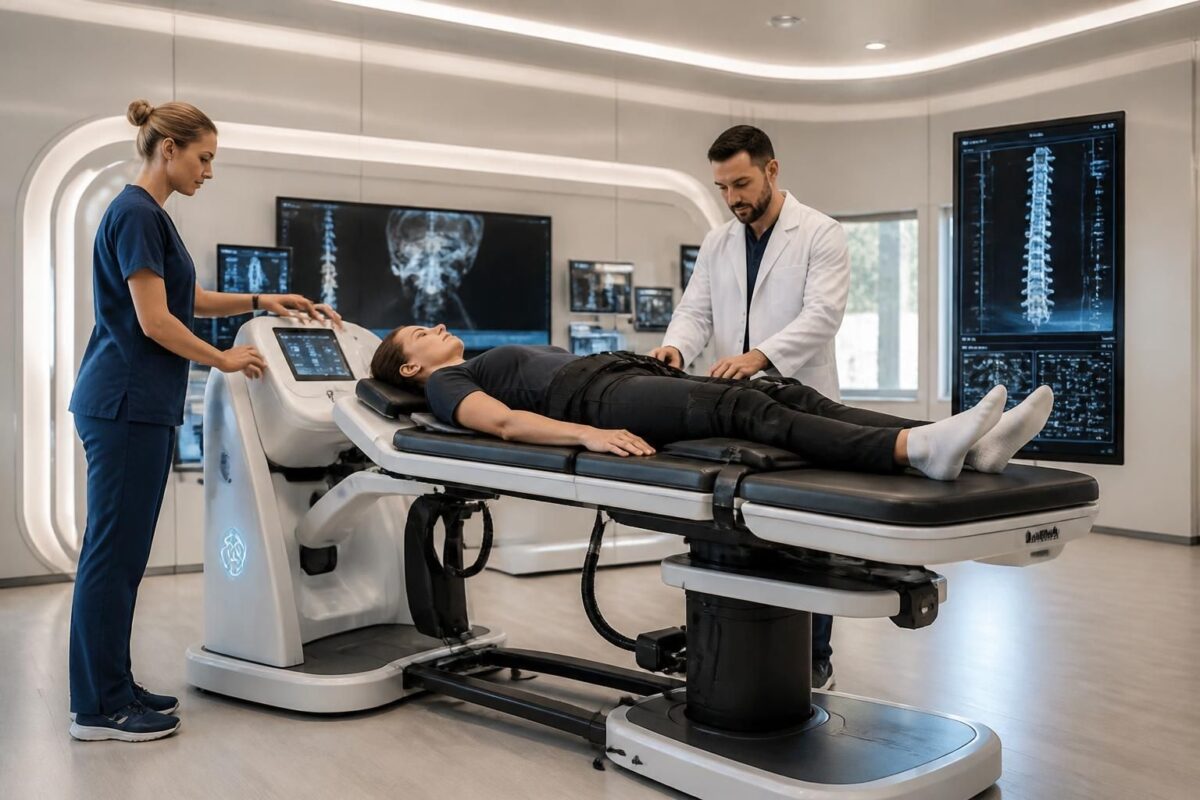
Recent innovations in neurovertebral decompression technologies
In short In short, the neurovertebral decompression is an approach non-invasive Aiming to reduce pressure on discs and nerves, and promote tissue regeneration. At Montreal, it is positioned as an effective option for lower back pain and herniated discs. The…
Impact on functional mobility and daily activities
For athletes and active people, neurovertebral decompression can result in Reduction of movement limitations And an increase in the ability to perform technical gestures with less pain and resistance. The improvement of therange of motion Feels in daily activities, such as leaning over, turning your head or stretching, and can promote a gradual and secure resumption of training.
Beyond the sports sphere, this technique helps to restore a Balanced posture And to prevent stiffness that limits simple gestures. Elderly patients benefit particularly from this non-invasive approach, which can preserve functional mobility conducive to maintaining autonomy and active life.
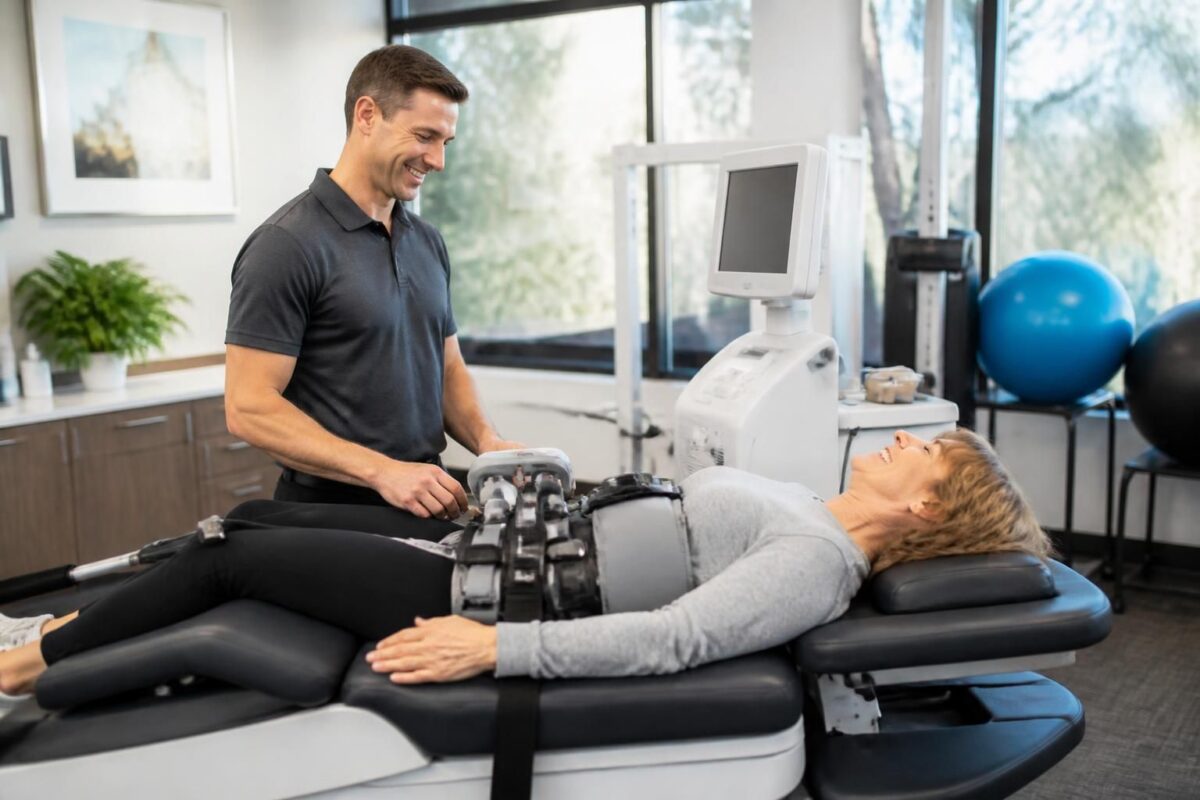
Neurovertebral decompression and diffuse pain: an appropriate solution
In short In short, the neurovertebral decompression is one Non-invasive solution For diffuse pain related to nerve irritation of the spine. She acts in Reducing pressure on intervertebral discs and nerves and improving the bloodstream, which promotes recovery and the…
Factors that support these results
Success in mobility is the result of a set of complementary mechanisms. On the one hand, the decrease in pressure on the discs and nerves allows a better distribution of forces during movement and a reduction in nervous irritation. On the other hand, the relaxation of muscle tension and the improvement of circulation facilitate a better Elasticity of tissues and accelerated tissue recovery. Finally, the favorable effect on spinal alignment contributes to a best posture and greater stability during joint movements, which results in more efficient and lasting mobility.
For athletes, the integration of decompression in a global approach to care can increase theendurance and the ability to repeat efforts, while reducing the risk of relapse during high training loads.
Clinical integration and safety
Neurovertebral decompression is therapy non-invasive which must be conducted by qualified professionals, adapted to the profile of each patient. An accurate diagnosis and a personalized treatment plan allow you to adjust the number and frequency of sessions to optimize mobility without risk. This approach can be combined with other manual or therapeutic techniques to enhance the effects on joint mobility and prevent recurrences.
Precautions and regular monitoring are essential to ensure the safety and efficiency of treatment. Proper hydration and proper management of physical activities complement the benefits, supporting disk nutrition and tissue recovery.
Additional resources
To learn more about this topic and discover various approaches and testimonials, check out the following resources:
- Complete guide to the role of neurovertebral decompression
- How neurovertebral decompression helps improve joint mobility
- Neurovertebral decompression and mobility in seniors
- Neurovertebral Decompression Podcast
- FAQ: Suitable for all athletes
- Neurovertebral decompression and pain management without opioids
- Prevent injury recurrences
- Restoring optimal mobility
- What is neurovertebral decompression and how it works
- Improved spinal flexibility

Dr Sylvain Desforges, B.Sc., D.O., N.D., osteopath, is the founding president of TAGMED and of the ACMA association. He dedicates his practice to chronic spinal pain, low back pain and symptoms compatible with sciatica, particularly when pain radiates toward the buttock, leg, calf, foot or toes.
Through SOS Sciatique, he publishes educational content on sciatica symptoms, possible causes such as disc herniation, disc narrowing, foraminal stenosis or irritation of a lumbar nerve root, as well as non-surgical approaches that may be considered according to the evaluation. At Clinique TAGMED, care may include, depending on the case, motorized neurovertebral decompression, specific osteopathic care or precision percussion.
For an evaluation related to sciatica treatment in Montreal / Mount Royal or sciatica treatment in Terrebonne, please consult the services available at Clinique TAGMED.
Medical disclaimer
The information published on SOS Sciatique is provided for educational purposes only and does not replace a consultation, diagnosis, opinion or treatment provided by a physician or another authorized healthcare professional. The author of this article is neither a medical doctor nor a specialist in a medical specialty recognized by the Collège des médecins du Québec. The osteopathic, manual medicine or functional support approaches described on this site do not constitute medical acts and are not intended to replace medical follow-up.
Consult a physician or emergency service in cases of loss of bladder or bowel control, anesthesia in the saddle area, significant or progressive weakness in the leg or foot, fever, recent trauma, severe pain or rapid worsening of symptoms. For more details, please read our Legal Notice.