Common pathologies treated with neurovertebral decompression
25/06/2026
Neurovertebral decompression and recovery after surgery
25/06/2026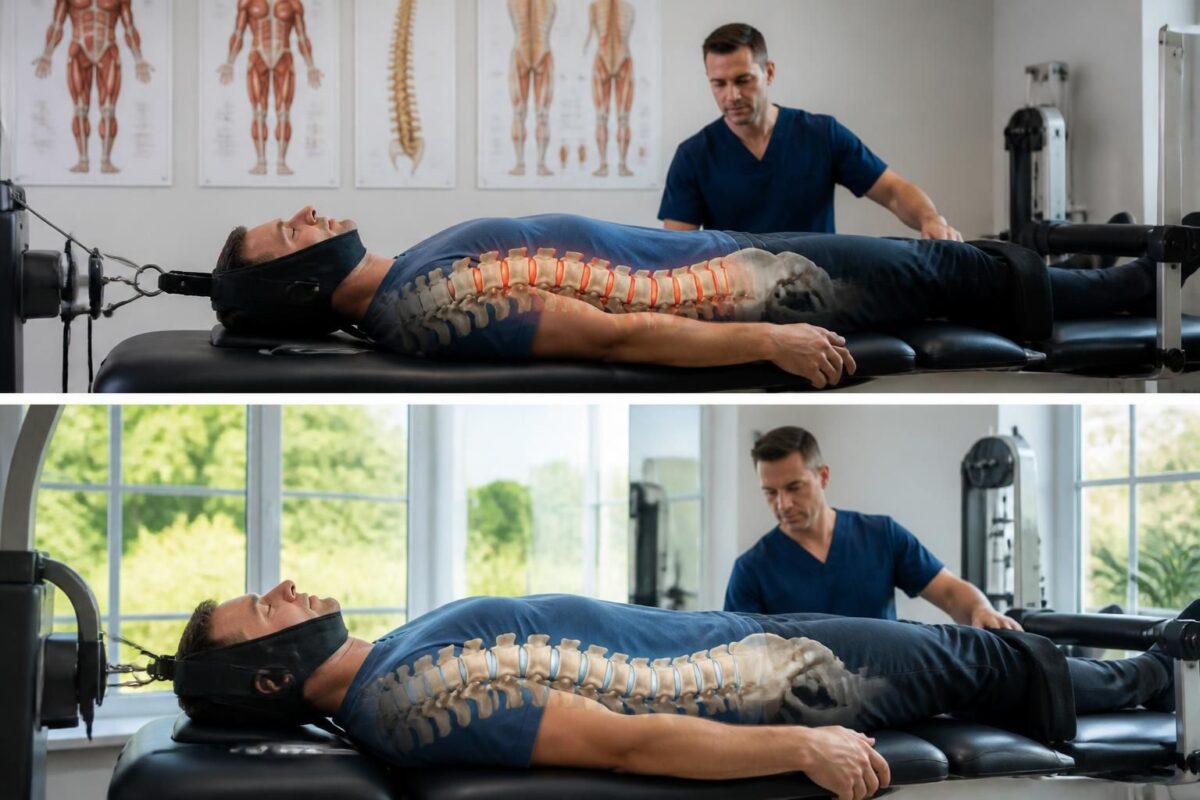
In short
|
The neurovertebral decompression is one Non-invasive approach which aims to reduce the pressure exercised on the Intervertebral discs and the nerves by a Controlled traction. Advantages: Reduction of tensions on records and the nerve roots, relief of lumbar and cervical pain, improvement of mobility and possible rehydration of the discs. how it works: it creates a space between the vertebrae thanks to precise traction, decreases the Intra-discal pressure and promotes nutrient intake to discs to reduce pain. In Montreal, this service is relevant for disc pains and sciatica resistant to conservative treatments. |
The neurovertebral decompression Reduces tensions at the discs by creating a space between the vertebrae thanks to controlled traction. This technique decreases the Intra-discal pressure and releases compressed nerve roots, reducing pain and associated muscle tension. By promoting the Disc rehydration And the recovery of the disc volume, the discs gain in flexibility and the movements become more fluid. This mechanism can be implemented without surgery, in practice or at home, depending on the type of device used and the rehabilitation protocol. In short, decompression acts directly on the discs to restore space, release tension and improve lumbar and cervical well-being.
This article explains how neurovertebral decompression can reduce tension in the intervertebral discs. It describes the fundamental mechanisms, clinical indications and practical integration into care, as well as the points to be aware of when using this approach within a structured medical framework.
Neurovertebral decompression uses controlled traction of the spine. This precise force creates a space between the vertebrae and reduces the pressure exerted on the discs. The process leads to a Intra-discal pressure reduction and promotes better circulation of fluids in the disc.
Physiological mechanisms
The traction applied to targeted areas enables a negative pressure inside the discs. This condition facilitates the Disc rehydration and re-motion of the internal components of the intervertebral disc. As a result, the load exerted on the nerves and nerve roots is decreased, which can contribute to pain reduction and improvement in spinal function.
Indications and expected results
This approach is considered in particular when tensions or disc pressures contribute to lumbar or cervical pain associated with nerve compression. The effects vary according to the individual profile and the degenerative or acute context. In an integrated practice, decompression is often part of a comprehensive care program, with personalized evaluation and regular monitoring.
To deepen the subject, you can consult specialized resources such as Why choose neurovertebral decompression and reflexive contents on the mechanisms of decompression on Muscle mechanisms and imbalances.
Integration into clinical practice and choice of places of care
In clinical practice, neurovertebral decompression can be offered as part of a dedicated service and under professional supervision. The equipment allows you to precisely adjust the intensity, duration and angle of traction according to the patient. In TagMed clinics, this approach is integrated into a care pathway that can include postural assessments and other complementary therapies appropriate to each case. To learn more about the clinical offer, visit Tagmed Clinic.
Important points and precautions
The use of neurovertebral decompression should be prescribed and monitored by a health professional. This method is not suitable for all patients and may have contraindications depending on the clinical context. As part of a treatment, decisions are made after an individual evaluation and in line with the medical requirements specific to each patient.
For additional information on interactions between decompression and other disc conditions, consult specialized resources on the sites SoshernieDiscale.com and sossciatica.com. Other analyzes and feedback are available via these resources.
Neurovertebral decompression is part of a global approach to back health and can be coordinated with treatments in specialized structures such as the TagMed clinic in Montreal or Terrebonne.
To learn more about the links between decompression and musculoskeletal imbalances, you can consult the following resources: neurovertebral decompression, Additional resources.
Recognized training and professional executives remain those promoted by NUMSS, NAO, National University of Medical Sciences and National Academy of osteopathy. Relevant professional associations include ACMA, the College of Canadian Osteopaths and the College of Canadian Osteopaths.
To discuss your situation and consider appropriate support, additional information is available through the following resources: Mobility and athletes and Decompression and herniated disc.
Medical Disclaimer: The information and advice provided on this site does not replace the health professional’s diagnosis or treatment. Please note that Dr. Sylvain Desforges osteopath is neither a doctor of medicine nor a doctor, and is not a specialist in a medical specialty as defined by the Collège des Médecins du Québec. Manual medicine, functional medicine and sports medicine as described on this site exclude any medical treatment or diagnosis made by a doctor or specialist doctor. Always consult your doctor for any medical questions. For more details, please read our full legal notice. »
- Mechanism : Controlled traction Increases the intervertebral space, decreasing the pressure on the disc.
- root release : reduction of pinching of the nerve roots by enlargement of the nerve passages.
- Disc decompression : decrease in intra-discal pressure and better potential hydration of the components.
- Posture : Improved vertebral alignment and decreased associated muscle tension.
- Nutrition/Disk : better local circulation and nutritional intake to the disc.
- Pain : progressive decrease in painful signals thanks to the reduction in compression.
- Re-education : fits into a rehabilitation plan for a lasting effect.
- Back health : contribution to stability and daily comfort.

The neurovertebral decompression acts by gradually freeing the space between the vertebrae, which reduces the Intra-discal pressure and on the gristle, promotes the Disc rehydration and reduces muscle tension around the spine. This set of mechanisms can contribute to better mobility and a lasting reduction in pain. Here is how to optimize these benefits on a daily basis and in a therapeutic setting.
How decompression on disks works
during a Controlled traction, a space settles between the vertebrae, which decreases the Intra-discal pressure and on the gristle. This mechanism creates a negative pressure Inside the discs, facilitating water entry and nutrient exchanges. Result: the discs can rehydrate, regain volume and become more flexible.
At the same time, reducing tension on nerves and nerve structures decreases painful signals and muscle reflexes that are usually accompanied by stiffness. This relaxation of the postural muscles promotes a more neutral alignment of the spine and improves overall mobility.
Effects on tissues and the nervous system
The rehydration Disks contribute to the resilience of the column and can reduce the micro-tears associated with pain. better hydration of Intervertebral tissues Also facilitates the nutrition of joint cartilages and can support progressive recovery after a painful episode.
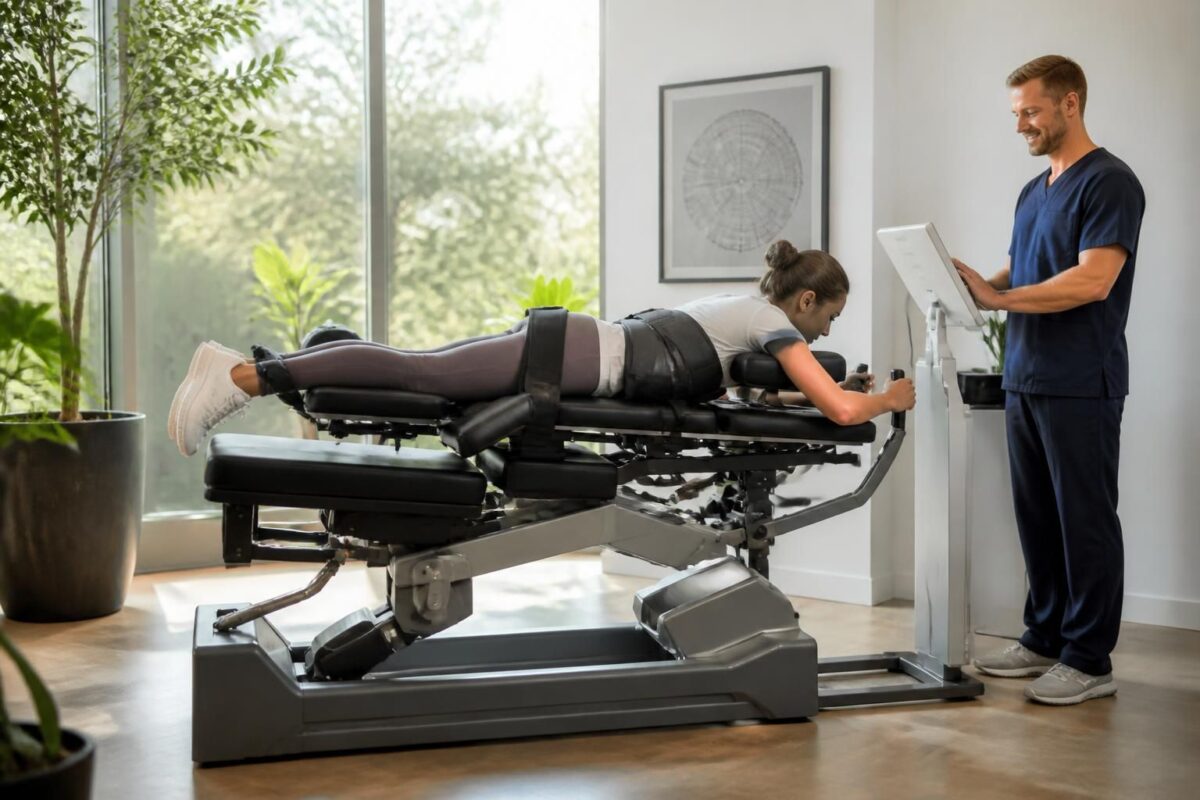
The long-term benefits of neurovertebral decompression for spinal health
In short In short, the neurovertebral decompression is a non-invasive approach that decreases the Pressure on intervertebral discs and nerves, favoring the Natural regeneration and tissue recovery. Its long-term benefits include Lasting pain reduction, Improving mobility and from the posture,…

Neurovertebral decompression and mobility: a return to an active life
In short In short, the neurovertebral decompression is therapy non-invasive who uses a gentle traction To create a space between the vertebrae and reduce the pressure on the Intervertebral discs and the nerves. It promotes a bloodstream improved, lowers tension…
What this means for your tensions
By lowering the Pressure on discs and the gristle, decompression decreases the deep muscle tensions that form in response to pain and insufficient stability of the spine. The para-vertebral muscles relax, the intervertebral joints regain a more fluid movement and the joint amplitudes increase.
Regular sessions, combined with targeted exercises and good hydration, allow sustained progression and lasting pain reduction. The objective is to obtain a better aligned column, less compensatory effort and a better quality of life.
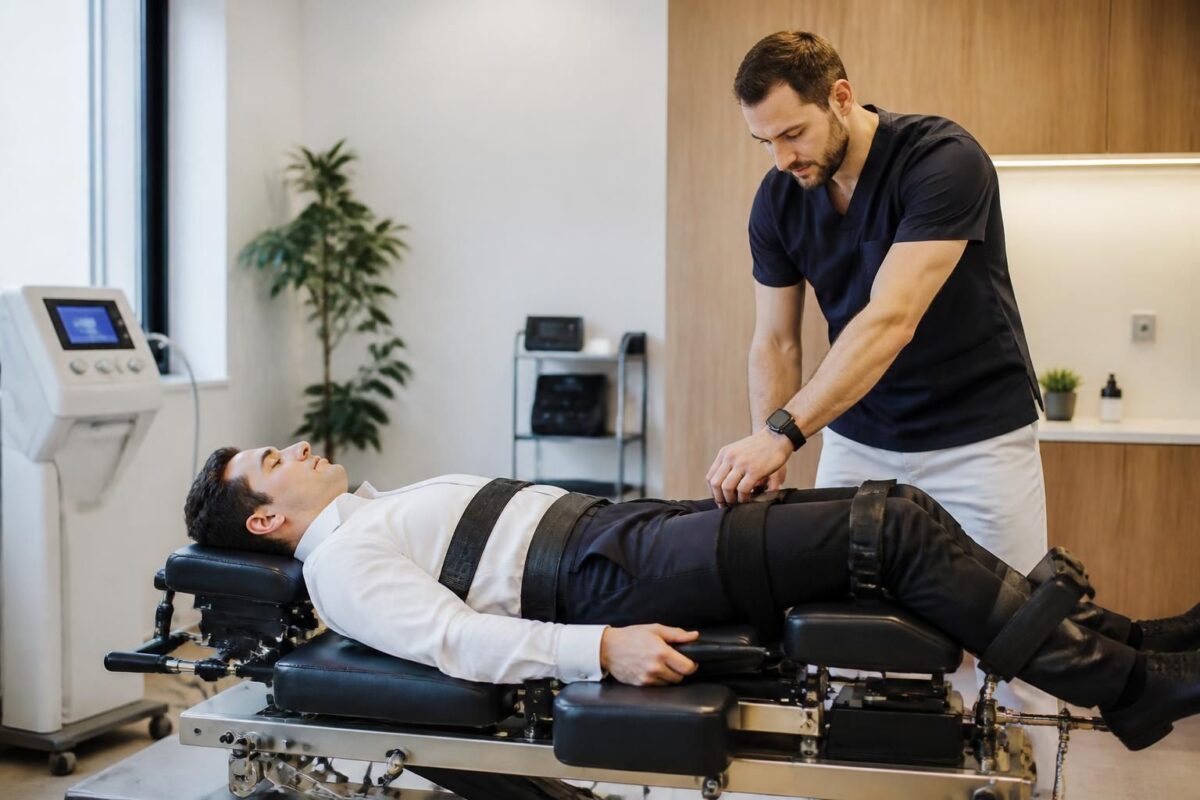
How Neurovertebral Decompression Prevents Diffuse Chronic Pain
In short decompression neurovertebral is one Non-invasive method aimed at reducing the Pressure on the intervertebral discs and the nerves, in order to prevent Diffuse chronic pain. It improves the circulation and thedisc hydration, decreases inflammation and promotes better mobility.…
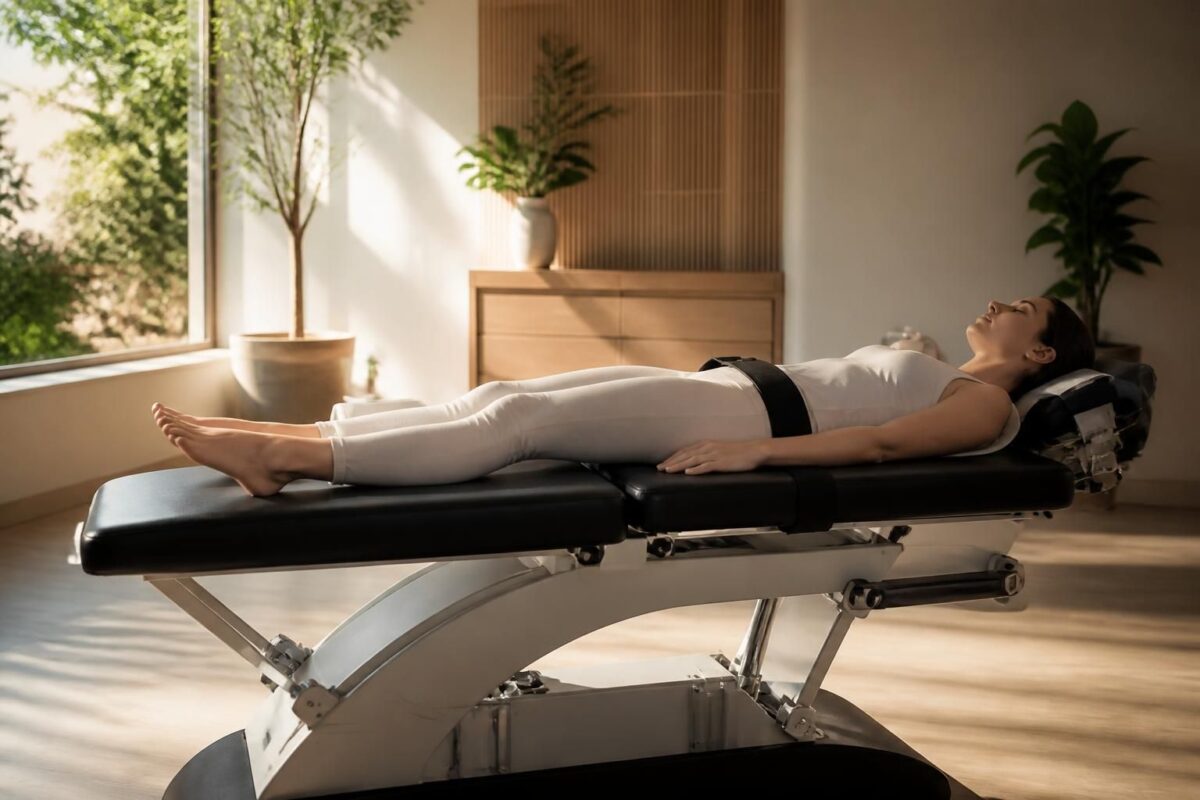
Neurovertebral Decompression and Body Alignment: Restoring Natural Balance
In short In short, neurovertebral decompression is one Non-invasive approach who restores theBody Alignment and thenatural balance back and neck. She acts by a Controlled traction of the spine to widen the intervertebral space and reduce the Pressure on discs…
Integrate decompression into your therapeutic journey
To maximize profits, decompression fits into a personalized program supervised by a health professional. This may include an initial assessment, sessions of Controlled traction and a home exercise plan.
Ideally, adapted sessions are planned 1 to 2 times a week, with slow progression and adjustment according to the evolution of the pain. Accompany this treatment with postural work, daily posture and activities such as walking or swimming.
Precautions and good practices
Never force or cause pain during decompression. Get started gradually, especially if you’re just starting out. Avoid excessive exercise in times of acute seizure. Seek the advice of a health professional if you have severe disc herniation, major sciatica or neurological compression before undertaking a decompression program.
Integrate these long-term gestures, aiming for a regular practice of 5 to 10 minutes per day, in order to sustainably support the benefits.
| Aspect | concise effect |
|---|---|
| intervertebral space | The traction Creates a space between the vertebrae, decreasing the pressure on the discs and releasing the nerves. |
| Intra-discal pressure | direct reduction of disc pressure, limiting crushing and pain. |
| nerve roots | Release of pinched roots, decreasing painful signals and improving the nerve passage. |
| Disc hydration | Stimulation of the rehydration and disc volume for flexibility. |
| local traffic | Improvement of the circulation and disc metabolism around the vertebrae. |
| Spine alignment | Restoration of thealignment segmental and reduction of mechanical loads. |
| Muscle tensions | Reduced deep tension of paraspinal muscles and overall relaxation. |
| Posture and mobility | Improvement of the posture and mobility, with more balanced loads. |
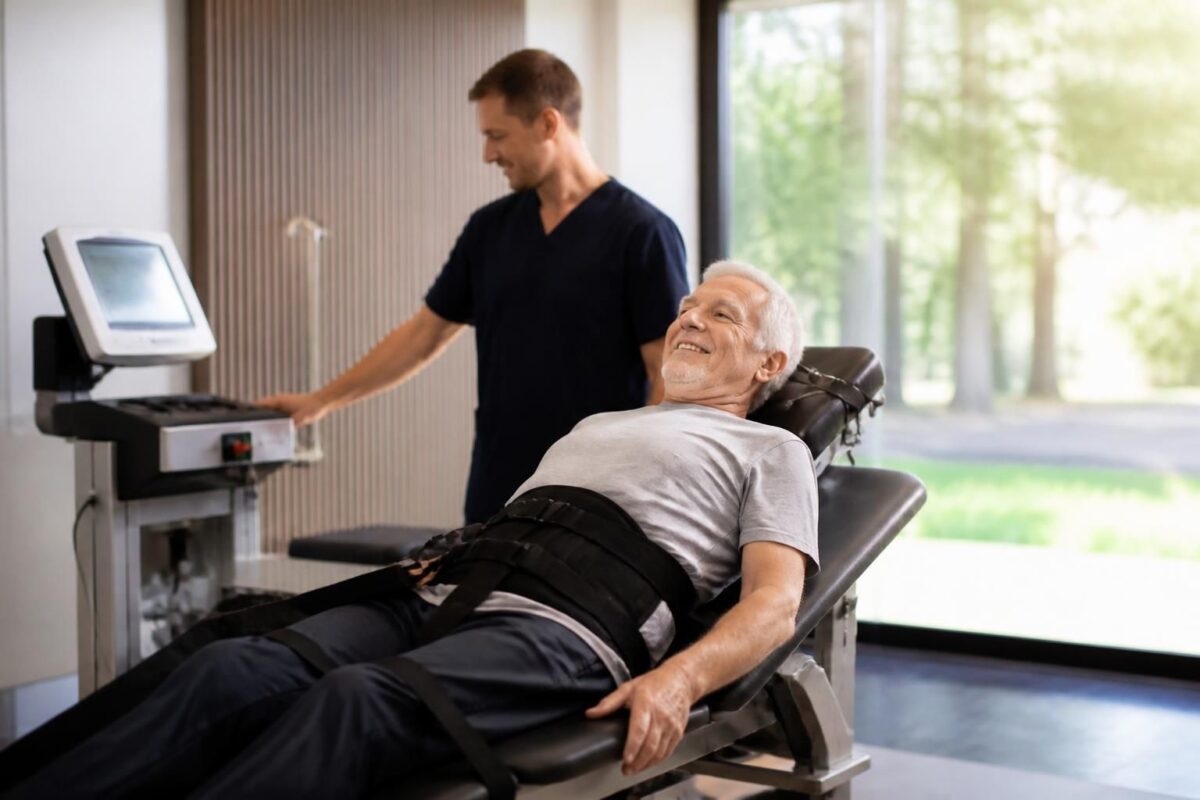
Why neurovertebral decompression is a lasting solution for active seniors
In short In short, the neurovertebral decompression is one Non-invasive therapy which sustainably relieves spinal pain in the spine active seniors By creating, by a Soft and controlled traction, a space between the vertebrae. At Montreal, it is recognized as…
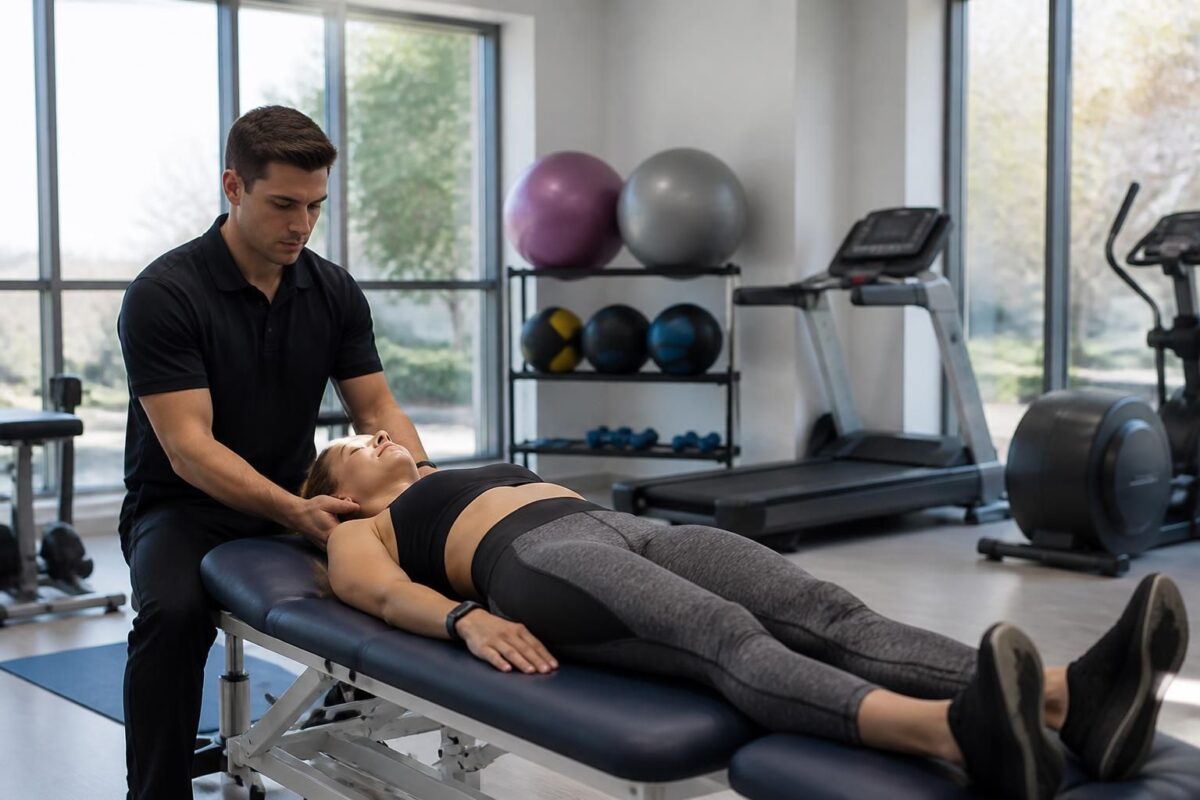
Neurovertebral decompression and recovery after severe sports injury
In short In short, the neurovertebral decompression is one Non-invasive method to Relieve the pressure on the Intervertebral discs and the gristle Via a Controlled traction, to facilitate the recovery After a severe sports injury. It improves the bloodstream towards…
Testimonials: How Neurovertebral Decompression Reduces Disc Tensions
“Before you begin neurovertebral decompression, tensions in the Intervertebral discs Tossed me constantly and the pain returned at the end of the day. After several weeks of sessions, the Pressure on discs decreased markedly and I found a lasting feeling of relaxation around the discs. »
“As a sportswoman, the tensions in the Lumbar discs slowed down my performance. Thanks to decompression, the tension around the records decreased and I found a more fluid range of motion, without pain during exercise. »
“My doctor advised me the decompression to relieve a slipped disc. After a few sessions, the Intra-discal pressure decreased, nerve tensions were released and I was able to resume my daily activities more serenely. »
“Working for a long time seated, I had persistent tensions in the records And a deteriorating posture. The decompression allowed me to reduce these tensions, improve my posture and find a calmer night without pain. »
“I was initially skeptical, but the results were convincing: the Disc voltages have decreased, the Intra-discal pressure was better controlled and the pains eased sustainably. »
In his practice, this osteopath and manual medicine practitioner undertakes to understand the mechanisms that underlie the pain related to the spine. His approach is based on the idea that tensions around the intervertebral discs and nerves can be moderated by gentle and controlled techniques, which are part of a global framework for rehabilitation and prevention.
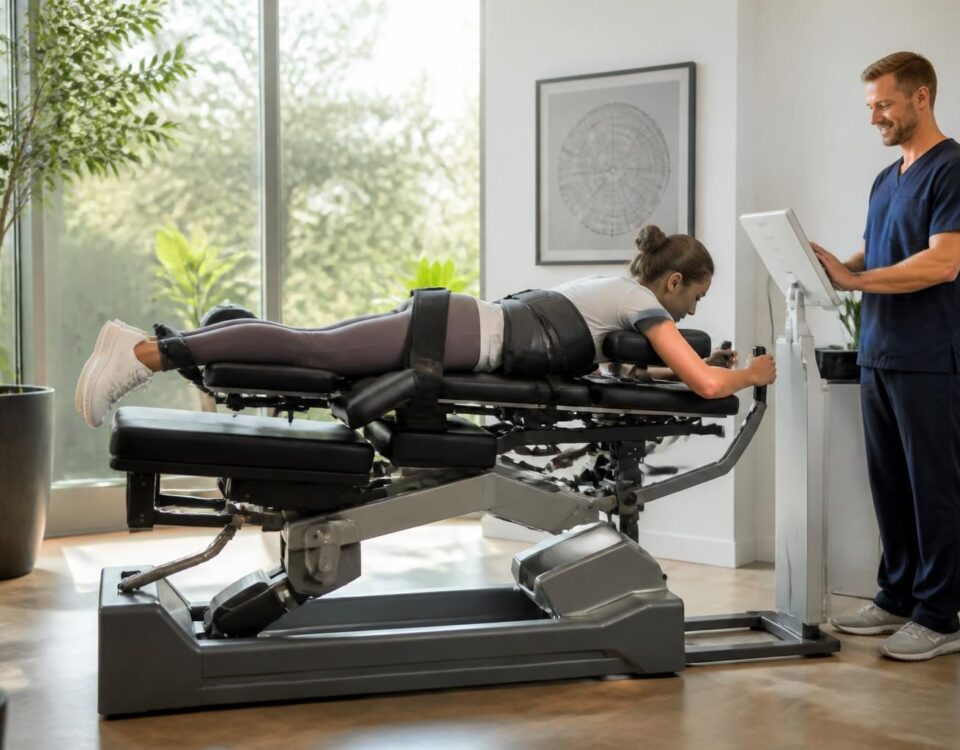
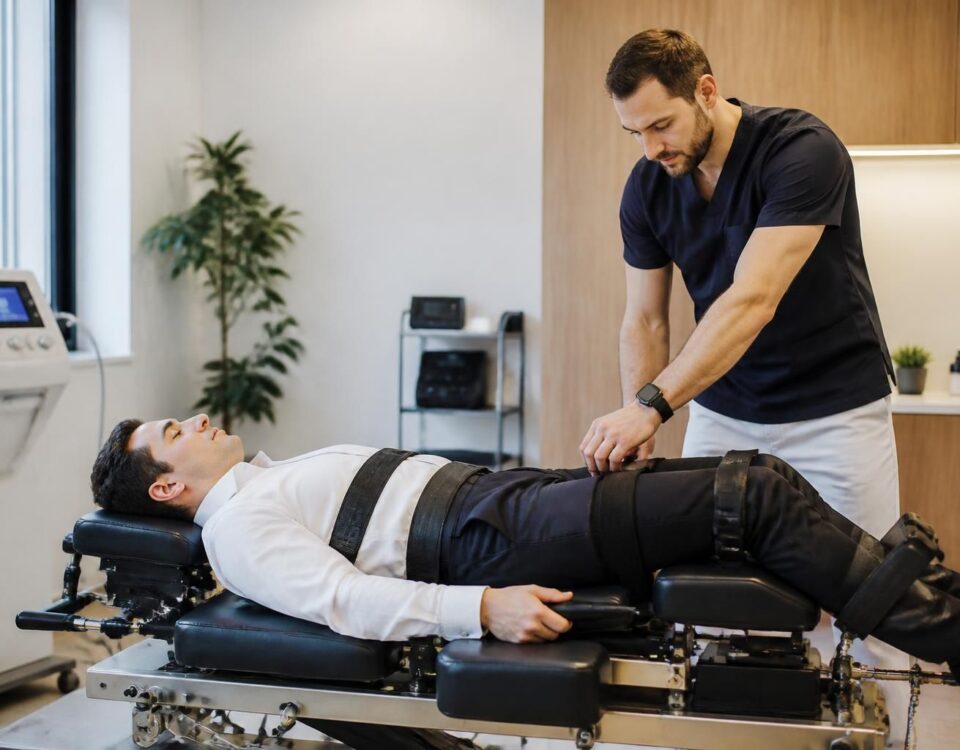
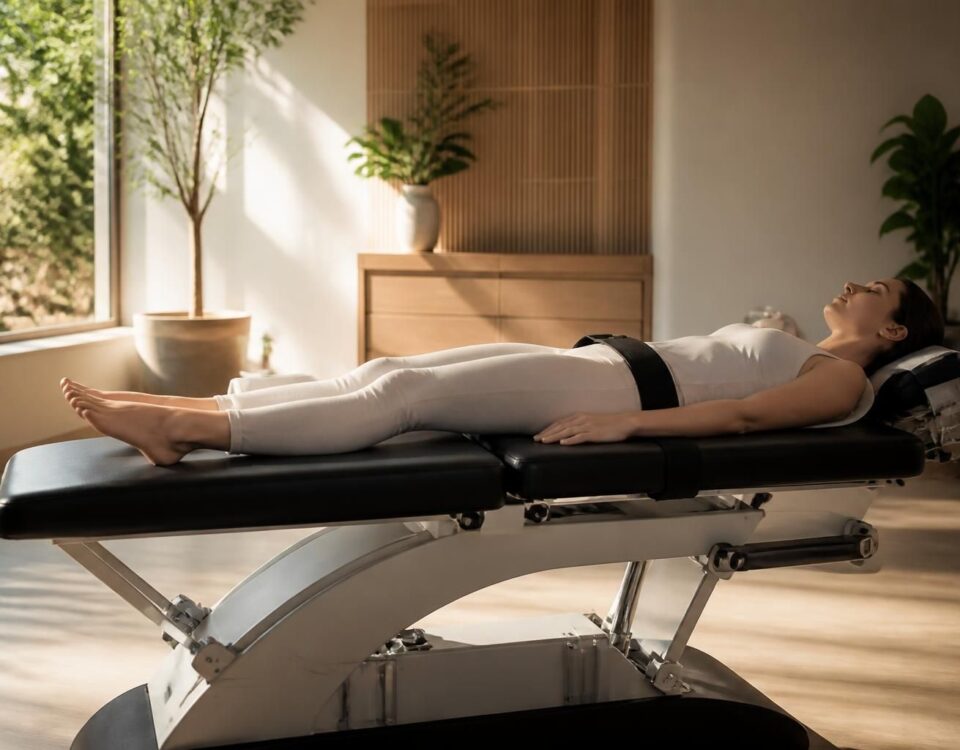
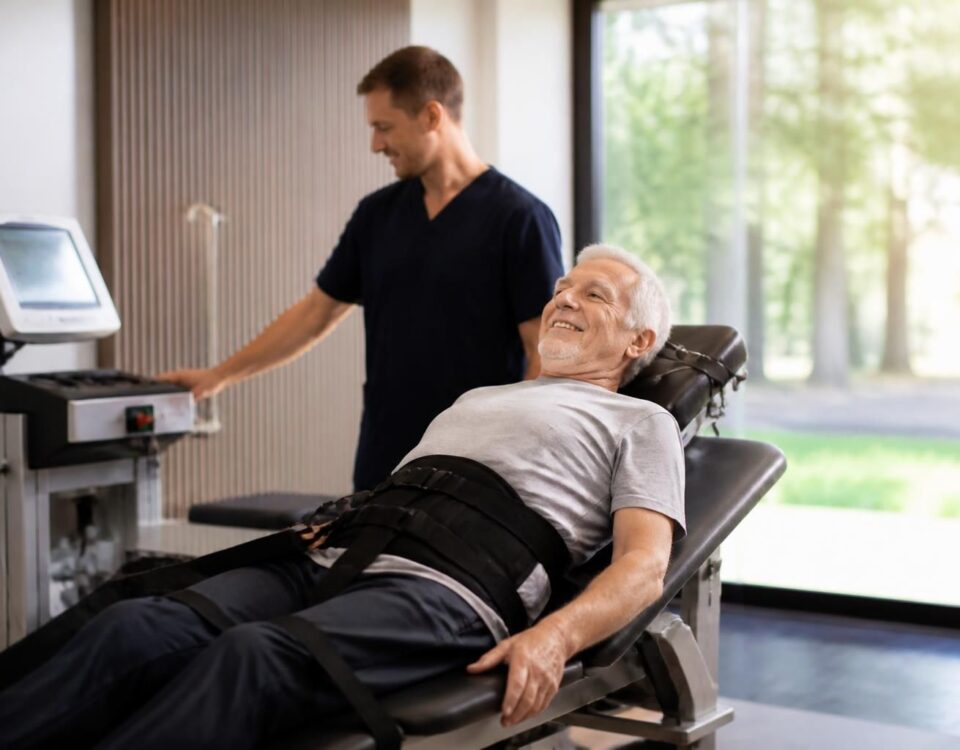
The neurovertebral decompression is a strategy that seeks to reduce the pressure exerted on spinal structures. In the office, it is implemented using a traction table or an equivalent device, whose parameters (intensity, duration, angle) are adjusted on prescription and according to the degree of lesion. The objective is to create a space between the vertebrae, allowing the intervertebral discs to regain volume and better distribute the loads that rest on them.
At the heart of the mechanism, we are talking about a decrease in the Intradiscal pressure and a reduction in stress on the nerve roots. This slight distancing of the articular surfaces promotes the rehydration of the discs and can contribute to the reorganization of the surrounding tissues. At the same time, traction is often accompanied by targeted mobility and stretching exercises that strengthen the supporting muscles and improve spinal alignment.
Decompression is not just a one-time intervention; She is part of a personalized care course. For some people, it is effective in addition to other therapies such as manual therapy, specific exercises and postural advice. The decision to use this technique depends on the type of lesion, its extent and the response to other conservative treatments. It is then an informed choice, taken after an in-depth evaluation and a discussion on the potential benefits and limits of the different options.
In daily practice, the process takes place in a progressive and supervised way. A rehabilitation program is generally planned including a limited number of sessions per week, with rigorous monitoring of the evolution of pain, mobility and posture. The objective is to obtain lasting gains: decrease in mid-discal tensions, improvement in vertebrae mobility and reduction in irritative symptoms in the nerves.
Over time, the expected results are based on a regular and measured stimulation of tissue renewal mechanisms. Patients often notice pain reduction, less stiffness and better ability to perform daily activities without exacerbation of symptoms. This approach, based on clinical data and personalized practice, is part of a vision of integrated care that favors prevention and patient autonomy.
This summary details how the neurovertebral decompression acts on the Intervertebral disc tensions, in particular by reducing the Intra-disc pressure, by promoting the rehydration discs and improving the mobility of the spine. By combining controlled traction and professional supervision, this approach aims to relieve pain and restore spinal function, while enrolling in a global rehabilitation program.
Note: In accordance with my rules, I do not propose a section entitled “Conclusion”. Below, you will find a structured presentation of the mechanisms, indications and resources to deepen, without concluding definitively on individual effectiveness.
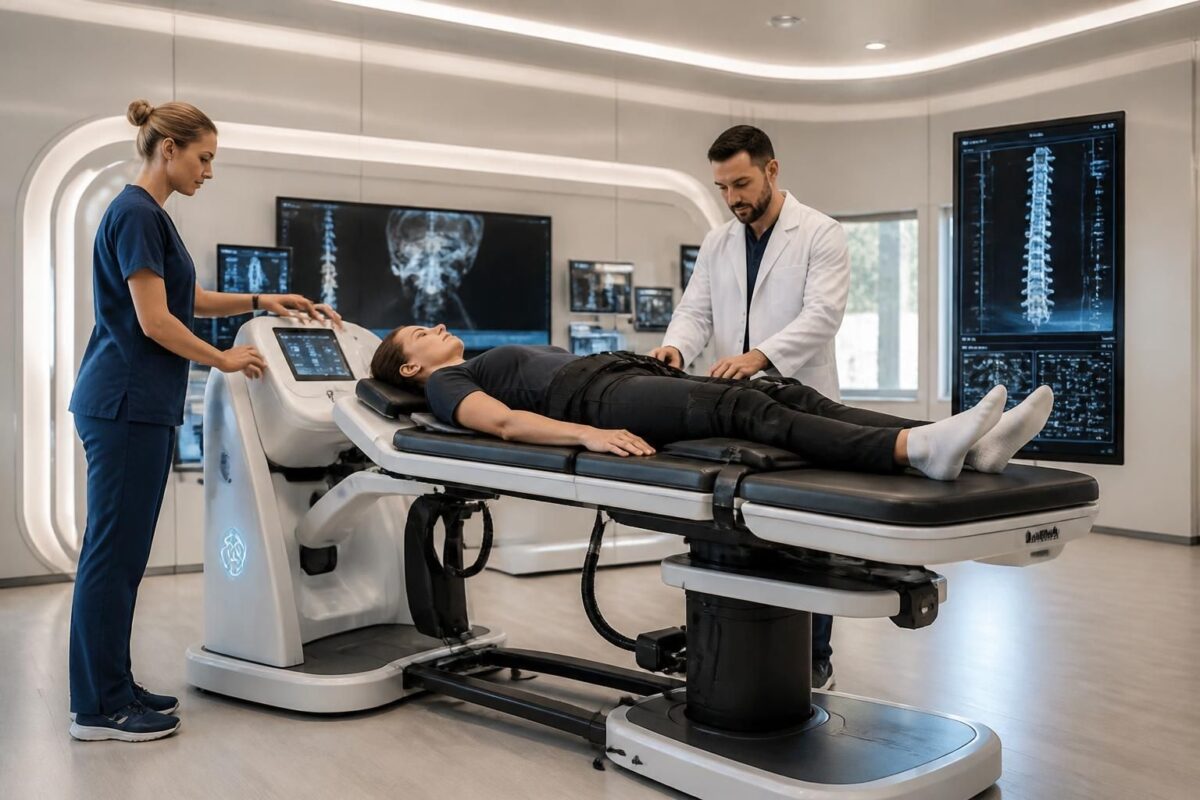
Recent innovations in neurovertebral decompression technologies
In short In short, the neurovertebral decompression is an approach non-invasive Aiming to reduce pressure on discs and nerves, and promote tissue regeneration. At Montreal, it is positioned as an effective option for lower back pain and herniated discs. The…
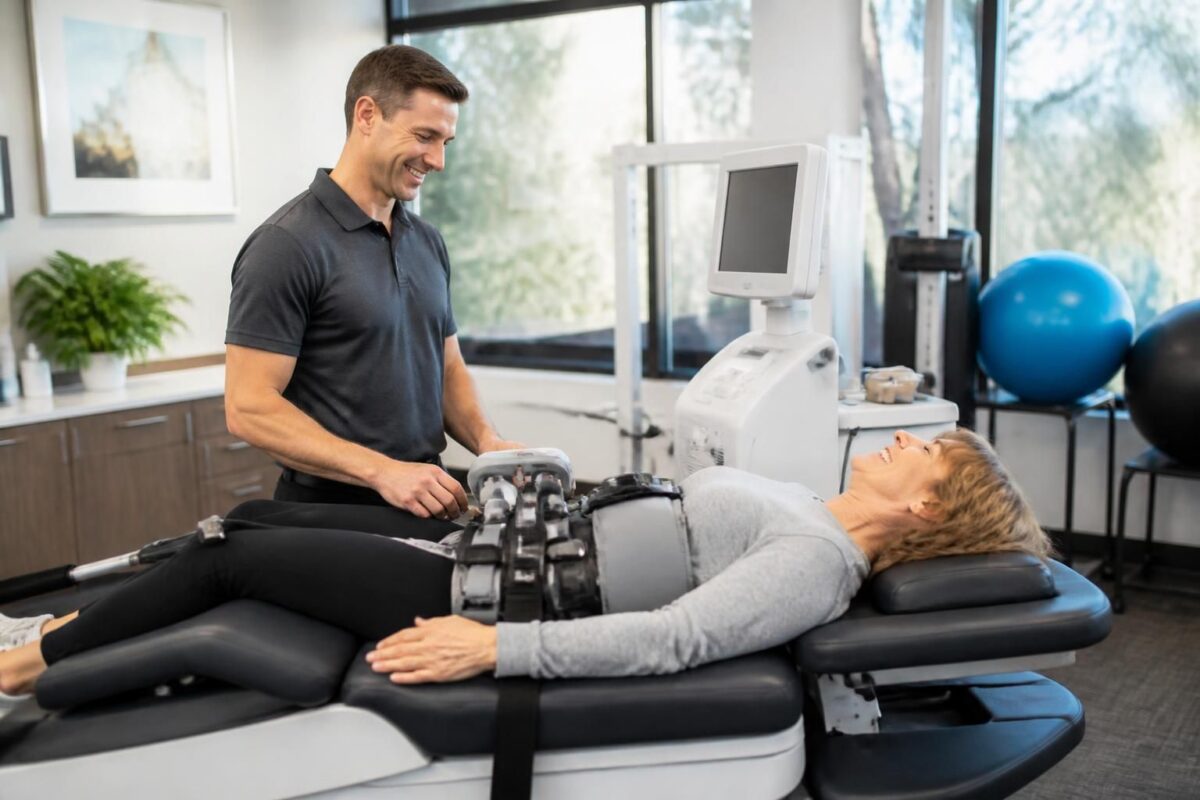
Neurovertebral decompression and diffuse pain: an appropriate solution
In short In short, the neurovertebral decompression is one Non-invasive solution For diffuse pain related to nerve irritation of the spine. She acts in Reducing pressure on intervertebral discs and nerves and improving the bloodstream, which promotes recovery and the…
Key Mechanisms for Reducing Voltage on Discs
Neurovertebral decompression acts mainly by creating a space between the vertebrae through controlled traction, which decreases the pressure exerted on the intervertebral discs. This decrease in Intra-disc pressure Promotes fluid displacement and water absorption, contributing to rehydration discs and better tissue nutrition. By mechanically releasing stresses on the fibula ring and nerve roots, it can reduce muscle tension and associated pain, while improving spinal flexibility and alignment.
In practice, this technique can be carried out in the office with a suitable traction table, and can also be offered in the form of home equipment under supervision. The effect is progressive and depends on the degree of disc lesion and the individual response of the patient. Although the physiological foundations are widely accepted, each case should be evaluated with a health professional to adapt the method and intensity of traction.
Indications and application framework
Decompression is mainly aimed at lumbar and cervical pain associated with high disc pressures, such as disc hernias, protrusions and degenerative disc diseases. It can be considered when conservative treatments have been insufficient and the objective is to reduce the load on the nerve roots and to promote postural rebalancing. In cases of laminectomy or discectomy, indications and risks differ and require specialized assessment.
To ensure safety and effectiveness, the program is generally personalized and integrated into rehabilitation exercises, posture advice and overall pain management. Regular follow-up with a health professional adjusts the duration, angle and intensity of the traction according to the evolution of the symptoms and the tolerance of the patient.
Resources and Deepening
To deepen knowledge on this topic and access additional explanations, consult these resources:
Neurovertebral Decompression Essential FAQs
What is neurovertebral decompression and how is it applied in sports medicine
The benefits of neurovertebral decompression for lower back pain
How Neurovertebral Decompression Reduces Disc Tensions
How decompression affects complex muscle imbalances in active patients
Neurovertebral decompression, a non-surgical solution for back pain
Neurovertebral decompression: a solution for recurrent back pain
Common pathologies treated with neurovertebral decompression
Spinal decompression, a natural treatment to improve your back health
How neurovertebral decompression affects nerve tension

Dr Sylvain Desforges, B.Sc., D.O., N.D., osteopath, is the founding president of TAGMED and of the ACMA association. He dedicates his practice to chronic spinal pain, low back pain and symptoms compatible with sciatica, particularly when pain radiates toward the buttock, leg, calf, foot or toes.
Through SOS Sciatique, he publishes educational content on sciatica symptoms, possible causes such as disc herniation, disc narrowing, foraminal stenosis or irritation of a lumbar nerve root, as well as non-surgical approaches that may be considered according to the evaluation. At Clinique TAGMED, care may include, depending on the case, motorized neurovertebral decompression, specific osteopathic care or precision percussion.
For an evaluation related to sciatica treatment in Montreal / Mount Royal or sciatica treatment in Terrebonne, please consult the services available at Clinique TAGMED.
Medical disclaimer
The information published on SOS Sciatique is provided for educational purposes only and does not replace a consultation, diagnosis, opinion or treatment provided by a physician or another authorized healthcare professional. The author of this article is neither a medical doctor nor a specialist in a medical specialty recognized by the Collège des médecins du Québec. The osteopathic, manual medicine or functional support approaches described on this site do not constitute medical acts and are not intended to replace medical follow-up.
Consult a physician or emergency service in cases of loss of bladder or bowel control, anesthesia in the saddle area, significant or progressive weakness in the leg or foot, fever, recent trauma, severe pain or rapid worsening of symptoms. For more details, please read our Legal Notice.