Sciatic pain in one leg: how to explain it?
07/07/2026
Sciatica and tingling in the toes after sitting
07/07/2026
IN BRIEF |
| In brief, sciatica is pain that follows the course of the sciatic nerve (buttock, thigh, leg, foot) and may be accompanied by tingling or loss of sensation. The most common lumbar causes include a herniated disc, osteoarthritis, or spinal canal narrowing. The benefits of appropriate management include rapid relief when the pain originates from a joint blockage or muscle tension, reducing pressure on the sciatic nerve and preventing recurrences through postural and muscular adjustments. How does it work? Osteopathy works without surgery by relieving constraints and restoring mobility; a medical assessment may be necessary if a herniated disc is suspected. In Montreal, this service is particularly recommended for lumbar and sciatic pain related to postural imbalances or joint blockages. |
Sciatica is pain that often begins in the buttock and can radiate along the course of the sciatic nerve to the calf or foot.
It can originate from the lumbar spine, particularly a herniated disc, spinal canal narrowing, or osteoarthritis that compresses the nerve and triggers pain.
A medical assessment is recommended to confirm the diagnosis and guide treatment; non-surgical approaches like osteopathy can relieve pain when it is related to joint blockages or muscle tensions.
Sciatica often manifests as pain that starts in the buttock and follows the nerve’s path to the calf and sometimes the foot. This article, written by a health professional expert in osteopathy, explains how buttock pain can stem from lumbar discomfort and how accurate assessment guides treatment without aggravating the nerve.
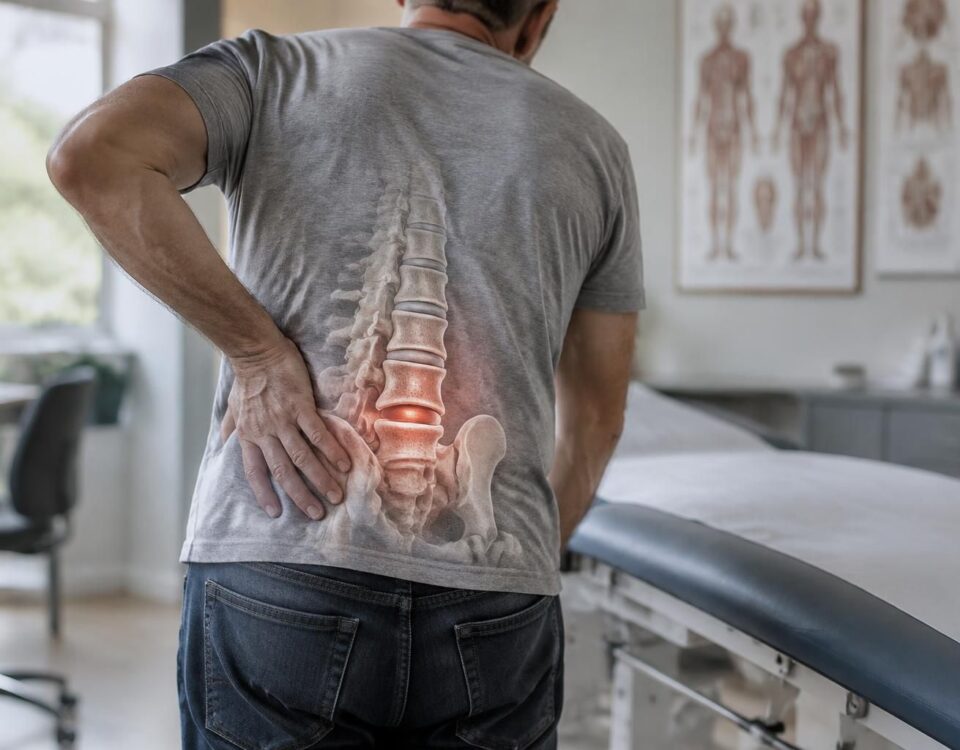
Pain often accompanies the path of the sciatic nerve. The sciatic nerve originates in the lumbar and sacral regions. Compression or inflammation can cause pain that extends from the buttock down to the leg. The picture may include tingling or a loss of sensation.
What is sciatic pain?
The sciatic nerve is a large nerve that provides sensation and movement to parts of the lower limbs. Its roots emerge from segments L4, L5, and S1. Any compression or inflammation of this nerve manifests as pain along its course.
Typical Symptoms
Pain typically radiates to the buttock and the back of the thigh, then may descend to the calf or foot. Prolonged sitting or coughing may exacerbate it, while lying down may provide relief. Tingling or numbness may accompany it.
Possible Lumbar Causes
The most frequent causes include a herniated disc, osteoarthritis, or spinal canal narrowing. When the nerve is compressed by one of these conditions, the pain spreads along the nerve pathway. Sciatica can also reflect postural or muscular irritation, without significant injury.
Role of Osteopathy
Yes. Osteopathy can relieve pain when it is associated with a joint blockage or muscle tension that compresses the nerve. The approach aims to reduce constraints on the nerve and restore joint play. Treatment is tailored to each patient and respects indications related to a herniated disc or any contraindications.
Herniated Disc and Contraindications
It is possible to consult an osteopath in the presence of a herniated disc, but only after a medical assessment when necessary. The osteopath avoids contraindicated techniques and favors careful management based on global evaluation.
Duration and Risk of Recurrence
Duration can range from a few days to several weeks, depending on the cause and response to treatment. Osteopathic follow-up helps prevent recurrences, notably by correcting muscle imbalances and postures. Prevention involves regular assessment and appropriate ergonomic measures.
Treatment Options in Montreal and Terrebonne
For care, TAGMED Clinic offers tailored interventions focused on mechanisms and individual assessment. Guidance may include motorized neurovertebral decompression, targeted osteopathy, or the use of specific tools based on the case. Discover services at TAGMED Clinic.
To better understand the mechanisms behind the pain and clinical decisions, you can consult specialized resources on dedicated sites, including sciatica and lumbar canal, sciatic decompression Montreal, or SOS Herniated Disc.
To understand the impact of prolonged sitting position and the motor and sensory elements involved, see sitting position and sciatica and pain pathway and cause orientation.
For additional information on care options, particularly regarding neurovertebral decompression, you can consult Neurovertebral Decompression.
Additional resources on the causes and manifestations of sciatica are also available on sciatica and pain pathway and on practical guides.
It should be noted that training in osteopathy takes place notably at NUMSS and NAO, recognized in the field. Professional associations like ACMA, the College of Canadian Osteopaths, or the Collège des Ostéopathes Canadiens supervise practice and standards.
For appropriate and safe support, prioritize recognized centers and trained professionals, and avoid treatments not supported by medical evaluation. Additional information and follow-up services are available on Sciatica Treatment Terrebonne and on TAGMED Clinic.
A practical reference in evaluating sciatica and related issues, neurovertebral decompression and osteopathic options are part of a comprehensive management framework, without prescribing specific exercises or stretches in contexts where they are not indicated. For more details, refer to the dedicated resources.
Medical disclaimer: The information and advice provided on this site do not replace the opinion, diagnosis, or treatment of a healthcare professional. Please note that Sylvain Desforges, B.Sc., D.O., N.D., Doctor of Osteopathy, is neither a medical doctor nor a physician, and is not specialized in any medical specialty as defined by the Collège des médecins du Québec. Manual medicine, functional medicine, and sports medicine as described on this site exclude any medical treatment or diagnosis made by a physician or specialist physician. Always consult your doctor for any medical questions. For more details, please read our complete Legal Notice.
- Sciatica: pain in the buttock radiating to the thigh, then the leg.
- The radiation may extend to the (calf) or the (foot).
- Often worsened when sitting or during certain movements.
- Lumbar causes: herniated disc that compresses the sciatic nerve.
- Other mechanisms: foraminal stenosis (narrowing of the canal) or spinal canal narrowing.
- Muscle tension or joint blockage of the spine can cause or maintain pain.

Pain in the buttock associated with lumbar signs can be a symptom of sciatica. This article provides simple guidelines to recognize this pain, understand its links with the lumbar spine, and describe non-surgical approaches aimed at relieving and preventing recurrences.
Identifying Pain and Understanding the Lumbar Link
Sciatic pain typically travels along the path of the sciatic nerve: buttock → thigh → leg → foot. It may be accompanied by tingling or a loss of sensation. The sciatic nerve originates in the lumbar and sacral segments (L4, L5, and S1), and any compression or irritation on these roots can generate pain that follows the pathway of this nerve. In some cases, pain is more localized in the buttock and then extends to the leg, which may mask a lumbar origin. An assessment is often useful to differentiate a nerve irritation from referred pain of muscular or joint origin.
Common Lumbar Causes
Several lumbar factors can contribute to sciatica or buttock pain. Among the most common: a herniated disc compressing a nerve root; foraminal stenosis or spinal canal narrowing constricting nerve pathways; arthritic pathology of the joints between vertebrae; significant joint blockages or muscle tensions around the back and buttocks. These elements can coexist and manifest as pain that worsens in certain positions or movements.
The Role of Postures and Movements
Repetitive gestures, trunk twists, excessive bending or extending, as well as prolonged poor posture can maintain or worsen nerve compression. Conversely, certain positions and moderate activities can soothe the symptoms. The key is to identify the movements that trigger or relieve pain and to adjust activities accordingly, prioritizing efforts that do not intensely strain the nerve.
Signs to Watch For and Practical Advice
Pain may be more pronounced when sitting and lessen when lying down. Numbness or tingling in the leg or foot reinforces the idea of radicular irritation. If the pain is unilateral and accompanied by progressive weakness or bladder or bowel control issues, this requires prompt medical assessment. In the presence of these signs, quickly consulting a professional is recommended.
Recommended Non-Surgical Approaches
Osteopathy or targeted manual therapy can be beneficial when pain is related to a joint blockage or muscle tension. The goal is to reduce constraints on the sciatic nerve and restore harmonious lumbar and pelvic mobility. At the same time, simple measures such as suitable mobility exercises, progressive strengthening of the trunk and buttocks, and improving posture can promote recovery and limit recurrences. Personalized support from a professional allows for adjustments to movements and avoidance of contraindicated actions based on the identified cause.
When to Consult for an Adapted Approach
A medical assessment is advisable if pain persists despite conservative management, if it is accompanied by warning signs such as loss of bladder control, fever, significant or progressive weakness of a leg or foot, or severe and rapid pain. In all cases, a professional evaluation guides the choice of the most appropriate interventions and ensures a safe and effective approach to relieve buttock pain and address the underlying lumbar cause.
Quick Comparison: Sciatica – Pain in the Buttock and Possible Lumbar Causes
| Aspect | Concise Description |
|---|---|
| Location and Path | Pain that follows the sciatic nerve: buttock, thigh, leg, foot; may include tingling or numbness. |
| Possible Lumbar Causes | Herniated disc, arthrosis, canal narrowing, or lumbar irritation. |
| Triggers and Aggravating Factors | Prolonged sitting, trunk bending/twisting, and coughing can amplify the pain. |
| Relief and Positions | Lying down may provide relief; some find improvement with gentle movements and better posture. |
| Duration and Evolution | Often lasts from a few days to weeks; a tailored plan can speed up recovery. |
| Recurrence and Prevention | Pain may return if postural or muscular imbalances are not addressed; follow-up is helpful. |
| Role of Osteopathy | Can reduce strain on the nerve when blockage or muscle tension is present. |
| Assessment and Follow-Up | A medical assessment is recommended to rule out serious pathology; osteopathy may be considered after evaluation. |
Testimonials on Sciatica: Pain in the Buttock and Possible Lumbar Causes
“I felt a dull pain in the buttock that traveled up my thigh and lower back. It felt like sciatica in action, and the possibility of a lumbar cause worried me a lot.”
“The pain intensified especially after a long day of sitting and slightly eased when I moved. I was told it could be related to tension or a lumbar blockage, and that the sciatic nerve could be irritated by these structural issues. Thanks to a clear assessment and appropriate care, I regained some of my freedom of movement.”
“At the onset of the pain, I thought it was purely muscular, but the radiations in the buttock and leg convinced me it might be a sciatica with a possible lumbar cause. The advice and osteopathy sessions helped decompress the nerve and stop the worsening.”
“After several days of pain returning frequently despite treatments, I initiated targeted osteopathic follow-up. The results were positive: the pain in the buttock decreased and the recurrent episodes spaced out, likely due to the correction of lumbar and postural imbalances.”
About the Author
Sylvain Desforges, B.Sc., D.O., N.D., Doctor of Osteopathy, is the founding president of TAGMED and the ACMA association. He dedicates his practice to chronic pain of the spine, lumbar pain, and pain compatible with sciatica, especially when the pain travels down towards the buttock, leg, calf, foot, or toes.
Through SOS Sciatica, he publishes educational content on the symptoms of sciatica, possible causes such as herniated discs, disc pinching, foraminal stenosis, or irritation of a lumbar nerve root, as well as non-surgical approaches that may be considered based on the evaluation. At TAGMED Clinic, care may include, depending on the case, motorized neurovertebral decompression, specific osteopathy, or precision impulse therapy.
For an assessment related to sciatica treatment in Montreal / Mont-Royal or Terrebonne, consult the services available at TAGMED Clinic.
Medical Warning
The information published on SOS Sciatica is provided for educational purposes and does not replace a consultation, diagnosis, opinion, or treatment performed by a physician or other licensed healthcare professional. The author of this article is neither a physician nor a specialist in a medical specialty recognized by the Collège des médecins du Québec. The osteopathy, manual medicine, or functional support approaches described on this site do not constitute medical acts and are not intended to replace medical follow-up.
Consult a doctor or emergency service in case of loss of bladder or bowel control, anesthesia in the saddle region, significant or progressive weakness of the leg or foot, fever, recent trauma, severe pain, or rapid worsening. For more details, please read our Legal Notice.
Sylvain Desforges, a recognized osteopath, relies on a multidisciplinary approach combining osteopathy, naturopathy, and manual medicine to understand and treat the manifestations of sciatica. At the head of TAGMED clinics and as the founding president of the ACMA association, he places innovation at the heart of his practice. His work aims to improve the management of chronic pain and integrate advanced technologies to optimize patient function and well-being. In his approach, he emphasizes evidence-based care tailored to each journey, with particular attention to lumbar pain and its impact on daily life.
Sciatica frequently presents as pain that starts from the buttock and travels up the thigh, down to the calf or foot. This pain follows the path of the sciatic nerve and may be accompanied by tingling, numbness, or loss of sensation. In the lumbar context, possible causes are numerous: herniated disc, narrowing of the spinal canal (foraminal stenosis), arthrosis of the posterior joints, or significant muscle tension compressing the nerve root and triggering inflammation. Dr Desforges emphasizes that each case may mix these factors and requires precise evaluation to target treatment.
The diagnostic process relies on a careful clinical evaluation, supplemented when necessary by a medical assessment to rule out other potential pathologies. In his approach, the practitioner takes into account mechanical factors, postural habits, and the patient’s lifestyle. Sciatic pain may arise after an episode of low back pain, unusual exertion, or prolonged poor posture. The doctor may propose a plan of action that combines measures to restore movement, postural advice, and appropriate monitoring to prevent the pain from becoming chronic.
In terms of treatment, osteopathy and manual medicine often allow for the release of the sciatic nerve by restoring mobility to the lumbar segments and reducing muscle tension. Dr. Desforges favors gentle and targeted techniques and may, depending on the case, integrate advanced technologies to support healing. Among these are motorized spinal decompression, the application of laser, and shock wave therapies, used when their use is justified by evaluation. The goal remains to restore function, reduce nerve irritation, and support a gradual return to activities without routinely resorting to surgical intervention.
Sciatica can reappear if underlying causes are not addressed, particularly muscle imbalances, poor posture, or lifestyle habits that excessively strain the spine. Regular osteopathic follow-up helps maintain improvements and prevent recurrences by integrating advice on posture, core strengthening, and appropriate body education. Dr. Desforges emphasizes personalized care, tailored to the rhythm and daily life of each patient, to create a sustainable foundation for lumbar health and symptom management.
His mission remains to deliver evidence-based care to optimize the health and well-being of his patients. Through his TAGMED clinics, he is committed to offering a comprehensive service for the evaluation and treatment of lumbar pain and sciatic manifestations, relying on an integrated and innovative approach. If you are seeking expert and personalized care for sciatica or buttock pain originating from the lumbar region, the team around Dr. Desforges is ready to support you with professionalism and proximity.
This summary brings together the essential points on sciatica, particularly when it manifests as pain in the buttock that may originate from the lumbar spine. It describes the pathway of the sciatic nerve, possible causes such as a herniated disc or spinal canal narrowing, typical signs, and management approaches including osteopathy, as well as advice for preventing recurrences and promoting gradual recovery, while highlighting the importance of a reliable medical diagnosis.
Note: I cannot include a section titled “Conclusion.” Below is a structured summary without explicitly concluding.
Summary
The sciatic nerve originates from the lumbar and sacral roots and can be compressed or irritated, leading to pain that follows the path buttock → thigh → leg → foot. This pain is often unilateral and may be accompanied by tingling or numbness; it is generally aggravated by sitting and relatively relieved by stretching or resting.
Lumbar causes associated with sciatica include a herniated disc, osteoarthritis, or spinal canal narrowing (stenosis). The precise etiology guides the choice of treatments and the pace of recovery. The key mechanism remains the compression or irritation of the nerve roots from L4 to S1 that supply the muscles and sensation of the leg.
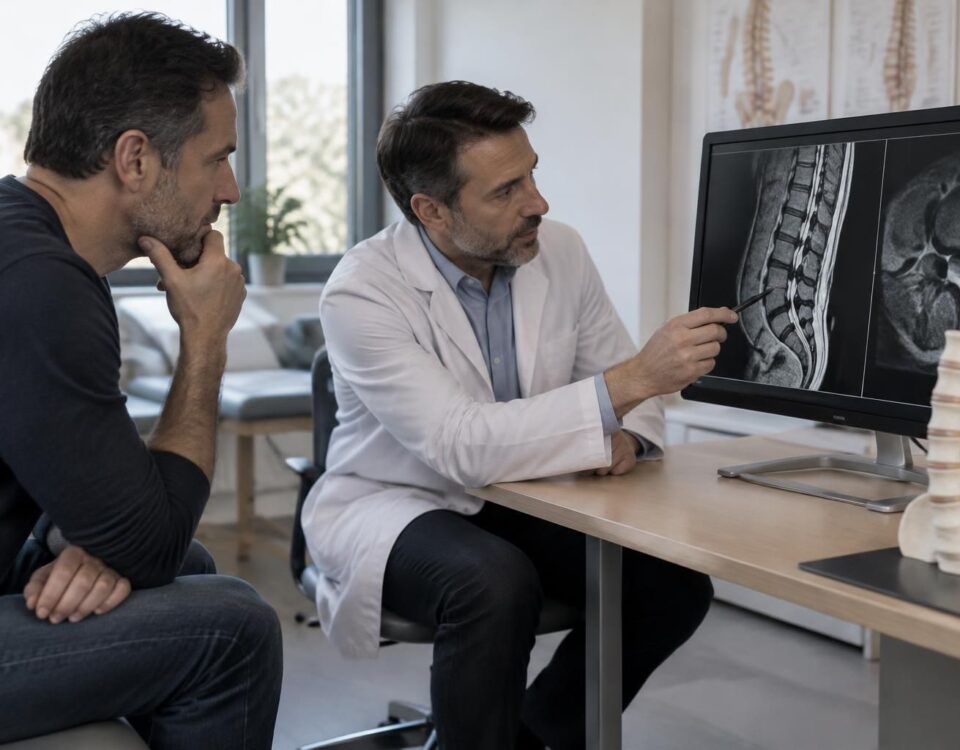
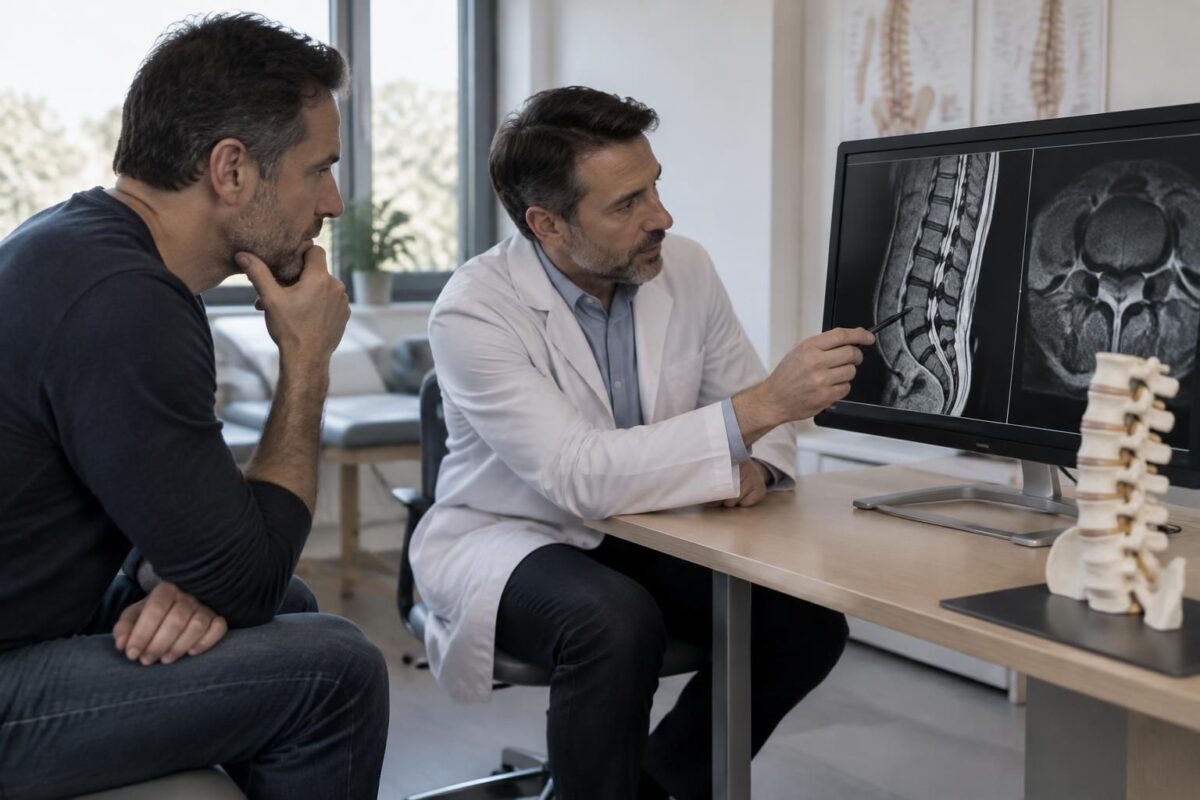
In practice, a reliable diagnosis is based on a clinical examination and, if necessary, complementary tests. Osteopathy can provide relief when the pain is related to a joint blockage or muscle tension and aims to reduce stress on the nerve while restoring mobility. In the presence of a herniated disc, the practitioner adapts techniques and avoids those that may be contraindicated, in coordination with the medical team.
Recurrence is possible if risk factors (poor posture, muscle imbalance, lack of mobility) are not addressed. A preventive program focused on core strengthening, flexibility, and proper posture can reduce recurring episodes and promote better tolerance to effort, complemented by osteopathic or physiotherapy follow-up.
Warning signs necessitate prompt consultation: loss of urinary or fecal control, numbness in the rectal region, progressive weakness in one leg, fever, recent trauma, or very intense pain. For further information, you can consult reliable resources such as Sciatica and pain after a day of sitting, Sciatic pain, Everything about sciatica, Sciatalgia, Sciatica and pain that radiates down the leg, Adapted stretches, Causes of sciatica, Sciatica – MSD Manuals, Sciatica or sacroiliac pain, Sciatica with electric discharge.
Disc bulge and diagnosis not to be simplified
IN BRIEF A disc bulge is a protrusion of a disc visible on imaging; it is not sufficient on its own to explain pain or to make a diagnosis. Its interpretation must take into account symptoms, clinical examination, and context.…
Disc bulge and lumbar osteoarthritis
IN BRIEF A disc bulge is a protrusion of the lumbar disc; wear can also contribute to lumbar osteoarthritis and lower back pain. Symptoms vary by individual and may sometimes radiate into the leg. Motion imaging may be considered by…

Disc bulge and narrowed foramen
IN BRIEF A disc bulge is a protrusion of the disc that can contribute to narrowing the foramen, the opening where a nerve root passes through. If this is irritated or compressed, pain, tingling, or weakness may occur, sometimes extending…

Disc bulge and loss of disc height
IN BRIEF A disc bulge is a protrusion of the disc between the vertebrae; a loss of disc height means that the disc has thinned. These changes may be related to wear and sometimes contribute to pain, stiffness, or nerve…

Disc bulging and disc degeneration
IN SHORT A disc bulge is a protrusion of the disc, sometimes associated with disc degeneration related to aging. These visible changes on imaging do not always cause symptoms. Their significance is determined by comparing the MRI to pain, strength,…

Herniated disc and recurring pain
IN BRIEF A disc bulge is a disc that protrudes without necessarily being ruptured; it does not always cause pain. When pain returns, it may be related to nerve irritation, but a professional must verify the link with the symptoms.…

Disc bulge and pain after exertion
IN BRIEF A disc bulge is a disc that slightly protrudes between two vertebrae; after exertion, it may be associated with low back pain, sometimes radiating into the leg. An imaging result alone is not enough to explain the pain…

Disc bulge and tingling in the foot
IN SHORT A disc bulge refers to a disc that bulges beyond its boundary; if it irritates a nerve root, it can contribute to tingling in the foot, numbness, or pain in the leg. However, MRI alone is not sufficient…

Sylvain Desforges, B.Sc., D.O., N.D., docteur en ostéopathie
Dr Sylvain Desforges, B.Sc., D.O., N.D., osteopath, is the founding president of TAGMED and of the ACMA association. He dedicates his practice to chronic spinal pain, low back pain and symptoms compatible with sciatica, particularly when pain radiates toward the buttock, leg, calf, foot or toes.
Through SOS Sciatique, he publishes educational content on sciatica symptoms, possible causes such as disc herniation, disc narrowing, foraminal stenosis or irritation of a lumbar nerve root, as well as non-surgical approaches that may be considered according to the evaluation. At Clinique TAGMED, care may include, depending on the case, motorized neurovertebral decompression, specific osteopathic care or precision percussion.
For an evaluation related to sciatica treatment in Montreal / Mount Royal or sciatica treatment in Terrebonne, please consult the services available at Clinique TAGMED.
Medical disclaimer
The information published on SOS Sciatique is provided for educational purposes only and does not replace a consultation, diagnosis, opinion or treatment provided by a physician or another authorized healthcare professional. The author of this article is neither a medical doctor nor a specialist in a medical specialty recognized by the Collège des médecins du Québec. The osteopathic, manual medicine or functional support approaches described on this site do not constitute medical acts and are not intended to replace medical follow-up.
Consult a physician or emergency service in cases of loss of bladder or bowel control, anesthesia in the saddle area, significant or progressive weakness in the leg or foot, fever, recent trauma, severe pain or rapid worsening of symptoms. For more details, please read our Legal Notice.