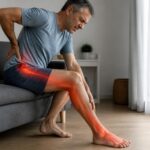
Sciatica pain that radiates down to the foot: understanding the pathway
12/07/2026
Sciatica and Difficulty Staying Seated for Long Periods
12/07/2026
IN BRIEF
| In brief, sciatica is pain that follows the path of the sciatic nerve, starting from the lower back, passing through the buttock, and descending into the leg down to the foot. It often manifests as a burning sensation or a feeling of nerve irritation, with the possibility of numbness or weakness. Possible causes include a herniated disc, osteoarthritis, or stenosis, and the diagnosis is based on clinical examination and, if necessary, imaging or neurological tests. Treatment aims to relieve pain and improve function: conservative measures (medications, physiotherapy, targeted exercises) and, if necessary, appropriate surgery. Available in your area, this service often allows for a quick return to walking and active life, with personalized follow-up and pain management when possible. In Montreal, this service is particularly recommended for lower back pain and radicular pain related to the sciatic nerve. |
The sciatica is a burning pain that follows the trajectory of the sciatic nerve, starting from the lower back and descending through the buttock to the back of the leg, sometimes down to the foot. It results from irritation or compression of the nerve roots and may be accompanied by numbness or muscle weakness. The diagnosis is based on clinical examination and, if necessary, imaging or electrodiagnostic tests; treatment aims to relieve pain and address the cause.
This article, written by a health professional expert in osteopathy, describes sciatica, pain that can present as a burning sensation along the path of the sciatic nerve and nerve irritation. It outlines the possible causes, clinical signs, the diagnostic framework, and management options, with clear guidelines on what may be considered based on medical and osteopathic evaluation.
Through this approach, you will understand the path of the sciatic nerve, the possible reasons for this pain, and the different management options, ranging from gentle, non-surgical measures to surgical intervention when necessary. For an appropriate assessment and options at Clinique TAGMED, consultations are available in Montreal and Terrebonne.
About the author
Dr. Sylvain Desforges, B.Sc., D.O., N.D., osteopath, is the founding president of
TAGMED
and the ACMA association. He dedicates his practice to chronic pain of the spine, lower back pain, and pain compatible with sciatica, particularly when the pain radiates to the buttock, leg, calf, foot, or toes.
Through SOS Sciatica, he publishes educational content on the symptoms of sciatica, possible causes such as herniated disc, disc compression, foraminal stenosis, or irritation of a lumbar nerve root, as well as non-surgical approaches that may be considered based on the evaluation. At Clinique TAGMED, care may include, as appropriate, motorized neurovertebral decompression, specific osteopathy, or precision impactor.
For an assessment related to
sciatica treatment in Montreal / Mont-Royal
or to
sciatica treatment in Terrebonne,
consult the services available at
Clinique TAGMED.
Medical Disclaimer
The information published on SOS Sciatica is provided for educational purposes and does not replace a consultation, diagnosis, opinion, or treatment performed by a physician or another licensed health professional. The author of this article is neither a physician nor a specialist in a medical specialty recognized by the Collège des médecins du Québec. The osteopathy, manual medicine, or functional support approaches described on this site do not constitute medical acts and are not intended to replace medical follow-up.
Consult a physician or emergency service in case of loss of urinary or bowel control, anesthesia in the saddle area, significant or progressive weakness of the leg or foot, fever, recent trauma, severe pain, or rapid worsening. For more details, please read our
Legal notice.
Definition and Path of the Sciatic Nerve
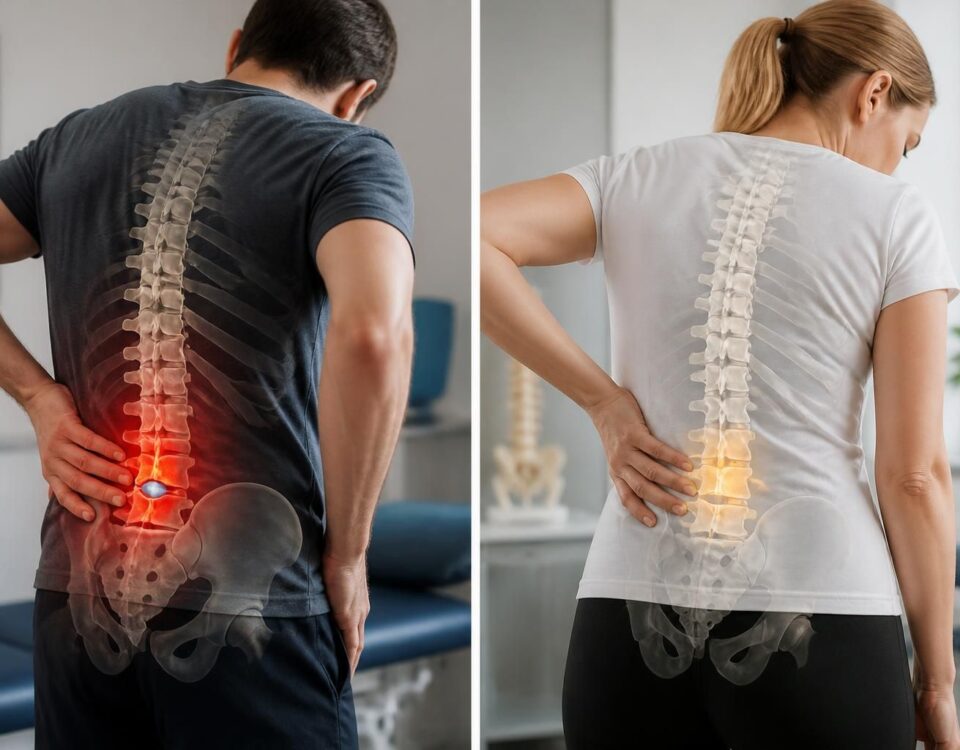
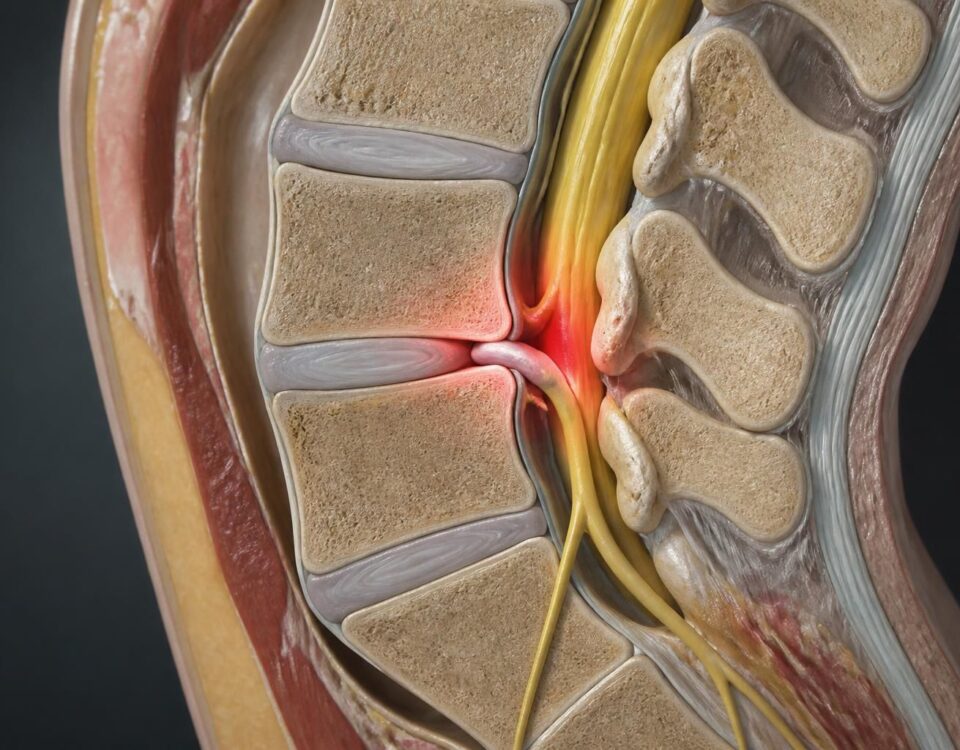
Sciatica is pain that follows the pathway of the sciatic nerve, the longest nerve in the body. It originates in the lower back, crosses the buttock, and descends into the leg down to the back of the knee, where it then branches out toward the foot. Irritation or compression of the nerve roots can trigger pain that radiates along the nerve, sometimes down to the foot.
Symptoms and Diagnosis
Typical symptoms include radiating, burning, or stabbing pain that originates from the lower back and shoots up or down one side. Tingling, numbness, or muscle weakness may accompany the pain. The diagnosis is based on a thorough clinical examination and may be supplemented by imaging tests (MRI or CT scan) or electrodiagnostic tests to locate the affected root and assess severity.
The following resources may help better understand the signs and symptoms and track the evolution:
Sciatica Symptoms – Monitoring,
Sciatalgia – Definition and Symptoms,
Sciatica – Understanding and Causes,
and dedicated resources on Sciatica and Pain in the Buttock While Sitting.
Common Causes and Risk Factors
The origins of sciatica are multiple and vary according to the cases. Poor posture, a sprain, or bone projection due to arthritis can cause nerve irritations. Factors such as sedentary lifestyle, diabetes, and aging increase the risk. More serious pathologies like a herniated disc or foraminal stenosis may also be involved. For general information, see Causes and symptoms of sciatica.
Treatment Options
The treatment aims to relieve pain and improve function. Non-surgical approaches may be recommended based on the evaluation. In cases of severe or persistent pain, surgical options exist. For information on treatments and their comparisons, see the resources associated with Variability of treatments and calf pain while sitting. Specific references to the TAGMED Clinic for local options are available via TAGMED Clinic and associated resources on SOS Sciatica.
Prevention and Practical Advice
Prevention involves maintaining correct posture and an active lifestyle. It may be helpful to remain attentive to sitting position and how to lift loads in order to limit tension on the back and nerves. For practical advice and resources on improving posture and preventive measures, check the dedicated articles on Stretching and precautions according to the cause and Sciatica while sitting.
For any information and personalized follow-up, an appointment at the TAGMED Clinic can be considered. Additional resources are accessible via the following partner domains: SOS Sciatica, TAGMED Clinic, and resources for neurovertebral decompression.
To deepen your understanding of the concepts, you can consult training and reference materials in osteopathy from NUMSS, NAO, National University of Medical Sciences, and National Academy of Osteopathy, as well as from professional associations such as ACMA, College of Canadian Osteopaths, and Collège des Ostéopathes Canadiens.
Be sure to discuss any new or worsening symptoms with your doctor or osteopath, and request a full evaluation if warning signs appear.
Medical disclaimer: The information and advice provided on this site do not replace the opinion, diagnosis, or treatment of a healthcare professional. Please note that Dr. Sylvain Desforges, osteopath, is neither a medical doctor nor a physician and is not specialized in a medical specialty as defined by the Collège des médecins du Québec. Manual medicine, functional medicine, and sports medicine as described on this site exclude any medical treatment or diagnosis made by a doctor or specialist physician. Always consult your doctor for any medical questions. For further details, please read our complete Legal Notice.
- Burning in the leg — electric or burning pain following the path of the sciatic nerve.
- Location: buttock to the back of the leg, often unilateral.
- Associated symptoms: radiation, paresthesia, or potential weakness.
- Nerve irritation — compression or inflammation of the spinal roots.
- Signs: pain following the nerve, paresthesia, numbness.
- Quick evaluation: clinical examination; imaging or electrodiagnostic tests as needed.

This article presents sciatica as manifested by a burning sensation in the leg and a nerve irritation along the sciatic nerve. You will find common causes, signs to watch for, the diagnostic process, and main management options to quickly relieve pain and prevent recurrence.
Understanding Burning and Irritation of the Sciatic Nerve
The burning sensation described in the leg is typically due to irritation of the sciatic nerve, the longest and largest in the body. This pain can start from the lower back, travel up into the buttock, and down the thigh to the foot, sometimes as a discharge of electricity or burning heat. It is often unilateral and may be accompanied by tingling, numbness, or weakness that hinders walking or normal movements.
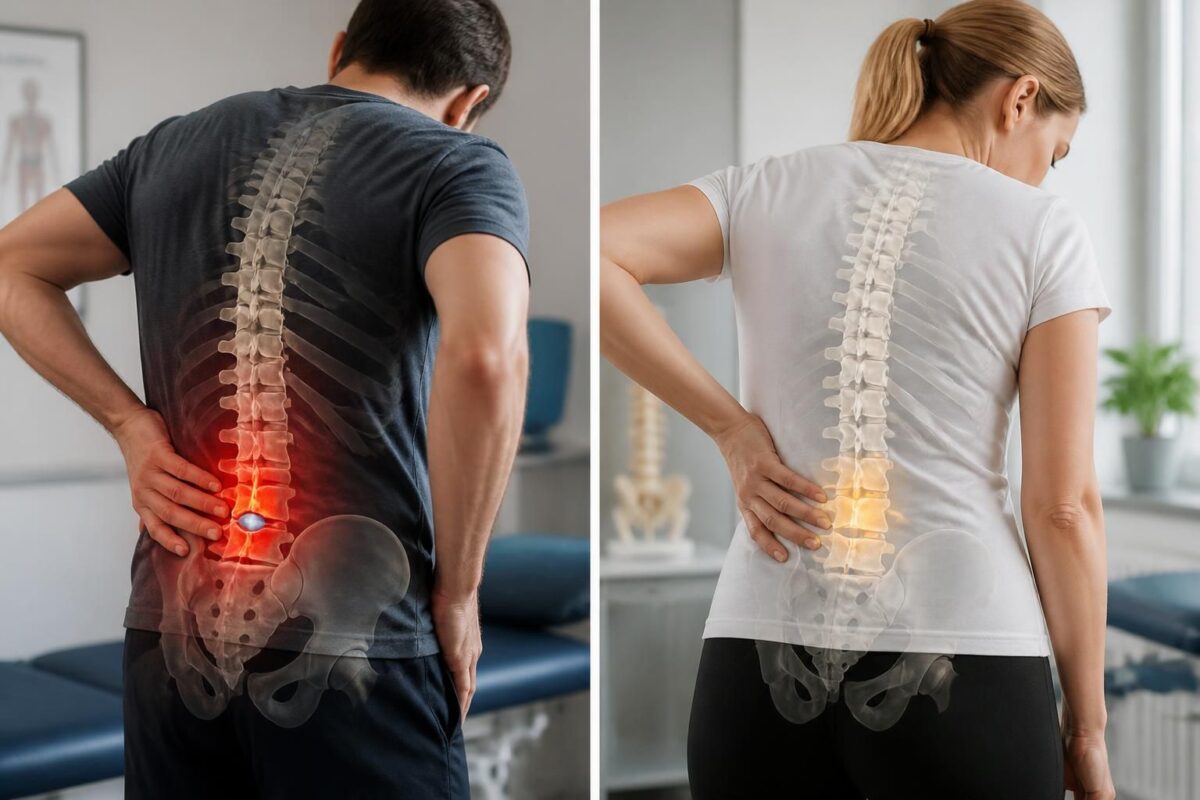
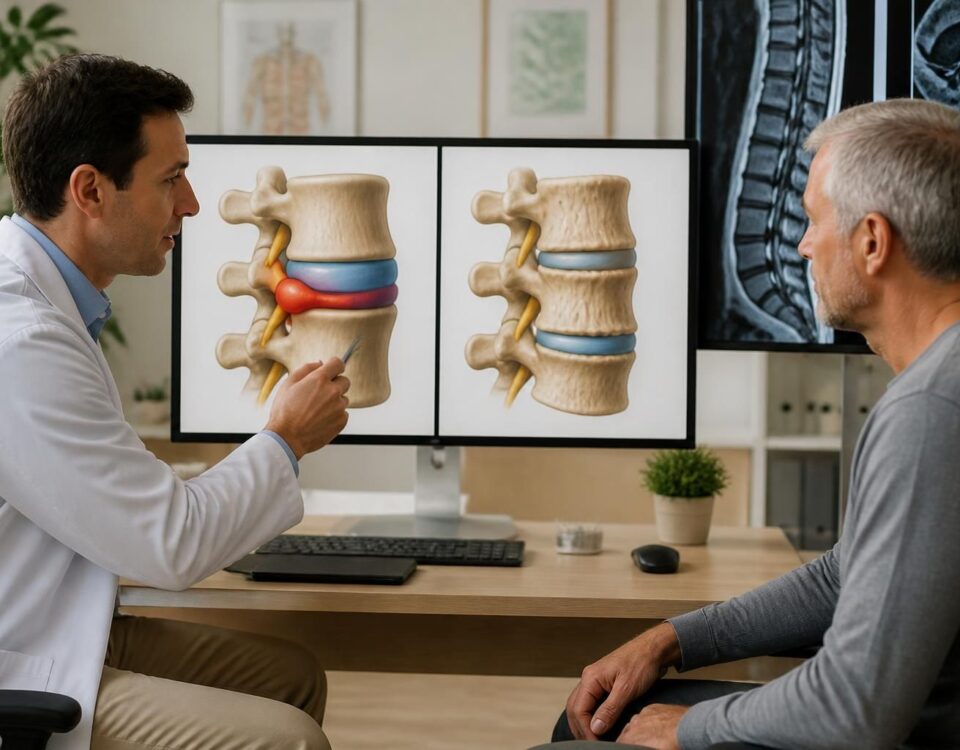
Herniated disc and disc bulge: do not confuse
IN BRIEF In brief, the Herniated disc and the disc bulge are two conditions of the spine that differ in their mechanism and prognosis. The disc bulge is a protrusion of the disc without rupture of the fibrous ring, often…
Typical Signs and Manifestations
Useful symptoms for assessing sciatica include radiating pain that follows the path of the nerve, a burning or electric shock sensation along the leg, and sometimes muscle weakness or sensation of numbness. Simple actions like walking, climbing stairs, or stretching the leg may aggravate the pain, while straightening the back or standing can provide relief. In cases of more severe neurological signs, such as loss of bladder or bowel control or significant progressive weakness, prompt consultation is necessary, as this may indicate a medical emergency.
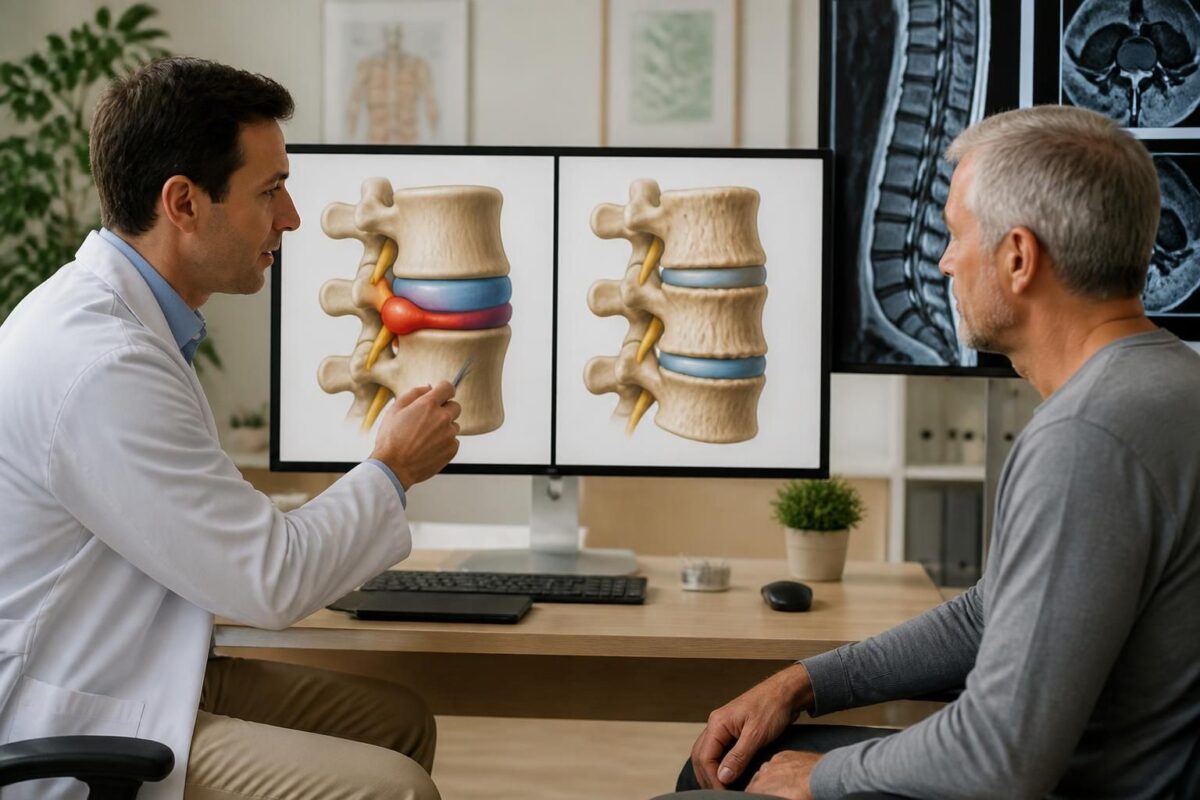
Herniated disc and disc disease: understanding the differences
IN BRIEF In brief, a herniated disc and discopathy are two distinct causes of spinal pain: wear of the intervertebral disc (discopathy) and the protrusion of the gelatinous nucleus that can compress a nerve (herniated disc). Understanding these differences helps…
Causes and Risk Factors
Several mechanisms can cause this nerve irritation: a herniated disc, bone projections related to arthritis, narrowing of the spinal canal (stenosis), or inflammation of the nerve roots. Other contributing factors include aging, diabetes, a sedentary lifestyle, or prolonged poor posture. The connection between these conditions and pain does not mean that everyone will develop sciatica, but these factors increase the risk.
Herniated disc and annular tear: possible pain
IN BRIEF In short, Herniated disc and annular tear refer to issues with the intervertebral disc that can cause lower back pain and, at times, pain radiating down the leg. Symptoms vary and can mimic sciatic pain. Treatment favors conservative…
Diagnosis and Evaluations
The diagnosis primarily relies on the medical history and clinical examination, assessing strength, reflexes, and the exact location of pain. Imaging such as MRI or CT scan may be requested to confirm nerve compression or identify a specific cause. Electrodiagnostic tests may be necessary in some cases to determine which root is affected and assess the severity of the impairment.
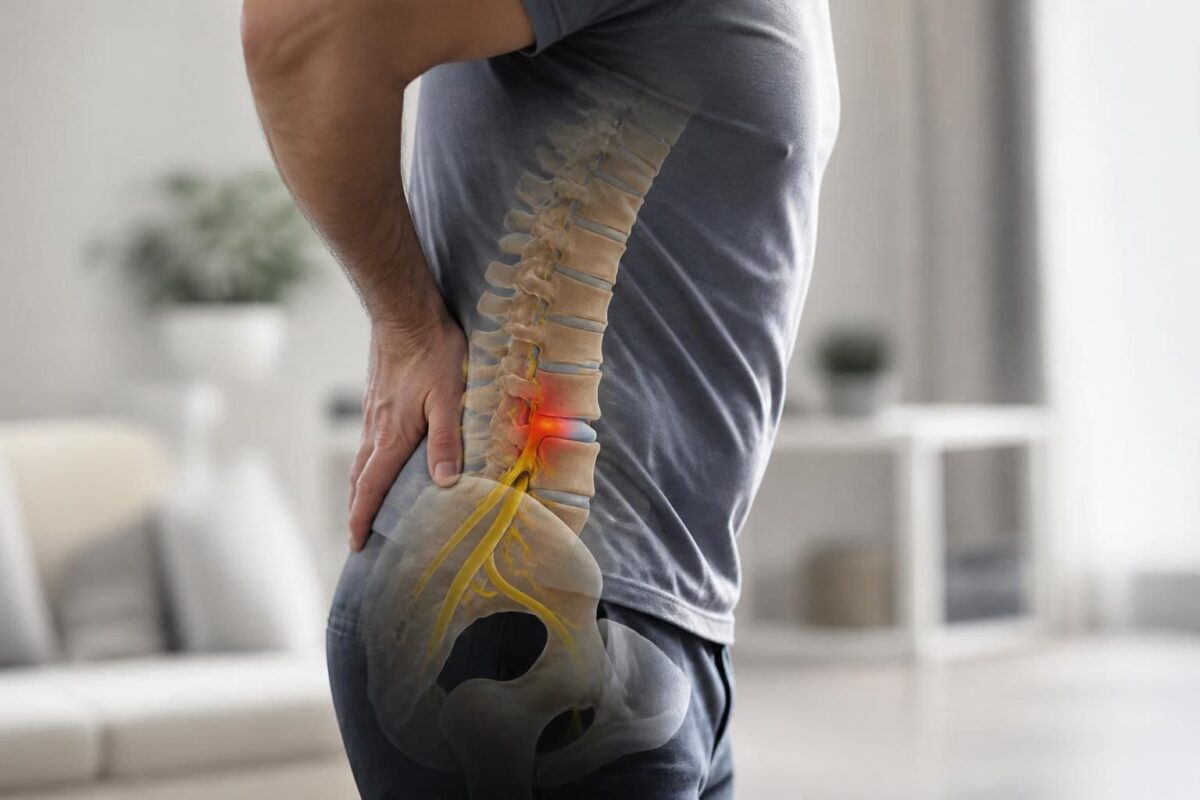
Herniated disc and chemical irritation of the nerve root
IN BRIEF In brief, Herniated disc and chemical irritation of the nerve root describe pain and dysfunction due to compression and inflammatory chemical exchanges affecting a spinal nerve root. This association explains radiating pain, abnormal sensations, and sometimes muscle weakness…
Management and practical recommendations
To act quickly on burning and nerve irritation, prioritize a combined approach focused on pain relief and restoring mobility. Simple and effective measures include applying cold or heat depending on what relieves the most, reasonable use of over-the-counter analgesics and anti-inflammatories, and undergoing physiotherapy sessions aimed at trunk strengthening and appropriate stretching.
Non-drug approaches and exercises
Core strengthening exercises, targeted hamstring stretches, and regular walking can reduce tension on the disc and nerves. Adopt a neutral posture in daily life, avoid sudden twists, and favor controlled movements. The goal is to decrease nerve compression and improve exercise tolerance, so the pain diminishes lasting.
When to consider intervention
The vast majority of cases improve with appropriate management and repeated exercises over the medium term. However, persistent symptoms or rapid worsening, particularly signs of major nerve involvement or pain that does not respond to treatments, may require further evaluation and, in some cases, appropriate surgical intervention.
Herniated disc and mechanical compression of the nerve
IN BRIEF In brief, a herniated disc is a prolapse of the intervertebral disc that can lead to mechanical compression of the nerve root, causing pain and numbness that often radiate down the leg. This compression explains radiculopathy and sensations…
Prevention and lifestyle to limit relapses
Maintaining regular physical activity, keeping a healthy weight, and adopting correct postural habits are key elements. Incorporate back and glute strengthening exercises, prioritize gentle activities like walking or swimming, and adjust your workspace to promote a well-aligned spine. Simple habits, repeated daily, help limit tensions and prevent recurrences.
| Aspect | Concise description |
|---|---|
| Origin | Pain related to the sciatic nerve and its lumbosacral roots, originating from the lower back and extending down the leg. |
| Location | Unilateral pain, following the nerve’s path. |
| Type of pain | Burning sensation and sometimes electric shock or stabbing pain. |
| Associated symptoms | Numbness, weakness, or heavy sensation in the affected limb. |
| Typical causes | Herniated disc, spinal canal stenosis, osteoarthritis, or nerve compression. |
| Key diagnosis | Clinical examination + MRI/CT to locate the affected root. |
| Treatment options | Immediate relief with NSAIDs and physiotherapy; surgery is rare if it persists. |
| Prevention and advice | Regular physical activity, good posture, safe lifting techniques. |
| Urgent warning signs | Loss of bladder or bowel control, rapid weakness, severe pain. |
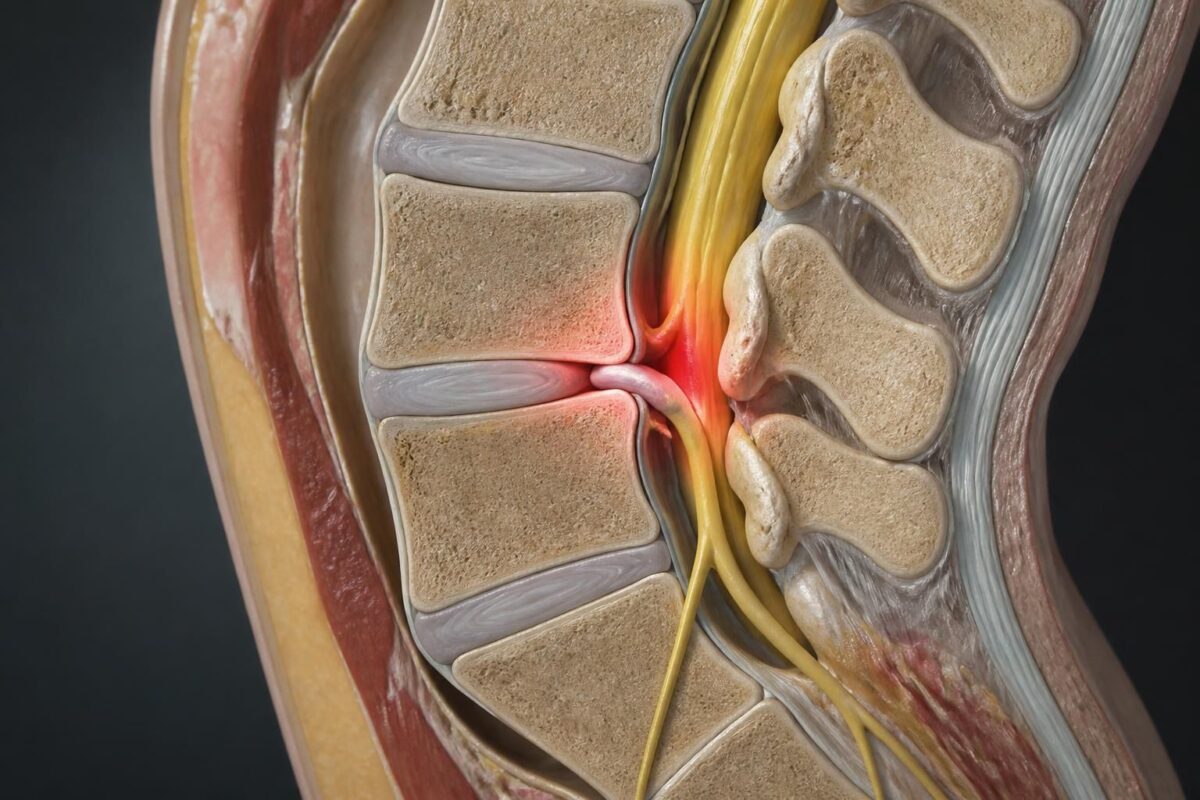
Herniated disc and nerve root inflammation
IN BRIEF In brief, lumbar disc herniation and nerve root inflammation refer to compression and irritation of a spinal root causing radiating pain, paresthesias, and sometimes muscle weakness. The mechanism combines disc protrusion and radicular inflammation, hence the importance of…
Testimonials about sciatica: burning in the leg and nerve irritation
“Before, my sciatica caused a burning sensation in my leg, starting from my lower back and going down to my foot. The nerve irritation was constant, and each step became a challenge.”
“I felt a radiating pain that woke me up at night and a nerve irritation in my leg that prevented me from sleeping properly. Walking became a daily challenge.”
“This burning in my leg and this feeling of nerve irritation made my movements hesitant and made me fear each step, especially when going down the stairs.”
“My life changed when I realized that sciatica was not just a passing pain. The burning in my leg and the nerve irritation made every movement uncomfortable, even while sitting.”
“After an appropriate treatment plan, the burning decreased and the nerve irritation calmed down, allowing me to resume my activities without fearing painful flare-ups.”
“I thought the pain only came from my posture, but it was indeed sciatica that caused a radiating pain down to my foot. By working on the nerve and my back, I regained mobility and experienced less burning.”
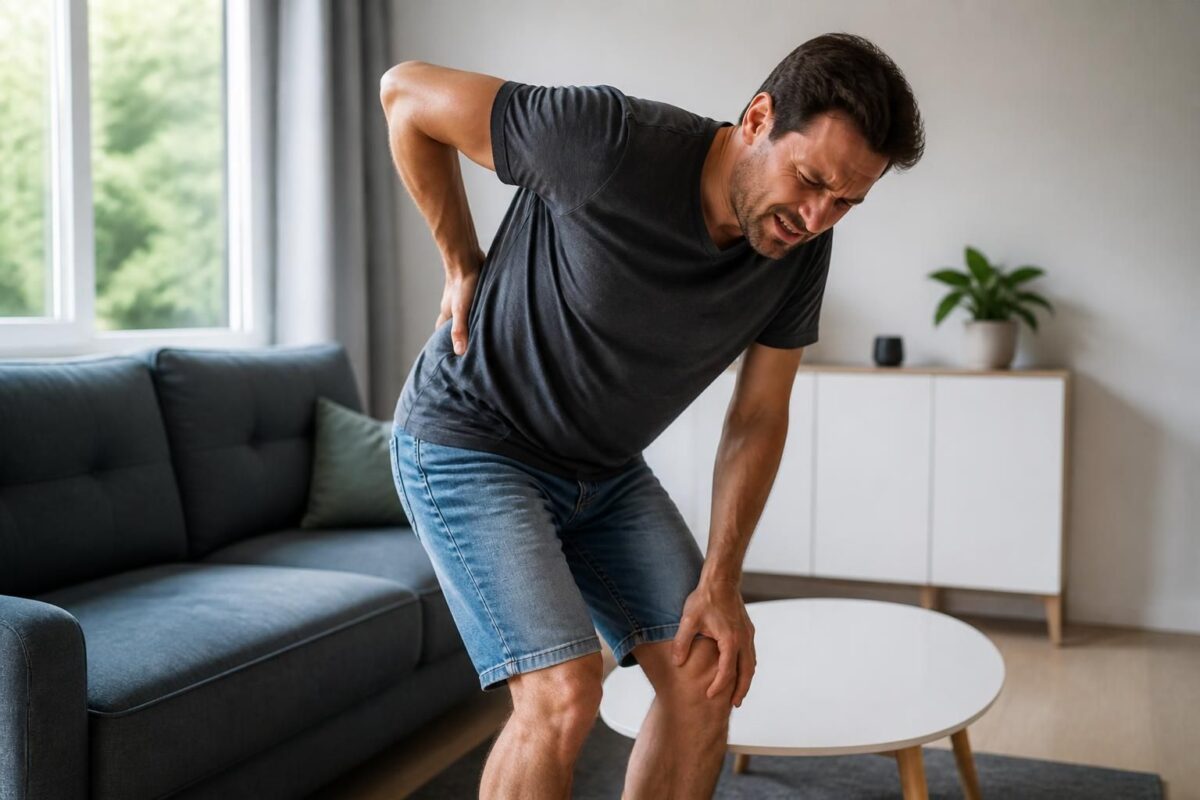
Herniated disc and peripheral pain: sign to watch out for
IN BRIEF In brief, Herniated disc is the partial protrusion of the gelatinous nucleus of an intervertebral disc through the fibrous ring, which can compress a nerve root and trigger radiating pain in the limb. The key benefits of rapid…
Detailed biography: Sciatica – burning in the leg and nerve irritation
Dr. Sylvain Desforges, osteopath, naturopath, and specialist in manual medicine, is the founding president of the TAGMED clinics and the ACMA association. His career is guided by innovation in healthcare and he is dedicated to chronic pain management while integrating advanced technologies into the treatment of spinal disorders. Among these tools are motorized neurovertebral decompression, laser, and shockwave therapy. His mission is to provide evidence-based care that sustainably improves his patients’ quality of life. His work is based on a personalized assessment and multidisciplinary coordination to tailor interventions to each pain trajectory.
At the core of his practice lies sciatica, a pain that follows the path of the sciatic nerve, the longest in the body, starting from the lower back, crossing the buttock, and descending down the leg. This sensation can be described as a burning or nerve irritation, sometimes associated with tingling, numbness, or muscle weakness. The causes vary: herniated disc, arthritic projections, spinal canal narrowing, or irritation of the roots; in some cases, the phenomenon is due to local inflammatory mechanisms. Patients often describe a radiating pain that worsens with walking, bending, or exertion, then calms down at rest and by adopting an appropriate position.
To diagnose and clarify the origin, Dr. Desforges favors a detailed clinical examination, measuring strength, reflexes, and sensitivity, supplemented when necessary by imaging tests (MRI or CT scan) and, if useful, electrodiagnostic tests to identify the affected nerve root and assess the severity of the condition. This approach allows distinguishing sciatica from other lumbar conditions and establishing an appropriate therapeutic plan focused on reducing inflammation and improving motor function.
Therapeutically, he prioritizes non-surgical approaches combining osteopathy, manual medicine, and functional rehabilitation, accompanied by practical advice on posture and safe lifting. The approach also integrates advanced technologies such as motorized neural decompression, laser, and shockwaves to help reduce inflammation, free the roots, and decrease pain. Simple pharmacological options, such as anti-inflammatories and analgesics, may be used as a complement, while some situations require neuromodulatory approaches. The goal is a gradual recovery of mobility and functional potential, with regular follow-up and adaptation of the therapeutic protocol.
Beyond active treatment, the doctor emphasizes patient education, adopting a lifestyle that supports the spine and preventing recurrences. The program includes advice on posture, workplace ergonomics, strengthening core muscles, and gentle stretching exercises, tailored to individual tolerance. A gradual and safe approach is favored to avoid exacerbations while encouraging effective breathing and a measured progression of daily activities.
Through his commitment to educational content and initiatives dedicated to understanding sciatica, Dr. Desforges disseminates clear information on symptoms and non-surgical options. His vision is to support patients in their therapeutic choices, between conservative measures and surgical interventions when indicated, to reduce pain sustainably and promote a swift return to activity. Through his clinics and programs, he offers an integrated care approach focused on well-being and long-term lumbar stability.
This summary presents Sciatica as pain that follows the path of the sciatic nerve, often described as a burning pain or radiated pain, associated with nerve irritation that can extend from the buttock to the foot. It recalls possible causes (herniated disc, osteoarthritis, spinal canal narrowing), the role of clinical examination and imaging tests for diagnosis, and treatment approaches focused on pain relief, rehabilitation, and, if necessary, surgical intervention. It also emphasizes prevention and appropriate exercises to reduce the risk of recurrence.
The diagnosis of sciatica is primarily established after a detailed clinical examination that assesses strength, reflexes, and pain localization, supplemented, when necessary, by imaging tests such as MRI or CT scan to identify the area of compression and guide treatment. This approach allows adapting care and avoiding unnecessary treatments. For additional information on diagnostic aspects, you can consult specialized resources such as Sciatica – causes, symptoms and treatments.
The most common causes include herniated disc, bone deposits related to osteoarthritis, or spinal canal narrowing (stenosis). The risk is influenced by factors such as sedentary lifestyle, aging, or diabetes. Lifestyle and posture factors may increase the likelihood of sciatica pain. For a deeper understanding of the causes and mechanisms, resources such as Sciatica – causes and diagnostics provide useful insights.
Regarding treatment, the aim is to quickly relieve pain and improve function. Initial options include brief rest, application of cold or heat, and analgesics or anti-inflammatories depending on intensity. Physiotherapy and targeted exercises can help relax muscles and strengthen the back and abdominal strap to stabilize the spine. In some cases, injections or surgery may be considered, such as discectomy or laminectomy, when nerve compression persists despite appropriate treatments. Additional information on therapeutic choices is available in specialized resources such as MSD Manuals – Sciatica or Gradual and cautious approach to sciatica pain treatment.
Prevention relies on regular physical activity and strengthening core muscles (back and abdomen) to support the spine. Maintaining good posture, adopting appropriate lifting techniques, and ensuring a healthy weight reduce stress on the spine and discs. Generic exercises tailored to individual needs can be useful and are detailed in dedicated resources, for example Generic exercises for sciatica.
Signs to watch for require prompt evaluation, including foot weakness or other signs of nerve involvement. For such situations, specific guides and advice are available on dedicated sites like Sciatica with foot weakness – sign to watch for and advice on targeted treatments.
To guide your approach, you can consult specialized resources on non-surgical approaches and gradual treatments, including Treatment of sciatica pain – gradual and cautious approach, or professional medical advice such as Advice on sciatica. You can also explore general resources on causes and treatments through unrsante or signs in Terrebonne.

Herniated disc and centralizing pain: sign to interpret
IN BRIEF In brief, a herniated disc is a protrusion of the intervertebral disc that can compress a nerve root, causing centralized pain and signs such as radiating pain, numbness, and weakness. The treatment is mostly conservative: guided activity, physical…

Dr Sylvain Desforges, B.Sc., D.O., N.D., osteopath, is the founding president of TAGMED and of the ACMA association. He dedicates his practice to chronic spinal pain, low back pain and symptoms compatible with sciatica, particularly when pain radiates toward the buttock, leg, calf, foot or toes.
Through SOS Sciatique, he publishes educational content on sciatica symptoms, possible causes such as disc herniation, disc narrowing, foraminal stenosis or irritation of a lumbar nerve root, as well as non-surgical approaches that may be considered according to the evaluation. At Clinique TAGMED, care may include, depending on the case, motorized neurovertebral decompression, specific osteopathic care or precision percussion.
For an evaluation related to sciatica treatment in Montreal / Mount Royal or sciatica treatment in Terrebonne, please consult the services available at Clinique TAGMED.
Medical disclaimer
The information published on SOS Sciatique is provided for educational purposes only and does not replace a consultation, diagnosis, opinion or treatment provided by a physician or another authorized healthcare professional. The author of this article is neither a medical doctor nor a specialist in a medical specialty recognized by the Collège des médecins du Québec. The osteopathic, manual medicine or functional support approaches described on this site do not constitute medical acts and are not intended to replace medical follow-up.
Consult a physician or emergency service in cases of loss of bladder or bowel control, anesthesia in the saddle area, significant or progressive weakness in the leg or foot, fever, recent trauma, severe pain or rapid worsening of symptoms. For more details, please read our Legal Notice.