



Sciatica in Montreal: pain in the buttock that radiates down the leg
06/08/2026
Sciatica and constant pain: why evaluate it?
06/08/2026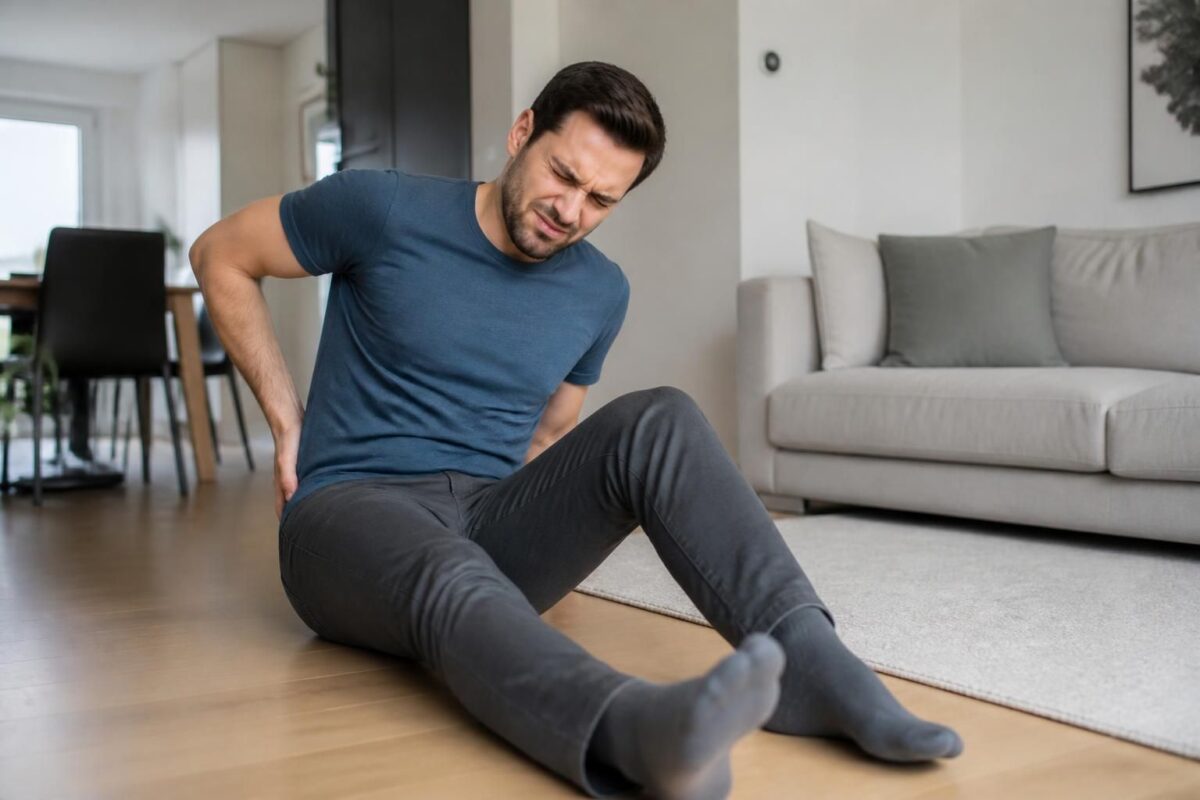
IN BRIEF
| In brief, sciatica in Terrebonne refers to pain starting from the lower back and radiating down to the buttock and leg, sometimes reaching the foot. This condition is often treated with non-invasive approaches that combine targeted exercises and manual therapy to regain mobility and reduce pain. Benefits: symptom reduction, improved mobility, and prevention of recurrences, with a personalized plan based on the cause (herniated disc, piriformis syndrome, stenosis). How does it work? A quick assessment, followed by a personalized exercise program and manual techniques, tailored locally in Terrebonne to facilitate recovery and limit impact on daily life. |
Sciatica in Terrebonne is manifested by pain starting from the buttock and descending along the leg, potentially reaching the calf or foot.
This pain follows the pathway of the sciatic nerve and is often unilateral, aggravated by prolonged sitting, lumbar flexion, or coughing. It may be associated with burning sensations, tingling, and sometimes muscle weakness.
- Common symptoms: pain radiating from the buttock to the leg, paresthesias, and possible weakness.
- Possible causes: herniated disc, piriformis syndrome, lumbar stenosis, or inflammation.
- Approach in Terrebonne: targeted exercise program, manual therapy, and posture advice to relieve inflammation and promote recovery.
To learn more, discover my exercise program to manage your sciatica in Terrebonne and quickly improve your comfort.
This guide, written by a healthcare professional, presents the causes, symptoms, and treatment options for sciatica localized in Terrebonne when the pain begins in the buttock and radiates down the leg. It aims to inform clearly and accessibly while directing towards safe, effective clinical solutions available in the region.
Sciatica is pain that follows the path of the sciatic nerve, the longest in the body. It can start in the lower back, radiate into the buttock and the back of the thigh, and then extend along the leg to the foot. The onset and intensity of the pain often depend on where the nerve is irritated or compressed. This pain may be associated with burning sensations, tingling, or muscle weakness in the affected leg. To better understand the mechanisms and signs, consult the following resources: Sciatica in Montreal, pain that increases when standing, and disc-nerve relationship.
Definition and Typical Symptoms
Pain is usually localized to one side and may radiate from the buttock to the foot. It is often accompanied by burning sensations, tingling, or electric shocks along the path. The pain may be aggravated by bending the spine, coughing, or prolonged sitting. A key sign to test is the Lasègue sign, which triggers pain when the leg is lifted while lying down. Consult a professional if you have these signs, especially if they are accompanied by significant weakness or bowel or bladder issues.
Diagnosis and When to Consult
The diagnosis is based on medical history and a clinical examination conducted by a healthcare professional. Specific clinical signs help identify whether the pain is radicular in origin (L4-L5, S1, etc.). If there is marked loss of strength, urinary issues, or fever, it is important to consult quickly. For additional information, you can consult specialized resources on monitoring sciatica symptoms.
Common Causes
The most common causes include: lumbar herniated disc, irritation of lumbar roots, lumbar stenosis, degenerative disc disease, and piriformis syndrome. Factors like prolonged sitting or a sedentary lifestyle increase the risk. In some cases, inflammatory or metabolic conditions can exacerbate inflammatory pain around the sciatic nerve.
Duration and Evolution
Most episodes improve over time, typically within a few weeks to a few months depending on the origin and severity. About one-third of patients experience residual symptoms after a year. A medical evaluation helps identify optimal options and rule out situations requiring specialized care.
Therapeutic Approaches and Practical Advice
An effective management plan may include non-surgical interventions available at TAGMED Clinic in Montreal or Terrebonne. These approaches aim to reduce inflammation and improve mobility without resorting to immediate surgery. Relevant resources and options can be consulted here: TAGMED Clinic, mechanical approach Terrebonne, and treatments in Montreal. In some cases, specialized tools like neurovertebral decompression may be discussed as part of a comprehensive plan, without recommending specific exercises for hernias or stenosis. For additional information on non-pharmacological options, see resources on manual and functional approaches.
For those looking to explore holistic approaches and practical advice, information on symptoms and triggering factors is available on expert websites and associated clinics: increased pain when standing, disc-nerve relationship in Montreal, and educational resources on progression and management.
For practical and personalized support, do not hesitate to contact the TAGMED Clinic and review the associated resources mentioned above. If you are looking for additional information about symptoms and mechanisms, websites like Tout pour ma Santé and Kiné Darbois provide clear explanations and general advice.
Medical disclaimer: The information and advice provided on this site do not replace the opinion, diagnosis, or treatment of a healthcare professional. Please note that Dr. Sylvain Desforges, osteopath, is neither a medical doctor nor a physician and is not a specialist in a medical specialty as defined by the Collège des médecins du Québec. Manual medicine, functional medicine, and sports medicine as described on this site exclude any treatment or medical diagnosis made by a physician or specialist physician. Always consult your doctor for any medical questions. For more details, please read our full Legal Notice.
Useful references and online resources: Sciatica in Montreal, Sciatica Treatment in Terrebonne, Pain that worsens when standing, Relationship between lumbar disc and sciatic nerve.
- Symptoms: Pain radiating from the buttock down the leg, sometimes to the foot.
- Unilateral: pain usually on one side.
- Sensations: burning, tingling, or electric shock along the pathway.
- Aggravating factors: lumbar flexion, coughing, sneezing, or prolonged sitting.
- Common causes: lumbar disc herniation, lumbar stenosis, or piriformis syndrome.
- Evaluation: medical history and clinical examination performed by an osteopath or physiotherapist.
- Treatment plan: conservative approach with targeted exercises and manual therapy.
- Exercises: home program, light core work, and specific stretches.
- Terrebonne: local consultations for tailored care.
- Warning signs: significant weakness, urinary loss, resting pain, or fever — seek prompt consultation.

Sciatica in Terrebonne typically presents as buttock pain that radiates down the leg. This article guides you in understanding possible causes, recognizing signs, and adopting an effective and local action plan, including tailored exercises, posture advice, and professional support near you.
Understanding sciatica and its common causes
The pain follows the path of the sciatic nerve, starting from the lower back, passing through the buttock, the back of the thigh, and down to the leg, sometimes to the foot. It may result from a herniated disc, lumbar stenosis, piriformis syndrome, or an inflammatory process. The inflammation itself can amplify the pain, even without significant compression of the nerve root.
Signs and diagnosis
Typical signs include pain that radiates along the sciatic pathway, tingling or electric shocks, possible weakness, or decreased sensitivity. The diagnosis is based on medical history and clinical examination performed by a qualified healthcare professional. If the pain is associated with sphincter disorders, or if there is significant loss of strength, urgent consultation is necessary.
Treatment and conservative approach
In most cases, treatment is conservative and aims to reduce inflammation and restore mobility: staying active, regular walking, and a tailored exercise program; using cold followed by heat to relieve pain; practicing targeted stretches and muscle strengthening; a manual approach (osteopathy or physiotherapy) can complement the protocol. In some cases, anti-inflammatory or analgesic medications may be recommended by a doctor.
Exercises and posture for Terrebonne
A personalized exercise program may include piriformis stretches, hamstring stretches, and core stabilization exercises to strengthen the lower back and abdominal girdle. The goal is to improve mobility, reduce pressure on the nerve roots, and prevent recurrences. Incorporate these exercises 2 to 3 times a week and adjust intensity according to your pain and progression.
When to consult and warning signs
Consult quickly if you experience extremely severe pain that worsens, persistent fevers, loss of urinary or fecal control, or marked weakness that prevents you from walking normally.
Why consult near Terrebonne?
Local consultation allows for a quick assessment and a personalized plan integrating exercises, manual therapy, and lifestyle advice. An osteopath, a physiotherapist, or a sector doctor can help you quickly regain mobility and limit the risk of relapse.
| Element | Description |
|---|---|
| Symptoms | Buttock pain radiating down the leg, sometimes with paresthesia; aggravated by prolonged sitting and by coughing or sneezing. |
| Probable origin | Common origin: lumbar disc herniation or piriformis syndrome, sometimes lumbar stenosis. |
| Quick diagnosis | Diagnosis based on medical history and clinical examination; imaging useful if warning signs or surgical planning. |
| Aggravating factors | Aggravating factors: prolonged sitting, bending or twisting of the spine, significant strain. |
| Warning signs | Warning signs: loss of strength, sphincter disorders, fever, persistent pain at rest. |
| Activity and mobility | Activity and mobility: adapted physical activity, walking, and exercises; avoid strict rest. |
| Exercises and therapy | Exercises and therapy: targeted stretching and core stability, followed by physio or osteopath. |
| Initial treatment | Initial treatment: conservative approach with exercises, heat, and massage. |
| When to consult | When to consult: no improvement after a few days or signs of emergency. |
Testimonials of Sciatica in Terrebonne: pain in the buttock radiating to the leg
“In Terrebonne, my pain began in the buttock and radiated down my leg. Every step was difficult, and sitting for a long time was impossible. After a professional assessment and a personalized exercise program, the pain gradually faded, and I can once again engage in my daily activities without limitation.”
“I work a lot while on the move and the sciatica that started from the buttock and radiated to the leg held me back in Terrebonne. Since the treatment and tailored exercises, I fully enjoy my days again and have regained my mobility without pain.”
“In Terrebonne, I searched for a long time for the cause of my pain. After the assessment and a targeted program, my buttock and leg hurt less, and I can resume my leisure activities without fear.”
“After a few weeks, I regained my balance and was able to resume my walks and cycling. My sciatica no longer prevents me from moving forward here in Terrebonne.”
Dr. Sylvain Desforges, an expert in osteopathy, naturopathy, and manual medicine, is the founding president of TAGMED clinics and the ACMA association. With a career dedicated to innovation in healthcare, he specializes in chronic pain management and the integration of advanced technologies such as spinal decompression, laser, and shockwave therapy. His work specifically addresses residents of Terrebonne suffering from sciatica, pain radiating from the buttock down to the leg, sometimes affecting the foot. His mission is to provide evidence-based care to optimize health and well-being of patients, with special attention to relapse prevention and resuming an active life.
His practice is based on a holistic and personalized approach: osteopathy and manual medicine rely on a precise assessment of muscle tensions, vertebral dysfunctions, and postural imbalances, complemented by the integration of modern technologies. In the context of sciatica in Terrebonne, he proposes a progressive and non-surgical management focused on reducing inflammation and improving mobility. The use of techniques such as motorized spinal decompression, laser treatment, and shockwaves allows intervention at the source of pain while respecting the patient’s pace.
To diagnose accurately, Dr. Desforges combines a thorough medical history and a rigorous clinical examination to identify potential causes: disc herniation, piriformis syndrome, foraminal stenosis, or irritation of a lumbar nerve root. Depending on the results, the program may include targeted exercises, gentle manipulations, and complementary therapies to avoid invasive treatments when possible.
The treatment plan for sciatica in Terrebonne is generally based on conservative protocols: home exercises, strengthening of the core and deep muscles, and targeted massages. Technological interventions provide support to accelerate recovery and limit painful episodes. The doctor may also offer lifestyle advice (regular physical activity, stress management, and proper posture) that complements office sessions and promotes lasting improvement.
The desired outcomes are clear: reduced pain, gradual return to daily and sports activities, and prevention of relapses. Personalized follow-up allows for adjustment of the therapeutic plan according to progress, patient preferences, and possible contraindications. The goal is to help everyone regain a satisfactory quality of life, particularly in the local context of Terrebonne.
For residents of Terrebonne suffering from localized sciatica in the buttock radiating to the leg, Dr. Desforges offers an approach focused on effectiveness and safety. His team relies on evidence-based practices and transparent communication to guide each patient toward rapid and sustainable recovery. To learn more about his approach and the services available at TAGMED clinics, contact the local team and discover a clear path to relief.
Quick summary: this page addresses sciatica in Terrebonne, pain that starts from the buttock and radiates down the leg, exploring common causes, diagnosis, treatments, and exercises to relieve and prevent recurrences, with practical advice for local action.
In Terrebonne, sciatica frequently manifests as a targeted pain in the buttock that travels down the leg, sometimes all the way to the foot. Typical causes include a lumbar herniated disc, piriformis syndrome, or lumbar stenosis. The diagnosis relies on a precise medical history and a clinical examination performed by a qualified professional in order to identify the root of the problem and propose the most effective treatment plan for your situation.
The optimal management combines specific exercises, tailored physical activity, and gentle manual approaches such as osteopathy, to reduce inflammation and strengthen the muscles that support the spine. It is preferable to prioritize movement rather than prolonged rest, as guided activity helps prevent chronicity and promotes the reactivation of the intervertebral discs. To enrich your understanding, you can consult resources on what an irritated nerve root means and why pain can be far from the spine.
Practically speaking, warning signs should prompt an urgent consultation, including significant loss of strength, urinary issues, or fever. If you experience such symptoms, do not wait and consult immediately. To better understand the mechanisms and factors that exacerbate pain, additional resources such as the difference between cause and aggravating factor can be useful.
For residents of Terrebonne, personalized support is available that combines postural advice, targeted exercises, and an osteopathic or manual approach. An adapted rehabilitation plan may include stretching, core stability work, and specific exercises to promote disc health and reduce pressure on the sciatic nerve. Discover my exercise program to treat your sciatica and consult the resources available for patients who wish to better understand the condition and its treatments.
To delve deeper into practical aspects and common questions surrounding sciatica, you can consult the following resources: pain radiating down to the ankle and remedies, causes, symptoms, and treatments, intermittent pain: is it reassuring?, crossed legs and possible exacerbation, differences and osteopathic treatment.
If you are looking for practical advice and local support, do not hesitate to seek an assessment in Terrebonne to define the most suitable action plan for your situation and to integrate exercises and techniques tailored to your morphology and lifestyle.
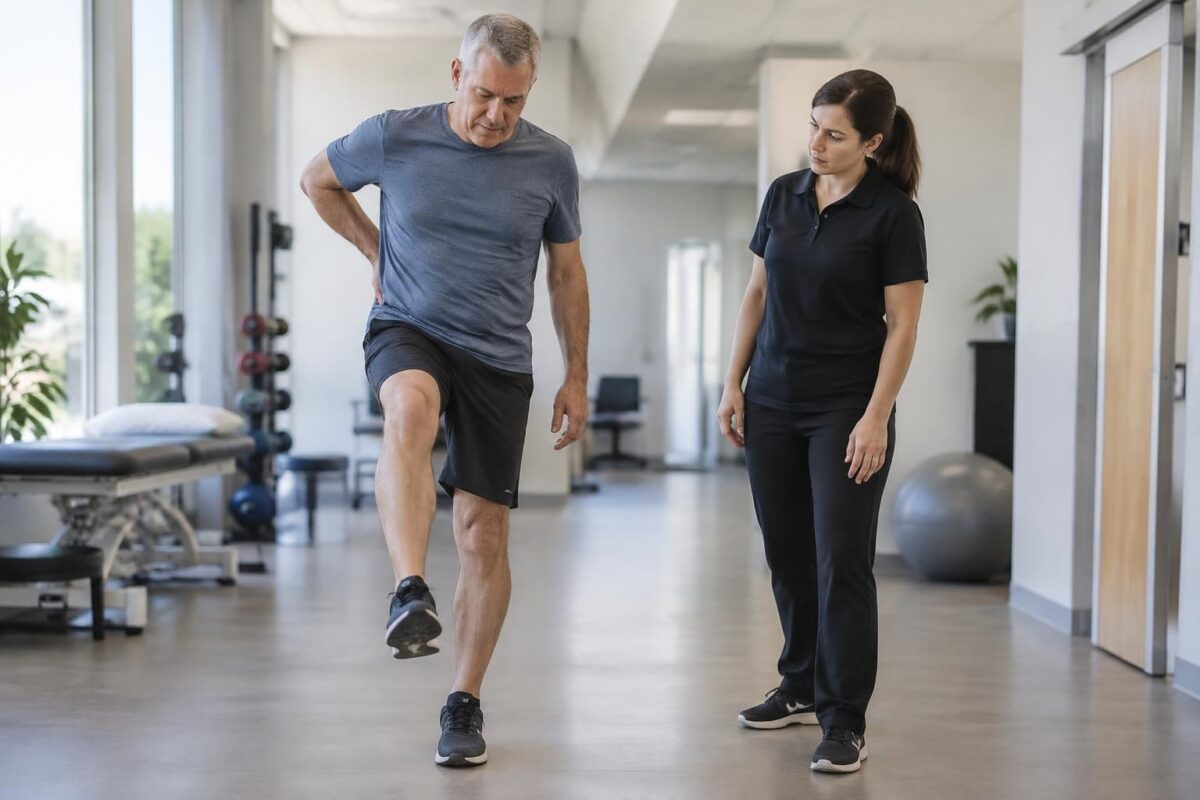
Sciatica in Terrebonne: L5 and difficulty lifting the foot
IN SHORT The L5 sciatica can cause pain or numbness on the side of the leg, the top of the foot, and the big toe, sometimes with difficulty lifting the foot. In Terrebonne, an evaluation compares strength, sensitivity, reflexes, and…
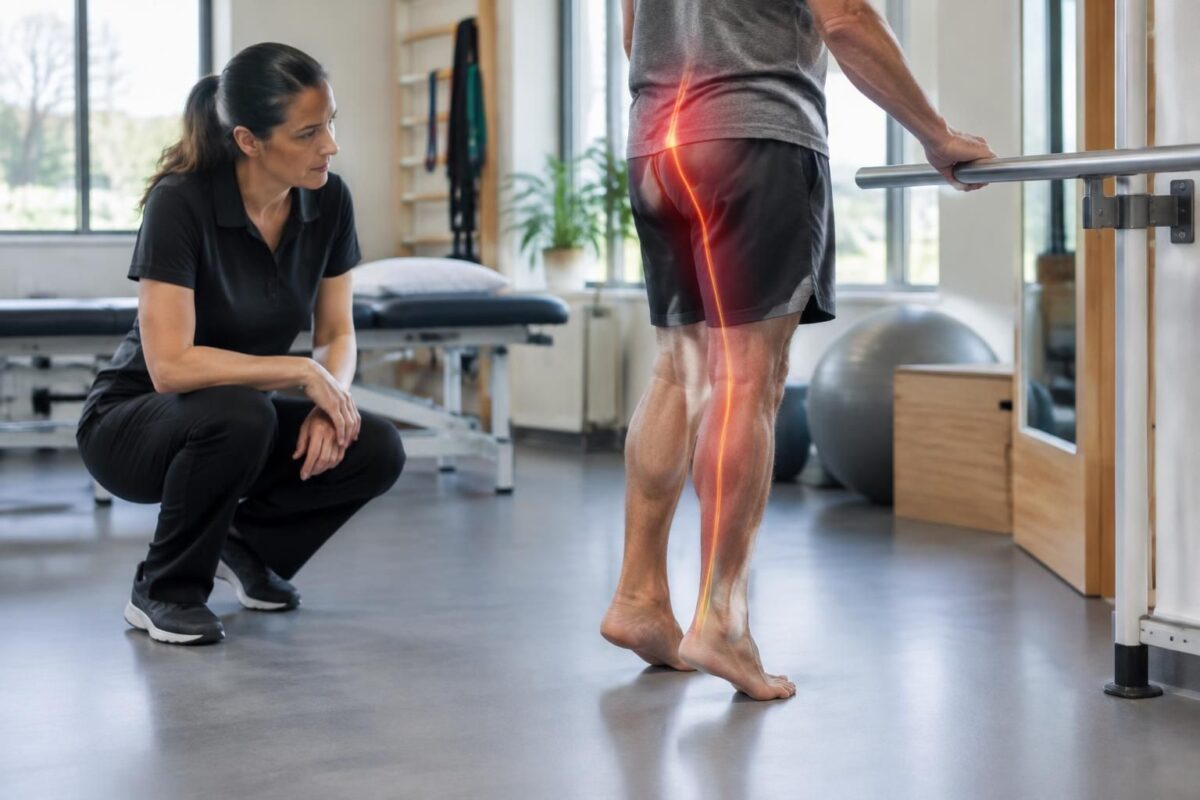
Sciatica in Terrebonne: S1 and difficulty standing on tiptoe
IN SHORT An S1 sciatica can irritate the nerve root associated with the calf and make it difficult to rise onto the balls of the feet. This sign should be evaluated with strength, sensitivity, reflexes, and walking: the pathway of…

Sciatica in Terrebonne: L4-L5 and pain towards the top of the foot
IN BRIEF A L4-L5 sciatica can radiate to the outer side of the leg and the top of the foot, sometimes reaching the big toe. This pathway can guide the assessment, though it does not suffice to confirm the cause:…

Sciatica in Terrebonne: L5-S1 and symptoms in the calf
IN BRIEF A L5-S1 sciatica can cause pain that radiates down the calf, sometimes accompanied by tingling, numbness, or weakness. At Terrebonne, an assessment at the TAGMED Clinic helps to examine the symptom pathways, strength, and sensitivity, and then discuss…

Sciatica in Terrebonne: pain in the big toe, L5 root or another cause?
IN BRIEF Pain in the big toe accompanied by pain in the buttock or leg may be compatible with irritation of the L5 root, but other causes are possible. In Terrebonne, the evaluation notably compares strength, sensitivity, and gait to…

Sciatica in Terrebonne: why the affected root changes the pain path
IN BRIEF Sciatica is a pain related to the irritation of a lumbar nerve root, the path of which varies depending on the affected root. Damage to L5 can radiate to the top of the foot, while damage to S1…

Sciatica in Terrebonne: L4-L5 disc, L5-S1 disc, and leg pain
IN BRIEF Sciatica is pain that travels down the leg when a nerve root is irritated. An injury to the L4-L5 disc often affects the L5 root; an L5-S1 injury affects the S1 root. The path of the pain and…

Sciatica in Terrebonne: understanding lumbar levels on an MRI
IN BRIEF Sciatica may be related to irritation of a lumbar nerve root. A lumbar MRI shows the disks and nerves at different levels, such as L4-L5 or L5-S1, to help identify an abnormality and compare it with symptoms. In…

Dr Sylvain Desforges, B.Sc., D.O., N.D., osteopath, is the founding president of TAGMED and of the ACMA association. He dedicates his practice to chronic spinal pain, low back pain and symptoms compatible with sciatica, particularly when pain radiates toward the buttock, leg, calf, foot or toes.
Through SOS Sciatique, he publishes educational content on sciatica symptoms, possible causes such as disc herniation, disc narrowing, foraminal stenosis or irritation of a lumbar nerve root, as well as non-surgical approaches that may be considered according to the evaluation. At Clinique TAGMED, care may include, depending on the case, motorized neurovertebral decompression, specific osteopathic care or precision percussion.
For an evaluation related to sciatica treatment in Montreal / Mount Royal or sciatica treatment in Terrebonne, please consult the services available at Clinique TAGMED.
Medical disclaimer
The information published on SOS Sciatique is provided for educational purposes only and does not replace a consultation, diagnosis, opinion or treatment provided by a physician or another authorized healthcare professional. The author of this article is neither a medical doctor nor a specialist in a medical specialty recognized by the Collège des médecins du Québec. The osteopathic, manual medicine or functional support approaches described on this site do not constitute medical acts and are not intended to replace medical follow-up.
Consult a physician or emergency service in cases of loss of bladder or bowel control, anesthesia in the saddle area, significant or progressive weakness in the leg or foot, fever, recent trauma, severe pain or rapid worsening of symptoms. For more details, please read our Legal Notice.


