Sciatica in Montreal: lower back pain with shooting pain in the leg
26/08/2026
Sciatica and tingling in the big toe: possible L5 root
26/08/2026
IN BRIEF |
| In brief, sciatica in Terrebonne is a lower back pain that radiates into the leg caused by irritation or compression of the sciatic nerve. This condition is characterized by a burning sensation and may be accompanied by tingling, numbness, or weakness along the nerve pathway. In Terrebonne, this service offers a quick diagnosis and a personalized plan to relieve pain, improve mobility, and prevent recurrences, without necessarily resorting to surgery. The treatment is based on a clinical evaluation followed by a program of exercises and posture advice with manual therapy options, all adapted and monitored locally. |
The sciatica in Terrebonne presents as a lower back pain with a sharp pain radiating into the leg.
It typically results from irritation or compression of the sciatic nerve root and may be associated with a herniated disc or lumbar canal stenosis. The diagnosis relies on a clinical examination and may require further investigations if symptoms persist.
The non-surgical treatment favors approaches such as physical therapy and targeted exercises, accompanied by advice on posture and daily movements, to relieve pain and restore mobility. Contact our team at the TAGMED Clinic in Terrebonne for a quick assessment and a personalized plan.
The sciatica in Terrebonne manifests as a lower back pain that extends into the leg, with sharp pains and sometimes tingling. This article, written by a health professional expert, explains common causes, signs, diagnosis, and management options available at the TAGMED Clinic in Terrebonne and Montreal. It prioritizes non-surgical approaches tailored after clinical evaluation and, if necessary, radiological assessment.
The sciatic nerve is the longest nerve in the body. It originates in the lower back and descends to the foot. When irritated or sensitized, the pain follows its route, from the lower back to the buttock, then to the back of the leg, and sometimes down to the foot. This pain may be accompanied by paresthesias or muscle weakness, and it can be exacerbated by prolonged sitting. To learn more, consult the dedicated resources on TAGMED Clinic and other recognized sources.
Common Causes
The most common cause is a herniated disc, which can compress a nerve root and cause pain that follows the path of the sciatic nerve. Other common factors include lumbar osteoarthritis with canal or foramen narrowing, foraminal stenosis, spondylolisthesis, or traumatic injuries to the lumbar region. In pregnant women, postural disorders may also contribute temporarily. For additional information, see the dedicated resources on sossciatique.com and sosherniediscale.com.
Signs and Symptoms
The main symptom is pain that radiates from the lower back to the leg. It may be accompanied by paresthesias, continuous pain along the nerve pathway, and weakness or stiffness in the back of the leg. In some cases, pain is worsened by prolonged sitting and by stretching efforts of the sciatic nerve. In cases of severe signs (loss of bladder or bowel control, significant leg weakness, severe pain not relieved), urgent consultation is required.
Diagnosis
The diagnosis relies on clinical examination, which evaluates strength and reflexes, and may include the straight leg raise test. If symptoms persist for more than six weeks or if there is weakness, imaging studies such as MRI or CT may be requested to identify the spinal origin. Electrophysiological tests may also be considered to specify the affected root and the severity of the injury. For additional details, you can consult specialized resources on sossciatique.com and sosherniediscale.com.
Treatment and Management
Treatment depends on the cause and severity. It aims to reduce pain, preserve mobility, and strengthen the lumbopelvic region. Options may include anti-inflammatory or analgesic medications, and local approaches such as nerve root blocks when recommended by a physician. Depending on the evaluation, non-surgical options may be favored. When medical treatments fail or when neurological deficits appear, surgical intervention may be considered, tailored to the cause. Neurovertebral decompression may be contemplated based on the evaluation, and specific care may be offered at the TAGMED Clinic (cliniquetagmed.com). For general information on non-surgical approaches and available options, see sossciatique.com and sosherniateddisc.com.
Physical therapy may be proposed as an option among others, but in this context, the choice prioritizes treatments offered at TAGMED in Montreal or Terrebonne and targeted approaches based on clinical evaluation. To learn more about alternatives, consult specialized resources on sossciatique.com and sosherniediscale.com. Additional information on neurovertebral decompression can be found on decompressionneurovertebrale.com.
Practical Tips and Daily Life
Maintain an upright posture whether standing or sitting. Avoid prolonged sitting and favor workstations that alternate positions. Use lumbar support when sitting and avoid crossing legs. Stay active within the limits of your pain. An adapted exercise plan can be prescribed by your healthcare professional to improve lumbopelvic mobility and strength without aggravating symptoms. For additional information, consult parental resources and guides available on sossciatique.com and cliniquetagmed.com.
To learn more about sciatica and related situations, you can consult the following resources: Sciatalgia on Doctissimo, Sciatica and numbness in the foot while driving, Sciatica – causes, symptoms and treatments, and Sciatica – leg pain.
For cases where intervention is considered, neurovertebral decompression and other specialized approaches can be discussed during the evaluation at TAGMED. For additional information on available options in Terrebonne and Montreal, visit cliniquetagmed.com and sossciatique.com.
Medical disclaimer: The information and advice provided on this site do not replace the opinion, diagnosis, or treatment of a healthcare professional. Please note that Dr. Sylvain Desforges, osteopath, is neither a doctor of medicine nor a physician, and is not a specialist in a medical specialty as defined by the Collège des médecins du Québec. Manual medicine, functional medicine, and sports medicine as described on this site exclude any treatment or medical diagnosis made by a doctor or medical specialist. Always consult your doctor for any medical questions. For more details, please read our full Legal Notice.
- Key symptom Lower back pain radiating into the leg
- Stinging burning sensation or shock along the sciatic path
- Important unilateral pain worsened by sitting position
- Urgency loss of bladder control or progressive weakness
- Common causes herniated disc, lumbar canal stenosis, deep muscle strains
- Evaluation clinical examination and, if necessary, imaging after persistence
- Treatment physical therapy, anti-inflammatories, foraminal block option as needed
- Prevention proper posture, lumbar strengthening, regular activity

This sheet guides you on sciatalgia in Terrebonne: lower back pain with shooting pain in the leg, presenting possible causes, signs to watch for, diagnostic options, and treatment and prevention strategies to quickly resume your daily and sports activities safely.
Understanding Sciatalgia in Terrebonne: Causes and Symptoms
Sciatalgia is pain that typically starts in the lower back and follows the course of the sciatic nerve down to the leg. In Terrebonne, it often occurs after repeated efforts, inadequate posture, or spinal wear. The most common causes include a herniated disc, foraminal stenosis, and lesions of the deep buttock muscles (deep buttock syndrome). The picture is characterized by a sharp or burning pain that can affect the buttock, thigh, and then the entire leg, with paresthesias, weakness, or difficulties walking. The path may be unilateral and, in some individuals, the intensity varies depending on movements and positions.
Diagnosis and Signs of Emergency
Signs and Diagnostic Processes
The diagnosis is based on a clinical examination assessing strength, reflexes, and nerve sensitivity, supplemented by simple tests like the Lasègue. When symptoms persist beyond six weeks or are accompanied by notable weakness, imaging such as MRI or CT scan may be recommended to accurately locate the source. Electrodiagnostic tests can help clarify the level of nerve involvement and its degree of severity.
Alarm Signs
In some cases, emergency signals require prompt attention: loss of bladder or bowel control, progressive weakness of the leg, sudden pain and fever. If these symptoms appear, consult a doctor or emergency services without delay.
Treatment Options and Management
Non-surgical and Medicinal Approaches
The therapeutic strategy aims to reduce pain while preserving mobility and strengthening supporting muscles. Anti-inflammatory drugs, analgesics, and sometimes muscle relaxants may be considered depending on the evaluation. Physical therapy is recommended to restore lumbopelvic function and correct postures, with gradual exercises tailored to your condition.
Specialized Interventions
If symptoms persist despite treatment, options such as foraminal blocks or injections may be discussed, and surgery remains an option in certain specific cases after thorough evaluation. The goal is to restore normal function while minimizing risks.
Daily Exercises and Posture
Posture and Daily Movements
Adopt a neutral posture and avoid positions that excessively strain the sciatic nerve. Prefer alternating periods of standing and sitting, with lumbar support and feet flat. Avoid crossing legs and overly aggressive stretches that could worsen the pain.
Recommended Exercises and Activities
A personalized program, supervised by a professional, combines back and lumbopelvic strengthening exercises, gentle stretches, and suitable aerobic activities (walking, light swimming). Maintaining regular and suitable activity helps reduce pain and prevent recurrences while promoting recovery.
Preventing and Optimizing Recovery
Prevention is based on regular physical activity, maintaining a healthy weight, and proper lifting technique. Pay attention to an appropriate posture at work and home, and integrate preventive exercises into your routine. In Terrebonne, personalized support can help you establish a sustainable plan that includes exercises, postural advice, and optimizing your workspace to limit future episodes.
| Aspect | Concise Elements |
|---|---|
| Nature of the Pain | Lower back pain with shooting pain radiating down the leg, burning or electric sensation along the path. |
| Location | lower back, buttock, back of the thigh, and down to the calf or foot. |
| Triggering Factors | efforts or poor posture, prolonged sitting, coughing aggravating. |
| Alert Signs for Urgency | loss of urinary control, significant weakness, severe pain, or trauma. |
| Possible Causes | disc herniation, lumbar osteoarthritis, foraminal stenosis, myofascial irritation. |
| Quick Diagnosis | clinical examination, muscle strength, imaging if symptoms persist >6 weeks or neurological deficit. |
| Treatment Options | adapted activity, kinesiology, anti-inflammatories, injections, manual approach. |
| Exercises and Posture | stay active, strengthen lumbopelvic, and guide positions that irritate the sciatic nerve. |
| When to Consult | emergency if loss of control, rapid weakness, unexplained pain, or chronic symptoms >6 weeks requiring evaluation. |
Testimonials about Sciatica in Terrebonne: Lower Back Pain with Shooting Pain in the Leg
“In Terrebonne, lower back pain accompanied by shooting pain in the leg has become sciatica that extends along the path. After a thorough evaluation and a personalized program, osteopathy sessions and strengthening exercises have allowed me to regain mobility and reduce flare-ups.”
“I arrived in Terrebonne with throbbing pain from sciatica that started in my lower back and radiated down to my heel. The treatment involved postural adjustments and gentle techniques that calmed the inflammation and decreased the shooting pains. Today, I can walk and resume my activities without fear of triggering a flare-up.”
“My daily life was interrupted by shooting pains from sciatica that would arise with the slightest effort. After a few weeks, the pain aspect diminished, and my leg regained strength. I highly recommend consultations in Terrebonne for anyone suffering from sciatica.”
“The personalized program helped me better understand what triggers my sciatic pain and how to prevent it. The postural advice and targeted exercises have made a real difference, and the shooting pains occur much less frequently, allowing me to resume my sports activities.”
Dr. Sylvain Desforges, osteopath, naturopath, and manual medicine physician, has been contributing for years to improving the quality of life for patients in Terrebonne. As the founding president of TAGMED clinics and the ACMA association, he advocates a holistic and innovative approach to lower back pain and sciatica. His work aligns with a vision that combines clinical rigor, advanced technologies, and personalized support to help patients regain normal activity despite radiating pain in the leg.
Sciatica typically manifests as pain starting in the lower back and extending toward the buttock, thigh, and sometimes down to the foot. In his practice in Terrebonne, Dr. Desforges observes that this phenomenon is often related to compression or sensitization of the sciatic nerve, with various causes ranging from disc herniation to degenerative spine conditions, as well as myofascial mechanisms and postural factors. He emphasizes a precise understanding of the nerve path and the importance of differential diagnosis to target the most suitable treatments for each patient.
From a diagnostic perspective, Dr. Desforges’s approach relies on a thorough clinical examination, including evaluation of muscle strength, reflexes, and checking symptoms along the course of the sciatic nerve. Specific tests, such as clinical evaluations and obvious indications, guide the decision for possible complementary examinations. This approach helps rule out alert signs and identifies primary causes to propose a safe and effective therapeutic pathway in Terrebonne.
The management proposed by Dr. Desforges favors non-surgical and scientifically based options. At the core of his practice, osteopathy and manual medicine techniques aim to release tensions, improve spinal mobility, and reduce strain on the irritated nerve. Additionally, he incorporates technologies such as motorized neurovertebral decompression, laser, and shockwave therapies when appropriate, to optimize pain reduction and functional recovery. Furthermore, a personalized program of strengthening and postural exercises is developed to stabilize the spine and prevent recurrences in daily life in Terrebonne.
The therapeutic pathway implemented by this practitioner relies on close collaboration with the patient. Each treatment plan is tailored to the identified cause of the pain and its impact on daily activities, work, and leisure. The goal is to decrease pain, improve mobility, and strengthen the lumbar and pelvic-femoral structures to support a rapid and sustainable return to an active life. In this framework, patient education and advice on postures, daily gestures, and possible exercises play a central role.
For residents of Terrebonne suffering from sciatica and lower back pain with shooting pain in the leg, Dr. Desforges’s approach offers a structured and progressive alternative. His commitment is to provide evidence-based care, centered on the patient and focused on restoring movement, to enable everyone to regain their vitality and well-being. His practice illustrates a modern vision where technologies and traditional knowledge complement each other to sustainably treat Sciatica in the region.
This article presents sciatica in Terrebonne, associated with lower back pain and shooting pain that can radiate into the leg. It provides an understanding of possible causes, warning signs, and non-surgical management options tailored to your local situation to help you regain mobility and comfort.
Causes and Typical Signs
The sciatica most often occurs when the root of the sciatic nerve is irritated or compressed. The most common cause is a herniated disc, but lumbar osteoarthritis and other factors can also be responsible. The pain typically radiates from the lower back to the buttock and leg, sometimes down to the foot, accompanied by tingling or a sensation of numbness. To delve deeper into the causes and symptoms, consult this guide: causes and symptoms of sciatica.
Diagnosis and local evaluation
The diagnosis relies on a clinical examination focusing on muscle strength, reflexes, and tests such as the Lasègue test. If symptoms persist, weakness or neurological trouble arises, imaging tests (MRI or CT) and electrodiagnostic tests may be considered to precisely locate the affected root. For general information on diagnosis, see Sciatica — diagnosis and management.
Treatment options and management in Terrebonne
Treatment depends on the cause and severity. The most common non-surgical approaches include physical therapy and targeted exercises to strengthen the muscles of the lumbar-pelvic belt and improve posture, as well as advice on managing pain. In Terrebonne, specialized facilities offer tailored solutions; discover the treatment for sciatica in Terrebonne and explore useful resources such as understanding sciatic nerve pain. In some cases, other non-surgical options may be considered, including manual approaches and personalized programs. For questions related to pain radiating down the leg in Terrebonne, see pain radiating to the thigh.
Daily best practices and prevention
Adopt an appropriate posture and avoid sudden twists, especially during transfers or movements in the car. Practical resources on driving positions and movements can be useful: Sciatica and pain in the car and avoiding sudden twists in the car. Stay active within tailored recommendations and prioritize activities that do not exacerbate pain, such as walking or swimming, while continuing strengthening exercises recommended by your healthcare professional. For an overview, see buttock pain and radiation in Terrebonne.
To move forward in your situation in Terrebonne, prioritize a personalized assessment to identify the exact cause and establish a suitable non-surgical plan. With the support of an osteopath, you will benefit from a progressive rehabilitation program, postural advice, and strategies to stay active while protecting your back. To explore local options, check resources like Sciatica Treatment Terrebonne, and feel free to consult the following resources: buttock pain and radiation in the thigh and pain in one leg.

Sciatica in Terrebonne: nighttime pain in the leg
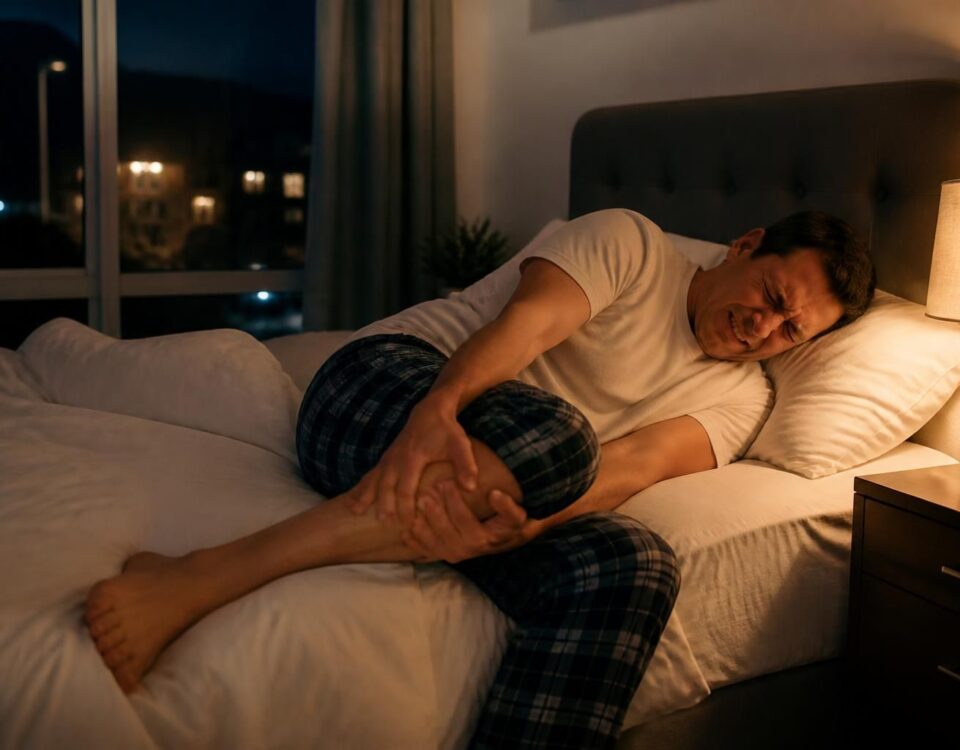
IN BRIEF In brief, nocturnal sciatica is a pain that starts from the lower back and radiates to the leg, sometimes waking you up at night. In Terrebonne, non-invasive management can reduce nighttime awakenings and improve sleep, while preserving mobility…
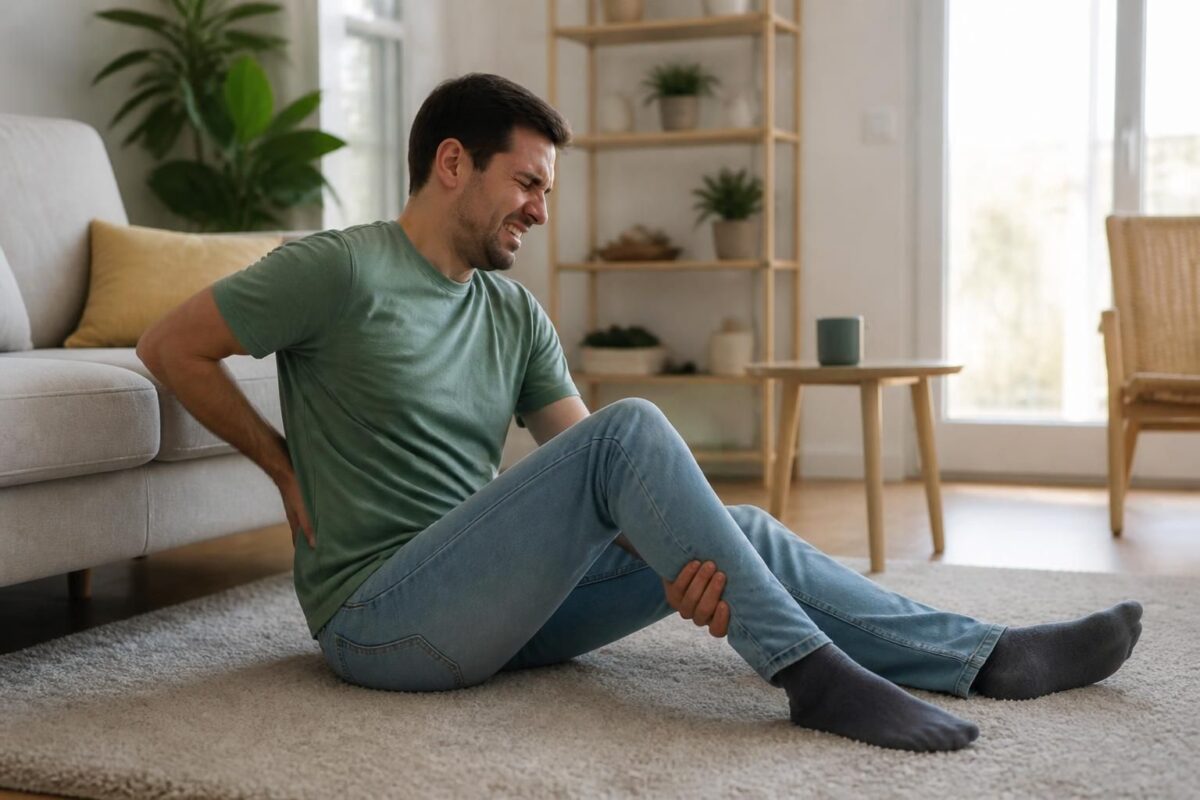
Sciatica in Terrebonne: pain from the lower back to the calf
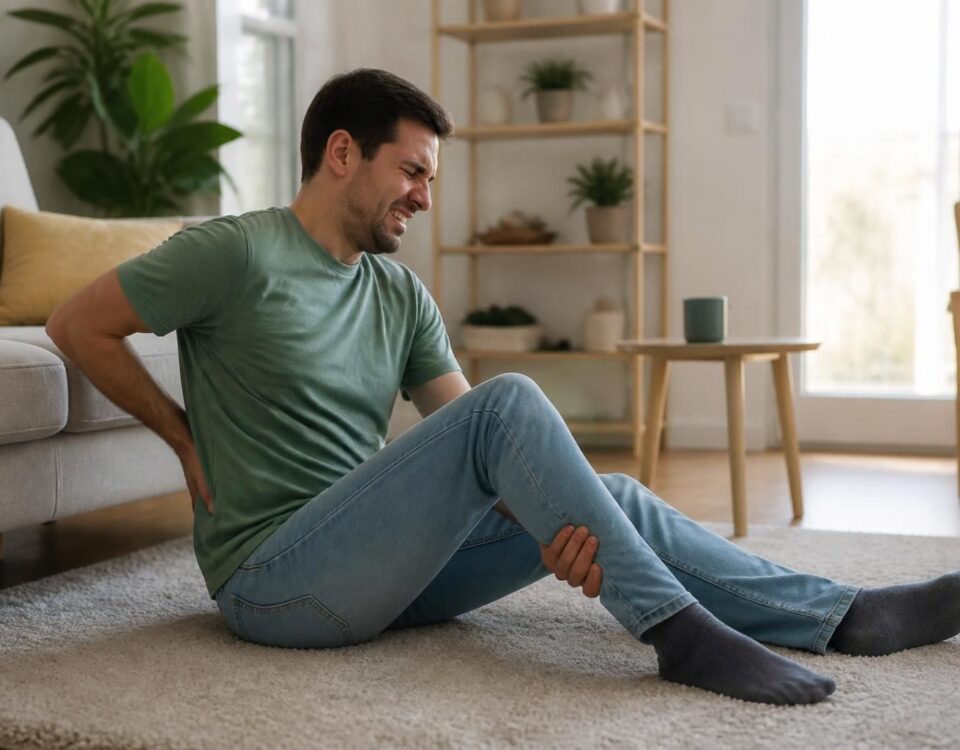
IN BRIEF Sciatica is pain that follows the path of the sciatic nerve, starting from the lower back and radiating down the leg to the calf or foot. In Terrebonne, local evaluation allows for quick identification of the causes and…
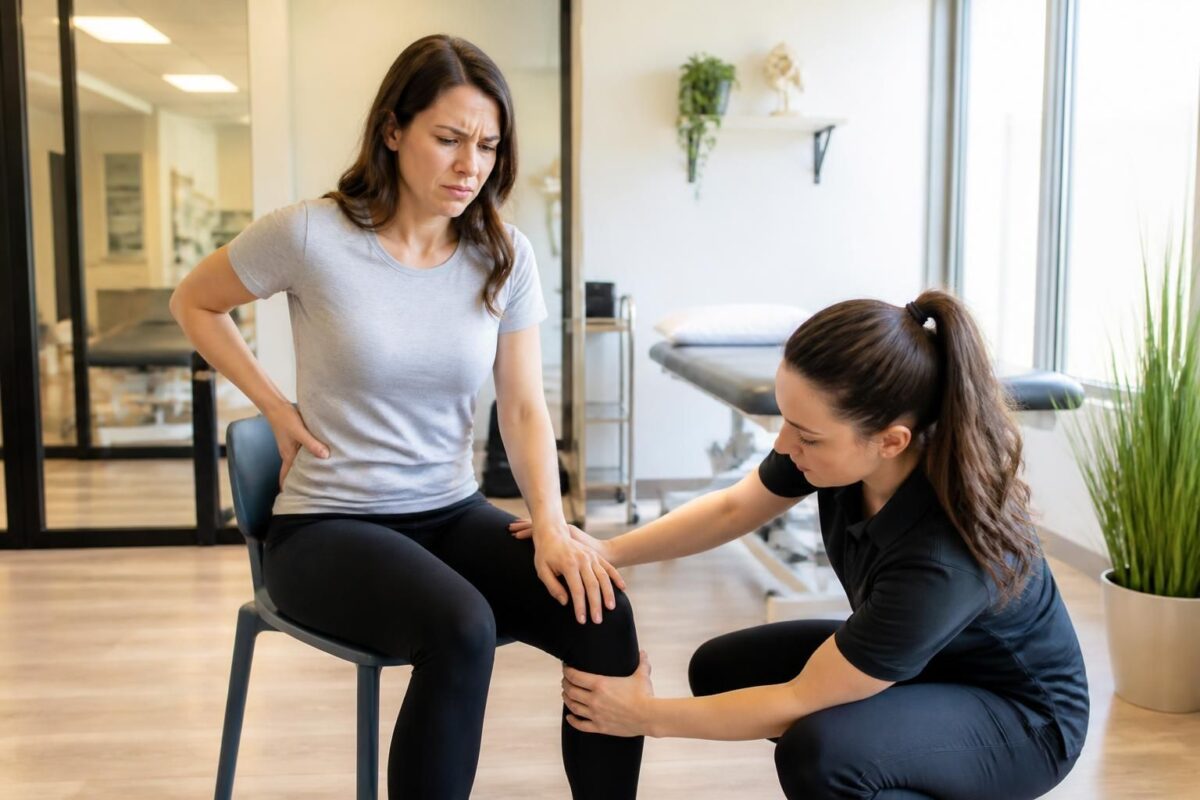
Sciatica in Terrebonne: hip pain or true nerve radiation?
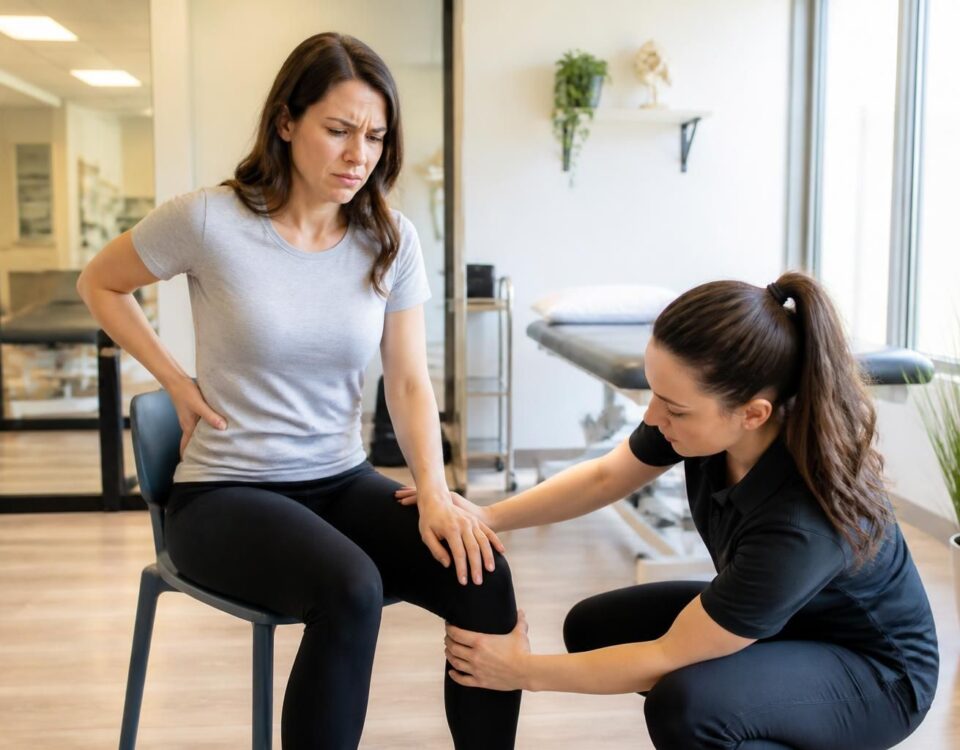
IN BRIEF Sciatica is a pain that follows the path of the sciatic nerve, from the lower back to the foot. In Terrebonne, it can manifest as pain in the hip or as true nerve irradiation. Key benefits: pain reduction,…

Sciatica pain in Terrebonne: incomplete journey, should we be worried?
IN BRIEF The subject is sciatic pain in Terrebonne, which can follow the incomplete path of the sciatic nerve and project pain down to the foot. Key benefits: pain reduction, improved mobility, and prevention of recurrences through tailored exercises and…

Sciatica in Terrebonne: pain towards the little toe and S1 root
IN BRIEF In brief, sciatica associated with pain towards the little toe and the S1 root is a neuropathic pain that follows the path of the sciatic nerve and often results from compression or irritation of the affected lumbar root.…
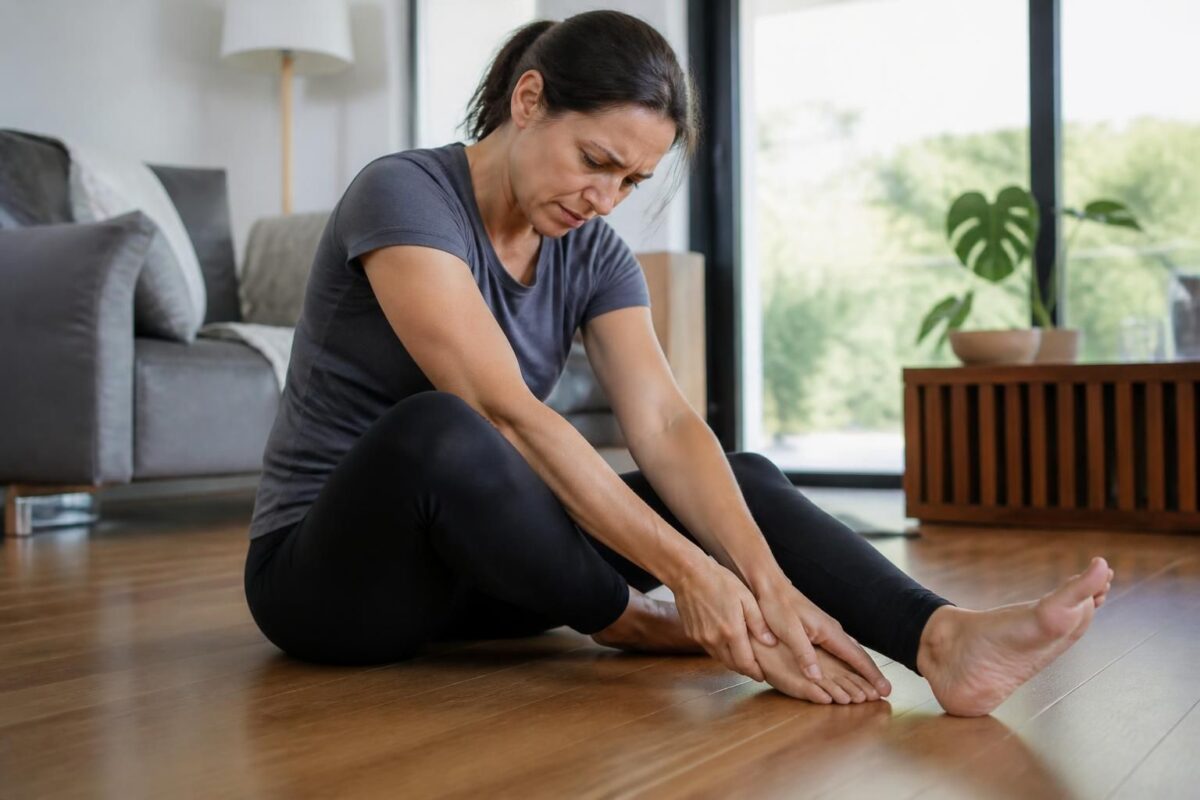
Sciatica in Terrebonne: pain towards the top of the foot and L5 root
IN SHORT The Sciatica in Terrebonne with pain radiating to the top of the foot and probable involvement of the L5 root describes a radicular injury manifested by pain following the nerve path, sometimes accompanied by numbness or weakness. The…

Sciatica in Terrebonne: pain radiating to the outer edge of the foot
IN BRIEF Concise definition: Sciatic pain that reaches the outer edge of the foot follows the path of the sciatic nerve from the lower back to the foot. Benefits and applications: In Terrebonne, a conservative approach provides quick and safe…
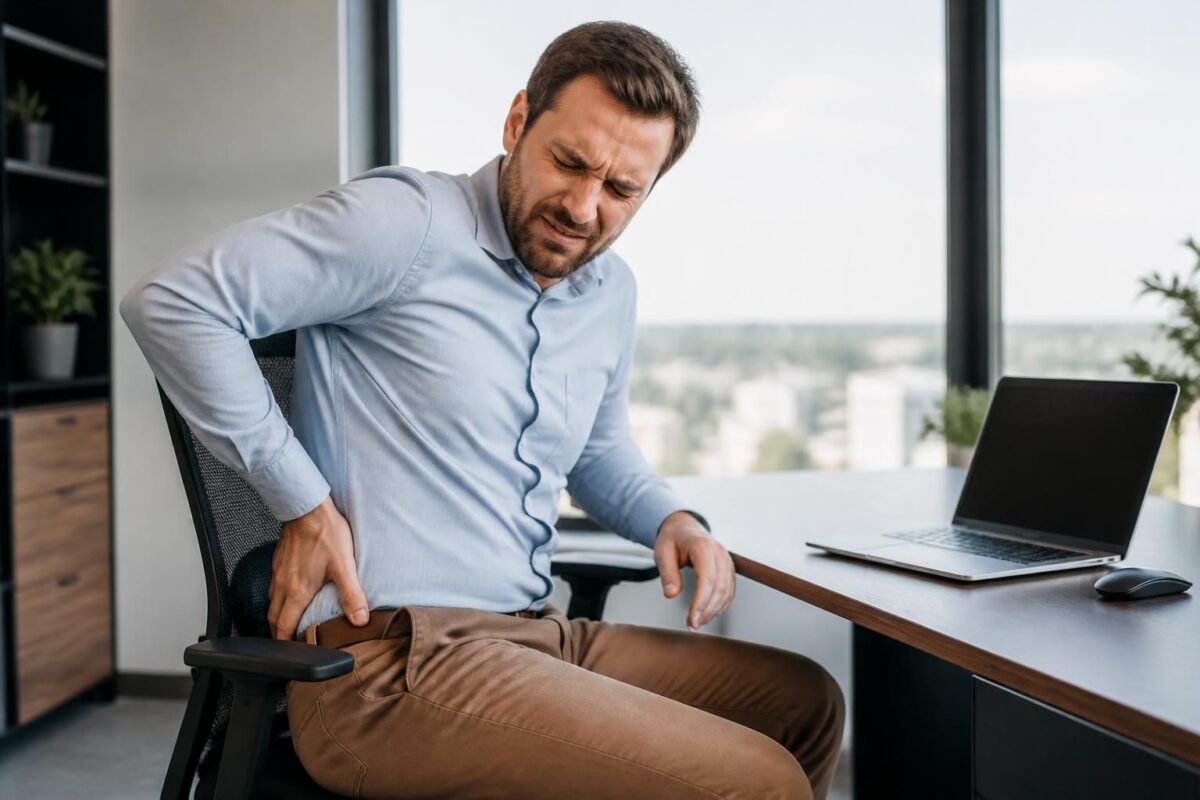
Sciatica in Terrebonne: pain in the buttock after a long sitting position
IN BRIEF In brief, sciatica in Terrebonne with buttock pain after a long sitting position corresponds to a compression or irritation of the sciatic nerve. Main benefits: pain reduction, better mobility, and prevention of recurrences through postural education and simple…

Dr Sylvain Desforges, B.Sc., D.O., N.D., osteopath, is the founding president of TAGMED and of the ACMA association. He dedicates his practice to chronic spinal pain, low back pain and symptoms compatible with sciatica, particularly when pain radiates toward the buttock, leg, calf, foot or toes.
Through SOS Sciatique, he publishes educational content on sciatica symptoms, possible causes such as disc herniation, disc narrowing, foraminal stenosis or irritation of a lumbar nerve root, as well as non-surgical approaches that may be considered according to the evaluation. At Clinique TAGMED, care may include, depending on the case, motorized neurovertebral decompression, specific osteopathic care or precision percussion.
For an evaluation related to sciatica treatment in Montreal / Mount Royal or sciatica treatment in Terrebonne, please consult the services available at Clinique TAGMED.
Medical disclaimer
The information published on SOS Sciatique is provided for educational purposes only and does not replace a consultation, diagnosis, opinion or treatment provided by a physician or another authorized healthcare professional. The author of this article is neither a medical doctor nor a specialist in a medical specialty recognized by the Collège des médecins du Québec. The osteopathic, manual medicine or functional support approaches described on this site do not constitute medical acts and are not intended to replace medical follow-up.
Consult a physician or emergency service in cases of loss of bladder or bowel control, anesthesia in the saddle area, significant or progressive weakness in the leg or foot, fever, recent trauma, severe pain or rapid worsening of symptoms. For more details, please read our Legal Notice.