Herniated disc and sciatica: what the MRI cannot decide alone
26/09/2026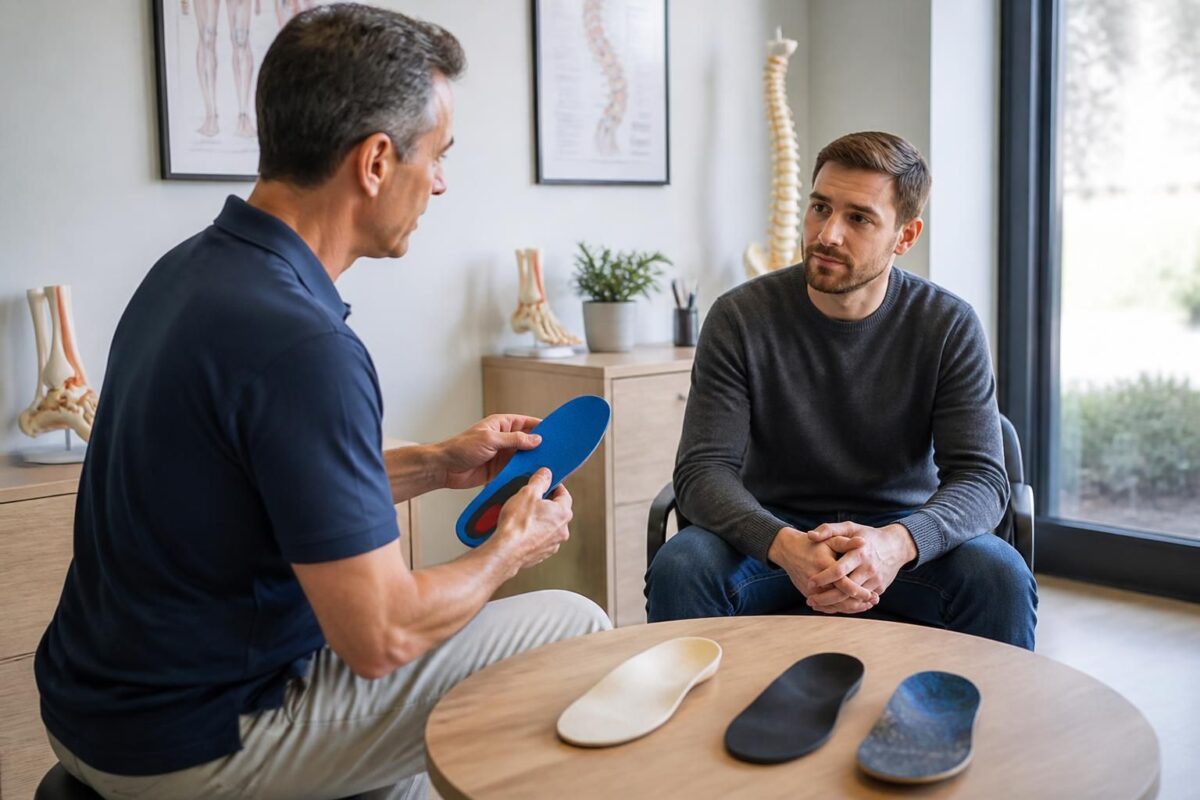
IN BRIEF
In brief, sciatica and suitable <strong insoles represent a pragmatic option to relieve pain related to sciatic neuralgia. This approach aims to absorb shocks and support the arch with effective cushioning and a moderate drop (8–10 mm), reducing micro-traumas and lower back tension. Benefits include improved comfort, a more stable posture, and facilitated daily activities, while remaining measured and not promising a quick cure. Favor models with a PU sole and, if necessary, custom orthotics for targeted support. |
Here is a measured summary on the link between sciatica and insoles: what to understand without exaggeration.
- Sciatica is a pain that follows the path of a root of the sciatic nerve; a suitable shoe and insoles can help reduce certain strains, but they do not replace a medical opinion or appropriate treatments.
- Cushioning and materials affect the comfort and protection of the vertebrae. EVA offers lightness and quick shock dissipation, but compresses over time; PU provides more durable and stable support in the long term.
- The drop (height difference between the back and front of the foot) matters: a moderate drop of about 8 to 10 mm can help relieve the lower back, while a poorly chosen drop can worsen certain pains; avoid ultra-thin (minimalist) models in case of a herniated disc.
- Arch support and heel stability play a key role. A sole with a rigid counter and good arch support can limit tensions around the spine and guide the step.
- For real effectiveness, prioritize suitable walking shoes and consider, if necessary, custom orthotics. In case of worsening, consult a health professional quickly and do not wait for symptoms to worsen.
This guide, written by a health professional and expert, explains how sciatica and insoles interact. It outlines simple and reliable criteria to evaluate cushioning, drop, and materials of insoles that protect the back. It also reminds that effects vary among individuals and that advice should remain measured and adapted.
Pain related to sciatica follows the path of a nerve root from the lower back to the leg. A suitable shoe can transform support and reduce micro-traumas. But insoles do not cure all causes and do not replace a medical evaluation when symptoms persist.
Understanding Cushioning and Drop
Cushioning serves to mitigate daily shocks that travel up the spine. Two materials dominate the market. EVA is lightweight and quickly dissipates impact, providing relief during acute painful phases. But it can compress after about 300 to 500 kilometers. Polyurethane provides durable structural support and is better suited for repeated standing positions in the long term. To promote a smooth transition of the step, favor curved insoles and a geometry that protects the lumbar region. The drop influences pelvic tilt and lower back load. A moderate drop of around 8 to 10 millimeters is often recommended to limit tensions in the lower back. Excessive elevation can overly stress the kidneys, and no drop places more strain on the posterior chains.
To explore the mechanical aspects and technical choices, see the following resources: Sciatica and Heavy Legs while Walking and Herniated Disc and Sciatica — Mechanical Cause.
Reconciling Foot Stability and Back Protection
The lumbar geometry is influenced by foot posture. Maintaining the arch and heel stability reduces erratic movements that can aggravate sciatic pain. Some brands offer wider bases and load distribution systems that provide reassurance during long periods of standing or walking.
For clinical and practical insights regarding shoe and insole choices, you can consult resources related to the pathology and foot support at Sciatica in Terrebonne — Pain in Sitting Position and Numbness of the Big Toe and Lower Back Pain.
When Insoles Make a Difference and When They Remain Modest
Insoles can help when arch support and foot motion control prevent movements that irritate a nerve root. They do not replace a postural evaluation and a holistic approach to lower back and radicular pain. In case of worsening, consult a health professional quickly and consider revising your shoe size and daily habits.
Options and specific cases can be discussed with your doctor or a specialist; prescribed insoles can be considered, while more global approaches are discussed in the context of a precise diagnosis. For additional advice on symptoms and management choices while walking, see, for example, Sciatica and Heavy Legs while Walking.
How to Choose Suitable Models
Prefer shoes that provide a stable base, a rigid heel counter, and a sole that filters shocks. A curved insole can facilitate the transition of the step and limit lower back strain. The choice tree includes recognized brands for their support and durability, as well as options for custom orthotics if necessary.
What Data and Limitations Say
The literature shows that the link between insoles and sustainable improvement of sciatic pain varies by patients. The results depend on the biomechanical profile, the type of pain, and the activity. Insoles are one element of support among other interventions and should not be seen as a standalone solution. For professional resources, training, and specific organizations, there are resources available, notably NUMSS, NAO, National University of Medical Sciences, and National Academy of Osteopathy.
Sciatica and shoes: can they influence sciatica pain?
IN BRIEF In brief, the link between sciatica and shoes can influence sciatic pain. What is it? These are choices that transform the shoe into a stable extension of the foot and reduce the shocks transmitted to the lower back.…
Practical Tips and Daily Advice
Start with short walks on flat terrain. Go at your own pace and adjust the distance according to symptoms. If pain appears, take a break and resume later. Avoid abrupt movements and excessive efforts during acute flare-ups. Alternate between sitting and standing positions and stay progressively active. If the pain is persistent or increases, consult a professional promptly.
In case of pain at rest or loss of strength, contact a healthcare professional immediately and consider surgical evaluation only based on clinical indications and appropriate examinations. For practical resources on choices and daily actions, refer to the associated pages on intermittent or constant pain and pain while sitting with tingling in the foot.
For advice related to walking and physical activity, you can also refer to specialized resources on walking and sciatica.
Information on training and professional approaches can be consulted through the referenced institutions mentioned above and professional bodies such as ACMA, College of Canadian Osteopaths, and Collège des Ostéopathes Canadiens.
Medical Disclaimer: The information and advice provided on this site do not replace the advice, diagnosis, or treatment of a healthcare professional. Please note that Dr. Sylvain Desforges, osteopath, is neither a medical doctor nor a physician and is not a specialist in a medical field as defined by the Collège des médecins du Québec. Manual medicine, functional medicine, and sports medicine, as described on this site, exclude any treatment or medical diagnosis made by a physician or medical specialist. Always consult your doctor for any medical concerns. For more details, please read our full Legal Disclaimer.
“Medical Disclaimer: The information and advice provided on this site do not replace the advice, diagnosis, or treatment of a healthcare professional. Please note that Dr. Sylvain Desforges, osteopath, is neither a medical doctor nor a physician and is not a specialist in a medical field as defined by the Collège des médecins du Québec. Manual medicine, functional medicine, and sports medicine, as described on this site, exclude any treatment or medical diagnosis made by a physician or medical specialist. Always consult your doctor for any medical concerns. For more details, please read our full Legal Disclaimer.”
- Pragmatic axis: cushioning, stability, and controlled movement to limit shockwaves.
- Cushioning: EVA (light, dissipates impact quickly but compresses after 300–500 km) vs PU (durable support).
- Drop: aim for 8–10 mm; zero drop can overstress the posterior chain and cause lower back pain.
- Stability: reinforced heel and widened base to avoid rolling and nerve tension.
- Arch: support of the arch affects biomechanics; favor curved insoles for a smooth step transition.
- Orthotics: custom insoles if necessary to optimize a standard shoe.
- Avoid minimalist models in case of a herniated disc; prefer a shoe suited to sciatica.
- Wear: monitor and replace insoles that no longer cushion impacts.
- Testing: test through short progressive walks on consistent terrain.
- Consultation: in case of worsening, consult a professional and consider a postural assessment.
- Activity: stay active and vary positions daily.
- Reality: insoles and shoes do not cure everything; adjust what is possible and adapt actions.

For sciatica, well-chosen insoles do not eliminate pain on their own, but they can reduce daily shocks and ease lower back tension if the cushioning, drop, and arch support are appropriate. This article reminds what to understand without exaggerating, and how to choose correctly.
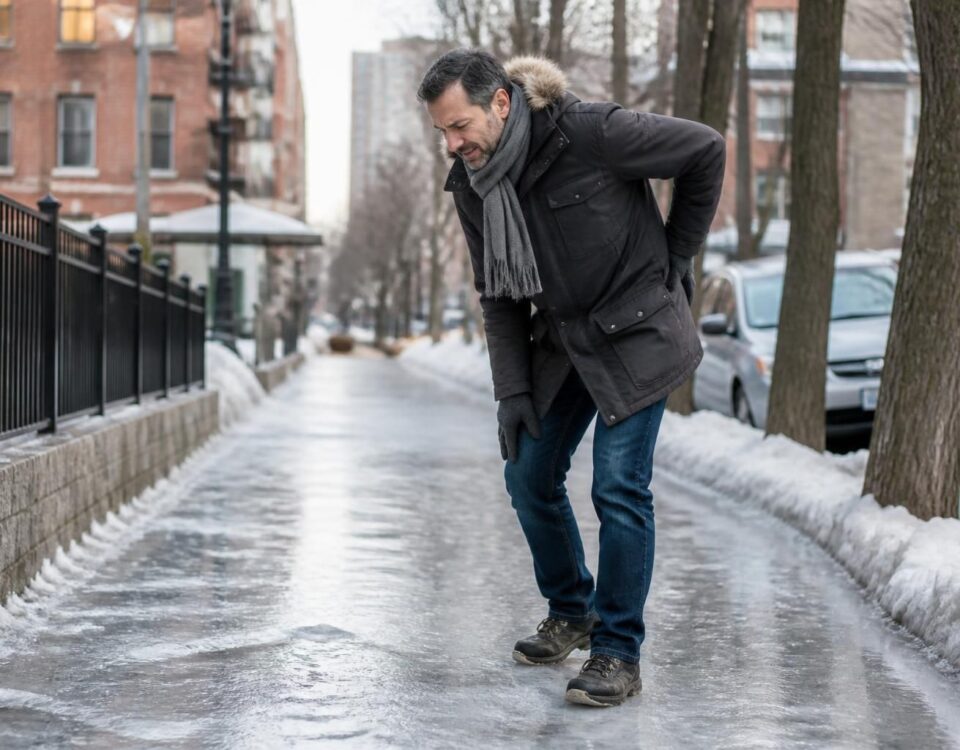
Sciatica and walking on icy sidewalks: tension and muscle protection
IN BRIEF In brief, the topic sciatica and walking on icy sidewalks describes how sciatica reacts to a slippery surface and how to preserve muscle tension and muscle protection of the back and legs. It is a practical approach to…
What an Appropriate Insole Can Bring
A good insole transforms your footwear into a stable extension of your foot. The goal is to filter micro-traumas with each step and prevent kinetic energy from traveling up to the lower back. Durable comfort involves efficient shock distribution and a geometry that limits stress on the spine.
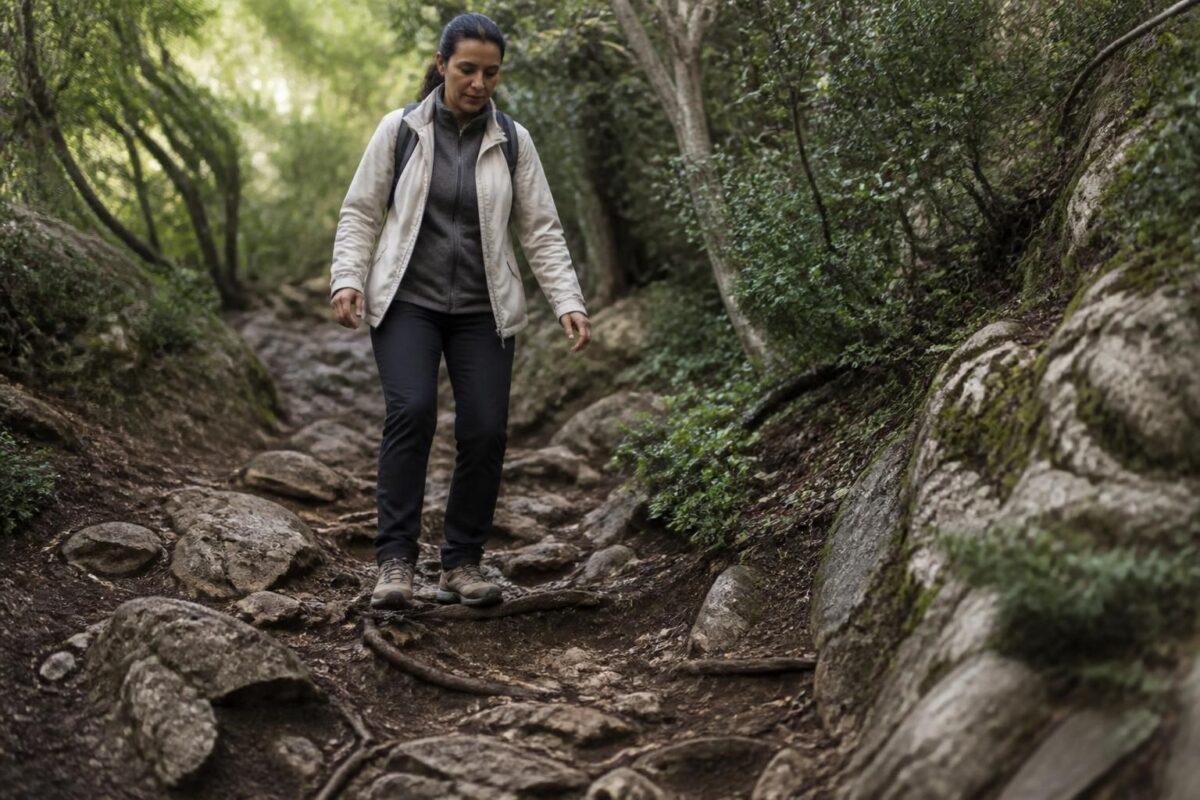
Sciatica and walking on uneven terrain: caution is necessary
IN BRIEF The topic “Sciatica and walking on uneven terrain: caution necessary” describes how to practice walking when suffering from sciatica on uneven surfaces while avoiding worsening the pain. This approach allows for maintaining movement and improving circulation, reducing inflammation,…
Cushioning and Materials
EVA vs Polyurethane
EVA offers a lightweight and rapid impact dissipation, useful during acute inflammation. However, its structure can compress after about 300 to 500 kilometers, reducing support effectiveness. Polyurethane provides more sustainable structural support and better withstands time, ideal for long standing durations. To limit wear, prefer insoles that combine these properties or an insole suited to your daily use.
Practical Advice
Choose insoles with responsive cushioning and a durable outer layer, and favor models with a curved geometry to facilitate the step transition without blocking natural movement.
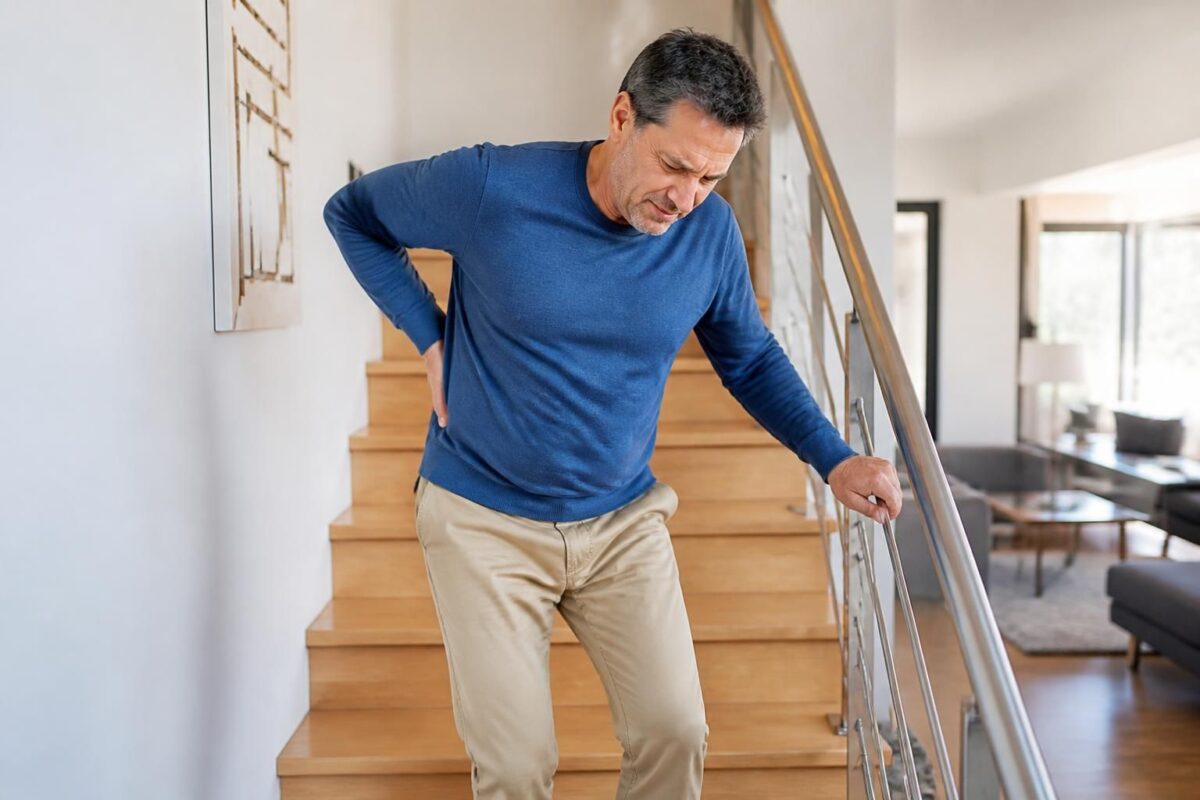
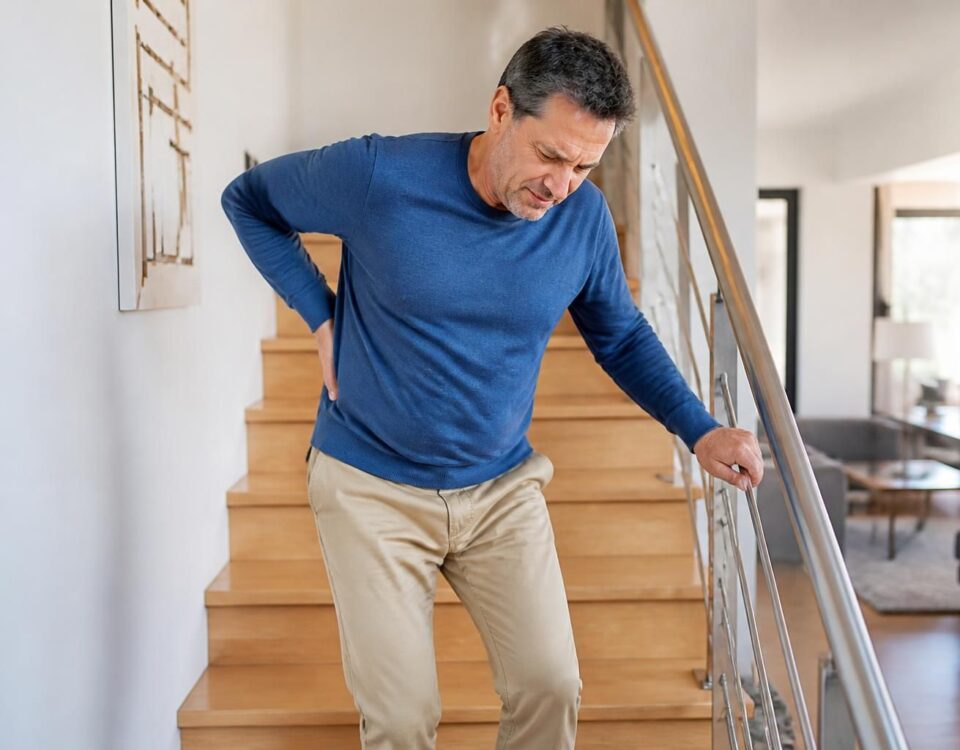
Sciatica and stairs: when movement worsens pain
IN BRIEF In brief, sciatica and stairs refer to a pain that follows the path of the sciatic nerve and can worsen when going up or down stairs. What is it? A radicular pain starting from the lower back to…
Geometry and Drop
Drop is Important
The drop (the height difference between the back and the front of the foot) should be moderate. A drop of around 8 to 10 millimeters is often recommended to support the lumbar region. A drop that is too low or zero can put more strain on the posterior chain, while a drop that is too high can arch the lower back.
Stability and Heel
A robust heel architecture and a firm rear counter help prevent lateral movements of the foot, thereby limiting nerve strain. A well-designed sole must offer a stable base to avoid unnecessary twisting during walking.
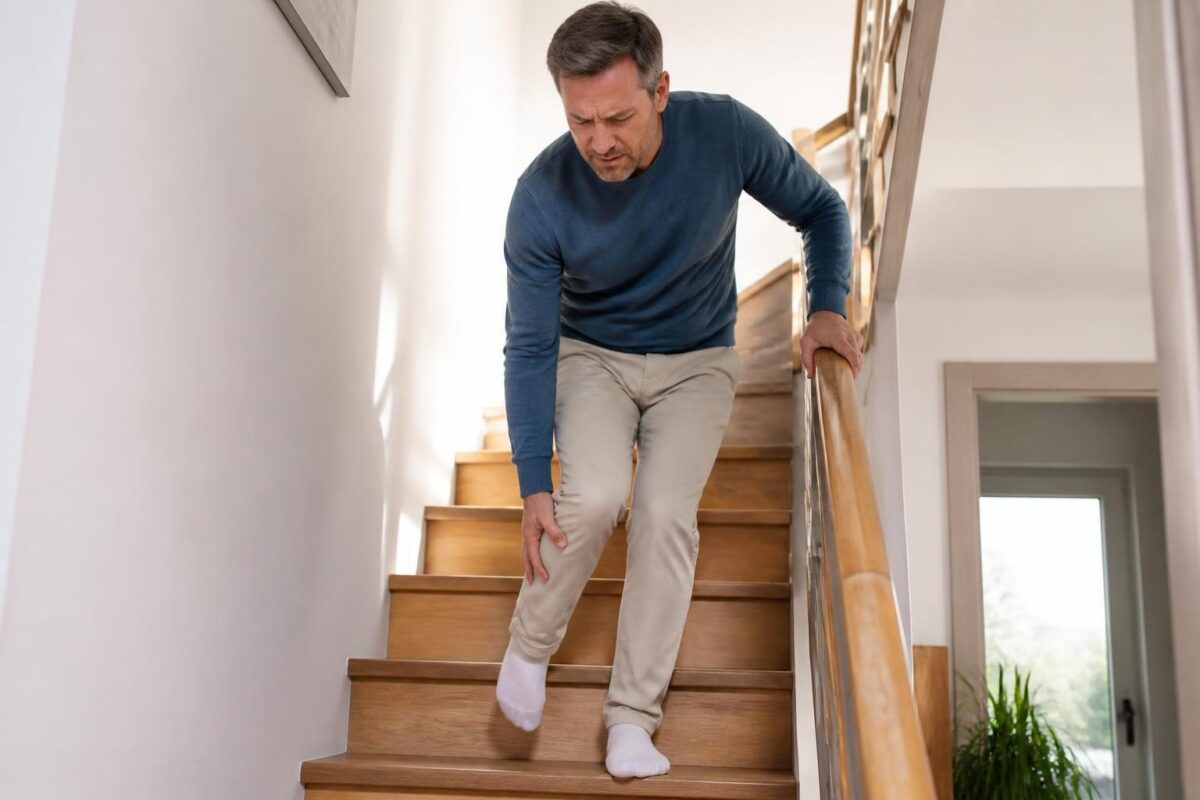
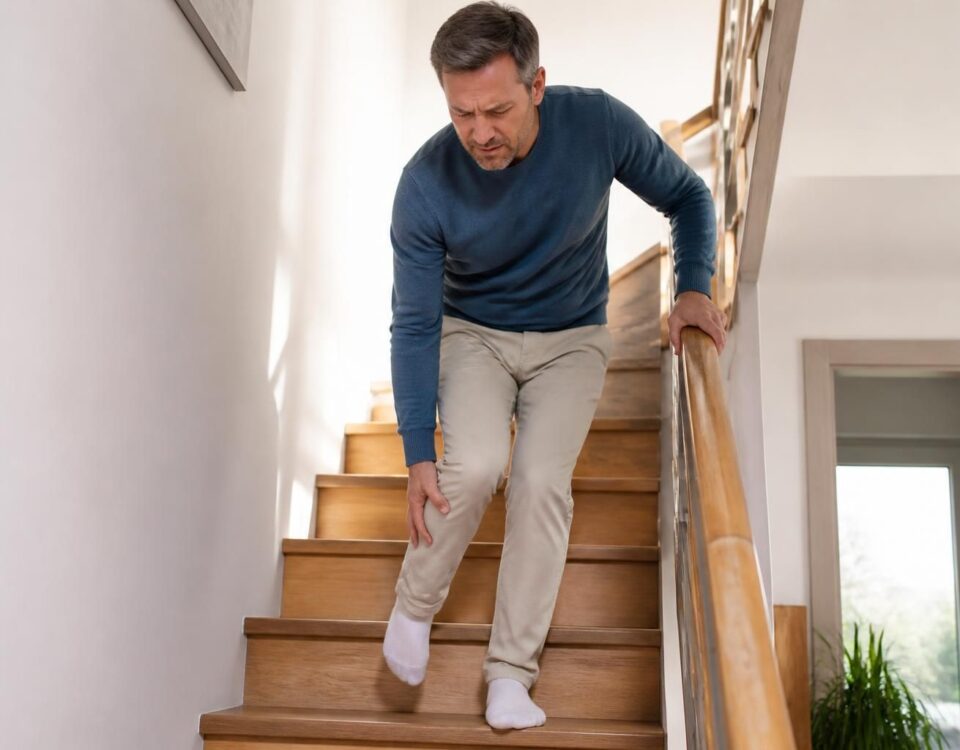
Sciatica and descending stairs: calf or foot pain
IN BRIEF In brief, sciatica and descending stairs often trigger pain that travels down to the calf or foot, following the path of the sciatic nerve. This pain is frequently associated with a herniated disc or spinal canal stenosis. Understanding…
Arch Support
Role of the Arch and Model Selection
Maintaining the plantar arch influences your overall biomechanics and can help reduce the load on the lumbar spine. Reputable brands offer wider bases and shock distribution systems that secure footing. In cases of aggravation, custom orthotics can complement a standard shoe and act as a therapeutic tool.
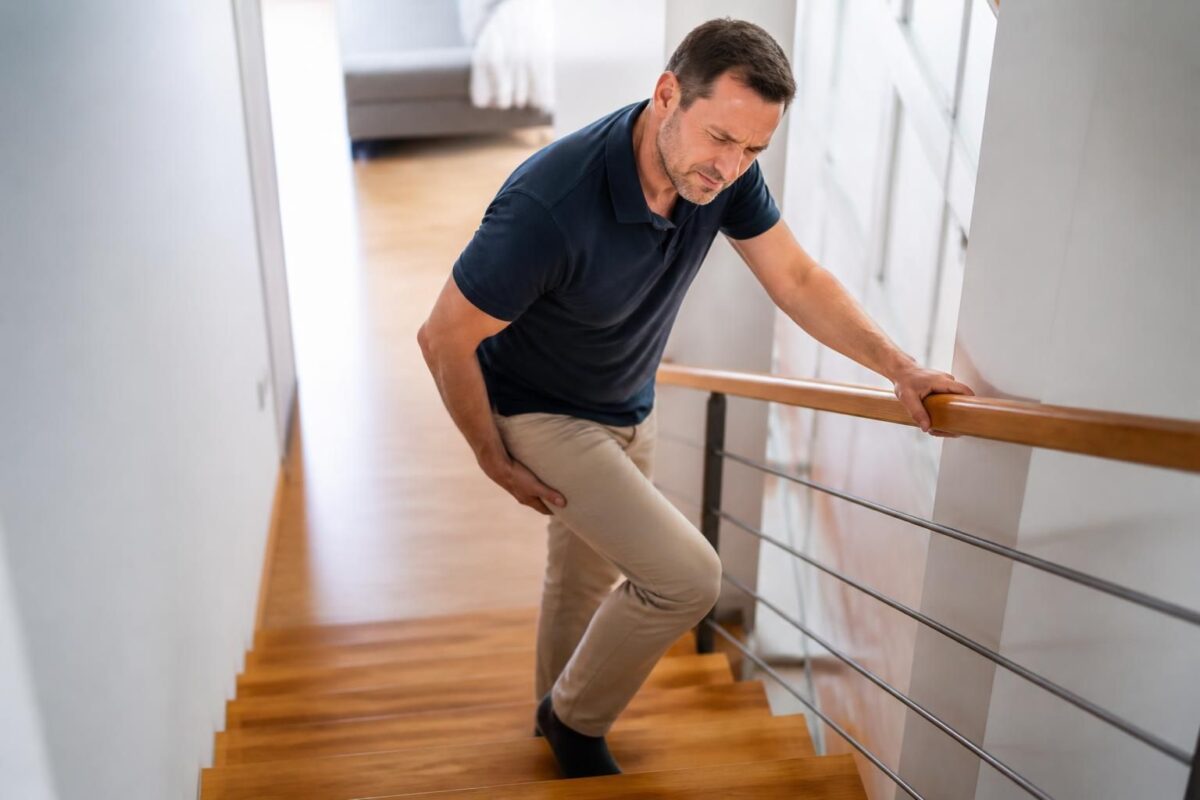
Sciatica and climbing stairs: pain in the leg
IN BRIEF In brief, sciatica and climbing stairs are characterized by a pain in the leg due to irritation or compression of the sciatic nerve. This pain can be triggered or worsened when climbing stairs, and can be managed quickly…
Usage Tips and Prevention
When to Wear Them and How to Test
Start with short outings and gradually increase walking time, adjusting terrain and pace. If the pain worsens significantly, consult a professional. Avoid minimalist shoes in the case of a confirmed herniated disc and do not rely solely on a sole to solve everything. Prevention involves movement, adapting gestures, and, if necessary, therapeutic support.
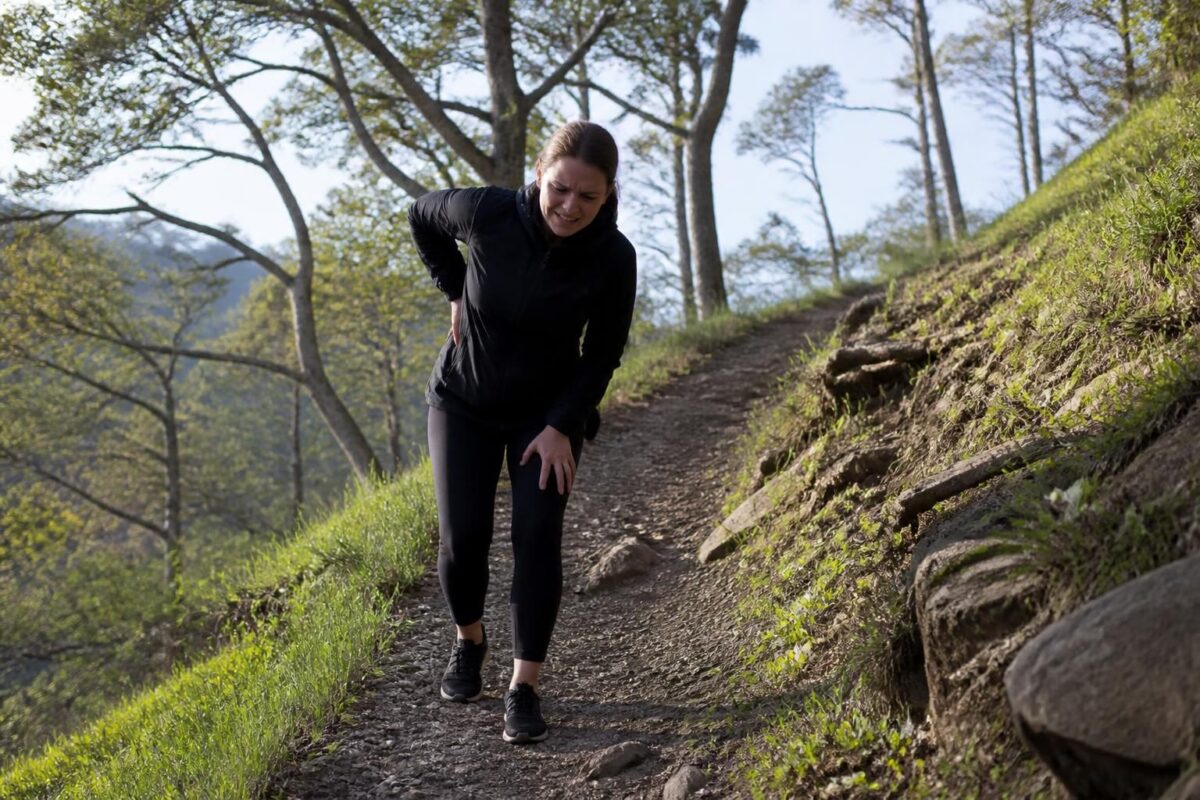
Sciatica and walking on a slope: symptoms to watch for
IN BRIEF In brief, sciatica and walking on slopes is a pain that originates from the lower back and radiates down the leg, potentially influenced by the body’s incline while walking. The symptoms to watch for include pain radiating along…
Points to Monitor
Signs and Limits
If you notice a loss of strength, significant numbness, or urinary issues, consult promptly. An appropriate insole does not replace a medical diagnosis, but it can help improve daily comfort and limit exacerbations during painful periods.
| Element | Concise Understanding |
|---|---|
| Cushioning and materials | Cushioning absorbs micro-traumas; prioritize stability and durability. |
| Drop and geometry | Moderate drop (8–10 mm) to relieve lumbar strain. |
| EVA vs PU | EVA is lightweight and absorbs quickly; PU offers lasting support. |
| Canted sole | Canted soles facilitate transition and reduce impacts. |
| Heel stability | A stable heel limits twists and nerve strain. |
| Plantar arch | Maintaining the arch influences spinal alignment and comfort. |
| Support and brand | Choose validated models that balance arch and support. |
| Wear and renewal | Check for wear and renew shoes to preserve cushioning. |
| Medical context | Consult a pro if pain persists or serious signs occur. |

Sciatica and fast walking: why stay cautious
IN BRIEF In short, sciatica and walking illustrate the necessary balance between activity and caution during a lumbar crisis. What is it? Pain radiating down the sciatic nerve, often due to irritation or compression. Benefits: maintain mobility, stimulate circulation, and…
Testimonials on Sciatica and Insoles: What to Understand Without Exaggeration
“Since I started wearing custom insoles, my sciatica bothers me significantly less during my daily commutes,” shares Julien, 44 years old. Before, each step sent shocks into my lower back. The cushioning, especially with a durable PU insole and shapes that contour to the arch, has reduced discomfort and improved my stability.
“I’ve learned to check the wear on my shoes and prefer a fit with a moderate drop and a well-supported heel,” explains Sophie, 38 years old. “A canted sole and a support shell allow my step to unfold without twisting my back.”
Marc, 58 years old, opted for custom orthotics and states: “The doctor advised me to stabilize the arch and enhance support. Since then, my ordinary shoe has turned into a therapeutic tool without the need for urgent intervention. The rear counter and the more stable arch give me better confidence with each step.”
Claire, 62 years old, shares: “I’m not looking to eliminate all movement, but to limit spikes of pain. My drop and heel stability have been adjusted to avoid waves that travel up to the lower back. I stay active with shorter and more regular walks.”
Luc, 50 years old, compares EVA and PU: “EVA is lightweight and absorbs impact quickly, useful in an acute inflammatory phase, but after 300 to 500 kilometers, it collapses. Polyurethane offers more lasting structural support, ideal for standing positions.”
Nathalie, 29 years old, an athlete, explains: “I’ve realized that the shoe alone isn’t enough without suitable insoles. I prefer models that maintain the arch and have a canted sole for a smoother step. My pain decreases during long walks without having to give up my activities.”
Jean, 65 years old, concludes realistically: “This is not a miracle promise. Insoles do not cure sciatica, but they help better manage daily micro-traumas and make walking more bearable if adjusted following professional advice.”
Dr. Sylvain Desforges, an expert in osteopathy, naturopathy, and manual medicine, is the founding president of the TAGMED clinics and the ACMA association. His professional trajectory is focused on innovation in healthcare, and he has set out to provide a modern and effective approach to chronic pain.
In his practice, he integrates advanced technologies such as spinal decompression, laser, and shockwave therapy to optimize care for patients suffering from lower back pain and, more broadly, from the musculoskeletal system. His goal is to offer evidence-based care to sustainably improve the quality of life and well-being of each patient.
When looking into sciatica and the importance of insoles, Dr. Desforges emphasizes the biomechanics of the foot and ankle as levers for trunk stability. He explains that the shoe should become a stable extension of the foot and that cushioning plays a key role in absorbing daily micro-traumas. In his approach, the choice of materials and the geometry of the shoe upper matter: a lightweight sole can provide quick relief during acute episodes, but it may lack durability without appropriate support, while a more durable material ensures structural support in the long term. He favors insoles that promote a well-supported arch and a stable calcaneus in order to limit the transmission of forces to the lumbar spine.
The drop of a shoe is another decisive factor: a moderate incline (usually around 8 to 10 millimeters) can help preserve lumbar curvature while avoiding excessive strain on the posterior chain. He discourages minimalist models in cases of herniated discs and recommends appropriate walking shoes with arched insoles and a heel support structure. According to him, heel stability and a strong rear counter are crucial in reducing nerve tensions and ensuring natural spinal alignment.
More broadly, Dr. Desforges prefers validated models and systems that reinforce the arch and ensure effective shock distribution. He also mentions the benefits of custom orthopedic insoles when biomechanical needs dictate, capable of transforming an off-the-shelf shoe into a true therapeutic tool. The goal is to reduce sciatica symptoms without exaggerating painful processes while encouraging gradual movements and suitable activity.
Finally, his vision remains pragmatic and patient-centered: in the face of sciatic pain, he favors a multidisciplinary approach, combining advice on shoe choice and insoles, manual therapies when necessary, and progressive mobilization. His mission is clear: to provide concrete and balanced solutions that improve posture, prevent recurrences, and support daily well-being.
Here is a clear and measured summary on sciatica and insoles: cushioning, drop, and materials play a role, but no miracle insole can solely eliminate pain. A reasoned approach combines the technical choice of shoes, wear analysis, and, if necessary, professional advice to adapt the insole to your biomechanics.
Key Points to Remember
The role of cushioning is central to neutralizing daily micro-traumas associated with walking. An EVA cushion is lightweight and effective in the moment but tends to compress after a few hundred kilometers. Polyurethane, on the other hand, provides more durable structural support and is better suited for prolonged activities. To limit shock waves, favor models with soles designed to guide the step and with geometry suited to your spine.
The drop (the height difference between the back and front of the foot) directly affects lumbar curvature. A moderate drop of between 8 and 10 millimeters is often recommended to relieve the back without excessively straining the posterior chain. Avoid extreme configurations or zero drop models that can overload the muscles around the spine.
The stability of the heel and a rigid counter play an important role in preventing foot twisting and lumbar nerve tension. Shoes with arch support and a wide base architecture can reassure the spine and facilitate a more natural alignment.
To optimize support, examine the condition of your current insoles: uneven wear can reduce cushioning effectiveness and increase the risk of pain. In some cases, custom orthopedic insoles paired with an appropriate shoe can transform a good shoe into a therapeutic tool. To learn more about the connections between posture and pain, consult specialized resources like this podiatric reference or this medical overview.
Choosing appropriate walking shoe models with a curved insole can facilitate the transition of the step and limit lumbar stress. Some brands stand out for their shock distribution technologies and their widened base, which can provide reassurance about support and stability. To delve deeper into the mechanisms, you can consult resources like this page from physiotherapy or this orthopedics guide.
When pain worsens or persists, it is helpful to refer to medical evaluation and, if necessary, complementary treatments (physiotherapy, imaging, or injections) according to a professional’s advice. For additional information on the pathology and alarm signals, you can consult this general article and this specific resource.
Finally, certain situations require particular vigilance, especially signs of severity or recurring symptoms. If you experience significant loss of strength, urinary problems, or progressive numbness, quickly seek appropriate medical evaluation. To learn more about typical episodes, causes, and treatments, explore additional resources like this regional article or this analysis of disc triggers.
For those who want a broader view, guides such as this specialist guide and this online resource offer practical summaries on symptoms, causes, and solutions to consider without a sense of catastrophe.

Dr Sylvain Desforges, B.Sc., D.O., N.D., osteopath, is the founding president of TAGMED and of the ACMA association. He dedicates his practice to chronic spinal pain, low back pain and symptoms compatible with sciatica, particularly when pain radiates toward the buttock, leg, calf, foot or toes.
Through SOS Sciatique, he publishes educational content on sciatica symptoms, possible causes such as disc herniation, disc narrowing, foraminal stenosis or irritation of a lumbar nerve root, as well as non-surgical approaches that may be considered according to the evaluation. At Clinique TAGMED, care may include, depending on the case, motorized neurovertebral decompression, specific osteopathic care or precision percussion.
For an evaluation related to sciatica treatment in Montreal / Mount Royal or sciatica treatment in Terrebonne, please consult the services available at Clinique TAGMED.
Medical disclaimer
The information published on SOS Sciatique is provided for educational purposes only and does not replace a consultation, diagnosis, opinion or treatment provided by a physician or another authorized healthcare professional. The author of this article is neither a medical doctor nor a specialist in a medical specialty recognized by the Collège des médecins du Québec. The osteopathic, manual medicine or functional support approaches described on this site do not constitute medical acts and are not intended to replace medical follow-up.
Consult a physician or emergency service in cases of loss of bladder or bowel control, anesthesia in the saddle area, significant or progressive weakness in the leg or foot, fever, recent trauma, severe pain or rapid worsening of symptoms. For more details, please read our Legal Notice.