neurovertebral decompression and chronic herniated discs: sustainably relieve
26/06/2026
Neurovertebral decompression and physical well-being: restoring the quality of life
26/06/2026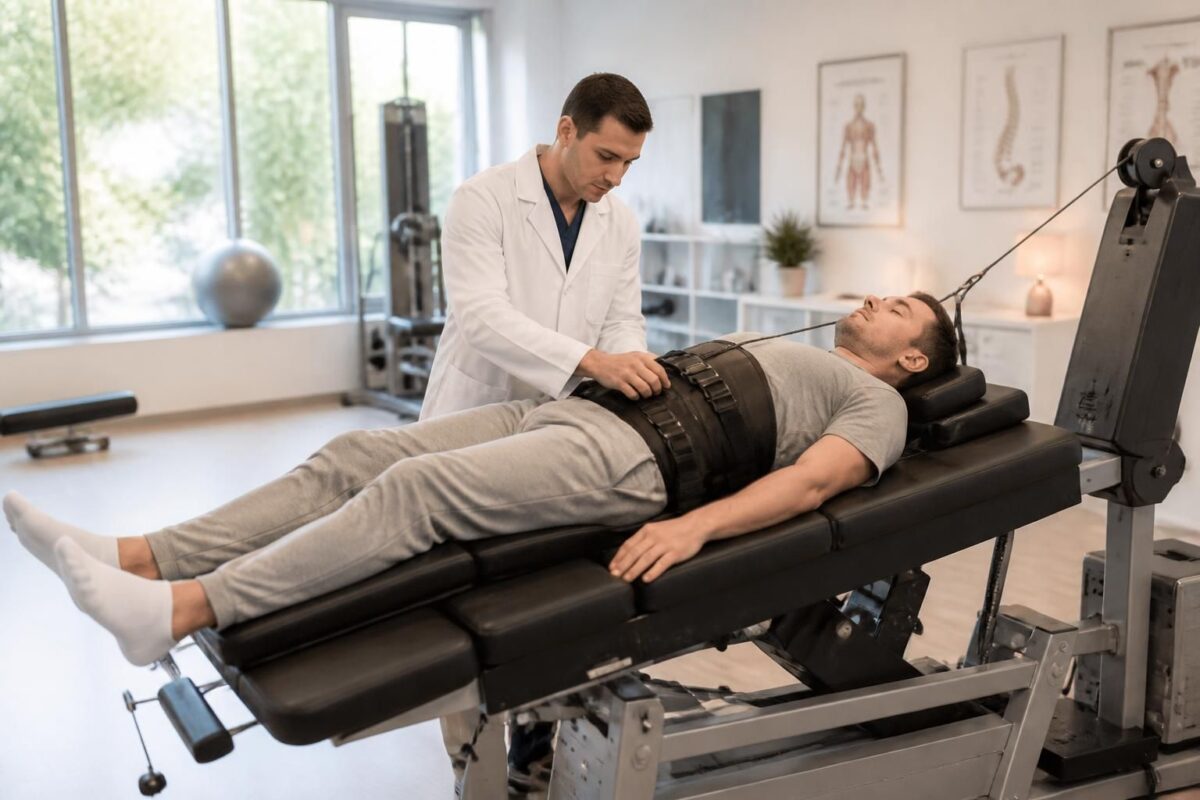
In short
| In short, the neurovertebral decompression After a accident is one Non-invasive therapy which relieves pain and promotes re-education. She acts by a Controlled traction which creates a space between the vertebrae, decreases the Pressure on discs and nerves and stimulates the bloodstream and nutrient intake. Its key advantages include a pain reduction, a Improving mobility and an tissue regeneration, with a Quick return to activities, without surgery. In Montreal, this service is particularly recommended for accident consequences and lower back pain. |
After an accident, the neurovertebral decompression is therapy non-invasive Recommended to quickly relieve pain and promote rehabilitation. By reducing the pressure on the intervertebral discs and nerves, it improves the circulation, nutrient intake andoxygenation fabrics, thus promoting their regeneration and reducing inflammation. This translates into a pain reduction, a Better mobility and one Faster return to activities, while avoiding or delaying surgery. Integrated into a global care plan, it optimizes recovery and helps prevent post-accident complications.
Quick summary: after an accident, neurovertebrate decompression Can help reduce pain, accelerate recovery and support spinal tissue regeneration. This non-invasive therapy fits into an individual care plan and may decrease rehabilitation time.
Why neurovertebrate decompression is a recommended therapy after an accident
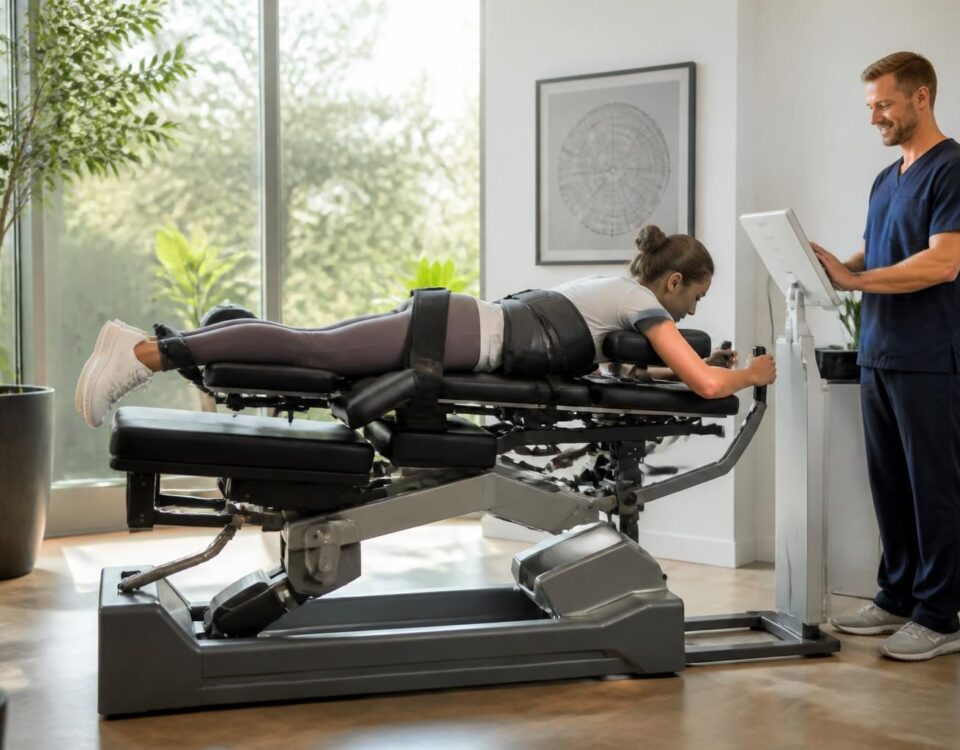
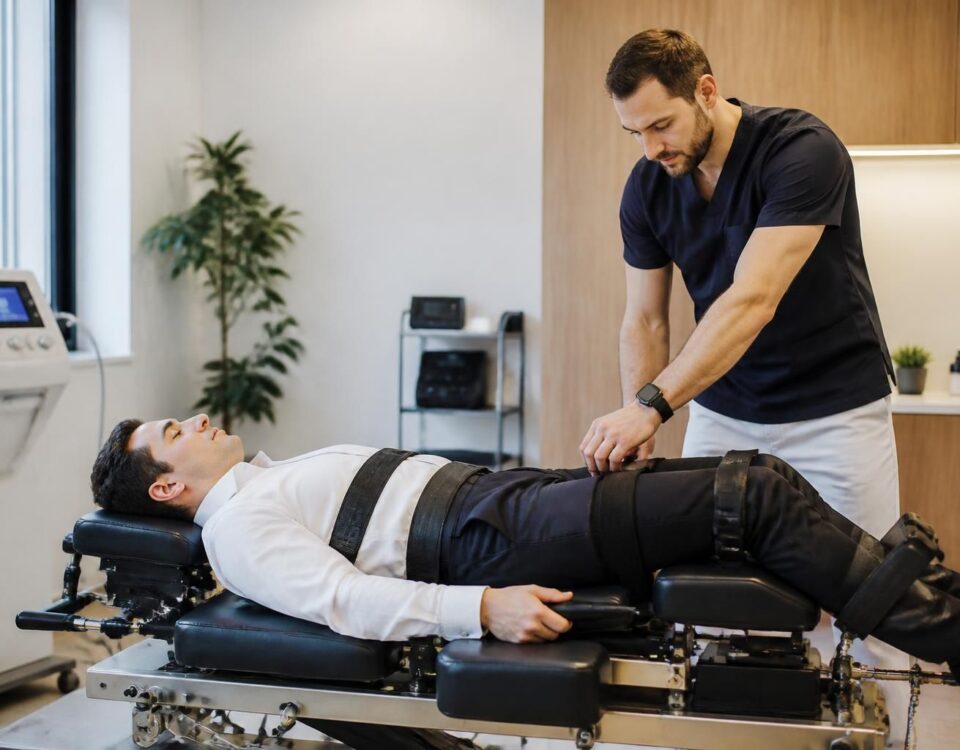
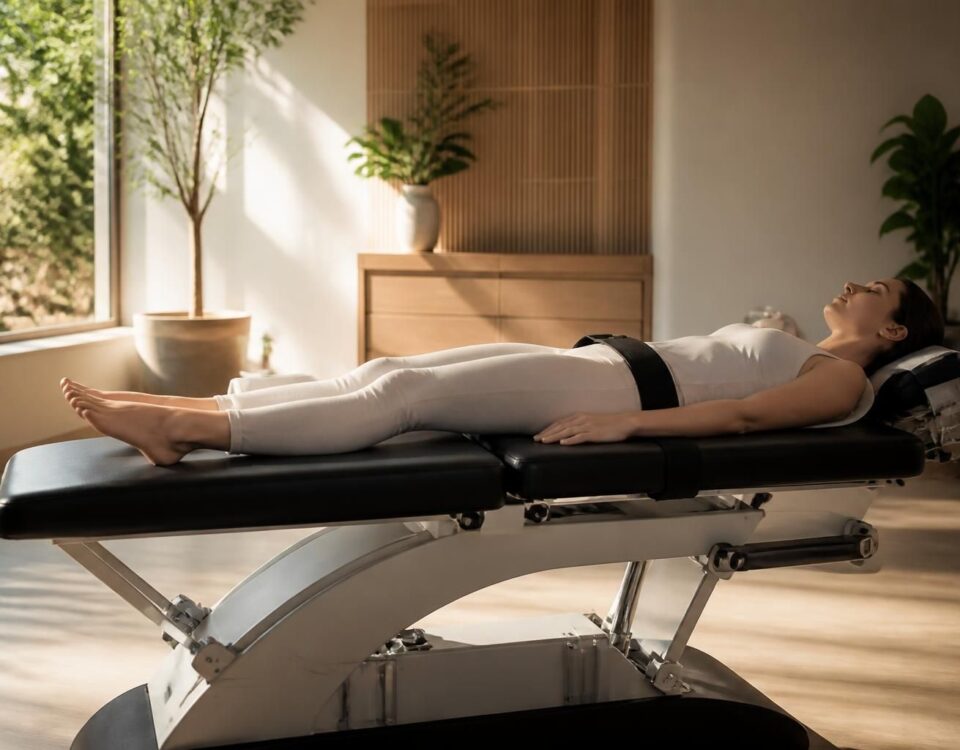
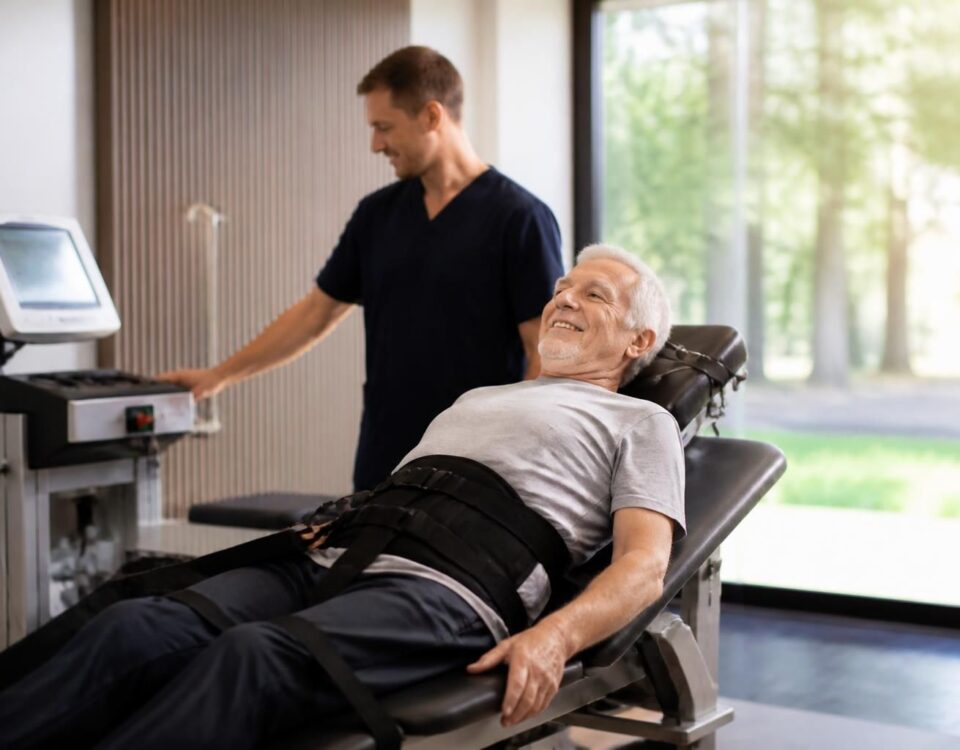
After an accident, ignition and mechanical stress slow recovery. neurovertebrate decompression Applies gentle, targeted traction on the spine. It creates a space between the vertebrae and decreases the pressure on the nerves. It also improves blood circulation and nutrient intake.
How this promotes post-traumatic recovery
This non-invasive approach can rapidly reduce the pain and restore the mobility. It improves tissue feeding and decreases tension around the nerves. It also helps prevent complications associated with slow recovery.
Indications and safety
It is indicated after an accident for spinal pain, lower back pain and radiant pain. Before any treatment, a professional assesses the background and current status. Some conditions require other approaches. This therapy is non-invasive and presents little risk when performed by a qualified practitioner.
Integration into the care pathway
Each patient receives a Custom program and one Regular follow-up. The patient receives information on the behaviors to adopt to preserve the spine and adopt healthy lifestyles. complementary practices such as Associated therapy and complementary approaches such as laser therapy or massage therapy can be considered as appropriate. resources such as Postural alignment can complete the process. Treatment can be provided in TagMed clinics and in partner structures.
Clinical evidence and experiences
Clinical data and testimonials support the effectiveness of decompression after an accident. To learn more, see the following resources: Clinical studies demonstrate efficacy and Diffuse neuropathic pain.
For more information, you can view the following resources: Decompression and regeneration and rehabilitation support. Additional alignment and posture resources are available at Postural alignment.
Neurovertebrate decompression is offered in TagMed clinics and can be discussed with professionals trained in establishments such as NUMSS or NAO to ensure a compliant and secure practice. Additional resources on training options and professional standards can be viewed via Professional information.
Additional resources and references are available on specialized sites to understand the framework and mechanisms surrounding the Neurovertebrate decompression, in particular for post-accident cases and associated conditions.
Neurovertebrate decompression can be considered in a global rehabilitation framework, in connection with clinical practices of Tagmed Clinic and other establishments in Montreal and on the outskirts via the healthcare network.
For more details on the mechanisms and benefits of decompression, see the following resources: Neurovertebral decompression and diffuse neuropathic pain, Postural alignment, and Tagmed Clinic.
“Medical disclaimer: The information and advice provided on this site does not replace the health professional’s benefit, diagnosis or treatment. Please note that Dr. Sylvain Desforges osteopath is neither a doctor of medicine nor a doctor, and is not a specialist in a medical specialty as defined by the Collège des Médecins du Québec. Manual medicine, functional medicine and sports medicine as described on this site exclude any medical treatment or diagnosis made by a doctor or specialist doctor. Always consult your doctor for any medical questions. For more details, please read our full legal notice. »
- quick reduction Pain and regained mobility
- Pressure release On the nerves and discs
- traffic improvement To wounded tissues
- Tissue preservation and spasm reduction
- Regeneration and nutrition improved fabrics
- less immobilization, quick return to activities
- Integration rehabilitation Multidisciplinary facilitated
- Prevention of recurrences and better posture

After an accident, the neurovertebral decompression May represent an effective and non-invasive therapeutic option. By acting on the spine and nerves, it helps to quickly reduce pain, promote functional recovery and facilitate rehabilitation. Integrated into a multidisciplinary care plan, this approach can accelerate the return to an active life while avoiding surgical interventions when possible.
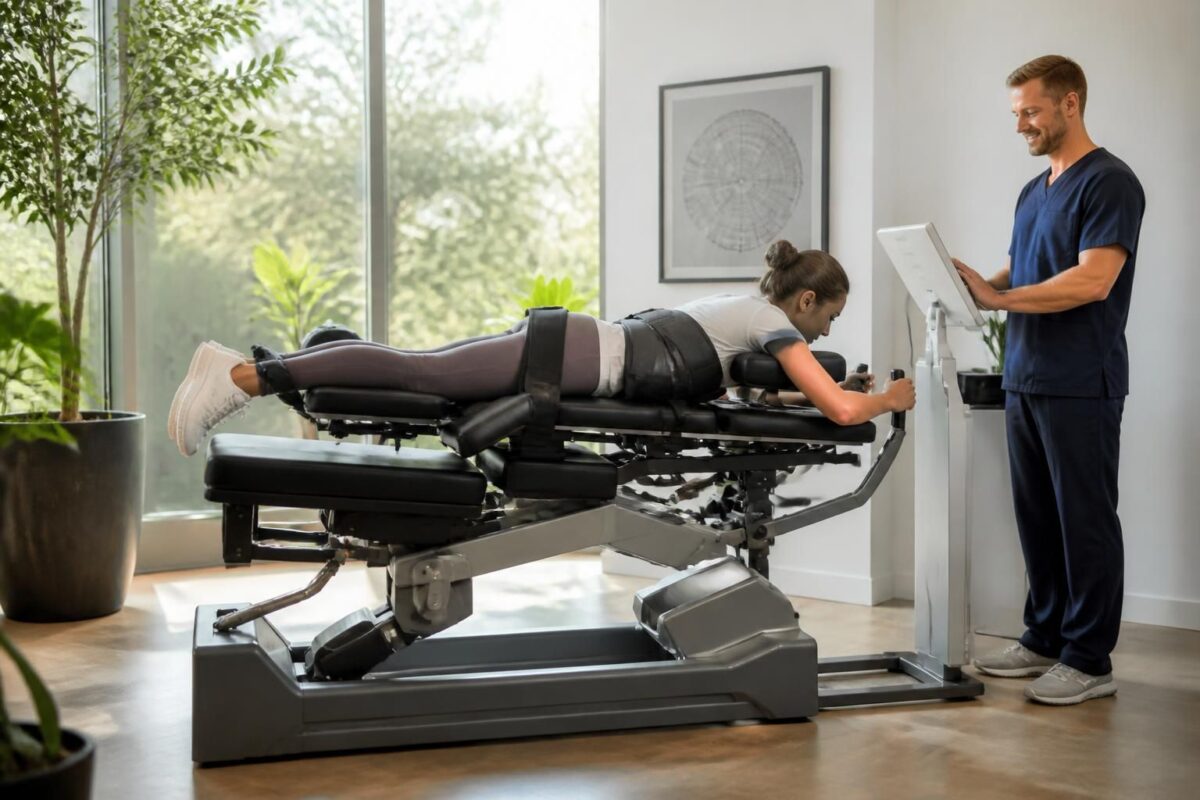
The long-term benefits of neurovertebral decompression for spinal health
In short In short, the neurovertebral decompression is a non-invasive approach that decreases the Pressure on intervertebral discs and nerves, favoring the Natural regeneration and tissue recovery. Its long-term benefits include Lasting pain reduction, Improving mobility and from the posture,…
Why this therapy is recommended after an accident
The neurovertebral decompression Acts by targeted traction that creates a space between the vertebrae, thus reducing the pressure on the Intervertebral discs and the nerves. This decrease in pressure improves local blood circulation and facilitates the supply of nutrients and oxygen essential to tissue repair. Patients often report pain relief and decreased inflammation after a few sessions, which results in rapid improvement in mobility.
By promoting better hydration and nutrition of the spinal tissues, the technique supports the regeneration of adjacent discs and structures, thus helping to prevent aggravations and recurrences in the medium term. In addition, it offers a positive effect on muscle tone and postural coordination, which can reduce recurrent tension and pain associated with the post-traumatic phase.

Neurovertebral decompression and mobility: a return to an active life
In short In short, the neurovertebral decompression is therapy non-invasive who uses a gentle traction To create a space between the vertebrae and reduce the pressure on the Intervertebral discs and the nerves. It promotes a bloodstream improved, lowers tension…
Integration into the rehabilitation course
To maximize results, neurovertebral decompression Must be part of a personalized program, adapted to the medical history and the type of accident. A clear treatment plan, with short, medium and long-term objectives, makes it possible to optimize progress and avoid obstacles to rehabilitation.
Compliance with the session schedule and patient support are crucial. The sessions are generally coordinated with other approaches such as strengthening, mobility and coordination exercises, in order to support a Functional recovery complete. Communication between the patient and the healthcare team promotes the adjustment of the program according to clinical progress.
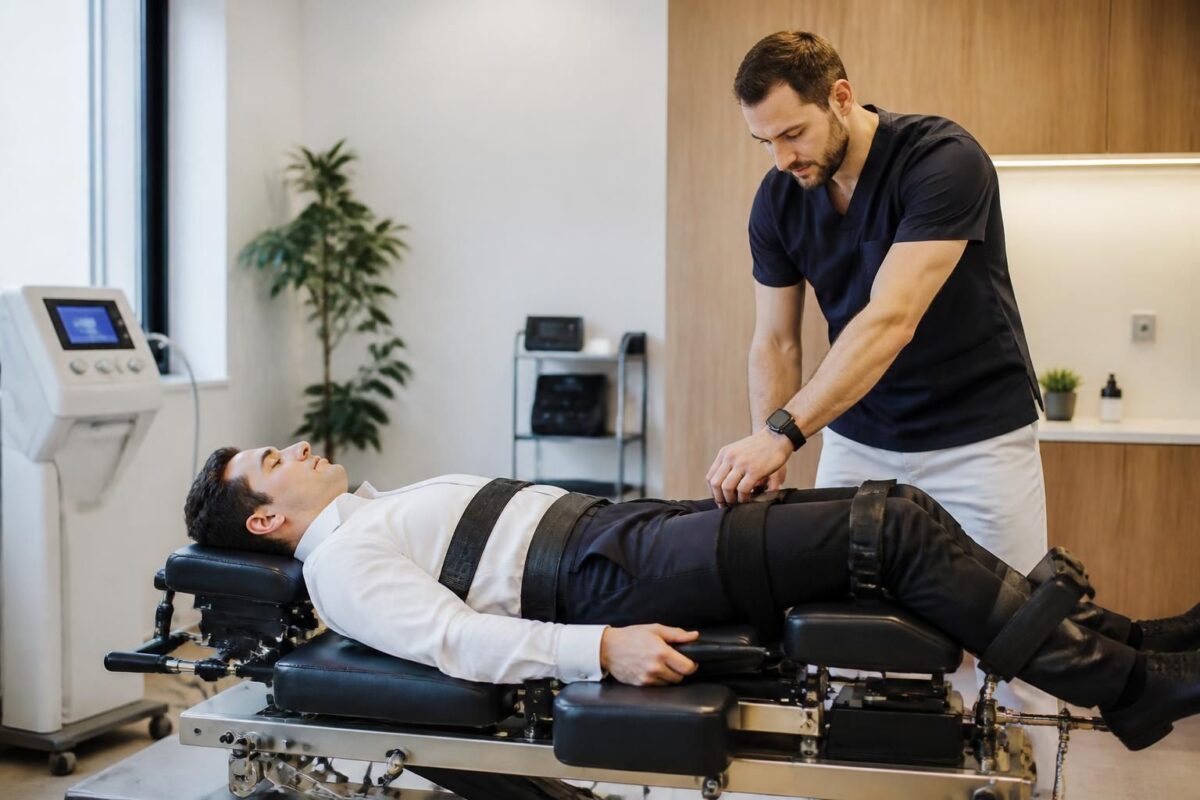
How Neurovertebral Decompression Prevents Diffuse Chronic Pain
In short decompression neurovertebral is one Non-invasive method aimed at reducing the Pressure on the intervertebral discs and the nerves, in order to prevent Diffuse chronic pain. It improves the circulation and thedisc hydration, decreases inflammation and promotes better mobility.…
Indications and expected results
After an accident, common indications include lumbar or cervical pain associated with irritated tension or discs, nerve irradiations and post-traumatic stiffness. Expected benefits include significant pain reduction, decreased neurological symptoms, and progressive improvement in flexibility and walking.
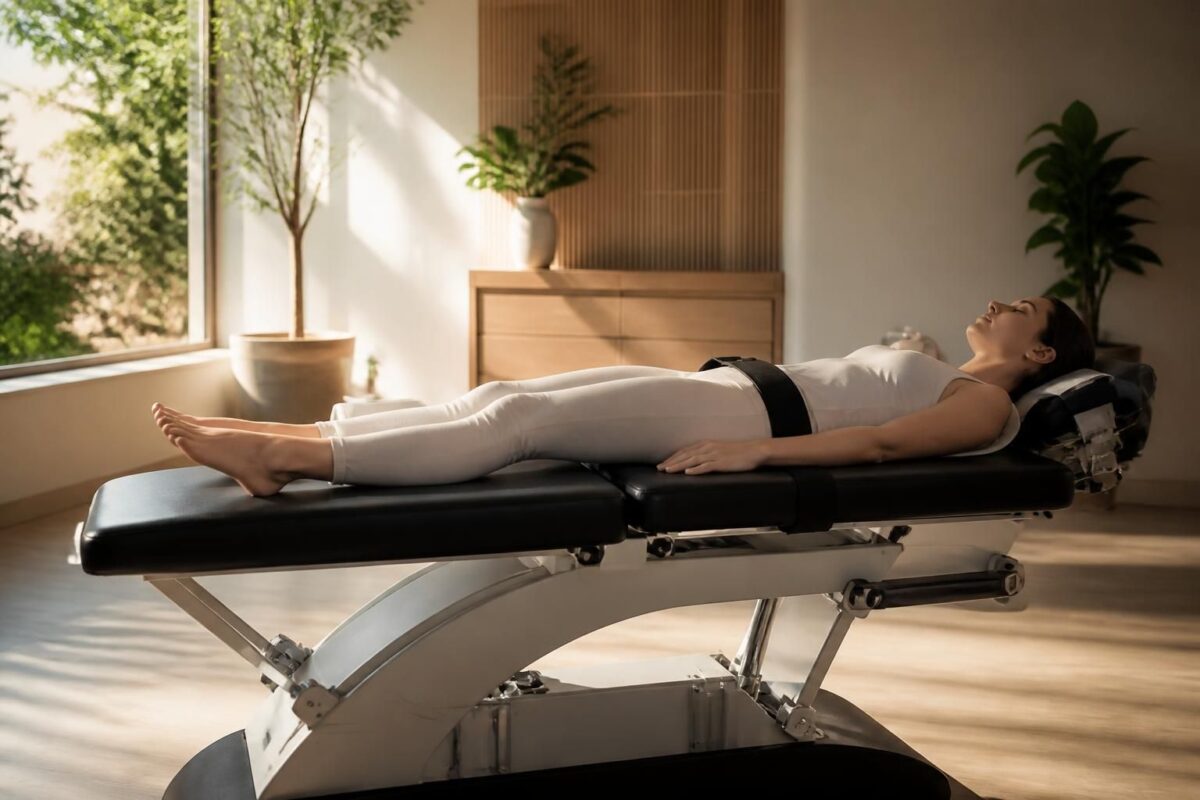
Neurovertebral Decompression and Body Alignment: Restoring Natural Balance
In short In short, neurovertebral decompression is one Non-invasive approach who restores theBody Alignment and thenatural balance back and neck. She acts by a Controlled traction of the spine to widen the intervertebral space and reduce the Pressure on discs…
Compliance and Security
The neurovertebral decompression is a non-invasive approach, but it should be performed under professional supervision and adapted to the patient’s condition. Certain conditions, such as active fractures or infections, require a prior assessment. To ensure optimal safety, always discuss your medical history and potential contraindications with your practitioner.
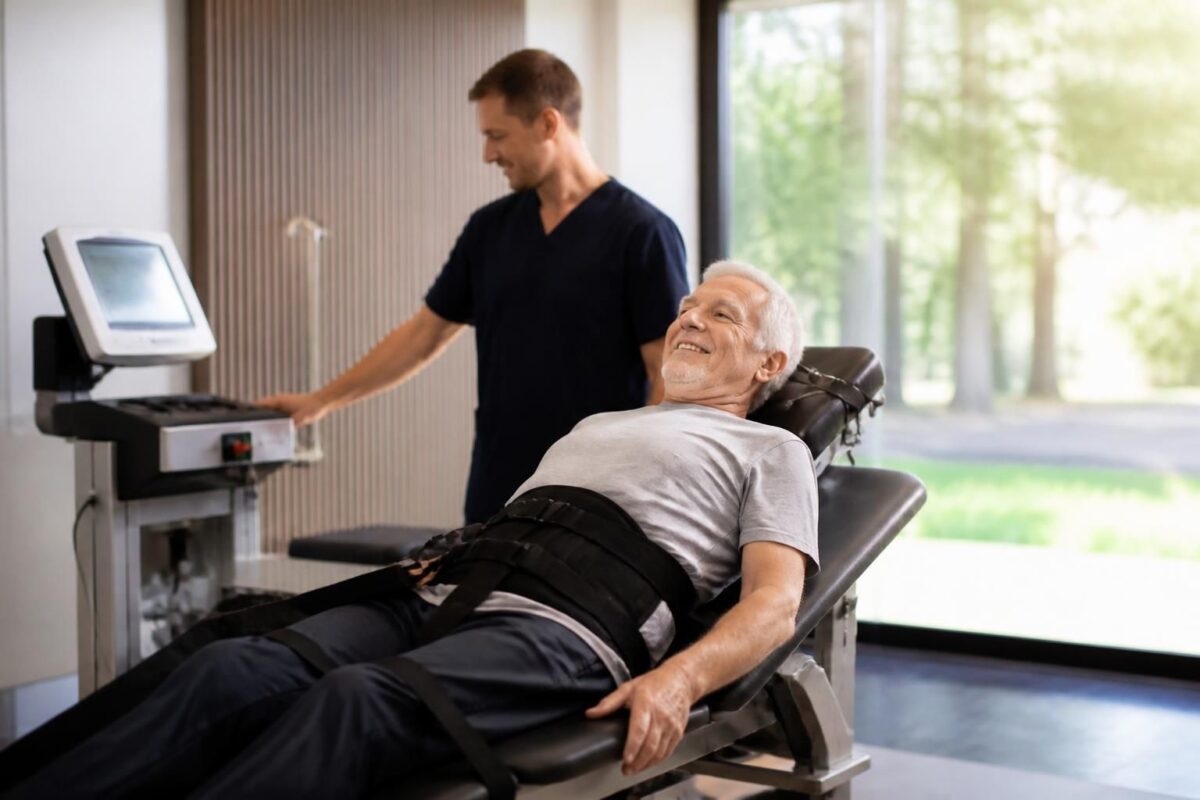
Why neurovertebral decompression is a lasting solution for active seniors
In short In short, the neurovertebral decompression is one Non-invasive therapy which sustainably relieves spinal pain in the spine active seniors By creating, by a Soft and controlled traction, a space between the vertebrae. At Montreal, it is recognized as…
Synergies in the post-accident framework
In addition, additional rehabilitation techniques and gentle approaches to manipulation can enhance results. The goal is to get better circulation, tissue regeneration and progressive stabilization of the spine, to prevent functional limitations and promote a rapid return to daily activities.
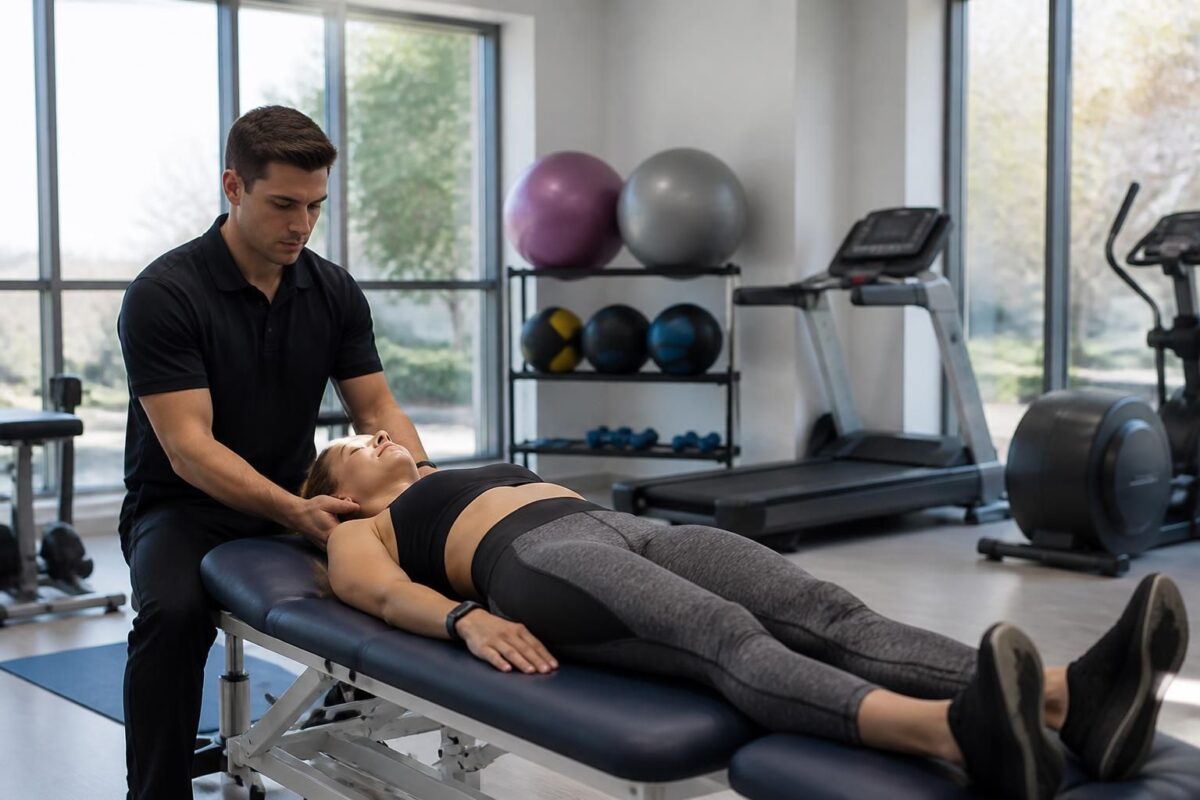
Neurovertebral decompression and recovery after severe sports injury
In short In short, the neurovertebral decompression is one Non-invasive method to Relieve the pressure on the Intervertebral discs and the gristle Via a Controlled traction, to facilitate the recovery After a severe sports injury. It improves the bloodstream towards…
Practical summary
After an accident, the neurovertebral decompression Offers a safe and effective framework to alleviate pain, accelerate rehabilitation and improve overall recovery. By integrating into a personalized program and relying on a multimodal approach, it can become a key element of the post-accident care pathway, while avoiding more invasive interventions when possible.
| Quick relief | Decompression can quickly decrease post-traumatic pain by releasing pressure on the nerves and discs, without surgery. |
| traffic improvement | Increased blood flow and nutrient intake support repair of damaged tissue after the accident. |
| non-invasive | Process without surgery, limiting the risks and allowing a faster resumption of activities. |
| Prevention of sequelae | Promotes stability and spinal function, reducing the risk of chronic pain post-traumatic. |
| Rehabilitation compatibility | Integrated with physiotherapy and rehabilitation programs without treatment conflict. |
| Alignment and mobility | Helps restore alignment and flexibility, decreasing stiffness and functional limitations. |
| Reduced downtime | Contributes to faster recovery by limiting periods of inactivity. |
| context-adapted security | Program adjusted to the post-traumatic stage and patient status to optimize safety. |
| Indications after accident | Indicated when pain and dysfunction come from the spine and adjacent tissues, after medical evaluation. |
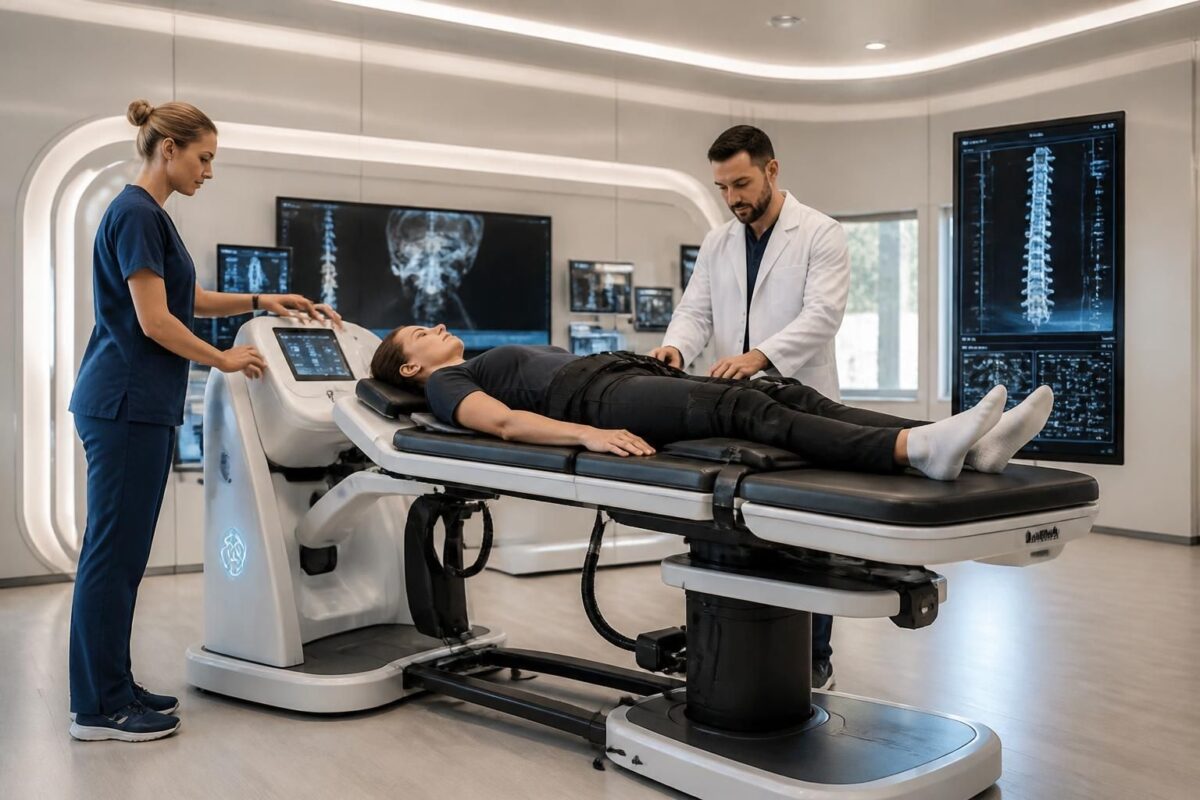
Recent innovations in neurovertebral decompression technologies
In short In short, the neurovertebral decompression is an approach non-invasive Aiming to reduce pressure on discs and nerves, and promote tissue regeneration. At Montreal, it is positioned as an effective option for lower back pain and herniated discs. The…
Testimonials: Why neurovertebral decompression is recommended after an accident
“After my car accident, I was stuck and the pain paralyzed me almost all day. In a few sessions of neurovertebral decompression, I felt a marked improvement in my mobility and a significant reduction in pain. It’s no invasive And that allowed me to resume my activities faster than expected.”
“I was skeptical at first, fearing heavy treatments, but this therapy proved to be gentle and effective. The program has become a key step in my re-education post-accident, and I observed a Reduction of inflammation as well as an improvement in my posture. A real relief without surgery.”
“As an amateur athlete, an accident hurt my ability to train. Thanks to the neurovertebral decompression, I was able to find a recovery speed and an mobility which allowed me to resume my training earlier than expected, with less pain and less tension in my back.”
“After an accident at work, lower back pain and irradiation slowed me down in my daily actions. This non-invasive therapy helped decrease the pain and to Restore traffic to damaged fabrics. Today, my movements and my daily tasks are done without suffering.”
“The treatment plan integrating decompression was decisive to avoid chronicity of symptoms. I appreciated the personalized follow-up and the clarity of the objectives. I feel a quick recovery and better preparation of the back in the face of possible future impacts.”
After an accident, the spine is often subjected to intense mechanical and inflammatory stresses. The neurovertebral decompression stands out as a particularly appropriate therapeutic option, offering an approach non-invasive which aims to restore the structural and functional balance of the spine. This method is part of a logic of progressive rehabilitation, centered on sustainable relief and the restoration of mobility.
The heart of the mechanism rests on a Controlled traction vertebral segments, which creates a space between the vertebrae and releases the pressure exerted on the intervertebral discs and nerve roots. This pressure decrease promotes better bloodstream and facilitates the supply of essential nutrients, thus accelerating the repair of damaged tissues. At the same time, decompression can promote the Disc rehydration and the restoration of the elasticity of the structures, key elements to prevent other friction and pain.
In the context of an accident, pain is not just an isolated symptom: it is the major obstacle to rehabilitation and resumption of activities. Neurovertebral decompression acts as a true catalyst for the healing process by causing rapid pain reduction and a significant improvement inrange of motion. Patients often find Functional improvement progressive, which allows them to resume daily and professional tasks earlier, while limiting the risks of recurrent pain and the formation of compensatory postural schemas.
To maximize benefits after an accident, this approach is usually integrated into a personalized rehabilitation program. The initial evaluation delimits the areas to be processed and sets the objectives, while the follow-up allows the frequency and duration of the sessions to be adjusted. In addition, specific exercises, postural advice and associated therapeutic modalities (e.g. muscle strengthening programs or pain management techniques) reinforce the therapeutic effect and support sustainable recovery. The objective is to restore a stable, aligned and functional spine, capable of supporting the constraints of daily life without pain.
However, neurovertebral decompression is not indicated in all post-accident scenarios. Contraindications exist, in particular in the presence of unstable fractures, infections, or specific medical conditions requiring another approach. An evaluation by a health professional is essential to determine the adequacy of this therapy. When appropriate, it contributes to increased spinal resilience, inflammation reduction and rapid recovery, while offering a non-surgical alternative to pain management and functional limitations associated with the accident.
In practice, neurovertebral decompression thus represents an effective and secure pathway to accompany post-traumatic reconstruction. By being part of a global care strategy, it facilitates tissue regeneration, accelerates resumption of activity and helps prevent relapses, while respecting the principles of safety and scientific evidence that guide modern care.
This article presents why the neurovertebral decompression is a therapy recommended after a accident. It describes its non-invasive mechanism, its effects on pain, mobility and rehabilitation, and offers clinical resources and examples to support patients in their recovery.
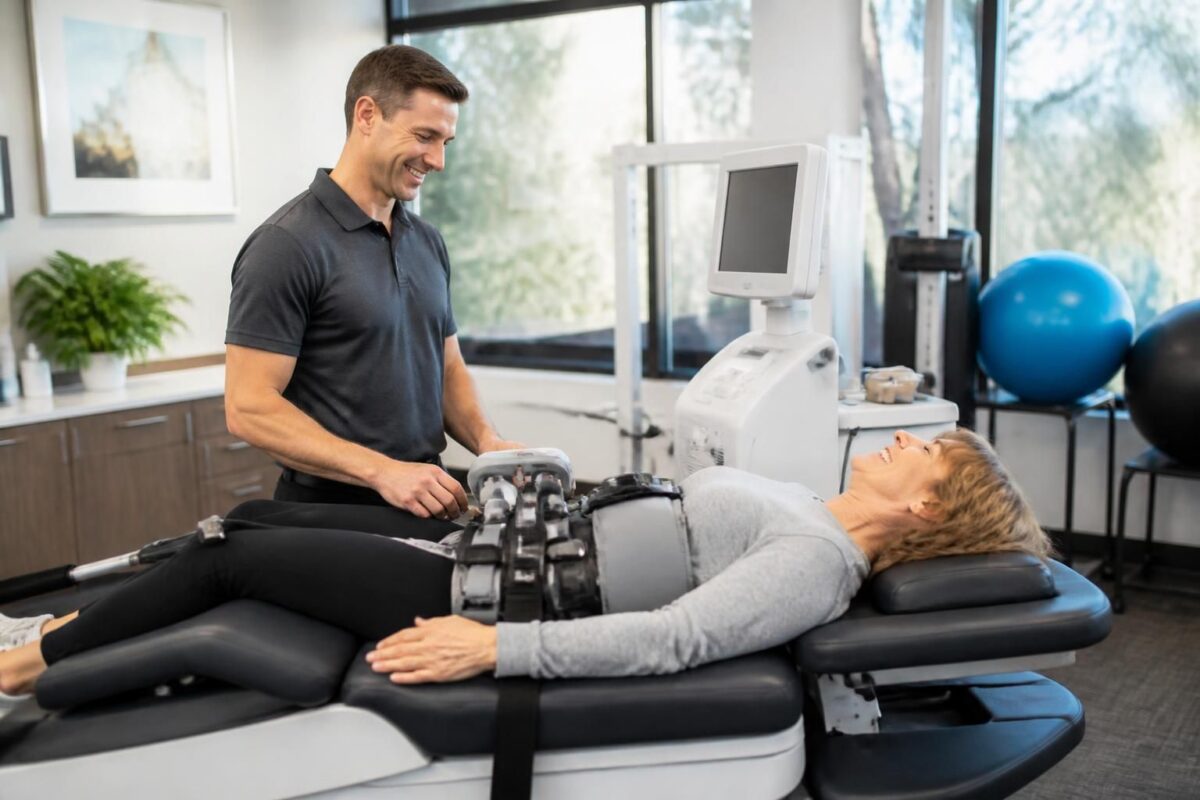
Neurovertebral decompression and diffuse pain: an appropriate solution
In short In short, the neurovertebral decompression is one Non-invasive solution For diffuse pain related to nerve irritation of the spine. She acts in Reducing pressure on intervertebral discs and nerves and improving the bloodstream, which promotes recovery and the…
Key points
After a accident, the neurovertebral decompression offers an approach non-invasive which can quickly reduce the pain and accelerate the re-education. By promoting a Better circulation and an Fabric nutrition, it contributes to the recovery and the reactivation without the need for surgery.
It works by decreasing pressure on the intervertebral discs and nerves, which can improve alignment and reduce inflammation. For people who have just suffered an accident, this often means faster resumption of activities and reduced limitations.
Practical integration after an accident
The treatment is personalized and is part of a global care plan. Respect for sessions and patient education play a major role in optimizing results. To deepen the mechanisms and reasons for using this approach after an accident, see Why neurovertebral decompression is essential after an accident.
Clinical Resources and Evidence
Resources and testimonials support the benefits of this approach after an accident. for example, This TagMed article and This example on mobility Demonstrates mobility and pain reduction gains.
To deepen long-term benefits and regeneration mechanisms, you can consult resources such as Long-term benefits and What you need to know about neurovertebral decompression.
Integration with monitoring and rehabilitation
After an accident, the effectiveness of the neurovertebral decompression is enhanced when associated with a Custom program, at Regular follow-up and complementary practices such as shockwave therapy or laser depending on the case. Clinical resources discuss this integrated approach and the results observed in post-traumatic rehabilitation. see for example This resource on post-traumatic rehabilitation.
In addition, spinal alignment and mobility can be improved through a combination of associated techniques, as detailed in the following resources: The vertebral alignment and Spinal flexibility.
Practical ways and recommendations
For patients who have recently experienced an accident, neurovertebral decompression can be a key recovery step, favoring an approach fresh and re-education which promotes the tissue regeneration and the Reduction of inflammation. Additional resources illustrate how this therapy can facilitate effective and lasting recovery after vertebral trauma.
To learn more about mechanisms and benefits, also see the following resources: Decompression and mobility, Diffuse pain, and essential after an accident.

Dr Sylvain Desforges, B.Sc., D.O., N.D., osteopath, is the founding president of TAGMED and of the ACMA association. He dedicates his practice to chronic spinal pain, low back pain and symptoms compatible with sciatica, particularly when pain radiates toward the buttock, leg, calf, foot or toes.
Through SOS Sciatique, he publishes educational content on sciatica symptoms, possible causes such as disc herniation, disc narrowing, foraminal stenosis or irritation of a lumbar nerve root, as well as non-surgical approaches that may be considered according to the evaluation. At Clinique TAGMED, care may include, depending on the case, motorized neurovertebral decompression, specific osteopathic care or precision percussion.
For an evaluation related to sciatica treatment in Montreal / Mount Royal or sciatica treatment in Terrebonne, please consult the services available at Clinique TAGMED.
Medical disclaimer
The information published on SOS Sciatique is provided for educational purposes only and does not replace a consultation, diagnosis, opinion or treatment provided by a physician or another authorized healthcare professional. The author of this article is neither a medical doctor nor a specialist in a medical specialty recognized by the Collège des médecins du Québec. The osteopathic, manual medicine or functional support approaches described on this site do not constitute medical acts and are not intended to replace medical follow-up.
Consult a physician or emergency service in cases of loss of bladder or bowel control, anesthesia in the saddle area, significant or progressive weakness in the leg or foot, fever, recent trauma, severe pain or rapid worsening of symptoms. For more details, please read our Legal Notice.