Neurovertebral decompression and prevention of chronic mechanical disorders
26/06/2026
Neurovertebral decompression and post-surgical pain: improving recovery
26/06/2026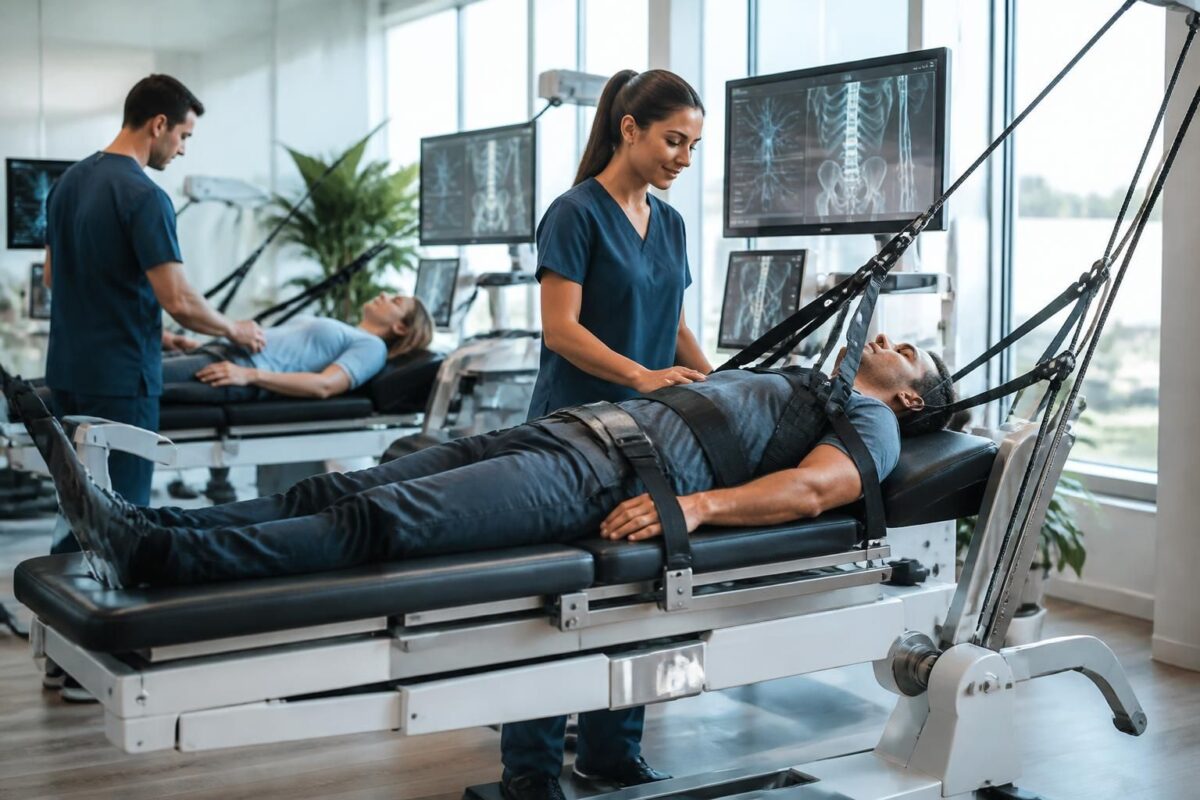
In short
| In short, the Equipment innovations for the neurovertebral decompression designate systems of Advanced traction and computerized which adjust in real time The strength and duration of the sessions in order to precisely decompress the intervertebral discs. This approach aims to rapidly reduce the pressure on painful structures, improve circulation and promote recovery, while offering a comfort optimal thanks to Ergonomic materials and at Biometric monitoring. accessible to Montreal, it allows an approach personalized and multimodal, which may be associated with other non-invasive therapies to maximize outcomes and limit Chronic pain. |
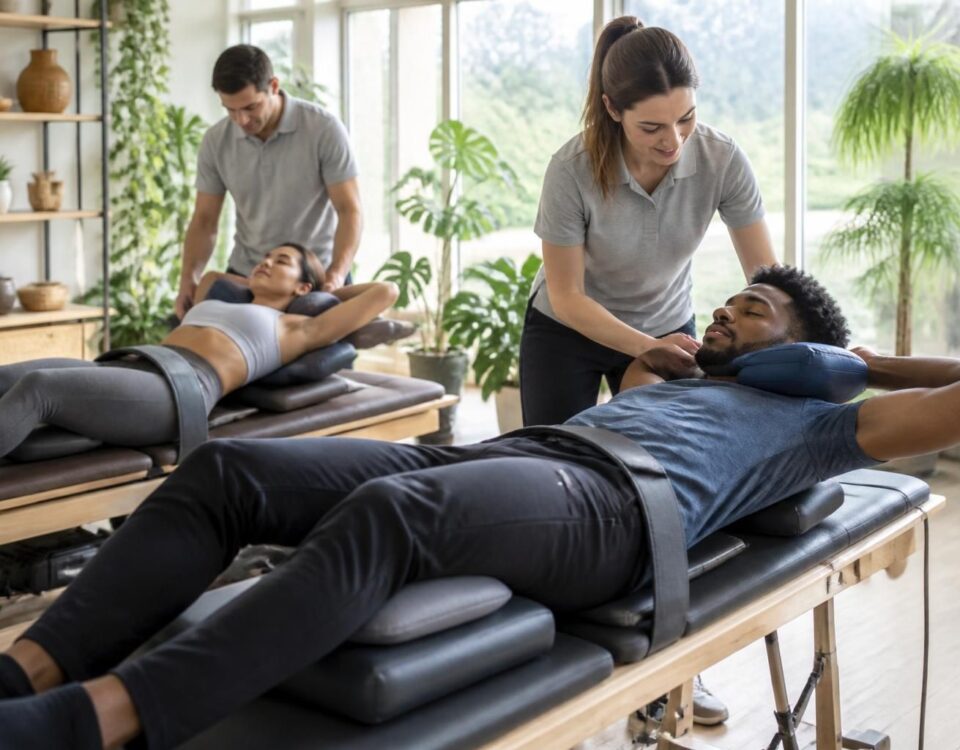
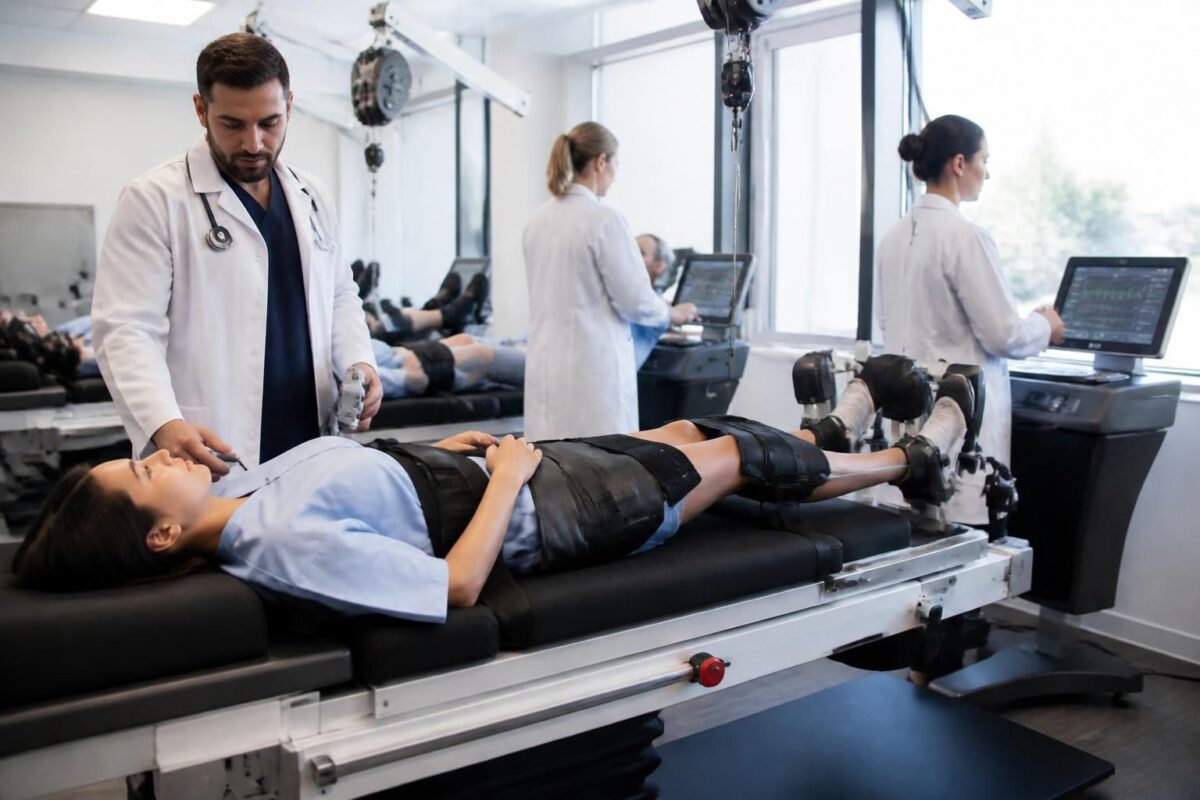
The Equipment innovations for the neurovertebral decompression aim to maximize efficiency while ensuring comfort and safety. modern systems integrate a Dynamic traction and one Real-time adjustment Guided by Biometric sensors and algorithms, allowing precise customization of the processing. The DRX9000 device illustrates this approach with a gentle traction and a phase of Targeted relaxation to decrease the pressure on the discs. The Ergonomic materials And adaptive designs improve the comfort and tolerance of the sessions. The integration of Complementary therapies like the shock waves or the laser Strengthens efficiency and promotes recovery. Finally, the Real-time tracking, digital interfaces and options notebooks or home Facilitate continuity of care and a personalized multimodal approach.
This article presents equipment innovations that maximize the results of neurovertebral decompression. It describes the technologies used, their advantages and their impact on the management of back pain, while remaining focused on evidence-based practices. The objective is to clearly explain how modern devices improve treatment efficiency without using invasive measures.
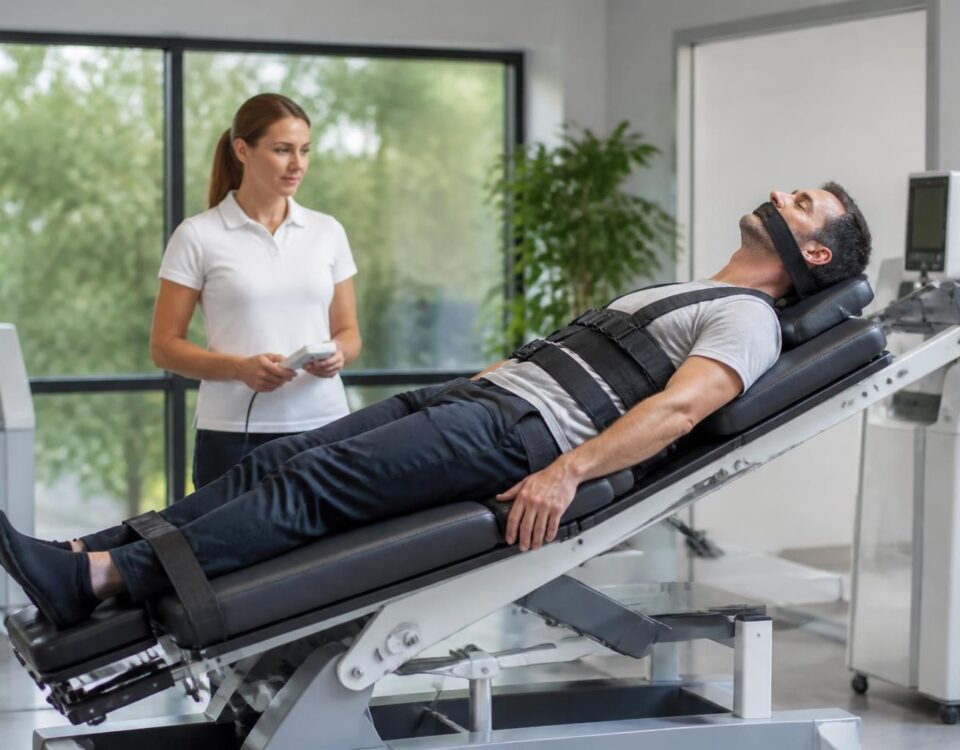
Modern decompression systems use precise and controlled traction. They apply a force adapted to each patient and each session. These devices can incorporate guided relaxation to promote comfort and tolerance of the treatment. The goal is to achieve a gradual reduction in the pressure exerted on the intervertebral structures and nerves, while maintaining a high safety profile.
Advanced traction and real-time control
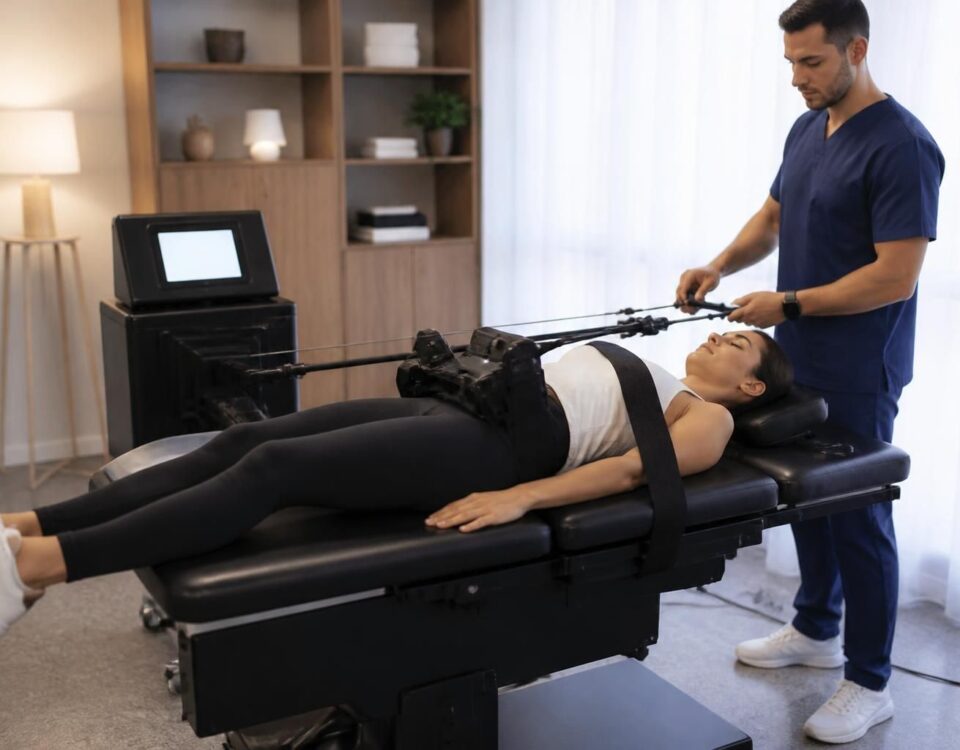
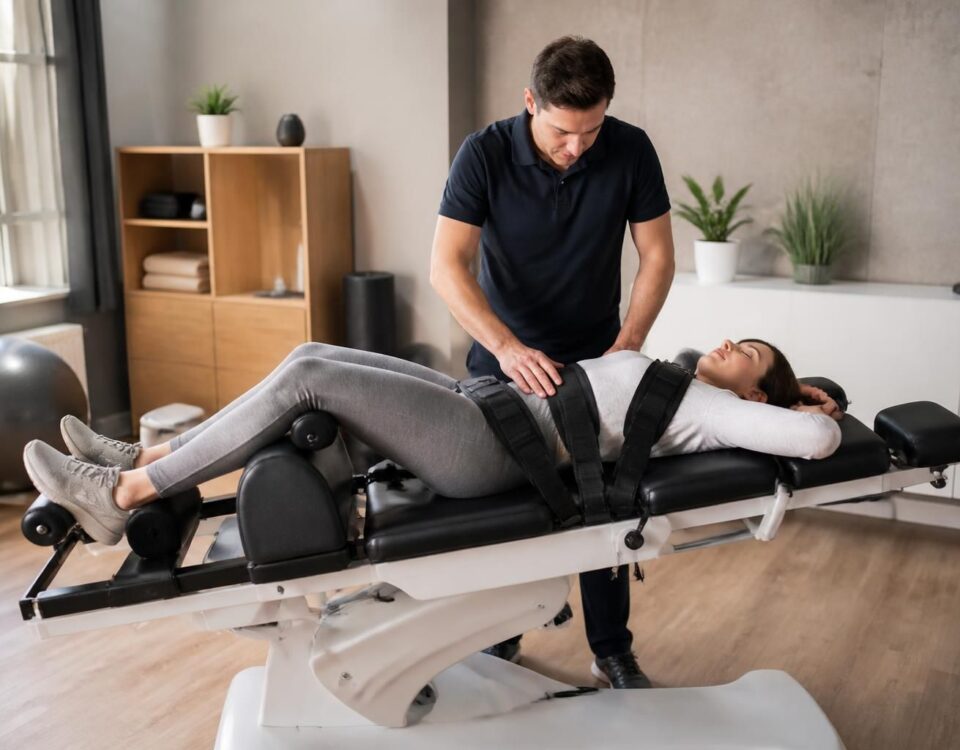
Advanced traction technologies, such as computerized systems, adjust the strength and duration of traction according to the patient’s responses during the session. The DRX9000™ device illustrates this approach, combining gentle traction and relaxation to optimize the decompression process. Real-time tracking allows an instant change in settings to promote comfort and customization of the treatment.
Ergonomic materials and comfort during the sessions
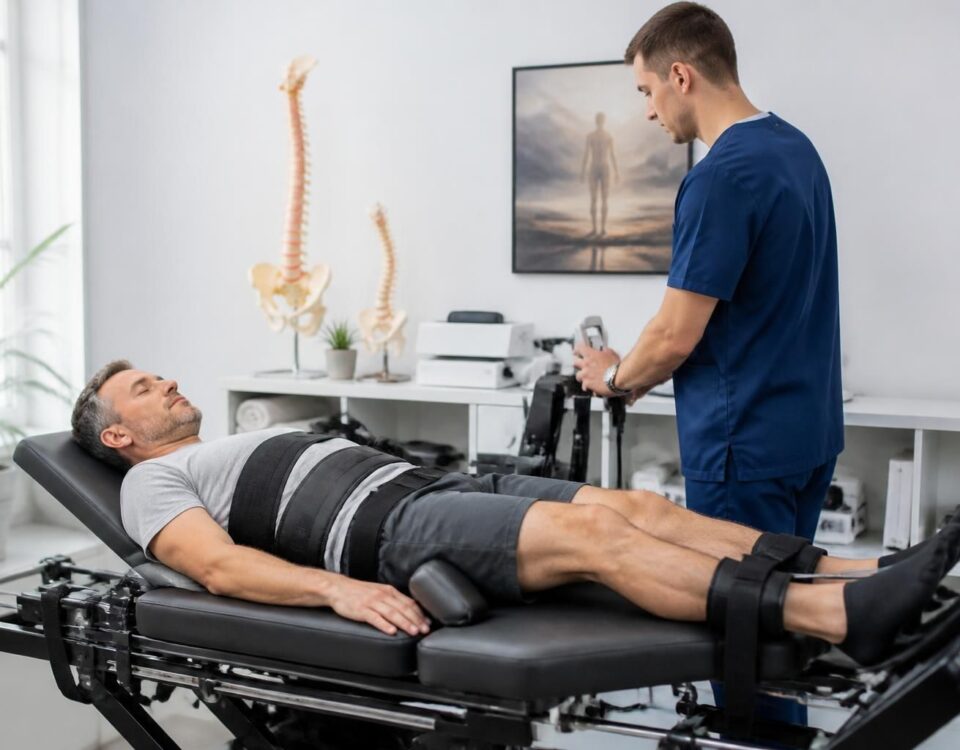
Recent equipment uses ergonomic materials that support the column while offering a suitable contact surface. This attention to ergonomics reduces muscle tension and improves the overall treatment experience. Increased comfort promotes adherence to the protocol and can contribute to more effective sessions.
Multimodal integration and complementary therapies
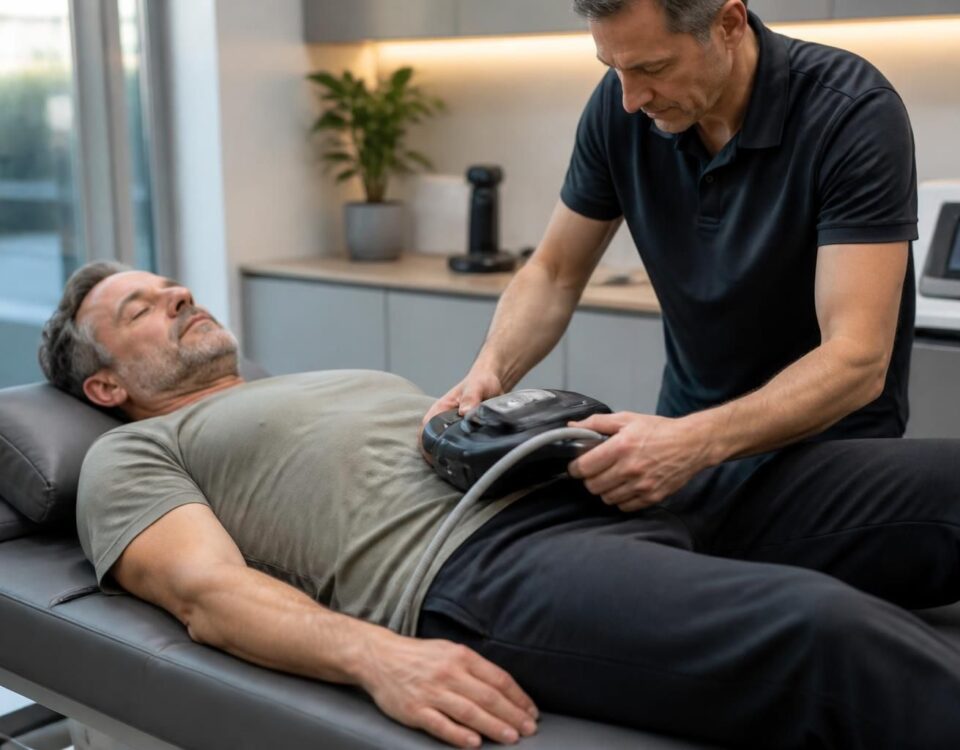
Innovations in neurovertebral decompression often integrate with multimodal approaches. Combining with complementary therapies, such as physical technologies or adjuvant treatments, can amplify the effects of decompression. This approach aims to reduce pain faster and improve function.
Dynamic monitoring and telemedicine
Modern devices provide for dynamic monitoring of patient responses. Sensors measure biomechanical and physiological parameters, and the data is used to readjust the protocols in real time. Telemedicine facilitates follow-up between sessions and allows treatments to be adjusted proactively.
Accessibility and clinical implementation
Neurovertebral decompression equipment is implemented in dedicated clinical settings. In Montreal and in partner centres, the protocols are based on a screening assessment and individualized adjustments. To discover the services and technologies available, you can consult the following resources: Tagmed Clinic, neurovertebral decompression, sosciatica.
Advances in traction systems and biomechanical sensors allow for a more accurate and secure approach. Parameter customization and real-time feedback reduce discomfort and support faster recovery. For patients with chronic spinal pain related to spinal pain, these advances offer a non-invasive alternative with clinically relevant results. To learn more about equipment innovations, see the following resources: Disc herniation and decompression and Advanced technologies.
For professionals, the protocols integrating digital tools and sensors allow objective evaluation of progress and rapid adaptation of treatments. In this context, clinical resources such as Tagmed Clinic Propose data-based approaches and continuous monitoring.
Recent studies and publications in the field confirm that the coordinated use of guided traction, associated technologies and dynamic tracking can improve results and accelerate the return to normal activity. To deepen the technical aspects and feedback, refer to the resources provided in the authorized areas: Joint mobility and decompression and Advanced technologies.
Medical Disclaimer: The information and advice provided on this site does not replace the health professional’s diagnosis or treatment. Please note that Dr. Sylvain Desforges osteopath is neither a doctor of medicine nor a doctor, and is not a specialist in a medical specialty as defined by the Collège des Médecins du Québec. Manual medicine, functional medicine and sports medicine as described on this site exclude any medical treatment or diagnosis made by a doctor or specialist doctor. Always consult your doctor for any medical questions. For more details, please read our full legal notice.
Optimization axis Real-time performance and tracking to maximize neurovertebral decompression results

This article presents practical recommendations to maximize the results of neurovertebral decompression through equipment innovations. By focusing on Dynamic traction, the Real-time tracking, theergonomy and the multimodal approach, these technologies allow a personalization increased, a Faster recovery and improved patient experience.
Advanced traction and real-time adjustment
Modern decompression systems use a Advanced traction which can be accurately adjusted according to the patient’s needs. Intelligent devices apply gentle, targeted traction to the painful areas, which reduces the pressure exerted on the intervertebral discs and promotes their rebalancing. Thanks to planned programs and sensors, the intensity and duration can be modified during the session to optimize comfort and efficiency. The goal is to achieve quick and lasting relief while minimizing discomfort.
For optimal results, favor equipment that incorporates a Precise programming And some Automated systems which adjust the parameters according to the patient’s reaction. This reactivity makes it possible to avoid overloads and to ensure a progression adapted to each morphology and each pathology, whether it is a herniated disc, a foraminal stenosis or a cervical dysfunction.
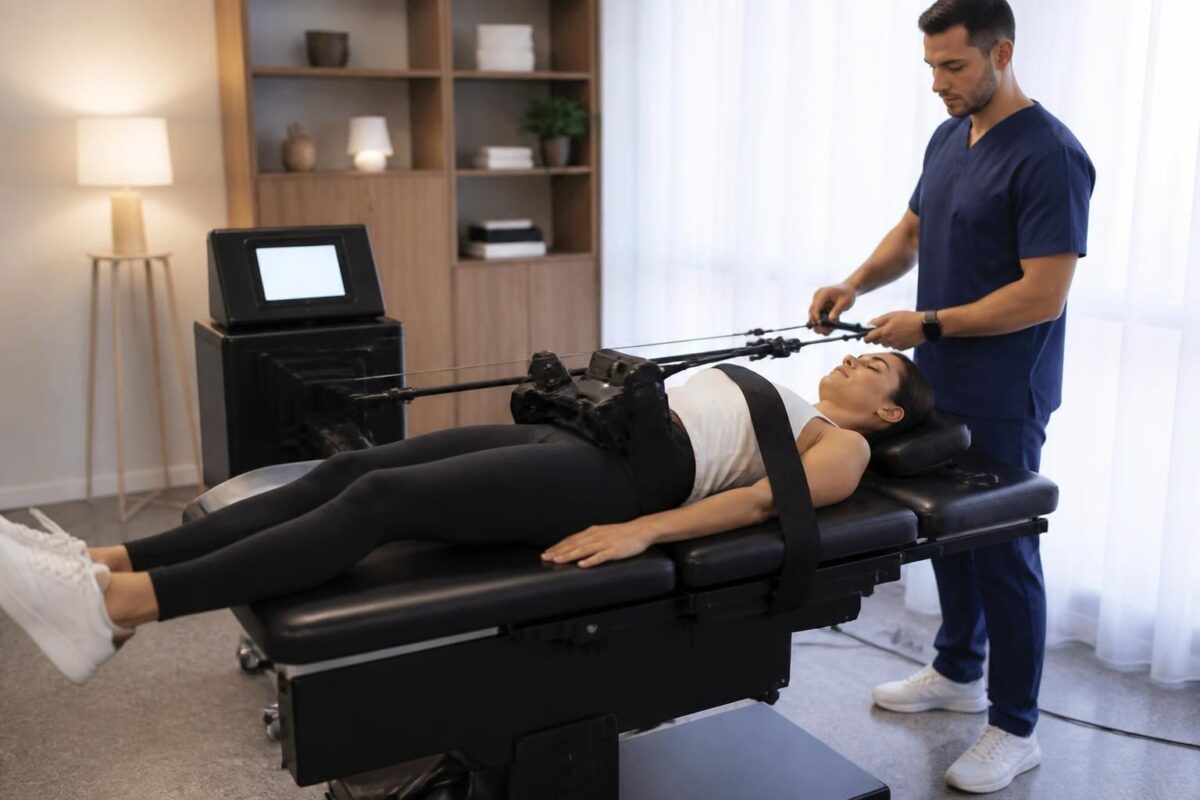
How neurovertebral decompression optimizes body alignment
In short In short, neurovertebral decompression is one Non-invasive therapy which aims to Reduce pressure on intervertebral discs and nerves via controlled traction of the spine. What does it bring? This makes it possible to correct the Postural imbalances and…
Real-time tracking and biometric sensors
current technologies integrate Biometric sensors that measure spine responses during the session. These data feed real-time adjustments and allow a Dynamic customization of the protocol. The follow-up can be complemented by digital tools that record progress, facilitating communication between the patient and the practitioner and improving understanding of the effects of treatment on mobility and pain.
This continuous feedback system helps to optimize treatment tolerance and reduce adaptation periods. By favoring sessions based on real data, we accelerate the achievement of a lasting functional state and we reduce the risk of painful recurrence.
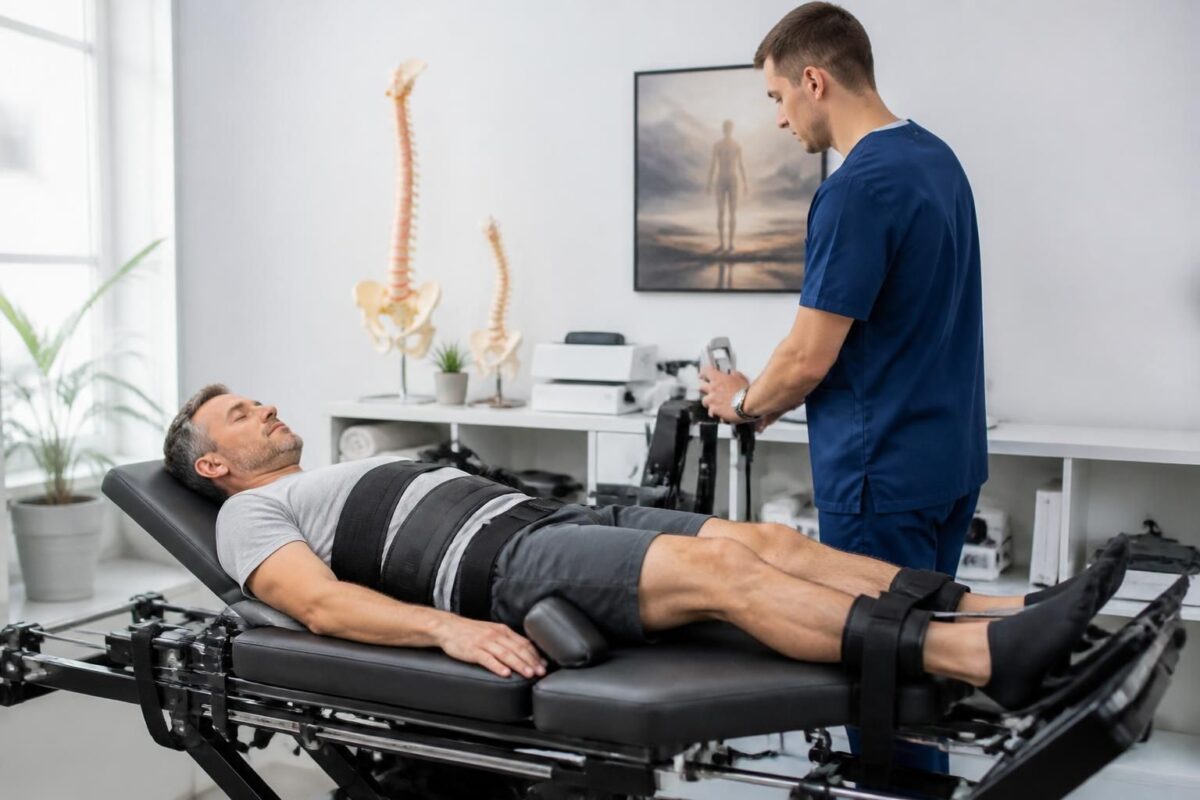
Neurovertebral decompression and post-traumatic pain management
In short In short, the neurovertebral decompression is one Non-invasive method which aims to reduce the pressure on gristle and the Intervertebral discs To treat pain post-traumatic and associated neuropathic pain. Its key advantages include theImproved flexibility of the column…
Ergonomics and materials for comfort
recent innovations rely on Ergonomic materials And designs designed for comfort. Soft surfaces, suitable supports and configurations that adjust to morphologies minimize muscle tension and improve the experience during the session. A more comfortable setting reduces treatment-related anxiety and promotes adherence to the protocol, which results in better overall efficiency and faster recovery.
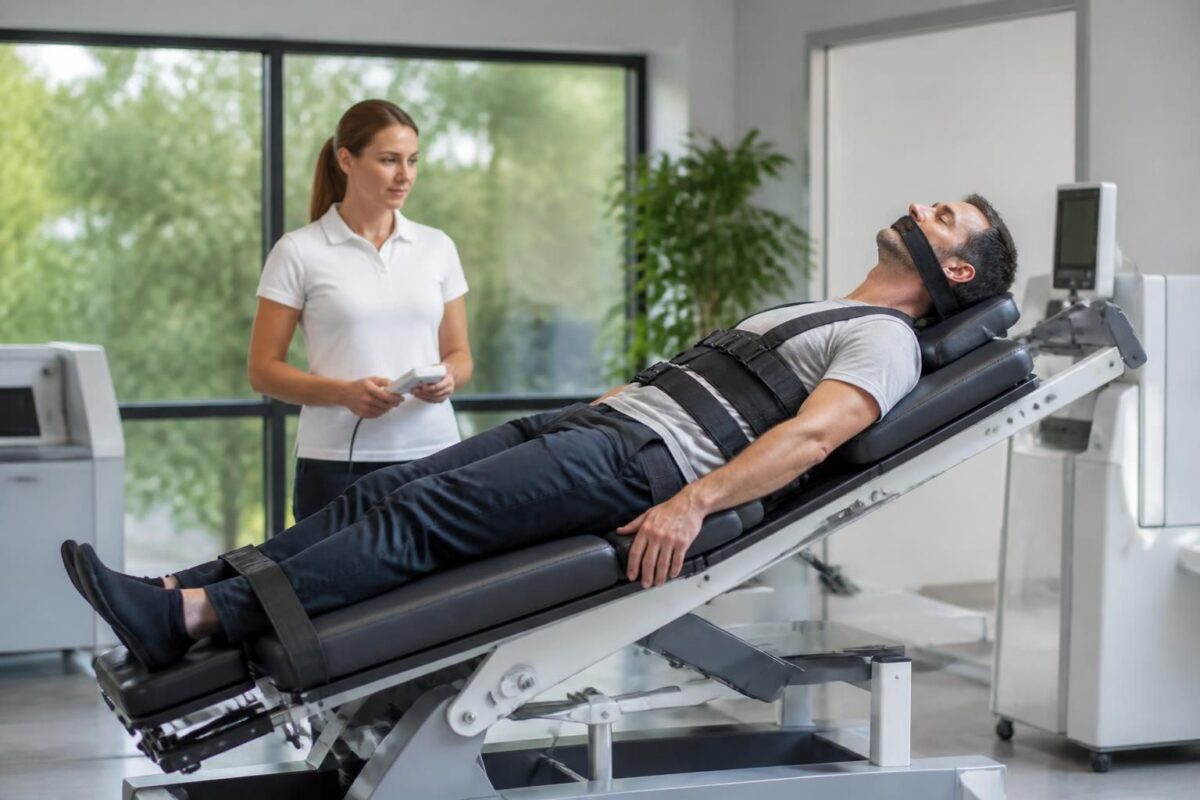
Why neurovertebral decompression is an essential preventive solution
In short In short, neurovertebral decompression is one Preventive solution non-invasive which aims to sustainably reduce the pressures on the discs and nerves. What is it? targeted therapy using Controlled traction on the column to create a Intra-discal vacuum, promote…
Multimodal approaches and integration
Effective decompression can be enhanced by complementary therapies, such as Shockwave therapy or the laser. Multimodal integration acts on several physiological factors — circulation, inflammation and tissue regeneration — to accelerate recovery and reduce pain. This synergy makes it possible to address painful manifestations from different angles, while remaining non-invasive. Coordination between technologies ensures continuity of care and more consistent outcomes.
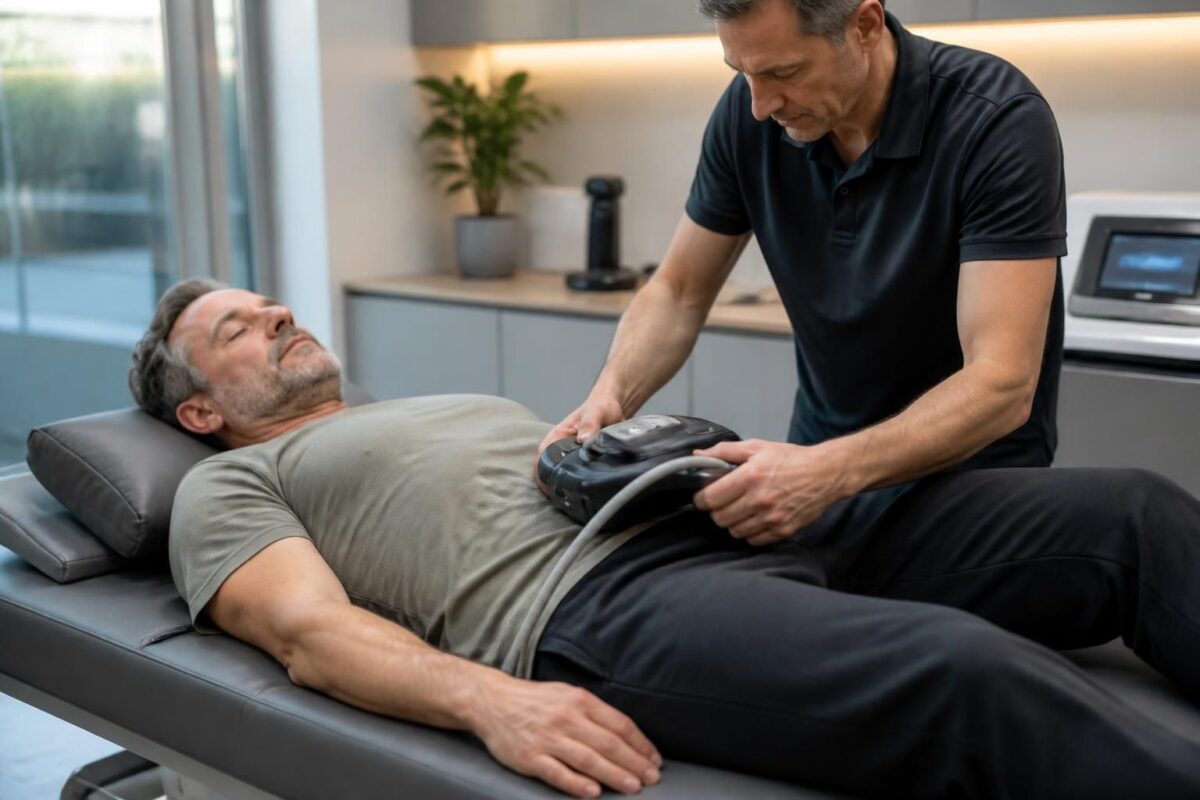
Neurovertebral decompression and treatment of chronic lumbar pain
In short In short, neurovertebral decompression is a technique non-invasive of Treatment of chronic lower back pain which reduces the Pressure on discs and nerves and can relieve the herniated discs and the disc degeneration. At Montreal, it offers a…
Custom protocols and adaptive tracking
The key to effective treatment lies in Custom protocols established after an in-depth initial assessment. The traction parameters, session duration and associated therapies should be adjusted over time based on measured feedback and progress. The use of a Adaptive tracking Promotes safe progression and maximizes efficiency while preserving patient comfort.
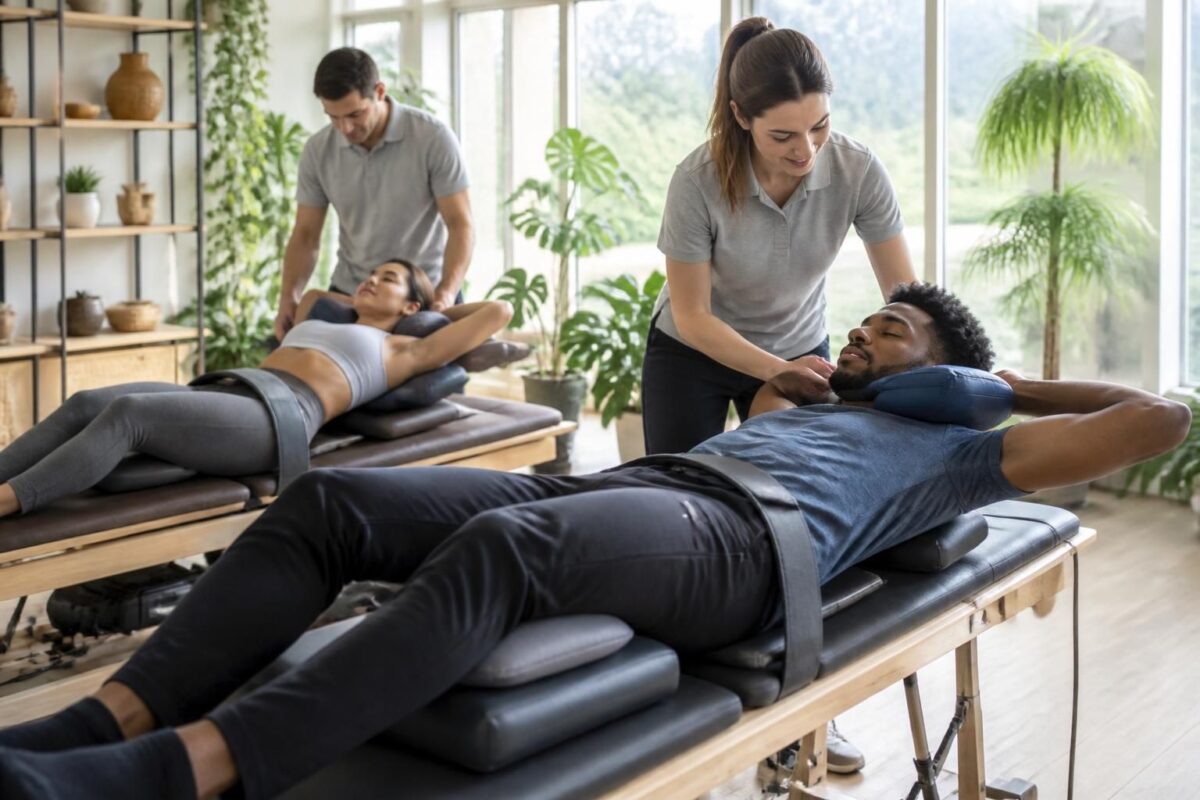
The physical and mental benefits of a neurovertebral decompression program
In short In short, the program of neurovertebral decompression is one Non-invasive approach which aims to underline the Chronic pain and improve the Physical and mental well-being. What is it? A technique that decreases pressure on discs and nerves to…
Specificities for athletes and quick recovery
For athletes, equipment innovations make it possible to design Protocols Accelerating Recovery after injuries or over-exercise periods. Modern systems promote rapid pain reduction and effective restoration of mobility, while respecting performance requirements and training constraints. The objective is to return to sports activity with a better prepared spine and less likely to further irritation.
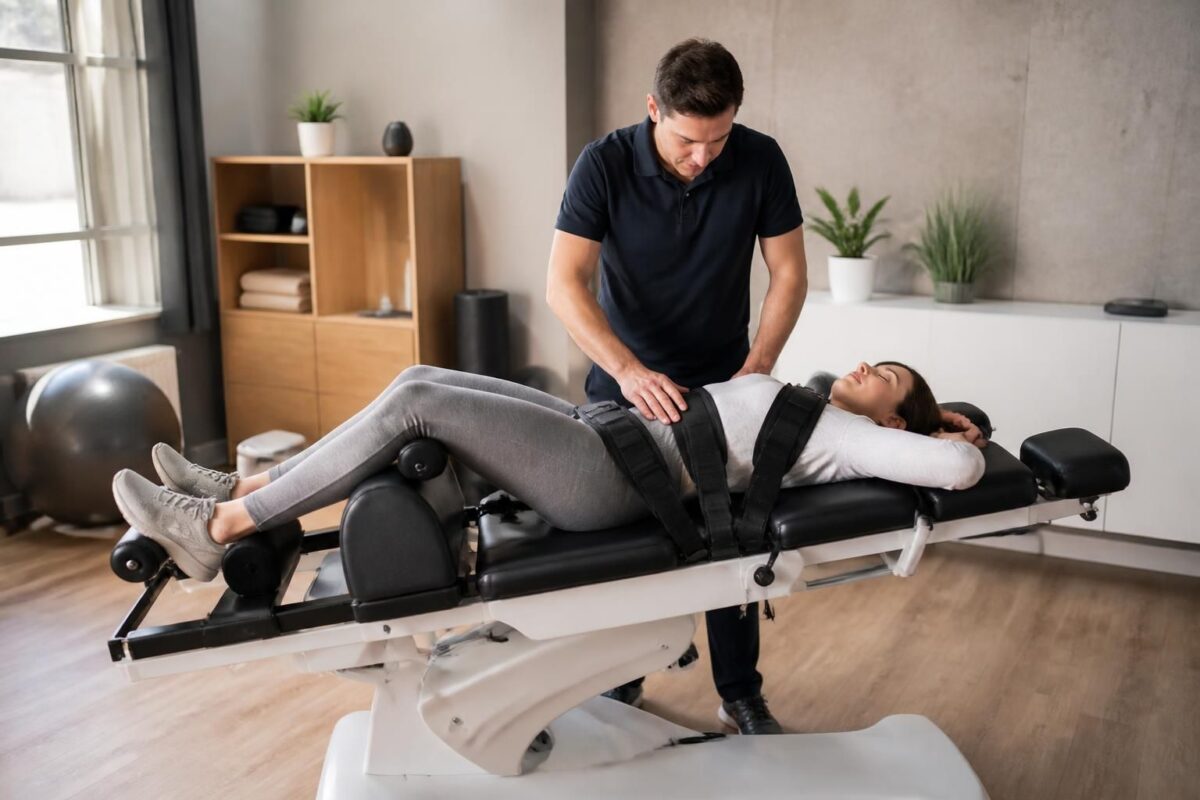
Neurovertebral decompression and relief of associated muscle pain
In short In short, the neurovertebral decompression is one Non-invasive approach which relieves the Associated muscle pain By applying a gentle traction on the spine for Release the intervertebral space and improve the circulation. Its advantages include reducing inflammation,Improving mobility…
Training, security and implementation
To take full advantage of these technologies, it is essential that practitioners benefit from a continuing education and that a strict security framework is respected. A regular review of protocols, patient feedback and clinical audits help maintain high standards and ensure consistency of long-term results.
| Criterion | concise text |
|---|---|
| Adaptive traction | Computerized systems adjust traction in real time to target disks and painful areas, customizing the protocol. |
| DRX9000 – Soft traction | Combination traction/relaxation to reduce disc pressure and promote local circulation. |
| Biometric sensors | Measure the column reactions and guide the intensity and duration of the sessions continuously. |
| Ergonomics and materials | Lightweight and ergonomic design, suitable surface that increases comfort and reduces tension. |
| Multimodal integration | Association with therapies like laser or shock waves to improve circulation and healing. |
| Portability and accessibility | Equipment suitable for use at home or on the move, increasing access to care. |
| Real-time tracking | Dashboards and sensors that allow proactive adjustments during each session. |
| Sports protocols | Custom programs for rapid recovery and performance maintenance in athletes. |
| Security and proof | Non-invasive procedures with clinically demonstrated results and low risk. |
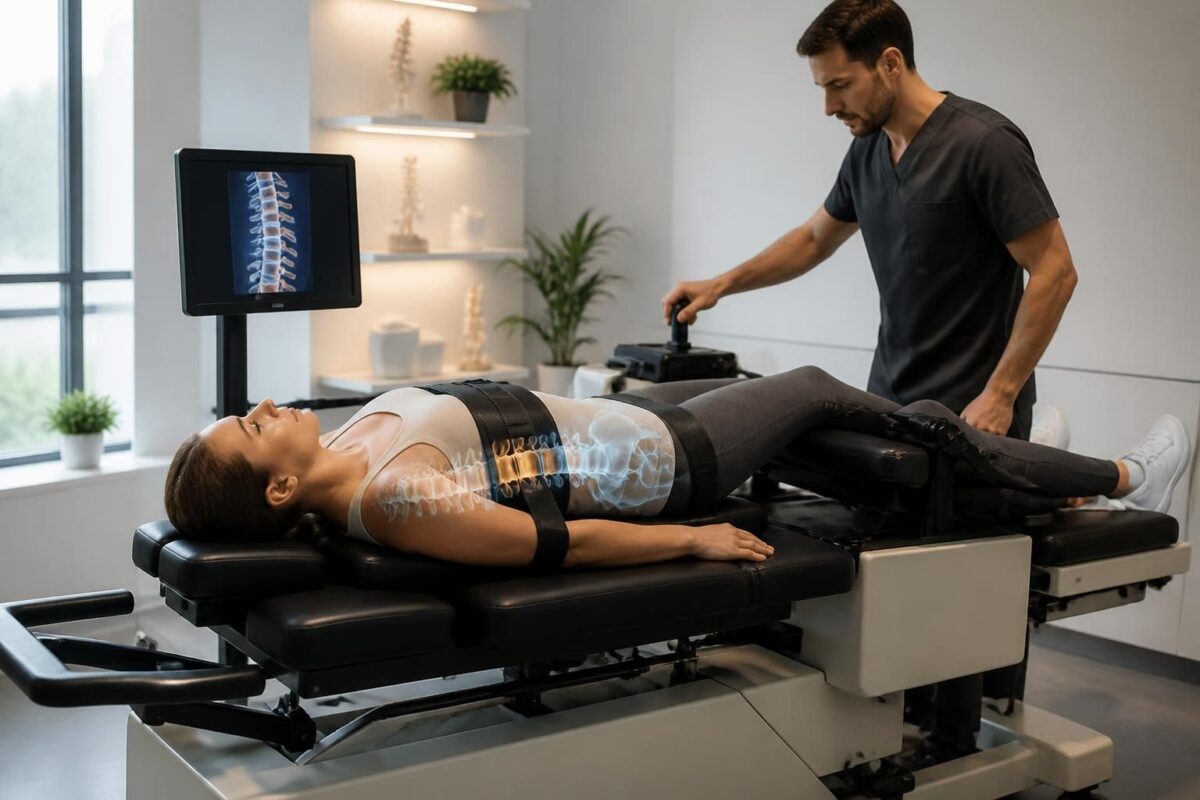
How neurovertebral decompression improves the function of intervertebral discs
In short In short, the neurovertebral decompression is one Non-invasive technique which applies a Controlled traction along the column to create a space between the vertebrae and reduce the Intradiscal pressure on the Intervertebral discs. This reduction promotes Disk retraction…
Testimonials on equipment innovations to maximize the results of neurovertebral decompression
sophia, 45 years old, executive: “After a few sessions of neurovertebral decompression, the system of Real-time traction and the Biometric sensors adjusted the treatment to my reactions. I felt an immediate and lasting relief and my mobility improved rapidly. »
bed, 38 years old, sportsman: “The DRX9000 And personalized programming allowed me to precisely target my sore discs. The gentle traction and the relaxation Associates reduced pressure and accelerated recovery. »
Elise, 52 years old, teacher: “The Ergonomic materials And the specially designed table made each session pleasant and painless, which allowed me to remain active and motivated for my rehabilitation. »
Lena, 29 years old, sports coach: “The Remote follow-up and the Real-time adjustments Traction settings gave me confidence and accelerated my recovery. I was able to resume my activities faster than expected. »
camille, 60 years old, retired: “The approach multimodal, associating decompression with therapies such as shock waves and the laser, increased efficiency and improved local circulation, shortening recovery time. »
Julian, 29 years old, musician: “Each session lasts 20 minutes and rest very comfortable. innovations in equipment offer me a more fluid and efficient experience. »
alexander, 55 years old, driver: “The option non-invasive In surgery thanks to decompression and associated technologies saved me an intervention and allowed me to regain sustainable mobility. »
Dr. Sylvain Desforges, osteopath, naturopath and doctor Manuel, embodies a resolutely focused approach to health innovation. At the head of the TagMed clinics and the ACMA association, he places neurovertebral decompression technologies at the heart of his practice, in order to optimize the results for each patient. His journey illustrates a constant desire to combine science and clinical experimentation to offer evidence-based care adapted to the daily reality of patients.
The Modern decompression equipment are based on dynamic traction systems that adjust the applied force in real time. Advanced devices integrate biometric sensors and algorithms that analyze the patient’s response during the session, allowing the parameters to be refined immediately as magnitude and duration of traction. This personalized responsiveness promotes a faster reduction in pressure on the intervertebral discs and a reduction in discomfort during the sessions.
Beyond precision, ergonomics has become a pillar of innovations. Recent designs favor lightweight materials and ergonomic surfaces that properly support the spine and improve patient comfort. Adjustable devices adapt to everyone’s morphology, reducing unnecessary muscle tension and facilitating protocol compliance. This attention to the patient experience contributes to more effective and better tolerated sessions over time.
Neurovertebral decompression is no longer considered in isolation: it is now part of approaches multimodal. Integration with therapies like Shockwave therapy or the laser Increases local blood circulation, stimulates tissue healing processes and accelerates recovery. This synergy makes it possible to attack the pain from several angles, while reducing the risks and the use of more invasive interventions.
Another key dimension is data monitoring and management. contemporary protocols provide for a Real-time tracking and continuous analysis of the data collected during and after the sessions. Information from sensors and subjective feedback feeds proactive treatment adjustments, ensuring lasting customization and measurable progression of clinical outcomes.
For athletes and the general public, these innovations open up prospects for faster recovery and sustainable improvement of mobility. Decompression technologies, combined with sophisticated measurement tools and complementary therapies, effectively treat herniated discs, lower back pain and cervical pseudodysfunctions. Dr. Desforges ensures that each protocol is adapted to the lifestyle, goals and level of patient activity, in order to obtain lasting and concrete improvements.
Dr. Desforges’ vision is part of a continuous progress, where emerging technologies become operational levers to optimize neurovertebral decompression. Its commitment is based on a rigorous assessment of the results, cooperative integration of disciplines and transparent communication with patients on the possibilities offered by these Smart devices and their impact on quality of life.
This summary highlights how the Equipment innovations for neurovertebral decompression maximizes results, by associating Dynamic traction, Real-time tracking and Multimodal approach To treat spinal pain sustainably.
In modern decompression systems, the Targeted traction is completed by a Controlled relaxation thanks to Biometric sensors and to Computerized systems. This combination allows a Real-time adjustment strength and duration, offering a Advanced customization treatment and a Improved efficiency for each patient.
theergonomy Devices plays a key role in adherence to the protocol: Ergonomic materials, suitable surfaces and designs that support the column without generating additional tensions. This approach contributes to a Increased comfort and to a Optimized patient experience.
The Multimodal approaches combining decompression with complementary techniques such as Shockwave therapy or the laser increase the effectiveness of the treatment by improving the bloodstream and favoring a Faster recovery.
The Real-time tracking relies on Connected devices And some Digital applications which allow a telemedicine and a proactive adjustment of protocols. This dynamic monitoring capability guarantees Continuous customization and more responsive symptom management.
Finally, the rise of Mobile units and solutions ofaccessibility Makes neurovertebral decompression available in a domestic or professional context, facilitating continuity of care and improving the prospects of Sustainable results For active and sedentary Alike patients.
To learn more, consult the resources related to the traction technology, the Advanced Protocols and the benefits of decompression, especially on the following pages: Technologies used for neurovertebral decompression, Innovations in modern techniques of neurovertebral decompression for disc pinching, Advanced protocols for neurovertebral decompression in case of complex pathologies, The benefits of neurovertebral decompression for degenerative pathologies, and Future innovations in neurovertebral decompression equipment.
Additional resources and feedback also exist through the following specialized pages: Back clinics, Neurovertebral Decompression Techniques for Chronic Pain, and Study of current techniques and protocols.
Advanced protocols for patients with neurovertebral decompression
In short In short, neurovertebral decompression is one Non-invasive technique which releases the pressure on the discs and nerves by a Controlled traction computer-guided. What is it? a series of Advanced Protocols adapted to the severity of lumbar or cervical…

Dr Sylvain Desforges, B.Sc., D.O., N.D., osteopath, is the founding president of TAGMED and of the ACMA association. He dedicates his practice to chronic spinal pain, low back pain and symptoms compatible with sciatica, particularly when pain radiates toward the buttock, leg, calf, foot or toes.
Through SOS Sciatique, he publishes educational content on sciatica symptoms, possible causes such as disc herniation, disc narrowing, foraminal stenosis or irritation of a lumbar nerve root, as well as non-surgical approaches that may be considered according to the evaluation. At Clinique TAGMED, care may include, depending on the case, motorized neurovertebral decompression, specific osteopathic care or precision percussion.
For an evaluation related to sciatica treatment in Montreal / Mount Royal or sciatica treatment in Terrebonne, please consult the services available at Clinique TAGMED.
Medical disclaimer
The information published on SOS Sciatique is provided for educational purposes only and does not replace a consultation, diagnosis, opinion or treatment provided by a physician or another authorized healthcare professional. The author of this article is neither a medical doctor nor a specialist in a medical specialty recognized by the Collège des médecins du Québec. The osteopathic, manual medicine or functional support approaches described on this site do not constitute medical acts and are not intended to replace medical follow-up.
Consult a physician or emergency service in cases of loss of bladder or bowel control, anesthesia in the saddle area, significant or progressive weakness in the leg or foot, fever, recent trauma, severe pain or rapid worsening of symptoms. For more details, please read our Legal Notice.