

Benefits of neurovertebral decompression for neuropathic pain
26/06/2026
How neurovertebral decompression affects chronic nocturnal pain
26/06/2026
In short
In short, the neurovertebral decompression and LPostural alignment are a complete treatment for spinal pain. The neurovertebral decompression is an approach non-invasive which aims to reduce the pressure on the discs and nerves and to restore a Postural alignment healthy. Advantages and applications: relief of Lumbar and cervical pain, improvement of therange of motion, treatment of slipped disc and pain related to sciatica, and prevention of recurrences. The treatment associates a decompression technique non-invasive to ergonomic advice and exercises to strengthen the stabilizing muscles. How it works: a method non-surgical which combines a Guided distraction of the column, a correct posture, and a program ofdrill suitable, with a monitoring To maintain profits and promoteBody Alignment in the long term. |
The neurovertebral decompression Associated with a Postural alignment is a complete treatment for back pain. This non-surgical approach aims to restore the space between the vertebrae, reduce the pressure on the discs and nerves, and promote sustainable recovery.
To optimize the results, postural adjustments, appropriate ergonomics and simple reinforcement and stretching exercises are integrated into the protocol.
- Earnings : rapid relief, improvement of mobility and reduction of the risk of recurrence.
- Monitoring : Personalized plan and practical advice for everyday life.
- Autonomy : Ergonomics and lifestyle recommendations to maintain the benefits.
This article explains how the neurovertebral decompression, associated with a Postural alignment Correct, constitutes an overall treatment for the pain related to the column. It describes the principles, options and postural adjustments that support the results. The text is based on evidence-based practices and is part of a clinical approach that is accessible to the TAGMED clinic.
What is neurovertebral decompression?
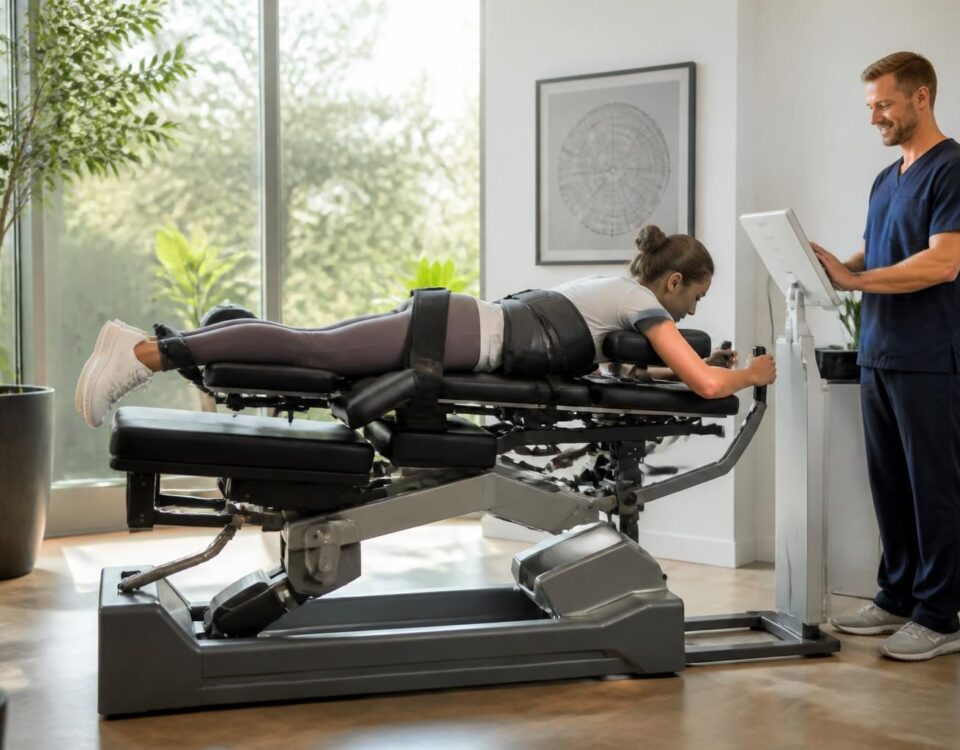
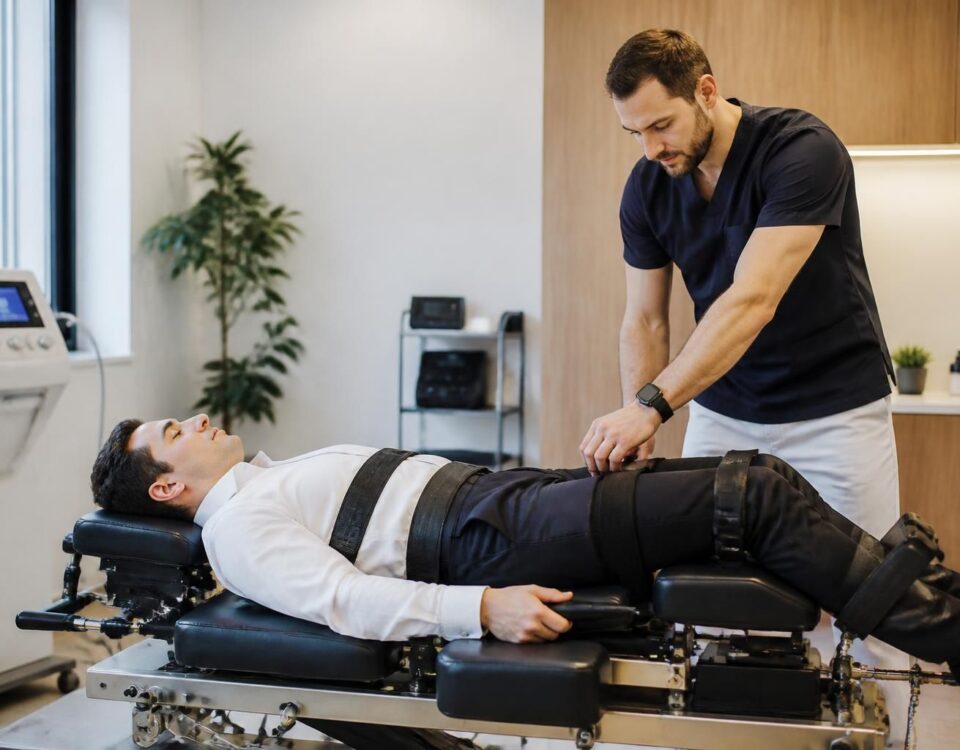
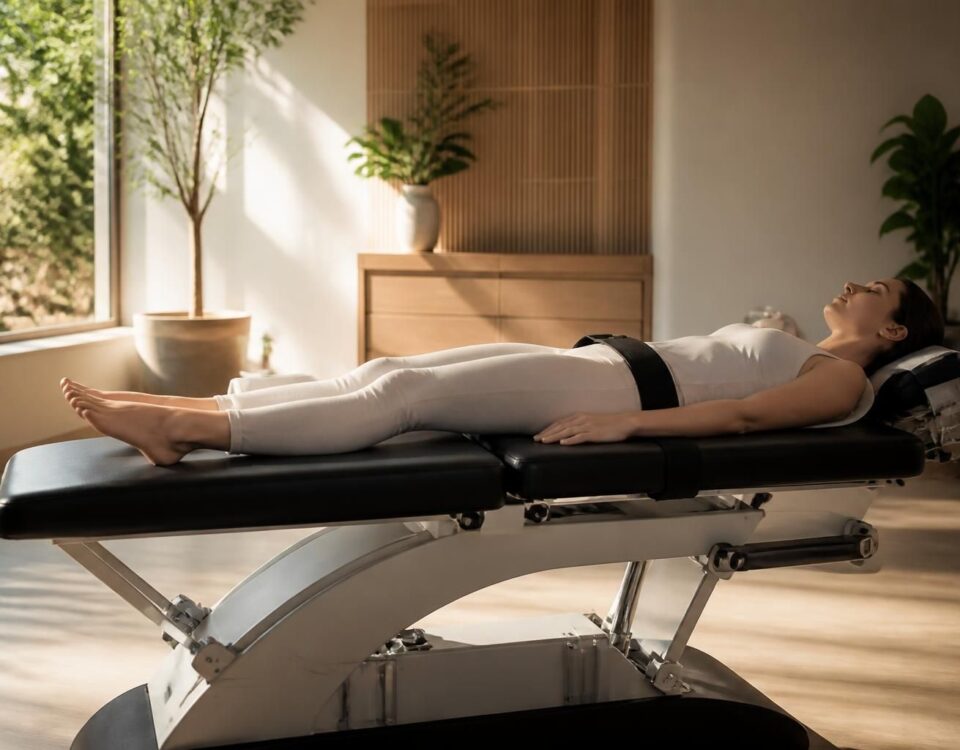
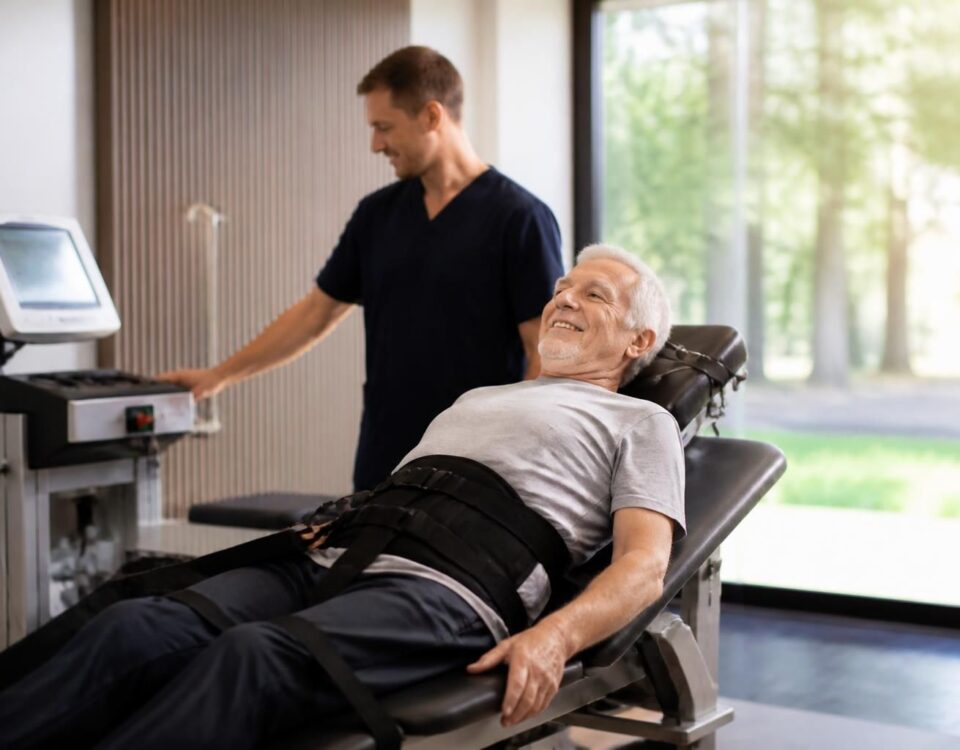
Neurovertebral decompression aims to reduce pressure on the spinal cord and nerves. It can be non-surgical or surgical. The non-surgical version uses targeted traction that decreases pressure and promotes space between the vertebrae. This approach can help to rehydrate the discs and reduce pain from nerve compression. The choice of method depends on the place and degree of the lesion. In some cases, minimally invasive surgery may be considered.
To deepen the information, you can consult the resources available on the sites dedicated to this technique such as neurovertebral decompression and associated resources on sossciatica.com.
At the TagMed clinic, professionals are committed to offering options adapted to each patient, with clear information and personalized follow-up. To learn more about services, please visit Tagmed Clinic.
Postural alignment and results
One Postural alignment Optimal reduces loads on the column and improves the stability of the spinal segments. After decompression, this alignment supports the intervertebral spaces and nerves. Appropriate posture and consistent daily habits help reduce the risk of recurrence and extend benefits. The results vary according to the lesions and the individual response to treatment.
For additional information on anatomical aspects and indications, specialized resources such as those available on SoshernieDiscale.com and sossciatica.com can be viewed.
Postural adjustments after decompression
After a session, choose a Ergonomic sitting position which respects the natural curvature of the back. Choose a chair with a Lumbar support And keep your feet flat on the ground. Schedule regular breaks to change positions and avoid excessive tension. During professional activities, adapt the workstation and daily habits to support body alignment and preserve treatment benefits.
It is important to limit positions that strongly stress the column and to avoid sudden movements. Personalized advice can be provided during follow-up at the TagMed Clinic. For general resources on ergonomics and postural integration, see the information available at Tagmed Clinic.
Integration into daily life and resources
Success is based on adherence to an adapted lifestyle and constant postural adjustments. Maintain sufficient hydration, favor a restful sleep and adopt a balanced diet to support the health of the surrounding discs and tissues. To access resources and services, visit the following sites: Tagmed Clinic, neurovertebral decompression, SOS Herniated discs and SOS SCIATIC.
professionals trained in osteopathy Can come from recognized institutions such as NUMSS, NAO, National University of Medical Sciences and National Academy of Osteopathy. In practice, relevant associations and frames of reference include ACMA, the College of Canadian Osteopaths and the College of Canadian Osteopaths.
In therapeutic choices, we favor approaches to decompression and postural alignment, rather than physiotherapeutic interventions, except when explained in a comparative evaluation. To discover the options offered at the TagMed Clinic, visit Tagmed Clinic.
For additional information on modern techniques and postural approaches, you can consult resources such as Modern techniques in neurovertebral decompression and the pages associated with decompression on Postural adjustments.
Useful links and specialized resources: SostunnelCarpal, SosherniaDiscal, SosherniaDiscal, sosciatica.
The institutions and professional associations cited here are limited to Numss, NAO, National University of Medical Sciences, National Academy of osteopathy and ACMA, College of Canadian Osteopaths, College of Canadian Osteopaths.
Medical Disclaimer: The information and advice provided on this site does not replace the health professional’s diagnosis or treatment. Please note that Dr. Sylvain Desforges osteopath is neither a doctor of medicine nor a doctor, and is not a specialist in a medical specialty as defined by the Collège des Médecins du Québec. Manual medicine, functional medicine and sports medicine as described on this site exclude any medical treatment or diagnosis made by a doctor or specialist doctor. Always consult your doctor for any medical questions. For more details, please read our full legal notice. »
- neurovertebral decompression — Reduced pressure on discs and nerves
- directions : herniated disc, lumbar/cervical, sciatica pain
- Methods : non-invasive or mini-invasive
- Process : evaluation, personalized plan, follow-up
- Earnings : pain relief, improved mobility
- Limitations : Variable clinical evidence
- Postural alignment — Key to maintaining profits
- Ergonomy : Chair with lumbar support, regular breaks
- Drill : gentle stretching and trunk reinforcement
- habits : hydration, sleep, physical activity
- Monitoring : Post-treatment reassessment and adjustments
- Objective : prevention of recurrences and quality of sustainable life

Neurovertebral decompression associated with correct postural alignment is a complete approach to relieving pain from nerve compression, while promoting lasting recovery. This treatment, when it is integrated into appropriate postural habits, targeted exercises and a healthy lifestyle, maximizes the chances of recovery and an active return to its activities. This article introduces you to the essentials for effective and progressive care.
Understanding the framework of neurovertebral decompression
The neurovertebral decompression aims to reduce the pressure exerted on the nerve structures of the spine, whether by non-surgical techniques or, when necessary, by minimally invasive surgical approaches. This method can be considered in case of lumbar or cervical pain related to damaged intervertebral discs, protrusions or nerve irritations. Although the fundamental mechanisms are accepted, clinical efficacy may vary depending on the case and indications, which is why a personalized evaluation is essential before starting any treatment.
A key element of success is post-treatment support. In addition, postural alignment and adapted activities help maintain the space and mobility gained, while preventing recurrences. The choice of the method will depend on the place and degree of the lesion, but the common objective remains to promote better nerve function and a reduction in pain.
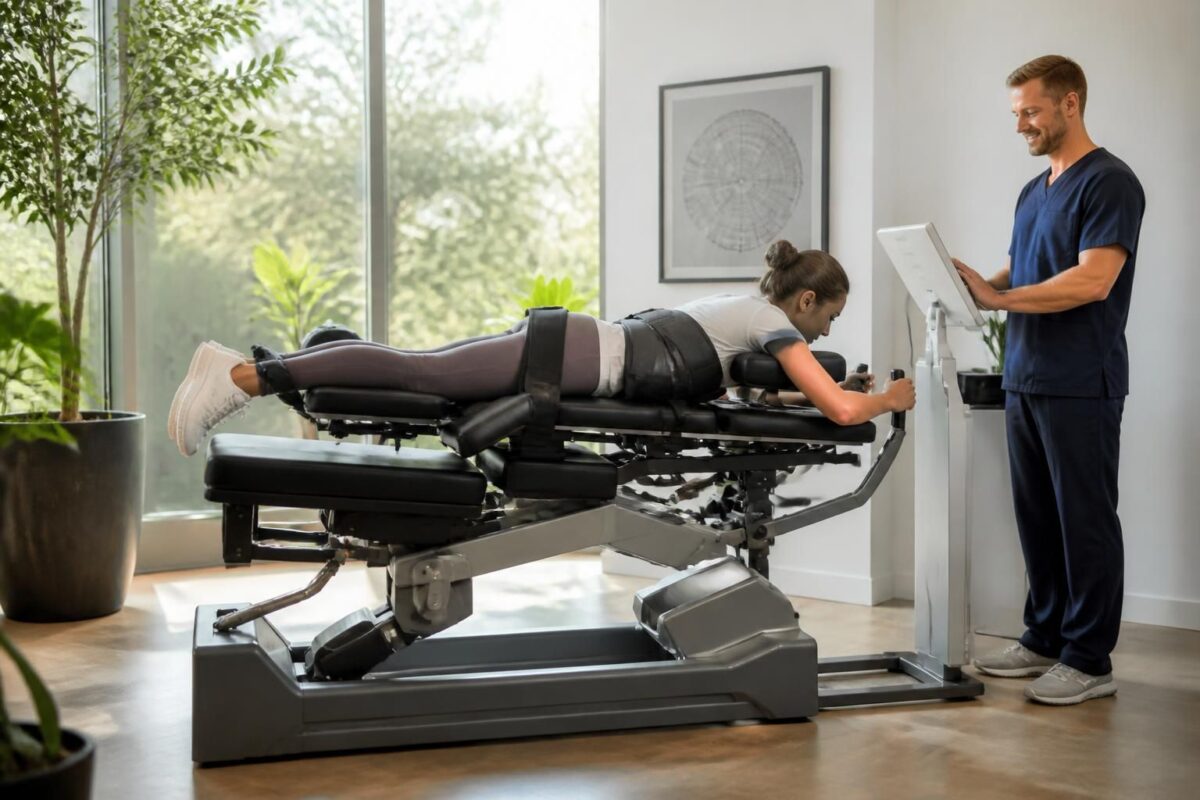
The long-term benefits of neurovertebral decompression for spinal health
In short In short, the neurovertebral decompression is a non-invasive approach that decreases the Pressure on intervertebral discs and nerves, favoring the Natural regeneration and tissue recovery. Its long-term benefits include Lasting pain reduction, Improving mobility and from the posture,…

Neurovertebral decompression and mobility: a return to an active life
In short In short, the neurovertebral decompression is therapy non-invasive who uses a gentle traction To create a space between the vertebrae and reduce the pressure on the Intervertebral discs and the nerves. It promotes a bloodstream improved, lowers tension…
Postural alignment: the base of a lasting treatment
After a decompression session, the alignment of the body becomes crucial. A suitable posture, combined with conscious daily gestures, makes it possible to preserve the effects of the treatment and to limit the muscle tension that may reappear. Maintaining proper alignment of the spine helps stabilize the spine, preserve mobility and support the muscles surrounding the spine.
Adapt your workstation and habits
To promote alignment, focus on Ergonomic sitting posture and regular pauses that interrupt prolonged static positions. Use a chair with good lumbar support and make sure the feet rest flat on the floor. Integrate micro-breaks to get up and stretch, to prevent cervical and lumbar tension and maintain the muscle balance needed for the spine.
Appropriate exercises and stretching
Soft stretches and calibrated movements after decompression help maintain flexibility and relax tense areas. A simple routine targeting the back, neck and hamstrings can make a noticeable difference. It is essential to favor exercises supervised by a professional in order to respect everyone’s limits and to avoid unsuitable gestures that could aggravate the pain.
Strengthening and progressive activity
Stabilizing trunk and muscle strengthening supports the spine and promotes long-lasting posture. Integrate progressive activities like walking, swimming or gentle sheathing exercises, gradually increasing the intensity. A gradual approach makes it possible to consolidate the gains obtained by decompression and to limit relapses.
Hydration, sleep and diet
Adequate hydration and a balanced diet support disc health and recovery. Sleep also plays a critical role: favor resting positions that respect natural curvatures and promote muscle recovery. Adopting healthy lifestyle habits facilitates postural alignment and enhances treatment benefits.
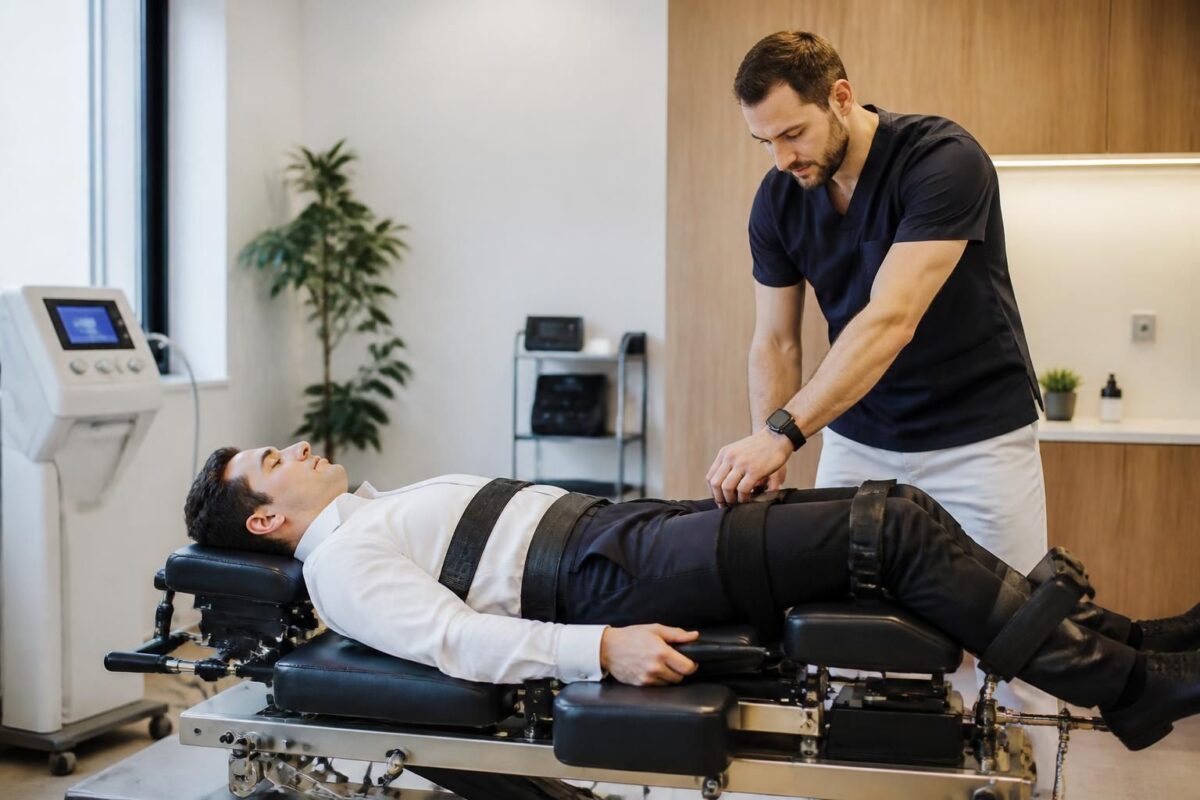
How Neurovertebral Decompression Prevents Diffuse Chronic Pain
In short decompression neurovertebral is one Non-invasive method aimed at reducing the Pressure on the intervertebral discs and the nerves, in order to prevent Diffuse chronic pain. It improves the circulation and thedisc hydration, decreases inflammation and promotes better mobility.…
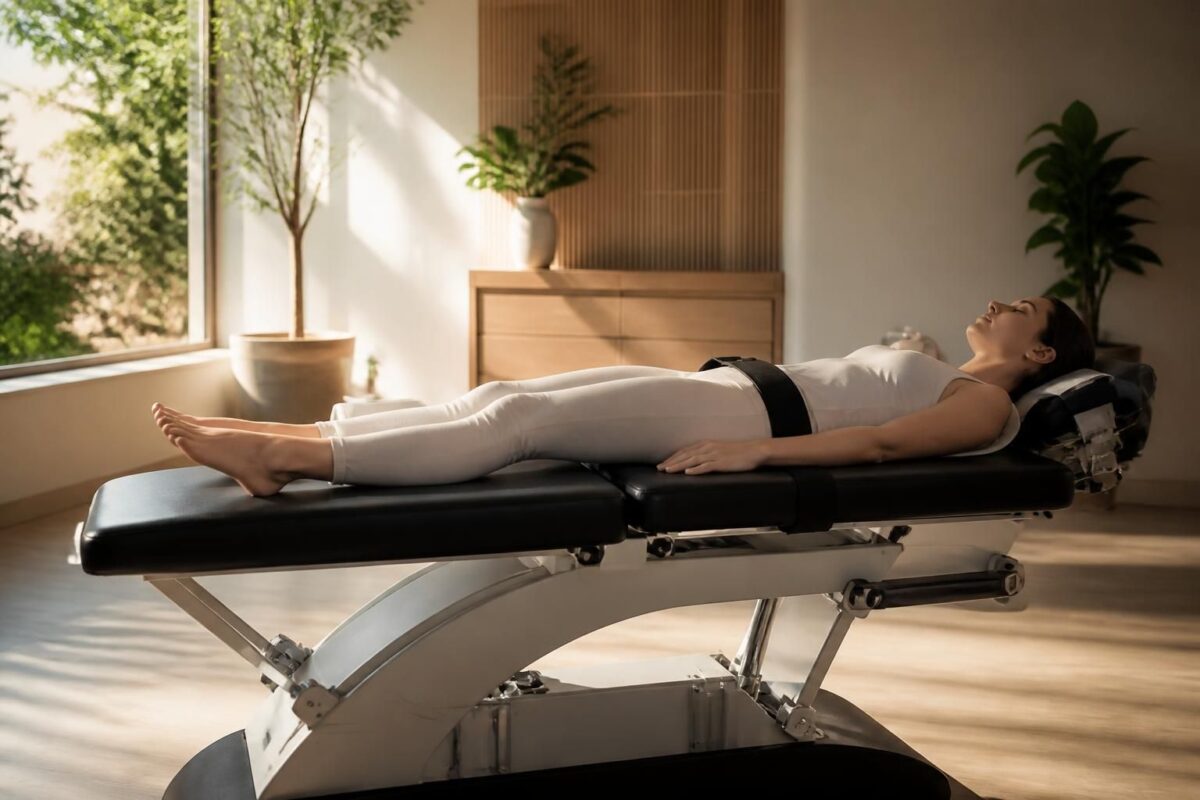
Neurovertebral Decompression and Body Alignment: Restoring Natural Balance
In short In short, neurovertebral decompression is one Non-invasive approach who restores theBody Alignment and thenatural balance back and neck. She acts by a Controlled traction of the spine to widen the intervertebral space and reduce the Pressure on discs…
Monitoring and multidisciplinary approach
To optimize the results, a coordinated follow-up with health professionals is recommended. Osteopathy, naturopathy and manual approaches can accompany the process, offering personalized postural adjustments, complementary therapies and advice on lifestyle. Technologies like mild neuromodulation can also be considered as support for alignment and muscle comfort, without invasiveness or prolonged recovery time.
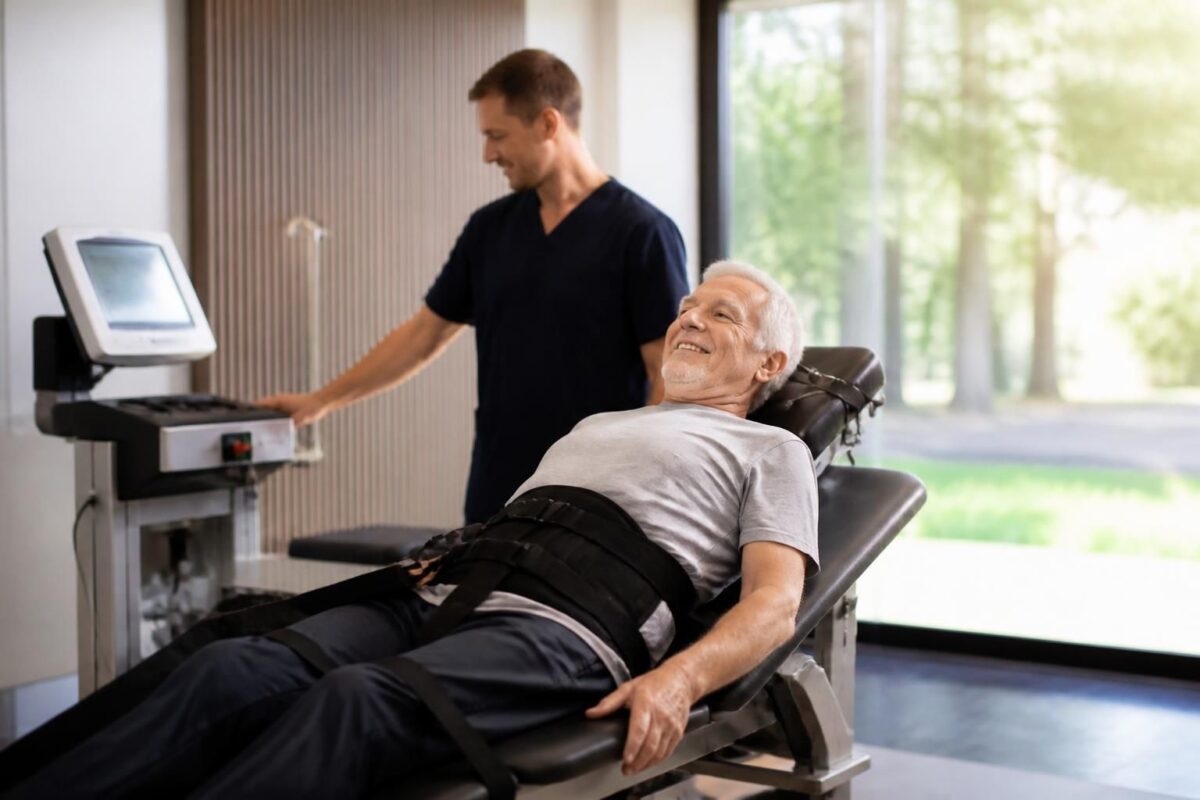
Why neurovertebral decompression is a lasting solution for active seniors
In short In short, the neurovertebral decompression is one Non-invasive therapy which sustainably relieves spinal pain in the spine active seniors By creating, by a Soft and controlled traction, a space between the vertebrae. At Montreal, it is recognized as…
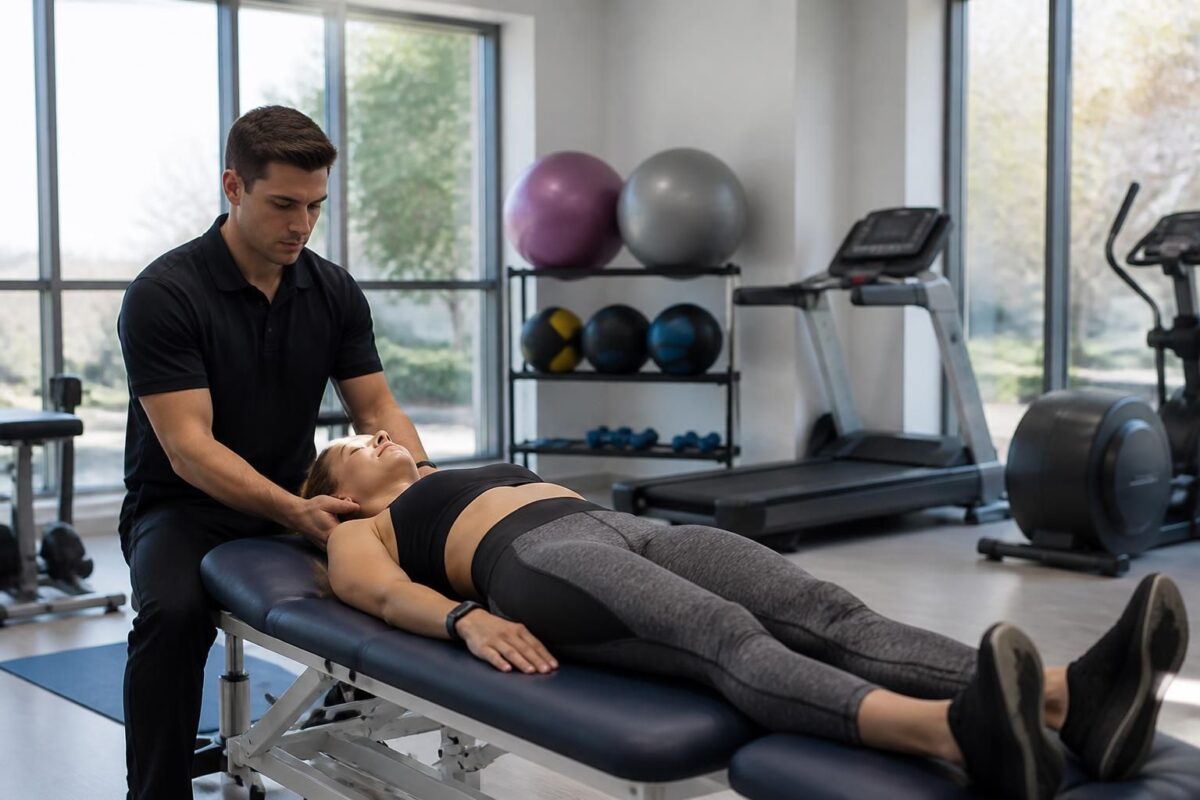
Neurovertebral decompression and recovery after severe sports injury
In short In short, the neurovertebral decompression is one Non-invasive method to Relieve the pressure on the Intervertebral discs and the gristle Via a Controlled traction, to facilitate the recovery After a severe sports injury. It improves the bloodstream towards…
When to consult and warnings
This type of care does not replace the advice of a doctor. In case of acute pain, fever, loss of strength or abnormal sensation, consult a health professional quickly. A personalized assessment is essential to determine the adequacy between decompression, postural alignment and other therapeutic solutions adapted to your situation.
| Axis | Concise description |
|---|---|
| Purpose of treatment | reduce the pressure on the nerves and marrow; promote the relief pain and mobility by a Postural alignment Optimized. |
| Types of techniques | Methods non-invasive decompression and options Mini-invasive If necessary, depending on location and severity. |
| Main directions | lower back or cervical pain related to herniated discs, degeneration or nervous compression. |
| Process and mechanism | Distraction and relaxation of the intervertebral space to rehydrate the discs and reduce the pressure on the nerves. |
| Post-processing follow-up and adjustments | Program ofPostural adjustments including a Ergonomic sitting posture, favorable stretching and lifestyle habits. |
| Role of ergonomics | Chair with Lumbar support, regular breaks and position of Shoulders and neck Aligned to maintain profits. |
| Complementary technologies | Possible use ofNeuromodulation tools To optimize thealignment and the Muscle relaxation After treatment. |
| Evidence and security | Respect the follow-up of a professional; the available evidence varies and the risks remain limited When done by specialists. |
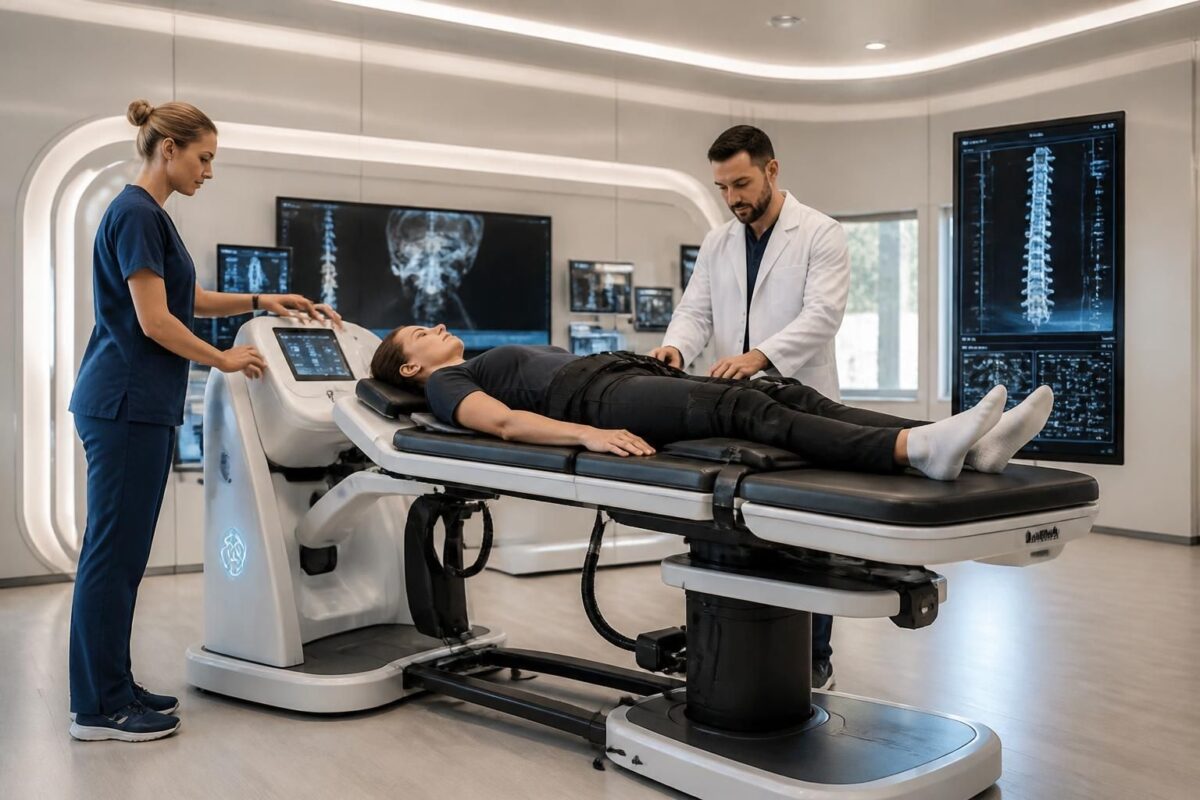
Recent innovations in neurovertebral decompression technologies
In short In short, the neurovertebral decompression is an approach non-invasive Aiming to reduce pressure on discs and nerves, and promote tissue regeneration. At Montreal, it is positioned as an effective option for lower back pain and herniated discs. The…
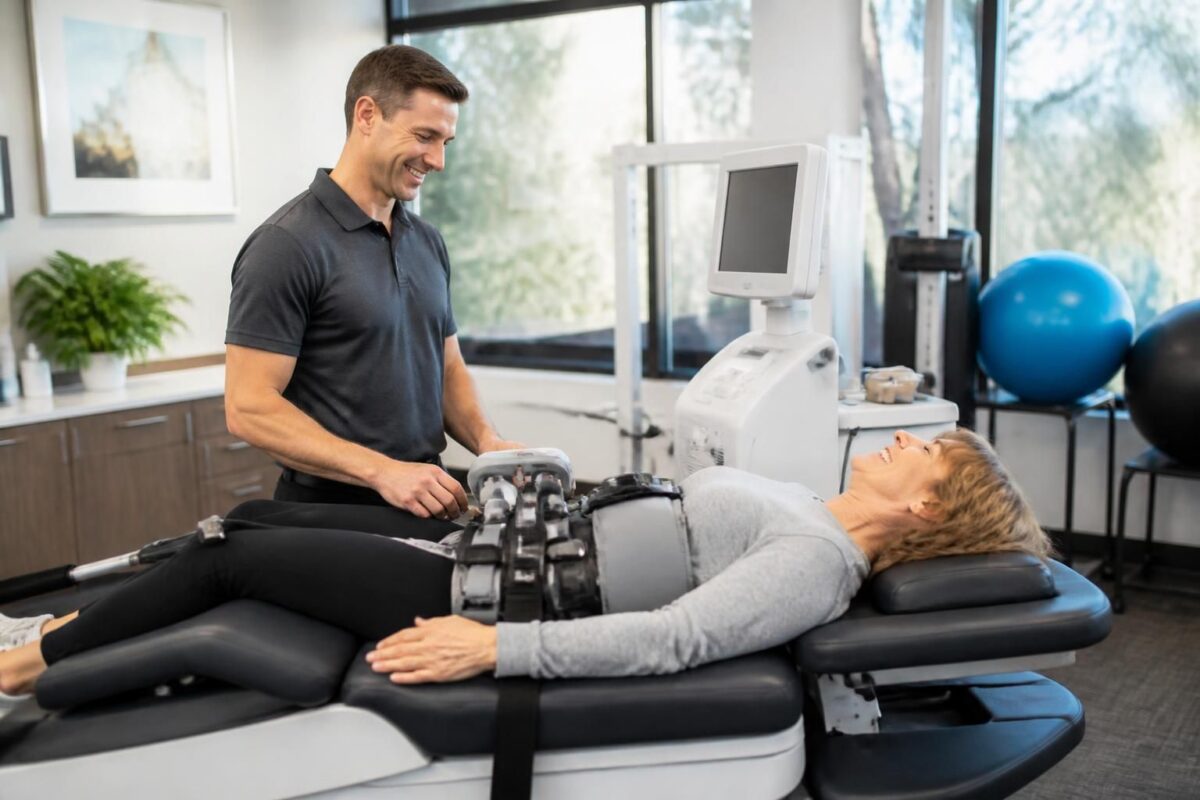
Neurovertebral decompression and diffuse pain: an appropriate solution
In short In short, the neurovertebral decompression is one Non-invasive solution For diffuse pain related to nerve irritation of the spine. She acts in Reducing pressure on intervertebral discs and nerves and improving the bloodstream, which promotes recovery and the…
Testimonials on neurovertebral decompression and postural alignment: a complete treatment
Since my session neurovertebral decompression, I found a mobility that I was missing and a reduction in pain. Adding tips fromPostural alignment my allowed to keep these profits durably.
The complete treatment allowed me to combine a gentle and effective approach: reducing nerve pressure and improving posture. All without heavy drugs, which suits me perfectly.
By following the dergonomics recommendations and performing simple detiming exercises, I found stability in my spine and less fatigue at work.
As an amateur athlete, I was able to resume my activities faster: more stiffness, more pain after training, and better overall posture.
The course was guided, reassuring and effective: I understood that the Full treatment Do not stop at the session, but is extended by daily habits that protect my spine.
Today, my daily life is more fluid: less pain, more mobility, and a posture that seems natural. It’s an approach that combines neurovertebral decompression and Postural alignment For lasting well-being.
Dr. Sylvain Desforges, osteopath and expert in manual medicine, is the founding president of the Tagmed clinics and the ACMA association. His background is guided by a vision of innovation in the field of health and a patient-centric approach to treating Chronic pain. Specialist in pain management and the integration of advanced technologies, he combines neurovertebral decompression, therapy with laser and shockwave therapy in order to offer a complete and coherent care offer. Its mission is to offer evidence-based care to optimize the health and well-being of each patient. His approach, both rigorous and accessible, is part of a permanent quest for efficiency, safety and well-treatment.
The neurovertebral decompression is at the heart of its therapeutic device, with a non-invasive or minimally invasive dimension intended to release the pressure exerted on the spinal cord and the nerves. Dr. Desforges considers that reducing pressure on intervertebral discs and nerve structures is a fundamental step in restoring the space needed for tissue regeneration and improving mobility. Depending on the location and nature of the lesion, he favors appropriate protocols that favor the safety and comfort of the patient, while aiming for a gradual reduction in pain and a resumption of daily activities.
But effective treatment is not limited to decompression alone. thePostural alignment is integrated as an essential component of the therapeutic journey. The doctor offers a personalized program that combines ergonomic advice, practical daily adjustments and targeted exercises to strengthen the muscles of the trunk and stabilize the spine. The goal is to preserve the natural curvature of the spine and avoid recurrences by transforming the treatment into a lasting habit. This postural dimension makes it possible to maximize the benefits obtained and to ensure a better quality of life in the long term.
Dr. Desforges’ approach is based on a clear synergy between Advanced technologies, neurovertebral decompression, laser and Shockwave therapy. This combination aims to quickly reduce symptoms and restore mobility, while minimizing risks and adverse effects. Each patient benefits from a personalized protocol, based on the most recent scientific data and adjusted over the course of treatment according to clinical progression. The medical team welcomes patients with attentive listening and transparency that promote commitment and collaboration throughout the care journey.
What distinguishes this approach is its holistic and progressive character: it combines a targeted action on painful mechanisms and a postural rehabilitation that transforms lifestyle habits. For people suffering from chronic pain, this approach represents a tangible path to a lasting improvement in mobility, a reduction in pain and a resumption of favorite activities. The route proposed by Dr Desforges illustrates a modern, safe and effective medicine, guided by clinical results and patient feedback, in order to offer a better quality of life day after day.
This analysis highlights how the neurovertebral decompression is part of a global approach with thePostural alignment, to offer a complete treatment of spinal pain. It summarizes the mechanisms, indications and modes of intervention, while underlining the importance of postural adjustments, exercises and ergonomic tools to optimize results and prevent recurrences.
Important note: This section presents key elements and resources without constituting a medical prescription. Always consult a health professional for a personalized assessment adapted to your situation.
Successful treatment is based on the association between neurovertebral decompression and Postural alignment: By releasing the pressure on the intervertebral discs and nerves, then restoring a correct and lasting posture maximizes the chances of relief and long-term stability. This combination promotes not only the reduction of pain, but also the improvement of function and quality of life, in particular when it is supplemented by targeted exercises and appropriate postural education.
The post-processing approaches emphasize concrete adjustments: a Ergonomic posture, regular breaks, gentle stretching and strengthening of the stabilizing muscles of the trunk. These elements, integrated into a personalized program, make it possible to maintain body alignment and to support the benefits obtained during decompression sessions. For practical information and custom protocols, you can view the resources listed below.
To deepen the practical, ergonomic and specific protocols, refer to the following resources that describe in detail the principles of postural adjustment and maintenance strategies after a neurovertebral decompression:
Complete guide for patients on neurovertebral decompression
Postural adjustments needed after treatment with neurovertebral decompression
Postural adjustments to prolong treatment effects
Neurovertebral decompression and postural alignment — correcting imbalances
For an integrated approach and concrete examples, the following resources provide additional perspectives on postural alignment and optimization of results after decompression: Optimize body alignment, Prevention of disc complications, Custom protocols.
Finally, for readings and practical cases on mechanical and chronic pain associated with the spine, these useful resources enrich the understanding of the interactions between decompression and posture: Recurrent mechanical pain, Chronic lumbar pain.
To deepen a comprehensive approach and get personalized advice, you can consult Full treatment including postural alignment.

Dr Sylvain Desforges, B.Sc., D.O., N.D., osteopath, is the founding president of TAGMED and of the ACMA association. He dedicates his practice to chronic spinal pain, low back pain and symptoms compatible with sciatica, particularly when pain radiates toward the buttock, leg, calf, foot or toes.
Through SOS Sciatique, he publishes educational content on sciatica symptoms, possible causes such as disc herniation, disc narrowing, foraminal stenosis or irritation of a lumbar nerve root, as well as non-surgical approaches that may be considered according to the evaluation. At Clinique TAGMED, care may include, depending on the case, motorized neurovertebral decompression, specific osteopathic care or precision percussion.
For an evaluation related to sciatica treatment in Montreal / Mount Royal or sciatica treatment in Terrebonne, please consult the services available at Clinique TAGMED.
Medical disclaimer
The information published on SOS Sciatique is provided for educational purposes only and does not replace a consultation, diagnosis, opinion or treatment provided by a physician or another authorized healthcare professional. The author of this article is neither a medical doctor nor a specialist in a medical specialty recognized by the Collège des médecins du Québec. The osteopathic, manual medicine or functional support approaches described on this site do not constitute medical acts and are not intended to replace medical follow-up.
Consult a physician or emergency service in cases of loss of bladder or bowel control, anesthesia in the saddle area, significant or progressive weakness in the leg or foot, fever, recent trauma, severe pain or rapid worsening of symptoms. For more details, please read our Legal Notice.