The benefits of neurovertebral decompression to reduce nerve pressure
26/06/2026
How neurovertebral decompression affects diffuse muscle tension
26/06/2026
In short
|
In short, the neurovertebral decompression is an approach non-invasive aimed at reducing the pressure on Intervertebral discs and the gristle, facilitating healing and functional recovery. Its main advantages include a pain reduction, a Improving mobility and an Prevention of recurrences Lower back pain, all without surgery. How does it work? A gentle traction creates a space between the vertebrae, favoring the rehydration discs and improving the bloodstream, which contributes to the rapid reduction of pain after several sessions. In Montreal, this service is particularly recommended for those looking for a Non-surgical alternative in order to resume an active life. |
The neurovertebral decompression is an approach non-invasive intended to relieve Severe lower back pain by reducing the pressure exerted on the Intervertebral discs and the nerves. By restoring the space between the vertebrae and improving circulation, it promotes tissue healing and the return to mobility.
For the Prevention of recurrences, this therapy acts by preserving the health of the discs, by improving the posture and thephysical activity adapted, and reducing dependence on analgesics. It can be a relevant alternative to surgery for certain conditions, with a high tolerance profile and limited side effects, under professional supervision.
Quick summary: This article presents the role of the neurovertebral decompression in the prevention of Severe lower back pain. This non-invasive approach acts on the spine to reduce the pressure on the discs and nerves, promoting healing and mobility. It is part of a prevention strategy focused on better posture, appropriate ergonomics and protection of the spine on a daily basis, while offering a safe alternative when invasive interventions are not desirable.
Principle and mechanism
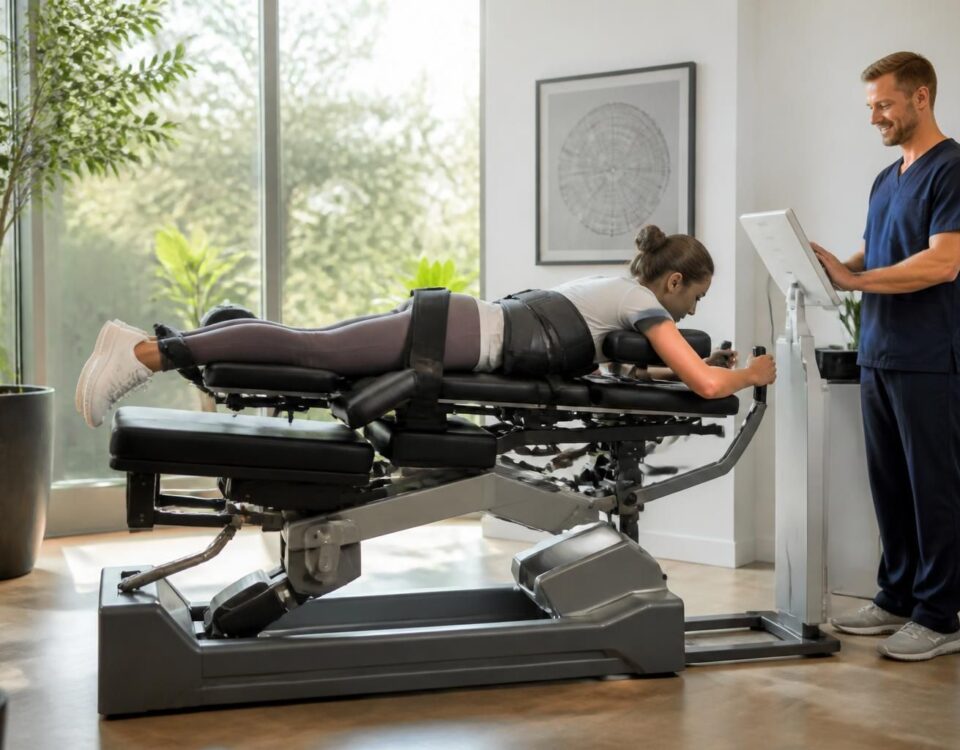
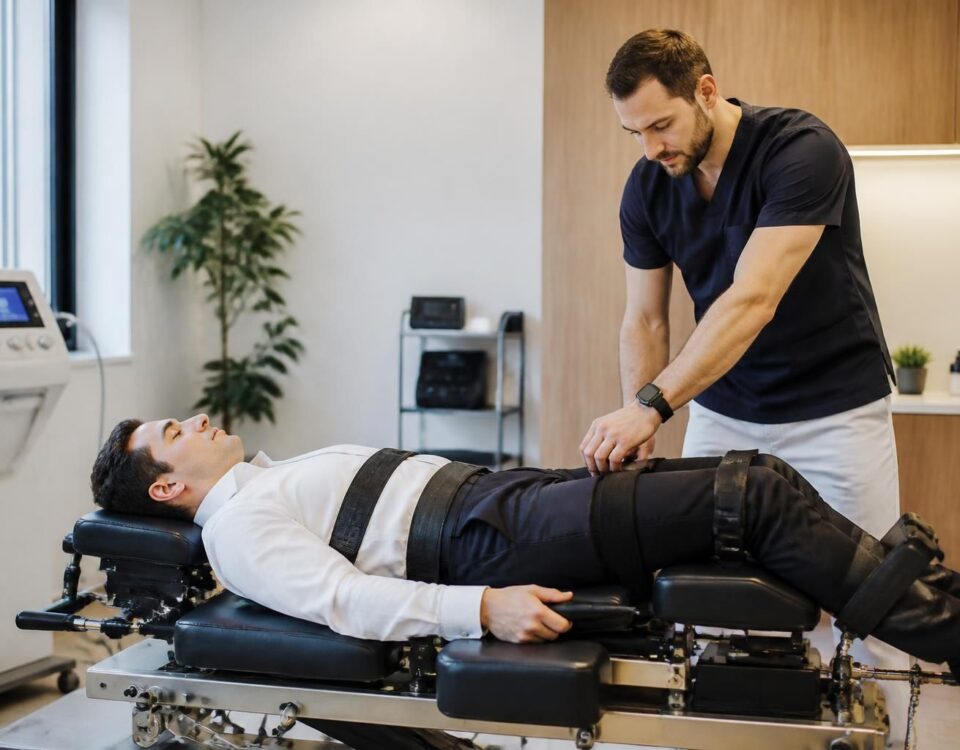
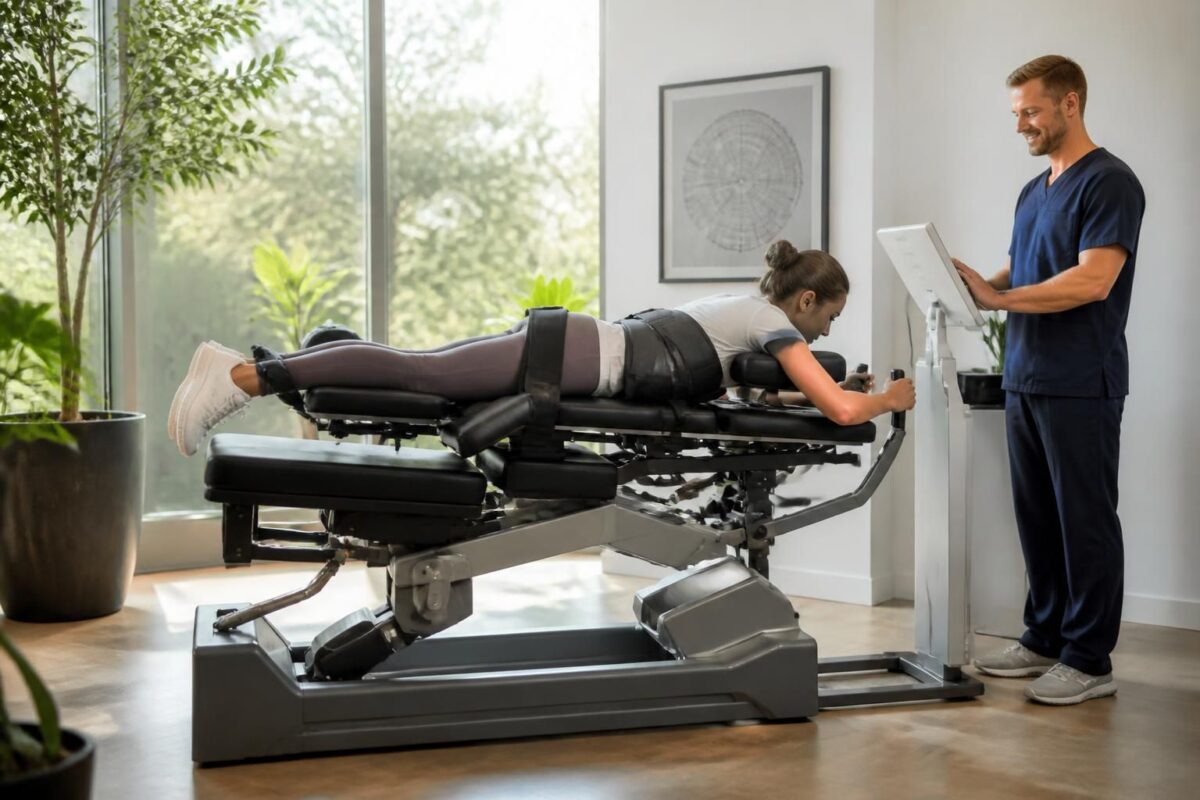
The neurovertebral decompression is a non-invasive therapeutic approach that aims to create a space between the vertebrae. This action reduces the pressure exerted on the intervertebral discs and on the surrounding nerves. By promoting better blood circulation and disc hydration, it encourages tissue regeneration and reduces painful signals. This modality is particularly interesting when lower back pain comes from nerve pressures linked to protrusions or discopathies.
Impact on the prevention of lower back pain
Prevention is based on simple and lasting measures. adopt a Neutral posture and use a Adapted ergonomics At work and at home help keep the column in good balance. Avoiding movements and positions that increase the pressure on the discs is essential. Better circulation and progressive pain reduction facilitate the return to appropriate physical activity, without risking overloading the spine.
Indications and limits
Decompression is indicated for people with chronic lower back pain, disc pressures or associated nerve compression. It offers a non-surgical alternative when invasive procedures are undesirable. Like any therapeutic approach, it requires individual evaluation and follow-up by a qualified health professional.
Integration into clinical practice
Within Tagmed clinics, neurovertebral decompression fits into a comprehensive pain and mobility management strategy. This method can be combined with other advanced technologies to optimize the healing process, while remaining focused on strong clinical evidence. For patients who favor a non-invasive approach, it represents a relevant and secure option.
Resources and references
To deepen, several resources offer additional information and perspectives on neurovertebral decompression and the prevention of lower back pain. You can view the following sites:
- Neurovertebral decompression and prevention of invasive surgeries
- Modern techniques for optimal results in neurovertebral decompression
- Neurovertebral decompression — a therapy recognized to relieve severe lower back pain
- Neurovertebral Decompression — A Recognized Solution to Optimize Recovery After Severe Lower Lower Injuries
- Neurovertebral decompression and reduction of radiating back pain
- Clinical studies demonstrating the efficacy of neurovertebral decompression
- Neurovertebral decompression and rehabilitation after lumbar surgery
- Prevention of invasive surgeries
- Neurodiscal decompression
- neurovertebral decompression
Medical Disclaimer: The information and advice provided on this site does not replace the health professional’s diagnosis or treatment. Please note that Dr. Sylvain Desforges osteopath is neither a doctor of medicine nor a doctor, and is not a specialist in a medical specialty as defined by the Collège des Médecins du Québec. Manual medicine, functional medicine and sports medicine as described on this site exclude any medical treatment or diagnosis made by a doctor or specialist doctor. Always consult your doctor for any medical questions. For more details, please read our full legal notice.
- neurovertebral decompression — Mechanism : Soft traction that frees the disc space
- Benefits : non-invasive, rapid relief, regained mobility
- directions : herniated discs, chronic low back pain, radicular pain
- Security : well tolerated, low contraindications under supervision
- Efficiency : About 71% of patients improve after a few sessions
- Integration : complementary to current approaches and supported by evidence
- Prevention : correct posture, ergonomics and adapted physical activity
- Risk factors : sedentary lifestyle, overweight, bad postures
- Ergonomy : Adapted workstation, seat with lumbar support
- Exercise : abdominal and lumbar strengthening, stretching, yoga or pilates
- programs : Personalized plans according to age and activity level
- Monitoring : Regular follow-up with a professional to prevent recurrences

This summary gives practical recommendations on the neurovertebral decompression and on the Prevention of severe lower back pain. It highlights a non-invasive approach, patient-centric, and lifestyle habits that reduce the risk of recurrence while optimizing treatment results. The objective is to combine efficiency, safety and durability in the management of back pain.
Principle and benefits of neurovertebral decompression
The neurovertebral decompression Acts by gradually reducing the pressure exerted on the intervertebral discs and nerves, which promotes the rehydration and regeneration of tissues. This approach is non-invasive, and it can provide quick relief while reducing the risk associated with surgical procedures. In practice, it often integrates as a key step into a global care plan for lower back pain and disc pathologies.
The observed benefits include a Improving mobility, a pain reduction and better tolerance to daily activities. Its gentle and controlled character makes it an option suitable for many patients, including those who wish to avoid more aggressive treatments. It can also facilitate the use of other complementary therapies when necessary.
The long-term benefits of neurovertebral decompression for spinal health
In short In short, the neurovertebral decompression is a non-invasive approach that decreases the Pressure on intervertebral discs and nerves, favoring the Natural regeneration and tissue recovery. Its long-term benefits include Lasting pain reduction, Improving mobility and from the posture,…

Neurovertebral decompression and mobility: a return to an active life
In short In short, the neurovertebral decompression is therapy non-invasive who uses a gentle traction To create a space between the vertebrae and reduce the pressure on the Intervertebral discs and the nerves. It promotes a bloodstream improved, lowers tension…
Indications and precautions
This therapy is mainly suitable for people with low back pain related to disc damage such as hernias, protrusions or root pain. A preliminary assessment Performed by a health professional is essential to determine the adequacy of the treatment and to personalize the protocol. Some contraindications exist and must be detected before starting the sessions.
It is crucial to follow an individualized protocol and to be attentive to any signs indicating increased discomfort or complication. Compliance with contraindications and gradual adjustment of traction maximize results while preserving safety. A professional supervision ensures the smooth running of the treatment and the necessary adjustment according to the patient’s feedback.
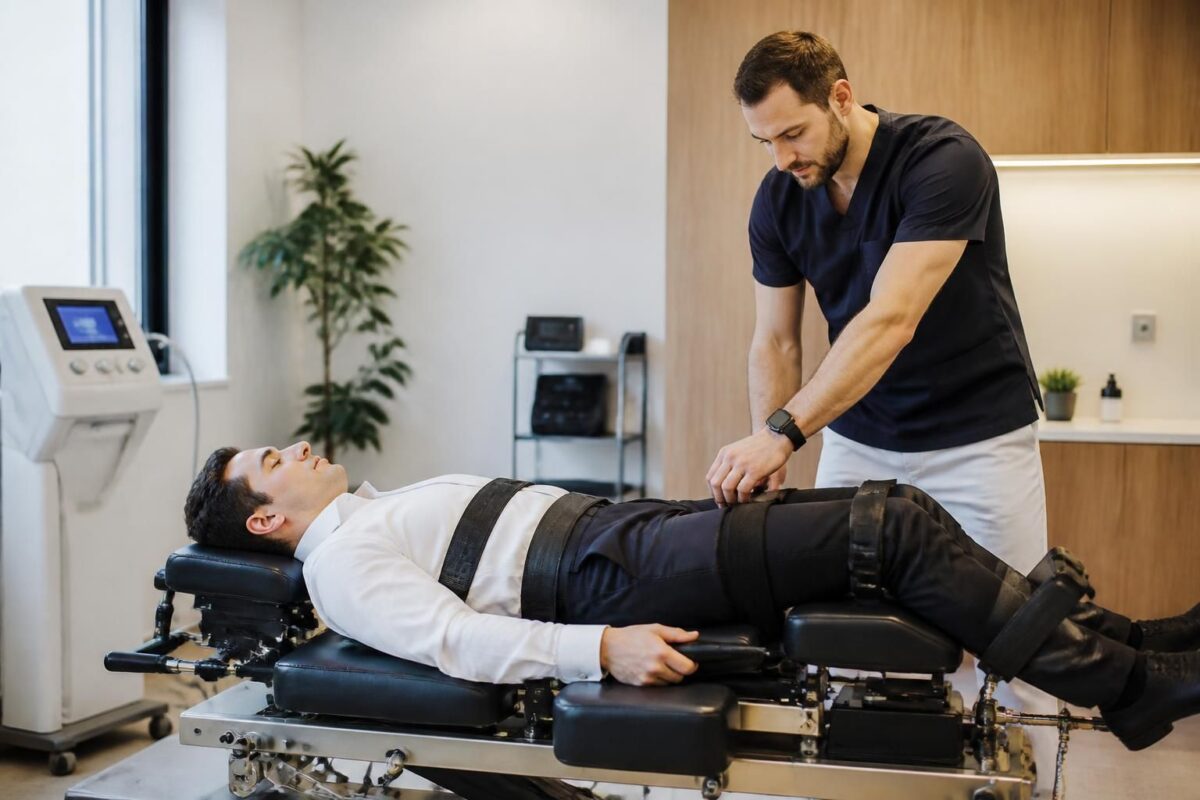
How Neurovertebral Decompression Prevents Diffuse Chronic Pain
In short decompression neurovertebral is one Non-invasive method aimed at reducing the Pressure on the intervertebral discs and the nerves, in order to prevent Diffuse chronic pain. It improves the circulation and thedisc hydration, decreases inflammation and promotes better mobility.…
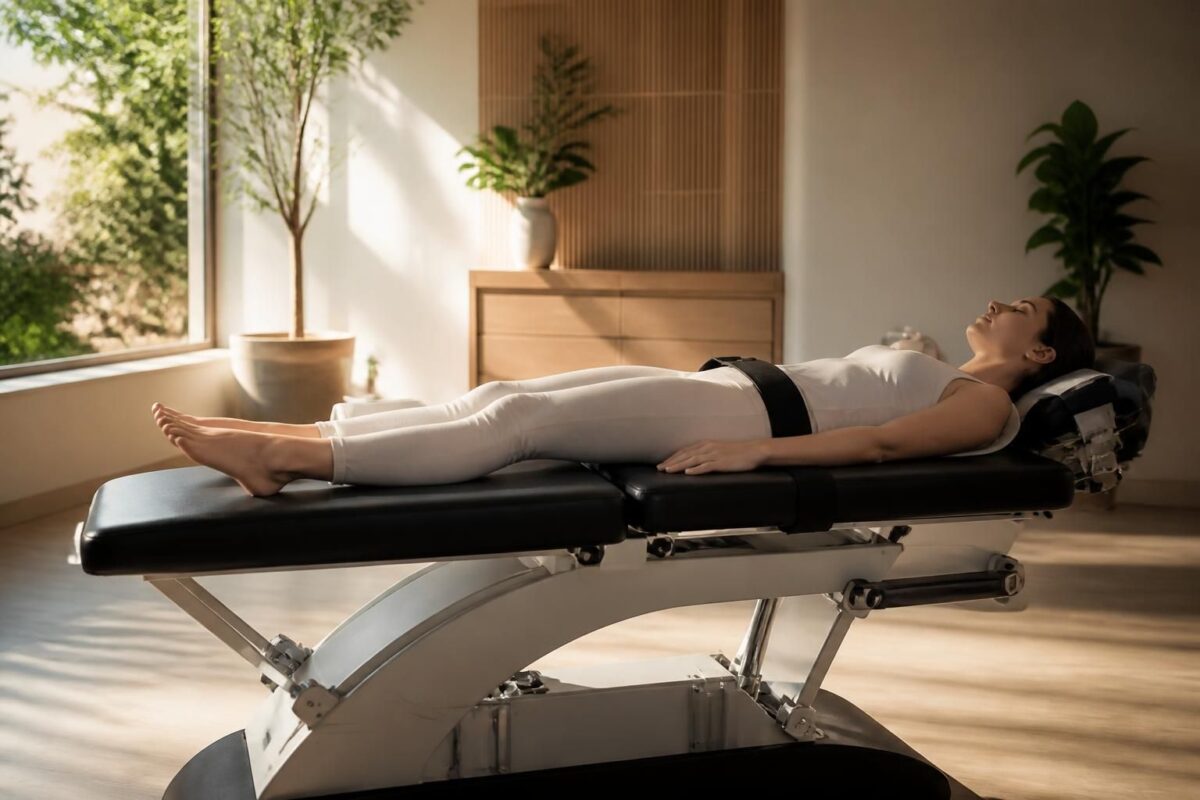
Neurovertebral Decompression and Body Alignment: Restoring Natural Balance
In short In short, neurovertebral decompression is one Non-invasive approach who restores theBody Alignment and thenatural balance back and neck. She acts by a Controlled traction of the spine to widen the intervertebral space and reduce the Pressure on discs…
Prevention and lifestyle
To prevent Severe lower back pain, decompression is accompanied by a set of daily measurements. The goal is to maintain a breathable and functional spine, while strengthening the trunk muscles and improving the pelvi-spinal alignment. A combination of adapted physical activity, ergonomics and weight control optimizes the chances of preventing recurrent spinal pain.
Adopting simple daily actions can make a noticeable difference. A Adapted posture During sitting or standing activities, regular workplace breaks and targeted reinforcement and stretching exercises help stabilize the spine and limit disc tension. Hydration and a balanced diet also support disc health and tissue recovery.
Exercises and posture on a daily basis
Incorporating trunk strengthening exercises and diaphragm stretches can significantly improve lumbar stability. Be sure to practice simple and progressive gestures, avoiding sudden or painful movements. A personalized routine, adapted to your condition, is recommended to ensure a safe and lasting progression.
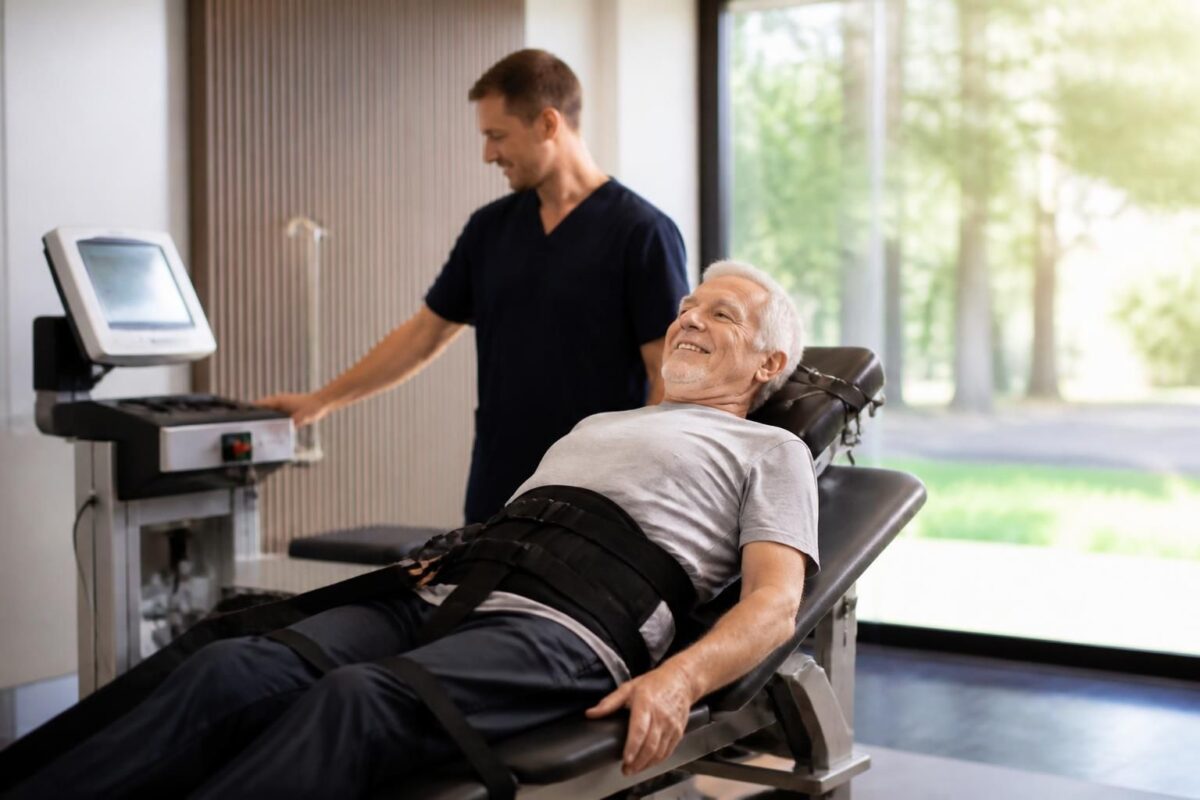
Why neurovertebral decompression is a lasting solution for active seniors
In short In short, the neurovertebral decompression is one Non-invasive therapy which sustainably relieves spinal pain in the spine active seniors By creating, by a Soft and controlled traction, a space between the vertebrae. At Montreal, it is recognized as…
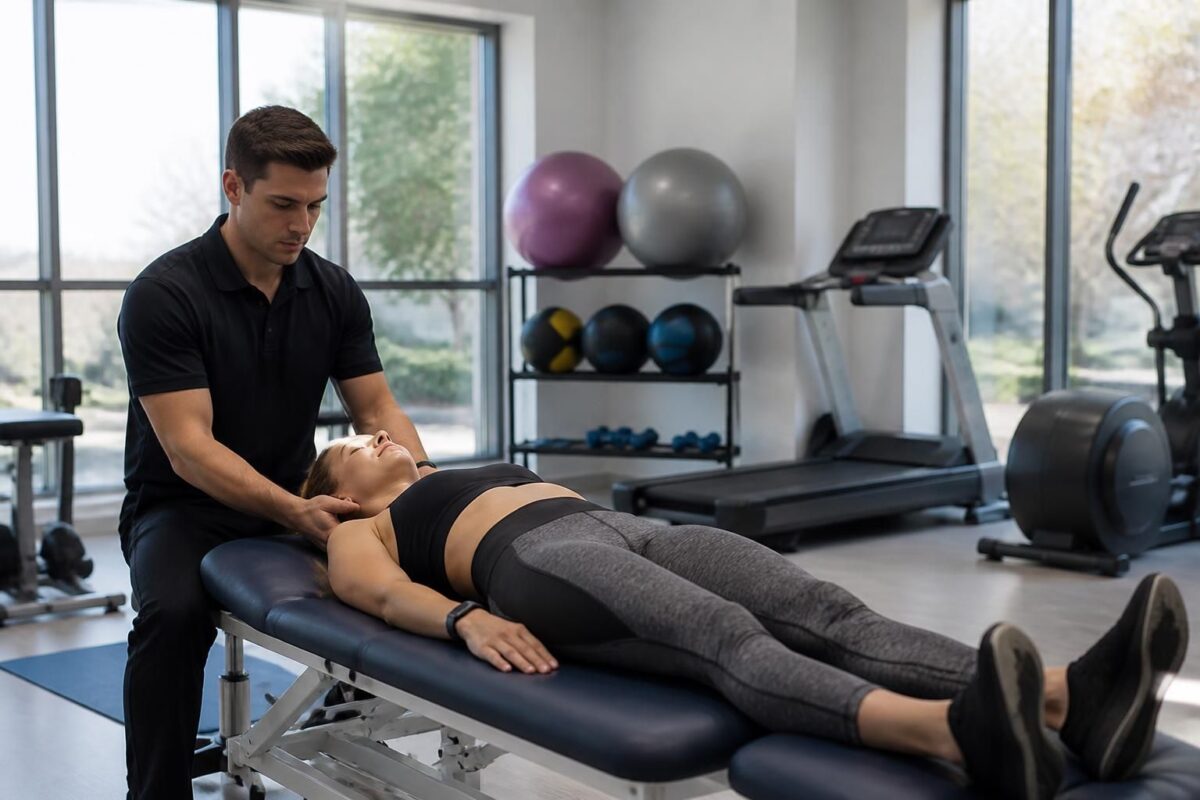
Neurovertebral decompression and recovery after severe sports injury
In short In short, the neurovertebral decompression is one Non-invasive method to Relieve the pressure on the Intervertebral discs and the gristle Via a Controlled traction, to facilitate the recovery After a severe sports injury. It improves the bloodstream towards…
Integration into a care pathway
Decompression can be part of a multimodal approach combining manual techniques, targeted therapies and complementary technologies when needed. The use of the decompression is then optimized by coordination between health professionals, which makes it possible to adjust the treatments according to the evolution of the symptoms and the functional objectives of the patient.
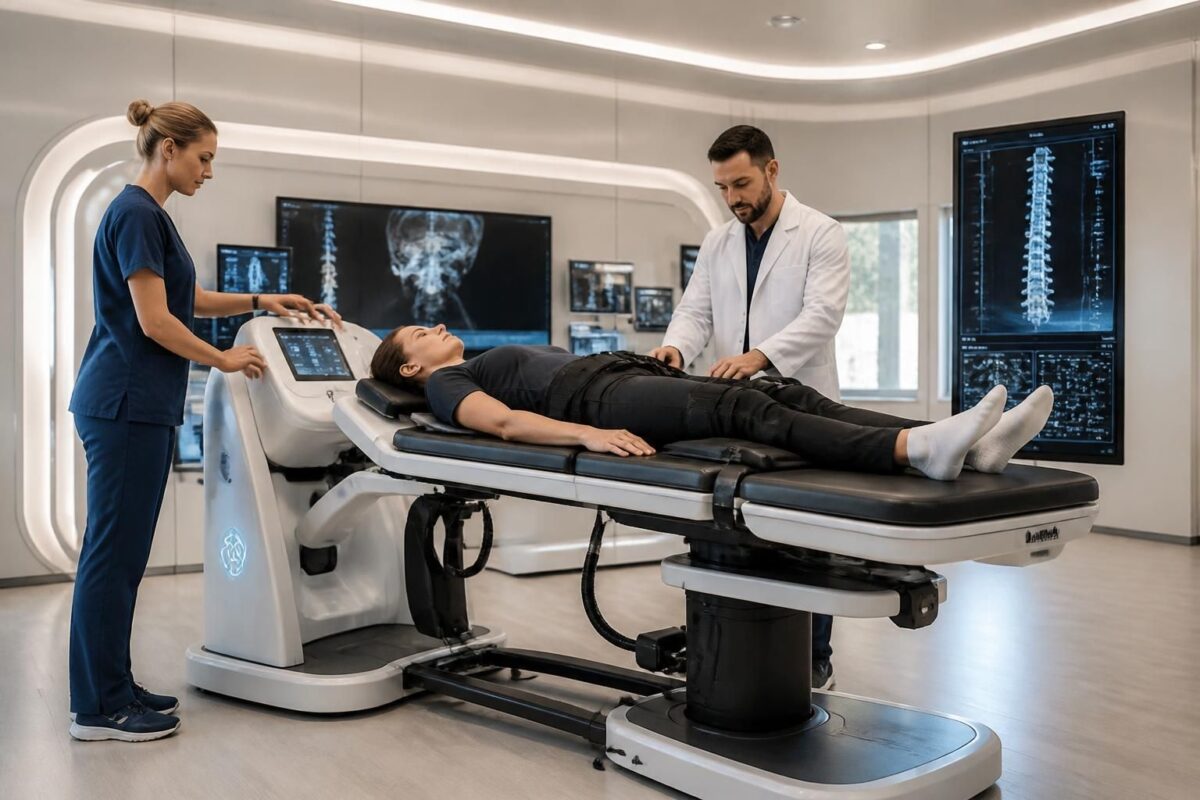
Recent innovations in neurovertebral decompression technologies
In short In short, the neurovertebral decompression is an approach non-invasive Aiming to reduce pressure on discs and nerves, and promote tissue regeneration. At Montreal, it is positioned as an effective option for lower back pain and herniated discs. The…
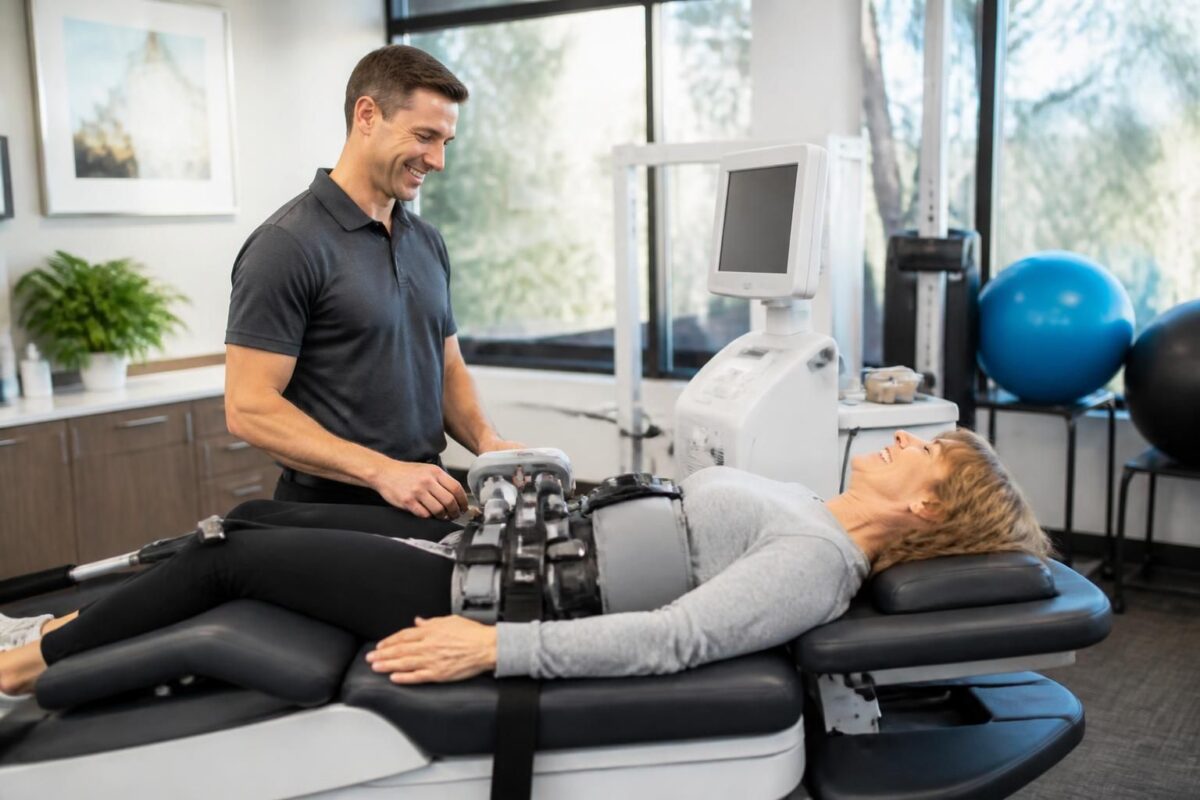
Neurovertebral decompression and diffuse pain: an appropriate solution
In short In short, the neurovertebral decompression is one Non-invasive solution For diffuse pain related to nerve irritation of the spine. She acts in Reducing pressure on intervertebral discs and nerves and improving the bloodstream, which promotes recovery and the…
Monitoring and expected results
Patients generally find rapid pain reduction and an Gradual release from mobility after the first sessions. Regular monitoring makes it possible to assess the effectiveness of the protocol, to prevent recurrences and to reduce, if necessary, dependence on analgesics. With a personalized protocol and adherence to advice, the results can be lasting and meaningful for the quality of life.
| Axis | Concise description |
|---|---|
| Mechanism | The decompression Slightly stretches the column to restore the disc space and decrease the pressure on the gristle and the records. |
| Key indications | For the Severe low back pain and hernias/disc protrusions, as an alternative non-surgical. |
| Major Benefits | Option non-invasive, pain reduced, mobility found and quick recovery. |
| Efficiency | A majority of patients report improvement after a few sessions, approximately 71%. |
| Security and tolerance | Few contraindications and Side effects minors, performed under professional supervision. |
| Prevention of recurrences | contributes to disc health and bloodstream, helping to limit respawns. |
| Patient Profile | suitable for Active adults, athletes and seniors suffering from nervous compressions. |
| Care process | Evaluation initial, protocol personalized and monitoring to adjust the treatment. |
| Accessibility | sessions short and well tolerated, accessible as an alternative to surgery or drugs. |
| Therapeutic integration | Compatible with other approaches non-invasive and a care plan multidisciplinary. |
Testimonials on neurovertebral decompression and prevention of severe lower back pain
“Before, I had a herniated disc and each movement caused severe pain. The neurovertebral decompression Reduced pressure on my discs and symptoms decreased rapidly. I became active again and I put in place a plan of prevention Lower back pain to avoid recurrences. »
“I suffered from chronic low back pain related to long periods of work. After a few sessions, the pain subsided and my mobility has improved. Since then, I have adopted exercises and a routine of prevention which helps me maintain my results painless. »
“As an athlete, I experienced back pain triggers after intense workouts. The neurovertebral decompression helped me recover faster and prevent relapses. I can resume training by following a protocol prevention personalized that keeps me at the best level. »
“At work, the back reminded me that you have to take care of your spine. Thanks to decompression, I found a mobility Comfortable and I learned gestures to prevent lower back pain. It is reassuring to know that the prevention exists and is accessible without surgery. »
“After my delivery, the lower back pain accompanied me. The neurovertebral decompression allowed me to resume my activities and establish preventive habits. In a few weeks, I regained comfort and learned to protect my spine to avoid future pain. »
“I dreaded surgery and tried decompression as an alternative. After several sessions, the pain decreased sharply and my life became active again. The prevention Lower back pain has become a priority, with a simple and effective program that allows me to remain free from my movements. »
“I recommend decompression for those looking to prevent severe lower back pain and return to a pain-free life. After the sessions, I saw a lasting improvement in my posture and my mobility, and I’m now proactive in my prevention to avoid relapses. »
Dr. Sylvain Desforges is a Recognized expert in osteopathy, naturopathy and manual medicine, whose practice is part of a global approach to health and well-being. Founding President of the TagMed Clinics and the ACMA Association, he placed the Prevention of lower back pain at the heart of his approach and favors treatments based on evidence. His background illustrates a vocation to combine scientific rigor and clinical innovation in order to offer sustainable solutions to his patients.
At the center of his approach is the neurovertebral decompression, a non-invasive method that acts directly on the spine to respond to severe low back pain and their complications. By practicing gentle and controlled traction, this therapy creates a space between the vertebrae, which reduces the pressure exerted on the intervertebral discs and nerves. This dynamic promotes rehydration and tissue regeneration, improves circulation and, consequently, contributes to sustainably reducing pain while facilitating a more fluid movement. Its power also lies in its nature preventive, reducing the risk of recurrence and protecting lumbar health over the long term.
For Desforges, prevention requires personalized evaluation and careful monitoring of the patient. Each therapeutic journey begins with a complete analysis of the patient’s daily risk factors, postural habits and mechanical constraints. On this basis, he develops protocols integrating targeted exercises, ergonomic advice and rehabilitation plans adapted to each person’s professional and personal activity. This proactive approach aims not only to relieve pain, but also to restore stability and mobility, so that the patient can resume his daily activities with confidence.
In addition to decompression, Dr. Desforges uses complementary technologies such as laser and shockwave therapy with a view to Multi-layer and personalized. The goal is to provide integrated care that treats both the symptoms and the underlying causes of lower back pain, while maximizing the chances of recovery and prevention. This technological synergy is guided by a philosophy data based, which favors measurable results and optimal safety for patients.
Dr. Desforges’ vision revolves around a care setting that values patient education and autonomy in pain management. It strives to transmit clear knowledge about the mechanisms of lower back pain and the gestures that preserve the back on a daily basis. By placing the patient at the center of every decision, it promotes a lasting therapeutic alliance and effective rehabilitation.
Its commitment to excellence is reflected in a dynamic of continuous innovation and a quality requirement in care. by combining neurovertebral decompression And complementary approaches, it offers an effective and respectful way of the body to prevent and treat severe lower back pain, while promoting an active and healthy lifestyle for everyone.
This conclusion summarizes the foundations and benefits of the neurovertebral decompression for the Prevention of severe lower back pain, highlighting its mechanism, effectiveness and good practices that optimize results, while remaining an option non-invasive allowing activities to resume without surgery.
The neurovertebral decompression acts by a gentle traction of the column which creates a space between the vertebrae, thus reducing the Pressure on the intervertebral discs and the gristle. This pressure reduction promotes Disc rehydration, improves blood circulation and stimulates tissue regeneration, contributing to a progressive and lasting relief from Lower back pain.
From the results point of view, numerous studies and clinical returns indicate a Significant improvement in a significant proportion of patients after a few sessions; This benefit translates into a Mobility found and an pain reduction in the long term. To deepen the mechanisms and perspectives for prevention, consult the specialized resources and clinical guides that detail the indications, protocols and results observed.
Recurrence prevention is based on an integrated approach combining Adapted physical activity, posture and ergonomy, in addition to treatment. Personalized programs that strengthen the trunk muscles, improve flexibility and support the spine allow you to extend the gains and limit relapses. resources such as Back school and adapted physiotherapists can accompany this preventive work.
To enrich the understanding and prevention of complications related to a vertebral pathology, several online resources explain the mechanisms of decompression and strategies for the prevention of pain and recurrent mechanical disorders. For example, you can refer to Explanations on the reduction of chronic inflammation and to Prospects for the prevention of mechanical disorders. The associated pages of TagMed and other specialized resources also shed useful insights into clinical integration and observed results.
On a practical level, an initial evaluation and regular monitoring are essential to adapt the protocol, anticipate possible contraindications and optimize the results. For those looking to understand different nerve compression syndromes and management options, resources such as Nerve compression syndromes Offer clear benchmarks, while healthcare professionals can come up with personalized and progressive plans.
Finally, the integration of neurovertebral decompression in a comprehensive care pathway—including information, patient education and targeted exercise programs—promotes sustainable low back pain prevention and lasting improvement in quality of life. For complementary resources and various approaches, please consult Tagmed Clinical Guides and Testimonials and Content dedicated to the prevention of recurrences.
To learn more about the mechanisms, benefits and prevention of lower back pain related to column pathologies, you can also consult Additional Clinical Analyzes and Evidence. resources like Doctor And the specialized sites participate in shed light on the therapeutic choices and preventive measures to be adopted on a daily basis.
To complete this panorama, you can explore additional references and testimonies on the real impact of these approaches, as well as exercise and prevention programs accessible to the general public and to patients on rehabilitation paths.

Dr Sylvain Desforges, B.Sc., D.O., N.D., osteopath, is the founding president of TAGMED and of the ACMA association. He dedicates his practice to chronic spinal pain, low back pain and symptoms compatible with sciatica, particularly when pain radiates toward the buttock, leg, calf, foot or toes.
Through SOS Sciatique, he publishes educational content on sciatica symptoms, possible causes such as disc herniation, disc narrowing, foraminal stenosis or irritation of a lumbar nerve root, as well as non-surgical approaches that may be considered according to the evaluation. At Clinique TAGMED, care may include, depending on the case, motorized neurovertebral decompression, specific osteopathic care or precision percussion.
For an evaluation related to sciatica treatment in Montreal / Mount Royal or sciatica treatment in Terrebonne, please consult the services available at Clinique TAGMED.
Medical disclaimer
The information published on SOS Sciatique is provided for educational purposes only and does not replace a consultation, diagnosis, opinion or treatment provided by a physician or another authorized healthcare professional. The author of this article is neither a medical doctor nor a specialist in a medical specialty recognized by the Collège des médecins du Québec. The osteopathic, manual medicine or functional support approaches described on this site do not constitute medical acts and are not intended to replace medical follow-up.
Consult a physician or emergency service in cases of loss of bladder or bowel control, anesthesia in the saddle area, significant or progressive weakness in the leg or foot, fever, recent trauma, severe pain or rapid worsening of symptoms. For more details, please read our Legal Notice.