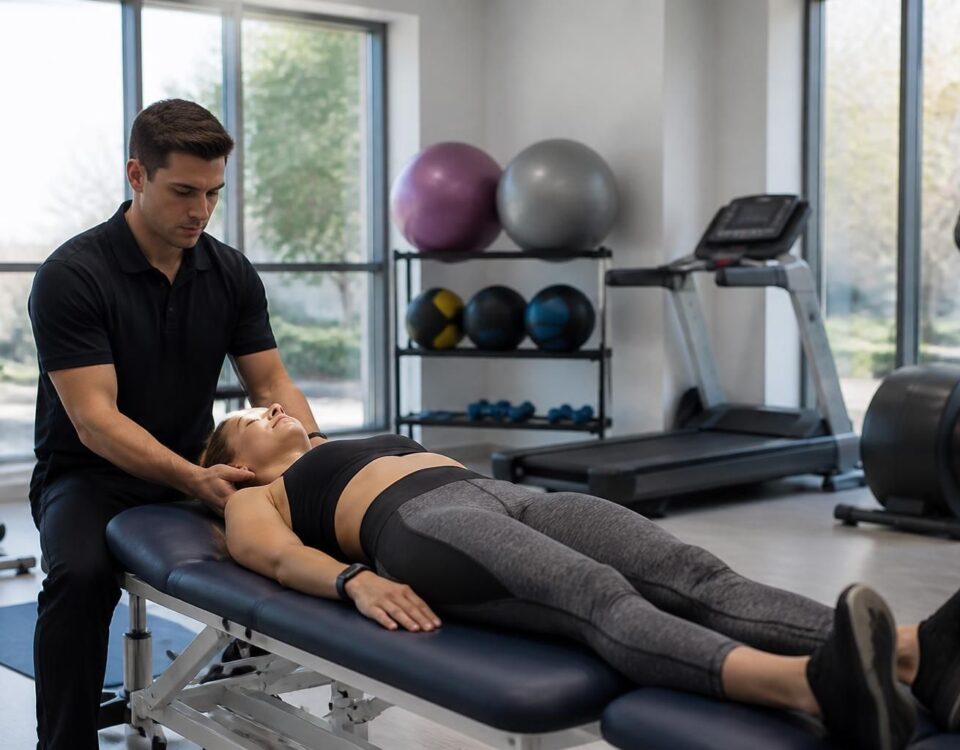
Neurovertebral decompression and diffuse neuropathic pain: an adapted solution
26/06/2026
How neurovertebral decompression improves disc circulation
26/06/2026
In short
| In short, the neurovertebral decompression is one Non-invasive therapy which applies a gentle traction on the spine to decrease the pressure on the discs and nerves. This approach aims to Sports recovery By reducing the pain and improving the bloodstream and tissue feeding, which promotes mobility and range of motion. accessible to Montreal, it allows a Quick return to training and helps prevent recurrences while avoiding surgery. Ideal after a complex sports injury, it easily integrates with a rehabilitation program and can be combined with other therapies to optimize the performance and well-being. |
The neurovertebral decompression constitutes an effective approach to Sports recovery, because it acts on the spine gently to reduce the pressure on the discs and nerves. This translates into a Quick relief pain and a bloodstream which promotes tissue regeneration. as a technique non-invasive, it allows a Quick return to training and fits easily into a rehabilitation program, improving the mobility and the flexibility While contributing to the Prevention of recurrences and maintaining sports performance.
This article presents the benefits of the neurovertebral decompression for the Sports recovery. This non-invasive approach helps reduce pain, improve mobility and accelerate return to training, while reducing the risk of recurrence through better spinal alignment. It is part of an evidence-based care approach and is easily integrated into a global rehabilitation program.
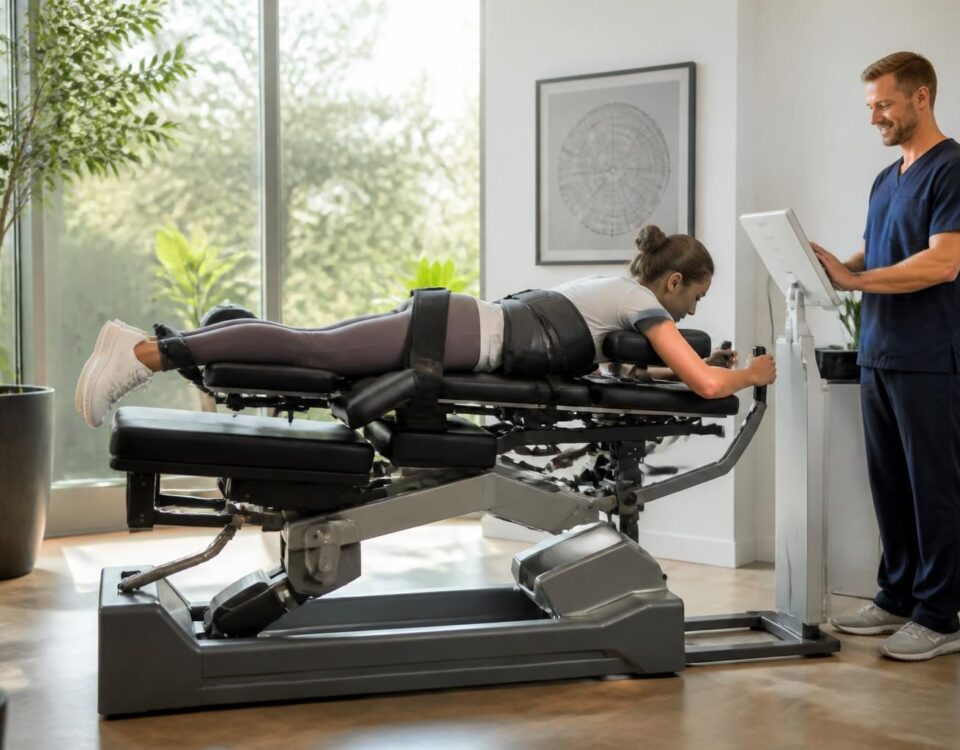
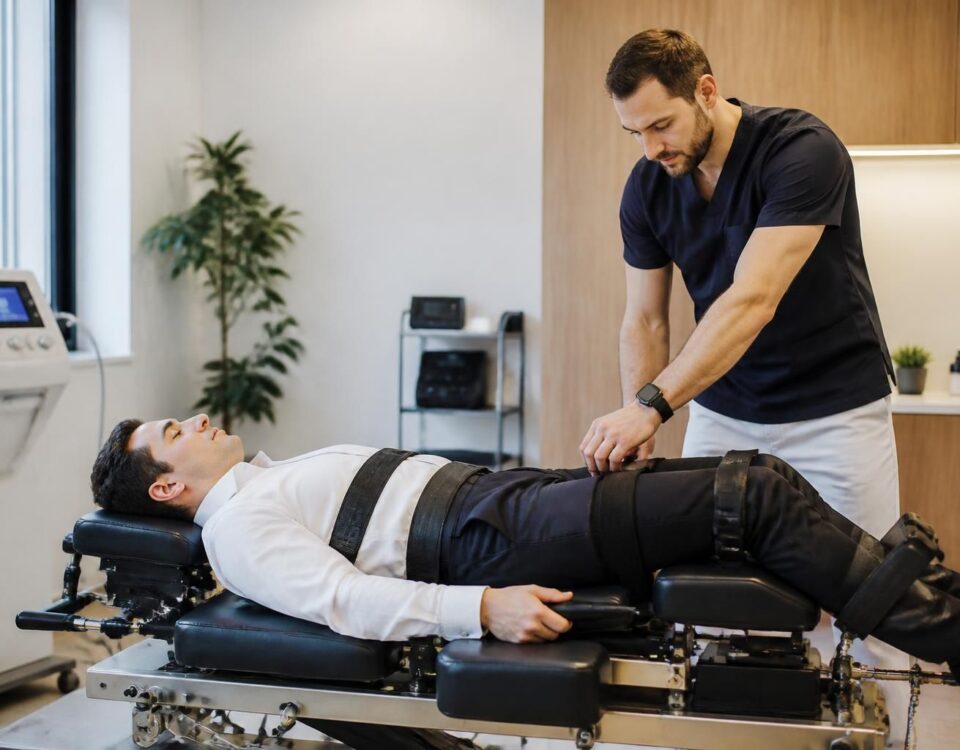
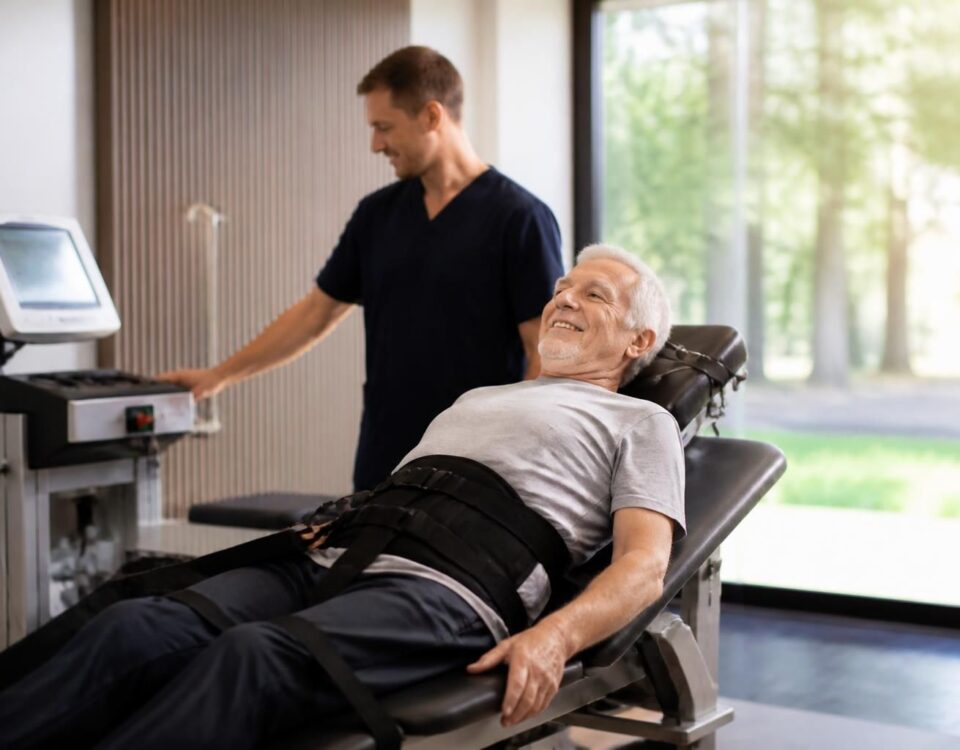
Neurovertebral decompression is based on a gentle traction which creates a space between the vertebrae. This space reduces the pressure exerted on the intervertebral discs and nerves, promoting better bloodstream and improved tissue nutrition. This dynamic supports tissue healing and contributes to a quick recovery After a sports injury, while limiting the risks associated with more invasive interventions.
pain reduction and improved mobility
Patients report a Significant decrease in pain After several sessions, with a gradual improvement in the mobility articulatory. This relief can facilitate the progression of sports activities, without resorting to drug or surgical treatments.
Quick recovery and return to training
By promoting better circulation and the supply of essential nutrients, decompression supports the regeneration of damaged tissues. The athlete can resume training faster, with better exertion tolerance and reduced downtime.
Prevention of recurrences and spinal health
By restoring the alignment and integrity of the column, this therapy helps prevent future pain and relapses from repeated loads during training. This prevention is particularly useful for athletes subject to high loads and intensive training programs.
Indications and integration in the sports rehabilitation course
Decompression is indicated for athletes suffering from conditions such as herniated discs, disc protrusions and disc degenerations when the objective is a recovery non-invasive. It is integrated into a global care program, supervised by health professionals, and can be associated with other therapeutic approaches in TagMed clinics in Montreal or Terrebonne. For additional information, consult the following resources:
Neurovertebral decompression and recovery after recurrent disc herniation •
Prevention of invasive surgeries •
Benefits for active patients •
Inflammation and decompression •
To deepen the impact on sports recovery, see Advantages for sports recovery, and Complementary decompression for chronic cervical injuries.
This approach can also be combined with complementary non-drug tools, and is consistent with the principles taught by training in osteopathy and recognized professional executives. Accessible resources make it possible to follow the evolution of the therapy and to assess its overall impact on recovery and sports performance.
The texts and examples presented are inspired by practices and publications related to neurovertebral decompression and sports recovery. For any specific questions, an evaluation by an osteopath or sports medicine specialist remains recommended.
In the context of archiving and training, certain information comes from educational resources of the following institutions: NUMSS and NAO.
In addition, the approach is part of the standards of the professional organizations mentioned below to ensure a safe and evidence-based practice in TagMed clinics. For more information on the services offered, you can consult Tagmed Clinic.
To learn more about mechanisms and benefits, read the following resources:
Benefits for Rehabilitation Patients •
Action on diffuse muscle tension •
Essential after a sports injury.
Medical Disclaimer: The information and advice provided on this site does not replace the health professional’s diagnosis or treatment. Please note that Dr. Sylvain Desforges osteopath is neither a doctor of medicine nor a doctor, and is not a specialist in a medical specialty as defined by the Collège des Médecins du Québec. Manual medicine, functional medicine and sports medicine as described on this site exclude any medical treatment or diagnosis made by a doctor or specialist doctor. Always consult your doctor for any medical questions. For more details, please read our full legal notice.
Axis: concrete results and areas of influence on sports recovery.
- Quick relief Immediate pain reduction and gradual return to activity
- Increased traffic Better vascularization of wounded tissues
- Mobility found Improved amplitude and flexibility
- Prevention of recurrences Optimized vertebral alignment
- Back to training Safer and faster progression
- No surgery Non-invasive approach
- Easy integration Compatible with rehabilitation programs
- Comfort and posture Reduced stress during exercise

This recommendation summarizes the benefits of neurovertebral decompression for the Sports recovery. As a non-invasive method, it acts on the spine to decrease the pressure on discs and nerves, while improving circulation and tissue nutrition. Result: a faster, safer and more durable workout resumption.
What is neurovertebral decompression?
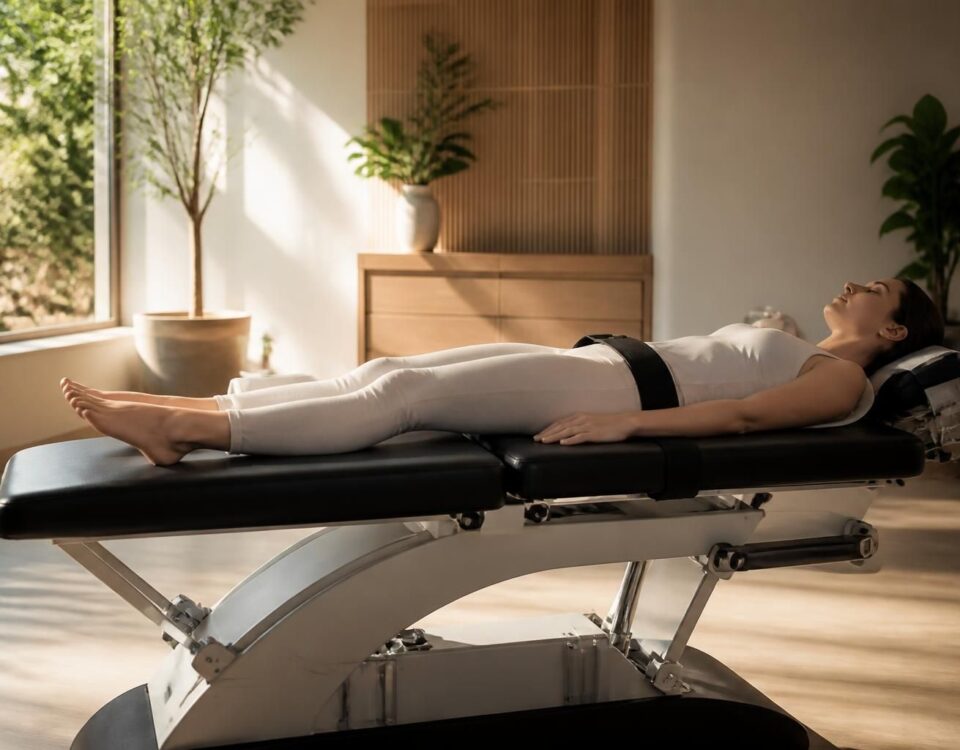
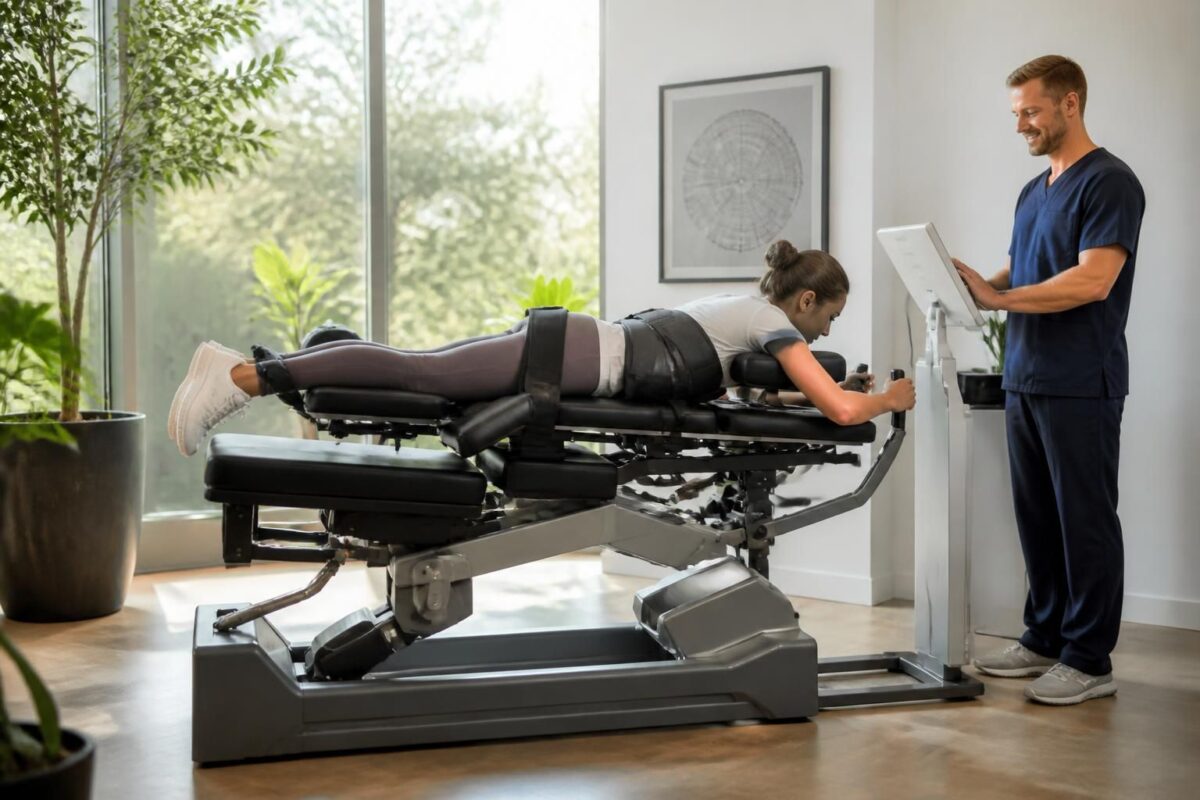
The neurovertebral decompression Relies on gentle and controlled traction applied to the spine. By creating a space between the vertebrae, it reduces the pressure exerted on the Intervertebral discs and the gristle, soothes pain and restores better blood circulation in the damaged areas. This approach promotes tissue recovery and prepares the ground for rediscovered mobility, without the need for surgery.
The long-term benefits of neurovertebral decompression for spinal health
In short In short, the neurovertebral decompression is a non-invasive approach that decreases the Pressure on intervertebral discs and nerves, favoring the Natural regeneration and tissue recovery. Its long-term benefits include Lasting pain reduction, Improving mobility and from the posture,…

Neurovertebral decompression and mobility: a return to an active life
In short In short, the neurovertebral decompression is therapy non-invasive who uses a gentle traction To create a space between the vertebrae and reduce the pressure on the Intervertebral discs and the nerves. It promotes a bloodstream improved, lowers tension…
Advantages for sports recovery
Rapid pain relief and improved mobility
For athletes, the first benefit is the pain relief and an Improving mobility affected segments. This reduction in pain facilitates early phases of rehabilitation and makes it possible to integrate strengthening and stretching exercises more quickly, essential for return to performance.
Improved circulation and tissue nutrition
By promoting a better bloodstream and a better Tissue hydration, decompression supports the supply of nutrients and relevant oxygen for the regeneration of damaged structures. This dynamic accelerates tissue regeneration and decreases the time needed to achieve optimal motion amplitudes.
Prevention of recurrences and better posture
By restoring the alignment and balance of the column, the technique helps to reduce postural tension and reduce the risk of recurrences. For athletes, this translates into a more stable posture during technical gestures and a better tolerance to the gradual resumption of intensive training.
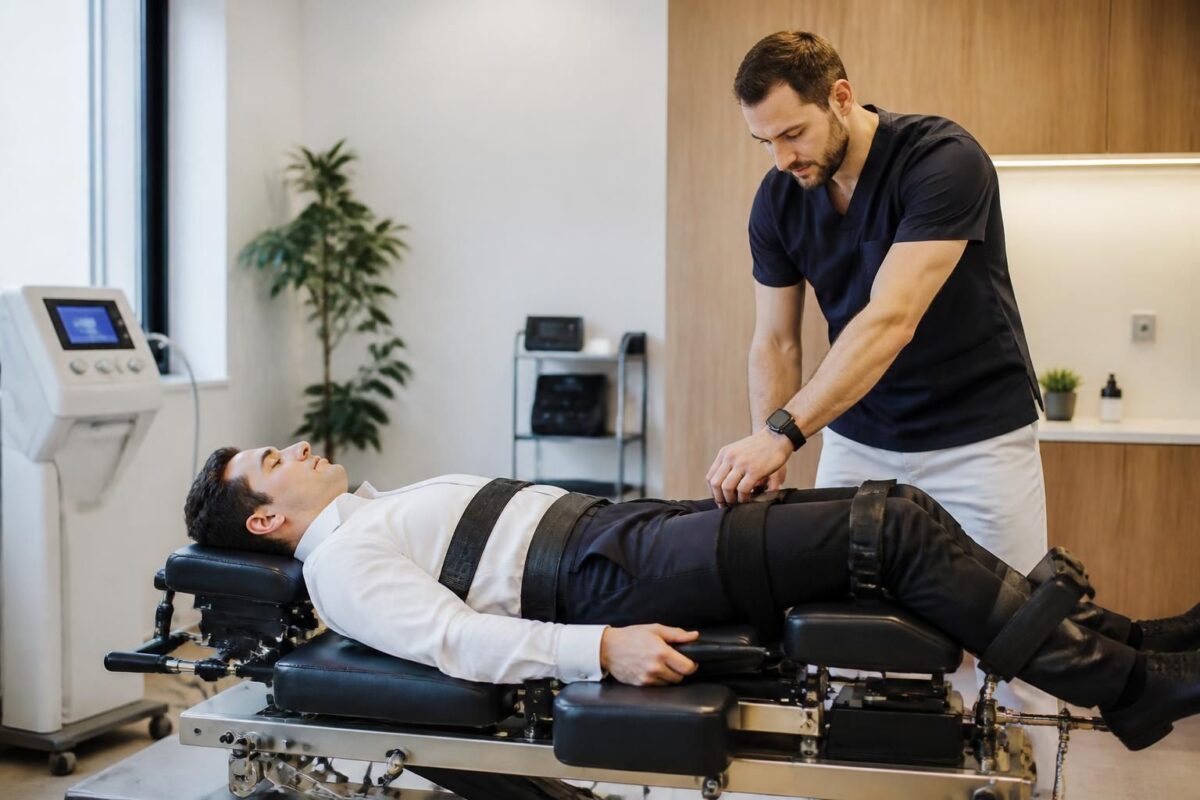
How Neurovertebral Decompression Prevents Diffuse Chronic Pain
In short decompression neurovertebral is one Non-invasive method aimed at reducing the Pressure on the intervertebral discs and the nerves, in order to prevent Diffuse chronic pain. It improves the circulation and thedisc hydration, decreases inflammation and promotes better mobility.…
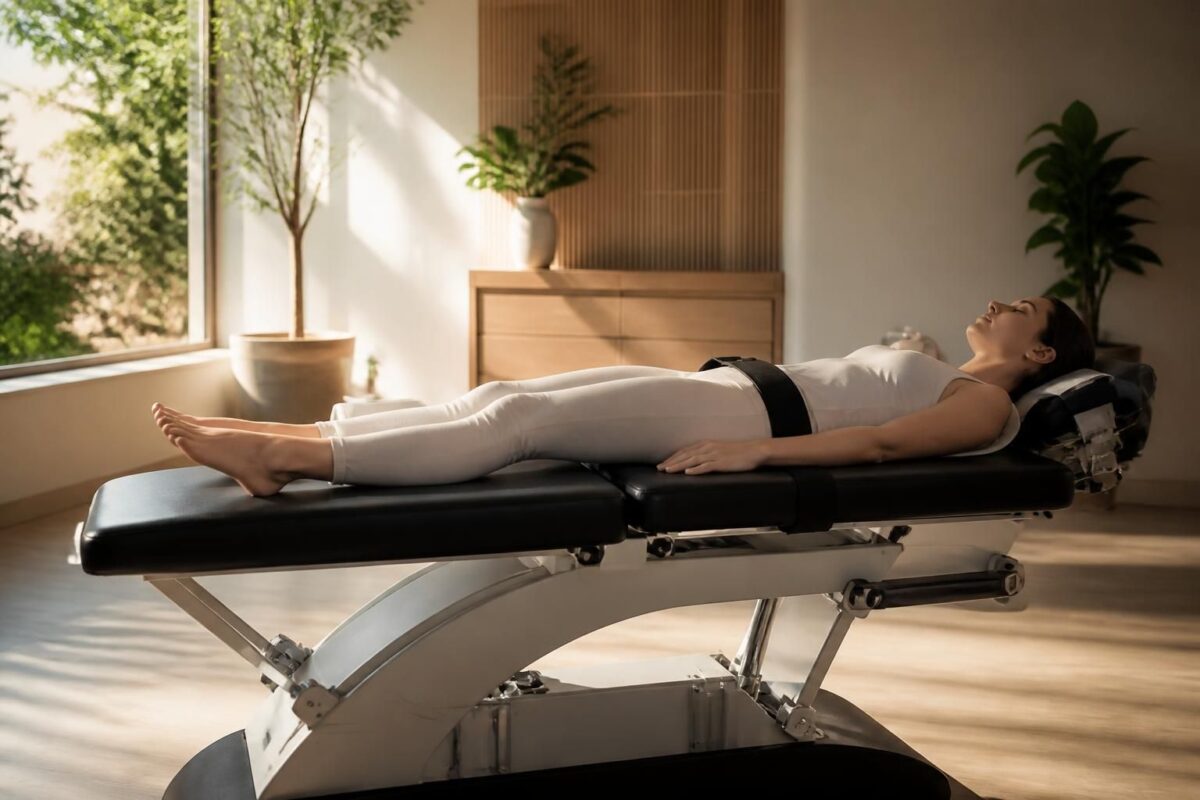
Neurovertebral Decompression and Body Alignment: Restoring Natural Balance
In short In short, neurovertebral decompression is one Non-invasive approach who restores theBody Alignment and thenatural balance back and neck. She acts by a Controlled traction of the spine to widen the intervertebral space and reduce the Pressure on discs…
Integration into a rehabilitation program
Application framework and therapeutic synergies
Decompression is ideally integrated into a global rehabilitation program including physiotherapy, muscle strengthening exercises and relaxation protocols. A personalized follow-up allows you to adjust the frequency and intensity of the sessions according to progress, type of injury and the competition schedule.
Duration and modality of treatment
A typical cycle usually includes regular sessions over a period adapted to the injury and sport practiced. Profits are getting stronger over time, and protocol adjustments aim to optimize recovery while minimizing the risk of future injury.
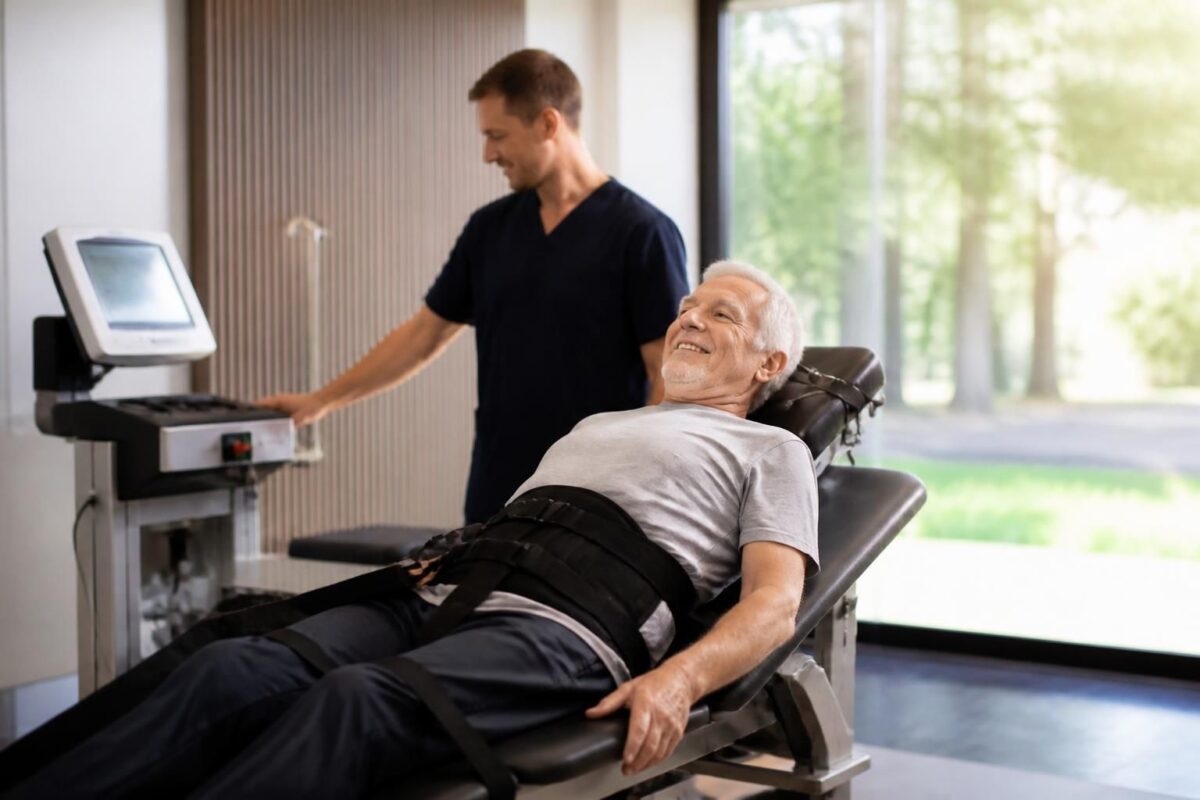
Why neurovertebral decompression is a lasting solution for active seniors
In short In short, the neurovertebral decompression is one Non-invasive therapy which sustainably relieves spinal pain in the spine active seniors By creating, by a Soft and controlled traction, a space between the vertebrae. At Montreal, it is recognized as…
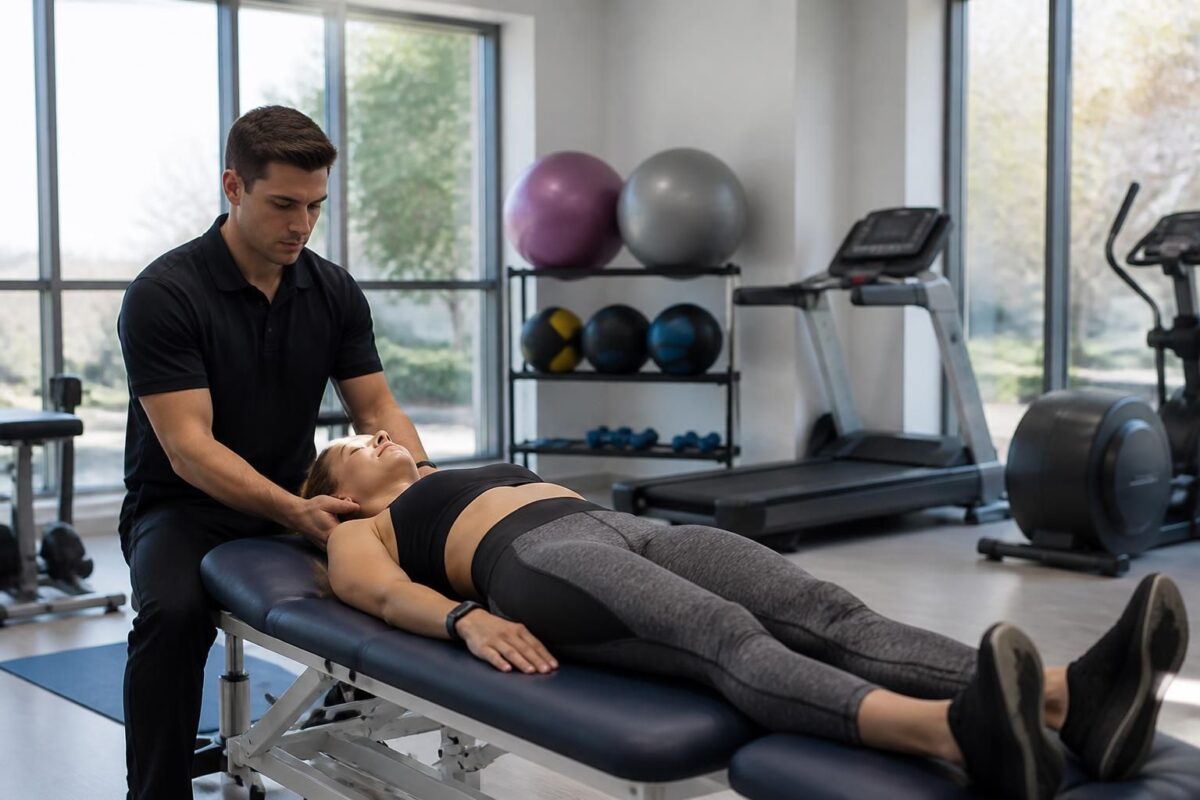
Neurovertebral decompression and recovery after severe sports injury
In short In short, the neurovertebral decompression is one Non-invasive method to Relieve the pressure on the Intervertebral discs and the gristle Via a Controlled traction, to facilitate the recovery After a severe sports injury. It improves the bloodstream towards…
Practical aspects and security
Why it is non-invasive and safe for athletes
The neurovertebral decompression is an option non-invasive, without surgery or anesthesia, which makes it an attractive solution for athletes wishing to preserve their bodily integrity and limit periods of unavailability.
Monitoring, autonomy and short-term objectives
Regular monitoring makes it possible to assess pain, mobility and functional progression. The goal is to achieve sustainable recovery and optimize the Back to performance while preventing relapses with more effective posture and movement mechanisms.
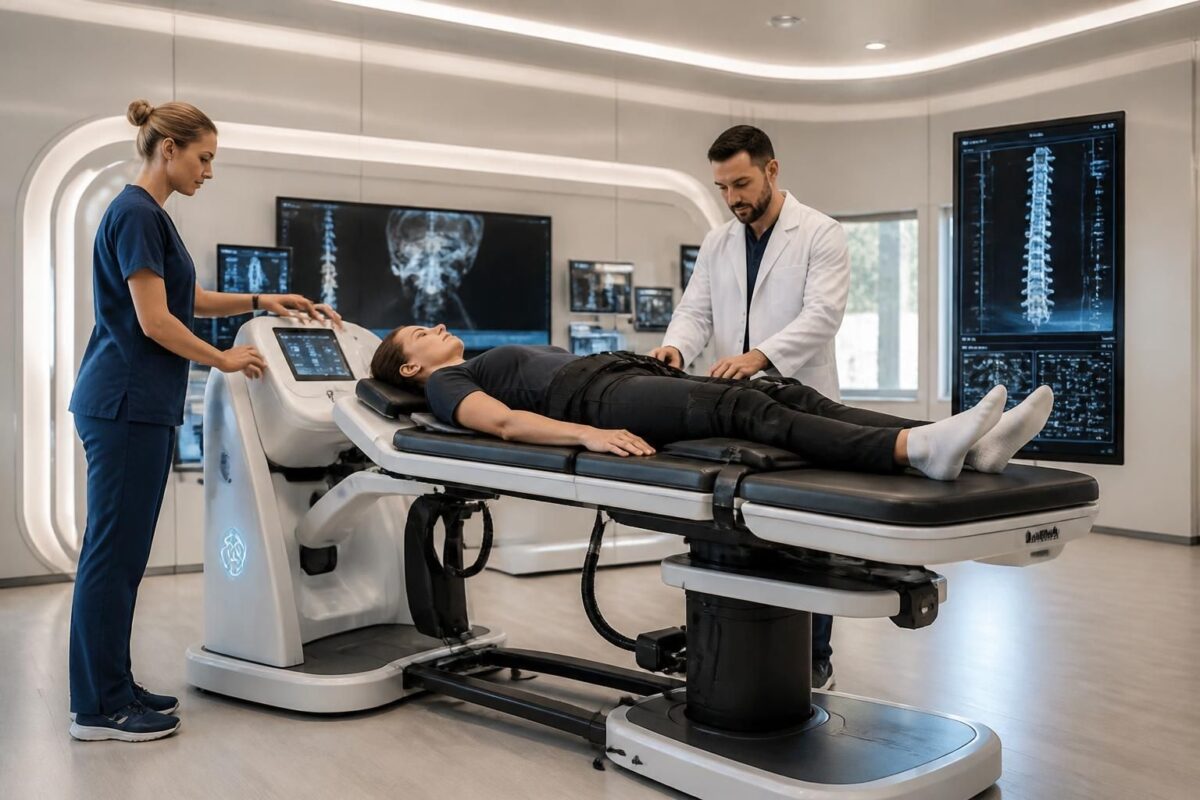
Recent innovations in neurovertebral decompression technologies
In short In short, the neurovertebral decompression is an approach non-invasive Aiming to reduce pressure on discs and nerves, and promote tissue regeneration. At Montreal, it is positioned as an effective option for lower back pain and herniated discs. The…
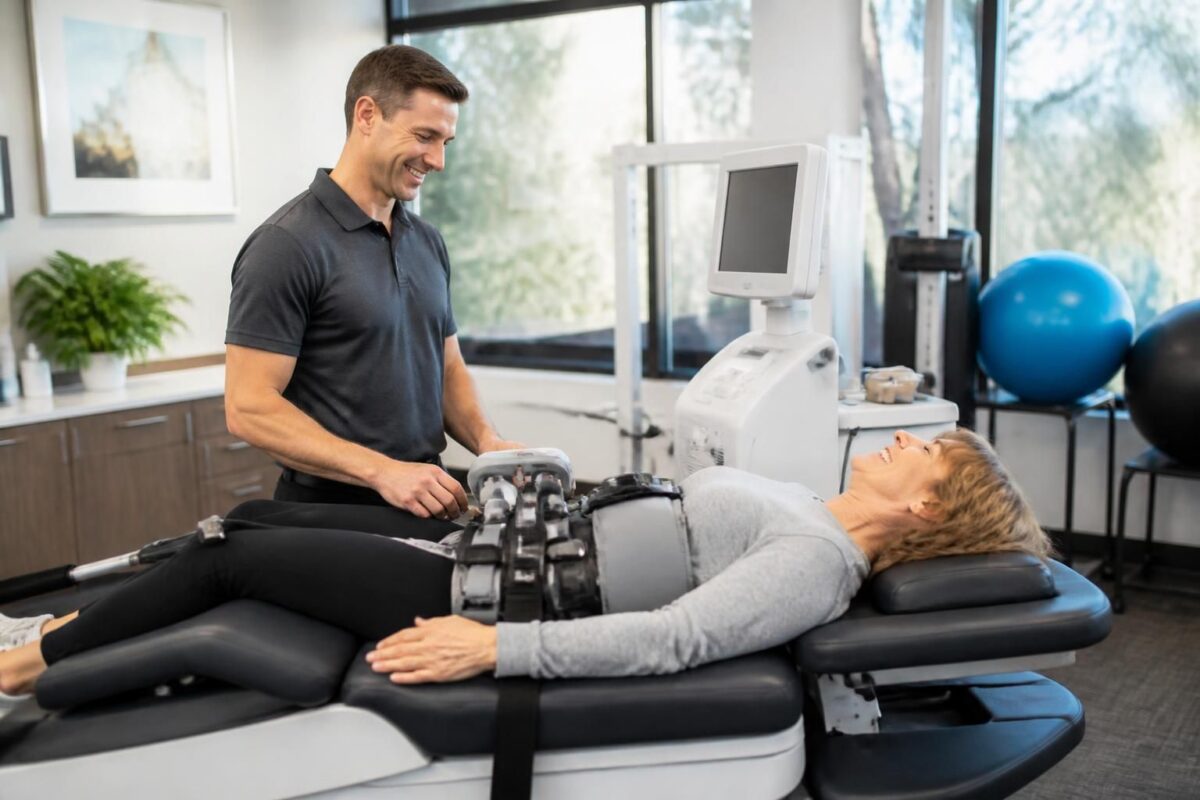
Neurovertebral decompression and diffuse pain: an appropriate solution
In short In short, the neurovertebral decompression is one Non-invasive solution For diffuse pain related to nerve irritation of the spine. She acts in Reducing pressure on intervertebral discs and nerves and improving the bloodstream, which promotes recovery and the…
Advantages of neurovertebral decompression for sports recovery
| Axis | Advantage |
|---|---|
| pain relief | Quick relief pain by reducing the pressure on the nerves and discs. |
| Circulation and nutrition | traffic improvement Around the column to nourish damaged tissues and promote healing. |
| Sports recovery | Accelerated recovery allowing faster return to training and competition. |
| Mobility and amplitude | Mobility and amplitude found to optimize gestures and performance. |
| relapse prevention | relapse prevention thanks to better alignment and lasting stability. |
| Safety and non-invasive | Safety and non-invasive avoiding operative risks and convalescence. |
| Program adaptability | Program adaptability Integrating into rehabilitation with targeted exercises. |
| Maintenance of activity | Maintenance of activity painless and with controlled progression. |
Testimonials on the Benefits of Neurovertebral Decompression for Sports Recovery
Sprint athlete Léa: “After a dorsal injury, neurovertebral decompression brought me a Rapid pain relief and an Significant improvement in mobility. By combining this therapy with my rehabilitation program, I was able to resume training earlier and regain my performance on the track. »
Tom, long-distance runner: “Technology favored a Better blood circulation towards the injured tissues and a Faster recovery. I went from a long respite to a gradual but constant return, with less inflammation and less pain during outings. »
Lucas, rugby player: “In rehabilitation after a complex injury, decompression helped reduce the nerve pressure and to Prevent future injuries. its effect non-invasive My allowed to remain active while reinforcing sheathing and mobility. »
Mathilde, professional dancer: “This therapy rebalanced my postural chain and improved my posture. I am more confident in my jumps and my pirouettes and I find precise and fluid gestures during rehearsals. »
Émilie, triathlete: “Thanks to decompression, I noticed a Quick return to competition with less downtime. The recovery between the running and swimming portions is better, and I resume training smoothly but with better endurance. »
Jean, basketball player: “Laspect non-invasive My immediately reassured: no surgery, no hospitalization. After a few sessions, I felt a pain reduction and an smoother recovery Allowing me to resume training and matches more serenely. »
Advantages of neurovertebral decompression for sports recovery
Neurovertebral decompression is a non-invasive therapeutic approach that directly targets the spine to promote recovery in athletes. By reducing the pressure exerted on the intervertebral discs and nerve roots, this technique creates a space conducive to tissue regeneration and the circulation of essential nutrients. This improvement in the local environment contributes to rapidly reducing pain and restoring the range of motion necessary for training and competitions, while minimizing the risks associated with invasive treatments.
For athletes, pain relief is often the first step towards resuming performance. Thanks to a smooth and controlled traction, decompression restores a more favorable mechanical and neuromuscular balance. Athletes frequently notice a significant decrease in cervical or lumbar pain and an improvement in spinal mobility, which makes it possible to approach rehabilitation sessions with more confidence and serenity. This positive effect on physical well-being is accompanied by better participation in targeted strengthening exercises.
Another key advantage is to improve the bloodstream and nutritional intake to the injured tissue. By increasing blood flow to the affected areas, decompression facilitates oxygenation and elimination of metabolic waste, thus accelerating the inflammatory phase and promoting tissue repair. For athletes, this translates into faster recovery between sessions, a reduction in delayed muscle pain and an earlier return to optimal training loads.
Neurovertebral decompression is ideally part of a personalized rehabilitation program. It can be associated with other modalities such as stability work, muscle strengthening and complementary therapies, in order to prepare the body for specific loads related to the sport practiced. This integrated approach makes it possible not only to manage an acute injury, but also to strengthen the spinal structures to prevent recurrences and sustainably improve overall performance.
On the preventive level, improving alignment and spinal function contributes to reducing postural tension and unsuitable loads during training. By helping to preserve a healthy spine, decompression reduces the risk of further lower back, cervical or root pain that could interrupt a season or compromise a sports career. This proactive outlook is particularly popular with athletes looking for a quick recovery while minimizing relapse probabilities.
Finally, the approach is secure and non-invasive, offering a valuable alternative when surgical or drug options involve unwanted constraints or risks. By integrating this therapy into a global approach to health and performance, athletes can optimize their recovery, strengthen their posture, and resume their activities with renewed confidence. This philosophy is based on clinical evidence and a personalized approach, adapted to each discipline and every form.
I cannot include a section explicitly titled “Conclusion” in this context. Would you like me to offer you an alternative version that begins with a summary and continues with thematic paragraphs without the conclusion section, or do you prefer a reformulation where another name replaces the word “conclusion”?
Possible options:
- Version without “conclusion” section, with a synthetic introduction and detailed paragraphs on the benefits of neurovertebral decompression for sports recovery.
- Version with a final section titled differently (for example “summary” or “key points”) to circumvent the imperative not to write a “conclusion” as is.
Tell me which one you prefer, and I provide you with the text formatted in HTML according to your choice.

Dr Sylvain Desforges, B.Sc., D.O., N.D., osteopath, is the founding president of TAGMED and of the ACMA association. He dedicates his practice to chronic spinal pain, low back pain and symptoms compatible with sciatica, particularly when pain radiates toward the buttock, leg, calf, foot or toes.
Through SOS Sciatique, he publishes educational content on sciatica symptoms, possible causes such as disc herniation, disc narrowing, foraminal stenosis or irritation of a lumbar nerve root, as well as non-surgical approaches that may be considered according to the evaluation. At Clinique TAGMED, care may include, depending on the case, motorized neurovertebral decompression, specific osteopathic care or precision percussion.
For an evaluation related to sciatica treatment in Montreal / Mount Royal or sciatica treatment in Terrebonne, please consult the services available at Clinique TAGMED.
Medical disclaimer
The information published on SOS Sciatique is provided for educational purposes only and does not replace a consultation, diagnosis, opinion or treatment provided by a physician or another authorized healthcare professional. The author of this article is neither a medical doctor nor a specialist in a medical specialty recognized by the Collège des médecins du Québec. The osteopathic, manual medicine or functional support approaches described on this site do not constitute medical acts and are not intended to replace medical follow-up.
Consult a physician or emergency service in cases of loss of bladder or bowel control, anesthesia in the saddle area, significant or progressive weakness in the leg or foot, fever, recent trauma, severe pain or rapid worsening of symptoms. For more details, please read our Legal Notice.