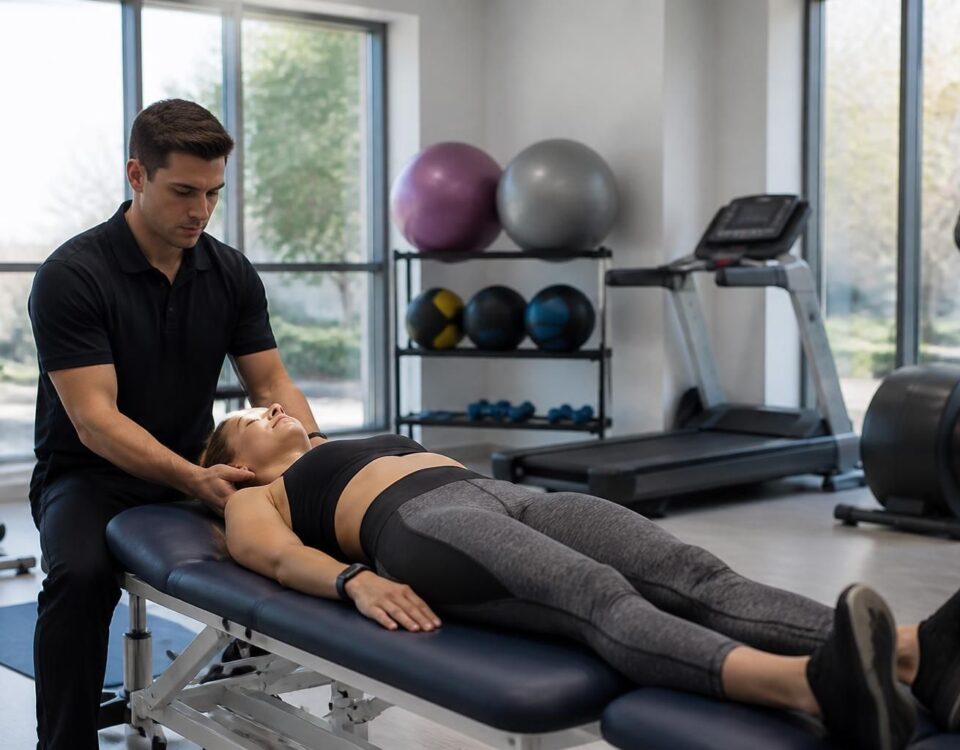
Neurovertebral decompression and overall well-being: a holistic approach
26/06/2026
Neurovertebral decompression and prevention of recurrences after a spinal injury
26/06/2026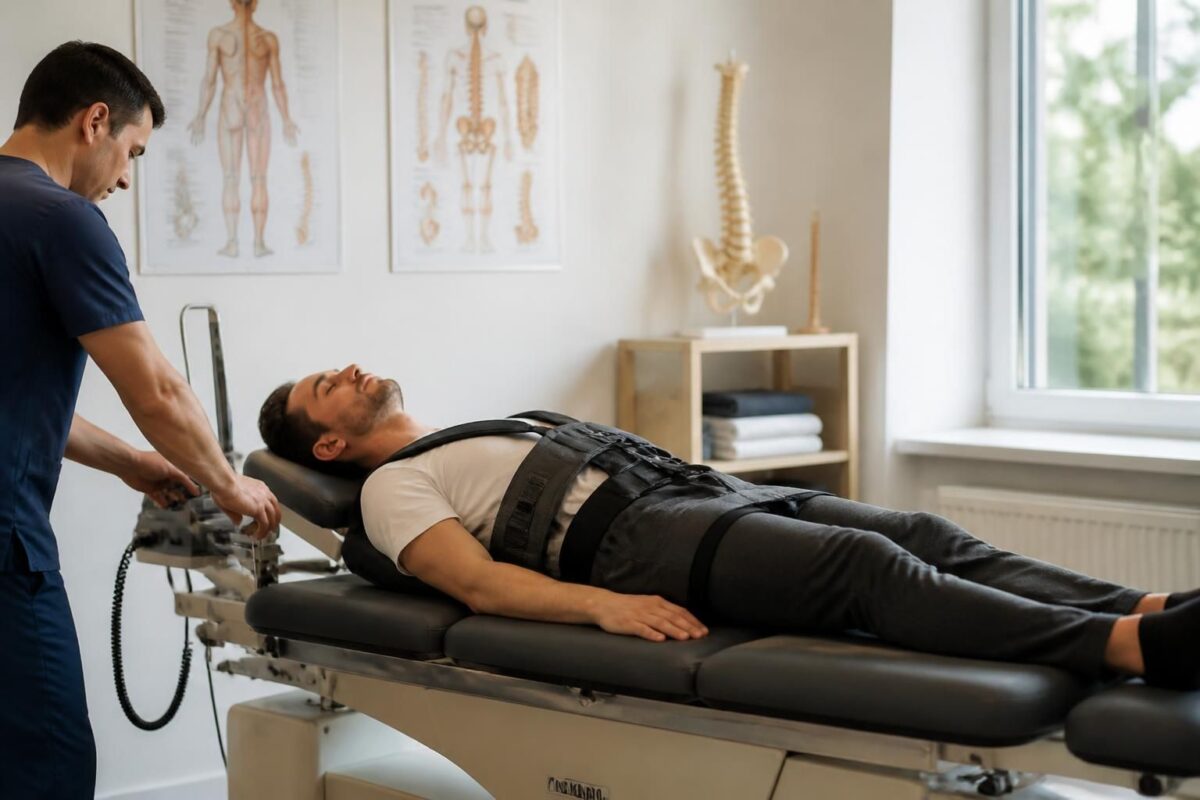
In short
| In short, the neurovertebral decompression is one Non-invasive approach intended to improve the spinal flexibility by a gentle traction On the spine. How does it work? it creates a space between the vertebrae, decreases the pressure on the Intervertebral discs and the gristle, and promotes better bloodstream Around the column. What advantages? pain reduction, Increase in mobility, Improved flexibility and from the posture, with less muscle tension and a better quality of life. accessible to Montreal, this treatment is particularly recommended for back pain and chronic stiffness, without surgery or heavy drugs. |
The neurovertebral decompression Acts by a Soft and controlled traction on the column, creating a Space between the vertebrae and decreasing the Pressure on intervertebral discs and nerve roots. This pressure reduction improves the bloodstream around the region and stimulates the tissue regeneration, favoring a spinal flexibility increased. It also leads to a Relaxation of muscle tension and an Improved range of motion, as well as a best posture. As an approach non-invasive, it can be integrated into a rehabilitation program and offer rediscovered mobility without surgery.
This text, written by a health professional and expert in manual medicine, explains how the neurovertebral decompression can improve the spinal flexibility. It works by reducing pressure on the intervertebral discs and nerve roots, while promoting appropriate blood circulation. The result is regained mobility and a more lasting feeling of comfort, without resorting to invasive gestures.
Mechanism of action
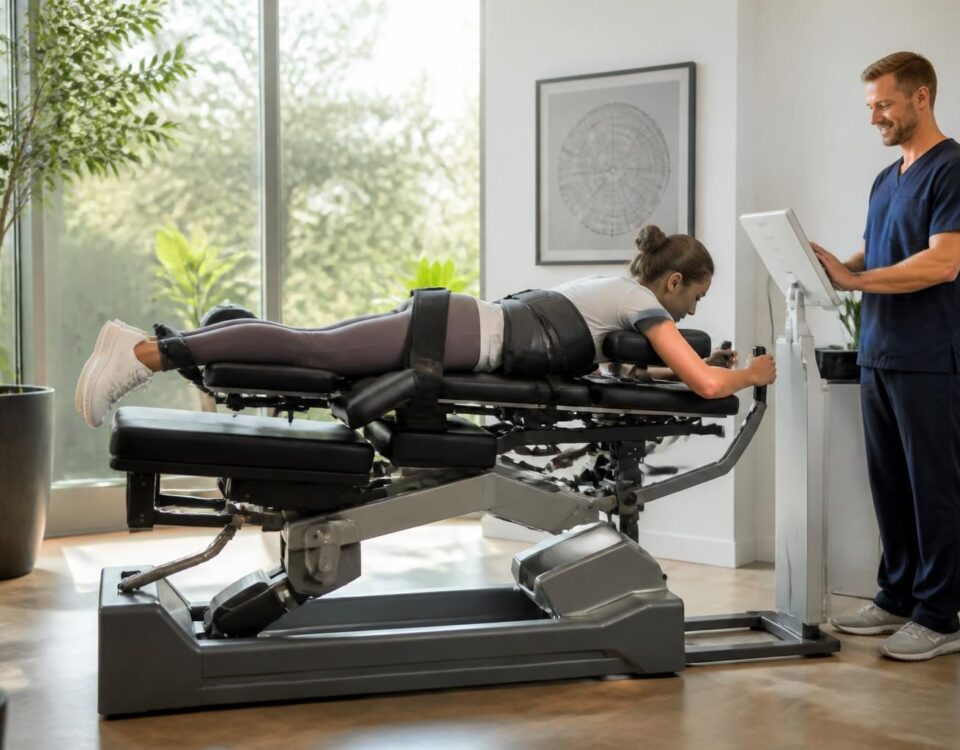
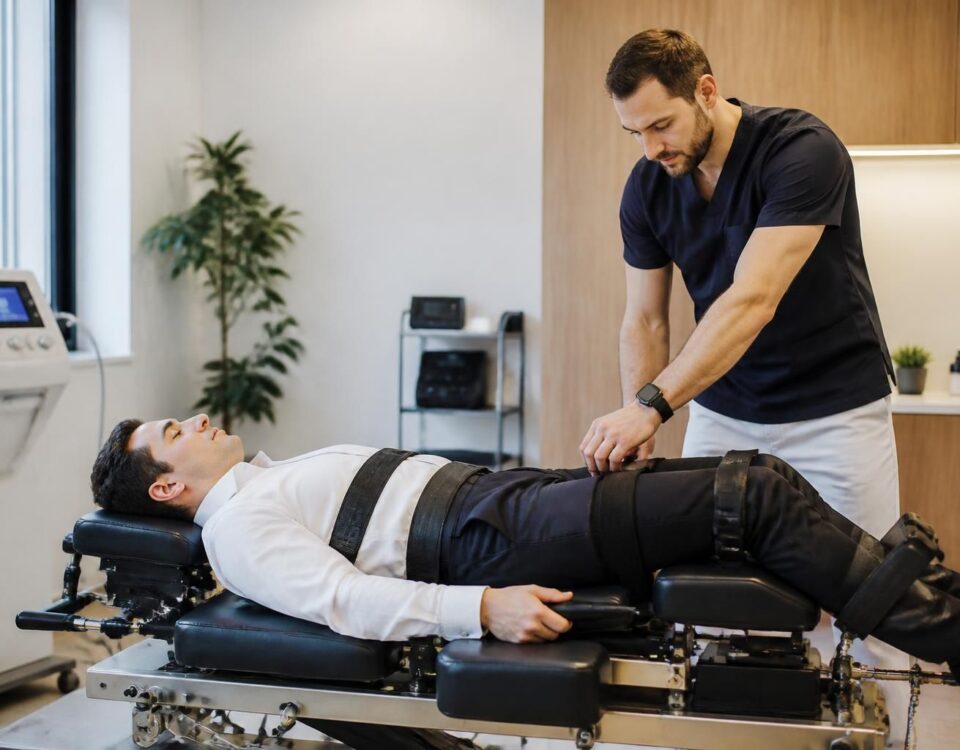
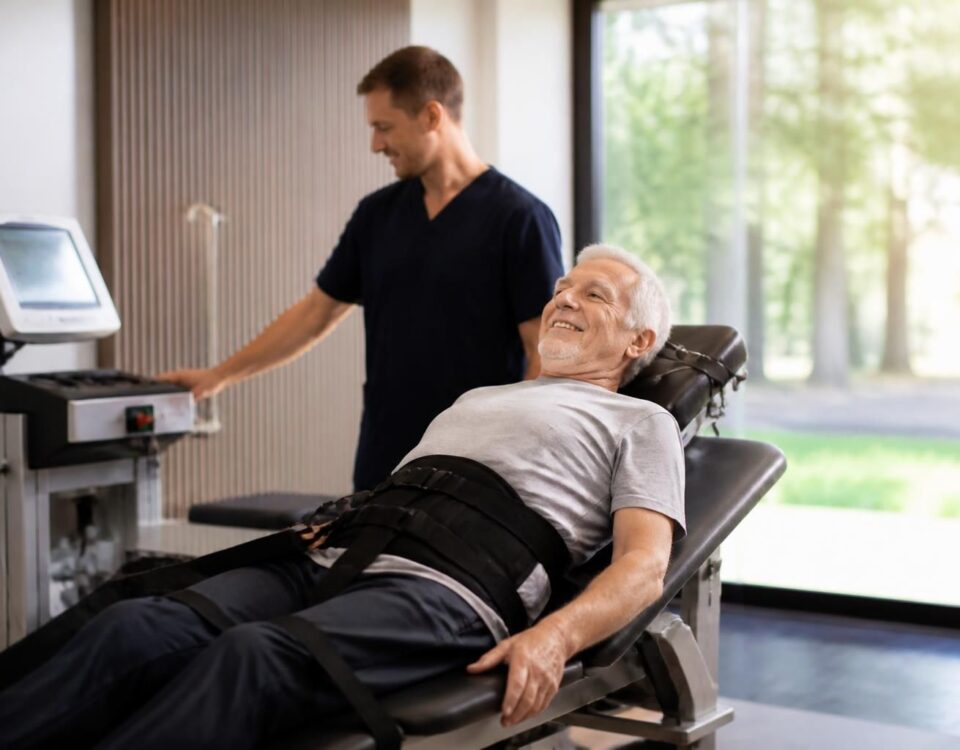
Neurovertebral decompression uses gentle, controlled traction on the spine. This action creates a space between the vertebrae and decreases the pressure exerted on the intervertebral discs and nerves. This pressure reduction improves the bloodstream local and nutrient intake, which supports tissue recovery and movement flexibility.
Effect on mobility and postural balance
by releasing the muscle tension surrounding the spine and promoting better alignment, the spinal flexibility improves. The range of movements increases and the ease of daily gestures is reinforced. This improvement also translates into better posture and a general feeling of lightness in the body.
Clinical results and evidence available
Clinical data report that the majority of patients see an improvement in their quality of life after a neurovertebral decompression protocol. Typical percentages indicate a marked decrease in pain and better long-term mobility. These results are also observed in the decrease in muscle tension associated with the spine.
To deepen, consult the following resources on the topic of neurovertebral decompression and its effects on flexibility:
Complete guide to neurovertebral decompression
Quality of life and spinal stenosis
Why choose neurovertebral decompression for radicular pain
Integration into the care pathway
Neurovertebral decompression is a non-invasive approach that can be considered in addition to other non-pharmacological techniques. It combines with a global approach to care and can be offered by specialized clinics for Montreal and the surrounding area. For more information, discover the resources offered by TagMed clinics and specialized sites.
For more information about clinical applications and observed results, see these references:
Reduction of muscle tension by decompression
Advantages for sports recovery
Important points and precautions
Neurovertebral decompression offers a natural way to improve the spinal flexibility and mobility, while minimizing the risks associated with more invasive interventions. It is not intended to replace a personalized medical opinion; Each patient benefits from an adapted plan based on their clinical history and function objectives.
For patients with column-associated conditions, information and orientation remain essential. Additional resources are available on dedicated sites and specialized clinics, including those associated with TagMed and the specialized platforms below.
For more information, you can check:
Why choose decompression for mechanical pain
As part of global support, neurovertebral decompression can be considered in combination with other non-pharmacological therapies available via the TAGMED clinics in Montreal and Terrebonne.
Medical Disclaimer: The information and advice provided on this site does not replace the health professional’s diagnosis or treatment. Please note that Dr. Sylvain Desforges osteopath is neither a doctor of medicine nor a doctor, and is not a specialist in a medical specialty as defined by the Collège des Médecins du Québec. Manual medicine, functional medicine and sports medicine as described on this site exclude any medical treatment or diagnosis made by a doctor or specialist doctor. Always consult your doctor for any medical questions. For more details, please read our full legal notice.
References and additional resources:
Spinal flexibility and decompression
- Controlled traction : increased intervertebral space, pressure On discs and nerves decreased.
- vertebral alignment : Improved posture and release of tensions between segments.
- Release of muscle tension : Muscles around the spine relax, facilitating movements.
- Improved local traffic : Increased blood flow to the vertebral and paravertebral tissues.
- Tissue regeneration : better oxygenation and nutritional intake promoting flexibility.
- Restored range of motion : more flexible and freer joint.
- Improved proprioception : Nerves less tablets reinforcing the perception of movement.
- Reduced exertion pain : Facilitated mobility without early pain.
- confidence in the movement : Feeling of mobility regained on a daily basis.
- Recovery and sleep : Less nocturnal pain and better muscle recovery.

Neurovertebral decompression acts by gentle and controlled traction to create a space between the vertebrae, decrease pressure on the intervertebral discs and nerves, and promote the relaxation of muscles around the spine. This approach gradually improves the spinal flexibility and therange of motion, while stimulating the bloodstream local and reducing tensions. Here are practical recommendations to get the most out of this technique and optimize your mobility without pain.
Principle and mechanism
The gentle traction Used in decompression creates a space between the vertebrae, which releases the compressed nerve roots and allows more effective stretching of soft tissue around the spine. This improved alignment promotes smoother movements and prepares the body for additional stretching and exercise.
Pressure reduction and muscle relaxation
By reducing the pressure exerted on the Intervertebral discs And on the nerves, decompression contributes to reducing spasms and tensions in the paravertebral muscles. This voltage reduction quickly facilitates better mobility And a general feeling of relaxation in the upper and lower back.
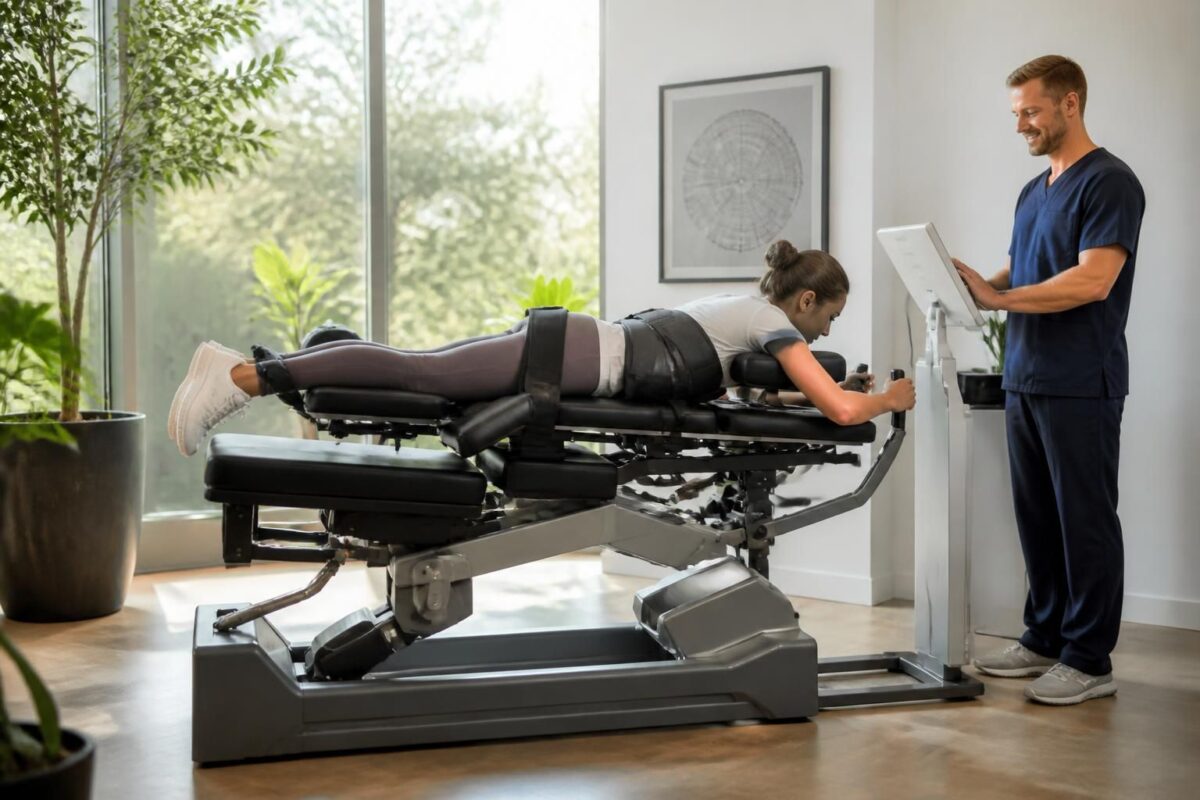
The long-term benefits of neurovertebral decompression for spinal health
In short In short, the neurovertebral decompression is a non-invasive approach that decreases the Pressure on intervertebral discs and nerves, favoring the Natural regeneration and tissue recovery. Its long-term benefits include Lasting pain reduction, Improving mobility and from the posture,…
Effects on circulation and oxygenation
a better one bloodstream Around the spine improves nutrient and oxygen supply to tissues, facilitating disc regeneration and muscle recovery. This increased irrigation sustainably supports the flexibility and the ability to adopt varied positions without pain.
Role of disk regeneration
By promoting the decompression of disc spaces, this approach helps to reharmonize the function of the discs, which makes it possible to stretch the spinal segments more freely and to maintain a Sustainable mobility.

Neurovertebral decompression and mobility: a return to an active life
In short In short, the neurovertebral decompression is therapy non-invasive who uses a gentle traction To create a space between the vertebrae and reduce the pressure on the Intervertebral discs and the nerves. It promotes a bloodstream improved, lowers tension…
Posture and alignment
Decompression helps restore a Spinal alignment correct, which reduces asymmetrical tensions and improves postural balance. A better aligned column allows for more effective and less restrictive movements for the joints and muscles, thus reinforcing the flexibility overall.
posture improvement
With better alignment, the body can adopt more natural daily positions, decreasing points of tension and favoring a range of motion freer during daily and sporting activities.
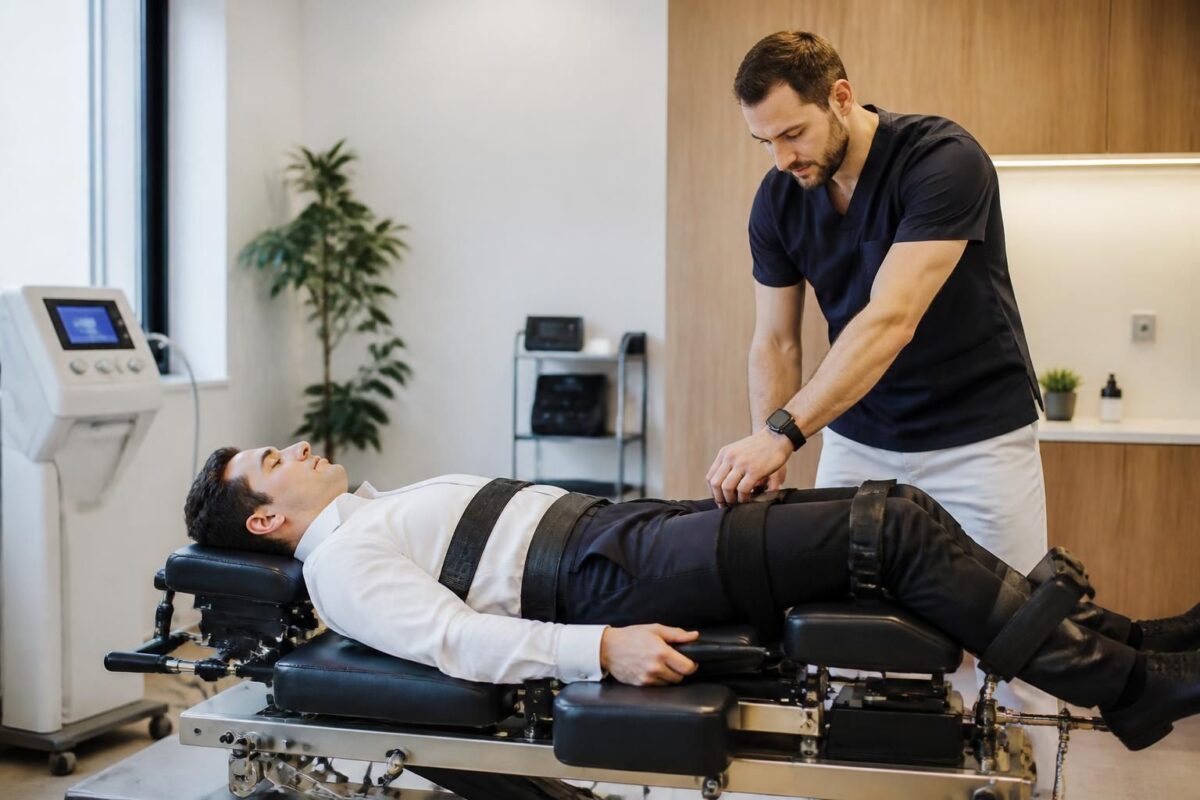
How Neurovertebral Decompression Prevents Diffuse Chronic Pain
In short decompression neurovertebral is one Non-invasive method aimed at reducing the Pressure on the intervertebral discs and the nerves, in order to prevent Diffuse chronic pain. It improves the circulation and thedisc hydration, decreases inflammation and promotes better mobility.…
Integration into a rehabilitation program
To optimize gains, combine decompression with a structured program that includes tailored stretching and reinforcement exercises guided by a qualified professional. Start with regular sessions, then progress gradually according to your feelings and your tolerance. Hydration, controlled breathing and sufficient recovery support the beneficial effects and improve the flexibility.
Typical action plan
In practice, plan a 6 to 12 week course with supervised decompression sessions, supplemented by targeted relaxation and reinforcement exercises. Follow the evolution of therange of motion and from the pain To adjust the intensity and duration of the sessions in collaboration with your practitioner.
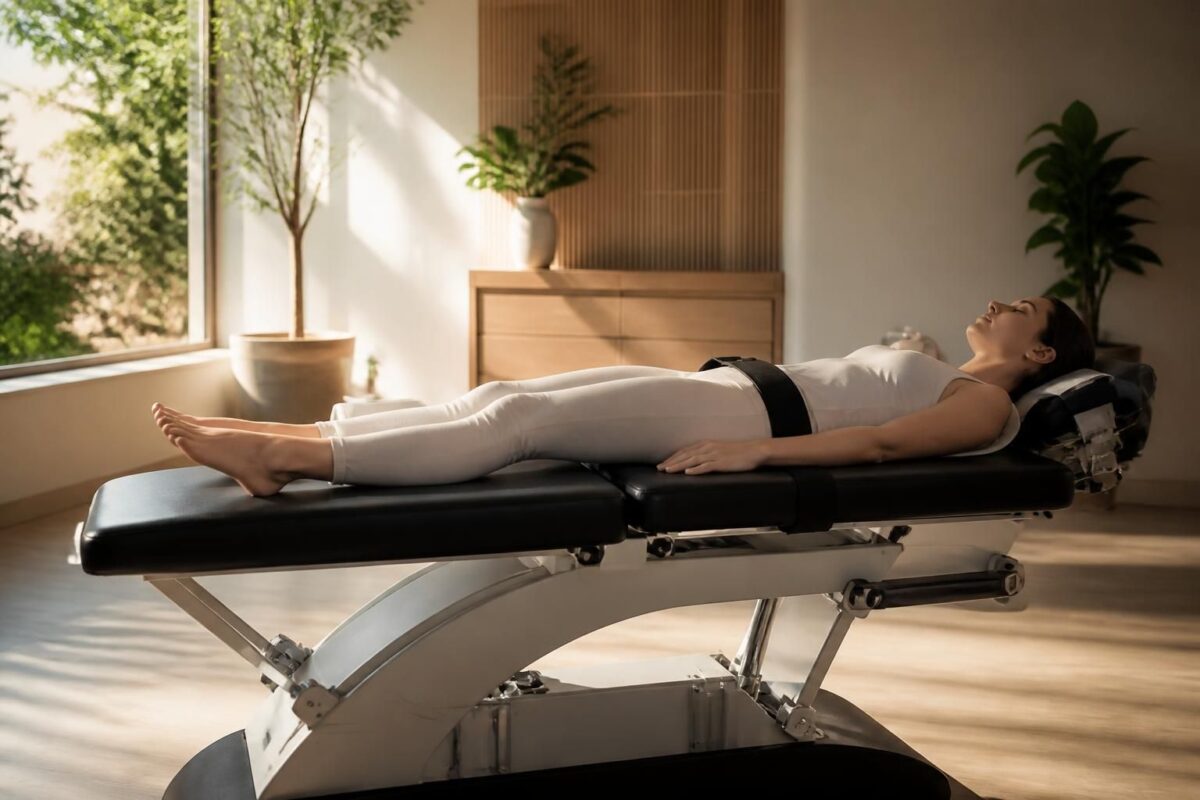
Neurovertebral Decompression and Body Alignment: Restoring Natural Balance
In short In short, neurovertebral decompression is one Non-invasive approach who restores theBody Alignment and thenatural balance back and neck. She acts by a Controlled traction of the spine to widen the intervertebral space and reduce the Pressure on discs…
Testimonials and expected results
Patients usually describe a Increased range of motion, a reduction in Muscle tensions and an Better quality of life thanks to regained mobility. Decompression promotes better nocturnal posture and a reduction in pain related to stiffness, allowing daily activities and leisure activities to be resumed more freely.
| Element / Mechanism | Impact on spinal flexibility |
|---|---|
| Controlled traction between the vertebrae | Increased intervertebral space, reduced pressure on discs, ease of mobility |
| Release of nerve roots compressed | More fluid movement and regained amplitude |
| Relaxation of muscle tension Around the column | Flexible flexibility and improved posture |
| Regional blood circulation improved | Recovery and easy movement |
| Spinal alignment recovered | More homogeneous movement and stable posture |
| Reduced joint resistance | Freer joints and more flexible gestures |
| decrease in pain related to voltage | Less pain, better tolerance to movement |
| Activation of mechanoreceptors and muscle tone | Stabilized tone, improved engine control |
| Lasting effects and stiffness prevention | Maintained flexibility and preserved mobility |
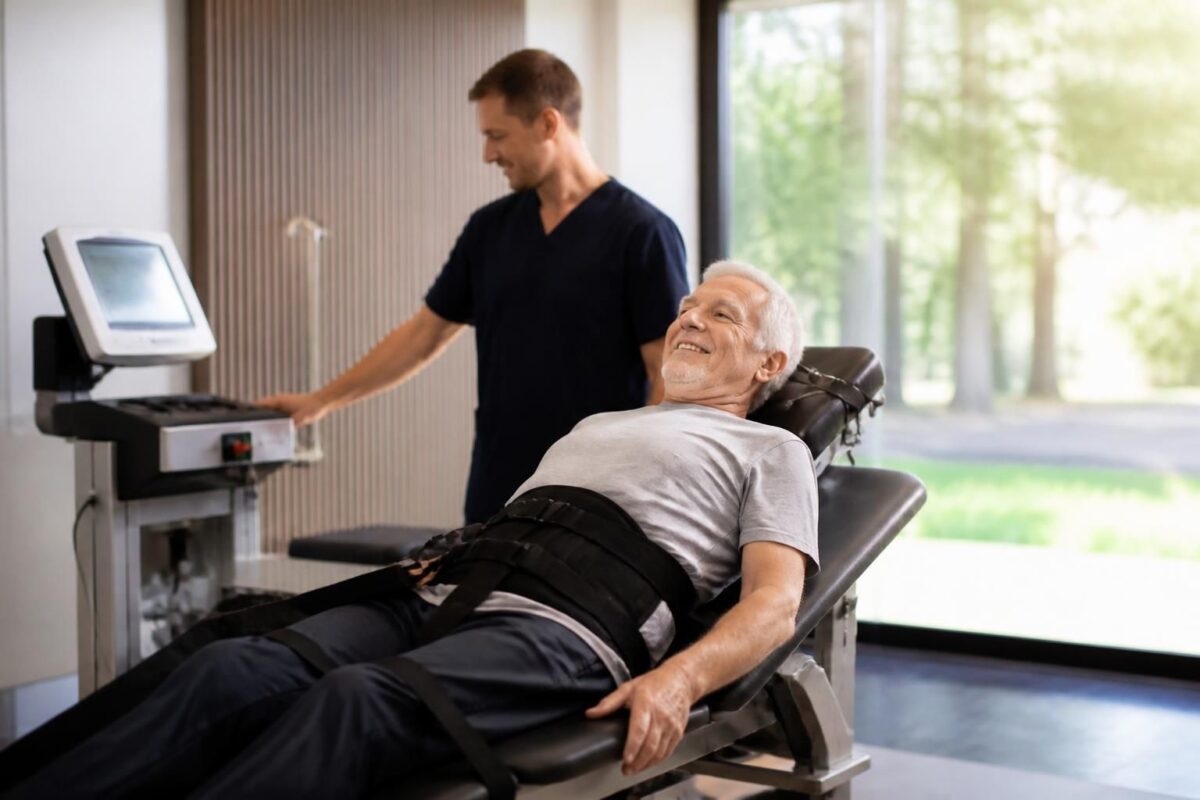
Why neurovertebral decompression is a lasting solution for active seniors
In short In short, the neurovertebral decompression is one Non-invasive therapy which sustainably relieves spinal pain in the spine active seniors By creating, by a Soft and controlled traction, a space between the vertebrae. At Montreal, it is recognized as…
Testimonials on improving spinal flexibility through neurovertebral decompression
Since the start of treatment, my spinal flexibility improved significantly. I now feel my more fluid movements when I mix in the morning and I can move without this feeling of stiffness that once accompanied me.
The neurovertebral decompression opened a new space between my vertebrae, and I noticed a mobility found during flexions and twists. My muscles around the spine relax more easily and the pain has significantly reduced.
After a few sessions, my flexibility gained in amplitude. I can make movements that I had abandoned, and my posture improved on a daily basis, which decreases tension in the lower back.
In practice, I noticed a Improvement of flexibility during my sports sessions. Stretching is more effective and I feel less restricted in my actions, which allows me to be more active without persistent pain.
For me who often fishes with tense muscles, the decompression really released the tensions around the spine. My spinal flexibility came back and I found more natural movements without forcing the pain.
My experience shows that the bloodstream around the column also improves, which contributes to better recovery and to a Improving mobility overall. I am freer in my daily gestures and my nights are less disturbed by pain related to stiffness.
Dr. Sylvain Desforges is a recognized practitioner in the fields ofosteopathy, from the naturopathy and from the manual medicine. At the head of the TagMed clinics and founding president of the ACMA association, he devotes his career to theHealth Innovation and at the support for Chronic pain. Its approach is based on the integration of advanced technologies, including neurovertebral decompression, the laser and the Shockwave therapy, in order to offer solutions evidence-based. Its purpose is toOptimize health and well-being of his patients by combining scientific rigor and global concern for the body. In this context, the neurovertebral decompression occupies a central place to improve the mobility and the flexibility column while preserving bodily integrity.
The neurovertebral decompression is one Gentle traction technique applied to the spine. It creates a space between the vertebrae, releasing the intervertebral discs and compressed nerve roots. This approach non-invasive Improves the bloodstream local and reduces muscle tension surrounding the spine. By promoting this relaxation and allowing the tissues to regenerate, it gradually restores theSpinal alignment and coordination of the spinal segments. The whole is part of a global approach, respectful of the body, which aims to return a Smooth mobility and sustainable, without systematic recourse to surgery.
By reducing the pressure on the discs and on the nerves, decompression improves themagnitude of movements and relieves muscle spasms. The muscles surrounding the spine relax, stiffness decreases and the torso as well as the hips gain in mobility. This Improved nerve function and the best blood flow Promote faster recovery, making daily gestures easier and less painful. The spinal flexibility This is strengthened for a long time, allowing the patient to move with more freedom and comfort.
The clinical results support this evolution: a significant part of the patients report a Improved quality of life, a lasting reduction in pain and an Increased mobility. Added to this is a decrease in addiction to analgesics and a better quality of sleep, contributing to a more active and autonomous life. Neurovertebral decompression thus offers an alternative non-invasive and effective to restore spinal function and improve overall well-being.
In Dr. Desforges’ offices, this technique often integrates with other therapeutic approaches, such as laser, shockwave therapy and neuromodulation technologies like Pulse Align. This synergy aims to release tension, improve circulation and support muscle recovery, in order to sustainably restore the flexibility and the mobility of the spine. Each patient benefits from a personalized plan, designed to respect bodily integrity and promote safe progression.
To discuss a suitable plan and consider neurovertebral decompression as a lever for Release of flexibility Spinal, contact a clinic affiliated with Tagmed. The route offered by Dr. Desforges combines expertise and cutting-edge technologies to get your column back in motion and resume your daily activities with energy and confidence.
This article highlights how the neurovertebral decompression can improve the spinal flexibility By acting on the mechanisms that limit the range of motion. by creating a space between the vertebrae and reducing the pressure on the Intervertebral discs And the nerves, this non-invasive approach makes it possible to stretch the spinal segments and optimize mobility while soothing the muscle tension that surrounds the spine.
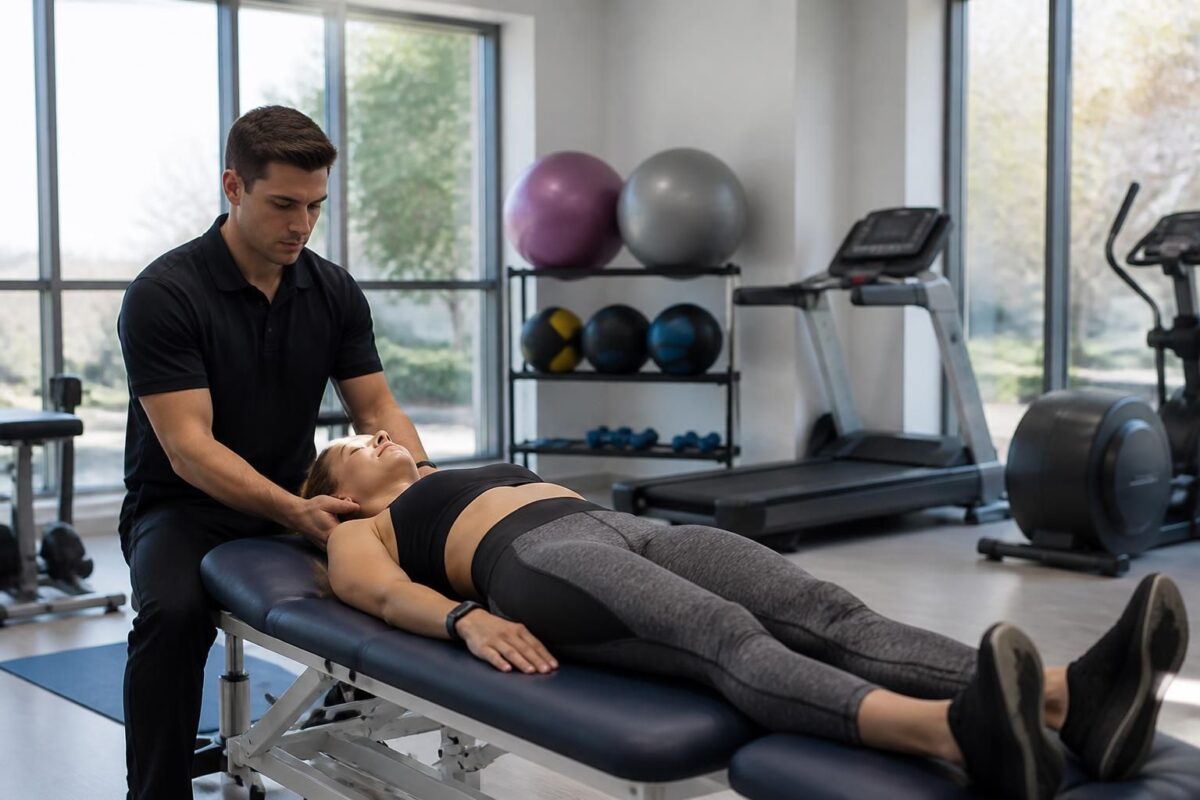
Neurovertebral decompression and recovery after severe sports injury
In short In short, the neurovertebral decompression is one Non-invasive method to Relieve the pressure on the Intervertebral discs and the gristle Via a Controlled traction, to facilitate the recovery After a severe sports injury. It improves the bloodstream towards…
Impact on spinal flexibility: mechanisms and effects
The Controlled traction applied during decompression creates a intervertebral space which decreases the Pressure on discs and on the gristle. This adjustment promotes the stretching of surrounding tissues and improves the elasticity of posterior muscle chains, which results in a Increased range of motion and better overall flexibility.
In addition, improving the bloodstream In the vertebral area brings more oxygen and nutrients to the tissues, accelerating repair and recovery processes. This better irrigation directly contributes to a Disk regeneration and a more stable musculoskeletal balance.
thevertebral alignment Recovered through decompression promotes a more natural posture, reduces tension points and releases joint amplitudes that had been limited by nerve and disc compressions. As a result, patients find a Better mobility on a daily basis and a Reduction of associated pain.
Finally, the decrease in Muscle tensions around the spine allows the neuromuscular system to function more smoothly, which sustainably strengthens the flexibility and prevents recurrences linked to muscular overprotection mechanisms.
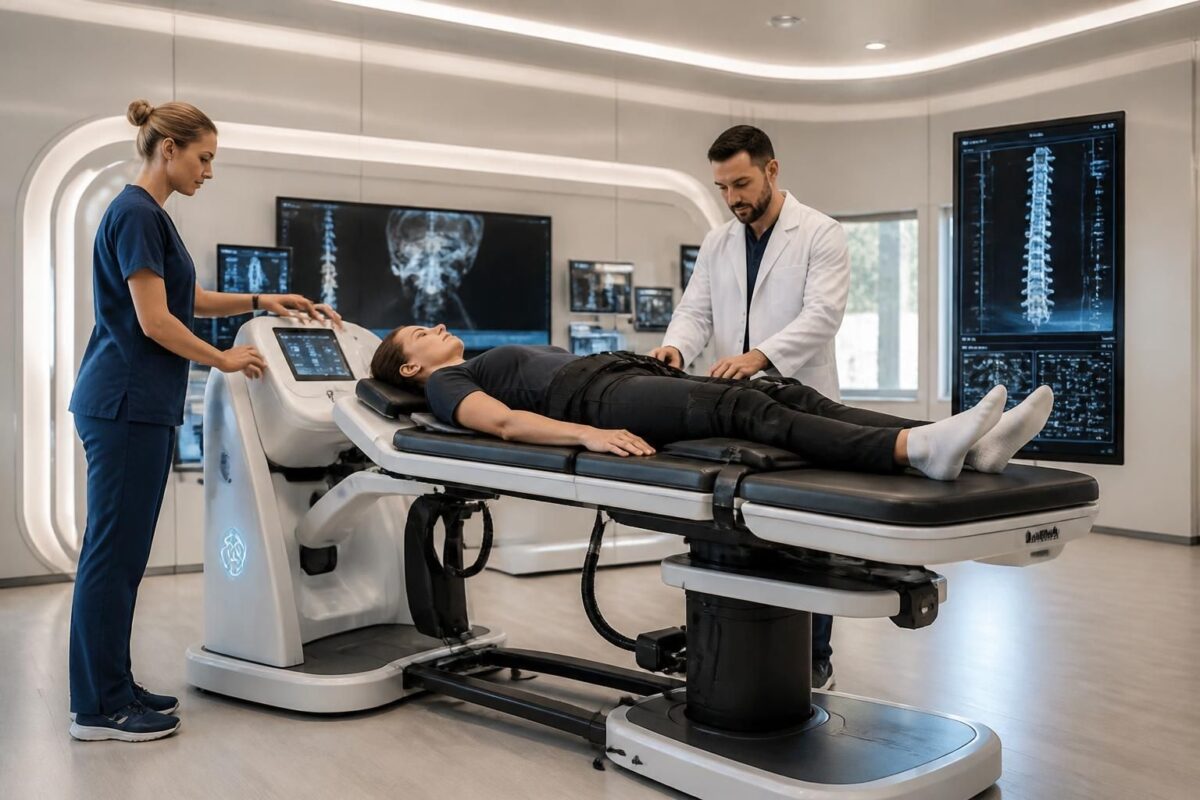
Recent innovations in neurovertebral decompression technologies
In short In short, the neurovertebral decompression is an approach non-invasive Aiming to reduce pressure on discs and nerves, and promote tissue regeneration. At Montreal, it is positioned as an effective option for lower back pain and herniated discs. The…
Clinical evidence and resources to deepen
Available data suggests significant results: many patients improve their quality of life and their mobility after sessions of neurovertebral decompression. Clients suffering from bilateral pain and stiffness find marked reductions in their symptoms, with a Decreased night pain and a better mobility diurnal. Studies and testimonials support the idea that decompression promotes faster recovery and reduction of analgesic addiction, while offering a non-invasive alternative suitable for each patient.
To deepen understanding and explore the practical aspects of this technique, you can consult the following resources, which address in particular the mechanisms of spinal flexibility, muscle tension and effects on mobility: Neurovertebral decompression and mobility — Improve spinal flexibility, neurovertebral decompression and chronic muscle tension — sustainably relieve, and Neurovertebral decompression — a solution to improve spinal flexibility.
For a broader perspective and additional analyses, other useful resources include detailed explanations of the impact on night pain, alignment and prevention of long-term vertebral lesions, accessible via references such as How neurovertebral decompression affects chronic nocturnal pain and The role of neurovertebral decompression — what every patient should know.
For an encyclopedic summary and additional resources, you can also consult Wikipedia article on neurovertebral decompression, as well as complete clinical analyzes and guides available here: Studies demonstrating effectiveness and Complete guide to neurovertebral decompression.
For those who wish to deepen the advanced techniques and impact on spinal alignment, here are other relevant resources: Advanced techniques in neurovertebral decompression to improve spinal alignment and Prevention of long-term spinal lesions.
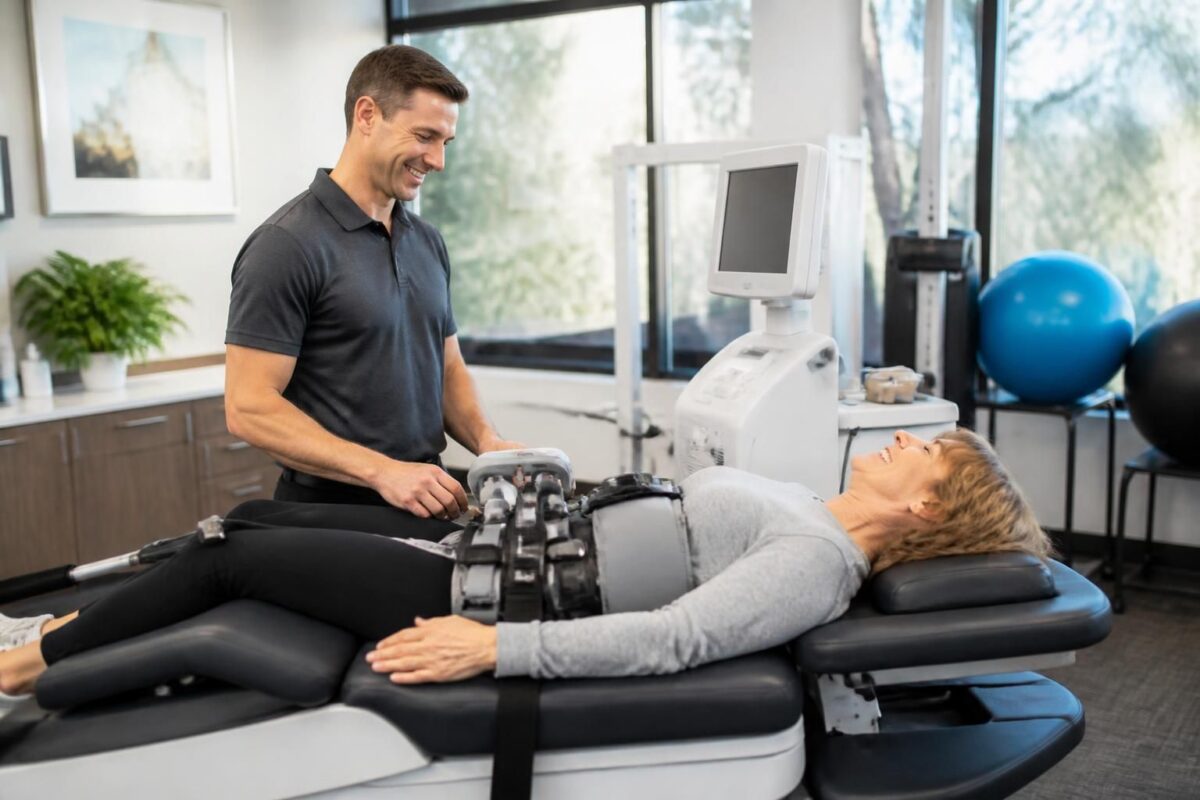
Neurovertebral decompression and diffuse pain: an appropriate solution
In short In short, the neurovertebral decompression is one Non-invasive solution For diffuse pain related to nerve irritation of the spine. She acts in Reducing pressure on intervertebral discs and nerves and improving the bloodstream, which promotes recovery and the…

Dr Sylvain Desforges, B.Sc., D.O., N.D., osteopath, is the founding president of TAGMED and of the ACMA association. He dedicates his practice to chronic spinal pain, low back pain and symptoms compatible with sciatica, particularly when pain radiates toward the buttock, leg, calf, foot or toes.
Through SOS Sciatique, he publishes educational content on sciatica symptoms, possible causes such as disc herniation, disc narrowing, foraminal stenosis or irritation of a lumbar nerve root, as well as non-surgical approaches that may be considered according to the evaluation. At Clinique TAGMED, care may include, depending on the case, motorized neurovertebral decompression, specific osteopathic care or precision percussion.
For an evaluation related to sciatica treatment in Montreal / Mount Royal or sciatica treatment in Terrebonne, please consult the services available at Clinique TAGMED.
Medical disclaimer
The information published on SOS Sciatique is provided for educational purposes only and does not replace a consultation, diagnosis, opinion or treatment provided by a physician or another authorized healthcare professional. The author of this article is neither a medical doctor nor a specialist in a medical specialty recognized by the Collège des médecins du Québec. The osteopathic, manual medicine or functional support approaches described on this site do not constitute medical acts and are not intended to replace medical follow-up.
Consult a physician or emergency service in cases of loss of bladder or bowel control, anesthesia in the saddle area, significant or progressive weakness in the leg or foot, fever, recent trauma, severe pain or rapid worsening of symptoms. For more details, please read our Legal Notice.