

Neurovertebral Decompression and Body Alignment: Restoring Natural Balance
26/06/2026
Neurovertebral decompression and mobility: a return to an active life
26/06/2026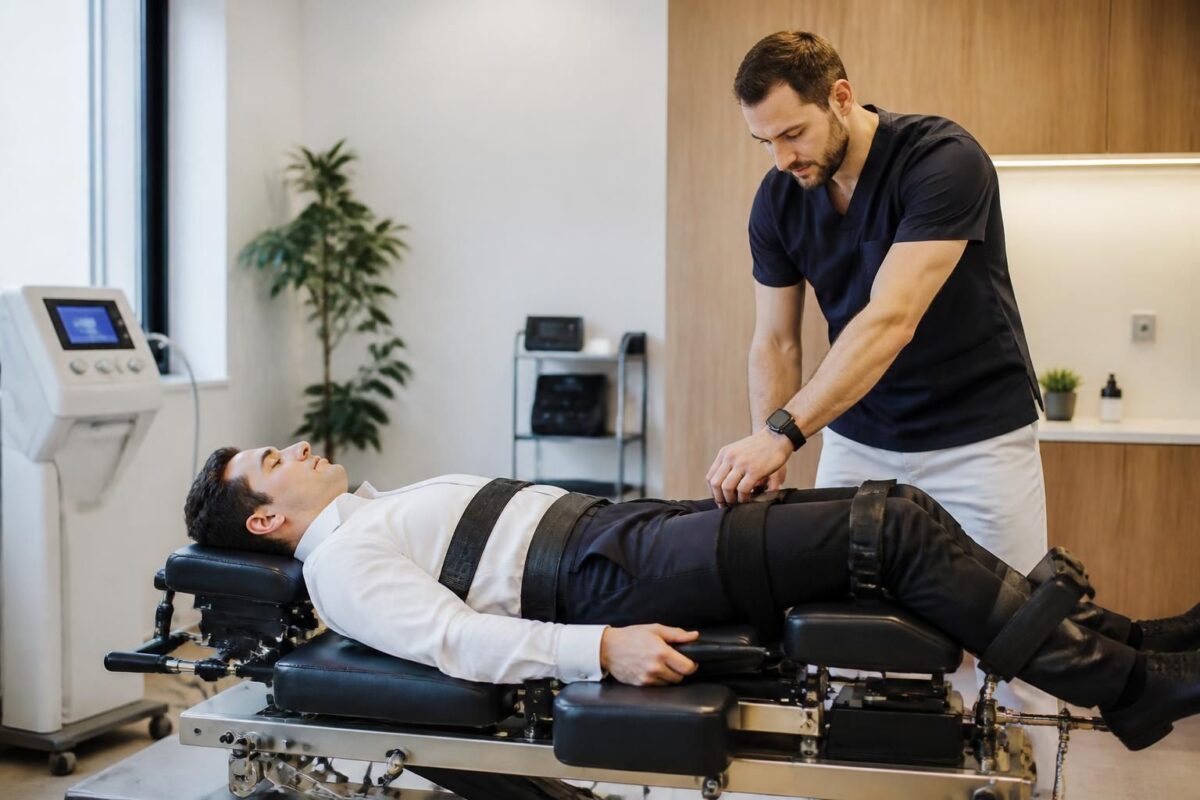
In short |
decompression neurovertebral is one Non-invasive method aimed at reducing the Pressure on the intervertebral discs and the nerves, in order to prevent Diffuse chronic pain. It improves the circulation and thedisc hydration, decreases inflammation and promotes better mobility. Its benefits include a Reduction of symptoms, a Prevention of recurrences and an Resumption of activities Faster, without surgery or medication. In Montreal, this treatment is particularly suitable for preventing diffuse back pain and supporting an active lifestyle. |
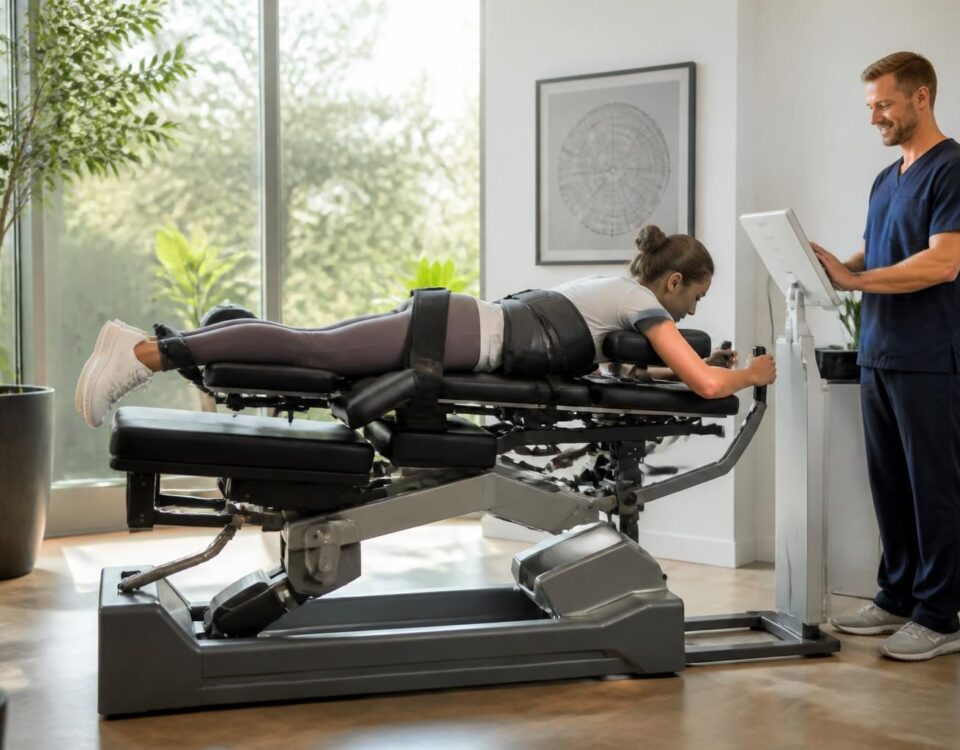
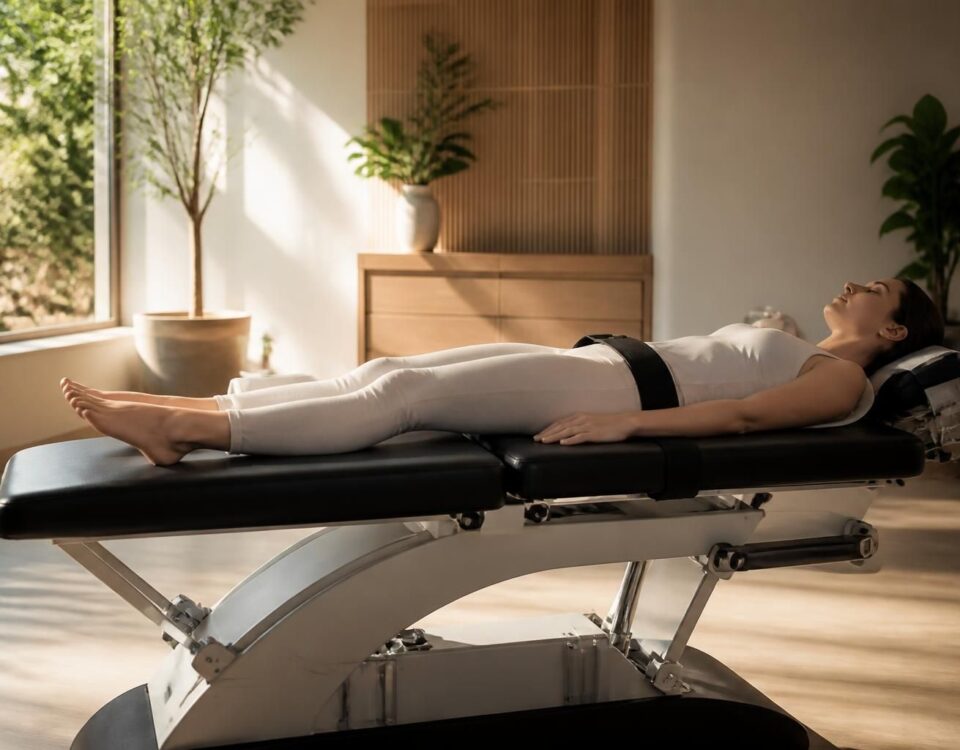
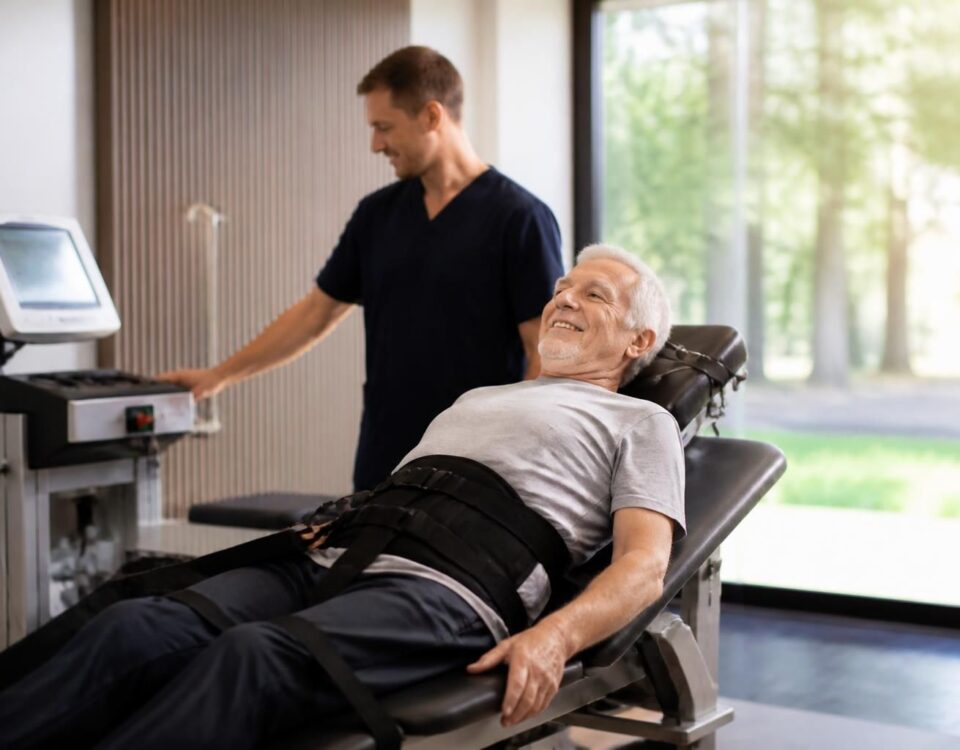
Neurovertebral decompression is an approach non-invasive which acts directly on the spine to prevent Chronic pain diffuse. By practicing a gentle traction, it creates a space between the vertebrae and decreases the Pressure on intervertebral discs and nerves.
This pressure reduction improves the bloodstream and LDisc hydration, which limits inflammation and promotes tissue repair. Result: a Increased mobility and an decrease in symptoms, allowing you to resume daily activities.
finally, by correcting misalignments and promoting a better Spinal alignment, decompression acts as a measure preventive against recurrences, contributing to a more active and durably less painful life.
This article written by a health professional clearly explains how the neurovertebral decompression can help prevent Diffuse chronic pain. It describes the principle, physiological mechanisms and clinical benefits, while remaining cautious about the limits and indications.
The neurovertebral decompression is a non-invasive approach. It acts on the spine to reduce the pressure exerted on the discs and nerves. This pressure reduction improves the bloodstream, promotes thedisc hydration and decreases inflammation. The result is a better mobility And a reduction in pain, which allows you to gradually resume daily activities without pain.
Basic principle and mechanism
The technique uses gentle traction to create a space between the vertebrae. This space reduces compression on intervertebral discs and nerve roots. This action reduces pain and facilitates the movement of the surrounding tissues. It acts as a preventive mechanism by correcting abnormal pressures that can promote the appearance of diffuse pain.
In this context, the bloodstream is improved. The blood transports nutrients and oxygen to the affected tissues, supporting local repair and detoxification. theinflammation decreases when nerves and tissues return to normal functioning. This dynamic helps to prevent the appearance of new diffuse pain and to stabilize the musculoskeletal state.
Impact on mobility and pain
Following the sessions, many patients report a Improving mobility and a decrease in radiant pain. By releasing tensions and restoring a better spinal dynamic, the technique promotes a gradual return to an active life. It can also help prevent recurrences by maintaining the alignment and integrity of spinal structures.
The benefits are manifested by a reduction in the pressure on the nerves and by better harmony between the muscles and the joints. This synergy supports the maintenance of a more active lifestyle, without the pain that previously slowed movements and daily activities.
Indications and safety
The neurovertebral decompression is a suitable option to prevent diffuse chronic pain in patients with tension or spinal compressions. It is generally integrated into a global care approach and can be offered as part of the TagMed and Pulse Align clinics, with a prior assessment carried out by competent professionals. For more information, see the following resources: Complete guide for patients, how it acts on diffuse pain.
Integration and global approach
Neurovertebral decompression is part of a comprehensive pain management strategy. It can be associated with personalized follow-ups that take into account posture, stress and lifestyle. This approach aims to maintain spinal alignment and prevent Diffuse chronic pain in the long term.
For those who wish to explore the impact on general well-being, additional resources explain how this method contributes to the quality of life and the maintenance of a more stable physical and mental state. For example, articles and testimonials highlight improvements related to pain reduction and resumption of physical activities.
Clinical evidence and testimonials
Clinical data and patient feedback show that the neurovertebral decompression May offer fast and lasting results in certain dorsal or cervical pain conditions associated with nerve pressure. To deepen, you can consult specialized sources such as Rapid clinical results and Physical well-being and quality of life. Additional references describe the mechanisms and results observed in athletes and active patients.
To learn more about mechanisms and applications, see the following resources: Neurovertebral decompression and refractory chronic pain, Advanced techniques and spinal alignment, and Rapid clinical results.
For additional information on the domains and associated trainings, you can consult TagMed resources and dedicated guides. Useful links are available on Tagmed Clinic and on specialized resources describing the results and effectiveness of modern decompression approaches.
Medical Disclaimer: The information and advice provided on this site does not replace the health professional’s diagnosis or treatment. Please note that Dr. Sylvain Desforges osteopath is neither a doctor of medicine nor a doctor, and is not a specialist in a medical specialty as defined by the Collège des Médecins du Québec. Manual medicine, functional medicine and sports medicine as described on this site exclude any medical treatment or diagnosis made by a doctor or specialist doctor. Always consult your doctor for any medical questions. For more details, please read our full legal notice.
References and additional resources (limited selection to authorized domains): Neurovertebral Decompression Complete Guide, How decompression affects diffuse pain, Rapid clinical results, Physical well-being and quality of life, Advanced techniques and alignment, Decompression and chronic refractory pain, Rapid clinical results.
- pressure reduction On intervertebral discs and nerves
- Segmental expansion between the vertebrae, decreasing irritation
- disc hydration and improved nutritional intake thanks to better circulation
- Reduction of inflammation local, reducing diffuse pain
- vertebral alignment and prevention of postural imbalances
- Prevention of recurrences maintaining a healthy biomechanics
- bloodstream Improved to fabrics, accelerating repair and regeneration
- Mobility found and ability to resume activities without pain
- Postural stability and decreased muscle tension around the spine
- pain reduction and better tolerance to daily effort
- relapse prevention via effective posture and movements
- Therapeutic integration with other approaches to consolidating profits

Neurovertebral decompression acts as a key preventive mechanism against diffuse chronic pain by restoring favorable mechanical and biological conditions for the spine. By gradually reducing the pressure on discs and nerve roots, it improves circulation, tissue hydration and inflammatory response. Deploying this treatment in a personalized and multidisciplinary approach can help to prevent the appearance of diffuse pain in the body and to preserve sustainable mobility. Here are some practical recommendations to optimize this prevention process.
Mechanical and biological foundations
Pressure reduction and disc hydration
The neurovertebral decompression aims to create a space between the vertebrae and reduce the pressure exerted on the intervertebral discs. This increased space facilitates thedisc hydration and tissue nutrition, contributing to their resilience and ability to absorb shocks. To prevent diffuse pain, it is essential to follow a personalized plan that adjusts the intensity and duration of the sessions in order to preserve the vertebral biomechanics and to avoid any overload.
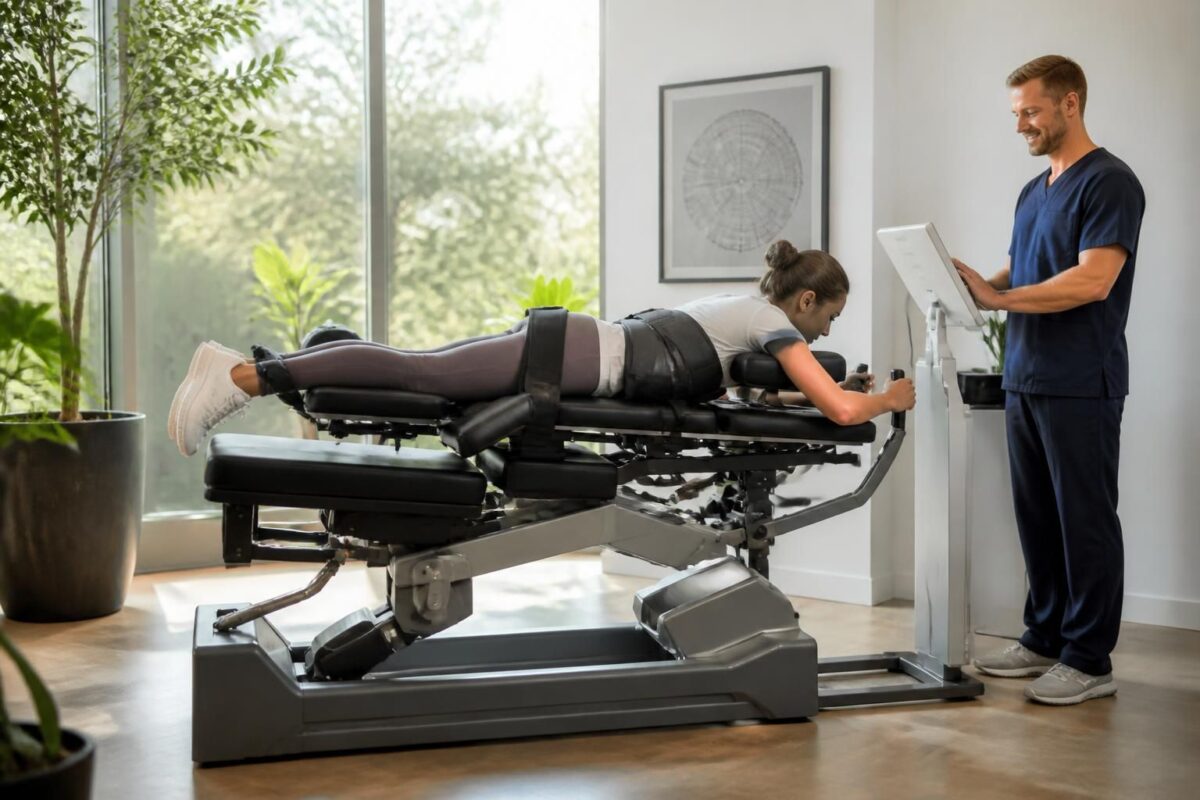
The long-term benefits of neurovertebral decompression for spinal health
In short In short, the neurovertebral decompression is a non-invasive approach that decreases the Pressure on intervertebral discs and nerves, favoring the Natural regeneration and tissue recovery. Its long-term benefits include Lasting pain reduction, Improving mobility and from the posture,…
Circulation and management of inflammation
Improved circulation and reduced inflammation
By decreasing compression around discs and nerves, decompression improves blood circulation to the structures concerned and accelerates the transport of nutrients. Better circulation helps to limit local inflammation and promotes faster tissue recovery. To optimize this effect, it is recommended to combine periods of light and progressive activity between sessions, in order to maintain regular blood flows without excessively overlying the spine.

Neurovertebral decompression and mobility: a return to an active life
In short In short, the neurovertebral decompression is therapy non-invasive who uses a gentle traction To create a space between the vertebrae and reduce the pressure on the Intervertebral discs and the nerves. It promotes a bloodstream improved, lowers tension…
Prevention of misalignments and recurrences
Alignment and posture
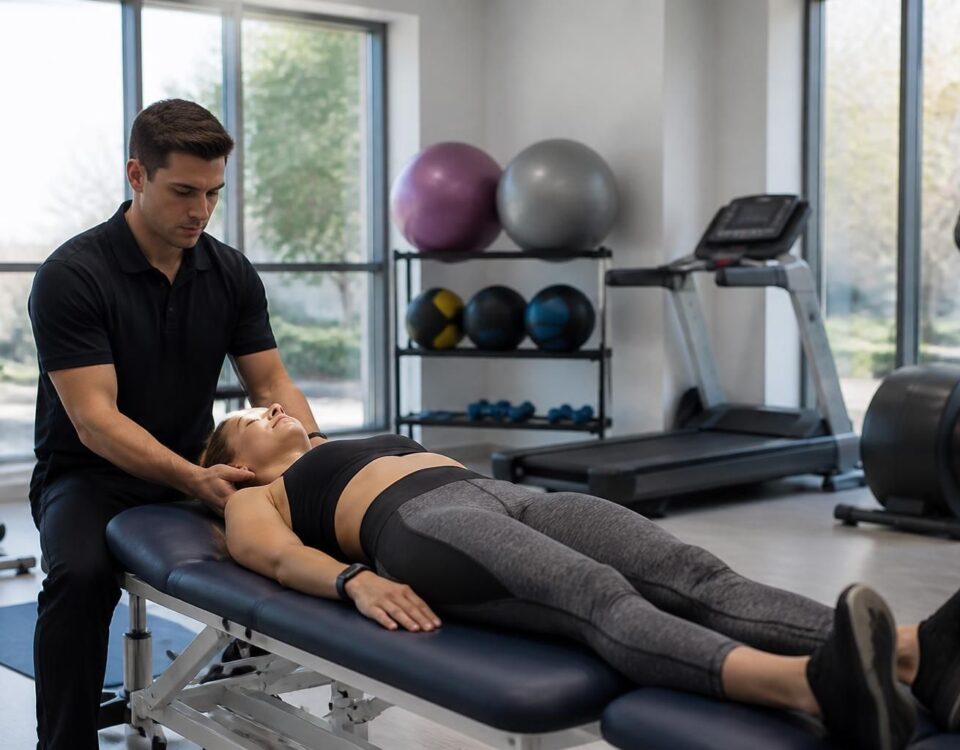
Recovering or maintaining a Spinal alignment Neutral is a key element in the prevention of diffuse pain. By correcting imbalances and strengthening the supporting muscles around the spine, muscle tension and asymmetric pressure are reduced that can cause radiant and diffuse pain. Integrating targeted posture and stability exercises into everyday life is recommended, under professional supervision, to ensure safe progression.
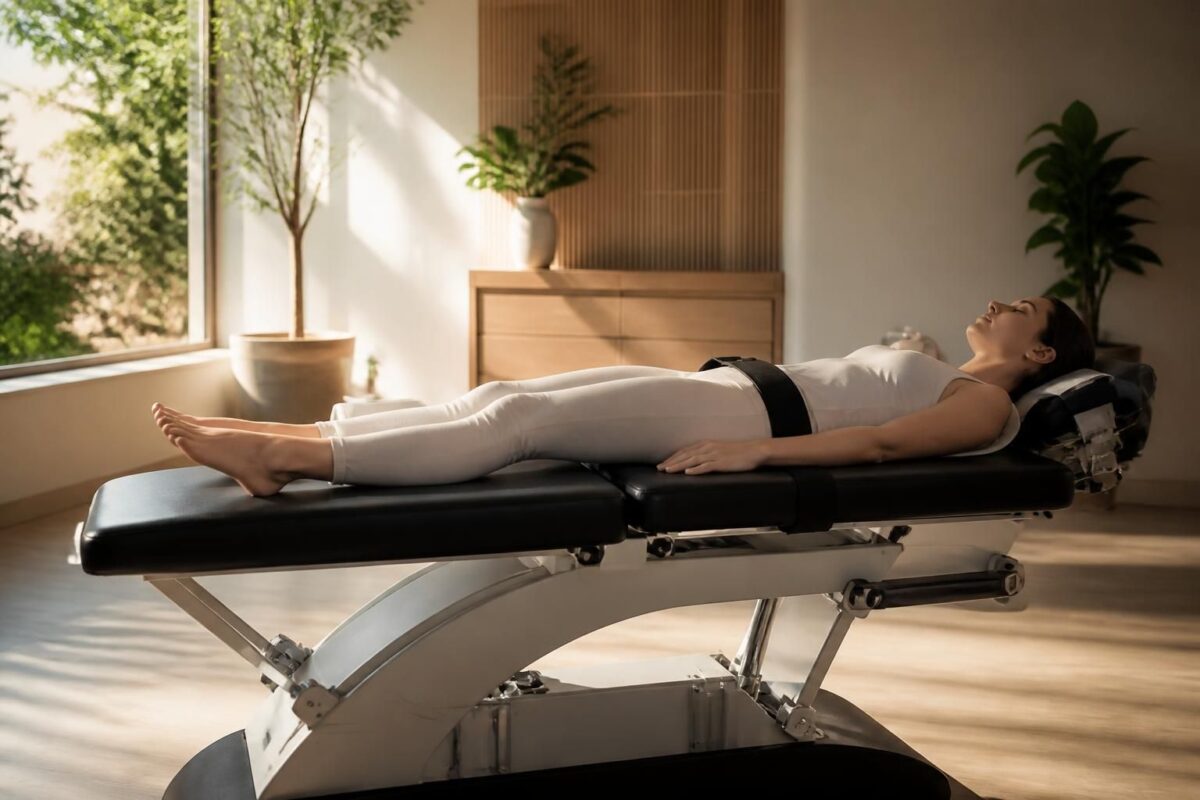
Neurovertebral Decompression and Body Alignment: Restoring Natural Balance
In short In short, neurovertebral decompression is one Non-invasive approach who restores theBody Alignment and thenatural balance back and neck. She acts by a Controlled traction of the spine to widen the intervertebral space and reduce the Pressure on discs…
Integration into everyday life and sport
Adapted physical activity and prevention
The prevention Goes through an adapted physical activity that favors endurance, flexibility and muscle strengthening, without overloading the spine. Simple, regular routines, such as gentle stretching and contralateral reinforcement, support the effectiveness of decompression and help maintain the space between the vertebrae. For athletes or active workers, the integration of targeted warm-ups and postural breaks can prevent recurrences and optimize long-term benefits.
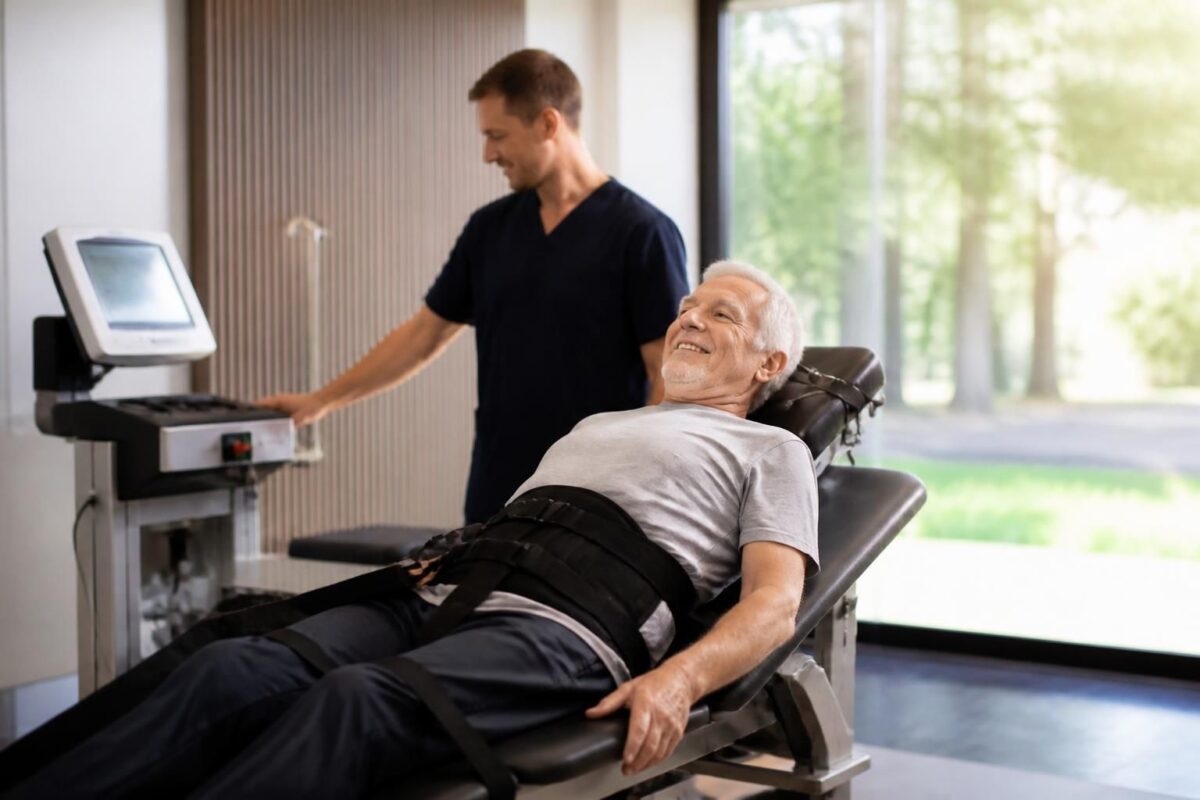
Why neurovertebral decompression is a lasting solution for active seniors
In short In short, the neurovertebral decompression is one Non-invasive therapy which sustainably relieves spinal pain in the spine active seniors By creating, by a Soft and controlled traction, a space between the vertebrae. At Montreal, it is recognized as…
Action plan and follow-up
Planning and security
establish a Personalized action plan With a professional allows you to space out the sessions, set achievable goals and monitor symptoms. It is crucial to respect the safety indications and to adapt the program according to the feedback from the body, in particular in the event of acute pain, unusual fatigue or changes in mobility. Regular monitoring helps prevent the appearance of diffuse pain and maintain the gains obtained by decompression.
Multidisciplinary integration
To maximize prevention, combining decompression with other approaches such as manual therapy, physiotherapy or naturopathic counseling can enhance results. A holistic approach, focused on posture, movement and stress reduction, contributes to sustainable prevention of diffuse pain and a better quality of life.
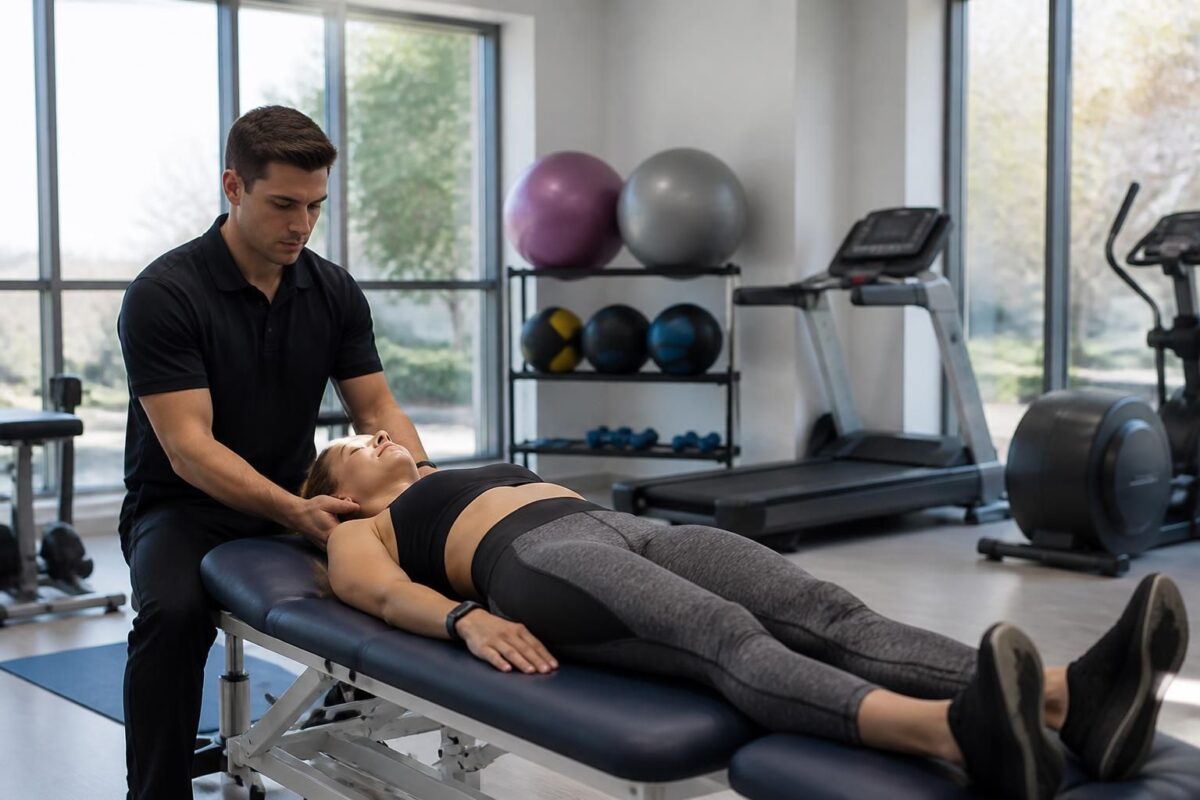
Neurovertebral decompression and recovery after severe sports injury
In short In short, the neurovertebral decompression is one Non-invasive method to Relieve the pressure on the Intervertebral discs and the gristle Via a Controlled traction, to facilitate the recovery After a severe sports injury. It improves the bloodstream towards…
Prevention of chronic diffuse pain by neurovertebral decompression
| Aspect | Concise impact |
|---|---|
| reduction of the disc pressure | Releases discs and nerve roots, decreasing pain and irritation. |
| Creation ofintervertebral space | Soft traction increases the space between the vertebrae, attenuating compression. |
| Improvement of the circulation and disc hydration | Better irrigation of tissues and hydration of discs, promoting repair. |
| decrease ininflammation | Release of pressure reduces inflammation and local pain. |
| Correction of misalignments vertebral | Restores alignment, optimizes biomechanical mechanisms and reduces pain. |
| Improvement of the mobility | Releases muscle tension and restores range of motion. |
| prevention of recurrences | Stabilizes the column and disc hydration to limit diffuse relapses. |
| Process non-invasive | Therapeutic option without heavy, low-risk surgery or medication. |
| Integration preventive and multimodal | combines with physiotherapy and osteopathy for sustainable prevention. |
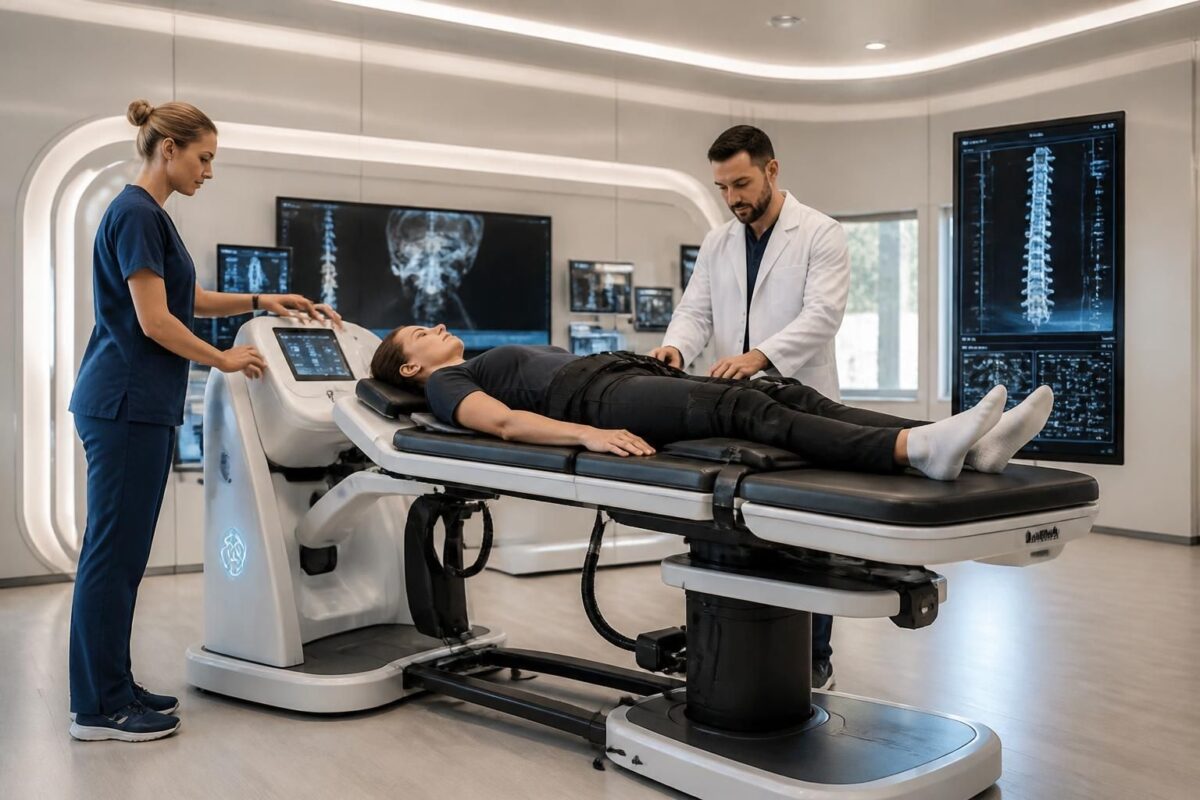
Recent innovations in neurovertebral decompression technologies
In short In short, the neurovertebral decompression is an approach non-invasive Aiming to reduce pressure on discs and nerves, and promote tissue regeneration. At Montreal, it is positioned as an effective option for lower back pain and herniated discs. The…
Testimonials: How Neurovertebral Decompression Prevents Diffuse Chronic Pain
Mary, 42 years old, Quality manager: “After several years of living with diffuse pain, neurovertebral decompression allowed a Significant reduction in pain and an Better mobility. I feel that this approach acts on the Prevention of recurrences And helps me resume my activities without fear of a painful recovery. »
Eric, 37 years old, sports coach: “By regularly working with decompression, I noticed a Reduction of inflammation and an Increased traffic to my fabrics. It helps me maintain a sports practice without diffuse pain and prevent future pain related to exertion. »
camille, 29 years old, civil servant: “I constantly had tensions that degenerated into diffuse pain. After the treatment, I found a more balanced posture and an Mobility found, which greatly contributed to the Chronic pain prevention on a daily basis. »
Thomas, 54 years old, entrepreneur: “The soft traction used during the sessions helped to Release spinal pressure and to Improve blood circulation. I notice a lasting decrease in pain and a better ability to stay active, which is essential to prevent recurrent pain. »
Anais, 33 years old, teacher: “Thanks to decompression, my diffuse pain in the back and shoulders have decreased and my Recovery after exercise is faster. I am convinced that this contributes to Prevent future painful outbreaks and preserve my quality of life. »
lucas, 26 years old, student: “The program helped me to Correct alignment from my column and Reduce inflammation. I feel more autonomous and less prone to diffused pain, which helps me stay active and prevent chronic pain. »
Isabella, 48 years old, project manager: “I was afraid that the pain will spread permanently. With neurovertebral decompression, I found a Immediate pain reduction and an Prevention of recurrences thanks to a Better disc hydration and one muscle building global. My daily life is now more fluid and painless. »
Dr. Sylvain Desforges is a recognized expert in osteopathy, naturopathy and manual medicine, and he is the founding president of the Tagmed clinics and the ACMA association. His career is under the sign of innovation in health, with a marked specialization in the management of chronic pain and the integration of advanced technologies. His approach aims to offer evidence-based care to optimize the health and well-being of each of his patients.
At the heart of its practice, neurovertebral decompression is presented as a non-invasive solution intended to prevent diffuse chronic pain. By freeing the space between the vertebrae, this technique reduces the pressure exerted on the intervertebral discs and adjacent nerves, which favors blood circulation and hydration of tissues. This approach contributes to reducing inflammation and restoring a more fluid mobility, thus offering concrete prevention of pain that sets in insidiously over time.
The mechanism is based on a gentle traction that creates a controlled gap between the vertebrae. This newly formed space allows better tissue feeding through increased nutrient and oxygen circulation, while facilitating the evacuation of metabolic waste. At the same time, the reduction in compression decreases irritation of the nerve roots, which prevents irradiating pain and associated muscle cramps. The enhanced disc hydration and the favorable alignment of the column help curb the imbalances that fuel chronic pain.
For Dr. Desforges, prevention requires a holistic view of diffuse pain. By targeting areas of pressure and promoting better circulation, neurovertebral decompression is part of a proactive strategy that aims not only to relieve existing symptoms, but also to prevent their recurrence. This approach is accompanied by work on posture, movement and stress, in order to consolidate the gains obtained and establish a robust base for an active and painless life.
The practice is not isolated: it is integrated into a multidisciplinary offer that can include complementary technologies such as laser and shockwave therapies. Each protocol is personalized according to the patient’s profile and objectives, in order to optimize pain prevention and promote sustainable recovery. This alliance between cutting-edge technologies and manual know-how illustrates Dr. Desforges’ commitment to providing effective and secure care based on clinical data.
In the end, the objective is clear: to allow everyone to find a balanced spinal function and regained mobility, while reducing the risk of recurrence of pain. Through his approach, Dr. Desforges demonstrates that neurovertebral decompression can become a central component of diffuse chronic pain prevention and a gateway to a better quality of life.
Quick Summary: neurovertebral decompression is an approach non-invasive which helps to prevent Diffuse chronic pain By decreasing the Pressure on discs and the nerves, improving the bloodstream and Ldisc hydration, and restoring optimized alignment and mobility. It is part of a global approach to prevention and rehabilitation that benefits both athletes and patients with postural imbalances.
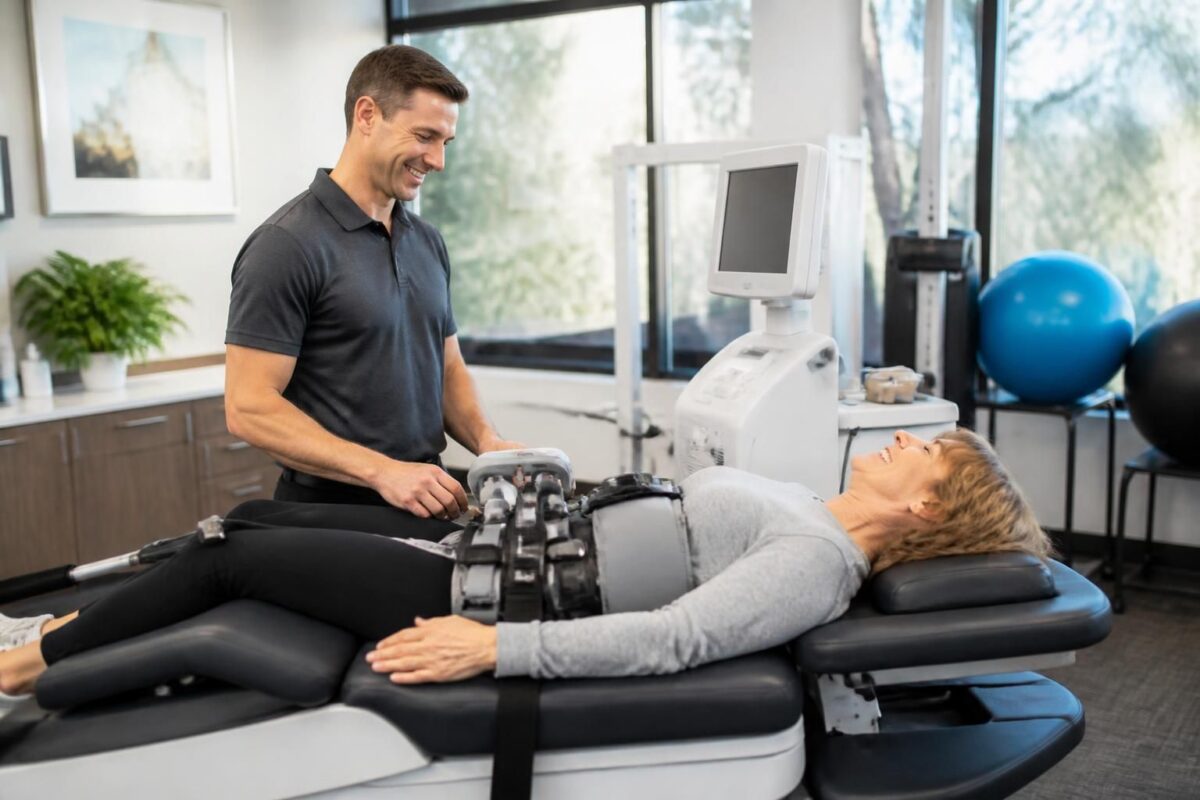
Neurovertebral decompression and diffuse pain: an appropriate solution
In short In short, the neurovertebral decompression is one Non-invasive solution For diffuse pain related to nerve irritation of the spine. She acts in Reducing pressure on intervertebral discs and nerves and improving the bloodstream, which promotes recovery and the…
Practical dimensions and perspectives
The fundamental mechanism is based on a gentle traction which creates a space between the vertebrae, which Reduces pressure on intervertebral discs and nerve roots. This pressure reduction facilitates Better circulation nutrients to the tissues concerned and promotes thedisc hydration, key condition to limit wear and tear and prevent diffuse pain related to spinal tension.
In terms of prevention, the objective is to avoid the appearance or recurrence of pain by Correcting misalignments vertebral and improving theSpinal alignment. A better aligned column distributes the forces better and reduces abnormal pressure on the nerves, reducing the risk of radiant pain and long-term functional limitations.
The use of an approach non-invasive Makes this technique suitable for a large population, including after sports injuries or surgical procedures when the doctor deems it appropriate. Protocols are usually custom Depending on the patient’s profile (workload, physical activity, posture, musculoskeletal history), which optimizes the results while minimizing the risks.
Beyond pure pain, neurovertebral decompression can promote Better mobility articular and a Prevention of recurrences by accompanying rehabilitation exercises and muscle strengthening programs. This synergy with physiotherapy or manual therapy allows comprehensive and lasting care.
On a psychological level, pain reduction can lead to a decrease in stress and associated anxiety, thereby improving overall well-being and motivation to resume daily or sports activities. This strengthens adherence to the care plan and contributes to an improved quality of life in the long term.
To deepen and vary the perspectives, you can consult additional resources such as the comprehensive guide to neurovertebral decompression, analyzes on body alignment and mobility effects, as well as protocols integrated into rehabilitation:
- Complete guide to neurovertebral decompression
- Body Alignment and Balance Restoration
- Joint mobility and optimal health
- Integration into post-injury rehabilitation
- Natural alternative after herniated disc
Finally, these approaches are often part of a multidisciplinary model of care, allowing decompression to be combined with targeted exercises, manual therapy techniques and advice on posture and lifestyle. This integration maximizes the chances of sustainably preventing diffused pain and supporting optimal physical mobility and activity.
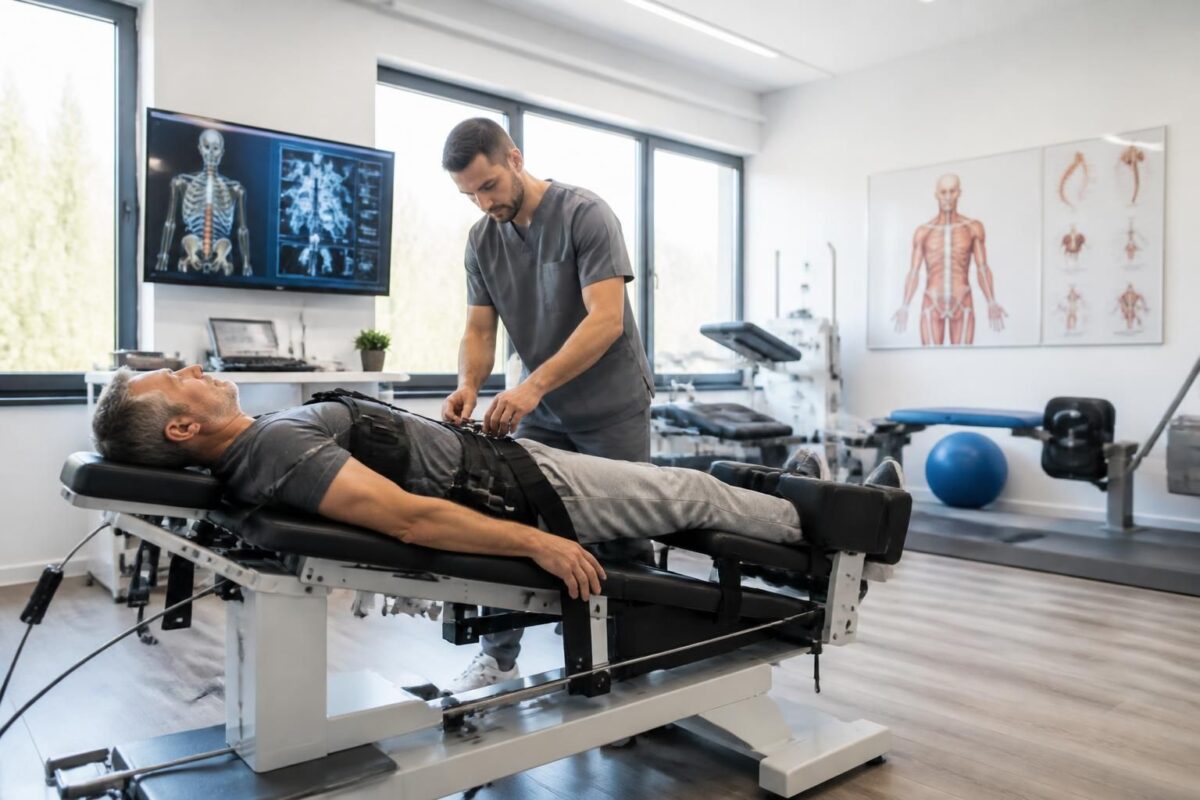
How neurovertebral decompression supports recovery after complex surgery
In short In short, the neurovertebral decompression is one Non-invasive method aimed at optimizing the recovery After a Complex surgery By applying a gentle traction on the spine to create a Space between the vertebrae and reduce the pressure on…

Dr Sylvain Desforges, B.Sc., D.O., N.D., osteopath, is the founding president of TAGMED and of the ACMA association. He dedicates his practice to chronic spinal pain, low back pain and symptoms compatible with sciatica, particularly when pain radiates toward the buttock, leg, calf, foot or toes.
Through SOS Sciatique, he publishes educational content on sciatica symptoms, possible causes such as disc herniation, disc narrowing, foraminal stenosis or irritation of a lumbar nerve root, as well as non-surgical approaches that may be considered according to the evaluation. At Clinique TAGMED, care may include, depending on the case, motorized neurovertebral decompression, specific osteopathic care or precision percussion.
For an evaluation related to sciatica treatment in Montreal / Mount Royal or sciatica treatment in Terrebonne, please consult the services available at Clinique TAGMED.
Medical disclaimer
The information published on SOS Sciatique is provided for educational purposes only and does not replace a consultation, diagnosis, opinion or treatment provided by a physician or another authorized healthcare professional. The author of this article is neither a medical doctor nor a specialist in a medical specialty recognized by the Collège des médecins du Québec. The osteopathic, manual medicine or functional support approaches described on this site do not constitute medical acts and are not intended to replace medical follow-up.
Consult a physician or emergency service in cases of loss of bladder or bowel control, anesthesia in the saddle area, significant or progressive weakness in the leg or foot, fever, recent trauma, severe pain or rapid worsening of symptoms. For more details, please read our Legal Notice.