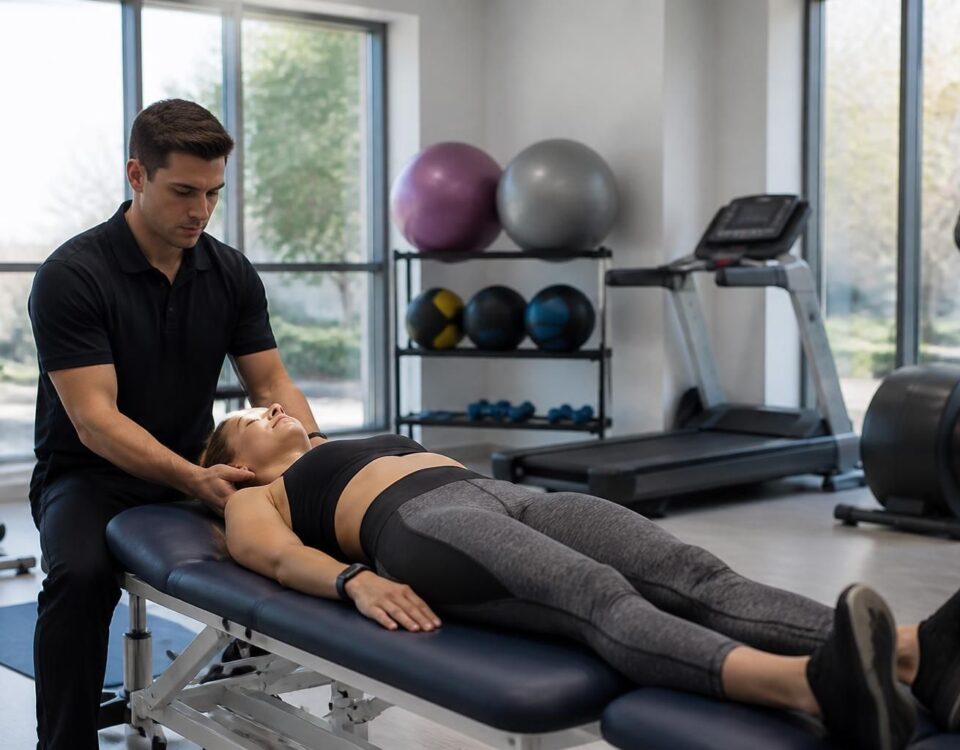
How neurovertebral decompression improves joint mobility
25/06/2026
Why neurovertebral decompression is ideal after an injury
25/06/2026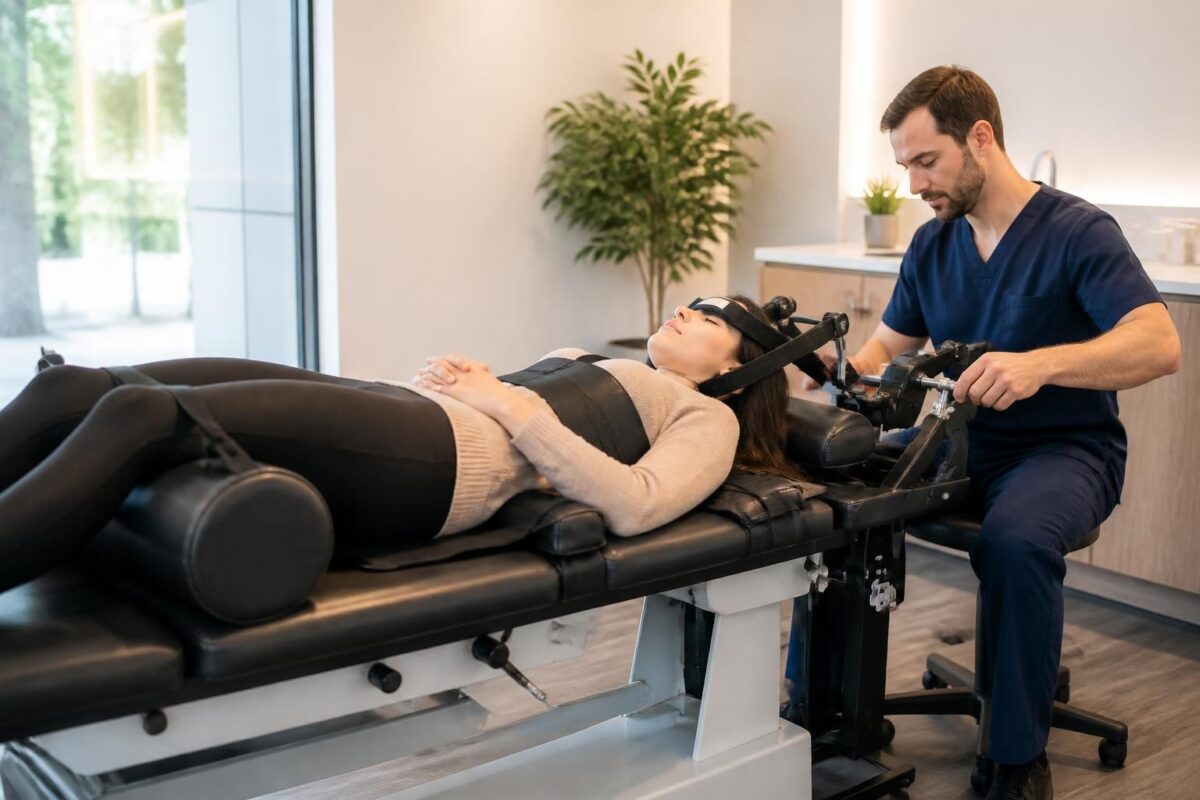
In short
| In short, the neurovertebral decompression is one Non-invasive solution for the Recurrent back pain. It is based on a gentle traction which creates a space between the vertebrae and reduces the pressure on the Intervertebral discs and the gristle. Its main benefits: pain reduction, Improving mobility, and Prevention of recurrences, while promoting the tissue regeneration. accessible to Montreal, this treatment offers an alternative secure and without surgery to regain normal activity. |
The neurovertebral decompression is one Non-invasive solution intended for Relieve recurrent back pain. It is based on a gentle traction who creates a Space between the vertebrae and reduces the pressure on the Intervertebral discs and the gristle. This approach promotes pain reduction, theImproving mobility and the tissue regeneration, without resorting to surgery. it is an option body respectful and sustainable to prevent recurrences and optimize the quality of life.
- Relief lasting pains
- Improvement of the mobility
- reduction of the pressure On discs and nerves
- Alternative non-surgical To prevent recurrences
This guide presents the neurovertebral decompression like a Effective and non-invasive solution for the Recurrent back pain. This approach aims to reduce the pressure exerted on the intervertebral discs and nerves, improving mobility and offering a lasting alternative to certain surgical procedures. This article describes the mechanism, indications, expected results and the framework for management in modern osteopathic practice.
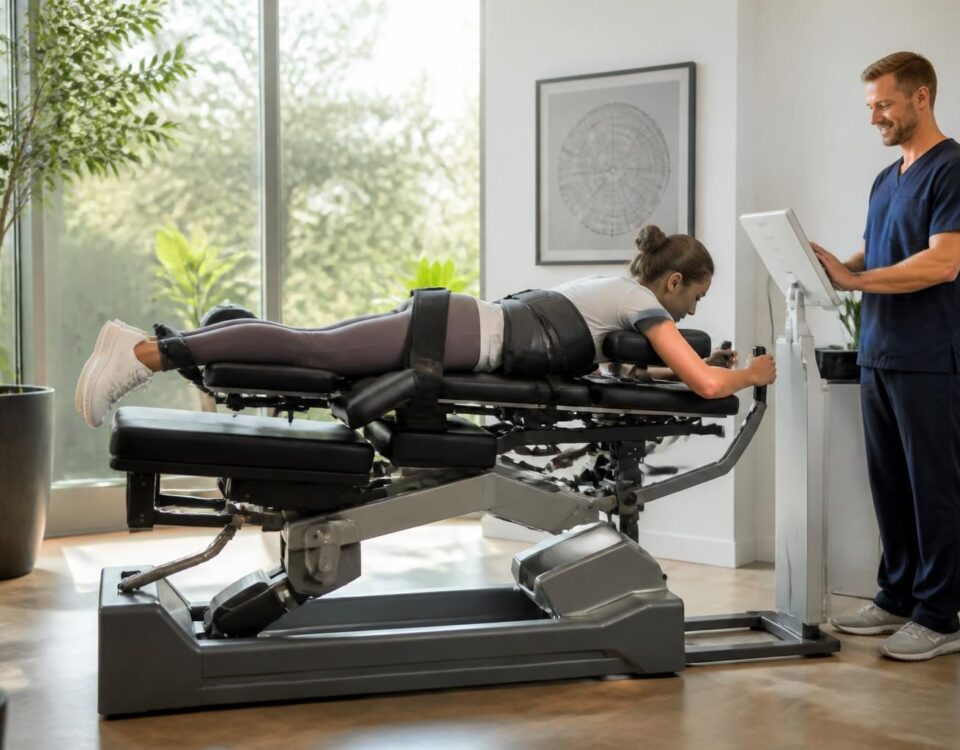
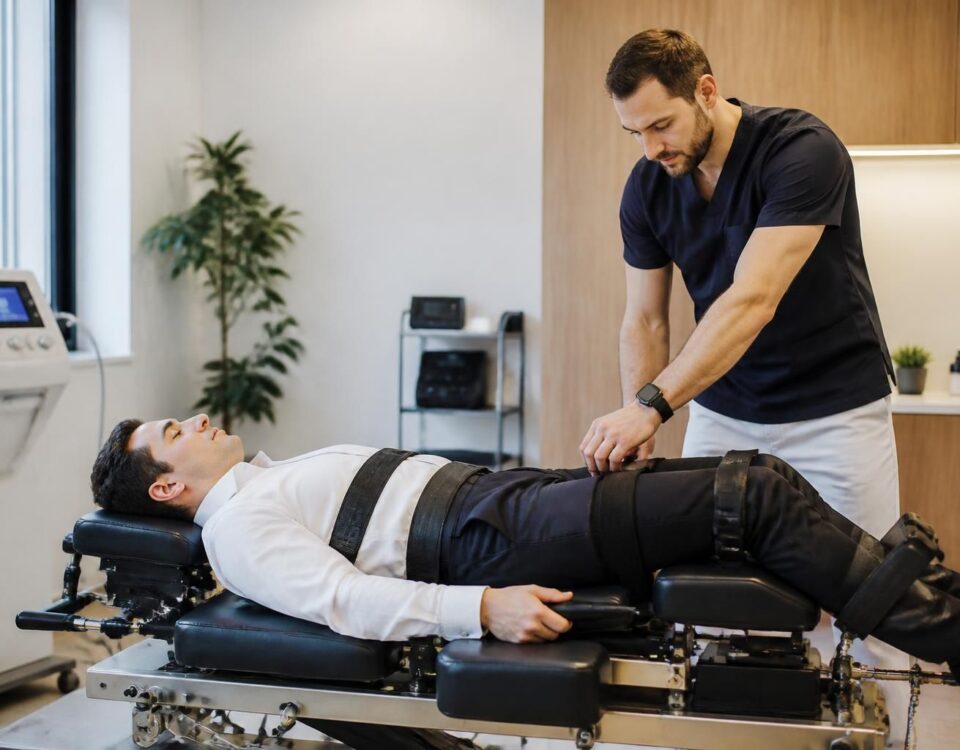
The neurovertebral decompression Uses controlled traction to create a space between the vertebrae. This action reduces the pressure on the Intervertebral discs and the gristle, which can reduce pain and promote tissue regeneration. The protocol is designed to be non-invasive, with a body-friendly approach and generally quick recovery. in specialized clinics such as Tagmed Clinic, it integrates with a personalized care course that can include other technologies and manual therapies.
how it works
The device applies measured and secure traction on the spine. this traction Relax the fabrics and allows a Rehydration and repositioning of spinal structures. In case of pain related to protrusions or degenerative conditions, the objective is to reduce nervous irritation and improve local circulation, while supporting tissue regeneration. This approach is particularly suitable when looking for a solution Soft and efficient without surgery.
Indications and results
Neurovertebral decompression is indicated for patients with slipped disc, of protrusion, of bulge disc, of Foraminal stenosis, of Spinal stenosis, or recurrent mechanical pain affecting the back and neck. The reported results generally include a pain reduction, a Improving mobility and an Prevention of recurrences when the treatment is adapted and followed. Efficacy is confirmed in clinical follow-ups and patient feedback that underscore a Improved quality of life and a better ability to resume daily activities without major pain. For more information, specialized resources describe the mechanisms and benefits of this approach.
Protocol and security
The duration of a session is typically between 15 and 30 minutes. The treatment program is generally planned over several weeks, with medical follow-up to adjust the parameters according to the evolution of symptoms. Neurovertebral decompression is presented as a Non-surgical alternative For pain management and can be integrated into a multidisciplinary course within a specialized clinic such as TagMed.
Integration into the care offer
In a clinical setting, neurovertebral decompression is often associated with other manual and technological approaches. The clinics of the TagMed network implement this technique in collaboration with professionals trained according to recognized repositories. For patients, this means easy access to a solution lasting and secure For chronic back pain. Additional resources explain the benefits and contexts of use of this technique in specific cases.
Comparison with other therapies
In a context of therapeutic choice, the neurovertebral decompression is evaluated against other non-surgical approaches. A clear presentation shows that, although physiotherapy can make improvements, its effects may be more limited in the long term in cases of recurrent pain associated with discs or compressed nerves. The privileged recourse is then made towards treatments at the TagMed clinic in Montreal or Terrebonne, which offer integrated and adapted care.
To deepen the indications and results, you can consult specialized resources on sites such as The benefits of neurovertebral decompression for lower back pain or herniated discs: when neurovertebral decompression is the solution. For institutional information and training, professionals often refer to NUMSS or NAO as part of their training course in osteopathy, in accordance with recognized standards in the field.
Testimonials and results in patients
Patients who have benefited from neurovertebral decompression experience resumption of activity with less pain and regained mobility. These feedbacks illustrate the positive impact of a non-invasive and targeted approach, and underscore the importance of an accurate diagnosis and a personalized treatment plan. Patient resources and cases are available on partner sites to better understand the therapeutic journey.
Important points and precautions
Neurovertebral decompression does not replace the advice of a doctor. A medical assessment is necessary to determine the adequacy of treatment and to exclude conditions that require different care. If in doubt, favoring an appointment with a specialist in a recognized clinic and following professional recommendations remains essential.
To learn more about the available options, you can check the following resources: Tagmed Clinic, sossciatica.com, or decompressionneurovertebrale.com.
Medical Disclaimer: The information and advice provided on this site does not replace the health professional’s diagnosis or treatment. Please note that Dr. Sylvain Desforges osteopath is neither a doctor of medicine nor a doctor, and is not a specialist in a medical specialty as defined by the Collège des Médecins du Québec. Manual medicine, functional medicine and sports medicine as described on this site exclude any medical treatment or diagnosis made by a doctor or specialist doctor. Always consult your doctor for any medical questions. For more details, please read our full legal notice.
Additional sources and resources: sossciatica.com, sosherniediscale.com, sosherniateddisc.com, sostunnelcarpien.com, decompressionneurovertebrale.com, clinicagmed.com.
“Medical disclaimer: The information and advice provided on this site does not replace the health professional’s benefit, diagnosis or treatment. Please note that Dr. Sylvain Desforges osteopath is neither a doctor of medicine nor a doctor, and is not a specialist in a medical specialty as defined by the Collège des Médecins du Québec. Manual medicine, functional medicine and sports medicine as described on this site exclude any medical treatment or diagnosis made by a doctor or specialist doctor. Always consult your doctor for any medical questions. For more details, please read our full legal notice. »
Neurovertebral decompression: two key axes
- Controlled traction Creates a space between the vertebrae and decreases the pressure on the discs and nerves.
- Non-invasive technique without surgery or surgery.
- Muscle relaxation Releases tension and improves circulation.
- Reduction of inflammation and support for tissue healing.
- Custom Protocol adapted to your pain and morphology.
- Sustainable relief pain and improved mobility.
- Prevention of recurrences by processing the source and improving disc integrity.
- quick recovery after the sessions thanks to a progressive approach.
- Improvement of amplitude and function of back muscles.
- Safe alternative to surgery with low risk and without hospitalization.
- Convenient accessibility in local specialized clinics.

This article presents the basics and practical recommendations for neurovertebral decompression as an effective solution to recurrent back pain. This non-invasive approach uses a gentle traction To create a space between the vertebrae, reduce pressure on the intervertebral discs and nerves, and promote tissue regeneration as well as improving the mobility. Adapted in particular in the event of herniated discs and recurrent low back pain, it is positioned as a secure option which often allows you to permanently reduce pain without surgery. To maximize profits, a Personalized route and one Regular follow-up are recommended, with integration into other therapeutic approaches and healthy lifestyles.
What is neurovertebral decompression?
Neurovertebral decompression is a non-invasive therapeutic technique that aims to relieve spinal pain. Its principle is based on a measured traction that releases tension and creates a space between the vertebrae. By acting on discs and nerves, it can reduce inflammation, improve circulation and promote disc rehydration. Clinical results frequently result in significant pain reduction and increased range of motion, while offering a less risky approach than surgery.
Indications and contraindications
This technique is particularly suitable for patients suffering from lower back and cervical pain linked to disc pathologies, prominent articles or nervous tension. Before any treatment, an initial medical assessment and, if necessary, imaging examinations, confirm the eligibility of the patient and establish an appropriate traction plan. Some conditions require avoiding decompression or modifying it (fractures, active infections, certain vascular or neurological pathologies). A discussion with a health professional is essential to secure the therapeutic choice.
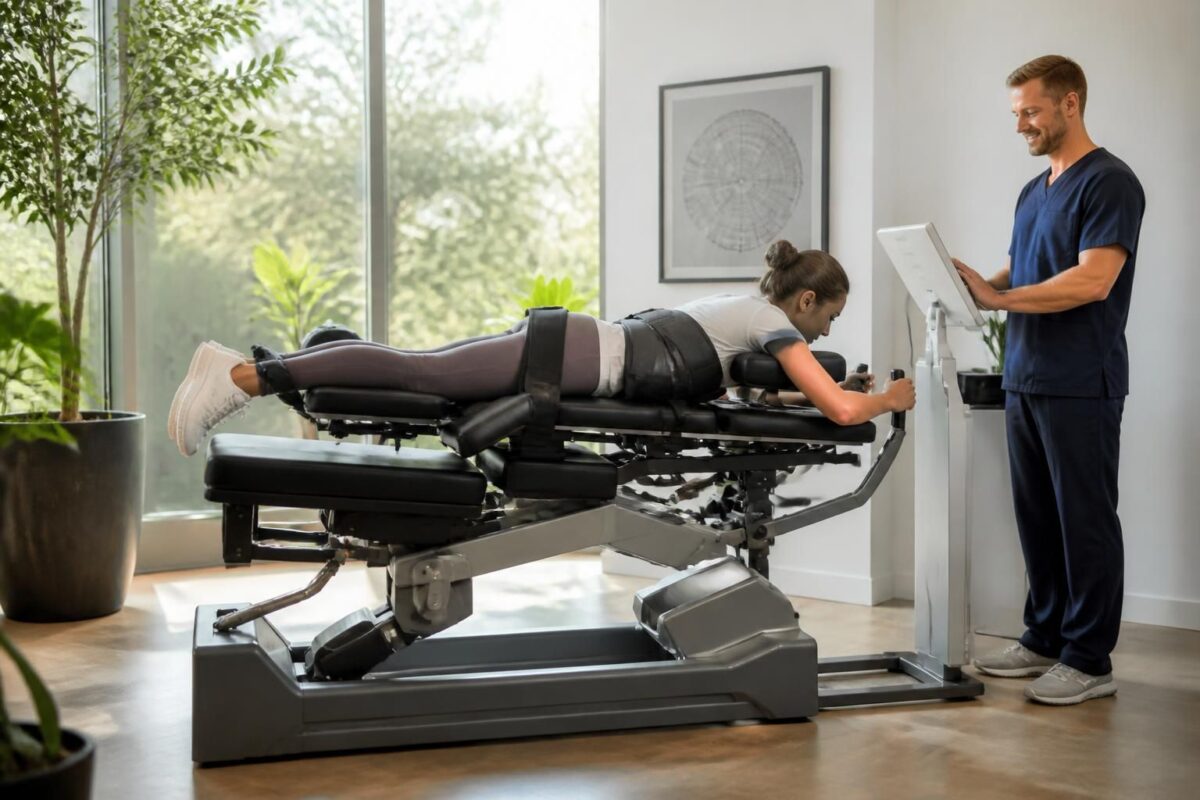
The long-term benefits of neurovertebral decompression for spinal health
In short In short, the neurovertebral decompression is a non-invasive approach that decreases the Pressure on intervertebral discs and nerves, favoring the Natural regeneration and tissue recovery. Its long-term benefits include Lasting pain reduction, Improving mobility and from the posture,…

Neurovertebral decompression and mobility: a return to an active life
In short In short, the neurovertebral decompression is therapy non-invasive who uses a gentle traction To create a space between the vertebrae and reduce the pressure on the Intervertebral discs and the nerves. It promotes a bloodstream improved, lowers tension…
Practical recommendations to optimize benefits
Planning adapted and progressive sessions is key. of Typical sessions Usually last between 15 and 30 minutes and are part of a scheduled series. It is important to adhere to the prescribed protocol and communicate any discomfort during the sessions to adjust the traction parameters and intensity of the exercises.
Preparation and attitude during treatment
Before treatment, a screening and an anamnesis allow the program to be adapted. During treatment, calm breathing and muscle relaxation promote efficiency. After each session, reinforcement and mobility exercises can be recommended to support gains and prevent recidivism.
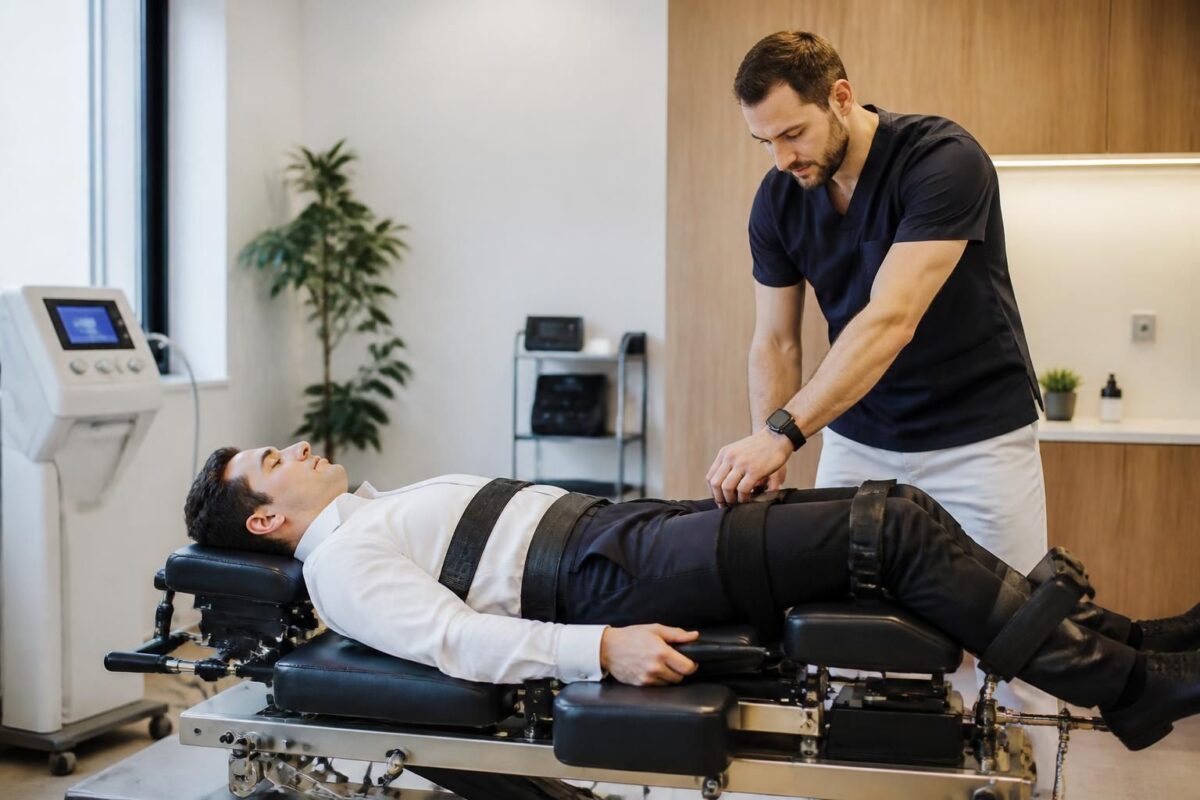
How Neurovertebral Decompression Prevents Diffuse Chronic Pain
In short decompression neurovertebral is one Non-invasive method aimed at reducing the Pressure on the intervertebral discs and the nerves, in order to prevent Diffuse chronic pain. It improves the circulation and thedisc hydration, decreases inflammation and promotes better mobility.…
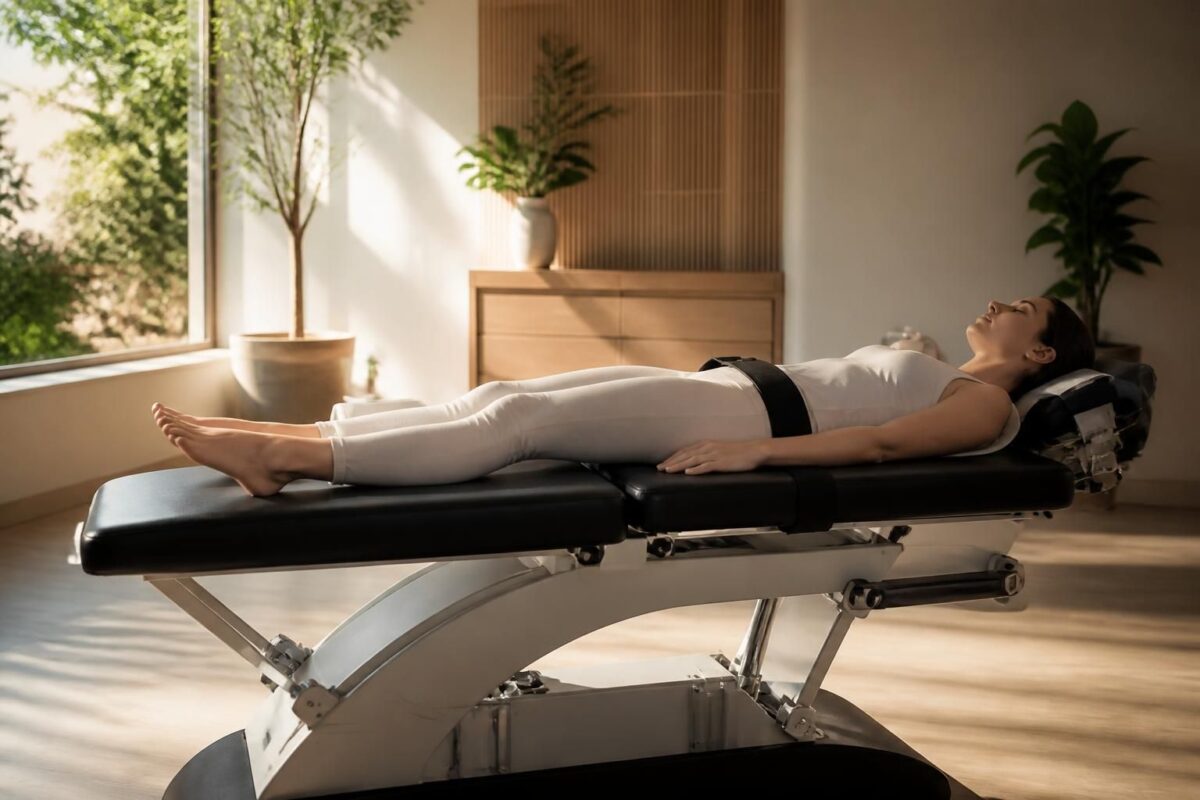
Neurovertebral Decompression and Body Alignment: Restoring Natural Balance
In short In short, neurovertebral decompression is one Non-invasive approach who restores theBody Alignment and thenatural balance back and neck. She acts by a Controlled traction of the spine to widen the intervertebral space and reduce the Pressure on discs…
Integration with other approaches and lifestyle
To optimize the results, neurovertebral decompression fits ideally with manual approaches and targeted exercises. A holistic approach can include posture tips, gentle activities (walking, swimming, gentle yoga) and stress management techniques. At the same time, monitoring an adapted physical activity plan and a stretching program can help maintain benefits and prevent relapses.
Realistic goals and follow-up
Expectations must be realistic: decompression can reduce pain sustainably and restore functional mobility, but it does not guarantee an instant disappearance of all symptoms. Regular monitoring makes it possible to adjust the treatment according to the evolution and to gradually integrate preventive measures at home.
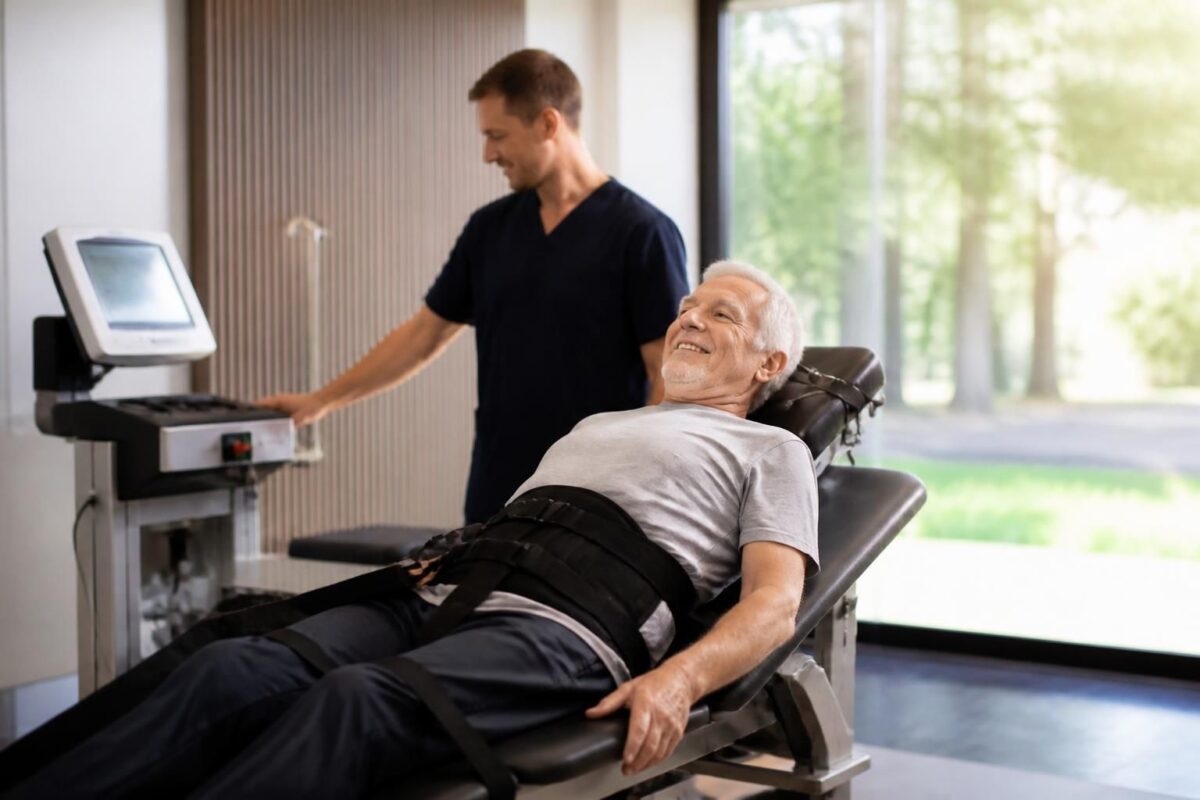
Why neurovertebral decompression is a lasting solution for active seniors
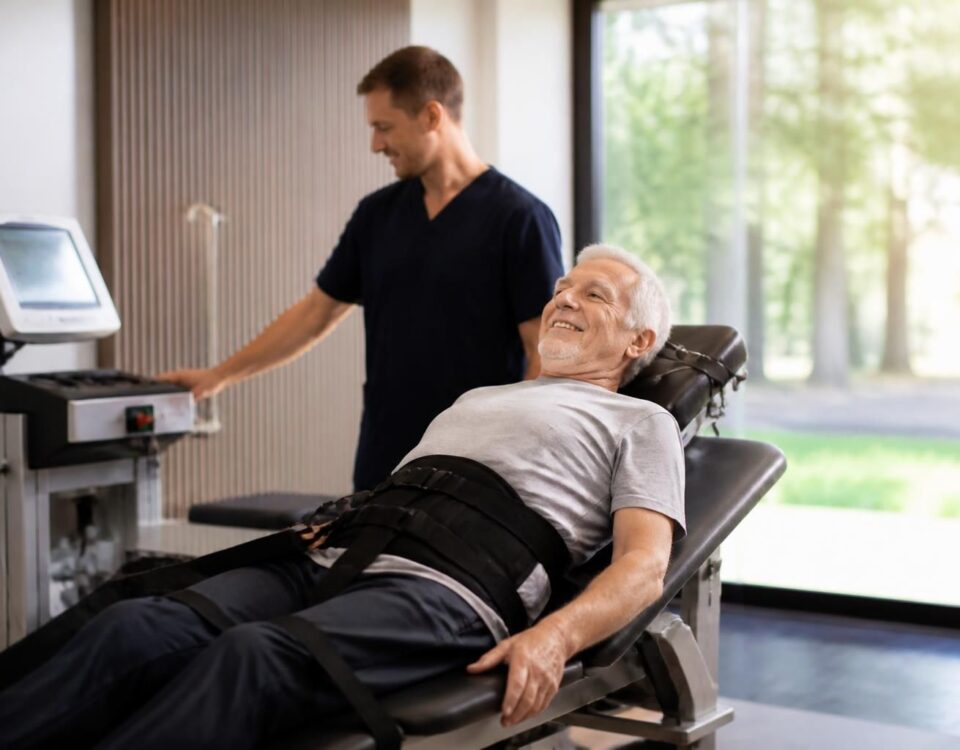
In short In short, the neurovertebral decompression is one Non-invasive therapy which sustainably relieves spinal pain in the spine active seniors By creating, by a Soft and controlled traction, a space between the vertebrae. At Montreal, it is recognized as…
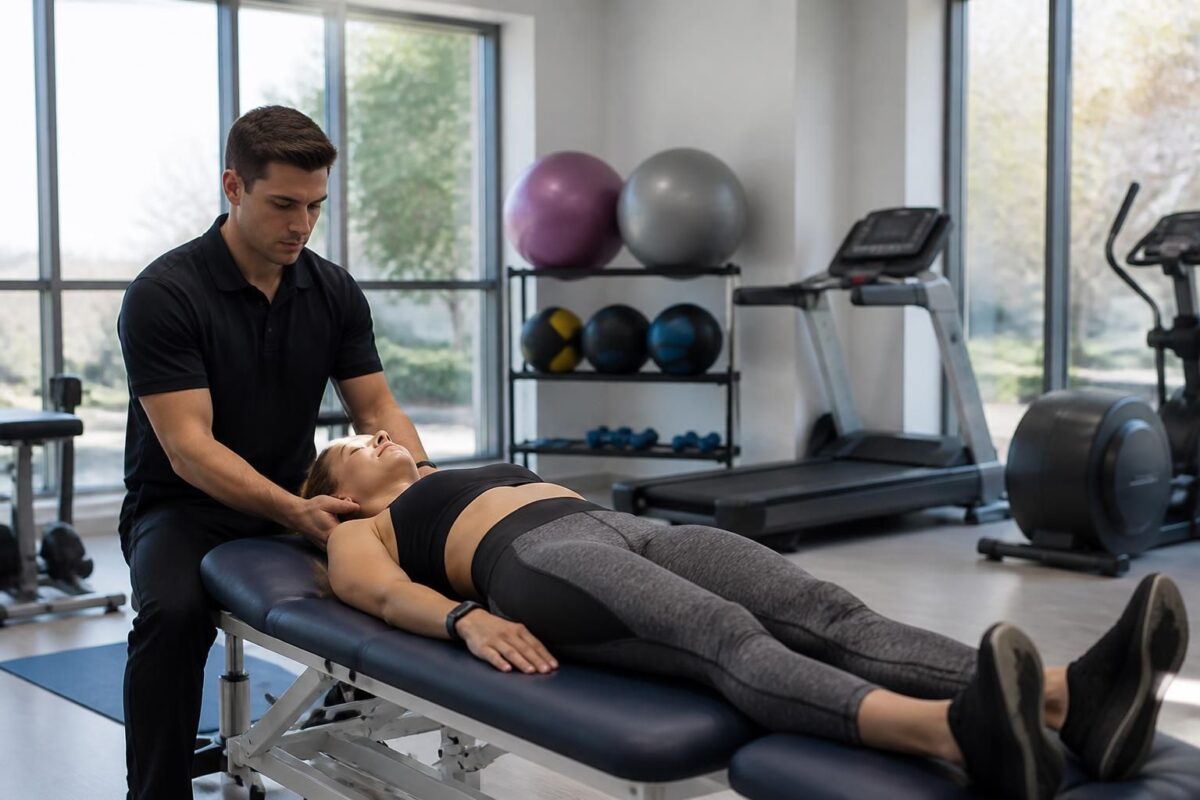
Neurovertebral decompression and recovery after severe sports injury
In short In short, the neurovertebral decompression is one Non-invasive method to Relieve the pressure on the Intervertebral discs and the gristle Via a Controlled traction, to facilitate the recovery After a severe sports injury. It improves the bloodstream towards…
What to expect and why choose this solution
Patients often report a rapid decrease in pain and a gradual improvement in mobility after several sessions. The major advantage lies in the character non-invasive and in the potential for the reduction or avoidance of surgical procedures. By combining a decompression adapted to a functional program, it is possible to sustainably improve quality of life and autonomy on a daily basis.
| Criterion | Concise description |
|---|---|
| Definition and purpose | neurovertebral decompression is a Soft and controlled traction who creates a Space between the vertebrae To reduce the Pressure on discs and nerves, relieving the pain and improving the mobility. |
| Main directions | targets the Recurrent pain related to herniated discs, back pain and neck pain without immediate surgical recourse. |
| Mechanism of action | Reduces pressure, Releases nervous tension and Facilitates tissue regeneration by traffic improvement. |
| Key Benefits | non-invasive, low risk, gradual improvement of the pain and from the mobility and quick recovery after the sessions. |
| Limits and precautions | Limitations and precautions: efficacy depends on the diagnosis and follow-up; Some cases do not respond; Requires medical assessment and Custom Protocol. |
| Procedure and duration | Typical sessions of 15 to 30 minutes, planned on several weeks according to Individual Protocol. |
| Expected results | pain reduction, Better range of motion and Reduction of recurrences in the long term. |
| Accessibility and cost | available in Specialized clinics; cost and blanket vary by country and insurance; Location according to the services. |
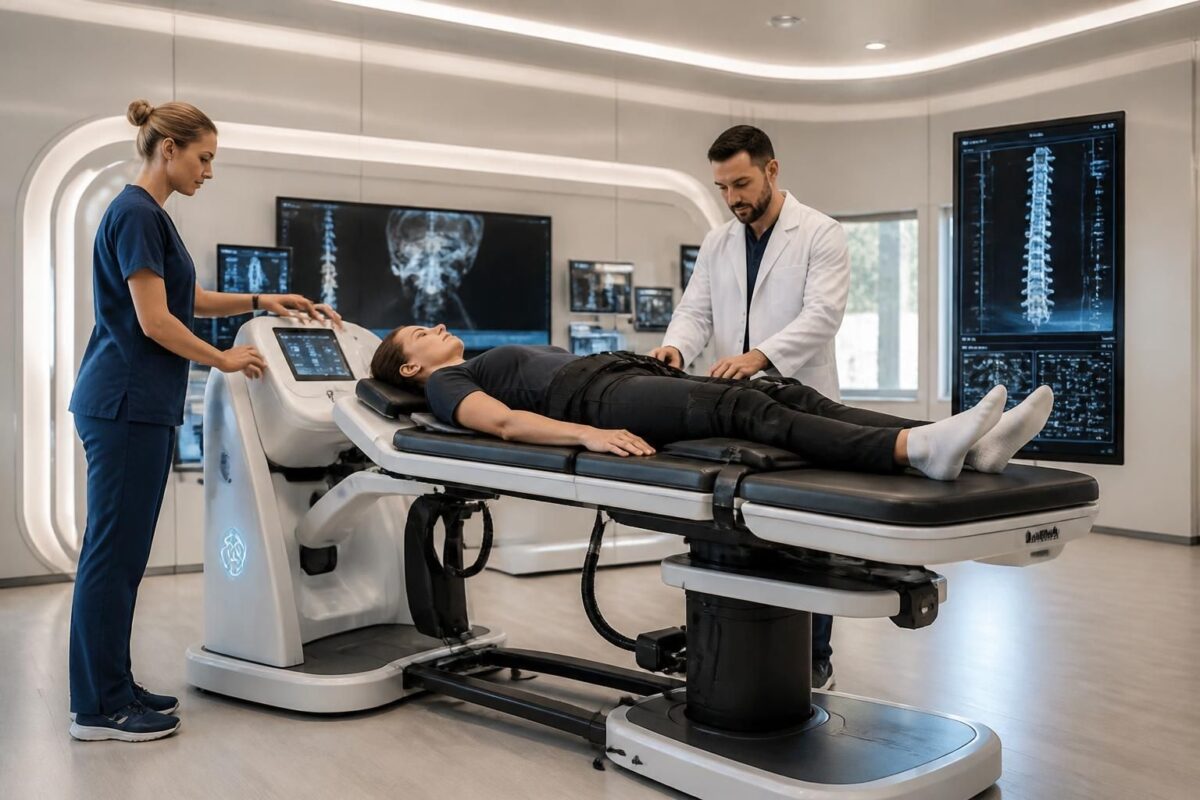
Recent innovations in neurovertebral decompression technologies
In short In short, the neurovertebral decompression is an approach non-invasive Aiming to reduce pressure on discs and nerves, and promote tissue regeneration. At Montreal, it is positioned as an effective option for lower back pain and herniated discs. The…
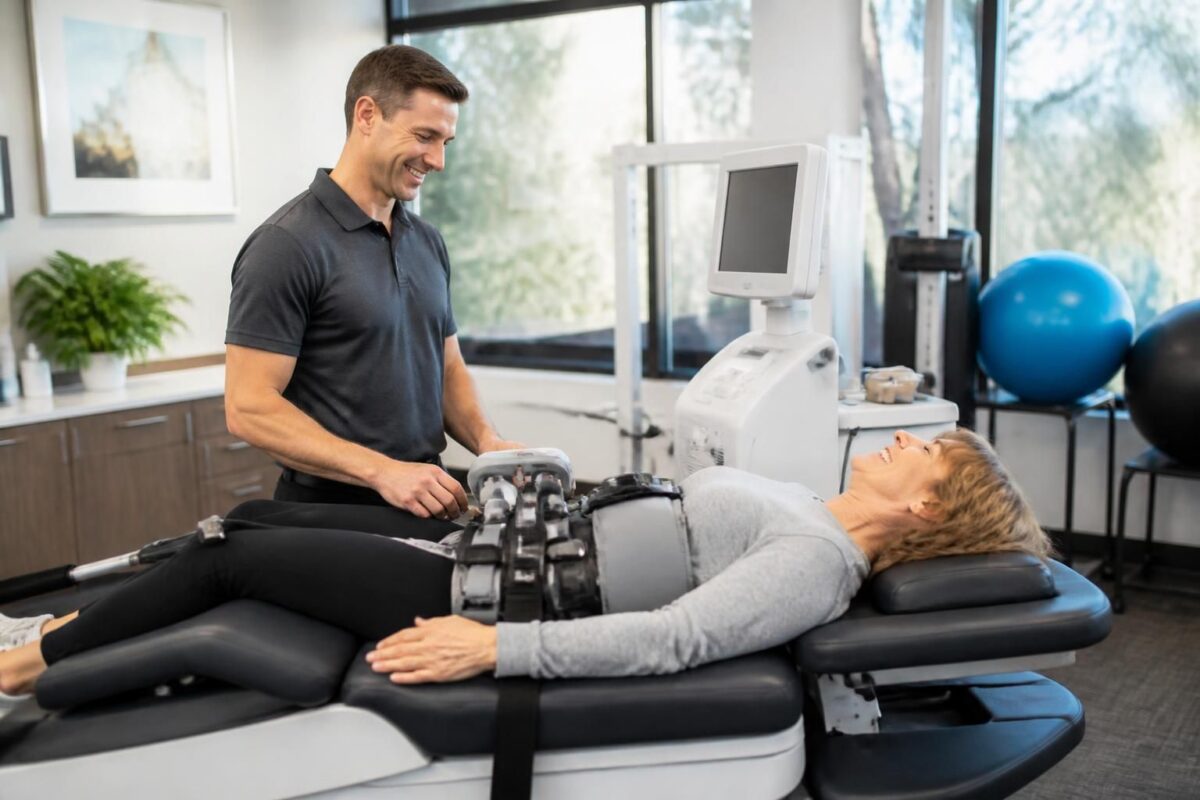
Neurovertebral decompression and diffuse pain: an appropriate solution
In short In short, the neurovertebral decompression is one Non-invasive solution For diffuse pain related to nerve irritation of the spine. She acts in Reducing pressure on intervertebral discs and nerves and improving the bloodstream, which promotes recovery and the…
Testimonials: neurovertebral decompression, a solution for recurrent back pain
Before starting treatment, Marie suffered from Recurrent back pain who came back constantly and made his days difficult. After several weeks of sessions, she feels a Sustainable reduction pain and a Mobility found which allow him to resume his usual activities.
Jean, 63, does intense physical work and suffered from painful nerve compressions. “Since the beginning of neurovertebral decompression, my Radiant pain have decreased and I find my Daily activities without fear, ”he testifies, adding that it is an approach non-invasive which avoids surgery.
Chloé, 34, an amateur athlete, feared recurrences after each workout. Today, she says she found a Increased effort tolerance and being able to resume the race without pain thanks to the decompression, which offers him a real improvement of its performance and well-being.
Marc, 58, saw his pain gradually decrease after the first sessions. “I observe a gradual improvement and an more aligned posture which reduce night tensions and difficult awakenings,” he explains with optimism.
Isabelle, 50, a health professional, tested the technique on herself and was impressed by the muscle relaxation and thetraffic improvement in the lower back, which made it easier for him to sleep and his daily activities.
Éric, 44, traveler and researcher, sees a marked decrease in Lower back pain And a quick resumption of business trips. “The neurovertebral decompression is a solution non-invasive which allows me to better manage my days without resorting to heavy interventions, ”he concludes.
The neurovertebral decompression stands out as a Non-invasive approach To support patients with Recurrent back pain, especially when the causes come from a slipped disc or degeneration of the intervertebral discs. This technique is part of a range of musculoskeletal care focused on functional improvement, lasting pain reduction and maintenance of mobility on a daily basis. It offers a reassuring and pragmatic alternative to more invasive interventions while being part of a patient-centric approach.
The fundamental principle is based on a Soft and controlled traction which allows you to create a space between the vertebrae. This mechanical modulation aims to reduce the pressure exerted on the intervertebral discs and on the adjacent nerves, thus facilitating a Disc rehydration and reduced nerve irritation. By promoting a return to optimal physiological conditions, decompression helps reduce inflammation and promote tissue repair, which can result in Improving mobility and an Prevention of recurrences.
The most common indications include low back pain related to herniated discs, disc bulges or nerve pinching sensations in the back and neck. The Observed results In well-framed programs are the gradual decrease in pain and increase in range of motion. This approach stands out for its ability to provide significant relief without the need for surgery, while integrating perfectly into a functional rehabilitation and restarting course.
The current protocols provide for sessions adapted to each patient, generally brief (often between 15 and 30 minutes) and spread over several weeks. A rigorous medical follow-up makes it possible to adjust the traction parameters and to combine strengthening exercises and postural advice. The objective is not only to soothe pain, but also to restore a more stable and resilient spine, in order to prevent relapses and to improve the quality of life durably.
Beyond clinical efficacy, neurovertebral decompression is part of an integrative dynamic, where advanced technologies and evidence-based protocols support a holistic approach to pain. The use of complementary technologies, such as targeted therapies and active rehabilitation programs, strengthens results and accelerates functional recovery in both athletes and seniors. This adherence to a rigorous and personalized practice makes it possible to meet the specific needs of each patient while ensuring optimal safety.
Neurovertebral decompression thus asserts itself as a lasting option for recurrent back pain. By combining soft mechanics, clinical supervision and personalized support, it offers an effective way to a more tension-free column, regained mobility and a better quality of life in the long term. To find out more about the approach and services offered, discuss with your healthcare professional and explore the solutions adapted to your situation.
neurovertebral decompression is an approach non-invasive which aims to relieve the Recurrent back pain by reducing the pressure on the discs and nerves. By restoring the space between the vertebrae, it can improve the mobility and contribute to the Prevention of recurrences, while offering an interesting alternative to surgery in certain situations.
The mechanism is based on a Controlled traction who creates a intervertebral space and releases tension around the nerves. This action can lead to Quick and lasting pain reduction and to a Improving mobility, with protocols adapted to target painful areas, especially in case ofslipped disc.
The most frequent indications include lumbar and cervical pain related to herniated discs, at the Foraminal stenosis and other musculoskeletal conditions, and the results described in the literature include a pain reduction, a Motion range catching and support for tissue regeneration. This method is particularly suitable for patients looking for a solution body respectful and focused on recurrence prevention.
In terms of safety and accessibility, neurovertebral decompression is an option non-surgical whose risk profile is generally low when practiced by qualified professionals. For athletes and active people, it can facilitate a Gradual resumption of activities. To deepen, you can consult resources such as this guide, This recall and Why choose it.
Complementary resources and specialized clinics offer neurovertebral decompression as part of a global rehabilitation course. This integrated approach can be combined with complementary technologies and personalized programs to optimize recovery and prevent future pain. To explore the available options, discover in particular The integrative approach, back clinic, and information on long-term benefits and treatment modalities.

Dr Sylvain Desforges, B.Sc., D.O., N.D., osteopath, is the founding president of TAGMED and of the ACMA association. He dedicates his practice to chronic spinal pain, low back pain and symptoms compatible with sciatica, particularly when pain radiates toward the buttock, leg, calf, foot or toes.
Through SOS Sciatique, he publishes educational content on sciatica symptoms, possible causes such as disc herniation, disc narrowing, foraminal stenosis or irritation of a lumbar nerve root, as well as non-surgical approaches that may be considered according to the evaluation. At Clinique TAGMED, care may include, depending on the case, motorized neurovertebral decompression, specific osteopathic care or precision percussion.
For an evaluation related to sciatica treatment in Montreal / Mount Royal or sciatica treatment in Terrebonne, please consult the services available at Clinique TAGMED.
Medical disclaimer
The information published on SOS Sciatique is provided for educational purposes only and does not replace a consultation, diagnosis, opinion or treatment provided by a physician or another authorized healthcare professional. The author of this article is neither a medical doctor nor a specialist in a medical specialty recognized by the Collège des médecins du Québec. The osteopathic, manual medicine or functional support approaches described on this site do not constitute medical acts and are not intended to replace medical follow-up.
Consult a physician or emergency service in cases of loss of bladder or bowel control, anesthesia in the saddle area, significant or progressive weakness in the leg or foot, fever, recent trauma, severe pain or rapid worsening of symptoms. For more details, please read our Legal Notice.