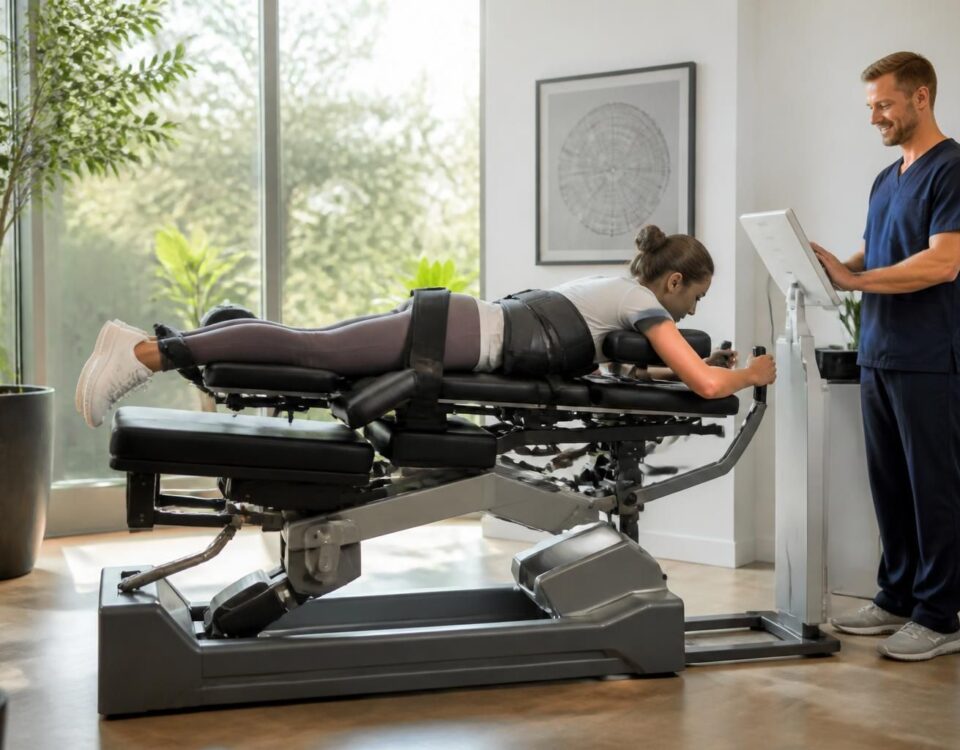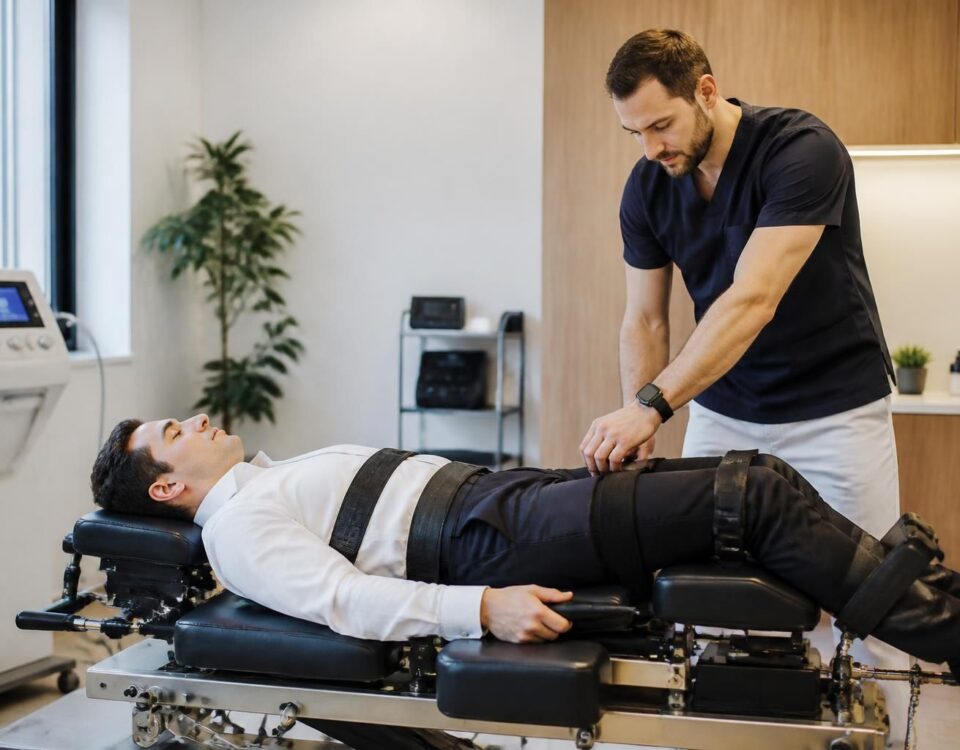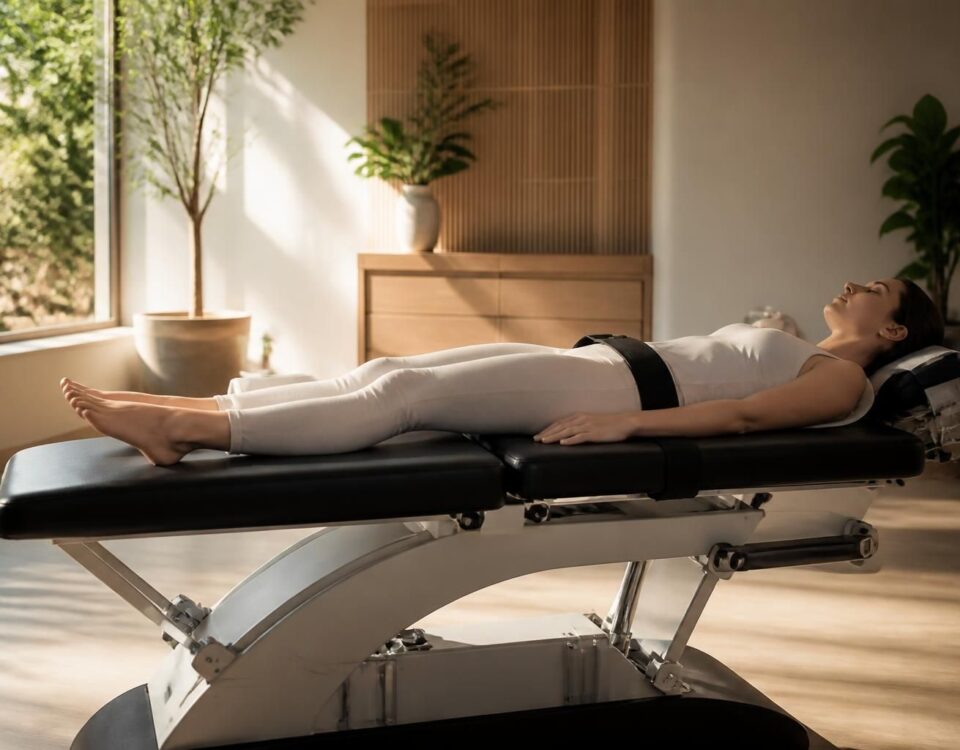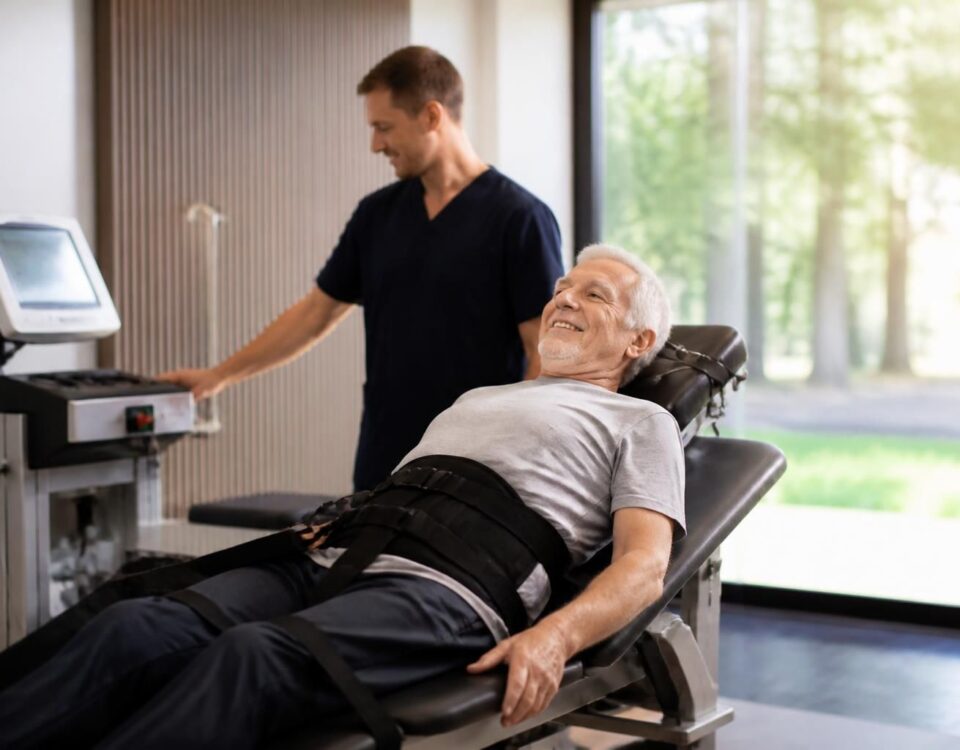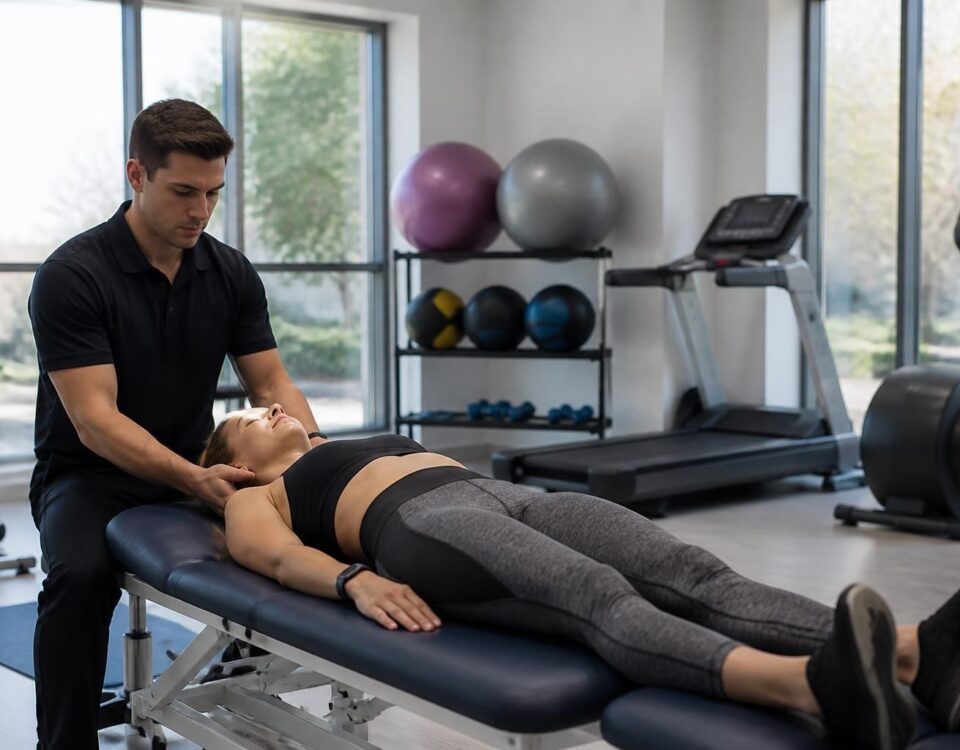
Why neurovertebral decompression is ideal after an injury
25/06/2026
How Neurovertebral Decompression Reduces Disc Tensions
25/06/2026
In short
| In short, neurovertebral decompression is one Non-invasive method To relieve spinal pain. It deals with common pathologies such as disc hernia, bulge disc, Disc protrusion, Spinal stenosis and Facet joint syndrome. How does it work? a Controlled traction On the spine decreases the pressure on the discs and nerve roots, promoting healing and pain reduction. What advantages? Quick relief, without surgery, improved mobility and quality of life, with better nutrition of the discs. In Montreal, this treatment is particularly accessible and represents a safe alternative to regain an active life. |
The neurovertebral decompression is a non-invasive approach intended to alleviate pain related to spinal pathologies. Here are the most commonly treated conditions:
- Slipped disc and Disc protrusion: Reduced pressure on the nerves to reduce radiant pain and improve mobility.
- bulge disc and Disc protrusion: Creation of space between the vertebrae to promote healing and relieve pain.
- Acute and chronic low back pain and lumbago: muscle relaxation and improvement of lumbar function.
- Facet joint syndrome: Decreased tension and inflammation of the facet joints to gain in motion.
- Spinal stenosis and Foraminal stenosis: Nerve compression relief and improved mobility.
- spondylolisthesis and lumbar disc degeneration/osteoarthritis: spine support and associated pain reduction.
- cervical sprain and cervical pain: faster recovery and decreased discomfort.
This article, written by a health professional and expert in manual techniques and integrative medicine, presents the common pathologies treated with neurovertebral decompression. He describes, in a clear and concise way, the frequently encountered conditions and explains how this non-invasive therapy can act on the symptoms in order to improve the quality of life of patients. The subject remains focused on clinical evidence and known mechanisms, without prescribing exercises or inappropriate therapeutic procedures.
Slipped disc
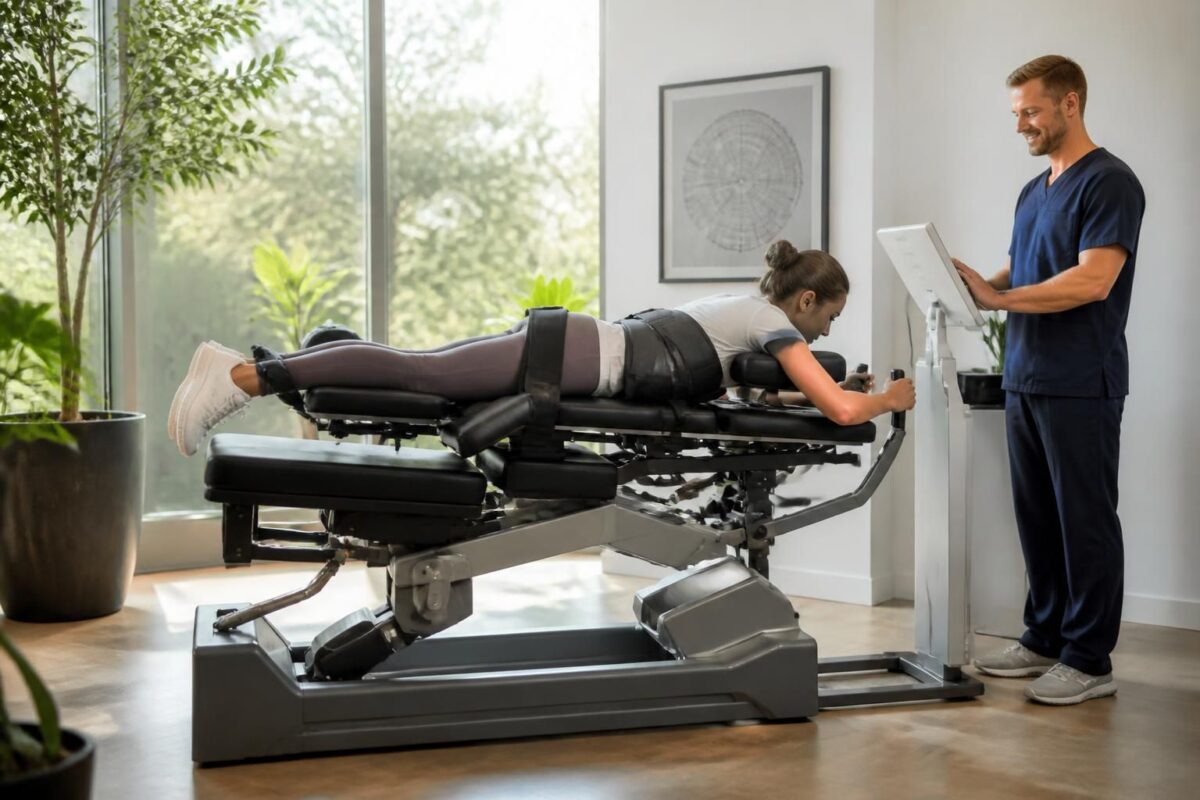
Slipped disc Occurs when the pulpy nucleus of an intervertebral disc is pressing a nerve root. The neurovertebral decompression Acts by controlled traction on the column, which can reduce the pressure exerted on the disc and nerve roots. This pressure reduction can quickly relieve pain and radicular symptoms without the need for surgery.
In practice, this approach aims to create a space between the vertebrae and promote the nutrition of the disc, while reducing the pressure on the affected nerves. To understand the mechanisms and results observed in clinical studies, you can consult specialized resources on the subject (Guide#atfp_close_translate_span# Full). Additional information is available on the pages dedicated to neurovertebral decompression and its applications in patients with herniated discs on reference sites.
Disc protrusion
The Disc protrusion is characterized by a deformation of the disc which can affect the surrounding structures. The neurovertebral decompression May help reduce pressure on the disc and nerve roots, helping to reduce pain and improve functional mobility non-surgical.
To better understand the therapeutic framework and the results observed, resources accessible online explain the functioning and benefits of cervical and lumbar traction associated with this technique (Comment#ATFP_CLOSE_TRANSLATE_SPAN# Works a neurovertebral decompression table).
bulge disc
The bulge disc Corresponds to a distension of the disc without complete breaking. The neurovertebral decompression aims to restore the intervertebral space and reduce the pressure on the nerves, thus facilitating the recovery and reduction of pain.
This approach is described and discussed in specialized resources that present mechanisms of action and results observed in various clinical contexts (Guide#atfp_close_translate_span# Full; Results#ATFP_CLOSE_TRANSLATE_SPAN# proven in clinical studies).
Foraminal stenosis
The Foraminal stenosis is a narrowing of the openings through which the nerve roots pass. The neurovertebral decompression Can release these foramins and reduce nerve compression. Non-invasive treatment can contribute to a gradual improvement in pain and mobility, without surgery.
To understand mechanisms and indications, specialized resources address decompression issues and its effects on pain and nerve function (Mechanism#ATFP_CLOSE_TRANSLATE_SPAN# and decompression table).
Spinal stenosis
The Spinal stenosis Involves a narrowing of the spinal canal. Neurovertebral decompression acts on the spine and can decrease the pressure on the nervous elements, which can lead to pain reduction and improvement in the ability to perform daily activities.
Additional information and clinical analyzes of this pathology and its non-invasive treatments are available on the resources associated with neurovertebral decompression and its applications in spinal pathologies (Guide#atfp_close_translate_span# Full; SOS#ATFP_CLOSE_TRANSLATE_SPAN# Disc herniation).
Disc degeneration and disc pinching
The disc degeneration and the disc pinch are conditions related to wear and loss of nutritional content of the disc. Neurovertebral decompression can help reduce disc pressure and promote a better internal environment, which can lead to decreased pain and improved mobility without having surgery.
Information and feedback in this area can be found on the dedicated informative pages (Guide#atfp_close_translate_span# Full; LA#ATFP_CLOSE_TRANSLATE_SPAN# Suitable for athletes).
Chronic spine-related pain
Neurovertebral decompression is a non-invasive option for chronic pain back and neck. It can help reduce symptoms when causes include disc abnormalities or subtle nerve compression. This approach is often considered when conservative treatments are not enough to achieve lasting relief.
For an overview and answers to frequently asked questions, you can consult the resources dedicated to neurovertebral decompression (Guide#atfp_close_translate_span# Full; Questions#ATFP_CLOSE_TRANSLATE_SPAN# and answers).
Additional information and explanations of common pathologies associated with neurovertebral decompression are available on ACMA resources and relevant professional associations (Clinic#ATFP_CLOSE_TRANSLATE_SPAN# TAGMED ; Detail#atfp_close_translate_span# conceptual on neurovertebral decompression).
The guarantees of safety and the general efficacy of neurovertebral decompression have been described in clinical evaluations and clear experiences. Non-invasive treatment is often well tolerated and can be proposed in an integrated care approach, in coordination with other non-pharmacological therapies available at the TagMed clinic in Montreal or Terrebonne.
In addition, specialized resources underline the role of neurovertebral decompression in recovery after injury and prevention of recurrences, in particular after a musculoskeletal injury (After#ATFP_CLOSE_TRANSLATE_SPAN# Injury).
For an educational and clinical reference, you can also consult the pages dedicated to the decompression table and its mechanisms of action (Operation#ATFP_CLOSE_TRANSLATE_SPAN# from the table; Guide#atfp_close_translate_span# Full).
This content respects the limits of the recommendations and does not replace the opinion of a health professional. For any personal medical questions, consult your doctor or an accredited specialist.
Medical disclaimer: The information and advice provided on this site does not replace the advice, diagnosis or treatment of a healthcare professional. Please note that Dr. Sylvain Desforges osteopath is neither a doctor of medicine nor a doctor, and is not a specialist in a medical specialty as defined by the Collège des Médecins du Québec. Manual medicine, functional medicine and sports medicine as described on this site exclude any medical treatment or diagnosis made by a doctor or specialist doctor. Always consult your doctor for any medical questions. For more details, please read our full legal notice.
Common pathologies treated with neurovertebral decompression
- back pain acute/chronicle
- lumbar disc herniation
- Lumbar disc bulge
- Lumbar stenosis (channel narrowing)
- Facet joint syndrome lumbar
- Lumbago
- Sciatica lumbar
- Lumbar foraminal stenosis
- Cervical disc herniation
- Cervical disc bulge
- cervical sprain
- cervical foraminal stenosis
- Cervical spondylosis (cervical osteoarthritis)
- Cervical radiculopathy

Quick route and summary
The neurovertebral decompression is an approach non-invasive which aims to relieve pain related to spinal conditions by reducing the pressure exerted on the discs and nerves. This article presents the most common pathologies treated by this method and the benefits observed: pain reduction, improvement of mobility and faster return to an active life, while avoiding the risks associated with surgery.
The long-term benefits of neurovertebral decompression for spinal health
In short In short, the neurovertebral decompression is a non-invasive approach that decreases the Pressure on intervertebral discs and nerves, favoring the Natural regeneration and tissue recovery. Its long-term benefits include Lasting pain reduction, Improving mobility and from the posture,…
Lumbar pathologies treated
Acute and chronic low back pain
neurovertebral decompression acts in attenuating the pressure on the discs and the lumbar nerve roots, which can lead to a rapid pain reduction and to a Improving mobility. It is an interesting option when conservative treatments are not enough and allows for a gradual resumption of daily activities while avoiding surgery.
Disc herniation and disc bulge
For protrusions and hernias, controlled traction creates a space between the vertebrae and decreases the nervous compression. This relaxation can reduce radiant pain and associated sciatica, providing lasting relief without the need for surgery and with a low risk of side effects.
Facet joint syndromes
The treatment aims to Reduce the pressure on the facet joints and surrounding fabrics. Result: a Localized pain reduction, a Improving mobility and a decrease in stiffness, which facilitates daily and sporting activities.

Neurovertebral decompression and mobility: a return to an active life
In short In short, the neurovertebral decompression is therapy non-invasive who uses a gentle traction To create a space between the vertebrae and reduce the pressure on the Intervertebral discs and the nerves. It promotes a bloodstream improved, lowers tension…
cervical pathologies treated
Cervical sprain and cervico-thoracic pain
In case of tension and cervical pain, decompression can help loosen muscles and to Reduce pressure on nerve roots. This approach improves neck mobility and can decrease associated cervical headaches, while avoiding invasive treatments.
Cervical disc herniation and disc degeneration
For cervical hernias and degenerative discopathies, the technique aims to Reduce nervous pressure and promote functional recovery. Typical benefits include a decrease in root pain and better tolerance of neck movements.
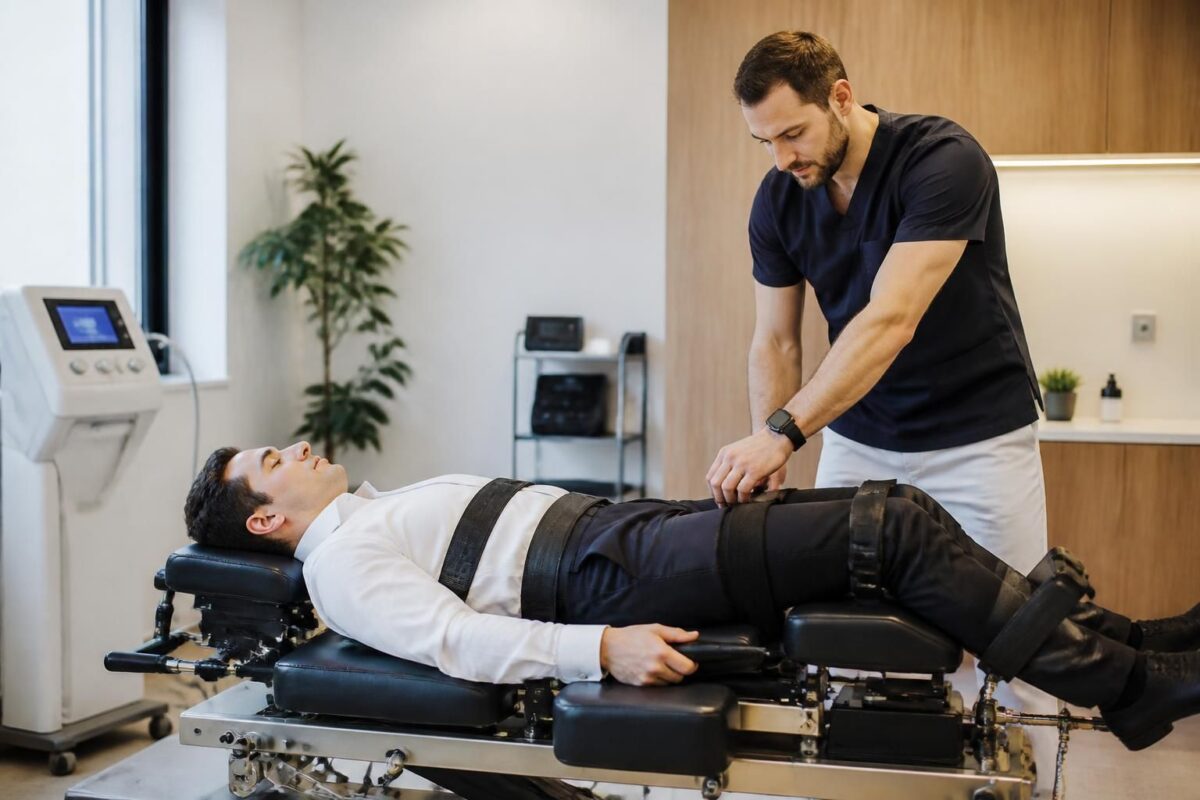
How Neurovertebral Decompression Prevents Diffuse Chronic Pain
In short decompression neurovertebral is one Non-invasive method aimed at reducing the Pressure on the intervertebral discs and the nerves, in order to prevent Diffuse chronic pain. It improves the circulation and thedisc hydration, decreases inflammation and promotes better mobility.…
Spinal stenosis and foraminal stenosis
Pressure Reduction and Space Restoration
The decompression can be adapted when the Spinal stenosis or foraminal causes pain and mobility limitations. By promoting a vertebral space, it can reduce symptoms, improve walking and promote a more active daily life, while remaining non-surgical.
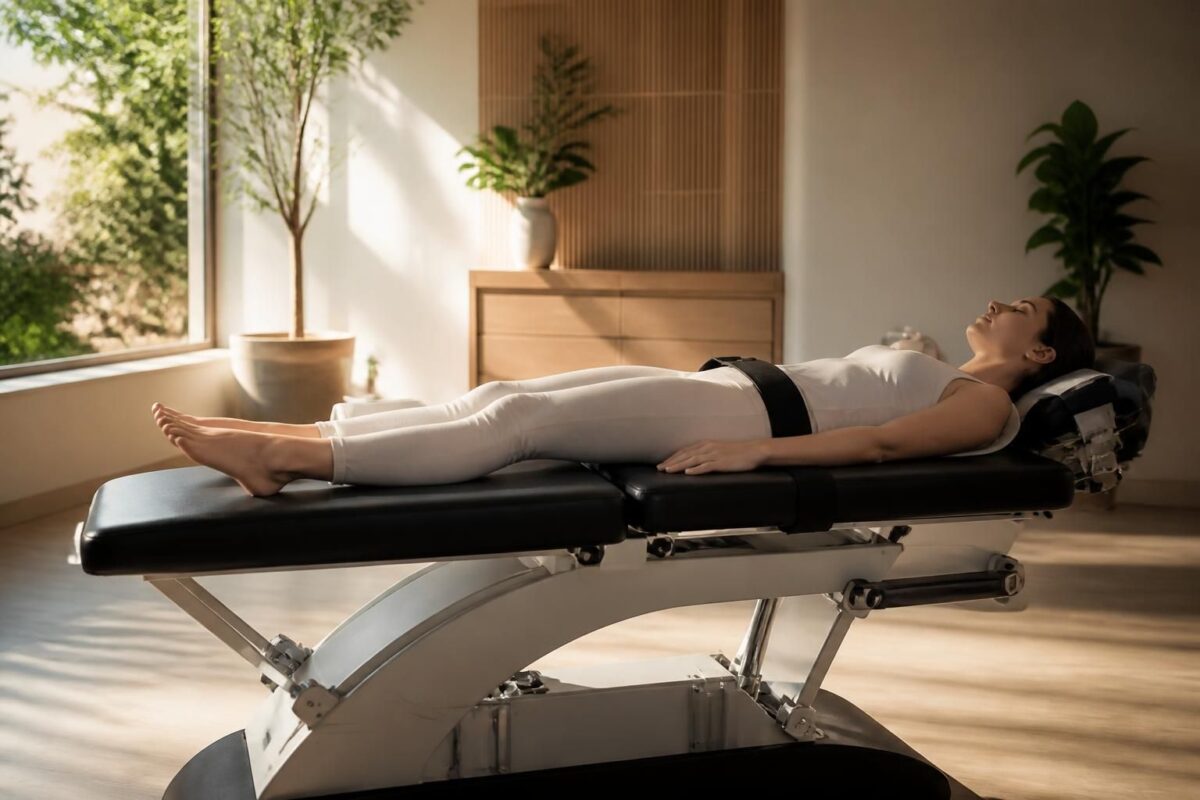
Neurovertebral Decompression and Body Alignment: Restoring Natural Balance
In short In short, neurovertebral decompression is one Non-invasive approach who restores theBody Alignment and thenatural balance back and neck. She acts by a Controlled traction of the spine to widen the intervertebral space and reduce the Pressure on discs…
Other indications and additional benefits
In addition to the pathologies cited, this approach can bring benefits in situations such as disc bulges and associated pain, or even chronic cervical tension which contribute to referred pain. Combined with other manual therapies and an integrated health approach, it can strengthen the results and promote Prevention of recurrences.
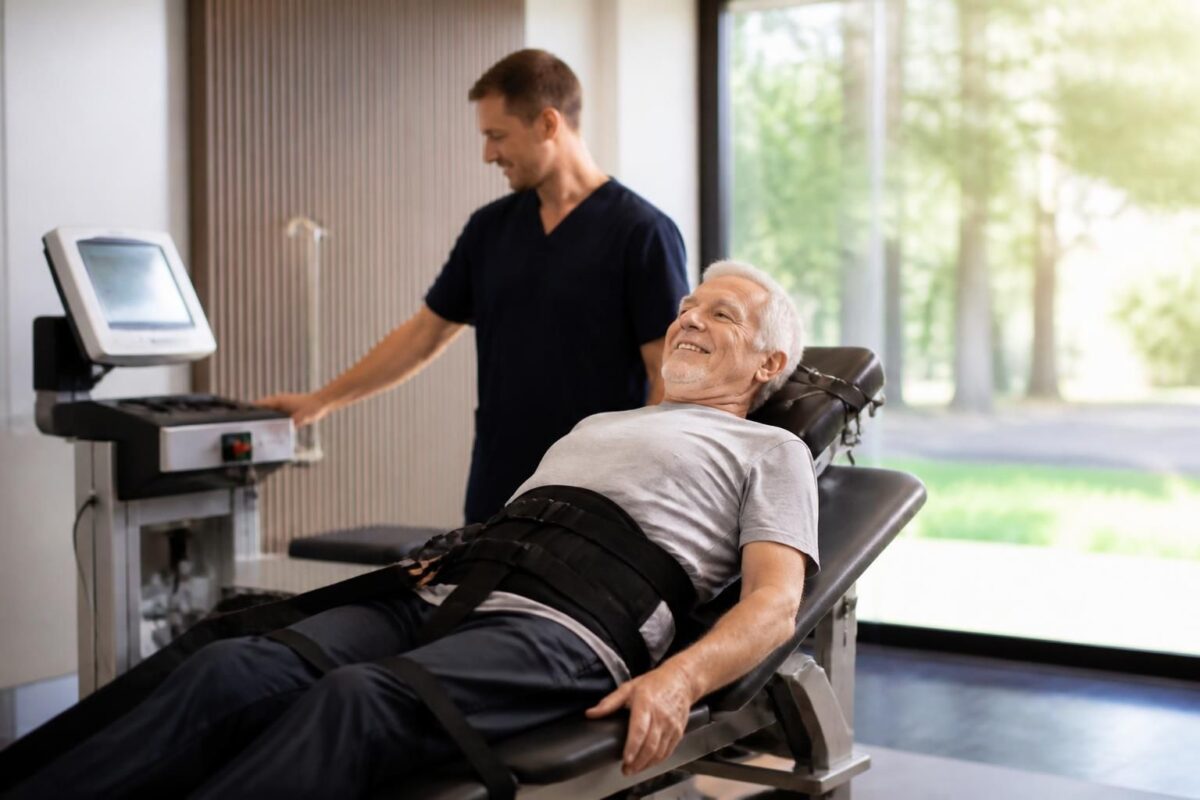
Why neurovertebral decompression is a lasting solution for active seniors
In short In short, the neurovertebral decompression is one Non-invasive therapy which sustainably relieves spinal pain in the spine active seniors By creating, by a Soft and controlled traction, a space between the vertebrae. At Montreal, it is recognized as…
Application criteria and sessions
Who can benefit and how a session takes place
People with chronic pain or symptoms related to a disc disease may be candidates, after evaluation by a professional. A typical session includes a Personalized evaluation, then the application of a suitable treatment plan. The total number of sessions varies according to the condition and objectives, with a progressive and secure.
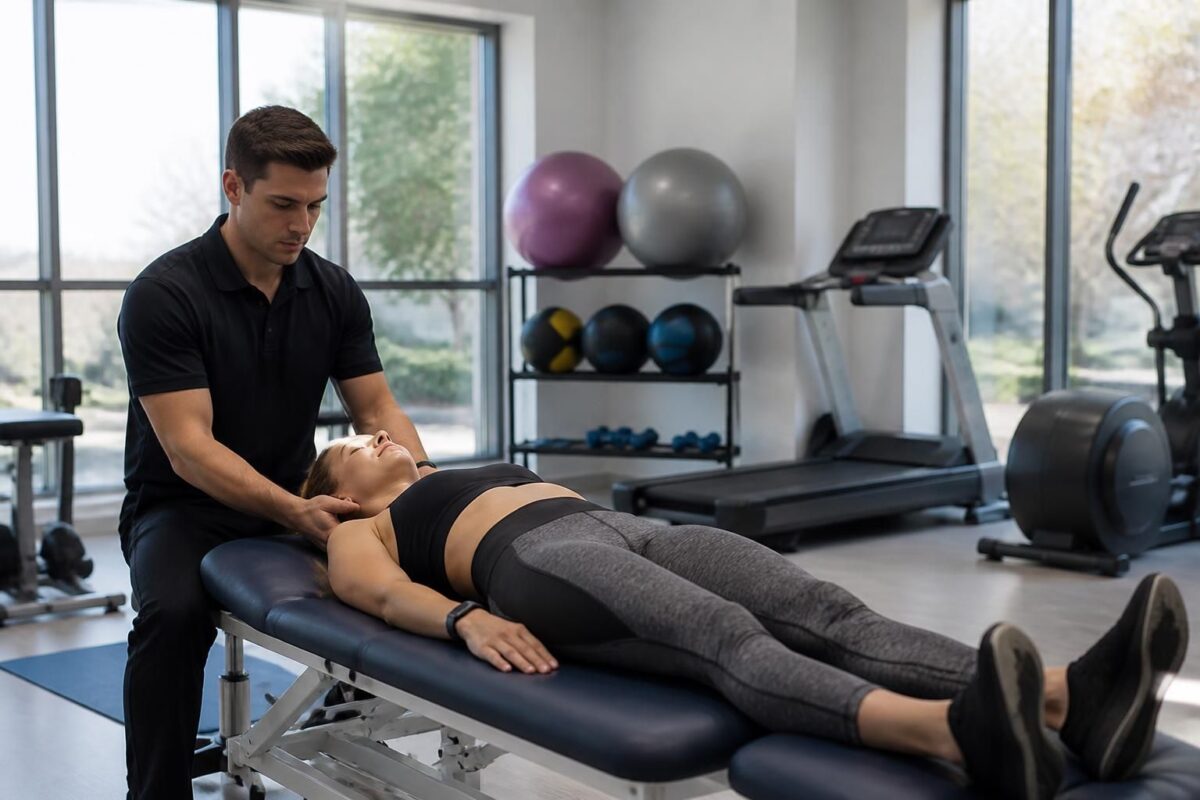
Neurovertebral decompression and recovery after severe sports injury
In short In short, the neurovertebral decompression is one Non-invasive method to Relieve the pressure on the Intervertebral discs and the gristle Via a Controlled traction, to facilitate the recovery After a severe sports injury. It improves the bloodstream towards…
Common pathologies treated with neurovertebral decompression
| Pathology | Expected effect and indication |
|---|---|
| lumbar disc herniation | Reduced pressure on nerve roots; Pain relief and improved mobility. |
| Lumbar disc protrusion (bombing) | decreased pressure on the nerves; Pain relief and quicker activity return. |
| Lumbar foraminal stenosis | increase in nervous space; Reduction of radiant pain and improved walking. |
| Spinal stenosis | relaxation of nerve compression; Improved mobility and decreased pain. |
| Facet joint syndrome | release of tension on the joints; pain reduction and better range of motion. |
| Low back pain related to discopathy | Disc pressure reduction; Decreased lower back pain and improved function. |
| Cervical disc herniation | Relief of cervical radiculopathies; Better neck mobility and pain reduction. |
| Cervical disc bulge | Reduced pressure on the cervical nerves; Pain relief and improved mobility. |
| Lumbar spondylolisthesis | Reduced instability by targeted traction; Improved pain and function. |
Recent innovations in neurovertebral decompression technologies
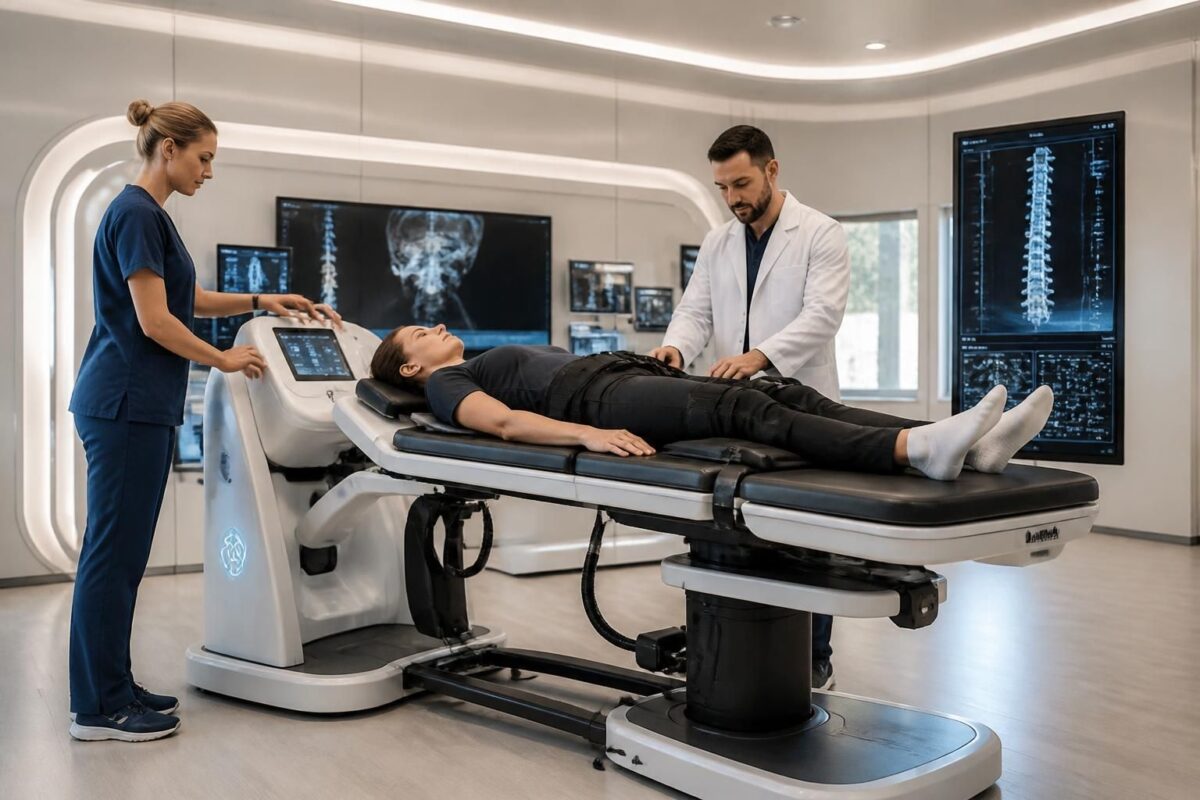
In short In short, the neurovertebral decompression is an approach non-invasive Aiming to reduce pressure on discs and nerves, and promote tissue regeneration. At Montreal, it is positioned as an effective option for lower back pain and herniated discs. The…
Testimonials on common pathologies treated with neurovertebral decompression
“Before starting treatment, my acute low back pain immobilized me on a daily basis. After a few sessions of neurovertebral decompression, the pain decreased rapidly and I regained my mobility. It is non-invasive and effective, I can resume my activities without fearing a relapse. »
“I was suffering from a slipped disc Lumbar with radiating pain in the leg and a permanent sting feeling. Thanks to the neurovertebral decompression, the nerve pressure was released and my pain improved significantly, allowing me to resume work and my movements without discomfort. »
“My doctor was talking about a Facet joint syndrome and a lack of mobility at the lumbar level. After the treatment, the tensions relaxed and I found an amplitude of movement that I had been lacking for months. The difference is visible on a daily basis, and the pain has subsided considerably. »
“I had a bulge disc which caused me constant pain and a feeling of clutter in the lower back. With the neurovertebral decompression, I felt a resumption of comfort and a lasting improvement in my mobility, without surgery. »
“After an accident, I developed a cervical sprain important and tensions that radiated to the shoulders. The decompression sessions helped release cervical tension and restore better circulation in the area, which accelerated my recovery and reduced pain. »
“I live with a Spinal stenosis For several years and the pain limited my outings and my walks. Thanks to the decompression, the pain was better controlled and my walk became more fluid again. It is a non-surgical option that has really changed my quality of life. »
Neurovertebral decompression and diffuse pain: an appropriate solution
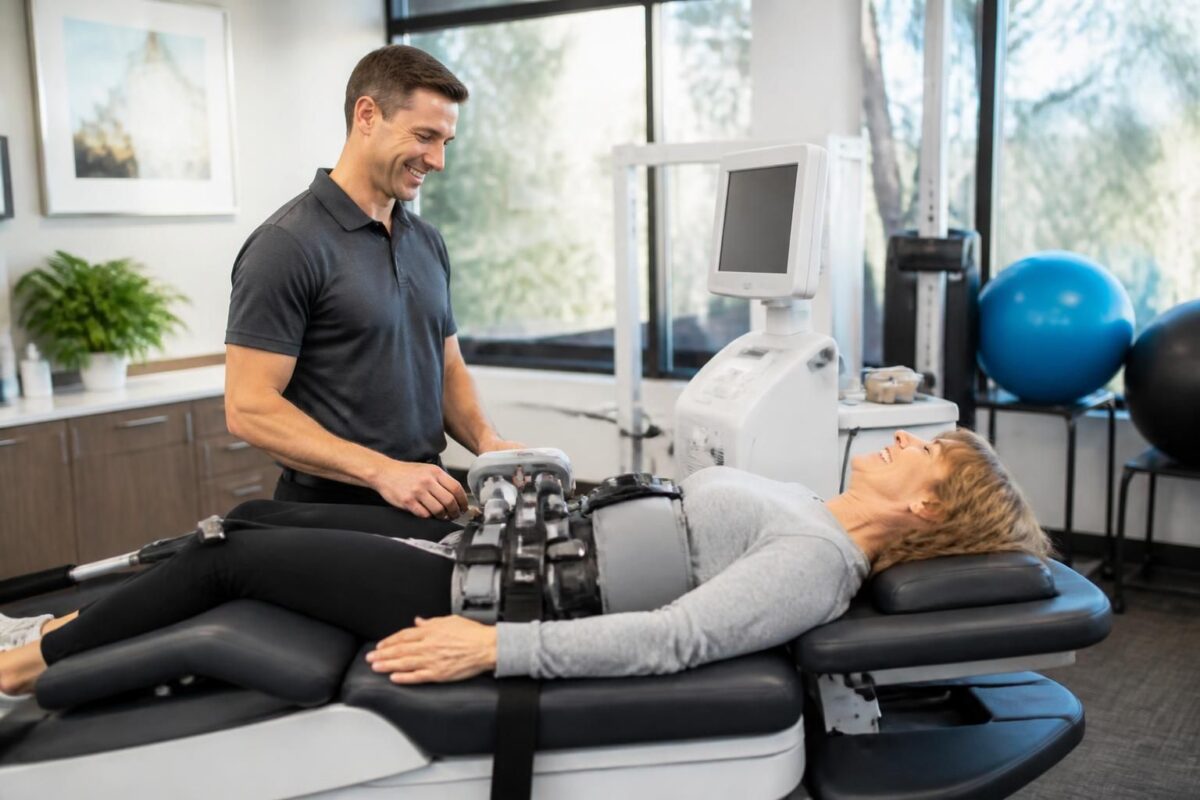
In short In short, the neurovertebral decompression is one Non-invasive solution For diffuse pain related to nerve irritation of the spine. She acts in Reducing pressure on intervertebral discs and nerves and improving the bloodstream, which promotes recovery and the…
Common pathologies treated with neurovertebral decompression
The neurovertebral decompression is a non-invasive approach designed to relieve spinal pain by reducing the pressure exerted on discs and nerve roots. It directly targets the painful mechanisms resulting from internal pressures and tensions around the nerves, thus promoting a return to an active and less painful life.
Among the most frequently addressed conditions, we find the slipped disc Lumbar and cervical, which cause radiant pain in the limbs and loss of mobility. Decompression works by reducing pressure on the compressed nerves and allowing the disc to regain space, which can quickly alleviate symptoms and prevent worsening. the cases of bulge disc or of Disc protrusion also benefit from this approach by gradually reducing compression and improving disc nutrition.
The Foraminal stenosis and the Spinal stenosis represent other key categories, characterized by the narrowing of the nerve passages. By decompressing, we seek to release the nerves and restore a more fluid nerve flow, which results in a decrease in pain and better endurance during daily activities. Pathologies associated with wear and disc degeneration, often grouped under the term of Degenerative discopathies, also respond favorably to therapy, which promotes disk nutrition and the reduction of local inflammation.
The Facet joint syndrome and type pain lumbago or neck pain benefit from a reduction in stress on the posterior joints and adjacent nerve structures. This stimulation improves mobility, reduces stiffness and avoids repetitive painful cycles that limit physical activity and performance at work or leisure.
the (radiculopathies) Associated, whether manifested by radiant pain, numbness or muscle weakness, often see a significant improvement after the first sessions. Decompression helps loosen the compressed nerves and reduces pain that radiates along the nervous path, making it easier to return to usual activities without surgical recourse.
Finally, in case of spondylolisthesis Or other minor structural ailments, decompression can help restore more favorable alignment and decrease tension on adjacent spinal segments. For patients who have undergone surgery, this technique can also support recovery and optimize long-term results, while avoiding the risks of new surgery.
In summary, neurovertebral decompression addresses a wide range of painful spinal pathologies – from discs and their protrusions, to degenerative processes and nerve compressions – and stands out as an option not Invasive, effective and adapted to various profiles seeking to restore mobility, comfort and quality of life.
This conclusion summarizes the Common pathologies processed by the neurovertebral decompression And recalls the key benefits for patients: pain relief, improved mobility and risk reduction compared to surgery. She also points out that, although this approach is effective on many spinal conditions, it must be adapted to each patient after evaluation by a competent professional. To learn more, you can consult specialized resources and feedback accessible online.
Among the Common pathologies targeted by neurovertebral decompression, there is the Acute and chronic low back pain, the Facet joint syndrome, the lumbago, the slipped disc, as well as the bulge disc. The method works by applying controlled traction that creates a space between the vertebrae and decreases the pressure on the discs and nerve roots. Result: Quick relief pain and Functional improvement sustainable, without the need for surgery. To deepen the mechanisms and benefits, see in particular the available resources and the associated FAQs.
The cervical and lumbar conditions also represent important areas of application. thecervical sprain and the cases of Spinal stenosis or of Foraminal stenosis Can benefit from decompression by reducing nerve pressure and improving local circulation. This approach can thus reduce radiant pain and promote faster recovery, while offering a secure option for those who wish to avoid surgery. For additional insights and clinical feedback, listen to the Podcast#ATFP_CLOSE_TRANSLATE_SPAN# Dedicated And read the practical guides like the FAQs.
Finally, neurovertebral decompression fits harmoniously into an integrated care process. In addition to other therapies such as osteopathy, therapy at laser and the Shockwave therapy, it can optimize pain management and accelerate the return to an active life. To enrich your understanding and discover associated approaches, explore the resources available on Schoofs#ATFP_CLOSE_TRANSLATE_SPAN# Osteopathy – Paris and the pages dedicated to the integration of treatments.
For those who are wondering about the adequacy of decompression for their personal situation, it is recommended to request a personalized consultation and to examine the additional options. resources such as Decompression#ATFP_CLOSE_TRANSLATE_SPAN# Neurovertebral and Mechanical Pain Treatment, Answers#atfp_close_translate_span# to frequently asked questions and Why#ATFP_CLOSE_TRANSLATE_SPAN# Choose neurovertebral decompression to relieve chronic pain will guide you in the choice and treatment plan adapted to your needs. For athletes, specific resources also mention the effects on performance and integration into a sports program.

Dr Sylvain Desforges, B.Sc., D.O., N.D., osteopath, is the founding president of TAGMED and of the ACMA association. He dedicates his practice to chronic spinal pain, low back pain and symptoms compatible with sciatica, particularly when pain radiates toward the buttock, leg, calf, foot or toes.
Through SOS Sciatique, he publishes educational content on sciatica symptoms, possible causes such as disc herniation, disc narrowing, foraminal stenosis or irritation of a lumbar nerve root, as well as non-surgical approaches that may be considered according to the evaluation. At Clinique TAGMED, care may include, depending on the case, motorized neurovertebral decompression, specific osteopathic care or precision percussion.
For an evaluation related to sciatica treatment in Montreal / Mount Royal or sciatica treatment in Terrebonne, please consult the services available at Clinique TAGMED.
Medical disclaimer
The information published on SOS Sciatique is provided for educational purposes only and does not replace a consultation, diagnosis, opinion or treatment provided by a physician or another authorized healthcare professional. The author of this article is neither a medical doctor nor a specialist in a medical specialty recognized by the Collège des médecins du Québec. The osteopathic, manual medicine or functional support approaches described on this site do not constitute medical acts and are not intended to replace medical follow-up.
Consult a physician or emergency service in cases of loss of bladder or bowel control, anesthesia in the saddle area, significant or progressive weakness in the leg or foot, fever, recent trauma, severe pain or rapid worsening of symptoms. For more details, please read our Legal Notice.