Neurovertebral decompression and prevention of chronic pain
25/06/2026
The benefits of neurovertebral decompression on spinal stenosis
25/06/2026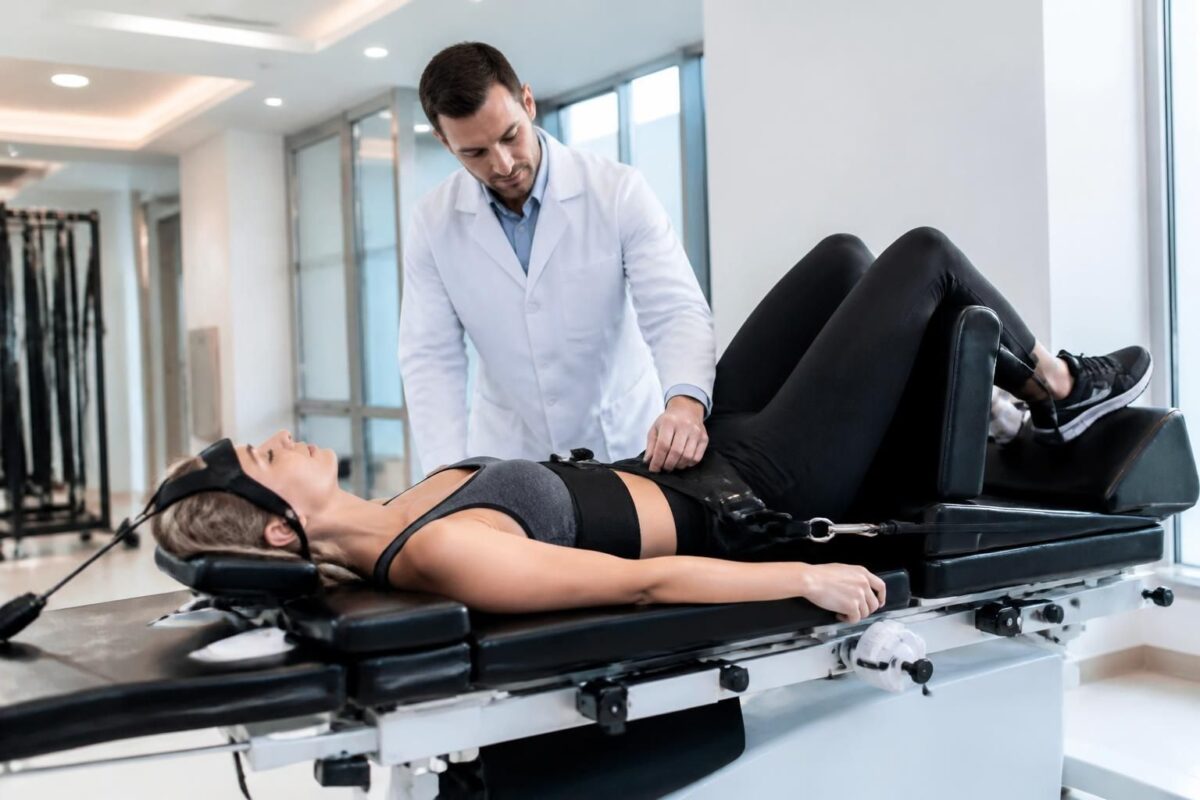
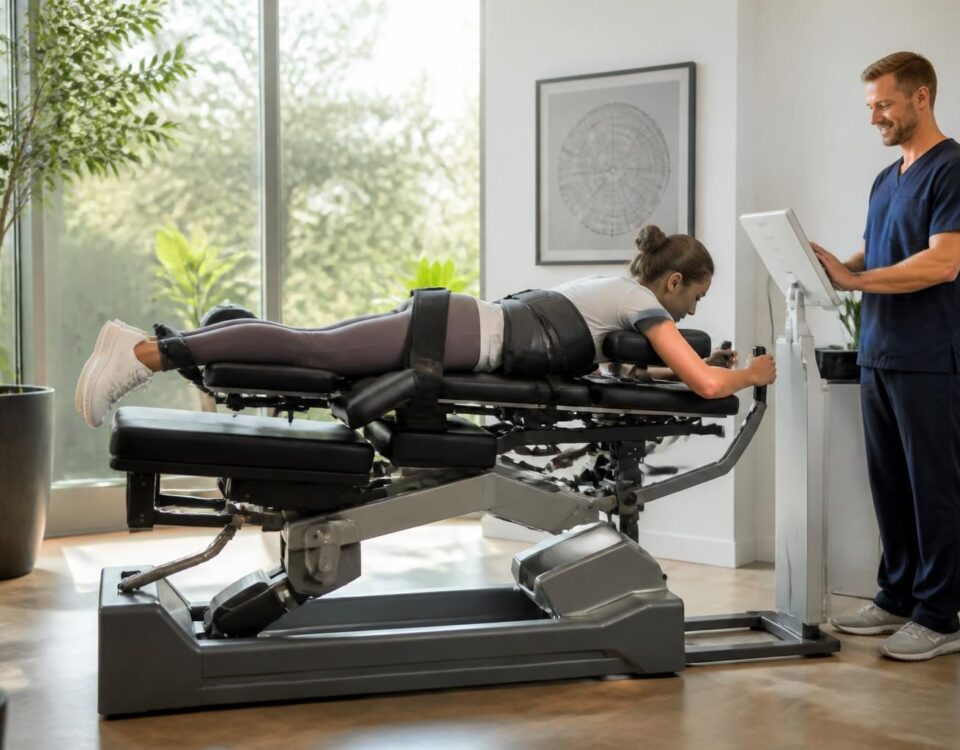
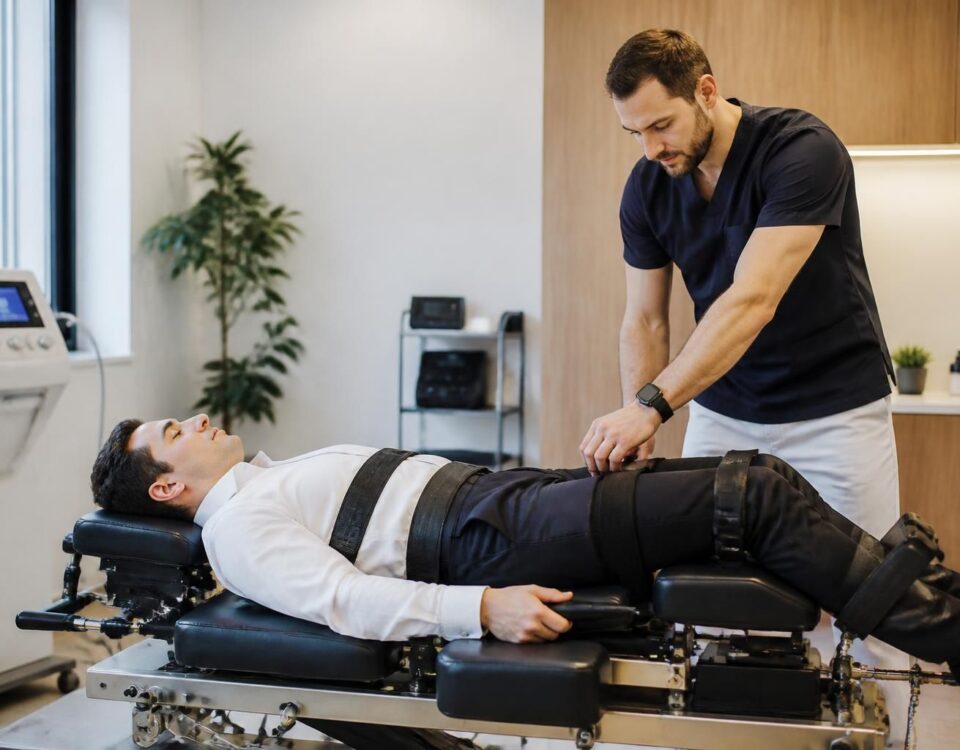
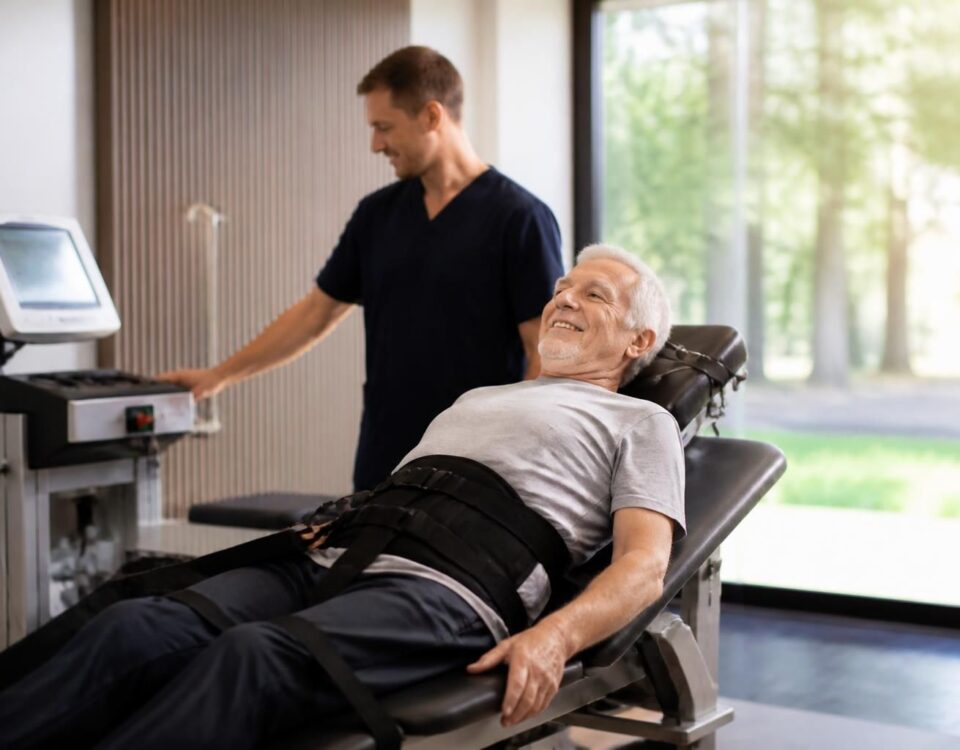
In short neurovertebral decompression is a Non-invasive method which acts on the Intervertebral discs To reduce the nerve pressure and relieve the pain. At the sportsman In rehabilitation, it promotes a quick recovery and an mobility found thanks to a better bloodstream. She also participates in the Prevention of future injuries By improving thealignment and the posture. At Montreal, this service is particularly suitable for athletes looking for a quick return to performance, with an adapted and personalized treatment. In practice, the mechanism is based on the creation of a Space between the vertebrae, which decreases the nerve pressure and promotes the tissue regeneration. |
The neurovertebral decompression is one Non-invasive approach particularly suitable for sportsman in rehabilitation. targeting the intervertebral discs and reducing nerve pressure, it quickly relieves pain and facilitates Resuming training.
- Quick relief : Decreased nerve pressure that reduces pain and spasms.
- traffic improvement : Better blood supply and waste disposal for accelerated regeneration.
- Restoration of mobility : Optimized vertebral alignment and reduction of muscle tension to regain range of motion.
- Prevention of future injuries : Corrected posture and reinforced surrounding muscles to limit recurrences.
- Custom approach and integration : Program adapted and compatible with other therapies and training.
neurovertebral decompression is a non-invasive approach that helps sportsman to recover from an injury. It acts on the intervertebral discs and on the nerves, which reduces pain and restores mobility. This technique promotes faster recovery by improving circulation around affected areas, and it helps prevent future injuries by restoring optimal spinal alignment. This article explains why this approach is effective for athletes and how it can fit into a reliable rehabilitation program.
Rapid pain relief
decompression Reduces nerve pressure and intervertebral discs. This pressure reduction results in a Quick relief pain, which allows the athlete to focus on rehabilitation without being slowed down by persistent pain.
Improved circulation and tissue recovery
By releasing the intervertebral space, decompression improves the blood flow around the discs and tissues surrounding the spine. Increased intake of nutrients and better elimination of metabolic waste accelerate tissue regeneration and promote quick recovery.
Restoration of mobility and posture
Proper spinal alignment and decreased muscle tension restore a range of motion optimal. This facilitates the resumption of workouts and improves performance, while reducing constraints on adjacent structures.
Prevention of future injuries
By correcting postural imbalances and strengthening the surrounding areas, decompression contributes to prevention Injuries during training and competitions. This approach acts as a sustainable basis for spinal health.
Custom approach and integration
Each athlete receives treatment adjusted to their clinical history and sport. This Personalized approach integrates into a broader rehabilitation program and may be associated with other therapies offered at the Tagmed Clinic from Montreal or Terrebonne.
Safety and clinical requirements
The treatment takes place under the supervision of a qualified professional and in accordance with an established protocol. Like any intervention, there are contraindications and a medical check-up is needed to assess eligibility and adapt the care plan.
Clinical evidence and experience
Clinical data and patient feedback support these findings in athletes in rehabilitation after injury. These elements highlight the effectiveness of the approach to reduce pain and improve spinal function.
To deepen, you can consult resources describing the application in athletes and the mechanisms involved, in particular via the following pages: How neurovertebral decompression supports athletes in rehabilitation, Neurovertebral decompression and disc pinching, and on Recurrent back pain.
Athletes can consider neurovertebral decompression as part of a global rehabilitation program. This approach is compatible with TagMed clinic management in Montreal or Terrebonne.
Additional information and testimonials are available on SOS Herniated Disc and SOS Herniated Disc.
For more information, consult the official training resources in osteopathy, including NUMSS and NAO, and follow protocols recognized by professional associations such as ACMA and the College of Canadian Osteopaths.
Clinique TagMed offers its solutions in Montreal and Terrebonne, with a non-invasive approach focused on scientific evidence. For more information, visit Tagmed Clinic.
You can also consult specialized resources on the sites sossciatica.com and decompressionneurovertbrale.com To understand the mechanisms and general indications, while remaining within the recommended framework.
Medical disclaimer: The information and advice provided on this site does not replace the advice, diagnosis or treatment of a healthcare professional. Please note that Dr. Sylvain Desforges osteopath is neither a doctor of medicine nor a doctor, and is not a specialist in a medical specialty as defined by the Collège des Médecins du Québec. Manual medicine, functional medicine and sports medicine as described on this site exclude any medical treatment or diagnosis made by a doctor or specialist doctor. Always consult your doctor for any medical questions. For more details, please read our full legal notice.
key elements
Nervous or disc suffering—pressure reduction on edge—pain relief; Tissue circulation and regeneration—better tissue nutrition and waste disposal; Mobility and posture—Improved range of motion; Injury prevention—correction of postural imbalances; Personalized approach—treatment adapted to each athlete; Integration into a global rehabilitation program—Compatibility with other therapies.
For athletes looking for a Non-invasive solution And based on evidence, neurovertebral decompression can be a key component of a quick return to performance, while protecting the spine in the long term.
Find out about the options available at the Tagmed Clinic and in partner centers. Additional resources and clinical cases can be consulted on SOS SCIATIC and SOS SCIATIC.
For a consultation or evaluation, contact the TagMed clinic in Montreal or Terrebonne and ask for a balance sheet adapted to your sports practice.
To learn more about the mechanisms and indications, see the following resources: How neurovertebral decompression supports athletes, and The steps of a neurovertebral decompression treatment.
References and Resources
Training and specialized practices practiced within recognized institutions such as NUMSS and NAO, with adherence to the standards of relevant professional associations.
Tagmed Clinic. Montreal and Terrebonne. go to Tagmed Clinic For more information on available services.
Medical Disclaimer: The information and advice provided on this site does not replace the health professional’s diagnosis or treatment. Please note that Dr. Sylvain Desforges osteopath is neither a doctor of medicine nor a doctor, and is not a specialist in a medical specialty as defined by the Collège des Médecins du Québec. Manual medicine, functional medicine and sports medicine as described on this site exclude any medical treatment or diagnosis made by a doctor or specialist doctor. Always consult your doctor for any medical questions. For more details, please read our full legal notice.
AXIS: Mechanisms and concrete results for athletes
- Relief fast: reduction of the nerve pressure and pain.
- Circulation Improved: Increased blood flow around discs and fabrics.
- Alignment and mobility found: alignment vertebral and range of motion.
- Approach non-invasive and secure For athletes.
- Reduced use of pharmaceuticals thanks to a Non-pharmacological alternative.
- Recovery Faster: Accelerated recovery after injury.
- Prevention future injuries: correction of Postural imbalances and strengthening the surrounding muscles.
- Performance Improved: Better mobility and agility.
- psychological support: confidence increased and reduced pain-related stress.
- Personalization and integration: Tailor-made treatment and inclusion in a Global program.
- Evaluation and monitoring: Regular measurements of progress and targeted adjustments.

This recommendation highlights why the neurovertebral decompression is particularly effective in athletes. It explains the key mechanisms, the benefits for rehabilitation and performance, as well as the essential elements of an implementation personalized and non-invasive.
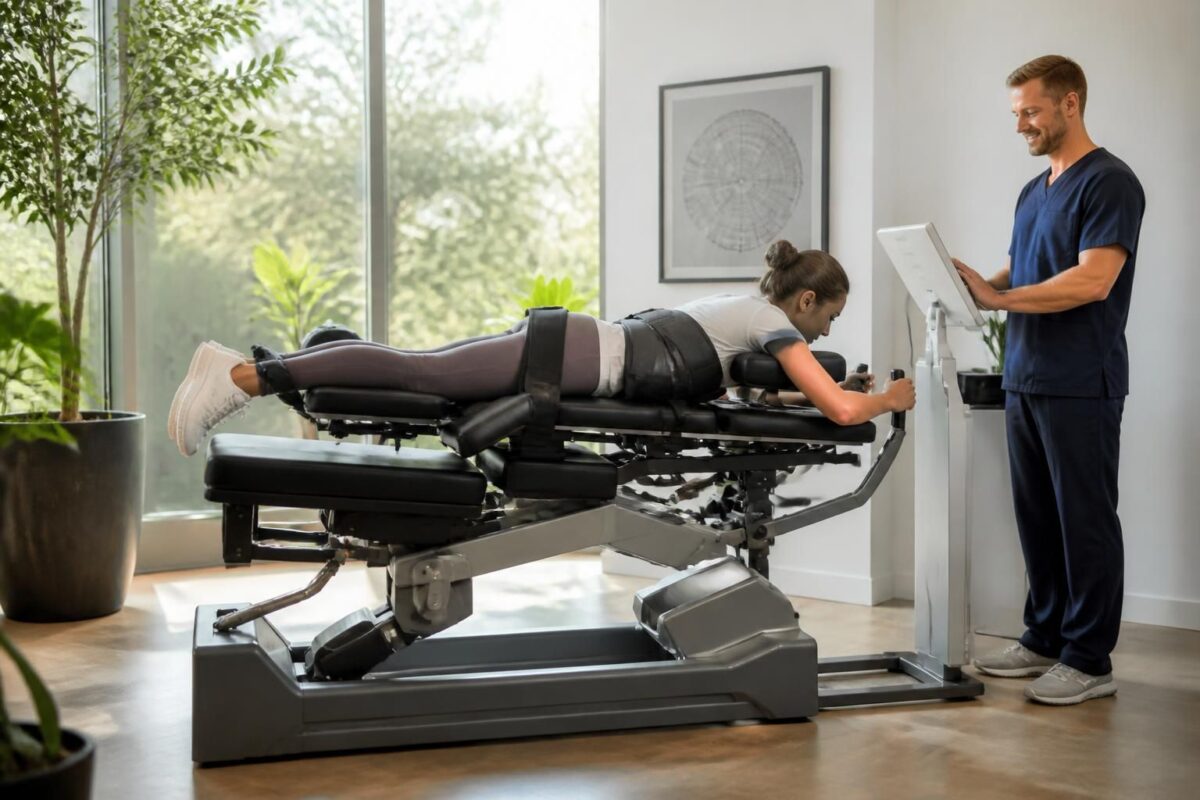
The long-term benefits of neurovertebral decompression for spinal health
In short In short, the neurovertebral decompression is a non-invasive approach that decreases the Pressure on intervertebral discs and nerves, favoring the Natural regeneration and tissue recovery. Its long-term benefits include Lasting pain reduction, Improving mobility and from the posture,…

Neurovertebral decompression and mobility: a return to an active life
In short In short, the neurovertebral decompression is therapy non-invasive who uses a gentle traction To create a space between the vertebrae and reduce the pressure on the Intervertebral discs and the nerves. It promotes a bloodstream improved, lowers tension…
Mechanism and Biological Effects
The neurovertebral decompression Acts directly on the spine creating a space between the vertebrae. This action decreases the nerve pressure and on the intervertebral discs, which is particularly important for athletes subject to repeated constraints. This pressure reduction facilitates circulation around the affected tissues and promotes the nutrition of the injured cells.
pain relief
By releasing areas of nerve compression, this technique can lead to a Quick relief and lasting pain, which allows the athlete to resume targeted exercises without being braked by persistent discomfort.
traffic improvement
Decreased spinal stress improves blood flow to support discs and muscles, accelerating the supply of essential oxygen and nutrients and facilitating the elimination of metabolic waste.
Restoration of mobility
By restoring optimal spinal alignment and reducing muscle tension, the mobility And the range of motion improves, which is crucial for technical gestures and sports performance.
Prevention of future injuries
A better aligned back and stronger neighboring muscles reduce postural imbalances and risk of recurrence, contributing to a safer and more sustainable sports practice.
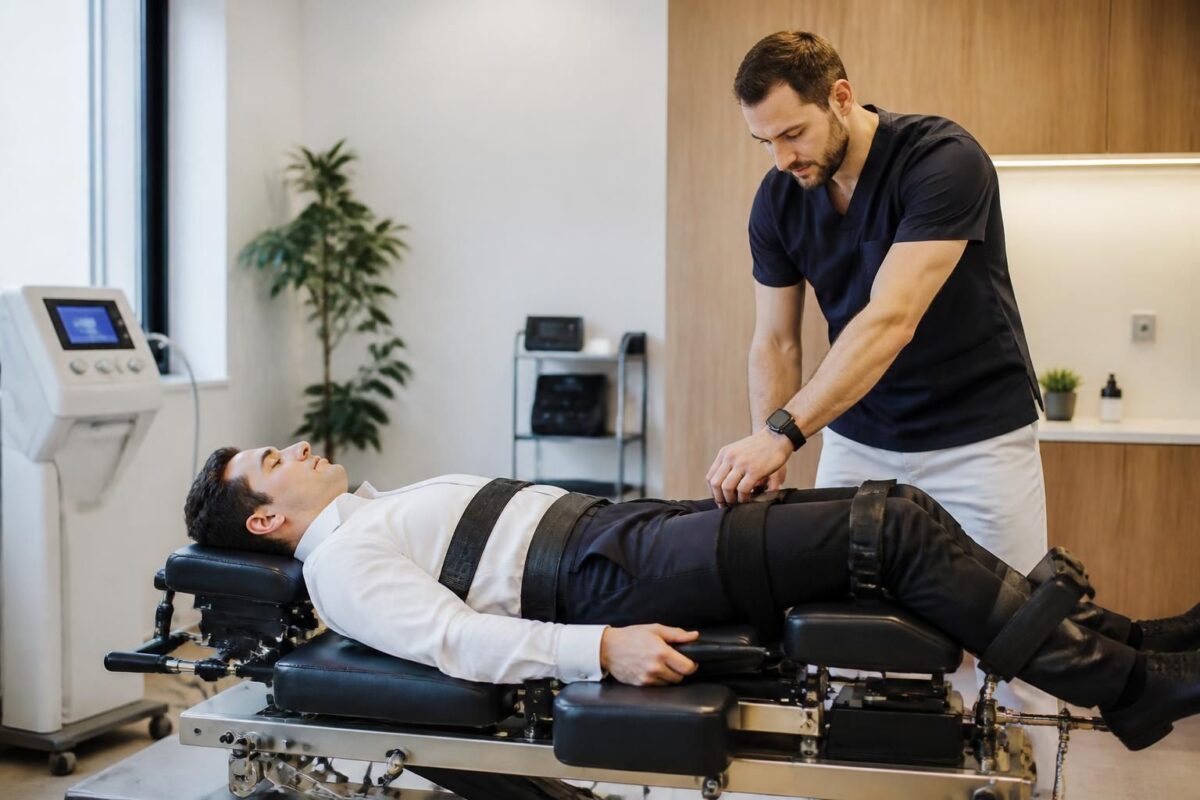
How Neurovertebral Decompression Prevents Diffuse Chronic Pain
In short decompression neurovertebral is one Non-invasive method aimed at reducing the Pressure on the intervertebral discs and the nerves, in order to prevent Diffuse chronic pain. It improves the circulation and thedisc hydration, decreases inflammation and promotes better mobility.…
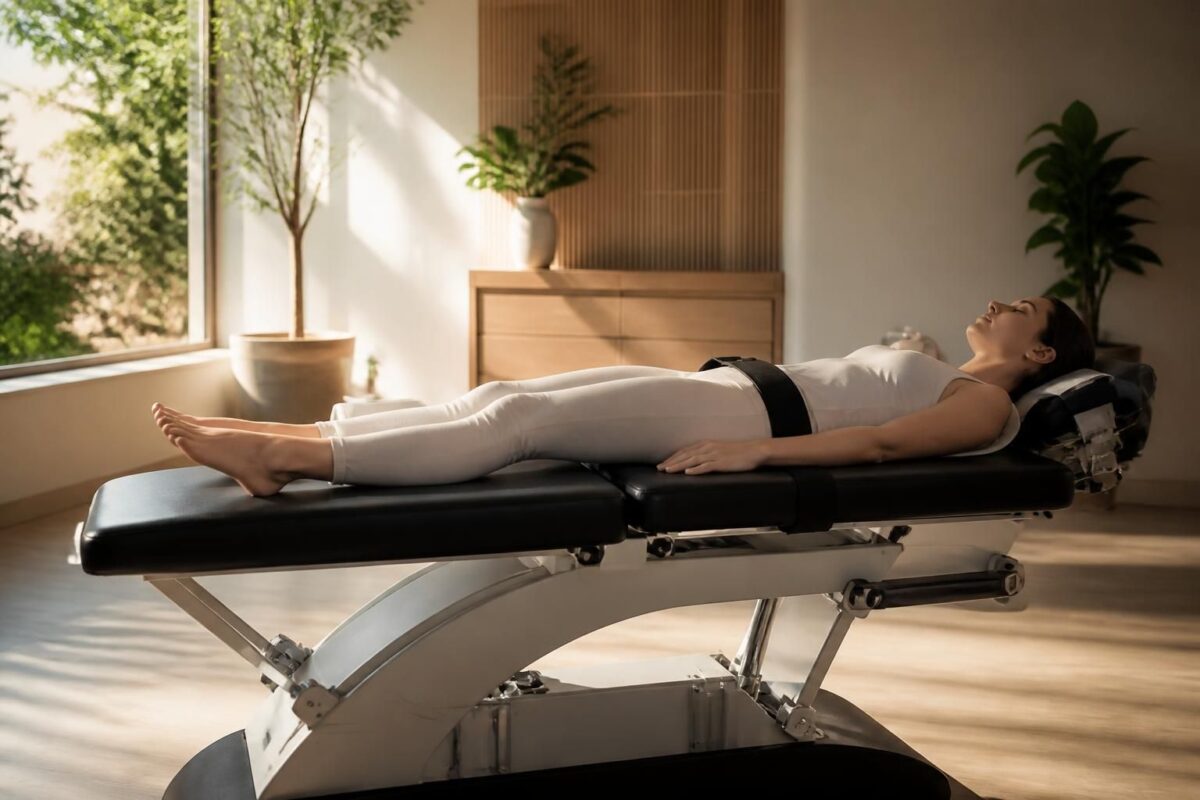
Neurovertebral Decompression and Body Alignment: Restoring Natural Balance
In short In short, neurovertebral decompression is one Non-invasive approach who restores theBody Alignment and thenatural balance back and neck. She acts by a Controlled traction of the spine to widen the intervertebral space and reduce the Pressure on discs…
Benefits for rehabilitation and performance
For athletes in rehabilitation, the neurovertebral decompression Can accelerate recovery by facilitating tissue regeneration and allowing faster progression of strengthening and mobility exercises. This approach non-invasive Offers an alternative or relevant supplement to drug treatments, limiting adverse effects and training interruptions.
On the plan performance, better mobility and faster recovery result in an increased ability to train more often and with more intensity. Sport requiring agility and precision will benefit from a safer return to competition. In addition, the rehabilitation process is often perceived as more stable and less stressful, which improves the confidence and the mental state of the athletes.
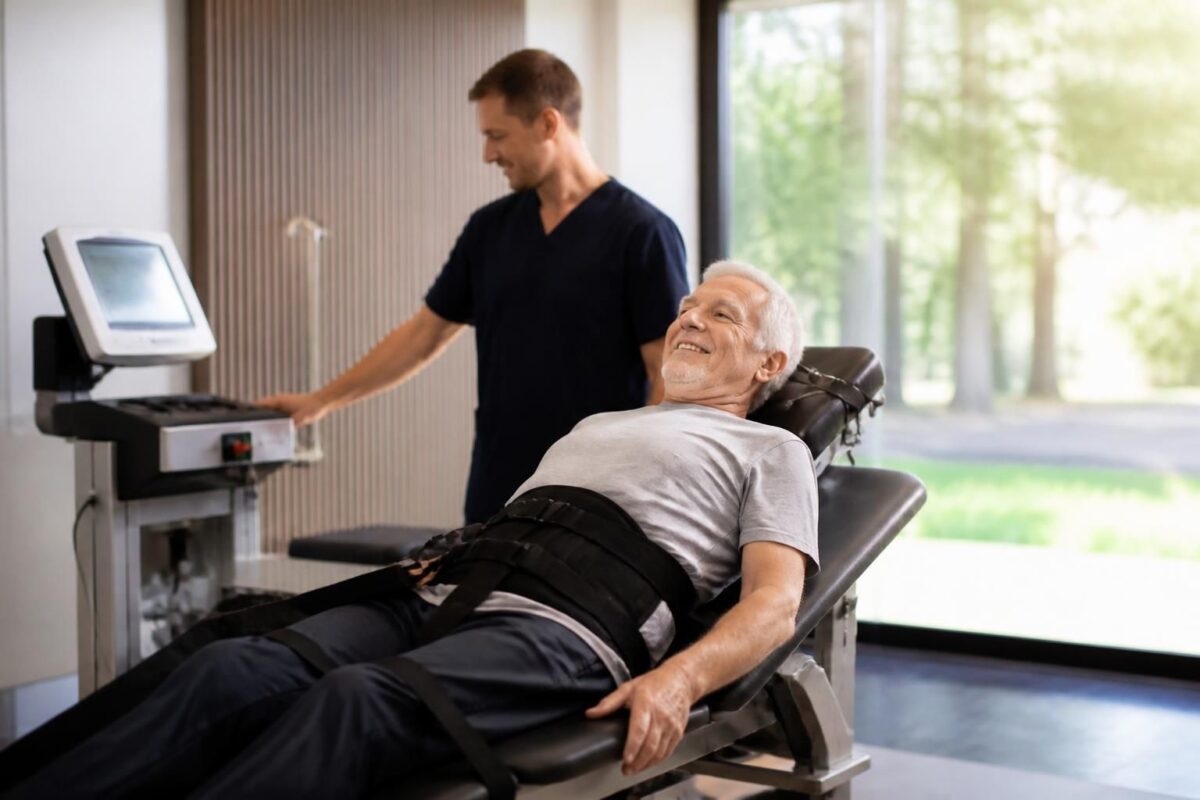
Why neurovertebral decompression is a lasting solution for active seniors
In short In short, the neurovertebral decompression is one Non-invasive therapy which sustainably relieves spinal pain in the spine active seniors By creating, by a Soft and controlled traction, a space between the vertebrae. At Montreal, it is recognized as…
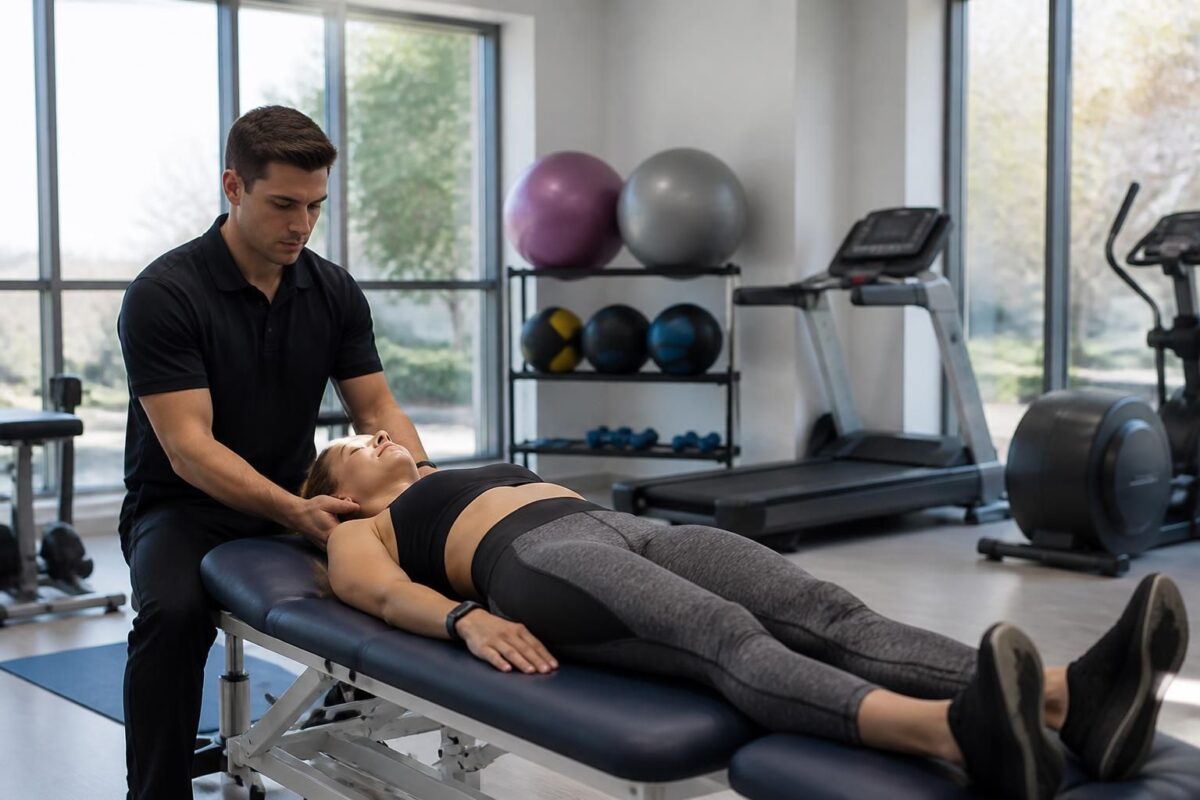
Neurovertebral decompression and recovery after severe sports injury
In short In short, the neurovertebral decompression is one Non-invasive method to Relieve the pressure on the Intervertebral discs and the gristle Via a Controlled traction, to facilitate the recovery After a severe sports injury. It improves the bloodstream towards…
Custom implementation plan
Each athlete has a unique profile. An in-depth analysis makes it possible to adapt the number of sessions, the duration and the rhythm of the treatments to meet the specific needs, the sport practiced and the rehabilitation stage. This approach personalized Maximizes results and ensures proper progression.
Evaluation and objectives
An accurate initial assessment identifies areas of tension and functional objectives, serving as a common thread for the treatment plan and associated exercises.
Integration with other therapies
Decompression can be part of a global program including physiotherapy, reinforcement work and flexibility exercises, in order to optimize the recovery and the prevention injuries.
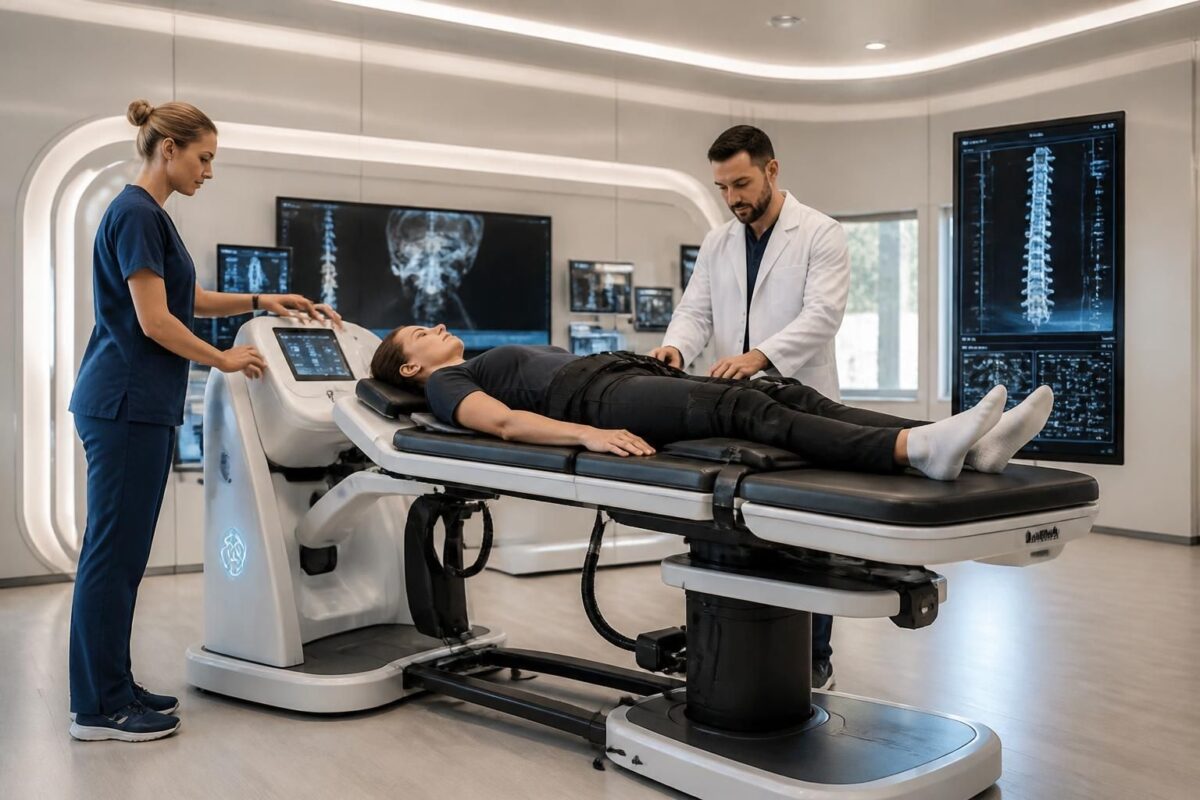
Recent innovations in neurovertebral decompression technologies
In short In short, the neurovertebral decompression is an approach non-invasive Aiming to reduce pressure on discs and nerves, and promote tissue regeneration. At Montreal, it is positioned as an effective option for lower back pain and herniated discs. The…
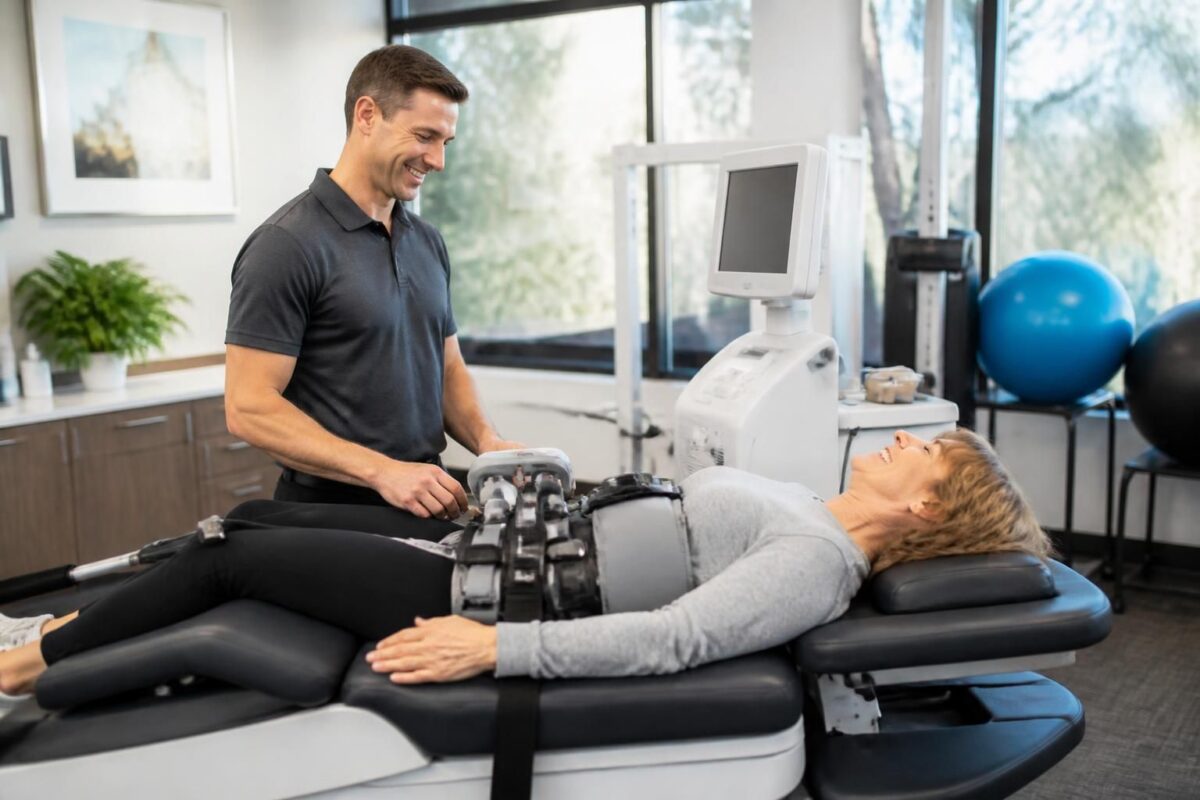
Neurovertebral decompression and diffuse pain: an appropriate solution
In short In short, the neurovertebral decompression is one Non-invasive solution For diffuse pain related to nerve irritation of the spine. She acts in Reducing pressure on intervertebral discs and nerves and improving the bloodstream, which promotes recovery and the…
Integration and prevention
In addition to other non-invasive approaches, neurovertebral decompression participates in a prevention recurrent pain and functional limitations. It is easily integrated into regular training, supporting the reathletic phases and facilitating the return to competition in better conditions.
| Element | Concise impact |
|---|---|
| Key mechanism | gentle traction which decreases the intervertebral pressure and Relieves nerves. |
| pain relief | pain relief and Inflammation reduction To resume training faster. |
| Traffic and recovery | traffic improvement Around the discs, nutritional intake and waste disposal for regeneration. |
| Mobility and performance | Restoration of mobility and from therange of motion to perform technical actions. |
| Injury prevention | Injury prevention Via imbalance correction and adjacent muscle strengthening. |
| Invasiveness and safety | Treatment non-invasive, without surgery or medication, with Security and tolerance. |
| Personalization | Personalized approach adapted to each athlete and his discipline. |
| Integration | Integration into a global program with other rehabilitation therapies. |
| Evidence and results | Evidence support Clinics showing improvements in athletes. |
Testimonials: Why neurovertebral decompression is effective for athletes
Marie, middle distance runner, says that since the start of the neurovertebral decompression program, she feels a Rapid pain relief and an Better mobility that allow him to resume training with confidence. She also points out a more aligned posture which helps to prevent recurring tensions during long outings.
David, professional footballer, shares his experience after a back injury. It describes a decrease in pressure on the nerves and a Improved recovery who led him to find the field earlier than expected. For him, this approach Reduces dependence on heavy treatments and offers a more natural way to performance.
Julia, a swimmer, explains that neurovertebral decompression has become a key step in her sports maintenance. She sees a Reduction of cervical pain and an Increased mobility in shoulders and back, which results in a better range of motion in the swims and a feeling of increased fluidity during the technical sessions.
Alex, tennis player, testifies to a decreased root pain and a Freedom of movement regained On the blows, in particular the reverses and the lateral movements. According to him, this method offers a Clear preference versus more invasive treatments and supports continuous progress in his game.
Sophie, cyclist, remarks a Accelerated recovery After each workout and a Improved blood circulation around the requested areas. She describes a Energy regained During long outings and better overall endurance that is felt at each stage of the preparation.
Léa, basketball player, insists on the positive effect on the Flexibility and postural balance. She points out that decompression contributes to Reduce muscle tension and to Prevent acceleration and landing injuries, which is crucial for workouts and matches.
Thomas, skier, describes a feeling of increased stability and a Better spine stability during turns and jumps. According to him, the personalized approach and integration into his rehabilitation plan allow him to Get back to performance faster while reducing the risk of relapse.
In the world of sport, athletes are looking for solutions that combine efficiency, safety and speed of return to training. neurovertebral decompression stands out as a non-invasive approach that directly targets the daily lives of athletes: reduced pain, accelerated rehabilitation and smoother return to performance. By being part of an evidence-based approach, this technique offers a relevant alternative to symptomatic treatments, while preserving the tissues and supporting a lasting progression of training loads.
The mechanism is based on gentle traction that increases the space between the vertebrae and decreases the pressure on the intervertebral discs and nerve roots. This reduction in nerve compression results in a Rapid pain relief and by improving the bloodstream around the column. By promoting better tissue perfusion, it accelerates the intake of essential nutrients and the elimination of metabolic waste, which supports the Tissue regeneration and limits the risk of chronic pain in the long term.
From a functional point of view, the impact is verified by a Improving mobility and optimized spinal alignment. the athletes find a mobility and flexibility increased that facilitate the execution of technical gestures and daily training. A better aligned spine allows better distribution of forces, reduces muscle tension and increases training efficiency, thus contributing to more constant performance and faster recovery after intense sessions.
Beyond the physical benefits, this approach contributes to the Prevention of future injuries. correcting postural imbalances and strengthening support structures around vulnerable areas, neurovertebral decompression Reduces the risk of relapse and pain related to sports practice. This preventive dimension is particularly valuable for athletes subject to high loads and repetitive gestures which, without appropriate intervention, can accumulate and have a lasting impact on performance.
Each athlete benefits from a Personalized approach, adapted to his profile, his sport and his medical history. The protocol is adjusted to optimize the results: the session can be integrated into a wider rehabilitation program, combining reinforcement work, mobility and recovery strategies. This customization ensures not only secure progress, but also increased motivation in the athlete, who sees concrete and measurable advances in his ability to train and perform.
judiciously integrated into a multidisciplinary framework, the neurovertebral decompression Supports alternative training and functional rehabilitation, while agreeing with other non-invasive approaches. This synergy offers a holistic recovery, improves general well-being and contributes to a return to competition in the best possible conditions. Regular monitoring and evaluation of progress remains central to ensuring the sustainability of the benefits and the adaptation of the sessions over the course of the sports course.
Led by experienced professionals and focused on innovation, this therapy is part of a global vision of care that favors the effectiveness, safety and well-being of the athlete. By favoring a progressive rehabilitation and a clinical data-based approach, it sustainably supports athletes in their quest for optimal performance and longevity sport.
This summary highlights why the neurovertebral decompression is particularly effective for athletes: it acts directly on the mechanisms at the origin of pain and reduction of mobility, while being part of an approach non-invasive and personalized which promotes the return to training and the prevention of recurrences.
The main advantage lies in the Reduced pressure on nerves and intervertebral discs, which results in relief Fast and durable pain and improved range of motion. For athletes, this translates into a faster resumption of sessions and better continuity in the training program. To find out who can best benefit from this approach, see this article on Best Candidates.
A Improved blood circulation Around the injured structures accompanies this relief, promoting the supply of nutrients and the elimination of metabolic waste. This dynamic promotes tissue regeneration and accelerates recovery, a key factor for athletes subjected to repeated loads. To deepen, see the discussions on effectiveness in the rehabilitation of athletes and the mechanisms of therapeutic traction.
The technique also acts on Column alignment and mobility, which restores a more favorable posture and reduces muscle tension. This improvement in mobility facilitates the execution of technical gestures and reduces the risk of injury during repeated training. Dedicated resources explain how decompression can prevent recurrences and optimize performance (Prevent recurrences).
favoring an approach non-pharmacological, neurovertebral decompression offers a safe and gentle alternative to pain management, potentially reducing the need for analgesics and their adverse effects. To understand its role as an alternative to opioids, check out this light on non-medicated options (Opioid-free opportunities).
The added value also lies in its character Personalized and integrated to a global rehabilitation program. Each athlete benefits from an adapted plan that can include other non-invasive therapies and complementary technologies, including solutions such as Pulse Align, which helps to release tension and improve muscle function and mobility (Pulse Align). Concrete examples and feedback support this integrated approach to optimize performance and resilience.
Specialized resources praise the clinical and practical benefits of neurovertebral decompression for athletes, particularly in terms of recovery and performance. To learn more about the mechanisms, indications and results observed, you can consult the articles and guides available on the dedicated sites, such as Efficiency in the rehabilitation of athletes and performance improvement.
For athletes looking to understand the mechanisms and possibilities offered by this approach, here are some additional resources that explore the technologies and practical applications: Technologies used, Why ideal after an injury, and Performance Effects. For a general framework, decompression can be associated with other non-invasive approaches and with adequate hydration and hydration of the discs, as discussed in specialized resources.
Finally, testimonials and clinical analyzes support that the integration of decompression in the rehabilitation course of athletes contributes to improving spinal stability and reducing the risk of future injury, while supporting a faster and more sustainable competitive return. For specific perspectives and cases, see the following resources: Sports rehabilitation, Prevent recurrences, and Tagmed Clinics for built-in support.

Dr Sylvain Desforges, B.Sc., D.O., N.D., osteopath, is the founding president of TAGMED and of the ACMA association. He dedicates his practice to chronic spinal pain, low back pain and symptoms compatible with sciatica, particularly when pain radiates toward the buttock, leg, calf, foot or toes.
Through SOS Sciatique, he publishes educational content on sciatica symptoms, possible causes such as disc herniation, disc narrowing, foraminal stenosis or irritation of a lumbar nerve root, as well as non-surgical approaches that may be considered according to the evaluation. At Clinique TAGMED, care may include, depending on the case, motorized neurovertebral decompression, specific osteopathic care or precision percussion.
For an evaluation related to sciatica treatment in Montreal / Mount Royal or sciatica treatment in Terrebonne, please consult the services available at Clinique TAGMED.
Medical disclaimer
The information published on SOS Sciatique is provided for educational purposes only and does not replace a consultation, diagnosis, opinion or treatment provided by a physician or another authorized healthcare professional. The author of this article is neither a medical doctor nor a specialist in a medical specialty recognized by the Collège des médecins du Québec. The osteopathic, manual medicine or functional support approaches described on this site do not constitute medical acts and are not intended to replace medical follow-up.
Consult a physician or emergency service in cases of loss of bladder or bowel control, anesthesia in the saddle area, significant or progressive weakness in the leg or foot, fever, recent trauma, severe pain or rapid worsening of symptoms. For more details, please read our Legal Notice.