Neurovertebral and sciatic decompression: non-invasive management
25/06/2026
Innovations in neurovertebral decompression for a better quality of life
25/06/2026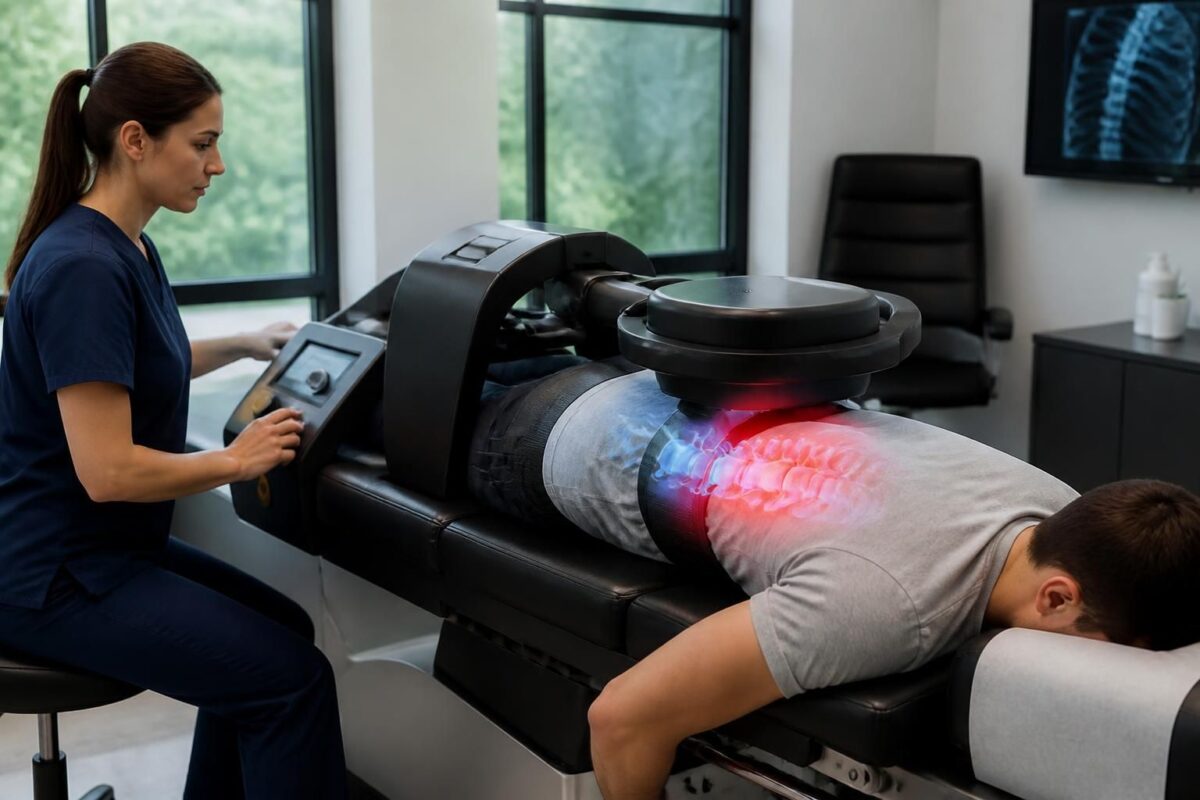
In short
| In short, the neurovertebral decompression is one Non-invasive therapy which Reduces pressure on intervertebral discs and the nerves for Improve traffic at the column level. this best circulation Increase thenutrient intake and in oxygen, promotes Hydration and the regeneration discs, and reduces inflammation and pain. In Montreal, this treatment is particularly effective for lower back and cervical pain related to disc degeneration or stenosis, offering a quick return to activity without surgery and pain. |
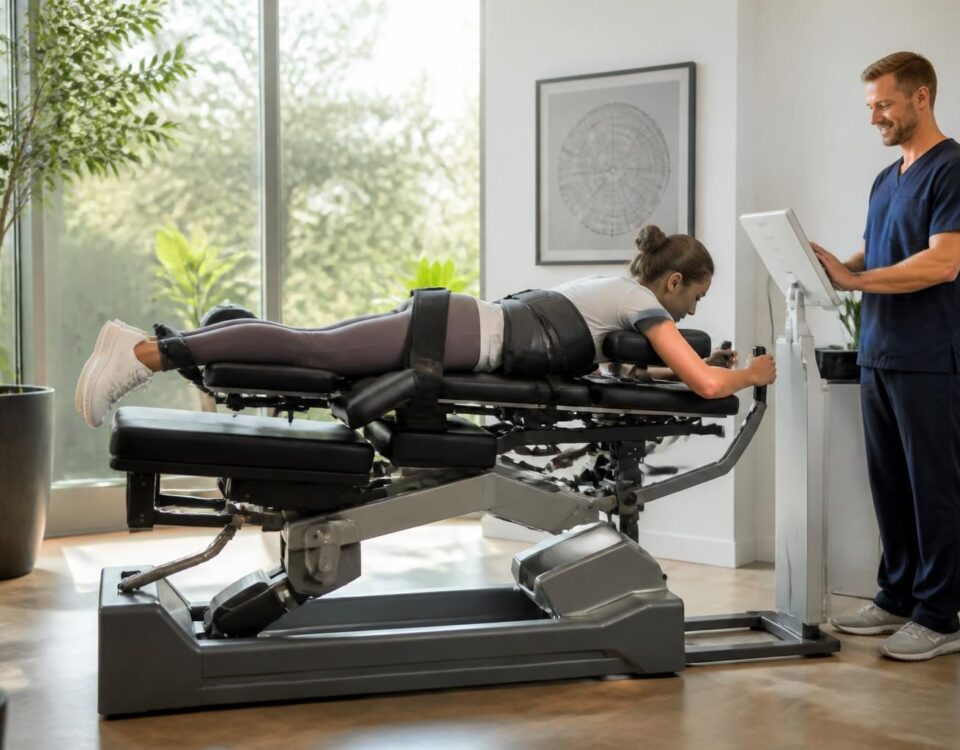
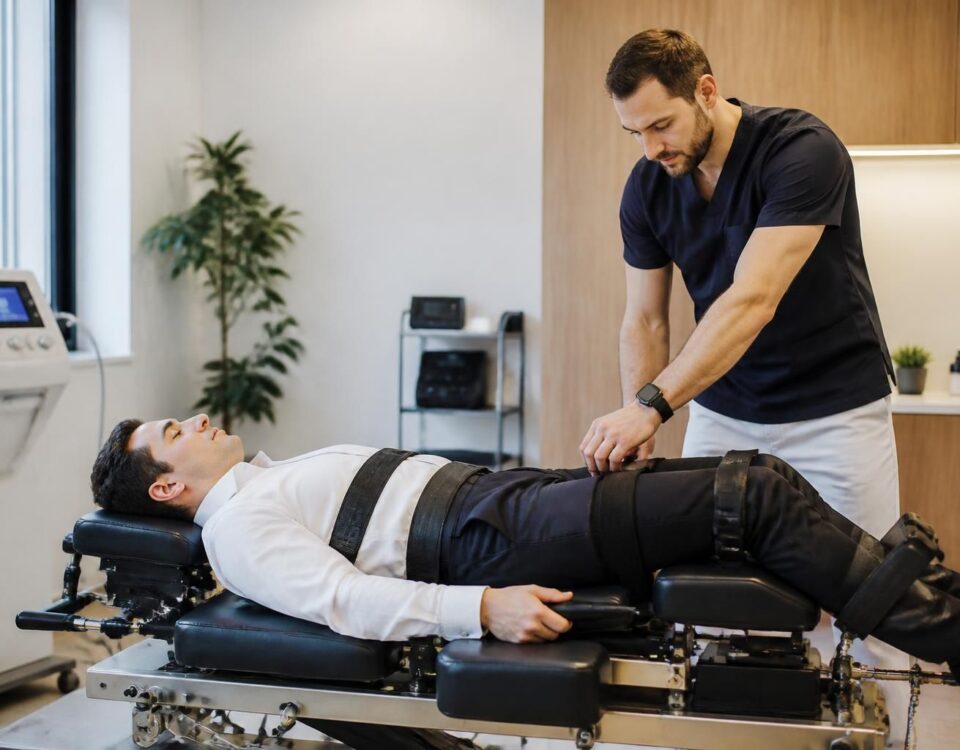
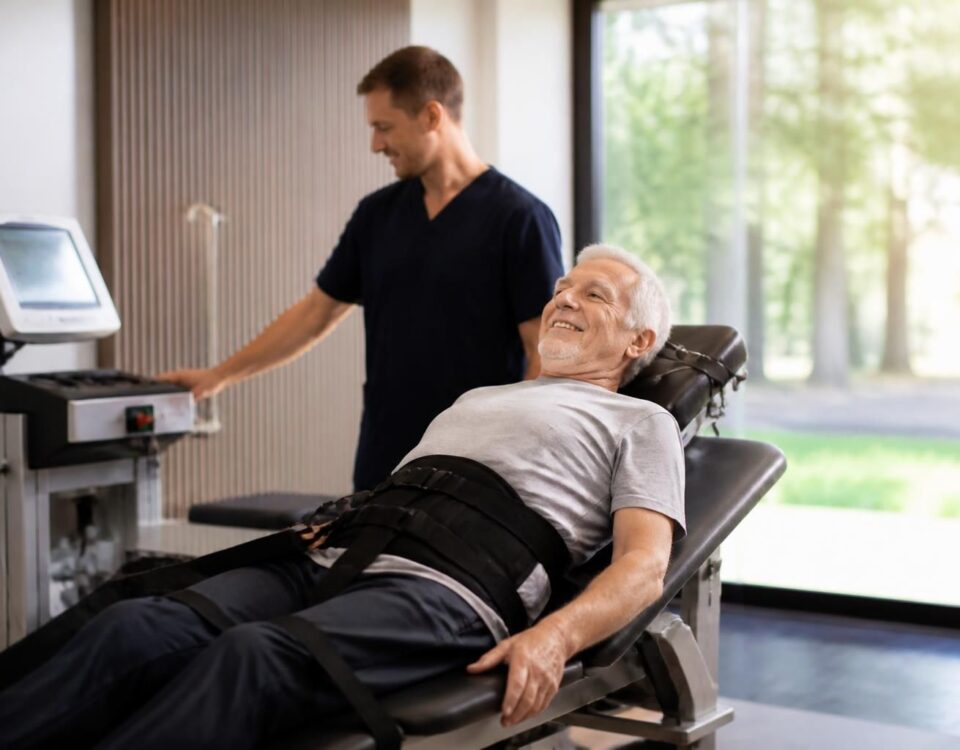
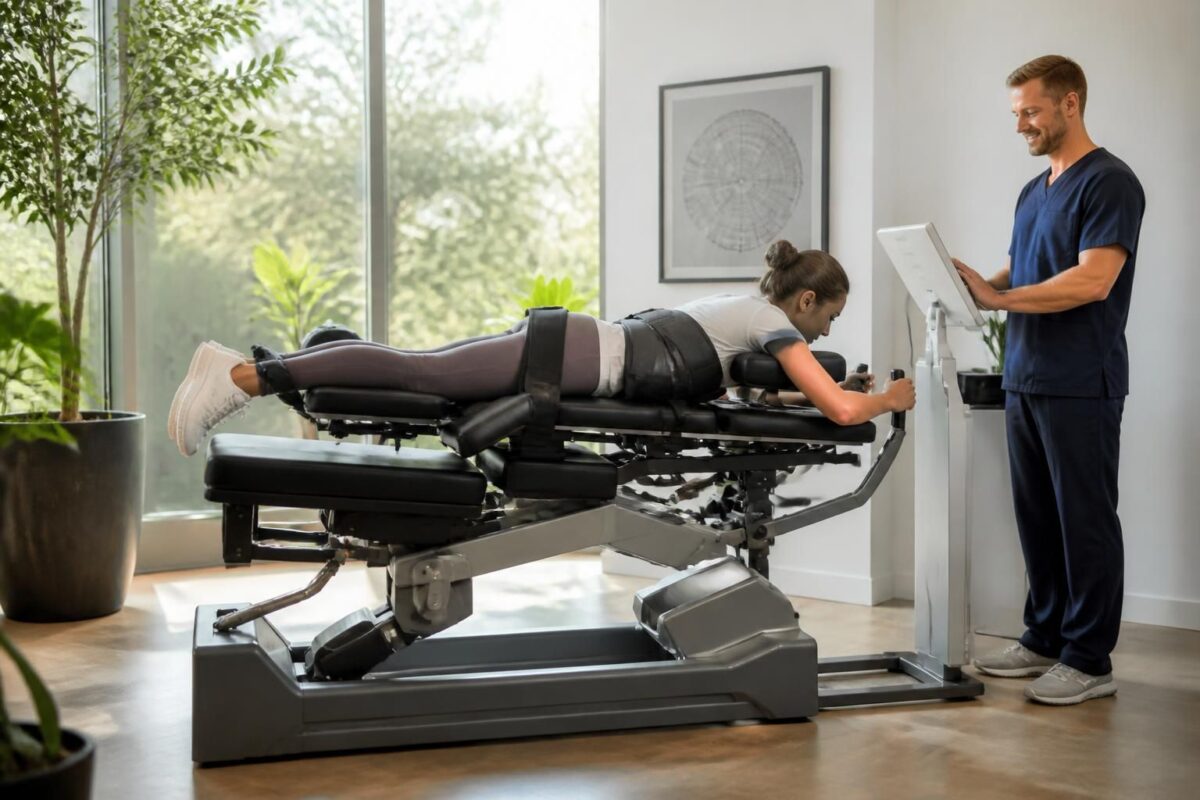
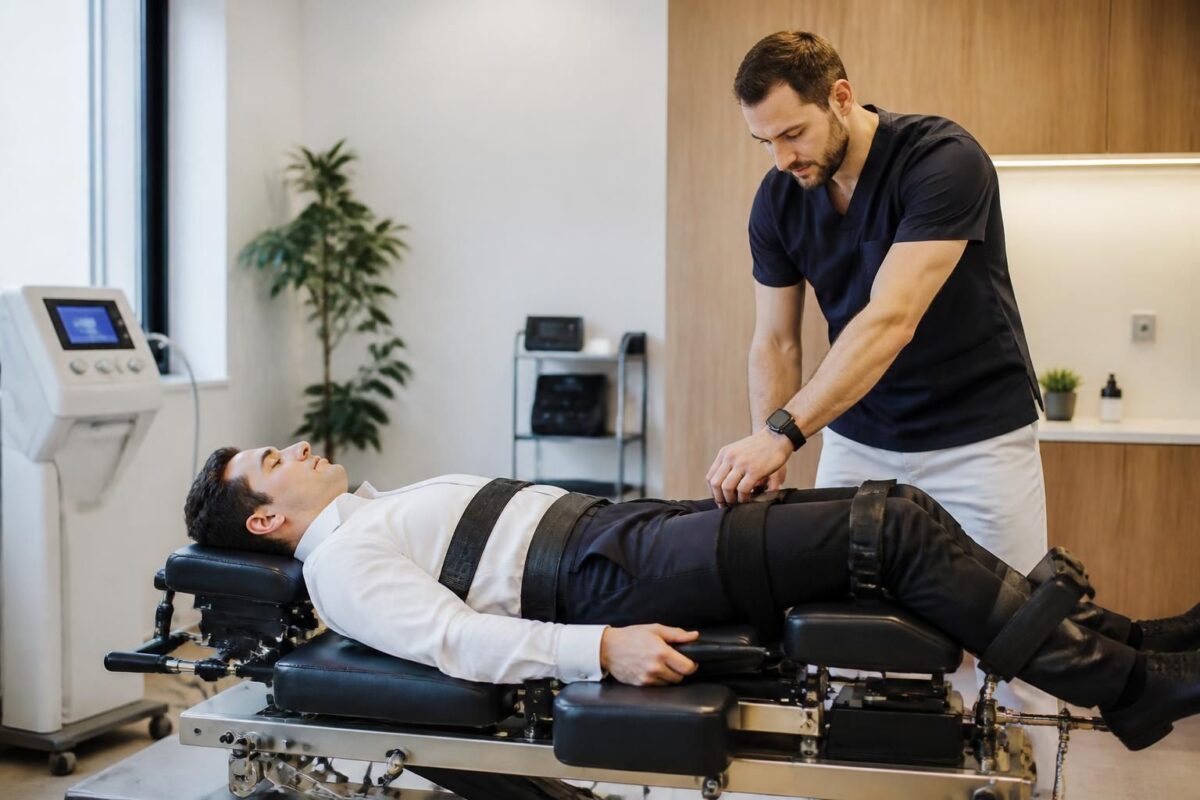
The neurovertebral decompression is based on a Controlled traction of the column that creates a space between the vertebrae, reducing the Pressure on the intervertebral discs and on the neighboring nerves. This pressure decrease improves the bloodstream local area around the discs, favoring the contribution of nutrients and in oxygen necessary for their regeneration. At the same time, increasing blood flow and evacuating metabolic waste reduces inflammation and pain, providing an environment conducive to recovery and mobility.
This article, written by a health professional and expert in manual medicine, explains how the neurovertebral decompression Acts on the Circulation at disk level intervertebral. It describes the mechanisms, clinical benefits and points of vigilance, while avoiding exercise recommendations. The goal is to provide clear and useful understanding for patients and practitioners involved in the management of spinal conditions.
How neurovertebral decompression affects the intervertebral circulation
The technique is based on a Controlled traction applied to the spine. This action creates a Space between the vertebrae, which decreases the Intradiscal pressure and the pressure exerted on the adjacent nerves. By reducing these pressures, blood flow to the spinal area improves and allows better tissue perfusion around the discs.
Pressure reduction increases the Interdiscal volume available and promotes nutrient and oxygen access to disks. This increased contribution supports the processes of rehydration and regeneration spinal tissue, which contributes to better structural integrity of the disc and a decrease in local inflammation.
a better Blood regimen and an Improved traffic Also promote the transport of metabolic waste from targeted tissues. This dynamic helps to create an environment conducive to healing and restoring the normal functioning of the spine.
Effects on Nutrition and Disk Recovery
With better circulation, the discs receive an increased intake of essential nutrients and oxygen. This supports the rehydration discs and improves their damping and resistance to daily mechanical stresses.
Decompression also helps to reduce inflammatory signals associated with compression of nerve structures. This reduction can result in a decrease in pain and greater tolerance to movement, while avoiding the reflex painful mechanisms that slow down the physical activity necessary for overall rehabilitation.
Indications and safety
Neurovertebral decompression is a non-invasive approach, associated with a favorable safety profile when performed after an appropriate assessment. Each patient benefits from an individualized protocol, and monitoring is recommended to adjust the treatment according to progress and any contraindications.
For people who are sedentary or with pathologies such as herniated discs, stenoses or other spinal disorders, this approach can be integrated as a component of a global care plan, in addition to other therapies proposed by the TAGMED clinics and partners.
Additional sources and resources
To deepen, you can consult resources that describe neurovertebral decompression and its effects on spinal circulation, including syntheses and public analyses. Detailed articles and updates can be found on the following sites:
Chronic pain prevention,
Improved quality of life,
Neurovertebral decompression – Wikipedia,
and resources dedicated to the assessment and prevention of spinal pain on specialized platforms. Other useful references can be viewed via the pages of Tagmed Clinic and associated resources.
For a summary view of mechanisms and effects, see the following resources:
Disc herniation and decompression,
Interventions and decompression,
and the section dedicated to Spinal circulation and mobility in the resources associated with neurovertebral decompression.
For additional information and practical application details in the clinical setting, you can refer to content explaining the role of Controlled traction and theDisc Space generated, as well as the impact on thealignment and spinal mobility.
Other resources and care contexts exist within the TagMed clinics and associated approaches. To learn more about the services offered and the evidence-based approach, visit Clinique TagMed and related information resources.
Medical Disclaimer: The information and advice provided on this site does not replace the health professional’s diagnosis or treatment. Please note that Dr. Sylvain Desforges osteopath is neither a doctor of medicine nor a doctor, and is not a specialist in a medical specialty as defined by the Collège des Médecins du Québec. Manual medicine, functional medicine and sports medicine as described on this site exclude any medical treatment or diagnosis made by a doctor or specialist doctor. Always consult your doctor for any medical questions. For more details, please read our full legal notice.
References and training framework: Osteopathy trainings mentioning NUMSS, NAO, National University of Medical Sciences, National Academy of osteopathy; Professional Associations mentioned: ACMA, College of Canadian Osteopaths, College of Canadian Osteopaths. For areas related to physical and manual health, practices and resources remain centered on TagMed clinics and the institutions and associations mentioned above.
Organization axis : 4-step process, from reducing pressure to improving disc regeneration.
- Intradiscal pressure Reduced by controlled traction, decreasing compression on the disc.
- Disc Space Created between the vertebrae, releasing the vessels and improving the flow.
- Local infusion Improved, increased oxygen intake and nutrients.
- Disc hydration Favored by increased blood flow, support for elasticity.
- Metabolic exchange Optimized: better waste disposal and nutritional intake.
- Inflammation Reduced and reduced pain thanks to improved circulation.
- Tissue recovery accelerated by increased nutrition and oxygenation.
- Prevention future degradation and maintaining disc integrity.

Neurovertebral decompression acts as a non-invasive therapy that acts directly on disc circulation. By creating a space between the vertebrae and reducing the pressure exerted on the intervertebral discs, it facilitates the delivery of nutrients and oxygen to the tissues, while improving the disposal of waste. This recommendations article describes how this approach can optimize the intervertebral circulation and support disk health and regeneration.
Mechanisms of action of decompression on the intervertebral circulation
Creating a Discal Space and Reducing Pressure
The controlled traction used during decompression creates a space between the vertebrae, resulting in Reduction in intradiscal pressure and decreases the compression of the surrounding vessels. This effect frees traffic roads at the column and promotes better peripheral blood supply to the discs.
Improved blood flow and nutrient diffusion
By lowering the pressure on the discs and neighboring fabrics, the technique promotes better bloodstream around the vertebral areas. The blood carries essential oxygen and nutrients and allows more effective diffusion to the discs, thus contributing to their nutrition and structural integrity.
The long-term benefits of neurovertebral decompression for spinal health
In short In short, the neurovertebral decompression is a non-invasive approach that decreases the Pressure on intervertebral discs and nerves, favoring the Natural regeneration and tissue recovery. Its long-term benefits include Lasting pain reduction, Improving mobility and from the posture,…
Impact on disc irrigation and disc nutrition
A intervertebral circulation More fluid improves hydration and nutrient supply of intervertebral discs. When nutrients circulate more freely, discs can absorb more water and protein, which supports their elasticity and damping capacity, while also slowing down dehydration and degeneration processes.

Neurovertebral decompression and mobility: a return to an active life
In short In short, the neurovertebral decompression is therapy non-invasive who uses a gentle traction To create a space between the vertebrae and reduce the pressure on the Intervertebral discs and the nerves. It promotes a bloodstream improved, lowers tension…
Reduction of inflammation and pain
Better irrigation of the spinal tissues promotes the evacuation of metabolic waste and inflammatory residues. This Reduction of inflammation Reduces associated pain and promotes a more conducive to healing environment. At the same time, improved circulation attenuates nerve irritations associated with disc compression.
How Neurovertebral Decompression Prevents Diffuse Chronic Pain
In short decompression neurovertebral is one Non-invasive method aimed at reducing the Pressure on the intervertebral discs and the nerves, in order to prevent Diffuse chronic pain. It improves the circulation and thedisc hydration, decreases inflammation and promotes better mobility.…
Regeneration and disc longevity
By providing a constant supply of nutrients and oxygen, decompression supports tissue repair mechanisms and the synthesis of disk structural components. This stimulation of Tissue regeneration helps to maintain the Disc longevity and can reduce the risk of recurrent pain related to vertebral pathologies.
Neurovertebral Decompression and Body Alignment: Restoring Natural Balance
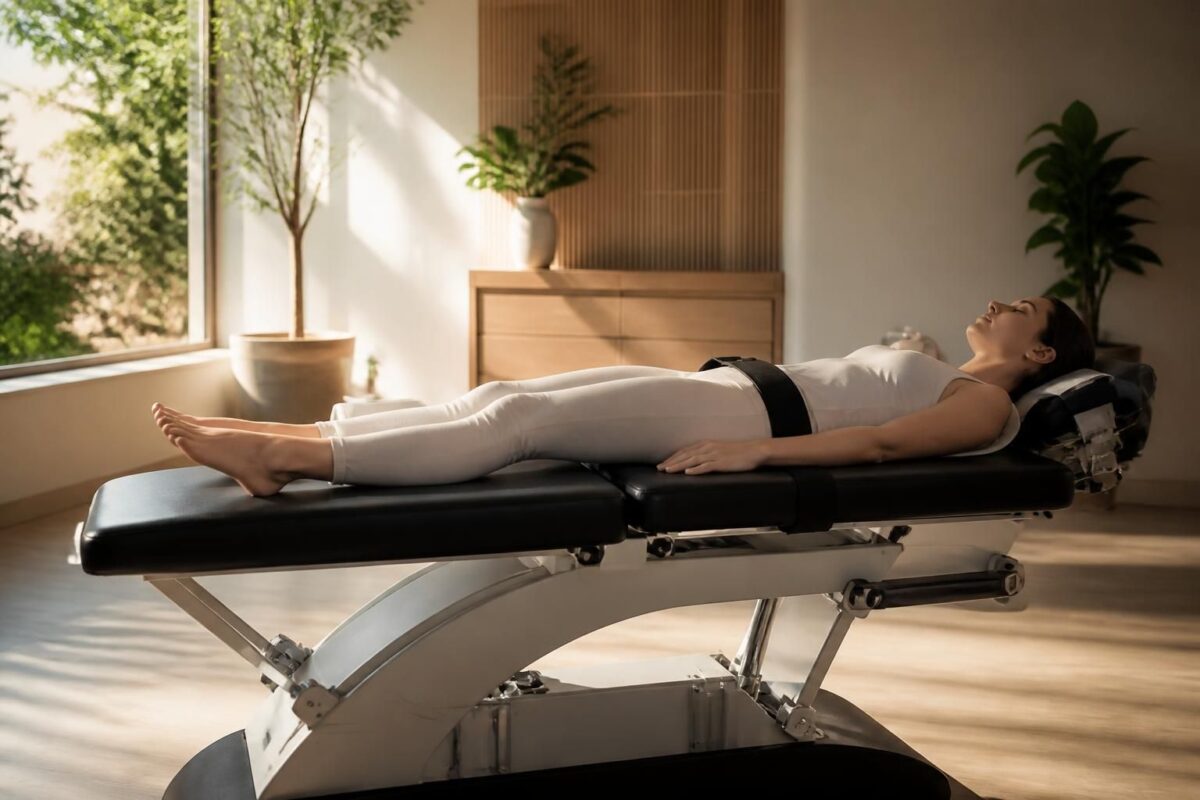
In short In short, neurovertebral decompression is one Non-invasive approach who restores theBody Alignment and thenatural balance back and neck. She acts by a Controlled traction of the spine to widen the intervertebral space and reduce the Pressure on discs…
Practical tips for optimizing disc traffic
Integrate decompression sessions into a global care plan, accompanying them with gentle movements and targeted exercises. Maintain good hydration and a diet rich in elements that promote the health of connective tissues. Avoid positions that increase the intradiscal pressure between sessions and favor postures that promote better vascularization around the column.
Why neurovertebral decompression is a lasting solution for active seniors
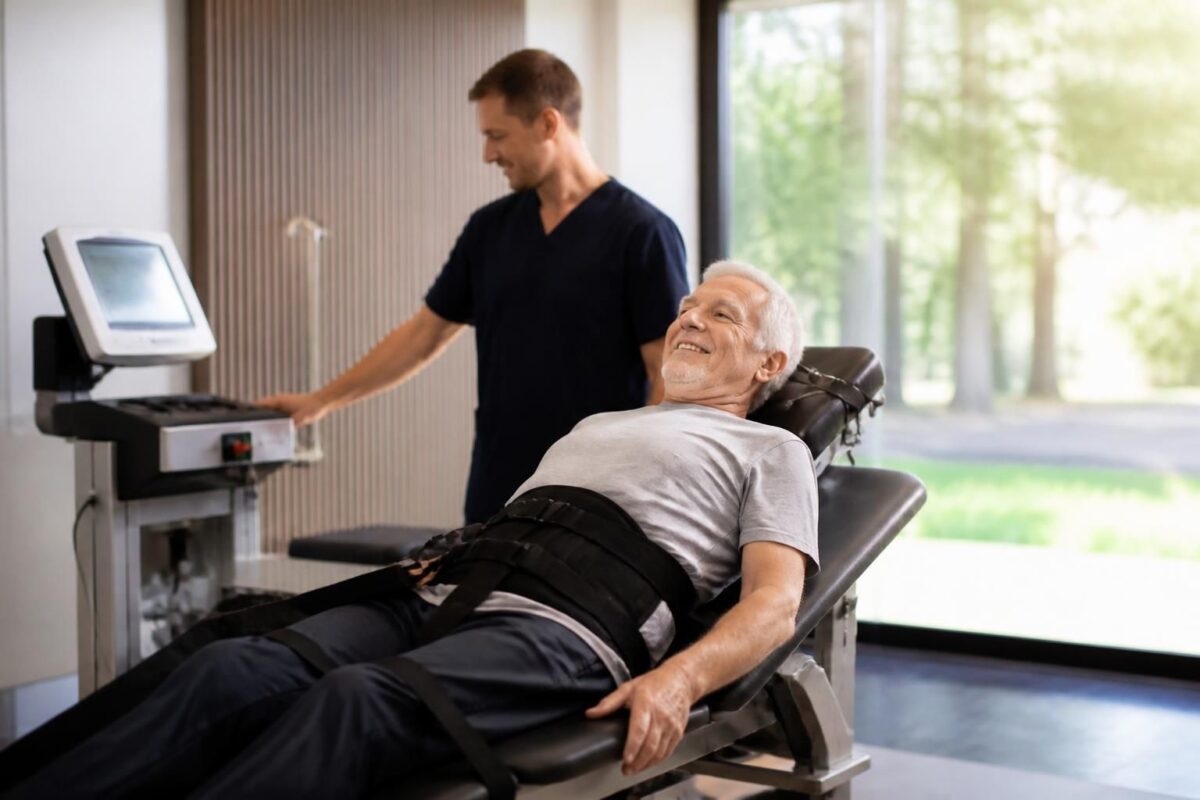
In short In short, the neurovertebral decompression is one Non-invasive therapy which sustainably relieves spinal pain in the spine active seniors By creating, by a Soft and controlled traction, a space between the vertebrae. At Montreal, it is recognized as…
Integration into the care pathway
To maximize the benefits on intervertebral circulation, combine decompression with a multimodal approach including mobility exercises, targeted manual therapies and overall lifestyle management. Regular monitoring allows you to adjust the frequency and intensity of the sessions according to your progress and your tolerance, in order to sustainably support nutrition and disc regeneration.
| Axis | Disk traffic impact |
|---|---|
| Reduction in intradiscal pressure | Controlled traction Reduces the Intradiscal pressure, facilitating the drip and the rehydration of the disc. |
| Creating a Disc Space | Creating a Disc Space which decreases the compression and improves the passage of fluids. |
| Increased blood flow | Increase in blood flow local, favoring the contribution of nutrients and oxygen. |
| Disc nutrition | increased circulation which ensures better nutrition discs and hydration. |
| Reduction of inflammation | decrease ininflammation and from the pain through improved infusion. |
| Tissue regeneration | environment conducive to regeneration fabrics by better circulation and nutrition. |
| Cell metabolism | improvement of Cell metabolism and better Waste disposal metabolics. |
| Alignment and mobility | Alignment and vertebral mobility optimized, reducing future pressures. |
| Non-invasive approach | Option non-invasive, complementary to treatments and without surgery. |
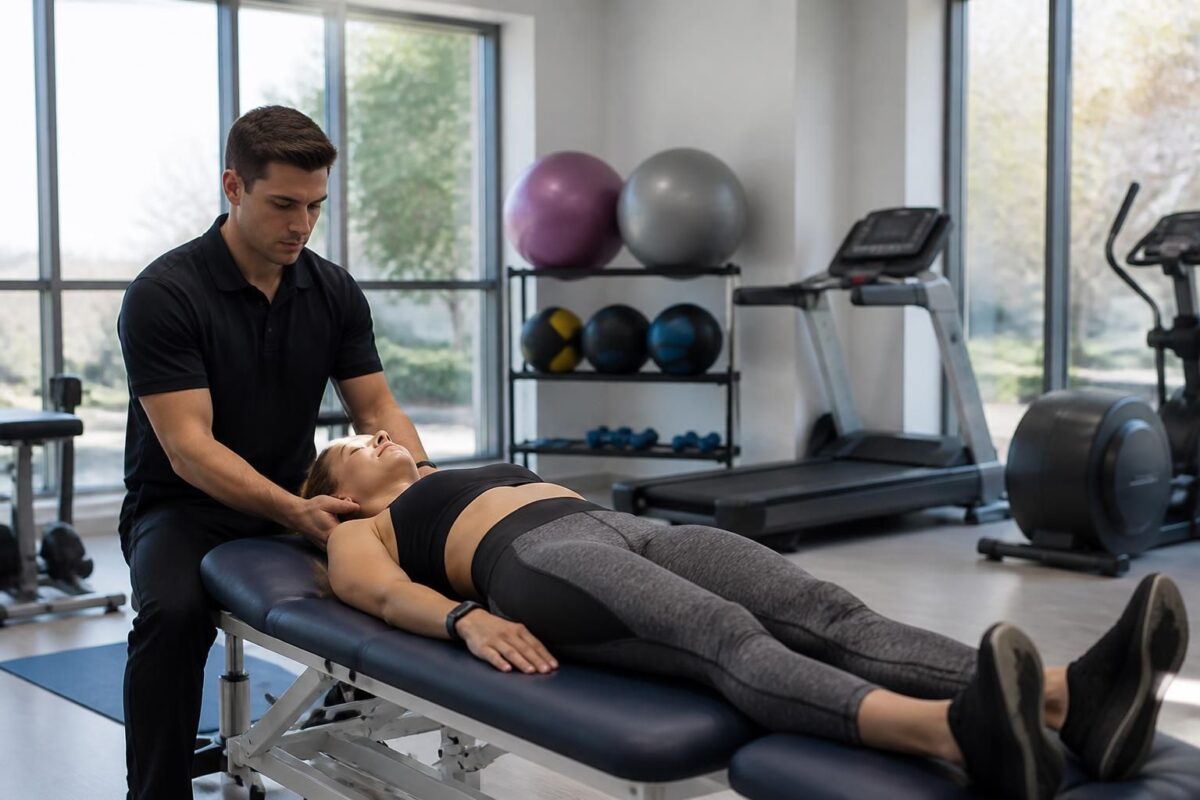
Neurovertebral decompression and recovery after severe sports injury
In short In short, the neurovertebral decompression is one Non-invasive method to Relieve the pressure on the Intervertebral discs and the gristle Via a Controlled traction, to facilitate the recovery After a severe sports injury. It improves the bloodstream towards…
Testimonials: How Neurovertebral Decompression Improves Disc Circulation
“Since my first sessions, I have noticed a Increased circulation to discs and an Best irrigation fabrics around the column. This improvement allowed a More efficient regeneration And a noticeable reduction in my lower back pain. — Sophie, 43 years old
“Controlled traction has created a Disc Space and favored theblood irrigation discs. I now feel a Better mobility and less tightness during daily activities. » — Marc, 28, sportsman
“After a few sessions, the Blood circulation in the lumbar region improved significantly. the flow ofOxygen and nutrients towards the discs is better, which supports their regeneration and decreases inflammation. — Claire, 52 years old
“As an active but sedentary person, I noticed a Prevention of future pain thanks to the improvement of the disc traffic. The blood better irrigates the discs and reduces the inflammation around the nerves. — Ahmed, 60
“As an athlete, I noticed a Increased blood flow to the discs and a Faster recovery fabrics, which allowed me to resume competition earlier than expected. — Julien, 33 years old
“Decompression creates a intervertebral space and improves the lymphatic circulation, which helps the discs to rehydrate and regenerate. I found a real mobility and less denartness. — Nadia, 49 years old
“I recommend this approach: a Improved disc traffic promotes the Disc Food and minimizes pain related to wear. The sessions are gentle and effective. — Lea, 58
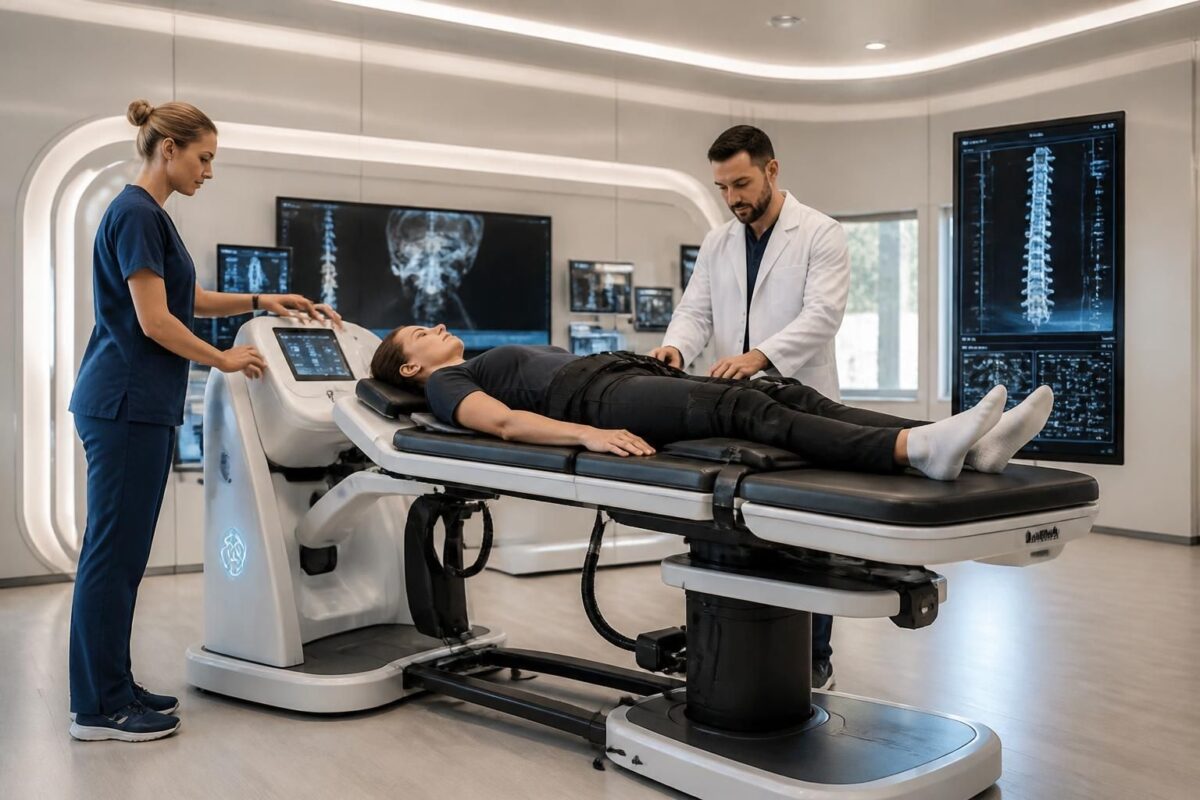
Recent innovations in neurovertebral decompression technologies
In short In short, the neurovertebral decompression is an approach non-invasive Aiming to reduce pressure on discs and nerves, and promote tissue regeneration. At Montreal, it is positioned as an effective option for lower back pain and herniated discs. The…
How neurovertebral decompression improves disc circulation
Dr. Sylvain Desforges is a osteopath and expert in manual medicine, whose career focuses on health innovation and improvement of intervertebral circulation. At the head of the TagMed and Pulse Align clinics and as a founding member of ACMA, he combines an evidence-based approach with the use of advanced technologies. Its objective is to optimize the Health of intervertebral discs and the well-being of patients, especially in the field of chronic pain and spine disorders.
At the heart of neurovertebral decompression is a Controlled traction applied to the spine. This maneuver creates a space between the vertebrae, which decreases the Intradiscal pressure and releases tensions on the nerves and adjacent vessels. This pressure reduction is the main lever that energizes the Blood circulation in the spine and improves intake in nutrients and in oxygen intended for discs and surrounding fabrics.
By promoting disc opening, decompression facilitates More effective tissue irrigation, which promotes rehydration discs and stimulates the processes of regeneration. Increased blood flow makes it possible to transport the nutrients necessary for cell repair more quickly and to more effectively evacuate metabolic waste. In addition, improved circulation contributes to reducing theinflammation local and reduce associated pain, creating a more favorable environment for healing and rehabilitation.
This approach has direct implications for the vertebral mobility and the quality of life patients. By releasing the pressure on the discs and improving the tissue perfusion, it promotes better flexibility And a smoother movement, which can result in a reduction in painful episodes and a faster resumption of daily and sporting activities. The benefits are part of a prevention logic, because a Healthy spinal circulation reduces the risk of new lesions and reappearance of Chronic pain.
The indications cover in particular the cases of slipped disc, of bulge disc, of Spinal stenosis and radicular pain. However, a personalized evaluation is essential to adapt the protocol and verify the absence of contraindications. neurovertebral decompression is a Non-invasive therapy which can be integrated into a global program of rehabilitation and associated therapies, thus reinforcing the overall effectiveness of care.
To learn more about the approach and services offered, patients are invited to discuss directly with the professional during dedicated consultations. Clinical information and results observed in practice will be presented during the exchanges in order to inform the therapeutic choice and to ensure appropriate and safe management.
This conclusion summarizes how the neurovertebral decompression Optimizes the Circulation at the intervertebral discs, by decreasing the Intradiscal pressure and favoring a Increased blood flow towards the surrounding fabrics. By promoting the contribution nutrients and in oxygen, it supports the regeneration discs and reduced inflammation, which contributes to better mobility and decreased pain associated with the spine.
the central mechanism is based on traction controlled who creates a Disc Space between the vertebrae. This interval reduces the pressure exerted on the intervertebral discs and neighboring nerves, thus facilitating the passage of fluids and nutrients to the discs. This traffic improvement directly supports the Tissue regeneration and hydration of the discs, while promoting the evacuation of metabolic waste and toxins. To understand the principles and operation, you can consult the following resources: What is neurovertebral decompression and How does neurovertebral decompression work.
This intervention also improves the Blood and lymphatic circulation around the column, which favors theSpinal tissue irrigation, the Reduction of inflammation and the Renewal of fabrics. At the same time, the expansion of the intervertebral space contributes to re-establishing a alignment and musculoskeletal balance, which further optimizes the distribution of fluids and nutrients to the disks.
On a practical level, this approach is non-invasive and may be associated with other rehabilitation therapies to amplify results, especially in athletes and people with stenosis or herniated discs. To see demonstrations and explanations, watch the explanatory video at this video link.
It is important to remember that the decision to use neurovertebral decompression requires a prior assessment by a health professional and an adaptation of the protocol to each patient. For better understanding of precautions and adaptation as appropriate, see Precautions to take, or page who can benefit. For a clinical and technical perspective, you can also explore Decompression and spinal circulation and How decompression regenerates your discs.
To enrich your understanding, discover also If decompression is suitable for all athletes, and do not hesitate to consult Recent innovations to stay informed of progress. For more general information, see also Disk regeneration and Learn more.
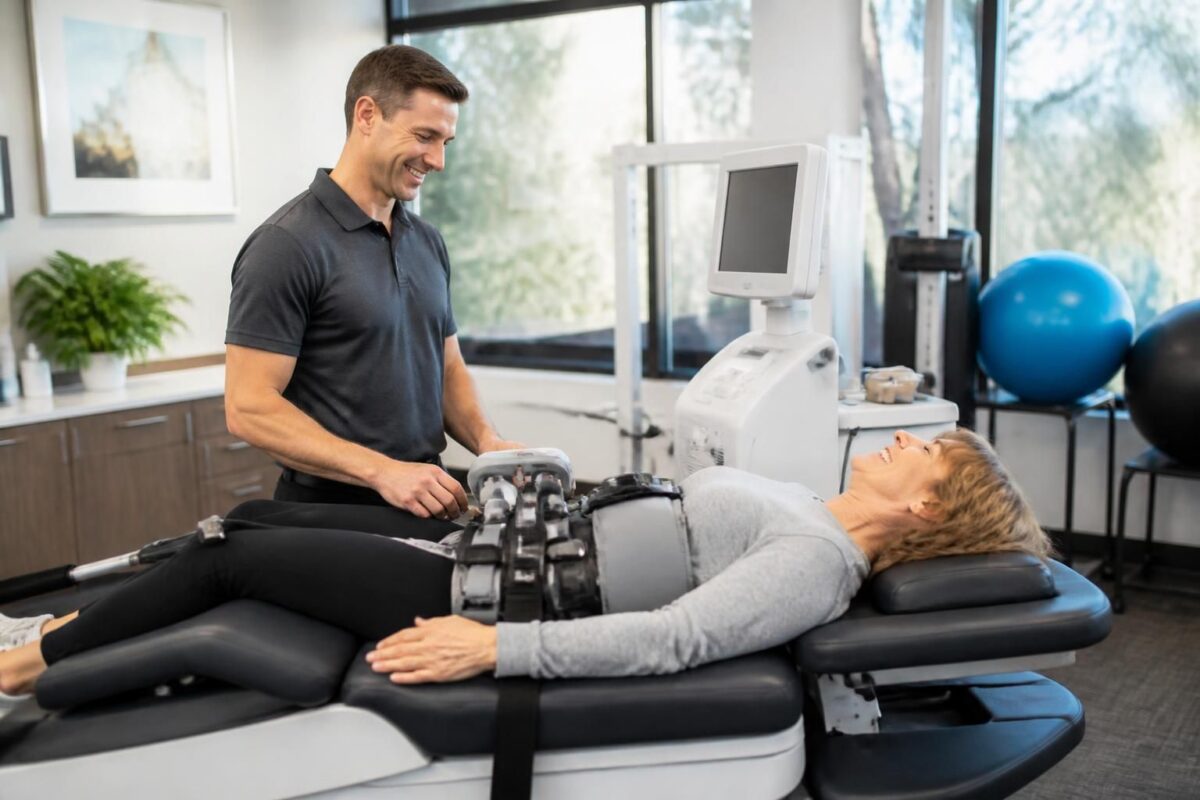
Neurovertebral decompression and diffuse pain: an appropriate solution
In short In short, the neurovertebral decompression is one Non-invasive solution For diffuse pain related to nerve irritation of the spine. She acts in Reducing pressure on intervertebral discs and nerves and improving the bloodstream, which promotes recovery and the…

Dr Sylvain Desforges, B.Sc., D.O., N.D., osteopath, is the founding president of TAGMED and of the ACMA association. He dedicates his practice to chronic spinal pain, low back pain and symptoms compatible with sciatica, particularly when pain radiates toward the buttock, leg, calf, foot or toes.
Through SOS Sciatique, he publishes educational content on sciatica symptoms, possible causes such as disc herniation, disc narrowing, foraminal stenosis or irritation of a lumbar nerve root, as well as non-surgical approaches that may be considered according to the evaluation. At Clinique TAGMED, care may include, depending on the case, motorized neurovertebral decompression, specific osteopathic care or precision percussion.
For an evaluation related to sciatica treatment in Montreal / Mount Royal or sciatica treatment in Terrebonne, please consult the services available at Clinique TAGMED.
Medical disclaimer
The information published on SOS Sciatique is provided for educational purposes only and does not replace a consultation, diagnosis, opinion or treatment provided by a physician or another authorized healthcare professional. The author of this article is neither a medical doctor nor a specialist in a medical specialty recognized by the Collège des médecins du Québec. The osteopathic, manual medicine or functional support approaches described on this site do not constitute medical acts and are not intended to replace medical follow-up.
Consult a physician or emergency service in cases of loss of bladder or bowel control, anesthesia in the saddle area, significant or progressive weakness in the leg or foot, fever, recent trauma, severe pain or rapid worsening of symptoms. For more details, please read our Legal Notice.