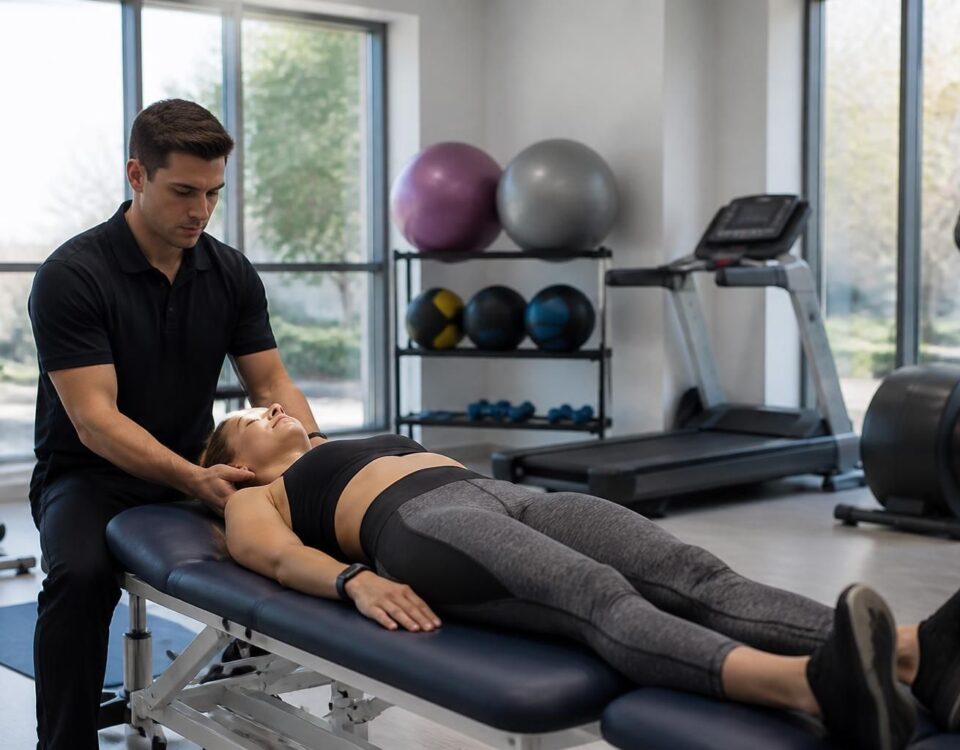
Neurovertebral decompression and relief from pain related to degenerative discs
25/06/2026
The long-term benefits of neurovertebral decompression
25/06/2026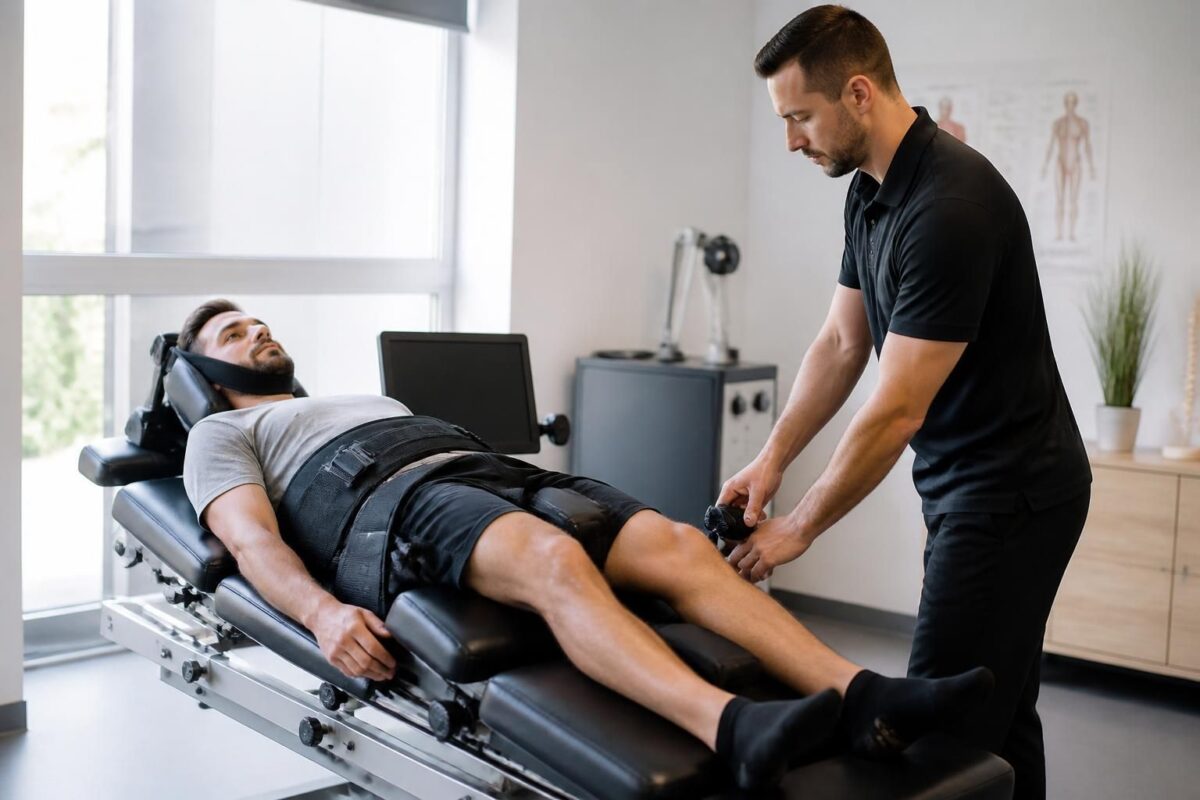
In short
The Non-surgical neurovertebral decompression is one Alternative to surgery For pain related to lumbar disc herniation. What is it? a Conservative approach which aims to reduce the pressure on the discs and nerves without operation. What are the advantages? pain reduction, improvement of the mobility and operation, and possibility ofAvoid surgery when appropriate. How does it work? via Guided regular sessions and an Associated rehabilitation, over a suitable period (usually several weeks). Accessible in specialized clinics, this method offers a viable alternative for lower back pain and disc pathologies without surgery. |
The neurovertebral decompression represents a Non-surgical alternative To relieve pain from nerve compressions and disc lesions.
It aims to Reduce nerve pressure and to Restore Disc Space thanks to progressive and personalized modalities. This can lead to a Pain Awareness decreased, to a Improving mobility and faster recovery than that observed after surgery in some cases.
This approach is particularly relevant in situations ofslipped disc or equivalent pathologies when the symptoms remain compatible with conservative treatment and when the operative risks should be avoided.
The results depend on the precise cause and the individual response to treatment. An informed choice is based on a Complete clinical evaluation and imaging controls to determine if decompression can bring significant gains without surgery.
This article explains why the neurovertebral decompression Maybe a Alternative to surgery for some lumbar pathologies. It presents the principle, the clinical results observed and the elements to consider for an informed choice. Reliable resources and clinical examples illustrate the benefits and limitations of this non-surgical approach.
The neurovertebral decompression is a non-invasive therapy that seeks to reduce pressure on nerve roots and the wobbly network of the spinal network. It is part of a conservative approach to manage certain lower back pain linked to a herniated disc, with the aim of reducing symptoms and avoiding or delaying surgery when possible.
how it works
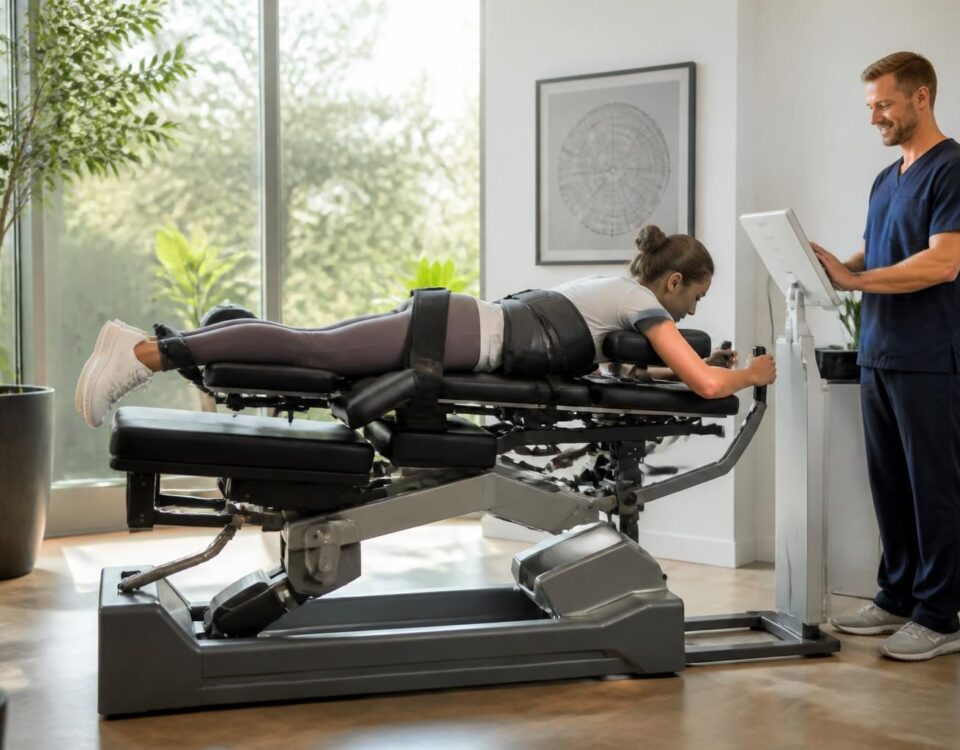
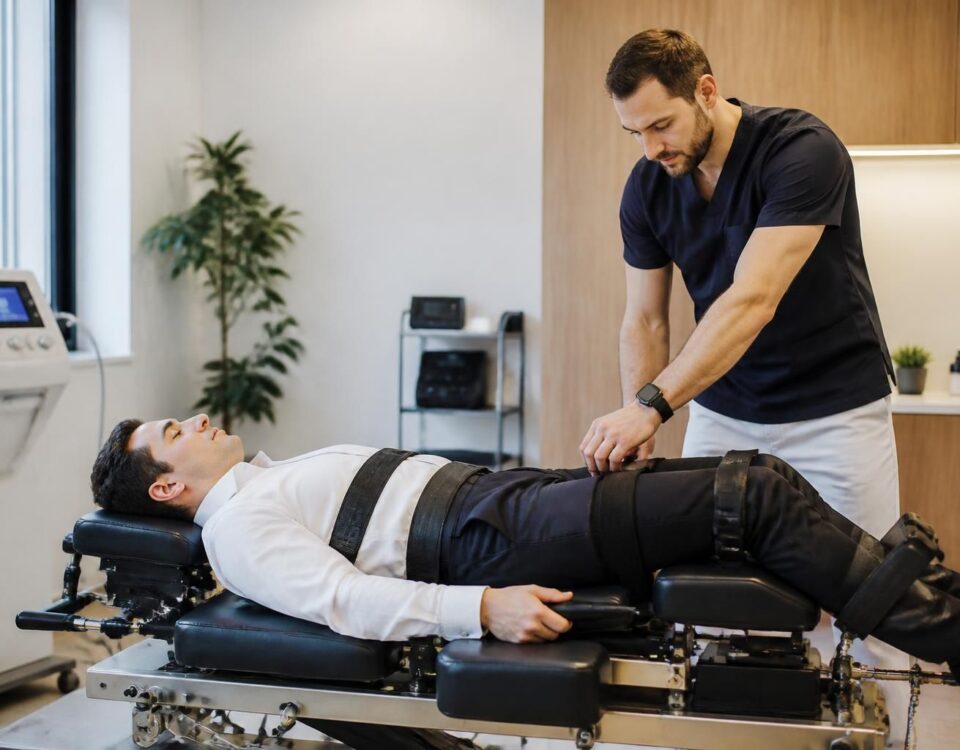
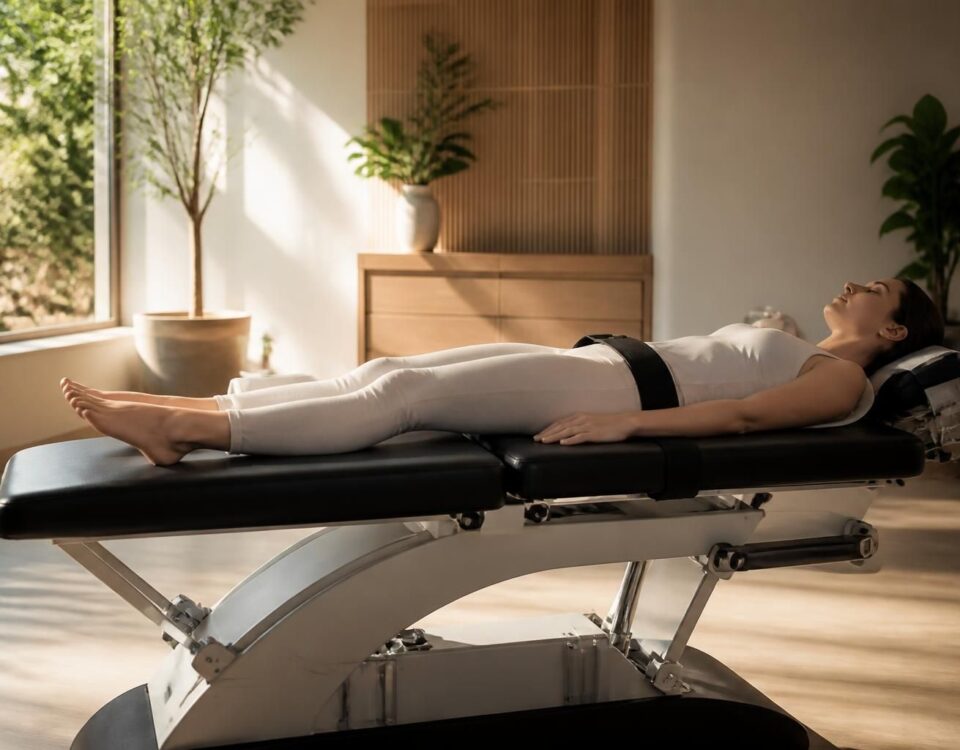
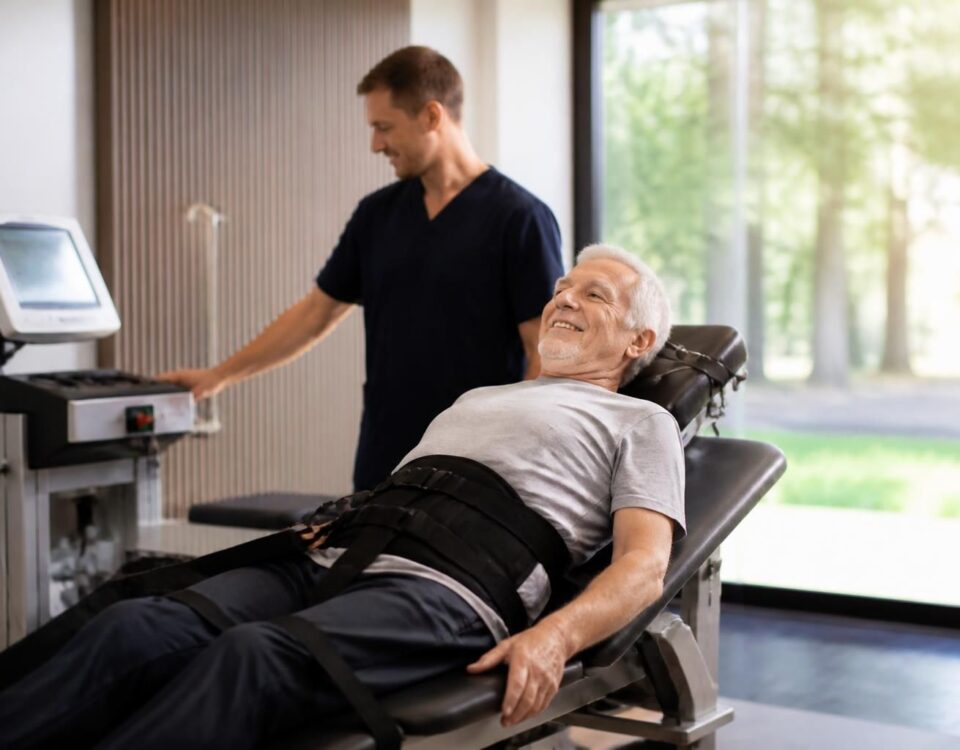
The treatment is based on standardized protocols that aim to release constraints on the spinal canal and foramen. It is practiced over several weeks and can use dedicated devices to promote better alignment and pressure reduction without the need for surgery. The approach focuses on symptom relief and maintaining functional abilities.
What the studies show
Recent clinical data suggest that non-surgical spinal decompression may reduce pain in the lower limb and improve functional scores in patients with subacute lumbar disc herniation. In a randomized study, the group receiving decompression showed a greater reduction in leg pain to two months and an improvement in disability to two and three months, compared to the control group. The evolution of the disc volume measured by MRI imaging indicated a greater regression on the hernial side after treatment in the decompression group. These results support the idea that this approach can be an effective option in a conservative setting. To learn more, consult the specialized resources that present this data and the methods used.
To explore this information and feedback, you can consult the following resources:
- neurovertebral decompression
- Neurovertebral decompression and herniated disc
- Proven results and clinical studies
- Tagmed Clinic
Use cases and selection criteria
This approach is generally suitable for patients with radicular symptoms without major spinal instability. It can be considered when conservative treatment is desired or when the surgical risk is high. It is not suitable in the presence of certain specific conditions (e.g. extensive stenosis or significant instability) and each case must be assessed by a health professional. The decision depends on a set of clinical factors, imaging and medical history.
Comparison with surgery
Non-surgical decompression offers an option to reduce pain and improve function without surgical intervention. For some patients, it may delay or avoid surgery, while preserving mobility and quality of life. However, the choice between decompression and surgery should be based on individual assessment, patient preferences and expected results, with a transparent discussion of the risks and benefits of each approach.
Additional resources and information
To better understand the mechanisms, indications and results, consult the specialized resources and reference organizations followed by professionals in the field. Additional information is available through the sites offered below, which deal with neurovertebral decompression and associated options:
- neurovertebral decompression
- Disc herniation and decompression
- Clinical Resources and Results
- Tagmed Clinic
- Decompression and associated conditions
Additional information and feedback are also published by recognized osteopathy training facilities, such as NUMSS, NAO, National University of Medical Sciences and National Academy of osteopathy, which underline the importance of an evidence-based approach adapted to each patient.
Medical Disclaimer: The information and advice provided on this site does not replace the health professional’s diagnosis or treatment. Please note that Dr. Sylvain Desforges osteopath is neither a doctor of medicine nor a doctor, and is not a specialist in a medical specialty as defined by the Collège des Médecins du Québec. Manual medicine, functional medicine and sports medicine as described on this site exclude any medical treatment or diagnosis made by a doctor or specialist doctor. Always consult your doctor for any medical questions. For more details, please read our full legal notice. »
- Non-invasive option : no surgical opening or danesthesia.
- Fewer risks : avoids operative risks and serious complications.
- quick recovery : Back to faster daily activities.
- Conservative and reversible : Adjustable and stop possible if insufficient efficiency.
- Global management : integrates with physiotherapy, posture and activity.
- Potential efficiency : pain reduction and functional improvement.
- Disc Impact : Possibilities of change in disc volume in some patients.
- Appropriate indication : Useful for subacute lumbar hernia without major neurological deficits.
- Structural preservation : avoids irreversible alterations related to surgery.
- Monitoring and adjustment : Regular assessment and adaptation of the care plan.
- Patient autonomy : promotes the involvement and control of the therapeutic path.

The neurovertebral decompression non-surgical is a suitable option for patients with a Subacute lumbar disc herniation. Recent clinical data indicate that it may decrease the root pain and improve the function, while leading to a measurable reduction in disc volume on imaging. This set of points supports its role as an alternative to surgery when the clinical and radiological criteria are favorable. Important: These recommendations are not intended to replace the opinion of a health professional and should be discussed with a qualified practitioner.
Understanding neurovertebral decompression
The Neurological decompression Aims to reduce the pressure on the nerve structures and the disc involved. In practice, it relies on controlled and monitored protocols that can offer a gradual improvement in pain and mobility, without surgery. This approach can be considered after initial evaluation and imaging, when no major contraindications are identified and the patient has a symptomatology compatible with a subacute lumbar disc herniation.
The typical treatment includes a structured plan over several weeks, with a limited number of sessions and progression adapted to the patient’s tolerance. The objective is to restore the mechanisms of displacement and reduction of intra-discal pressure, potentially favoring a regression of the herniated fragment and a reduction of symptoms.
Clinical evidence and observed results
In a randomized study of patients with subacute lumbar disc herniation, the decompression-treated group demonstrated Reduction of pain in the leg More marked at two months, compared to the group without decompression (statistically significant differences). In addition, functional scores improved more in the decompressed group at two and three months. a greater reduction in disc volume was also observed after treatment, with a significant difference compared to the control group. About a quarter of patients in the decompression group experienced a reduction in disc volume of more than 50%, whereas this type of reduction was not observed in the group without decompression. These results support the idea that the Non-surgical decompression Can be an effective and viable option of conservative care.
elements to consider for the choice of treatment
The Non-surgical decompression Can offer tangible benefits in terms of pain and function, but it depends on a good patient choice and proper follow-up. The indications and contraindications, the viability of the results and the expected durability, as well as the protocol tolerance and associated cost, which may vary depending on the structures and insurance, must be assessed. The process requires perseverance, since it is based on a precise breakdown of the care program and coordination with the professionals involved in the therapeutic journey.
It is also necessary to inform the patient about possible risks and possible limits, and to integrate this approach in a global plan including exercises, muscle strengthening, ergonomics and appropriate dietary and lifestyle advice. Regular monitoring allows the protocol to be adjusted based on the evolution of symptoms and control imaging.
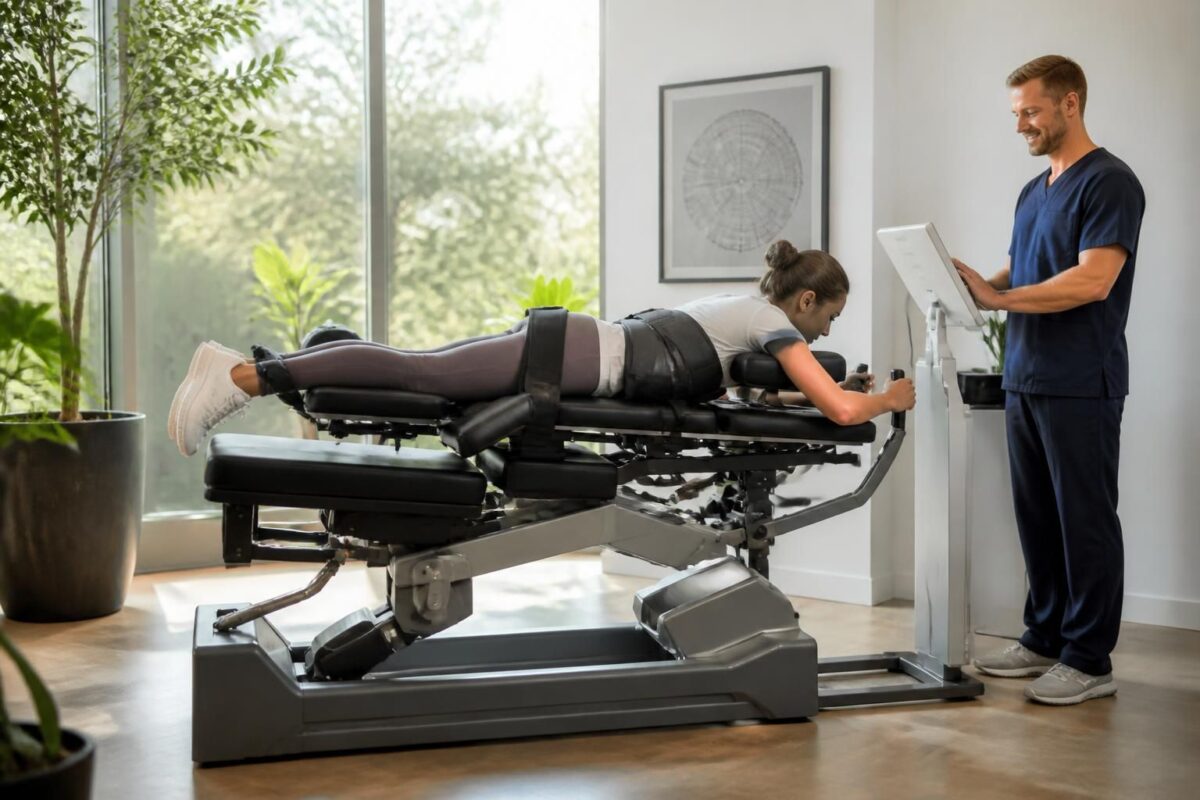
The long-term benefits of neurovertebral decompression for spinal health
In short In short, the neurovertebral decompression is a non-invasive approach that decreases the Pressure on intervertebral discs and nerves, favoring the Natural regeneration and tissue recovery. Its long-term benefits include Lasting pain reduction, Improving mobility and from the posture,…

Neurovertebral decompression and mobility: a return to an active life
In short In short, the neurovertebral decompression is therapy non-invasive who uses a gentle traction To create a space between the vertebrae and reduce the pressure on the Intervertebral discs and the nerves. It promotes a bloodstream improved, lowers tension…
Integration into your care pathway
To optimize the chances of success, decompression nesurgical Must fit into a coordinated course. A clear initial assessment makes it possible to identify the most suitable patients and to exclude situations requiring immediate surgery or another approach.
At the same time, combining complementary non-surgical approaches—such as targeted exercises, manual therapy techniques and postural counseling—can enhance benefits and promote more sustainable recovery. Regular monitoring and control imaging allow adjustment of the treatment plan and measurement of changes in pain, function and, where appropriate, disc volume.
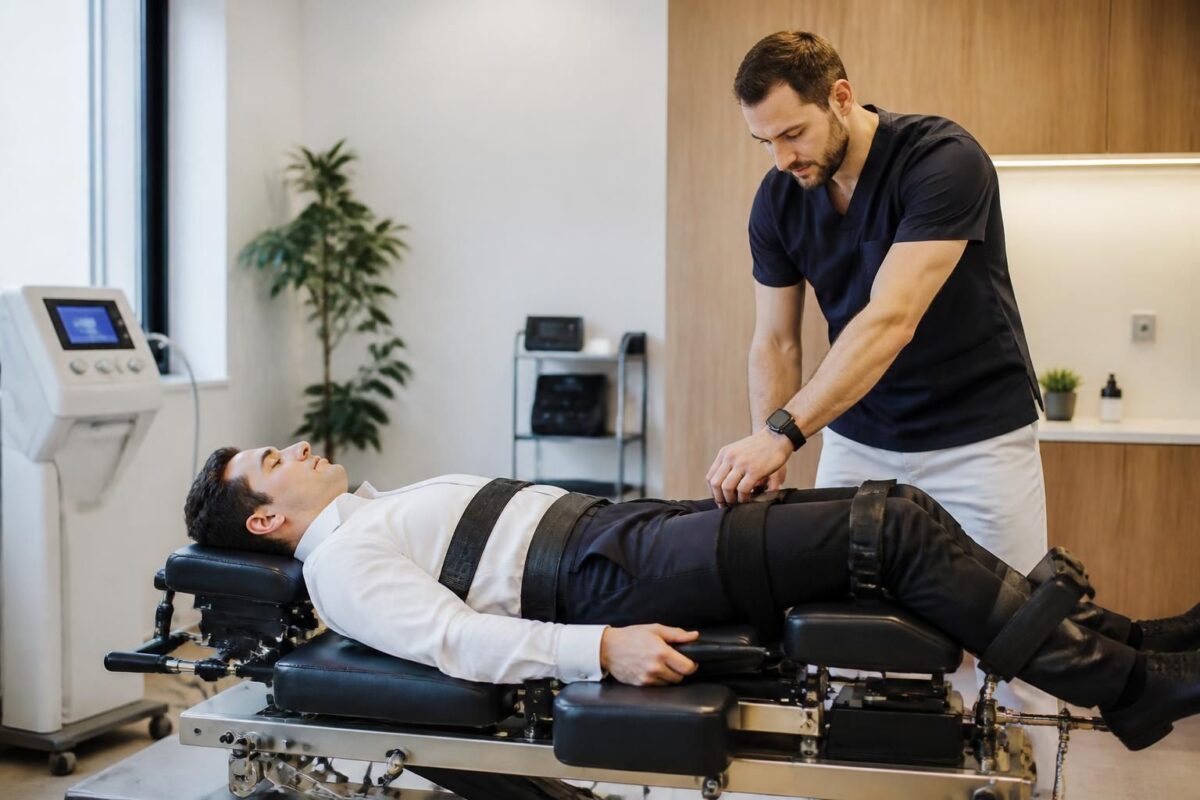
How Neurovertebral Decompression Prevents Diffuse Chronic Pain
In short decompression neurovertebral is one Non-invasive method aimed at reducing the Pressure on the intervertebral discs and the nerves, in order to prevent Diffuse chronic pain. It improves the circulation and thedisc hydration, decreases inflammation and promotes better mobility.…
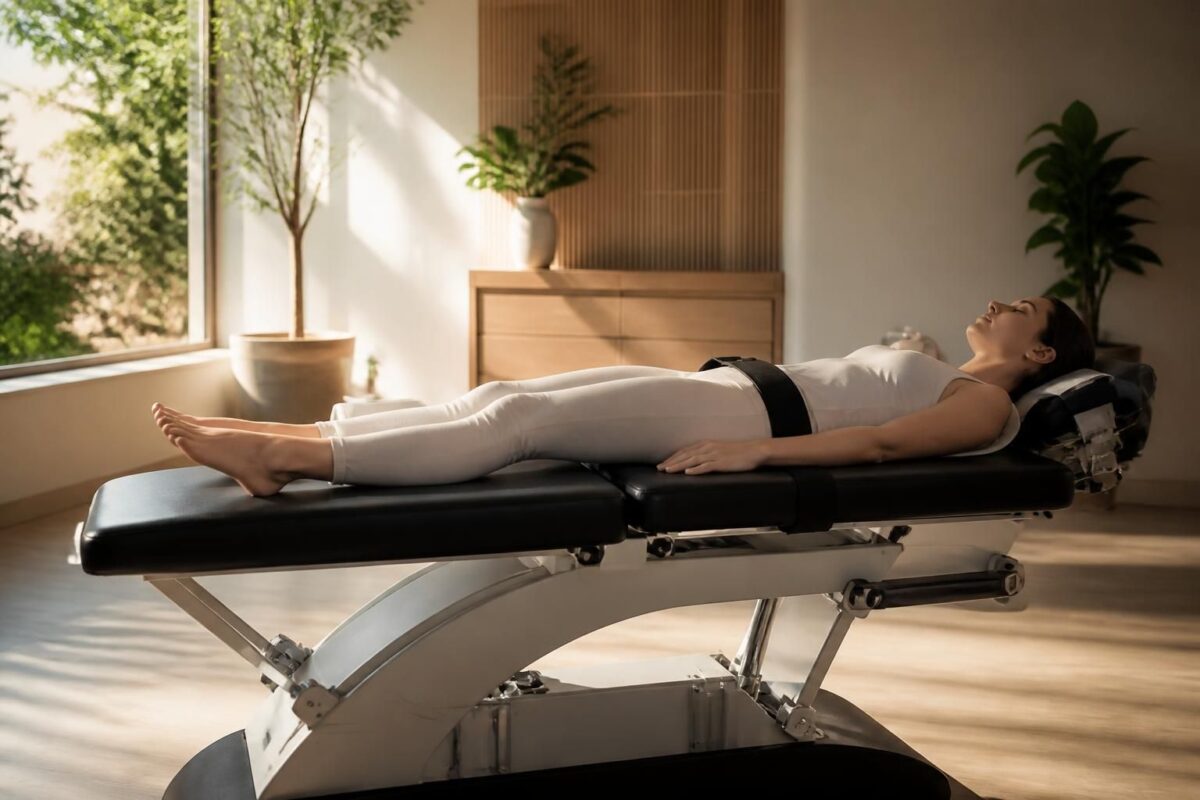
Neurovertebral Decompression and Body Alignment: Restoring Natural Balance
In short In short, neurovertebral decompression is one Non-invasive approach who restores theBody Alignment and thenatural balance back and neck. She acts by a Controlled traction of the spine to widen the intervertebral space and reduce the Pressure on discs…
Neurovertebral decompression: an alternative to surgery
| Aspect | Advantages / Explanations |
|---|---|
| invasiveness | Option non-surgical obviant incision, anesthesia and hospitalization. |
| Risk and security | Risk low; major complications uncommon; need medical monitoring. |
| Recovery | Process progressive over a few weeks; gradual return to activities. |
| Efficiency | Often effective To relieve pain and improve the function; depends on the case. |
| Cost | Cost of sessions inferior to surgery; No feeshospitalization. |
| directions | suitable in subacute phase or chronic without major structural anomalies. |
| Disc Impact | May reduce the pressure on the nerves and promote theimprovement symptoms. |
| Compatibility | May be associated to exercises, physiotherapy and therapies manuals. |
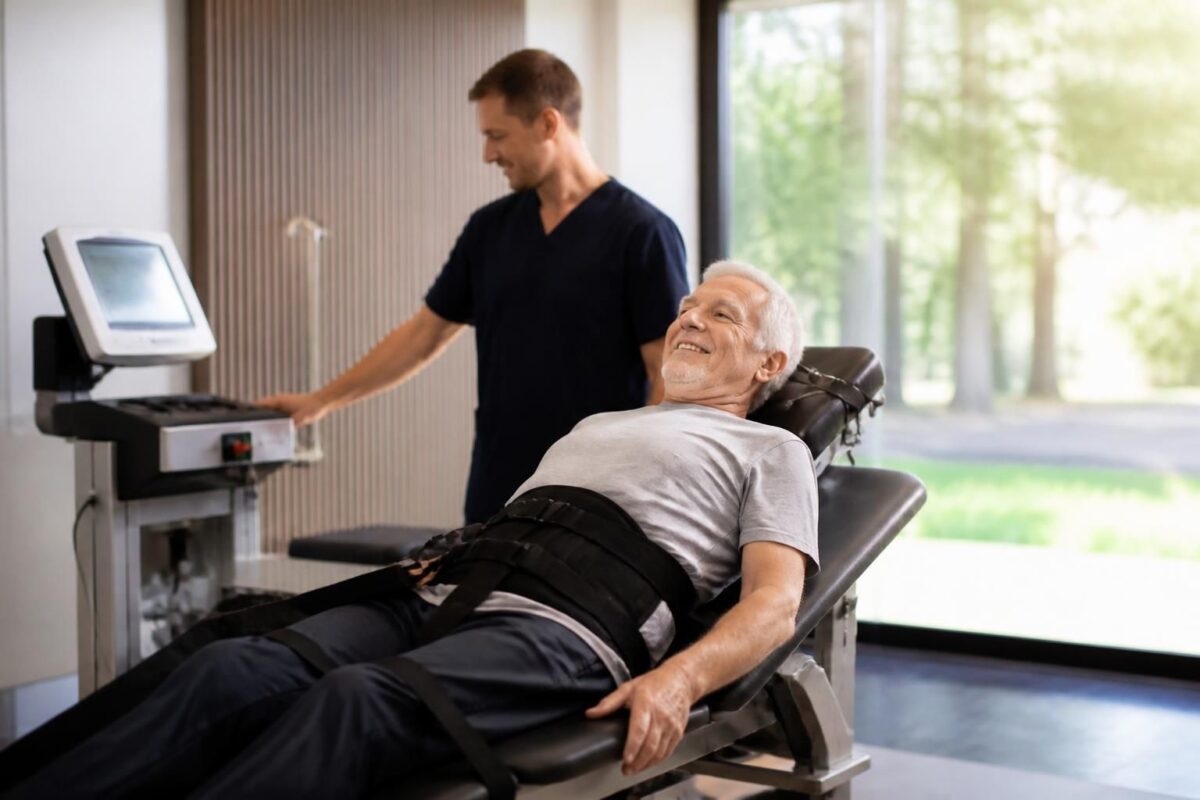
Why neurovertebral decompression is a lasting solution for active seniors
In short In short, the neurovertebral decompression is one Non-invasive therapy which sustainably relieves spinal pain in the spine active seniors By creating, by a Soft and controlled traction, a space between the vertebrae. At Montreal, it is recognized as…
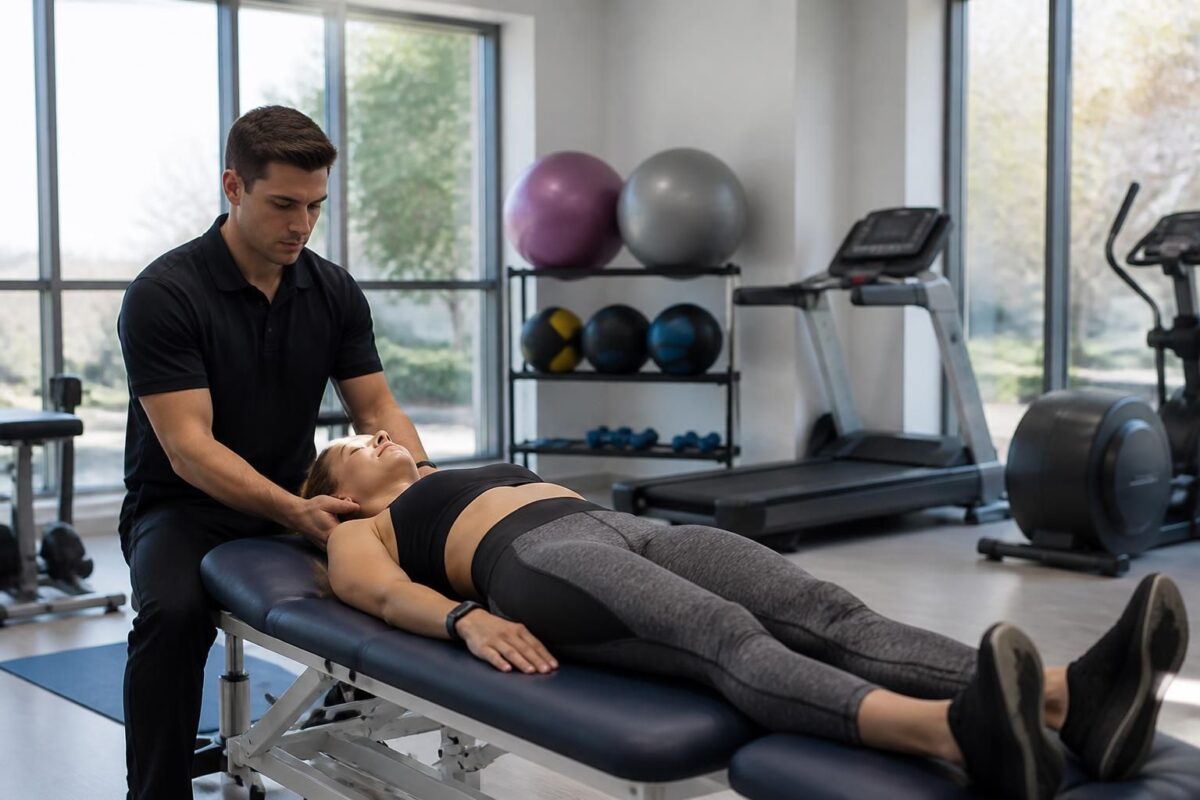
Neurovertebral decompression and recovery after severe sports injury
In short In short, the neurovertebral decompression is one Non-invasive method to Relieve the pressure on the Intervertebral discs and the gristle Via a Controlled traction, to facilitate the recovery After a severe sports injury. It improves the bloodstream towards…
Neurovertebral decompression as an alternative to surgery
Claire D., 42 years old “Before my herniated disc, I was told of inevitable surgery. Thanks to the neurovertebral decompression, I noticed a significant reduction in pain and I was able to avoid the operation. It’s a Non-surgical alternative which allowed me to resume my daily activities smoothly. »
Marc L., 54 years old : “The non-surgical treatment was less invasive than I imagined: no scar, few side effects — and a gradual improvement in my mobility. I felt supported throughout the course, and the security and the progressivity of the Protocol convinced me that this choice was the right one for me. »
Alice T., 38 years old : “After a month of sessions, I was able to resume my professional activities without constant pain. The pain reduction and the Restoration of the function were faster than expected, without the need for surgery. »
David P., 60 : “The cost and delays of a surgery frightened me. The Non-surgical decompression offered me an option controlled and personalized, adapted to my case and my way of life, with tangible results without going through the scalpel. »
Sophie R., 45 years old : “My doctor directed me to this conservative option and she kept her promises: a treatment secure and effective of my herniated disc without surgery. I recommend this approach to anyone who wants to avoid the operation when possible. »
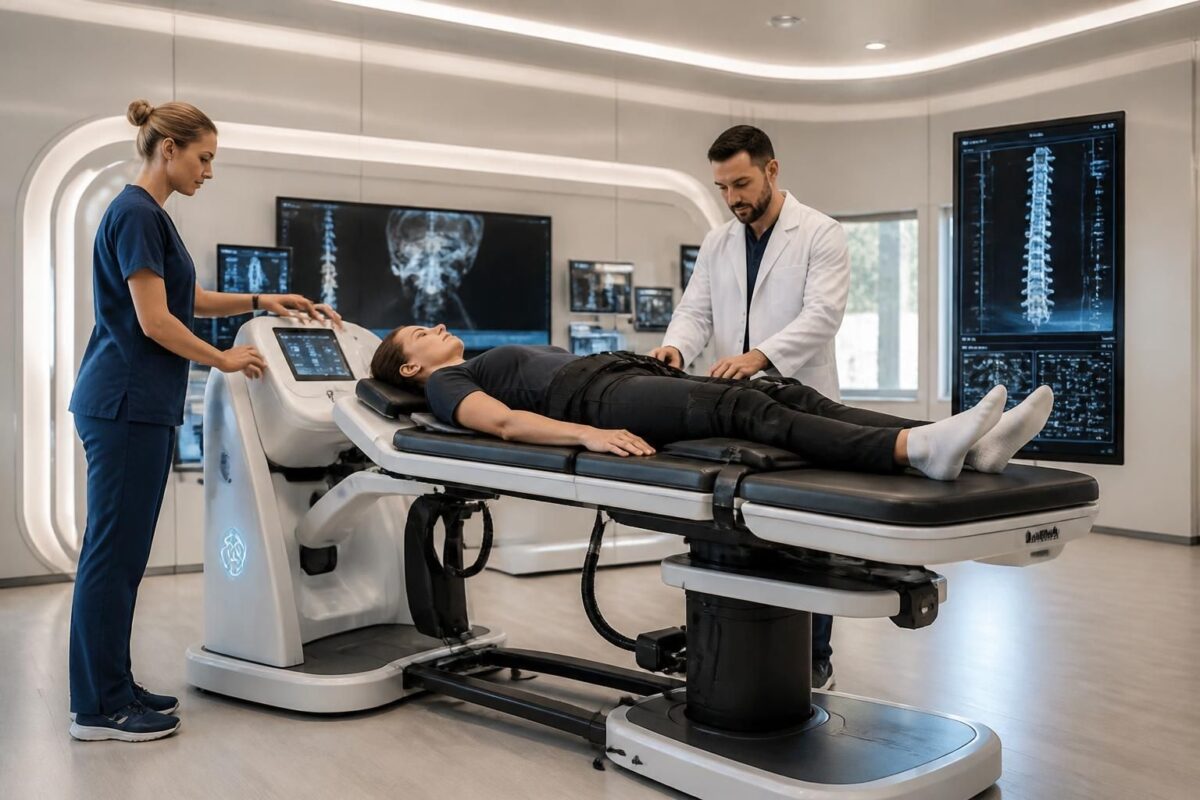
Recent innovations in neurovertebral decompression technologies
In short In short, the neurovertebral decompression is an approach non-invasive Aiming to reduce pressure on discs and nerves, and promote tissue regeneration. At Montreal, it is positioned as an effective option for lower back pain and herniated discs. The…
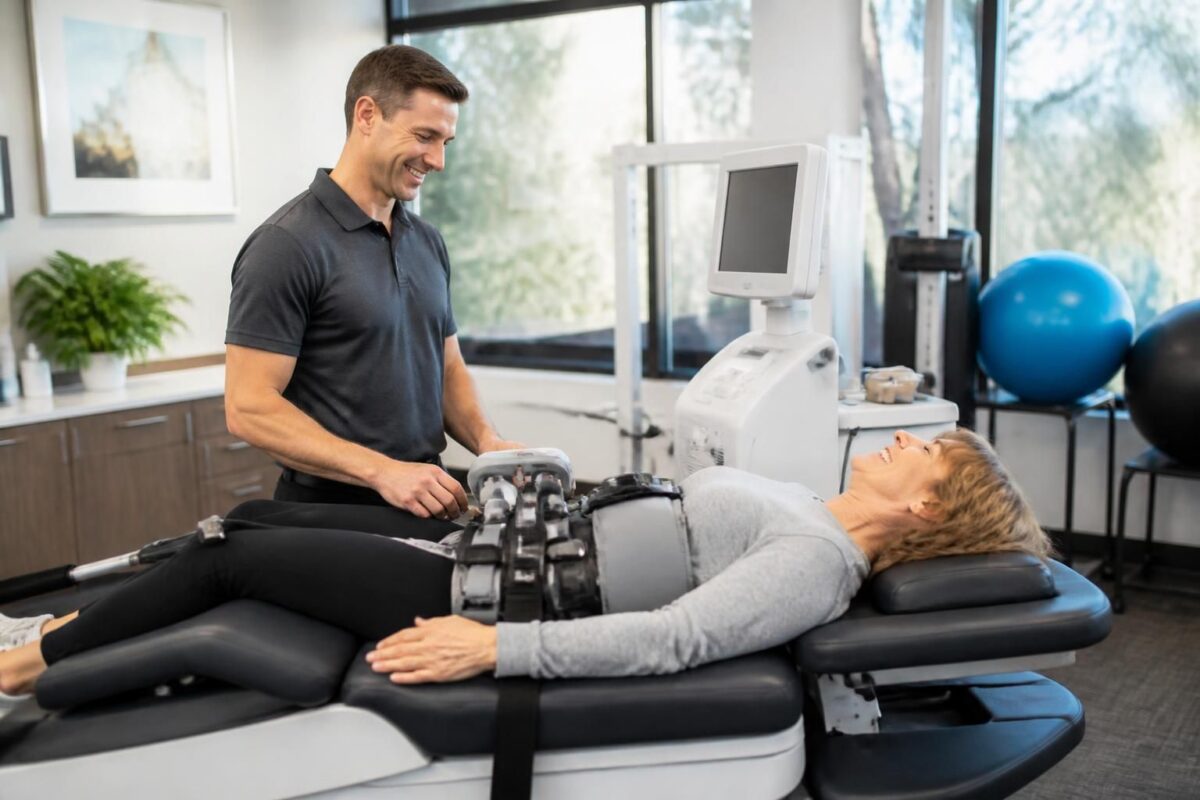
Neurovertebral decompression and diffuse pain: an appropriate solution
In short In short, the neurovertebral decompression is one Non-invasive solution For diffuse pain related to nerve irritation of the spine. She acts in Reducing pressure on intervertebral discs and nerves and improving the bloodstream, which promotes recovery and the…
Neurovertebral decompression: a non-surgical alternative to surgery
The neurovertebral decompression is a therapeutic approach non-surgical Designed to relieve lower back pain from a herniated disc or protrusions that irritate adjacent nerves. By using controlled and progressive traction, it seeks to restore the space around the disc, reduce the pressure exerted on the nerve roots and facilitate the natural healing mechanisms of the spine. This modality is part of a global strategy aimed at reducing pain, improving mobility and allowing the patient to gradually resume their daily activities.
This approach is mainly indicated in cases oflumbar disc herniation In the subacute stage or in the form of associated root pain, when clinical evaluation and imaging support conservative recovery. It is not suitable when spinal stability is compromised, when there is significant neurological involvement or signs of acute compression requiring immediate surgery. The protocol is based on a series of sessions spread over several weeks, accompanied by rehabilitation exercises, postural advice and possible additional treatments to optimize the results.
Mechanically, decompression works by decreasing the internal pressure of the disc and releasing stress on the nerve roots. This pressure reduction can promote the diffusion of nutrients to the disc nucleus and support partial disc rehydration, which can result in a gradual decrease in inflammation and pain. Clinical data shows that some patients benefit from a greater reduction in root pain and improved functional disability after treatment, with varying responses depending on the stage of the pathology and the accuracy of the rehabilitation program. Observations of possible changes in disc volume have been reported in some imaging series, indicating measurable physical impact in some individuals.
The advantages of this path lie in its character secured, non-invasive and potentially Reducer of surgery. It offers generally faster recovery than surgery and can be integrated into a multidisciplinary approach including manual therapy, trunk reinforcement, posture education and complementary technologies when relevant. This approach also allows treatment to be adjusted based on the patient’s response and life goals, while preserving the flexibility to consider other options if necessary.
However, neurovertebral decompression is not universal and requires rigorous evaluation and appropriate patient selection. Some cases may require surgery if the symptoms persist or progress unfavorably, or if the clinical criteria indicate an urgent need for intervention. Effectiveness strongly depends on adherence to protocol, regularity of sessions and coordinated integration of care. This approach is part of a personalized and evolving approach, based on evidence and the regular monitoring of clinical and functional results.
This article explores why the neurovertebral decompression can constitute a Non-surgical alternative Interesting for patients with lumbar disc herniation, relying on clinical evidence and the physiological mechanisms that underlie this approach, while highlighting the conditions for safety and patient selection.
The neurovertebral decompression can offer significant benefits in the conservative treatment of the Subacute lumbar disc herniation, in particular by reducing root pain and improving function, without the need for surgery. Randomized clinical studies have shown that this non-invasive treatment can lead to a greater decrease in leg pain and improved functional scores (e.g. the corresponding disability index), compared to a control group that did not benefit active decompression. These results are accompanied by a reduction in the disc volume measured by imaging and a decline in clinical symptoms over a follow-up period, which supports the potential efficacy of the technique in well-selected cases.
Mechanically, decompression targets the reduction in intradiscal pressure and can promote rehydration of the disc nucleus, which helps to decrease protrusion and reduce nerve compression. This approach can therefore act on two aspects: symptomatic relief and structural improvement measurable by imaging tools. To better understand the mechanisms and results observed, see the resources explaining how the decompression table works and the criteria for calculating the disc indices, including here: How a neurovertebral decompression table works.
For patients and professionals who are wondering about adapting this technique, several resources offer answers and practical guides, including discussions on athletes’ ability, non-invasive alternatives and frequent questions around neurovertebral decompression: Adaptation for athletes, Credible alternative to invasive solutions, and Q&A. For a general view, an encyclopedic resource also addresses the topic: Neurovertebral decompression – Wikipedia.
In clinical practice, eligibility for neurovertebral decompression depends on clear diagnosis and rigorous examination. Although the results are promising, they reflect data from specific populations and from an experimental framework; They do not replace individual assessment with an experienced doctor or osteopath, nor discussing available therapeutic options, including surgery when necessary. For a detailed review of parameters and results, additional resources like these shed useful light: Decompression and muscle tension, and Non-invasive support.
Finally, for those who want an informative and comprehensive approach, summary resources and practical guides are accessible via the links above, including explanations of the mechanisms, protocols and expected results. You can also consult the general information available on Can we avoid surgery and on frequently asked questions. For an academic or historical overview, the Encyclopedic page in French offers a frame of reference: Neurovertebral decompression – Wikipedia.
Important note: This information is intended to inform and inform and do not replace the advice of a health professional. Talk with your doctor or osteopath to assess the appropriate options for your situation and get a personalized treatment plan.

Dr Sylvain Desforges, B.Sc., D.O., N.D., osteopath, is the founding president of TAGMED and of the ACMA association. He dedicates his practice to chronic spinal pain, low back pain and symptoms compatible with sciatica, particularly when pain radiates toward the buttock, leg, calf, foot or toes.
Through SOS Sciatique, he publishes educational content on sciatica symptoms, possible causes such as disc herniation, disc narrowing, foraminal stenosis or irritation of a lumbar nerve root, as well as non-surgical approaches that may be considered according to the evaluation. At Clinique TAGMED, care may include, depending on the case, motorized neurovertebral decompression, specific osteopathic care or precision percussion.
For an evaluation related to sciatica treatment in Montreal / Mount Royal or sciatica treatment in Terrebonne, please consult the services available at Clinique TAGMED.
Medical disclaimer
The information published on SOS Sciatique is provided for educational purposes only and does not replace a consultation, diagnosis, opinion or treatment provided by a physician or another authorized healthcare professional. The author of this article is neither a medical doctor nor a specialist in a medical specialty recognized by the Collège des médecins du Québec. The osteopathic, manual medicine or functional support approaches described on this site do not constitute medical acts and are not intended to replace medical follow-up.
Consult a physician or emergency service in cases of loss of bladder or bowel control, anesthesia in the saddle area, significant or progressive weakness in the leg or foot, fever, recent trauma, severe pain or rapid worsening of symptoms. For more details, please read our Legal Notice.