The psychological benefits of neurovertebral decompression
25/06/2026
How neurovertebral decompression helps reduce inflammation
25/06/2026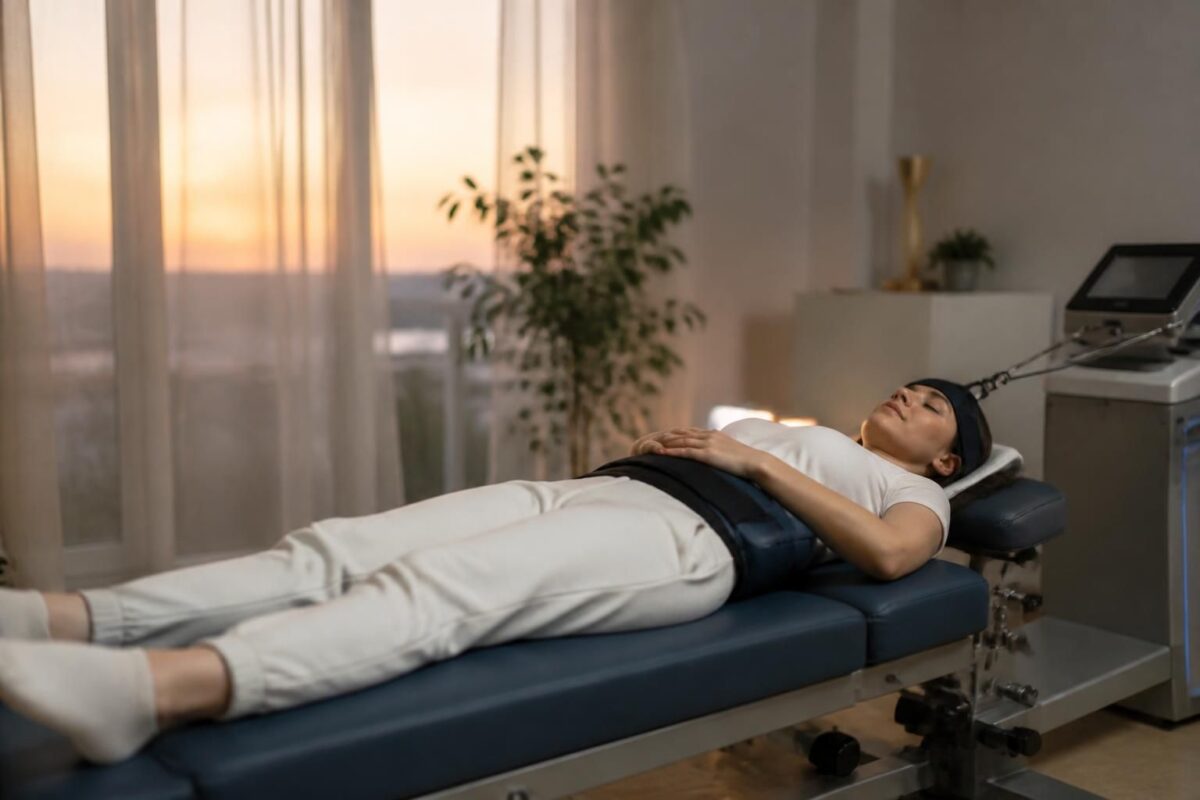
In short
In short, neurovertebral decompression is one Non-invasive method aimed at relieving spinal pain and restoring a good posture while improving sleep quality. At Montreal, this service is particularly recommended for people with Chronic back pain and of Nocturnal pain. The principle is based on a gentle traction that creates space between the Intervertebral discs and decreases the pressure on the nerves, promoting better circulation and tissue regeneration. Its key benefits include a Reduction of nocturnal pain, a Improving mobility And a more restorative sleep, without surgery or heavy drugs. This approach can be integrated into a personalized care plan, adapted to different profiles (seniors, athletes), for a return to an active and more serene life. |
The neurovertebral decompression is a method non-invasive that targets spinal pain and improvesPostural alignment.
She acts by gentle traction To create space between the vertebrae, reduce the Pressure on discs and stimulate better bloodstream and regeneration fabrics.
By acting on posture and muscle tension, it promotes a more restful sleep, reduces Nocturnal pain and improves sleep quality.
This treatment non-invasive Is particularly suitable for chronic back and cervical pain and can help prevent recurrences, while improving overall well-being.
Neurovertebral decompression appears as an effective option for reducing spinal pain and improving sleep quality. This article presents the principle, benefits on posture and sleep, typical patient profiles and resources available to deepen the subject, with links to reliable clinical and educational resources.
What is neurovertebral decompression?
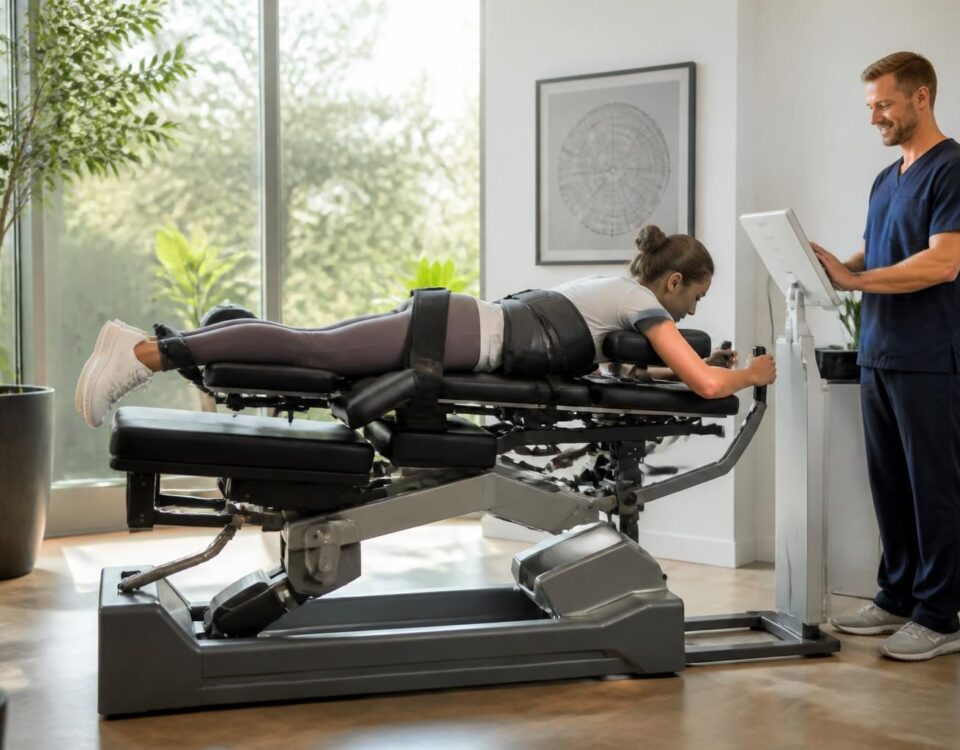
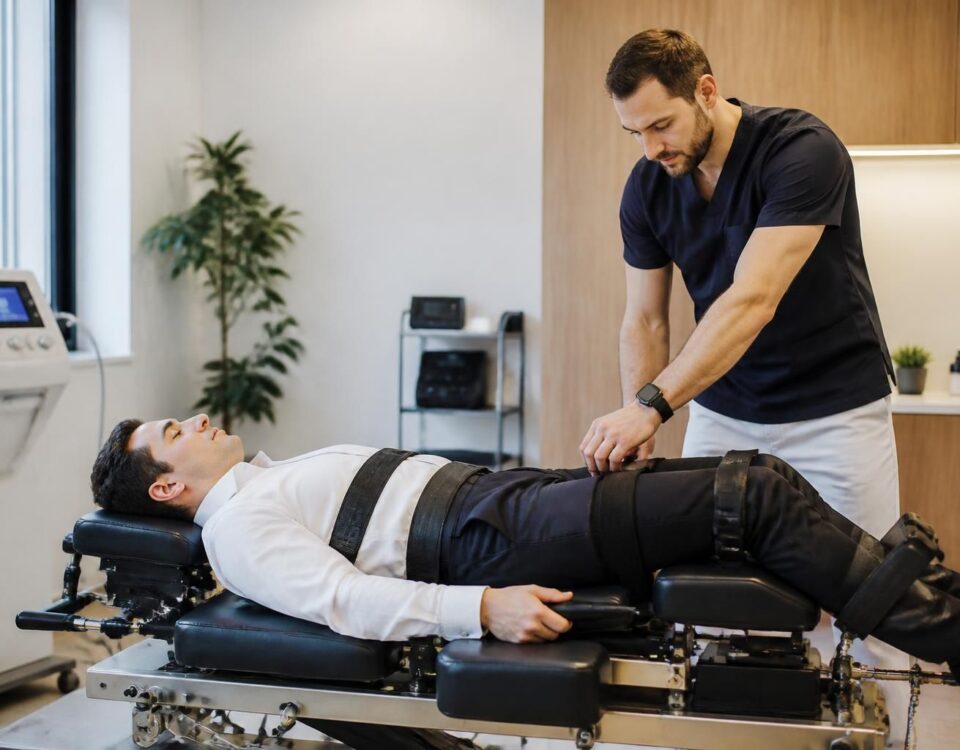
Neurovertebral decompression is a non-invasive approach that uses gentle traction on the spine. This traction creates a space between the vertebrae and reduces pressure on the nerves and intervertebral discs. This pressure reduction improves local blood circulation and promotes comfort during nocturnal rest.
How it can improve sleep and posture
By restoring a more favorable alignment of the column, this technique helps to reduce muscle tension and pain. A better aligned column supports smoother movements and more restful sleep. Patients often report a decrease in nocturnal pain and a reduction in discomfort that disrupts rest.
For whom and how the treatment takes place
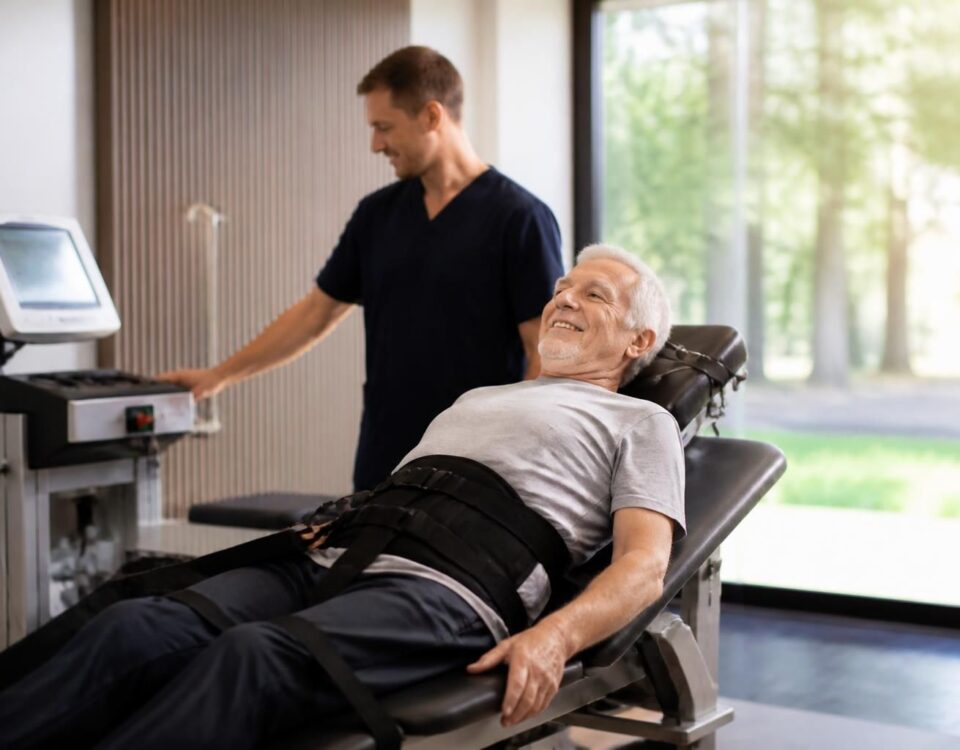
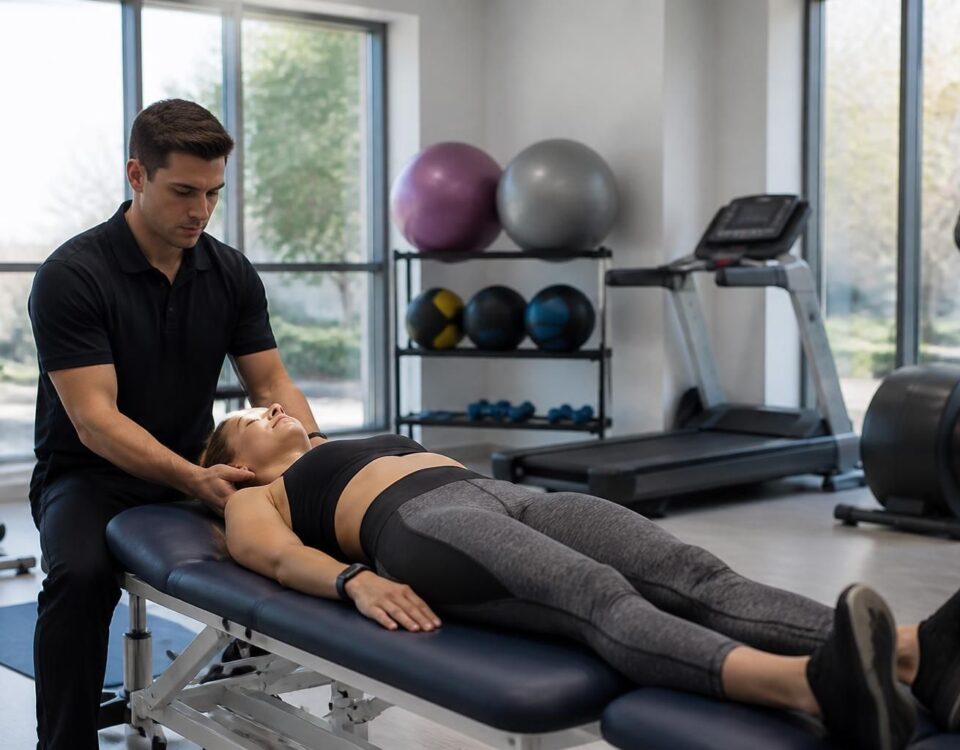
This therapy is aimed at a wide range of patients with back pain or cervical pain related to spinal imbalances. The protocol is adapted after a clinical evaluation, and the sessions take place on specialized tables with personalized parameters for each person. The treatment is non-invasive and does not require surgery.
Online information and resources
To learn more about the steps of a custom program, see The steps of a personalized program. To understand possible quick results, visit Quick results obtained with neurovertebral decompression. Find out who are the best candidates with Who are the best candidates for neurovertebral decompression And find out about the specific benefits for the neck with Neurovertebral decompression, a gentle therapy for neck pain.
More broadly, resources discuss the effects on spinal circulation and overall sleep aspects. For perspectives and feedback, see Neurovertebral Decompression – Scientific feedback and Benefits for relieving nocturnal pain.
In Montreal and in affiliate networks, TagMed and its partner clinics offer evidence-based solutions that are accessible to the public. To learn more about the available options, visit Neurovertebral decompression – a therapy recognized to improve posture and reduce severe nocturnal pain and How neurovertebral decompression improves sleep quality in patients.
Additional resources on the impact of treatment and patient feedback are accessible via Neurovertebral decompression and improvement of spinal circulation and Role of neurovertebral decompression — what every patient should know.
For a consolidated approach and professional advice, you can consult the resources of the TagMed and Pulse Align clinics, as well as other technical information on the specialized sites mentioned above.
In parallel, training and qualifications associated with osteopathy are deployed in recognized institutions such as NUMSS and NAO, National University of Medical Sciences and National Academy of osteopathy. Practitioners can rely on these trainings to ensure safe and effective care.
Key points to remember
gentle traction On the column, pressure reduction on nerves and discs, and traffic improvement are the pillars of the process. This approach aims to Improve sleep and the posture without surgery. The treatment is offered after a clinical evaluation and can be associated with other therapies available at the TagMed clinic in Montreal or Terrebonne as needed.
To learn more about available treatments and assess your eligibility, consult the following resources and discuss with a qualified healthcare professional. Refer in particular to Scientific feedback and educational resources of partner clinics.
Medical Disclaimer: The information and advice provided on this site does not replace the health professional’s diagnosis or treatment. Please note that Dr. Sylvain Desforges osteopath is neither a doctor of medicine nor a doctor, and is not a specialist in a medical specialty as defined by the Collège des Médecins du Québec. Manual medicine, functional medicine and sports medicine as described on this site exclude any medical treatment or diagnosis made by a doctor or specialist doctor. Always consult your doctor for any medical questions. For more details, please read our full legal notice.
- Reduction of nocturnal pain — Relieves sleep disturbances.
- Improved sleep — More restful night and increased energy during the day.
- Muscle relaxation — Decreased tension around the spine.
- vertebral alignment — Improves posture and body balance.
- Increased traffic — Better tissue oxygenation and recovery.
- Tissue regeneration — Promotes repair during nocturnal rest.
- Prevention of recurrent pain — Reduces the risk of relapse.
- Soft, non-invasive traction — Without surgery or drugs.

Neurovertebral decompression is an approach non-invasive which can transform sleep quality by acting directly on the spine and associated muscle tension. This article offers you to understand how this therapy can improve posture, reduce nocturnal pain and promote more restful sleep, while offering practical advice for its implementation.
Understanding the mechanism and the therapeutic framework
Principle and security
Neurovertebral decompression is based on gentle traction that creates a space between the vertebrae, reducing the pressure on the nerves and discs. This approach promotes better blood circulation, improves tissue oxygenation and encourages local regeneration without the need for surgery. It is part of a global approach to pain management and postural rebalancing.
When to favor this treatment
This type of therapy is particularly suitable for people suffering from back pain or cervical pain related to muscle tension, postural imbalances or radiant pain. It is useful as a preventive step and as a supplement to other therapeutic approaches to reduce the use of drugs and promote active resumption of daily activities.
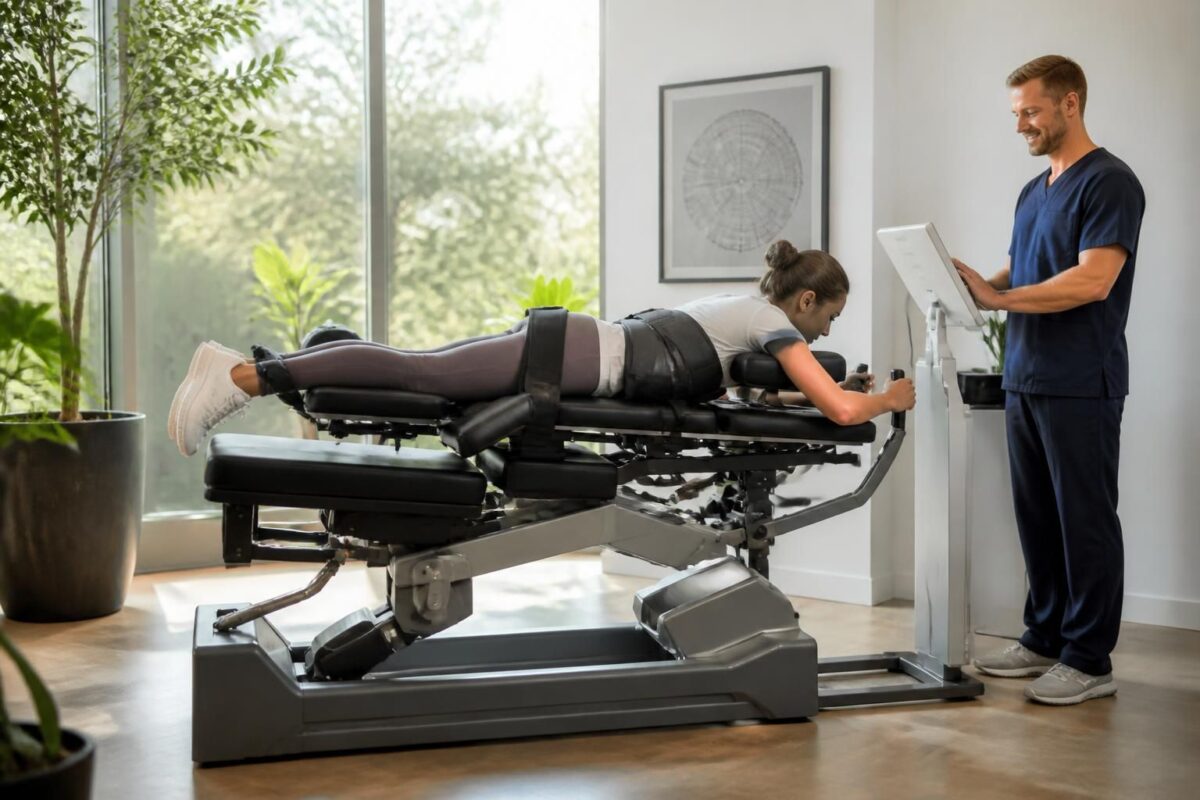
The long-term benefits of neurovertebral decompression for spinal health
In short In short, the neurovertebral decompression is a non-invasive approach that decreases the Pressure on intervertebral discs and nerves, favoring the Natural regeneration and tissue recovery. Its long-term benefits include Lasting pain reduction, Improving mobility and from the posture,…

Neurovertebral decompression and mobility: a return to an active life
In short In short, the neurovertebral decompression is therapy non-invasive who uses a gentle traction To create a space between the vertebrae and reduce the pressure on the Intervertebral discs and the nerves. It promotes a bloodstream improved, lowers tension…
Impact on sleep and daily life
Sleep and recovery
By releasing tensions and improving column alignment, decompression acts directly on sleep quality. Patients often report a decrease in nocturnal pain, ease of falling asleep and prolongation of deep sleep phases, key factors for optimized physical and mental recovery.
Impact on posture and mobility
Better posture reduces muscle efforts and imbalances that disrupt rest. Over the course of the sessions, the postural adjustments allow more fluid movements and increased stability, which contributes to preventing awakenings linked to discomfort and to promote more serene nights.
Preference for an integrated approach
To maximize results, neurovertebral decompression is often associated with gentle exercises, sleep hygiene tips and constant attention to posture on a daily basis. This combination acts not only on the painful symptom, but also on the mechanical and behavioral factors that influence sleep.
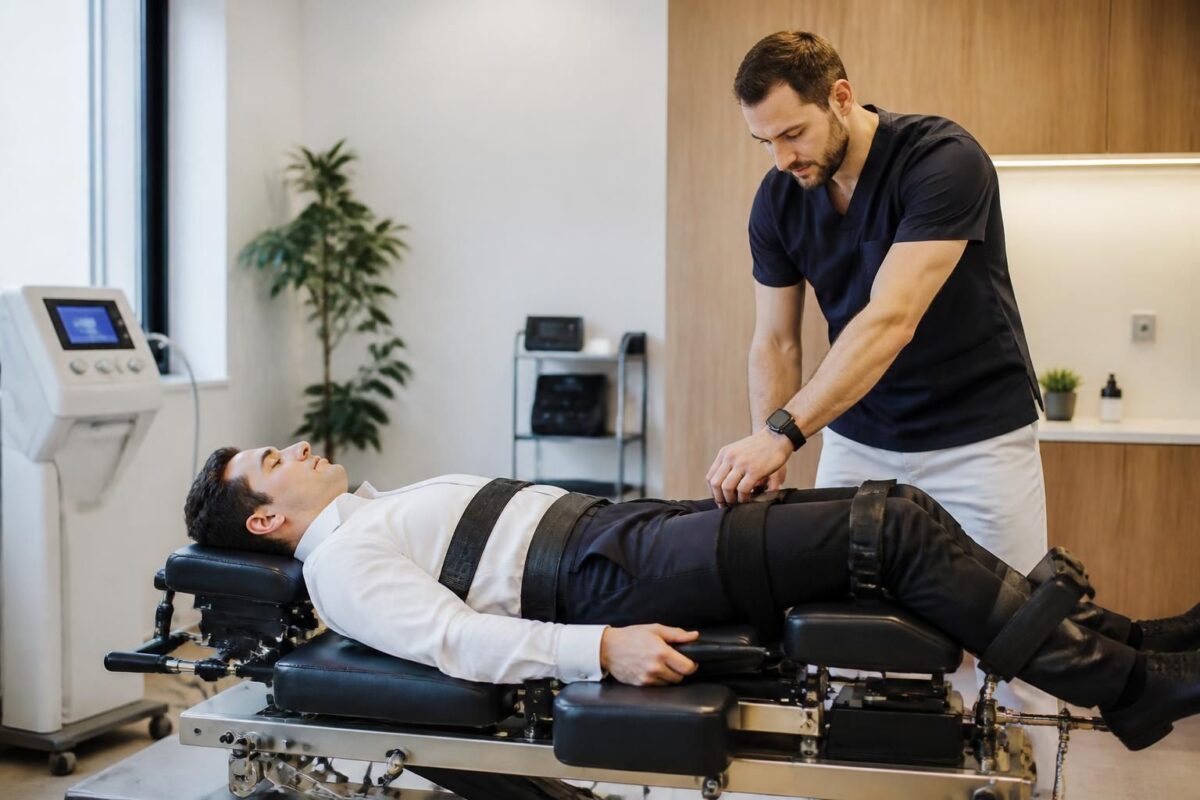
How Neurovertebral Decompression Prevents Diffuse Chronic Pain
In short decompression neurovertebral is one Non-invasive method aimed at reducing the Pressure on the intervertebral discs and the nerves, in order to prevent Diffuse chronic pain. It improves the circulation and thedisc hydration, decreases inflammation and promotes better mobility.…
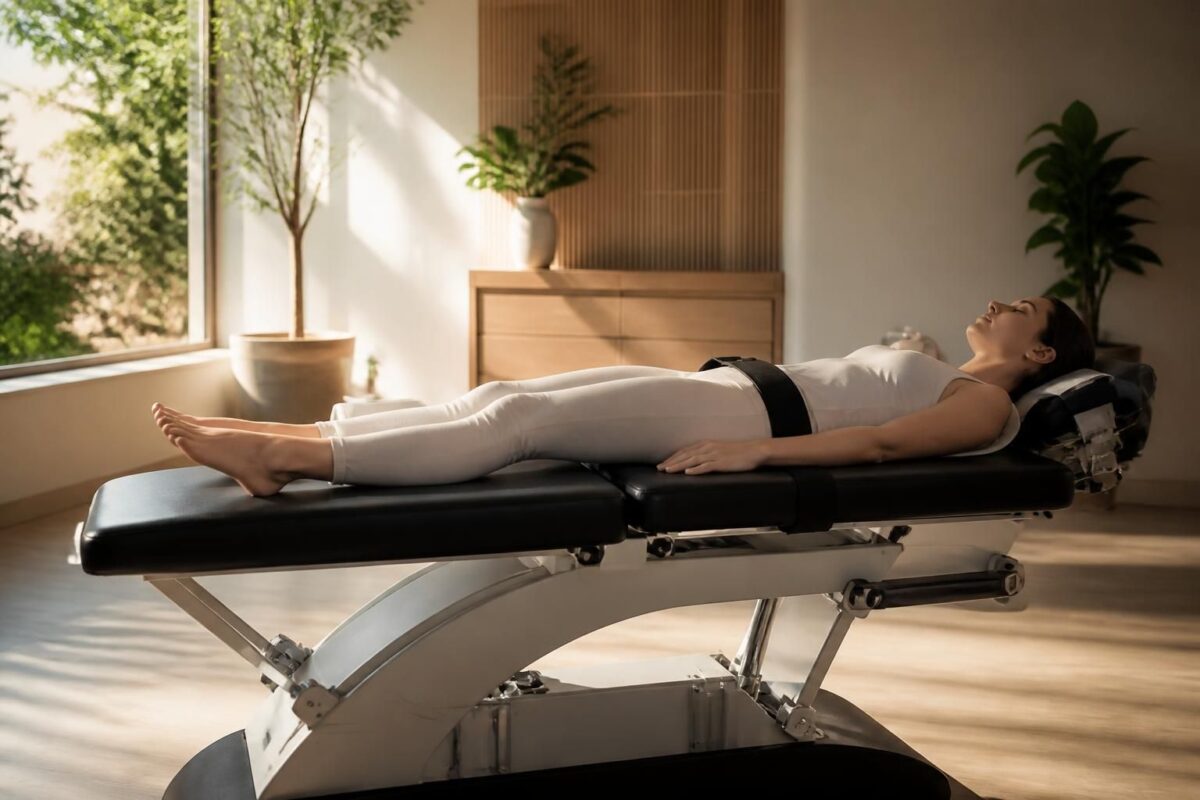
Neurovertebral Decompression and Body Alignment: Restoring Natural Balance
In short In short, neurovertebral decompression is one Non-invasive approach who restores theBody Alignment and thenatural balance back and neck. She acts by a Controlled traction of the spine to widen the intervertebral space and reduce the Pressure on discs…
Organization and practice
Typical profile and preparation
The ideal candidates are adults with recurrent back pain or cervical pain associated with sleep difficulties, without major contraindication to soft traction. Before the start of treatment, a personalized evaluation is carried out to adapt the protocol, define the number of sessions and set realistic objectives.
course of a session and advice
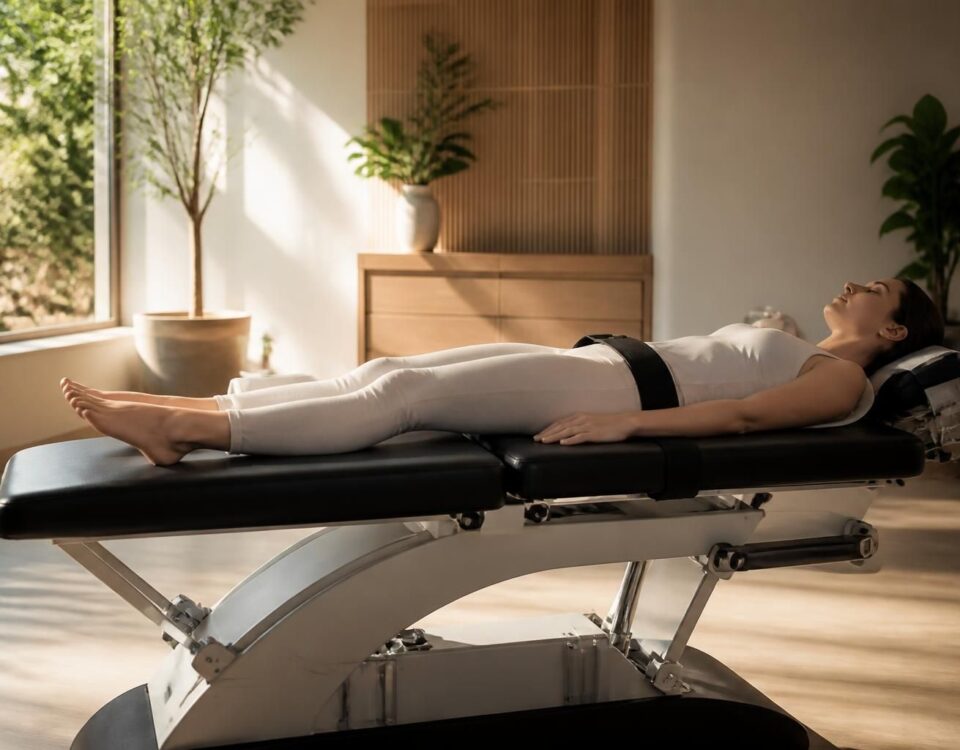
A session generally lasts between 30 and 45 minutes and takes place on a specialized table where the traction parameters are adjusted according to the comfort and needs of the patient. To optimize the benefits, adopt a light routine of gentle stretching and ensure regular sleep hygiene between sessions. Sufficient hydration and appropriate physical activity enhance treatment efficacy and support postural improvement.
In summary, neurovertebral decompression can be an effective solution for those looking to Improve sleep quality While working on the posture and the mobility. His character non-invasive In fact an attractive option to find quieter and more restorative nights, with a personalized and progressive approach.
| Aspect | Concise description |
|---|---|
| Main objective | reduce the back pain and improve the sleep quality by a gentle traction on the spine. |
| Key mechanism | Create a space between vertebrae To reduce the nerve pressure and promote the bloodstream. |
| Impact on sleep | reduction of Nocturnal pain and more restful sleep. |
| Posture Benefits | Restore theColumn alignment and improves the Musculoskeletal stability. |
| Non-invasiveness and safety | Technical non-invasive and high safety, with little Side effects. |
| Audience concerned | Ideal for people with Chronic back pain and back-related sleep disorders. |
| Frequency and duration | Custom plan with Regular sessions, typically between 15 and 25 Sessions. |
| Long-term results | Reduction lasting pain and continuous improvement of the mobility and of comfort. |
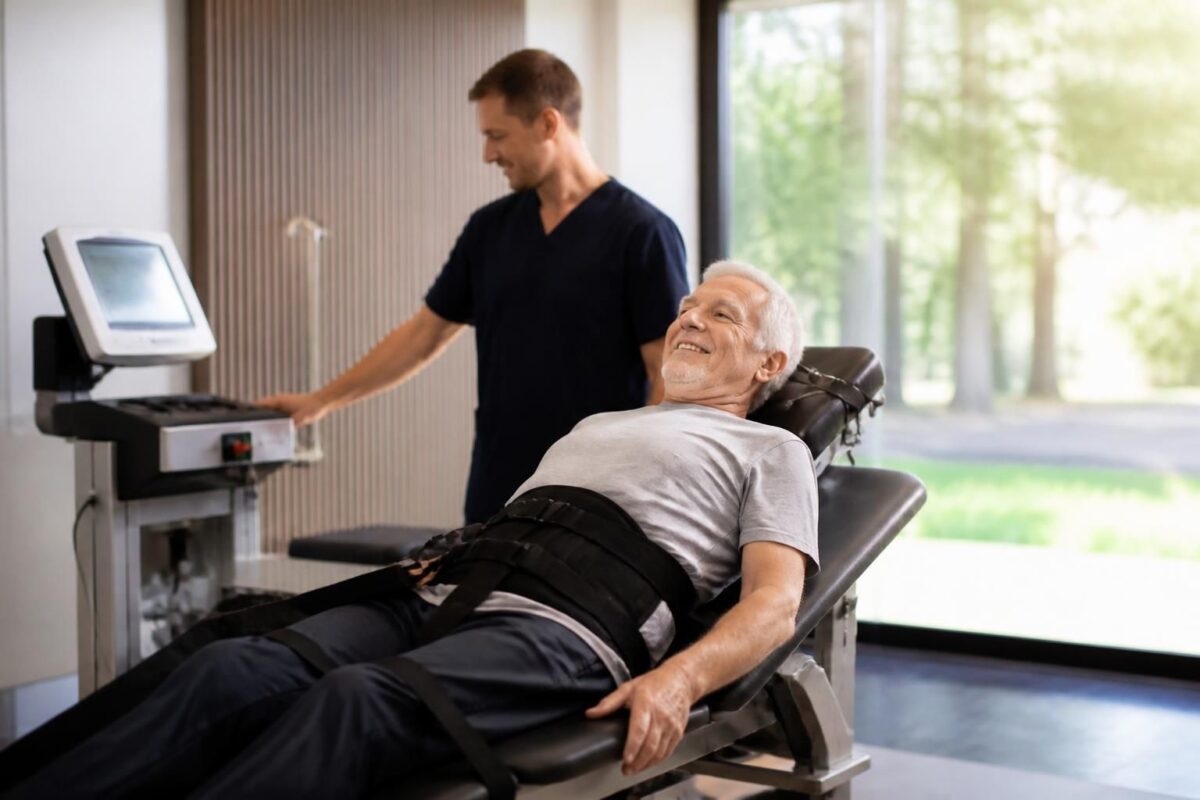
Why neurovertebral decompression is a lasting solution for active seniors
In short In short, the neurovertebral decompression is one Non-invasive therapy which sustainably relieves spinal pain in the spine active seniors By creating, by a Soft and controlled traction, a space between the vertebrae. At Montreal, it is recognized as…
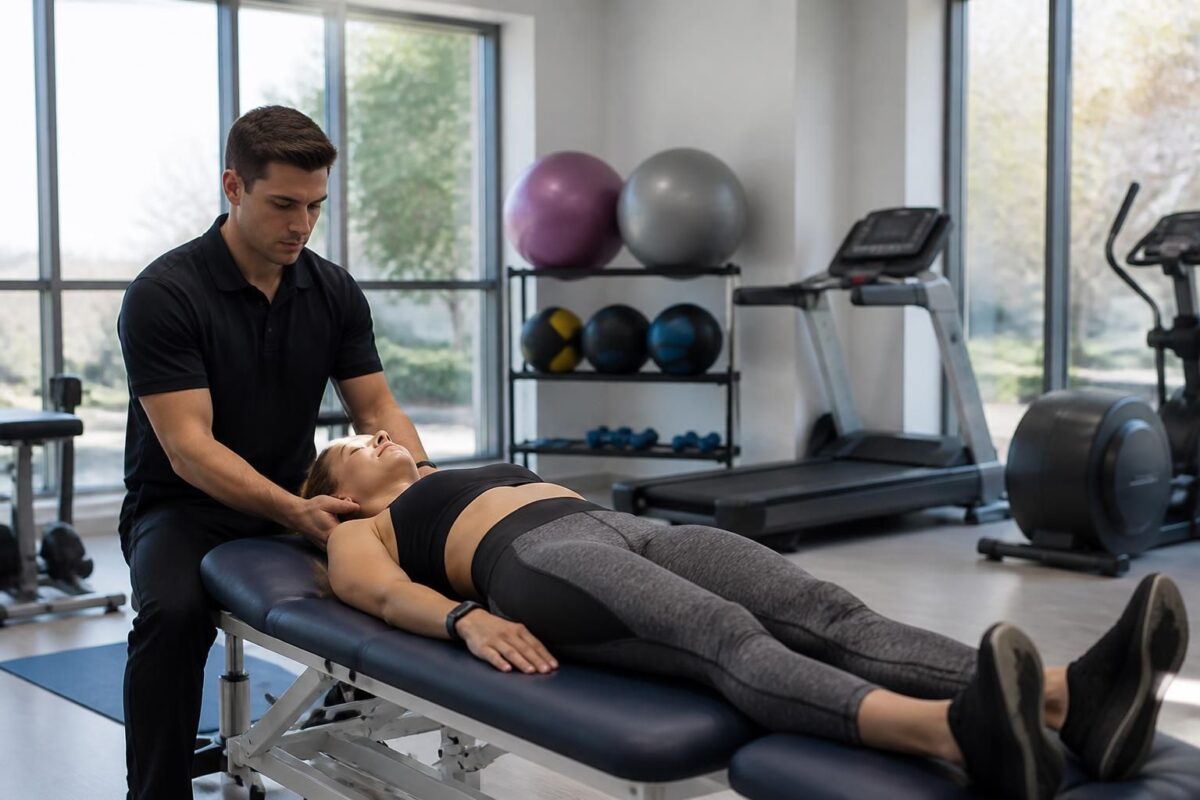
Neurovertebral decompression and recovery after severe sports injury
In short In short, the neurovertebral decompression is one Non-invasive method to Relieve the pressure on the Intervertebral discs and the gristle Via a Controlled traction, to facilitate the recovery After a severe sports injury. It improves the bloodstream towards…
Testimonials on neurovertebral decompression and improved sleep quality
Marie, 45 years old: “After several sessions of neurovertebral decompression, my Nocturnal pain have decreased and my sleep became deep and restorative again. I wake up without heaviness and with more energy. »
Jean, 62: “Thanks to the neurovertebral decompression, I found some mobility and above all a deep sleep which allows me to start my days without pain. »
Sophie, 38: “As an active mother, my nights were disturbed by back pain. After a few sessions of neurovertebral decompression, I noted a posture improvement and an quality of sleep found, with renewed energy in the morning. »
Émilie, 29: “As an athlete, I was looking for a more effective recovery. The neurovertebral decompression helped me reduce the Nocturnal pain and enjoy a Restful sleep who supports my workouts. »
Marc, 54 years old: “After a few weeks of treatment, my spine got better aligned and I found a Painless sleep. It’s a real transformation for my daily activities and my concentration. »
Claire, 63: “I thought back pain was part of aging. Thanks to the neurovertebral decompression, my Nocturnal pain have faded and my quality of life Sen is found improved, including my sleep and my daily movements. »
Dr. Sylvain Desforges is a practitioner recognized for his expertise in osteopathy, in naturopathy and in manual medicine. At the head of the TagMed clinics and the ACMA association, he leads an approach centered on theHealth Innovation and management of Chronic pain. Its action aims to integrate advanced technologies such as spinal decompression, laser and shockwave therapy in an evidence-based approach to optimize the health and well-being of its patients. This holistic approach leads him to propose adapted solutions that are part of a vision of sustainable and personalized care.
At the heart of his practice is the neurovertebral decompression, a non-invasive technique that revolves around gentle traction intended to restore the space between the vertebrae. This approach reduces the pressure exerted on the nerves and intervertebral discs, while improving blood circulation and oxygen supply of the tissues. By promoting better hydration and regeneration of the discs, it contributes to restoring mobility and reducing muscle tension, thus offering a favorable ground for healing and better stability of the spine.
In terms of sleep, neurovertebral decompression acts as a key lever for Quality of nightlife. By reducing back pain and cervical pain and gradually correcting the alignment of the spine, it promotes faster sleep and deeper sleep cycles. Patients often experience a marked reduction in night pain, decreased awakening and increased energy during the day, which enhances overall well-being and motivation to pursue an active lifestyle.
The care is adapted to each individual through a Rigorous diagnosis and a personalized therapeutic plan. A typical program usually includes between 15 and 25 sessions, adjusted according to severity and response to treatment. This approach is intended to be integrative: it can be supplemented by gentle stretching exercises, sleep hygiene advice and sustained attention to daily posture. The objective is not only to relieve existing pain, but also to prevent recurrences and to promote a lasting return to an active and painless life.
Dr. Desforges’ approach is based on an alliance between science and clinical practice. It is based on clinical observations, measurable results and continuous monitoring of advances in decompression technologies and associated therapies. favoring an approach evidence-based, it seeks to offer each patient a realistic, secure and effective therapeutic trajectory, capable of significantly improving sleep and quality of life on a daily basis. This vision engages constant collaboration with patients and health professionals to optimize outcomes and support better spinal health in the long term.
This summary presents how the neurovertebral decompression can improve the sleep quality, by acting on the spine to reduce nocturnal pain, promote better posture and support more effective night recovery. It highlights key mechanisms, observed benefits and practical integration axes to optimize results.
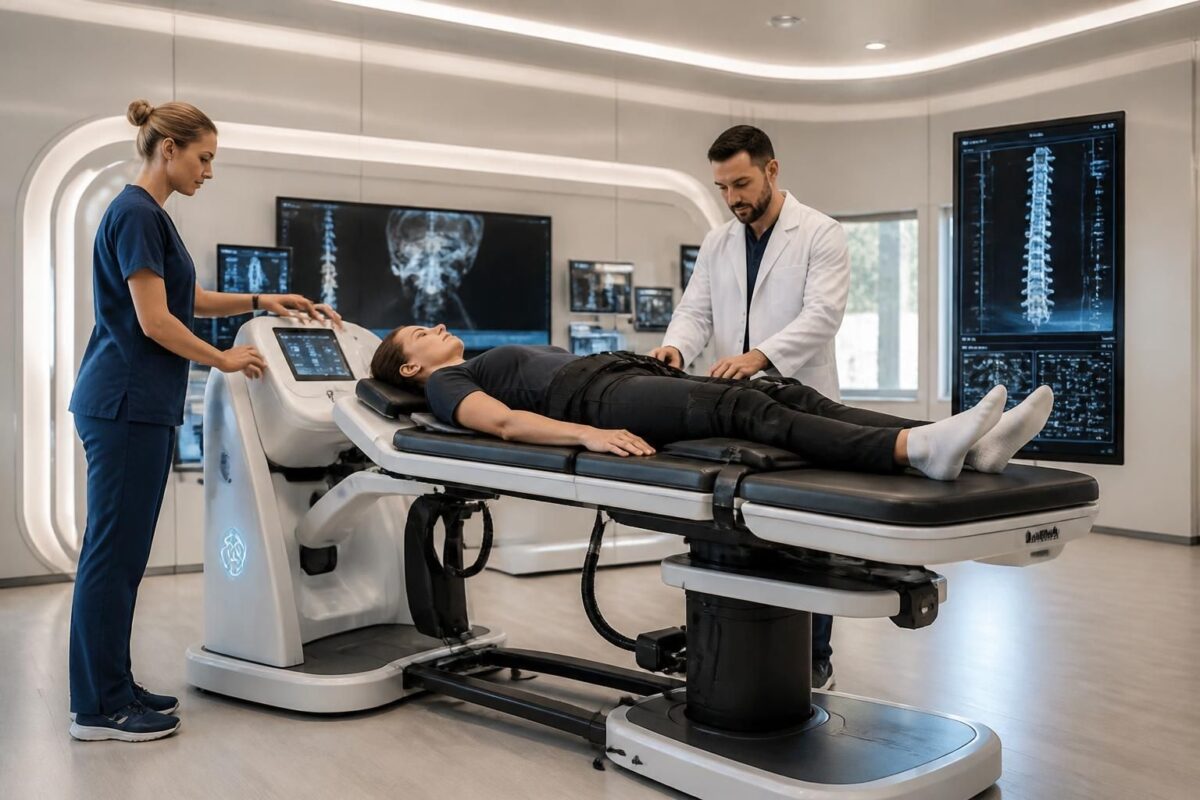
Recent innovations in neurovertebral decompression technologies
In short In short, the neurovertebral decompression is an approach non-invasive Aiming to reduce pressure on discs and nerves, and promote tissue regeneration. At Montreal, it is positioned as an effective option for lower back pain and herniated discs. The…
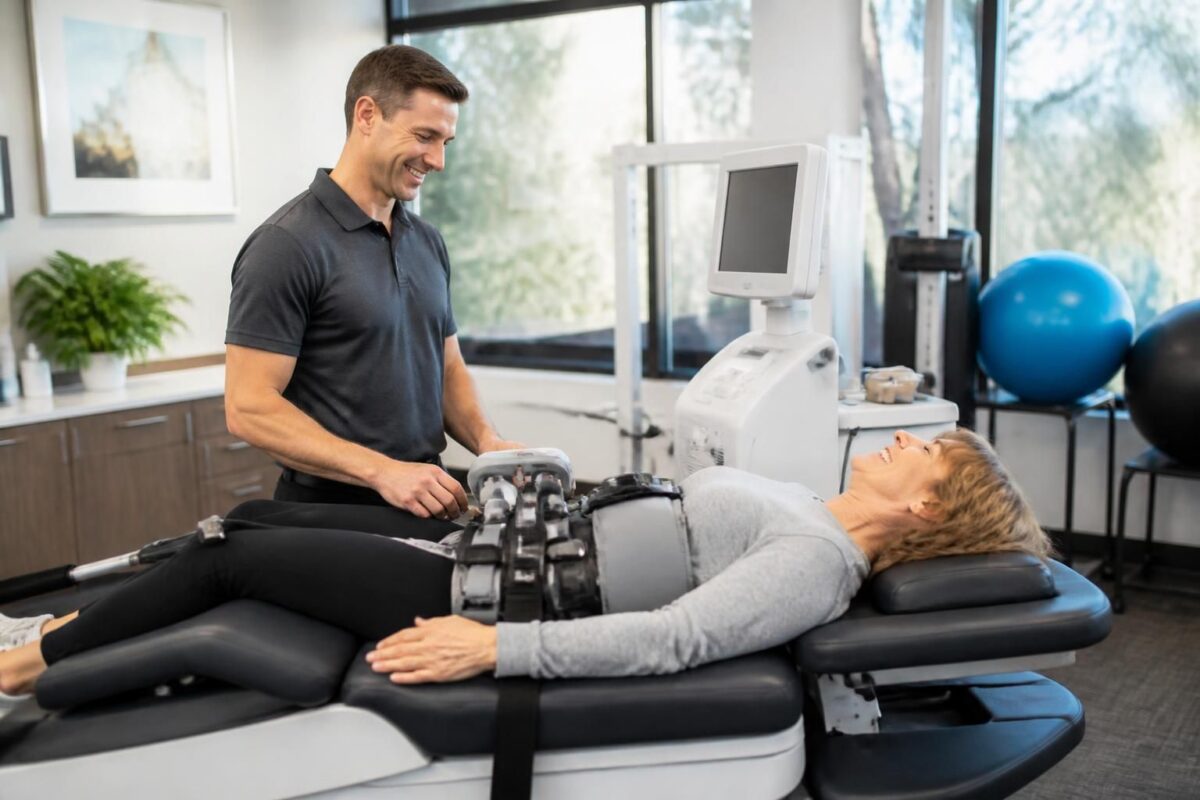
Neurovertebral decompression and diffuse pain: an appropriate solution
In short In short, the neurovertebral decompression is one Non-invasive solution For diffuse pain related to nerve irritation of the spine. She acts in Reducing pressure on intervertebral discs and nerves and improving the bloodstream, which promotes recovery and the…
Synthesis and implications
The central mechanism is based on a gentle traction which creates a space between Intervertebral discs, reducing the pressure exerted on the Spinal nerves and improving the bloodstream. This dynamic promotes oxygen supply and tissue regeneration, contributing to a better aligned spine and less prone to pain. This non-invasive approach sets the stage for more restorative sleep and increased daytime energy.
In terms of sleep, the reduction of nocturnal pain and muscle tension facilitates sleep and prolongs the deep phases of sleep. Patients often report a reduction in nocturnal restlessness and better restfulness of rest, which results in a more stable mood and renewed vitality during the day.
On the postural level, improving spinal alignment helps relieve muscle tension and prevent imbalances that fuel chronic pain. A more stable back and corrected posture reduce the risk of recurrence and optimize sleep conditions, especially when daily habits promote mobility and relaxation.
The treatment is non-invasive and can affect various problem areas, including lumbar, cervical and radiant pain related to nerve compressions. The program may vary, but it is common to use a personalized number of sessions, often between 6 and 25, depending on the severity and objectives.
To maximize results, integration with complementary practices is recommended: gentle stretching exercises, a Sleep hygiene adapted and daily attention to the posture allow to prolong the beneficial effects and to sustainably support the night’s comfort.
Dedicated resources provide in-depth insight into the techniques and benefits of this approach. To deepen the mechanisms, alternatives to surgery and feedback, you can consult the following links:
Modern techniques of neurovertebral decompression explained,
Why neurovertebral decompression is an alternative to surgery,
The benefits of neurovertebral decompression to relieve muscle tension,
The psychological benefits of neurovertebral decompression,
Neurovertebral Decompression – Your Questions Answers,
How neurovertebral decompression reduces pressure on spinal nerves,
Neurovertebral decompression and lower back pain management,
Neurovertebral decompression and nocturnal pain – regain restorative sleep,
Neurovertebral Decompression – A Solution to Improve Sleep Quality,
Neurovertebral Decompression Techniques for Chronic Pain
For any questions or personalized evaluation, do not hesitate to contact a health professional in order to adapt the approach to your situation and your sleep objectives.

Dr Sylvain Desforges, B.Sc., D.O., N.D., osteopath, is the founding president of TAGMED and of the ACMA association. He dedicates his practice to chronic spinal pain, low back pain and symptoms compatible with sciatica, particularly when pain radiates toward the buttock, leg, calf, foot or toes.
Through SOS Sciatique, he publishes educational content on sciatica symptoms, possible causes such as disc herniation, disc narrowing, foraminal stenosis or irritation of a lumbar nerve root, as well as non-surgical approaches that may be considered according to the evaluation. At Clinique TAGMED, care may include, depending on the case, motorized neurovertebral decompression, specific osteopathic care or precision percussion.
For an evaluation related to sciatica treatment in Montreal / Mount Royal or sciatica treatment in Terrebonne, please consult the services available at Clinique TAGMED.
Medical disclaimer
The information published on SOS Sciatique is provided for educational purposes only and does not replace a consultation, diagnosis, opinion or treatment provided by a physician or another authorized healthcare professional. The author of this article is neither a medical doctor nor a specialist in a medical specialty recognized by the Collège des médecins du Québec. The osteopathic, manual medicine or functional support approaches described on this site do not constitute medical acts and are not intended to replace medical follow-up.
Consult a physician or emergency service in cases of loss of bladder or bowel control, anesthesia in the saddle area, significant or progressive weakness in the leg or foot, fever, recent trauma, severe pain or rapid worsening of symptoms. For more details, please read our Legal Notice.