How neurovertebral decompression improves joint mobility
26/06/2026
Advanced protocols for neurovertebral decompression in case of complex pathologies
26/06/2026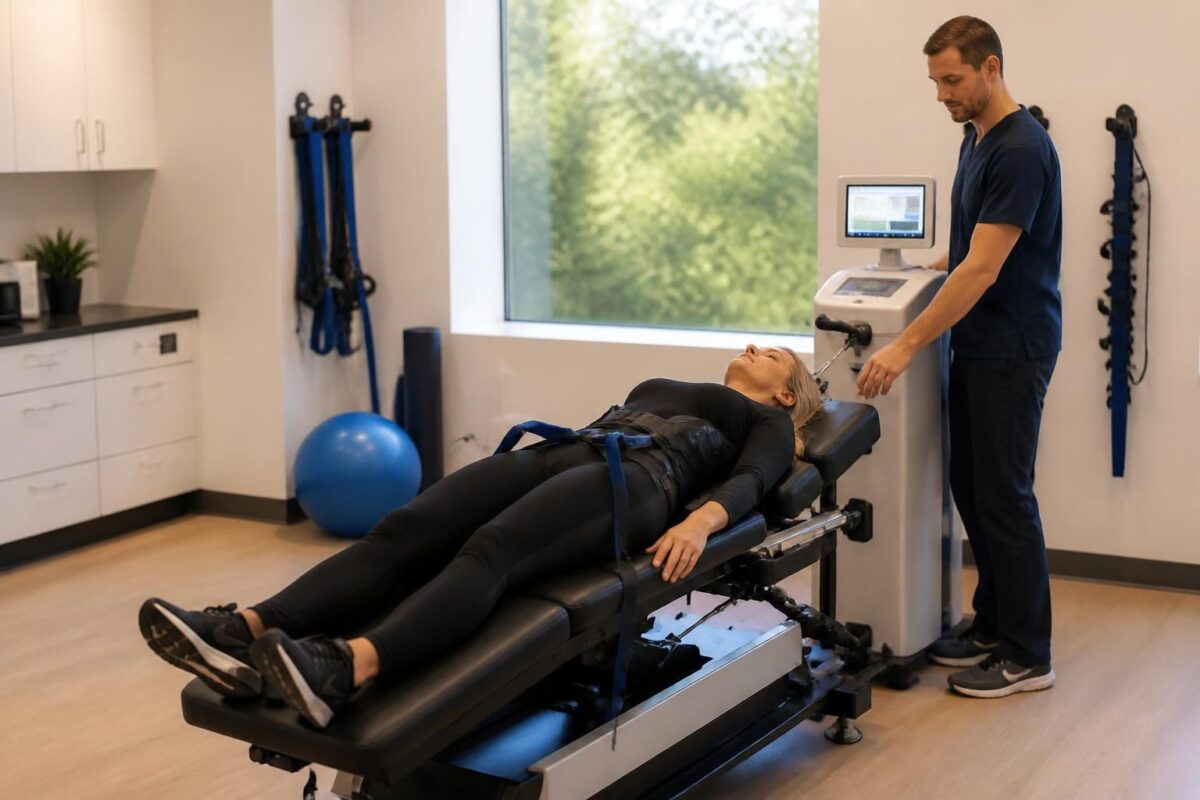
In short
| In short, the neurovertebral decompression is one Non-invasive therapy which processes the Mechanical pain related to the spine (disc hernias, Disc bulges, back pain and neck pain) by restoring the intervertebral space and improving the bloodstream. Its main assets include a Quick relief Without surgery, a mobility increased and a Prevention of recurrences, with an approach personalized suitable for the patient. Accessible in Montreal, this treatment fits ideally into a care program including drill, a ergonomy at work and associated therapies to optimize the results and promote the return to a working life, while remaining non-invasive and secured. |
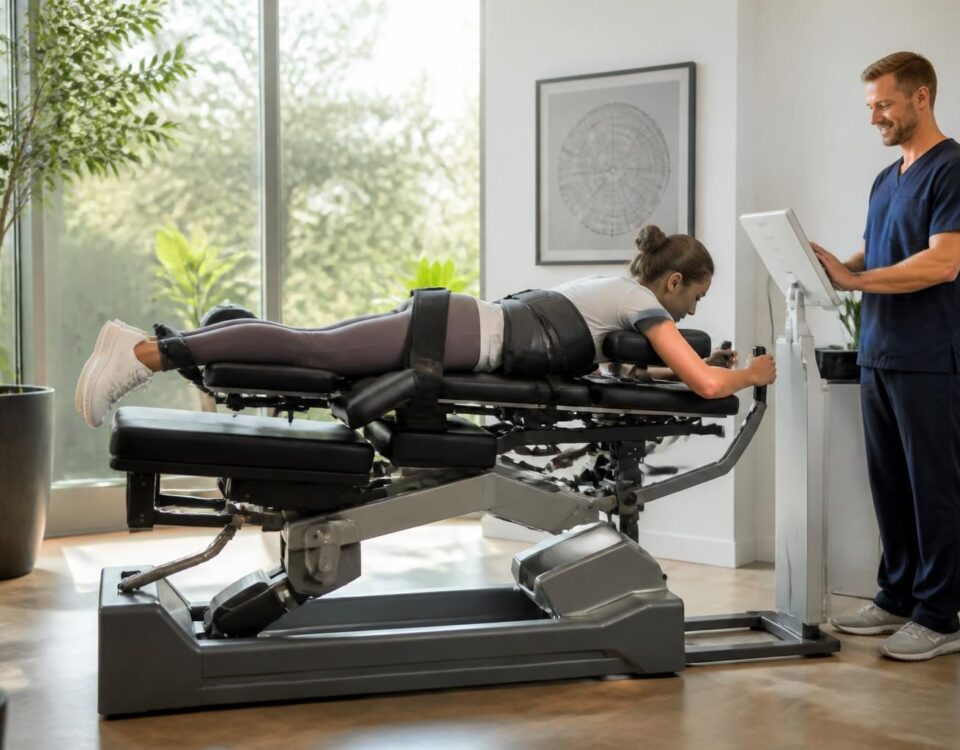
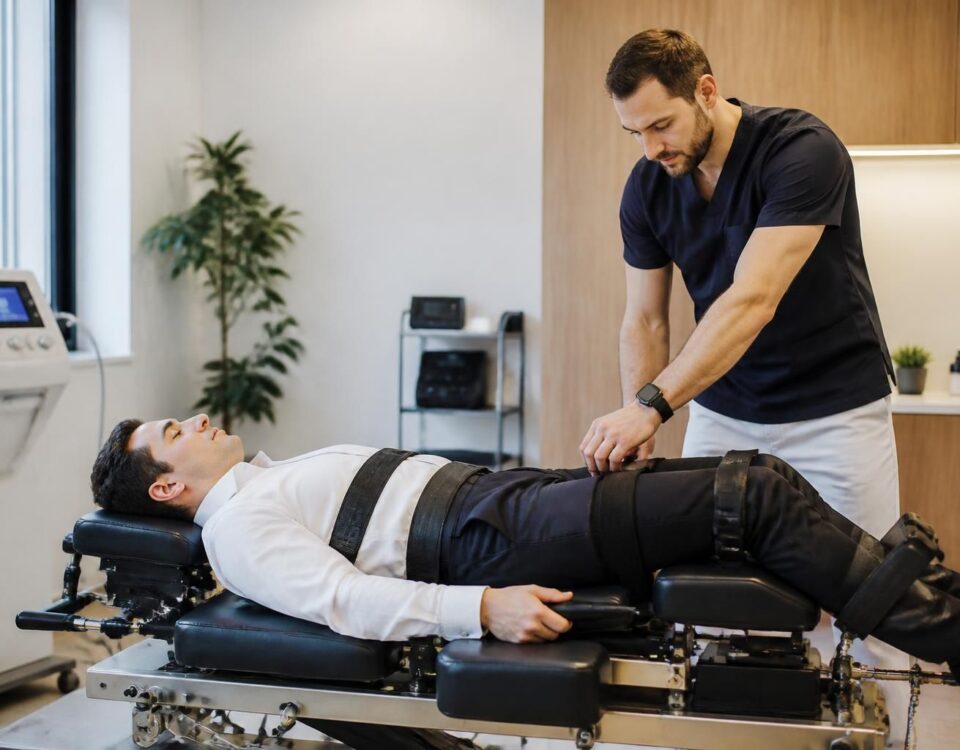
The neurovertebral decompression is an approach non-invasive Intended to treat pain mechanics related to the spine, without the need for surgery. It is based on a Targeted traction which increases the space between the vertebrae, decreases the pressure on the intervertebral discs and improves blood circulation to the affected tissues. This method is particularly suitable for pain lumbar and cervical, offering quick relief and improved mobility for many patients. Integrated into a global program, it can be associated with exercises and ergonomic advice to prevent recurrences and promote sustainable recovery.
This analysis, written by a healthcare professional and expert in osteopathy, presents the neurovertebral decompression as an effective non-surgical approach to relieving the Mechanical pain in the spine. We explain the mechanism, key indications, clinical outcomes, and how to integrate this therapy into a global care protocol, while favoring evidence-based options and without having to resort to surgery.
How does neurovertebral decompression work
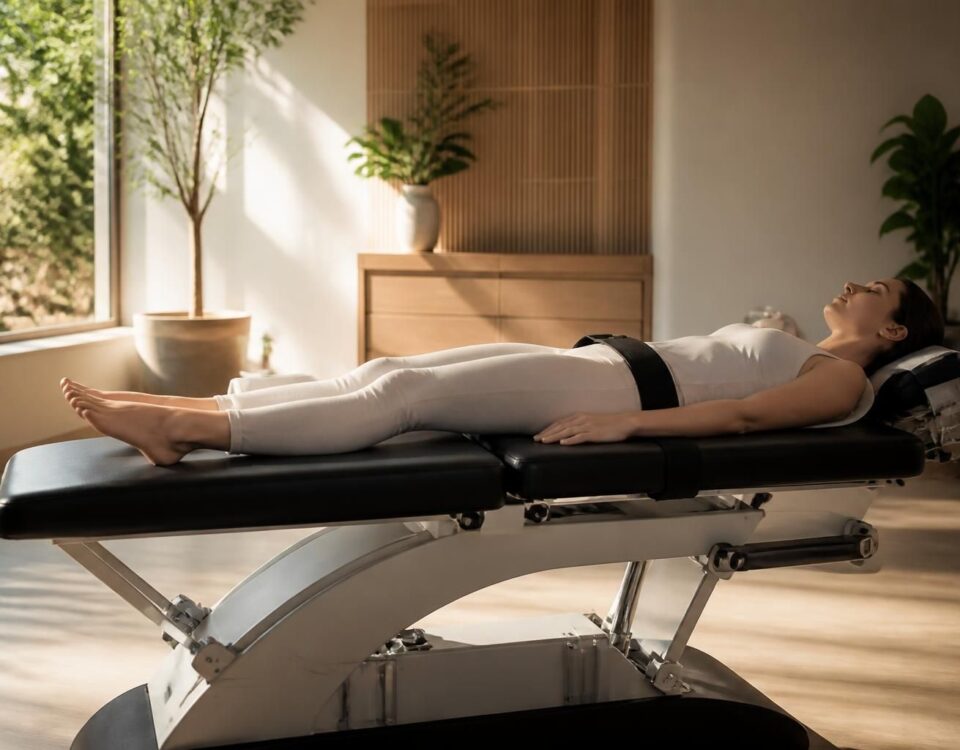
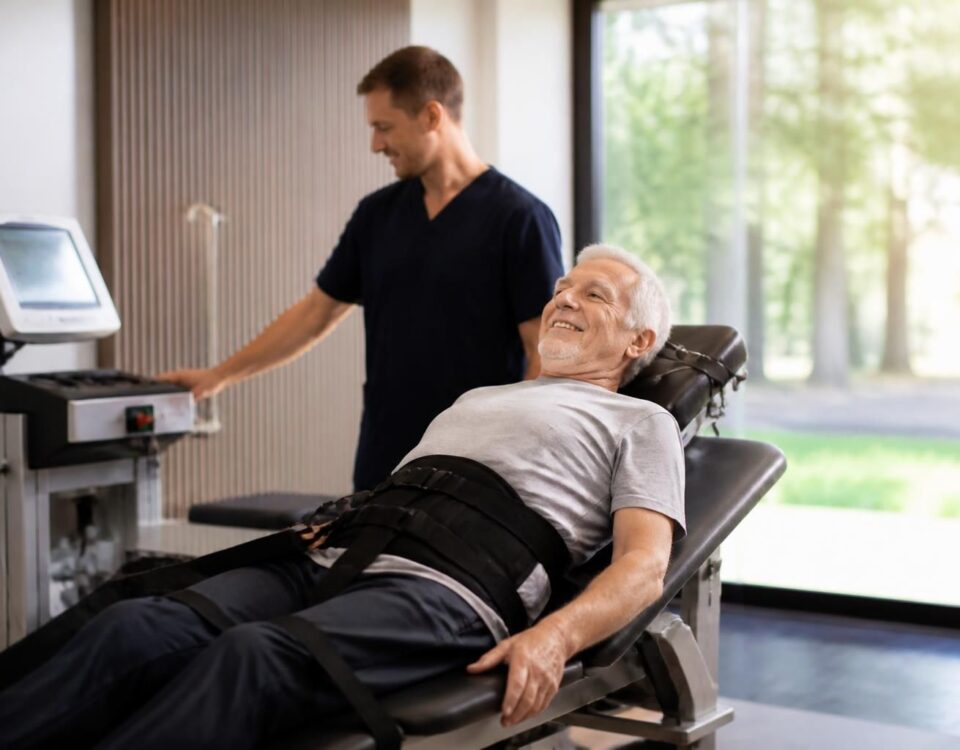
The neurovertebral decompression is based on a gentle traction applied to the spine. This traction creates a space between the vertebrae and decreases the pressure exerted on the intervertebral discs and nerves. By promoting better blood circulation, it contributes to tissue regeneration and the reduction of inflammation. To understand the principles and mode of action, see the full guide to This complete guide and the resource explaining how this technique works.
This approach is non-invasive and aims to treat the underlying mechanical causes of lumbar and cervical pain linked to disc herniations, bulges or disc degeneration. The objective is to restore the intervertebral space, to reduce the pressure on the nerves and to improve local regeneration.
Indications and clinical value
Neurovertebral decompression is particularly indicated when recurrent mechanical pain comes from structural spinal disorders. Common indications include Hernias discs, the Disc bulges, chronic lower back or cervical pain and situations associated with nervous disorders without surgical recourse. For more details and explanations of the mechanisms, see Official Resources and Associated Clinical Analyzes.
Clinical data indicates that a significant percentage of patients get improvement after several sessions. This approach is often integrated into a comprehensive care program to prevent recurrences and support mobility and quality of life.
Integration into the care pathway
Neurovertebral decompression is part of a pluralistic non-surgical care strategy. It can be associated with other authorized complementary approaches, including non-invasive targeted therapies offered in the TagMed clinic. To learn more about integrating this technique into a care protocol, see the dedicated resources available at tagmed and patient descriptions on Decompression-NeurVertebral-How-It-Works.
In Montreal and in other centers, this therapy is offered as part of a personalized protocol. The patient benefits from appropriate follow-up and overall support to optimize the results and reduce the risk of recurrence.
For professionals and patients interested in the mechanisms and therapeutic choices, practical resources and clinical analyzes are available on the specialized sites listed below.
Evidence, results and testimonials
Available data indicate that a significant proportion of patients report significant pain reduction and functional improvement after several sessions. This approach is non-invasive and can be integrated into a comprehensive care plan that focuses on recurrence prevention and re-establishment of mobility.
Clinical testimonials and recent reviews show that neurovertebral decompression can be beneficial for active people and those with chronic pain related to spinal disorders. For feedback, consult the resources and studies published on Benefits for active patients and additional analyses.
Comparative table of therapies
| Therapy | Key principles | Indications and results |
|---|---|---|
| neurovertebral decompression | non-surgical targeted traction on the spine; Improved disc space; Reduced nerve pressure. | Progressive improvement in pain and mobility observed after several sessions. Suitable for herniated discs and recurrent mechanical disorders. |
| Physiotherapy | Various mobilization and exercise approaches | May offer benefits, but the relative effectiveness may be less in some specific mechanical contexts compared to neurovertebral decompression. |
To learn more about mechanisms and results, see the following resources: Decompression-neurovertebral-and-pain-muscular-secondary and how-the-decompression-neurovebrale-acts-on-the-pain-diffuses.
Cases and testimonials
Patients describe a rapid decrease in pain after the first sessions, then a lasting improvement in their mobility. Other testimonies evoke the return to daily and sporting activities without major pain, when the protocol is adapted and monitored regularly.
Practical resources and references
For more information, you can explore the following pages that detail the principles, indications and results of this non-surgical approach:
The care pathway can be considered in Tagmed clinics, particularly in Montreal or Terrebonne. For practical information and appropriate support, contact Tagmed Clinic.
Training and professional associations: training in osteopathy is mainly done via NUMSS, nao, National University of Medical Sciences and National Academy of osteopathy. The professional executive favors the following associations: acma, College of Canadian Osteopaths and College of Canadian Osteopaths.
For additional information and specialized resources, you can consult the following pages: Spinal stenosis and Prevention of recurrent mechanical disorders.
For TagMed Clinic Management, discover Tagmed Clinic.
Medical Disclaimer: The information and advice provided on this site does not replace the health professional’s diagnosis or treatment. Please note that Dr. Sylvain Desforges osteopath is neither a doctor of medicine nor a doctor, and is not a specialist in a medical specialty as defined by the Collège des Médecins du Québec. Manual medicine, functional medicine and sports medicine as described on this site exclude any medical treatment or diagnosis made by a doctor or specialist doctor. Always consult your doctor for any medical questions. For more details, please read our full legal notice.
View All Posts
- non-invasive : without surgery
- gentle traction : stretches the column gradually
- pressure reduction : On discs and nerves
- directions : herniated discs and lumbar/cervical pain
- Quick Effects : Relief after a few sessions
- Security : low risk, minimal side effects
- Integration : Multidisciplinary program and reinforcement
- Prevention : Reduction of recurrences and improvement of posture
- Efficiency : up to 71% report improvement after several sessions
- Mobility : Better amplitude and functional mobility
- Back to activity : rapid resumption of daily activities
- Personalization : protocol adapted to each patient
- initial assessment : Precise diagnosis before treatment
- Complements : related options (laser, shock waves) as needed
- Accessibility : Available in specialized clinics
- Education : Follow-up and advice to maintain earnings

This recommendation presents how the neurovertebral decompression can help treat Mechanical pain of the column without surgery, explaining its functioning, its indications and the measures to follow to optimize the results within the framework of a global care program.
Understanding neurovertebral decompression
The neurovertebral decompression is a non-invasive approach that uses targeted tractions on the spine to create a space between the vertebrae and reduce the pressure exerted on the intervertebral discs and nerves. This decrease in pressure promotes blood circulation, which contributes to the nutritional intake of tissues and tissue regeneration. This technique is particularly suitable when the pain comes from herniated discs, of Disc bulges or disc degeneration.
The main objectives are to reduce mechanical symptoms and improve mobility. The beneficial effects include a gradual reduction in pain, better range of motion and lower risk of recurrence when the protocol is followed with discipline and supplemented by appropriate preventive measures.
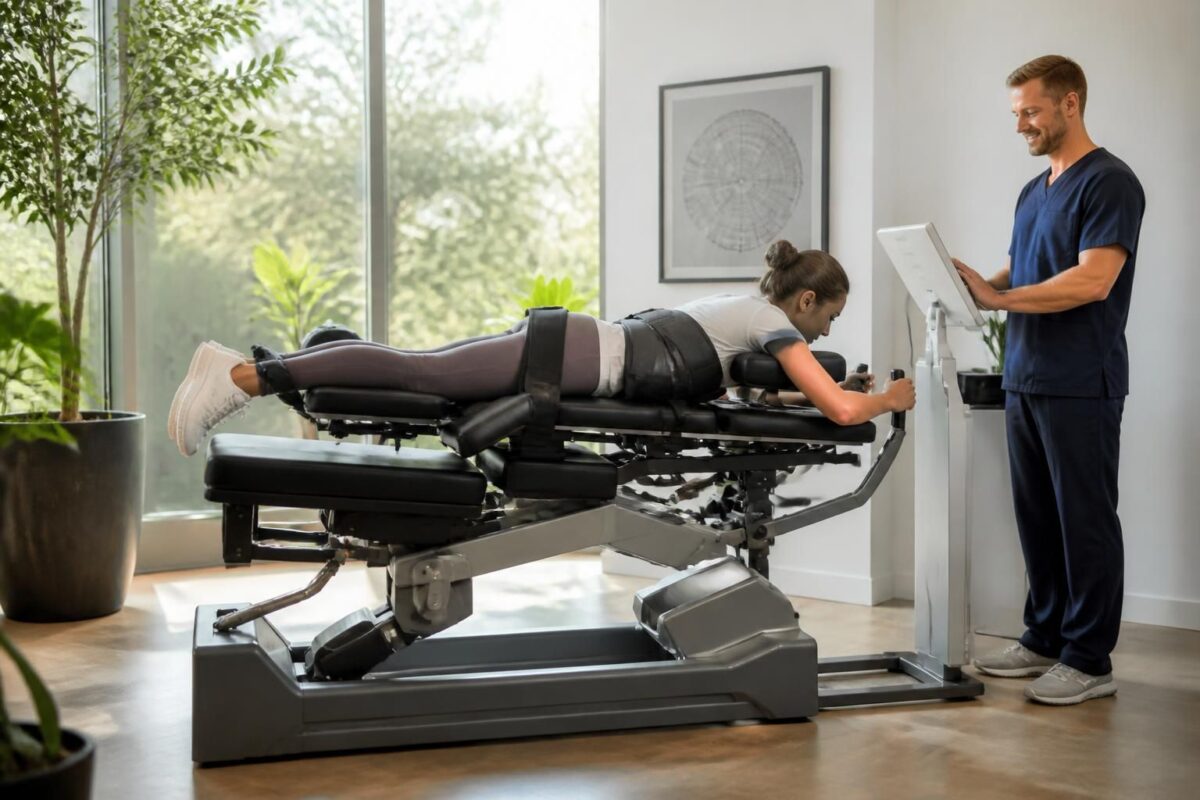
The long-term benefits of neurovertebral decompression for spinal health
In short In short, the neurovertebral decompression is a non-invasive approach that decreases the Pressure on intervertebral discs and nerves, favoring the Natural regeneration and tissue recovery. Its long-term benefits include Lasting pain reduction, Improving mobility and from the posture,…

Neurovertebral decompression and mobility: a return to an active life
In short In short, the neurovertebral decompression is therapy non-invasive who uses a gentle traction To create a space between the vertebrae and reduce the pressure on the Intervertebral discs and the nerves. It promotes a bloodstream improved, lowers tension…
Indications and benefits
Main directions
This approach is indicated for patients with Lower back pain and neck pain related to recurrent mechanical disorders, in particular herniated discs, the Disc bulges and manifestations associated with disc degeneration.
Observed benefits
Patients often find Quick relief After several sessions and a lasting improvement in the mobility. The treatment makes it possible to avoid or delay more invasive interventions, while promoting a progression towards more comfortable daily activities. Efficiency can be enhanced when decompression is associated with strengthening exercises and postural optimization.
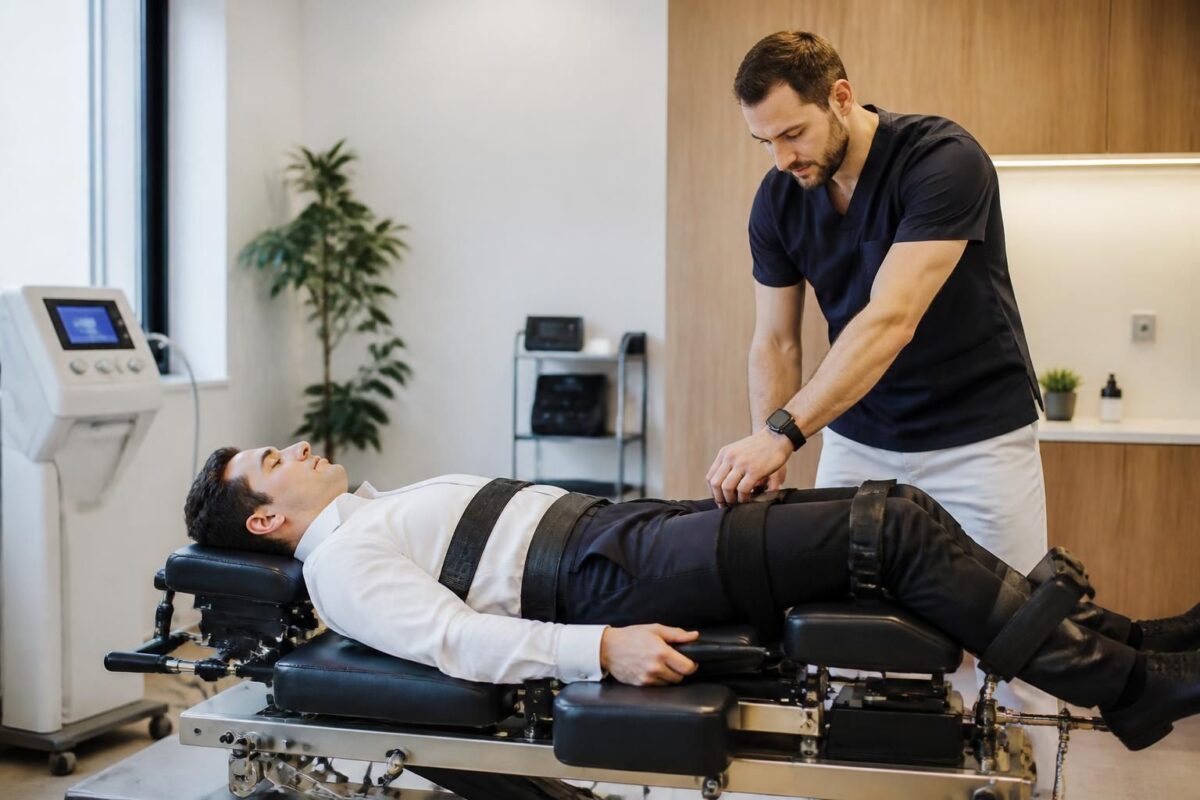
How Neurovertebral Decompression Prevents Diffuse Chronic Pain
In short decompression neurovertebral is one Non-invasive method aimed at reducing the Pressure on the intervertebral discs and the nerves, in order to prevent Diffuse chronic pain. It improves the circulation and thedisc hydration, decreases inflammation and promotes better mobility.…
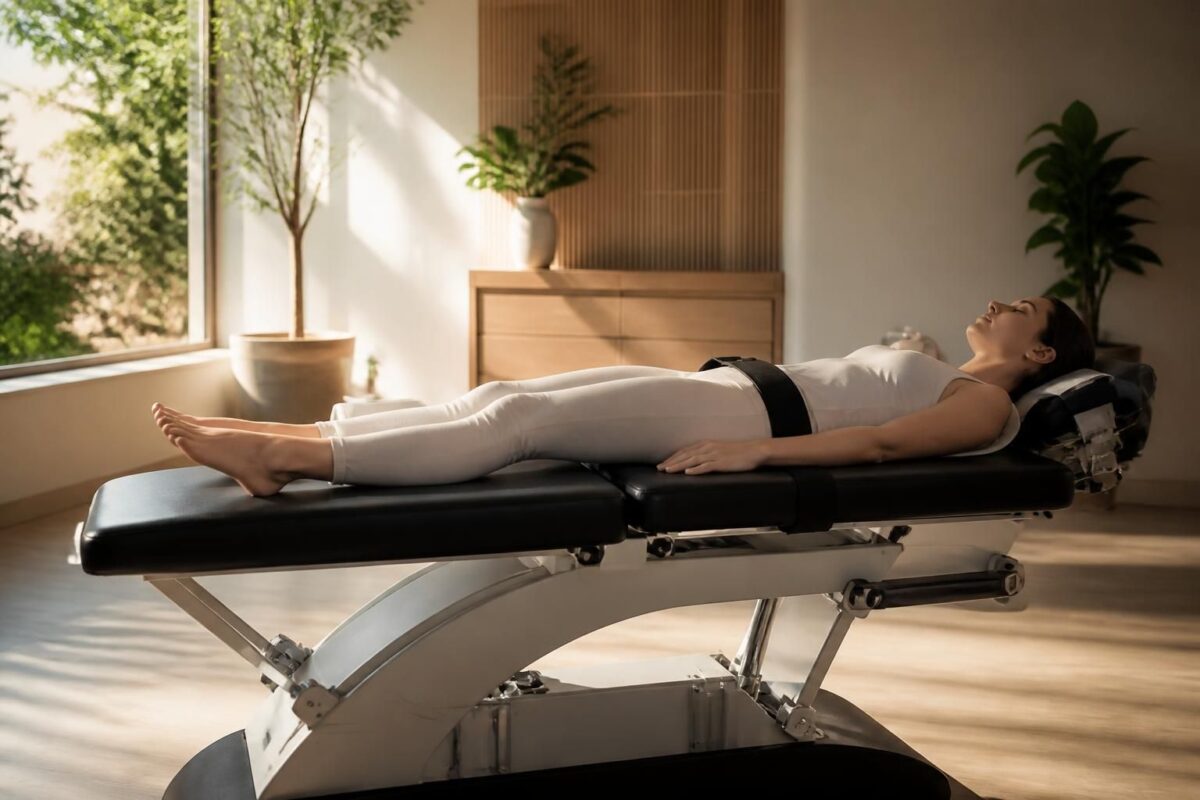
Neurovertebral Decompression and Body Alignment: Restoring Natural Balance
In short In short, neurovertebral decompression is one Non-invasive approach who restores theBody Alignment and thenatural balance back and neck. She acts by a Controlled traction of the spine to widen the intervertebral space and reduce the Pressure on discs…
Integration into a care program
Personalized plan and follow-up
Each patient benefits from a Custom Plan and a <
Strong>Regular follow-up to adjust the number of sessions and frequency according to specific progress and needs. The initial assessment is fundamental to check the adequacy of the treatment and to prevent possible risks.
Complementarity with other approaches
The decompression Ideally integrates into a multidisciplinary approach including adapted manual techniques, targeted exercises to strengthen support muscles and adviceergonomy at work and at home. Depending on the case, complementary technologies or adjunct therapies can support recovery, while remaining non-invasive.
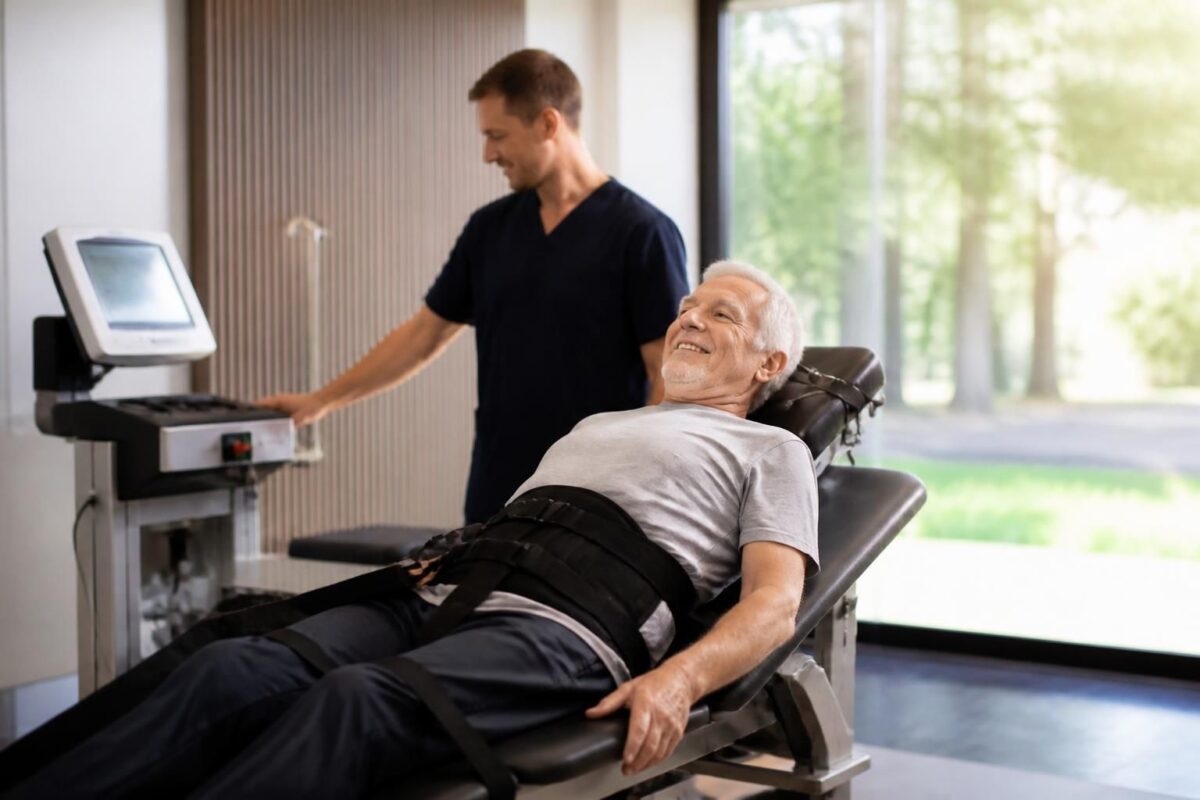
Why neurovertebral decompression is a lasting solution for active seniors
In short In short, the neurovertebral decompression is one Non-invasive therapy which sustainably relieves spinal pain in the spine active seniors By creating, by a Soft and controlled traction, a space between the vertebrae. At Montreal, it is recognized as…
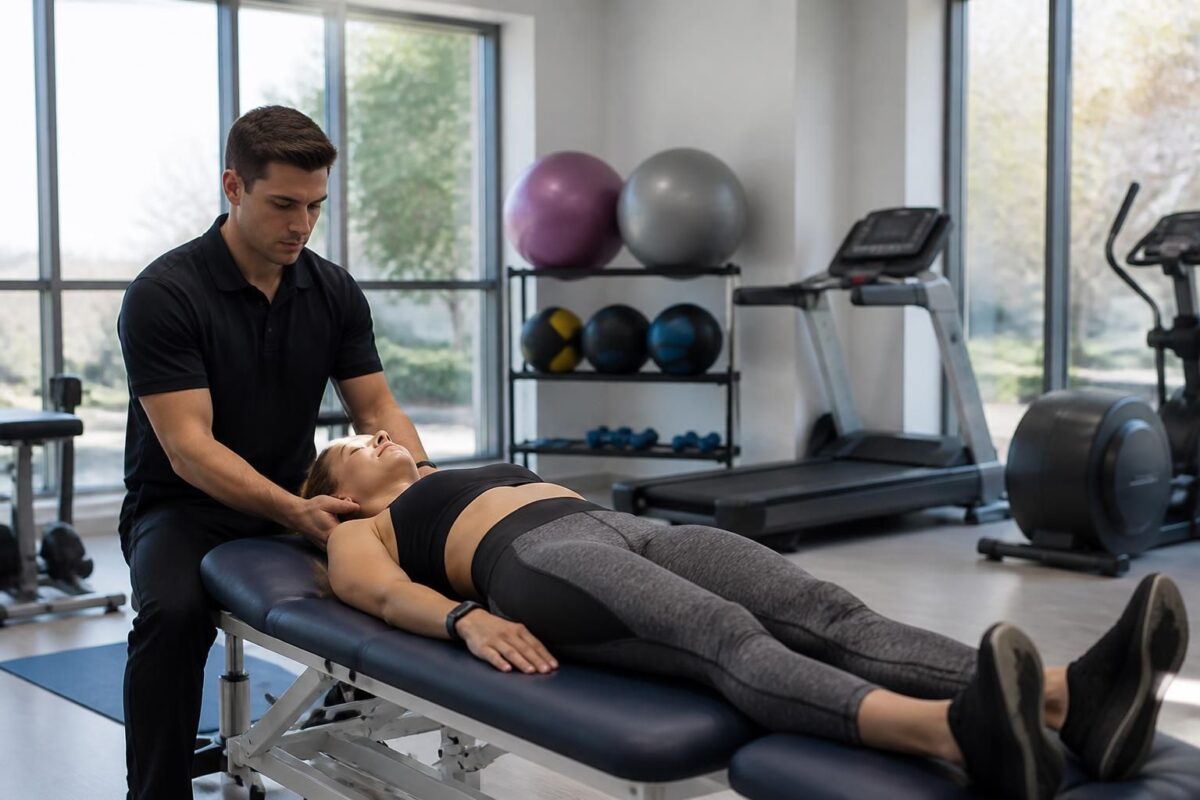
Neurovertebral decompression and recovery after severe sports injury
In short In short, the neurovertebral decompression is one Non-invasive method to Relieve the pressure on the Intervertebral discs and the gristle Via a Controlled traction, to facilitate the recovery After a severe sports injury. It improves the bloodstream towards…
Prevent recurrences
In order to limit recurrences, it is recommended to adopt regular exercises to strengthen and stretch the spine, to ensure ergonomy adapted and implement stress management strategies. Periodic visits make it possible to reassess the protocol and adjust the prevention advice according to the evolution of pain and mobility.
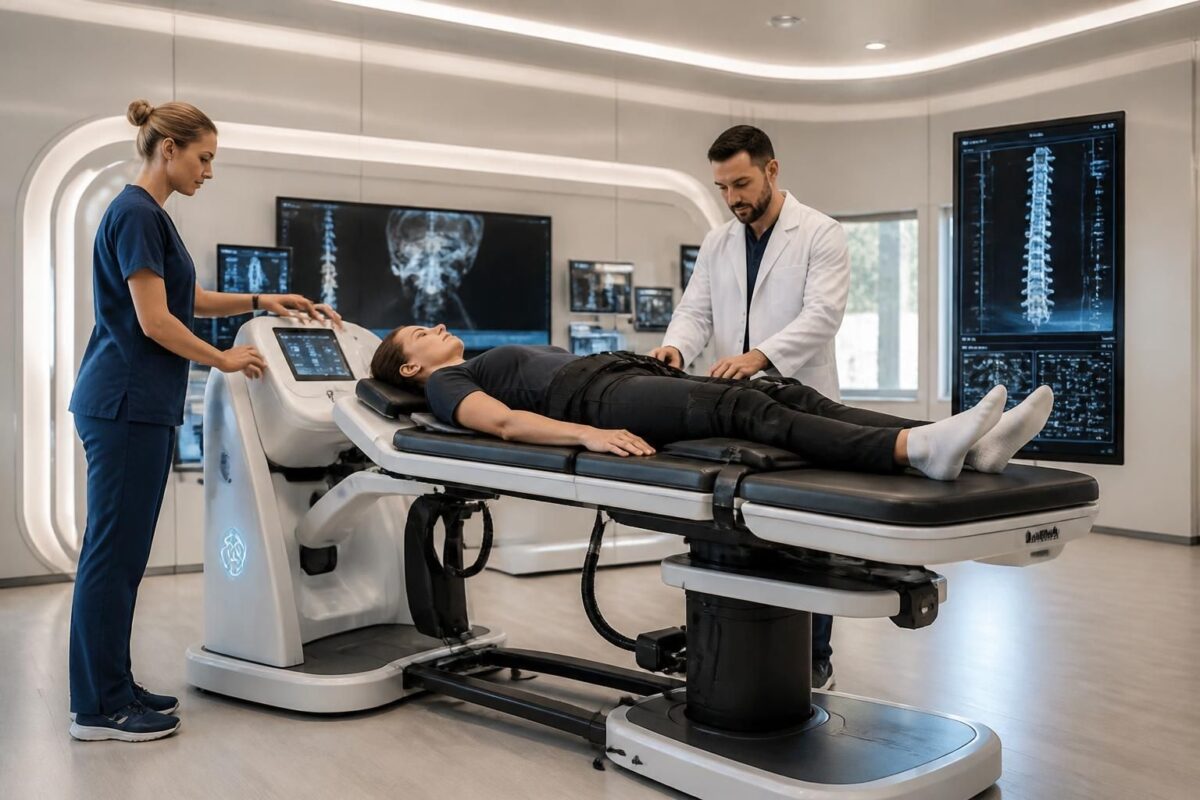
Recent innovations in neurovertebral decompression technologies
In short In short, the neurovertebral decompression is an approach non-invasive Aiming to reduce pressure on discs and nerves, and promote tissue regeneration. At Montreal, it is positioned as an effective option for lower back pain and herniated discs. The…
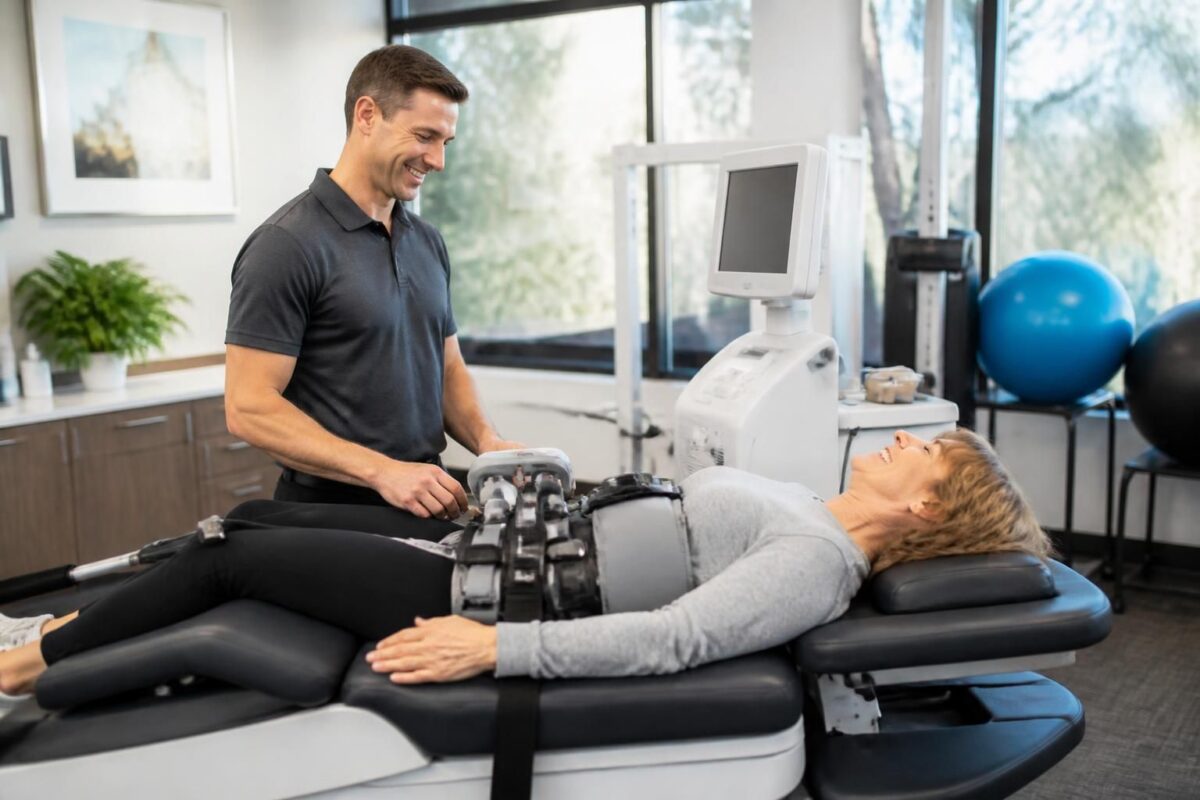
Neurovertebral decompression and diffuse pain: an appropriate solution
In short In short, the neurovertebral decompression is one Non-invasive solution For diffuse pain related to nerve irritation of the spine. She acts in Reducing pressure on intervertebral discs and nerves and improving the bloodstream, which promotes recovery and the…
Testimonials and expected results
Many patients report pain reduction and an Mobility found After a few weeks of treatment, with a gradual resumption of activities without resorting to surgery. The benefit is seen particularly in those who simultaneously adopt preventive measures and an adapted exercise routine.
Conditions and contraindications
A Professional assessment is required to confirm eligibility and adapt the protocol. Certain medical conditions may represent contraindications and require other therapeutic options. The decision must be made in collaboration with a qualified practitioner.
Disclaimer: These recommendations do not replace the advice of a health professional. Consult your osteopath or doctor to confirm eligibility and the appropriate protocol for your situation.
| Axis | concise text |
|---|---|
| Indication | For slipped disc, bulges, and Lumbar or cervical pain recurrent, avoiding surgery. |
| Objective | reduce the pressure On discs and gristle; promote the regeneration and the circulation. |
| Nature | Treatment non-invasive, without surgery. |
| Mechanism | Traction fresh who creates intervertebral space and decreases the pressure. |
| Efficiency | On average, 71% of patients report improvement After several sessions. |
| Security | Profile secured with some Side effects minimal or temporary. |
| Duration & Frequency | Sessions of approximately 30–50 minutes, 2–3 times/week over several weeks. |
| complementarity | approach that combines with osteopathy, physiotherapist and exercise program. |
| Prevention | education and Regular exercises to limit recurrences. |
Testimonials on neurovertebral decompression and mechanical pain: treat effectively without surgery
“Before discovering the neurovertebral decompression, my Low back pain related to herniated disc confined me to the chair and to the pain. After a few sessions, I felt a Quick relief and an Mobility found which allowed me to find my daily activities without fear of relapse. »
“As an athlete, my neck pain slowed my performance. Since the start of treatment, the pressure around the nerves has dissipated and I have noticed a Significant improvement of my mobility and my recovery, without any surgery. »
“I had been suffering from low back pain and stiff neck for years. The neurovertebral decompression allowed me to feel a lasting improvement and an Quality of life found without going through surgery. I highly recommend this non-invasive option. »
“At work, tensions linked to poor posture have caused recurring pain. After the decompression journey, I noticed a Significant pain reduction and an Back functionality Much better on a daily basis, which allowed me to remain active without interruption. »
“As an active parent, my neck pain limited my play with my children. The neurovertebral decompression gave me a Mobility found And allowed me to enjoy the moments with the family again, without the need for surgery. »
Dr. Sylvain Desforges is recognized as a Expert in osteopathy, naturopathy and manual medicine, lying its activities around an approach centered on mechanical pain in the spine and on non-invasive solutions. Founder and president of the TagMed clinics and the ACMA association, he favors a holistic and evidence-based vision to optimize the health and well-being of everyone. In his career, he endeavored to demonstrate that the neurovertebral decompression And other advanced technologies can offer effective and safe alternatives to surgery, while being part of a multidisciplinary approach.
The neurovertebral decompression is a non-invasive therapy that uses controlled traction to create a space between the vertebrae. This action reduces the pressure exerted on the intervertebral discs and nerve roots, which facilitates rehydration and tissue regeneration. At the same time, improving local blood circulation helps reduce inflammation and accelerate the healing process. This approach generally offers rapid relief from lumbar or cervical mechanical pain and helps to avoid heavy surgical procedures.
As part of his care program, Dr. Desforges focuses on personalized evaluation and regular follow-up. The protocols are adapted to each patient and can be integrated into complementary therapies such as therapeutic lasers or shockwave therapies when relevant. The goal is not only to reduce current symptoms, but also to prevent recurrences and restore optimal long-term spinal function.
Clinical data support the effectiveness of this technique: a significant proportion of patients—whose most quoted figures converge around a notable improvement rate after several sessions—note Lasting pain reduction, improved mobility and faster return to daily activities. This treatment energy is particularly beneficial for people suffering from herniated discs, bulges or disc degeneration, but also for those who seek proactive prevention of repeated mechanical disorders. Dr. Desforges insists on the importance of a program integrating exercises, ergonomics and stress management in order to support the benefits of decompression.
Beyond the individual results, this approach is part of a logic multidisciplinary where osteopathy, physiotherapy and modern technologies complement each other. Neurovertebral decompression is thus presented not only as a symptomatic treatment, but as a real lever of prevention and postural rebalancing. The primary concern remains to offer a safe, effective and accessible alternative to those who wish to preserve or regain their quality of life without resorting to surgery. Dr. Desforges continues his commitment by innovating and continually refining his protocols in order to extend the benefits of this treatment to an ever wider audience.
This conclusion summarizes how the neurovertebral decompression is a solution non-surgical for the Mechanical pain related to the spine, acting by targeted traction to free up the intervertebral space, reduce pressure on discs and nerves, and promote circulation and the regeneration Tissue. It sets out the mechanisms, clinical benefits and principles of integration into a global care protocol, while proposing resources to deepen the subject.
The heart of the approach is based on a gentle traction which restores the space between the vertebrae and reduces the Pressure on intervertebral discs and nerves. By improving the bloodstream and the nutritional intake of tissues, this technique encourages the regeneration tissue and, after several sessions, a significant reduction in pain in many patients. Clinical data suggest that about 71% of patients experience an improvement in their symptoms, making this approach an alternative non-surgical effective for low back pain and neck pain, and a valuable option for preventing recurrences and improving mobility.
The indications mainly include herniated discs, the bulges and disc degenerations, as well as recurrent lumbar and cervical pain and nerve compression syndromes. If this method is generally revealed Soft and secure, it can be contraindicated in some medical contexts. The risks remain weak-willed And avoiding surgical interventions is one of the major arguments, but a prior assessment by a professional is essential. To access detailed resources on FAQ#ATFP_CLOSE_TRANSLATE_SPAN# Essentials and the indications, consult the official pages.
Integrate the neurovertebral decompression In a global care protocol maximizes the results: combined with manual therapies, appropriate ergonomics and regular exercises, she actively participates in the Prevention of recurrent mechanical disorders. This approach is enhanced by practical advice on theergonomy, targeted exercises and stress management strategies, which together reduce tension and stabilize the spine over the long term. To deepen these concepts, you can consult specialized resources on the integration of prevention techniques and protocols.
For the athletes and the Active or sedentary workers, decompression promotes faster recovery and resumption of activity without chronic pain. This approach can reduce workout or work interruptions and improve overall performance. Analyzes and testimonies demonstrate significant improvements in mobility and effort tolerance without using invasive procedures. For specific perspectives, refer to the resources dedicated to athletes and workers.
The complementarity between decompression and associated technologies, such as Pulse Align, can optimize results by promoting muscle relaxation and better intervertebral circulation. Clinical returns and practical cases illustrate rapid pain reduction and improved mobility, while avoiding the frequent side effects of drug treatments. To understand this complementary role, consult the resources with the benefits and mechanisms of action (e.g. articles on joint mobility and disc regeneration).
This information should be interpreted as part of a personalized medical assessment. The General information do not replace the advice of a health professional, and each case requires a Individual assessment. To deepen and obtain appropriate advice, seek consultation with an osteopath or doctor and explore the official resources and practical guides mentioned above, including specialized pages and associated FAQs.
For more details, you can view these resources: Decompression#ATFP_CLOSE_TRANSLATE_SPAN# Neurovertebral — An effective solution, For#atfp_close_translate_span# Sedentary workers, FAQ#ATFP_CLOSE_TRANSLATE_SPAN# Essentials, Decompression#ATFP_CLOSE_TRANSLATE_SPAN# Neurovertebral and Mechanical Pain — Treat Effectively Without Surgery, Improves#ATFP_CLOSE_TRANSLATE_SPAN# Joint mobility, Option#ATFP_CLOSE_TRANSLATE_SPAN# Therapeutic for athletes, Regeneration#ATFP_CLOSE_TRANSLATE_SPAN# of intervertebral discs, Option#ATFP_CLOSE_TRANSLATE_SPAN# Ideal for mechanical pain, Study#ATFP_CLOSE_TRANSLATE_SPAN# Comparative, Circulation#ATFP_CLOSE_TRANSLATE_SPAN# Intervertebral.

Dr Sylvain Desforges, B.Sc., D.O., N.D., osteopath, is the founding president of TAGMED and of the ACMA association. He dedicates his practice to chronic spinal pain, low back pain and symptoms compatible with sciatica, particularly when pain radiates toward the buttock, leg, calf, foot or toes.
Through SOS Sciatique, he publishes educational content on sciatica symptoms, possible causes such as disc herniation, disc narrowing, foraminal stenosis or irritation of a lumbar nerve root, as well as non-surgical approaches that may be considered according to the evaluation. At Clinique TAGMED, care may include, depending on the case, motorized neurovertebral decompression, specific osteopathic care or precision percussion.
For an evaluation related to sciatica treatment in Montreal / Mount Royal or sciatica treatment in Terrebonne, please consult the services available at Clinique TAGMED.
Medical disclaimer
The information published on SOS Sciatique is provided for educational purposes only and does not replace a consultation, diagnosis, opinion or treatment provided by a physician or another authorized healthcare professional. The author of this article is neither a medical doctor nor a specialist in a medical specialty recognized by the Collège des médecins du Québec. The osteopathic, manual medicine or functional support approaches described on this site do not constitute medical acts and are not intended to replace medical follow-up.
Consult a physician or emergency service in cases of loss of bladder or bowel control, anesthesia in the saddle area, significant or progressive weakness in the leg or foot, fever, recent trauma, severe pain or rapid worsening of symptoms. For more details, please read our Legal Notice.