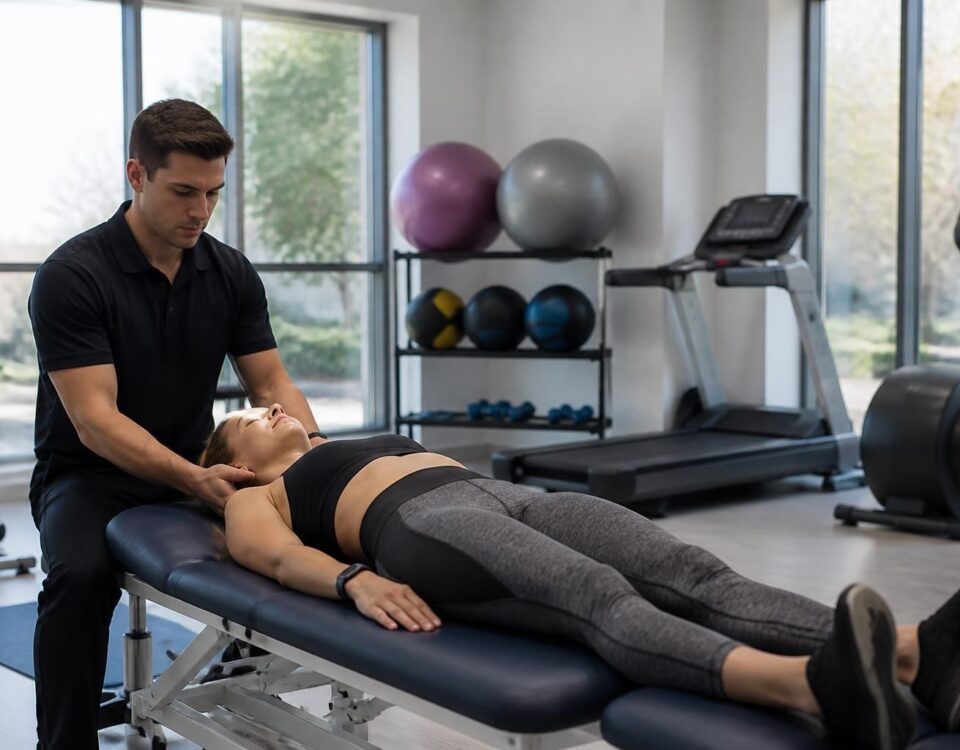
How neurovertebral decompression supports patients after spinal surgery
26/06/2026
Innovations in neurovertebral decompression tables
26/06/2026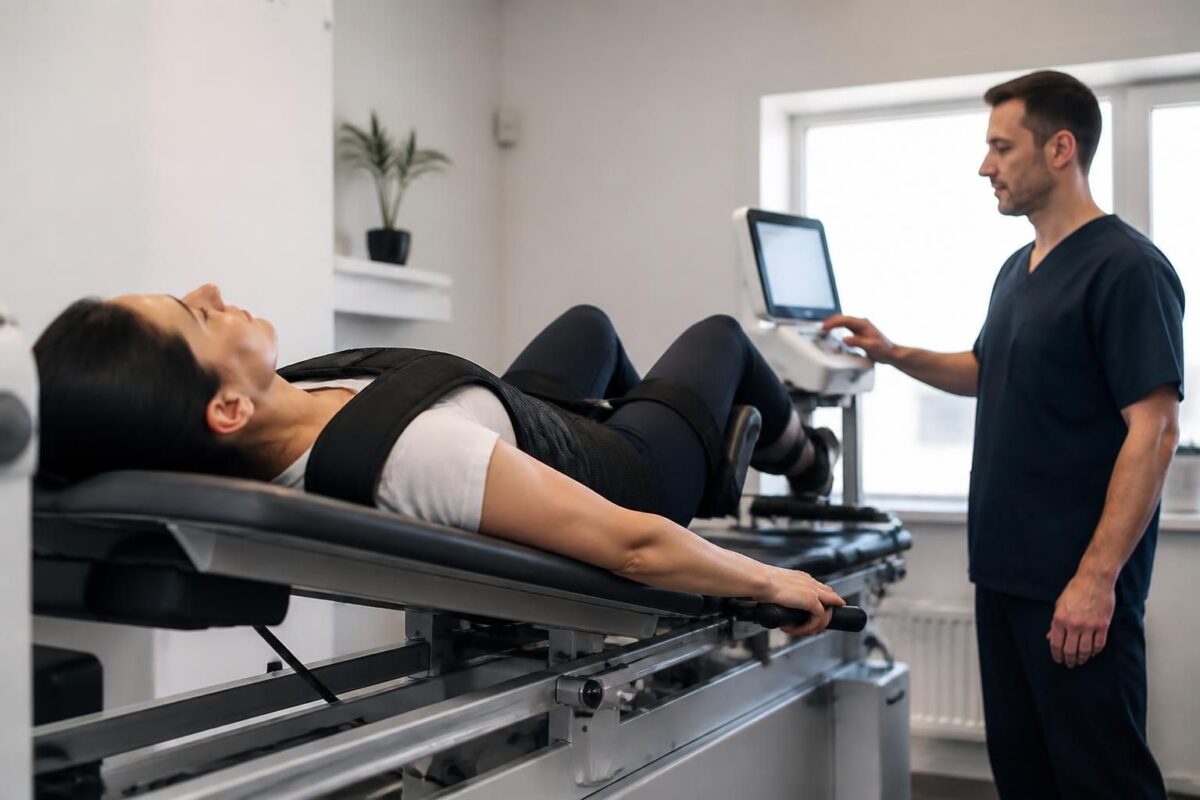
In short
| In short, neurovertebral decompression is an approach non-invasive who uses a Controlled traction To free up the space between the vertebrae and reduce pressure on the Intervertebral discs and the gristle. She relieves the root pain, improves the mobility and promotes the bloodstream and the recovery Tissue. Key Benefits: Avoid surgery, Quick results and sustainable, and improved quality of life. At Montreal, this treatment is particularly recommended for radicular pain related to slipped disc or to stenosis, and for patients wishing to avoid invasive approaches. |
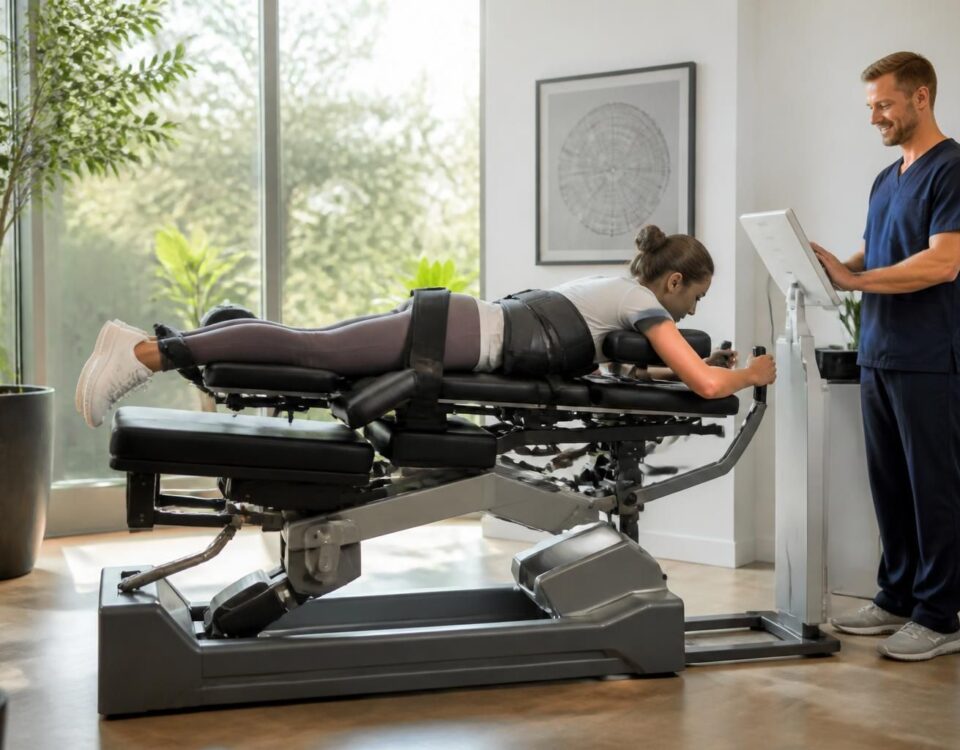
neurovertebral decompression is a non-invasive technique that aims to relieve the root pain by reducing the pressure on the Intervertebral discs and the gristle. by a Controlled traction of the column, it creates a space between the vertebrae, improves the bloodstream and promotes the tissue healing inflamed, without resorting to surgery.
It can permanently reduce pain related to a slipped disc or a stenosis, and help find mobility and quality of life, while preventing more invasive interventions. A preliminary assessment is necessary to adapt the treatment.
Quick Summary: Neurovertevral Decompression is an Approach non-invasive intended to relieve the root pain by lowering the pressure on the nerves and discs. This article describes the mechanism, indications, the course of sessions, the expected results and the essential elements for safe and effective management.
The neurovertebral decompression Uses controlled spinal traction to create a space between the vertebrae. This deviation reduces the pressure exerted on the intervertebral discs and nerve roots. This approach also improves circulation and promotes the recovery of affected tissues. In particular, it is aimed at patients with radicular pain related to herniated disc, foraminal stenosis or disc degeneration, and it is particularly useful for those who wish to avoid surgery.
What is neurovertebral decompression?
Neurovertebral decompression is a therapeutic technique non-invasive which applies gentle and controlled traction on the spine. It frees up space around nerves and discs, which can reduce inflammation and promote tissue healing. This approach favors a progressive and lasting recovery, without surgery.
Patient indications and profiles
This therapy is indicated for people with persistent radicular pain associated with conditions such as herniated discs, nerve inflammations or nevalles compressions. It is also suitable for patients who wish to avoid invasive treatments and who require a safe and effective alternative. Access is via specialized clinics in osteopathy and manual medicine.
Professionals practicing this approach can come from recognized training such as NUMSS or NAO, and some work in executives affiliated with professional organizations such as ACMA.
Sessions and security
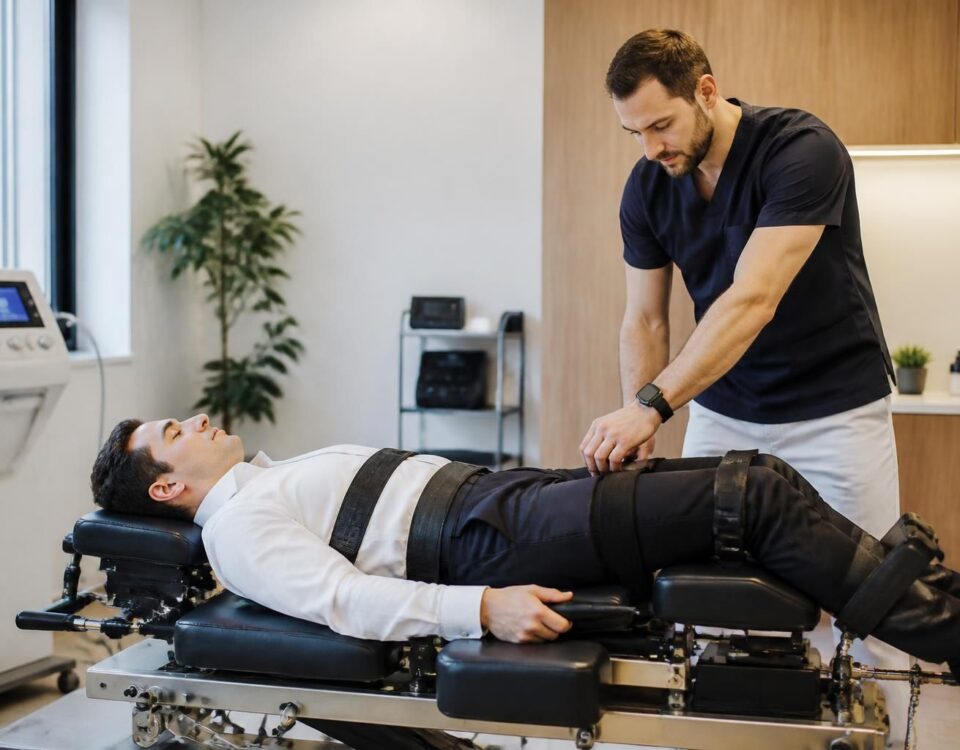
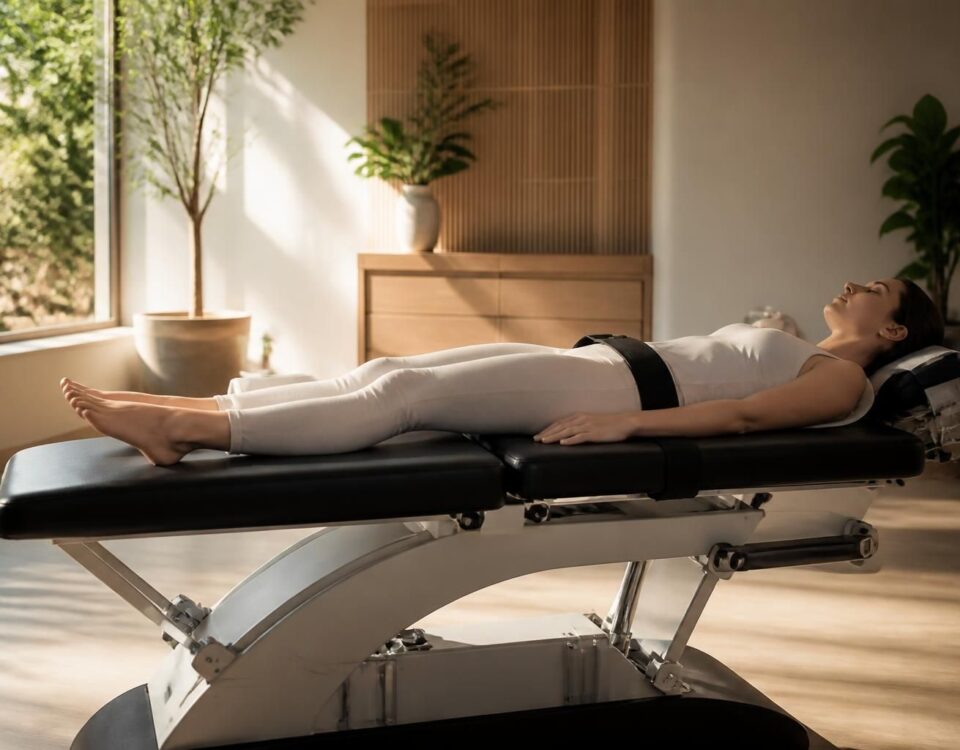
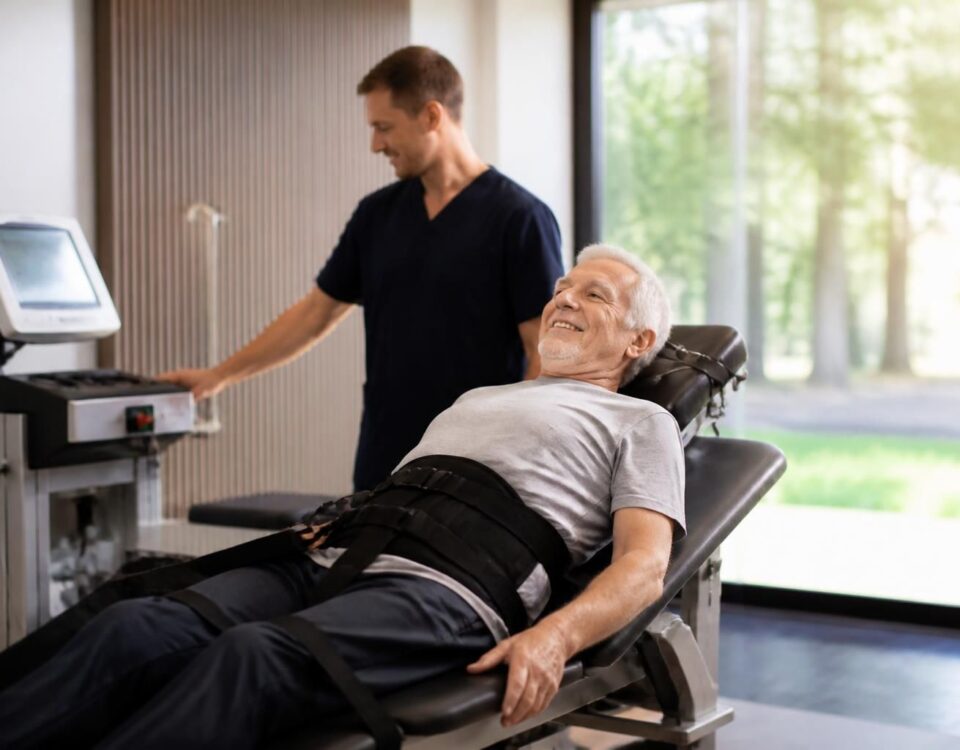
Before treatment, a clinical evaluation is carried out to verify the absence of contraindications and establish a personalized treatment plan. The sessions take place on a specialized table and typically last between 15 and 30 minutes. The number of sessions is adapted to each patient and can be extended over several weeks. The practitioner adjusts the traction according to the sensations and recovery objectives, while respecting safety protocols.
Safety is enhanced by a pre-detailed assessment, which makes it possible to identify conditions such as vertebral fractures, infections or acute neurological pathologies. This approach ensures appropriate care and minimizes risks.
Advantages and limits
The main advantages include the Rapid pain relief, LImproving mobility and the Prevention of surgeries when it is adapted to the patient’s situation. Efficacy varies by individual, and some patients benefit from a marked reduction in their pain after a few sessions. Like any therapy, it requires evaluation and follow-up to optimize results.
It is important to note that neurovertebral decompression is not suitable for all situations. Some contraindications exist and should be examined during the initial assessment. In addition, this approach should be considered as part of a comprehensive care plan, not as the only solution.
Integration, evidence and resources
Neurovertebral decompression is part of a comprehensive approach to pain management. It can be combined with other therapeutic modalities within a recognized clinical setting, particularly in Montreal via the TagMed and Pulse Align clinics. To deepen, consult the following resources can be useful:
- How does neurovertebral decompression affect nocturnal radicular pain related to a herniated disc
- Decompression and treatment of persistent radicular pain
- Acute lower back pain – appropriate treatment
- Why neurovertebral decompression is recommended for active seniors
- Neurovertebral decompression and prevention of chronic cervical pain
- Tagmed Clinic
training and professional associations play a role. Practitioners can come from NUMSS or NAO, and professionals often enroll in the ACMA, College of Canadian Osteopaths or College of Canadian Osteopaths. For practical information and care orientations in Montreal or Terrebonne, TagMed clinics remain a reference in the provision of evidence-based care, without giving priority to physiotherapy treatments outside a comparative framework.
For more general information, you can also consult specialized resources on the sites mentioned above and in the pages dedicated to neurovertebral decompression.
Resources and references :
SOS SCIATIC,
Neurovertebral Decompression – Official Resources,
SOS Herniated Disc,
SostunnelCarpal.
Medical Disclaimer: The information and advice provided on this site does not replace the health professional’s diagnosis or treatment. Please note that Dr. Sylvain Desforges osteopath is neither a doctor of medicine nor a doctor, and is not a specialist in a medical specialty as defined by the Collège des Médecins du Québec. Manual medicine, functional medicine and sports medicine as described on this site exclude any medical treatment or diagnosis made by a doctor or specialist doctor. Always consult your doctor for any medical questions. For more details, please read our full legal notice.
Axis : integrated path of root pain, from evaluation to management and monitoring, around neurovertebral decompression and associated approaches.
neurovertebral decompression
- Evaluation Targeted: indications and contraindications identified.
- Principle : Controlled traction to create a space between the vertebrae and reduce pressure.
- Earnings : Improved circulation and tissue healing.
- Session details : 15-30 minutes on specialized table, personalized plan.
- Results : diminished pain, regained mobility, rapid recovery.
- Benefits : non-invasive, alternative to surgery, prevention of recurrences.
- Population : Suitable for a wide range of lumbar and cervical pain.
Root pain management
- targets : hernias, stenosis and nerve inflammation.
- Complementary approaches : Exercises, posture, osteopathy, physical therapies.
- goals : expand the nervous space and optimize circulation and tissue nutrition.
- Results : pain reduction and improvement in mobility and daily activities.
- Monitoring : Personalized plan and regular reassessments.
- Security : gentle approach with low risk, non-invasive when appropriate.
- Limitations : complementary to other treatments; effectiveness depends on the case.

This article presents the principles and practical recommendations around neurovertebral decompression and root pain management. It details the controlled traction mechanism, the indications, the course of the sessions and the expected benefits, while specifying the precautions and follow-up necessary to optimize the results and limit the risks.
What is neurovertebral decompression?
Neurovertebral decompression is a non-invasive approach that uses gentle, controlled traction on the spine. It creates a space between the vertebrae and decreases the pressure exerted on the intervertebral discs and nerve roots. This pressure reduction improves blood circulation and supports the healing process of inflammatory tissue, thus helping to reduce radicular pain.
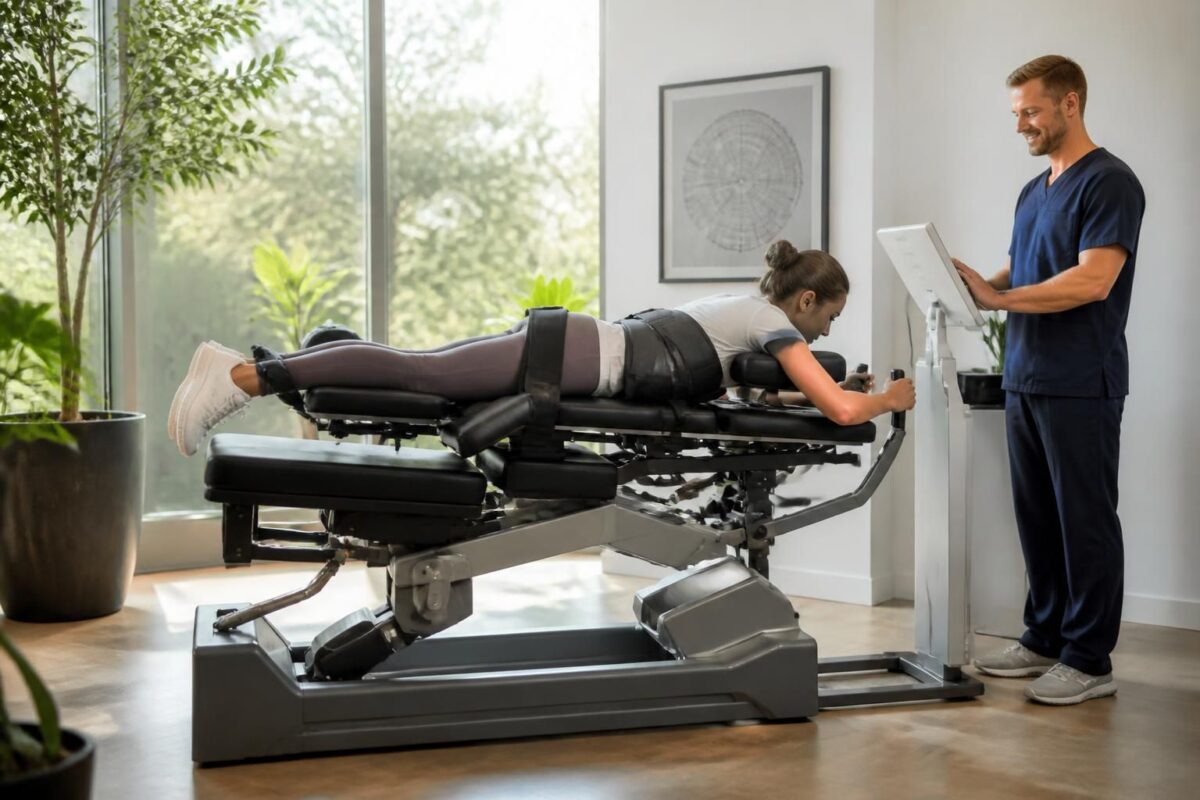
The long-term benefits of neurovertebral decompression for spinal health
In short In short, the neurovertebral decompression is a non-invasive approach that decreases the Pressure on intervertebral discs and nerves, favoring the Natural regeneration and tissue recovery. Its long-term benefits include Lasting pain reduction, Improving mobility and from the posture,…
Patient indications and profiles
This therapy is mainly indicated for people with radicular pain related to herniated discs, nerve inflammations or nerve compressions. It is particularly suitable for those who wish to avoid surgical interventions or who need non-invasive relief. Treatment may be suitable for a wide range of patients, including those with medical constraints or preferences for conservative approaches.

Neurovertebral decompression and mobility: a return to an active life
In short In short, the neurovertebral decompression is therapy non-invasive who uses a gentle traction To create a space between the vertebrae and reduce the pressure on the Intervertebral discs and the nerves. It promotes a bloodstream improved, lowers tension…
Procedure and safety of sessions
Pre-treatment assessment
Before starting, a clinical evaluation is carried out to check the absence of contraindications and to understand the aggravating and improving factors. This step allows you to establish a personalized and secure treatment plan.
Session process
The sessions are carried out on a specialized table and generally last between 15 and 30 minutes, depending on the severity and the established plan. The traction is applied gradually and adjusted according to the patient’s responses. Each treatment is individualized to optimize comfort and beneficial effects while minimizing body tension.
Contraindications and precautions
Decompression is not suitable for everyone. Potential contraindications include vertebral fractures, spinal infections, certain serious neurological disorders and acute medical conditions. Monitoring and adaptation of the protocol is essential when risk factors exist.
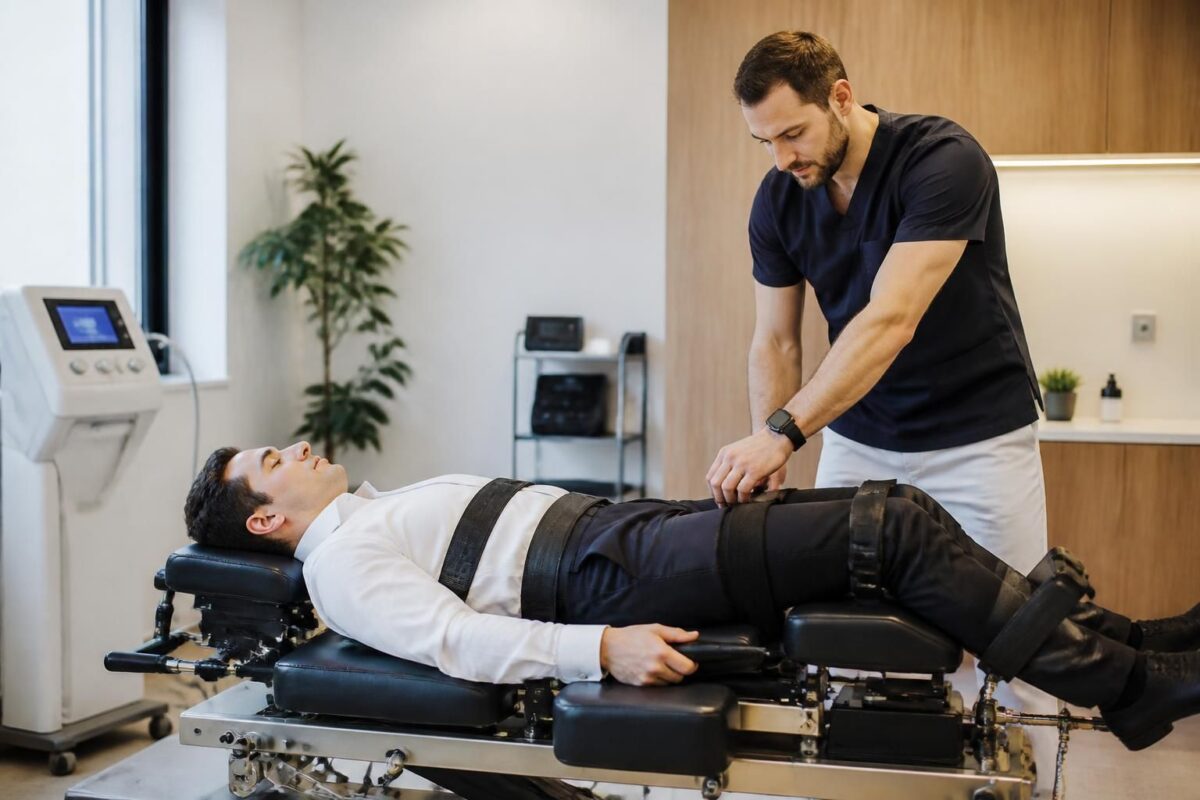
How Neurovertebral Decompression Prevents Diffuse Chronic Pain
In short decompression neurovertebral is one Non-invasive method aimed at reducing the Pressure on the intervertebral discs and the nerves, in order to prevent Diffuse chronic pain. It improves the circulation and thedisc hydration, decreases inflammation and promotes better mobility.…
Benefits and limits
Key Benefits
The observed results include a gradual or rapid reduction in root pain, improved mobility and decreased stiffness. By promoting space around the nerves, it can also help prevent more invasive interventions and accelerate functional recovery.
Realistic limits and expectations
The response to treatment varies according to the patients and the exact nature of the pathology. For some, the benefits materialize after several sessions, while others may require additional support (muscle strengthening, postural optimization, complementary therapies). An integrated approach increases the chances of lasting results.
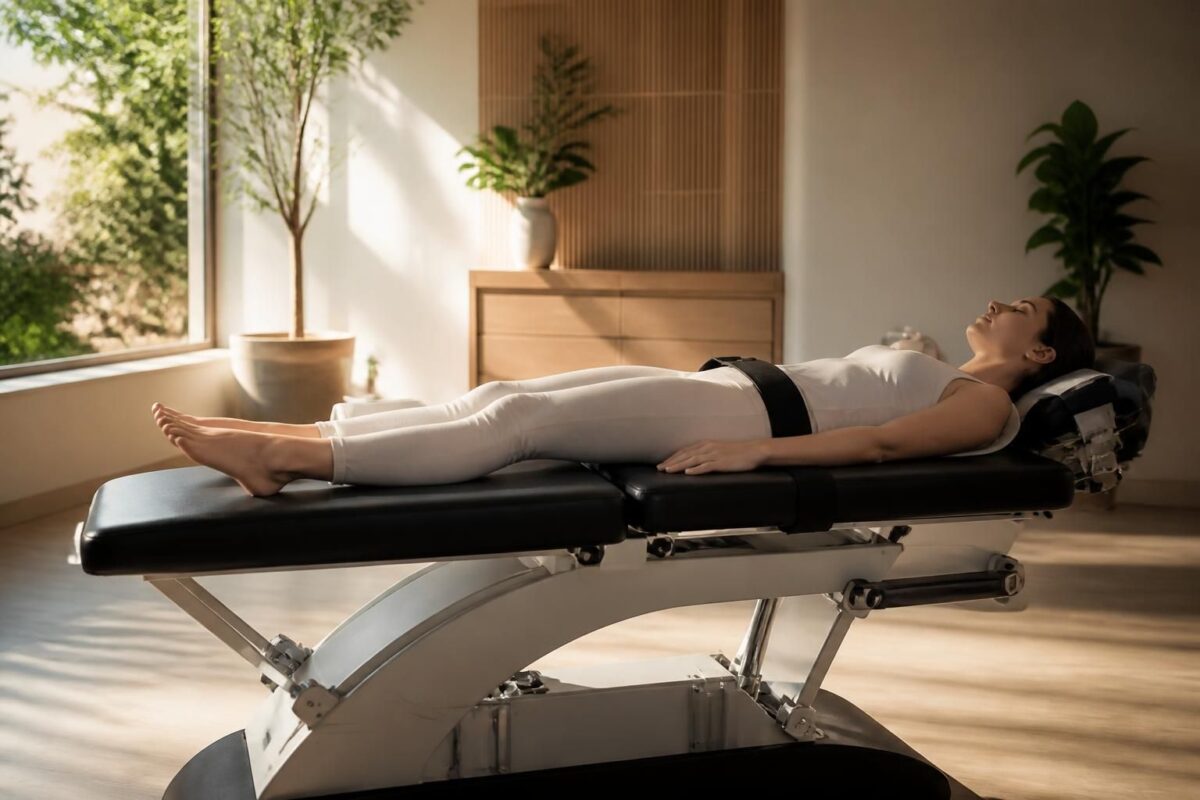
Neurovertebral Decompression and Body Alignment: Restoring Natural Balance
In short In short, neurovertebral decompression is one Non-invasive approach who restores theBody Alignment and thenatural balance back and neck. She acts by a Controlled traction of the spine to widen the intervertebral space and reduce the Pressure on discs…
Integration into root pain management
Decompression is part of an overall root pain management strategy. It can be associated with targeted strengthening and stretching exercises, postural advice and functional rehabilitation. Its role is to complement non-invasive treatments and prepare the ground for sustainable recovery, while minimizing addiction to medications or surgical procedures.
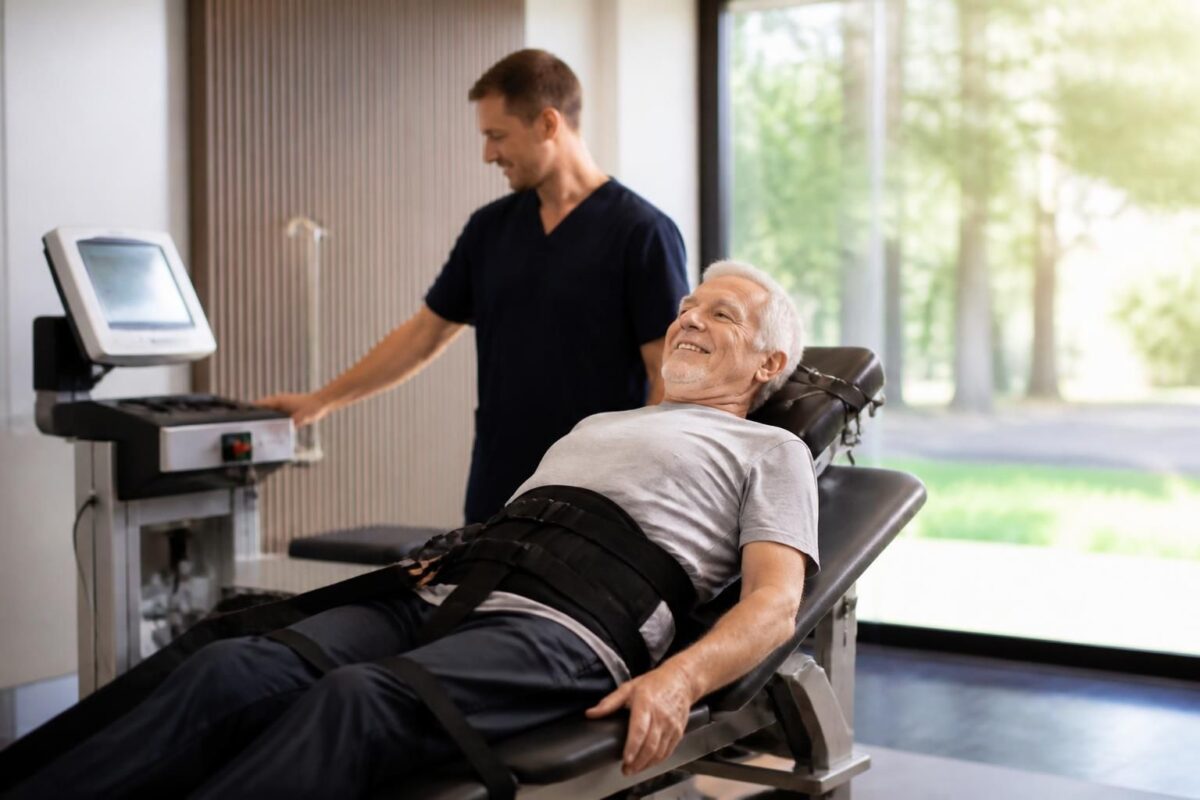
Why neurovertebral decompression is a lasting solution for active seniors
In short In short, the neurovertebral decompression is one Non-invasive therapy which sustainably relieves spinal pain in the spine active seniors By creating, by a Soft and controlled traction, a space between the vertebrae. At Montreal, it is recognized as…
Practical advice and follow-up
To maximize the results, it is recommended to follow the therapist’s recommendations regarding home exercises and ergonomics on a daily basis. Regular monitoring allows progress to be assessed, adjusted and progressively incorporated activities that support the stability and mobility of the spine. In case of increasing pain or new symptoms, a health professional should be consulted quickly.
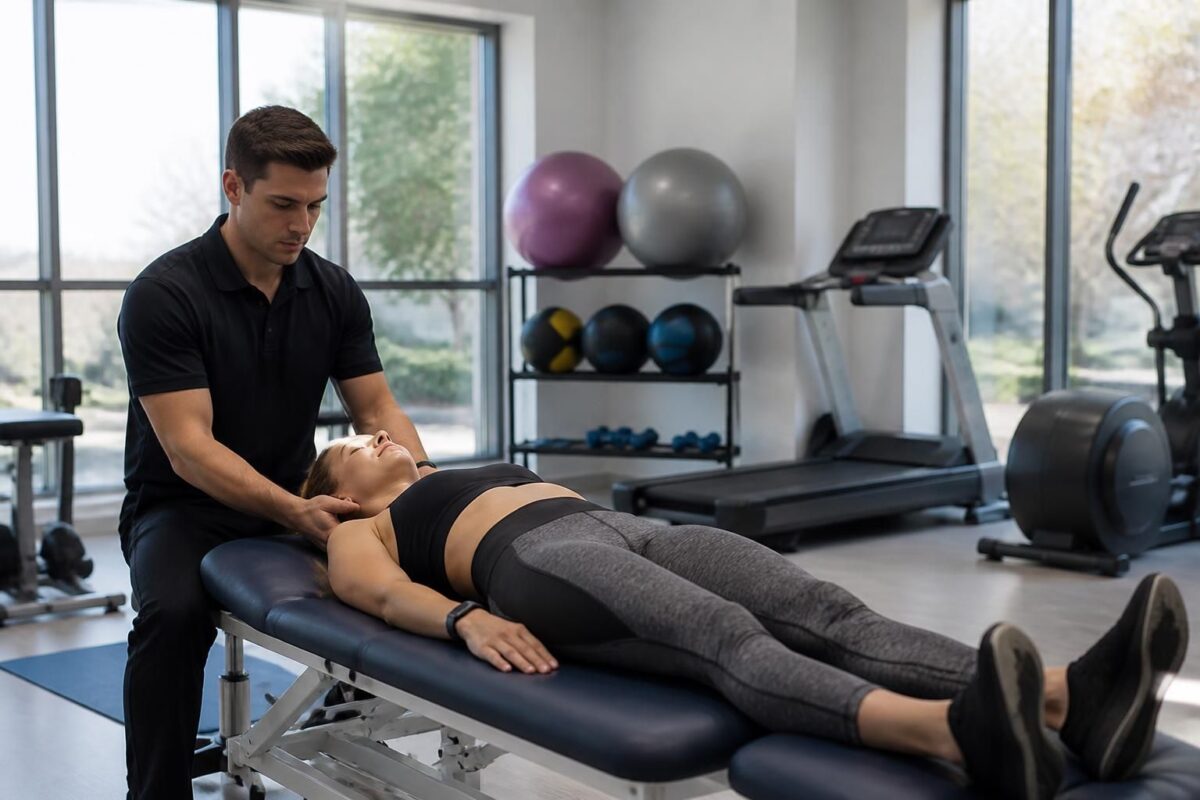
Neurovertebral decompression and recovery after severe sports injury
In short In short, the neurovertebral decompression is one Non-invasive method to Relieve the pressure on the Intervertebral discs and the gristle Via a Controlled traction, to facilitate the recovery After a severe sports injury. It improves the bloodstream towards…
Comparative table: Neurovertebral decompression and root pain management
| Aspect | Concise element |
|---|---|
| Definition | Non-invasive technique traction aimed at reducing the pressure on the discs and nerves of the column. |
| Principle of action | Creating an intervertebral space to promote blood circulation and tissue healing. |
| Typical indications | radicular pain related to herniated discs, nerve inflammation or nerve compression. |
| Key Benefits | Flexibility, rapid pain reduction, Improving mobility, Prevention of surgery. |
| invasiveness | non-invasive; No incisions or anesthesia required. |
| Duration of a session | 15 to 30 minutes per session. |
| Treatment plan | Evaluation personalized and protocol adapted to each patient. |
| Effects on mobility | Reduce stiffness and return to daily activities more easily. |
| Results and follow-up | gradual and sustainable improvement; Post-treatment follow-up with exercises and posture. |
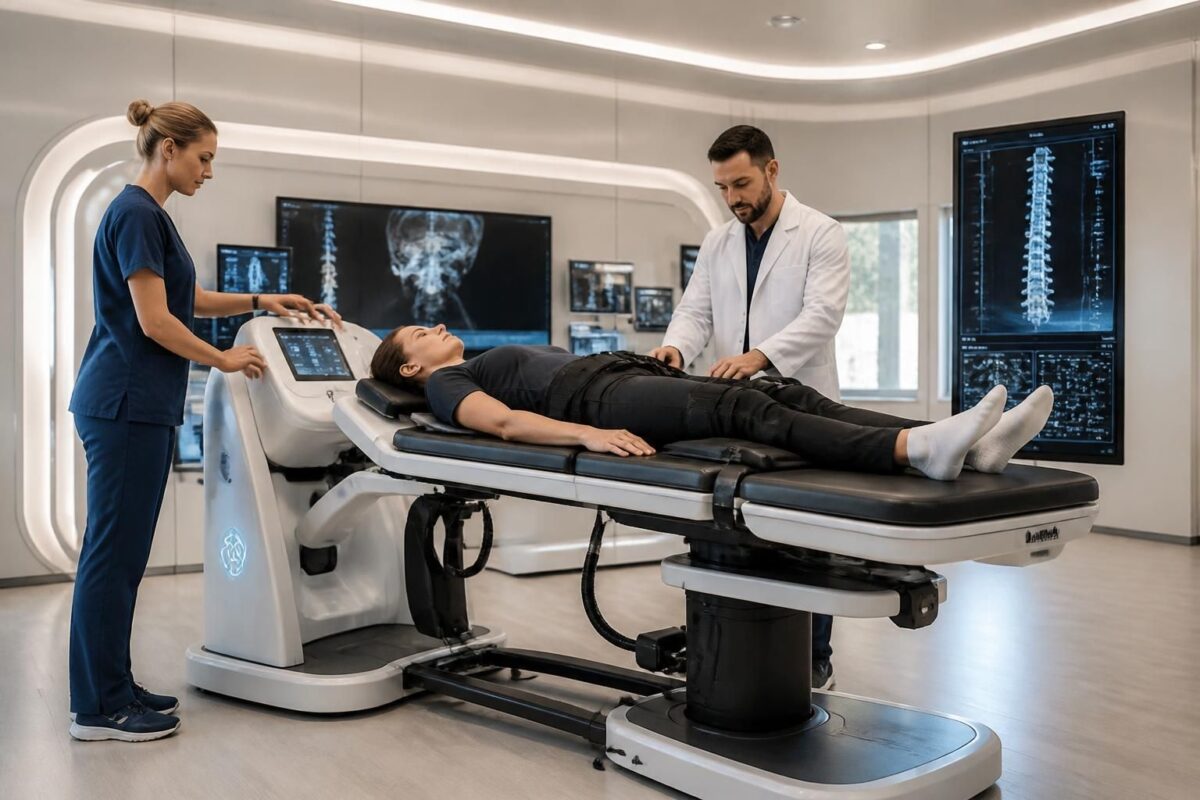
Recent innovations in neurovertebral decompression technologies
In short In short, the neurovertebral decompression is an approach non-invasive Aiming to reduce pressure on discs and nerves, and promote tissue regeneration. At Montreal, it is positioned as an effective option for lower back pain and herniated discs. The…
Testimonials on neurovertebral decompression and root pain management
“I suffered from radicular pain on a daily basis and I thought I had tried everything. After a few sessions of neurovertebral decompression, I felt a Notable relief and an Mobility found which allowed me to resume my usual activities without fear of painful triggers. »
“The radiant pain that descended into my leg prevented me from sleeping and walking without help. Thanks to the neurovertebral decompression, I saw a gradual decrease in pain and an improvement in stability From my column, what changed my daily life. »
“As an athlete, my performances were hampered by recurring radicular pain. sessions on the table neurovertebral decompression accelerated my recovery and allowed me to find a Full mobility and an Strengthened confidence in my workouts. »
“I was afraid of surgery, but the journey with neurovertebral decompression turned out non-invasive and effective. After a few sessions, my pain» decreased and my quality of life has improved significantly. »
“The cervical pain linked to a radiculopathy had limited my movements. With the neurovertebral decompression, I felt a rapid improvement From my flexibility and a significant drop in tensions, which allowed me to live better on a daily basis. »
“It was a revelation to discover an approach non-invasive to treat my root pain. The sessions gradually expanded my nervous spaces and improved my bloodstream, which led to a lasting reduction in my pain. »
“After months of tenacious pain, the neurovertebral decompression marked the turning point in my recovery. The results were gradually established, with a Better mobility And a renewed ability to practice my favorite activities. »
“I highly recommend this method to anyone who suffers from radicular pain. The neurovertebral decompression gave me a Reliable solution And some Sustainable results that have transformed my life and my relationship to pain. »
This biography highlights a practitioner working at the intersect between osteopathy, manual medicine and advanced technologies, specializing in neurovertebral decompression and the Root pain management. Engaged in a patient-centric approach, he favors a technique non-invasive which aims to reduce the pressure exerted on the intervertebral discs and on the nerve roots. By combining gentle and controlled traction with careful clinical evaluation, it seeks to restore the space between the vertebrae, to promote circulation and to allow a gradual recovery of movement and function. Its objective is to offer a reliable and effective alternative to more invasive treatments when possible.
Trained in multidisciplinary approaches, he has developed robust expertise in spinal pathologies such as disc herniations, nerve inflammations and radicular compressions. Its practice is based on personalized protocols that take into account the level of pain, location and patient history. It integrates complementary techniques, including guided exercises, postural advice and rehabilitation programs, in order to sustainably support the gains obtained through decompression. This approach is part of a logic evidence-based, with continuous assessment of results and adaptive treatment plan adjustments.
At the heart of his approach, the Controlled traction applies a precise and progressive force on the spine to reduce the pressure on discs and nerves, and to create an environment conducive to tissue healing. This method aims not only to offer rapid relief but also to promote the tissue healing and improve the bloodstream. By promoting regained mobility and a decrease in stiffness, it helps to prevent relapses and to reduce, in some cases, the need for surgical interventions.
The practice is accompanied by transparent communication and regular follow-up. The practitioner assesses progress after each series of sessions and adjusts the protocol based on clinical feedback and patient goals. He encourages theself-management Through targeted exercises and lifestyle adaptation, in order to optimize long-term results. This orientation towards prevention and rehabilitation is part of a holistic vision of spinal health, where each patient benefits from a tailor-made plan.
Patient feedback shows a Notable relief After the first sessions and gradual improvement mobility and quality of life. They often highlight a lasting reduction in radicular pain, better ability to perform daily activities and increased confidence in their body. Through this integrated and pragmatic approach, the objective is to place the patient at the center of the treatment by presenting a clear path to the recovery and prevention of functional limitations related to spinal pain.
This summary clarifies how the neurovertebral decompression Acts on radicular pain, its indications, its benefits and its precautions. It highlights an approach non-invasive Based on controlled traction that creates a space between the vertebrae, improves circulation and can help avoid invasive surgical interventions, while integrating into an overall spinal health strategy.
The neurovertebral decompression is based on a Controlled traction applied to the spine, aimed at reducing the pressure exerted on the intervertebral discs and nerves. this approach, non-invasive And well tolerated, allows to restore a protective space around the nerve roots, to improve blood circulation and to promote tissue repair. It is particularly indicated for radicular pain related to herniated discs, stenosis or nerve inflammation, while offering an alternative to more invasive procedures when clinical indications allow.
The results observed vary according to the patients and the pathologies, but many testimonies and clinical data indicate a Rapid pain improvement and an Increased mobility After a few sessions, with a lasting effect when the treatment is integrated into a rehabilitation program and adapted exercises. This technique can, in some cases, contribute to delaying or even avoiding surgery and reducing the risks and associated costs. For athletes and active people, it can also facilitate faster recovery and more sustained activity recovery.
Before starting a decompression, a preliminary assessment is essential in order to identify the indications and to rule out contraindications such as certain fractures, infections or acute neurological pathologies. The protocol then includes personalized sessions on specialized tables, with a duration adapted to the patient’s condition and their functional objectives. Post-treatment monitoring is just as crucial, including exercises, posture advice and a graduated rehabilitation plan to maximize benefits and prevent recurrences. Practical resources and protocol guides exist to support this approach, in particular on the pages dedicated to monitoring and the key stage of treatment.
To deepen the mechanisms, follow-up protocols and steps for successful treatment, you can consult specialized resources and feedback, which provide operational details and clinical evidence associated with neurovertebral decompression. For example, the following content provides additional perspectives and practical guides on the processing process and post-processing follow-up:
Protocols#ATFP_CLOSE_TRANSLATE_SPAN# after successful neurovertebral decompression and Steps#ATFP_CLOSE_TRANSLATE_SPAN# Keys to successful treatment in neurovertebral decompression provide concrete elements to optimize the results.
For general information and additional explanations on neurovertebral decompression, the following resources offer useful analysis and definitions:
Decompression#ATFP_CLOSE_TRANSLATE_SPAN# Neurovertebral – Definitions and Context and Decompression#ATFP_CLOSE_TRANSLATE_SPAN# Neurovertebral: an alternative for root pain. Other resources explore the link between decompression and vertebral alignment, recovery after injury and associated modern techniques:
Decompression#ATFP_CLOSE_TRANSLATE_SPAN# Neurovertebral and recovery after muscle injury, Comment#ATFP_CLOSE_TRANSLATE_SPAN# Decompression improves vertebral alignment and LES#ATFP_CLOSE_TRANSLATE_SPAN# Modern decompression techniques explained.
For specific cases and analyzes related to disc pathologies and their management, the following resources provide clinical perspectives and comparisons with other therapeutic approaches:
Comment#ATFP_CLOSE_TRANSLATE_SPAN# Acts decompression on radicular pain due to severe disc herniation, Dependency#ATFP_CLOSE_TRANSLATE_SPAN# Discal and decompression, and Protocols#ATFP_CLOSE_TRANSLATE_SPAN# Tracking and results.
Note: The information and advice presented here are part of an informative approach and do not replace the opinion of a health professional. For appropriate care, consult your doctor or specialist and refer to the legal advice and official resources mentioned as part of your care pathway.
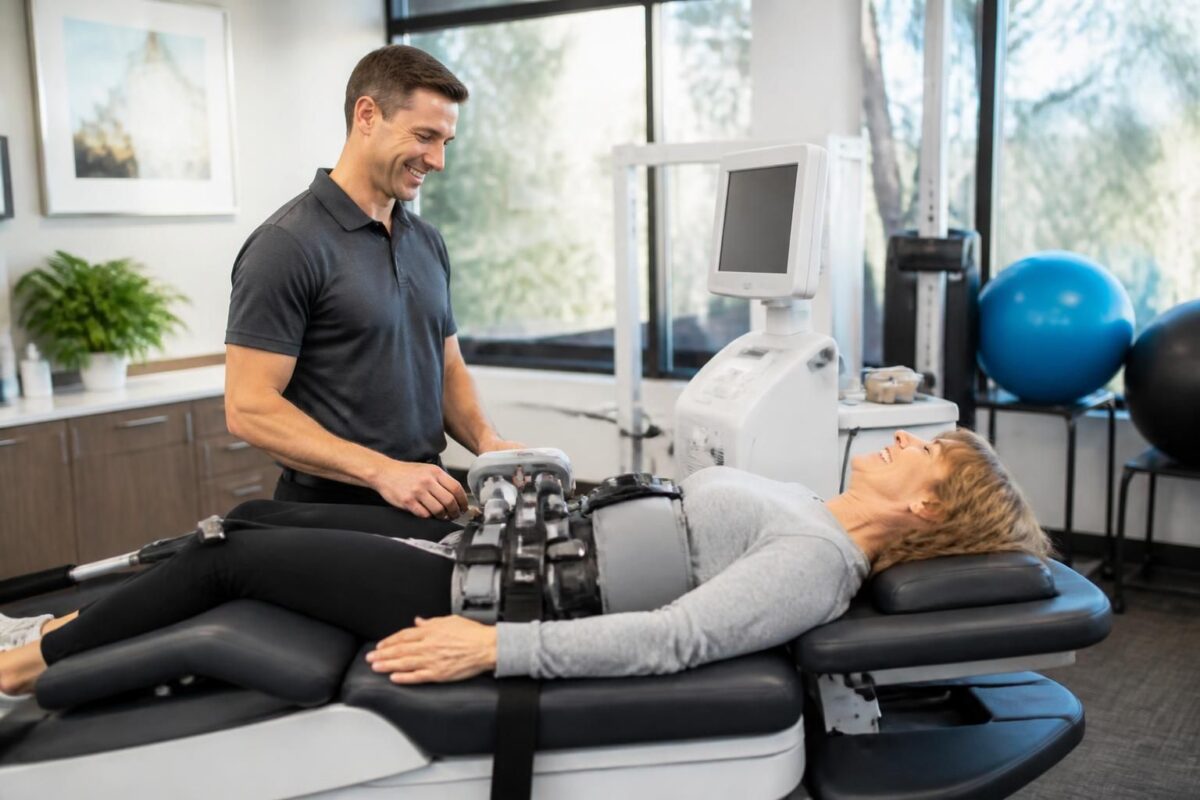
Neurovertebral decompression and diffuse pain: an appropriate solution
In short In short, the neurovertebral decompression is one Non-invasive solution For diffuse pain related to nerve irritation of the spine. She acts in Reducing pressure on intervertebral discs and nerves and improving the bloodstream, which promotes recovery and the…

Dr Sylvain Desforges, B.Sc., D.O., N.D., osteopath, is the founding president of TAGMED and of the ACMA association. He dedicates his practice to chronic spinal pain, low back pain and symptoms compatible with sciatica, particularly when pain radiates toward the buttock, leg, calf, foot or toes.
Through SOS Sciatique, he publishes educational content on sciatica symptoms, possible causes such as disc herniation, disc narrowing, foraminal stenosis or irritation of a lumbar nerve root, as well as non-surgical approaches that may be considered according to the evaluation. At Clinique TAGMED, care may include, depending on the case, motorized neurovertebral decompression, specific osteopathic care or precision percussion.
For an evaluation related to sciatica treatment in Montreal / Mount Royal or sciatica treatment in Terrebonne, please consult the services available at Clinique TAGMED.
Medical disclaimer
The information published on SOS Sciatique is provided for educational purposes only and does not replace a consultation, diagnosis, opinion or treatment provided by a physician or another authorized healthcare professional. The author of this article is neither a medical doctor nor a specialist in a medical specialty recognized by the Collège des médecins du Québec. The osteopathic, manual medicine or functional support approaches described on this site do not constitute medical acts and are not intended to replace medical follow-up.
Consult a physician or emergency service in cases of loss of bladder or bowel control, anesthesia in the saddle area, significant or progressive weakness in the leg or foot, fever, recent trauma, severe pain or rapid worsening of symptoms. For more details, please read our Legal Notice.