Osteopathy and joint mobility: regaining freedom of movement
28/06/2026
Why Osteopathy is a Sustainable Solution for Global Health
28/06/2026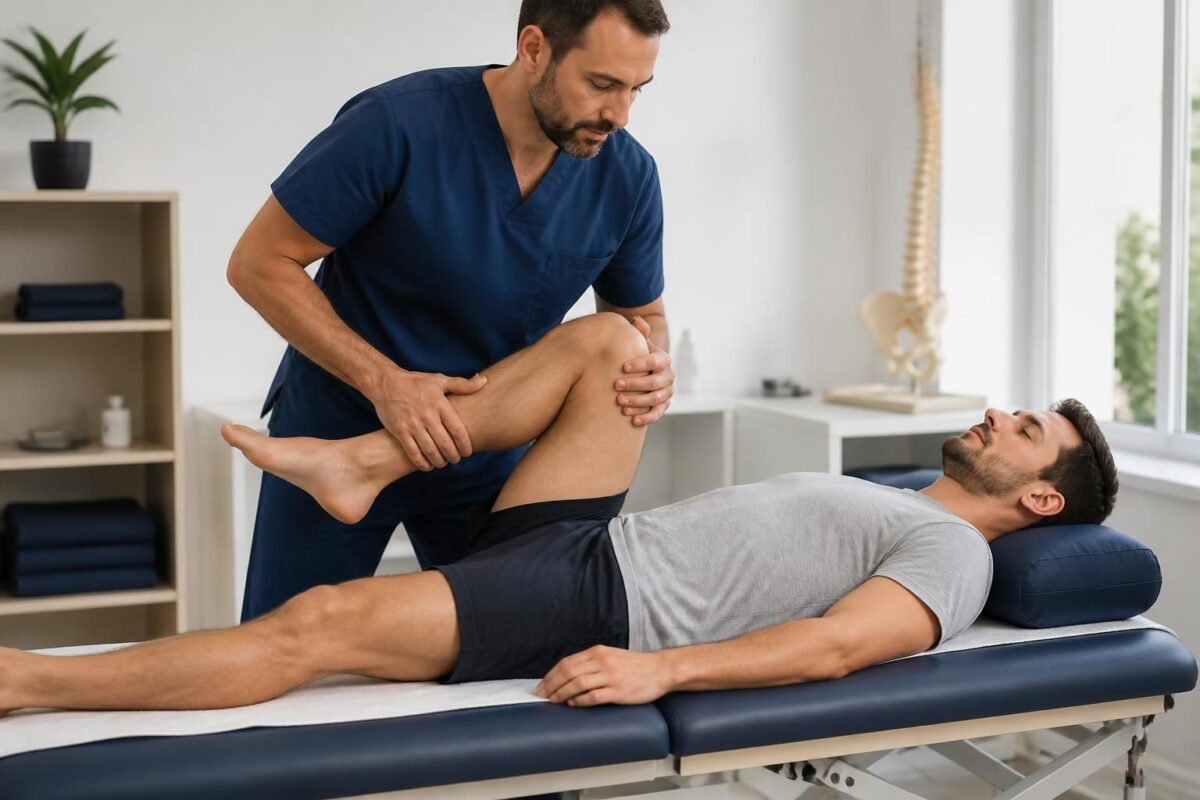
In short
| In short, Post-Fracture Osteopathy is a global and gentle approach that accompanies the Post-Fracture Recovery by restoring mobility, reducing pain and theinflammation, and improving the musculoskeletal function. It acts on the circulation and tissues to restore body balance. Key benefits include pain reduction, Improving mobility, improvement of the proprioception, prevention of Imbalances and compensations, and support for Functional rehabilitation For a faster and safer return to daily activities. In Montreal, this service is particularly useful to accompany fracture recovery and limit residual pain. |
After a fracture, Osteopathy offers support overall and personalized To optimize recovery. through careful evaluation, it identifies the mobility restrictions and the Tissue imbalances, preventing compensation and stiffness. gentle techniques relaunch the circulation and reduce theinflammation, promoting faster healing while restoring Alignment and mobility. This follow-up supports the proprioception and the emotional well-being, essential elements to resume daily activities with confidence and prevent future pain.
This article presents the benefits of theosteopathy On recovery after a fracture. He exposes the role of osteopathy, its effects on the mobility, the pain and the return to activity. The approach is patient-centric, with an accurate assessment and proper osteopathic care plan.
Understanding the role of osteopathy in recovery
After a fracture, joint mobility can be slowed and tissue tensions multiply. theosteopathy Proposes a global assessment by palpation to identify restrictions and imbalances. The work focuses on the whole body to restore the mechanical balance and accompany the natural healing process.
To enrich your understanding, consult resources on prevention and neuropathic pain:
Prevention#ATFP_CLOSE_TRANSLATE_SPAN# Work-related injuries and
Pain#ATFP_CLOSE_TRANSLATE_SPAN# Neuropathic.
Improved mobility and pain reduction
Gentle osteopathic techniques act on joints, muscles and fascias to release restrictions and promote better local circulation. This approach can decrease pain and support functional recovery, without resorting to invasive procedures.
Reducing inflammation and stimulating circulation help restore mobility more fluid and a gradual return to daily activities.
Complication prevention and relapse prevention
Work after fracture aims to prevent stiffness and compensation that may appear over time. Regular consultations make it possible to identify nascent imbalances and to adjust the plan of osteopathic care. The objective is to limit the risk of relapse and to ensure sustainable recovery.
Functional recovery and return to activity
Functional recovery is measured by the ability to carry out daily actions with confidence. Osteopathy supports proprioception and postural control, two key elements to prevent future falls and injuries after a fracture.
Pain management and emotional support
Post-fracture pain is multidimensional. The osteopathic approach can help to decrease the activation of painful signals and promote general well-being. Emotional support is part of the convalescence journey and can help the patient regain confidence in their body.
Integration with other approaches and security
Osteopathy is part of a global treatment and respects medical recommendations. In the event of a recent fracture, it is advisable to follow the advice of the attending physician and wait for consolidation before undertaking certain actions. Osteopathy provides a reassuring complement to the healing journey.
To explore complementary perspectives, see resources on neurovertebral decompression and other related approaches, for example Decompression#ATFP_CLOSE_TRANSLATE_SPAN# Neurovertebral and Prevention#ATFP_CLOSE_TRANSLATE_Span# Aging pain.
Useful resources to understand the approach and results of osteopathy in the field of recovery are also available on the sites Mobility#ATFP_CLOSE_TRANSLATE_SPAN# Joint# and Pain#ATFP_CLOSE_TRANSLATE_SPAN# Neuropathic.
To enrich your knowledge on prevention and safety at work, see also Prevention#ATFP_CLOSE_TRANSLATE_SPAN# Work-related injuries.
To guide you in a more general perspective, the page Why#ATFP_CLOSE_TRANSLATE_SPAN# Osteopathy is a lasting solution for chronic pain may be relevant.
For additional information on sports and post-fracture recovery, you can consult the resources listed on the sites Prevention#ATFP_CLOSE_TRANSLATE_SPAN# and Recovery and Mobility#ATFP_CLOSE_TRANSLATE_SPAN# Joint#.
Medical Disclaimer: The information and advice provided on this site does not replace the health professional’s diagnosis or treatment. Please note that Dr. Sylvain Desforges osteopath is neither a doctor of medicine nor a doctor, and is not a specialist in a medical specialty as defined by the Collège des Médecins du Québec. Manual medicine, functional medicine and sports medicine as described on this site exclude any medical treatment or diagnosis made by a doctor or specialist doctor. Always consult your doctor for any medical questions. For more details, please read our full legal notice.
- Overall assessment and targeting voltage zones
- Mobility and alignment put back in place to prevent compensation
- Circulation and drainage To limit inflammation and promote tissue healing
- pain reduction and decreased nociception
- Functional recovery and gradual return to activity
- impact prevention and medium and long-term discomfort

After a fracture, recovery may seem long and complex. Osteopathy Offers a natural and personalized approach that helps to set the body back in motion, relieve pain and prevent harmful compensation. By acting on the entire musculoskeletal system and on the neuromuscular axis, it supports post-fracture recovery while accompanying the patient functionally and emotionally.
What is post-fracture osteopathy?
In the event of a fracture, osteopathy offers a global vision that goes beyond the control of the fracture itself. The osteopath carries out a thorough assessment by palpation to identify mobility restrictions, tissue tensions and compensation areas around the fracture site. The objective is to restore the mechanical balance of the body, to avoid scar adhesions and to support a progressive recovery that respects the phases of bone consolidation and soft tissues.

How osteopathy improves the quality of life of active people
In short In short, theosteopathy is a global approach that Optimizes mobility and the function of the body of ACTIVE PEOPLE, for a better quality of life. It helps prevent injury and reduce Musculoskeletal pain While promoting the Sports recovery.…

Osteopathy and sports recovery: prepare the body for lasting performance
In short In short, Osteopathy and Sports recovery is one Global manual approach that sustainably prepares the body for the effort by restoring mobility and circulation After the effort. It is a discipline that acts on the sinews, the joints,…
The main benefits
pain reduction and improved mobility
By acting on mobility restrictions and tensions around the fractured site, osteopathy contributes to decrease the pain and to Preserve mobility. Soft manual techniques aim to improve the flexibility of joints and adjacent muscles, while avoiding any strain on the fragile area. This respectful approach to the consolidation process supports a gradual resumption of daily and professional activities.
Stimulation of circulation and acceleration of healing
Targeted manipulations promote the bloodstream and local lymphatic, which can accelerate the supply of essential nutrients and the evacuation of metabolic waste. Better vascularization around the fractured site can help optimize the Tissue healing And to limit feelings of discomfort.
Compensation prevention and stability support
After fracture, the body may adopt inadequate postures to protect the injured area. Osteopathy helps to correct these compensations, to restore the Joint stability and maintain overall alignment. This approach aims to prevent the appearance of recurrent tensions or pain in other regions.
Functional recovery and proprioception
Osteopathic work is also interested in proprioception and the motorization of gestures. By rebalancing muscles and fascias, it facilitates neuromuscular control and coordination. This supports a gradual reintroduction of activities, while reducing the risk of relapse.
Emotional support and stress management
Recovery is also a psychological process. Osteopathic support can help reduce injury-related anxiety and build confidence in the body. By harmonizing the tensions of the body and promoting the calming of the nervous system, it participates in a more serene and effective convalescence.
Why Osteopathy Is Essential For Recovery People
In short In short, Osteopathy in convalescence is an approach manual and holistic which helps to accelerate the recovery by restoring The balance, the mobility and a good circulation fabrics. it contributes to Reduce the pain, support the Back to…

Osteopathic manipulations to strengthen post-traumatic muscles
In short In short, Osteopathic manipulations for Strengthen post-traumatic muscles constitute a gentle manual approach aimed at restoring the mobility, reduce the pain and facilitate the Functional rehabilitation After a injury. What is Is it? A series of precise gestures…
Benefits of osteopathy on post-fracture recovery
| Aspect | Concise impact |
|---|---|
| Pain and comfort | decrease in Painful signals and better tolerance to movement. |
| Mobility and amplitude | gradual recovery of movements and reduced stiffness. |
| Circulation and edema | Improvement of the circulation and drainage facilitating healing. |
| Inflammation local | voltage control and reduction of theinflammation by gentle techniques. |
| offsets and posture | Limitation of deleterious postural patterns and overloads articular. |
| proprioception and coordination | Strengthening of the perception of the member and thebalance. |
| Re-education and preparation | prepares the ground for the sessions of re-education and progression. |
| emotional support and trust | Tension relief and better disposition mental upon resumption of activity. |
| Progression personalized | plan of progression Adapted, safety and follow-up to limit relapses. |

Osteopathy and prevention of work-related musculoskeletal disorders
In short theosteopathy is one Manual approach that restores body balance and prevents MSD related to work. Its advantages: reduction of tension, improvement of mobility and prevention of chronic pain. She is preventive and healing, suitable for office and trades…

The benefits of osteopathy to treat muscle imbalances
In short theosteopathy is a manual approach to restore themuscle harmony and postural considering the body as a whole. Its main benefits include the reduction of aches and tensions, the improvement of the mobility and from the posture, and prevention…
Testimonials on the benefits of osteopathy after a fracture
After my radius fracture, osteopathy allowed me to find a mobility more fluid and a pain which gradually subsided. Each session was adapted to my case to avoid compensation and promote sustainable recovery.
My son suffered a fragile ankle fracture. Thanks to a targeted osteopathic support, we found a Reduction of inflammation and a gradual return to walking. The treatment facilitated a smooth resumption of daily activities.
For me, a fracture of the femur is a test. Post-fracture osteopathy favored better proprioception and one muscle building specific, which accelerated the re-education and reduces the risk of relapse.
I felt a significant decrease in the pain After each session and an improvement in my mobility thoracic following a fracture of the ribs. The global approach also supported my emotional well-being, which is valuable during recovery.
The osteopathic follow-up after my finger fracture helped me to quickly regain the use of my hand and limit the offsets useless. This gave me confidence and allowed me to resume my professional activities with serenity, favoring a prevention recurrences and a muscle building targeted.
As Dr Sylvain Desforges, osteopath, naturopath and doctor Manuel, I accompany each patient in the recovery phase after a fracture by an approach osteopathic overall and individualized. The fracture is not just a bone fragment; It leads to postural adjustments, pain and movement limitations that can be long-lasting if the balance of the body is neglected. My goal is to promote a Sustainable recovery and safe, respecting everyone’s pace and needs.
The bone consolidation process and tissue adaptations around the injured site can disrupt the musculoskeletal chain. My approach begins with a precise evaluation by palpation and functional observation to identify the mobility restrictions and the tensions tissue that slow down healing. This approach is not limited to the fractured zone: it takes into account the segments that can influence recovery, in particular the column, the pelvis and the extremities, in order to restore the mechanical balance of the body.
The techniques used in thePost-fracture osteopathy are based on a precise joint adapted to each patient. We favor progressive mobilizations of the joints, the work of the fascias and the rebalancing of the muscle chains. By improving the mobility and favoring the bloodstream and lymphatic, inflammation and local edema are reduced, which supports the Bone consolidation and accelerates recovery, while preserving the mobilibility neighboring fabrics.
On the painful level, the objective is to reduce nociception and alleviate tensions around the fractured site. Gestures adapted to the pain and the healing phase make it possible to improve movement tolerance, to anticipate future stiffness and to facilitate the return to progressive and secure physical activity. By reducing painful signals and restoring effective motor patterns, osteopathy contributes to an active and functional restart.
The prevention of complications and recurrences requires work focused on mobility, motor control and proprioception. Progressive and secure exercises are offered to strengthen support muscles, stabilize joints and restore neuromuscular coordination. This prophylactic approach helps to avoid compensation that could lead to pain or new lesions and supports a lasting recovery in daily and sports activities.
Beyond the body, post-fracture osteopathy takes into account the patient’s experience. Trust climate, sense of control and emotional well-being strongly influence the speed and quality of recovery. By using appropriate techniques and, when relevant, by modulating the nervous stimuli via psychosomatic approaches, I help my patients to restore the emotional balance and to promote self-regulation, a key element of effective convalescence.
Each step of the recovery is guided by clinical evidence and reflection adapted to the patient’s journey. Initial evaluation, personalized treatment plan and secure progression form the basis of my approach, with close collaboration with other health professionals to ensure a reliable and appropriate resumption of activity. the desired result is clear: renewed mobility, Lasting pain reduction And back to an active life without limitations.
This summary presents how Osteopathy can support the Post-Fracture Recovery By acting on pain, mobility and tissue consolidation. It highlights a global and personalized approach that combines gentle manual techniques, proprioception work and support focused on physical and emotional well-being, while insisting on the prevention of complications and maintaining an active return to daily life.
Osteopathy and chronic leg pain: regaining an optimal quality of life
In short In short, Osteopathy is one Global manual approach aimed at reducing Chronic leg pain and improve the quality of life. What is it? Non-drug therapy using the hands to identify restrictions and treat lesional chains. How does it…
How osteopathy supports recovery after complex surgery
In short In short, Post-operative osteopathy is an approach fresh which supports the recovery After a Complex surgery. It helps to reduce the pain and the fatigue, improves the mobility and accelerates the healing thanks to a better vascularization and…
Key axes of osteopathic intervention after fracture
A Careful evaluation Identifies mobility restrictions and tissue imbalances, including in regions adjacent to the fracture. This approach aims to restore theMechanical balance of the body and to optimize the recovery overall avoiding compensation that could compromise consolidation.
The techniques used emphasize the Joint mobility, the bloodstream and the lymphatic fluid, in order to facilitate the intake of nutrients and oxygen to the damaged areas and to reduce inflammation, which can have a positive impact on the pain and healing speed.
At the heart of the intervention, the work on the proprioception and maintaining the stability of adjacent segments help prevent post-traumatic imbalances and promote sustainable recovery without relapse.
Benefits on pain and mobility
Osteopathic actions aim to reduce nociception and attenuate the painful signals emitted by the tissues, while stimulating a better circulation and an Decreased inflammation. This dynamic makes it possible to support the return to daily and professional activities more quickly.
By rebalancing the structures of the body, osteopathy contributes to restoring a Functional mobility and to support the Bone consolidation By optimal nerve and muscular coordination, thus reducing residual limitations and pains.
A work favoring the whole body can also promote the emotional well-being, by helping the patient to reconnect with confidence in his abilities and to limit the tensions associated with the healing process.
Prevention of complications and follow-up
Osteopathic follow-up after fracture emphasizes Progressive recovery plan, early identification of persistent imbalances and adaptation of sessions based on progress. Personalized advice and targeted exercises strengthen the vulnerable areas and secure the gestures of everyday life and sports activity.
The prevention of recurrences requires the development of proprioception, targeted muscle strengthening and vigilance on risky movements. This proactive approach makes it possible to sustainably support recovery and limit long-term impacts on posture and function.
In the event of a post-fracture course, collaboration with other health professionals and compliance with medical indications remain essential in order to guarantee optimal safety and a resumption of activity adapted to each situation.

Dr Sylvain Desforges, B.Sc., D.O., N.D., osteopath, is the founding president of TAGMED and of the ACMA association. He dedicates his practice to chronic spinal pain, low back pain and symptoms compatible with sciatica, particularly when pain radiates toward the buttock, leg, calf, foot or toes.
Through SOS Sciatique, he publishes educational content on sciatica symptoms, possible causes such as disc herniation, disc narrowing, foraminal stenosis or irritation of a lumbar nerve root, as well as non-surgical approaches that may be considered according to the evaluation. At Clinique TAGMED, care may include, depending on the case, motorized neurovertebral decompression, specific osteopathic care or precision percussion.
For an evaluation related to sciatica treatment in Montreal / Mount Royal or sciatica treatment in Terrebonne, please consult the services available at Clinique TAGMED.
Medical disclaimer
The information published on SOS Sciatique is provided for educational purposes only and does not replace a consultation, diagnosis, opinion or treatment provided by a physician or another authorized healthcare professional. The author of this article is neither a medical doctor nor a specialist in a medical specialty recognized by the Collège des médecins du Québec. The osteopathic, manual medicine or functional support approaches described on this site do not constitute medical acts and are not intended to replace medical follow-up.
Consult a physician or emergency service in cases of loss of bladder or bowel control, anesthesia in the saddle area, significant or progressive weakness in the leg or foot, fever, recent trauma, severe pain or rapid worsening of symptoms. For more details, please read our Legal Notice.