Sciatica in Terrebonne: calf pain that feels like a cramp
26/09/2026
Herniated disc and sciatica: what the MRI cannot decide alone
26/09/2026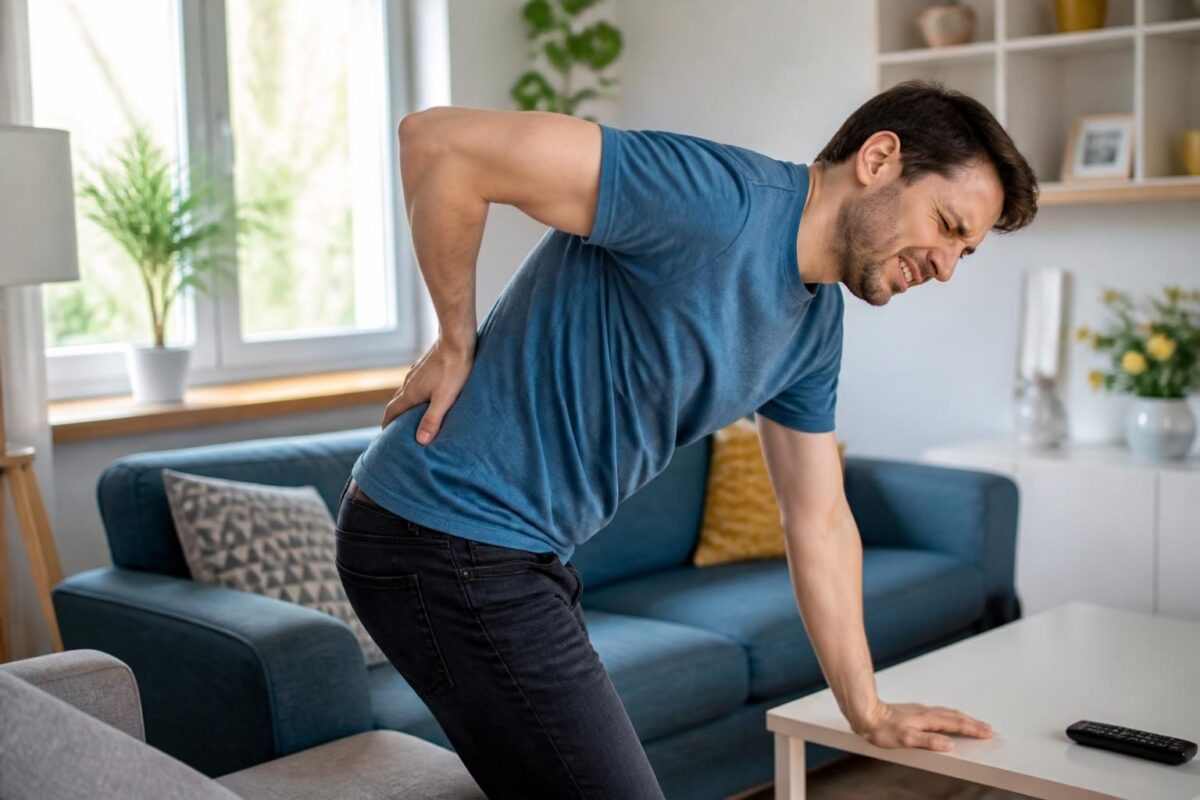
IN SHORT In short, sciatica can manifest during laughter or exertion due to disc pressure compressing the roots of the sciatic nerve. This pressure may arise from a herniated disc or stenosis, and can cause pain radiating from the lower back to the leg. The goal is to understand this mechanism to guide a quick and effective management, focused on appropriate physical activity and targeted exercises, with evaluation and additional options if necessary. In Montreal, this framework is particularly recommended to relieve pain and restore mobility without prolonged rest. |
Sciatica is pain that follows the path of the sciatic nerve, starting from the lower back, passing through the buttock and the back of the leg, and potentially reaching the foot. It is often unilateral and can be accompanied by back pain.
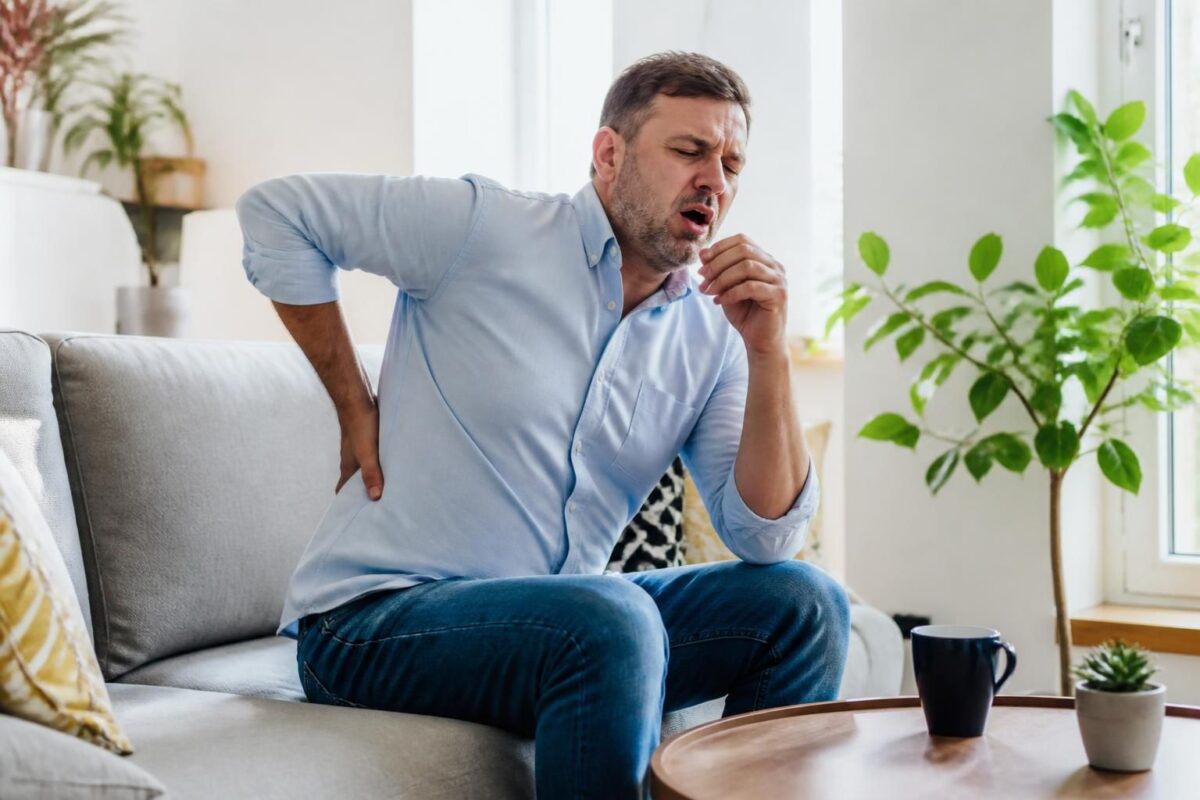
A typical sign is exacerbation during actions that increase intra-abdominal pressure, such as coughing, sneezing, laughing, or a push. This situation may reflect disc pressure on the nerve roots, common in cases of herniated disc or stenosis.
The diagnosis is based on clinical examination and, if necessary, imaging studies to clarify the cause and guide treatment.
Quick summary: This article explains how sciatica and disc pressure can be influenced by episodes of laughter or exertion, how this may trigger or worsen radicular pain, and what management options exist around a non-surgical clinical approach, particularly at the TAGMED Clinic.
Sciatica and pain during laughing or pushing: why disc pressure may increase
The sciatic nerve is the longest in the body. It starts from the lower back, passes through the buttocks, and travels down the leg to the foot. When we laugh hard, cough, or push, the abdomen and diaphragm exert increased pressure inside the trunk. This disc pressure can be transmitted to the structures of the spine, particularly the intervertebral discs, and can irritate or compress the nerve roots forming the sciatic nerve.
If a herniated disc or another alteration of the spine is present, this phenomenon can cause pain that follows the path of the sciatic nerve: lower back, buttock, and back of the leg. This pain may manifest as a burning sensation, electric shock, or transversal pain that worsens with pushing or during intense laughter.
Simple factors and mechanisms
Sciatic pain can be triggered or amplified by actions involving high abdominal pressure and bending of the back. Movements that increase intra-abdominal pressure, or efforts that involve a push with the back bent, can facilitate friction or irritation of the nerve roots.
Sciatica and pain when sneezing: why does it happen?
IN BRIEF Sciatica related to sneezing is a pain that originates from the lower back and radiates down the leg due to irritation or compression of the sciatic nerve. The sneeze reflex increases intra-abdominal pressure and can trigger this pain,…
Signs and symptoms during an episode caused by disc pressure
Common signs include pain that starts from the lower back and spreads to the buttock and back of the leg. The pain may be accentuated by sitting, pushing, or certain hip movements. Sensations of tingling, numbness, or muscle weakness may accompany the pain.
A sudden increase in pain during laughter, sneezing, or exertion may indicate nerve irritability and, in some cases, increased disc pressure on a specific root.
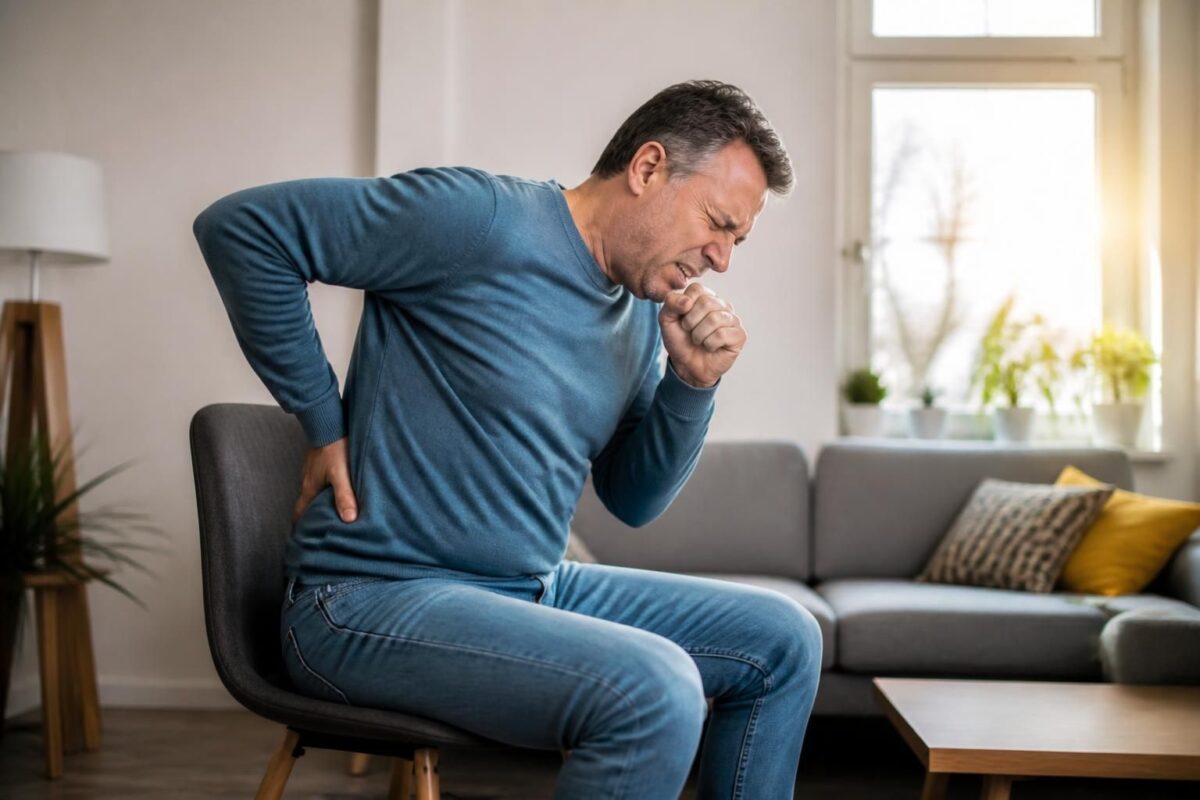
Sciatica and pain when coughing: possible disc sign
IN BRIEF What is this topic? Sciatica and pain when coughing often indicate a disk sign that may reflect a herniated disk or lumbar nerve compression. This relationship helps to quickly understand the source of the pain and act promptly.…
Diagnosis and warning signs
The diagnosis relies on the interview and clinical examination. In some cases, imaging studies may be useful to confirm a herniated disc or stenosis. Neuro-validated tests, such as the Lasègue sign, may help localize the affected root.
Warning signs require urgent medical consultation: loss of bladder or bowel control, significant or progressive weakness in a leg, very intense pain at rest, fever, or recent trauma.
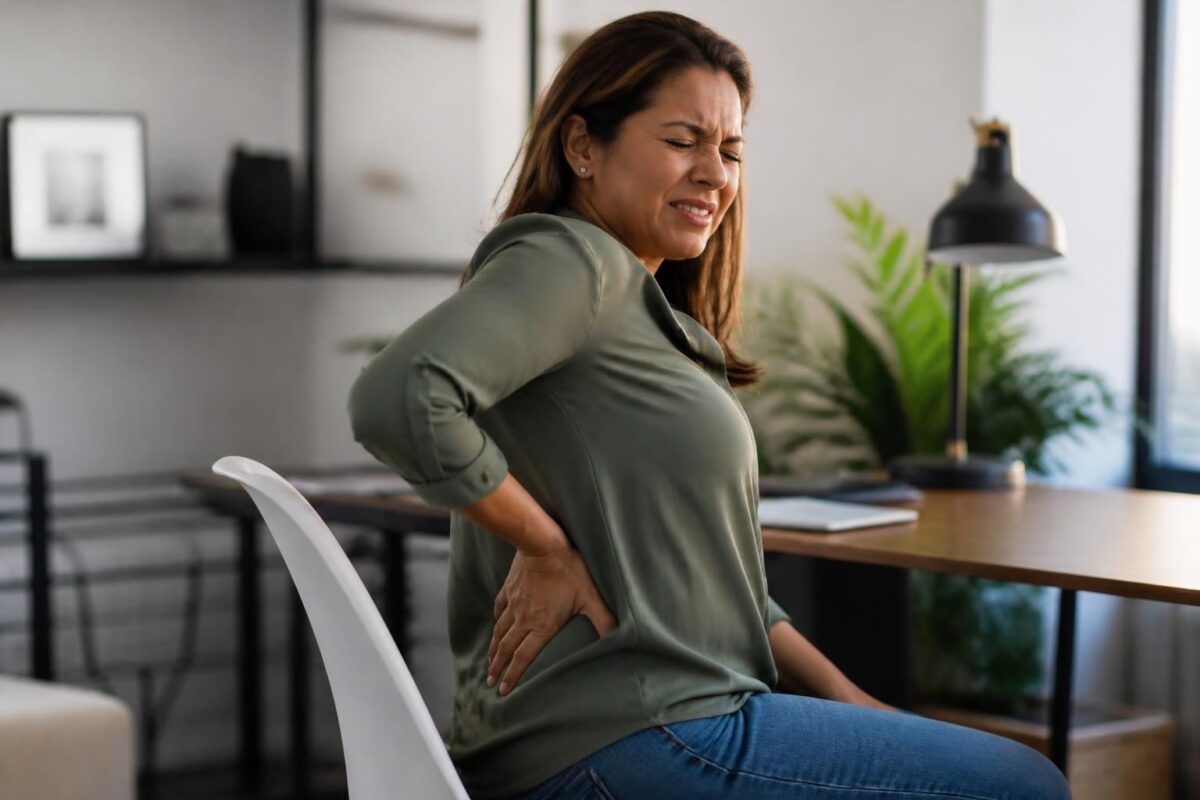
Sciatica and pain when twisting the torso
IN BRIEF In brief, sciatica and pain during trunk rotation refer to irritation or compression of a lumbar nerve root. This pain can radiate down into the buttock and back of the thigh, sometimes with tingling sensations, and reflects the…
Management options and clinical approach
Most cases of sciatica associated with episodes of disc pressure are managed through conservative measures. The goal is to reduce pain and restore function without surgery whenever possible.
At the TAGMED Clinic in Montreal or Terrebonne, non-surgical options may be considered based on the evaluation. This could include targeted osteopathic approaches and other manual techniques. Neurovertebral decompression and the precision impactor may be offered when the clinical evaluation justifies it. For a safe and suitable setting, consult the services available at the TAGMED Clinic.
In some cases, surgical options may be discussed if symptoms persist or worsen despite conservative treatments, especially in the presence of significant root involvement or other complications. Interventions such as spine surgery may be considered after thorough evaluation.
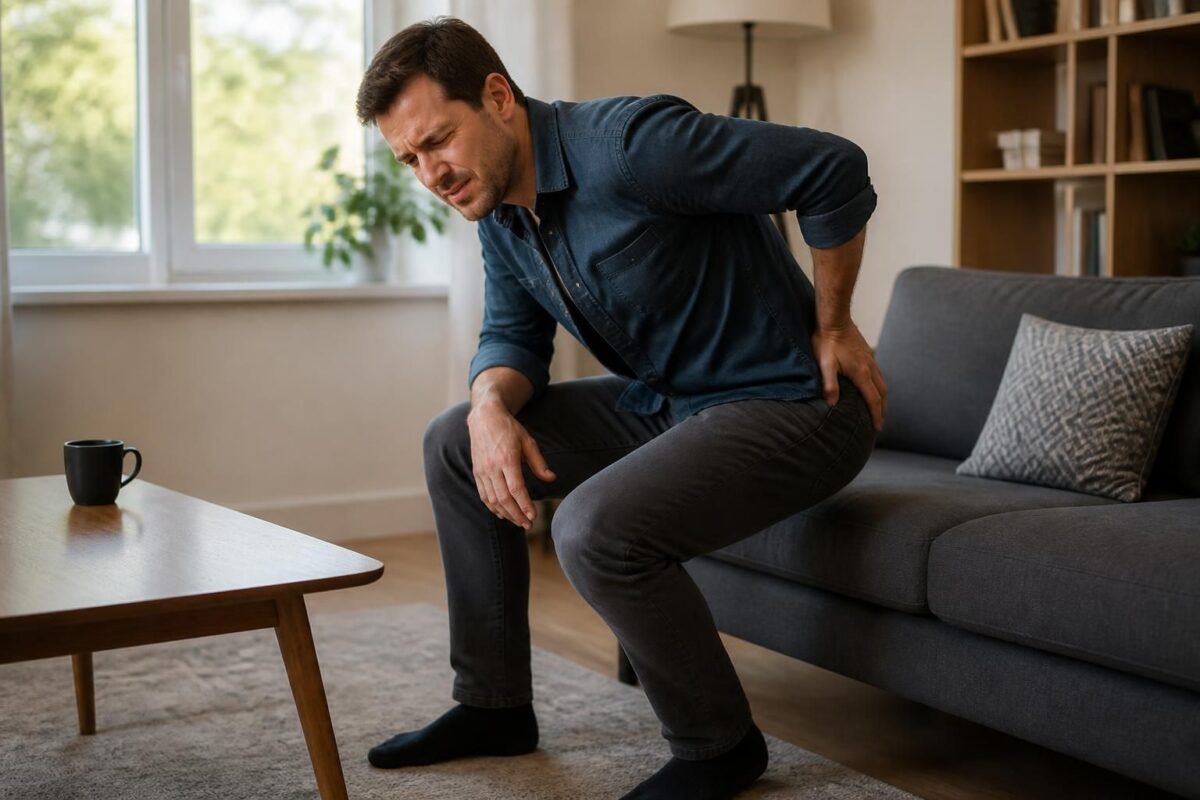
Sciatica and pain when straightening up
IN BRIEF In brief, Sciatica and pain when standing up is a pain radiating along the sciatic nerve, often triggered or worsened by the effort of standing up and maintaining an upright posture. It most often results from a nerve…
Prevention and practical tips to reduce risks
To reduce the risk of sciatica pain related to episodes of disc pressure, adopt simple and effective behaviors. Stay active, avoid prolonged bed rest, and prioritize activities that strengthen the trunk muscles without excessively straining the back. Maintain correct posture and use appropriate lifting techniques to minimize stress on the spine. Additional resources discuss the symptoms, causes, and treatments of sciatica, particularly through guides and professional advice: Sciatica symptoms and causes, Duration and treatment.
For additional information on specific situations (e.g., pain after descending stairs, pain during episodes of exertion, or burning pain behind the thigh), you can consult specialized resources. Articles and patient guides discuss various scenarios and the management options available in different contexts.
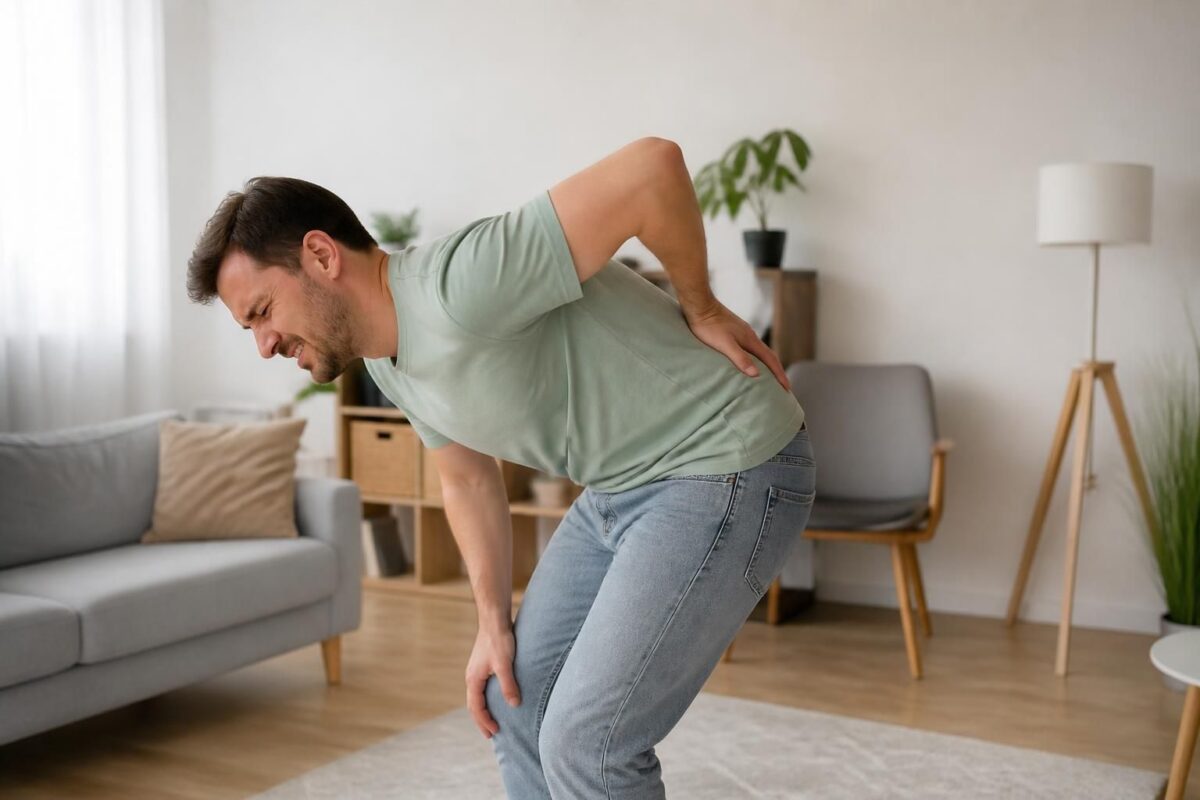
Sciatica and pain when leaning forward
IN BRIEF In brief, Sciatica and pain when bending forward describe lower back pain that radiates into the leg when flexing, often due to irritation of a nerve root or disc compression. This page offers a clear definition, common causes,…
Additional resources and recommended readings
To enrich your understanding and management, here are relevant resources:
- Sciatica in Terrebonne
- Sciatica in Montreal
- Herniated disc and piriformis syndrome
- Sciatica – Le Médecin
- MSD Manuals – Sciatica
- Sciatica and pain when going down the stairs
- Sciatica and pain when coughing
- Sciatica and frequent breaks while walking
- Duration and treatment
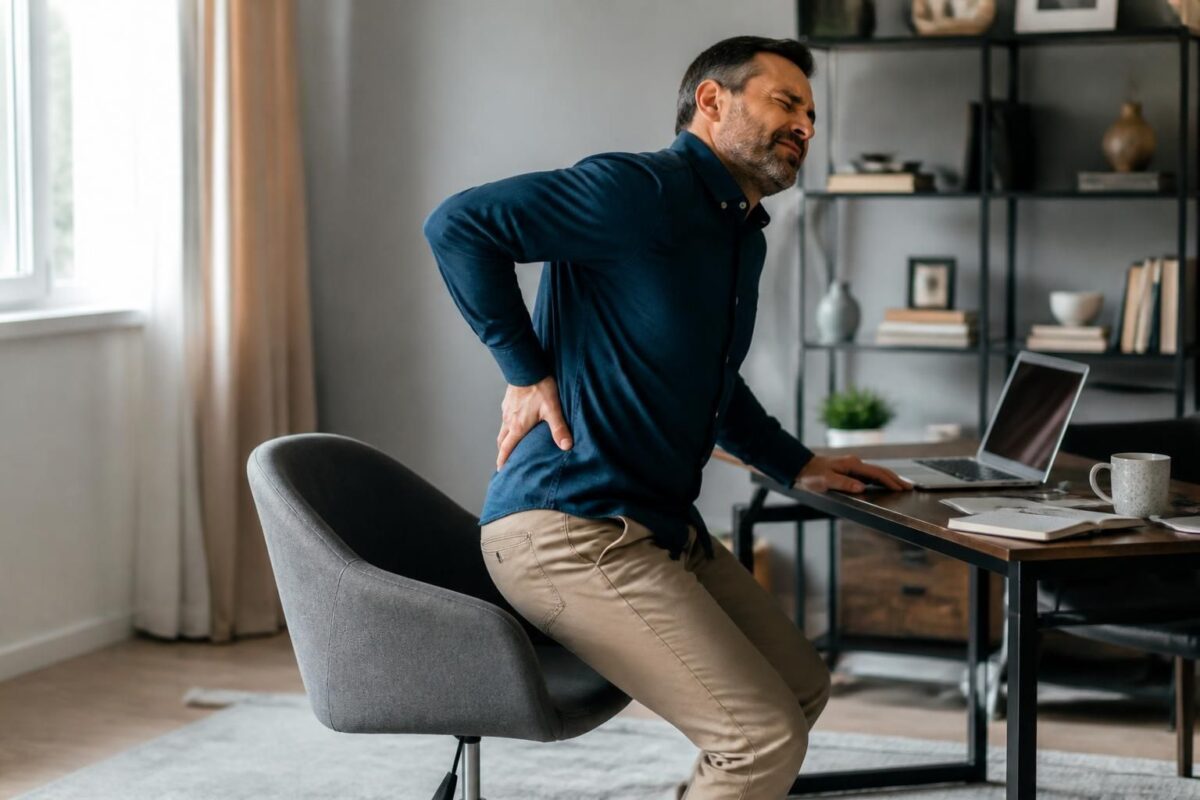
Sciatica and pain when getting up from a chair
IN BRIEF In brief, sciatica and pain when getting up from a chair refer to lower back discomfort triggered by the transition from sitting to standing, often related to irritation of a lumbar nerve root or poor posture. What is…
About the Author
Dr. Sylvain Desforges, B.Sc., D.O., N.D., osteopath, is the founding president of TAGMED and the ACMA association. He dedicates his practice to chronic pain of the spine, lower back pain, and pain associated with sciatica, particularly when the pain radiates into the buttock, leg, calf, foot, or toes. Through SOS Sciatique, he publishes educational content on the symptoms of sciatica and on non-surgical approaches that may be considered based on the assessment. At the TAGMED Clinic, treatments may include, depending on the case, motorized neurovertebral decompression, specific osteopathy, or a precision impactor. For an evaluation related to the treatment of sciatica in Montreal / Mont-Royal or Terrebonne, consult the available services at the TAGMED Clinic.
Medical disclaimer: The information and advice provided on this site do not replace the opinion, diagnosis, or treatment of a healthcare professional. Please note that Dr. Sylvain Desforges, osteopath, is neither a medical doctor nor a specialist in a medical field as defined by the Collège des médecins du Québec. Manual therapy, functional medicine, and sports medicine as described on this site exclude any medical treatment or diagnosis made by a physician or specialist. Always consult your doctor for any medical questions. For more details, please read our full Legal Notice.
Axis: Triggers and management of disc pressure during efforts (laughter/straining).
Laughter or straining increases disc pressure and can trigger sciatica pain.
Increased intra-discal pressure may compress or irritate the nerve root.
Radiating pain in the buttock-leg, worsened by effort or coughing/sneezing.
Pain while walking, possible paresthesias or weakness; positive Lasègue sign possible.
Herniated disc, stenosis, or degenerative disc disease that may be accentuated by pressure.
Limits movements and may require activity adaptation and guided management.
Adapted activity, gentle exercises, physiotherapy/osteopathy, pain prevention.
Pain persists or worsens with effort; onset of weakness or sensory alteration.

This article provides clear recommendations on sciatica and the pain that occurs during loud laughter or straining efforts, reminding that disc pressure can be fleeting or worsened in these situations. It aims to help prevent flare-ups, understand the signals to watch for, and guide management towards active and safe solutions.

Sciatica and Pain with Position Change
IN BRIEF In brief, sciatica and pain during position change is pain radiating along the sciatic nerve triggered or worsened by postural changes and prolonged postures. Benefits: identifying positions to avoid and adopting ergonomic adjustments helps reduce pain, improve comfort,…
Understand the Mechanism and Risk Situations
Intra-abdominal pressure increases during sustained laughter, coughing, sneezing, or significant straining efforts. This increase in pressure can stress an intervertebral disc, and if a disc is weakened or a nerve root irritated, it can trigger or amplify pain along the path of the sciatic nerve. Typical symptoms include pain that starts in the lower back, travels through the buttock, and extends down the back of the leg, sometimes with tingling, burning sensations, or weakness. An episode may be triggered or worsened by movements of bending, twisting, or simply by pressure during effort.
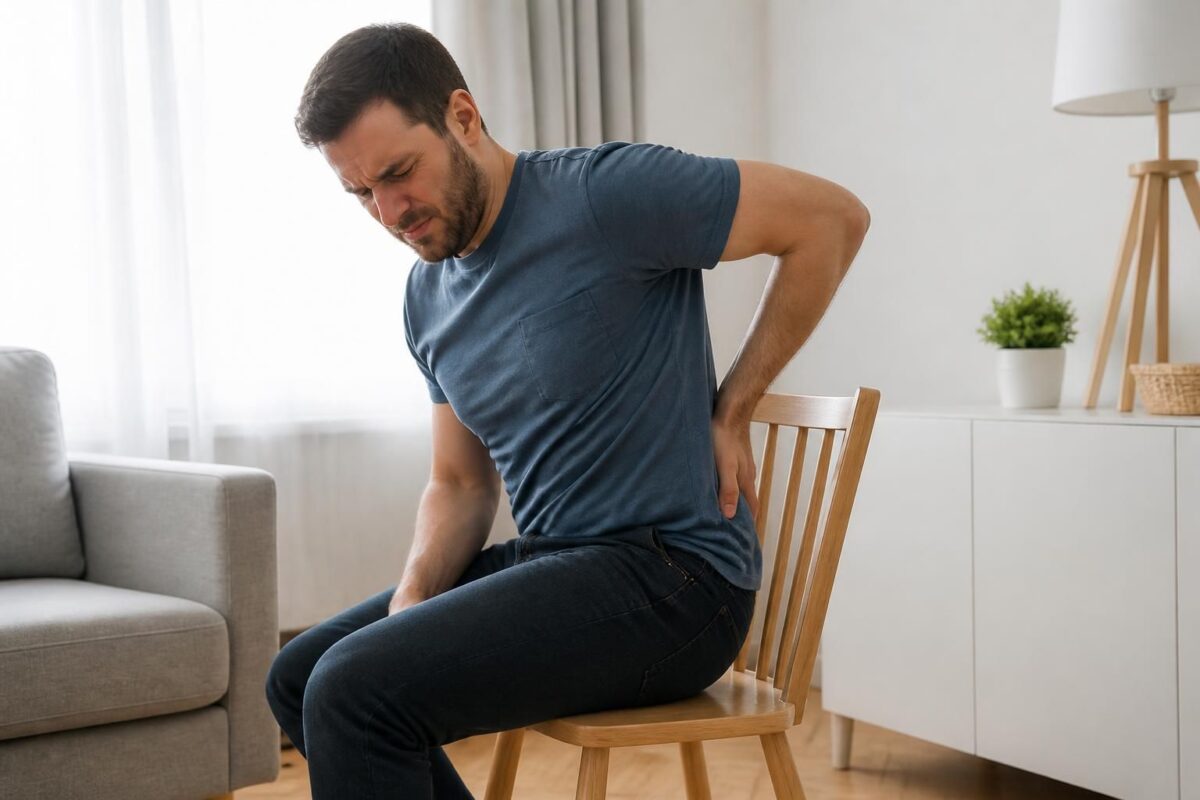
Sciatica and difficulty sitting
IN BRIEF In brief, Sciatica and difficulty sitting describes pain that follows the path of the sciatic nerve, often worsened by prolonged sitting. This approach aims to break up sitting periods and adjust posture to reduce pressure on the lumbar…
Signs and Factors to Monitor
During an episode of sciatica, it’s important to distinguish signs that require prompt evaluation. Persistent pain despite rest and self-management measures, marked numbness, partial or total loss of strength in the leg, or urinary or bowel issues are warning signals. Pain accompanied by fever, significant lumbar stiffness, or recent trauma may also necessitate prompt medical care. The Lasègue sign may be used in clinical practice to confirm radicular pain.
Practical Measures to Prevent and Manage Episodes
Breathing Management and Pressure Reduction
Adopt diaphragmatic breathing during efforts and avoid prolonged Valsalva during laughter or straining. Controlled breathing helps limit pressure fluctuations in the disc and reduces stress on the nerve root.
Safe posture and movements
Maintain a neutral trunk posture, avoid sudden bends and twists, and perform movements with the hips and knees rather than the back. When lifting, keep the object close to the body, feet shoulder-width apart, and knees bent to transfer the work to the legs. Avoid actions that unnecessarily increase pressure, such as lifting overhead or twisting while carrying a load.
Physical activity and rehabilitation
Engage in progressive core strengthening and flexibility exercises, under supervision if possible. Recommend low-impact activities (walking, swimming, stationary biking) and include gentle stretches of the hamstrings and pelvic muscles as tolerated. The goal is to support the spine, improve mobility, and promote nutrient exchange in the discs without triggering significant radicular pain.
When to consult and therapeutic options
Consult if symptoms persist beyond a few weeks, worsen, or if previously mentioned warning signs occur. A clinical assessment may be complemented by imaging studies or functional tests depending on the context. Conservative approaches (physical therapy, osteopathy, back rehabilitation) are often effective; medication may be considered under medical supervision to relieve inflammation and pain. In some cases, a discussion about more specialized options may be necessary after a comprehensive evaluation.
Disc pressure and triggers: laughing and straining
| Trigger | Impact and brief recommendation |
|---|---|
| Loud laughter | Increases disc pressure; risk of radicular pain. Recommendation: breathe calmly and limit outbursts. |
| Straining during effort | Raises disc pressure; favor lifting with legs and neutral back. |
| Coughing or sneezing | Spike in pressure; risk of irritation or pain. Recommendation: controlled breathing and neutral posture. |
| Prolonged sitting in flexion | Increased compression on the disc; potential pain. Recommendation: get up and take breaks, maintain a neutral posture. |
| Lifting a heavy load with a rounded back | High disc stress; avoid and favor neutral back and use of legs. |
| Trunk rotation with load | Increases tension on roots; avoid sudden movements; perform slowly and under control. |
| Repeated lumbar flexion | May worsen depending on the case; limit and favor extension and progressive strengthening. |
| Sudden posture changes | Sudden stress on the spine; favor gentle transitions and neutral posture. |
| Vibrations or unstable terrain | Mechanical impact; favor stable surfaces and controlled walking. |
Testimonials on sciatica and disc pressure during laughter or straining
Camille, 38 shares that every burst of laughter triggers pain that starts from her lower back, travels through her buttock, and runs down the back of her leg. She mentions a possible disc pressure and recalls having to stop laughing to relieve the discomfort. After assessment and a personalized program of exercises and osteopathy, the pain has become less frequent and intense.
Marc, 54 describes a sudden straining incident while lifting a box: intense pain radiating along the path of the sciatic nerve. He mentions a possible disc pressure and follows up with a focus on posture and strengthening that has helped him resume activities without major pain.
Anaïs, 29 recalls a fit of laughter that triggered a sharp, burning pain in her leg; she felt that the cause might be nerve irritation associated with a discopathy. Thanks to targeted exercises and mobility advice, she sees improvement and better tolerance during efforts and laughter.
Sciatica and pain during laughter or straining: possible disc pressure
Dr Sylvain Desforges, an expert in osteopathy, naturopathy, and manual medicine, is the founding president of TAGMED clinics and the ACMA association. His career, dedicated to health innovation, has focused on managing chronic spinal pain and integrating advanced technologies such as motorized spinal decompression, laser therapy, and shockwave therapy. In his practice, he aims to offer evidence-based care to optimize the health and well-being of his patients, particularly when lumbar pain extends down to the leg along the path of the sciatic nerve.
Sciatica, or lumbosacral radiculopathy, may occur when the sciatic nerve is compressed or irritated by a herniated disc, foraminal stenosis, or disc degeneration. An increase in intra-abdominal pressure during laughter, straining, or efforts can sometimes exacerbate this pain and reveal a possible disc pressure. In these cases, the pain is typically felt not only in the lower back but also in the buttock and back of the leg, and may sometimes reach the foot. The therapist’s role is to evaluate whether the trigger relates to mechanical pressure, inflammation, or both, to guide appropriate management.
According to Dr Desforges, the assessment relies on a thorough clinical examination, possibly supplemented by imaging studies or electrodiagnostic tests. Accurate diagnosis helps distinguish radiculopathy from other sources of lumbar pain and quantify the affected root. This approach aims to avoid hasty conclusions and provide a clear view of the therapeutic journey, favoring non-surgical options when possible and effective.
Therapeutically, the goal is to quickly relieve pain while restoring function and preventing recurrences. The protocol may incorporate targeted osteopathic techniques, gentle manual methods, and tailored exercise programs. When appropriate, technological interventions such as motorized spinal decompression and complementary treatments (laser, physical therapies) may be considered. The key element remains patient education and lifestyle adaptation: weight management, posture, and strengthening core muscles to stabilize the spine and reduce strain on the protective discs.
The physician-researcher favors an evidenced-based and personalized approach, combining prevention, active rehabilitation, and regular follow-ups. The aim is sustainable recovery, with a gradual reduction of symptoms and a return to daily and professional activities under the best possible conditions. Collaboration with specialists in physiotherapy, osteopathy, and functional medicine allows for adjustments in care according to each response to treatment and the evolution of pain.
To learn more about the approach and available services, contact the TAGMED Clinic for a personalized assessment and a management plan tailored to your needs. The journey proposed by Dr Sylvain Desforges is focused on clinical effectiveness, safety, and the sustainable well-being of patients suffering from sciatica related to disc pressures.
This summary explains that sciatica presents as pain following the path of the sciatic nerve, and highlights how disc pressure can increase during activities such as laughing or pushing, potentially worsening radicular pain. It recalls common causes (herniated disc, stenosis, osteoarthritis), possible inflammatory mechanisms, the importance of clinical diagnosis, and conservative treatment approaches, as well as practical tips for better managing episodes.
When you laugh or push, you may inadvertently increase pressure inside the intervertebral disc. This increase in disc pressure can exacerbate a herniation or narrowing of the canal, causing or intensifying pain that radiates along the path of the sciatic nerve. Even in the absence of obvious compression, inflammation of the nerve roots can amplify pain and limit your mobility.
In the context of diagnosis, it is essential to distinguish between mechanical mechanisms (compression or irritation of the roots) and inflammatory mechanisms. Clinical examination remains central, supplemented, if necessary, by imaging tests or electrodiagnostic tests to locate the root and assess severity. Additional resources may shed light on these aspects, including Doctissimo and other specialized guides.
Treatment generally favors a conservative approach: maintaining appropriate activity, exercise programs, physiotherapy and osteopathy when indicated, with posture corrections and suitable lifting techniques to limit disc pressure spikes. In some cases, targeted approaches for inflammation and nerve pain may be considered, and surgical intervention may be discussed if pain persists or significant deficits arise.
To act daily, prioritize simple actions such as trunk strengthening exercises, guided stretching, and a gradual return to cardio-respiratory activities. Adopt diaphragmatic breathing and avoid efforts involving sudden pushes or heavy loads in a locked position; these actions reduce the risk of new aggravations related to disc pressure.
If in doubt or if warning signs appear (marked weakness, loss of bowel or bladder control, severe pain that worsens rapidly, fever), consult a healthcare professional promptly. Useful resources for further exploring the topic include the following pages:
Sciatica Terrebonne – pain that prevents sitting,
Sciatic nerve – understanding and relieving pain,
Sciatica Montreal – pain that prevents driving for long periods,
Sciatica and shoes – influencing pain,
Doctissimo – Sciatics.
To delve deeper into practical aspects and management options, you can also consult the following resources on the platforms of professionals and evidence-based approaches: Sciatica – intermittent or constant pain,
Sciatica – calf pain,
and Sciatica – Montreal and driving.

Dr Sylvain Desforges, B.Sc., D.O., N.D., osteopath, is the founding president of TAGMED and of the ACMA association. He dedicates his practice to chronic spinal pain, low back pain and symptoms compatible with sciatica, particularly when pain radiates toward the buttock, leg, calf, foot or toes.
Through SOS Sciatique, he publishes educational content on sciatica symptoms, possible causes such as disc herniation, disc narrowing, foraminal stenosis or irritation of a lumbar nerve root, as well as non-surgical approaches that may be considered according to the evaluation. At Clinique TAGMED, care may include, depending on the case, motorized neurovertebral decompression, specific osteopathic care or precision percussion.
For an evaluation related to sciatica treatment in Montreal / Mount Royal or sciatica treatment in Terrebonne, please consult the services available at Clinique TAGMED.
Medical disclaimer
The information published on SOS Sciatique is provided for educational purposes only and does not replace a consultation, diagnosis, opinion or treatment provided by a physician or another authorized healthcare professional. The author of this article is neither a medical doctor nor a specialist in a medical specialty recognized by the Collège des médecins du Québec. The osteopathic, manual medicine or functional support approaches described on this site do not constitute medical acts and are not intended to replace medical follow-up.
Consult a physician or emergency service in cases of loss of bladder or bowel control, anesthesia in the saddle area, significant or progressive weakness in the leg or foot, fever, recent trauma, severe pain or rapid worsening of symptoms. For more details, please read our Legal Notice.