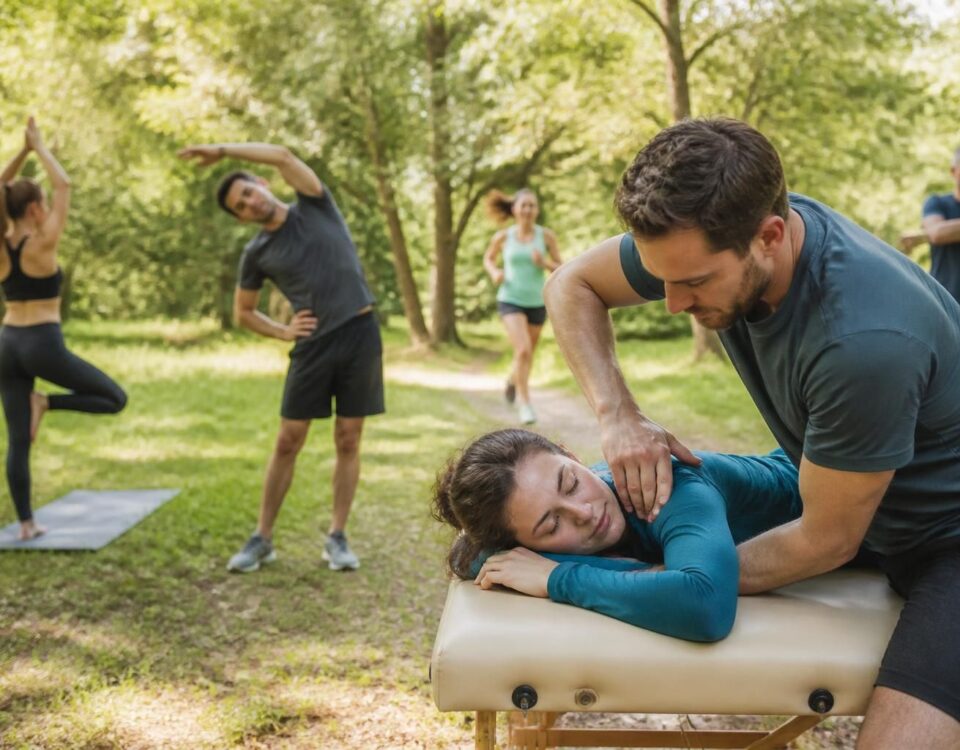
Osteopathic manipulations to soothe trapezoid pains
28/06/2026
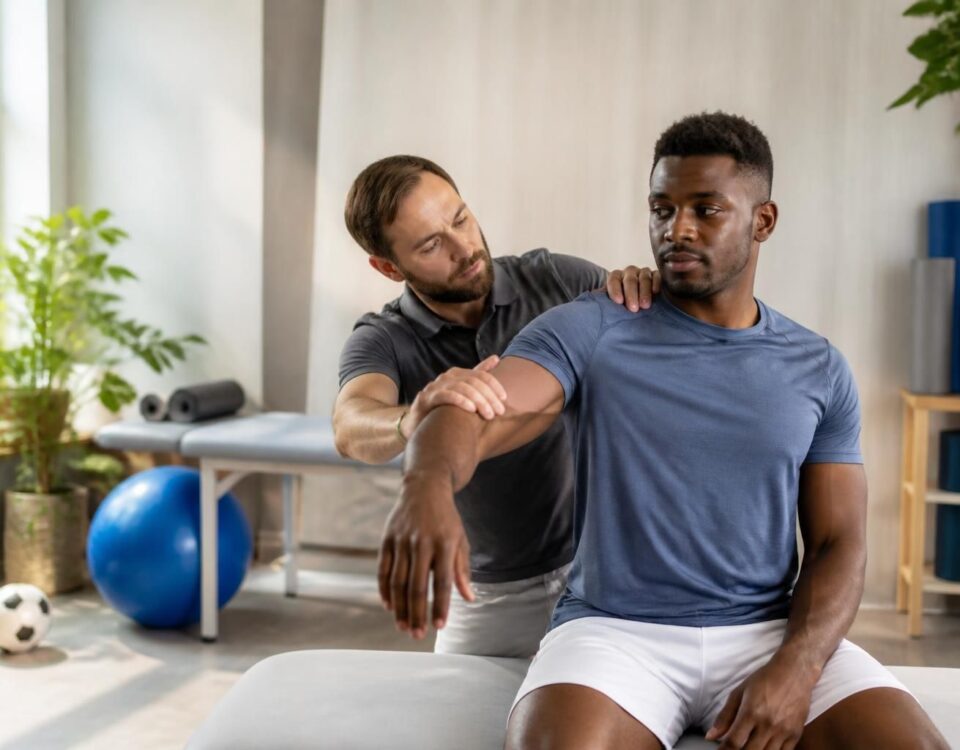
Osteopathy and arthritis: regaining joint mobility
28/06/2026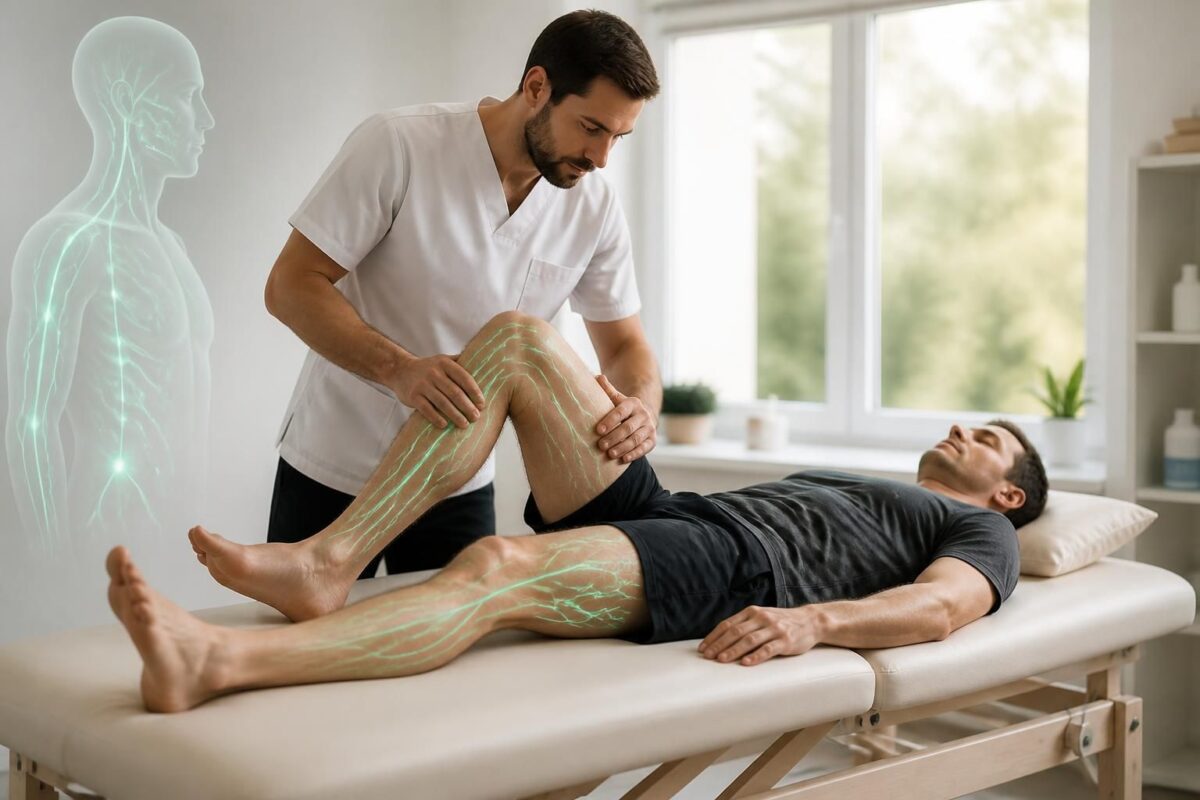
In short In short, osteopathy improves lymphatic circulation thanks to Manual techniques sweets that stimulate the lymphatic drainage and release tissue tension. This approach promotes detoxification and reduces the edemas, while strengthening the immune system and accelerating recovery. It improves mobility and general well-being. At Montreal, this service is particularly recommended for heaviness in the legs and circulatory disorders. by combining osteopathy And lymphatic drainage, one obtains a gentle, effective and holistic treatment. |
thanks to Gentle osteopathic techniques, theosteopathy boost lymphatic circulation By promoting the lymphatic drainage and releasing tissue tension. The Tissue mobilization Improves the return of the lymph, reduces edema and participates in the detoxification of the body. result: a better immunity, less inflammation and faster recovery, all in one approach holistic and not invasive.
quick summary : Osteopathy acts on the lymphatic system by gentle manual techniques that stimulate the drainage of the lymph and release tissue tension. This improves lymphatic flow, reduces edema and supports immune functioning. In practice, this results in better recovery, increased mobility and a general feeling of well-being.
The foundations of osteopathy and lymphatic circulation
The lymphatic circulation transports waste and toxins out of the tissues. An effective lymph flow supports the body’s immunity and water balance. Modern osteopathy considers the body as a unit. It seeks to restore harmony between tissues, vessels and organs to facilitate lymphatic drainage.
Central osteopathic techniques
The lymphatic drainage Manuel uses light and rhythmic pressures to stimulate lymph progression. The Tissue mobilization aims to relax tensions and restore mobility of deep structures, which promotes the return of fluids. Together, these gentle approaches improve lymph flow and reduce swelling.
Health and wellness benefits
One Optimized lymph flow Promotes better waste disposal and can strengthen the immune system. This contributes to a Reduction of inflammation, to a Faster recovery After an effort and a Improving mobility. In active people, these effects result in better performance and more effective recovery after exercise.
Integration into a health approach
To maximize benefits, combine regular osteopathy sessions with appropriate hydration and moderate physical activity. Osteopathy is a complementary and non-invasive approach that can be integrated into a global prevention and well-being strategy.
Training and recognition
Practitioners often work after training delivered by recognized establishments such as Numss or NAO. In the professional context, osteopathy is based on collective executives and associations such as ACMA and the College of Canadian Osteopaths, to ensure evidence-based practices and optimal security.
Practical applications and resources
To learn more about the mechanisms and clinical outcomes, you can view resources and content related to osteopathy and sports recovery. Dedicated pages address the impact of osteopathy on recovery after exercise, mobility and overall well-being. Refer to the following resources to deepen the links between osteopathy and lymphatic circulation:
Osteopathy and overall well-being
Benefits for active people
Sports recovery and performance
Recovery after intense effort
Information on the links between lymphatic circulation and immunity, as well as on osteopathic mechanisms, can also be found on sites affiliated with SOS sciatica. For clinical aspects and mechanisms, the information pages remain accessible and explicit, without the prescription of specific exercises.
Training and professional lymphatic and osteopathic field: NUMSS, NAO, National University of Medical Sciences, National Academy of osteopathy. In this area, resources and training are part of a logic of practice based on evidence and patient safety.
For people wishing to compare different approaches, a simplified table can help, including showing how osteopathic techniques stand out from autonomous lymphatic drainage and other manual therapies, while remaining within the recommended practices.
Important : If you have significant or persistent symptoms, consult a healthcare professional immediately. Osteopathy is not a drug and does not replace medical treatment when necessary. For more information, do not hesitate to contact your osteopath or your attending physician.
Osteopathy and overall well-being | For active people | Sports recovery
Medical Disclaimer: The information and advice provided on this site does not replace the health professional’s diagnosis or treatment. Please note that Dr. Sylvain Desforges osteopath is neither a doctor of medicine nor a doctor, and is not a specialist in a medical specialty as defined by the Collège des Médecins du Québec. Manual medicine, functional medicine and sports medicine as described on this site exclude any medical treatment or diagnosis made by a doctor or specialist doctor. Always consult your doctor for any medical questions. For more details, please read our full legal notice.
- lymphatic drainage: Stimulation of the lymphatic flow by gentle and rhythmic pressures
- Tissue mobilization: Release of tensions and improvement of the return of the lymph
- Sweet mobilizations: Facilitation of tissue movement and drainage
- Activation of the ganglia: Optimization of upstream and downstream drainage
- Global approach: body as a unit; Viscera/fabric integration for smooth flow
- Synergy Osteopathy + Drainage: Combination for detoxification and fluid balance
- Reduction of edema and heaviness
- immune strengthening and better management of inflammation
- Post-effort recovery and improved muscle comfort
- Energy and sleep improved thanks to water regulation
- Usual indications: Heavy legs, circulatory disorders, water retention
- Prevention: Maintenance of optimal lymphatic flow through regular sessions

Quick summary: Osteopathy improves lymphatic circulation By stimulating the lymphatic drainage, by releasing tissue tension and harmonizing the functions of the body. This manual, gentle and targeted approach can reduce edema, promote the elimination of toxins and boost general energy. Here are some practical recommendations to optimize these effects on a daily basis.
Context and issues of lymphatic circulation
The lymph transports cellular waste and supports the immune system. One lymphatic flow Effective helps to limit swelling, accelerate recovery after exercise and improve the feeling of lightness in the legs. In osteopathy, the objective is to restore the harmony of exchanges between organs, tissues and vessels, so that the lymphatic system can function optimally.

How osteopathy improves the quality of life of active people
In short In short, theosteopathy is a global approach that Optimizes mobility and the function of the body of ACTIVE PEOPLE, for a better quality of life. It helps prevent injury and reduce Musculoskeletal pain While promoting the Sports recovery.…
Osteopathic mechanisms at the service of the lymph
lymphatic drainage
The lymphatic drainage Manuel is a light and rhythmic technique that stimulates the movement of lymph through lymph circuits. Gently, it helps to evacuate waste, reduce edema and promote detoxification. This process can be integrated at the beginning or at the end of the session to prepare the fabrics for other manipulations and optimize the return of fluids.
Tissue mobilization
The Tissue mobilization Aims to release tensions and unravel the adhesions that hinder the passage of fluids. By improving the mobility of fascias and tissues, it facilitates the path of the lymph and allows the immune system to circulate better throughout the body. This approach also strengthens muscle and joint comfort, promoting faster recovery after exercise.
Global approach and complementary mechanisms
Beyond targeted techniques, osteopathy is based on a holistic approach which takes into account breathing, posture and diaphragm. Light exchanges around the rib cage, the diaphragm and the abdominal region can promote drainage by the lymph nodes and regional lymphatic relays. The result is an improvement in lymphatic flow and a reduction in inflammation, with a positive effect on energy and general well-being.

Osteopathy and sports recovery: prepare the body for lasting performance
In short In short, Osteopathy and Sports recovery is one Global manual approach that sustainably prepares the body for the effort by restoring mobility and circulation After the effort. It is a discipline that acts on the sinews, the joints,…
Practical recommendations to optimize lymphatic circulation
Frequency and progress
To achieve lasting results, focus on a progressive approach. In general, an initial set of 4 to 6 sessions over 4 to 8 weeks can offer an improvement in lymph flow and a decrease in heaviness. Then, a monthly maintenance can support the maintenance of drainage and prevent recurrent congestion.
Lifestyle and daily habits
In addition to the sessions, adopt habits that support the lymphatic system: hydration sufficient, regular physical activity adapted, and posture correct. Thinking of simple diaphragmatic breathing exercises can also promote drainage and enhance the effectiveness of osteopathic techniques.
Indications and precautions
Osteopathic approaches must be adapted to your health. In the presence of fever, acute inflammation or special medical conditions, consult your practitioner and your attending physician. Some situations, such as pregnancy or heart disease, require personalized assessment.
Why Osteopathy Is Essential For Recovery People
In short In short, Osteopathy in convalescence is an approach manual and holistic which helps to accelerate the recovery by restoring The balance, the mobility and a good circulation fabrics. it contributes to Reduce the pain, support the Back to…
Progress indicators
Positive signs include a decrease in feelings of heaviness, reduced edema, better joint mobility and increased energy over the sessions. These improvements reflect smoother lymphatic circulation and better recovery capacity.

Osteopathic manipulations to strengthen post-traumatic muscles
In short In short, Osteopathic manipulations for Strengthen post-traumatic muscles constitute a gentle manual approach aimed at restoring the mobility, reduce the pain and facilitate the Functional rehabilitation After a injury. What is Is it? A series of precise gestures…
Optimization of lymph circulation
| Axis | Description |
|---|---|
| Definition and purpose | offer a gentle solution for Improve lymph flow and support the elimination of toxins, for a lighter and more lively body. |
| Key Techniques | Main techniques: Manual lymphatic drainage and Tissue mobilization, for Relaunch the lymphatic return and release tension. |
| Mechanism of action | acts on the capillaries and nodes with gentle pressures, stimulating the lymph circulation and helping to reduce edema. |
| Effects on immunity and inflammation | Strengthens system efficiency immune, reducing inflammation and facilitating detoxification. |
| Frequent indications | For the Heavy legs, the Water retention, postoperative edema and sports recovery. |
| Security Profile | Method non-invasive, low risk, adapted when performed by a qualified osteopath. |
| Compatibility | combines with osteopathy and other approaches in a global health program. |
| Frequency and duration | sessions regular According to evaluation, often weekly; Typical duration 30 to 60 minutes. |
| Expected results | Less edema, better mobility and energy, accelerated recovery and general well-being. |

Osteopathy and prevention of work-related musculoskeletal disorders
In short theosteopathy is one Manual approach that restores body balance and prevents MSD related to work. Its advantages: reduction of tension, improvement of mobility and prevention of chronic pain. She is preventive and healing, suitable for office and trades…
Testimonials on improving lymph circulation through osteopathy
Mary, 42 years old suffered from heaviness in the legs at the end of the day. After several sessions focused on lymphatic drainage and the Tissue mobilization, she sees a marked improvement in her lymphatic circulation, less edema and regained energy.
Stephane, 55 leads an active life and felt swelling in the legs after long days. The sessions made it possible to Drain liquids and support the lymphatic system, which results in puffiness reduced and a feeling of lightness in the calves.
Claire, 29 years old is sporty and demanding towards his body. After training, she notices a faster recovery thanks to the lymphatic drainage and at the Tissue mobilization, which improve lymph flow and reduce body aches, for a Sustainable energy.
Sophie, 33 Lived postpartum with significant edema. The osteopathy sessions helped to rebalance his body, with a decrease in edema and a general feeling of lightness and welfare.
Alexander, 60 felt a heaviness and circulatory disorders. thanks to regular visits focused on the lymphatic drainage and the Tissue mobilization, he observes a lymphatic circulation More fluid, less pain related to stagnation and better dynamics on a daily basis.
Camille, 27 years old was looking for a gentle approach to improve its vitality. She describes a Overall wellness improvement and an increase inenergy thanks to a better lymphatic circulation and the reduction of tensions accumulated in the body.

The benefits of osteopathy to treat muscle imbalances
In short theosteopathy is a manual approach to restore themuscle harmony and postural considering the body as a whole. Its main benefits include the reduction of aches and tensions, the improvement of the mobility and from the posture, and prevention…
Osteopathy and lymphatic circulation: a synergy for health
In the field of osteopathy, the fluidity of body fluids is a key lever for health. The lymphatic circulation plays a central role in the elimination of cellular waste and the proper functioning of the immune system. The osteopath considers the body as a unit and seeks to remove obstacles to this flow, working on muscular tensions, fasciil adhesions and the mobility of visceral and thoracic structures. By promoting better mobility of tissues and organs, it allows the lymphatic system to pump more efficiently, stimulating drainage and natural detoxification of the body.
The flagship techniques aim to lymphatic drainage manual and the Tissue mobilization. Lymphatic drainage applies gentle pressure to the skin to stimulate lymph movement, accelerating the elimination of toxins and reducing edema. Tissue mobilization tackles deep tensions that hinder the progression of lymph, working on fascias, muscles and tissue-joint joints. Together, these methods trigger a beneficial domino effect on the lymphatic networks and ensure that the lymph nodes and lymphatic circuits work smoothly. Appropriate gestures on the diaphragm and visceral areas reinforce the natural pumping of the lymph and the venous return, useful after trauma, surgery, pregnancy or intensive sports practice.
The clinical benefits are manifested by a significant reduction in edema and a decrease in local inflammation, thus supporting recovery. For people suffering from heaviness in the legs, circulatory disorders or water retention, the osteopathic approach improves the lymphatic flow and restores mobility, endurance and daily comfort. Patients often describe a feeling of lightness and better energy, with increased resilience to fatigue. On the immune level, effective lymphatic drainage strengthens natural defenses and may decrease susceptibility to minor infections. The impact on general well-being is also manifested by a reduction in stress and a more harmonious regulation of the autonomic nervous system, conducive to sleep and mood.
This practice is part of a holistic approach, where osteopathy agrees with other axes of care to optimize the results. The practitioner adapts the techniques according to the patient, favoring areas where circulation is most disturbed and taking into account history, lifestyle and health objectives. After surgery or injury, a personalized program can be set up to optimize drainage and promote rapid recovery. In addition, osteopathy can be associated with complementary therapies that support circulation and immunity without resorting to aggressive treatments. The objective is to strengthen the lymphatic system as the backbone of vitality and longevity.
At the heart of this discipline, leadership in innovation and education is manifested by professionals who founded clinics and associations dedicated to a reasoned and proof-based practice. The expert mentioned, founding president of major structures and promoter of an integrated care network, highlights the importance of a coherent therapeutic framework where osteopathy and advanced technologies complement each other. Through this commitment, patients can benefit from structured programs aimed at optimizing lymphatic drainage, improving mobility and supporting the immune system. This approach contributes to faster recovery, to a lasting reduction in pain linked to circulatory disorders and to a better quality of life in the long term.
Quick summary: This analysis demonstrates how theosteopathy can improve the lymphatic circulation thanks to targeted manual techniques such as the lymphatic drainage and the Tissue mobilization. By promoting the displacement of the lymph, it helps detoxify the body, reduce edema, support recovery and strengthen overall well-being.
Osteopathy and chronic leg pain: regaining an optimal quality of life
In short In short, Osteopathy is one Global manual approach aimed at reducing Chronic leg pain and improve the quality of life. What is it? Non-drug therapy using the hands to identify restrictions and treat lesional chains. How does it…
Analysis and scope
The action of theosteopathy on the lymphatic circulation Based mainly on gentle manipulations that mobilize the tissues and stimulate lymphatic return. The lymphatic drainage Manual, applied by rhythmic and precise gestures, activates the circulation of fluids and promotes the elimination of waste, which can reduce swelling and accelerate recovery after exercise or injury. Moreover, the Tissue mobilization Releases tension and improves the flexibility of fascias and surrounding structures, facilitating fluid movement and communication between organs and systems.”
By combining these approaches, osteopathy promotes detoxification more effective, strengthens the immune system and can contribute to a Better energy and to a Faster recovery after a sporting activity or an inflammatory pathology. This approach, centered on the integrity of the body, aims to restore physiological balance and support homeostasis, taking into account the interactions between the musculoskeletal, circulatory and lymphatic systems.
To enrich your understanding, you can consult resources that detail how osteopathy acts on the lymphatic circulation and the mechanisms involved, including the effects of lymphatic drainage and tissue mobilization on the fluidity of body fluids and immunity. This information complements a practical and accessible vision of osteopathic intervention in this area.
On a practical level, the osteopathic approach can be considered as a Complementary solution to a healthy lifestyle. It is ideally integrated into a routine that combines good hydration, regular physical activity and an adapted posture, in order to sustainably support the lymphatic flow and the resilience of the body.
To deepen the benefits and mechanisms, explore the following writings and resources that present syntheses and feedback on the osteopathy and lymphatic drainage association and their role in the prevention and management of influenza-circulation and pain disorders:
Discover the prospects related to the Optimization of your health with osteopathy and lymphatic drainage,
Explore the links between osteopathy and pain relief from nerve disorders as well as preventive benefits, through resources such as Osteopathy and Neuropathic Pain and Prevent aging pain.
For a practical and results-oriented synthesis, you can also consult resources on efficacy and clinical applications of osteopathy and lymphatic drainage in various contexts, including sports recovery and stress management.
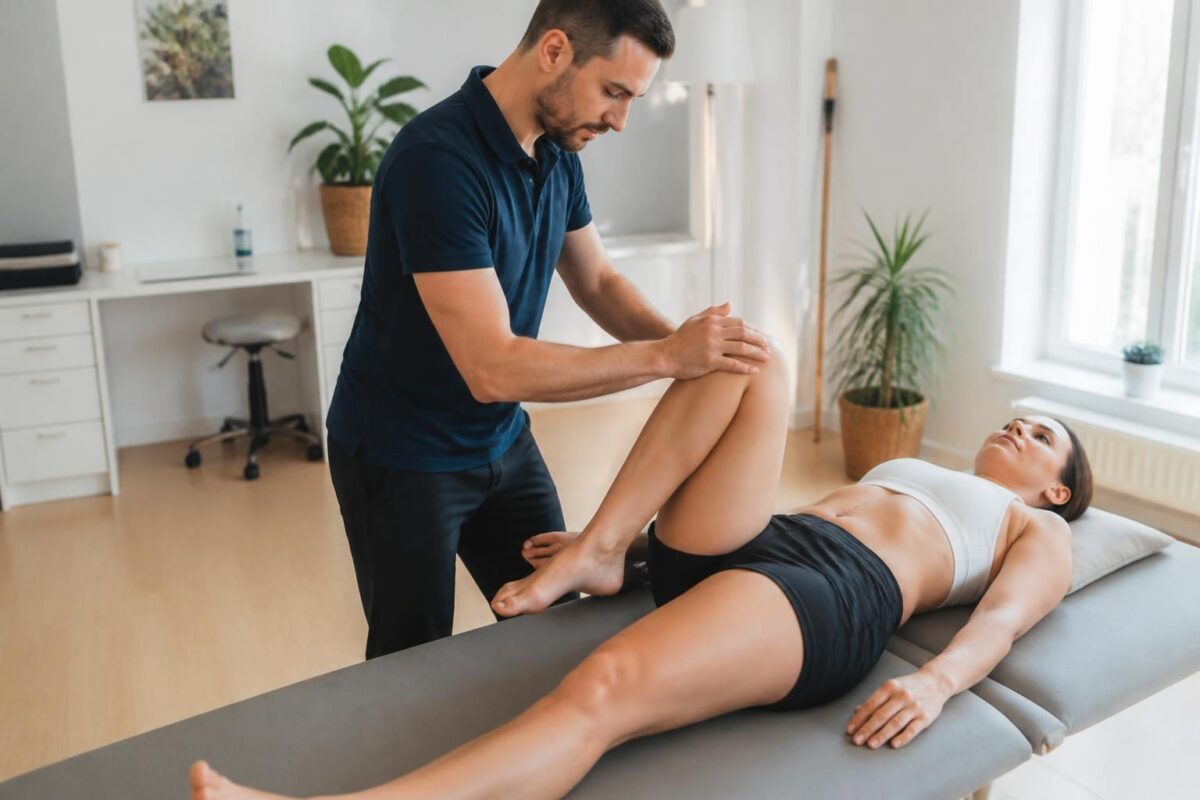
How osteopathy supports recovery after complex surgery
In short In short, Post-operative osteopathy is an approach fresh which supports the recovery After a Complex surgery. It helps to reduce the pain and the fatigue, improves the mobility and accelerates the healing thanks to a better vascularization and…

Dr Sylvain Desforges, B.Sc., D.O., N.D., osteopath, is the founding president of TAGMED and of the ACMA association. He dedicates his practice to chronic spinal pain, low back pain and symptoms compatible with sciatica, particularly when pain radiates toward the buttock, leg, calf, foot or toes.
Through SOS Sciatique, he publishes educational content on sciatica symptoms, possible causes such as disc herniation, disc narrowing, foraminal stenosis or irritation of a lumbar nerve root, as well as non-surgical approaches that may be considered according to the evaluation. At Clinique TAGMED, care may include, depending on the case, motorized neurovertebral decompression, specific osteopathic care or precision percussion.
For an evaluation related to sciatica treatment in Montreal / Mount Royal or sciatica treatment in Terrebonne, please consult the services available at Clinique TAGMED.
Medical disclaimer
The information published on SOS Sciatique is provided for educational purposes only and does not replace a consultation, diagnosis, opinion or treatment provided by a physician or another authorized healthcare professional. The author of this article is neither a medical doctor nor a specialist in a medical specialty recognized by the Collège des médecins du Québec. The osteopathic, manual medicine or functional support approaches described on this site do not constitute medical acts and are not intended to replace medical follow-up.
Consult a physician or emergency service in cases of loss of bladder or bowel control, anesthesia in the saddle area, significant or progressive weakness in the leg or foot, fever, recent trauma, severe pain or rapid worsening of symptoms. For more details, please read our Legal Notice.